Industrial screeners are mainly used to separate materials by particle size, but different equipment is suited to different materials, capacities, and screening requirements. Common industrial screening equipment includes vibrating screens, centrifugal sifters, probability screens, tumbler screening machines, and ultrasonic vibrating screens.
You do not need to study every type of screener first. Start with the material, screening purpose, screening size, and capacity to identify a suitable direction. If you are not sure about the difference between a sieve and a sifter, see our guide to Sieve vs Sifter before comparing different types of industrial screeners.
Common Types of Industrial Screeners
Different industrial screeners are suited to different materials and screening requirements. The table below provides a quick comparison to help identify which type is closer to your application.
| Screening Equipment | More Suitable Materials | Main Uses |
| Linear Vibrating Screen | Ores, aggregates, granular materials, and some powders | Screening, sizing, and impurity removal |
| Centrifugal Sifter | Flour, starch, chemical powders, and other powders | Powder screening and impurity removal |
| Probability Screen | Powders and fine granular materials | Fine particle classification |
| Tumbler Screening Machine | Powders and granular materials | Fine screening and multi-stage classification |
| Ultrasonic Vibrating Screen | Fine powders and materials prone to screen blinding | Fine powder screening and reducing screen blinding |
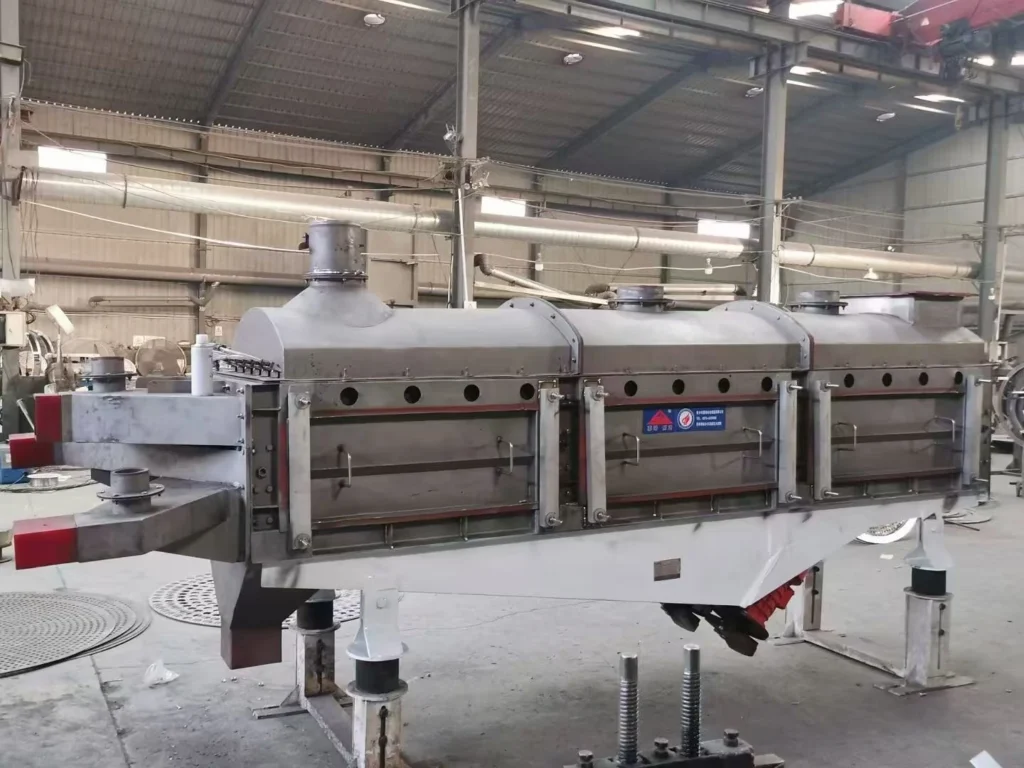
Linear Vibrating Screen: It has a relatively wide range of applications and is especially suitable for ores, aggregates, granular materials, and continuous screening at higher capacities. For coarser materials and higher capacities, it can be considered first.For a broader explanation of vibrating sieve machines, including their working process, different types, and selection factors, see our Vibrating Sieve Machine guide.
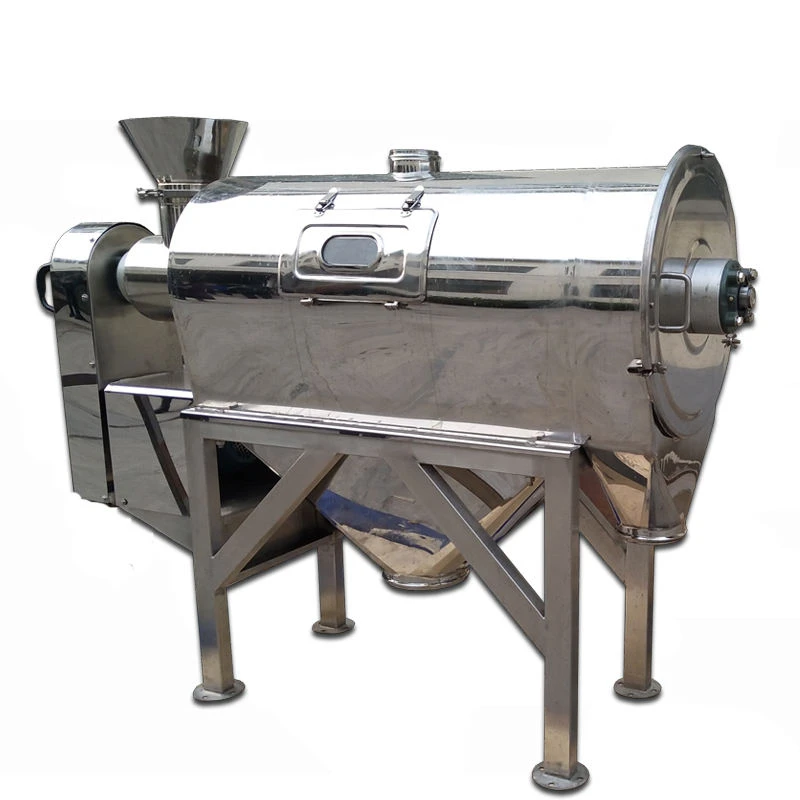
Centrifugal Sifter: It is more suitable for continuous screening and impurity removal from powders and is commonly used for flour, starch, chemical powders, and other powder processing lines. For continuous impurity removal from powders, it can be a key option to consider.
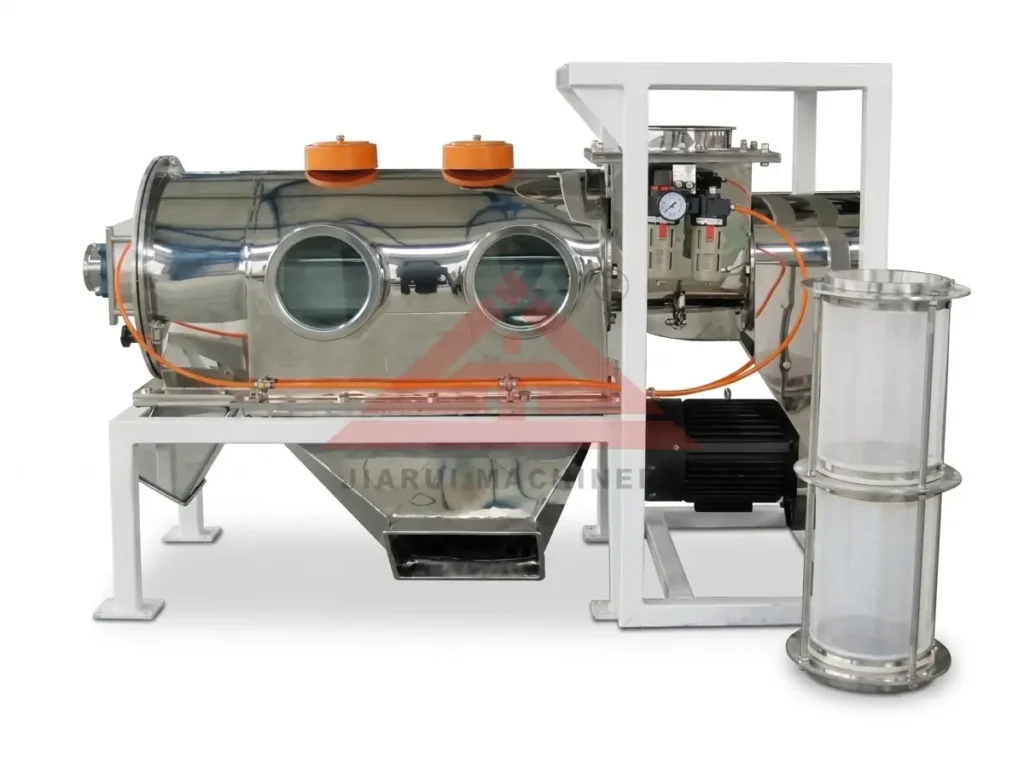
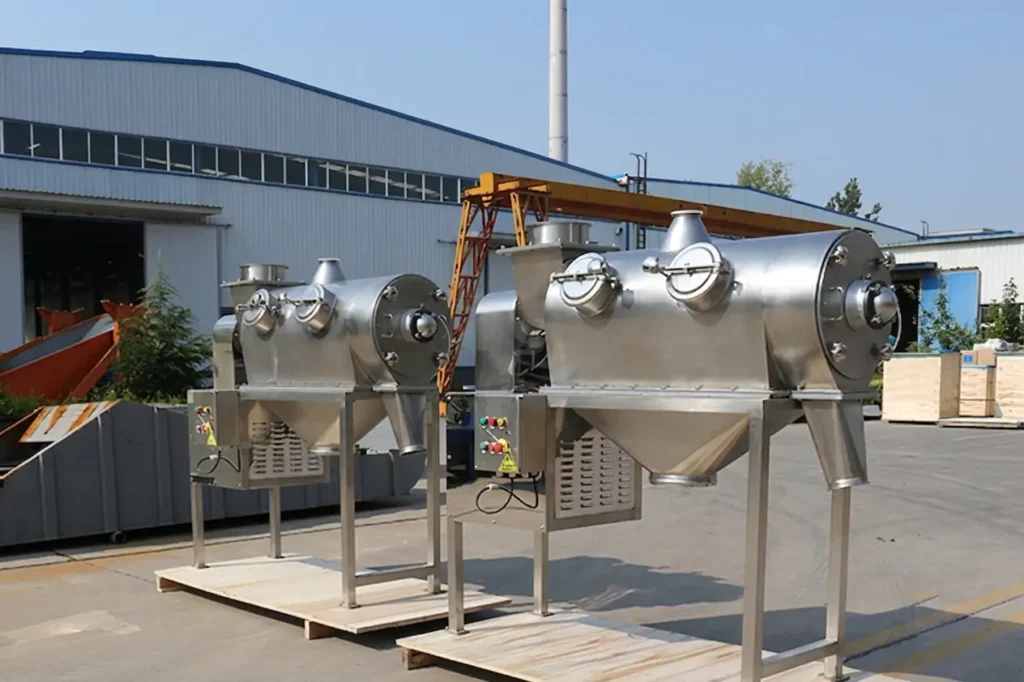
Probability Screen: It is mainly used for classifying powders and fine granular materials, especially when there is a high proportion of fine particles. When fine particle classification is the main requirement, it can be compared with other options.
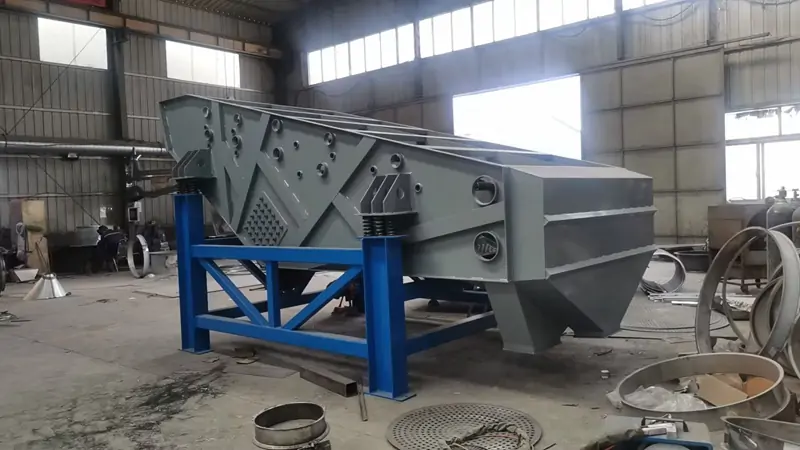
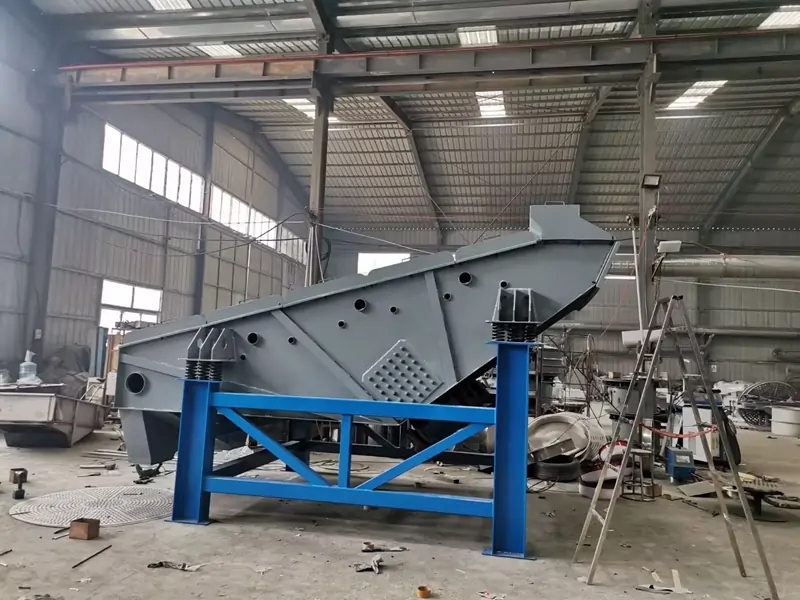
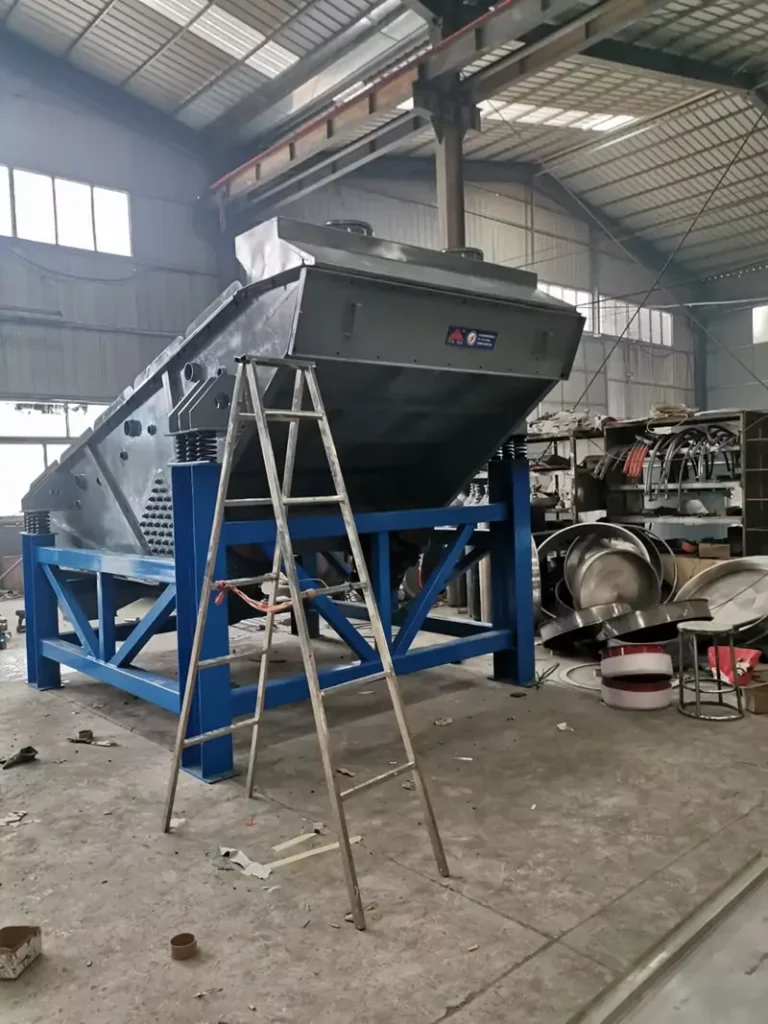
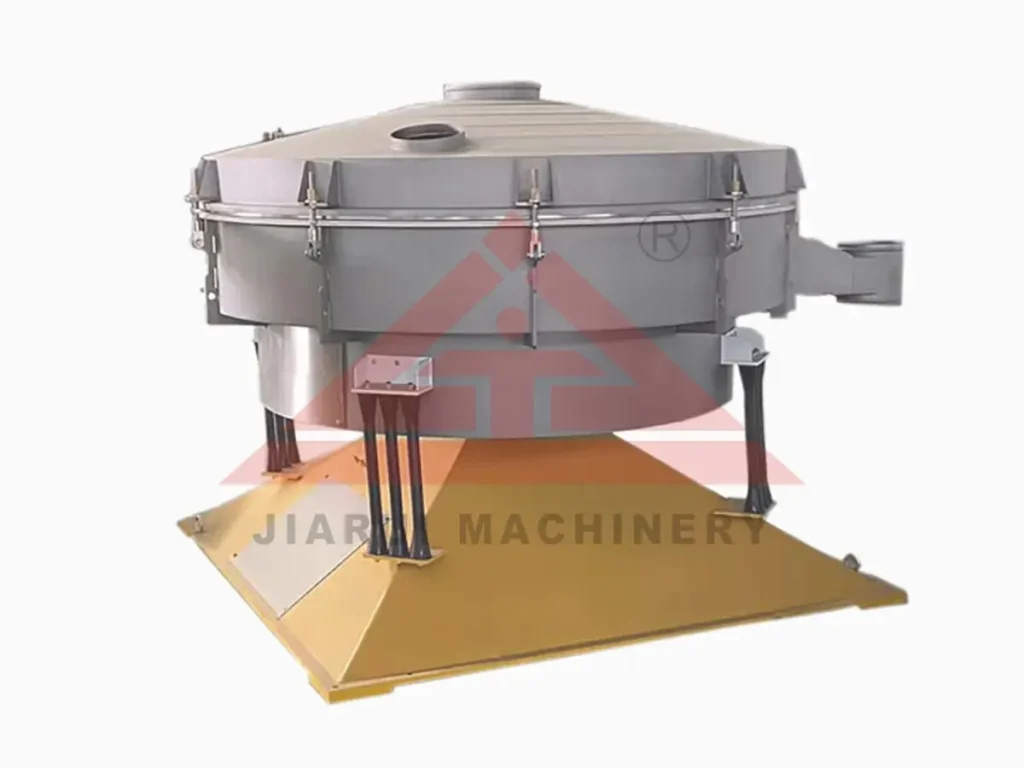
Tumbler Screening Machine: Its screening motion is relatively gentle, making it suitable for powders, granular materials, and applications requiring fine classification. It can be considered when fine screening or multi-stage classification is required.
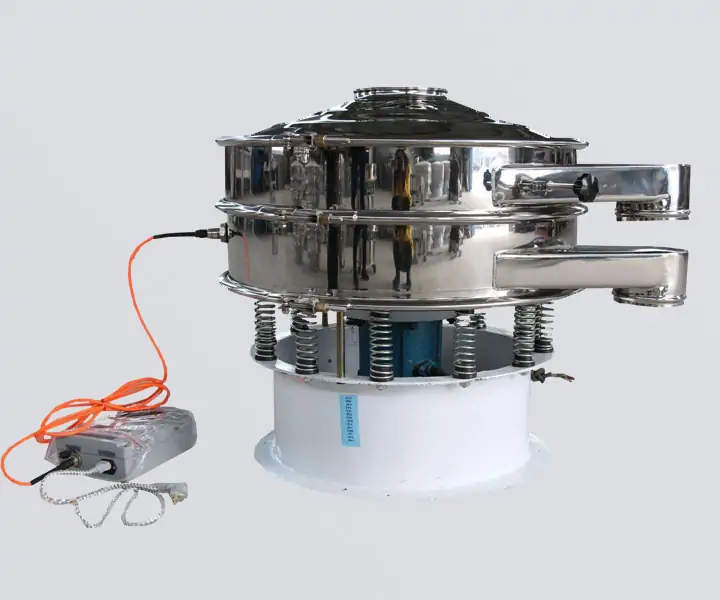
Ultrasonic Vibrating Screen: It is mainly used for fine powder screening, especially for materials that are prone to screen blinding. When fine powder screening is required and screen blinding is a concern, an ultrasonic rotary vibrating screen can be considered to help reduce mesh blinding.
How to Choose the Right Industrial Screener?
When choosing an industrial screener, first determine the material, screening purpose, screening size, and capacity. Sieve analysis can help you understand the particle size distribution before determining the target screening size. The clearer these requirements are, the easier it is to determine the equipment type, screen specifications, and equipment size.
| Information to Determine | How to Provide It | Example |
| Material | Name, particle size, moisture content, stickiness | Flour, mineral powder, aggregates |
| Screening purpose | Impurity removal, classification, removing fines, or multi-stage classification | Removing oversized impurities |
| Screening size | Feed particle size + target separation size | Feed size 0–5 mm, remove particles below 1 mm |
| Capacity | How much material needs to be processed per hour | 5 tons/hour |
For reference, ISO 3310-1 specifies technical requirements and test methods for test sieves made of metal wire cloth.
How to Make the Decision?
Start with the material. For coarser materials such as ores, aggregates, and coal, a vibrating screen is usually considered first. For powders such as flour, starch, and chemical powders, a centrifugal sifter can be considered. For fine powder classification, probability screens and tumbler screening machines can be compared further. For granular and lumpy materials, a linear vibrating screen can be considered. Once you have identified the right equipment type, the next step is to choose a rotary vibrating screen manufacturer that can match the machine to your application. For more details on the practical advantages of vibro sifters in continuous screening, fine powder screening, and particle size separation, see our guide to The Application Advantages of Vibro Sifter.
For materials with high moisture content that tend to stick or form lumps, the risk of screen blinding also needs to be considered. Screen blinding is one of the problems that can occur during screening, along with screen wear, vibration and noise, and changes in screening performance. See disadvantages of a sieve shaker for more information.
Then look at the screening purpose. If the main purpose is to remove oversized particles or foreign matter, focus on impurity removal. If the material needs to be separated by particle size, the required separation size needs to be clear. If more than two particle size fractions are required in one process, multi-stage screening needs to be considered.
It is better not to provide only the mesh size. Tell the manufacturer the feed particle size and the target separation size, such as “feed size 0–5 mm, with particles below 1 mm to be screened out.” For more information on standard sieve sizes, aperture sizes, and mesh sizes, see our Standard Sieve Sizes guide.
Provide the capacity directly in kilograms or tons per hour. For example, “5 tons/hour.” The actual processing capacity also depends on the material properties and screening requirements, so you cannot select equipment based only on one capacity figure shown for a machine model.If you are choosing a rotary vibrating screen for chemical powders, see our guide to Chemical Rotary Vibrating Screen configuration.
If these conditions are not clear yet, that is fine. Jiarui’s engineering team can first help determine the suitable screening method based on the material and production line, and then determine the specific equipment configuration.
FAQs
Which type of screener is suitable for powder materials?
It depends on the particle size, flowability, and screening purpose of the powder. For flour, starch, chemical powders, and similar materials, a centrifugal sifter can be considered. If the main requirement is fine powder classification, probability screens and tumbler screening machines can also be compared. If the powder tends to stick to the screen or cause screen blinding, the screen cleaning method also needs to be considered.
What is the difference between a vibrating screen and a centrifugal sifter?
A vibrating screen uses vibration of the screen box for screening and has a relatively wide range of applications, including ores, aggregates, and granular materials. A centrifugal sifter uses rotary motion for screening and is more commonly used for continuous screening and impurity removal from powders such as flour, starch, and chemical powders.
How do you determine the mesh size for a screener?
It is better not to tell the manufacturer only the “mesh size.” Instead, provide the feed particle size and the target particle size. For example, the feed size is 0–5 mm and particles below 1 mm need to be screened out. The specific screen specification can then be determined based on the material properties and screening requirements.
Why does a screener get clogged easily?
Common causes include high moisture content, particles close to the screen opening size, powder agglomeration, and static electricity. In this situation, simply changing to a finer or coarser screen is not enough. The screen and screen cleaning method also need to be selected according to the material characteristics.
Why can’t a manufacturer determine the equipment based only on “5 tons/hour”?
Because materials with the same capacity can require different equipment depending on the material and screening requirements. For example, even at 5 tons/hour, flour and aggregates require different considerations. The material particle size, target screening size, and whether the main purpose is impurity removal or classification also need to be considered. So “5 tons/hour” alone is not enough. It is better to also tell the manufacturer what the material is, what particle size needs to be screened out, and whether the main purpose is impurity removal or classification.
Can industrial screeners be customized for a production line?
Yes. Different production lines may have different feeding methods, capacities, screening sizes, and installation spaces. The equipment dimensions, number of screen decks, screen specifications, and inlet and outlet structures may also need to be adjusted accordingly. Jiarui’s engineering team can provide a customized screening configuration based on the specific operating conditions.