High Efficiency Multi-Deck Probability Screening Equipment
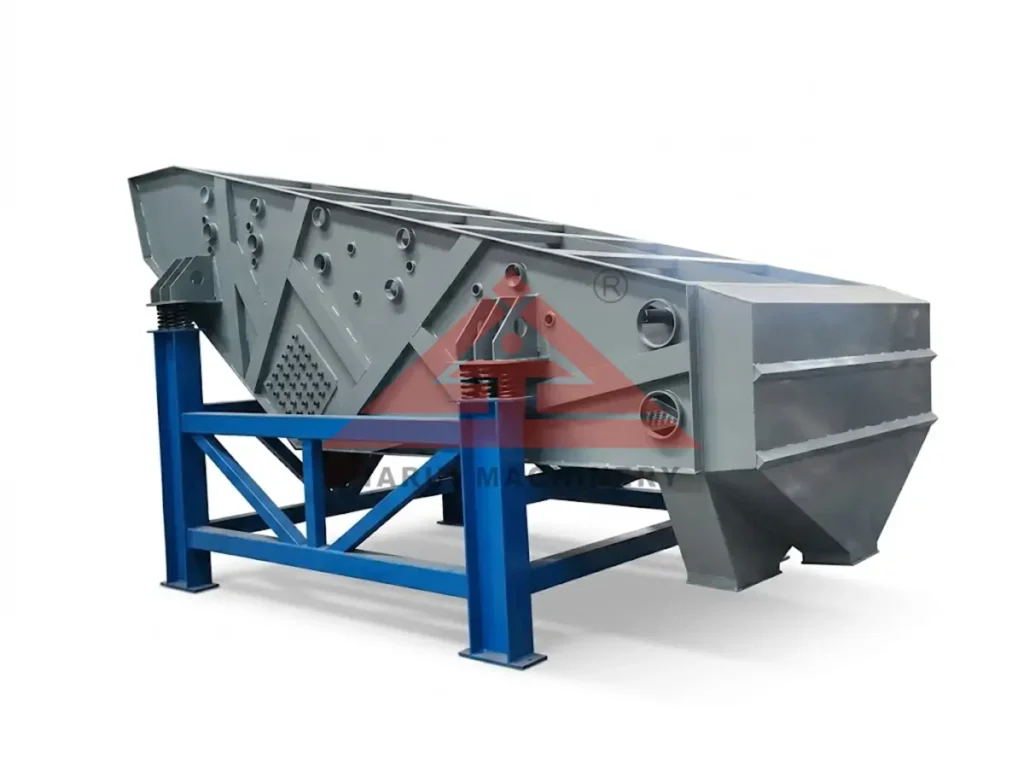
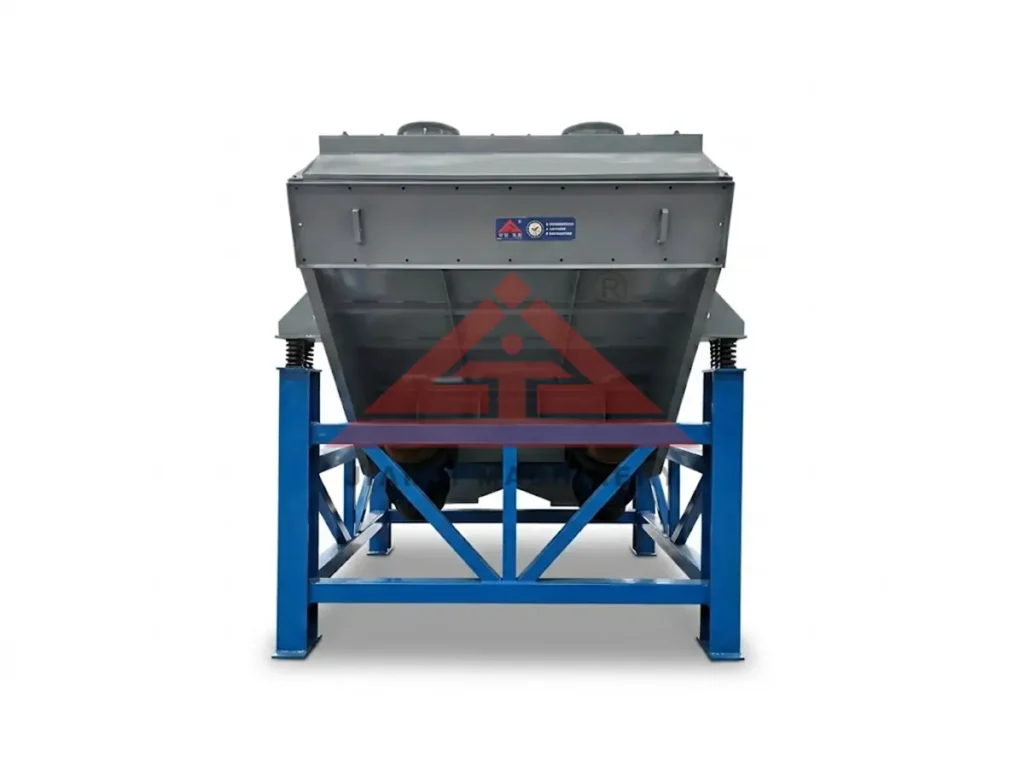
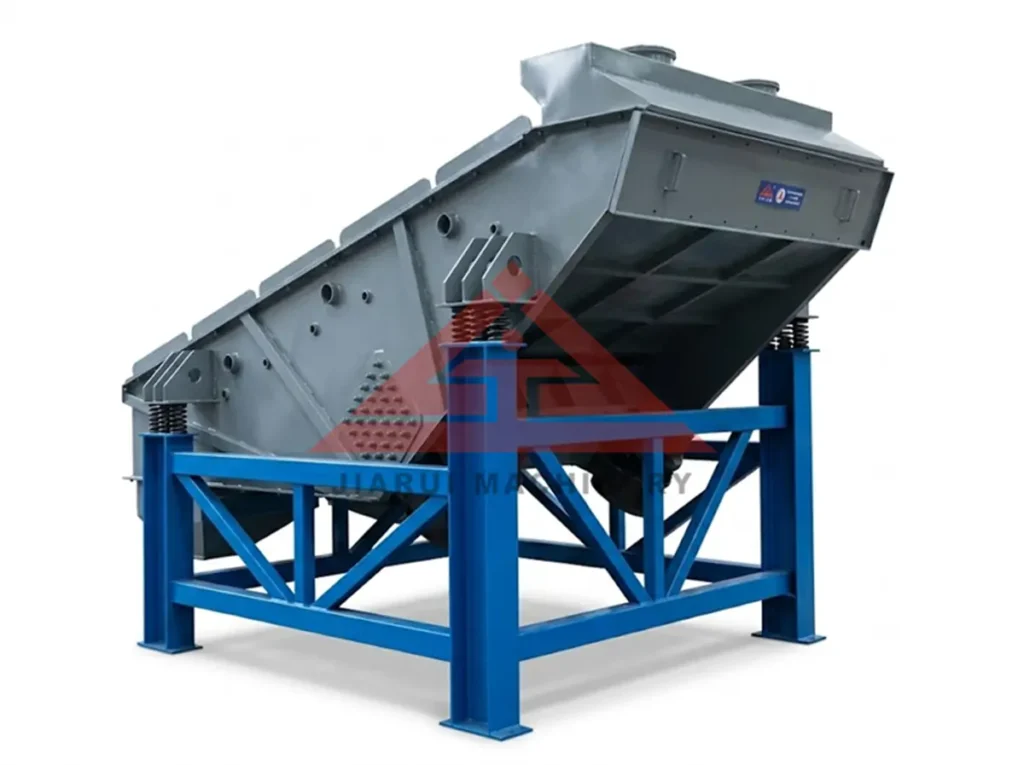
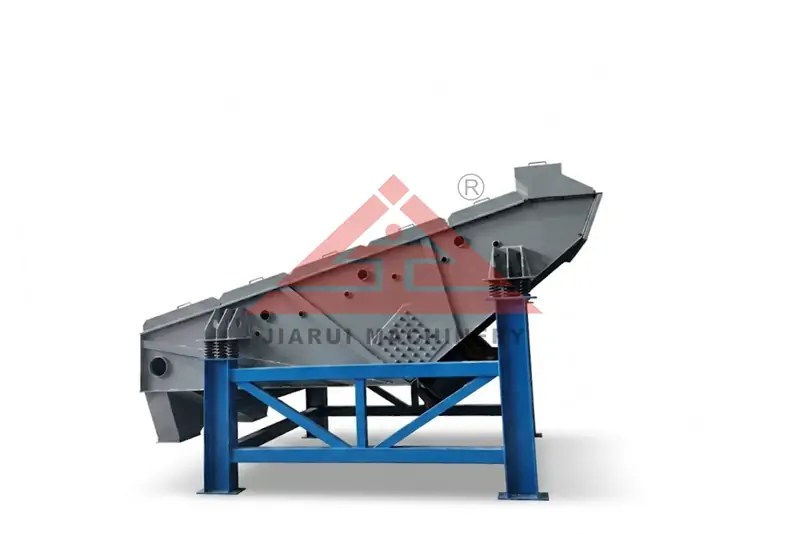
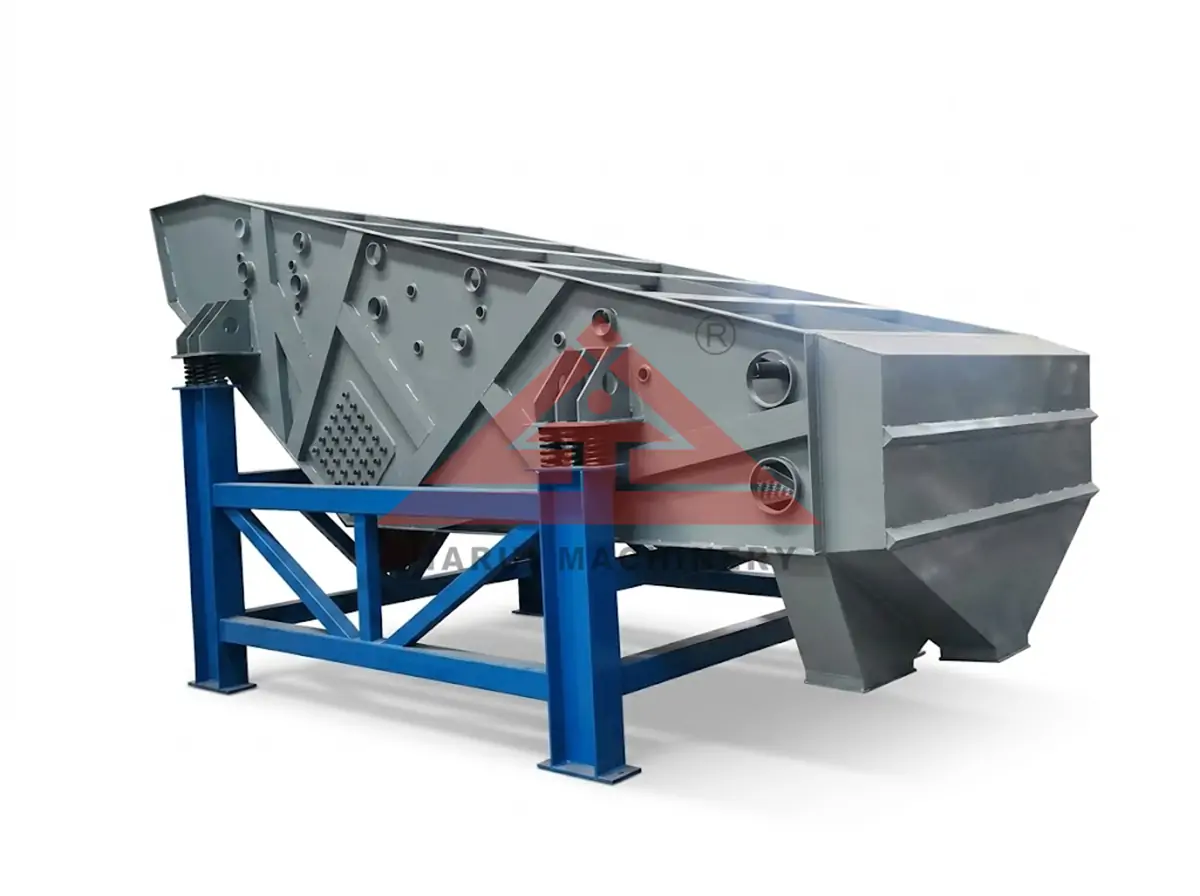
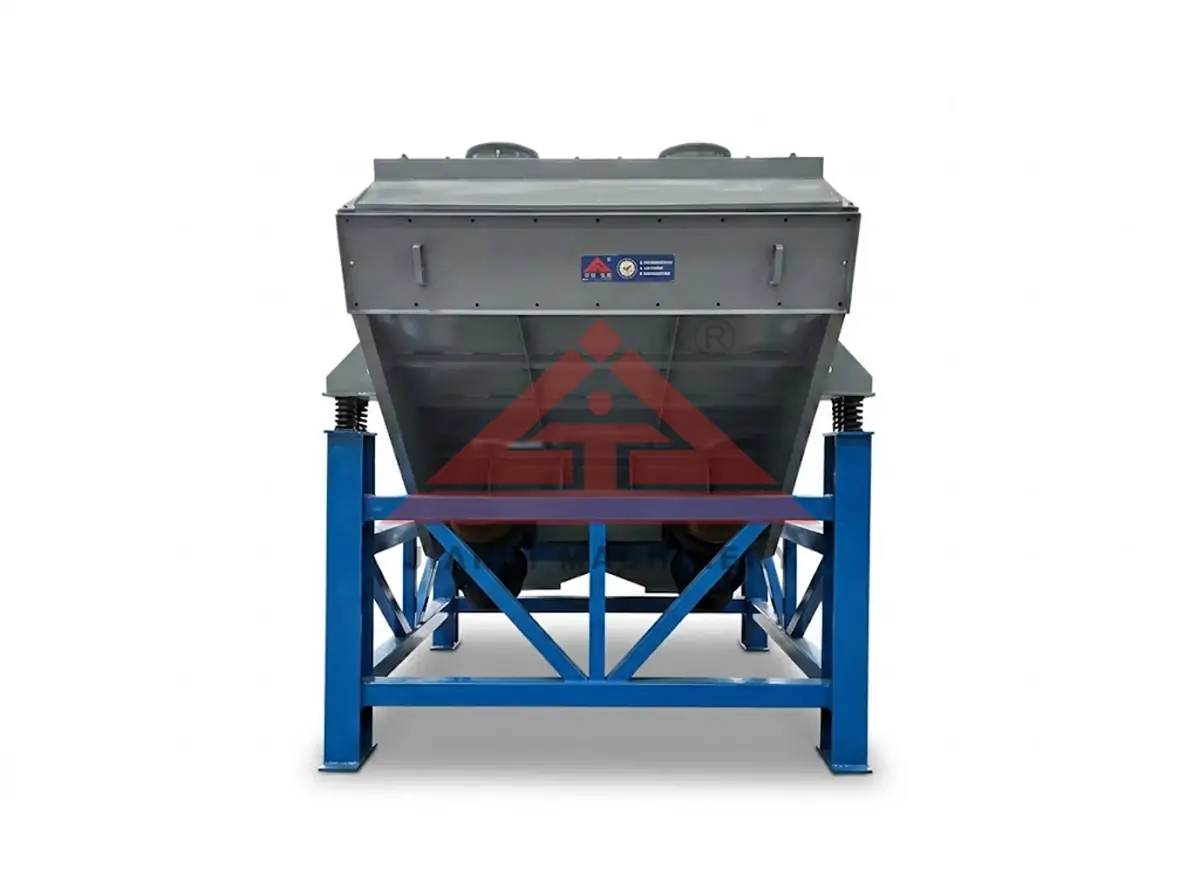
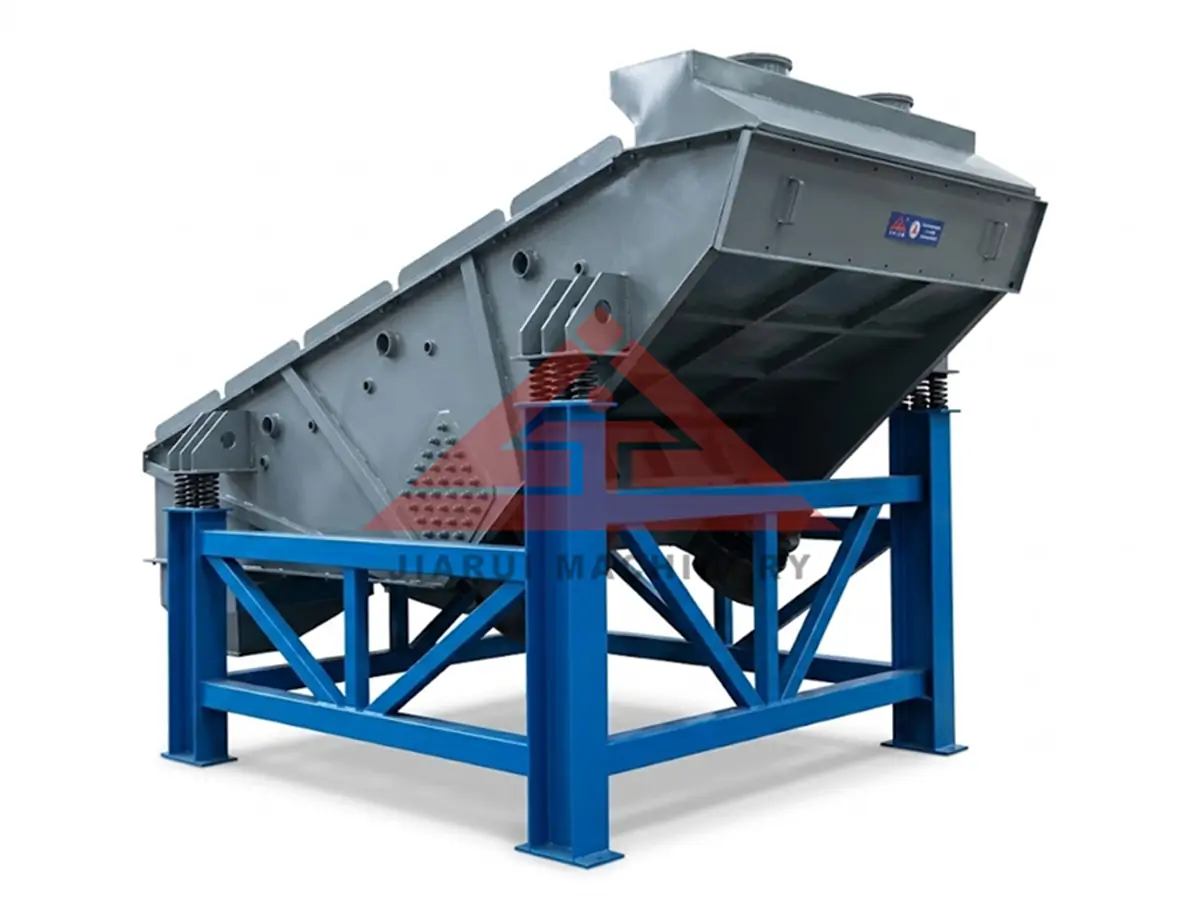
GLS Series Probability Screen is a multi-deck vibrating screening equipment designed based on the probability screening principle. Through multi-layer screen decks, larger screen openings, and linear vibration motion, the equipment increases the probability of material passing through the screen surface during operation. Compared with conventional vibrating screens, the probability screen is more suitable for rapid classification of medium and fine particle materials and can be used for continuous screening of quartz sand, mineral powder, coal, building materials, and other materials.
Jiarui can customize the screen deck layers, equipment dimensions, screen configuration, and discharge method of the GLS Probability Screen according to material characteristics, capacity requirements, and production line layout, helping the equipment better match different operating conditions.
- Model: GLS0615-GLS2045
- Screen Deck: 2-8 Layers
- Screening Capacity: 15-200 t/h
- Feed Particle Size: ≤50 mm
- Vibration Frequency: 960 rpm
- Applications: Sand, coal, mineral powder and building materials screening
What is a Probability Screen?
Probability Screen, also known as Probability Vibrating Screen or Mogensen Screen, is a multi-deck vibrating screening equipment used for rapid classification of medium and fine particle materials. The equipment uses screen openings larger than the target separation size, combined with multiple inclined screen decks, allowing materials to continuously disperse and increase contact opportunities with the screen surface during vibration, achieving continuous particle size classification.
Unlike conventional vibrating screens that separate materials according to screen opening size, the Probability Screen uses the probability of material passing through the screen surface for classification. Through multiple screen decks, the screening process is extended and the passing opportunity of fine particles is increased. GLS Series Probability Screen can be configured with 2-8 screen decks, and the screening structure can be adjusted according to material size, capacity requirements, and production conditions. It is suitable for continuous classification of medium and fine particle materials.
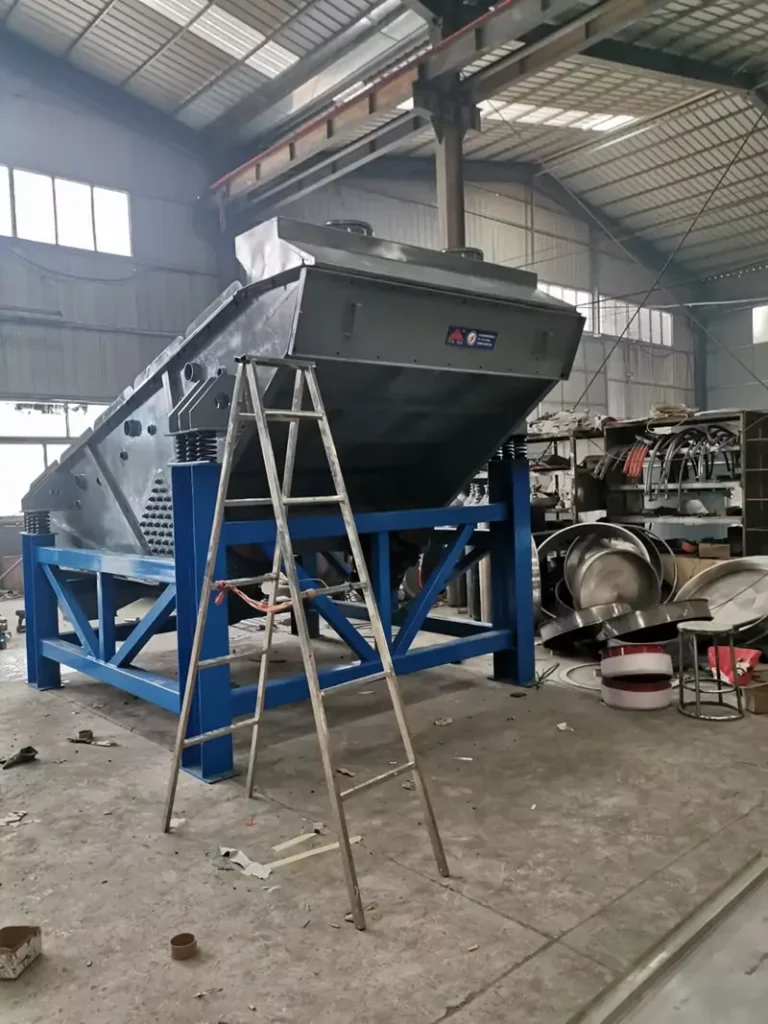
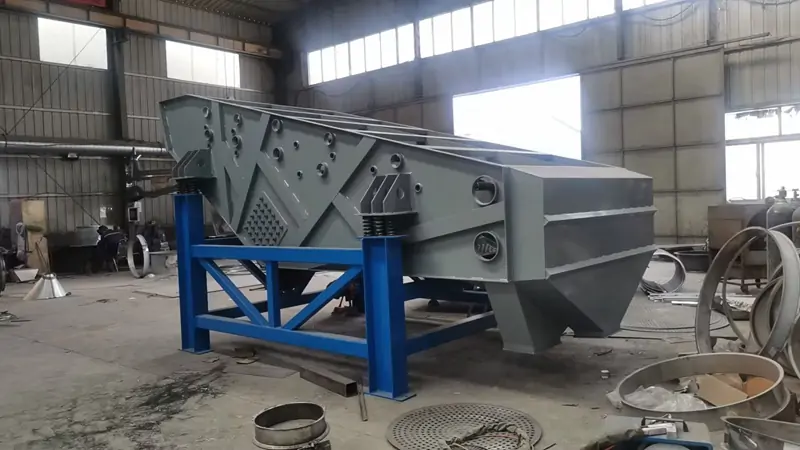
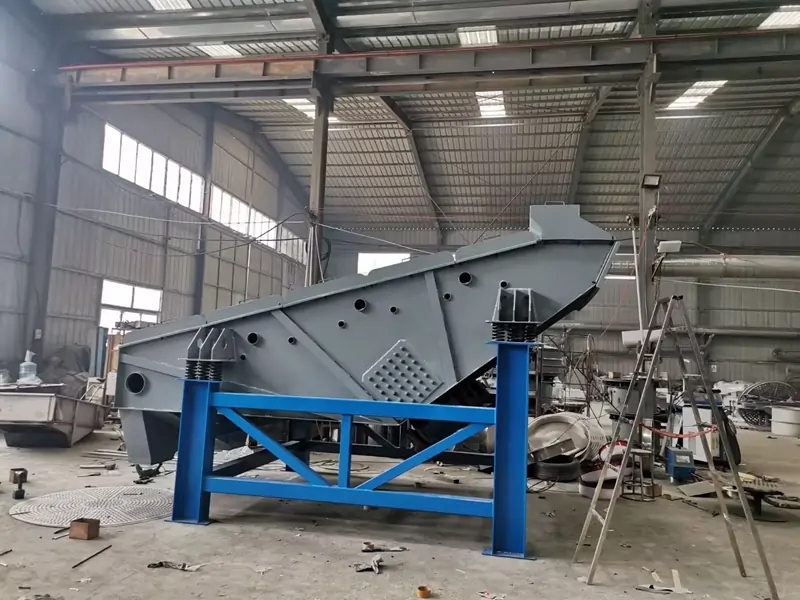
How Does a Probability Screen Work?
GLS Series Probability Screen uses vibration motors to drive the screen box, allowing materials to move continuously along the inclined screen surface. Through multiple screen decks and different screen opening configurations, the equipment completes particle size separation. During operation, materials are continuously dispersed and contact the screen surface, allowing fine particles to pass through the screen layers more effectively and discharge from different levels according to particle size requirements.
1.Material moves continuously along the screen surface:After entering the screen box, materials move forward under the linear vibration generated by dual vibration motors. The inclined screen surface maintains stable material movement and reduces accumulation at the feeding area, allowing particles of different sizes to fully contact the screen mesh.
2.Multi-deck screen surfaces complete particle classification:GLS Probability Screen adopts a multi-layer overlapping screen deck structure. Each screen layer is responsible for separating different particle sizes. After passing through the upper screen deck, materials that do not pass through the openings continue moving forward, while the lower screen decks further separate fine particles.
3.Larger screen openings increase passing probability:The Probability Screen uses screen openings larger than the target separation size. Materials are screened through multiple contacts with the screen surface during movement. Compared with single-stage screening methods, this design reduces screen blockage caused by fine particles and is more suitable for continuous processing of dry fine materials.
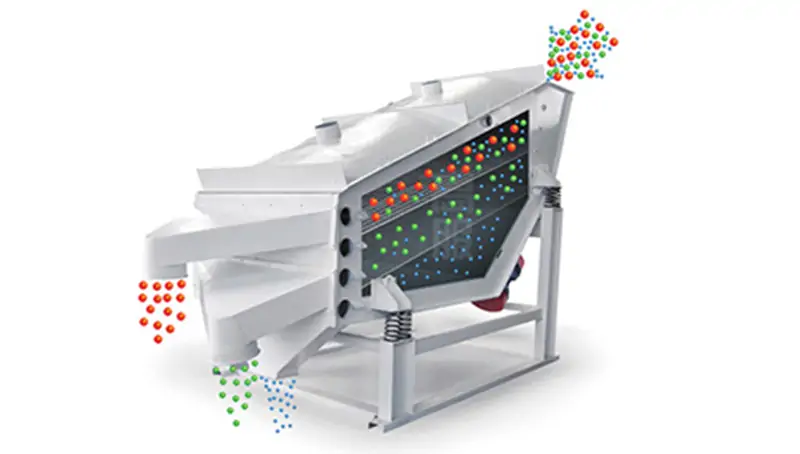
The screening performance of GLS Probability Screen is related to material size, moisture content, screen configuration, and vibration parameters. Proper equipment matching is important for stable operation.
Components of GLS Probability Screen
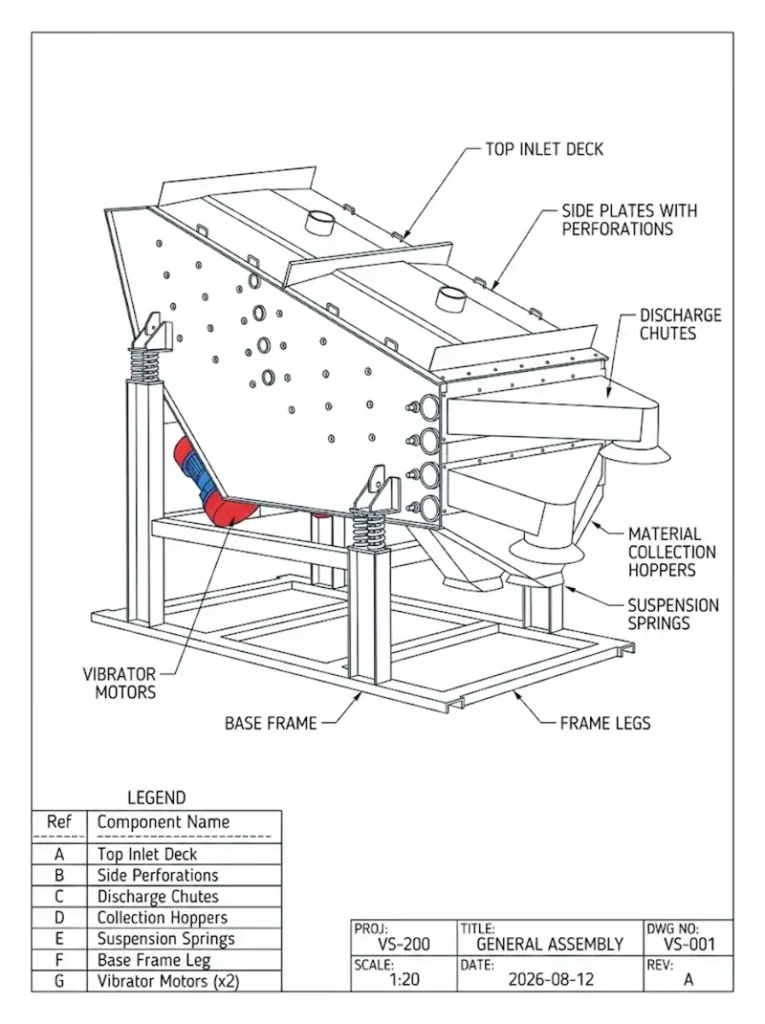
GLS Series Probability Screen mainly consists of screen decks, vibration system, and screen box support structure. Each component is designed around the probability screening method, allowing materials to disperse effectively during vibration and complete particle size separation through multiple screen decks. Screen configuration, vibration parameters, and structural strength need to be adjusted according to material characteristics and production requirements.
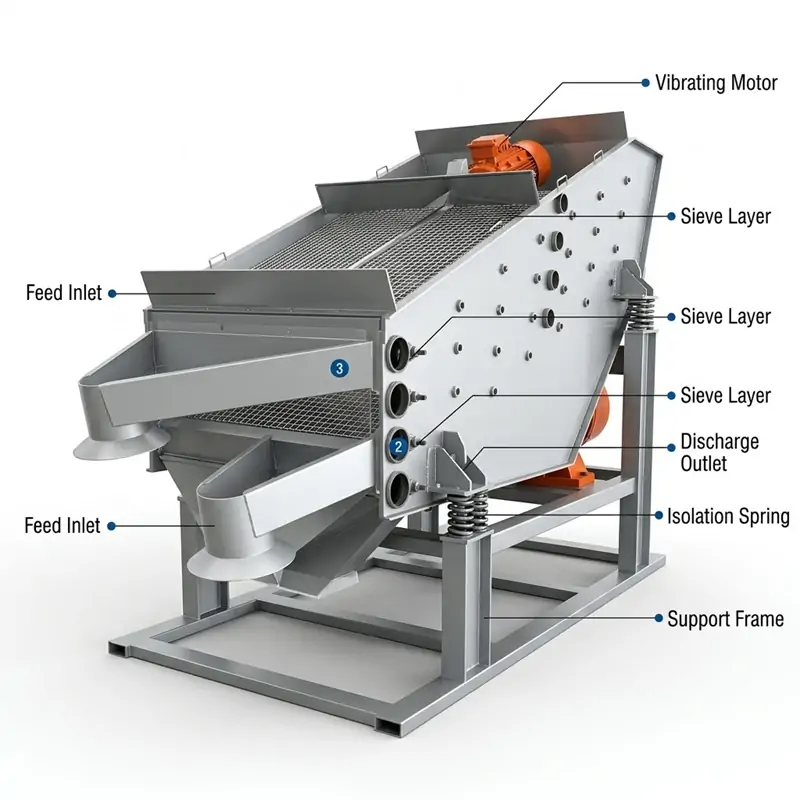
Multi-deck Screen Surface:The screen surface is the key component for GLS Probability Screen classification. The equipment adopts a 2-8 layer screen deck structure, with different layers configured with corresponding screen openings to gradually separate materials during continuous movement. Screen opening size, material, and opening type need to be selected according to material particle size, wear conditions, and final product requirements.
Vibration System:GLS Series Probability Screen uses dual vibration motors to generate stable linear vibration of the screen box. During operation, materials move forward along the inclined screen surface and continue to disperse, increasing the passing probability of fine particles and completing continuous classification.
Screen Box and Support Structure:The screen box is used to fix the screen decks and vibration components, providing the basic structure for stable equipment operation. Proper structural design reduces deformation during operation and keeps the screen surface moving steadily, allowing the equipment to operate under continuous screening conditions.
The screening performance of GLS Probability Screen depends not only on screen opening size but also on screen deck configuration, vibration condition, and material properties. The equipment structure needs to be properly matched according to specific operating conditions.
Advantages
GLS Series Probability Screen is not simply designed by increasing the number of screen layers. It changes the contact method between materials and the screen surface through the probability screening principle. With multi-deck inclined screen surfaces and step-by-step screen opening design, the equipment allows medium and fine particle materials to complete classification quickly, making it more suitable for dry fine particle screening applications.
Multi-deck screen surfaces complete classification
GLS adopts a multi-layer overlapping screen deck structure. Different screen layers correspond to different particle size requirements, which can reduce the need for combining multiple screening machines in some applications.
Larger screen openings reduce blockage
The Probability Screen uses screen openings larger than the target separation size. Fine particles have more opportunities to pass through the screen surface during movement, reducing blockage problems that commonly occur with small-opening screens.
Large inclination improves material dispersion
The screen surface is arranged at an inclined angle. After entering the equipment, materials can spread quickly and move forward smoothly, which helps fine particles pass through the screen surface evenly.
Suitable for dry fine particle screening
GLS Probability Screen is more suitable for dry medium and fine particle materials such as quartz sand, manufactured sand, mineral powder, and coal particles, where the advantages of multi-stage screening can be utilized.
Applications
GLS Series Probability Screen is mainly used for continuous classification of dry medium and fine particle materials. It is suitable for production processes requiring multi-stage screening and particle size control. Compared with conventional screening equipment, the Probability Screen is more suitable for materials with a high proportion of fine particles and good flowability, such as quartz sand, manufactured sand, iron ore powder, coal particles, and some non-metallic mineral powders. Equipment selection needs to be based on material particle size, moisture content, and production requirements.
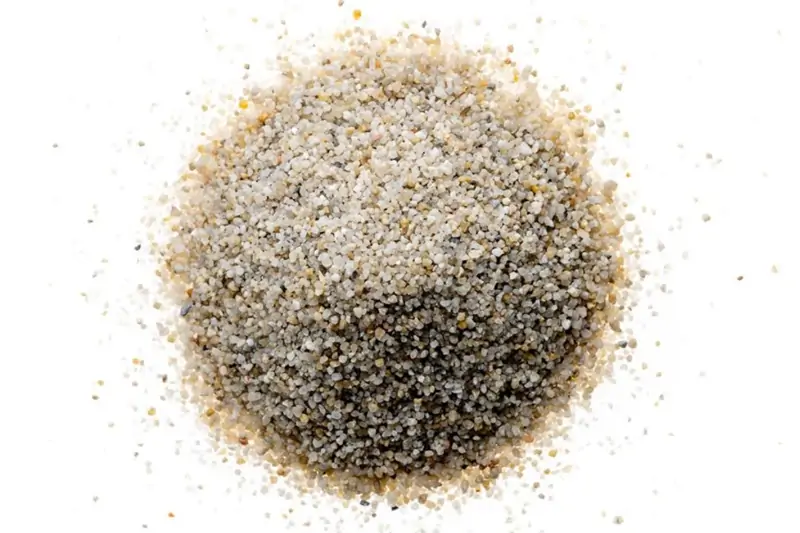 Quartz Sand
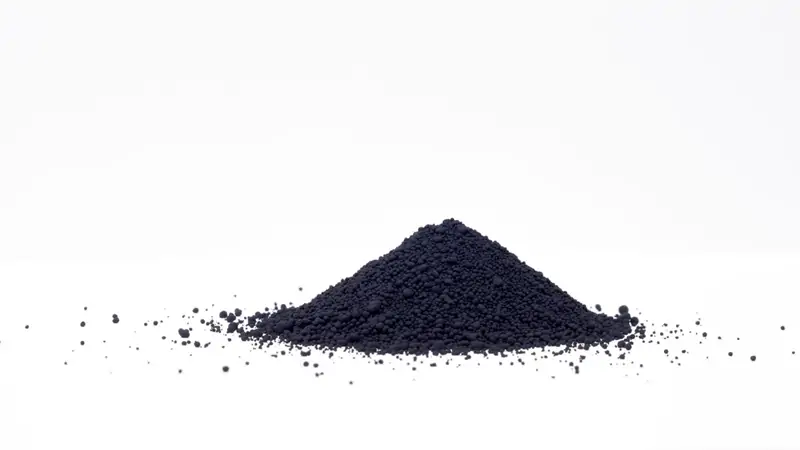 Iron Ore Powder
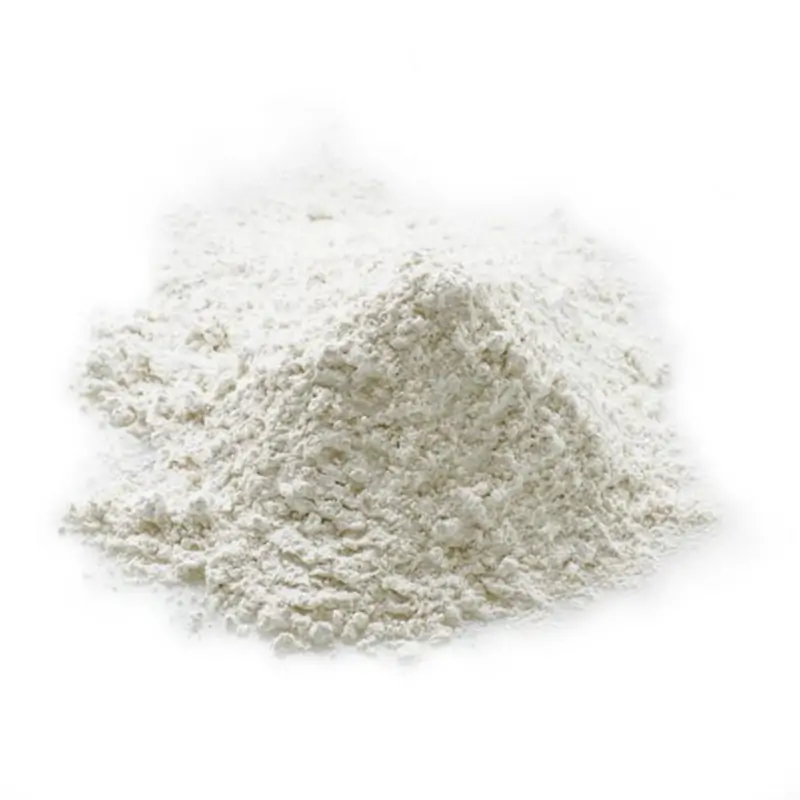 Kaolin Powder
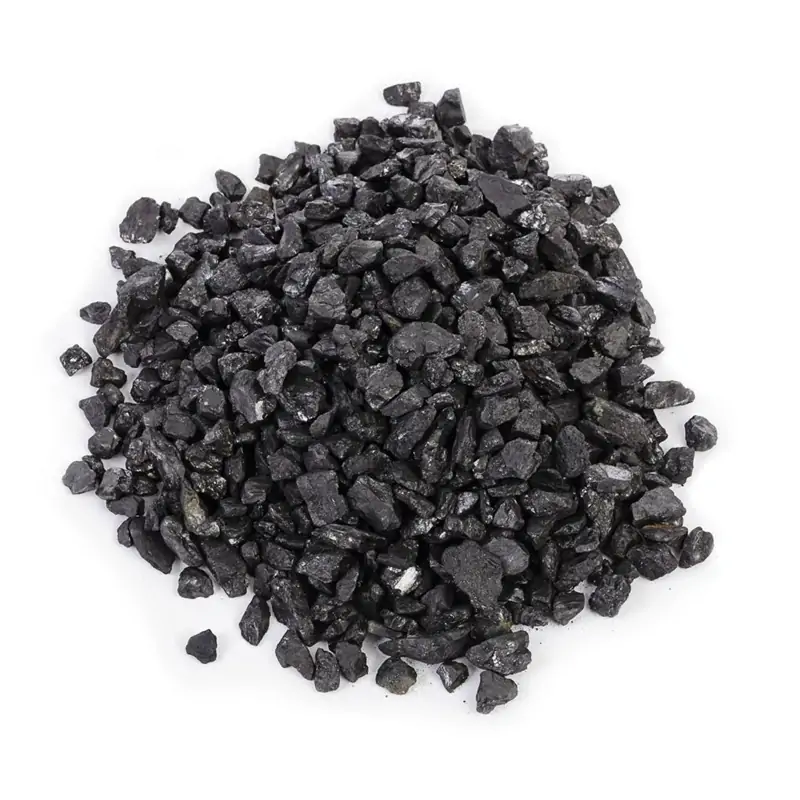 Coal
Coal
Which industries are suitable for GLS Probability Screen?
| Industry | Common Materials | Material Characteristics | Application Focus |
| Building Materials | Quartz sand, manufactured sand, dry mortar sand | High proportion of fine particles, requiring control of sand particle size and grading | Multi-deck screen surfaces are used for fine sand classification. Screen layers and openings can be configured according to final product requirements |
| Mining and Metallurgy | Iron ore powder, mineral powder | Complex particle size composition, requiring continuous and stable screening | Suitable for dry medium and fine particle classification. Equipment specifications need to be selected according to capacity requirements |
| Coal Industry | Raw coal, clean coal particles | Different particle size products have different applications and require particle separation | Multi-deck screen surfaces can complete different particle size classifications and are suitable for continuous production processes |
| Non-metallic Minerals | Kaolin, calcium carbonate, quartz powder | Good powder flowability with requirements for particle size uniformity | Proper screen opening size and screen structure selection are required to ensure fine powder screening performance |
What materials or operating conditions are not suitable?
GLS Probability Screen is more suitable for dry materials with good flowability and medium to fine particle sizes. For materials with high moisture content, strong adhesion, or high clay content, screen openings may be affected and screening performance may decrease. Operating conditions containing a large amount of oversized particles usually require crushing or pre-screening before entering the Probability Screen.
The configuration of GLS Series Probability Screen needs to be determined according to specific material conditions. Even for the same industry, different particle sizes, moisture levels, and production requirements may require different screen layers, screen openings, and equipment parameters.
How to Choose Between GLS Probability Screen and Linear Vibrating Screen?
GLS Probability Screen and JR-ZS Linear Vibrating Screen can both be used for continuous screening, but they are designed for different production requirements. Linear Vibrating Screen has a wider application range and is suitable for conventional particle classification. GLS Probability Screen is mainly designed for dry medium and fine particle materials, using multiple screen decks and probability screening methods to achieve more detailed particle size control. Equipment selection should be based on material characteristics and production requirements rather than simply comparing equipment size or capacity.
| Comparison Item | GLS Probability Screen | JR-ZS Linear Vibrating Screen |
| Screening Method | Uses probability screening principle, with multi-deck screen surfaces and larger screen openings for classification | Uses linear vibration to separate materials according to screen opening size |
| Main Advantages | Suitable for medium and fine particles, multi-stage separation, and reducing fine particle blockage | Wide adaptability, suitable for screening various bulk materials |
| Suitable Materials | Quartz sand, manufactured sand, mineral powder, coal particles, and other dry fine particle materials | Minerals, sand, coal, chemical particles, and various bulk materials |
| Material Condition Requirements | More suitable for dry materials with good flowability | Wider material adaptability, capable of handling different particle sizes |
| Screening Particle Size | More suitable for medium and fine particle classification | Suitable for coarse, medium, and conventional particle screening |
| Screen Structure | Multi-layer overlapping screen surfaces, with screen layers configured according to product size requirements | Single or multiple screen decks configured according to screening requirements |
| Multi-stage Screening Requirements | One machine can complete separation of multiple particle sizes | Multi-stage screening usually requires different screen layers or multiple machines |
| Suitable Production Lines | Continuous production lines requiring fine classification of sand and mineral powder | Conventional screening production lines in mining, aggregates, and other industries |
| Not Recommended Conditions | High moisture or highly sticky materials require further evaluation | When fine particle multi-stage separation is required, screening performance may be lower than Probability Screen |
| Selection Recommendation | Preferred for dry fine particle classification and multiple product size outputs | More suitable for general screening requirements and variable materials |
If the production line mainly processes dry medium and fine particle materials and requires control of multiple product sizes, GLS Probability Screen is more suitable. If the production requirements focus on conventional screening, wider adaptability, and frequent material changes, JR-ZS Linear Vibrating Screen is usually more convenient.For a broader comparison of industrial screener types and selection considerations, see our guide to Types of Industrial Screeners: How to Choose the Right One?
Technical Parameters
The model selection of GLS Series Probability Screen cannot be based only on capacity. Different screen surface sizes, number of screen layers, and screen opening configurations will affect screening performance and output. When selecting equipment, we usually first confirm material particle size, moisture content, production requirements, and installation conditions, then match a suitable model. The following parameters are for standard models, and specific configurations can be adjusted according to actual operating conditions.
| Model | Screen Deck Layers | Single Layer Screen Area (m²) | Feed Particle Size (mm) | Screen Inclination (°) | Motor Power (kW) | Screening Capacity (t/h) |
| GLS0615 | 2-8 Layers | 0.9 | ≤50 | 5月30日 | 0.55×2 | 15-50 |
| GLS0820 | 2-8 Layers | 1.6 | ≤50 | 5月30日 | 0.75×2 | 15-50 |
| GLS1018 | 2-8 Layers | 1.8 | ≤50 | 5月30日 | 1.1×2 | 30-120 |
| GLS1020 | 2-8 Layers | 2 | ≤50 | 5月30日 | 1.1×2 | 30-120 |
| GLS1224 | 2-8 Layers | 2.9 | ≤50 | 5月30日 | 1.5×2 | 30-120 |
| GLS1530 | 2-8 Layers | 4.5 | ≤50 | 5月30日 | 3.0×2 | 30-160 |
| GLS1536 | 2-8 Layers | 5.4 | ≤50 | 5月30日 | 3.0×2 | 30-160 |
| GLS1830 | 2-8 Layers | 5.4 | ≤50 | 5月30日 | 3.0×2 | 30-180 |
| GLS1845 | 2-8 Layers | 8.1 | ≤50 | 5月30日 | 3.0×2 | 30-180 |
| GLS2030 | 2-8 Layers | 6 | ≤50 | 5月30日 | 3.7×2 | 50-200 |
| GLS2045 | 2-8 Layers | 9 | ≤50 | 5月30日 | 3.7×2 | 50-200 |
What Should Be Considered When Selecting a Model?
Material Particle Size
Feed particle size and target screening size directly affect screen opening selection. Probability Screen mainly performs well in medium and fine particle classification. If the material contains a large amount of oversized particles, crushing or pre-screening is usually required before screening to avoid affecting screen operation.
Capacity Requirements
Equipment capacity is affected not only by screen surface area but also by material density, flowability, and screening requirements. For example, when the same equipment processes quartz sand and iron ore powder, the actual capacity may vary due to differences in material properties.
Screen Configuration
GLS Probability Screen completes particle separation through multiple screen decks. The number of screen layers and screen opening sizes need to be determined according to final product requirements. When more particle size grades need to be separated, the screen deck combination also needs to be adjusted accordingly.
Material Moisture Content
Probability Screen is more suitable for dry screening. Materials with high moisture content or high viscosity may affect material dispersion and passing performance. It is necessary to evaluate whether pre-treatment or structural adjustments are required before selection.
The selection of GLS Probability Screen is not simply based on capacity matching. It requires comprehensive consideration of material conditions, screening targets, and installation space. Our engineering team will confirm suitable screen configurations and equipment specifications according to the material information provided by customers.
Customization
The configuration of GLS Probability Screen needs to be determined according to material characteristics and production requirements. For the same material, different particle sizes, capacities, and screening targets may require different screen layers, screen opening specifications, and equipment dimensions.
Jiarui engineering team will evaluate the equipment structure according to customer-provided information and screening experience to confirm a suitable design. For materials requiring multi-stage separation, we focus on adjusting screen combinations. For continuous high-capacity production lines, we match appropriate screen surface area and equipment specifications.
To quickly confirm a suitable GLS Probability Screen model, customers can provide:
- Material name and photos
- Target capacity (t/h)
- Feed particle size and required final product sizes
If installation dimensions, material moisture content, or production line connection requirements are available, customers can provide them together. We will further confirm the screen configuration and equipment design.
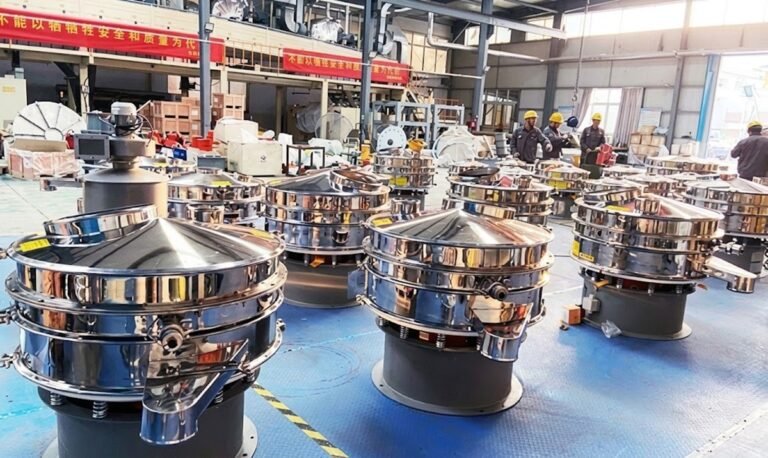
Jiarui Manufacturing
The manufacturing focus of GLS Series Probability Screen is not only to ensure structural strength but also to match the screen design with material movement characteristics. Probability Screen relies on multiple screen decks and different screen opening combinations to complete particle separation. Screen layer configuration, screen installation, and vibration conditions directly affect screening performance.
Jiarui engineering team adjusts the number of screen layers, screen opening combinations, equipment dimensions, and vibration parameters according to customer material particle size, capacity requirements, and final product specifications. During manufacturing, the spacing between screen layers and screen inclination need to be maintained consistently; otherwise, the material movement path and classification performance may be affected.
For different materials such as quartz sand, manufactured sand, and mineral powder, GLS Probability Screen can be equipped with different screen mesh specifications and wear-resistant components. For fine particle materials, the focus is on screening efficiency and stability. For highly abrasive materials, screen material selection and service life need to be considered.
After equipment assembly, running tests are carried out to check screen movement condition, vibration stability, and screening performance of each layer, ensuring that the equipment can operate under continuous production conditions.For a basic introduction to screening principles, please refer to the overview of the screening process.
GLS Series Probability Screen – FAQ
Get a Free Consultation
Fill out the form below to connect with our experts and receive personalized recommendations for your application.