V Type Powder Mixer Machine
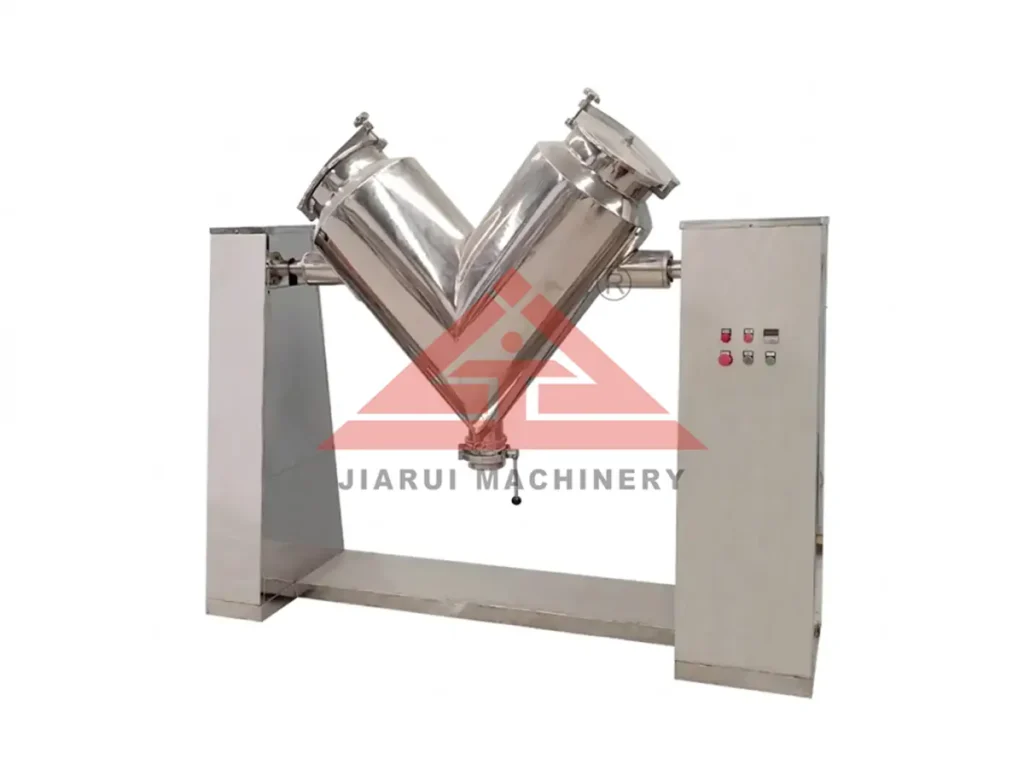
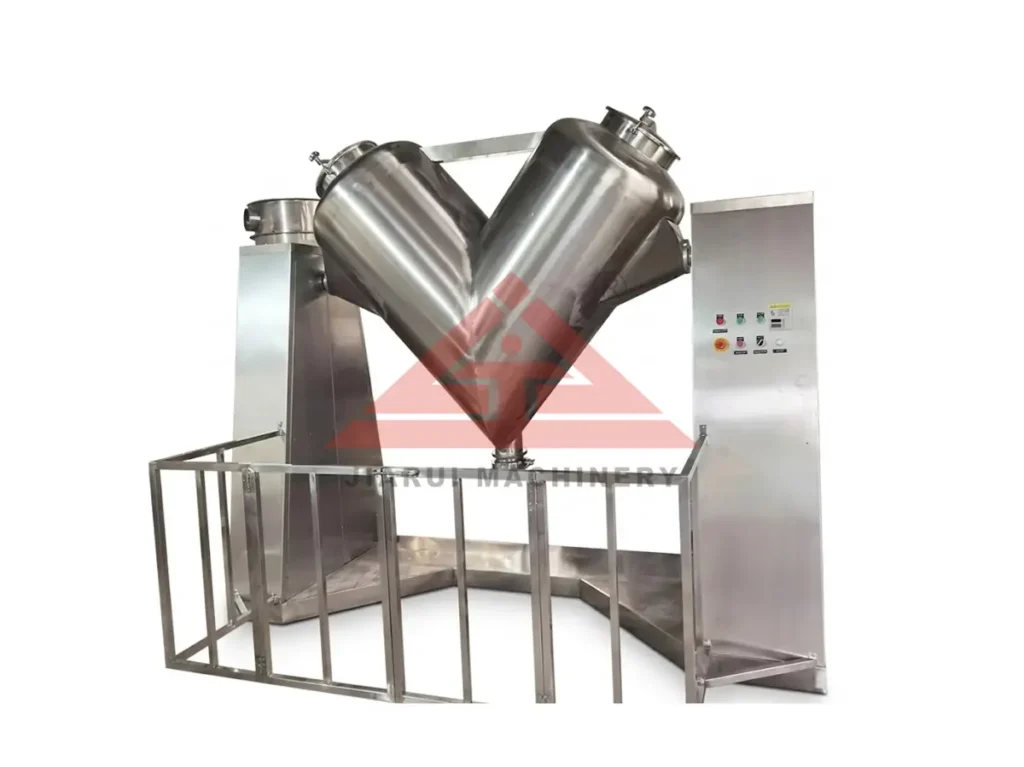
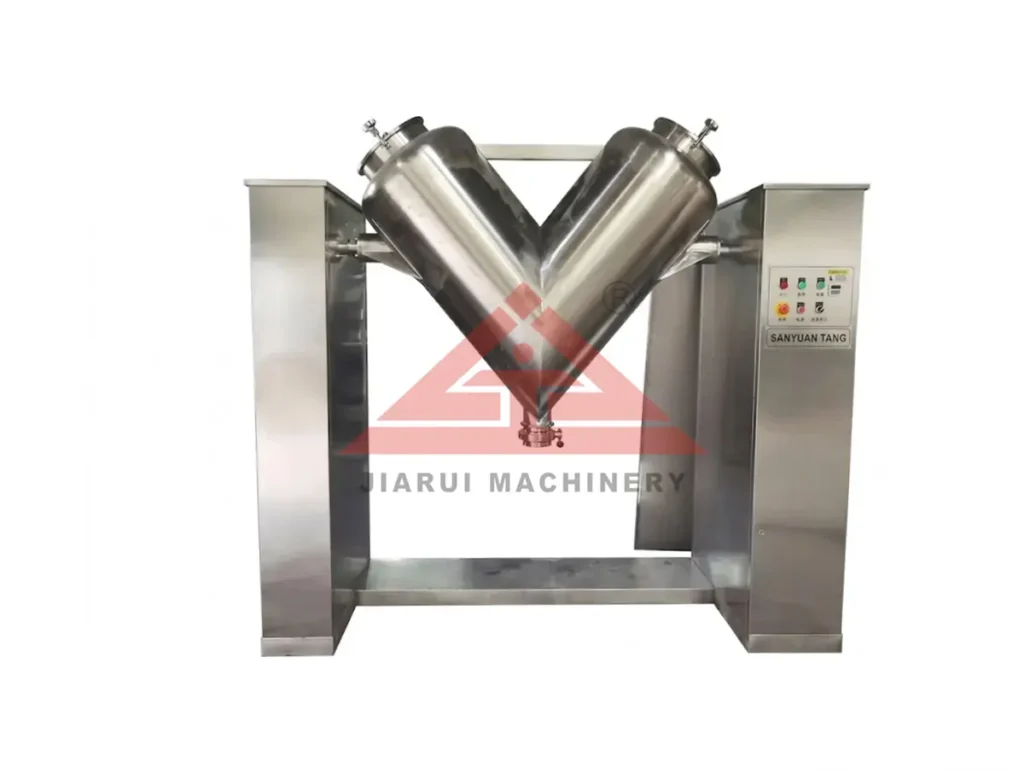
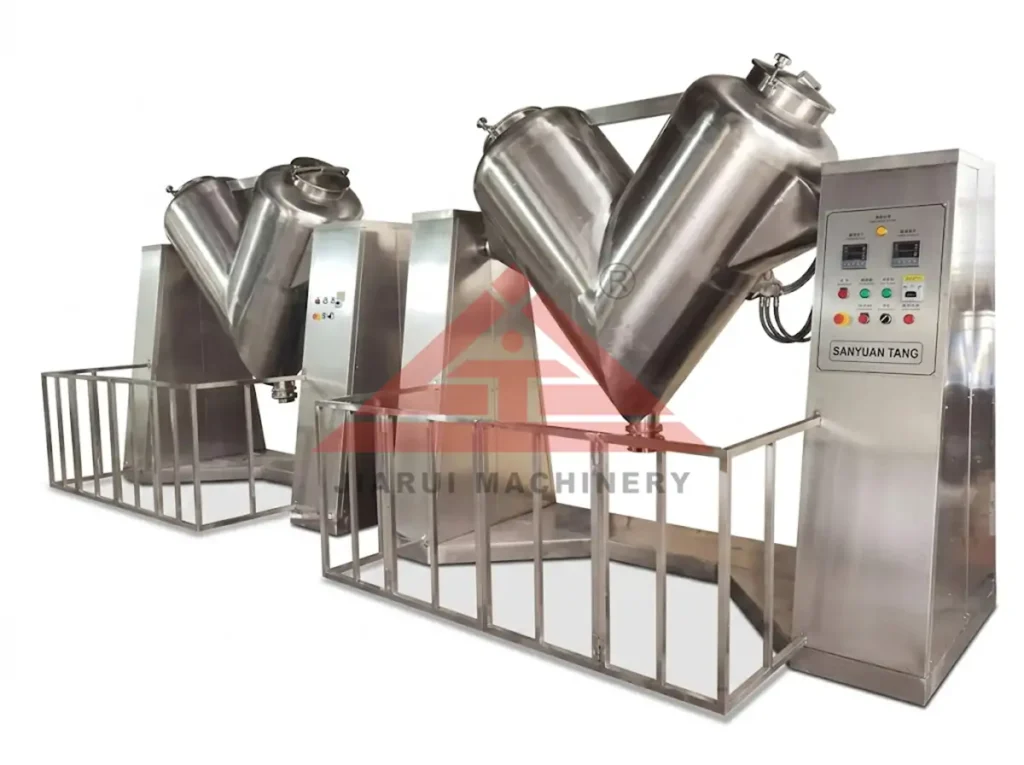
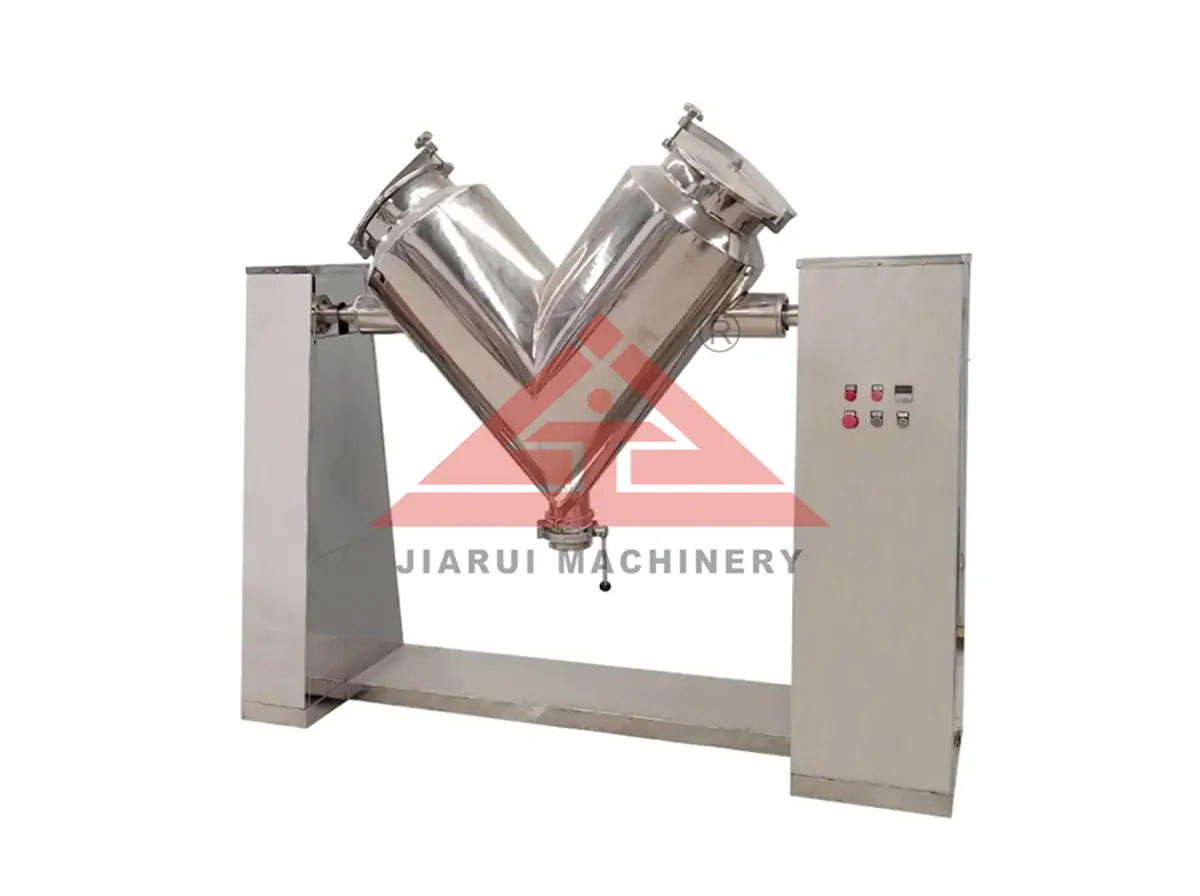
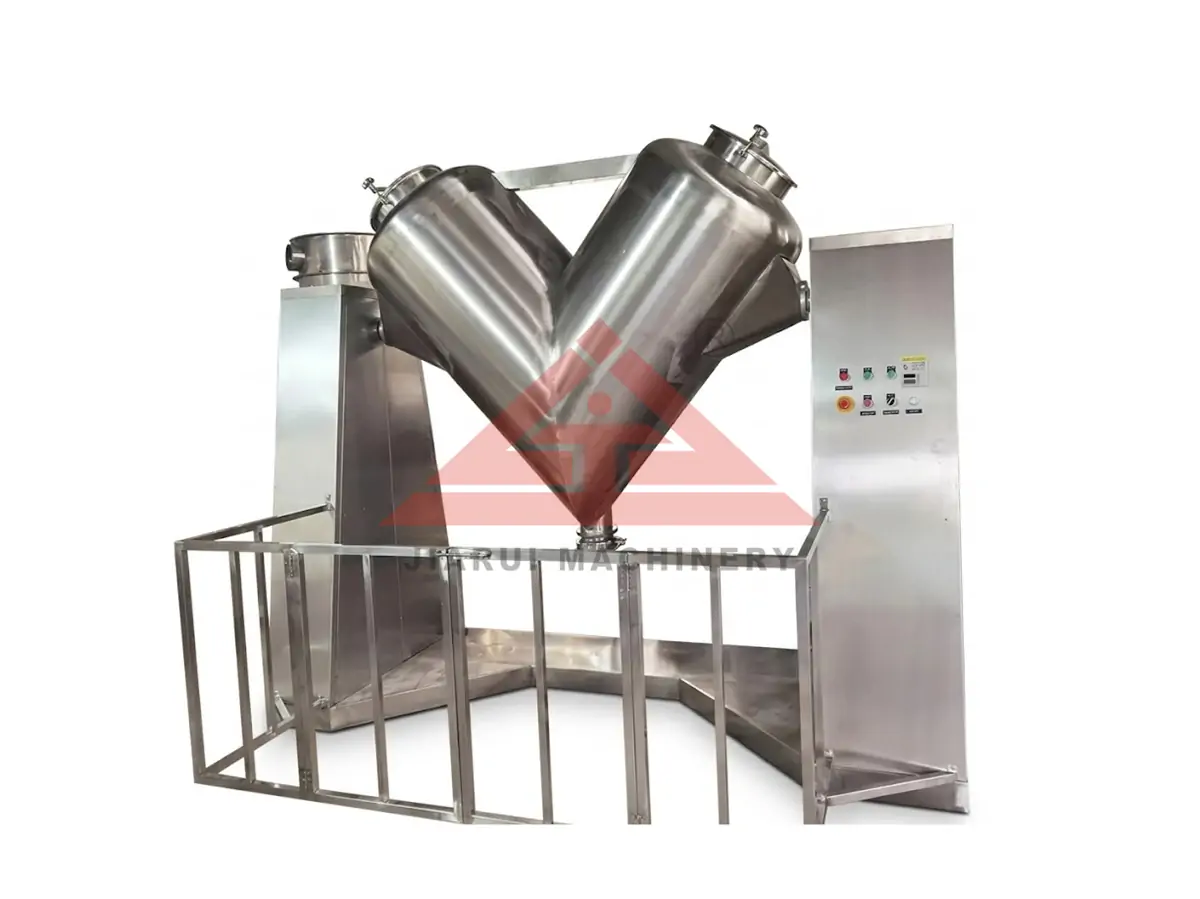
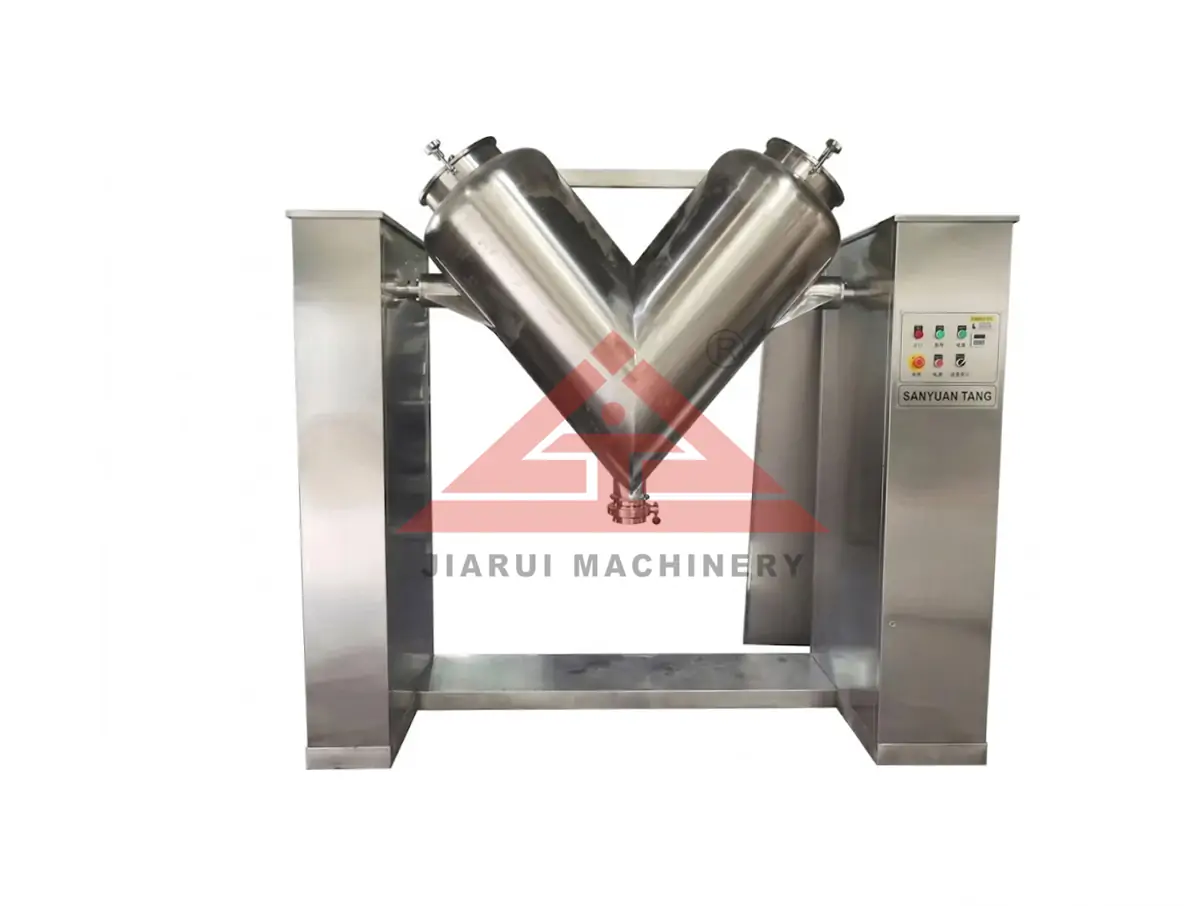
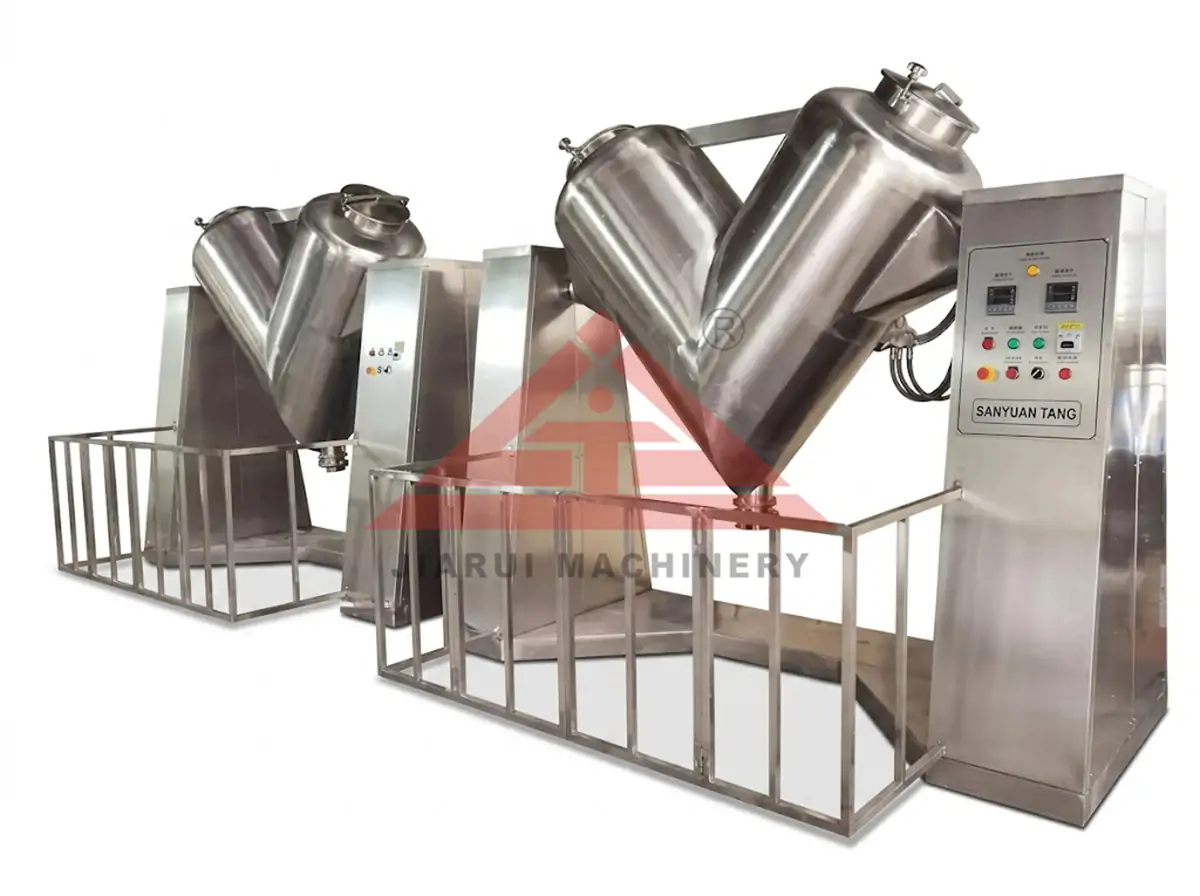
V Type Powder Mixer Machine is mainly used for uniform mixing of powders, granules, and multi-component mixtures. The equipment adopts a V-shaped rotating chamber, where materials are continuously divided, combined, and exchanged during the rotation process to achieve mixing under low shear force. Compared with forced mixing methods, the V-Blender has less impact on materials and is more suitable for dry powders, granules, and mixing processes that require maintaining particle integrity. It is commonly used in food, pharmaceutical, chemical, and new material industries. Jiarui can customize the equipment capacity, material, and structural configuration according to material characteristics, production requirements, and installation conditions.
- Equipment Name: V Type Powder Mixer Machine
- Mixing Materials: Dry powders, granules, and powder additives
- Mixing Method: V-shaped chamber rotating tumble mixing
- Equipment Capacity: Customized according to production requirements
- Contact Material: SUS304 / SUS316L stainless steel optional
- Drive Method: Motor + gearbox drive
- Applicable Industries: Food, pharmaceutical, chemical, new materials
- Customization Options: Capacity, material, discharge method, structural configuration, and auxiliary functions
Applicable Materials
V Type Powder Mixer Machine is mainly suitable for mixing dry powders and granules with good flowability. Through the rotation of the V-shaped chamber, materials are continuously tumbled, dispersed, and recombined inside the chamber, achieving uniform mixing between different components. Compared with high-shear mixing methods, the V-Blender provides a gentler mixing process and is suitable for applications requiring particle integrity and reduced material breakage.
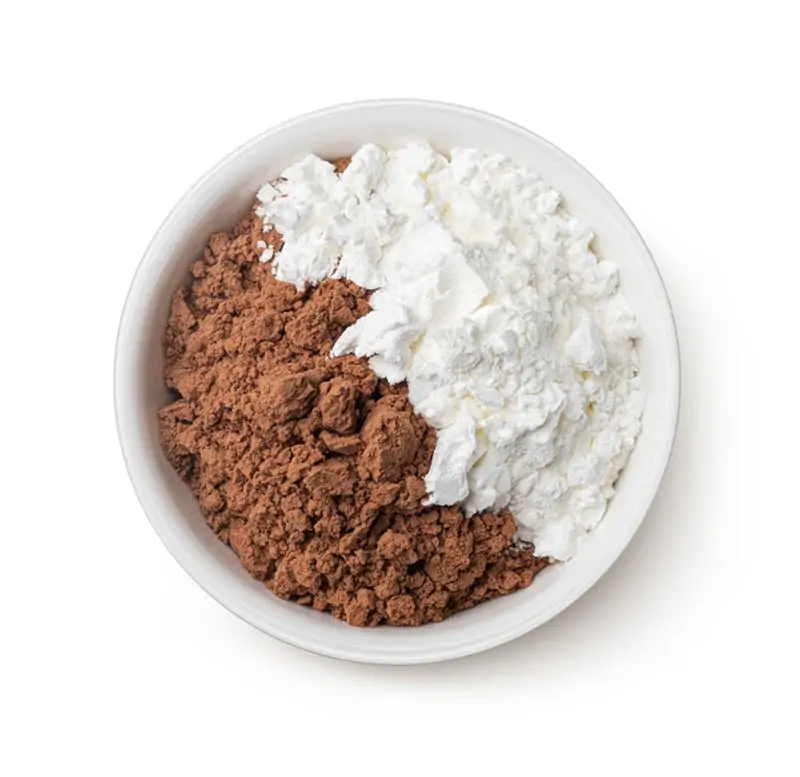 Food Powder Materials
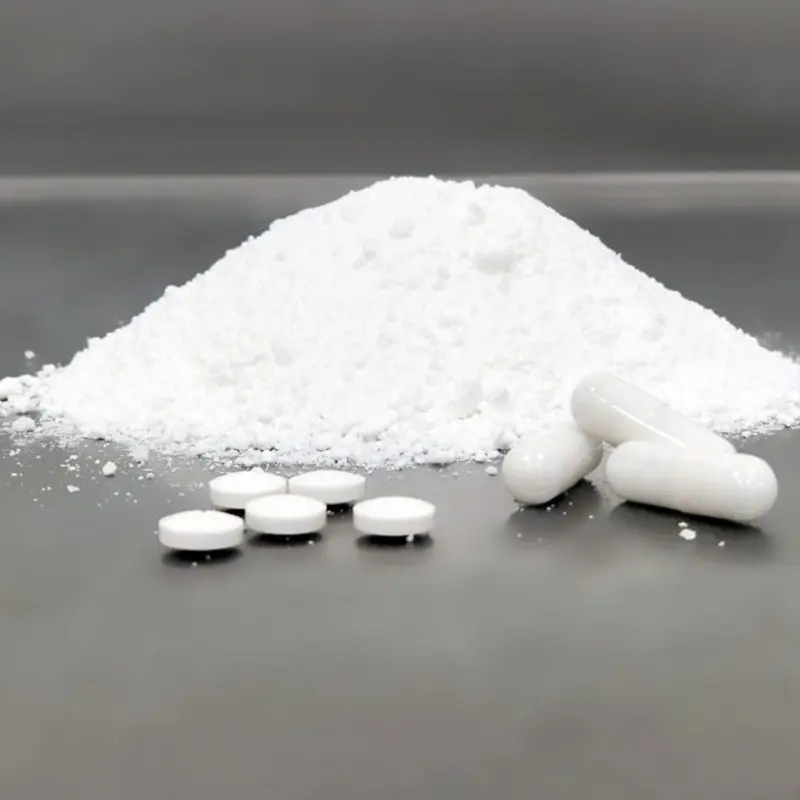 Pharmaceutical Powder Materials
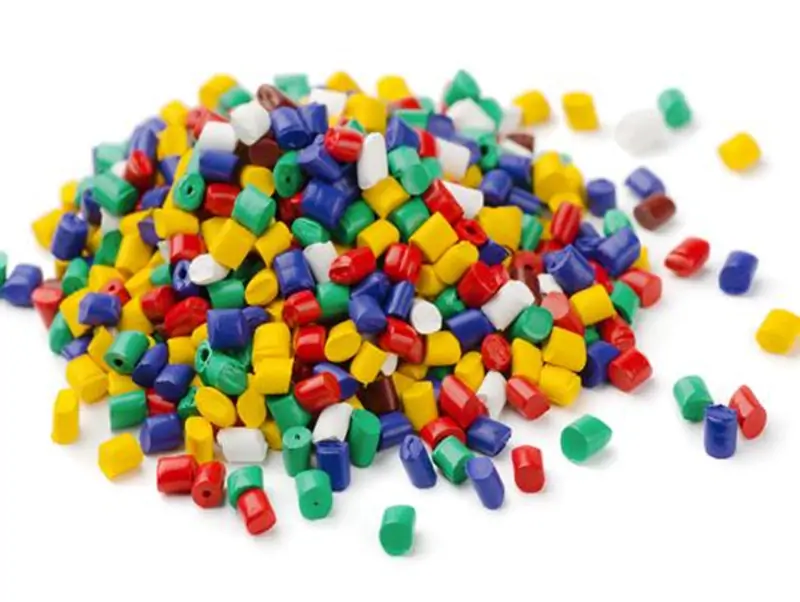 Plastic Granules
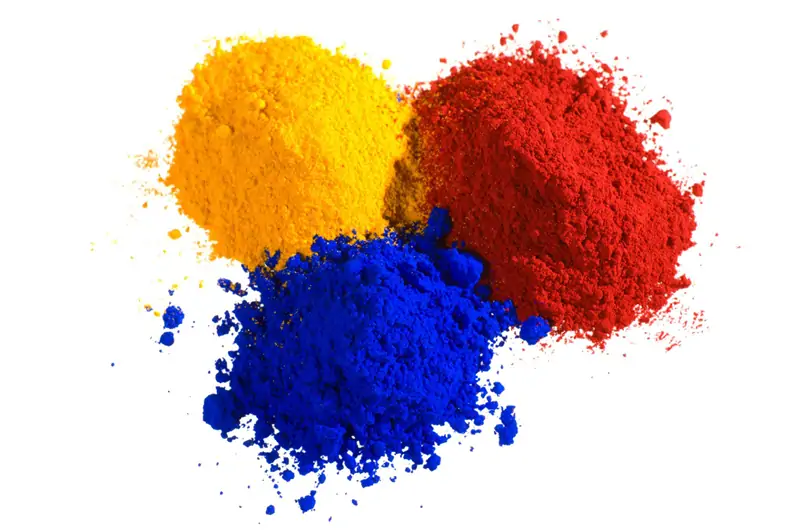 Chemical Powder Materials
Common applicable materials include:
- Food Powders: Flour, seasoning powder, milk powder, nutritional powder, etc., used for uniform mixing of different powder ingredients and additives.
- Pharmaceutical Powders: Active pharmaceutical ingredients, excipients, health product powders, etc., suitable for production processes requiring high mixing uniformity and hygiene standards.
- Chemical Powders: Resin powder, pigment powder, additives, etc., used for uniform proportioning of different powder materials.
- Plastic Granules: PP, PE, and other plastic granules, suitable for mixing between different granules or between granules and powder materials.
- Other Dry Powders and Granules: Suitable for mixing powders, granules, and small amounts of additives with good flowability.
Working Principle
The V Type Powder Mixer Machine uses the rotation of the V-shaped chamber to drive material movement, allowing materials inside the chamber to continuously tumble, disperse, and recombine. During rotation, materials repeatedly move along both sides of the chamber and exchange positions through repeated splitting and merging, gradually reaching the required mixing uniformity. Since the mixing process mainly relies on tumbling and diffusion, the equipment operates with low shear force and is suitable for gentle mixing of dry powders and granules.
Step 1: Material Feeding.The powders, granules, or additives to be mixed are loaded into the V-cone mixing chamber. The equipment is then started according to the preset mixing time.
Step 2: Chamber Rotation.The motor drives the V-shaped chamber to rotate at a low speed. Materials inside the chamber are continuously lifted, slid down, and tumbled along with the chamber movement.
Step 3: Material Splitting and Mixing.The V-shaped structure allows materials to repeatedly disperse and merge between the two chamber sections. Materials from different positions continuously exchange locations, achieving uniform distribution of each component.
Step 4: Material Discharge.After reaching the preset mixing time, the materials meet the production requirements and are discharged through the outlet for the next production process.

Core Structure
The mixing performance of the V-Blender mainly depends on the chamber structure and operating method. The equipment adopts a V-shaped mixing structure composed of two chambers. During operation, the rotating chamber drives the materials to continuously tumble, allowing materials in different positions to exchange continuously and achieve uniform mixing between different components. Compared with mixing equipment using high-speed agitation, the V-Blender mainly relies on material tumbling and diffusion for mixing. With lower shear force during operation, it is more suitable for mixing dry powders, granules, and powder additives that require maintaining particle integrity.
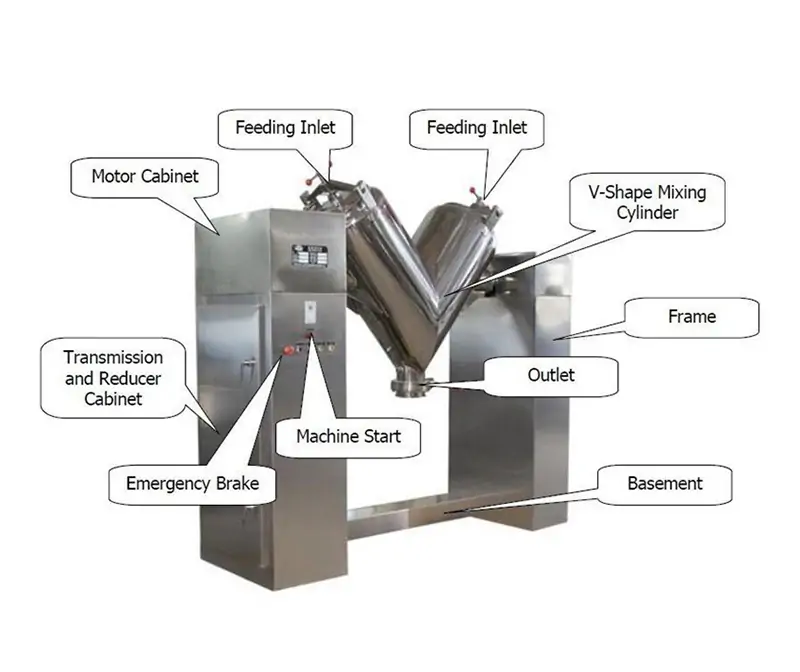
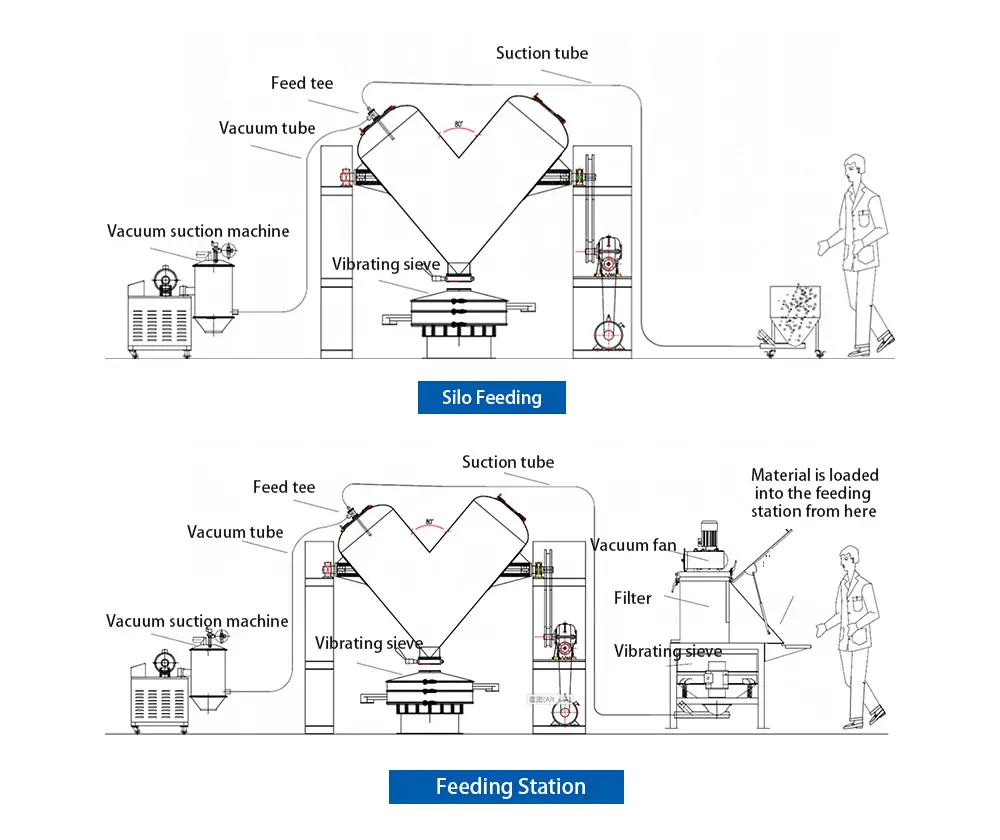
V-Cone Mixing Chamber Structure:The V-cone mixing chamber is the core component of the equipment. During operation, the motor drives the chamber to rotate slowly through the gearbox, and materials are continuously lifted, slid, and turned along the chamber wall. Under the V-shaped structure, materials repeatedly disperse and merge between the two chamber sections, while materials from different areas continuously exchange positions, gradually achieving uniform distribution of each component. Since the mixing process mainly relies on tumbling and diffusion without obvious high-shear action, particle breakage can be reduced. The structure is suitable for mixing processes involving food powders, pharmaceutical powders, chemical powders, and plastic granules that require material integrity.
Drive and Discharge System:The equipment uses a motor and gearbox to drive the chamber rotation. The drive configuration needs to be matched according to equipment capacity, material weight, and operating load to ensure stable operation during long-term use. The discharge structure can be equipped with different options such as manual butterfly valves or pneumatic butterfly valves according to production requirements. For applications with higher hygiene requirements, such as food and pharmaceutical industries, material contact parts are usually made of SUS304 or SUS316L stainless steel with corresponding surface treatment. This helps reduce material residue and facilitates equipment cleaning and material changeover between different batches.
Technical Parameters
The specifications of the V Type Powder Mixer Machine are usually selected according to mixing volume, batch capacity, and material characteristics. Different material density, flowability, and mixing requirements will affect equipment capacity, motor configuration, and structural design. The following parameters are standard configuration ranges, and specific models can be adjusted according to production requirements.
| Parameter Item | Standard Configuration |
| Equipment Type | V-Blender |
| Mixing Volume | 50L–5000L |
| Effective Filling Volume | 40%–60% of total volume |
| Mixing Method | V-shaped chamber rotating tumble mixing |
| Chamber Speed | 10–30 rpm |
| Motor Power | 0.75–15 kW |
| Contact Material | SUS304 / SUS316L stainless steel optional |
| Discharge Method | Manual butterfly valve, pneumatic butterfly valve optional |
| Control Method | Button control, timer control optional |
| Applicable Materials | Dry powders, granules, and small amounts of additives |
Selection Reference
When selecting a V-Blender, equipment specifications should be determined according to material characteristics, batch mixing quantity, and production requirements. For a more detailed explanation of V-Blender working principles, design, parts, and capacity selection, see our guide to V Blender Working Principle, Design, Parts, Capacity.
- Small Batch Testing or R&D Production: Smaller capacity equipment can be selected, with focus on convenient cleaning and material changeover efficiency.
- Batch Production Requirements: The equipment capacity should be selected according to the batch mixing quantity, with a suitable motor power configuration.
- Food, Pharmaceutical, and Other Industries with Higher Hygiene Requirements: Stainless steel contact materials are recommended, and inner wall treatment methods can be configured according to production requirements.
- Fragile Granular Materials: A suitable rotation speed should be selected to reduce particle damage through low-shear tumbling mixing.
- Materials with Special Safety Requirements: For materials that generate dust easily or require explosion-proof configurations, equipment sealing, explosion-proof electrical components, and related safety configurations should be confirmed in advance.
V-Blender vs Horizontal Ribbon Mixer Comparison
The main difference between the V Type Powder Mixer Machine and Horizontal Ribbon Mixer lies in their mixing structures and material movement methods. The V-Blender uses chamber rotation to tumble materials, allowing materials in different positions to continuously exchange and providing a relatively gentle mixing process with less particle damage. The Horizontal Ribbon Mixer uses rotating ribbons to push materials into continuous circulation, providing more intensive material movement and is more suitable for larger capacity production or applications requiring stronger material circulation.
| Comparison Item | V-Blender | Horizontal Ribbon Mixer |
| Mixing Method | V-shaped chamber rotation allows materials to continuously tumble, disperse, and exchange positions | Rotating ribbons push materials to form continuous circulation flow |
| Mixing Characteristics | Gentle mixing process with low shear force and less particle damage | More intensive material circulation with stronger mixing action |
| Suitable Materials | Dry powders, granules with good flowability, and materials requiring higher particle integrity | Powders, granules, and formulated materials requiring higher mixing intensity |
| Production Characteristics | Suitable for batch mixing and convenient material changeover between different products | Suitable for larger batch production and integration with automated production lines |
| Common Applications | Food powders, pharmaceutical powders, new materials, and other industries | Chemical, food, feed, building materials, and other industries |
The V-Blender is more suitable for dry powders and granular materials with good flowability. For applications such as food powders, pharmaceutical excipients, and some new material mixing processes where reducing particle breakage and improving cleaning and material changeover efficiency are required, the V-shaped structure is usually more suitable.
The Horizontal Ribbon Mixer has a wider application range. In addition to conventional powders and granules, it is also suitable for some production processes involving complex formulations or larger mixing volumes. The ribbon structure drives materials to circulate continuously, allowing different components to contact each other more fully and making it suitable for processes requiring stronger mixing performance.
Equipment selection should be based on material characteristics, production batch size, and mixing requirements. When confirming the equipment configuration, customers usually need to provide information such as material name, density, flowability, batch capacity, and mixing requirements, so the appropriate equipment structure and configuration can be selected.For other batch mixing applications, the W-Type Double Cone Mixer is another option for free-flowing powders and granules.
Customized Solution
The capacity, material, and structural design of the V Type Powder Mixer Machine need to be determined according to material characteristics and production requirements. Different application conditions require different chamber sizes, drive configurations, and feeding or discharge methods. Jiarui designs suitable equipment configurations according to customer-provided material parameters, production batch size, and installation conditions. Customization options mainly include:
- Equipment Capacity: Select suitable specifications according to batch mixing quantity and production requirements.
- Material Selection: Carbon steel, SUS304, or SUS316L materials can be selected according to material characteristics and hygiene requirements.
- Structural Adjustment: Optimize the equipment structure according to production line connection methods, installation space, and discharge requirements.
- Function Configuration: Configure corresponding functions according to requirements such as dust control, explosion-proof requirements, and automation level.
Customers can provide the following information:
- Material name and condition;
- Material particle size, density, and flowability;
- Batch processing capacity;
- Mixing requirements;
- Installation space and production line connection method.
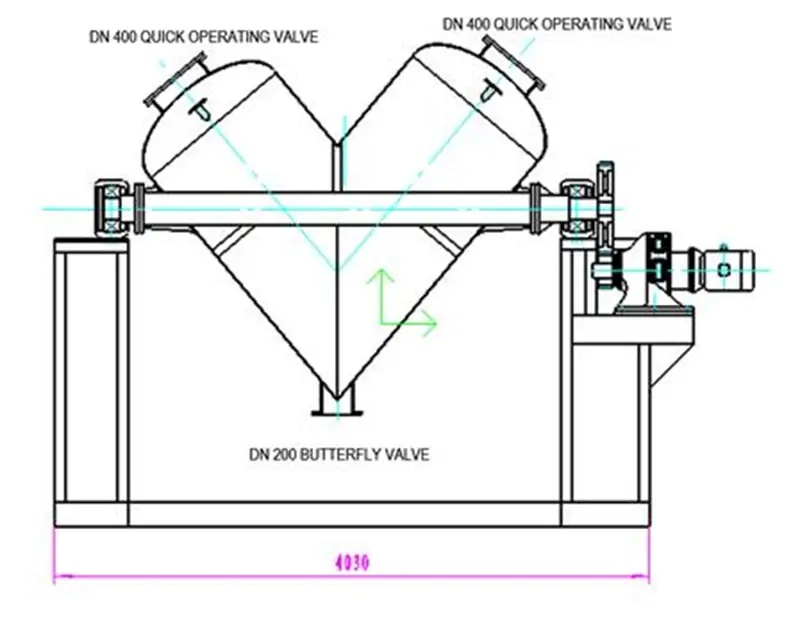
Jiarui engineering team designs the equipment according to project requirements and provides CAD drawings for confirmation.After the structure is confirmed, the equipment proceeds to manufacturing.
Manufacturing Process
The manufacturing process of the V Type Powder Mixer Machine mainly focuses on chamber fabrication, structural assembly, and commissioning. During manufacturing, key factors include chamber structure accuracy, material contact surface treatment, and overall operating stability.
For pharmaceutical and food applications with higher hygiene requirements, the material contact parts can be manufactured with SUS304 or SUS316L stainless steel and configured with suitable surface finishes to facilitate cleaning, reduce material residue, and support applicable Current Good Manufacturing Practice (CGMP) requirements.
Chamber Fabrication:The V-cone mixing chamber is manufactured according to equipment specifications. Chamber dimensions and connection accuracy are controlled to ensure stable operation during rotation. Proper chamber structure design affects the material tumbling condition and helps maintain a continuous mixing process.
Welding and Surface Treatment:Carbon steel, SUS304, or SUS316L materials can be selected according to customer requirements. After welding, the material contact areas are surface-treated to reduce material residue and facilitate subsequent cleaning and maintenance.
Drive System Assembly:The motor, gearbox, and rotating mechanism are installed, and the drive connections are adjusted to ensure smooth operation of the mixing chamber. A stable drive system helps maintain equipment reliability during long-term operation.
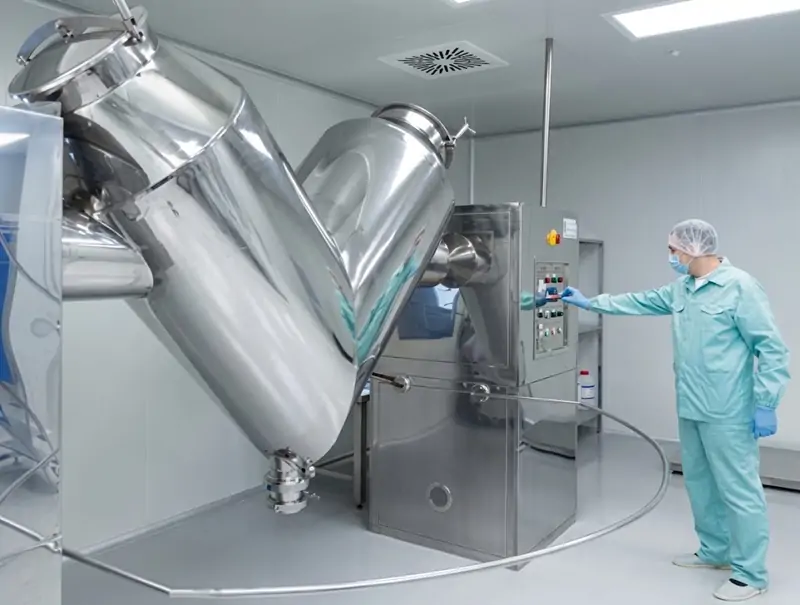
Complete Machine Testing:After assembly, the equipment undergoes no-load operation testing to check the chamber rotation condition, discharge structure, and control system operation. The equipment is delivered after confirming that it meets the design requirements.
FAQs
Get a Free Consultation
Fill out the form below to connect with our experts and receive personalized recommendations for your application.