管式振动输送机

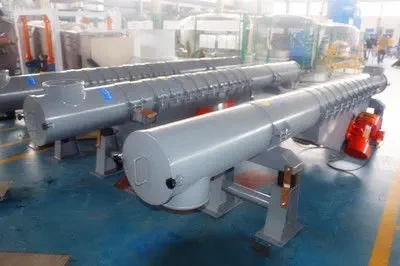
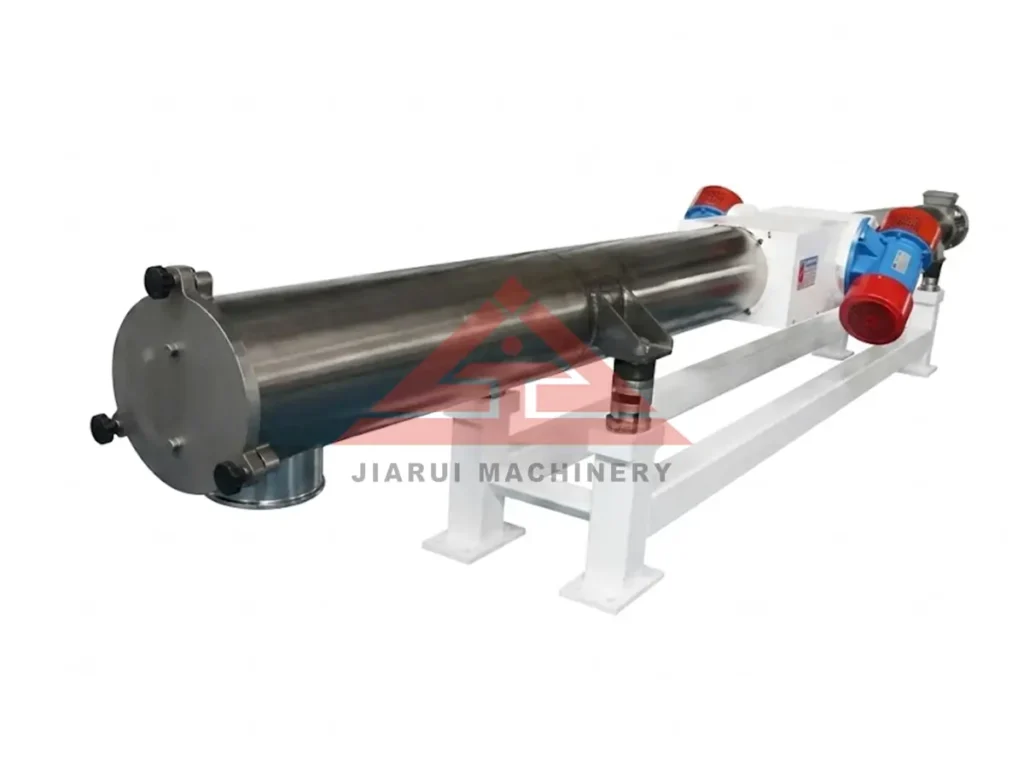
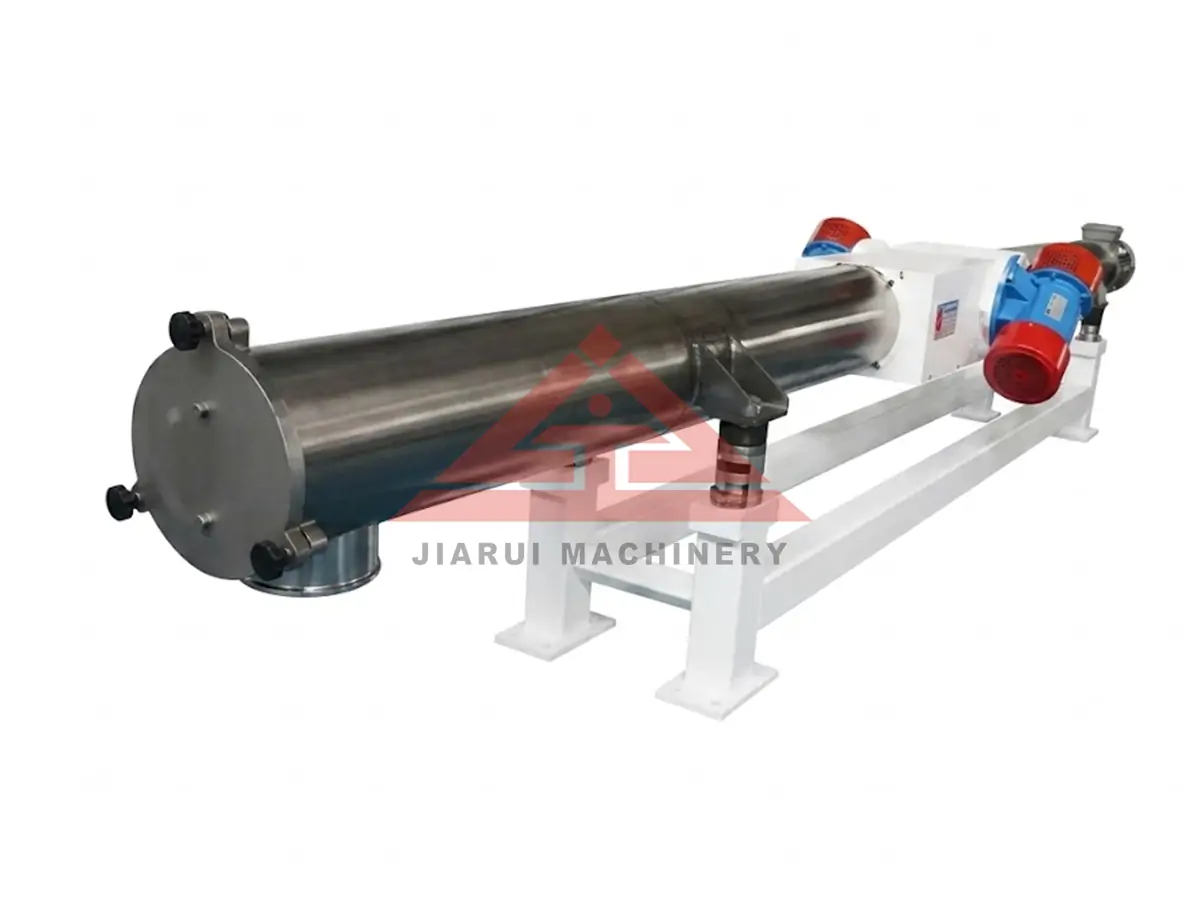
A Tube Vibrating Conveyor is an enclosed tubular vibrating conveying equipment designed for continuous transportation of powder, granular, and small bulk materials. By using vibration motors or exciters to generate vibration force, materials move steadily along the conveying direction inside the sealed tube. With features such as enclosed conveying, reduced dust emission, stable feeding, and low material damage, the Tube Vibrating Conveyor is widely used for material conveying and uniform feeding in industries including chemical, food, pharmaceutical, mining, metallurgy, and building materials.

嘉瑞 provides customized Tube Vibrating Conveyor solutions according to different material characteristics, conveying distances, installation spaces, and production requirements. Our engineering team can optimize the tube diameter, material selection, inlet and outlet design, and overall equipment structure to help customers solve material conveying challenges under different operating conditions.

  • Series Models: ZDS273, ZDS356 Series
  • Tube Diameter: Φ273–Φ356 mm
  • Motor Power: 0.25–0.75 kW
  • Conveying Distance: 2000–5500 mm
  • Inclination Angle: 0–5°
  • Suitable Materials: Powder, granular, and small bulk materials
  • Material Options: Carbon steel, Stainless Steel 304, Stainless Steel 316
  • 定制化: Customized design available according to material characteristics, conveying distance, and site layout
获取报价 发送至邮箱

What Is a Tube Vibrating Conveyor?

A Tube Vibrating Conveyor, also known as a vibratory tube conveyor or enclosed vibrating conveyor, is a continuous conveying system with a sealed tubular structure. It is mainly used for transporting powder, granular, and small bulk materials in production environments where dust control and enclosed material handling are required. The equipment moves materials forward through vibration inside the tube.

Compared with traditional screw conveyors, a Tube Vibrating Conveyor does not use rotating screw blades to directly contact the material, which helps reduce material crushing and wear during transportation. The enclosed tube structure also helps prevent dust leakage and provides a cleaner conveying environment, making it suitable for industries such as chemical processing, food production, pharmaceuticals, mining, metallurgy, and building materials.

工作原理

A Tube Vibrating Conveyor mainly relies on vibration force to move materials inside the enclosed tube. During operation, the vibration motor generates excitation force, causing the conveying tube to vibrate continuously and allowing materials to move forward gradually along the conveying direction.

The Vibration Motor Generates Driving Force

After the equipment starts, the vibration motor generates excitation force and drives the conveying tube to produce continuous vibration. A proper vibration condition is the basic requirement for maintaining stable material conveying.

Materials Move Forward Inside the Tube

As the conveying tube continues vibrating, materials inside the tube move forward through small jumping movements caused by inertia. Compared with screw conveying methods, materials are not continuously squeezed by rotating blades, which provides better protection for particle integrity.

The Vibration Process Completes Continuous Conveying

After entering from the inlet, materials continuously pass through the conveying area under the action of vibration force and are finally discharged from the outlet, completing continuous material feeding.

The conveying performance may vary when the same equipment handles different materials. For example, powder materials usually require better control of blockage and sealing, while granular materials pay more attention to particle integrity. Therefore, material characteristics should be confirmed before equipment selection to achieve stable conveying performance.

管式振动输送机
管式振动输送机

.

Structure

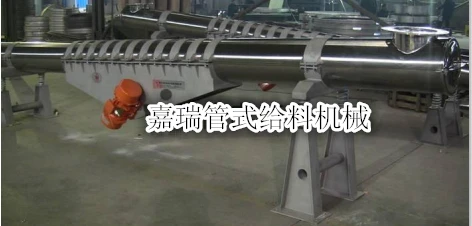
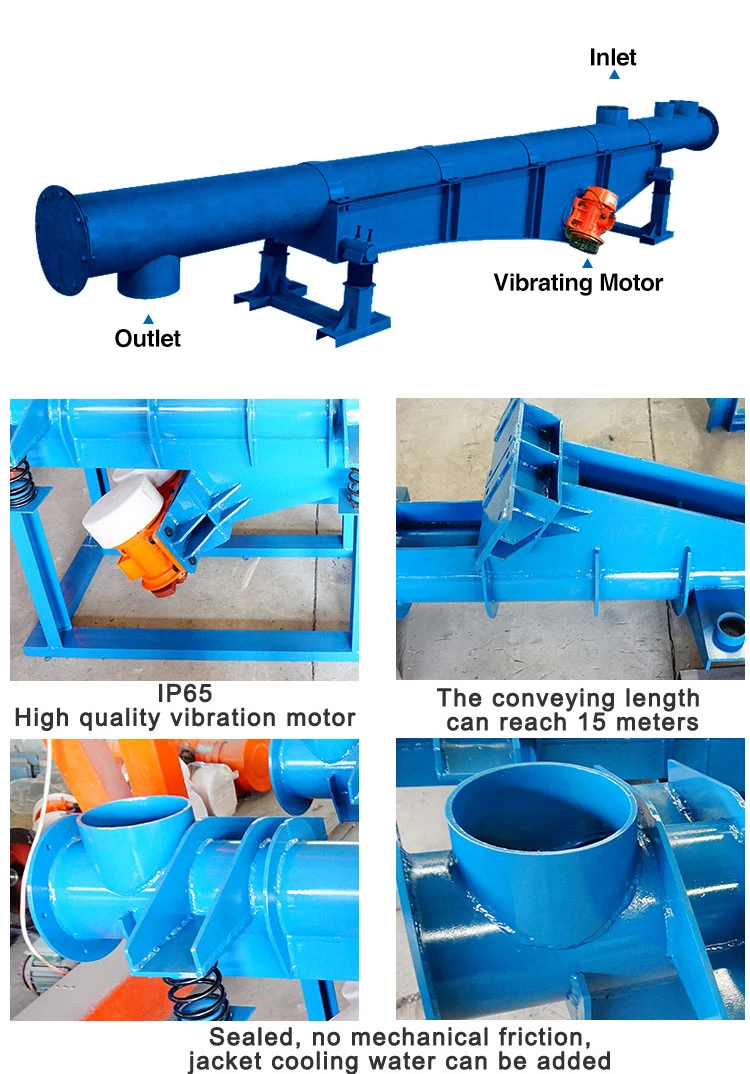
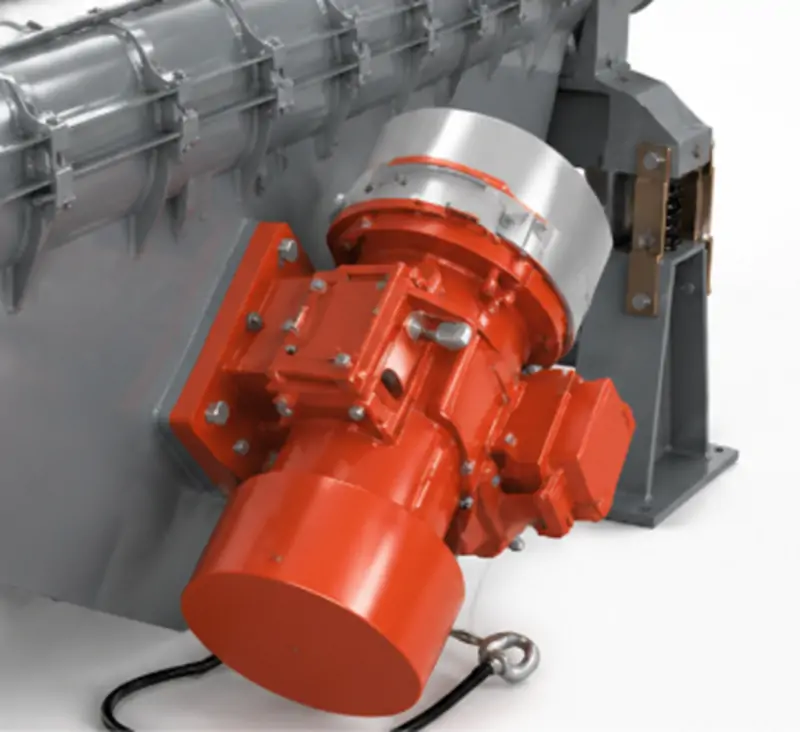
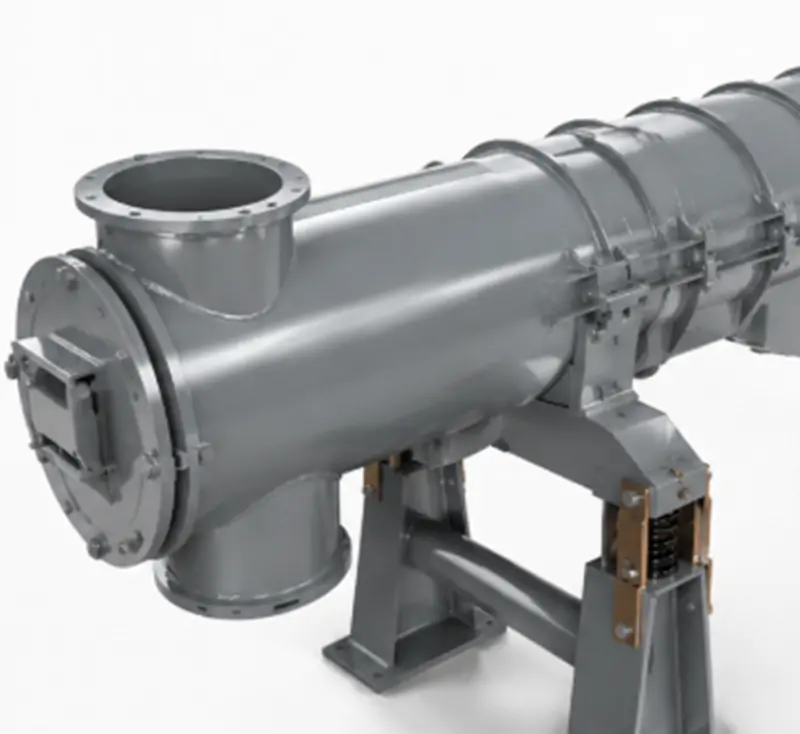
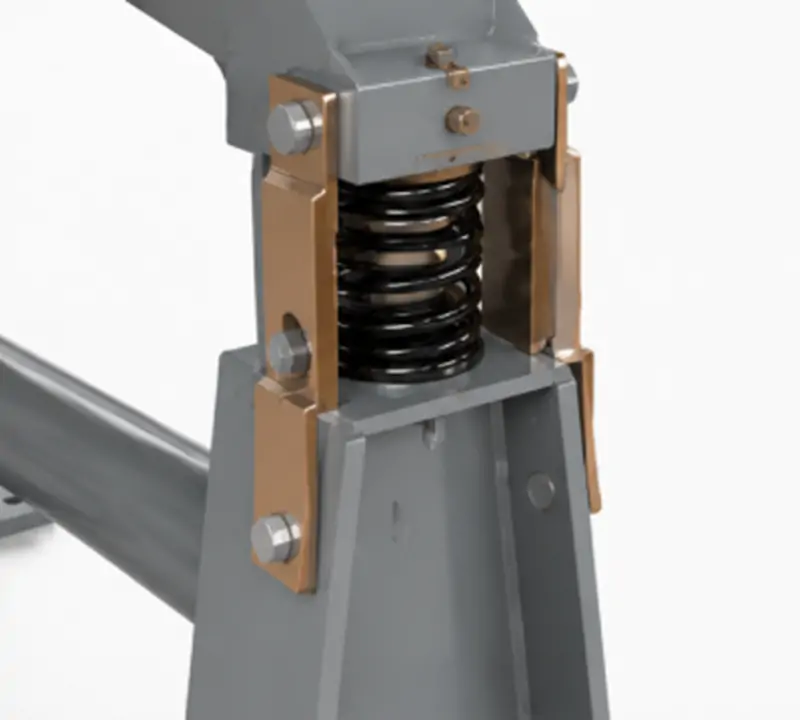
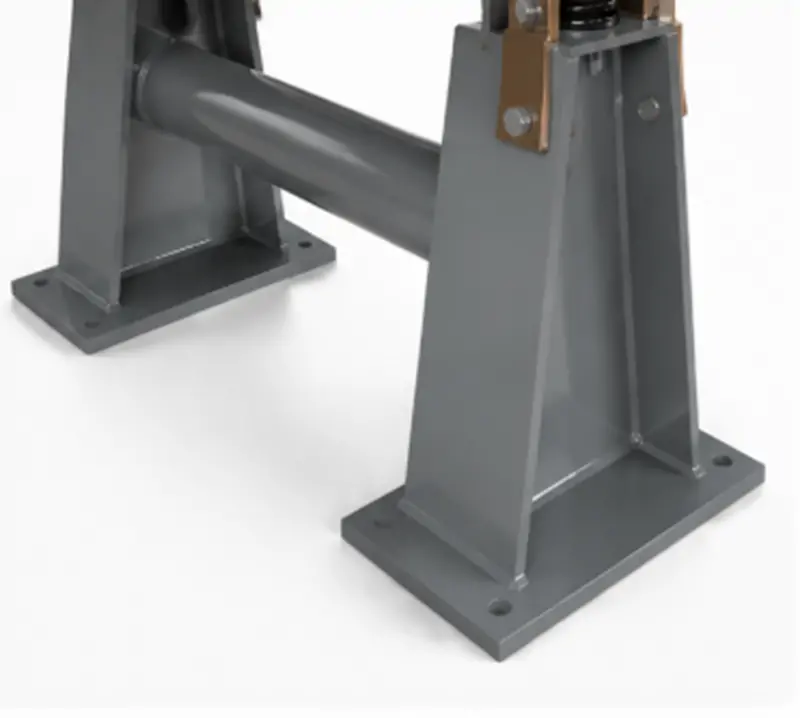
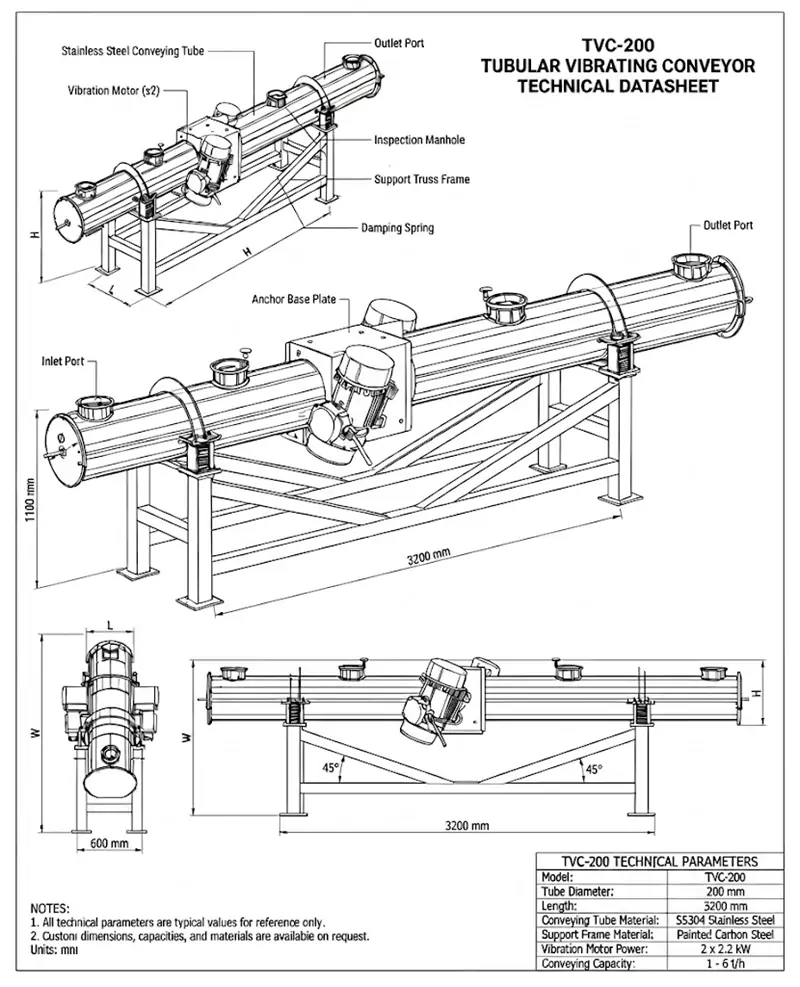
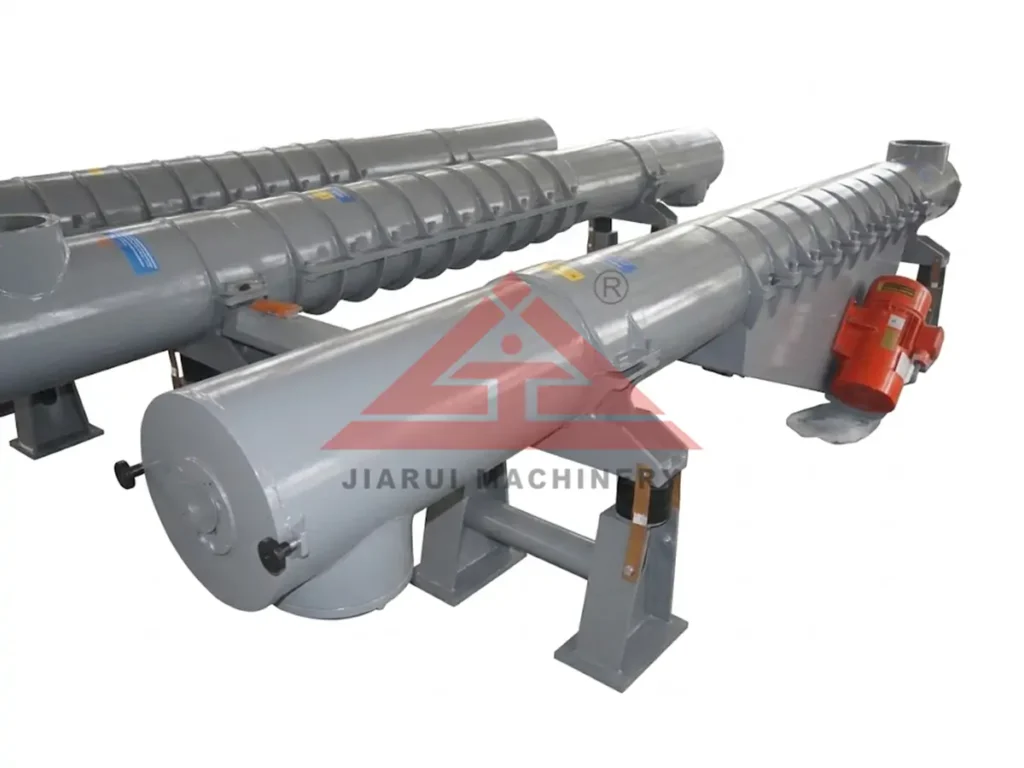
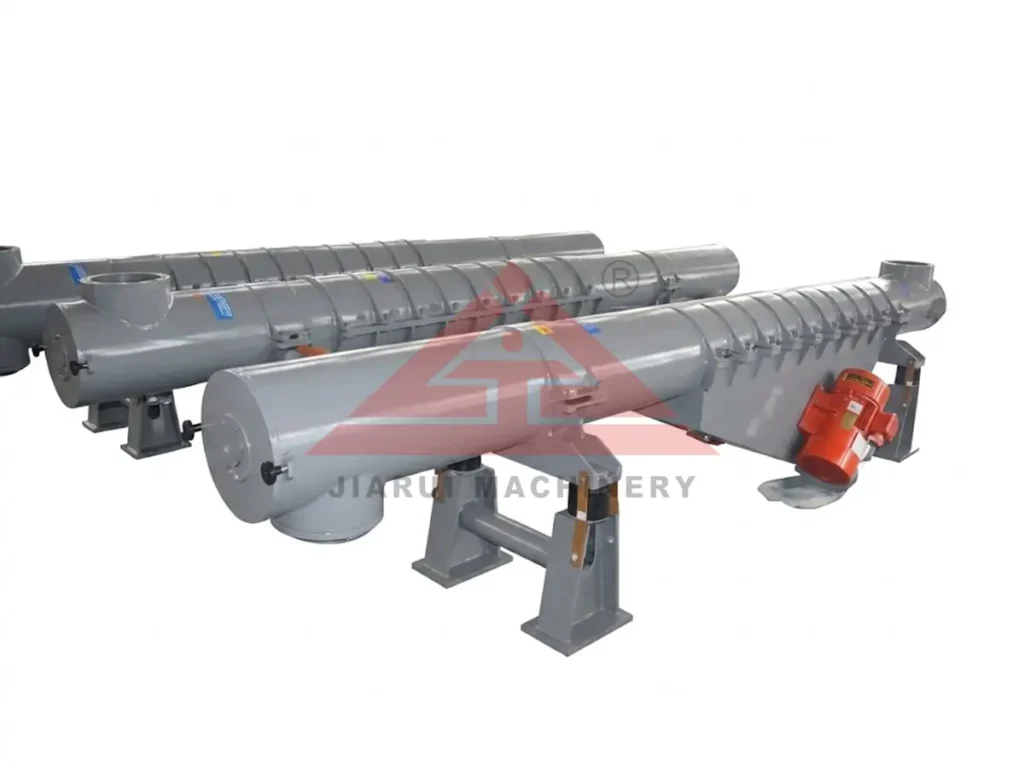
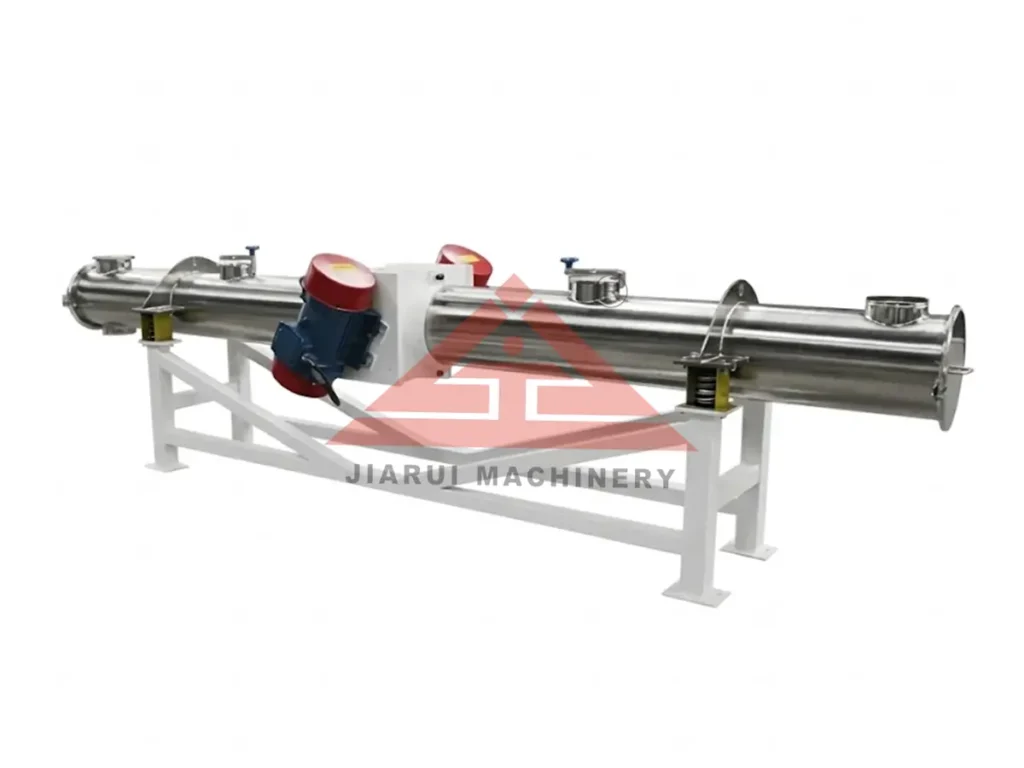
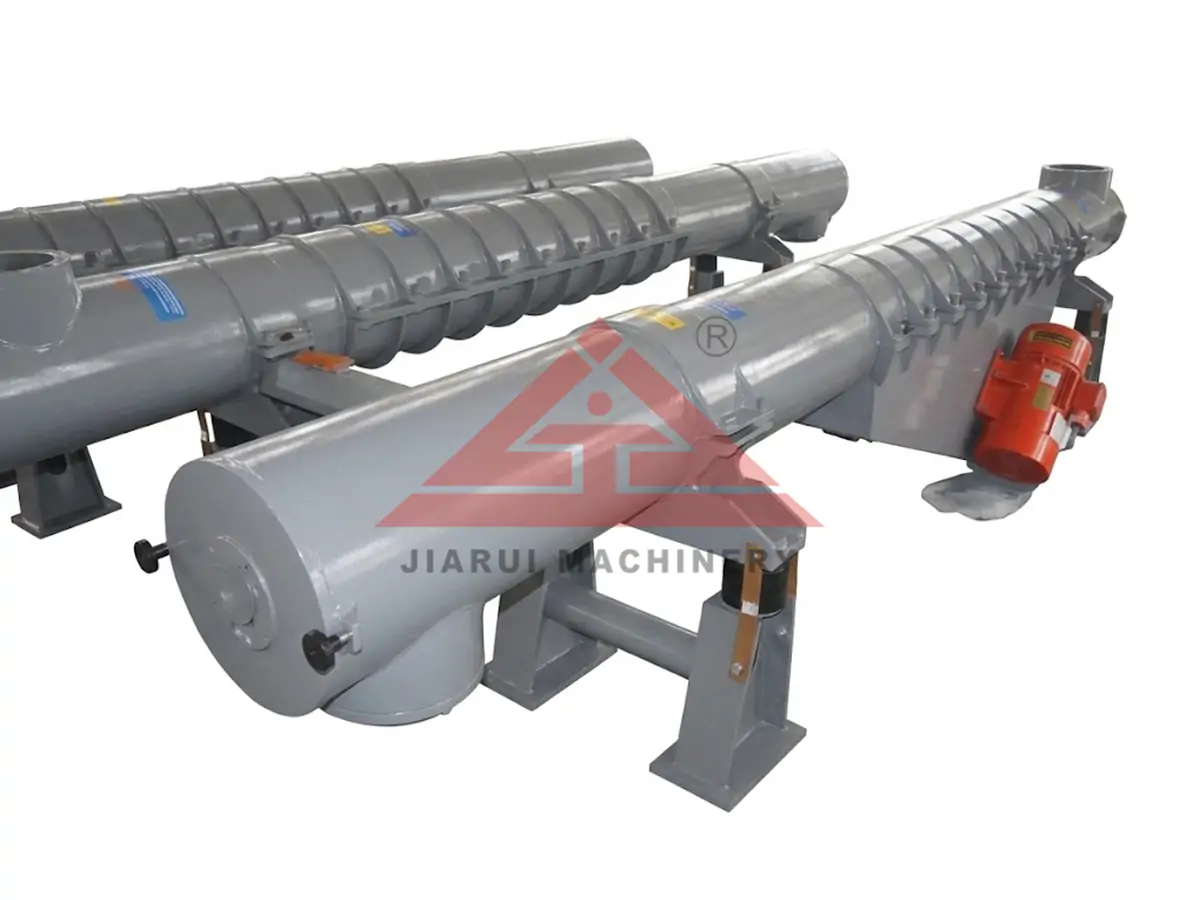
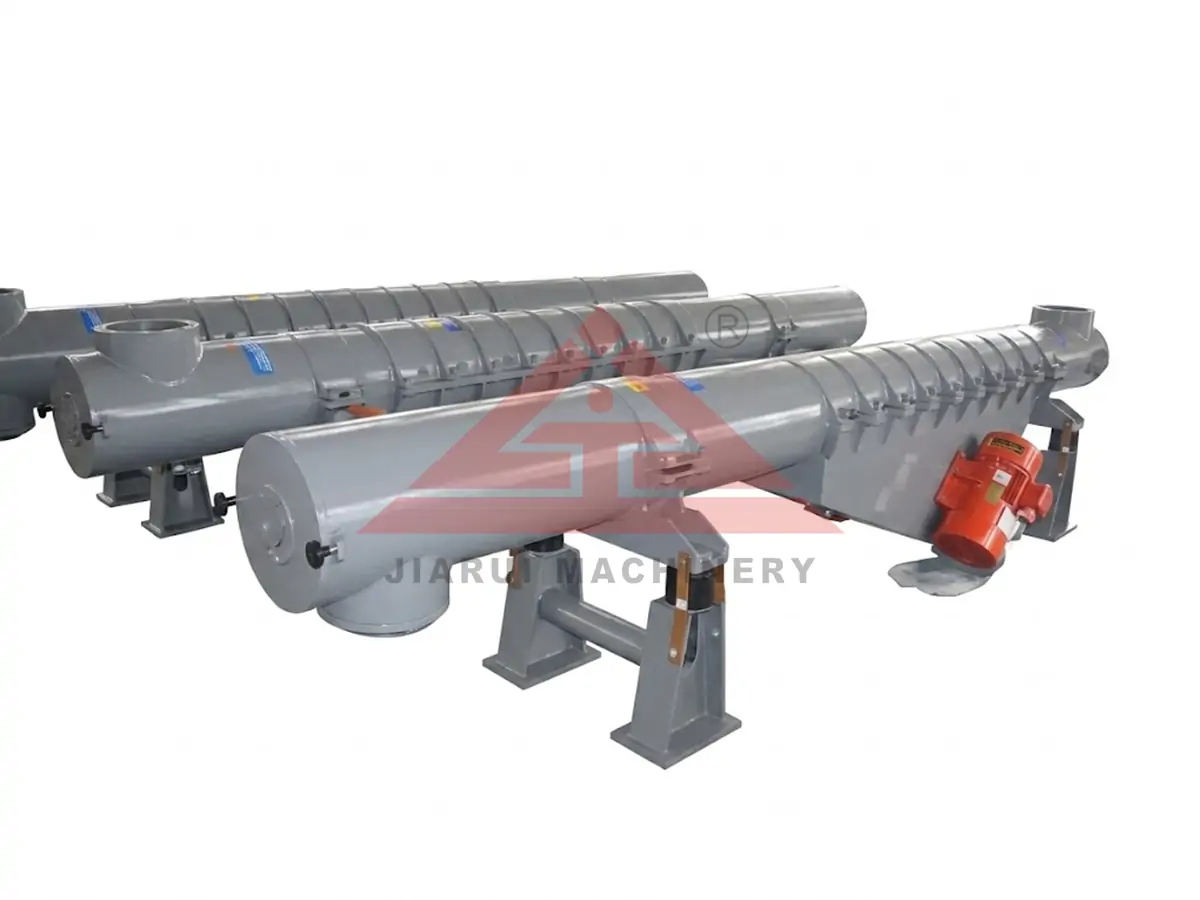
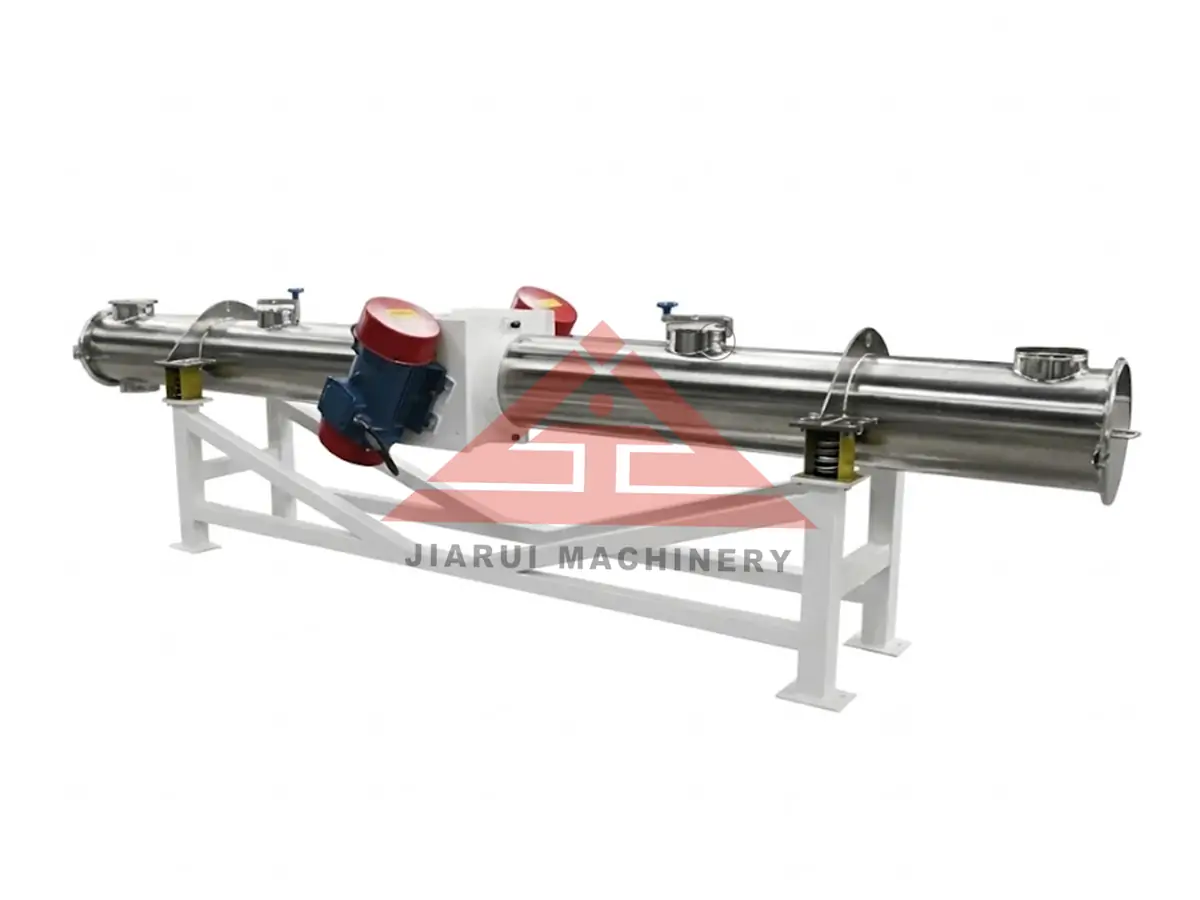
A Tube Vibrating Conveyor mainly consists of a vibration motor, conveying tube, damping springs, and support base. Although the structure is relatively simple, the matching between each component directly affects conveying stability. During equipment design, factors such as vibration transmission, support structure, and material characteristics need to be considered.

1. Vibration Motor

The vibration motor is the power source of the equipment. Through synchronous reverse rotation, it generates excitation force and drives the conveying tube to produce regular vibration. Motor selection is not only related to power capacity but also needs to consider material weight, conveying distance, and operating conditions to determine suitable vibration parameters.

2. Conveying Tube

The conveying tube is the main channel where materials move. It adopts an enclosed circular tube structure, which helps reduce dust leakage and prevents external contamination from entering the material. According to different application environments, carbon steel, stainless steel 304, or stainless steel 316 can be selected to meet requirements for wear resistance, corrosion resistance, or hygiene standards.

3. Damping Springs

Damping springs support the vibrating parts of the equipment and reduce vibration transmission to the supporting structure. The spring stiffness and installation method need to be properly matched; otherwise, equipment stability and service life may be affected.

4. Support Base

The support base carries the entire equipment structure and ensures stable connection with the production line. During installation design, the surrounding space, feeding and discharge positions, and the layout of upstream and downstream equipment should be considered.

The structure of a Tube Vibrating Conveyor is not simply a combination of several components. Each part needs to work together according to material characteristics, conveying distance, and site conditions. Proper structural configuration helps maintain stable operation and reduce unnecessary maintenance during long-term use.

优势

Different from traditional conveying equipment, the performance of a Tube Vibrating Conveyor mainly depends on its enclosed structure, vibration method, and component design. These features help the equipment handle materials more gently while improving conveying stability in different production environments.

应用领域

A Tube Vibrating Conveyor is mainly used for continuous conveying of powder, granular, and small bulk materials. Different materials may have different requirements during transportation. Some materials require better dust control, some require wear resistance, while others focus more on stable feeding and material protection.

Therefore, equipment selection should not only consider conveying distance and capacity. Factors such as material characteristics, particle size, flowability, and required tube material should also be considered to ensure reliable operation.

Common Materials and Selection Guide

Material Type典型物料Material CharacteristicsSelection Considerations
Plastic PelletsPP pellets, PE pellets, resin pelletsGood flowability, some materials may generate static electricityFocus on particle protection and proper vibration settings to reduce breakage and wear
Food PowdersFlour, starch, sugar powder, food additivesFine particles with high hygiene requirementsStainless steel 304/316 is usually selected, while sealing and cleaning convenience should also be considered
Chemical MaterialsCatalysts, pigment powder, resin powderSome materials are corrosive and easily generate dustSelect suitable materials according to chemical properties and improve sealing performance
Mineral GranulesQuartz sand, mineral sand, metal particlesHigh hardness and possible abrasive wearConsider tube wear resistance and select suitable specifications according to particle size and conveying volume
Mineral PowdersIron powder, copper powder, etc.Fine particles with high dust generation and possible poor flowabilityPay attention to anti-blocking performance and adjust vibration parameters properly
Building Material PowdersCement powder, fly ash, desulfurization agentsLarge amount of dust and changing bulk densityEnclosed conveying helps reduce dust emission and is suitable for continuous feeding

Materials Requiring Additional Consideration

Material CharacteristicsPossible Issues
High-viscosity materialsMaterials may stick to the tube wall and affect smooth conveying
High moisture materialsEasy to form lumps and reduce conveying continuity
Easily compacted powdersReduced flowability may cause bridging or blockage
Oversized particlesLimited tube space may prevent stable conveying
Highly corrosive materialsStandard materials may not meet long-term operating requirements
High-temperature materialsMaterial selection and equipment structure need additional confirmation

The suitable Tube Vibrating Conveyor configuration depends on the material characteristics and operating conditions. Even for the same type of material, differences in particle size, moisture content, and flowability may require different equipment configurations.

If you are unsure whether this equipment is suitable for your material, you can provide the material information, conveying distance, and operating environment. Our engineering team can recommend a suitable configuration or provide a customized conveying solution.

联系我们

邮箱: info@jiaruimachinery.com
电话/WhatsApp: +86 18838703198

获取报价

Parameters

The ZDS series Tube Vibrating Conveyor provides different configurations according to conveying distance, installation space, and material characteristics. The following parameters are based on standard models. The actual equipment dimensions and structural design can be adjusted according to specific operating conditions.

型号Tube Diameter (mm)电机功率(千瓦)Conveying Distance (mm)Inclination Angle (°)Inlet & Outlet Size (mm)
ZDS273-20002730.2520000-5273
ZDS273-25002730.2525000-5273
ZDS273-30002730.3730000-5273
ZDS356-30003560.3730000-5356
ZDS356-35003560.3735000-5356
ZDS356-40003560.5540000-5356
ZDS356-45003560.5545000-5356
ZDS356-50003560.7550000-5356
ZDS356-55003560.7555000-5356


During equipment selection, the suitable model should be confirmed according to the installation conditions and conveying requirements. Different applications may require adjustments to the tube diameter, vibration parameters, and structural design. If you are unsure about the right configuration, please provide your material information and operating requirements, and our engineering team can recommend a suitable solution.

Tube Vibrating Conveyor vs Screw Conveyor

Tube Vibrating Conveyor and screw conveyor are both commonly used for conveying powder and granular materials. However, they have different conveying principles and structural designs, which make them suitable for different operating conditions. The selection should be based on material characteristics, conveying requirements, and production conditions.

Comparison Item管式振动输送机Screw Conveyor
Conveying PrincipleUses vibration force to move materials forward inside the enclosed tubeUses rotating screw blades to push materials along the conveying direction
Material ProtectionProvides gentle conveying, suitable for materials that require better particle protectionContinuous contact with screw blades may cause material squeezing and wear
Internal StructureNo rotating shaft, screw blades, or other complex moving components inside the conveying tubeContains screw shaft, blades, bearings, and other rotating parts
Dust ControlEnclosed tube structure helps reduce dust leakage and is suitable for dust-sensitive environmentsCan use sealed designs, but shaft seals require regular inspection and maintenance
Maintenance RequirementsSimple structure with routine maintenance mainly focused on vibration motors and springsRequires regular inspection of screw blades, bearings, and other wearing parts
适用物料Powder, granular, and small bulk materials requiring gentle conveying and good cleanlinessPowder, granular, and materials requiring stronger pushing force
典型应用Food, chemical, pharmaceutical, and fine powder conveying applicationsBuilding materials, chemical, grain, and general material conveying applications

How to Choose?

When materials require better dust control, cleaner conveying conditions, or reduced particle damage, a Tube Vibrating Conveyor is usually a better choice.

For applications requiring longer conveying distances, stronger pushing force, or larger conveying angles, a screw conveyor may be more suitable.

For specific projects, the final selection should be based on material properties, installation space, conveying distance, and production requirements.

Customize

Different customers may have different material characteristics and installation conditions. Even for the same conveying requirement, the equipment configuration may need to be adjusted according to the actual application. Some projects require changes in equipment dimensions, some focus more on dust sealing, while others need better connection with upstream and downstream equipment.

We can adjust the tube diameter, conveying length, material selection, inlet and outlet connections, and installation structure according to specific requirements, providing a conveying solution that better matches the operating conditions. In addition to single equipment customization, we can also provide supporting conveying solutions for screening lines, powder processing systems, mineral processing lines, and other production applications.

To select a more suitable equipment configuration, please provide the following information:

  • Material name:
  • Conveying distance:
  • Required capacity:
  • Installation space:
  • Special requirements :(such as stainless steel material, dust control, corrosion resistance, etc.)

联系我们

邮箱: info@jiaruimachinery.com
电话/WhatsApp: +86 18838703198

获取报价

Jiarui Manufacturing Capability

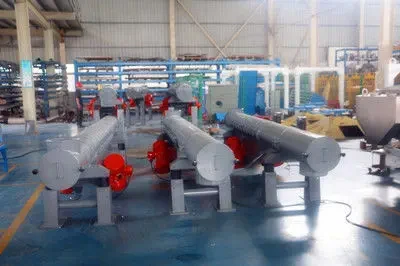
Tube Vibrating Conveyor requires accurate matching between the conveying tube, vibration system, material characteristics, and installation conditions. During manufacturing, details such as tube size, material selection, connection design, and vibration structure all need to be considered according to the actual application.

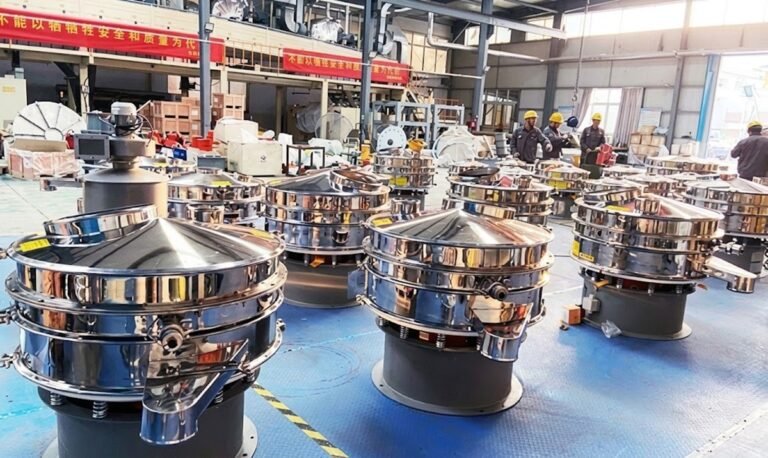
With experience in vibrating screening, conveying, and filtration equipment manufacturing, Jiarui can complete tube processing, structural fabrication, equipment assembly, and factory testing based on customer requirements. Carbon steel, stainless steel 304, and stainless steel 316 materials are available for different working environments, and key structures can be adjusted to better fit the production line.

The company has passed ISO9001 quality management system certification and holds multiple equipment-related technology patents. Through continuous improvement in design and manufacturing processes, Jiarui provides reliable conveying equipment solutions for customers in different industries.

常见问题

A Tube Vibrating Conveyor is mainly used for conveying powder, granular, and small bulk materials, such as plastic pellets, food powders, chemical materials, mineral powders, cement powder, and quartz sand. Different materials may require different configurations because factors such as particle size, moisture content, and flowability can affect conveying performance.

Both equipment types can be used for powder and granular material conveying, but their working methods are different. A Tube Vibrating Conveyor moves materials through vibration without rotating screw blades, which helps reduce material crushing and wear. A Screw Conveyor uses rotating blades to push materials and is more suitable for applications requiring stronger conveying force or larger conveying angles.

Yes. The enclosed tube structure helps isolate materials from the external environment and reduces dust leakage during conveying. For dusty materials such as mineral powder, cement powder, and chemical powder, the equipment configuration should be selected according to sealing requirements and operating conditions.

Yes. Different production lines have different installation spaces, conveying distances, and material conditions, so standard models may not always meet the requirements. Jiarui can customize the tube diameter, conveying length, material selection, inlet and outlet design, and structural configuration according to specific application conditions.

The ZDS series Tube Vibrating Conveyor usually provides conveying distances from 2000 mm to 5500 mm. The actual conveying capacity depends on material density, particle size, flowability, and installation conditions. A suitable model should be selected based on the complete operating requirements.

Yes. Because material characteristics and installation conditions vary from project to project, Tube Vibrating Conveyor systems often require structural adjustments for specific applications. Jiarui’s engineering team can optimize tube diameter, length, material, connection design, and other configurations according to customer requirements to provide a suitable conveying solution.

Get a Free Consultation

Fill out the form below to connect with our experts and receive personalized recommendations for your application.

  • Material Type
  • Material Size/Granulation
  • Required Screening/Conveying Capacity
  • Material Flow Rate
  • Moisture Content
  • Separation Requirements
  • Special Features or Customization Needs
Follow Us: