
ناقل اهتزازي أنبوبي
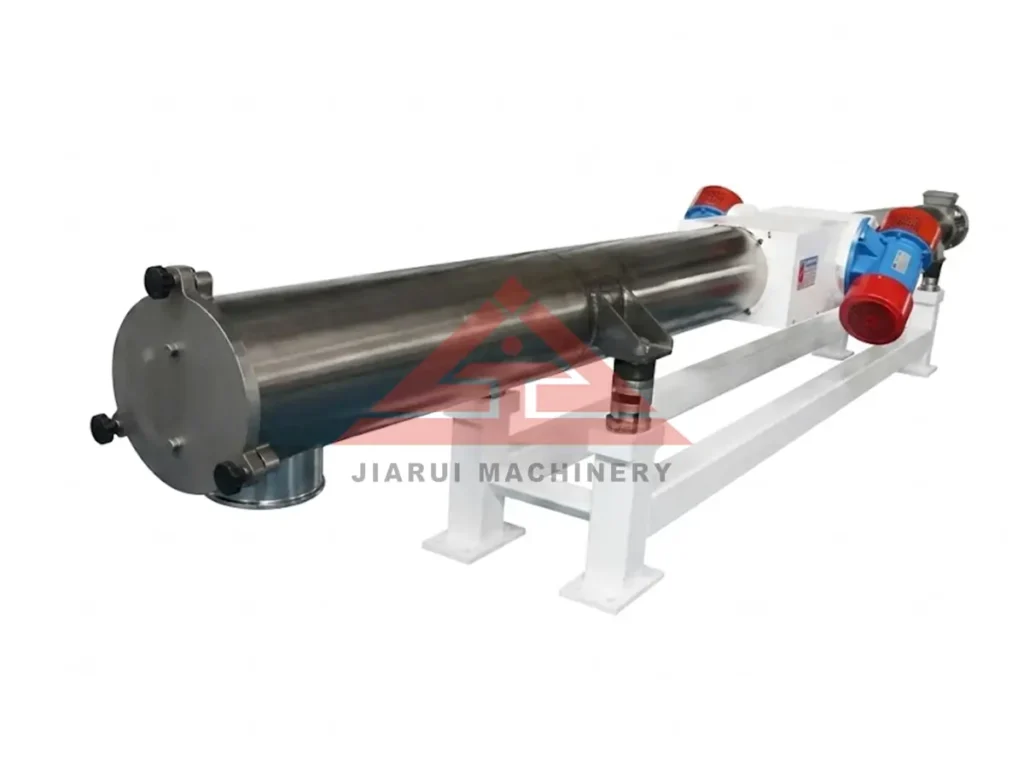
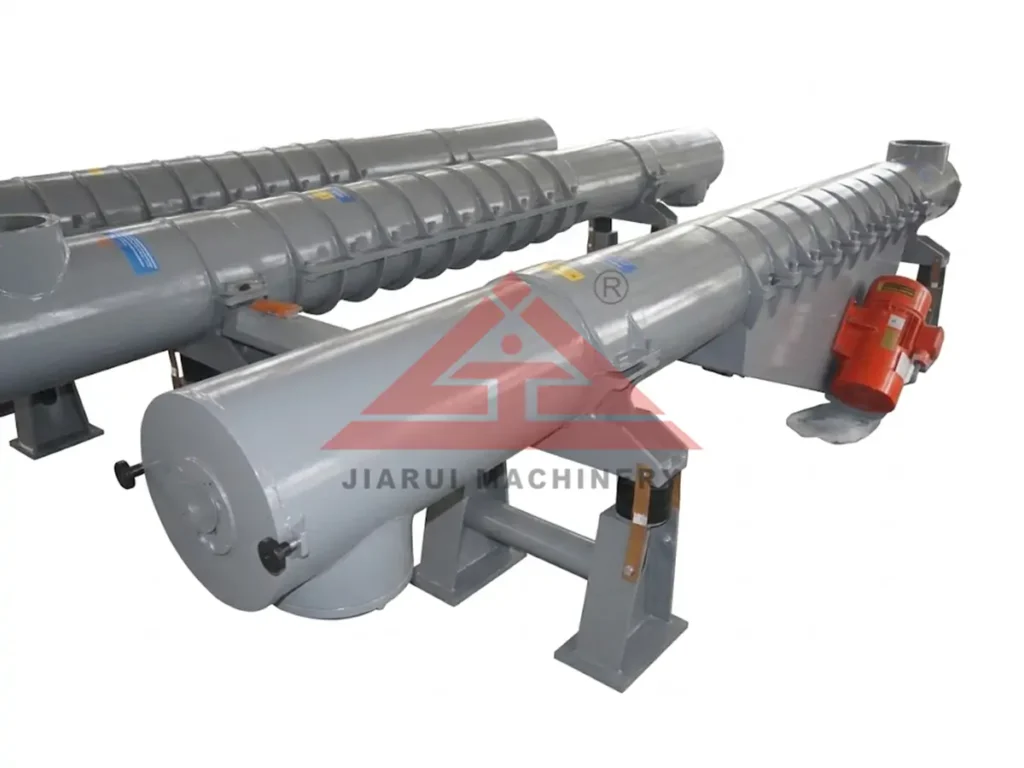
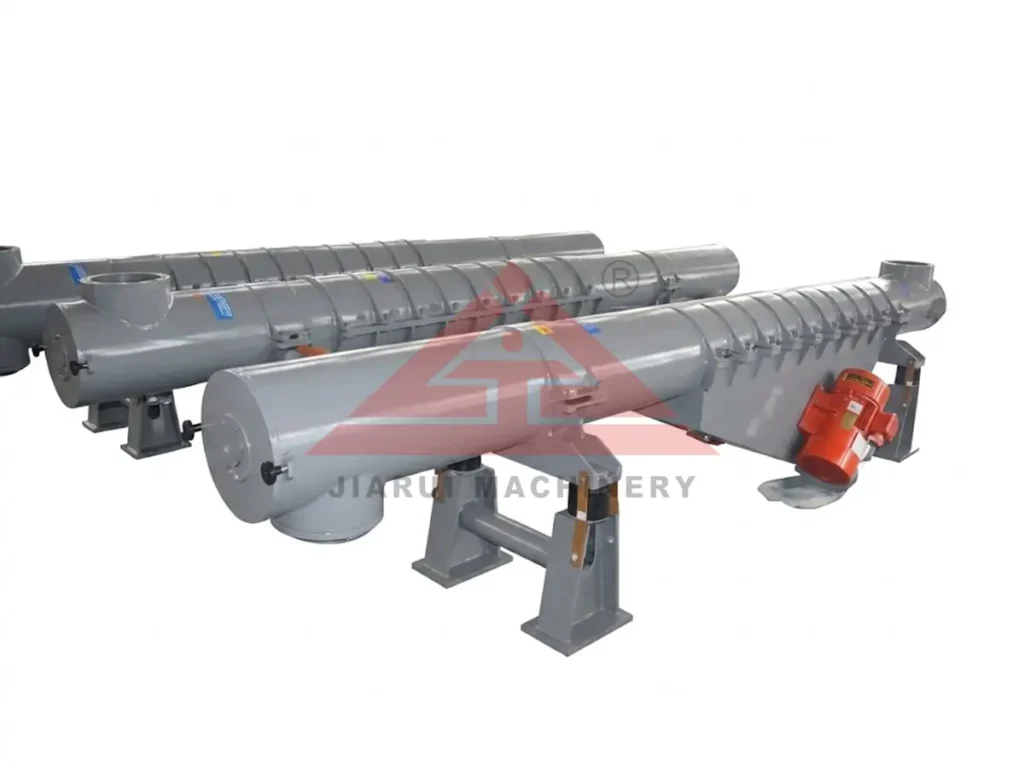
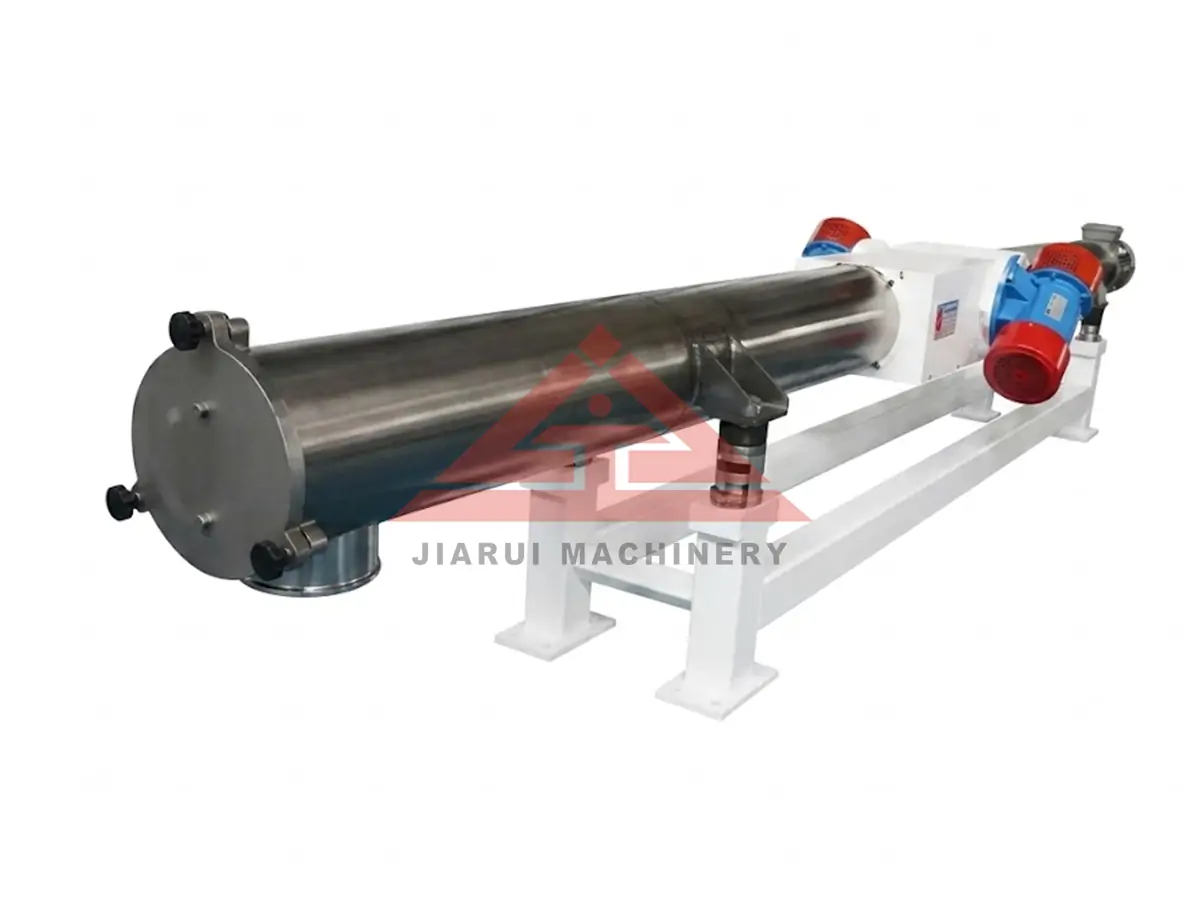
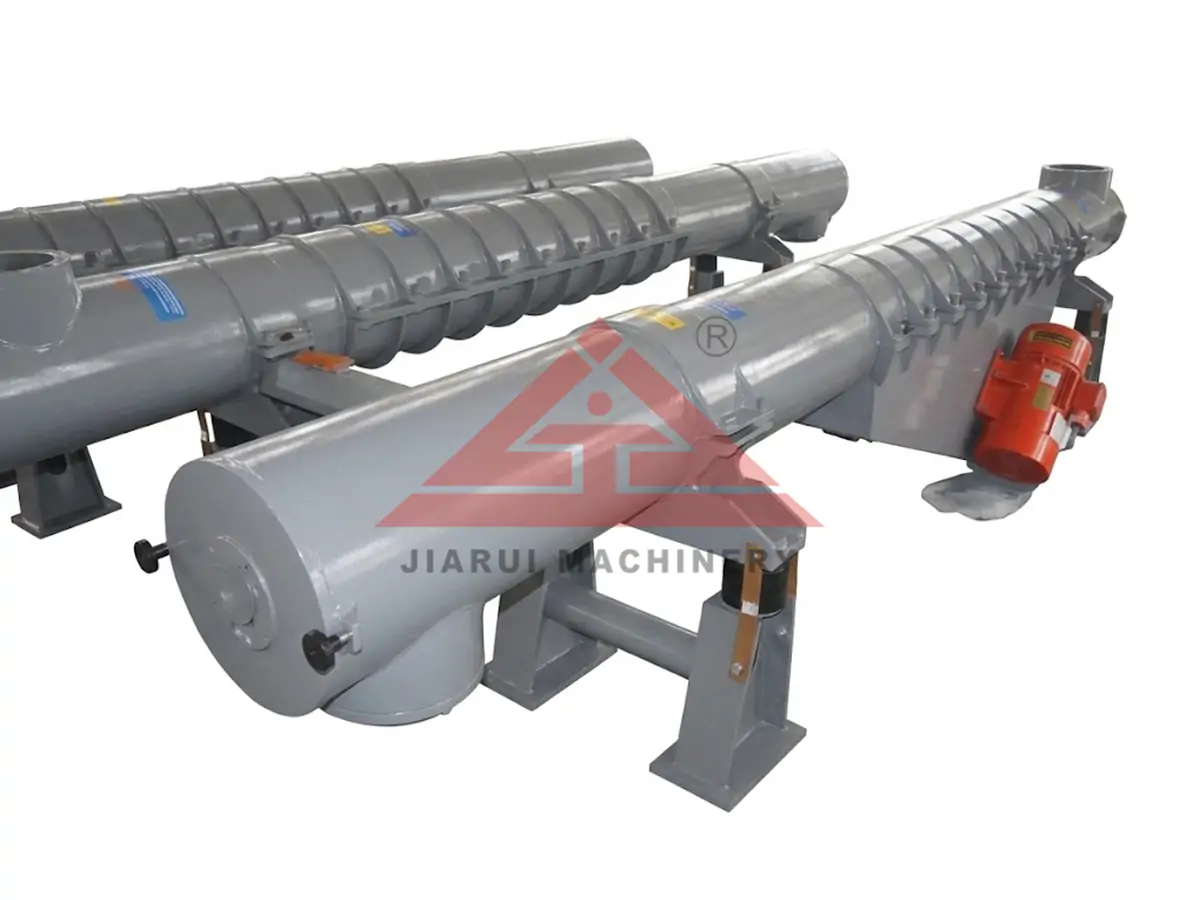
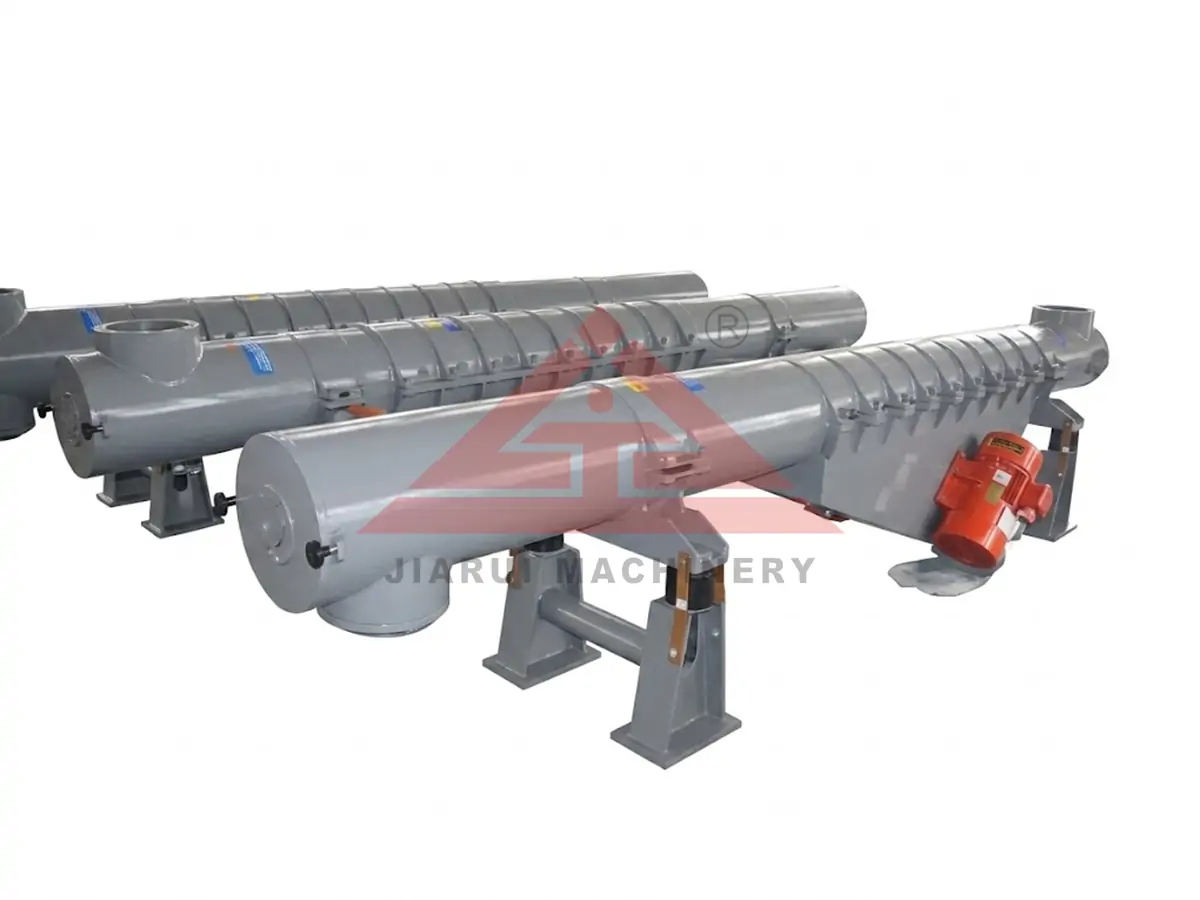
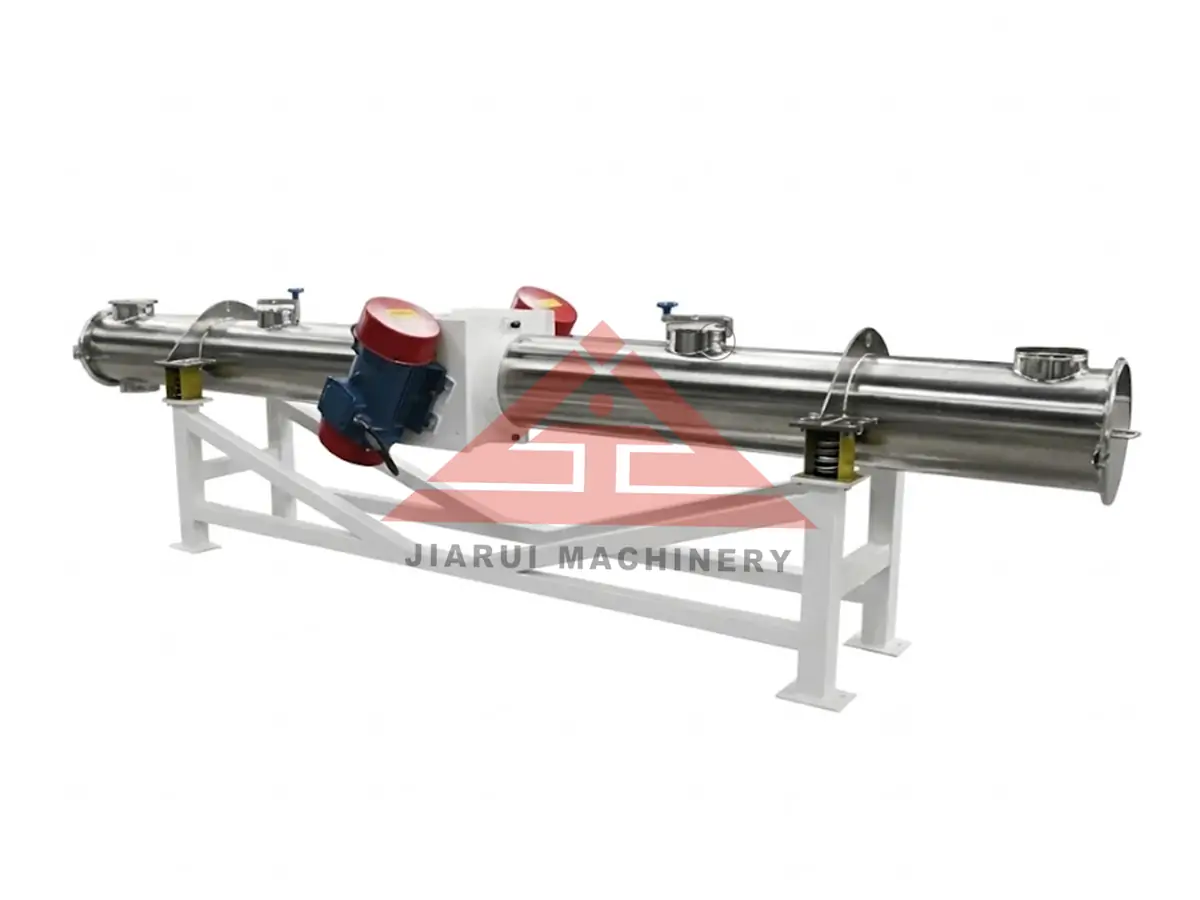
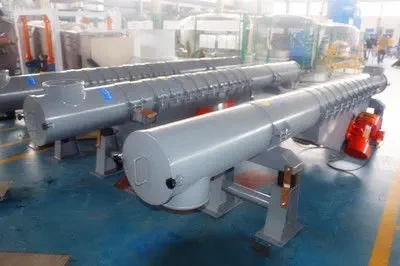
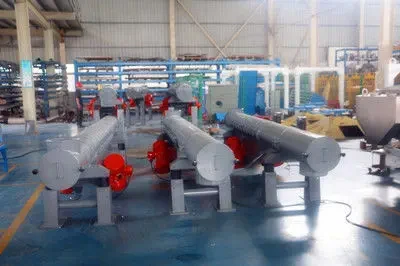
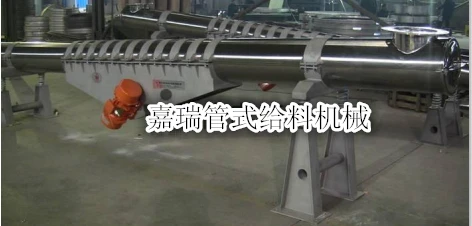
ناقل اهتزازي أنبوبي هو معدات نقل اهتزازية أنبوبية مغلقة مصممة للنقل المستمر للمواد المسحوقة والحبيبية والمواد السائبة الصغيرة. من خلال استخدام محركات الاهتزاز أو المثيرات لتوليد قوة اهتزازية، تتحرك المواد بثبات على طول اتجاه النقل داخل الأنبوب المحكم. مع ميزات مثل النقل المغلق، وتقليل انبعاث الغبار، والتغذية المستقرة، وانخفاض تلف المواد، يُستخدم الناقل الاهتزازي الأنبوبي على نطاق واسع لنقل المواد والتغذية الموحدة في صناعات تشمل الكيماويات والأغذية والأدوية والتعدين والمعادن ومواد البناء.
جاروي يوفر حلول ناقل اهتزازي أنبوبي مخصصة وفقًا لخصائص المواد المختلفة ومسافات النقل ومساحات التركيب ومتطلبات الإنتاج. يمكن لفريقنا الهندسي تحسين قطر الأنبوب واختيار المواد وتصميم المدخل والمخرج والهيكل العام للمعدات لمساعدة العملاء على حل تحديات نقل المواد في ظروف تشغيل مختلفة.
- الموديلات المتسلسلة: سلسلة ZDS273، ZDS356
- قطر الأنبوب: Φ273–Φ356 مم
- قوة المحرك: 25–0.75 كيلوواط
- مسافة النقل: 2000–5500 مم
- زاوية الميل: 0–5°
- المواد المناسبة: المواد المسحوقة والحبيبية والمواد السائبة صغيرة الحجم
- خيارات المواد: الفولاذ الكربوني، الفولاذ المقاوم للصدأ 304، الفولاذ المقاوم للصدأ 316
- التخصيص: تصميم مخصص متاح وفقًا لخصائص المواد ومسافة النقل وتخطيط الموقع
ما هو الناقل الاهتزازي الأنبوبي؟
الناقل الاهتزازي الأنبوبي، المعروف أيضًا باسم ناقل الأنبوب الاهتزازي أو الناقل الاهتزازي المغلق، هو نظام نقل مستمر بهيكل أنبوبي محكم. يُستخدم بشكل أساسي لنقل المواد المسحوقة والحبيبية والمواد السائبة الصغيرة في بيئات الإنتاج التي تتطلب التحكم في الغبار والمناولة المغلقة للمواد. تقوم المعدات بتحريك المواد للأمام من خلال الاهتزاز داخل الأنبوب.
مقارنةً بناقلات البراغي التقليدية، لا يستخدم الناقل الاهتزازي الأنبوبي شفرات براغي دوارة تتلامس مباشرة مع المواد، مما يساعد على تقليل تكسير المواد والتآكل أثناء النقل. يساعد هيكل الأنبوب المغلق أيضًا على منع تسرب الغبار ويوفر بيئة نقل أنظف، مما يجعله مناسبًا لصناعات مثل المعالجة الكيميائية وإنتاج الأغذية والأدوية والتعدين والمعادن ومواد البناء. للحصول على شرح أكثر تفصيلاً لهيكله ومبدأ عمله وتطبيقاته، راجع دليلنا حول ما هو ناقل الأنبوب الاهتزازي؟.
مبدأ العمل
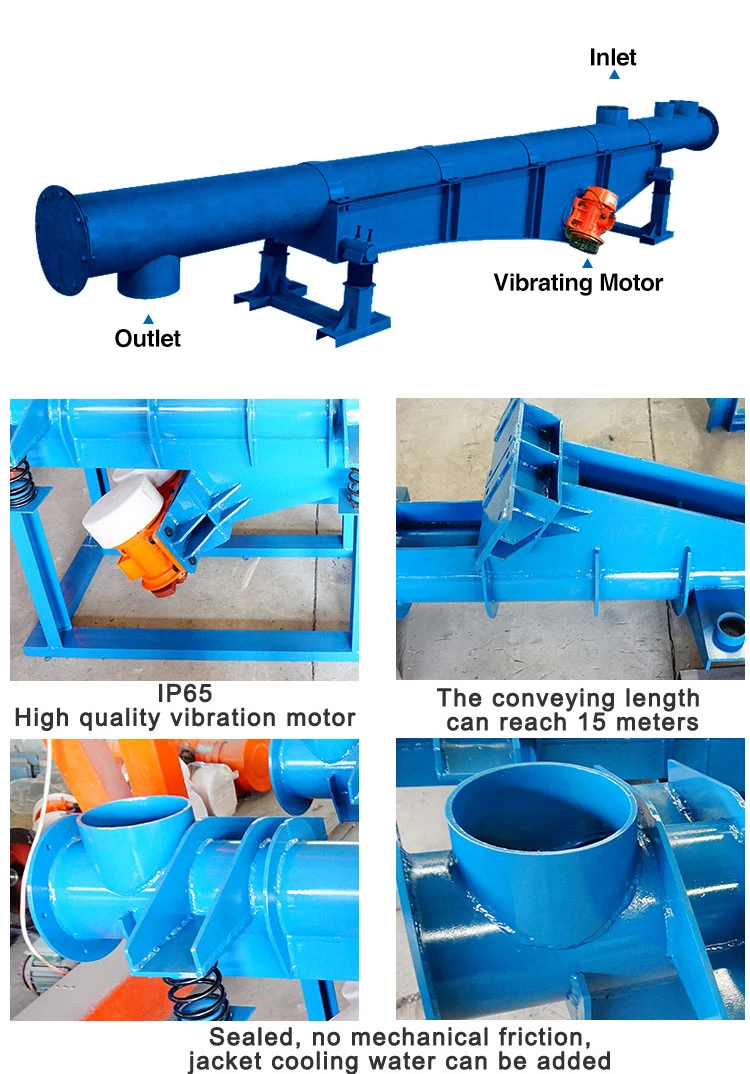
يعتمد الناقل الاهتزازي الأنبوبي بشكل أساسي على قوة الاهتزاز لتحريك المواد داخل الأنبوب المغلق. أثناء التشغيل، يولد محرك الاهتزاز قوة إثارة، مما يتسبب في اهتزاز أنبوب النقل بشكل مستمر ويسمح للمواد بالتحرك للأمام تدريجيًا على طول اتجاه النقل.
محرك الاهتزاز يولد قوة الدفع
بعد تشغيل المعدات، يولد محرك الاهتزاز قوة إثارة ويقود أنبوب النقل لإنتاج اهتزاز مستمر. حالة الاهتزاز المناسبة هي المتطلب الأساسي للحفاظ على نقل مستقر للمواد.
المواد تتحرك للأمام داخل الأنبوب
مع استمرار اهتزاز أنبوب النقل، تتحرك المواد داخل الأنبوب للأمام من خلال حركات قفز صغيرة ناتجة عن القصور الذاتي. مقارنةً بطرق النقل بالبراغي، لا يتم عصر المواد بشكل مستمر بواسطة شفرات دوارة، مما يوفر حماية أفضل لسلامة الجزيئات.
عملية الاهتزاز تكمل النقل المستمر
بعد الدخول من المدخل، تمر المواد بشكل مستمر عبر منطقة النقل تحت تأثير قوة الاهتزاز ويتم تفريغها أخيرًا من المخرج، مما يكمل التغذية المستمرة للمواد.
قد يختلف أداء النقل عندما تتعامل نفس المعدات مع مواد مختلفة. على سبيل المثال، تتطلب المواد المسحوقة عادةً تحكمًا أفضل في الانسداد والإحكام، بينما تولي المواد الحبيبية اهتمامًا أكبر لسلامة الجزيئات. لذلك، يجب تأكيد خصائص المواد قبل اختيار المعدات لتحقيق أداء نقل مستقر.
.
الهيكل
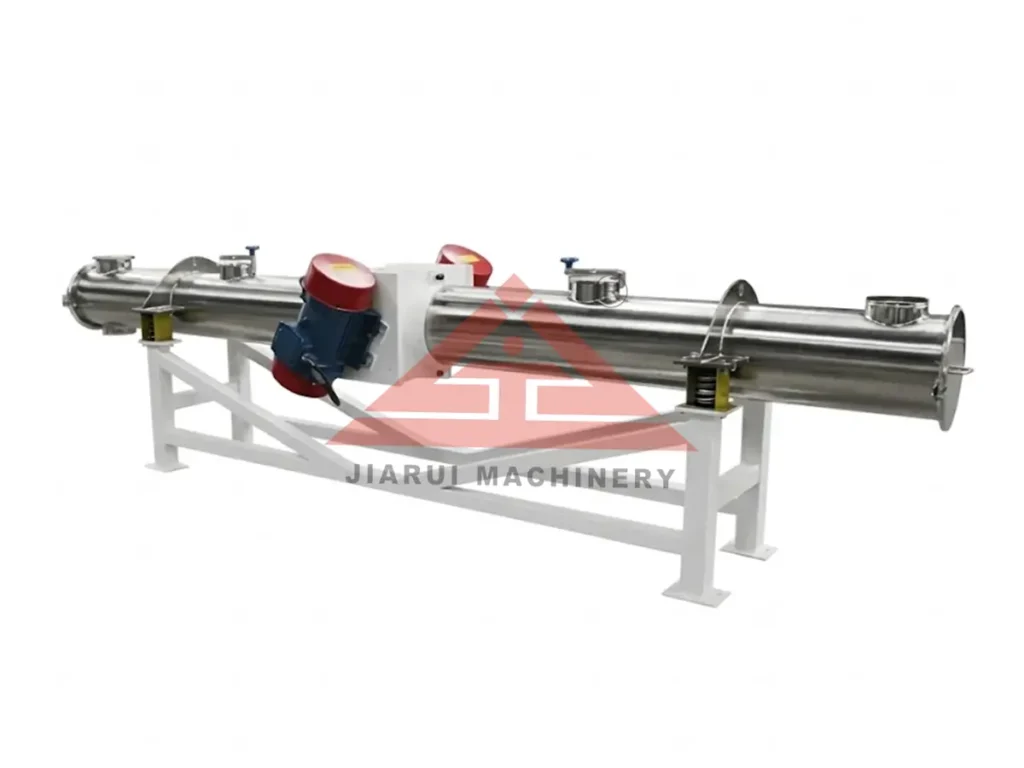
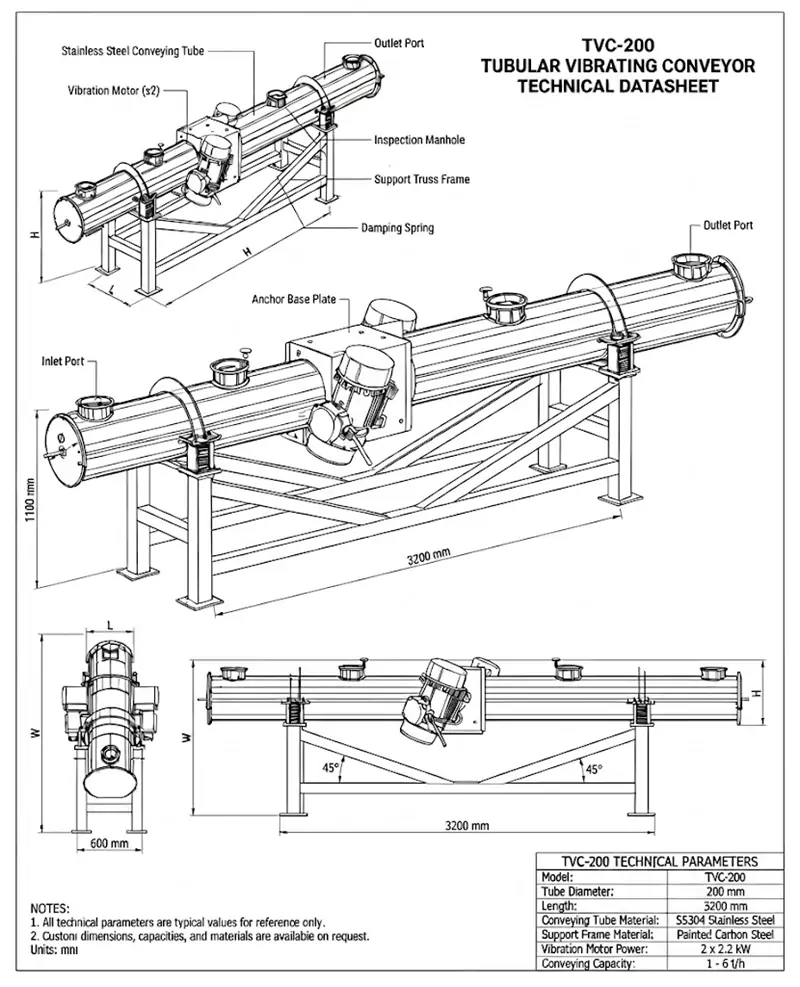
يتكون الناقل الاهتزازي الأنبوبي بشكل أساسي من محرك اهتزاز وأنبوب نقل ونوابض تخميد وقاعدة دعم. على الرغم من أن الهيكل بسيط نسبيًا، إلا أن التوافق بين كل مكون يؤثر مباشرة على استقرار النقل. أثناء تصميم المعدات، يجب مراعاة عوامل مثل نقل الاهتزاز وهيكل الدعم وخصائص المواد.
محرك الاهتزاز
محرك الاهتزاز هو مصدر الطاقة للمعدات. من خلال الدوران العكسي المتزامن، يولد قوة إثارة ويقود أنبوب النقل لإنتاج اهتزاز منتظم. لا يتعلق اختيار المحرك بقدرة الطاقة فحسب، بل يحتاج أيضًا إلى مراعاة وزن المواد ومسافة النقل وظروف التشغيل لتحديد معاملات الاهتزاز المناسبة.
أنبوب النقل
أنبوب النقل هو القناة الرئيسية التي تتحرك فيها المواد. يعتمد هيكل أنبوب دائري مغلق، مما يساعد على تقليل تسرب الغبار ومنع التلوث الخارجي من الدخول إلى المواد. وفقًا لبيئات التطبيق المختلفة، يمكن اختيار الفولاذ الكربوني أو الفولاذ المقاوم للصدأ 304 أو الفولاذ المقاوم للصدأ 316 لتلبية متطلبات مقاومة التآكل أو مقاومة التآكل أو معايير النظافة.
نوابض التخميد
تدعم نوابض التخميد الأجزاء الاهتزازية للمعدات وتقلل من انتقال الاهتزاز إلى الهيكل الداعم. يجب مطابقة صلابة النابض وطريقة التركيب بشكل صحيح؛ وإلا فقد يتأثر استقرار المعدات وعمر الخدمة.
قاعدة الدعم
تحمل قاعدة الدعم هيكل المعدات بالكامل وتضمن اتصالاً مستقرًا مع خط الإنتاج. أثناء تصميم التركيب، يجب مراعاة المساحة المحيطة ومواضع التغذية والتفريغ وتخطيط المعدات العلوية والسفلية.
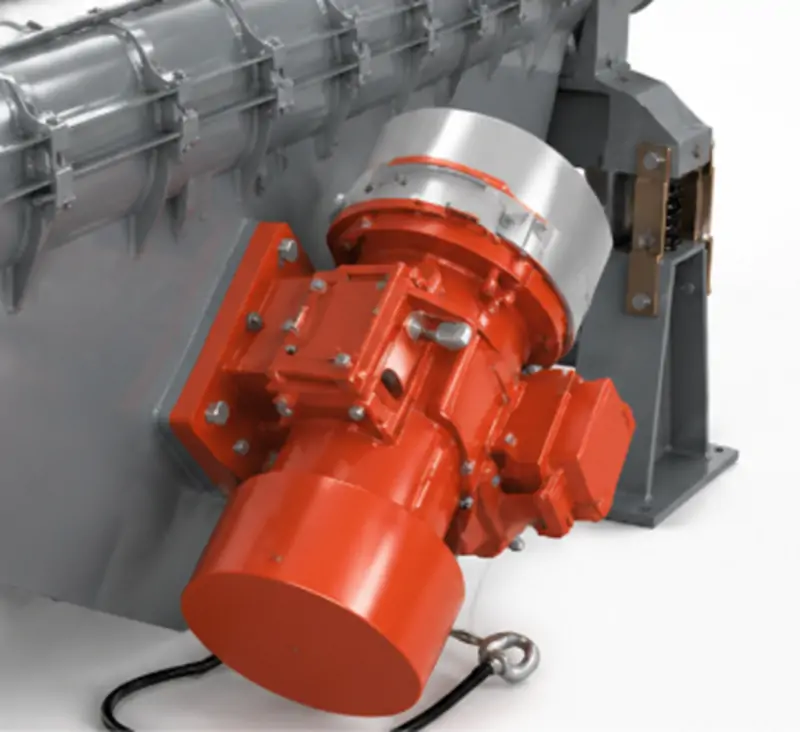 المحرك الاهتزازي
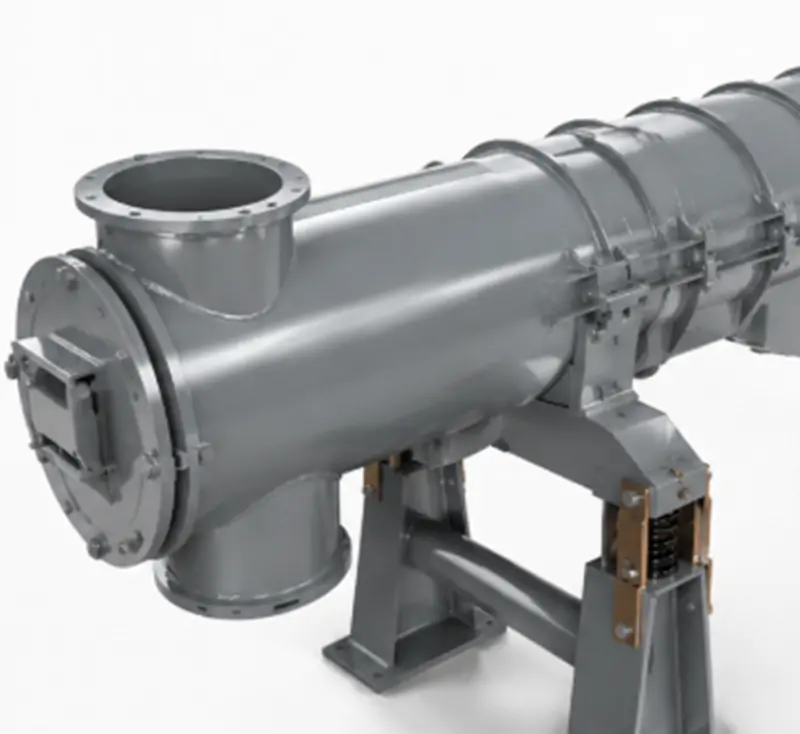 أنبوب النقل
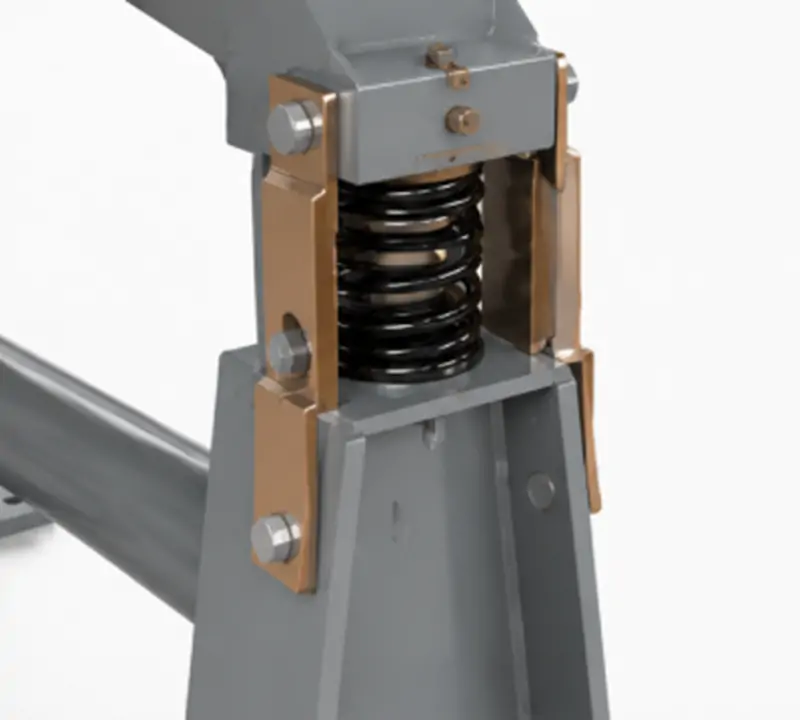 نوابض التخميد
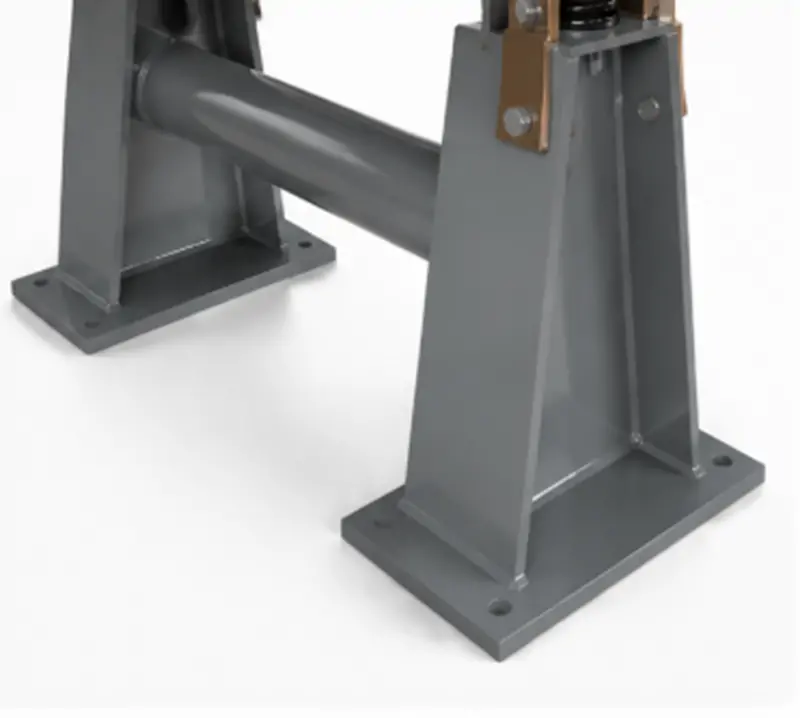 قاعدة الدعم
هيكل الناقل الاهتزازي الأنبوبي ليس مجرد مزيج من عدة مكونات. يحتاج كل جزء إلى العمل معًا وفقًا
المزايا
على عكس معدات النقل التقليدية، تعتمد أداء ناقل الاهتزاز الأنبوبي بشكل أساسي على هيكله المغلق، وطريقة الاهتزاز، وتصميم مكوناته. تساعد هذه الميزات المعدات على التعامل مع المواد بلطف أكبر مع تحسين استقرار النقل في بيئات إنتاج مختلفة.
النقل المغلق
يساعد هيكل الأنبوب المغلق على تقليل انبعاث الغبار أثناء نقل المواد، مما يجعل المعدات مناسبة لبيئات الإنتاج ذات المتطلبات العالية للنظافة والتحكم في الغبار.
تقليل تلف المواد
تحرك قوة الاهتزاز المواد للأمام دون ضغط مستمر من شفرات اللولب، مما يساعد على تقليل تكسر الجزيئات أثناء النقل.
تغذية مواد مستقرة
يعمل مصدرا الاهتزاز المزدوجان بشكل متزامن لتوفير قوة اهتزاز موحدة، مما يضمن تدفقًا مستمرًا ومستقرًا للمواد عبر أنبوب النقل.
صيانة بسيطة
لا تحتوي المعدات على مكونات دوارة معقدة، مما يقلل من عدد قطع التآكل ويجعل الفحص والصيانة اليومية أسهل.
مناسبة لظروف تشغيل مختلفة
وفقًا لخصائص المواد ومتطلبات النظافة، يمكن اختيار الفولاذ الكربوني أو الفولاذ المقاوم للصدأ 304 أو الفولاذ المقاوم للصدأ 316 لتلبية ظروف التطبيق المختلفة.
تصميم مخصص متاح
يمكن تعديل طول النقل وقطر الأنبوب وتوصيلات المدخل والمخرج وفقًا لظروف التركيب في الموقع ومتطلبات الإنتاج.
التطبيقات
يُستخدم ناقل الاهتزاز الأنبوبي بشكل أساسي للنقل المستمر للمواد المسحوقة والحبيبية والسائبة الصغيرة. قد يكون للمواد المختلفة متطلبات مختلفة أثناء النقل. بعض المواد تتطلب تحكمًا أفضل في الغبار، وبعضها يتطلب مقاومة للتآكل، بينما يركز البعض الآخر أكثر على التغذية المستقرة وحماية المواد.
لذلك، لا ينبغي أن يأخذ اختيار المعدات في الاعتبار مسافة النقل والسعة فقط. يجب أيضًا مراعاة عوامل مثل خصائص المواد وحجم الجزيئات وقابلية التدفق ومادة الأنبوب المطلوبة لضمان تشغيل موثوق.
 المواد الإلكترونية
 الأصباغ
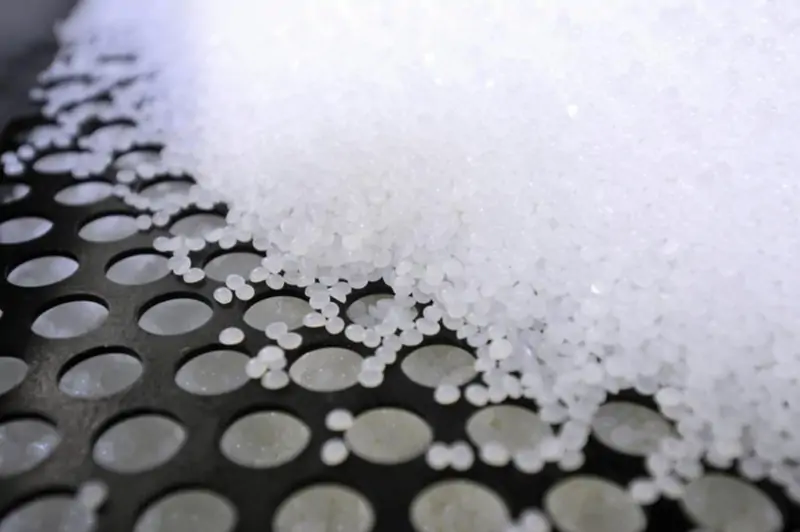 الراتنجات
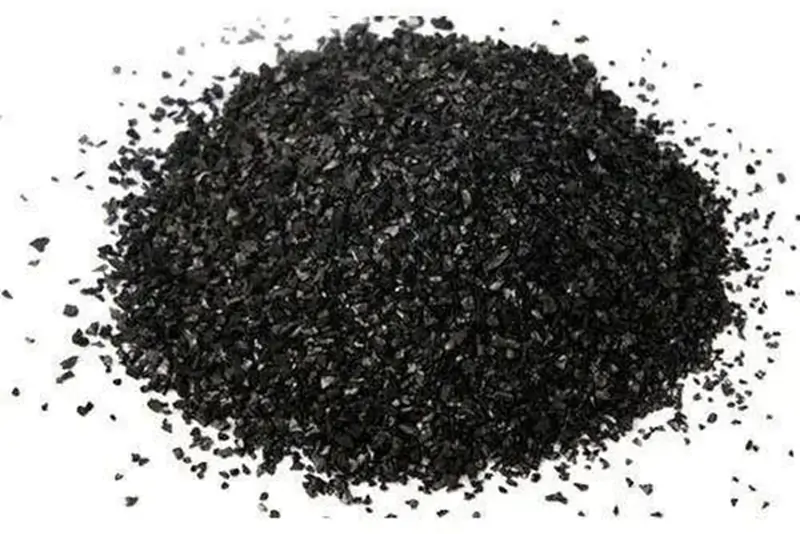 خام الحديد
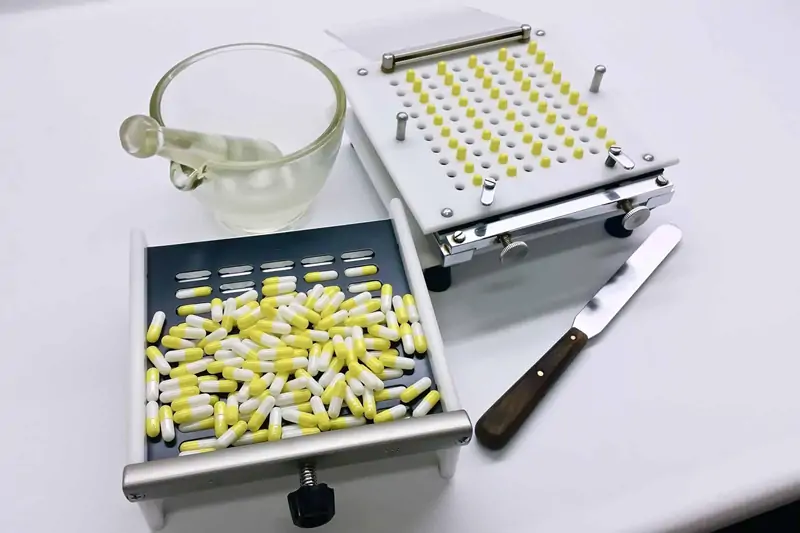 المواد الخام الصيدلانية
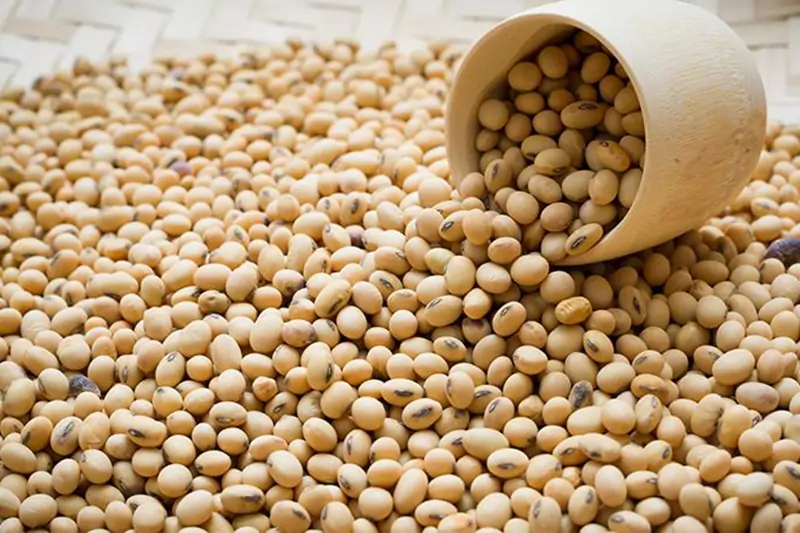 الغذاء
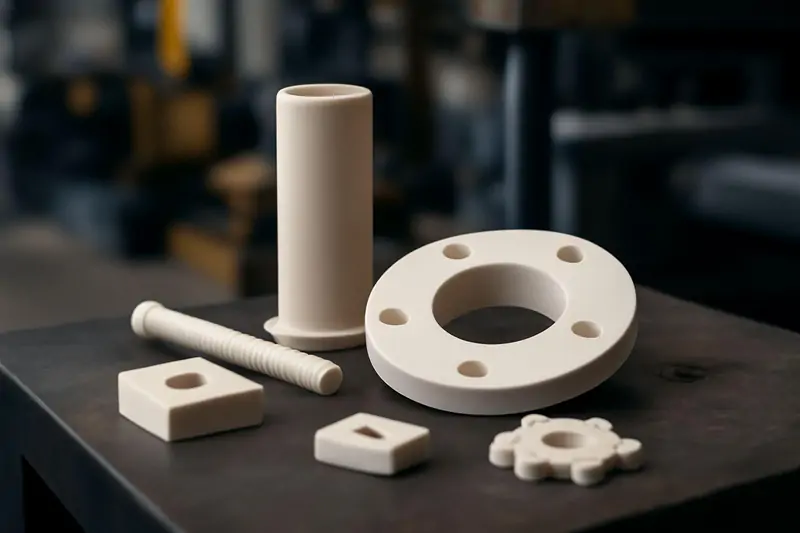 السيراميك
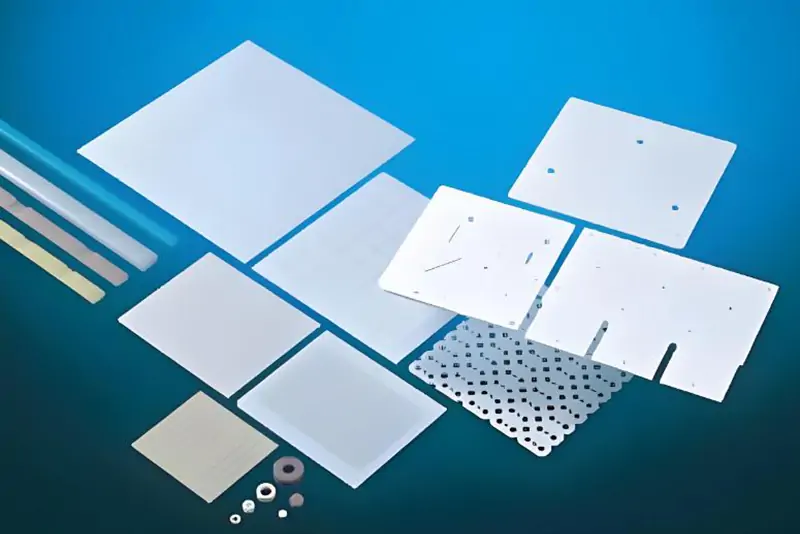 المواد الإلكترونية
دليل المواد الشائعة واختيار المعدات
| نوع المادة | المواد النموذجية | خصائص المواد | اعتبارات الاختيار |
| كريات البلاستيك | حبيبات PP، حبيبات PE، حبيبات الراتنج | سيولة جيدة، قد تولد بعض المواد كهرباء ساكنة | التركيز على حماية الجسيمات وإعدادات الاهتزاز المناسبة لتقليل الكسر والتآكل |
| مساحيق الغذاء | الدقيق، النشا، مسحوق السكر، المضافات الغذائية | جسيمات دقيقة ذات متطلبات صحية عالية | عادةً ما يتم اختيار الفولاذ المقاوم للصدأ 304/316، مع مراعاة سهولة الإحكام والتنظيف |
| المواد الكيميائية | المحفزات، مسحوق الأصباغ، مسحوق الراتنج | بعض المواد أكالة وسهلة توليد الغبار | اختيار المواد المناسبة وفقًا للخصائص الكيميائية وتحسين أداء الإحكام |
| الحبيبات المعدنية | رمل الكوارتز، الرمل المعدني، الجسيمات المعدنية | صلابة عالية واحتمال تآكل كاشط | مراعاة مقاومة تآكل الأنبوب واختيار المواصفات المناسبة وفقًا لحجم الجسيمات وحجم النقل |
| المساحيق المعدنية | مسحوق الحديد، مسحوق النحاس، إلخ. | جسيمات دقيقة ذات توليد غبار عالٍ واحتمال ضعف السيولة | الانتباه إلى أداء مقاومة الانسداد وضبط معاملات الاهتزاز بشكل مناسب |
| مساحيق مواد البناء | مسحوق الأسمنت، الرماد المتطاير، عوامل إزالة الكبريت | كمية كبيرة من الغبار وتغير الكثافة الظاهرية | النقل المغلق يساعد على تقليل انبعاث الغبار ومناسب للتغذية المستمرة |
المواد التي تتطلب اعتبارات إضافية
| خصائص المواد | المشكلات المحتملة |
| المواد عالية اللزوجة | قد تلتصق المواد بجدار الأنبوب وتؤثر على سلاسة النقل |
| المواد عالية الرطوبة | سهولة تشكل الكتل وتقليل استمرارية النقل |
| المساحيق سهلة الانضغاط | انخفاض السيولة قد يسبب التكتل أو الانسداد |
| الجسيمات كبيرة الحجم | المساحة المحدودة للأنبوب قد تمنع النقل المستقر |
| المواد شديدة التآكل | المواد القياسية قد لا تلبي متطلبات التشغيل طويلة الأمد |
| المواد عالية الحرارة | اختيار المواد وهيكل المعدات يحتاجان إلى تأكيد إضافي |
يعتمد تكوين ناقل الأنبوب الاهتزازي المناسب على خصائص المادة وظروف التشغيل. حتى بالنسبة لنفس نوع المادة، قد تتطلب الاختلافات في حجم الجسيمات ومحتوى الرطوبة والسيولة تكوينات معدات مختلفة.
إذا لم تكن متأكدًا مما إذا كانت هذه المعدات مناسبة لموادك، يمكنك تقديم معلومات المادة ومسافة النقل وبيئة التشغيل. يمكن لفريقنا الهندسي التوصية بتكوين مناسب أو تقديم حل نقل مخصص.
المعلمات
يوفر ناقل الأنبوب الاهتزازي من سلسلة ZDS تكوينات مختلفة وفقًا لمسافة النقل ومساحة التركيب وخصائص المادة. المعاملات التالية مبنية على الطرازات القياسية. يمكن تعديل أبعاد المعدات الفعلية والتصميم الهيكلي وفقًا لظروف التشغيل المحددة.
| الموديل | قطر الأنبوب (مم) | قوة المحرك (كيلوواط) | مسافة النقل (مم) | زاوية الميل (°) | حجم المدخل والمخرج (مم) |
| ZDS273-2000 | 273 | 0.25 | 2000 | 0-5 | 273 |
| ZDS273-2500 | 273 | 0.25 | 2500 | 0-5 | 273 |
| ZDS273-3000 | 273 | 0.37 | 3000 | 0-5 | 273 |
| ZDS356-3000 | 356 | 0.37 | 3000 | 0-5 | 356 |
| ZDS356-3500 | 356 | 0.37 | 3500 | 0-5 | 356 |
| ZDS356-4000 | 356 | 0.55 | 4000 | 0-5 | 356 |
| ZDS356-4500 | 356 | 0.55 | 4500 | 0-5 | 356 |
| ZDS356-5000 | 356 | 0.75 | 5000 | 0-5 | 356 |
| ZDS356-5500 | 356 | 0.75 | 5500 | 0-5 | 356 |
أثناء اختيار المعدات، يجب تأكيد الطراز المناسب وفقًا لظروف التركيب ومتطلبات النقل. قد تتطلب التطبيقات المختلفة تعديلات على قطر الأنبوب ومعلمات الاهتزاز والتصميم الهيكلي. إذا لم تكن متأكدًا من التكوين الصحيح، فيرجى تقديم معلومات المواد ومتطلبات التشغيل، ويمكن لفريقنا الهندسي التوصية بالحل المناسب.
ناقل أنبوبي اهتزازي مقابل الناقل اللولبي
ناقل أنبوبي اهتزازي و الناقل اللولبي كلاهما يُستخدم عادةً لنقل المواد المسحوقة والحبيبية. ومع ذلك، فإنهما يختلفان في مبادئ النقل والتصميم الهيكلي، مما يجعلهما مناسبين لظروف تشغيل مختلفة. يجب أن يعتمد الاختيار على خصائص المواد ومتطلبات النقل وظروف الإنتاج.
| عنصر المقارنة | ناقل اهتزازي أنبوبي | الناقل اللولبي |
| مبدأ النقل | يستخدم قوة الاهتزاز لتحريك المواد للأمام داخل الأنبوب المغلق | يستخدم شفرات لولبية دوارة لدفع المواد في اتجاه النقل |
| حماية المواد | يوفر نقلًا لطيفًا، مناسب للمواد التي تتطلب حماية أفضل للجزيئات | قد يؤدي التلامس المستمر مع الشفرات اللولبية إلى انضغاط المواد وتآكلها |
| لا توجد مكونات خلط، تعتمد فقط على دوران الحاوية | لا يوجد عمود دوار أو شفرات لولبية أو مكونات متحركة معقدة أخرى داخل أنبوب النقل | يحتوي على عمود لولبي وشفرات ومحامل وأجزاء دوارة أخرى |
| التحكم في الغبار | يساعد هيكل الأنبوب المغلق في تقليل تسرب الغبار وهو مناسب للبيئات الحساسة للغبار | يمكن استخدام تصاميم محكمة الإغلاق، لكن أختام العمود تتطلب فحصًا وصيانة منتظمة |
| متطلبات الصيانة | هيكل بسيط مع صيانة روتينية تركز بشكل أساسي على محركات الاهتزاز والنوابض | يتطلب فحصًا منتظمًا للشفرات اللولبية والمحامل وأجزاء التآكل الأخرى |
| المواد المناسبة | مواد مسحوقة وحبيبية ومواد سائبة صغيرة تتطلب نقلًا لطيفًا ونظافة جيدة | مواد مسحوقة وحبيبية ومواد تتطلب قوة دفع أقوى |
| التطبيقات النموذجية | تطبيقات نقل المواد الغذائية والكيميائية والصيدلانية والمساحيق الدقيقة | تطبيقات نقل مواد البناء والكيماويات والحبوب والمواد العامة |
كيف تختار؟
عندما تتطلب المواد تحكمًا أفضل في الغبار أو ظروف نقل أنظف أو تقليل تلف الجزيئات، عادةً ما يكون الناقل الأنبوبي الاهتزازي خيارًا أفضل.
بالنسبة للتطبيقات التي تتطلب مسافات نقل أطول أو قوة دفع أقوى أو زوايا نقل أكبر، قد يكون الناقل اللولبي أكثر ملاءمة.
بالنسبة للمشاريع المحددة، يجب أن يعتمد الاختيار النهائي على خصائص المواد ومساحة التركيب ومسافة النقل ومتطلبات الإنتاج.
التخصيص
قد يكون لدى العملاء المختلفين خصائص مواد وظروف تركيب مختلفة. حتى بالنسبة لمتطلبات النقل نفسها، قد يحتاج تكوين المعدات إلى التعديل وفقًا للتطبيق الفعلي. بعض المشاريع تتطلب تغييرات في أبعاد المعدات، وبعضها يركز أكثر على إحكام إغلاق الغبار، بينما يحتاج البعض الآخر إلى اتصال أفضل مع المعدات upstream وdownstream.
يمكننا تعديل قطر الأنبوب وطول النقل واختيار المواد وتوصيلات المدخل والمخرج وهيكل التركيب وفقًا للمتطلبات المحددة، مما يوفر حل نقل يتناسب بشكل أفضل مع ظروف التشغيل. بالإضافة إلى تخصيص المعدات الفردية، يمكننا أيضًا تقديم حلول نقل داعمة لخطوط الغربلة وأنظمة معالجة المساحيق وخطوط معالجة المعادن وتطبيقات الإنتاج الأخرى.
لاختيار تكوين معدات أكثر ملاءمة، يرجى تقديم المعلومات التالية:
- اسم المادة:
- مسافة النقل:
- السعة المطلوبة:
- مساحة التركيب:
- متطلبات خاصة :(مثل المواد المصنوعة من الفولاذ المقاوم للصدأ، التحكم في الغبار، مقاومة التآكل، إلخ.)
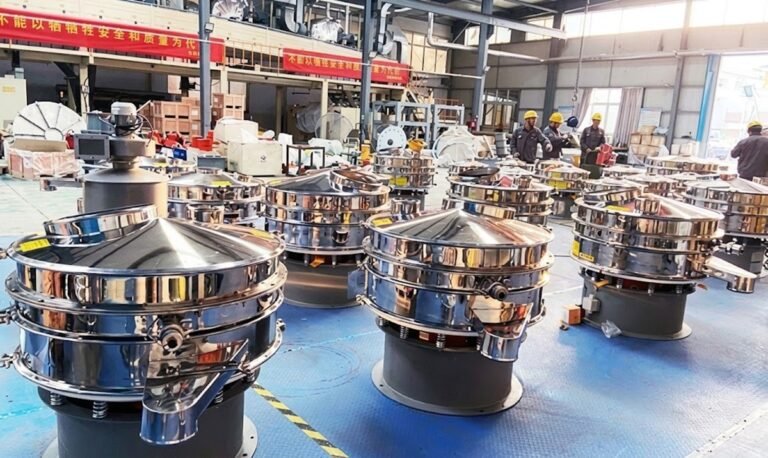
قدرة Jiarui التصنيعية
يتطلب الناقل الأنبوبي الاهتزازي مطابقة دقيقة بين أنبوب النقل ونظام الاهتزاز وخصائص المواد وظروف التركيب. أثناء التصنيع، يجب مراعاة تفاصيل مثل حجم الأنبوب واختيار المواد وتصميم التوصيل وهيكل الاهتزاز وفقًا للتطبيق الفعلي.
بفضل الخبرة في تصنيع معدات الغربلة الاهتزازية والنقل والترشيح، يمكن لـ Jiarui إكمال معالجة الأنابيب والتصنيع الهيكلي وتجميع المعدات والاختبار في المصنع بناءً على متطلبات العملاء. تتوفر مواد الفولاذ الكربوني والفولاذ المقاوم للصدأ 304 والفولاذ المقاوم للصدأ 316 لبيئات العمل المختلفة، ويمكن تعديل الهياكل الرئيسية لتناسب خط الإنتاج بشكل أفضل.
حصلت الشركة على ISO9001 شهادة نظام إدارة الجودة وتحمل العديد من براءات الاختراع التكنولوجية المتعلقة بالمعدات. من خلال التحسين المستمر في عمليات التصميم والتصنيع، توفر Jiarui حلول معدات نقل موثوقة للعملاء في مختلف الصناعات.
الأسئلة الشائعة
احصل على استشارة مجانية
املأ النموذج أدناه للتواصل مع خبرائنا والحصول على توصيات مخصصة لتطبيقك.