管式振動輸送機
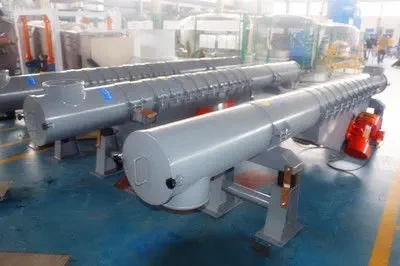
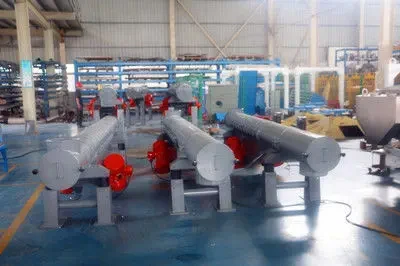
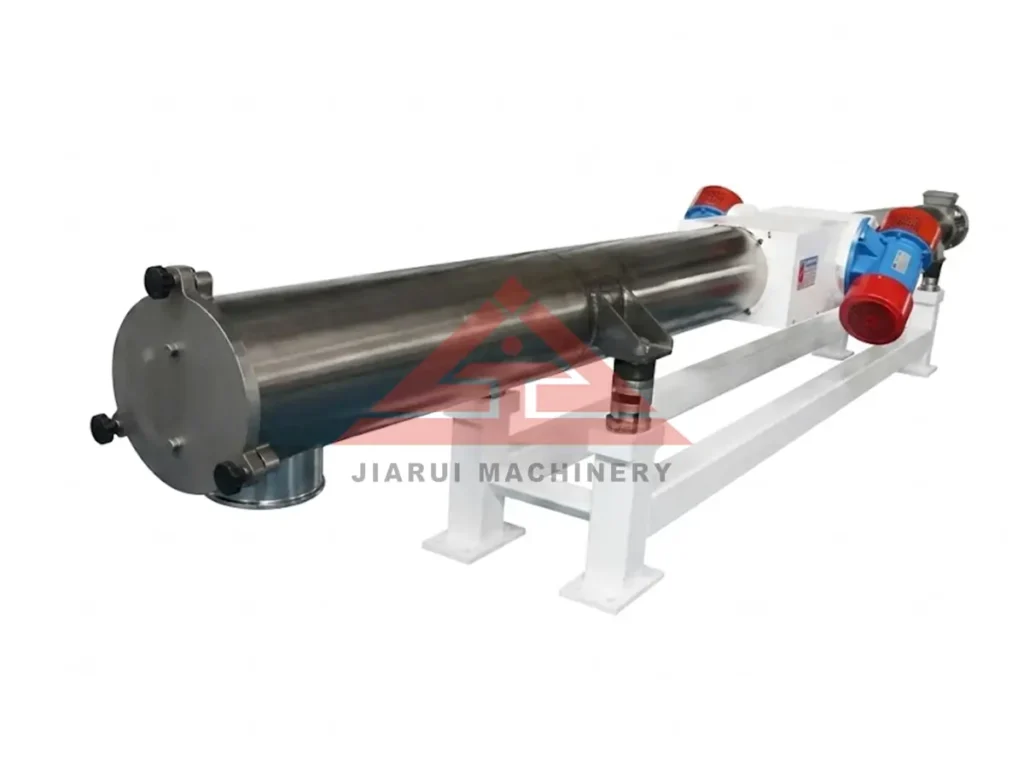
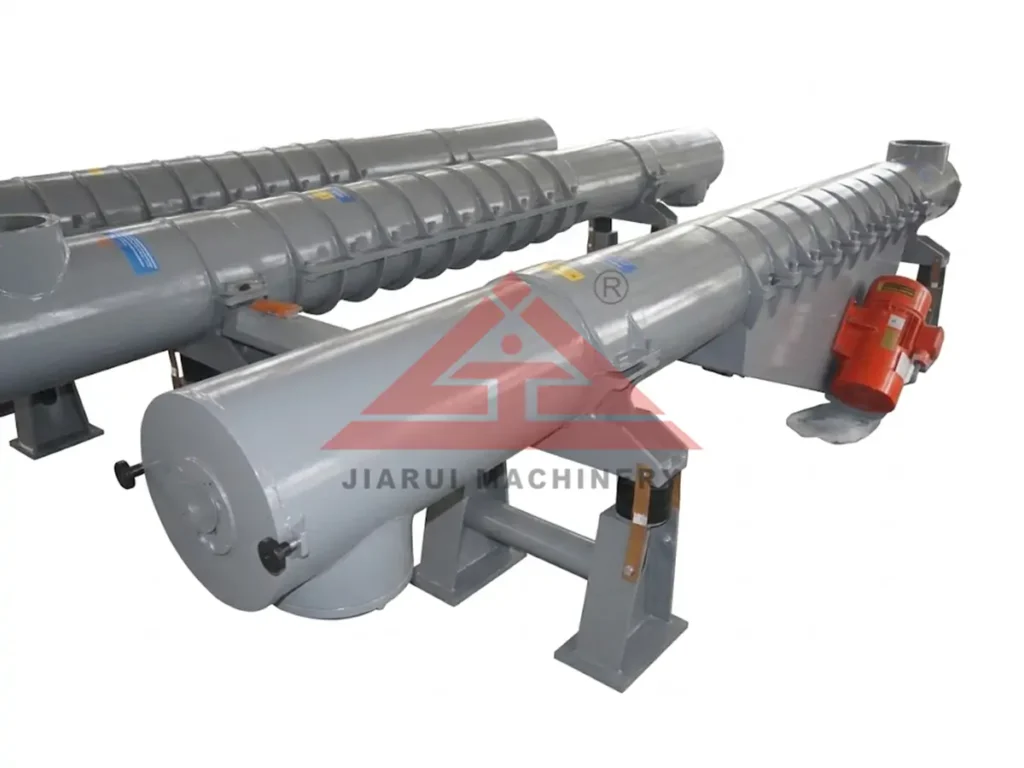
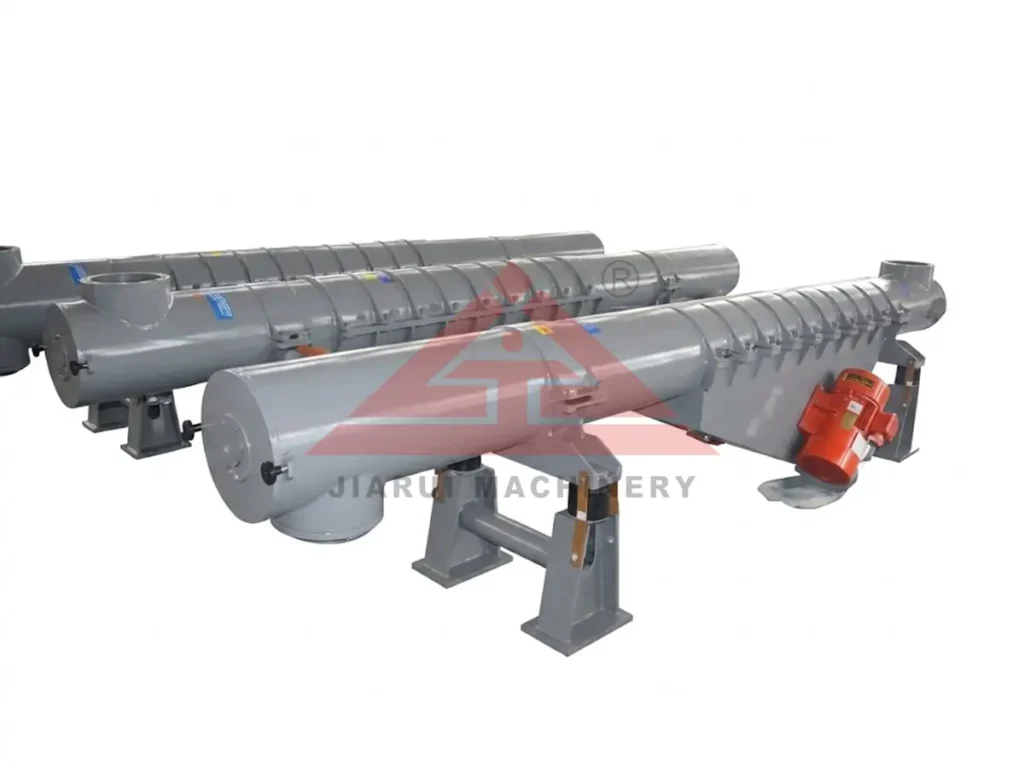
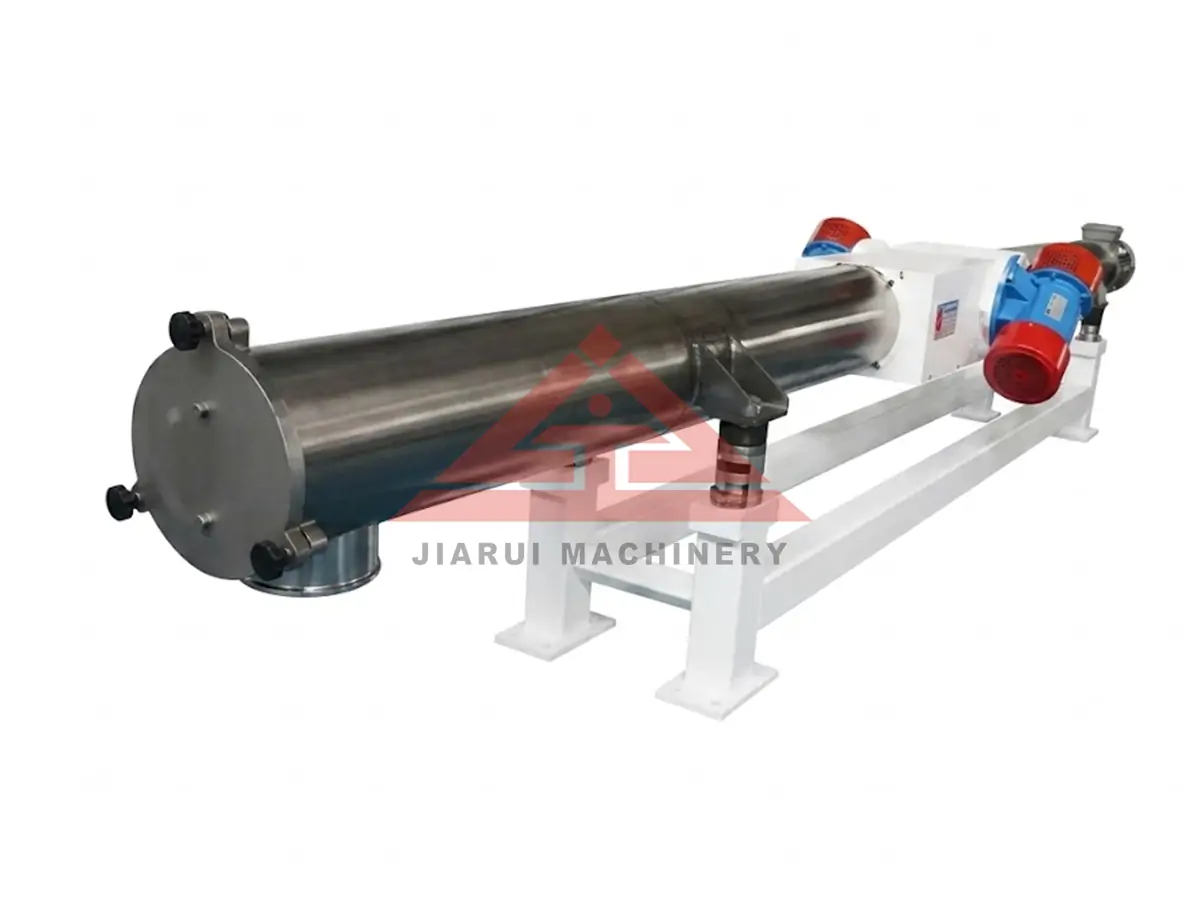
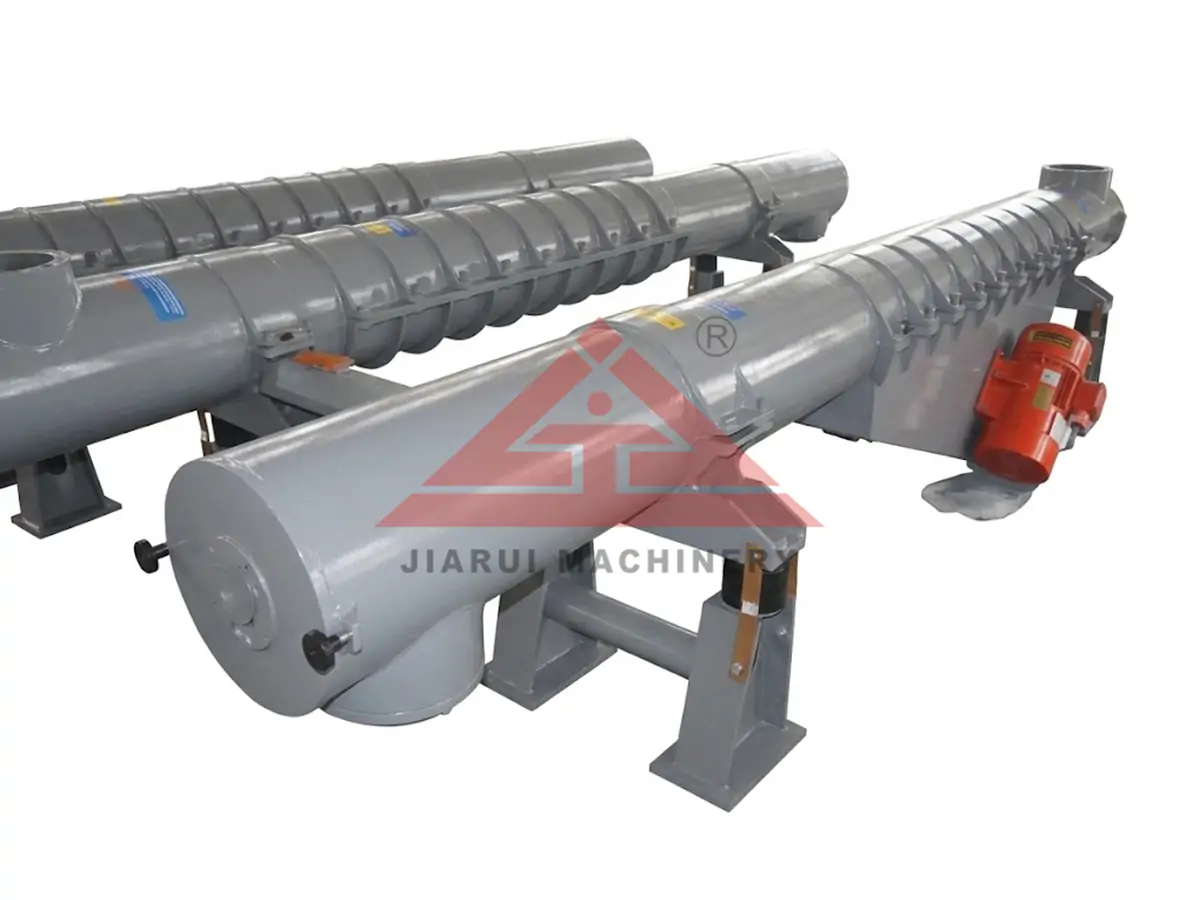
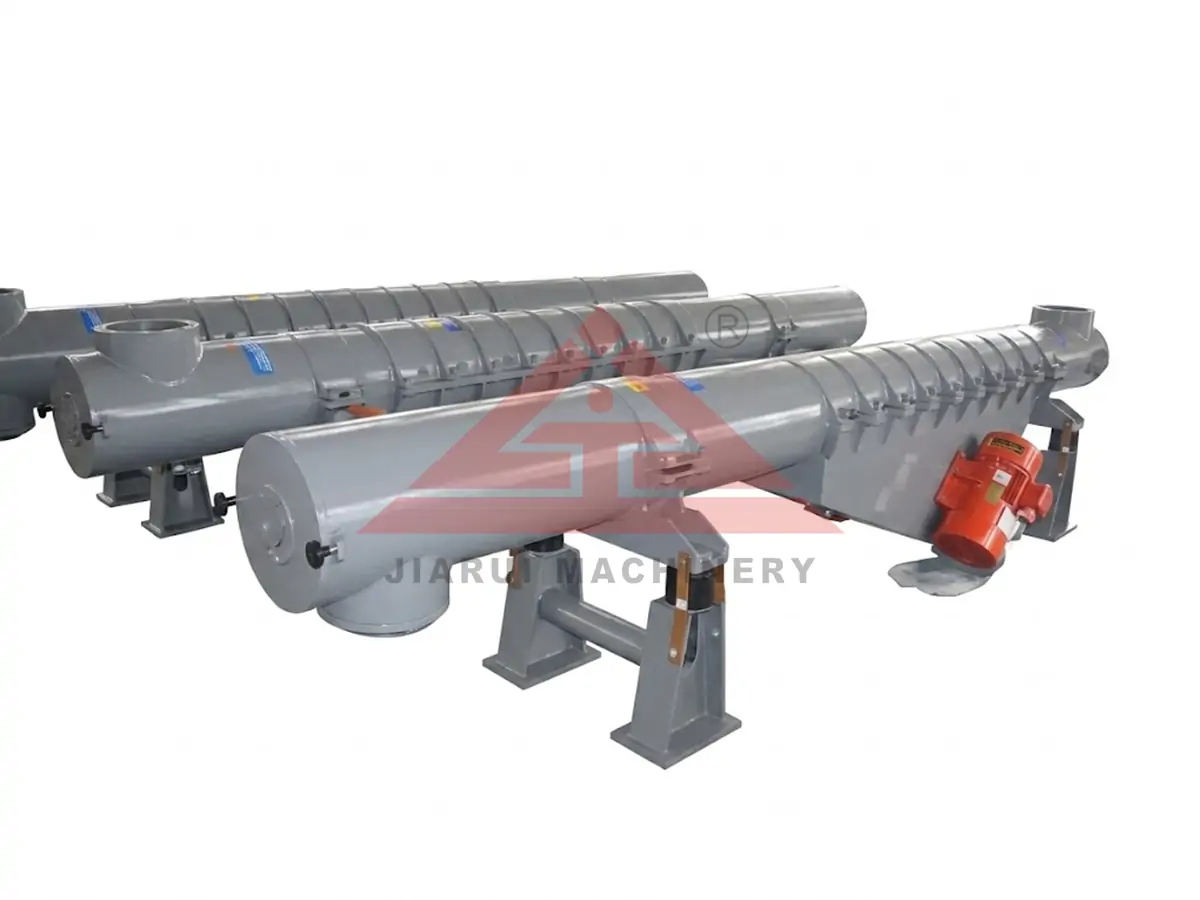
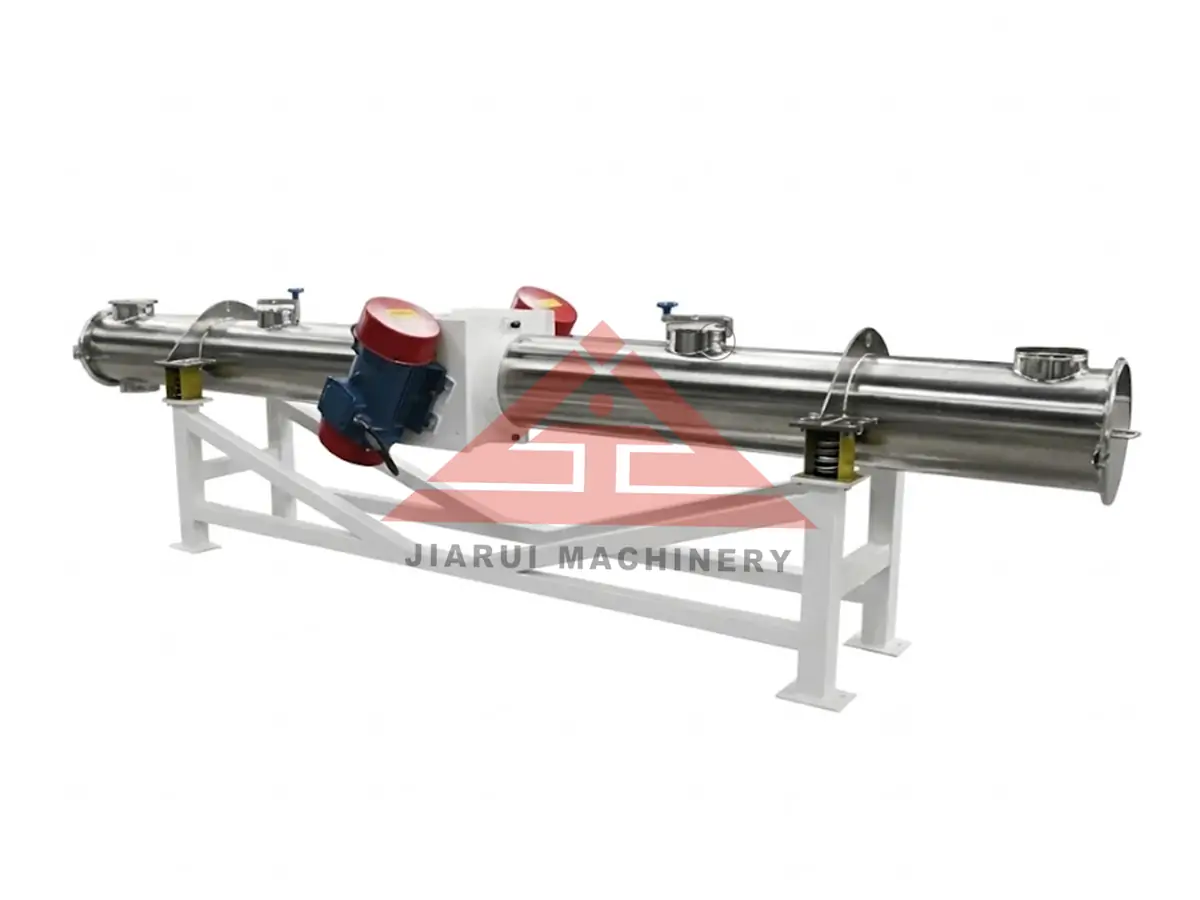
管式振動輸送機是一種封閉式管狀振動輸送設備,專為粉體、顆粒及小塊狀物料的連續輸送而設計。透過振動馬達或激振器產生振動力,使物料在密封管內沿輸送方向穩定移動。具備封閉輸送、減少粉塵逸散、給料穩定及物料損耗低等特性,管式振動輸送機廣泛應用於化工、食品、製藥、礦業、冶金及建材等行業的物料輸送與均勻給料。.
J瑞 可依不同物料特性、輸送距離、安裝空間及生產需求,提供客製化的管式振動輸送機解決方案。我們的工程團隊可針對管徑、材質選擇、進出料口設計及整體設備結構進行優化,協助客戶解決不同工況下的物料輸送難題。.
- 系列型號: ZDS273、ZDS356系列
- 管徑: Φ273–Φ356 mm
- 馬達功率: 25–0.75 kW
- 輸送距離: 2000–5500 mm
- 傾斜角度: 0–5°
- 適用物料: 粉體、顆粒及小塊狀物料
- 材質選項: 碳鋼、不鏽鋼304、不鏽鋼316
- 客製化: 可依物料特性、輸送距離及現場佈局進行客製化設計
什麼是管式振動輸送機?
管式振動輸送機,又稱振動管式輸送機或封閉式振動輸送機,是一種具有密封管狀結構的連續輸送系統。主要用於在需要粉塵控制及封閉式物料處理的生產環境中,輸送粉體、顆粒及小塊狀物料。該設備透過管內振動使物料向前移動。.
與傳統螺旋輸送機相比,管式振動輸送機不使用旋轉螺旋葉片直接接觸物料,有助於減少輸送過程中的物料破碎及磨損。封閉式管狀結構亦有助於防止粉塵洩漏,提供更潔淨的輸送環境,適用於化工、食品生產、製藥、礦業、冶金及建材等行業。.
工作原理
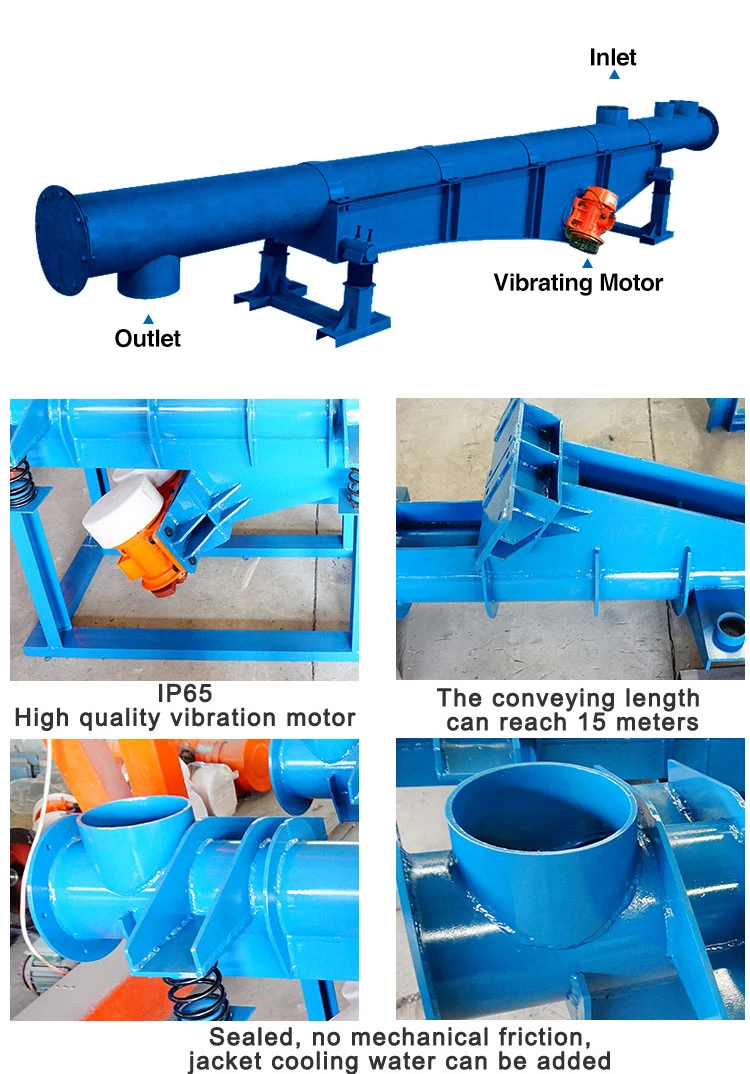
管式振動輸送機主要依靠振動力使物料在封閉管內移動。運行時,振動馬達產生激振力,使輸送管持續振動,物料沿輸送方向逐漸向前移動。.
振動馬達產生驅動力
設備啟動後,振動馬達產生激振力,驅動輸送管產生持續振動。適當的振動狀態是維持物料穩定輸送的基本條件。.
物料在管內向前移動
隨著輸送管持續振動,管內物料透過慣性產生的微小跳動動作向前移動。與螺旋輸送方式相比,物料不會被旋轉葉片持續擠壓,對顆粒完整性提供更好的保護。.
振動過程完成連續輸送
物料從進料口進入後,在振動力作用下持續通過輸送區域,最終從出料口排出,完成連續給料作業。.
同一設備處理不同物料時,輸送性能可能有所差異。例如,粉體物料通常需要更好地控制堵塞及密封問題,而顆粒物料則更注重顆粒完整性。因此,在設備選型前應確認物料特性,以達到穩定的輸送性能。.
.
結構
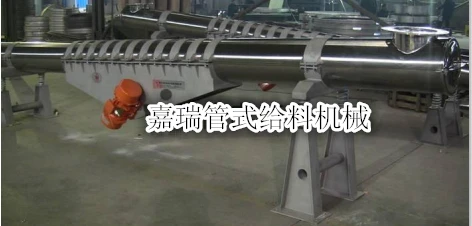
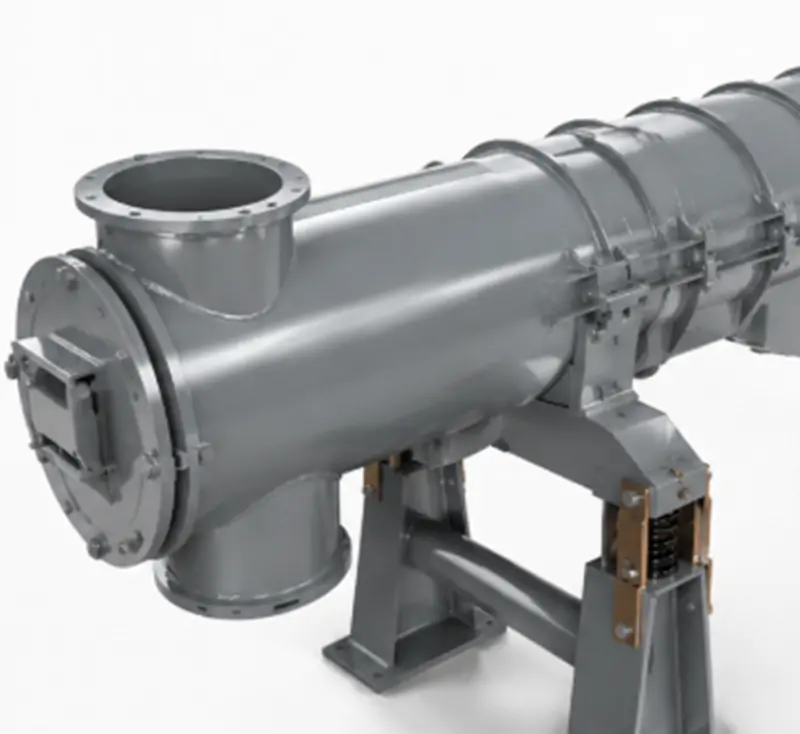
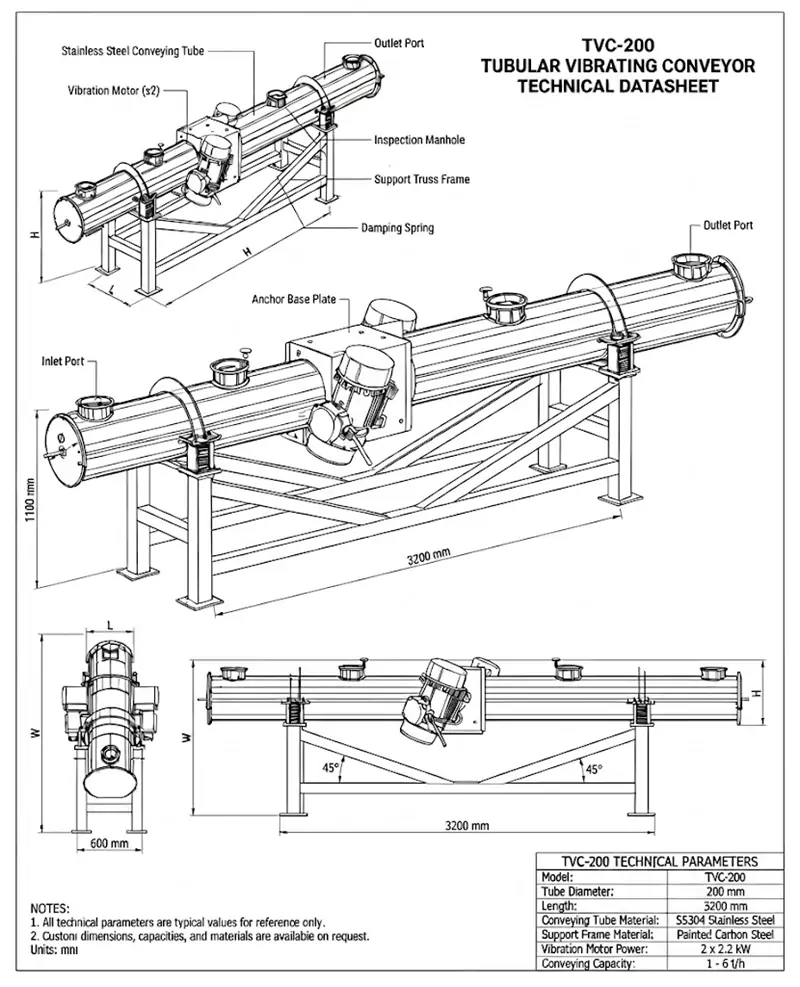
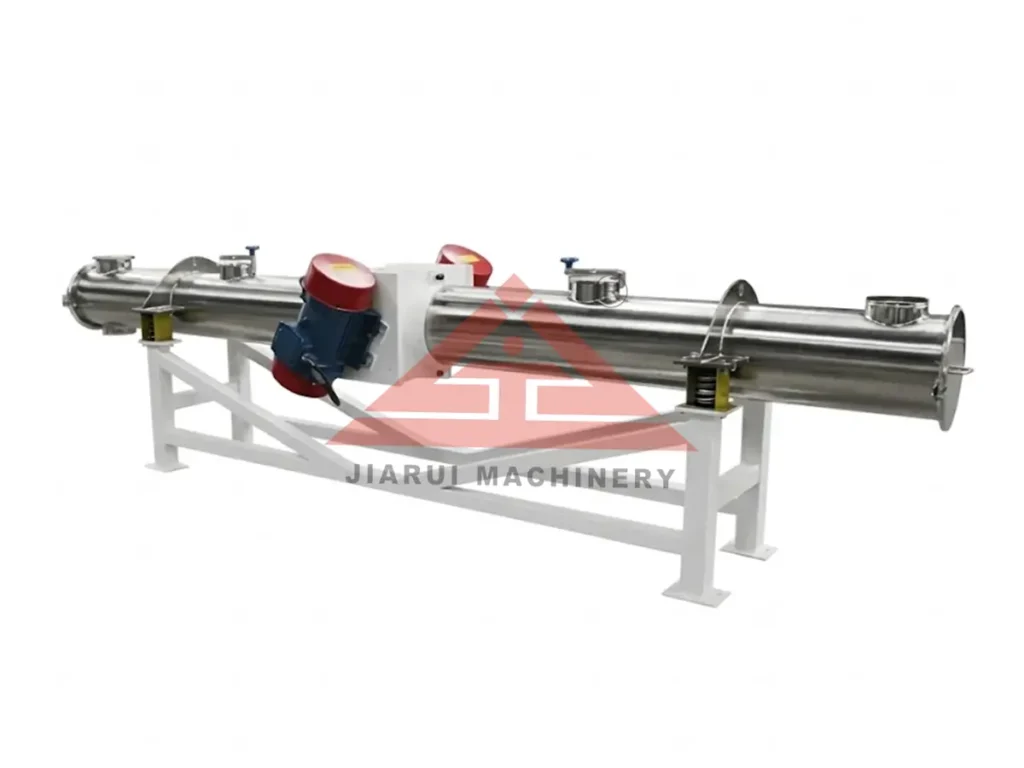
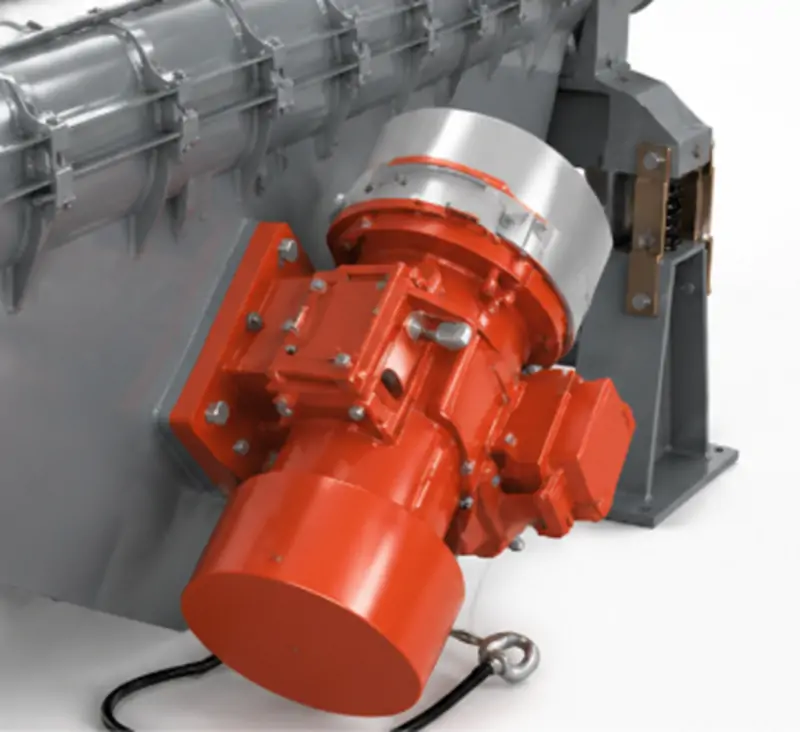
管式振動輸送機主要由振動馬達、輸送管、減震彈簧及支撐底座組成。雖然結構相對簡單,但各部件之間的匹配直接影響輸送穩定性。在設備設計時,需綜合考慮振動傳遞、支撐結構及物料特性等因素。.
振動馬達
振動馬達是設備的動力來源,透過同步反向旋轉產生激振力,驅動輸送管產生規律振動。馬達選型不僅涉及功率容量,還需考慮物料重量、輸送距離及工況條件,以確定合適的振動參數。.
輸送管
輸送管是物料移動的主要通道。採用封閉式圓管結構,有助於減少粉塵洩漏,並防止外部污染物進入物料。可依不同應用環境選用碳鋼、不鏽鋼304或不鏽鋼316,以滿足耐磨性、耐腐蝕性或衛生標準的要求。.
減震彈簧
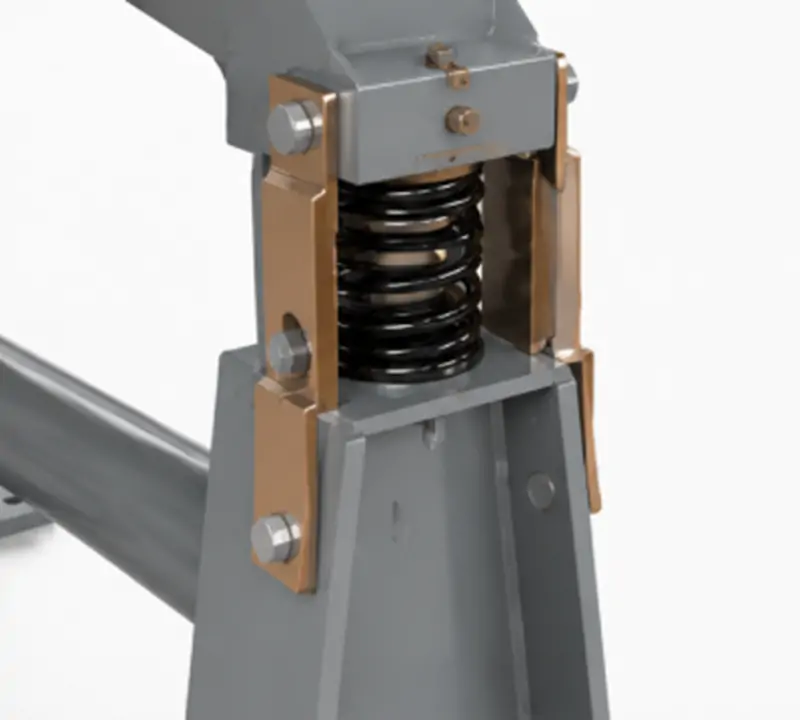
減震彈簧支撐設備的振動部件,並減少振動向支撐結構的傳遞。彈簧剛度及安裝方式需適當匹配,否則可能影響設備穩定性及使用壽命。.
支撐底座
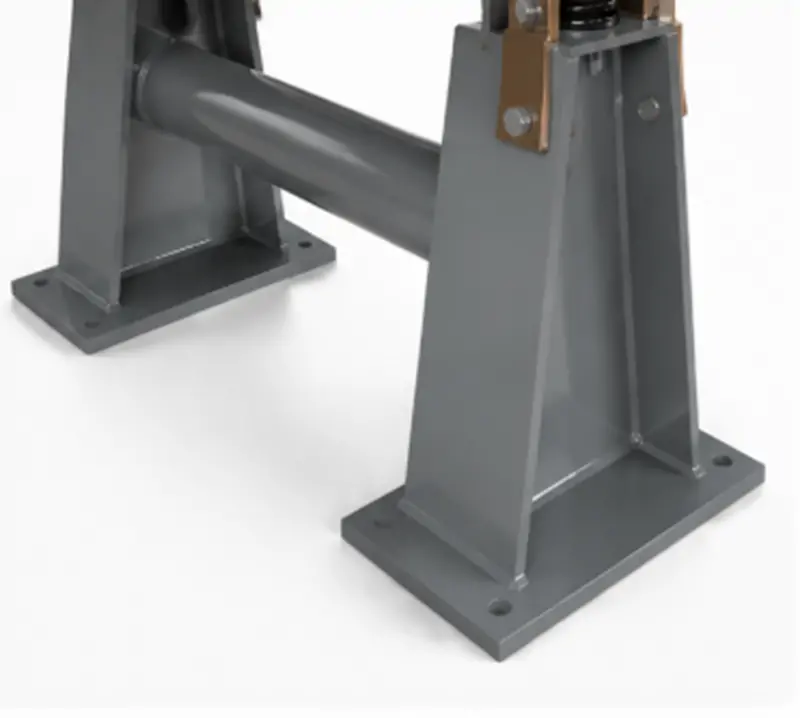
支撐底座承載整個設備結構,確保與生產線穩定連接。在安裝設計時,應考慮周圍空間、進出料位置及上下游設備的佈局。.
振動電機
輸送管
減震彈簧
支撐底座
管式振動輸送機的結構並非簡單的部件組合。每個部分都需根據物料特性、輸送距離及現場條件協同配合。合理的結構配置有助於維持穩定運行,並減少長期使用過程中的不必要維護。.
優勢
與傳統輸送設備不同,管式振動輸送機的性能主要取決於其封閉結構、振動方式及部件設計。這些特性有助於設備更溫和地處理物料,同時在不同生產環境中提升輸送穩定性。.
封閉式輸送
封閉管狀結構有助於減少物料輸送過程中的粉塵逸散,使設備適用於對潔淨度與粉塵控制要求較高的生產環境。.
降低物料損傷
振動力推動物料前進,無需依靠螺旋葉片持續擠壓,有助於減少輸送過程中的顆粒破碎。.
穩定供料
雙振動源同步運行,提供均勻的振動力,確保物料在輸送管內連續穩定流動。.
維護簡便
設備無複雜旋轉部件,減少易損件數量,使日常檢查與維護更加容易。.
適用於不同工況
According to material properties and cleanliness requirements, carbon steel, stainless steel 304, or stainless steel 316 can be selected to meet different application conditions.
Customized Design Available
The conveying length, tube diameter, inlet and outlet connections can be adjusted according to site installation conditions and production requirements.
應用領域
A Tube Vibrating Conveyor is mainly used for continuous conveying of powder, granular, and small bulk materials. Different materials may have different requirements during transportation. Some materials require better dust control, some require wear resistance, while others focus more on stable feeding and material protection.
Therefore, equipment selection should not only consider conveying distance and capacity. Factors such as material characteristics, particle size, flowability, and required tube material should also be considered to ensure reliable operation.
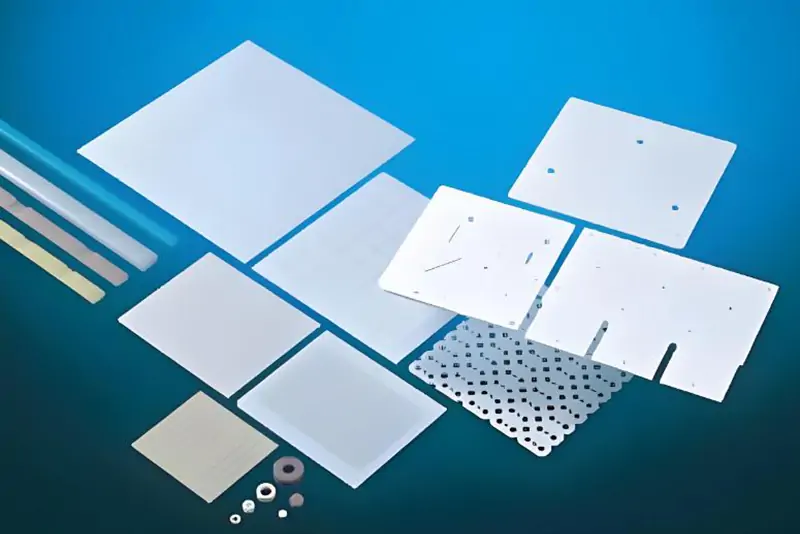
Electronic Materials
Pigments
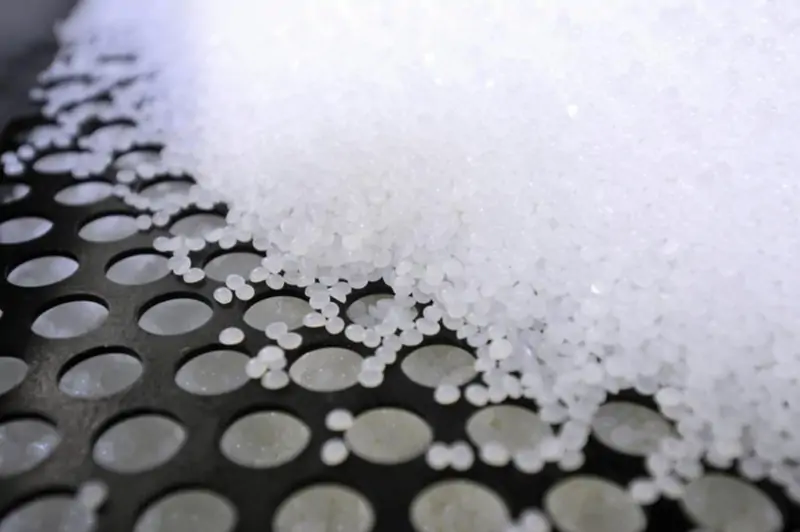
樹脂
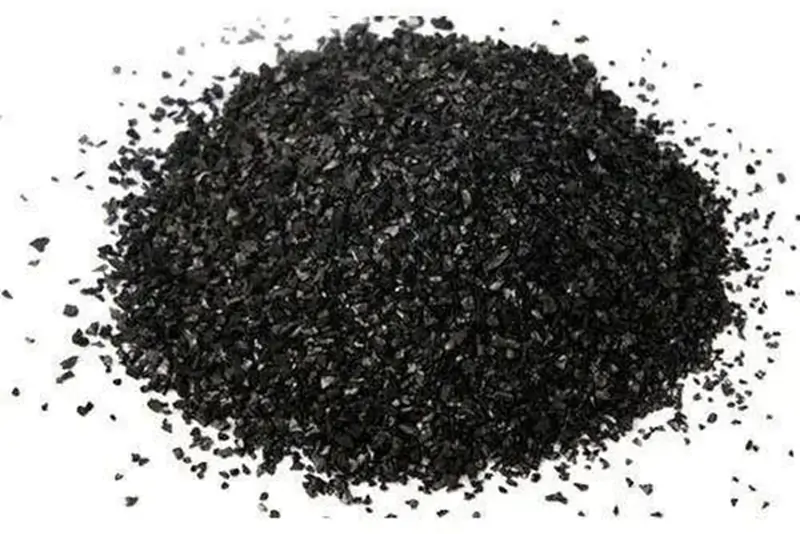
活性碳
Pharmaceutical Raw Materials
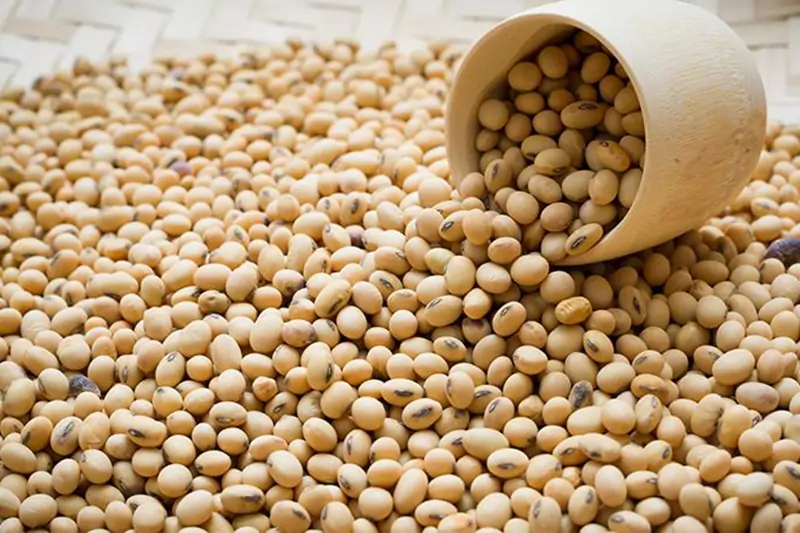
食品
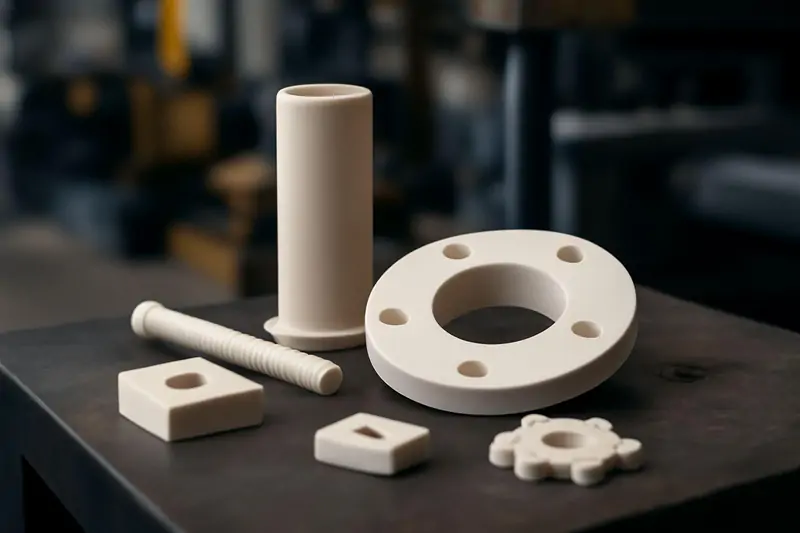
Ceramics
Electronic Materials
Common Materials and Selection Guide
| 物料類型 | 典型物料 | Material Characteristics | Selection Considerations |
| 塑膠顆粒 | PP pellets, PE pellets, resin pellets | Good flowability, some materials may generate static electricity | Focus on particle protection and proper vibration settings to reduce breakage and wear |
| Food Powders | Flour, starch, sugar powder, food additives | Fine particles with high hygiene requirements | Stainless steel 304/316 is usually selected, while sealing and cleaning convenience should also be considered |
| Chemical Materials | Catalysts, pigment powder, resin powder | Some materials are corrosive and easily generate dust | Select suitable materials according to chemical properties and improve sealing performance |
| Mineral Granules | Quartz sand, mineral sand, metal particles | High hardness and possible abrasive wear | Consider tube wear resistance and select suitable specifications according to particle size and conveying volume |
| Mineral Powders | Iron powder, copper powder, etc. | Fine particles with high dust generation and possible poor flowability | Pay attention to anti-blocking performance and adjust vibration parameters properly |
| Building Material Powders | Cement powder, fly ash, desulfurization agents | Large amount of dust and changing bulk density | Enclosed conveying helps reduce dust emission and is suitable for continuous feeding |
Materials Requiring Additional Consideration
| Material Characteristics | Possible Issues |
| High-viscosity materials | Materials may stick to the tube wall and affect smooth conveying |
| High moisture materials | Easy to form lumps and reduce conveying continuity |
| Easily compacted powders | Reduced flowability may cause bridging or blockage |
| Oversized particles | Limited tube space may prevent stable conveying |
| Highly corrosive materials | Standard materials may not meet long-term operating requirements |
| High-temperature materials | Material selection and equipment structure need additional confirmation |
The suitable Tube Vibrating Conveyor configuration depends on the material characteristics and operating conditions. Even for the same type of material, differences in particle size, moisture content, and flowability may require different equipment configurations.
If you are unsure whether this equipment is suitable for your material, you can provide the material information, conveying distance, and operating environment. Our engineering team can recommend a suitable configuration or provide a customized conveying solution.
Parameters
The ZDS series Tube Vibrating Conveyor provides different configurations according to conveying distance, installation space, and material characteristics. The following parameters are based on standard models. The actual equipment dimensions and structural design can be adjusted according to specific operating conditions.
| 型號 | Tube Diameter (mm) | 電機功率(kW) | Conveying Distance (mm) | Inclination Angle (°) | Inlet & Outlet Size (mm) |
| ZDS273-2000 | 273 | 0.25 | 2000 | 0-5 | 273 |
| ZDS273-2500 | 273 | 0.25 | 2500 | 0-5 | 273 |
| ZDS273-3000 | 273 | 0.37 | 3000 | 0-5 | 273 |
| ZDS356-3000 | 356 | 0.37 | 3000 | 0-5 | 356 |
| ZDS356-3500 | 356 | 0.37 | 3500 | 0-5 | 356 |
| ZDS356-4000 | 356 | 0.55 | 4000 | 0-5 | 356 |
| ZDS356-4500 | 356 | 0.55 | 4500 | 0-5 | 356 |
| ZDS356-5000 | 356 | 0.75 | 5000 | 0-5 | 356 |
| ZDS356-5500 | 356 | 0.75 | 5500 | 0-5 | 356 |
During equipment selection, the suitable model should be confirmed according to the installation conditions and conveying requirements. Different applications may require adjustments to the tube diameter, vibration parameters, and structural design. If you are unsure about the right configuration, please provide your material information and operating requirements, and our engineering team can recommend a suitable solution.
Tube Vibrating Conveyor vs 螺旋輸送機
Tube Vibrating Conveyor and screw conveyor are both commonly used for conveying powder and granular materials. However, they have different conveying principles and structural designs, which make them suitable for different operating conditions. The selection should be based on material characteristics, conveying requirements, and production conditions.
| Comparison Item | 管式振動輸送機 | 螺旋輸送機 |
| Conveying Principle | Uses vibration force to move materials forward inside the enclosed tube | Uses rotating screw blades to push materials along the conveying direction |
| 物料保護 | Provides gentle conveying, suitable for materials that require better particle protection | Continuous contact with screw blades may cause material squeezing and wear |
| Internal Structure | No rotating shaft, screw blades, or other complex moving components inside the conveying tube | Contains screw shaft, blades, bearings, and other rotating parts |
| Dust Control | Enclosed tube structure helps reduce dust leakage and is suitable for dust-sensitive environments | Can use sealed designs, but shaft seals require regular inspection and maintenance |
| Maintenance Requirements | Simple structure with routine maintenance mainly focused on vibration motors and springs | Requires regular inspection of screw blades, bearings, and other wearing parts |
| 適用物料 | Powder, granular, and small bulk materials requiring gentle conveying and good cleanliness | Powder, granular, and materials requiring stronger pushing force |
| 典型應用 | Food, chemical, pharmaceutical, and fine powder conveying applications | Building materials, chemical, grain, and general material conveying applications |
How to Choose?
When materials require better dust control, cleaner conveying conditions, or reduced particle damage, a Tube Vibrating Conveyor is usually a better choice.
For applications requiring longer conveying distances, stronger pushing force, or larger conveying angles, a screw conveyor may be more suitable.
For specific projects, the final selection should be based on material properties, installation space, conveying distance, and production requirements.
Customize
Different customers may have different material characteristics and installation conditions. Even for the same conveying requirement, the equipment configuration may need to be adjusted according to the actual application. Some projects require changes in equipment dimensions, some focus more on dust sealing, while others need better connection with upstream and downstream equipment.
We can adjust the tube diameter, conveying length, material selection, inlet and outlet connections, and installation structure according to specific requirements, providing a conveying solution that better matches the operating conditions. In addition to single equipment customization, we can also provide supporting conveying solutions for screening lines, powder processing systems, mineral processing lines, and other production applications.
To select a more suitable equipment configuration, please provide the following information:
- Material name:
- Conveying distance:
- Required capacity:
- Installation space:
- Special requirements :(such as stainless steel material, dust control, corrosion resistance, etc.)
Jiarui Manufacturing Capability
Tube Vibrating Conveyor requires accurate matching between the conveying tube, vibration system, material characteristics, and installation conditions. During manufacturing, details such as tube size, material selection, connection design, and vibration structure all need to be considered according to the actual application.
With experience in vibrating screening, conveying, and filtration equipment manufacturing, Jiarui can complete tube processing, structural fabrication, equipment assembly, and factory testing based on customer requirements. Carbon steel, stainless steel 304, and stainless steel 316 materials are available for different working environments, and key structures can be adjusted to better fit the production line.
The company has passed ISO9001 quality management system certification and holds multiple equipment-related technology patents. Through continuous improvement in design and manufacturing processes, Jiarui provides reliable conveying equipment solutions for customers in different industries.
常見問題
獲取免費諮詢
填寫以下表單與我們的專家聯繫,並獲得針對您應用的個人化建議。.