YK Series Circular Vibrating Screen Product Details
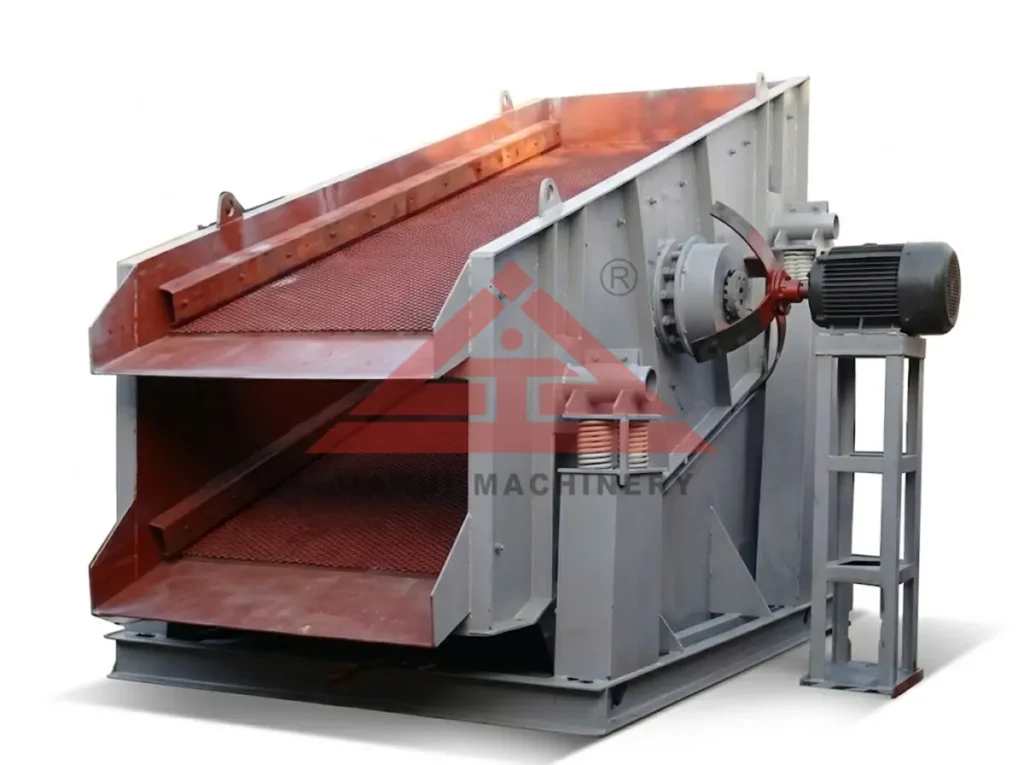
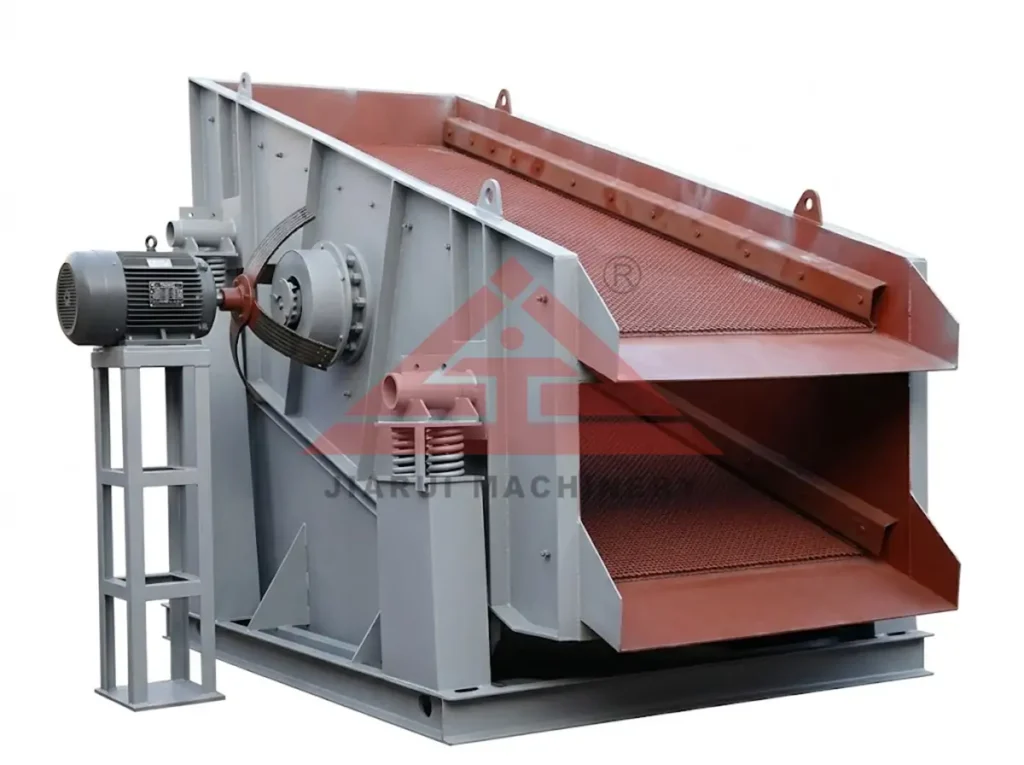
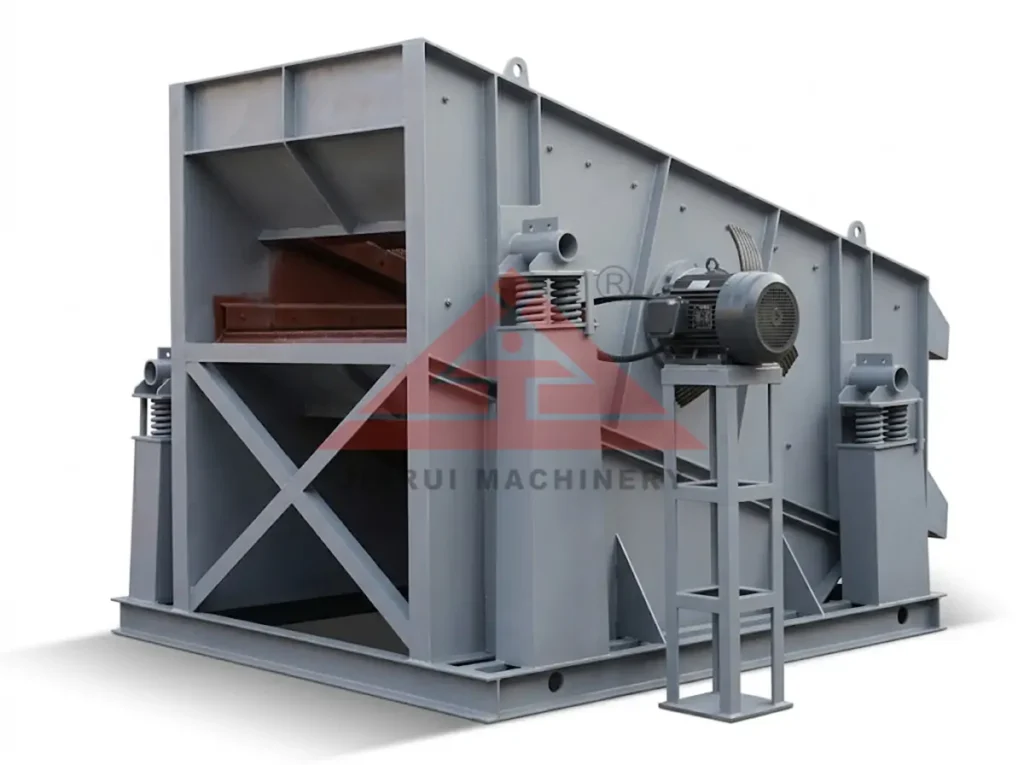
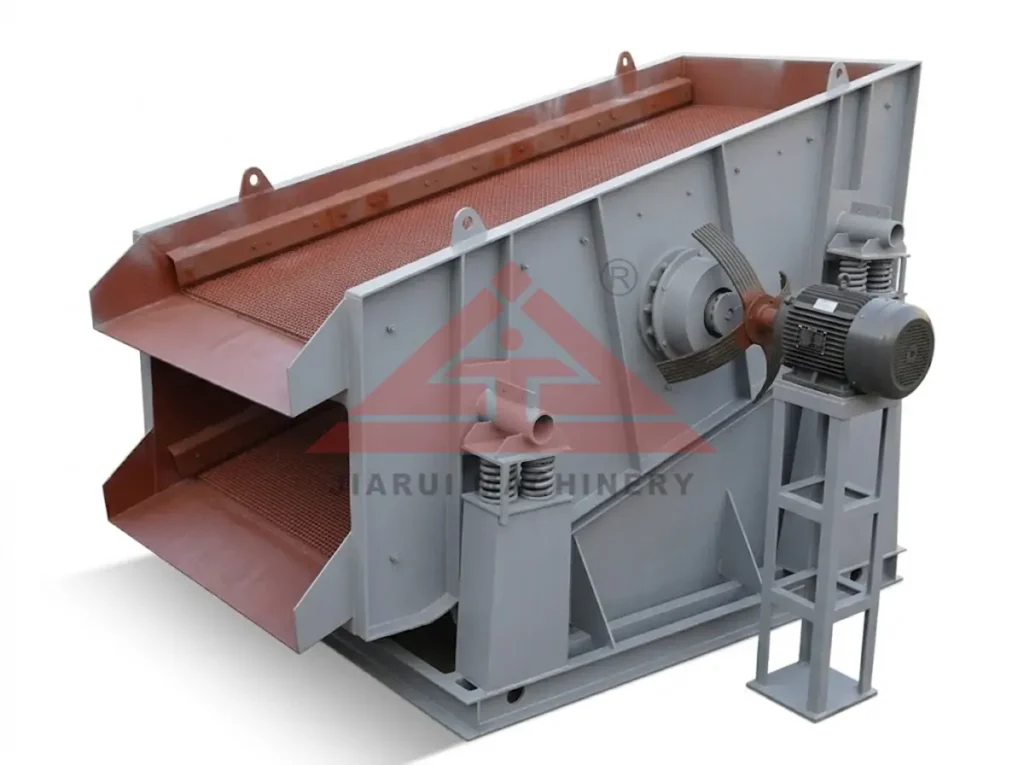
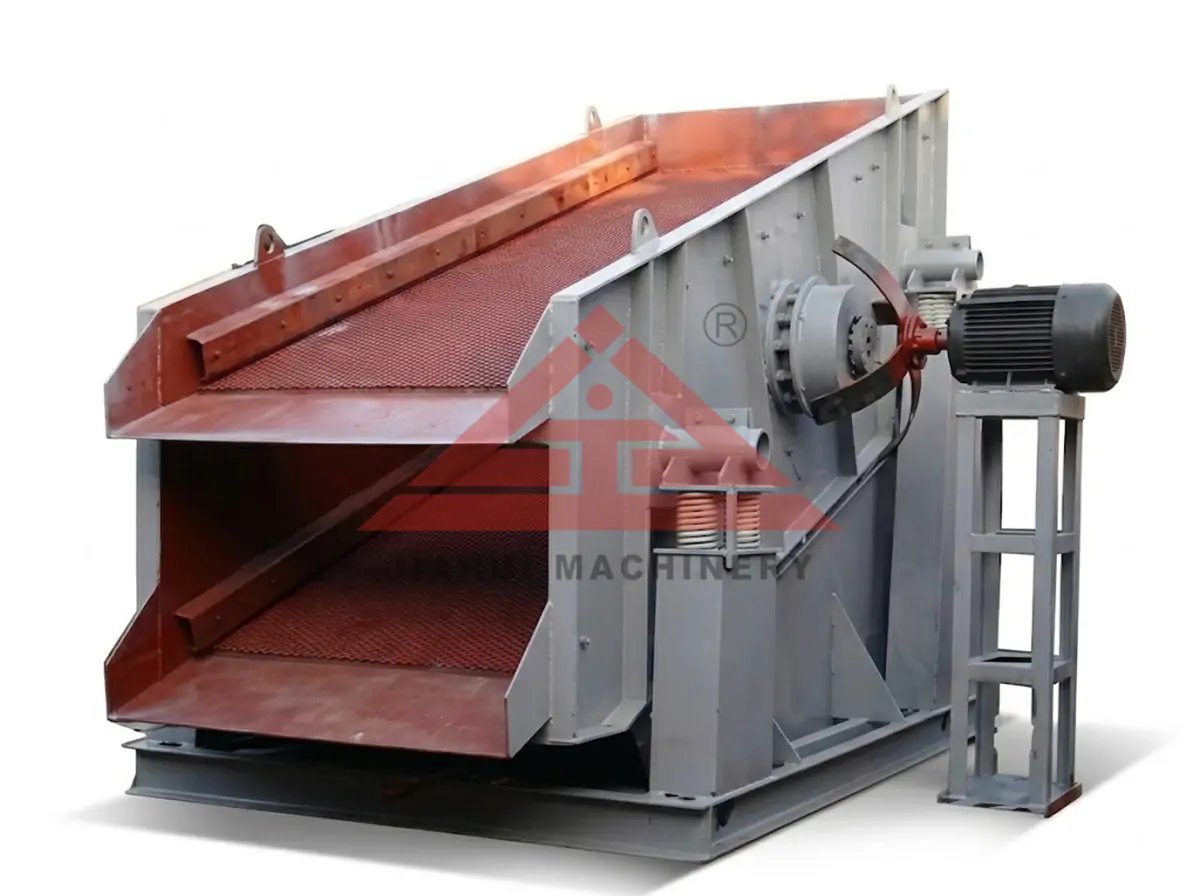
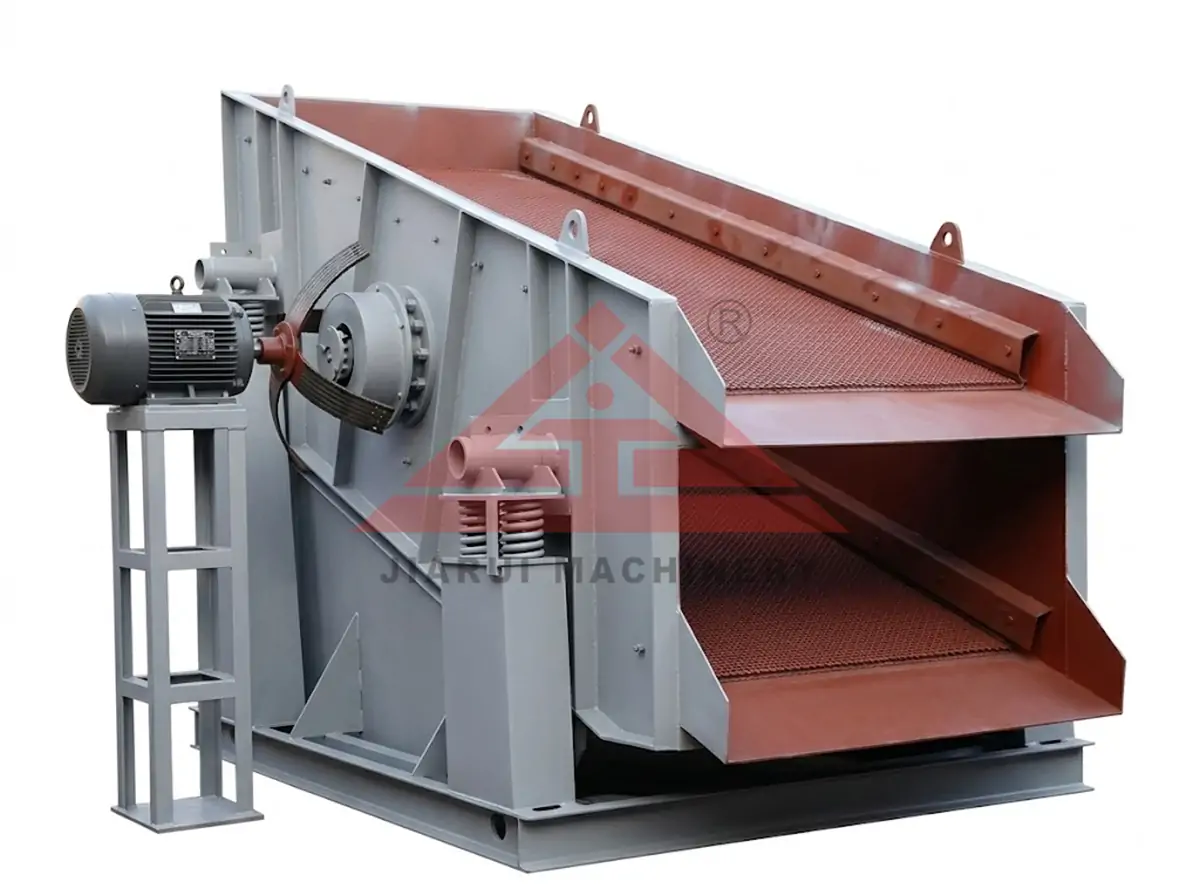
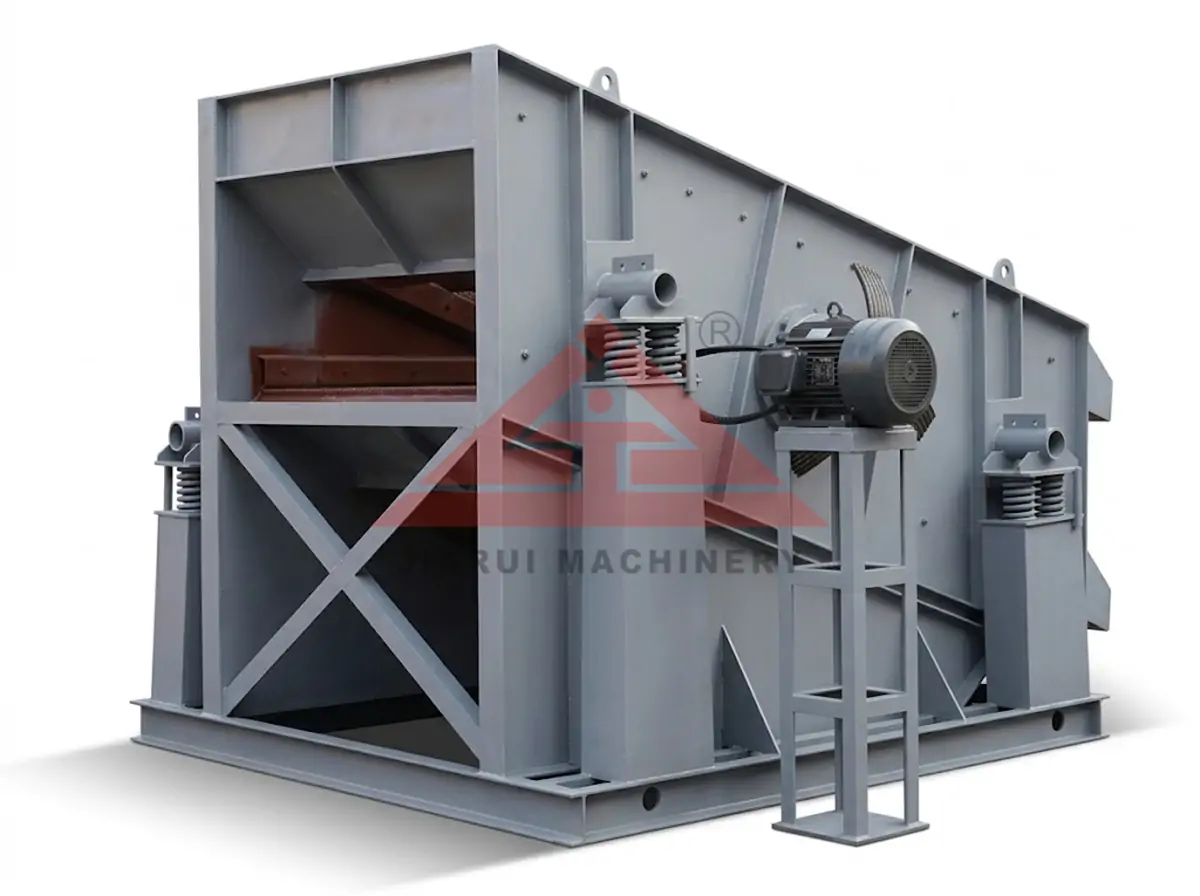
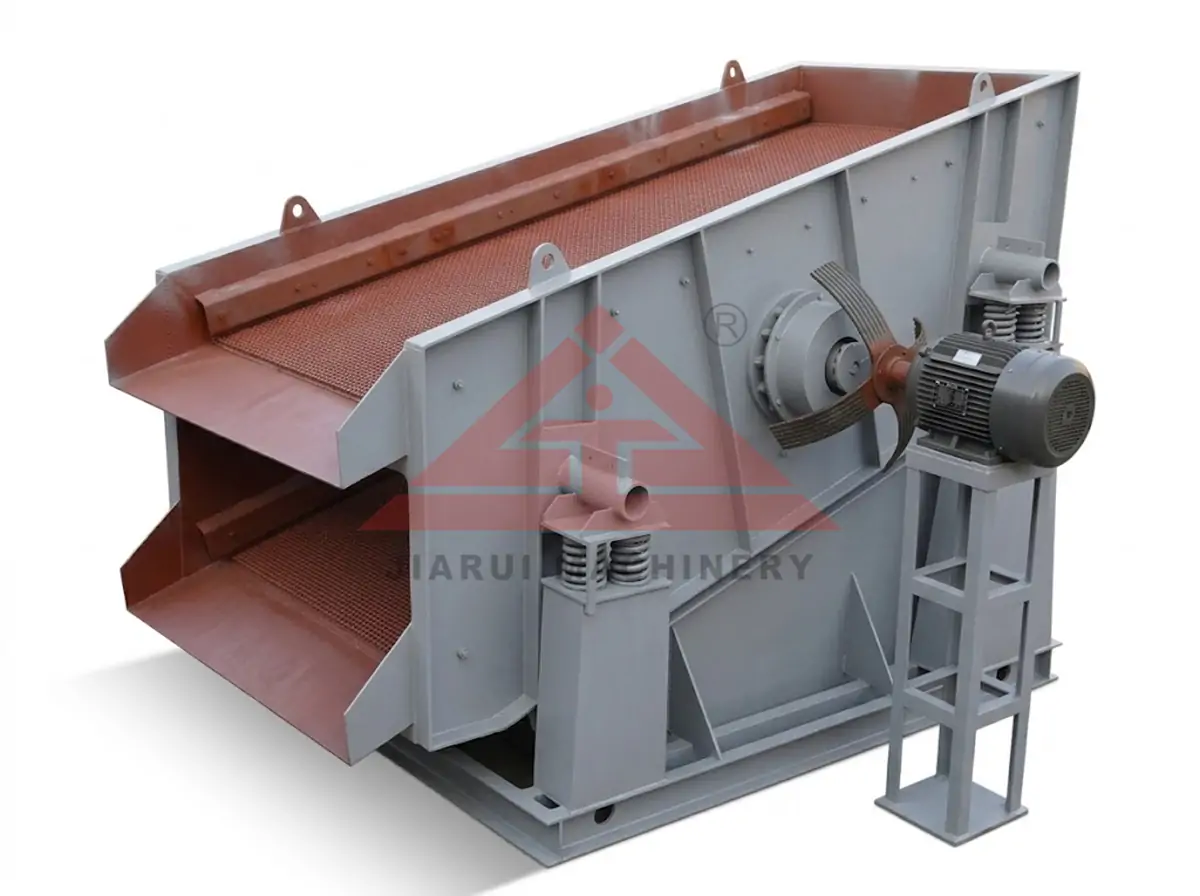
High-Efficiency YK Series Circular Vibrating Screen for Heavy-Duty Screening
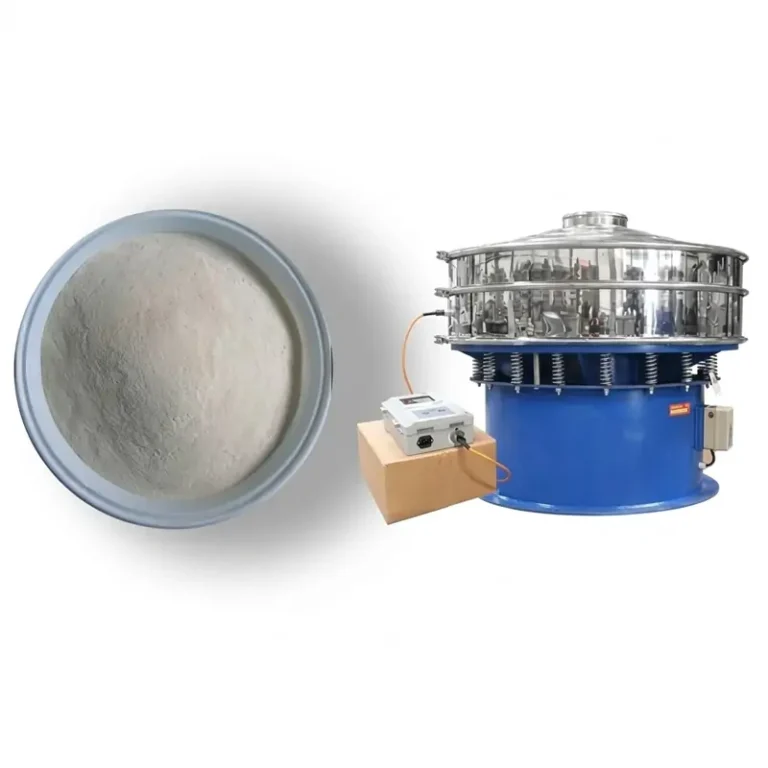
YK Series Circular Vibrating Screen is mainly used for continuous classification of crushed ores, aggregates, and other bulk materials. Through stable circular vibration motion, the material is turned over and dispersed on the screen surface, improving screening efficiency and reducing oversized particles entering the next process. The equipment is usually installed in the screening stage after crushing and is widely used for continuous screening of ores, aggregates, and other materials in mining, quarrying, and aggregate production lines.
The Jiarui engineering team selects the screen deck size, number of decks, screen mesh type, and drive configuration according to material hardness, feed size, target capacity, and site layout. This helps avoid insufficient screening capacity or improper equipment configuration after installation. Customized manufacturing services are available for YK Series Circular Vibrating Screen according to different ores, aggregates, and production line requirements.
- Model: YK Series
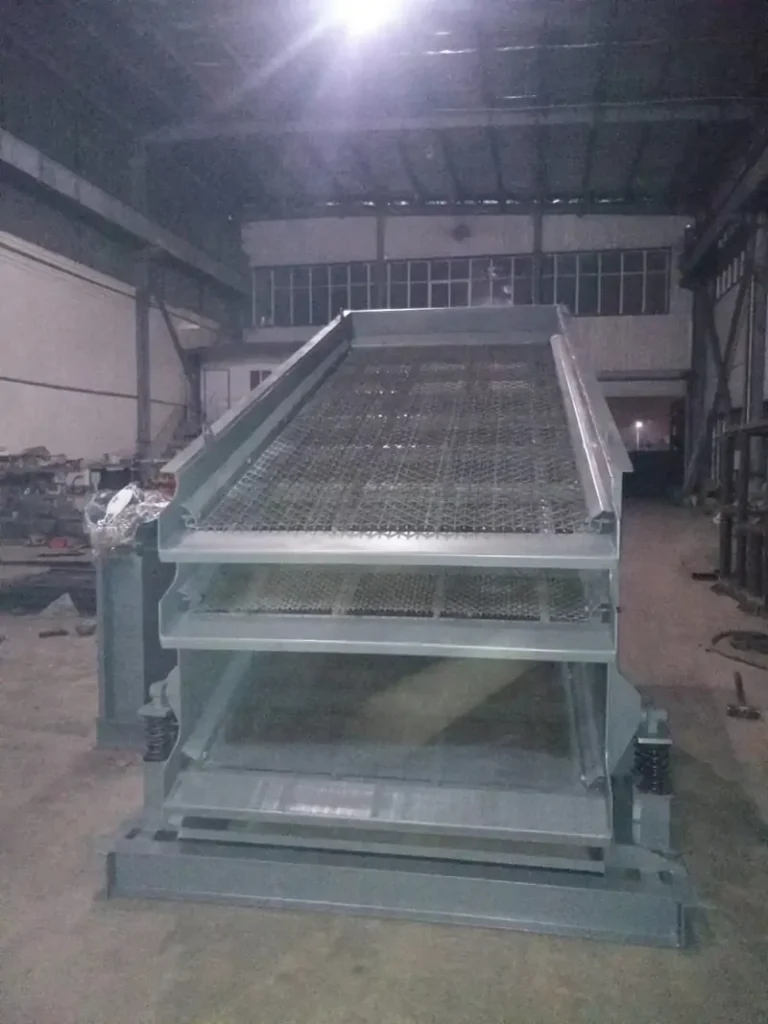
- Screen Deck: Single / Double / Multi Deck
- Processing Capacity: 75-960 t/h
- Feed Size: ≤150-200 mm
- Screen Inclination: 15-30°
- Applications: Mining, quarry, aggregate and bulk material screening
What is a YK Circular Vibrating Screen?
YK Circular Vibrating Screen, also known as inclined circular vibrating screen or mining circular vibrating screen, is a screening equipment that uses vibration force to classify bulk materials by particle size. The equipment is mainly installed in crushing, sand making, and mineral processing production lines to separate materials such as ores, aggregates, and coal into different particle sizes, ensuring they meet the requirements of subsequent conveying, crushing, or production processes.
YK Series Circular Vibrating Screen adopts an inclined screen deck and eccentric vibration structure, making it suitable for continuous classification of medium and coarse materials. Compared with screening equipment designed for fine classification, this series focuses more on processing capacity, screening stability, and long-term operation reliability. It is commonly used in mining, quarry, and aggregate production lines.
Working Principle
The screening process of the YK Circular Vibrating Screen relies on vibration to continuously move materials on the screen deck, allowing particles with different sizes to be separated. During operation, the screen box generates continuous circular vibration, causing materials to be turned over and dispersed while moving toward the discharge end, completing continuous screening.
Exciter Generates Stable Vibration
The motor drives the eccentric blocks inside the exciter to rotate and generate vibration force, allowing the screen box and screen deck to maintain stable vibration. The vibration intensity can be adjusted according to material characteristics and screening requirements, keeping materials in a suitable movement condition and reducing material accumulation and screen blockage.
Screen Deck Performs Particle Separation
After entering the screen deck, materials are continuously lifted, loosened, and moved forward under the vibration force. Particles smaller than the screen opening pass through the screen mesh into the next deck or corresponding discharge outlet, while larger particles continue moving along the screen surface and are discharged. By selecting different screen openings and deck numbers, the YK Circular Vibrating Screen can separate materials into multiple particle size grades and is suitable for continuous screening of ores, aggregates, and other bulk materials.
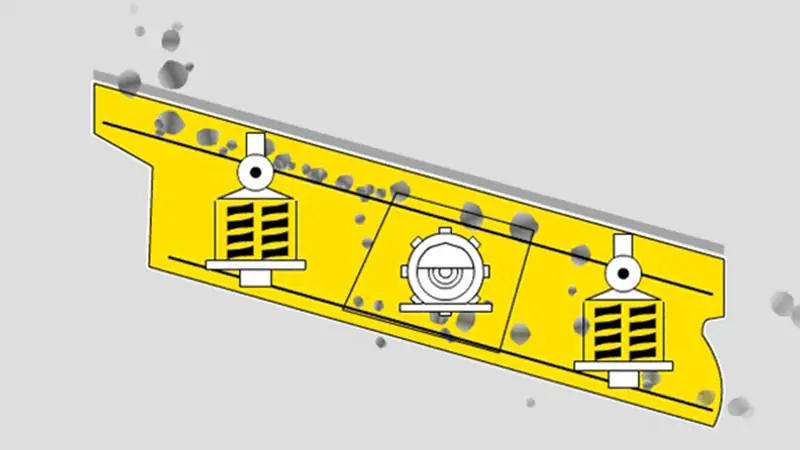
The screening performance of the YK Circular Vibrating Screen is affected by screen opening size, material particle size, and moisture content. During equipment selection, the screen parameters should be matched according to the required product size and processing capacity to avoid insufficient screening performance or excessive equipment load.
Main Features
YK Circular Vibrating Screen is mainly designed for continuous screening of medium and coarse materials such as ores and aggregates. The equipment design focuses not only on processing capacity, but also on material impact resistance, screening efficiency, and long-term operation stability.
Large Screen Deck for Continuous Production
The screen deck size can be configured according to production capacity requirements. A larger screening area can handle more materials and is suitable for continuous operation in mining sites, quarries, and other production environments.
Circular Motion Improves Material Dispersion
The eccentric vibration structure drives the screen box to move in an approximate circular motion, causing materials to turn over and loosen on the screen deck. This increases the contact opportunity between materials and screen openings, improving screening stability.
Screen Box Structure Designed for Heavy-Duty Operation
The equipment continuously handles high-impact materials such as ores and crushed stones. Therefore, the screen box and key vibration components require sufficient load-bearing capacity to reduce structural issues during continuous operation.
Multi-Deck Configuration for Flexible Material Classification
According to different product size requirements, the equipment can be configured with single, double, or multi-deck screens. One machine can complete the separation of materials into different particle sizes, reducing the number of screening units required in the production line.
Applications
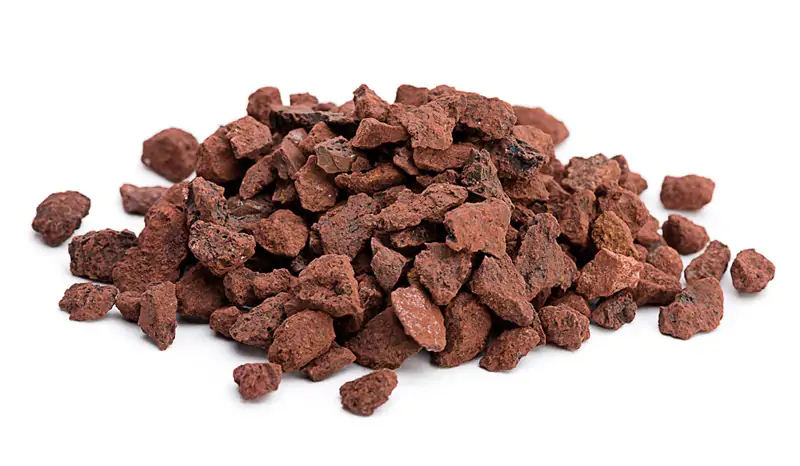
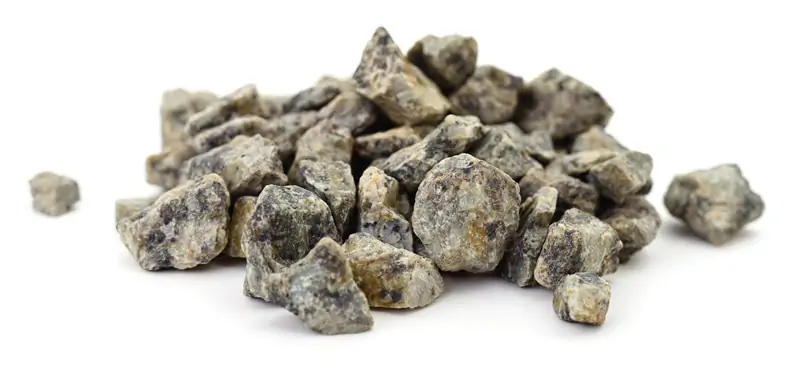
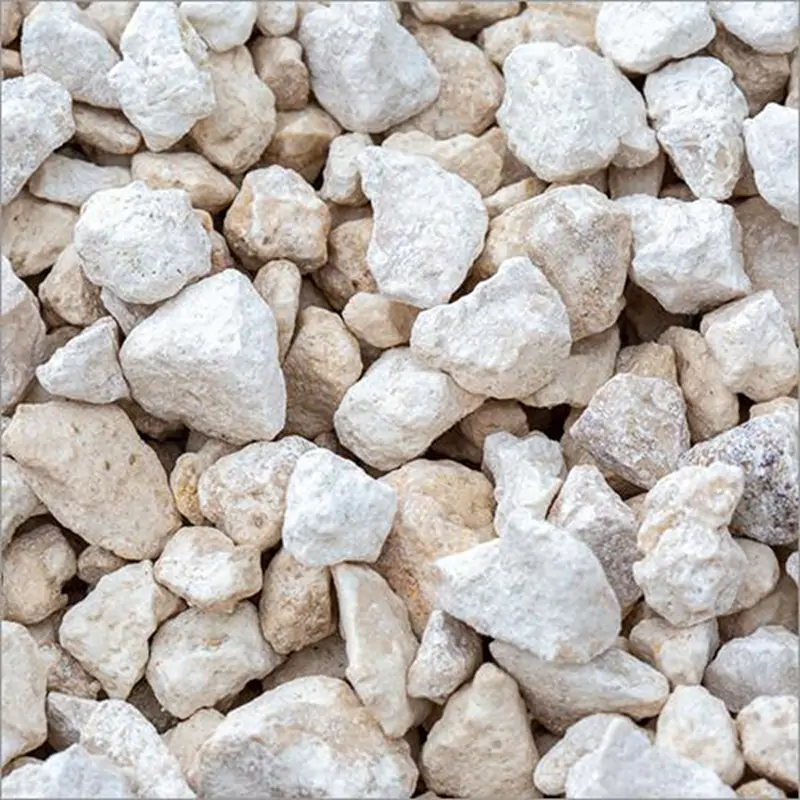
YK Circular Vibrating Screen is mainly used for material classification in mining, aggregate production, and building material production lines. It is suitable for bulk materials with certain particle size, flowability, and hardness. Through different screen openings, the equipment separates materials into different grades. Common applications include ores, crushed stones, and coal. Different materials vary in hardness, moisture content, and abrasiveness, so the screen mesh type, screen deck size, and equipment configuration need to be selected according to production requirements.
 Iron Ore
 Granite Aggregate
 Limestone
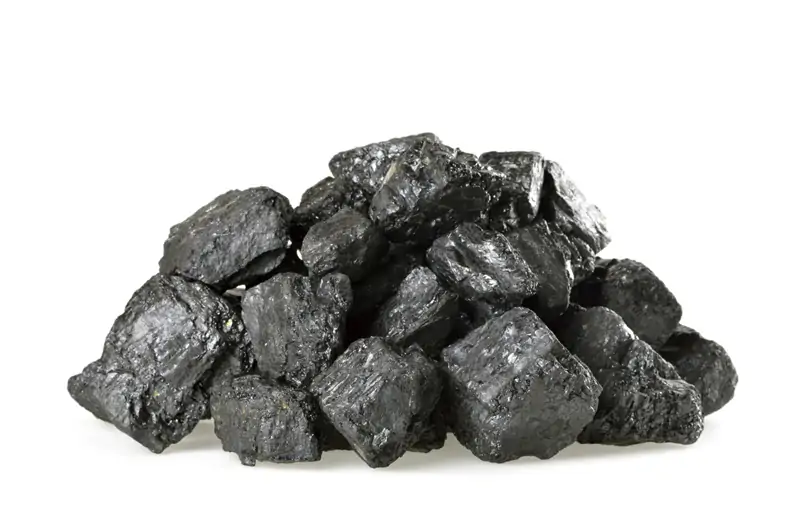 Coal
Coal
Which Industries Are Suitable for YK Circular Vibrating Screen?
| Industry | Common Materials | Selection Considerations |
| Mining industry | Iron ore, copper ore, gold ore, etc. | Materials usually have high hardness. Attention should be paid to screen box strength, screen mesh wear resistance, and equipment processing capacity. |
| Aggregate industry | Granite, limestone, construction aggregates, manufactured sand | Multi-stage screening is usually required. The number of screen decks and screen opening size should be selected according to final product specifications. |
| Building material industry | Limestone, slag, construction aggregates | Focus on screening capacity, material passing performance, and stable product size classification. |
| Coal industry | Raw coal, coke, and other bulk materials | Consider material moisture content, anti-blocking performance, and screen configuration. |
When Is YK Circular Vibrating Screen Not Recommended?
YK Circular Vibrating Screen is mainly suitable for screening medium and coarse materials such as ores and aggregates. The equipment type should be further evaluated in the following situations:
- High moisture and highly sticky materials:For materials such as wet clay or materials with high mud content, the screen mesh may become blocked due to material adhesion, reducing screening performance. Anti-blocking measures or other screening methods may need to be considered.
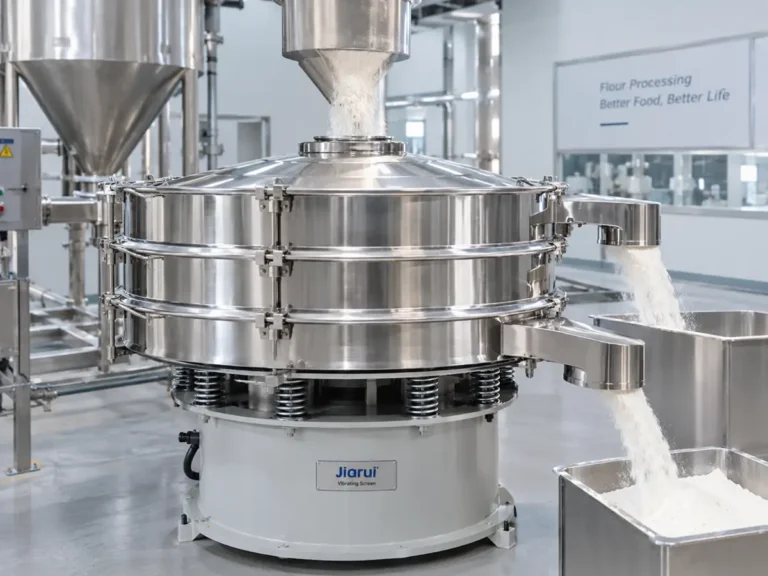
- Ultra-fine powder materials:Materials such as pharmaceutical powder, graphite powder, and flour usually require higher sealing, dust control, and fine classification performance, so other fine screening equipment may be more suitable.
- Lightweight fine particles requiring high-precision classification:Some materials such as plastic pellets and chemical fine particles require equipment selection based on particle size range and screening accuracy.
YK Series Circular Vibrating Screen is widely used in mining and aggregate production lines. Equipment selection should consider material maximum feed size, target capacity, final product specifications, and installation conditions. Proper matching of screen mesh and screen deck parameters helps maintain stable operation over long-term production.
What Is the Difference Between Circular Vibrating Screen and Linear Vibrating Screen?
When selecting vibrating screens, many customers compare circular vibrating screens and linear vibrating screens. Both types of equipment are used for material classification, but their vibration patterns, material movement methods, and suitable applications are different.
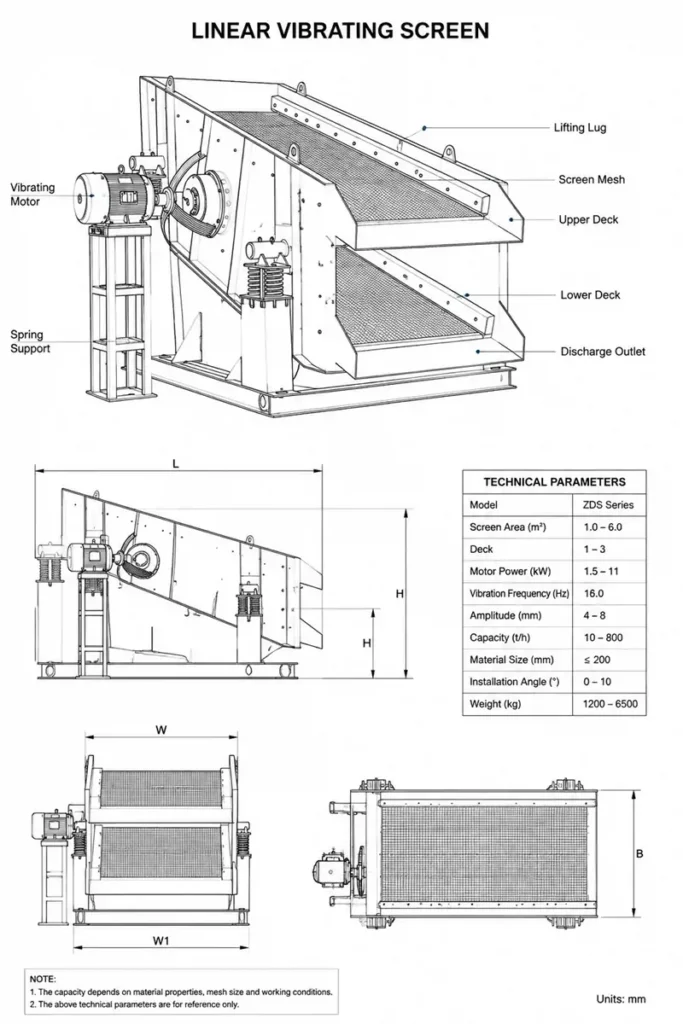
YK Series Circular Vibrating Screen is commonly used for continuous screening of ores and aggregates, while Jiarui JR-ZS Series Linear Vibrating Screen is more suitable for powder materials, granular materials, and applications requiring multiple particle size classifications.
| Comparison Item | YK Series Circular Vibrating Screen | JR-ZS Series Linear Vibrating Screen |
| Vibration method | Eccentric shaft excitation, causing the screen box to move in an approximate circular motion | Driven by two vibration motors, causing the screen box to move in a linear direction |
| Material movement | Materials roll and jump on the screen deck with good dispersion performance | Materials move continuously along the screen deck direction with stable movement paths |
| Suitable materials | Ores, crushed stones, aggregates, coal, and other materials | Powder materials, granular materials, chemical raw materials, plastic pellets, and other materials |
| Processing characteristics | Commonly used in continuous production lines with large screening loads | Suitable for stable feeding and multi-size material classification |
| Screening characteristics | Mainly used for coarse and medium particle size screening of ores and aggregates | Suitable for classification of granular materials and powder materials |
| Production line application | Commonly connected with crushers and conveyors in mining and aggregate production lines | Commonly used in material dosing, packaging, and industrial raw material screening processes |
| Configuration focus | Focuses on screen box strength, load capacity, and long-term operation stability | Focuses on screening flexibility, number of screen decks, and material control |
For mining materials such as ores, granite, limestone, and construction aggregates, especially when the production line requires continuous screening and large processing capacity, YK Series Circular Vibrating Screen is usually easier to match with the application requirements.
For powder materials, small particle materials, or production processes requiring multiple particle size classifications, JR-ZS Series Linear Vibrating Screen provides more flexible screening methods. The selection mainly depends on material characteristics, capacity requirements, and production line layout.
Technical Parameters
The models of YK Series Circular Vibrating Screen are usually identified by the series code, screen deck size, and number of decks. For example, in YK1536, “YK” represents the circular vibrating screen series, “15” indicates the screen width of approximately 1.5 m, and “36” indicates the screen length of approximately 3.6 m. The number before the model represents the number of screen decks. 2YK indicates a double-deck screen, which can classify materials into different particle sizes at the same time.
| Model | Deck Number | Screen Deck Size (mm) | Maximum Feed Size (mm) | Processing Capacity (t/h) | Vibration Frequency (r/min) | Double Amplitude (mm) | Motor Power (kW) |
| YK1230 | 1 deck | 1200×3000 | ≤150 | 75-245 | 980 | 6月12日 | 7.5 |
| 2YK1230 | 2 decks | 1200×3000 | ≤150 | 75-245 | 980 | 6月12日 | 11 |
| YK1536 | 1 deck | 1500×3600 | ≤150 | 95-310 | 980 | 6月12日 | 15 |
| 2YK1536 | 2 decks | 1500×3600 | ≤150 | 95-310 | 980 | 6月12日 | 15 |
| YK1848 | 1 deck | 1800×4800 | ≤150 | 150-490 | 980 | 6月12日 | 18.5 |
| 2YK1848 | 2 decks | 1800×4800 | ≤150 | 150-490 | 980 | 6月12日 | 18.5 |
| YK2460 | 1 deck | 2400×6000 | ≤200 | 250-810 | 760 | 8月14日 | 30 |
| 2YK2460 | 2 decks | 2400×6000 | ≤200 | 250-810 | 760 | 8月14日 | 37 |
Note: The parameters in the table are standard configuration ranges. Actual processing capacity is affected by material density, particle size distribution, moisture content, screen opening size, and feeding conditions. Different production lines have different requirements for final product sizes, so the screen deck size and number of decks should be selected according to specific operating conditions.
Screen Mesh Configuration
The screen mesh is the component that directly receives material impact and abrasion in YK Circular Vibrating Screen. Proper screen mesh selection affects screening efficiency, replacement frequency, and equipment operating stability. Different materials such as ores, aggregates, and coal have different hardness and moisture characteristics, so different screen mesh types are usually required.
| Screen Mesh Type | Suitable Materials | Usage Characteristics | Common Applications |
| Woven wire screen mesh | Dry ores, crushed stones, aggregate materials | High open area, good material passing performance, and easy replacement | Limestone, granite, and general ore screening |
| Polyurethane screen mesh | Wet materials, abrasive materials | Good wear resistance, less prone to blockage, suitable for continuous operation | Wet sand, mud-containing ores, and highly abrasive materials |
| Perforated screen plate | Large ore blocks, coarse materials | High strength and able to withstand larger impact forces | Coarse material screening after crushing |
How to Select Screen Mesh?
Screen mesh selection should not only consider screen opening size, but also the actual condition of incoming materials.
- For large materials with strong impact force, a screen plate structure with higher strength is usually required.
- For materials with high moisture or easy adhesion, attention should be paid to reducing screen blockage.
- For high-hardness ores, wear resistance of the screen mesh should be prioritized.
- For different final product size requirements, the screen opening size and number of screen decks need to be adjusted.
When configuring YK Circular Vibrating Screen, Jiarui first confirms the material type, feed size, and final product requirements, then selects a suitable screen mesh type to avoid excessive wear or insufficient screening performance.For a quick reference when choosing screen mesh, see our Vibrating Screen Mesh Size and Aperture Comparison Table for common mesh sizes and aperture sizes.
How to Select the Right YK Circular Vibrating Screen?
Selection of YK Circular Vibrating Screen should not only refer to processing capacity. Different materials and production lines have different requirements for screen deck size, number of decks, and screen mesh configuration. During purchasing, the target capacity, material conditions, and final product specifications should be confirmed first, and then the suitable equipment configuration can be selected to avoid insufficient screening capacity or unnecessary oversizing.
| Site Conditions | Key Selection Points |
| Crushed ores and aggregates requiring high-capacity continuous screening | Confirm whether the screen deck area, equipment strength, and processing capacity match the production line requirements. |
| Production capacity above 500 t/h | Consider larger screen models and pay attention to screen box structure and long-term operating stability. |
| Materials with high mud content or easy adhesion | Focus on screen mesh type, anti-blocking measures, and material passing performance. |
| Production requiring multiple product sizes | Select single-deck, double-deck, or multi-deck structures according to the number of final products required. |
| Feed materials containing large blocks | Confirm maximum feed size and select screen mesh configurations with stronger load capacity. |
| High-hardness and highly abrasive materials | Prioritize wear-resistant screen mesh and consider the service life of the screen box and key components. |
When selecting YK Series Circular Vibrating Screen, customers usually need to provide material name, maximum feed size, target capacity, final product size, and installation conditions. The Jiarui engineering team matches the screen deck size, deck number, and screen mesh type according to this information, making the equipment more suitable for actual production requirements.
Customization
The configuration of YK Circular Vibrating Screen is not simply determined by increasing or reducing equipment size. It needs to be matched according to material characteristics, screening requirements, and production capacity. The screen deck area, number of decks, excitation system, and screen mesh type all affect screening efficiency and long-term equipment operation stability.
For example, when processing granite and limestone, the screen mesh wear configuration, structural reinforcement method, and vibration parameters may need to be adjusted due to differences in hardness, abrasiveness, and particle size distribution. For high-capacity production lines, the connection between feeding and discharge ports and upstream and downstream equipment also needs to be considered to ensure smooth operation of the entire production line.
The Jiarui engineering team provides customized design for YK Circular Vibrating Screen according to customer material conditions and site requirements, including screen deck size, deck structure, excitation configuration, screen mesh type, and connection methods.
Customers can provide the following information to help confirm the equipment plan quickly:
- Material name and maximum feed size
- Processing capacity and required product size
- Material moisture content and abrasion characteristics
- Installation conditions
Jiarui Manufacturing
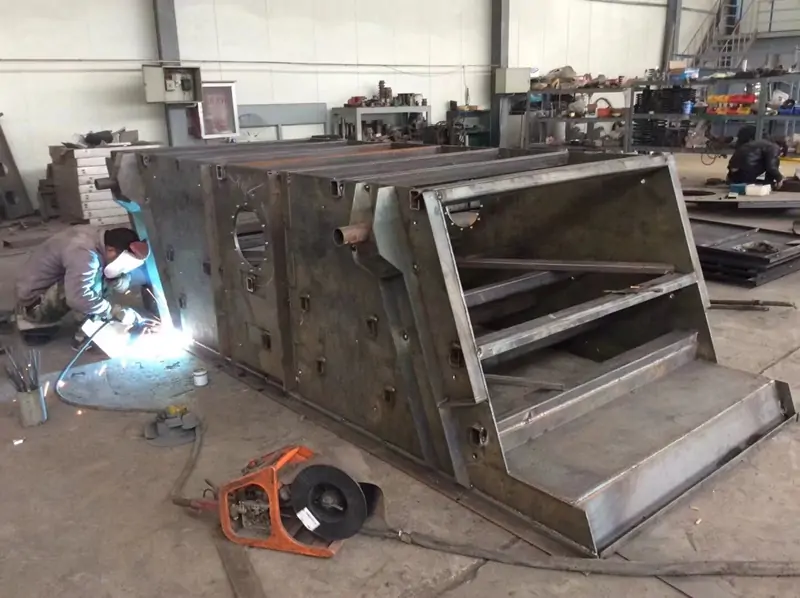
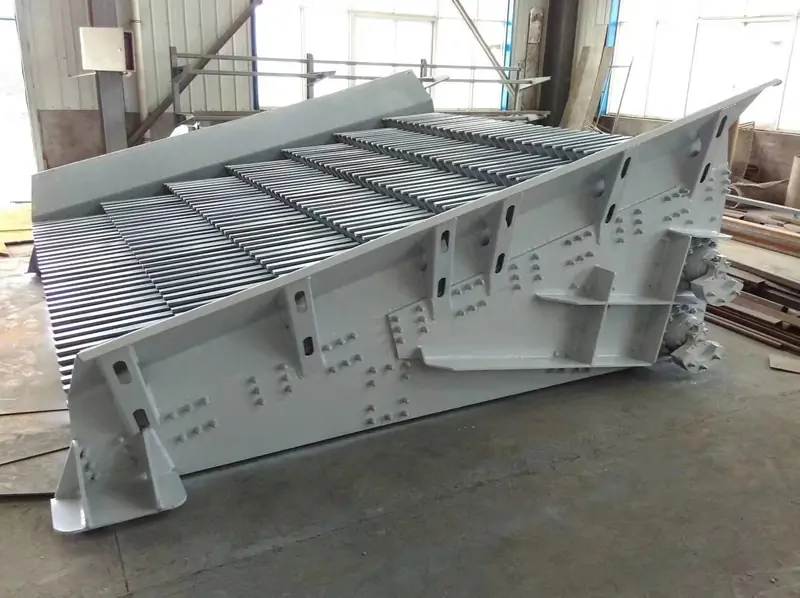
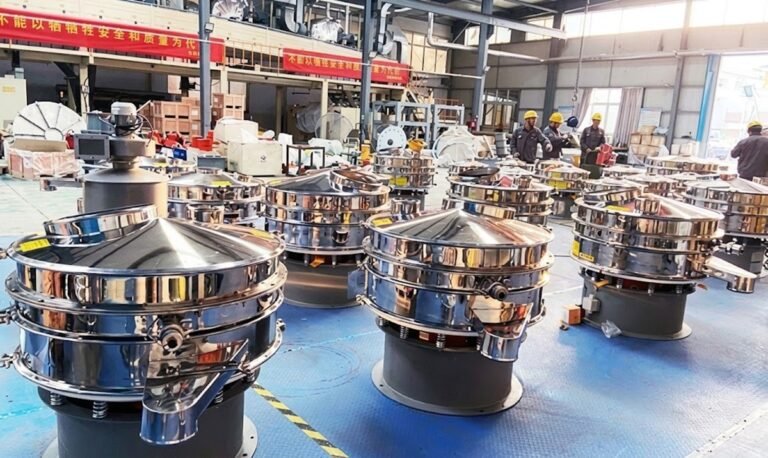
Manufacturing YK Circular Vibrating Screen for mining and aggregate applications requires the equipment to withstand material impact and continuous vibration operation. Therefore, the manufacturing focus is mainly on screen box structure, excitation system stability, and screen mesh wear resistance.
During production, the overall rigidity of the screen box is checked after welding. During exciter installation, the balance of forces on both sides is confirmed to reduce the risk of abnormal vibration during operation. After equipment assembly, the complete machine is tested, and the screen mesh, connection ports, and structural configuration are adjusted according to site requirements to make the equipment more suitable for production line operation.
FAQs
Get a Free Consultation
Fill out the form below to connect with our experts and receive personalized recommendations for your application.