
Détails du produit : Crible vibrant circulaire série YK
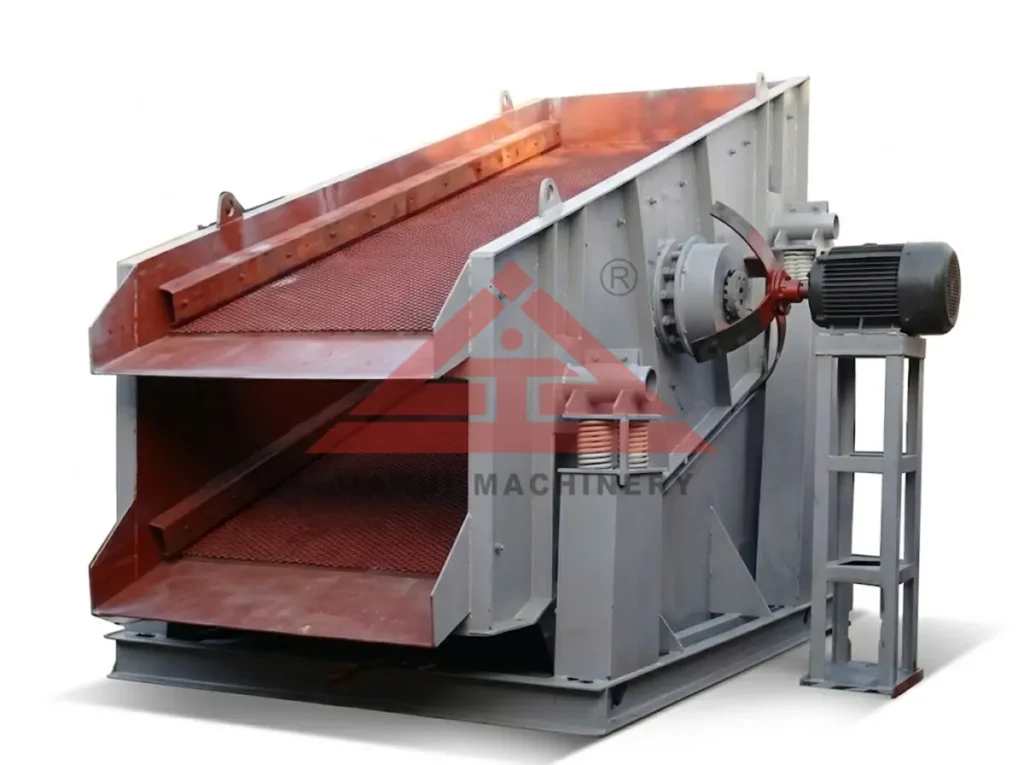
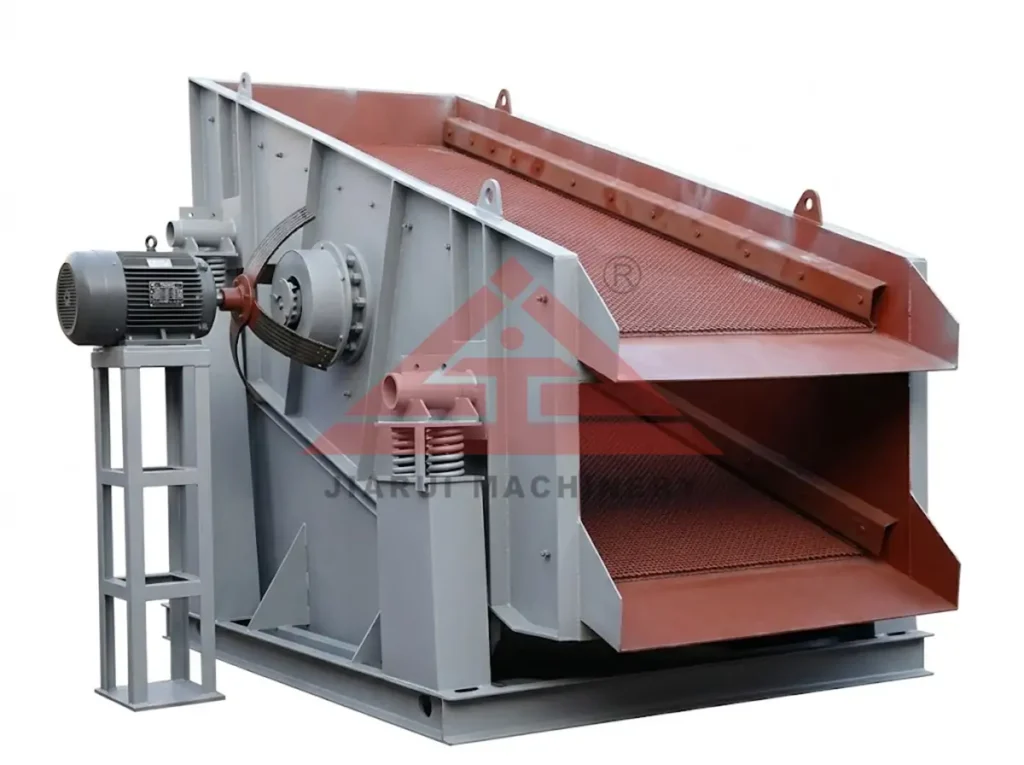
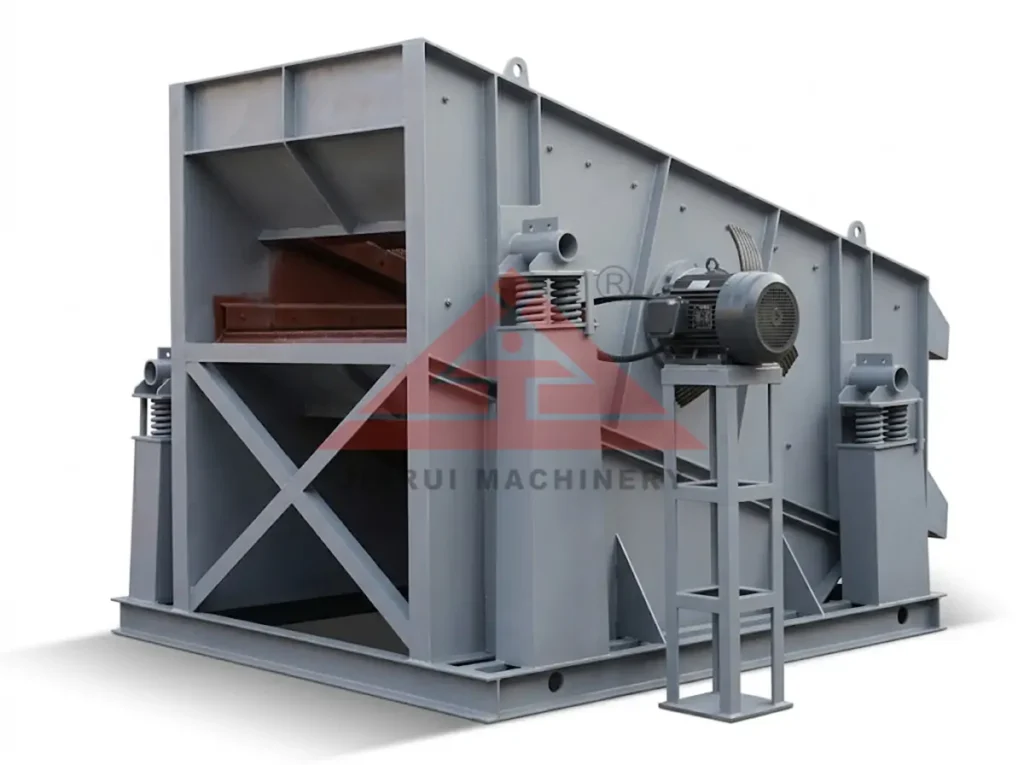
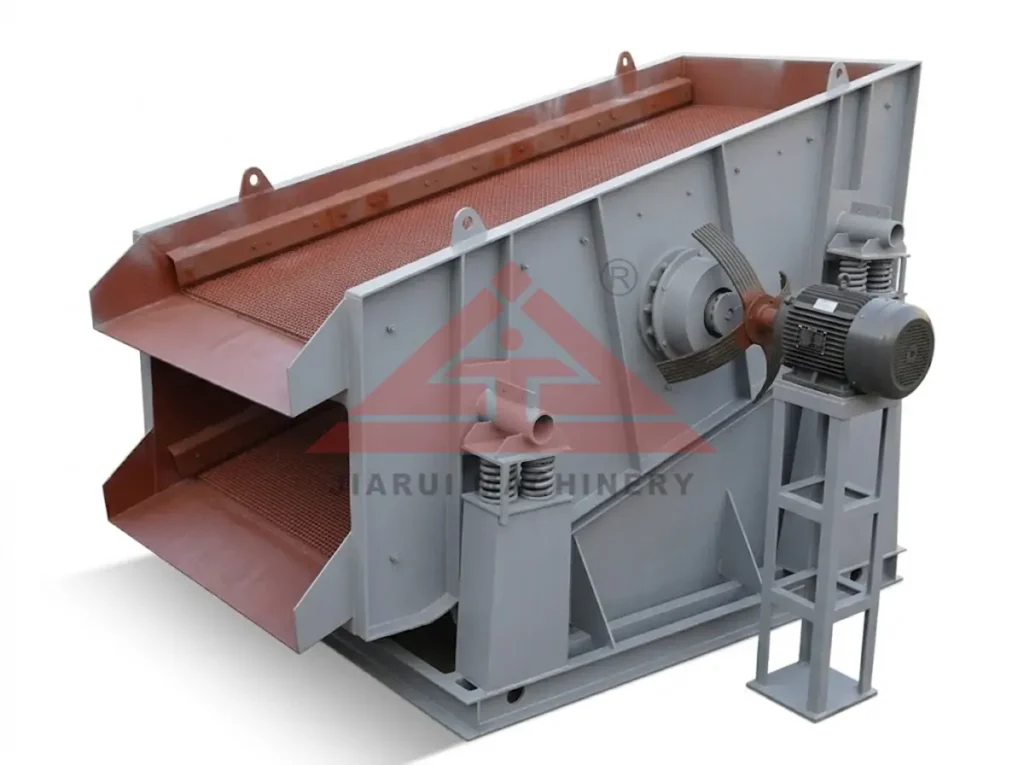
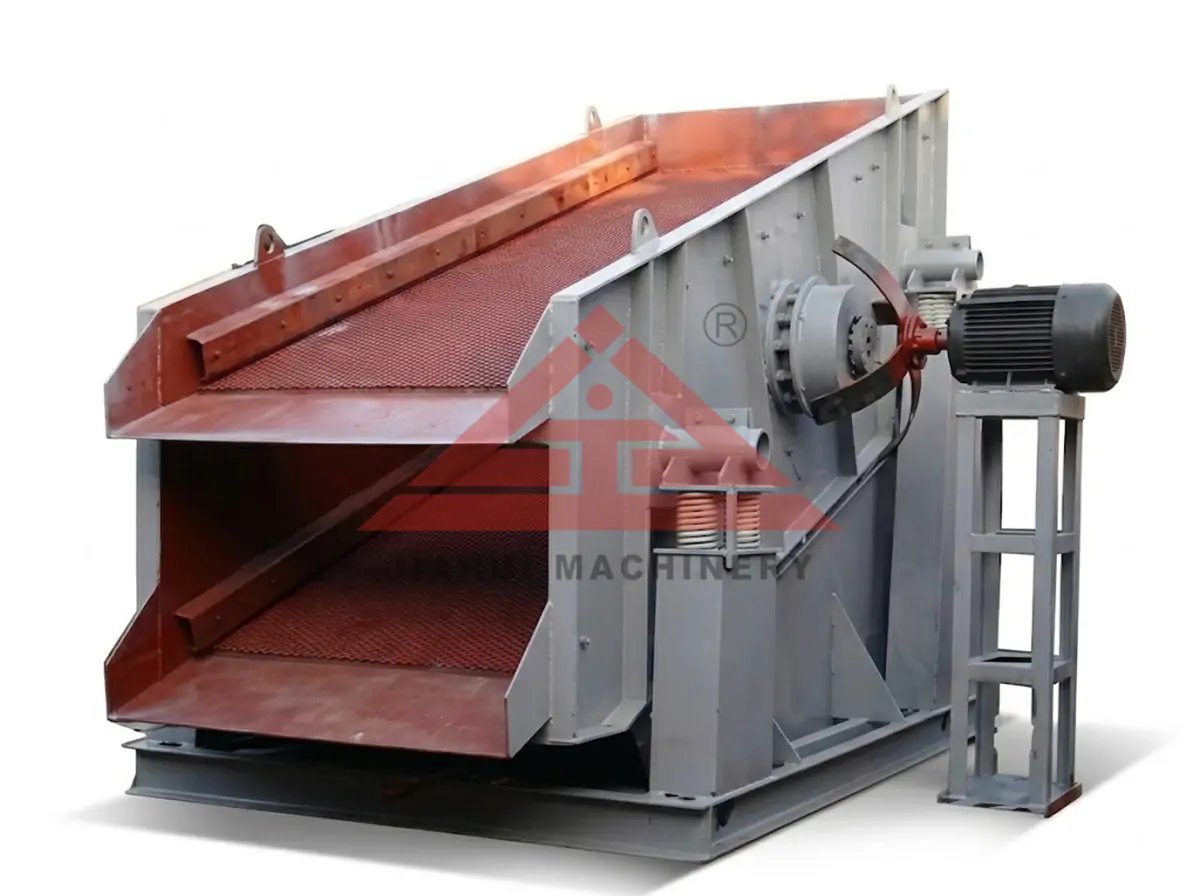
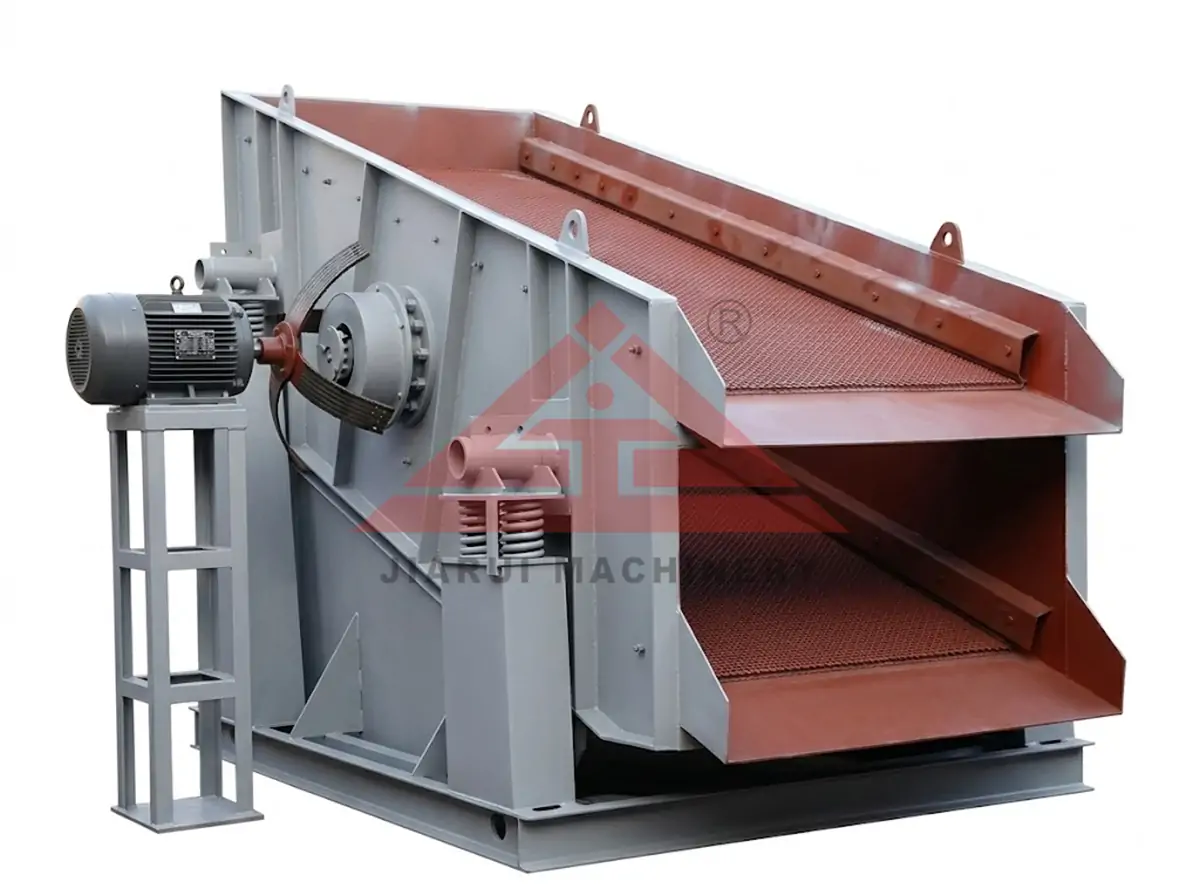
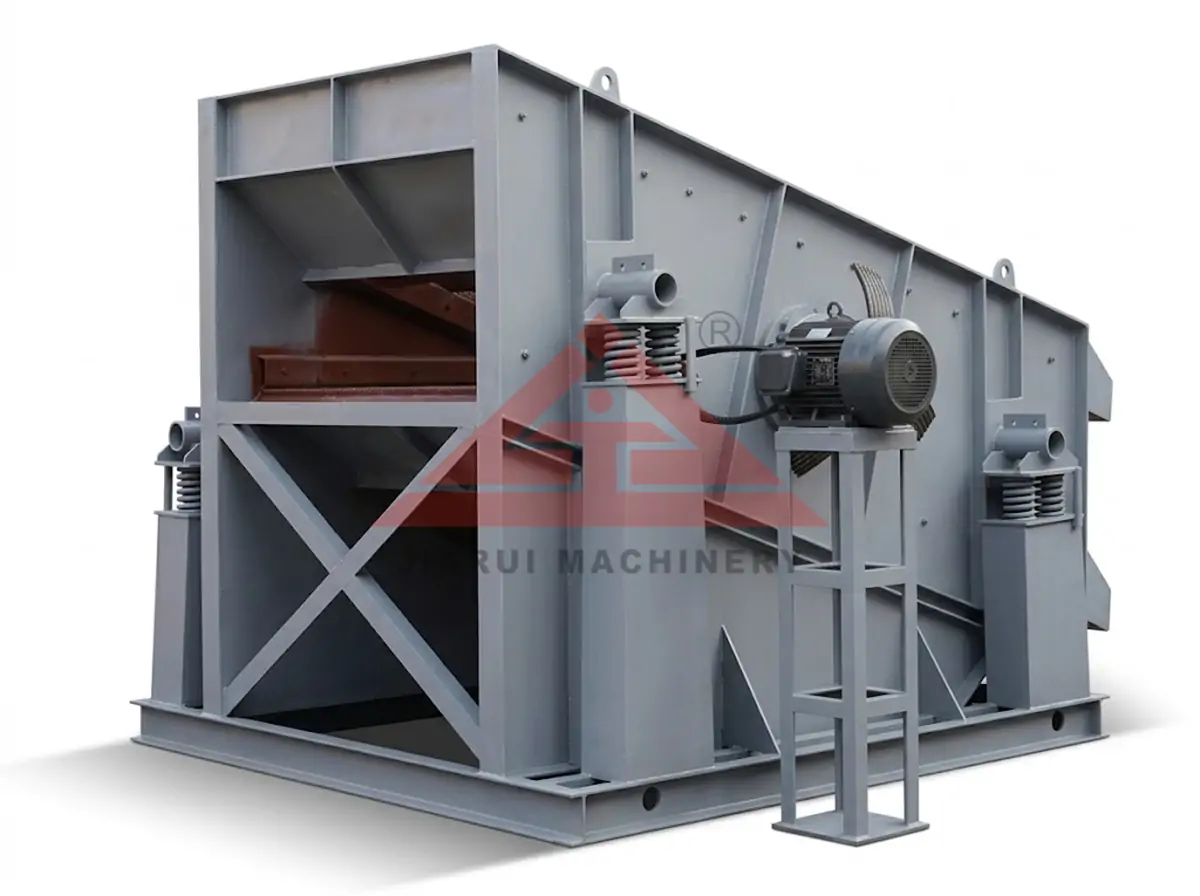
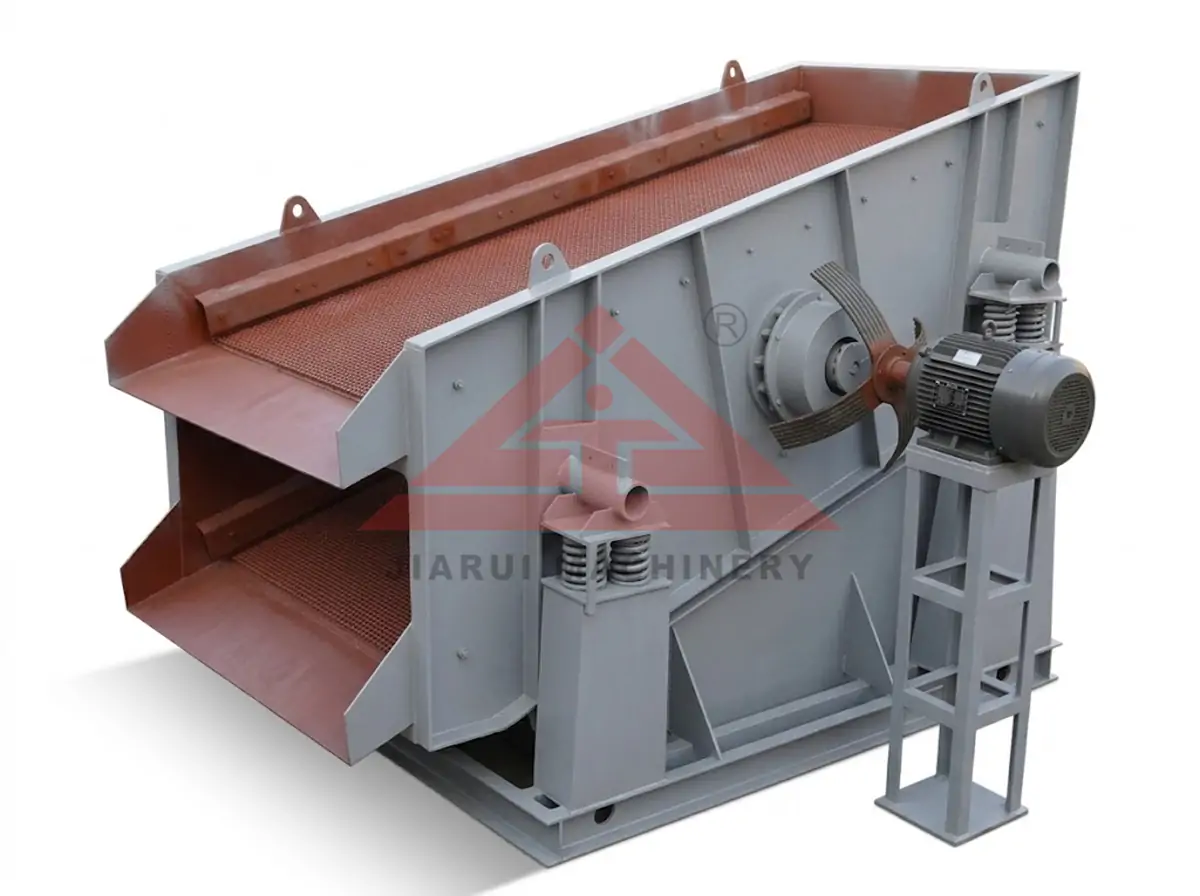
Crible vibrant circulaire haute efficacité série YK pour criblage intensif
Le crible vibrant circulaire série YK est principalement utilisé pour la classification continue de minerais concassés, d'agrégats et d'autres matériaux en vrac. Grâce à un mouvement vibratoire circulaire stable, le matériau est retourné et dispersé sur la surface de criblage, améliorant ainsi l'efficacité du criblage et réduisant la présence de particules surdimensionnées dans le processus suivant. L'équipement est généralement installé à l'étape de criblage après le concassage et est largement utilisé pour le criblage continu de minerais, d'agrégats et d'autres matériaux dans les lignes de production minières, de carrières et d'agrégats.
Le Jiarui L'équipe d'ingénierie sélectionne la taille de la surface de criblage, le nombre d'étages, le type de toile métallique et la configuration d'entraînement en fonction de la dureté du matériau, de la taille d'alimentation, de la capacité cible et de l'agencement du site. Cela permet d'éviter une capacité de criblage insuffisante ou une configuration inappropriée de l'équipement après l'installation. Des services de fabrication personnalisés sont disponibles pour le crible vibrant circulaire série YK selon les exigences des différents minerais, agrégats et lignes de production.
- Modèle : Série YK
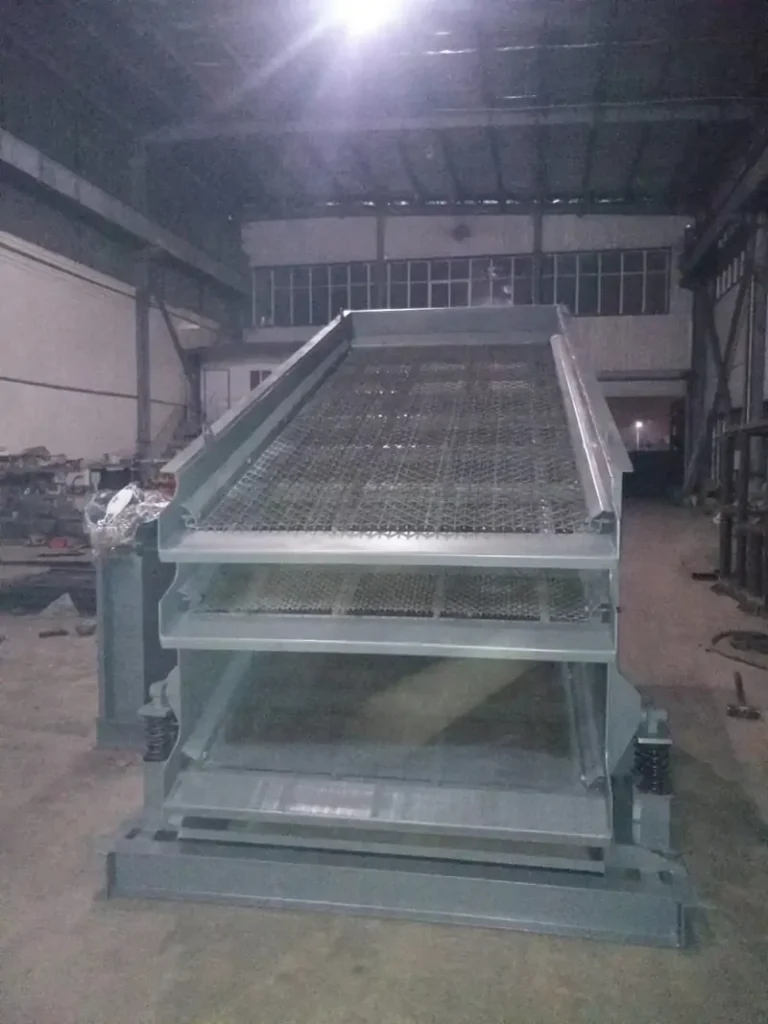
- Surface de criblage : Simple / Double / Multi-étages
- Capacité de traitement : 75-960 t/h
- Taille d'alimentation : ≤150-200 mm
- Inclinaison du crible : 15-30°
- Applications : Criblage de minerais, carrières, agrégats et matériaux en vrac
Qu'est-ce qu'un crible vibrant circulaire YK ?
Le crible vibrant circulaire YK, également connu sous le nom de crible vibrant circulaire incliné ou crible vibrant circulaire minier, est un équipement de criblage qui utilise la force vibratoire pour classer les matériaux en vrac par taille de particules. L'équipement est principalement installé dans les lignes de production de concassage, de fabrication de sable et de traitement des minéraux afin de séparer des matériaux tels que les minerais, les agrégats et le charbon en différentes tailles de particules, garantissant qu'ils répondent aux exigences des processus ultérieurs de transport, de concassage ou de production.
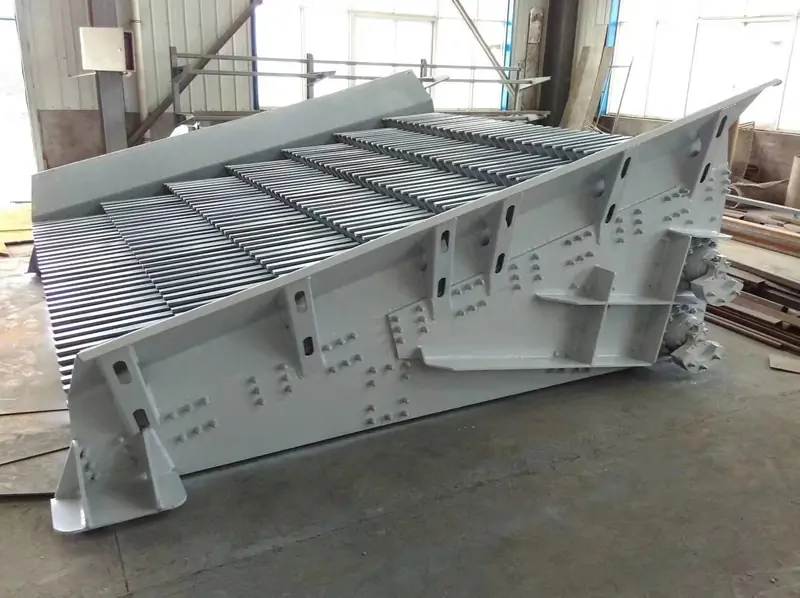
Le crible vibrant circulaire série YK adopte une surface de criblage inclinée et une structure vibrante excentrique, ce qui le rend adapté à la classification continue de matériaux moyens et grossiers. Par rapport aux équipements de criblage conçus pour la classification fine, cette série met davantage l'accent sur la capacité de traitement, la stabilité du criblage et la fiabilité de fonctionnement à long terme. Il est couramment utilisé dans les lignes de production minières, de carrières et d'agrégats.
Principe de fonctionnement
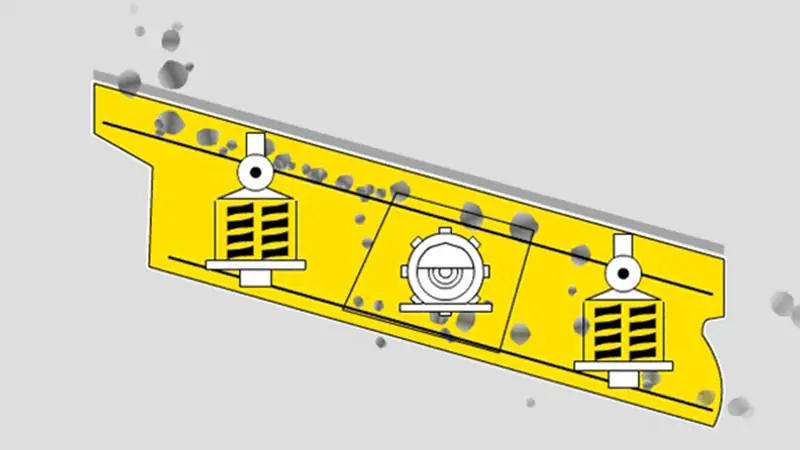
Le processus de criblage du crible vibrant circulaire YK repose sur la vibration pour déplacer en continu les matériaux sur la surface de criblage, permettant ainsi la séparation des particules de différentes tailles. Pendant le fonctionnement, la caisse de criblage génère une vibration circulaire continue, ce qui fait que les matériaux sont retournés et dispersés tout en se déplaçant vers l'extrémité de décharge, complétant ainsi le criblage continu.
L'excitateur génère une vibration stable
Le moteur entraîne les masses excentriques à l'intérieur de l'excitateur pour tourner et générer une force vibratoire, permettant à la caisse de criblage et à la surface de criblage de maintenir une vibration stable. L'intensité de la vibration peut être ajustée en fonction des caractéristiques du matériau et des exigences de criblage, maintenant les matériaux dans un état de mouvement approprié et réduisant l'accumulation de matériaux et le colmatage de la toile.
La surface de criblage effectue la séparation des particules
Après avoir pénétré dans la surface de criblage, les matériaux sont continuellement soulevés, desserrés et avancés sous l'effet de la force vibratoire. Les particules plus petites que l'ouverture de la toile passent à travers la maille vers l'étage suivant ou la sortie de décharge correspondante, tandis que les particules plus grandes continuent de se déplacer le long de la surface de criblage et sont évacuées. En sélectionnant différentes ouvertures de toile et différents nombres d'étages, le crible vibrant circulaire YK peut séparer les matériaux en plusieurs classes granulométriques et convient au criblage continu de minerais, d'agrégats et d'autres matériaux en vrac.
Les performances de criblage du crible vibrant circulaire YK sont affectées par la taille des ouvertures de la toile, la granulométrie du matériau et la teneur en humidité. Lors de la sélection de l'équipement, les paramètres de criblage doivent être adaptés en fonction de la taille de produit requise et de la capacité de traitement afin d'éviter des performances de criblage insuffisantes ou une surcharge de l'équipement.
Principales caractéristiques
Le crible vibrant circulaire YK est principalement conçu pour le criblage continu de matériaux moyens et grossiers tels que les minerais et les agrégats. La conception de l'équipement ne se concentre pas uniquement sur la capacité de traitement, mais également sur la résistance aux chocs des matériaux, l'efficacité du criblage et la stabilité de fonctionnement à long terme.
Grande surface de criblage pour une production continue
La taille de la surface de criblage peut être configurée en fonction des exigences de capacité de production. Une surface de criblage plus grande peut traiter davantage de matériaux et convient au fonctionnement continu dans les sites miniers, les carrières et autres environnements de production.
Le mouvement circulaire améliore la dispersion des matériaux
La structure vibrante excentrique entraîne la caisse de criblage dans un mouvement approximativement circulaire, ce qui fait que les matériaux se retournent et se desserrent sur la surface de criblage. Cela augmente les opportunités de contact entre les matériaux et les ouvertures de la toile, améliorant ainsi la stabilité du criblage.
Structure de caisse de criblage conçue pour un fonctionnement intensif
L'équipement traite en continu des matériaux à fort impact tels que les minerais et les pierres concassées. Par conséquent, la caisse de criblage et les composants vibrants clés doivent avoir une capacité de charge suffisante pour réduire les problèmes structurels pendant le fonctionnement continu.
Configuration multi-étages pour une classification flexible des matériaux
Selon les différentes exigences de taille de produit, l'équipement peut être configuré avec des cribles à un, deux ou plusieurs étages. Une seule machine peut compléter la séparation des matériaux en différentes tailles de particules, réduisant ainsi le nombre d'unités de criblage requises dans la ligne de production.
Applications
Le crible vibrant circulaire YK est principalement utilisé pour la classification des matériaux dans les lignes de production minières, de granulats et de matériaux de construction. Il convient aux matériaux en vrac présentant une certaine granulométrie, une bonne coulabilité et une dureté donnée. Grâce à différentes ouvertures de toile, l'équipement sépare les matériaux en différentes classes. Les applications courantes comprennent les minerais, les pierres concassées et le charbon. La dureté, la teneur en humidité et l'abrasivité variant selon les matériaux, le type de toile, la dimension des étages de criblage et la configuration de l'équipement doivent être sélectionnés en fonction des exigences de production.
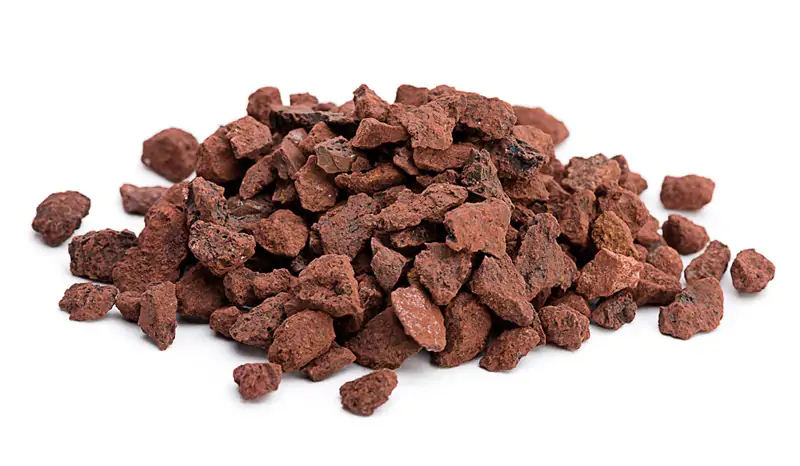 Minerai de fer
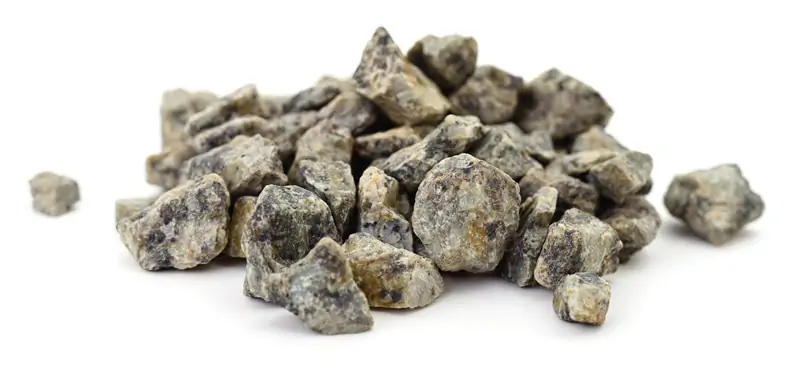 Granulat de granit
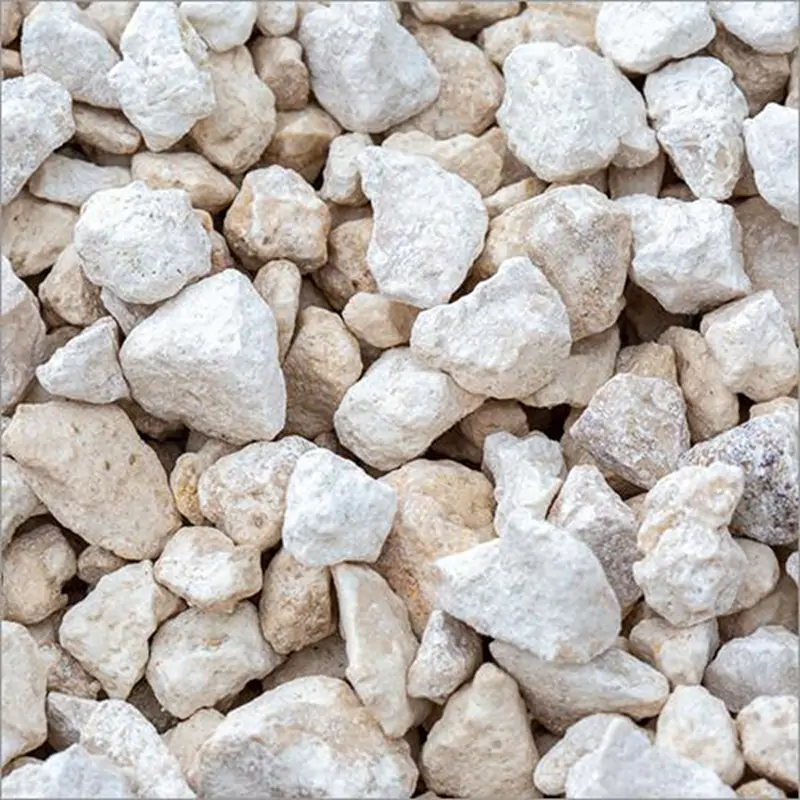 Calcaire
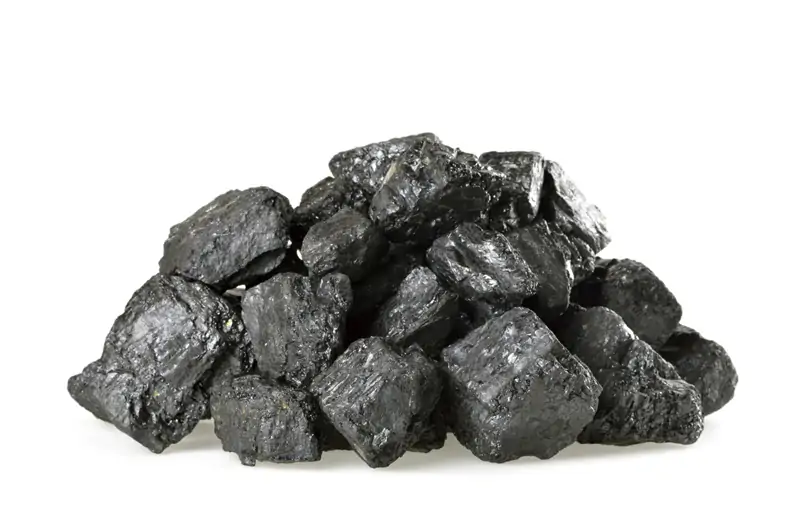 Charbon
Quelles industries conviennent au crible vibrant circulaire YK ?
| Industrie | Matériaux courants | Considérations de sélection |
| Industrie minière | Minerai de fer, minerai de cuivre, minerai d'or, etc. | Les matériaux présentent généralement une dureté élevée. Une attention particulière doit être portée à la résistance de la caisse de criblage, à la résistance à l'usure de la toile et à la capacité de traitement de l'équipement. |
| Industrie des granulats | Granite, calcaire, granulats de construction, sable manufacturé | Un criblage multi-étages est généralement requis. Le nombre d'étages de criblage et la dimension des ouvertures de toile doivent être sélectionnés en fonction des spécifications du produit final. |
| Industrie des matériaux de construction | Calcaire, laitier, granulats de construction | Accent sur la capacité de criblage, les performances de passage des matériaux et une classification granulométrique stable. |
| Industrie du charbon | Charbon brut, coke et autres matériaux en vrac | Tenir compte de la teneur en humidité des matériaux, des performances anti-colmatage et de la configuration du criblage. |
Quand le crible vibrant circulaire YK n'est-il pas recommandé ?
Le crible vibrant circulaire YK convient principalement au criblage de matériaux moyens et grossiers tels que les minerais et les granulats. Le type d'équipement doit être évalué plus en détail dans les situations suivantes :
- Matériaux très humides et fortement collants :Pour des matériaux tels que l'argile humide ou les matériaux à forte teneur en boue, la toile de criblage peut se colmater en raison de l'adhérence des matériaux, ce qui réduit les performances de criblage. Des mesures anti-colmatage ou d'autres méthodes de criblage peuvent devoir être envisagées.
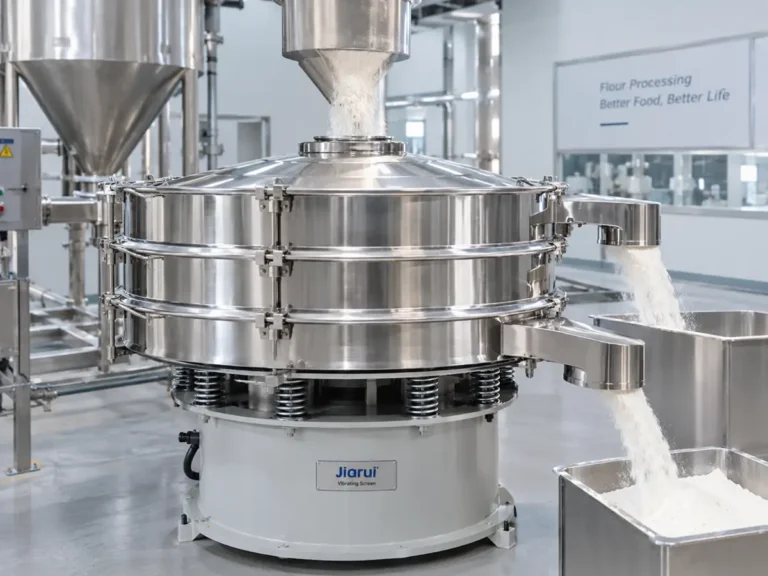
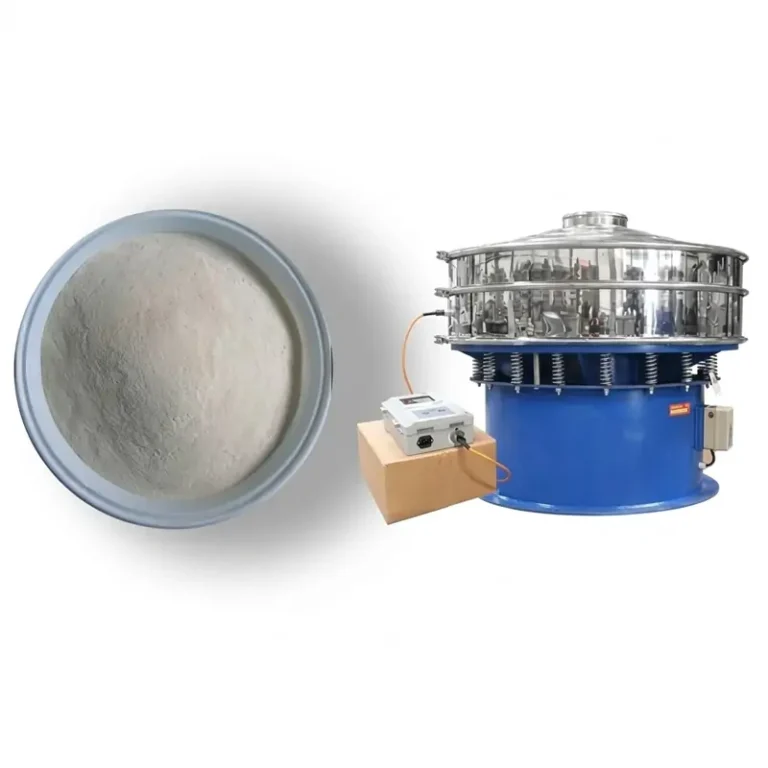
- Matériaux en poudre ultra-fine :Les matériaux tels que les poudres pharmaceutiques, la poudre de graphite et la farine nécessitent généralement des performances plus élevées en matière d'étanchéité, de contrôle des poussières et de classification fine, c'est pourquoi d'autres équipements de criblage fin peuvent être plus adaptés.
- Particules fines légères nécessitant une classification de haute précision :Certains matériaux tels que les granulés de plastique et les particules chimiques fines nécessitent une sélection d'équipement basée sur la plage de taille des particules et la précision du criblage.
Le crible vibrant circulaire de la série YK est largement utilisé dans les lignes de production minières et d'agrégats. La sélection de l'équipement doit prendre en compte la taille maximale d'alimentation du matériau, la capacité cible, les spécifications finales du produit et les conditions d'installation. L'adaptation correcte de la maille du tamis et des paramètres du pont de criblage contribue à maintenir un fonctionnement stable sur une production à long terme.
Quelle est la différence entre un crible vibrant circulaire et un crible vibrant linéaire ?
Lors de la sélection de cribles vibrants, de nombreux clients comparent les cribles vibrants circulaires et les cribles vibrants linéaires. Les deux types d'équipements sont utilisés pour la classification des matériaux, mais leurs modes de vibration, leurs méthodes de déplacement des matériaux et leurs applications appropriées sont différents.
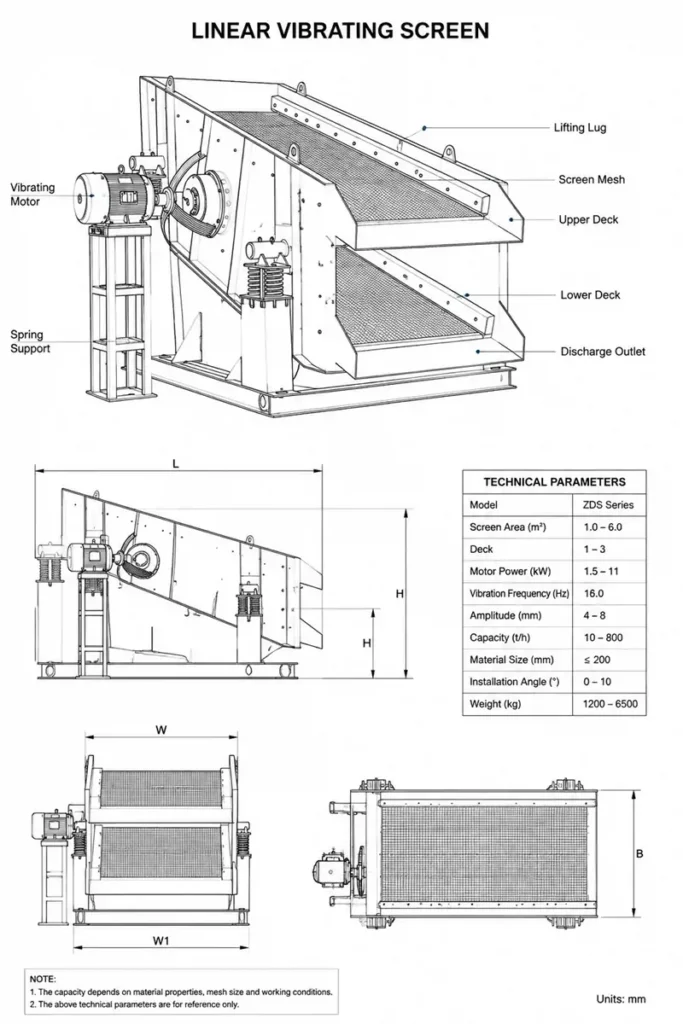
Le crible vibrant circulaire de la série YK est couramment utilisé pour le criblage continu des minerais et des agrégats, tandis que le crible vibrant linéaire de la série Jiarui JR-ZS est plus adapté aux matériaux en poudre, aux matériaux granulaires et aux applications nécessitant plusieurs classifications par taille de particules.
| Élément de comparaison | Crible vibrant circulaire de la série YK | Crible vibrant linéaire de la série JR-ZS |
| Méthode de vibration | Excitation par arbre excentrique, provoquant un mouvement approximativement circulaire de la caisse de criblage | Entraîné par deux moteurs vibrants, provoquant un mouvement linéaire de la caisse de criblage |
| Déplacement des matériaux | Les matériaux roulent et sautent sur le pont de criblage avec une bonne dispersion | Les matériaux se déplacent en continu le long du pont de criblage avec des trajectoires stables |
| Matériaux adaptés | Minerais, pierres concassées, agrégats, charbon et autres matériaux | Matériaux en poudre, matériaux granulaires, matières premières chimiques, granulés de plastique et autres matériaux |
| Caractéristiques de traitement | Couramment utilisé dans les lignes de production continues avec de grandes charges de criblage | Adapté à l'alimentation stable et à la classification multi-tailles des matériaux |
| Caractéristiques de criblage | Principalement utilisé pour le criblage de particules grossières et moyennes des minerais et des agrégats | Adapté à la classification des matériaux granulaires et des matériaux en poudre |
| Application en ligne de production | Couramment connecté aux concasseurs et aux convoyeurs dans les lignes de production minières et d'agrégats | Couramment utilisé dans les processus de dosage, d'emballage et de criblage des matières premières industrielles |
| Priorité de configuration | Met l'accent sur la résistance de la caisse de criblage, la capacité de charge et la stabilité de fonctionnement à long terme | Met l'accent sur la flexibilité du criblage, le nombre de ponts de criblage et le contrôle des matériaux |
Pour les matériaux miniers tels que les minerais, le granit, le calcaire et les agrégats de construction, en particulier lorsque la ligne de production nécessite un criblage continu et une grande capacité de traitement, le crible vibrant circulaire de la série YK est généralement plus facile à adapter aux exigences de l'application.
Pour les matériaux en poudre, les matériaux à petites particules ou les processus de production nécessitant plusieurs classifications par taille de particules, le crible vibrant linéaire de la série JR-ZS offre des méthodes de criblage plus flexibles. La sélection dépend principalement des caractéristiques du matériau, des exigences de capacité et de la disposition de la ligne de production.
Paramètres techniques
Les modèles du crible vibrant circulaire de la série YK sont généralement identifiés par le code de série, la taille du pont de criblage et le nombre de ponts. Par exemple, dans YK1536, “ YK ” représente la série de cribles vibrants circulaires, “ 15 ” indique une largeur de criblage d'environ 1,5 m et “ 36 ” indique une longueur de criblage d'environ 3,6 m. Le nombre avant le modèle représente le nombre de ponts de criblage. 2YK indique un crible à double pont, qui peut classer les matériaux en différentes tailles de particules simultanément.
| Modèle | Nombre de ponts | Taille du pont de criblage (mm) | Taille maximale d'alimentation (mm) | Capacité de traitement (t/h) | Fréquence de vibration (r/min) | Double amplitude (mm) | Puissance du moteur (kW) |
| YK1230 | 1 pont | 1200×3000 | ≤150 | 75-245 | 980 | 12 juin | 7.5 |
| 2YK1230 | 2 ponts | 1200×3000 | ≤150 | 75-245 | 980 | 12 juin | 11 |
| YK1536 | 1 pont | 1500×3600 | ≤150 | 95-310 | 980 | 12 juin | 15 |
| 2YK1536 | 2 ponts | 1500×3600 | ≤150 | 95-310 | 980 | 12 juin | 15 |
| YK1848 | 1 pont | 1800×4800 | ≤150 | 150-490 | 980 | 12 juin | 18.5 |
| 2YK1848 | 2 ponts | 1800×4800 | ≤150 | 150-490 | 980 | 12 juin | 18.5 |
| YK2460 | 1 pont | 2400×6000 | ≤200 | 250-810 | 760 | 14 août | 30 |
| 2YK2460 | 2 ponts | 2400×6000 | ≤200 | 250-810 | 760 | 14 août | 37 |
Remarque : les paramètres indiqués dans le tableau correspondent aux plages de configuration standard. La capacité de traitement réelle dépend de la densité du matériau, de la distribution granulométrique, de la teneur en humidité, de la dimension de l'ouverture de tamis et des conditions d'alimentation. Les différentes lignes de production ont des exigences différentes concernant la granulométrie du produit final ; il convient donc de sélectionner la dimension et le nombre d'étages de tamis en fonction des conditions d'exploitation spécifiques.
Configuration de la toile de tamis
La toile de tamis est le composant qui reçoit directement l'impact et l'abrasion des matériaux dans le crible vibrant circulaire YK. Une sélection appropriée de la toile de tamis influence l'efficacité de criblage, la fréquence de remplacement et la stabilité de fonctionnement de l'équipement. Les différents matériaux tels que les minerais, les granulats et le charbon présentent des caractéristiques de dureté et d'humidité différentes, ce qui nécessite généralement différents types de toiles de tamis.
| Type de toile de tamis | Matériaux adaptés | Caractéristiques d'utilisation | Applications courantes |
| Toile métallique tissée | Minerais secs, pierres concassées, matériaux granulaires | Grande surface ouverte, bonne performance de passage des matériaux et remplacement facile | Criblage du calcaire, du granit et des minerais courants |
| Toile de tamis en polyuréthane | Matériaux humides, matériaux abrasifs | Bonne résistance à l'usure, moins sujette au colmatage, adaptée au fonctionnement continu | Sable humide, minerais contenant de la boue et matériaux hautement abrasifs |
| Tôle de tamis perforée | Gros blocs de minerai, matériaux grossiers | Haute résistance et capacité à supporter des forces d'impact plus importantes | Criblage de matériaux grossiers après concassage |
Comment sélectionner la toile de tamis ?
La sélection de la toile de tamis ne doit pas seulement tenir compte de la dimension de l'ouverture de tamis, mais aussi de l'état réel des matériaux entrants.
- Pour les matériaux de grande taille avec une force d'impact élevée, une structure de tôle de tamis de résistance supérieure est généralement requise.
- Pour les matériaux à forte humidité ou sujets à l'adhérence, il convient de veiller à réduire le colmatage du tamis.
- Pour les minerais à haute dureté, la résistance à l'usure de la toile de tamis doit être priorisée.
- Pour les différentes exigences de granulométrie du produit final, la dimension de l'ouverture de tamis et le nombre d'étages de tamis doivent être ajustés.
Lors de la configuration du crible vibrant circulaire YK, Jiarui confirme d'abord le type de matériau, la granulométrie d'alimentation et les exigences du produit final, puis sélectionne un type de toile de tamis approprié afin d'éviter une usure excessive ou une performance de criblage insuffisante. Pour une référence rapide lors du choix de la toile de tamis, consultez notre Tableau comparatif de la taille de maille et de l'ouverture de tamis vibrant pour les dimensions de maille et les dimensions d'ouverture courantes.
Comment sélectionner le crible vibrant circulaire YK approprié ?
La sélection du crible vibrant circulaire YK ne doit pas seulement se référer à la capacité de traitement. Les différents matériaux et lignes de production ont des exigences différentes en matière de dimension de l'étage de tamis, de nombre d'étages et de configuration de la toile de tamis. Lors de l'achat, il convient de confirmer d'abord la capacité cible, les conditions des matériaux et les spécifications du produit final, puis de sélectionner la configuration d'équipement appropriée afin d'éviter une capacité de criblage insuffisante ou un surdimensionnement inutile.
| Conditions du site | Points de sélection clés |
| Minerais concassés et granulats nécessitant un criblage continu à haute capacité | Confirmer si la surface de l'étage de tamis, la résistance de l'équipement et la capacité de traitement correspondent aux exigences de la ligne de production. |
| Capacité de production supérieure à 500 t/h | Envisager des modèles de crible plus grands et prêter attention à la structure du caisson de tamis et à la stabilité de fonctionnement à long terme. |
| Matériaux à forte teneur en boue ou sujets à l'adhérence | Se concentrer sur le type de toile de tamis, les mesures anti-colmatage et la performance de passage des matériaux. |
| Production nécessitant plusieurs granulométries de produit | Sélectionner des structures à un étage, deux étages ou multi-étages en fonction du nombre de produits finaux requis. |
| Matériaux d'alimentation contenant de gros blocs | Confirmer la granulométrie maximale d'alimentation et sélectionner des configurations de toile de tamis avec une capacité de charge plus importante. |
| Matériaux à haute dureté et hautement abrasifs | Prioriser une toile de tamis résistante à l'usure et prendre en compte la durée de vie du caisson de tamis et des composants clés. |
Lors de la sélection du crible vibrant circulaire de la série YK, les clients doivent généralement fournir le nom du matériau, la granulométrie maximale d'alimentation, la capacité cible, la granulométrie du produit final et les conditions d'installation. L'équipe d'ingénierie Jiarui adapte la dimension de l'étage de tamis, le nombre d'étages et le type de toile de tamis en fonction de ces informations, rendant l'équipement plus adapté aux exigences de production réelles.
Personnalisation
La configuration du crible vibrant circulaire YK n'est pas simplement déterminée par l'augmentation ou la réduction de la taille de l'équipement. Elle doit être adaptée en fonction des caractéristiques des matériaux, des exigences de criblage et de la capacité de production. La surface de l'étage de tamis, le nombre d'étages, le système d'excitation et le type de toile de tamis influencent tous l'efficacité de criblage et la stabilité de fonctionnement à long terme de l'équipement.
Par exemple, lors du traitement du granit et du calcaire, la configuration de l'usure de la toile de tamis, la méthode de renforcement structurel et les paramètres de vibration peuvent nécessiter des ajustements en raison des différences de dureté, d'abrasivité et de distribution granulométrique. Pour les lignes de production à haute capacité, la connexion entre les ports d'alimentation et de décharge et les équipements amont et aval doit également être prise en compte pour assurer le bon fonctionnement de l'ensemble de la ligne de production.
L'équipe d'ingénierie Jiarui fournit une conception personnalisée du crible vibrant circulaire YK en fonction des conditions des matériaux du client et des exigences du site, y compris la dimension de l'étage de tamis, la structure des étages, la configuration d'excitation, le type de toile de tamis et les méthodes de connexion.
Les clients peuvent fournir les informations suivantes pour aider à confirmer rapidement le plan d'équipement :
- Nom du matériau et taille d'alimentation maximale
- Capacité de traitement et taille de produit requise
- Teneur en humidité du matériau et caractéristiques d'abrasion
- Conditions d'installation
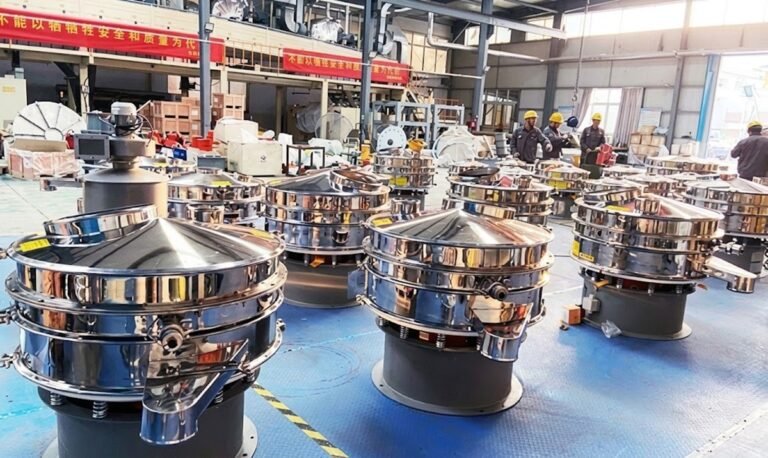
Fabrication Jiarui
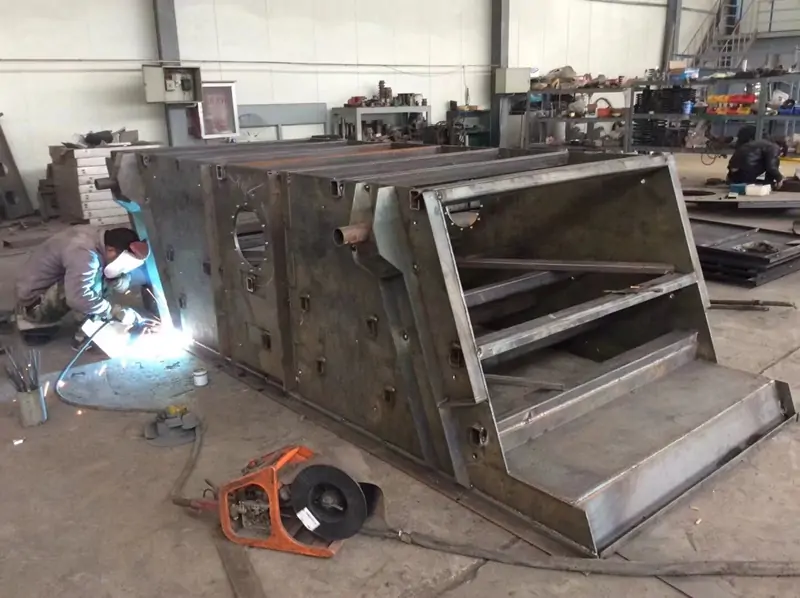
La fabrication du crible vibrant circulaire YK pour les applications minières et de granulats exige que l'équipement résiste à l'impact des matériaux et à un fonctionnement vibratoire continu. Par conséquent, l'accent de fabrication porte principalement sur la structure du caisson de criblage, la stabilité du système d'excitation et la résistance à l'usure de la toile de criblage.
Pendant la production, la rigidité globale du caisson de criblage est vérifiée après soudage. Lors de l'installation de l'excitateur, l'équilibre des forces des deux côtés est confirmé afin de réduire le risque de vibration anormale en cours de fonctionnement. Après l'assemblage de l'équipement, la machine complète est testée, et la toile de criblage, les ports de raccordement et la configuration structurelle sont ajustés selon les exigences du site afin de rendre l'équipement plus adapté au fonctionnement de la ligne de production.
FAQ
Obtenez une consultation gratuite
Remplissez le formulaire ci-dessous pour entrer en contact avec nos experts et recevoir des recommandations personnalisées pour votre application.