
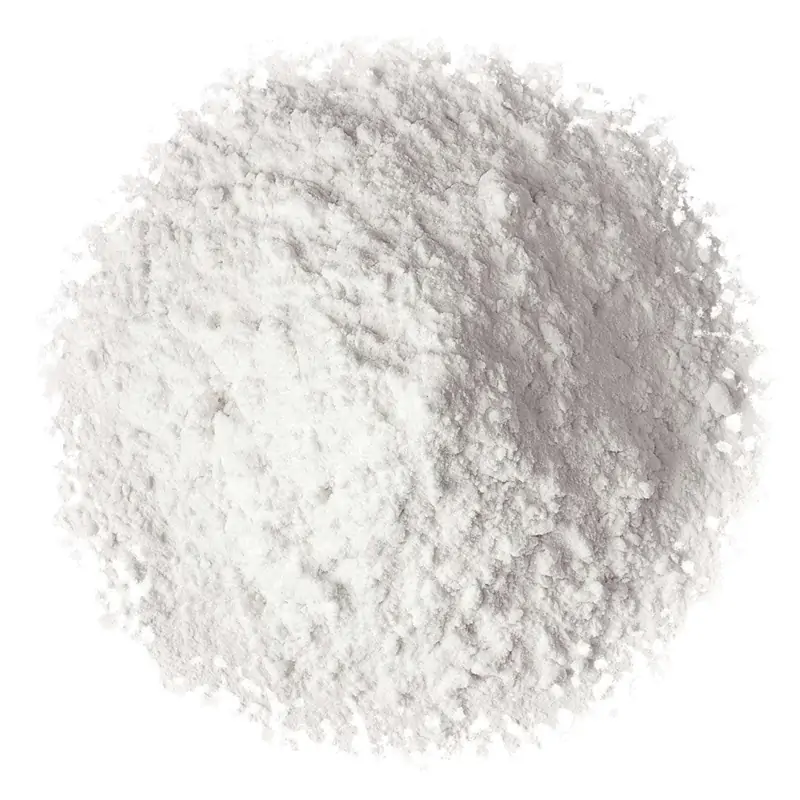
A linear vibrating screen for starch is mainly used to screen dried starch powder. During conveying or storage, starch can form small lumps or pick up fibers and other unwanted particles. If these materials enter the packaging process, they can affect product consistency. The screen separates the starch powder from larger lumps, fibers, and other impurities before the material moves to the next process.
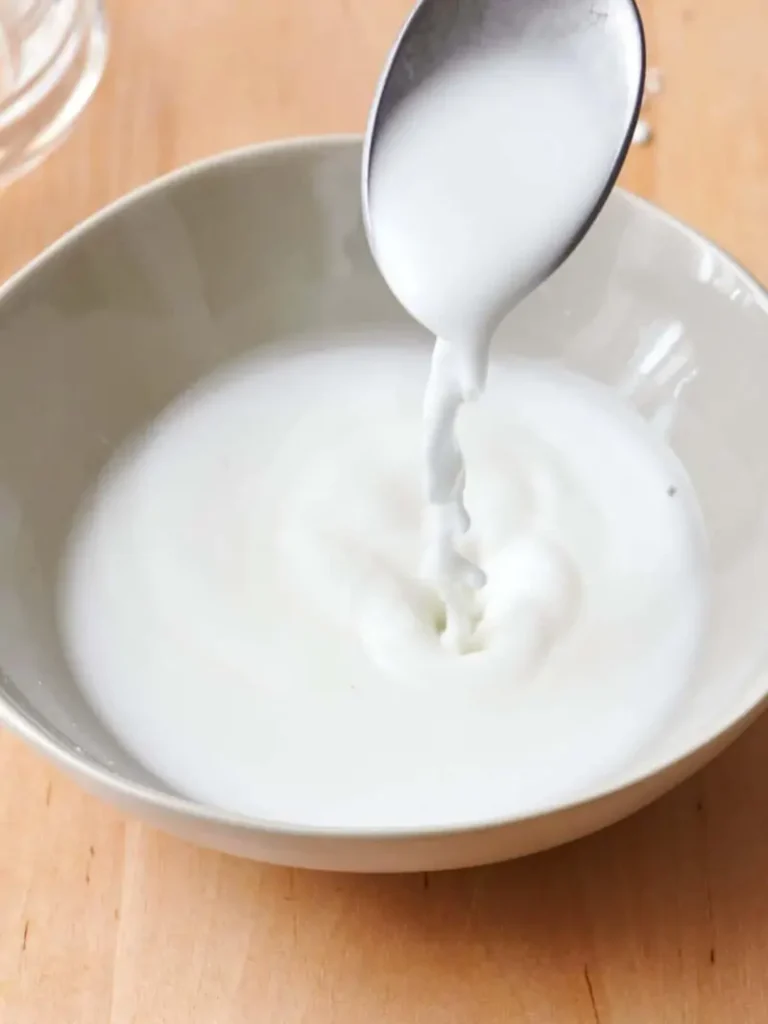
If your material is starch slurry, the situation is different. Starch slurry is a solid-liquid mixture, so the main requirement is filtration or solid-liquid separation. A high-efficiency vibrating screen may be more suitable than a linear vibrating screen designed for dry powder screening.
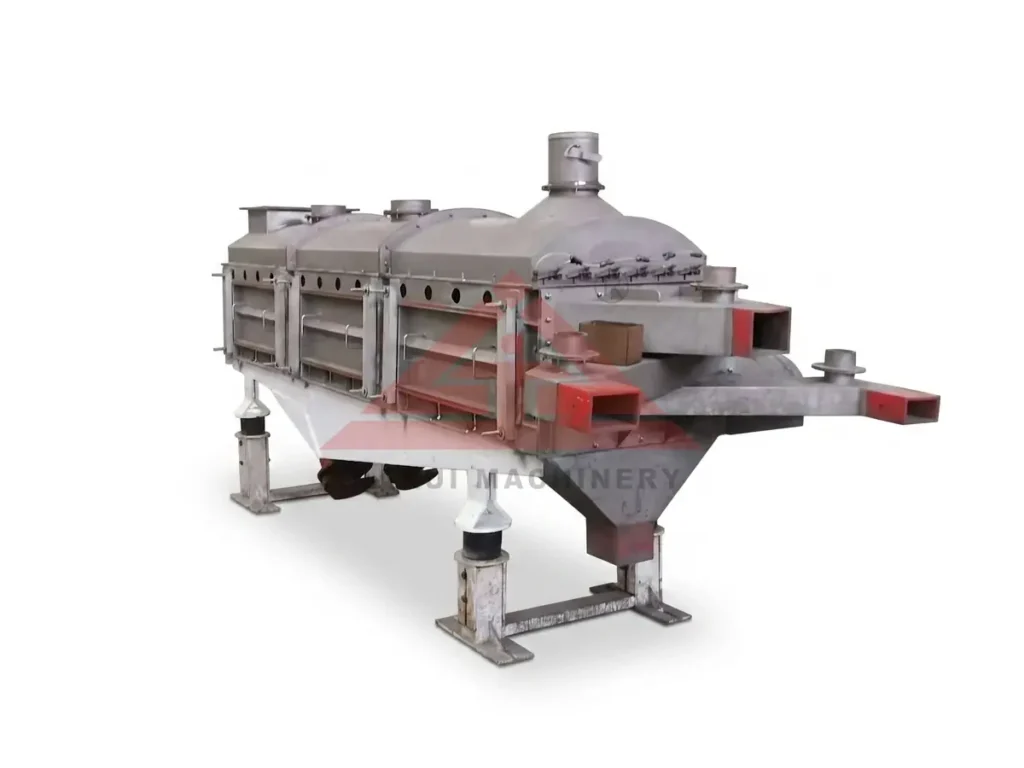
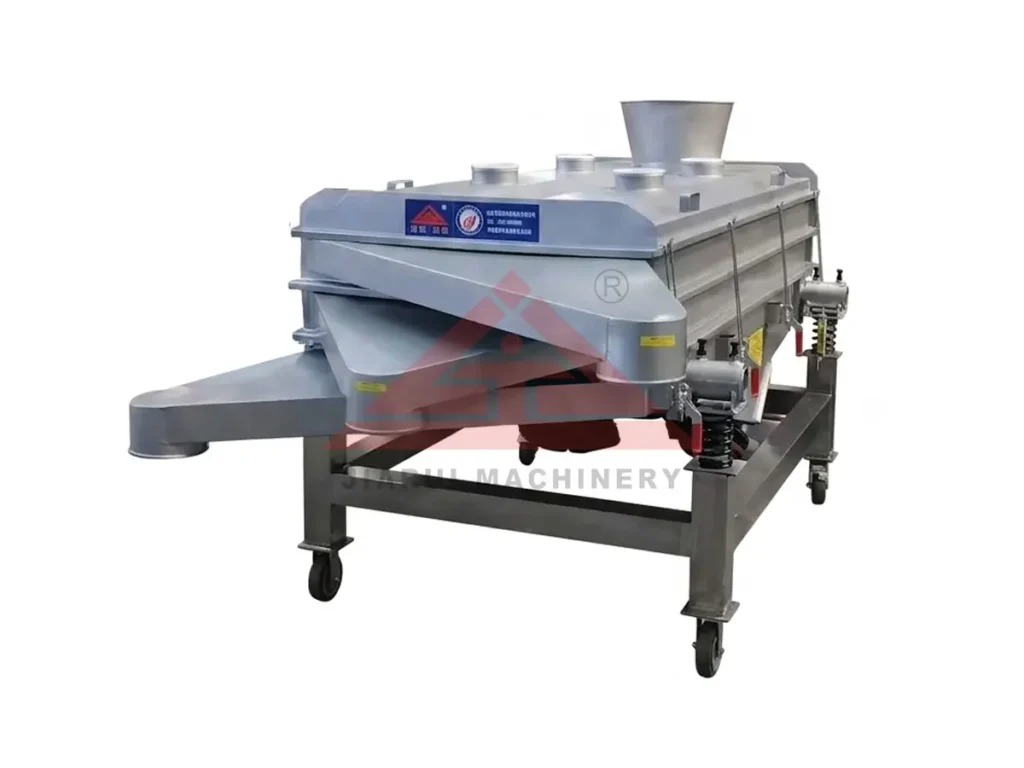
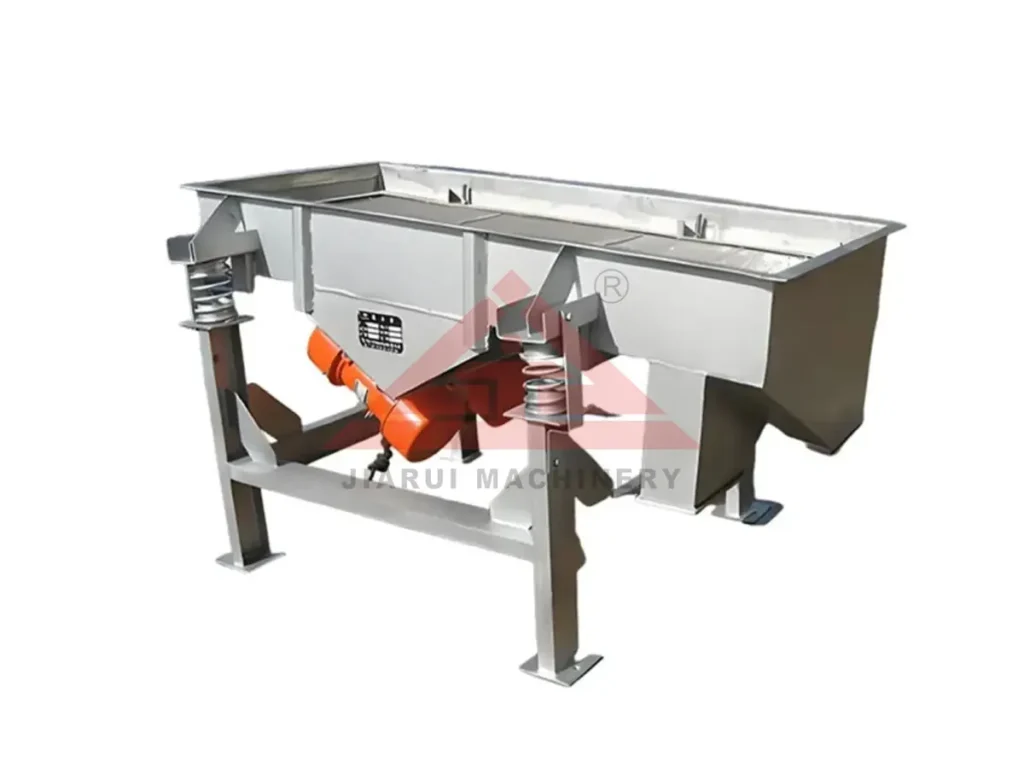
What Problems Does a Linear Vibrating Screen Solve in Starch Screening?
The main purpose is to remove lumps and unwanted particles before the starch reaches packaging or the next process. A properly selected screen can separate normal starch powder from larger lumps, fibers, and other impurities without stopping the material flow.
If particle size control is also required, the screen can be selected according to the required product size. The screen opening, number of decks, and screening capacity will depend on the specific requirement.
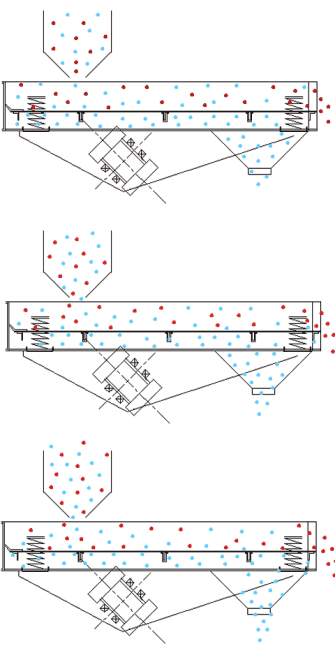
What Should Be Considered When Using a Linear Vibrating Screen for Starch?
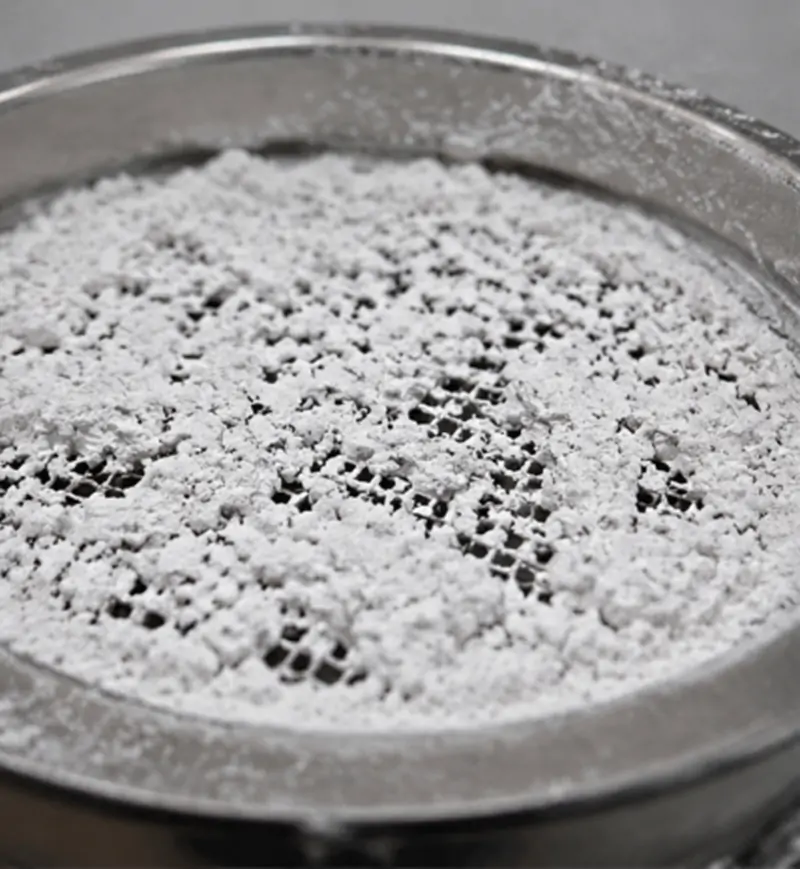
Starch is fine and can easily clog a screen. If it contains some moisture, clogging can get worse. Too much material at once can also build up on the screen.
So, do not look at mesh size alone. Particle size, moisture, capacity, and the amount of lumps or impurities all matter. These details help determine the screen size and cleaning method.
For normal dried starch, a standard cleaning system is usually enough. If the screen keeps clogging, check the starch and screen opening first. If finer screening is needed or clogging continues, an ultrasonic cleaning system can be added to the screen to help keep the mesh open during operation.
What Should You Watch for During Starch Screening?
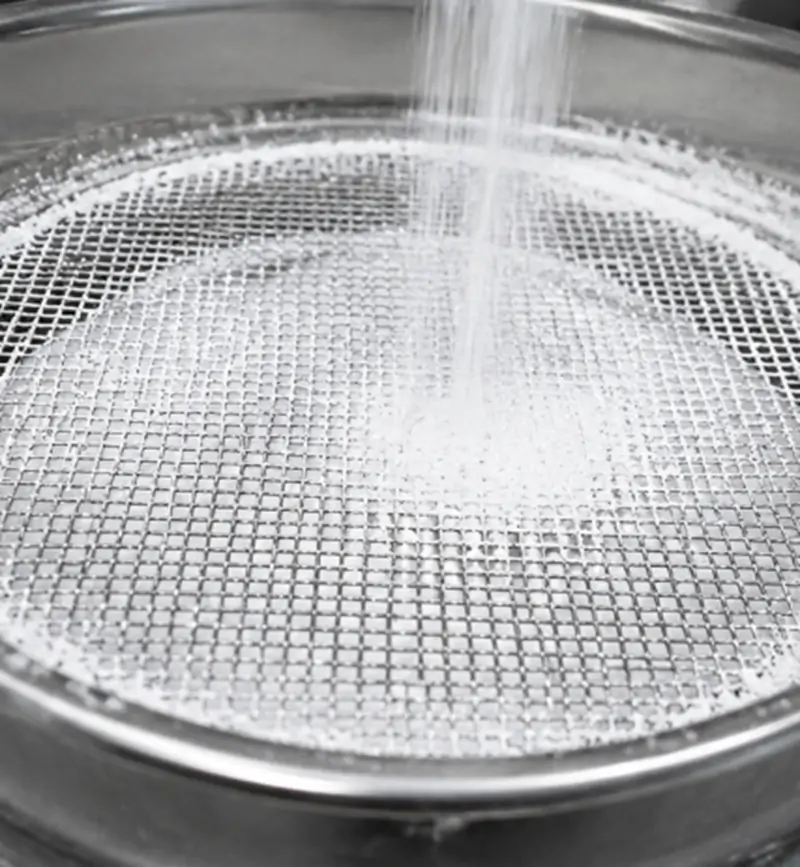
- Feed evenly. Starch is a fine powder, so too much material in one area can build up near the inlet. Make sure the starch spreads across the screen instead of piling up near the inlet.
- Watch for screen blinding. Fine starch can block the screen openings, especially when the material has some moisture. If this happens, check the moisture and screen opening first. Increasing the vibration alone may not fix the problem.
- Make cleaning easy. Starch can remain around the screen edges, frame, and discharge outlets. These areas should be easy to access and clean, especially when the same equipment is used for different production batches.
How to Choose a Suitable Starch Linear Vibrating Screen?
There is no fixed model for starch screening equipment. The main factors are your production requirements. If the purpose is simply to remove impurities and lumps before packaging, screening capacity and stable operation are usually the main concerns. If the starch particle size also needs to be controlled, the screen should be selected according to the required product specification.
Starch is a food-grade powder, so the parts in contact with the material are generally made of 304 stainless steel. For production lines with higher hygiene requirements, 316L stainless steel can also be used. Material selection should also take applicable food-contact requirements into account. The structure should also be easy to clean to prevent residual material from affecting production during long-term use.
Customers normally need to provide several basic details, such as the starch type, moisture content, hourly capacity, required screening size, and installation conditions. For example, even with the same corn starch, a small-capacity packaging line and a continuous production line may require different screen sizes, decks, and configurations.
If you are not sure which configuration to choose, you can provide the material information and production requirements to the Jiarui engineering team. We can help confirm a suitable solution based on the actual screening requirements. For more details on the practical advantages of vibro sifters in continuous screening and particle size separation, see our guide to The Application Advantages of Vibro Sifter.