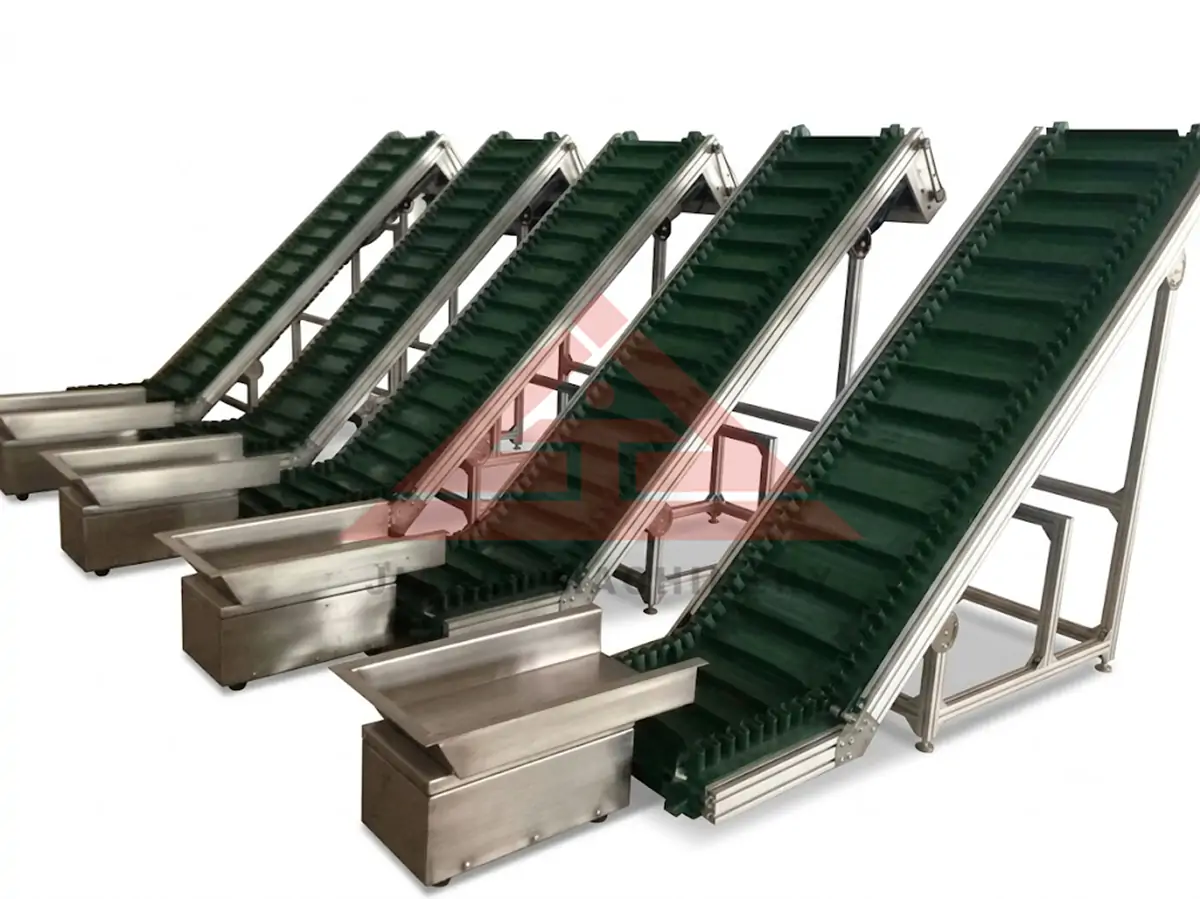
Cleated Belt Conveyor | Jiarui Inclined Bulk Material Handling System

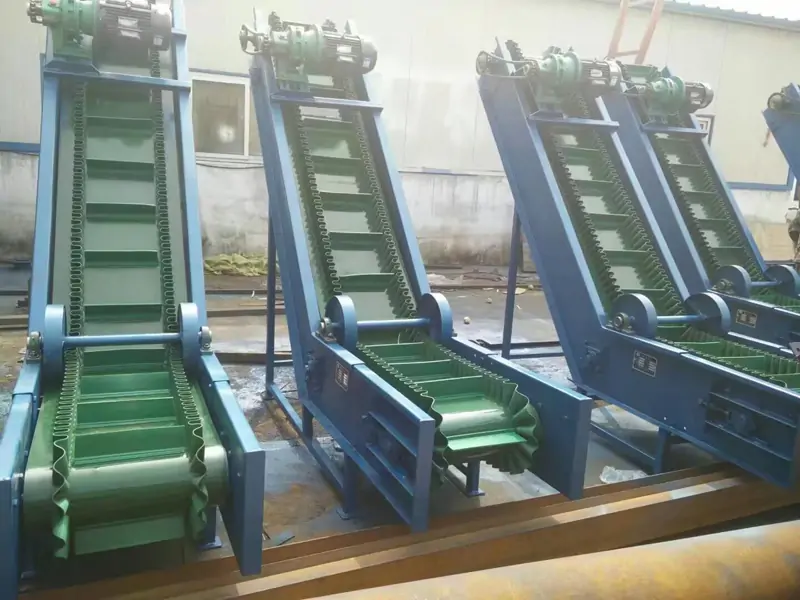
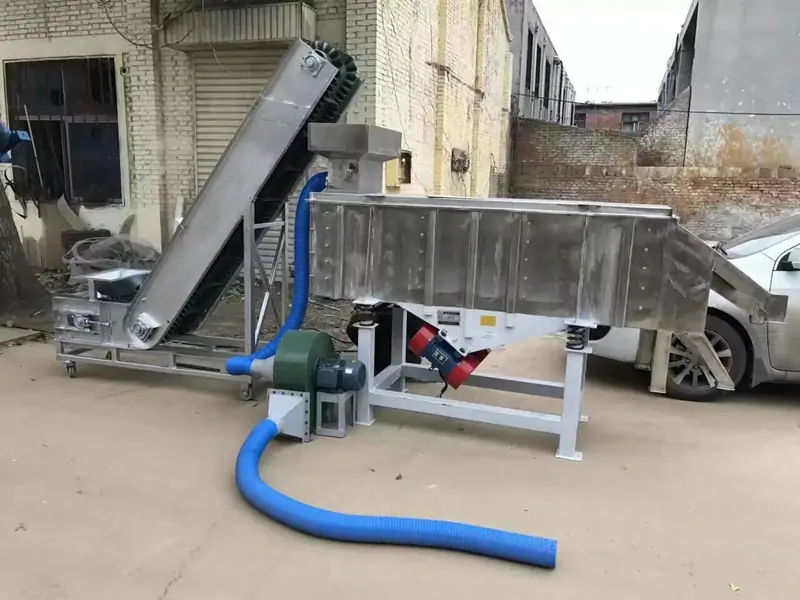
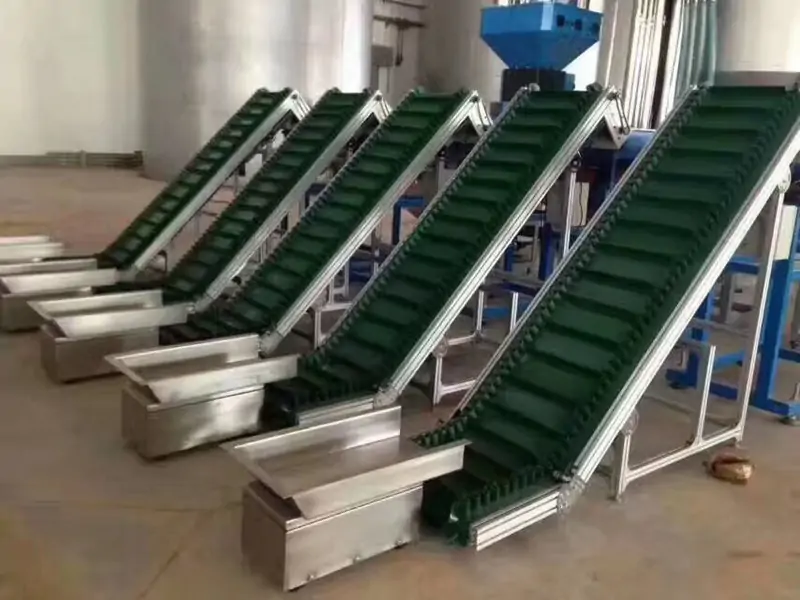
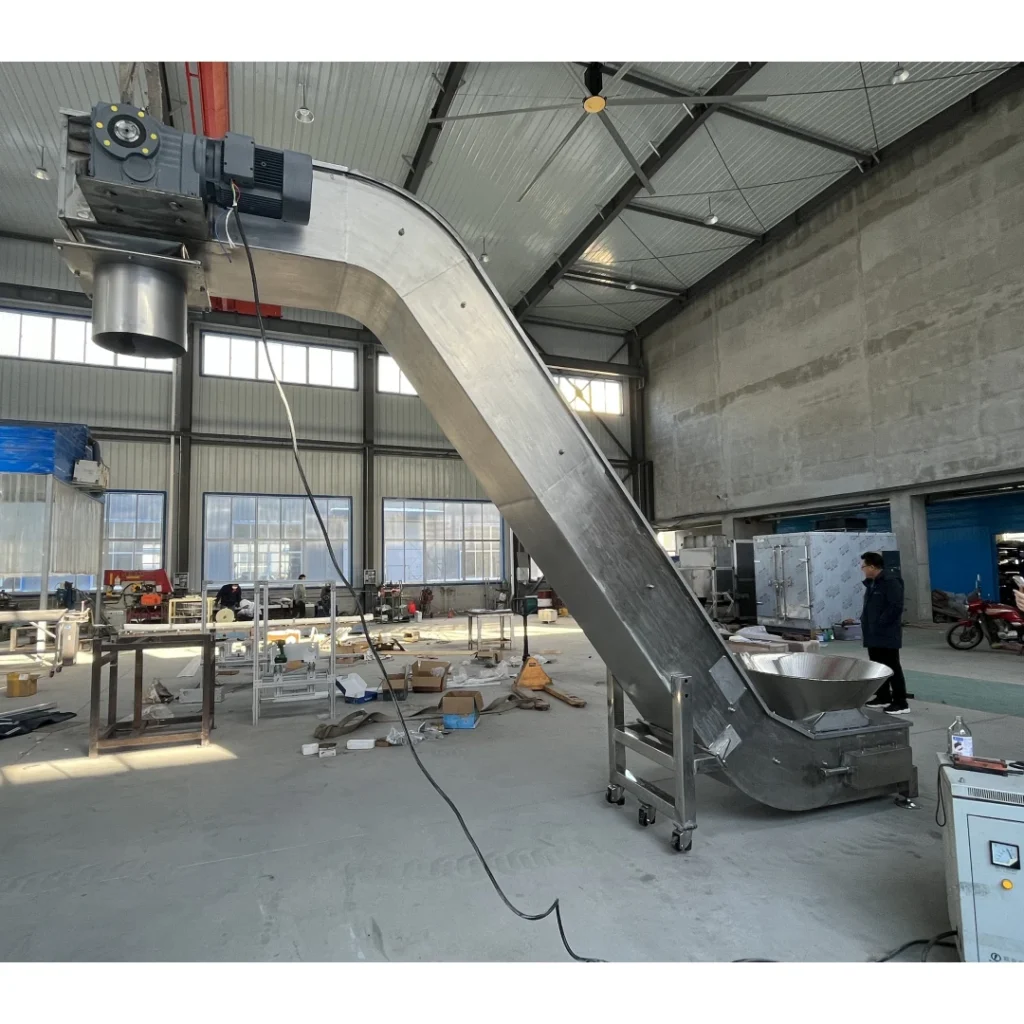
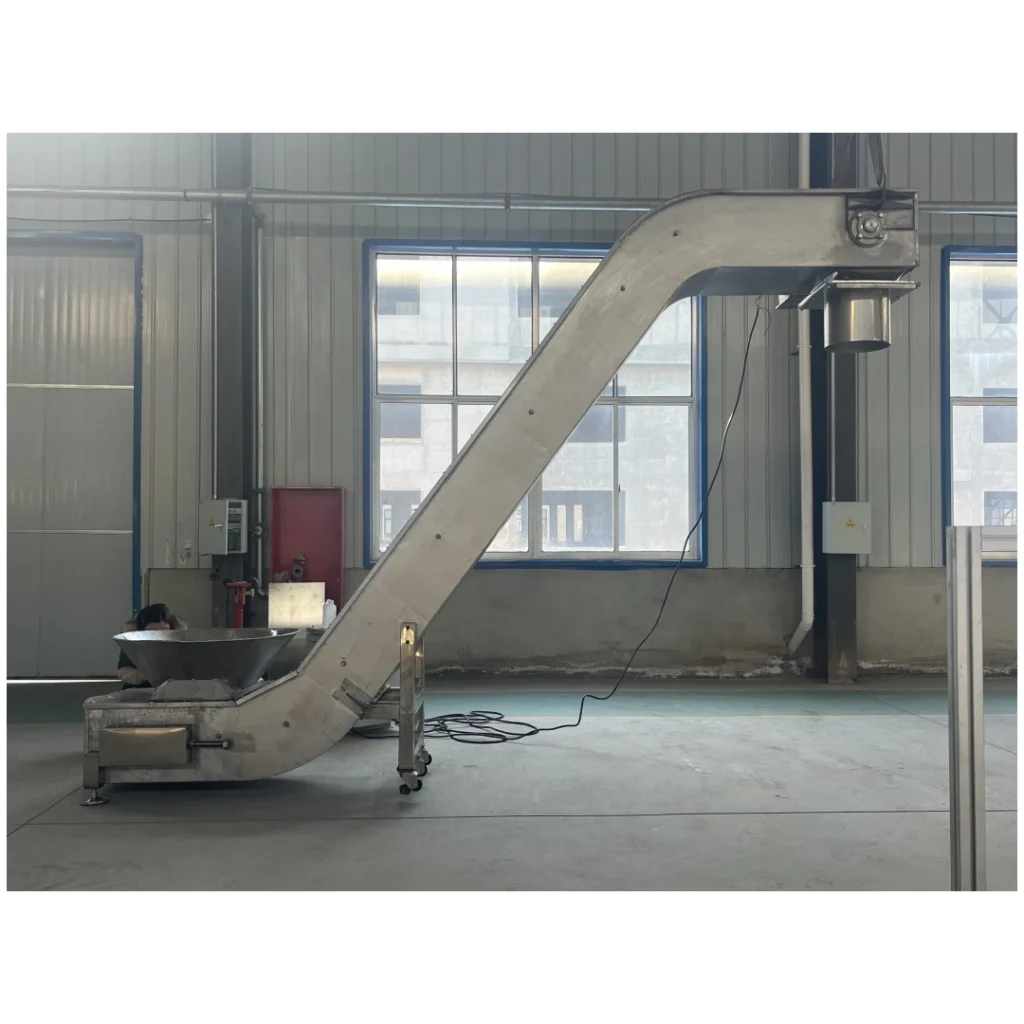
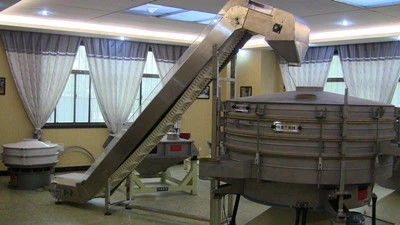
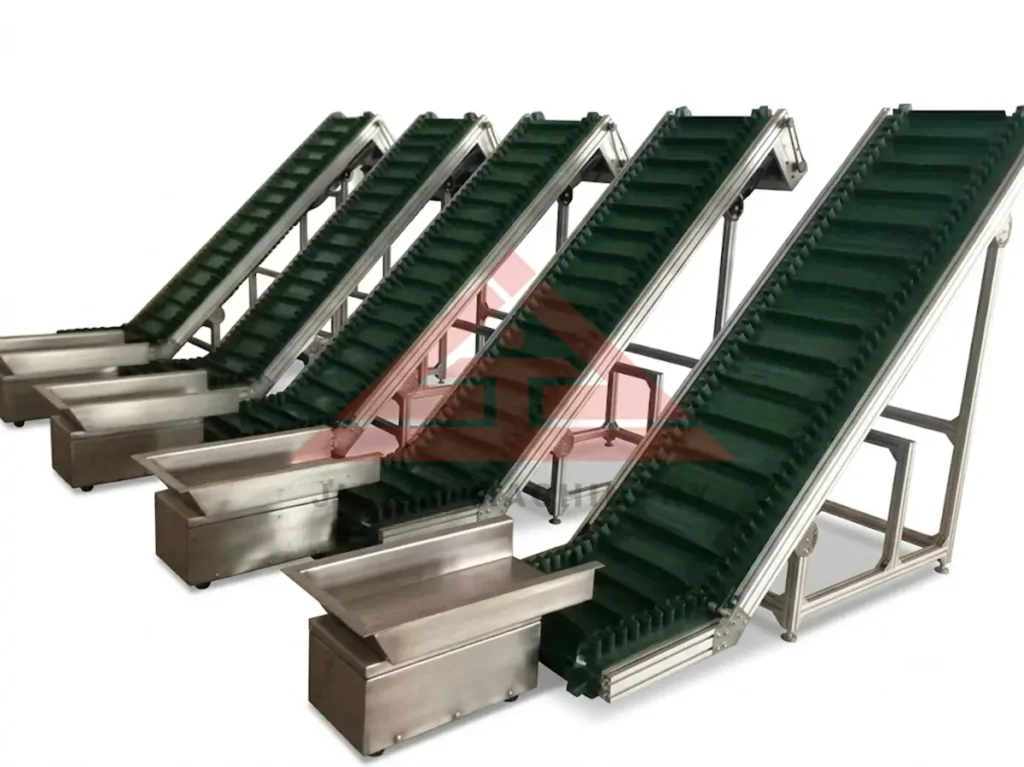
A Cleated Belt Conveyor is a continuous conveying system designed for inclined transportation of powdery materials, granular materials, and small bulk materials. By adding transverse cleats on the conveyor belt surface and sidewalls on both sides, the equipment reduces material rollback and side spillage during inclined conveying, allowing powders, granules, and small lumps to be continuously transported upward. It is widely used for bulk material handling in industries such as mining, building materials, chemical processing, new energy, food, and environmental protection.

Compared with standard belt conveyors, the inclined Cleated Belt Conveyor is more suitable for production environments with height differences, limited installation space, or continuous lifting requirements. J瑞 engineering team can design customized conveyor solutions based on material characteristics, conveying height, capacity requirements, and site conditions, providing support from project evaluation and equipment manufacturing to complete machine testing.

  • 型號: ZDS200-ZDS900
  • Belt Width: 200-900 mm
  • 馬達功率: 0.55-7.5 kW
  • Inclined Angle: 20°-45°
  • Lifting Height: 1000-5500 mm
  • Conveying Length: 1500-5500 mm
  • 適用物料: Powder, granular materials, small bulk materials
  • 材質選項: Carbon steel, Stainless steel
索取報價 發送至電子郵箱

What is a Cleated Belt Conveyor?

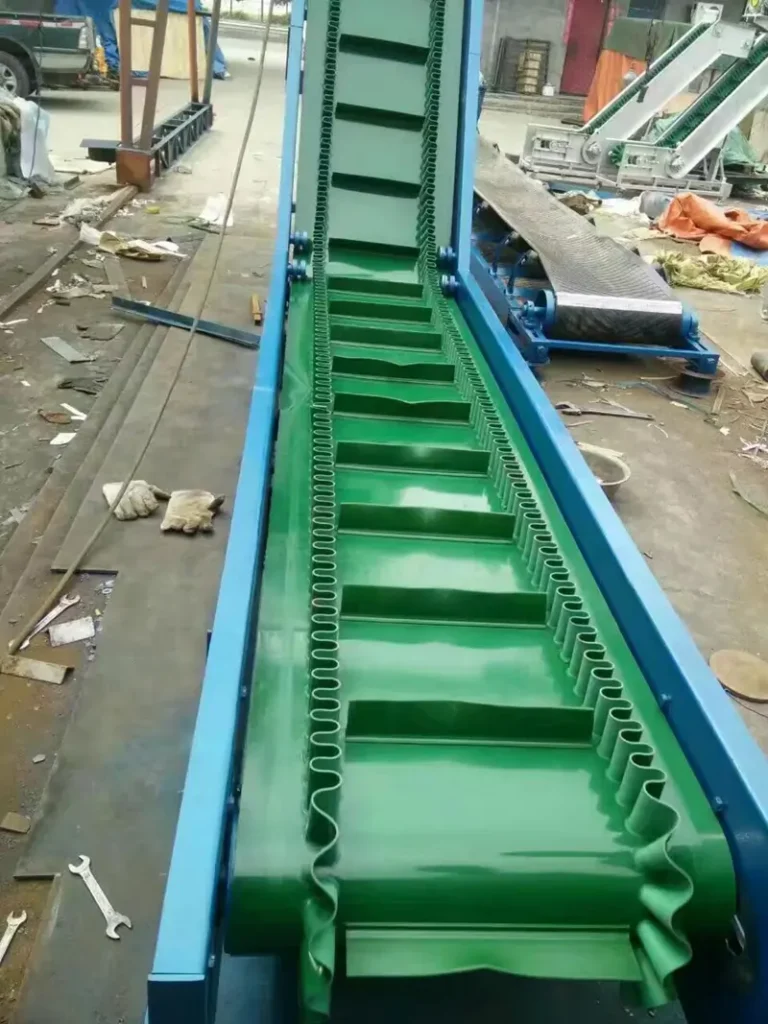
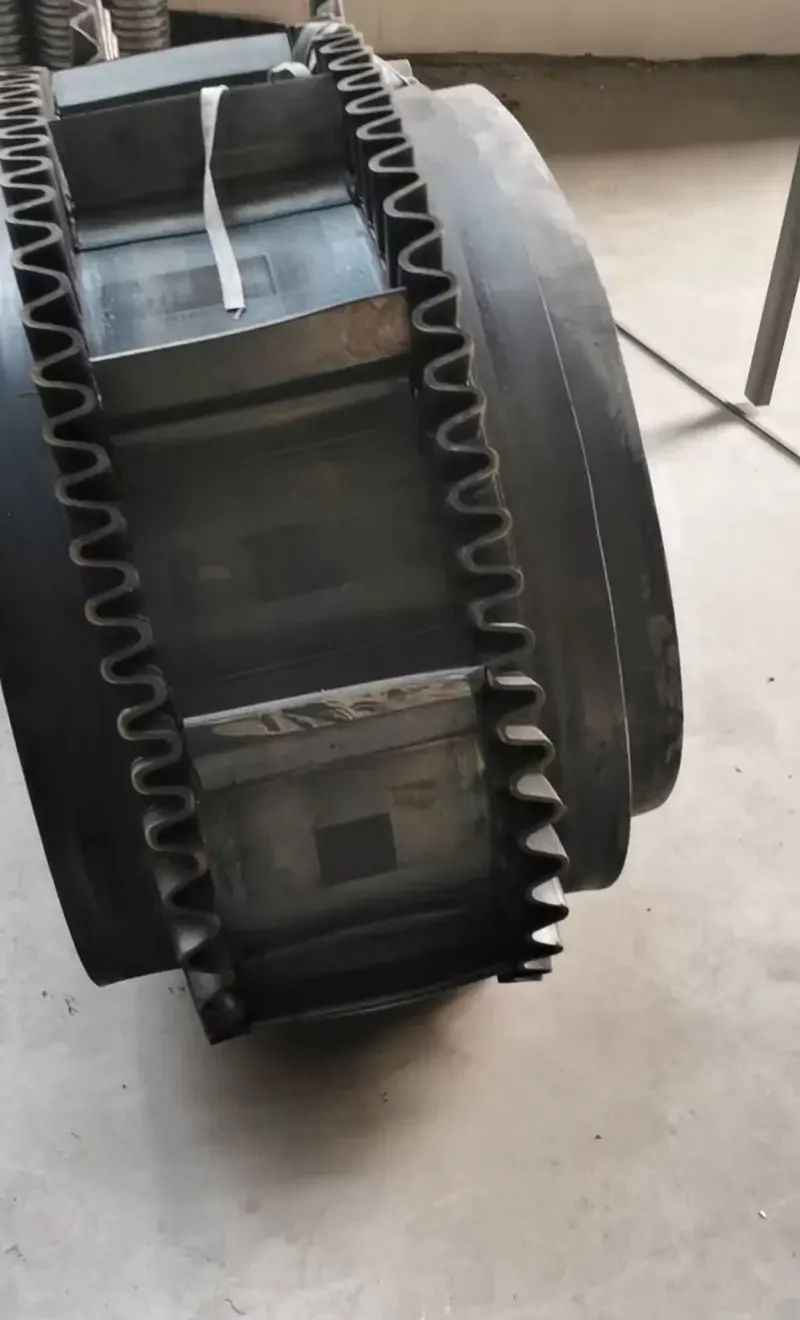
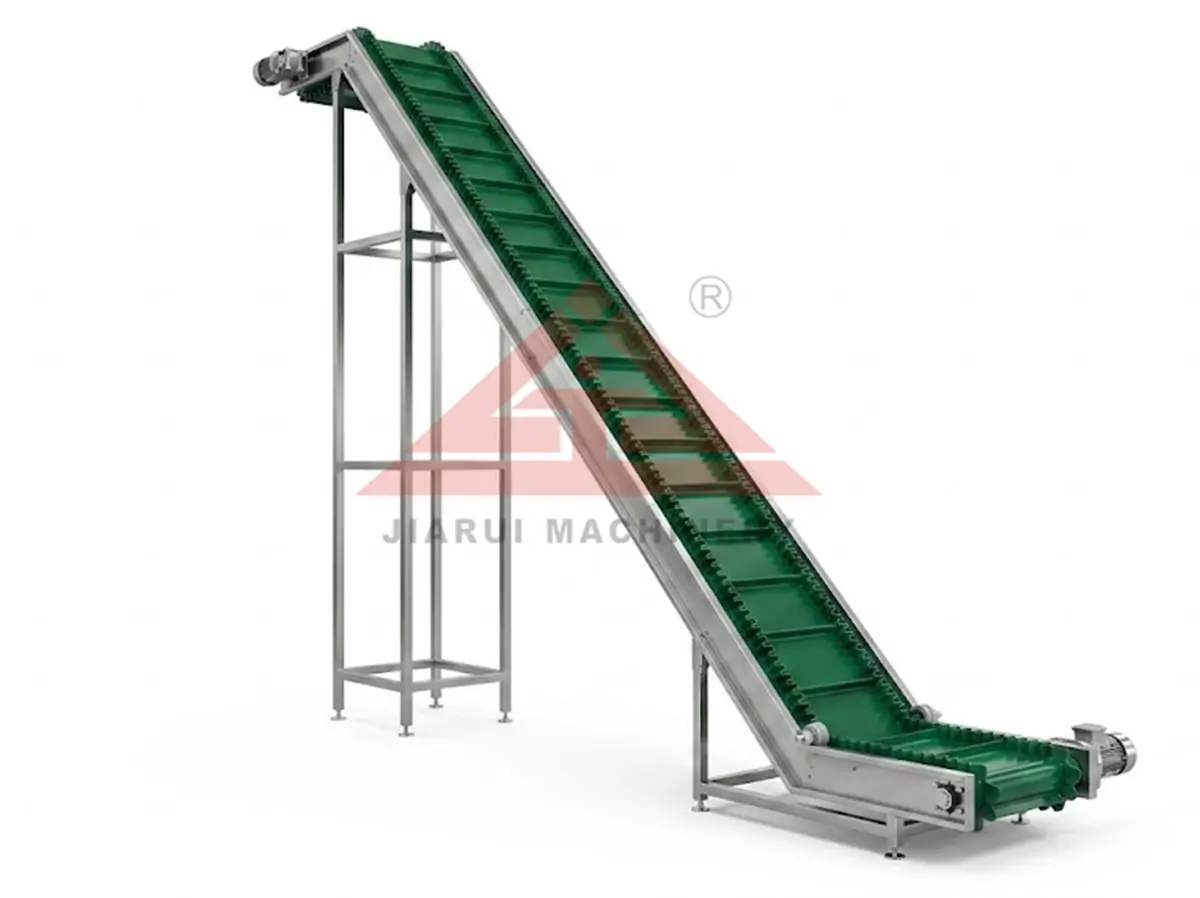
A Cleated Belt Conveyor, also known as a cleated sidewall belt conveyor, steep angle belt conveyor, or cleated conveyor system, is a continuous conveying machine developed from a standard belt conveyor by adding transverse cleats and sidewalls. The cleats move together with the conveyor belt to support the material and reduce rollback during inclined conveying, while the sidewalls prevent materials from spilling over the edges, allowing powder, granular, and small bulk materials to be transported steadily.

This type of inclined bulk material conveyor is mainly used for material transfer applications where height differences exist in production lines. The common conveying angle is 20°-45°, and the structure can be adjusted according to material characteristics, conveying capacity, and installation conditions. It is widely applied in mining, building materials, chemical, new energy, food, and other bulk material handling industries.

工作原理

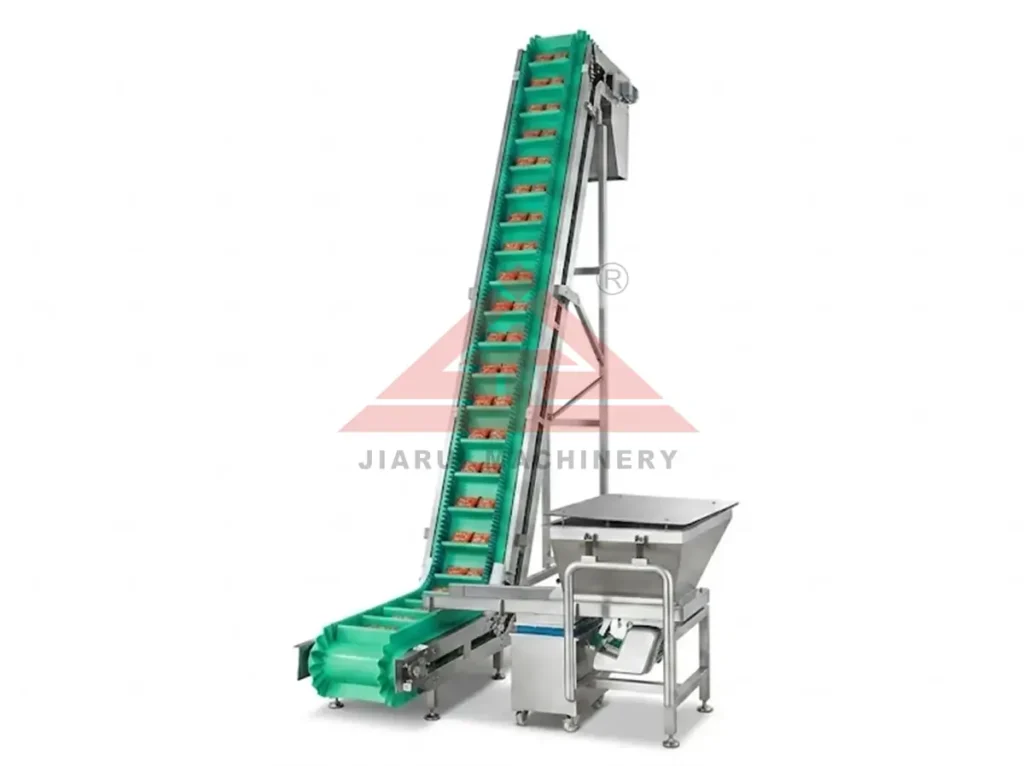
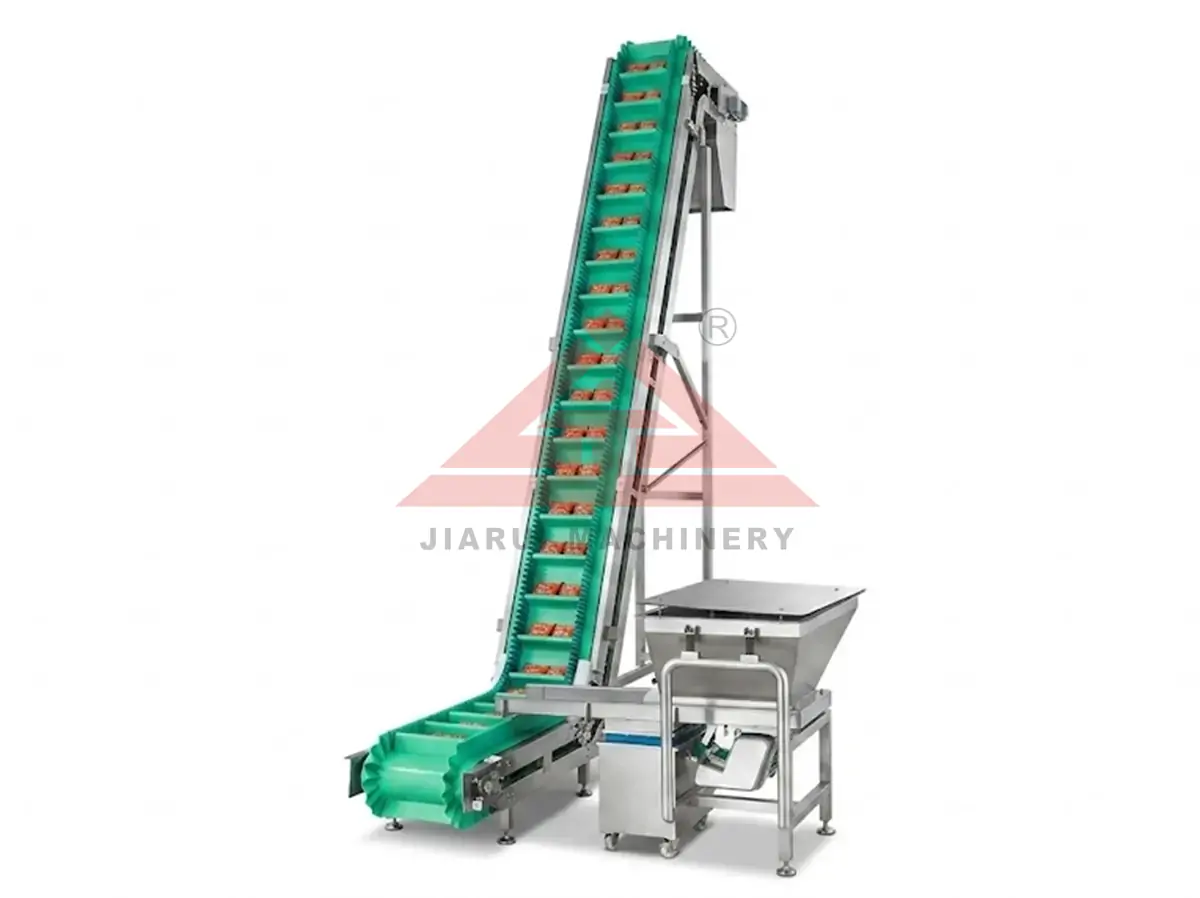
The Cleated Belt Conveyor improves inclined conveying performance by adding transverse cleats and sidewall structures to a standard conveyor belt, creating continuous material carrying sections on the belt surface. After materials enter the conveying area, the cleats reduce downward sliding while the sidewalls prevent lateral spillage, allowing powder, granular materials, and small lumps to move upward with the conveyor belt.

How Do Cleats Reduce Material Sliding?

When a standard belt conveyor operates at a larger inclination angle, materials may slide downward due to gravity. After cleats are installed on the belt surface, they provide segmented support for the materials, allowing them to move upward together with the belt and reducing rollback during inclined conveying.

How Do Sidewalls Reduce Material Spillage?

The sidewalls on both sides of the conveyor belt increase the material holding area and prevent materials from spreading toward the edges. When combined with transverse cleats, the sidewall design helps reduce leakage and spillage of powder and granular materials during inclined conveying, keeping materials within the effective conveying area.

How Does the Conveyor Belt Achieve Continuous Feeding?

The drive system powers the conveyor belt for continuous operation. After materials enter the carrying area formed by the cleats and sidewalls, they move with the belt toward the discharge end for transfer. The entire conveying process runs continuously, making the system suitable for bulk material lifting and transfer applications in production lines.

The conveying performance of a Cleated Belt Conveyor depends not only on the equipment structure but also on material properties, conveying angle, and site conditions. Proper selection of cleat design, sidewall height, and conveyor parameters allows the equipment to better meet the requirements of different bulk material handling applications.

Main Structure

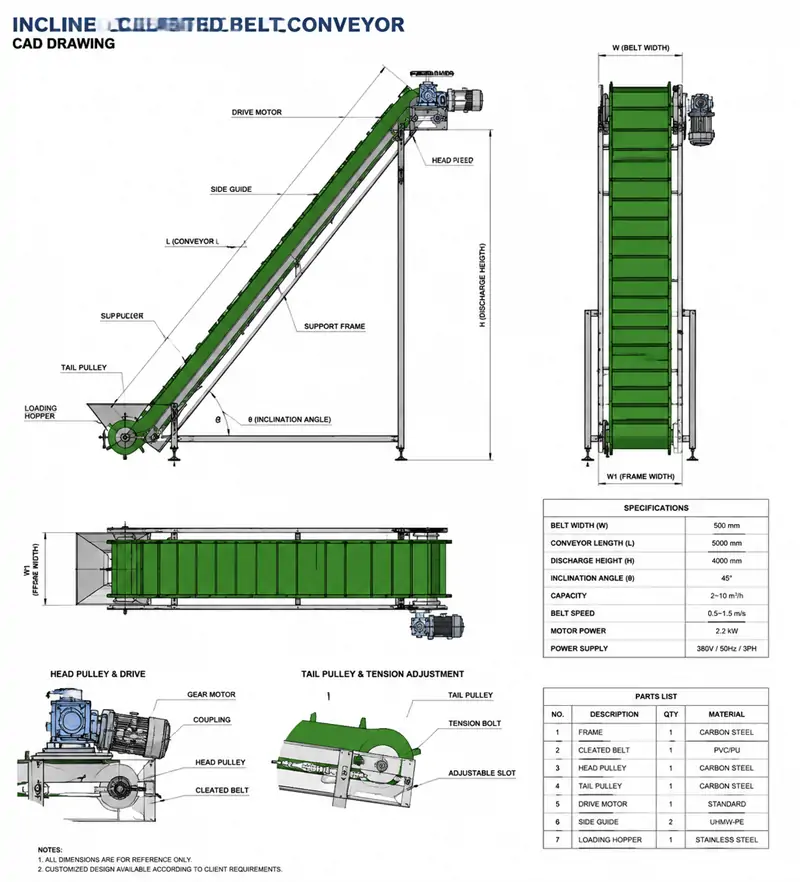
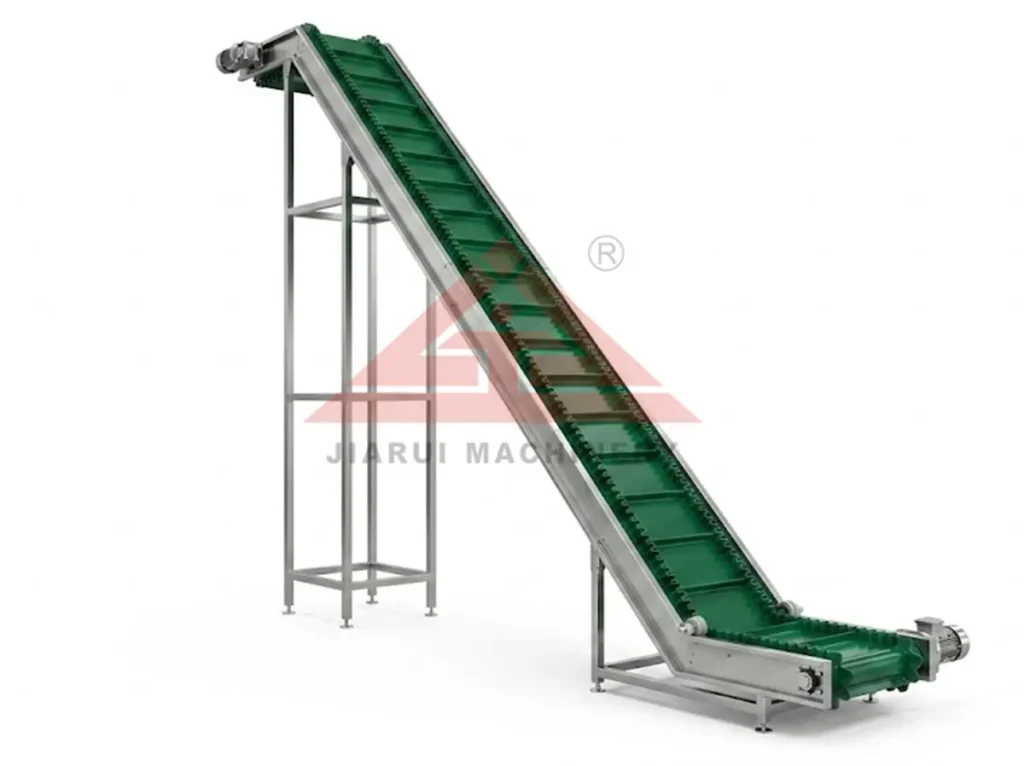
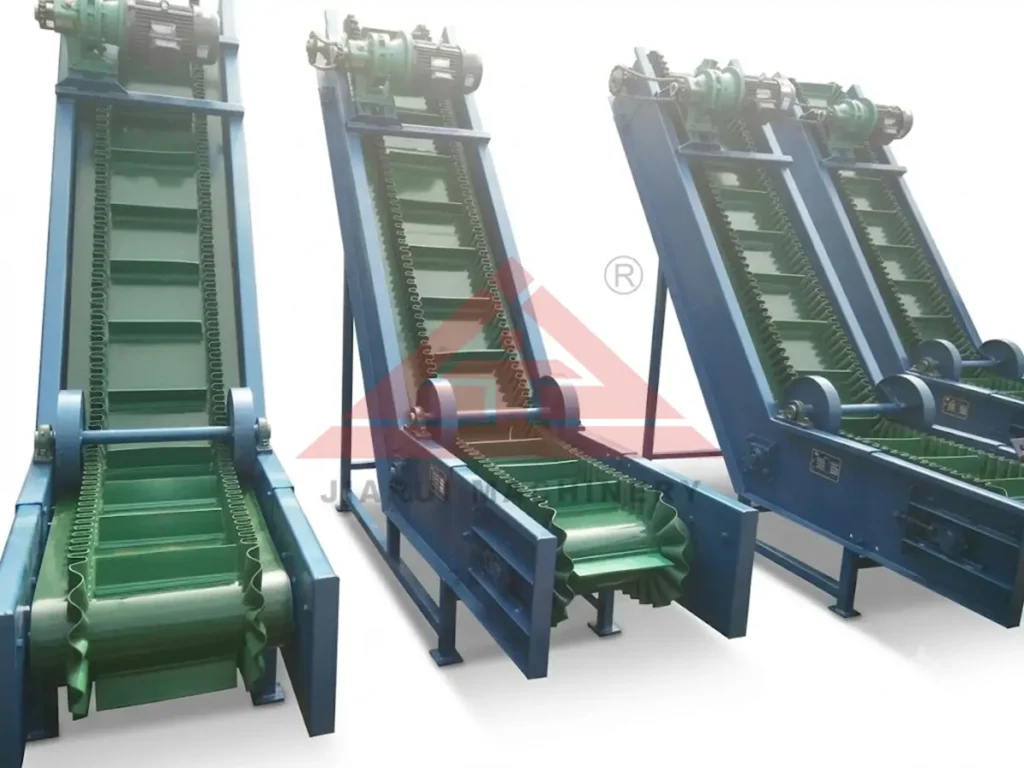
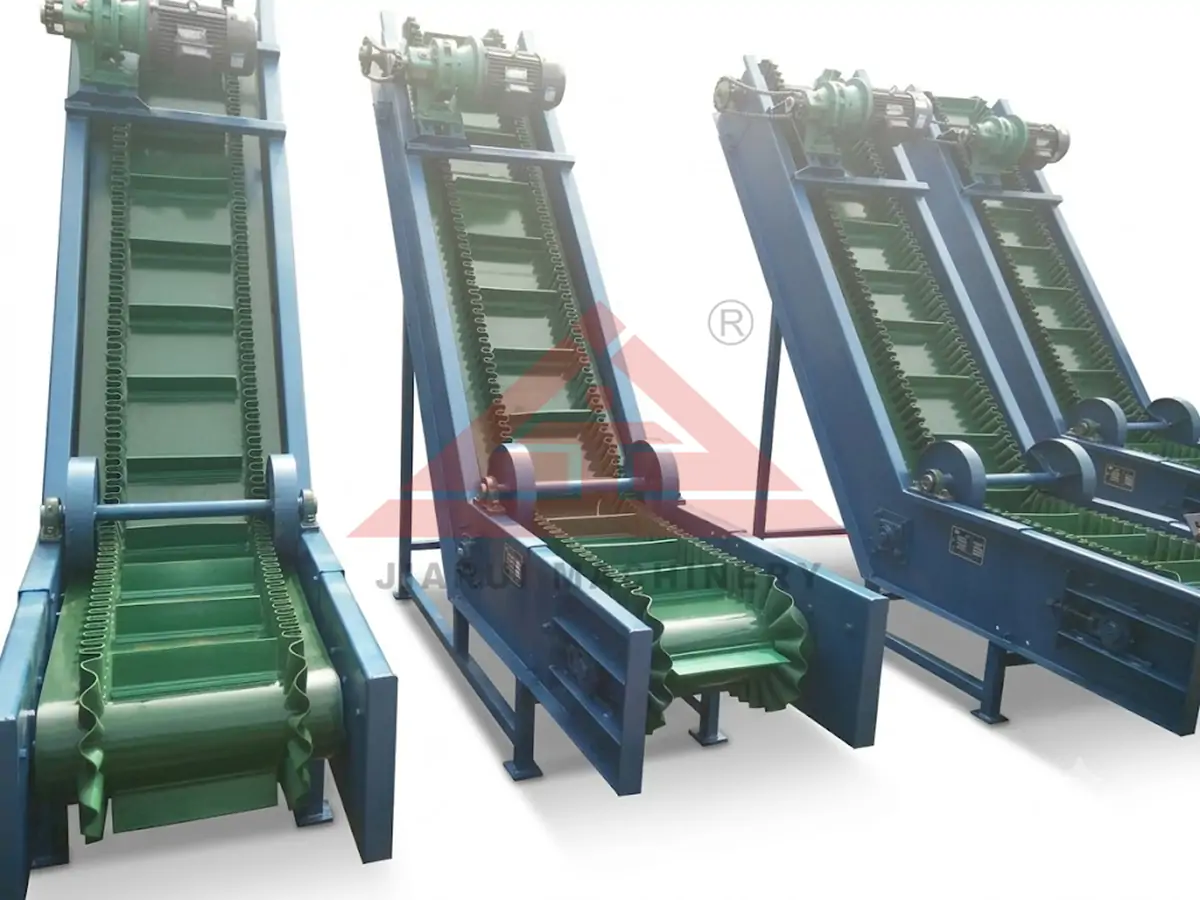
A Cleated Belt Conveyor mainly consists of a conveyor belt, transverse cleats, sidewalls, drive system, and frame structure. Different materials and operating environments require different structural designs. For example, powder material conveying focuses more on preventing material leakage and improving sealing performance, while granular materials require stronger cleat structures and stable conveying performance.

Conveyor Belt

Conveyor Belt

The conveyor belt is the core component responsible for carrying and transporting materials. According to material characteristics and operating conditions, different belt types such as rubber belts, PVC belts, or other suitable conveyor belt materials can be selected. The belt width, thickness, and material should be determined based on conveying capacity, material size, and running conditions.

擋邊帶式輸送機
擋邊帶式輸送機

Cleats and Sidewalls

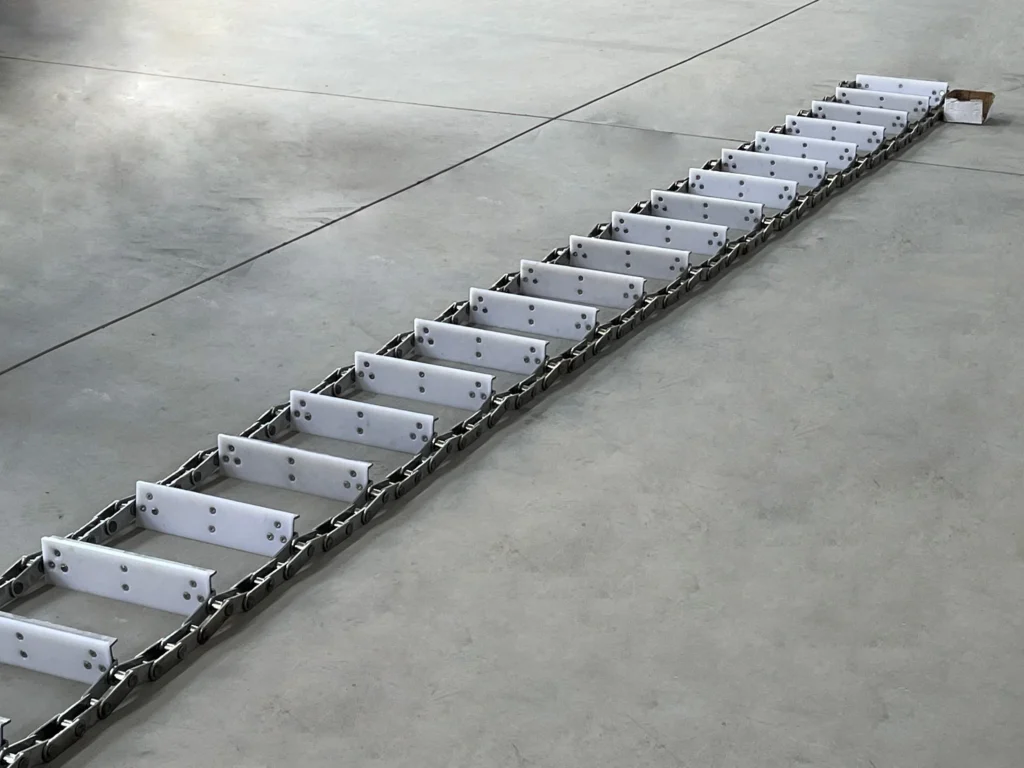
The transverse cleats are installed on the conveyor belt surface to support materials and improve inclined conveying capability. The sidewalls on both sides increase the material carrying space and reduce material spillage from the edges. The cleat height, spacing, and sidewall design directly affect the conveying performance of the inclined Cleated Belt Conveyor.

Drive System and Frame

Drive System and Frame

The drive system provides continuous operating power for the conveyor belt. The motor power should be selected according to conveying length, lifting height, and material weight. The frame supports the entire conveyor system and can be manufactured with carbon steel or stainless steel materials according to the working environment.

The structural design of a Cleated Belt Conveyor system needs to be adjusted according to specific operating conditions. Different materials, conveying heights, and installation spaces will affect the final equipment configuration. Proper structural matching improves operating stability and reduces future maintenance requirements.

Product Parameters

Different production lines have different requirements for conveying height, distance, and capacity. The Cleated Belt Conveyor is mainly selected according to belt width, motor power, conveying angle, and site conditions. The following parameters can be used as a reference for model selection. The final configuration should be confirmed according to material characteristics and installation environment.

型號Belt Width (mm)電機功率(kW)Inclined Angle (°)Lifting Height (mm)Conveying Length (mm)
ZDS2002000.5520-451000-30001500-3500
ZDS3003000.7520-451000-35001500-3500
ZDS4004001.520-451000-40001500-4000
ZDS5005002.520-451000-45001500-4500
ZDS600600320-451000-45001500-4500
ZDS700700420-451000-50001500-5000
ZDS8008005.520-451000-50001500-5000
ZDS9009007.520-451000-55001500-5500
項目Configuration
適用物料Powder, granular materials, small bulk materials
Conveyor Belt MaterialPVC, PU, Rubber
Frame MaterialCarbon steel, Stainless steel


A larger belt width usually provides a larger material carrying area, but the actual conveying capacity is also affected by material density, particle size, conveying angle, and belt speed. Model selection should not only consider dimensional parameters but also match the actual conveying requirements.

Belt Width and Conveying Capacity Reference

Belt Width應用
200-300 mmSmall-scale feeding and space-limited production lines
400-600 mmStandard industrial continuous conveying
700-900 mmLarge-volume bulk material lifting


The actual conveying capacity is also influenced by material density, particle size, inclination angle, and operating speed. Jiarui will evaluate the working conditions and confirm the suitable Cleated Belt Conveyor configuration based on specific requirements.

聯絡我們

電子郵件: info@jiaruimachinery.com
T/WA: +86 18838703198

索取報價

優勢

The Cleated Belt Conveyor is mainly designed to solve common problems of standard belt conveyors during inclined conveying, such as material rollback, spillage, and excessive space requirements. Through the combined design of transverse cleats and sidewalls, the equipment improves material conveying stability and is suitable for continuous transfer of different bulk materials under various height differences and installation conditions.

應用領域

The Cleated Belt Conveyor is mainly used for bulk material transfer applications with height differences. Through the combination of cleats and sidewalls, powder materials, granular materials, and small bulk materials can be conveyed steadily along an inclined direction. Compared with standard belt conveyors, it is more suitable for inclined lifting applications, especially in production lines with limited space or requirements for reducing material spillage.

Common Conveyed Materials

物料常見行業Conveying Features
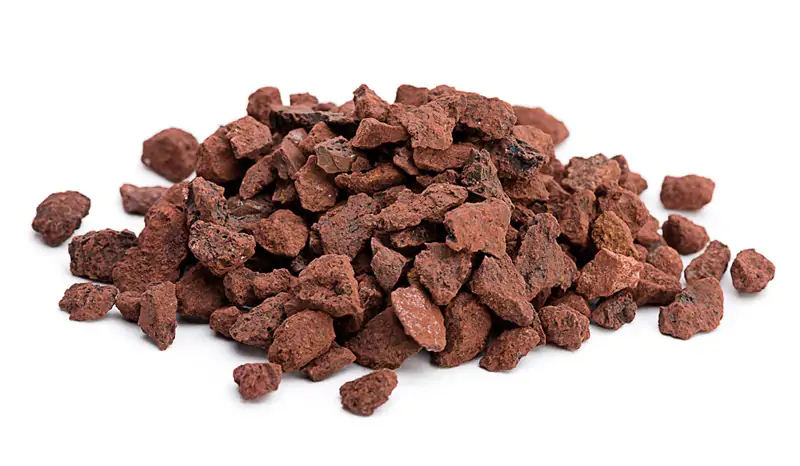
Iron ore and mineral particlesMining, mineral processingUsed for lifting materials after crushing and screening
Limestone and aggregatesBuilding materials, aggregate productionSuitable for large-volume bulk material transfer
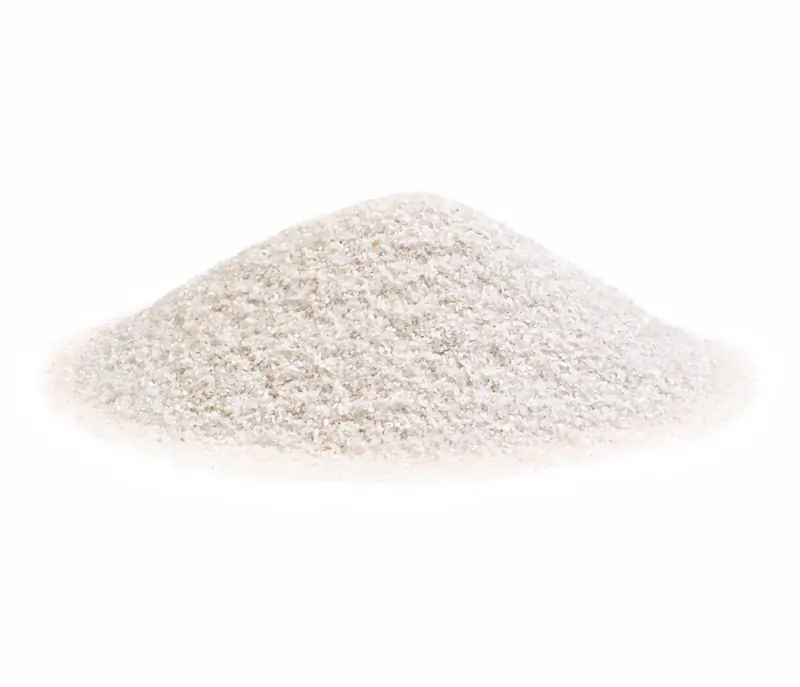
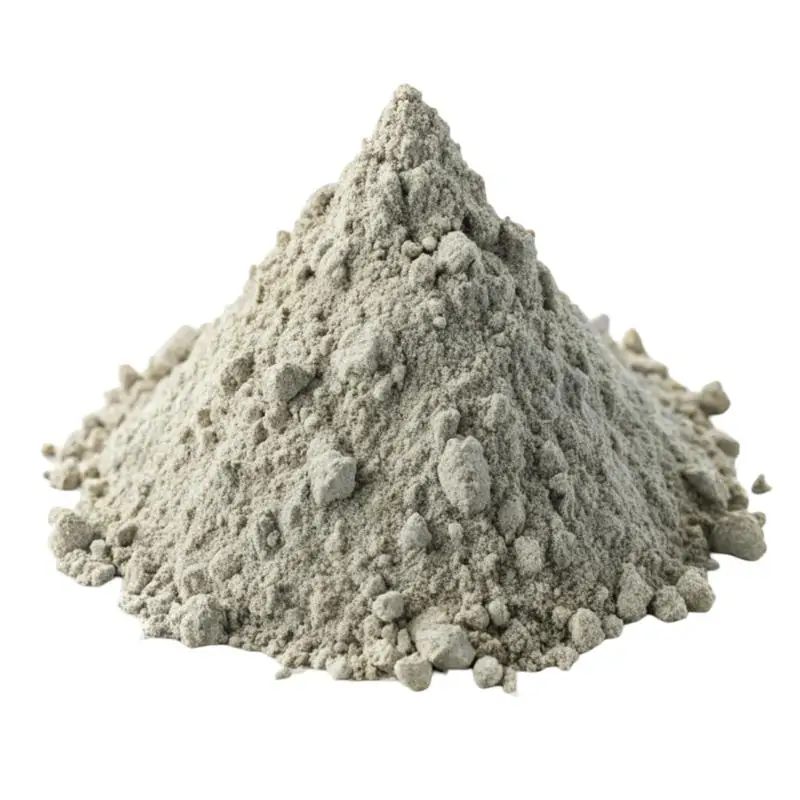
Cement powder and mineral powderCement and powder industriesFocuses on preventing spillage and maintaining conveying stability
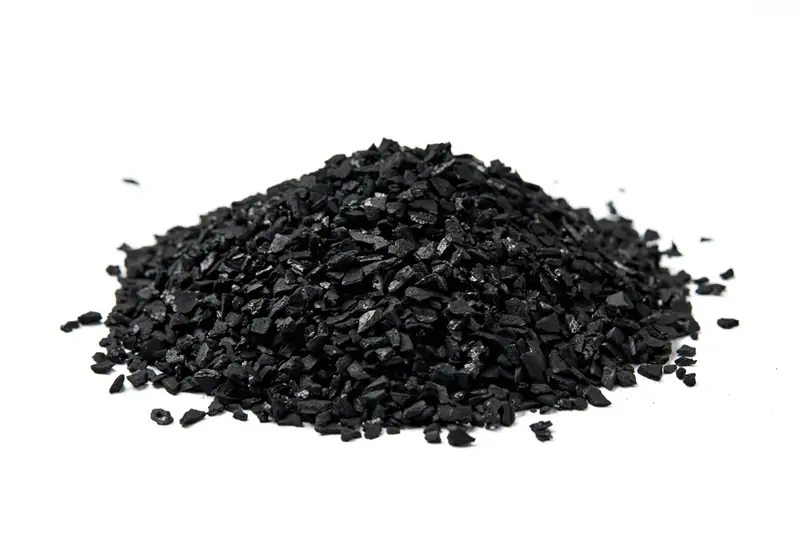
Coal particlesEnergy and fuel industriesSuitable for continuous feeding between different elevations
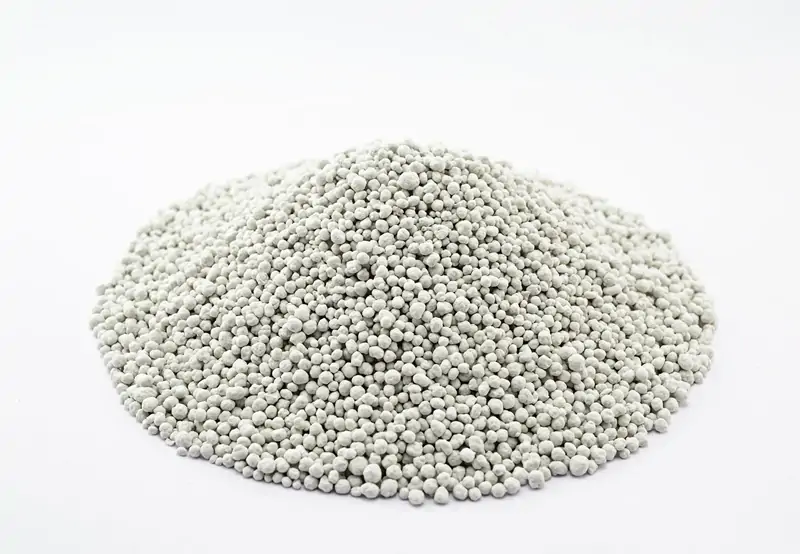
Fertilizer granulesChemical and agricultural industriesSuitable for materials with good flowability
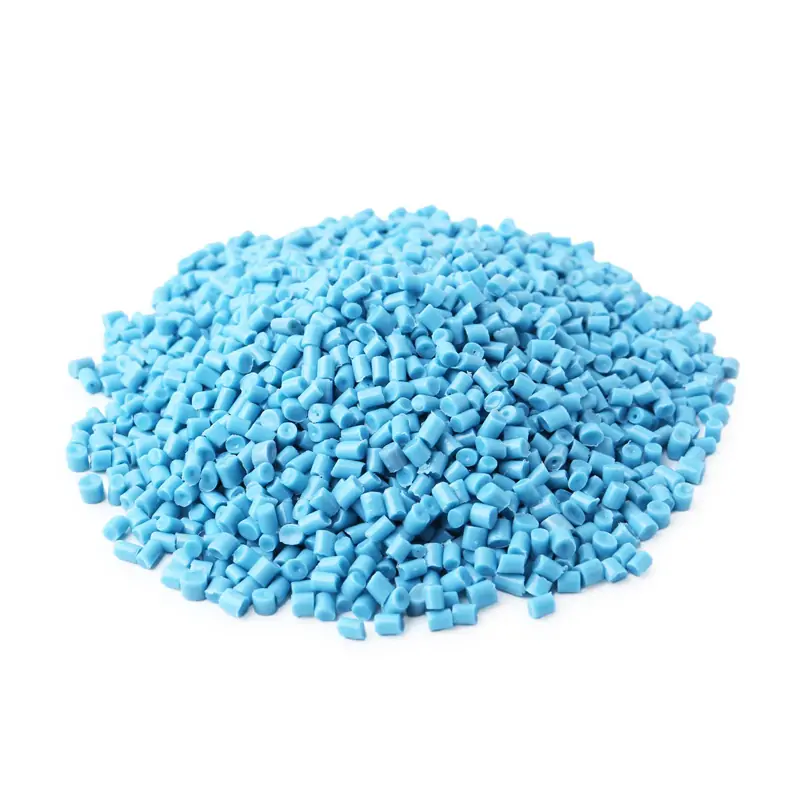
塑膠顆粒Plastics and new materialsConveyor materials can be selected according to cleanliness requirements
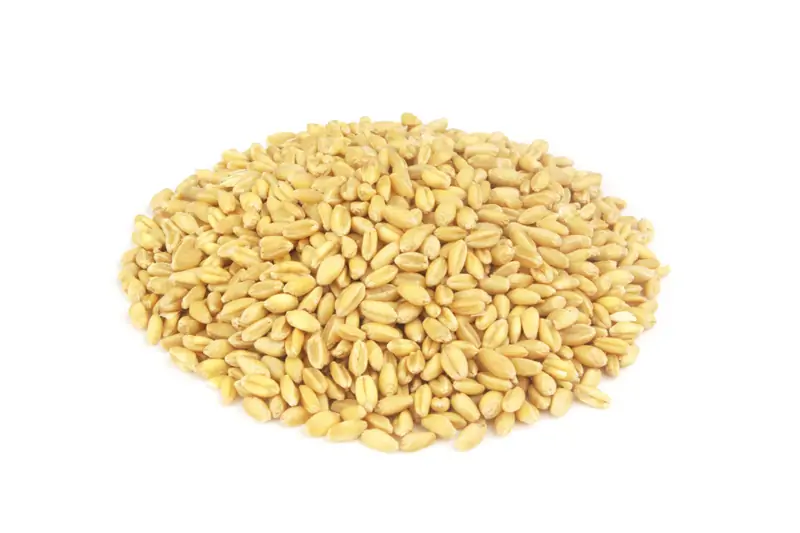
Grain and feedFood and agriculture industriesUsually adopts food-grade conveying configurations
Lithium battery material powderNew energy industryRequires attention to material contamination prevention and environmental requirements

Materials Requiring Careful Selection

The Cleated Belt Conveyor is suitable for most bulk materials, but some special operating conditions need to be evaluated in advance:

  • Materials with high moisture content and strong adhesion may cause material buildup on the conveyor belt;
  • High-temperature materials require heat-resistant conveyor structures;
  • Sharp, large, and highly abrasive materials require consideration of conveyor belt wear resistance;
  • Materials requiring precise feeding control may be more suitable for dedicated feeding equipment.

Different materials behave differently during conveying. Especially when operating at larger inclination angles, material flowability, particle size, and abrasiveness will affect equipment performance. Proper matching of the conveyor belt, cleat design, and sidewall structure is essential to ensure long-term stable operation of the inclined bulk material conveyor system.

聯絡我們

電子郵件: info@jiaruimachinery.com
T/WA: +86 18838703198

索取報價

Cleated Belt Conveyor vs Standard Belt Conveyor

A standard belt conveyor is suitable for conventional material transportation, while a Cleated Belt Conveyor improves material carrying performance through transverse cleats and sidewall structures, making it more suitable for steep angle conveying and applications with height differences.

Comparison ItemStandard Belt Conveyor擋邊帶式輸送機
Conveying AngleSuitable for horizontal and small inclination conveyingSuitable for larger inclination lifting applications
Material Carrying MethodRelies on belt friction to move materialsCleats support materials and sidewalls prevent side spillage
Spillage PreventionMaterial sliding and spillage may occur at larger anglesMore suitable for powder, granular, and bulk materials
Space RequirementRequires longer conveying distance when lifting height increasesReduces conveying distance and suits space-limited layouts
應用Conventional horizontal transfer and short-distance conveyingInclined lifting and material transfer with height differences

How to Select

If the production line mainly handles horizontal or low-angle material conveying, a standard belt conveyor can usually meet the requirements with a simple structure and convenient maintenance.

When the site has a large height difference, limited installation space, or materials are likely to slide and spill during inclined conveying, the Cleated Belt Conveyor is a more suitable conveying solution.

Equipment selection should not only consider lifting height. Material sliding characteristics, spillage risks, and available installation space also affect the final design. Different materials have different requirements for conveyor belt wear resistance, cleat loading strength, and cleaning methods, so the configuration should be determined according to actual operating conditions.

客製化

The design of a Cleated Belt Conveyor depends not only on conveying length and lifting height but also on material characteristics, installation space, and production line connection methods. Different materials have different flowability, moisture content, and abrasiveness, which will affect the selection of conveyor belts, cleats, and sidewall structures.

Jiarui engineering team can design customized inclined belt conveyor solutions according to customer requirements, including adjustments to belt width, conveying height, inclination angle, capacity, equipment materials, and installation methods. These solutions help customers solve issues such as limited space, material spillage, unstable lifting, and production line integration.

To confirm the suitable equipment configuration, customers can provide the following information:

  • Material name and condition (powder, granular materials, small bulk materials, etc.)
  • Material particle size, moisture content, and abrasiveness
  • Required conveying capacity (tons/hour)
  • Required lifting height and horizontal conveying distance
  • Installation space and feeding/discharge conditions
  • Requirements for equipment material, hygiene, or corrosion resistance

Each project has different conveying conditions. Accurate understanding of site requirements is an important basis for ensuring equipment performance. Jiarui will evaluate the application information provided by customers and confirm a suitable Cleated Belt Conveyor configuration.

聯絡我們

電子郵件: info@jiaruimachinery.com
T/WA: +86 18838703198

索取報價

Jiarui Manufacturing

A Cleated Belt Conveyor cannot be selected simply by choosing a fixed model to meet all production requirements. Material characteristics, lifting height, installation space, and production line connection methods all influence the final equipment configuration. With years of experience in conveyor equipment design and manufacturing, Jiarui can analyze application conditions provided by customers and help determine suitable conveying structures, material options, and equipment configurations.

From requirement communication and solution confirmation to equipment manufacturing and factory testing, Jiarui engineering team adjusts the design according to actual site conditions to reduce installation and operation problems after delivery. Whether it is powder material anti-spillage, stable transportation of granular materials, or special material requirements under harsh environments, we provide corresponding bulk material handling conveyor solutions based on actual application needs.

FAQ – Jiarui Cleated Belt Conveyor

擋板帶式輸送機主要用於粉體物料、顆粒物料及小塊狀物料的傾斜輸送,例如礦石、骨料、水泥粉、肥料顆粒、塑膠粒及部分新能源材料。針對不同物料,應根據粒徑、含水率、磨蝕性及物料流動特性選擇適當的輸送帶類型與擋板結構。.

兩者皆為連續輸送設備,但其物料承載方式有所不同。標準皮帶輸送機主要依靠皮帶摩擦力輸送物料,較適合水平或低角度輸送。而擋板皮帶輸送機則利用橫向擋板支撐物料,並以側壁防止溢漏,更適合傾斜提升及具有高度差的應用場合。.

擋板輸送帶系統的輸送能力不僅與皮帶寬度有關,還受到物料密度、粒徑、堆積狀態、輸送角度及皮帶速度的影響。例如,即使採用相同的500 mm皮帶寬度,不同物料其實際輸送能力也可能有所差異。選型時應綜合考慮物料特性與生產需求。.

擋板皮帶輸送機的標準輸送角度一般為20°-45°。實際角度取決於物料特性與操作需求。粉末及細微顆粒通常需要更好的防滑與防溢出設計,而顆粒狀及小塊狀物料則需要更堅固的擋板與更高的承載能力。.

The operating performance of a Cleated Belt Conveyor depends not only on the conveyor structure but also on material characteristics. Wet and sticky materials may cause belt buildup, highly abrasive materials can increase wear on the belt and cleats, and high-temperature materials require heat-resistant configurations. Confirming operating conditions in advance helps reduce future maintenance issues.

Yes. Different production lines have different requirements for conveying height, installation space, material characteristics, and connection methods, so the equipment usually requires customized design. Jiarui can adjust belt width, conveying length, inclination angle, material selection, cleat design, and sidewall structure according to customer requirements, providing a suitable inclined Cleated Belt Conveyor solution based on actual working conditions.

獲取免費諮詢

填寫以下表單與我們的專家聯繫,並獲得針對您應用的個人化建議。.

  • 物料類型
  • 物料尺寸/顆粒大小
  • 所需篩分/輸送能力
  • 物料流量
  • 含水量
  • 分離要求
  • 特殊功能或客製化需求
關注我們: