
ناقل الحزام ذو الحواجز | نظام جياروي للمواد السائبة المائلة
يُستخدم ناقل الحزام ذو الحواجز (Cleated Belt Conveyor) لنقل المساحيق والحبيبات والمواد السائبة الصغيرة على منحدر، خاصةً حيث لا يستطيع الناقل المسطح القياسي التعامل مع زاوية النقل المطلوبة. تساعد الحواجز والجدران الجانبية في الحفاظ على المواد على الحزام وتقليل الارتداد والانسكاب أثناء النقل.
يُستخدم بشكل شائع في التعدين ومواد البناء والمعالجة الكيميائية والطاقة الجديدة والأغذية وحماية البيئة. جاروي يمكن تخصيص عرض الحزام وارتفاع الرفع وسعة النقل والهيكل ليتناسب مع المادة ومساحة التركيب. كما يمكن دمجه مع معدات أخرى معدات النقل لدعم النقل المستمر للمواد بين العمليات المختلفة.
- الموديل: ZDS200-ZDS900
- عرض الحزام: 200-900 مم
- قوة المحرك: 55-7.5 كيلوواط
- زاوية الميل: 20°-45°
- ارتفاع الرفع: 1000-5500 مم
- طول النقل: 1500-5500 مم
- المواد المناسبة: المساحيق والمواد الحبيبية والمواد السائبة صغيرة الحجم
- مادة الهيكل: الفولاذ الكربوني، الفولاذ المقاوم للصدأ
ما هو ناقل الحزام ذو الحواجز؟
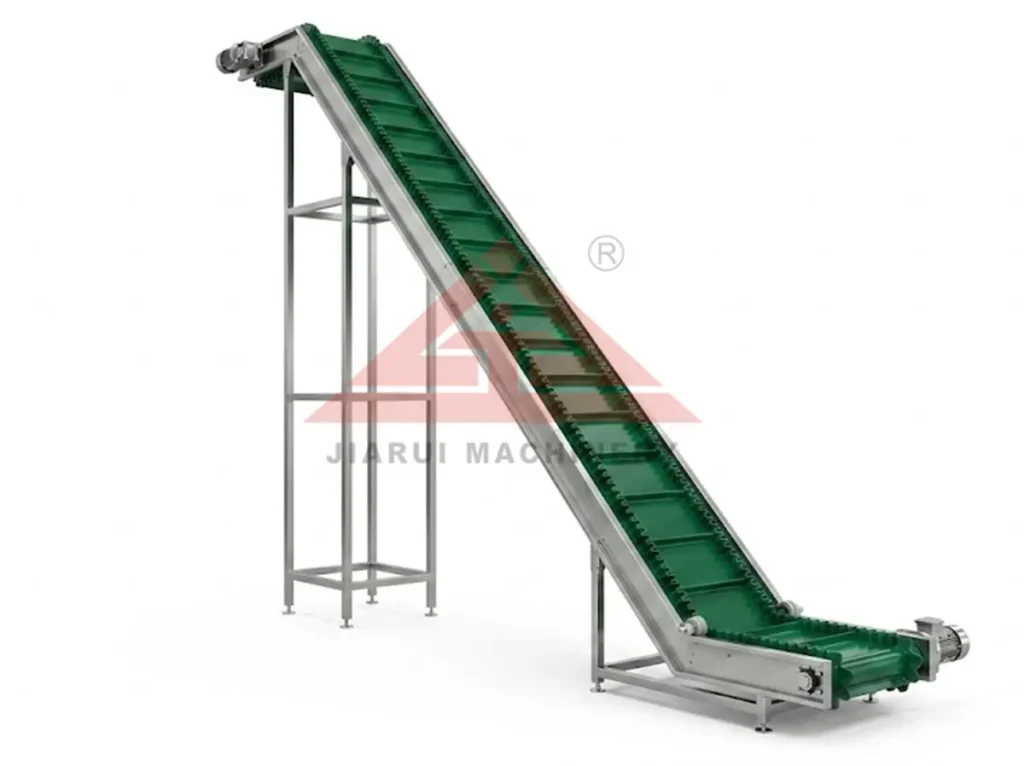
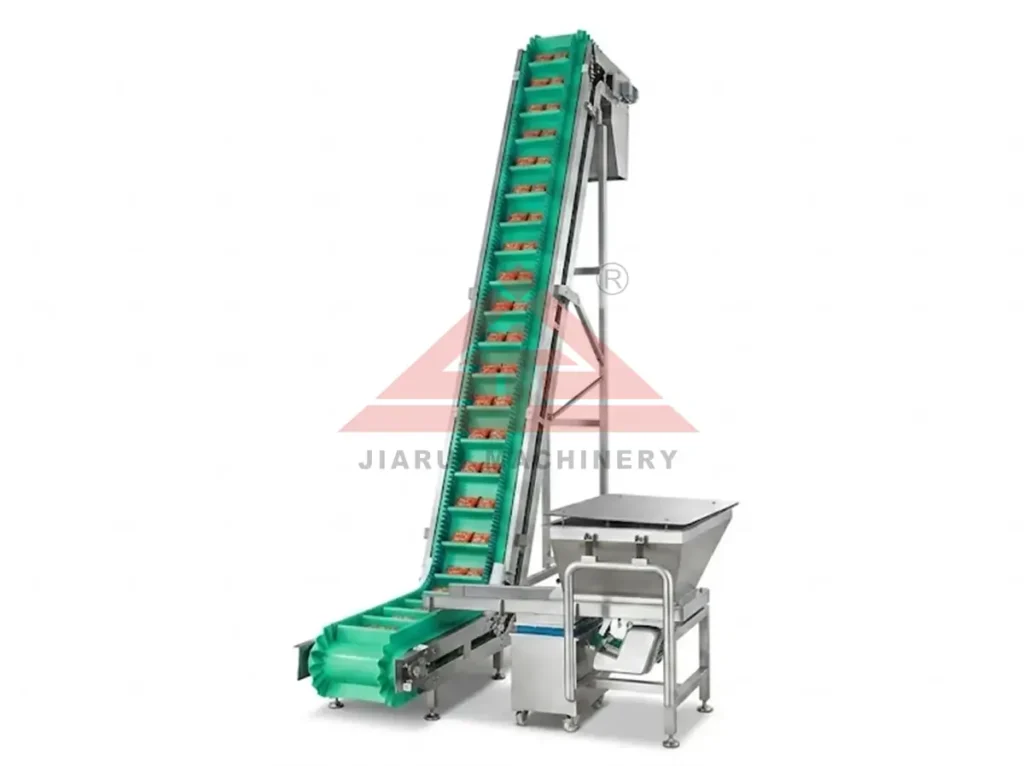
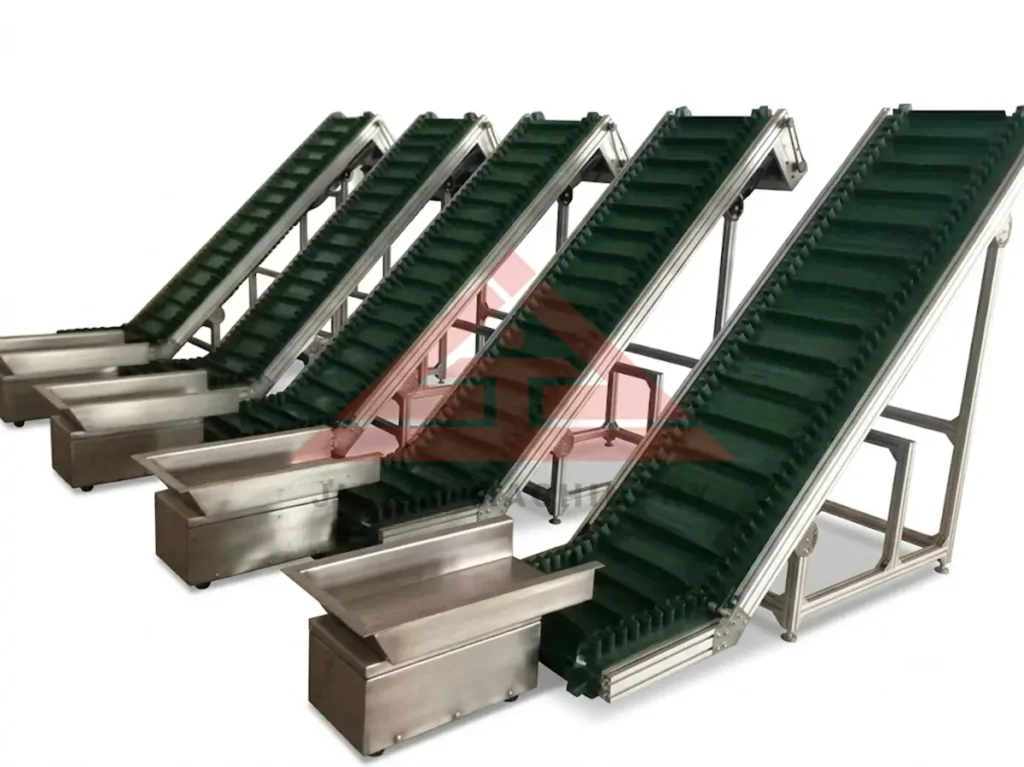
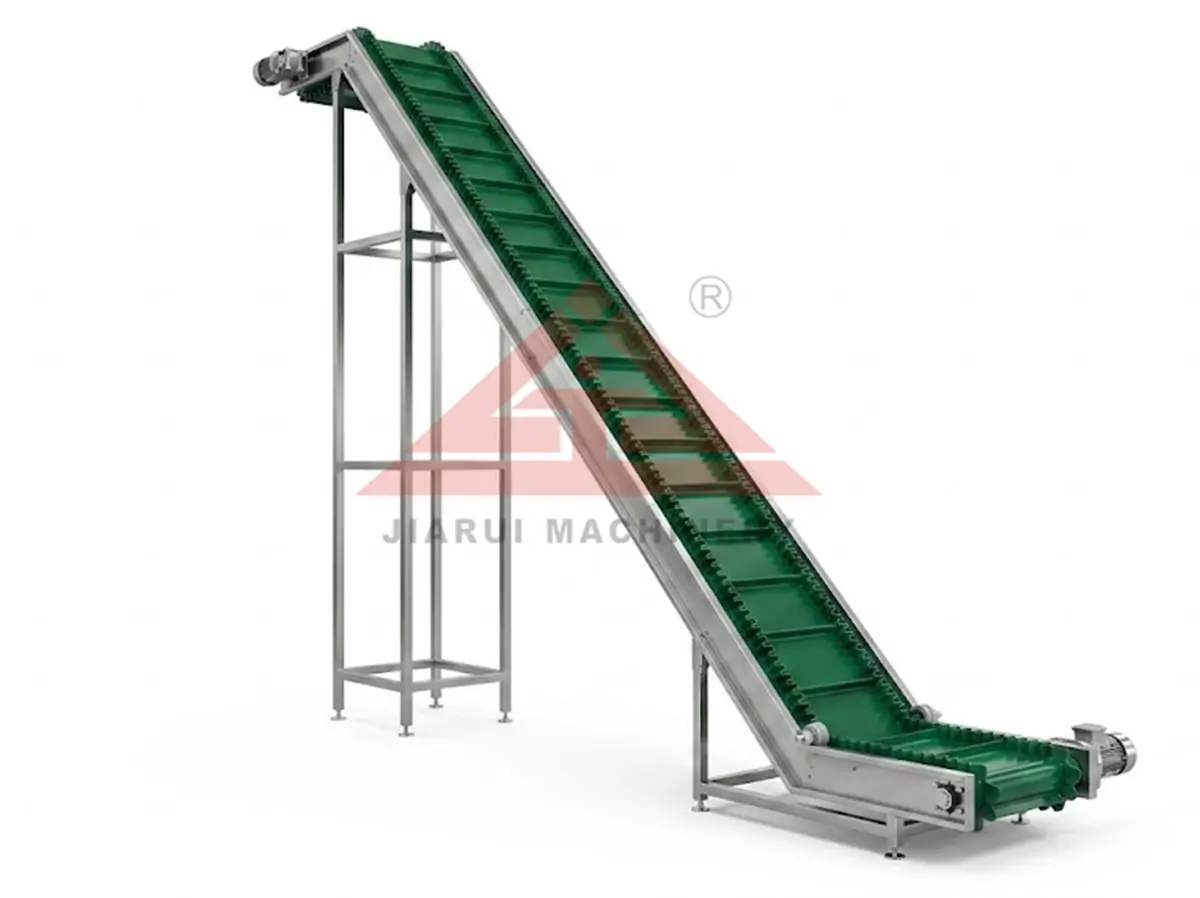
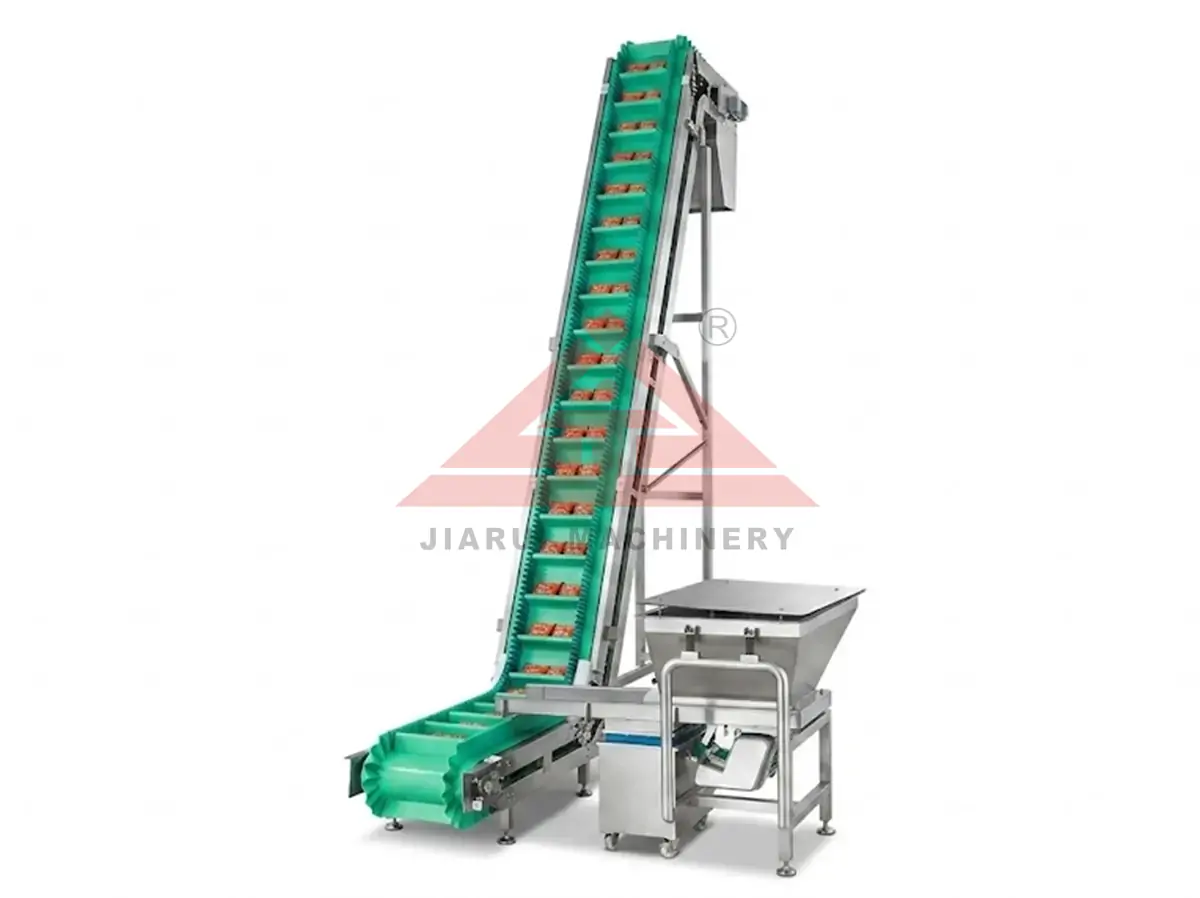
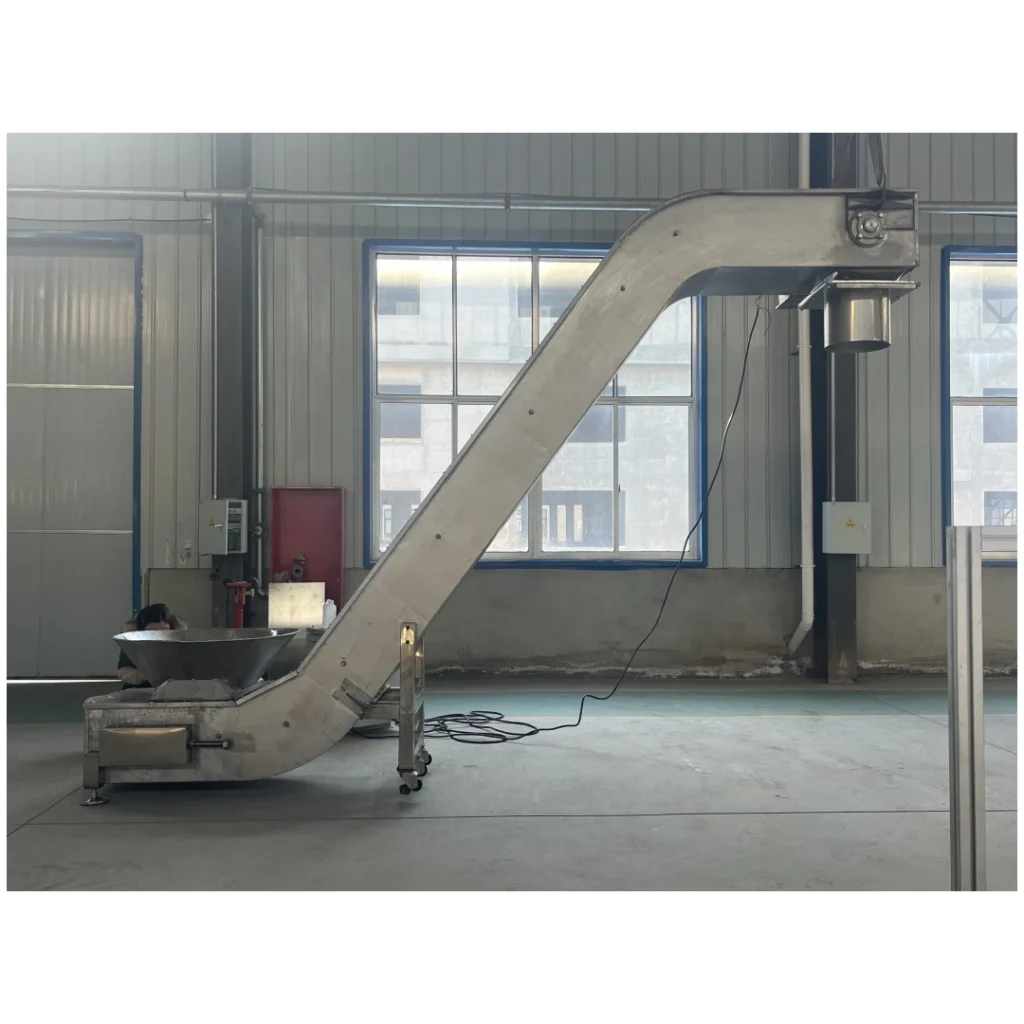
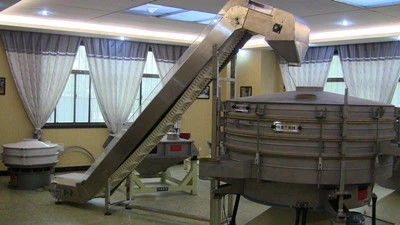
ناقل الحزام ذو الحواجز، المعروف أيضًا باسم ناقل الحزام الجانبي ذو الحواجز أو ناقل الحزام شديد الانحدار أو نظام الناقل ذو الحواجز، هو آلة نقل مستمر تم تطويرها من ناقل حزامي قياسي بإضافة حواجز عرضية وجدران جانبية. تتحرك الحواجز مع حزام النقل لدعم المواد وتقليل التراجع أثناء النقل المائل، بينما تمنع الجدران الجانبية المواد من الانسكاب فوق الحواف، مما يسمح بنقل المساحيق والمواد الحبيبية والمواد السائبة الصغيرة بثبات.
يُستخدم هذا النوع من ناقلات المواد السائبة المائلة بشكل أساسي في تطبيقات نقل المواد حيث توجد فروق في الارتفاع في خطوط الإنتاج. زاوية النقل الشائعة هي 20°-45°، ويمكن تعديل الهيكل وفقًا لخصائص المواد وسعة النقل وظروف التركيب. يُطبق على نطاق واسع في صناعات التعدين ومواد البناء والكيماويات والطاقة الجديدة والأغذية وغيرها من صناعات معالجة المواد السائبة.
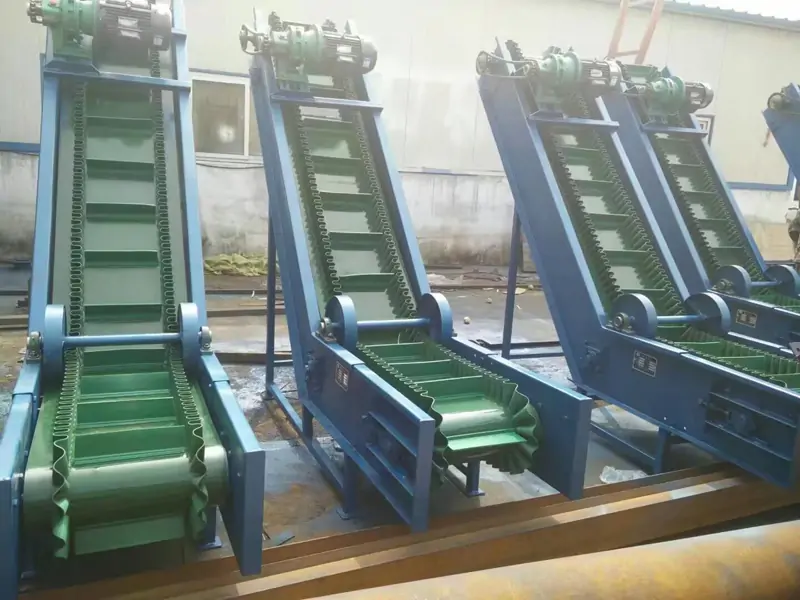
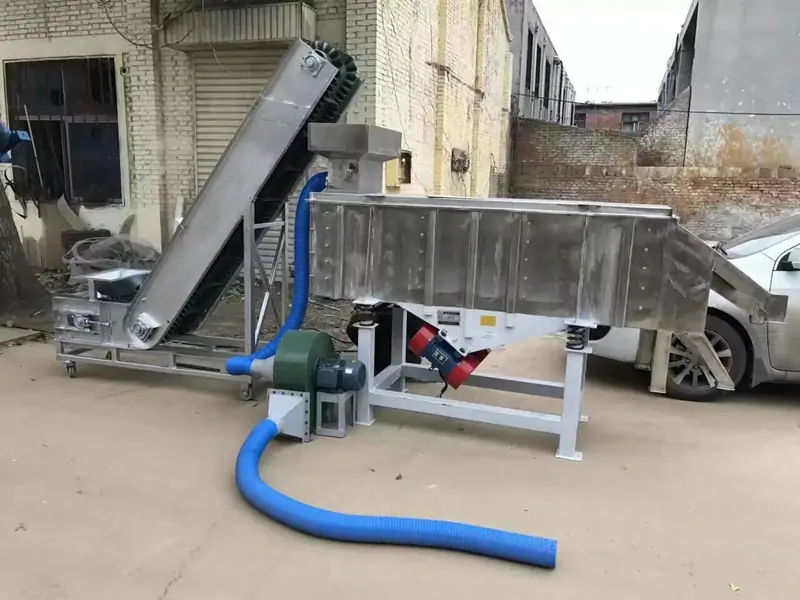
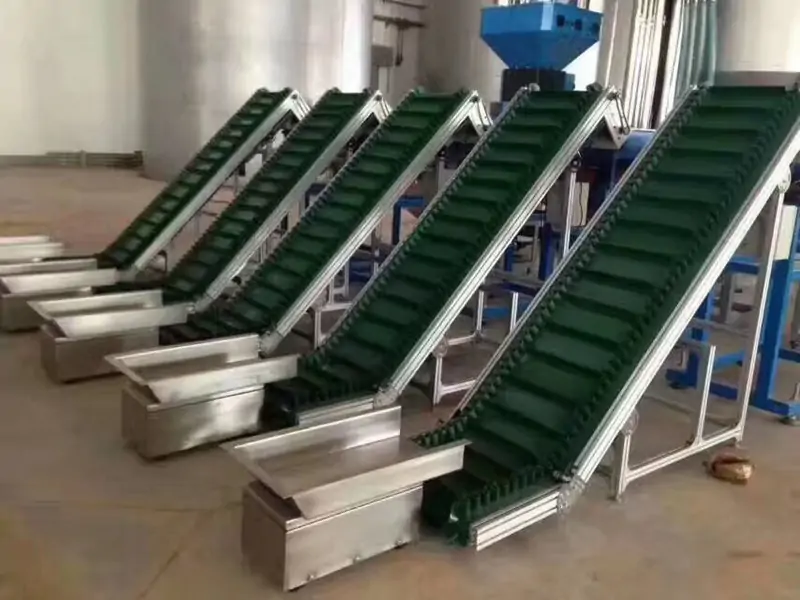
مبدأ العمل
يحسّن ناقل الحزام ذو الحواجز أداء النقل المائل بإضافة حواجز عرضية وهياكل جدران جانبية إلى حزام النقل القياسي، مما ينشئ أقسامًا مستمرة لحمل المواد على سطح الحزام. بعد دخول المواد إلى منطقة النقل، تقلل الحواجز من الانزلاق لأسفل بينما تمنع الجدران الجانبية الانسكاب الجانبي، مما يسمح للمساحيق والمواد الحبيبية والكتل الصغيرة بالتحرك لأعلى مع حزام النقل.
كيف تقلل الحواجز من انزلاق المواد؟
عندما يعمل ناقل حزامي قياسي بزاوية ميل أكبر، قد تنزلق المواد لأسفل بسبب الجاذبية. بعد تركيب الحواجز على سطح الحزام، توفر دعمًا مجزأً للمواد، مما يسمح لها بالتحرك لأعلى مع الحزام وتقليل التراجع أثناء النقل المائل.
كيف تقلل الجدران الجانبية من انسكاب المواد؟
تزيد الجدران الجانبية على جانبي حزام النقل من منطقة احتجاز المواد وتمنع المواد من الانتشار نحو الحواف. عند دمجها مع الحواجز العرضية، يساعد تصميم الجدار الجانبي في تقليل تسرب وانسكاب المساحيق والمواد الحبيبية أثناء النقل المائل، مع إبقاء المواد داخل منطقة النقل الفعالة.
كيف يحقق حزام النقل النقل المستمر؟
يزود نظام القيادة حزام النقل بالطاقة للتشغيل المستمر. بعد دخول المواد إلى منطقة الحمل التي تشكلها الحواجز والجدران الجانبية، تتحرك مع الحزام نحو نهاية التفريغ للنقل. تعمل عملية النقل بأكملها بشكل مستمر، مما يجعل النظام مناسبًا لتطبيقات رفع ونقل المواد السائبة في خطوط الإنتاج.
يعتمد أداء النقل لناقل الحزام ذو الحواجز ليس فقط على هيكل المعدات ولكن أيضًا على خصائص المواد وزاوية النقل وظروف الموقع. يسمح الاختيار المناسب لتصميم الحواجز وارتفاع الجدران الجانبية ومعايير الناقل للمعدات بتلبية متطلبات تطبيقات معالجة المواد السائبة المختلفة بشكل أفضل.
الهيكل الرئيسي
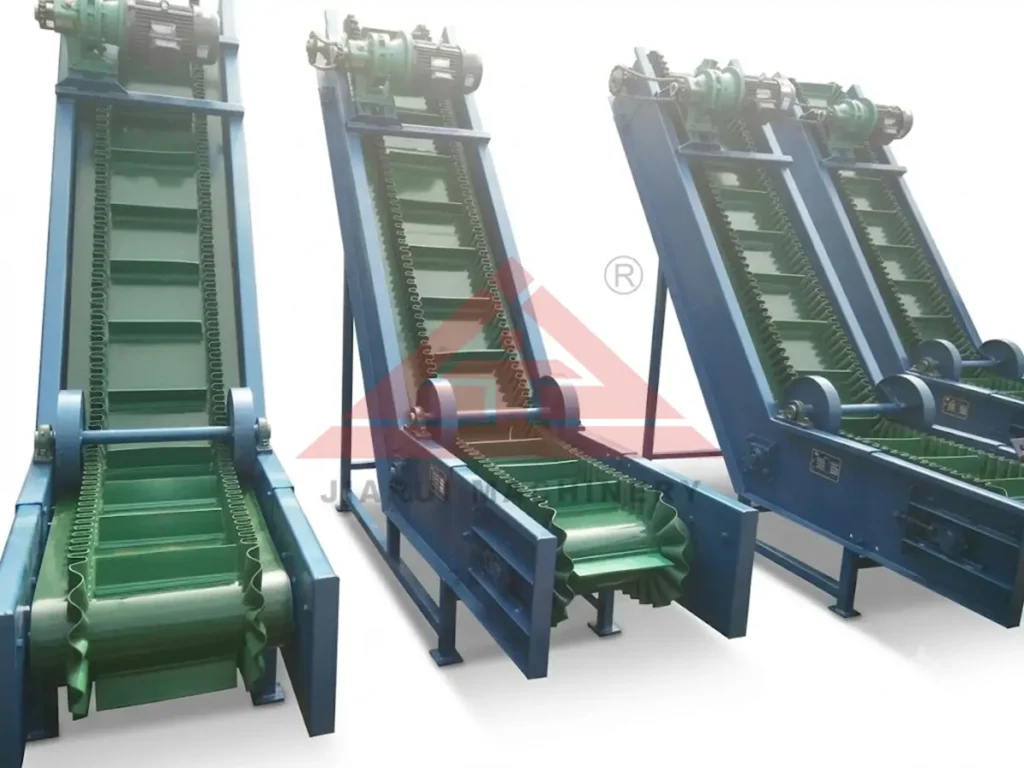
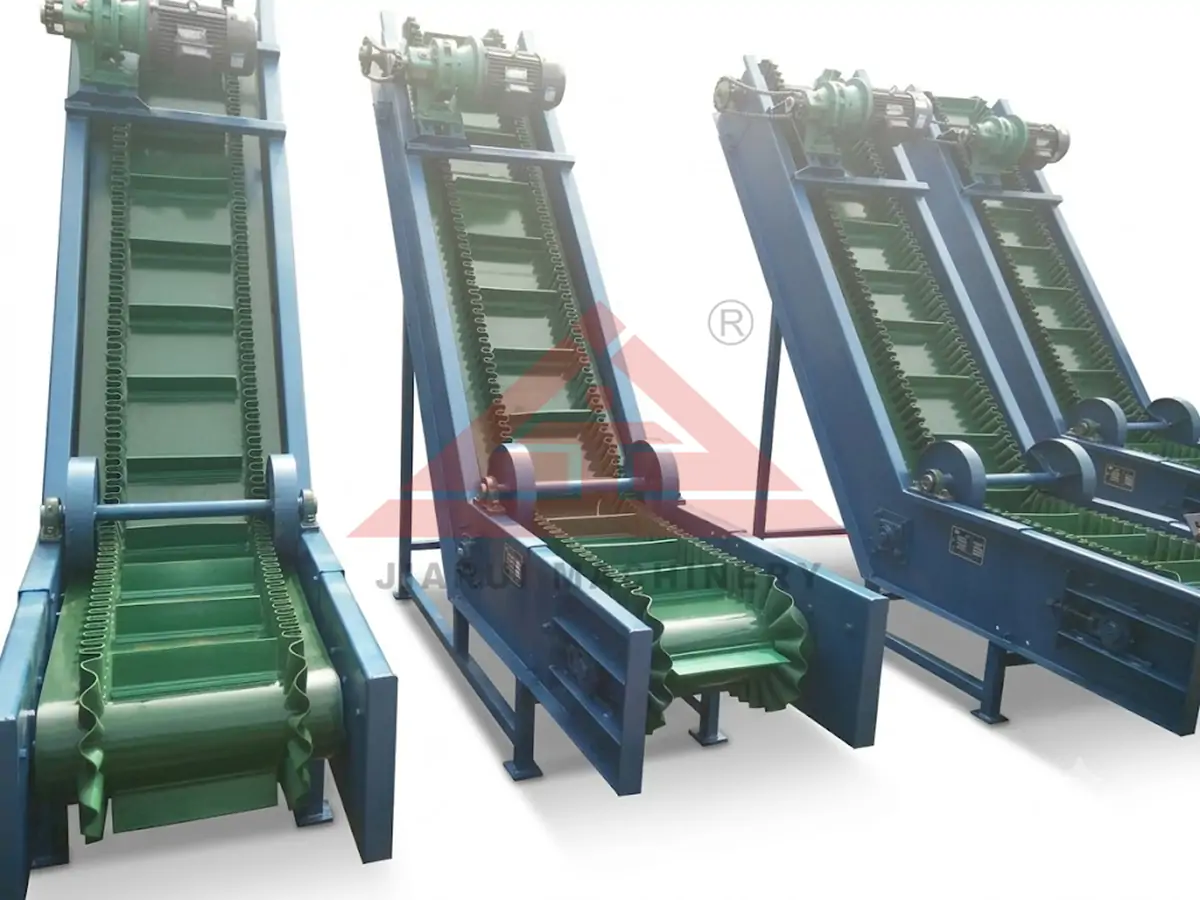
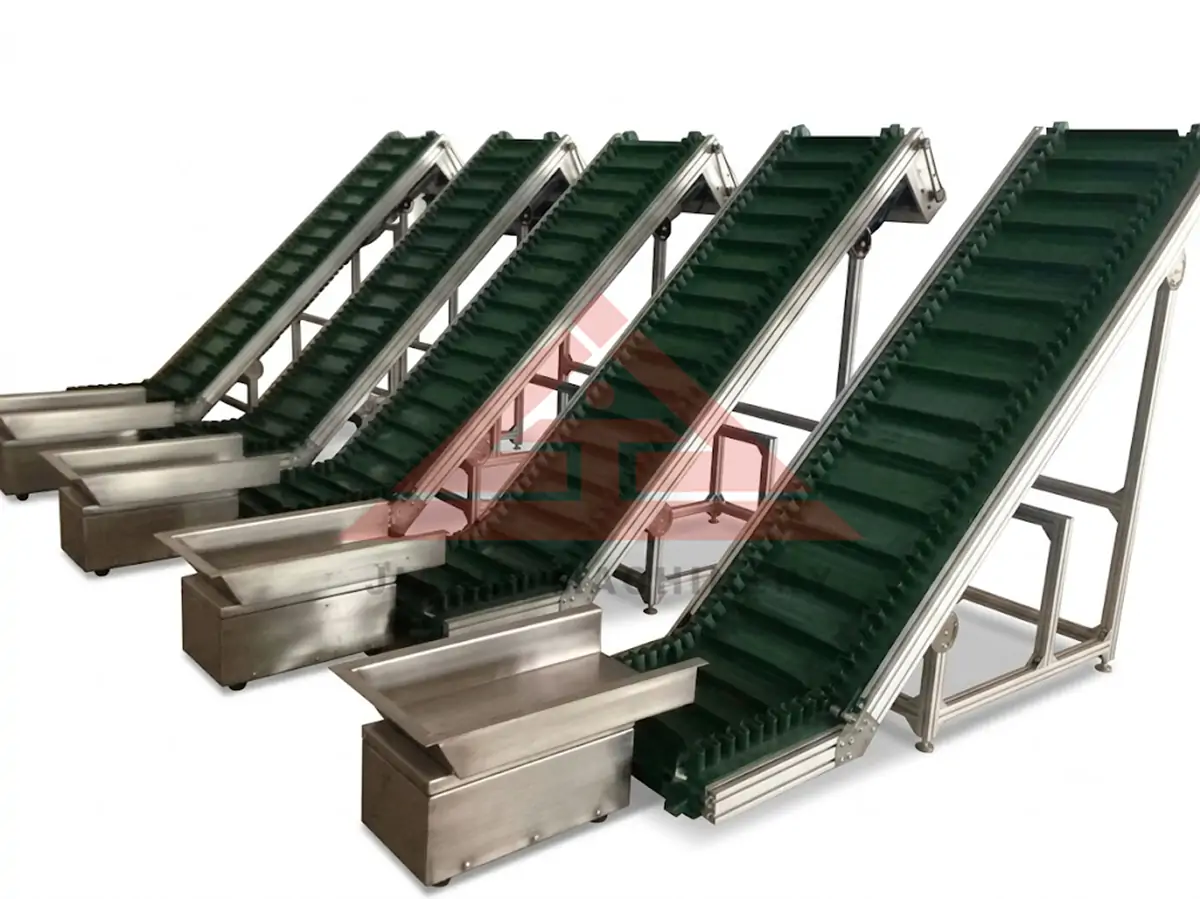
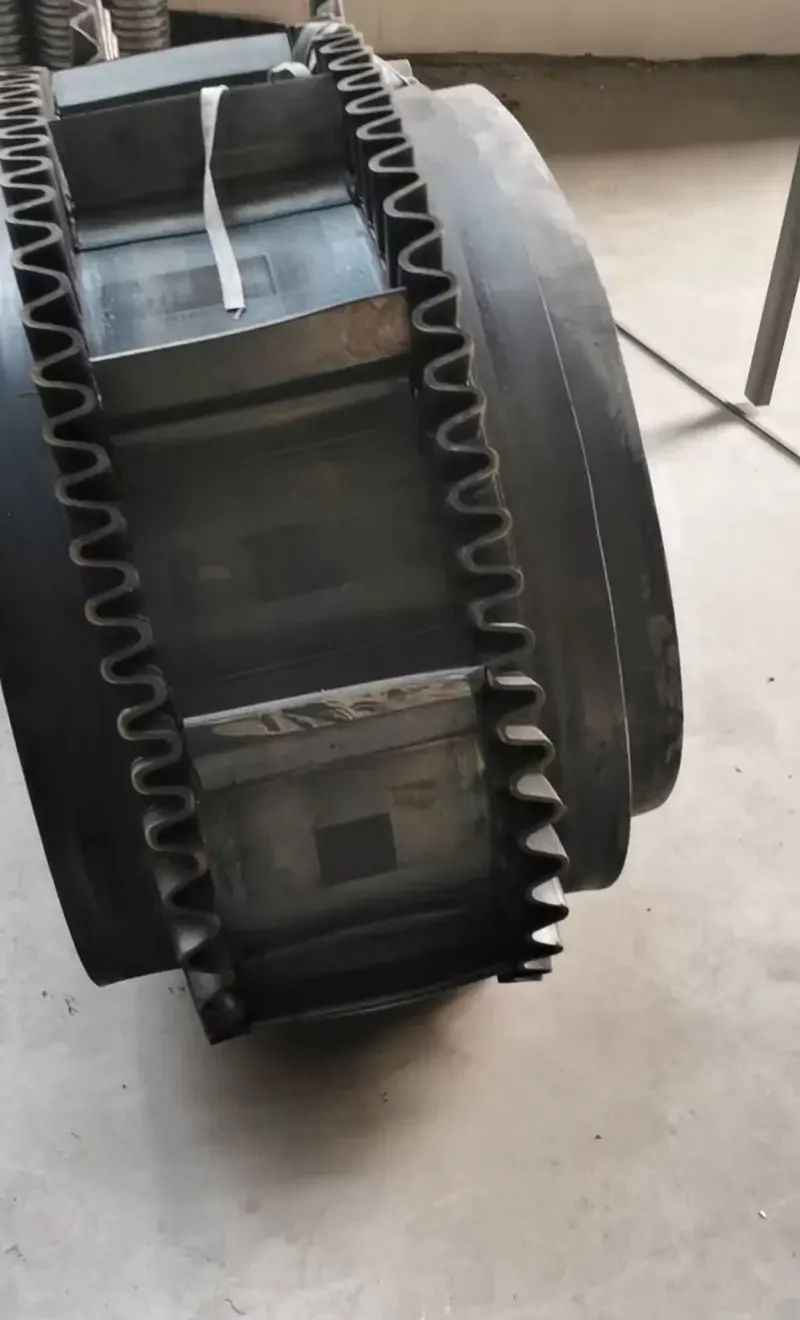
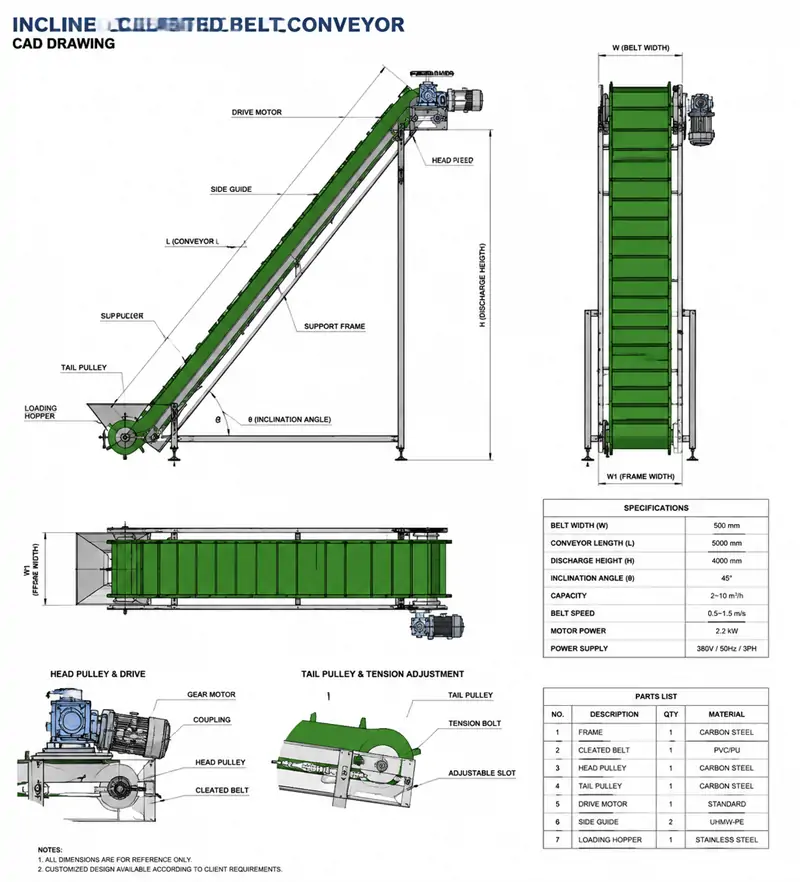
يتكون ناقل الحزام ذو الحواجز بشكل أساسي من حزام النقل والحواجز العرضية والجدران الجانبية ونظام القيادة وهيكل الإطار. تتطلب المواد المختلفة وبيئات التشغيل المختلفة تصميمات هيكلية مختلفة. على سبيل المثال، يركز نقل المواد المسحوقة بشكل أكبر على منع تسرب المواد وتحسين أداء الإحكام، بينما تتطلب المواد الحبيبية هياكل حواجز أقوى وأداء نقل مستقر.
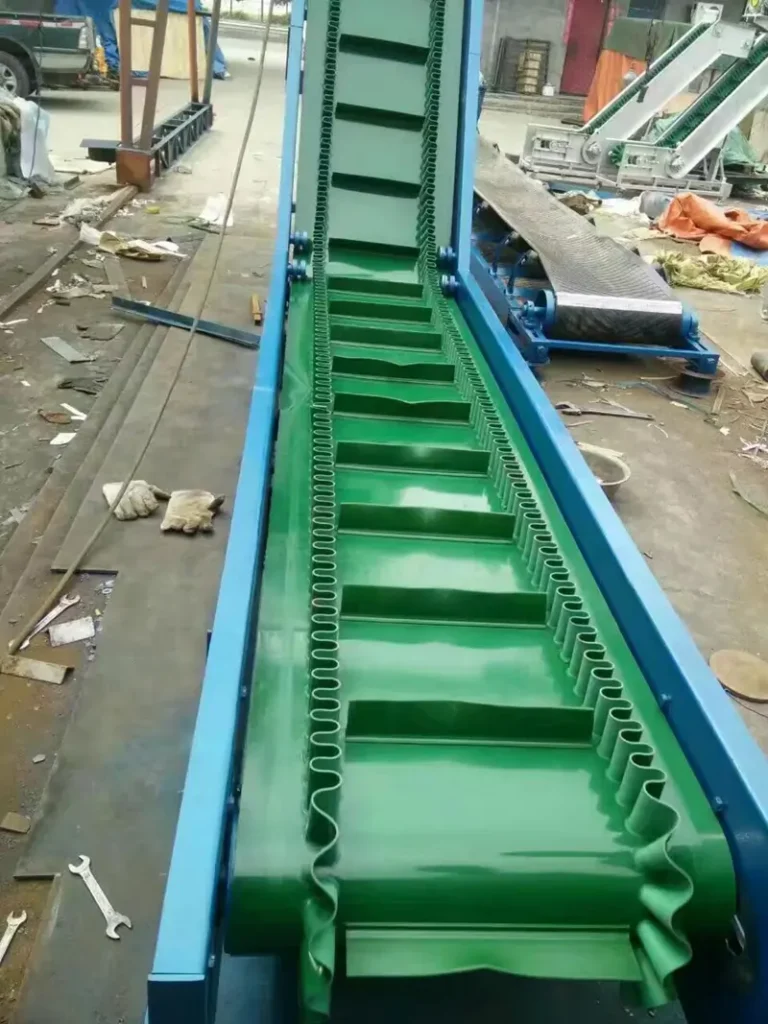
حزام النقل
حزام النقل هو المكون الأساسي المسؤول عن حمل ونقل المواد. وفقًا لخصائص المواد وظروف التشغيل، يمكن اختيار أنواع مختلفة من الأحزمة مثل الأحزمة المطاطية أو أحزمة PVC أو مواد أحزمة النقل المناسبة الأخرى. يجب تحديد عرض الحزام وسمكه ومادته بناءً على سعة النقل وحجم المواد وظروف التشغيل.
الحواجز والجدران الجانبية
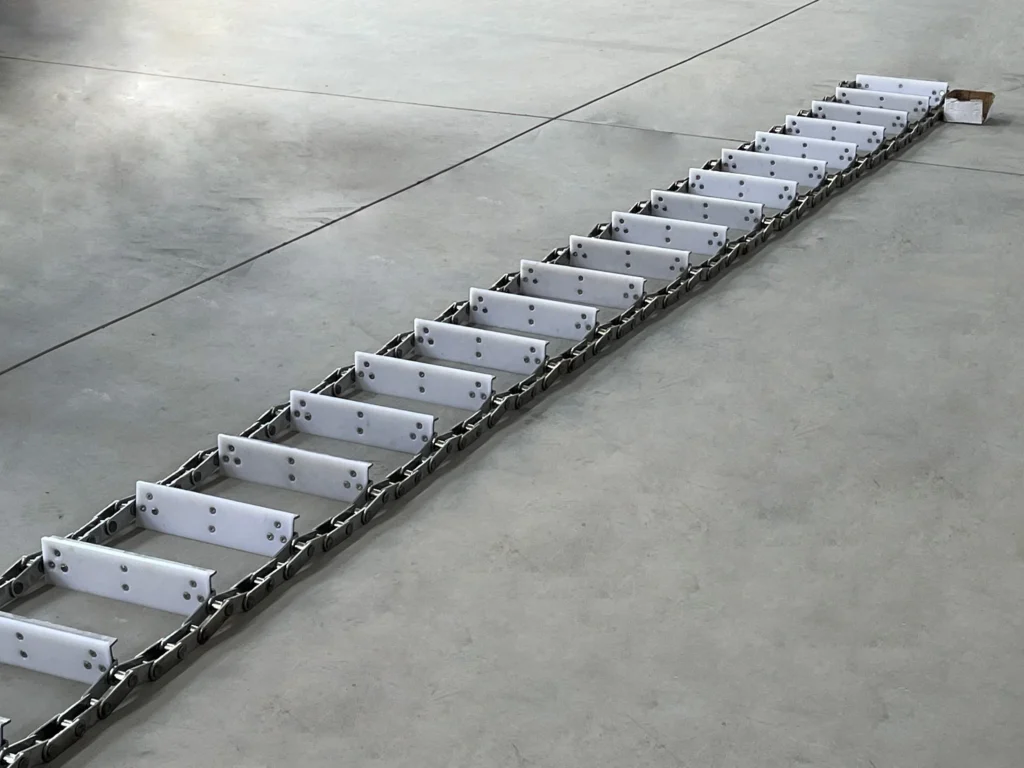
تُركب الحواجز العرضية على سطح حزام النقل لدعم المواد وتحسين قدرة النقل المائل. تزيد الجدران الجانبية على كلا الجانبين من مساحة حمل المواد وتقلل من انسكاب المواد من الحواف. يؤثر ارتفاع الحواجز والمسافات بينها وتصميم الجدران الجانبية مباشرة على أداء النقل لناقل الحزام ذو الحواجز المائل.
نظام القيادة والإطار
يوفر نظام القيادة طاقة التشغيل المستمرة لحزام النقل. يجب اختيار قوة المحرك وفقًا لطول النقل وارتفاع الرفع ووزن المواد. يدعم الإطار نظام النقل بالكامل ويمكن تصنيعه بالفولاذ الكربوني أو الفولاذ المقاوم للصدأ وفقًا لبيئة العمل.
يجب تعديل التصميم الهيكلي لنظام الناقل ذي الحواف العمودية (Cleated Belt Conveyor) وفقًا لظروف التشغيل المحددة. تؤثر المواد المختلفة، وارتفاعات النقل، ومساحات التركيب على التكوين النهائي للمعدات. يؤدي التوافق الهيكلي السليم إلى تحسين استقرار التشغيل وتقليل متطلبات الصيانة المستقبلية.
معلمات المنتج
تختلف متطلبات خطوط الإنتاج المختلفة فيما يتعلق بارتفاع النقل، والمسافة، والسعة. يتم اختيار الناقل ذي الحواف العمودية (Cleated Belt Conveyor) بشكل أساسي وفقًا لعرض الحزام، وقوة المحرك، وزاوية النقل، وظروف الموقع. يمكن استخدام المعلمات التالية كمرجع لاختيار الطراز. يجب تأكيد التكوين النهائي وفقًا لخصائص المواد وبيئة التركيب.
| الموديل | عرض الحزام (مم) | قوة المحرك (كيلوواط) | زاوية الميل (°) | ارتفاع الرفع (مم) | طول النقل (مم) |
| ZDS200 | 200 | 0.55 | 20-45 | 1000-3000 | 1500-3500 |
| ZDS300 | 300 | 0.75 | 20-45 | 1000-3500 | 1500-3500 |
| ZDS400 | 400 | 1.5 | 20-45 | 1000-4000 | 1500-4000 |
| ZDS500 | 500 | 2.5 | 20-45 | 1000-4500 | 1500-4500 |
| ZDS600 | 600 | 3 | 20-45 | 1000-4500 | 1500-4500 |
| ZDS700 | 700 | 4 | 20-45 | 1000-5000 | 1500-5000 |
| ZDS800 | 800 | 5.5 | 20-45 | 1000-5000 | 1500-5000 |
| ZDS900 | 900 | 7.5 | 20-45 | 1000-5500 | 1500-5500 |
| العنصر | التكوين |
| المواد المناسبة | المساحيق والمواد الحبيبية والمواد السائبة صغيرة الحجم |
| مادة حزام النقل | PVC، PU، المطاط |
| مادة الإطار | الفولاذ الكربوني، الفولاذ المقاوم للصدأ |
عادةً ما يوفر عرض الحزام الأكبر مساحة حمل مواد أكبر، لكن سعة النقل الفعلية تتأثر أيضًا بكثافة المادة وحجم الجسيمات وزاوية النقل وسرعة الحزام. للحصول على تفاصيل حول تصميم ناقل الحزام وممارسات مناولة المواد السائبة، يُرجى الرجوع إلى الموارد التقنية المنشورة من قبل جمعية مصنعي معدات النقل (CEMA). لا ينبغي أن يراعي اختيار الموديل المعلمات الأبعاد فحسب، بل يجب أيضًا أن يتوافق مع متطلبات النقل الفعلية. ارتفاع الرفع وطول النقل هما نطاقان مرجعيان. يعتمد ارتفاع الرفع القابل للتحقيق على طول النقل المختار وزاوية الميل.
مرجع عرض الحزام وسعة النقل
| عرض الحزام | التطبيق |
| 200-300 مم | التغذية صغيرة الحجم وخطوط الإنتاج المحدودة المساحة |
| 400-600 مم | النقل المستمر الصناعي القياسي |
| 700-900 مم | رفع المواد السائبة ذات الحجم الكبير |
تتأثر السعة الفعلية للنقل أيضًا بكثافة المواد، وحجم الجسيمات، وزاوية الميل، وسرعة التشغيل. ستقوم Jiarui بتقييم ظروف العمل وتأكيد التكوين المناسب لـ Cleated Belt Conveyor بناءً على المتطلبات المحددة.
المزايا
تم تصميم Cleated Belt Conveyor بشكل أساسي لحل المشكلات الشائعة في الناقلات الحزامية القياسية أثناء النقل المائل، مثل تراجع المواد، والانسكاب، ومتطلبات المساحة الزائدة. من خلال التصميم المشترك للحواجز العرضية والجدران الجانبية، تعمل المعدات على تحسين استقرار نقل المواد وهي مناسبة للنقل المستمر للمواد السائبة المختلفة تحت اختلافات الارتفاع وظروف التركيب المتنوعة.
تقليل مساحة التركيب لنقل فروق الارتفاع
بالنسبة لخطوط الإنتاج التي تتطلب الرفع المائل، يمكن أن يؤدي زيادة زاوية النقل إلى تقليل الطول الأفقي للناقل، مما يجعل ناقل الحزام ذو الحواجز المائل أكثر ملاءمة لبيئات التركيب ذات المساحة المحدودة.
الحفاظ على المواد في منطقة محكومة
تدعم الحواجز المواد، بينما تمنع الجدران الجانبية الانتشار الجانبي. يقلل هذا الهيكل من الانزلاق والانسكاب أثناء النقل المائل ويحافظ على المواد ضمن منطقة النقل الفعالة.
هيكل قابل للتعديل بناءً على ظروف العمل
يمكن تعديل عرض حزام الناقل، وتصميم الحواجز، وارتفاع الجدران الجانبية، واختيار المواد وفقًا لخصائص المواد ومتطلبات الموقع.
مناسب للنقل المستمر في خطوط الإنتاج
بفضل قدرة التشغيل المستمر، يمكن ربط نظام Cleated Conveyor Belt System بعمليات التكسير والغربلة والتعبئة وغيرها، مما يقلل من النقل اليدوي ويحسن كفاءة ربط خط الإنتاج.
التطبيقات
يُستخدم Cleated Belt Conveyor بشكل أساسي في تطبيقات نقل المواد السائبة مع فروق الارتفاع. من خلال الجمع بين الحواجز والجدران الجانبية، يمكن نقل المواد المسحوقة والمواد الحبيبية والمواد السائبة الصغيرة بثبات على طول الاتجاه المائل. مقارنةً بالناقلات الحزامية القياسية، فهو أكثر ملاءمة لتطبيقات الرفع المائل، خاصة في خطوط الإنتاج ذات المساحة المحدودة أو المتطلبات الخاصة بتقليل انسكاب المواد.
 المساحيق الكيميائية
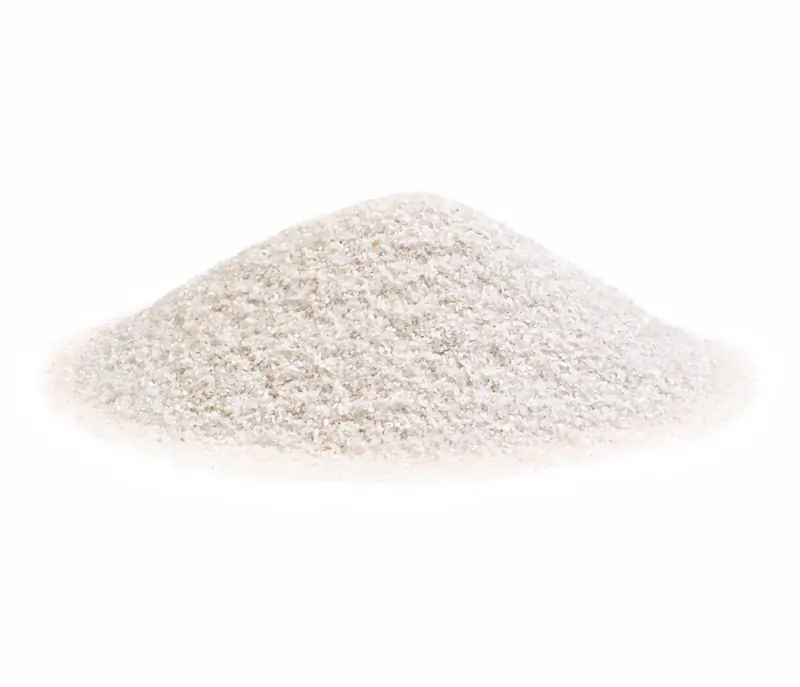 رمل الكوارتز
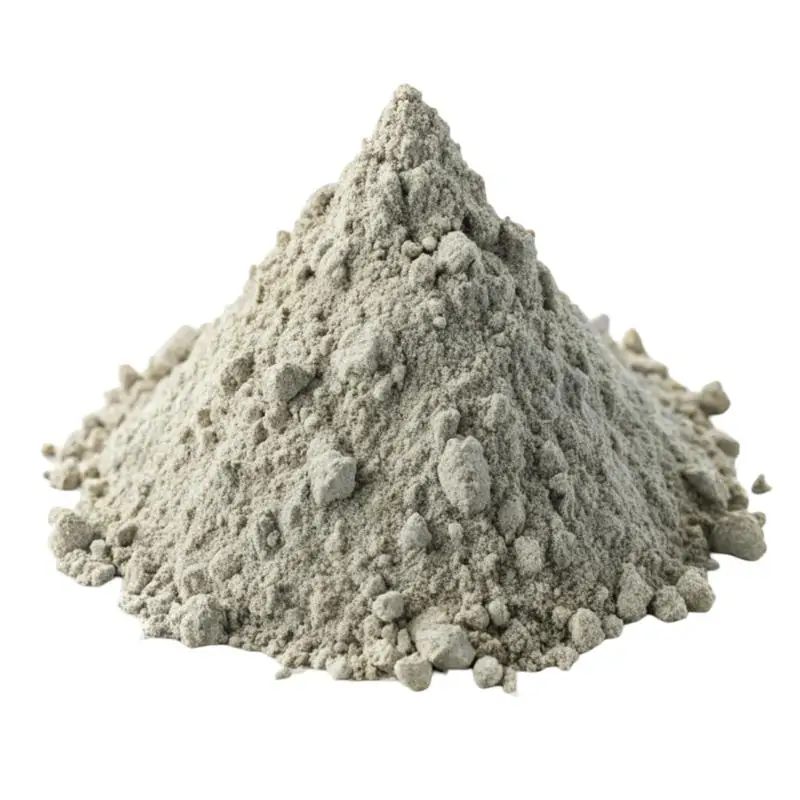 مسحوق الأسمنت
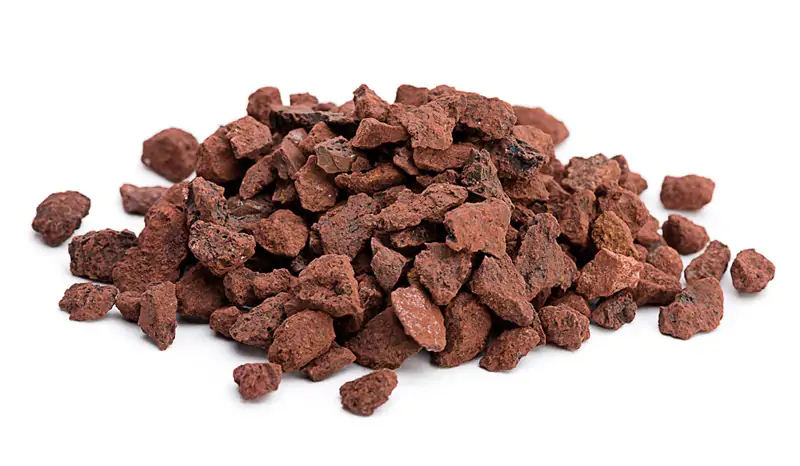
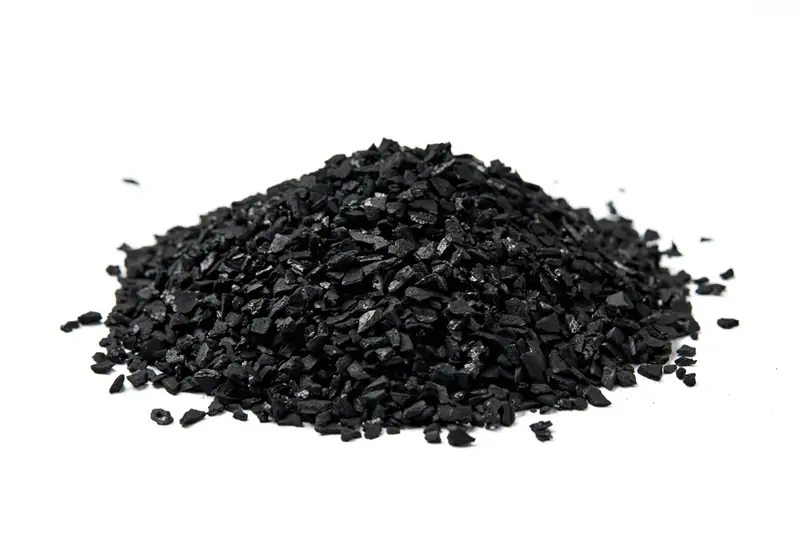 خام الحديد
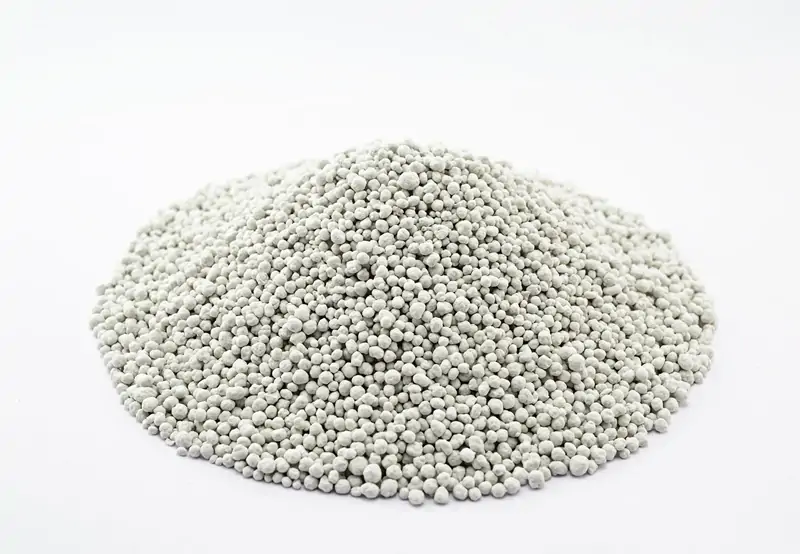 حبيبات الأسمدة
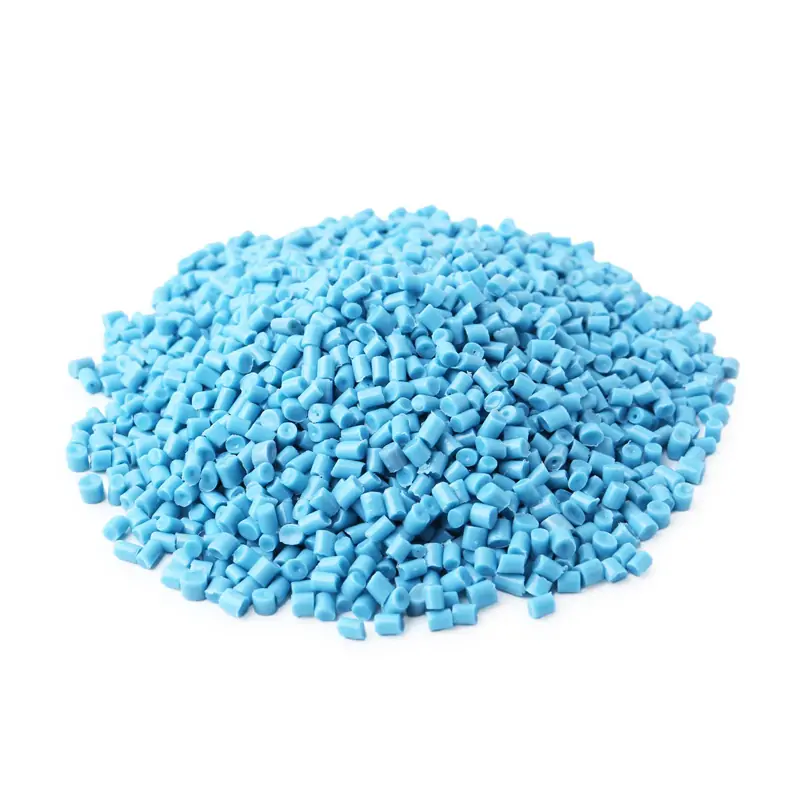 كريات البلاستيك
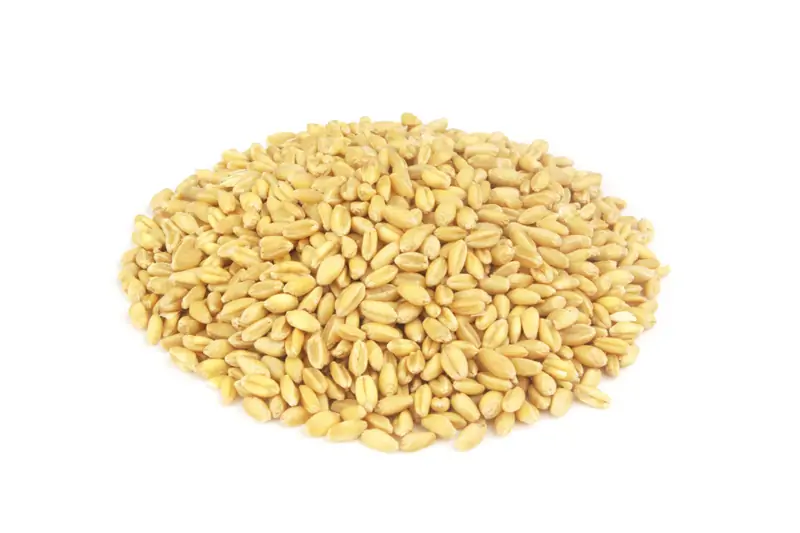 القمح
القمح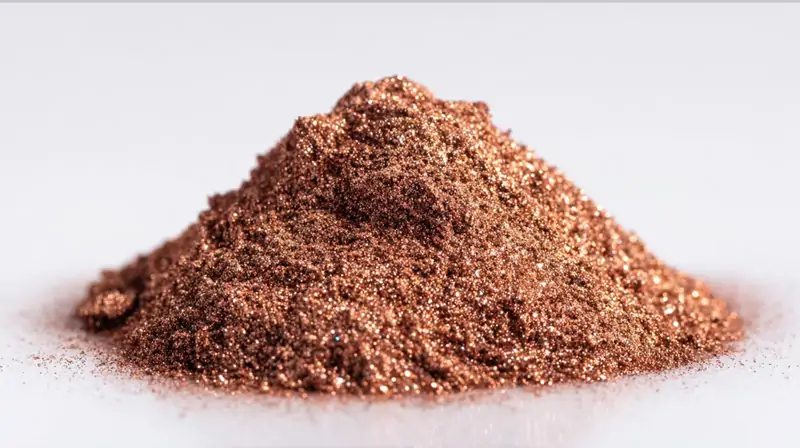 المواد الإلكترونية
المواد الشائعة المنقولة
| المادة | الصناعات الشائعة | خصائص النقل |
| خام الحديد والجسيمات المعدنية | التعدين ومعالجة المعادن | يُستخدم لرفع المواد بعد التكسير والغربلة |
| الحجر الجيري والركام | مواد البناء وإنتاج الركام | مناسب لنقل المواد السائبة ذات الحجم الكبير |
| مسحوق الأسمنت والمسحوق المعدني | صناعات الأسمنت والمسحوق | يركز على منع الانسكاب والحفاظ على استقرار النقل |
| جسيمات الفحم | صناعات الطاقة والوقود | مناسب للنقل المستمر بين ارتفاعات مختلفة |
| حبيبات الأسمدة | الصناعات الكيميائية والزراعية | مناسب للمواد ذات السيولة الجيدة |
| حبيبات البلاستيك | البلاستيك والمواد الجديدة | يمكن اختيار مواد الناقل وفقًا لمتطلبات النظافة |
| الحبوب والأعلاف | الصناعات الغذائية والزراعية | عادةً ما يعتمد تكوينات نقل بدرجة غذائية |
| مسحوق مواد بطاريات الليثيوم | صناعة الطاقة الجديدة | يتطلب الانتباه إلى منع تلوث المواد والمتطلبات البيئية |
المواد التي تتطلب اختيارًا دقيقًا
يُعد Cleated Belt Conveyor مناسبًا لمعظم المواد السائبة، ولكن يجب تقييم بعض ظروف التشغيل الخاصة مسبقًا:
- المواد ذات المحتوى الرطوبي العالي والالتصاق القوي قد تسبب تراكم المواد على حزام النقل؛;
- تتطلب المواد عالية الحرارة هياكل ناقل مقاومة للحرارة؛;
- تتطلب المواد الحادة والكبيرة وشديدة الكشط مراعاة مقاومة التآكل لحزام النقل؛;
- المواد التي تتطلب تحكمًا دقيقًا في التغذية قد تكون أكثر ملاءمة لمعدات تغذية مخصصة.
تتصرف المواد المختلفة بشكل مختلف أثناء النقل. خاصةً عند التشغيل بزوايا ميل أكبر، تؤثر سيولة المادة وحجم الجسيمات وقابلية الكشط على أداء المعدات. يُعد المطابقة الصحيحة لحزام النقل وتصميم الحواجز وهيكل الجدران الجانبية أمرًا ضروريًا لضمان التشغيل المستقر طويل الأمد لنظام النقل المائل للمواد السائبة.
ناقل الحزام ذو الحواجز مقابل ناقل الحزام القياسي
ناقل الحزام القياسي مناسب لنقل المواد التقليدي، بينما يحسّن ناقل الحزام ذو الحواجز أداء حمل المواد من خلال الحواجز العرضية وهياكل الجدران الجانبية، مما يجعله أكثر ملاءمة للنقل بزوايا حادة والتطبيقات ذات الفروقات في الارتفاع.
| عنصر المقارنة | ناقل الحزام القياسي | ناقل حزامي بحواف |
| زاوية النقل | مناسب للنقل الأفقي والميل الطفيف | مناسب لتطبيقات الرفع بميل أكبر |
| طريقة حمل المواد | يعتمد على احتكاك الحزام لتحريك المواد | تدعم الحواجز المواد وتمنع الجدران الجانبية الانسكاب الجانبي |
| منع الانسكاب | قد يحدث انزلاق المواد وانسكابها بزوايا أكبر | أكثر ملاءمة للمساحيق والمواد الحبيبية والسائبة |
| متطلبات المساحة | يتطلب مسافة نقل أطول عند زيادة ارتفاع الرفع | يقلل مسافة النقل ويناسب التصاميم المحدودة المساحة |
| التطبيق | النقل الأفقي التقليدي والنقل لمسافات قصيرة | الرفع المائل ونقل المواد مع فروقات في الارتفاع |
كيفية الاختيار
إذا كان خط الإنتاج يتعامل بشكل أساسي مع النقل الأفقي أو منخفض الزاوية للمواد، فإن ناقل الحزام القياسي يمكنه عادةً تلبية المتطلبات بهيكل بسيط وصيانة مريحة.
عندما يكون الموقع ذو فرق ارتفاع كبير، أو مساحة تركيب محدودة، أو المواد عرضة للانزلاق والانسكاب أثناء النقل المائل، فإن ناقل الحزام ذو الحواجز هو حل النقل الأكثر ملاءمة.
لا ينبغي أن يراعي اختيار المعدات ارتفاع الرفع فحسب. خصائص انزلاق المواد ومخاطر الانسكاب ومساحة التركيب المتاحة تؤثر أيضًا على التصميم النهائي. للمواد المختلفة متطلبات مختلفة لمقاومة التآكل لحزام النقل وقوة تحمل الحواجز وطرق التنظيف، لذا يجب تحديد التكوين وفقًا لظروف التشغيل الفعلية.
التخصيص
لا يعتمد تصميم ناقل الحزام ذو الحواجز على طول النقل وارتفاع الرفع فحسب، بل أيضًا على خصائص المواد ومساحة التركيب وطرق توصيل خط الإنتاج. للمواد المختلفة سيولة ومحتوى رطوبي وقابلية كشط مختلفة، مما يؤثر على اختيار أحزمة النقل والحواجز وهياكل الجدران الجانبية.
يمكن لفريق Jiarui الهندسي تصميم حلول ناقل حزام مائل مخصصة وفقًا لمتطلبات العملاء، بما في ذلك تعديلات عرض الحزام وارتفاع النقل وزاوية الميل والسعة ومواد المعدات وطرق التركيب. تساعد هذه الحلول العملاء في حل مشكلات مثل المساحة المحدودة وانسكاب المواد والرفع غير المستقر وتكامل خط الإنتاج.
لتأكيد تكوين المعدات المناسب، يمكن للعملاء تقديم المعلومات التالية:
- اسم المادة وحالتها (مسحوق، مواد حبيبية، مواد سائبة صغيرة، إلخ)
- حجم جسيمات المادة ومحتوى الرطوبة وقابلية الكشط
- سعة النقل المطلوبة (طن/ساعة)
- ارتفاع الرفع المطلوب ومسافة النقل الأفقية
- مساحة التركيب وظروف التغذية/التفريغ
- متطلبات مادة المعدات أو النظافة أو مقاومة التآكل
لكل مشروع ظروف نقل مختلفة. يُعد الفهم الدقيق لمتطلبات الموقع أساسًا مهمًا لضمان أداء المعدات. ستقيّم Jiarui معلومات التطبيق المقدمة من العملاء وتؤكد تكوين ناقل الحزام ذو الحواجز المناسب.
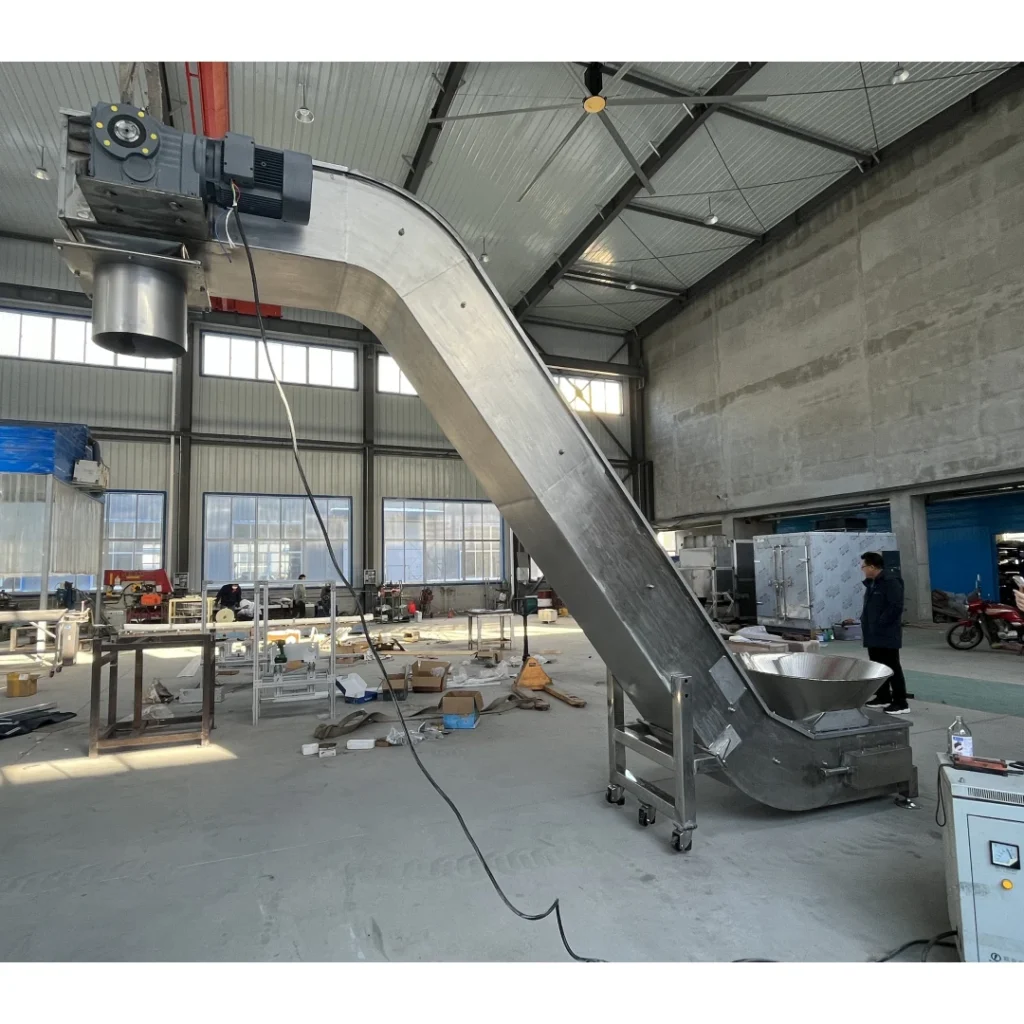
تصنيع Jiarui
لا يمكن اختيار ناقل الحزام ذي الحواجز ببساطة عن طريق اختيار نموذج ثابت لتلبية جميع متطلبات الإنتاج. تؤثر خصائص المواد وارتفاع الرفع ومساحة التركيب وطرق توصيل خط الإنتاج جميعها على التكوين النهائي للمعدات. بفضل سنوات من الخبرة في تصميم وتصنيع معدات النقل، يمكن لـ Jiarui تحليل ظروف التطبيق المقدمة من العملاء والمساعدة في تحديد هياكل النقل المناسبة وخيارات المواد وتكوينات المعدات الملائمة.
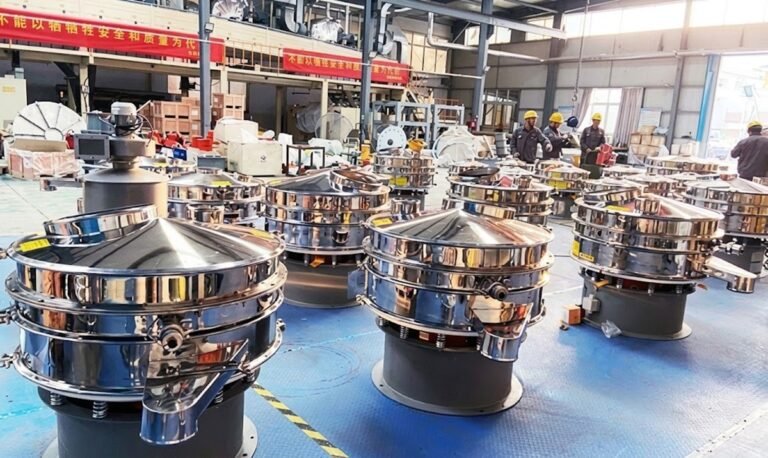
من التواصل بشأن المتطلبات وتأكيد الحلول إلى تصنيع المعدات واختبار المصنع، يقوم فريق Jiarui الهندسي بتعديل التصميم وفقًا لظروف الموقع الفعلية لتقليل مشاكل التركيب والتشغيل بعد التسليم. سواء كان الأمر يتعلق بمنع انسكاب المواد المسحوقة، أو النقل المستقر للمواد الحبيبية، أو متطلبات المواد الخاصة في البيئات القاسية، فإننا نقدم حلول ناقل مناولة المواد السائبة المقابلة بناءً على احتياجات التطبيق الفعلية.
الأسئلة الشائعة
احصل على استشارة مجانية
املأ النموذج أدناه للتواصل مع خبرائنا والحصول على توصيات مخصصة لتطبيقك.