JR Series Screw Conveyor
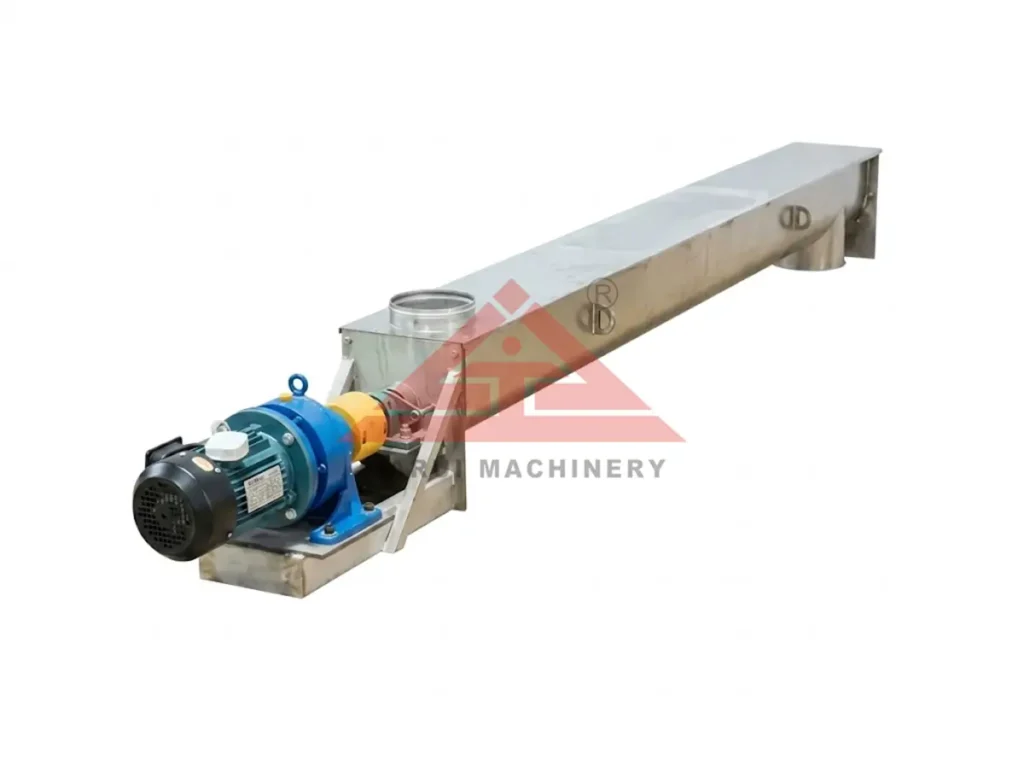
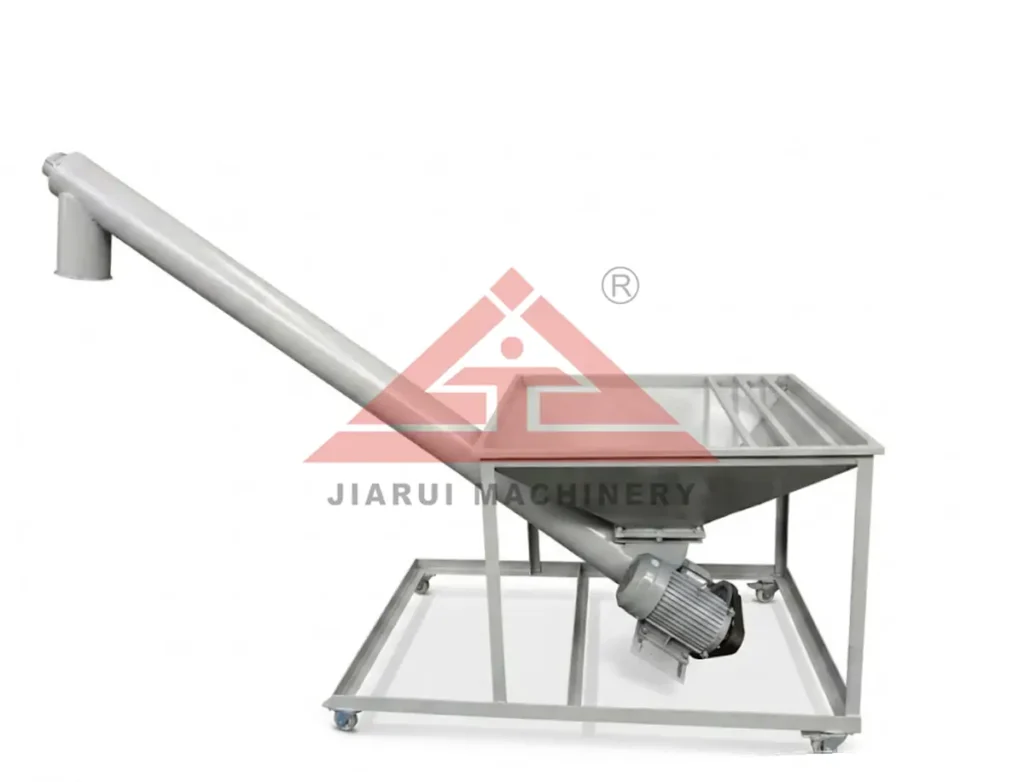
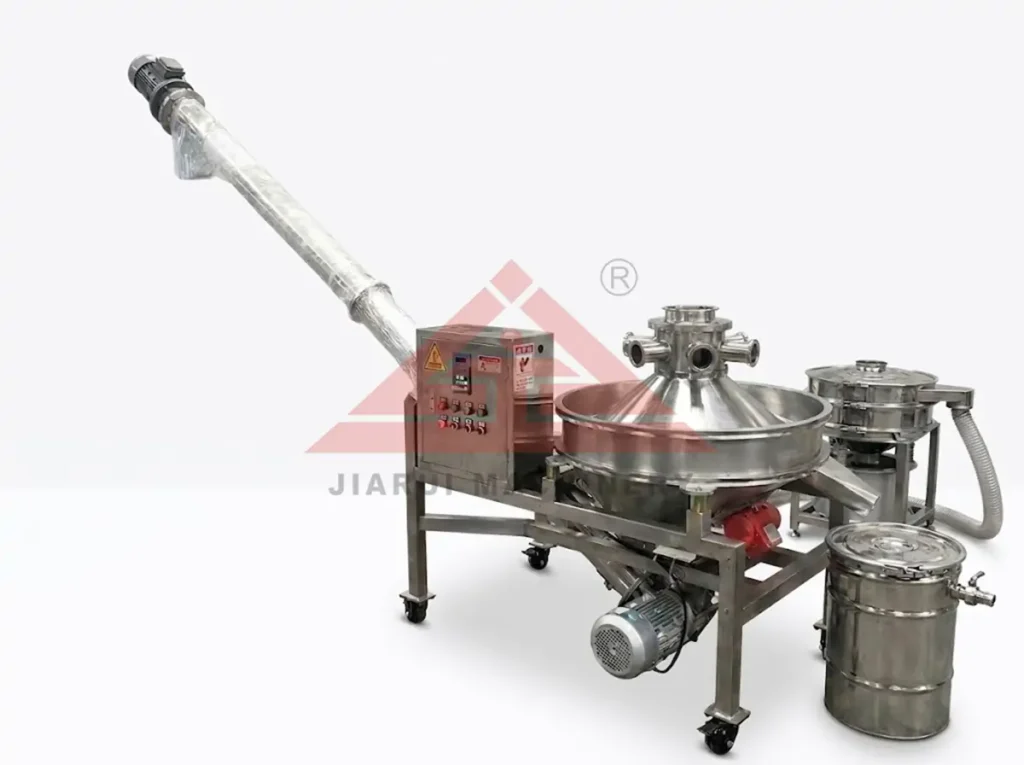
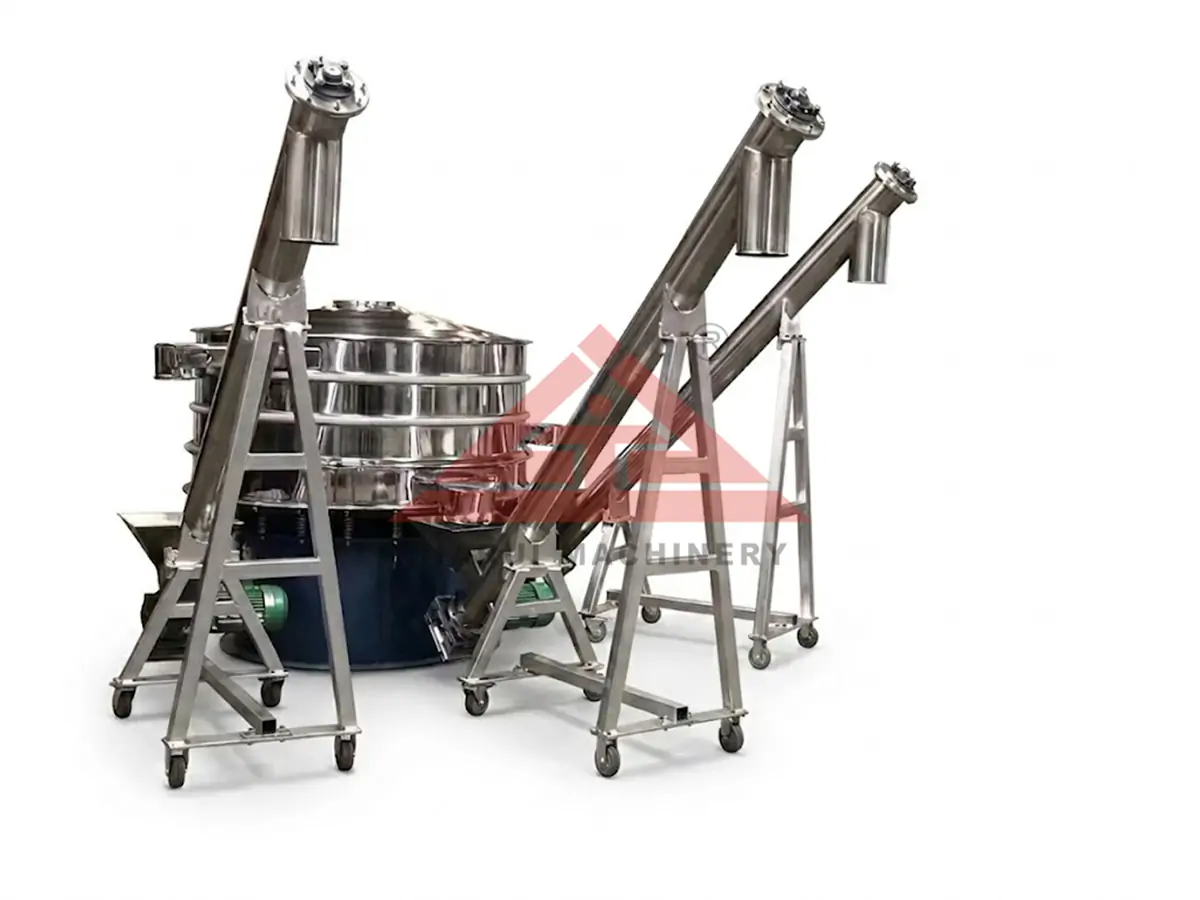
JR Series Screw Conveyor
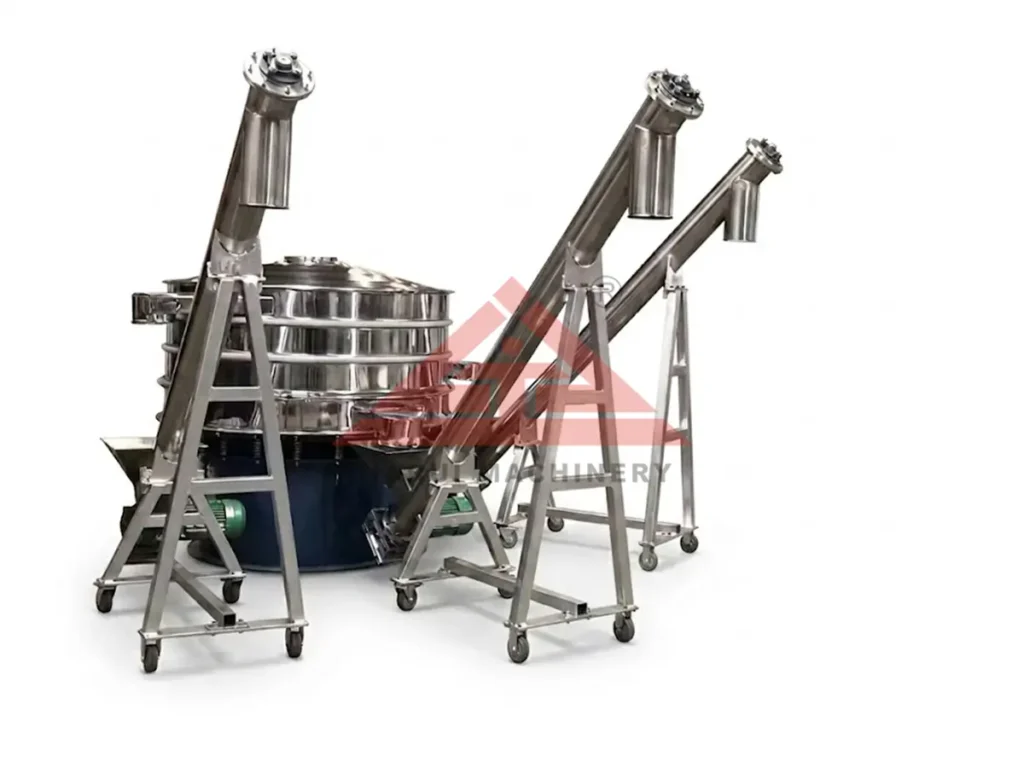
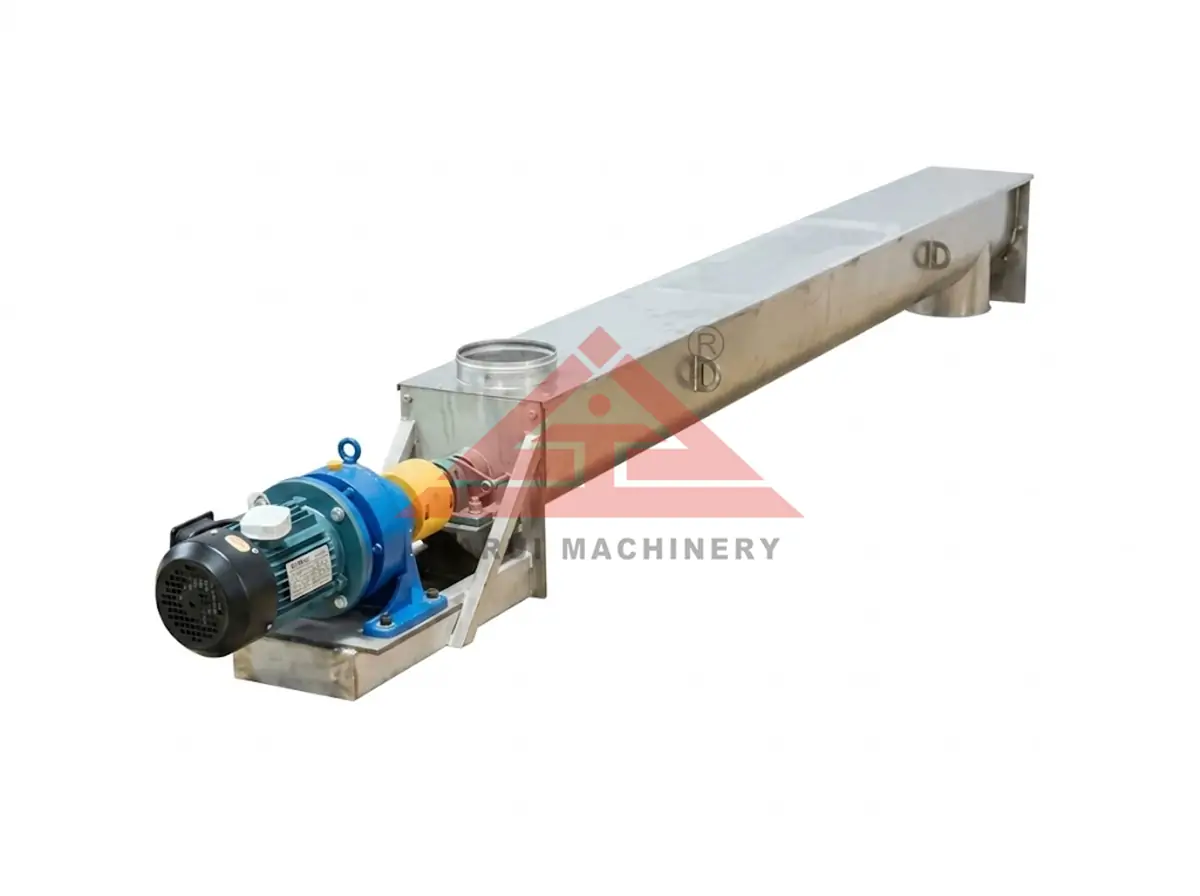
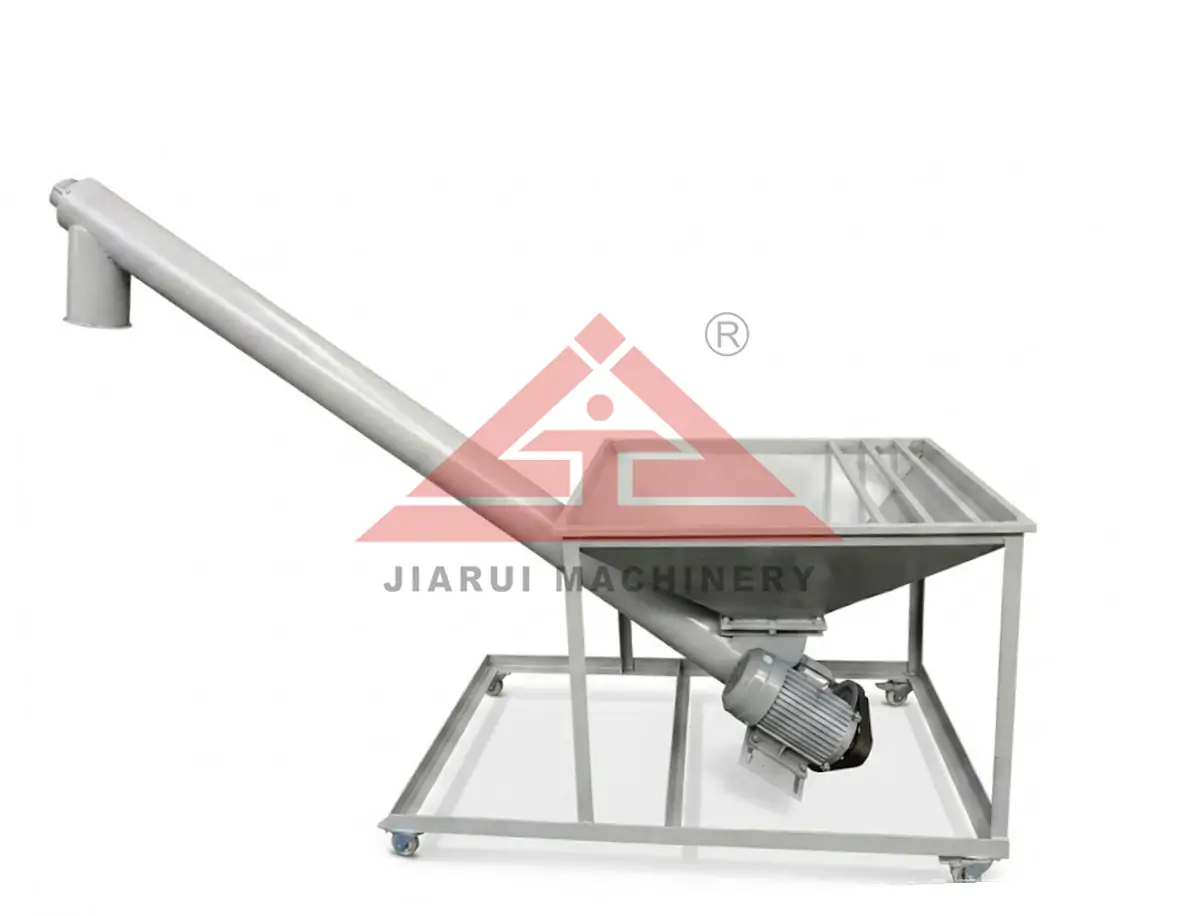
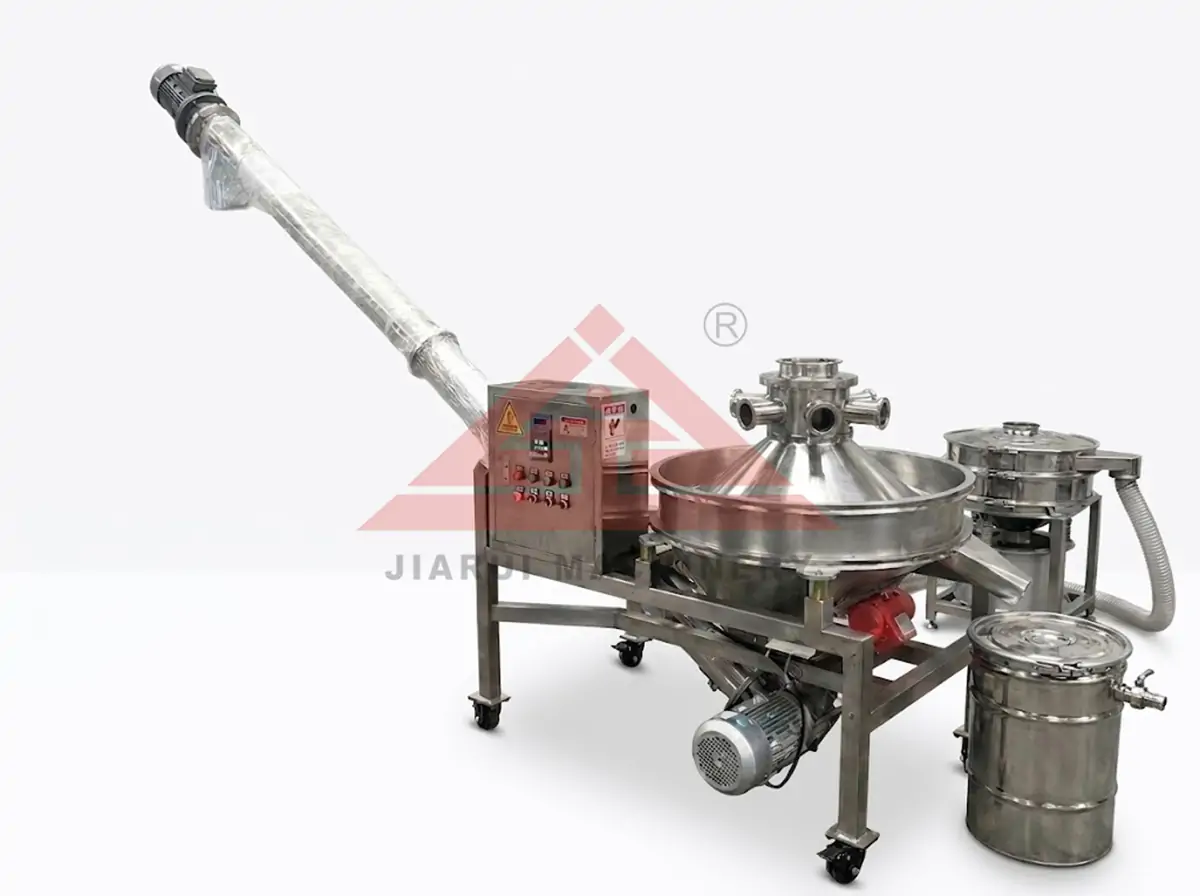
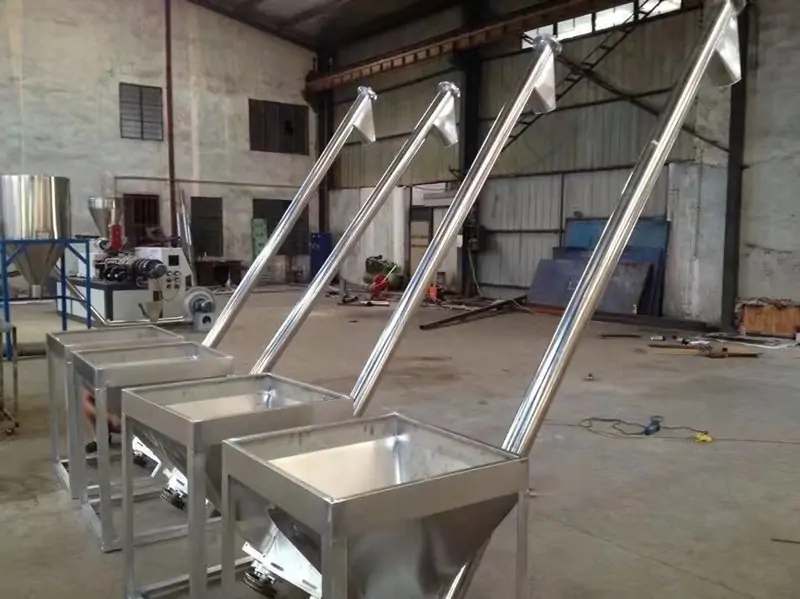
JR Series Screw Conveyor is mainly used for continuous conveying of powder materials, granular materials, and small bulk materials in production lines. It is commonly installed between silo discharge points, production equipment, and packaging systems to transfer materials between different processes. The equipment pushes materials forward through the rotation of screw flights and can be installed horizontally or at a small inclination according to site requirements. It is widely used in production lines for cement, fly ash, grain, chemical raw materials, and other materials.
Compared with open conveying methods, the screw conveyor adopts a closed or semi-closed structure, which can reduce dust leakage during conveying. Jiarui can adjust the screw diameter, length, and structural form according to conveying capacity, installation location, and connected equipment requirements, making the equipment more suitable for on-site production applications.
- Product Model: JR Series Screw Conveyor
- Material Options: Carbon steel and stainless steel available
- Conveying Capacity: 2.2–48 m³/h (configured according to material characteristics and working conditions)
- Conveying Length: 2–70 m (special lengths can be customized)
- Conveying Type: Horizontal conveying or small-angle inclined conveying
- Screw Diameter: Φ133–Φ500 mm (matched according to conveying capacity)
- Drive Power: 1.5–15 kW (configured according to length and load)
- Structure Type: Tubular enclosed structure with flange connection
- Suitable Materials: Powder materials, granular materials, and small bulk materials
What Is a Screw Conveyor?
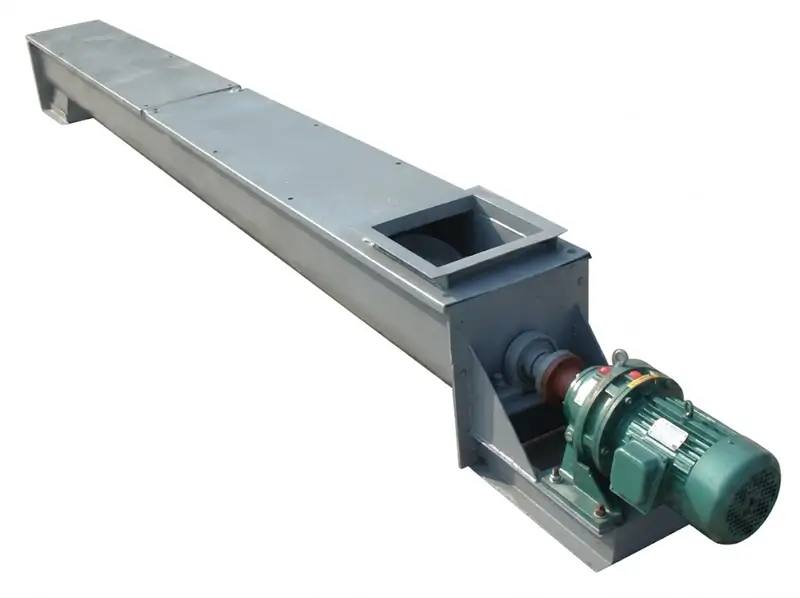
A Screw Conveyor, also known as an “Auger Conveyor” in some factory sites, is commonly installed between storage silos, production equipment, and packaging systems to transfer bulk materials such as powder materials and granular materials. Compared with open conveying equipment, the screw conveyor adopts a closed or semi-closed structure, which can reduce dust leakage during conveying and is more suitable for material conveying applications with higher requirements for the working environment.
During operation, the motor drives the screw shaft and flights to rotate. Materials are pushed forward by the screw surface and move along the axial direction under the combined action of their own gravity and the friction between the material and the conveyor housing, and finally discharged through the outlet. According to installation methods and conveying requirements, screw conveyors can be designed into different structural forms. Among them, the Tubular Screw Conveyor structure provides better sealing performance and is suitable for continuous conveying of powder materials and granular materials.
Applications
JR Series Screw Conveyor is mainly used for conveying powder materials, granular materials, and small bulk materials in production lines. For vertical material lifting requirements, customers can also consider our Bucket Elevator Conveyor.It is commonly installed between storage silos, production equipment, and packaging systems. When controlled feeding is required before screw conveying, a Vibrating Feeder can be used to provide a continuous material flow.According to material conditions and production requirements, it can be applied in industries such as building materials, grain processing, chemical production, and plastic processing. Common conveying materials include:
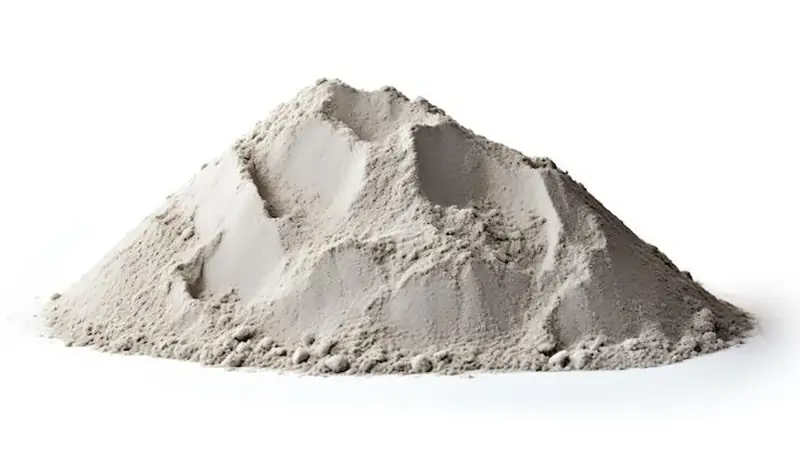 Cement Powder & Fly Ash
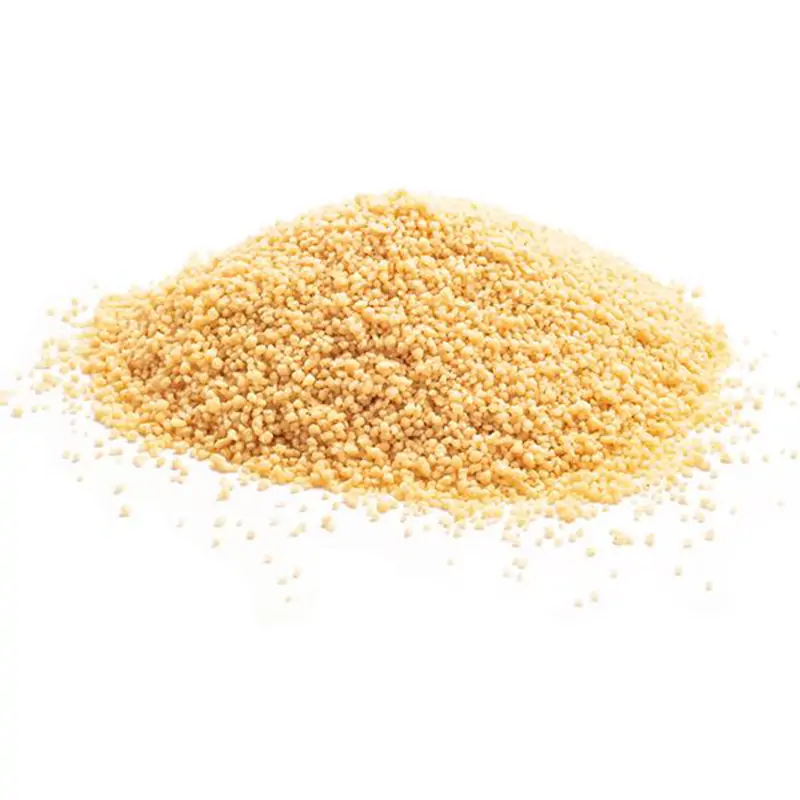 Grain Granules
 Plastic Pellets
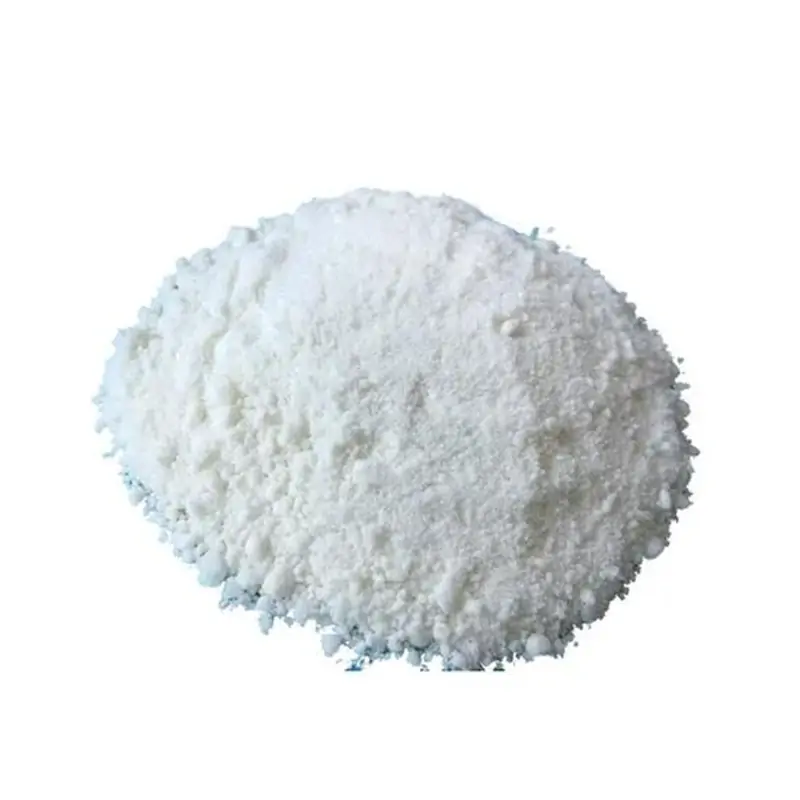 Chemical Powder Materials
Cement, Fly Ash and Powder Materials:
Suitable for powder conveying in building material production. It can be used for silo discharge, equipment feeding, and material transfer before packaging. For powder materials that are easy to generate dust, the sealing performance during conveying needs to be considered.For dusty bag unloading applications, a Dustless Feeding Station can be installed upstream of the screw conveyor to improve feeding and dust control.
Grain, Feed and Other Granular Materials:
Suitable for granular material conveying in grain processing and feed production. It can be used for transferring grains, feed pellets, and other bulk materials.
Plastic Pellets and Chemical Raw Materials:
Suitable for raw material conveying in plastic processing and chemical production. Appropriate material configurations can be selected according to material characteristics.
Mineral Powder, Lime Powder and Industrial Bulk Materials:
Suitable for industrial powder material conveying. For materials with strong abrasiveness, wear-resistant configurations for screw flights and housing need to be considered.
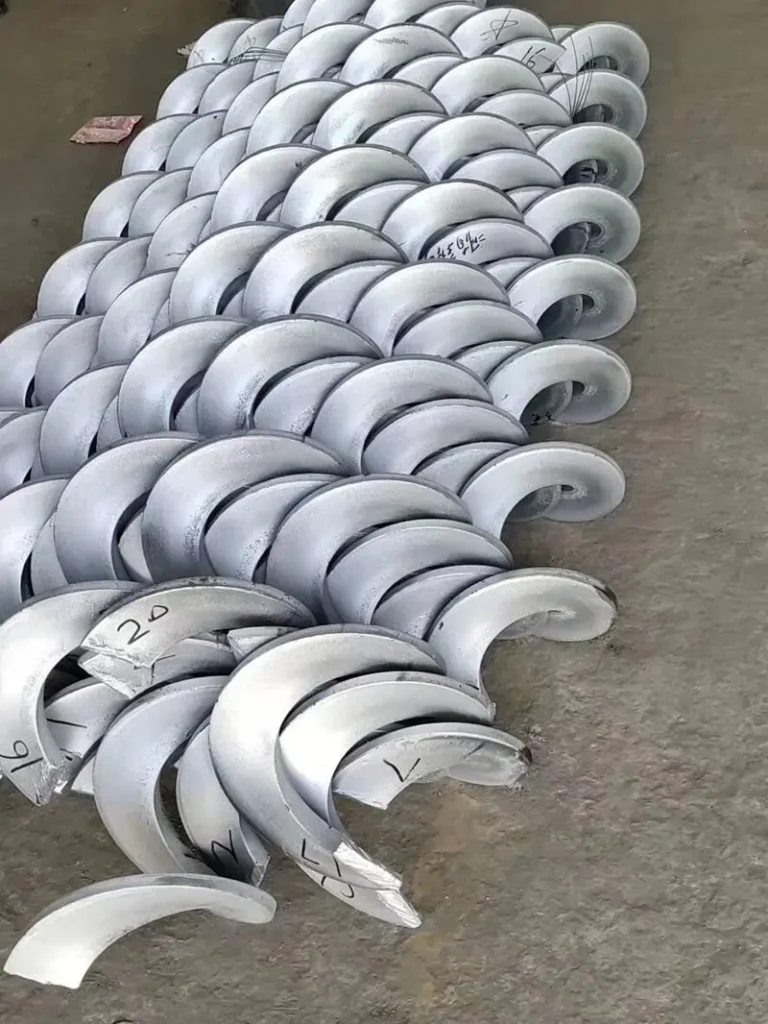
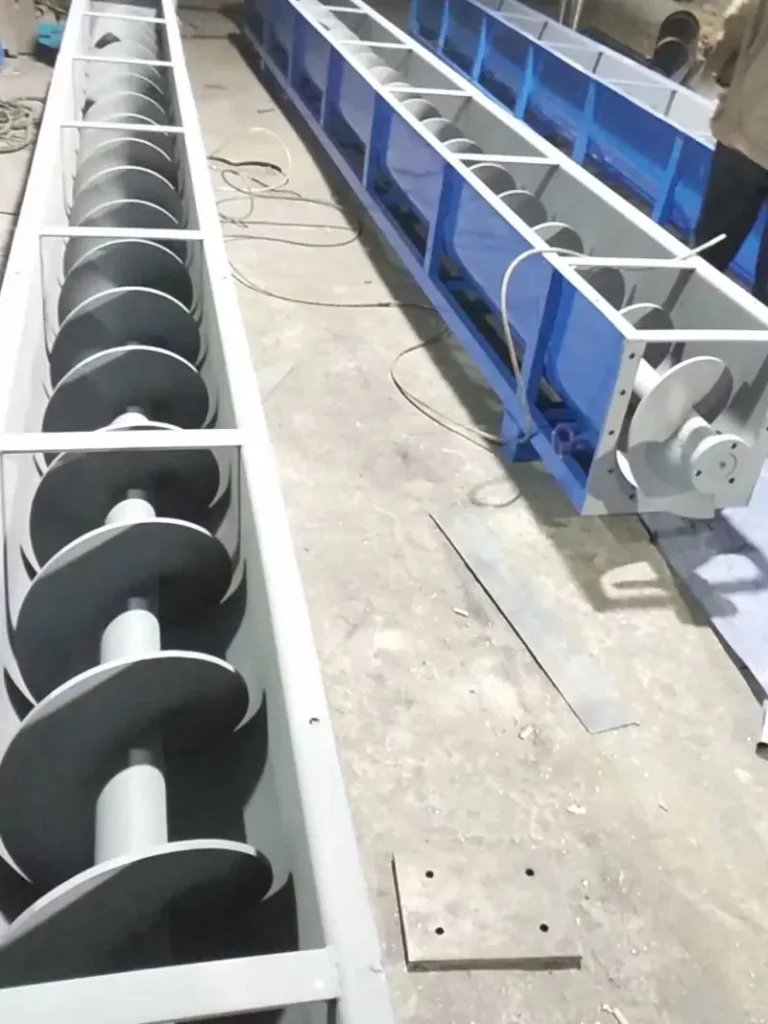
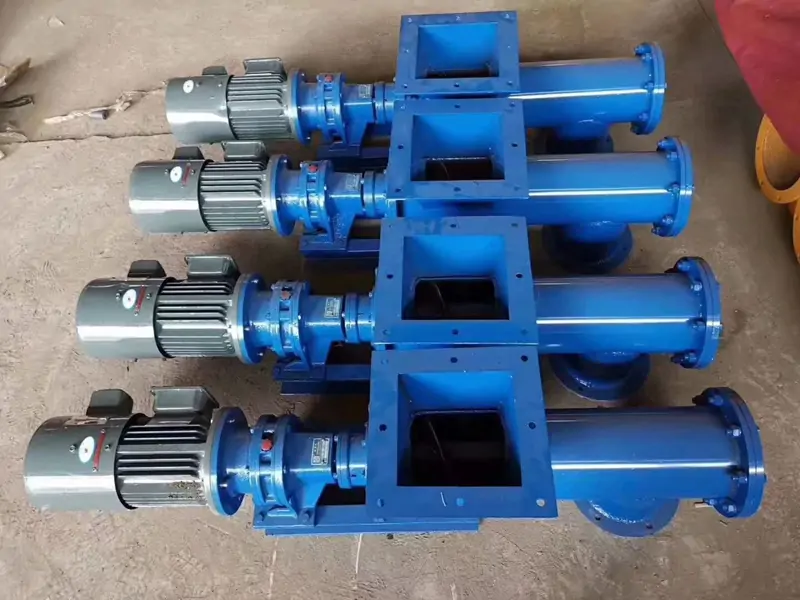
Structure Components
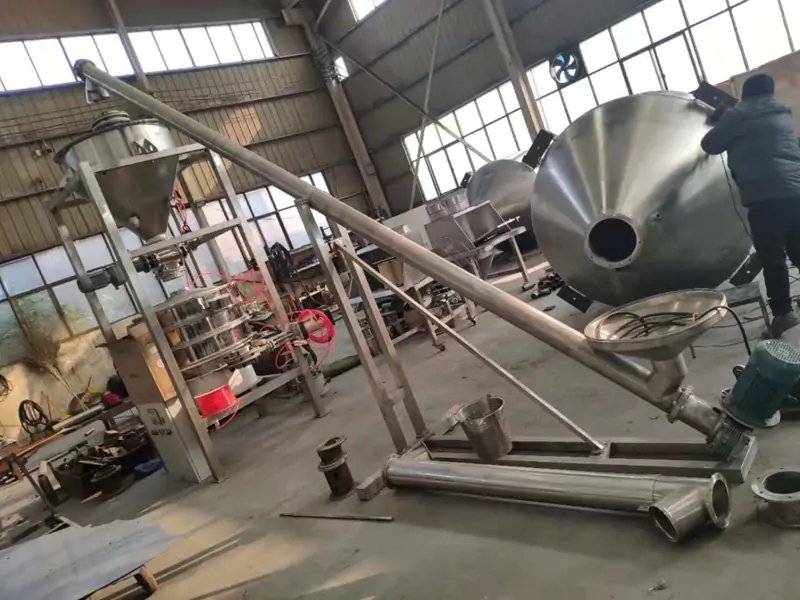
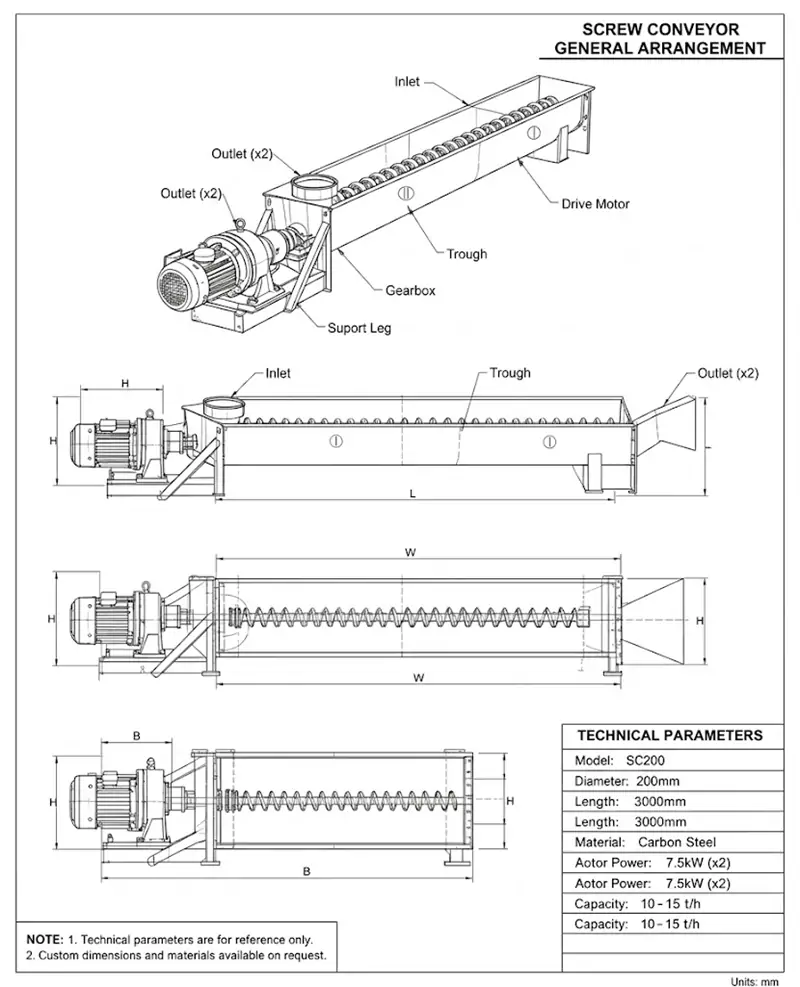
A screw conveyor mainly consists of screw flights, conveyor housing, drive system, inlet and outlet ports, and supporting components. The stable operation of a screw conveyor mainly depends on the matching of the screw components, conveyor tube, and drive system.
Screw Flights:Screw flights are the main components that push materials forward. Their diameter, pitch, and material selection affect conveying capacity. According to conveying capacity and material characteristics, the flight size and material need to be properly matched.
Conveyor Housing:The conveyor housing is used to carry material movement and also provides protection and sealing functions. The tubular conveyor housing adopts a cylindrical structure with good sealing performance, making it suitable for continuous conveying of powder materials and granular materials.
Drive System:The drive system usually consists of a motor and reducer, providing continuous power for the screw shaft. Drive power and rotation speed need to be determined according to conveying length, conveying capacity, and installation method.
Inlet, Outlet and Supporting Components:The inlet and outlet ports are used to connect upstream and downstream equipment. Their positions and dimensions need to be designed according to site installation conditions. Supporting components are used to maintain stable screw shaft operation and reduce displacement and wear during long-term operation.
Although the structure of a screw conveyor is relatively simple, screw flight dimensions, housing type, and drive configuration will all affect actual operating performance. During purchasing, in addition to conveying capacity, customers also need to consider the production line layout and select a suitable structure.
.
How to Select a Screw Conveyor?
A screw conveyor does not have a fixed model that can be directly applied. The suitable structure needs to be selected according to conveying materials, site layout, and production requirements. Different application conditions require attention to different configurations. For a closer look at the advantages, limitations, and selection considerations of screw conveyors, see our guide to Advantages and Limitations of Screw Conveyors.
| Application Condition | Recommended Selection |
| Powder conveying | Give priority to a tubular structure with better sealing performance |
| Regular granular materials | Select a suitable screw diameter according to conveying capacity |
| Limited installation space | Give priority to a tubular structure |
| Long-distance conveying | Confirm screw diameter and drive power |
| Abrasive materials | Select wear-resistant screw flights and housing materials |
How to Choose Between Horizontal and Inclined Installation?
Horizontal Conveying:Suitable for material transfer between equipment, such as between storage silos and production equipment. It is more convenient to install when the conveying distance is relatively short.
Inclined Conveying:Suitable for production line layouts with a certain height difference. However, the conveying capacity needs to be reconfirmed according to the inclination angle.
After customers provide basic information such as conveying materials, conveying capacity, conveying distance, and installation location, the Jiarui engineering team will confirm the suitable structure and configuration according to site conditions.
How to Choose Between Different Conveyors?
Different conveying requirements call for different equipment. When selecting a conveyor, I usually look first at the material, conveying direction, distance, and installation space, rather than choosing a machine only by its name. The following comparison can help narrow down the suitable equipment before the final configuration is confirmed.
| Conveying Requirement | Screw Conveyor | Tube Vibrating Conveyor | Cleated Belt Conveyor | Bucket Elevator Conveyor |
| Main conveying method | Screw flights push materials forward | Vibration moves materials through the tube | Belt carries materials continuously | Buckets lift materials vertically |
| Typical conveying direction | Horizontal or slight incline | Horizontal or slight incline | Horizontal or inclined | Vertical |
| Suitable materials | Powder, granular, small bulk materials | Powder and granular materials | Granular and bulk materials | Powder, granular, and small bulk materials |
| Enclosed conveying | Good | Good | Depends on configuration | Good |
| Main selection focus | Material characteristics, capacity, length, and drive power | Material flow, conveying distance, and installation space | Inclination, conveying distance, and belt configuration | Lifting height, capacity, and bucket configuration |
| Typical use | Material transfer between process equipment | Enclosed transfer between production stages | Longer or inclined material transfer | Vertical material lifting |
The right conveyor mainly depends on the material, conveying direction, distance, and available space.
- For powder, granules, and small bulk materials moving horizontally or at a small incline, a screw conveyor is a practical option, especially when enclosed conveying is needed.
- If the material needs to be lifted to a higher level, a bucket elevator is normally used for vertical conveying.
- For longer conveying distances or inclined conveying, a cleated belt conveyor can give you more flexibility with the layout.
- For enclosed conveying of powder and granular materials where gentle material movement is important, a tube vibrating conveyor can be considered.
If you are not sure which one fits your line, give us the material, capacity, conveying distance, height difference, and available space. We can then check the suitable conveying method and configuration for you.
Technical Parameters
The specifications of JR Series Screw Conveyor need to be configured according to production line requirements. The screw diameter, conveying length, and drive parameters will directly affect conveying capacity and operating stability.
| Parameter Item | Configuration Description |
| Product Model | JR Series Screw Conveyor |
| Conveying Method | Continuous conveying by screw flights |
| Suitable Materials | Powder, granular, and small bulk materials |
| Conveying Form | Horizontal conveying or inclined conveying |
| Screw Diameter | Designed according to conveying capacity and working conditions |
| Conveying Length | Customized according to site layout |
| Drive Method | Motor drive |
| Structure Type | Tubular Screw Conveyor structure |
| Housing Material | Carbon steel, stainless steel, or wear-resistant materials |
A screw conveyor is a non-standard conveying equipment. The same model may have different configurations in different production lines. The Jiarui engineering team will match the equipment dimensions and structure according to installation space, connected equipment, and operating requirements.
Custom Configuration
Screw conveyors usually need to be installed together with on-site equipment. The equipment length, interface position, and drive configuration will affect the final matching result. Before confirming the solution, the following basic information usually needs to be provided:
- Conveying Material: Used to determine equipment structure and material configuration;
- Conveying Capacity Requirement: Used to determine equipment specifications and drive configuration;
- Conveying Distance: Used to confirm equipment length and structural design;
- Installation Location: Used to determine equipment dimensions, inlet and outlet positions, and connection methods.
After receiving this basic information, our engineering team will confirm the equipment structure and configuration according to site conditions and provide a suitable design solution for production line use.
Jiarui Manufacturing
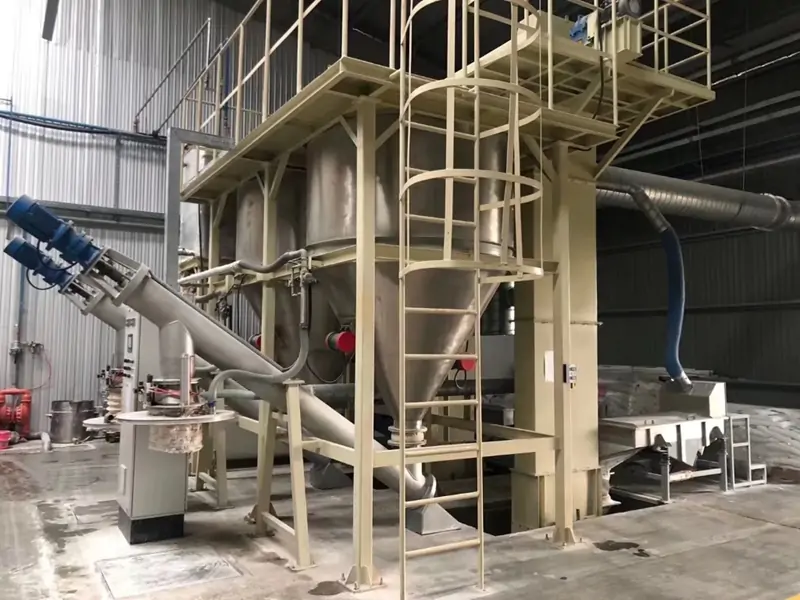
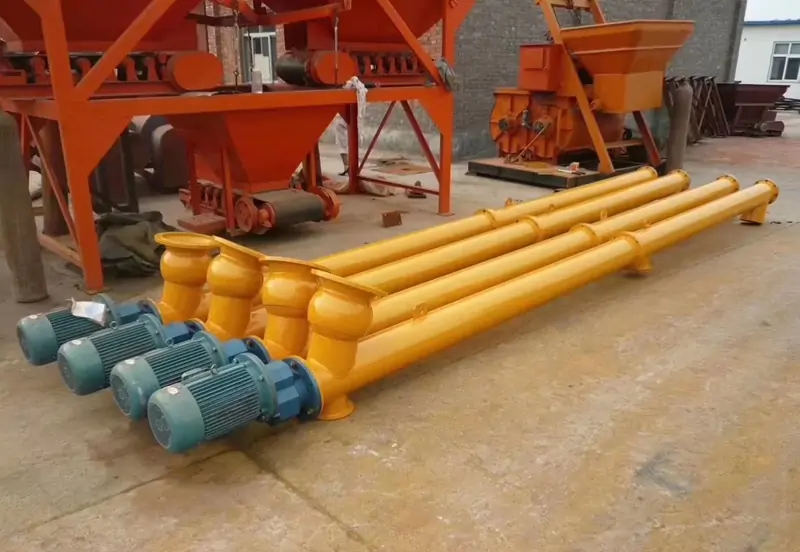
Although the structure of a screw conveyor looks simple, the assembly accuracy between the screw flights and shaft, the running stability of the shaft, and the clearance between the flights and housing will all affect the subsequent operation of the equipment. During production, the concentricity of the screw shaft, welding quality of the flights, and overall operating condition are inspected.
After the screw flights are processed, they are assembled with the shaft. During complete equipment assembly, the matching condition between the screw components, housing, and drive parts is checked. After the equipment is completed, no-load operation testing is carried out to confirm that the screw shaft rotates smoothly and all components operate normally.
Jiarui production processes are managed according to the ISO 9001 Quality Management System. For projects with different lengths, interfaces, or installation methods, the engineering team will confirm site conditions in advance before determining the equipment structure and dimensions.
FAQs
Get a Free Consultation
Fill out the form below to connect with our experts and receive personalized recommendations for your application.