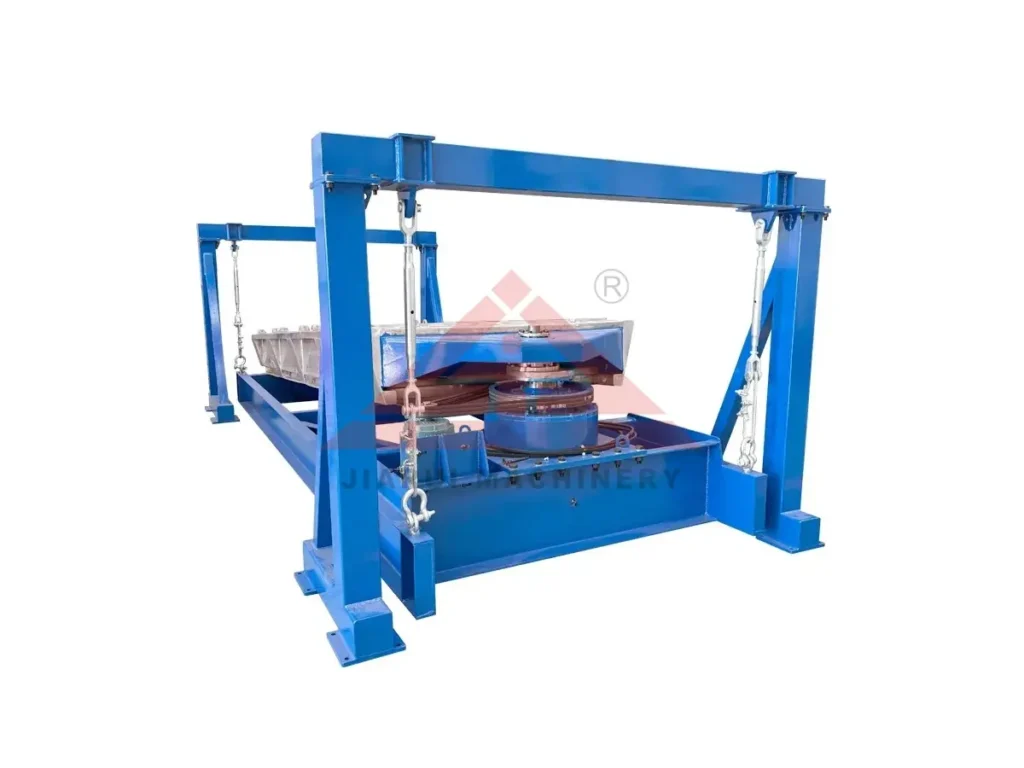
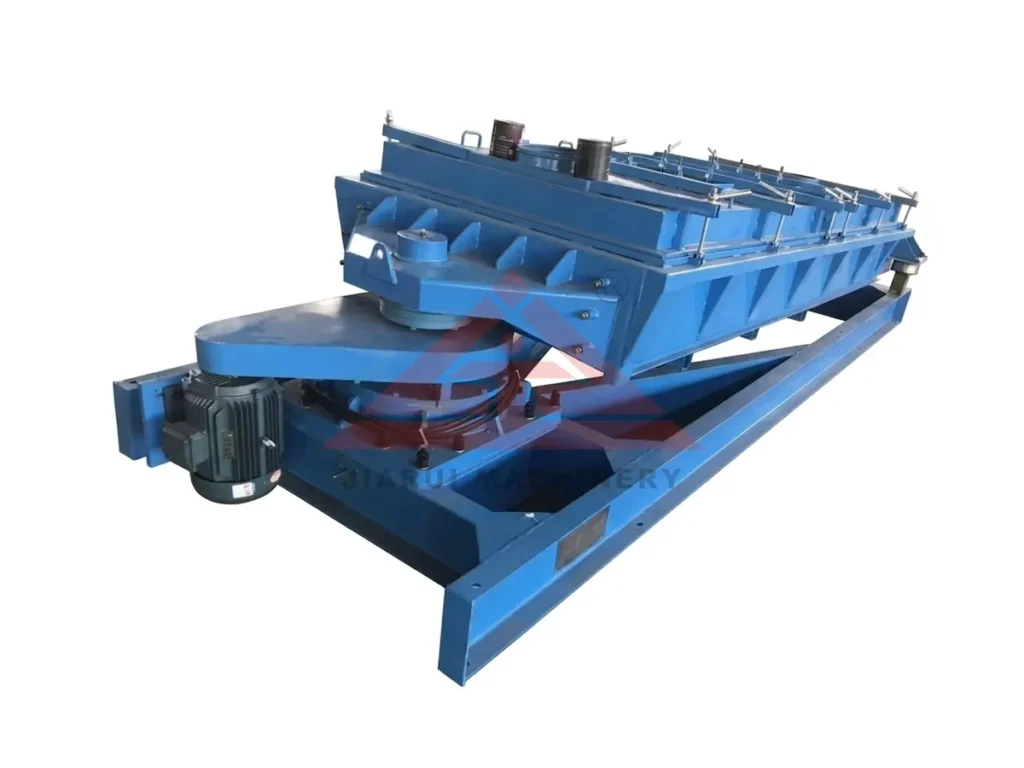
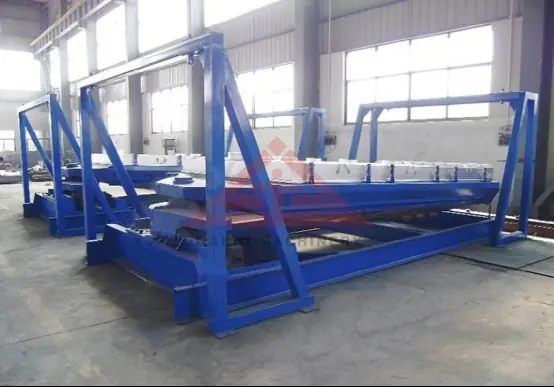
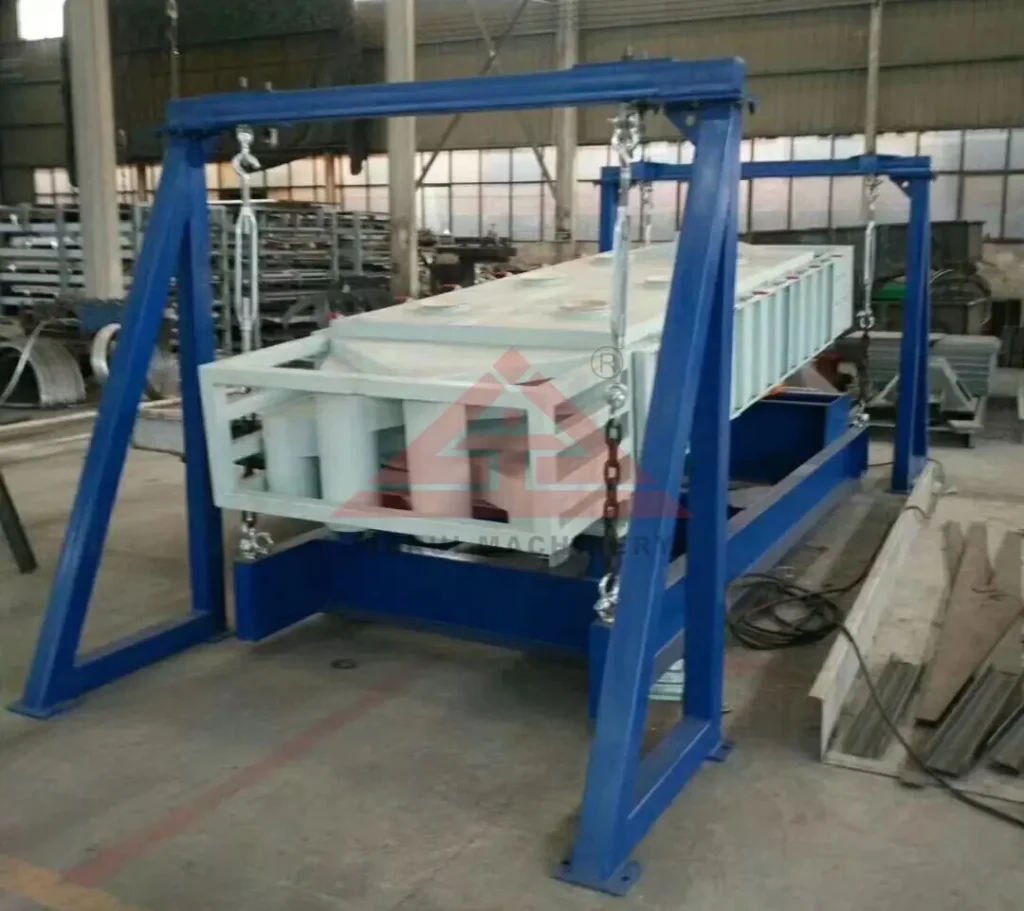
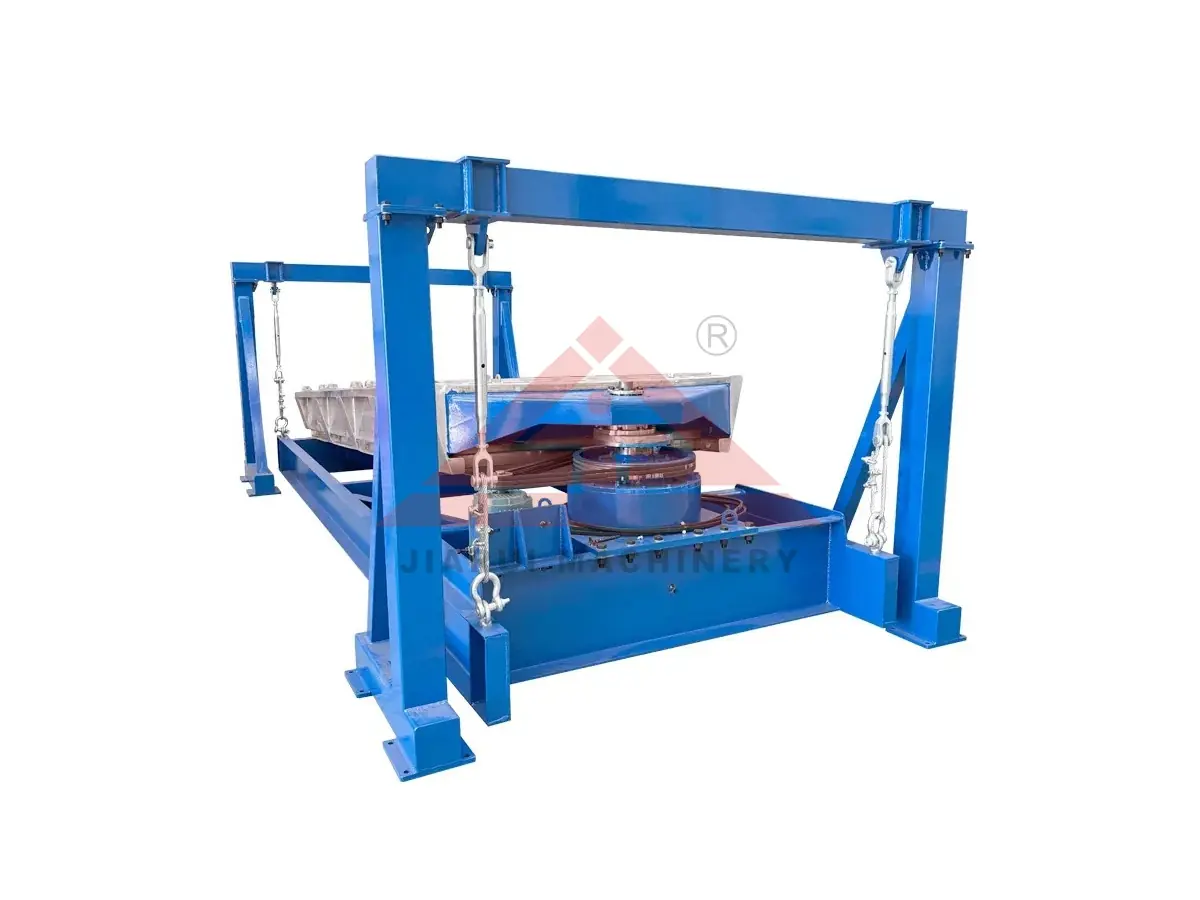
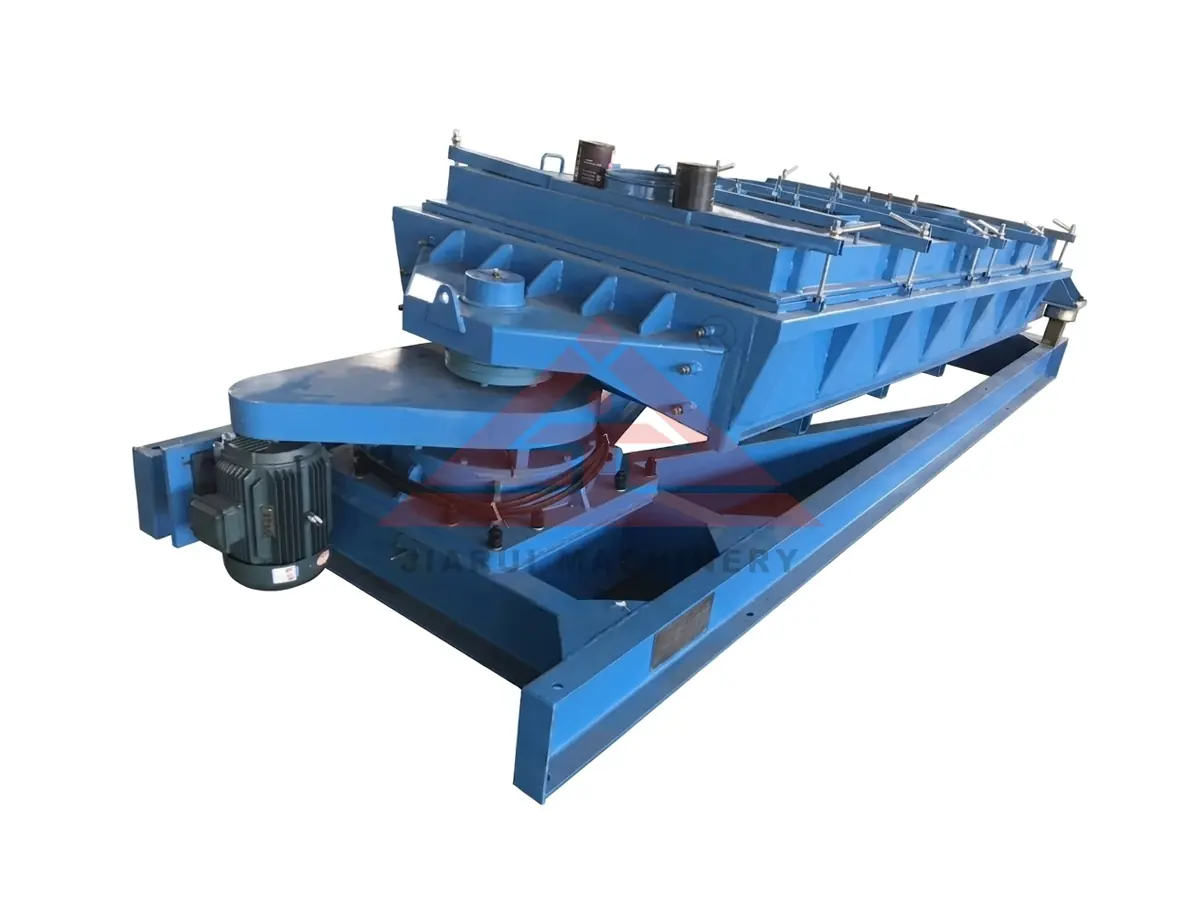
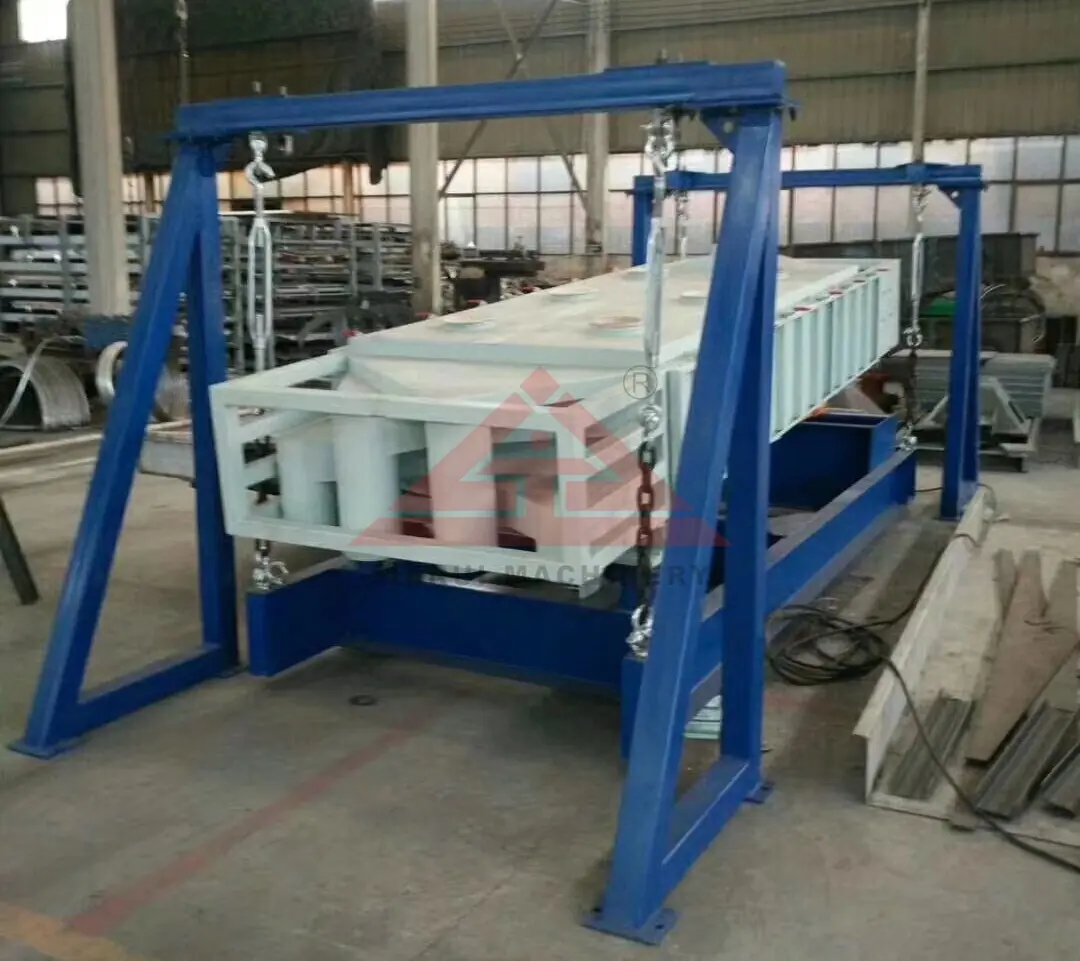
Planar-Rotationssieb
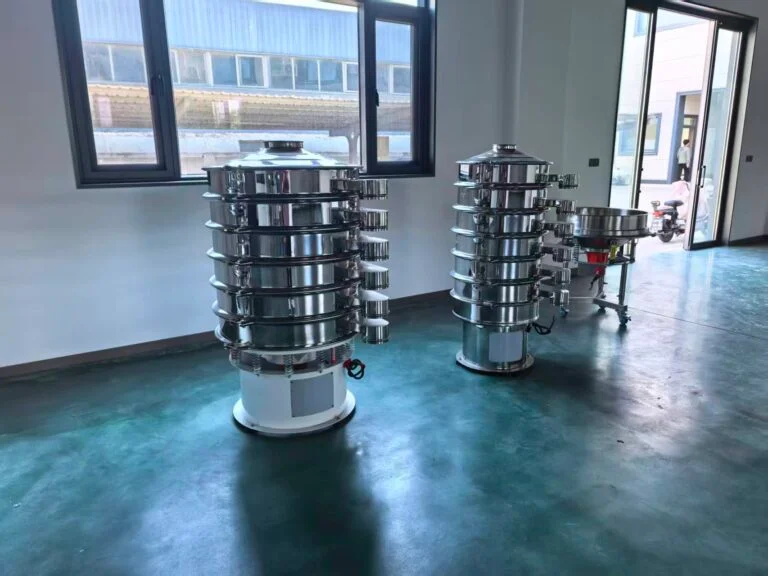
Jiarui Machinery Planar-Rotationssieb liefert außergewöhnliche Trenngenauigkeit für die chemische, metallurgische, Lebensmittel- und Bergbauindustrie. Durch eine einzigartige hin- und hergehende Drehbewegung über ein nahezu horizontales Siebbett maximiert die JR-PH-Serie den Durchsatz und gewährleistet dank fortschrittlicher staubdichter Abdichtung null Verschmutzung. Ausgestattet mit einem effizienten Siebreinigungssystem optimiert sie die Siebnutzung. Entdecken Sie unten die wichtigsten technischen Parameter, um Ihre ideale Konfiguration zu finden.
- Modell: JR-PH0815/1014/1030/1530/1536/2036/2046
- Siebkapazität: bis zu 100–800 t/h (abhängig von den Materialbedingungen)
- Siebgrößenbereich: 2–200 mm
- Siebfläche: kundenspezifisches Mehr-Quadratmeter-Design
- Antriebssystem: Frequenzumrichtermotor (VFD-Steuerung)
- Individualisierung: Sieböffnung, Drehzahl, Aufgabesystem,
- Austragsanordnung, Strukturmaterialien, staubdichtes Design
Was ist ein Planar-Rotationssieb?
Planar Rotary Screen, auch als Flachrotationssieb bekannt, ist eine Maschine zur Trennung von Schüttgütern wie Kohle, Erz, Zuschlagstoffen und chemischen Pulvern nach Partikelgröße. Sie wird häufig in Bergbau-, Metallurgie-, Chemie- und Getreideverarbeitungslinien eingesetzt. Je nach Material kann die Kapazität etwa 800 t/h erreichen.
Die Maschine verfügt über eine nahezu horizontale Siebfläche und bewegt sich mit einer kontrollierten Hin- und Herbewegung. Das Material tritt von der Mitte ein, verteilt sich über das Sieb und bewegt sich langsam in einer spiralförmigen Bahn nach außen. Während dieses Prozesses passieren feine Partikel das Gewebe, während größere zum Austragsende wandern. Ein integriertes Reinigungssystem verhindert eine Verstopfung des Siebes während des Betriebs. In Produktionslinien wird es üblicherweise nach Backen- oder Kegelbrechern zur Endklassierung vor der Förderung oder Haldenlagerung eingesetzt.Für eine detailliertere Erklärung seiner Struktur, Funktionsweise und Anwendungen siehe unsere Was ist ein Planar-Rotationssieb? Leitfaden.
Arbeitsprinzip des Planar Rotary Screen
Die Planar-Rotationssieb (auch als Kreisschwingsieb oder Rechteckseparator bekannt) nutzt eine einzigartige horizontale Hin- und Herbewegung, um eine hochkapazitive, hochpräzise Partikeltrennung und -klassierung zu erreichen.
Wichtige technische Parameter und Mechanik
- Antriebsmechanismus: Ein Exzenterradmechanismus, der sich um eine feste Achse dreht.
- Kraftprofil: Eine periodische, alternierende Trägheitskraft, die in einer bestimmten Richtung entlang der horizontalen Ebene erzeugt wird.
- Siebbeigung: Horizontal oder leicht geneigt in einem Winkel von 0°–5°.
- Bewegungsmuster: Eine variable Trajektorie, die von einer seitlichen elliptischen Bewegung am Einlass über eine kreisförmige Bewegung in der Mitte bis zu einer linearen Hin- und Herbewegung am Auslass übergeht.
Für allgemeine Informationen zur Partikelgrößenklassifizierung, Siebverfahren und industriellen Sieben siehe die ISO/TC 24 technischer Anwendungsbereich.
Schritt 1: Materialaufgabe und gleichmäßige Verteilung
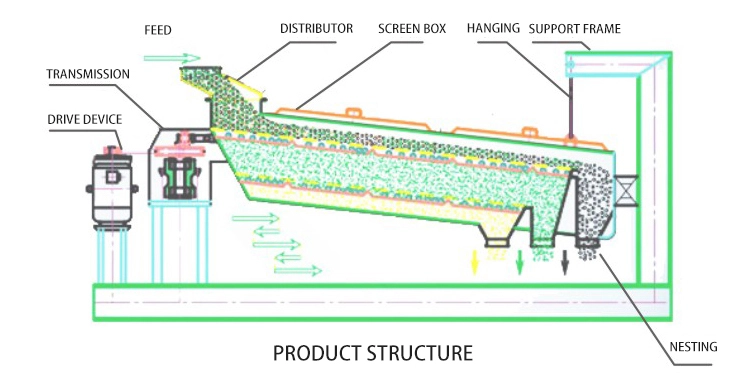
Das Material tritt durch den Einlass in den Siebkasten ein und passiert eine Verteilvorrichtung. Beim Start der Maschine erzeugt die Antriebseinheit eine hin- und hergehende Trägheitskraft, die den Siebkasten periodisch in der horizontalen Ebene bewegt. Diese Bewegung bewirkt, dass sich das Material schnell über die gesamte Breite der Siebfläche verteilt und ein dünnes, gleichmäßiges Materialbett bildet.
Schritt 2: Schichtung durch planare Hin- und Herbewegung
Während sich das Materialbett entlang des Siebbelags bewegt, unterliegt es einer gerichteten, niederfrequenten Taumel- und Rollbewegung. Die horizontalen Scherkräfte bewirken, dass sich das Material natürlich nach Partikelgröße schichtet:
- Feinanteile (Unterkorn): Kleinere Partikel sinken schnell durch das Materialbett, kommen mit dem Siebgewebe in Kontakt und passieren die Öffnungen zum unteren Belag.
- Grobanteile (Überkorn): Größere Partikel bleiben auf der oberen Oberfläche des Materialbetts schwimmend und bewegen sich vorwärts zum Austragsende.
Schritt 3: Mehrdecken-Klassierung und -Trennung
Bei Mehrdecken-Konfigurationen durchläuft das Material nacheinander mehrere Siebschichten mit abnehmenden Maschenweiten:
- Oberes Deck: Isoliert und entfernt große Verunreinigungen oder überdimensionierte Partikel.
- Mittleres Deck: Trennt und sammelt das qualifizierte Zielprodukt.
- Bodenwanne: Erfasst den feinsten Staub, Feinanteile oder unterdimensionierte Verunreinigungen.
Schritt 4: Materialaustrag
Beim Erreichen des Austragsgehäuses werden die getrennten Fraktionen kontinuierlich in dedizierte Auslässe geleitet:
- Überkornfraktionen werden aus dem oberen Auslass ausgetragen.
- Qualifiziertes Produkt wird aus dem mittleren Auslass ausgetragen.
- Unterkornfraktionen oder Feinanteile werden aus dem unteren Auslass ausgetragen.
Vorteile der variablen Trajektorienbewegung
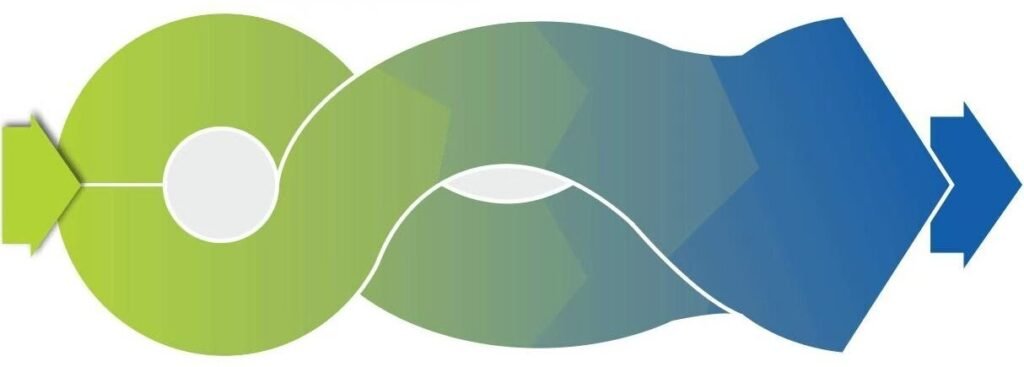
[Einlass: Elliptische Bewegung] ──> [Mitte: Kreisbewegung] ──> [Auslass: Lineare Bewegung]
(Verteilt Material) (Schichtet Partikel) (Trägt Überkorn aus)
- Keine vertikale Vibration: Die nahezu horizontale Bewegung eliminiert vertikale Stöße, was empfindliche Materialien vor Degradation schützt und die dynamische Belastung der Tragstruktur erheblich reduziert.
- Verlängerter Siebweg: Die Kombination aus elliptischen, kreisförmigen und linearen Bewegungsbahnen zwingt Partikel dazu, länger in Kontakt mit dem Siebgewebe zu bleiben, wodurch die Siebeffizienz maximiert und ein Verstopfen des Siebes verhindert wird.
Vorteile
Das Planar-Rotationssieb läuft für eine stabile und kontinuierliche Klassierung von Schüttgütern. Die Struktur hält die Siebung während des Langzeitbetriebs stabil, reduziert häufige Anpassungen und vereinfacht die tägliche Nutzung vor Ort. Für einen genaueren Blick auf seine Hauptvorteile siehe unseren Leitfaden zu den Vorteilen des Planar-Rotationssiebs.
Hohe Siebeffizienz
Mehrstufige Trennung mit bis zu 6 Fraktionen möglich. Die Effizienz liegt je nach Material üblicherweise bei etwa 90–95 %.
Selbstreinigende Siebfläche
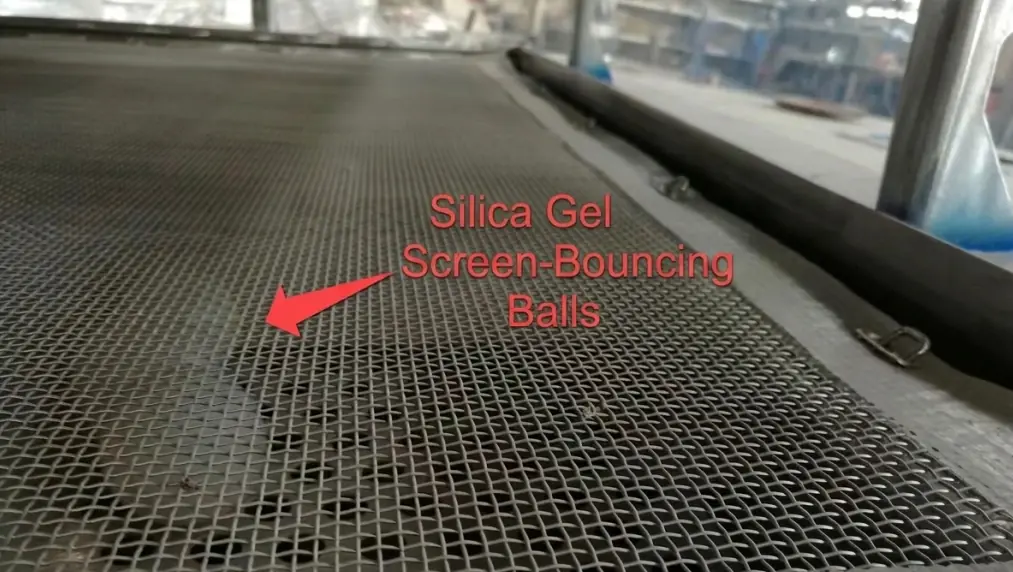
Jede Siebebene verfügt über darunterliegende Gummibälle. Während des Betriebs schlagen die Bälle kontinuierlich auf das Siebgewebe, lösen festsitzendes Material und reduzieren Verstopfungen, sodass das Material gleichmäßiger durchgelassen wird.
Bessere Siebauslastung und längere Siebgewebe-Lebensdauer
Das Material bewegt sich auf einer kontrollierten Rollbahn statt durch starke Vibration. Der Kontakt mit der Siebfläche ist gleichmäßiger, wodurch sich das Siebgewebe langsamer abnutzt und im realen Betrieb länger hält.
Vollständig geschlossener Betrieb
Die Maschine ist während des Betriebs abgedichtet. Staubaustritt wird reduziert und die Umgebung bleibt während der Produktion sauberer.
Geringer Wartungsaufwand
Kein Hochfrequenz-Vibrationssystem im Inneren. Weniger beanspruchte Bauteile während des Betriebs, sodass die Wartung hauptsächlich aus Routineprüfungen und gelegentlichem Teileaustausch besteht.
Einfache Installation und Layoutplanung
Die Konstruktion ist modular und kompakt. Sie passt sowohl in Neuanlagen als auch in bestehende Produktionslinien ohne größere Umbaumaßnahmen.
Anwendungen
Der Planar-Rotationssieb wird zur kontinuierlichen Partikelklassierung und -sortierung in industriellen Produktionslinien eingesetzt. Er bietet eine stabile Trennung für mittlere und feine Materialien und trägt zur Aufrechterhaltung einer gleichbleibenden Partikelgröße und stabilen Produktqualität in großtechnischen Verarbeitungssystemen bei. Im Folgenden sind Anwendungsbranchen und Materialien aufgeführt:
Düngemittel- & Chemieindustrie
Harnstoff, Mehrnährstoffdünger, DAP, Phosphatmaterialien, Soda, Natriumsulfat, Aktivkohle, PVC, Harzpulver, Schweißpulver.

Lebensmittel- & Agrarverarbeitung
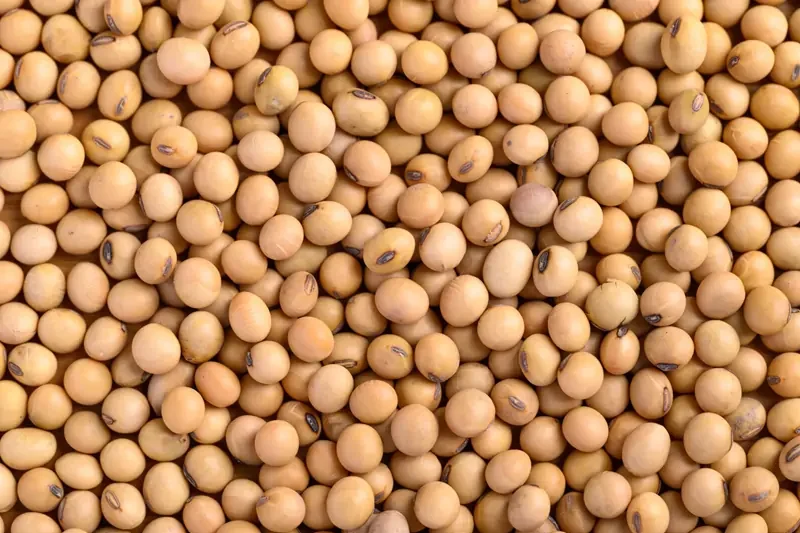
Getreidereinigung und -klassierung (Weizen, Mais, Sojabohnen), Zucker, Salz, Tee, Tabak, Stärke, Milchpulver sowie andere lebensmitteltaugliche oder empfindliche Materialien.
Bergbau, Energie & Metallurgie
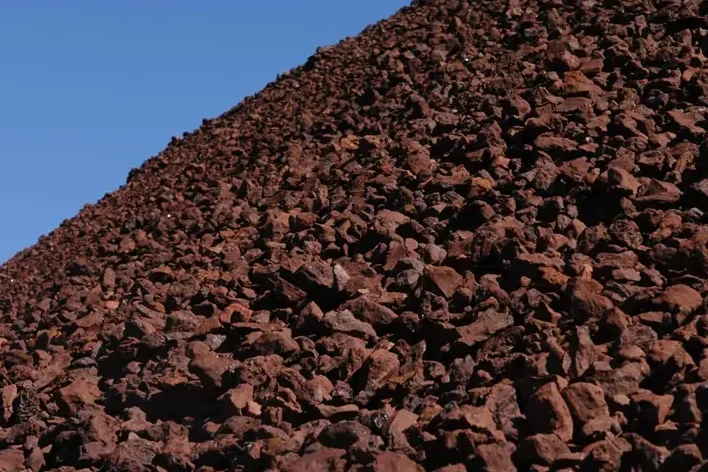
Kohle, Eisenerz, Kalkstein, Graphit, Siliziumkarbid, Keramikpellets, Ferrolegierungen, Schleifmittel, magnetische und feuerfeste Materialien.
Umweltschutz & Recycling
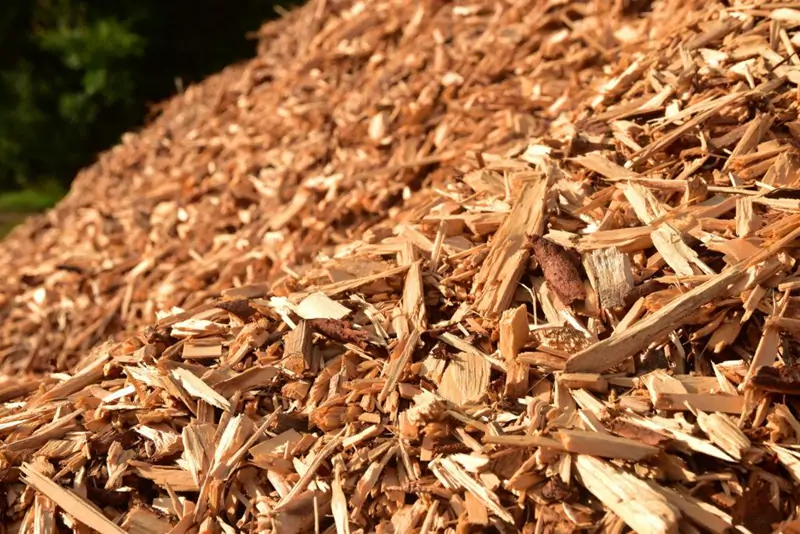
Holzhackschnitzel, Kunststoffgranulate, Recyclingkunststoffe sowie Sortierung fester Abfälle und Ressourcenrückgewinnungsanwendungen.
Technische Spezifikationen
Die Konfiguration des Planar-Rotationssiebs kann basierend auf geforderter Kapazität, Materialeigenschaften, Siebstufen und Anlagenlayout angepasst werden. Jiarui Machinery bietet flexible technische Konstruktionen, einschließlich Siebgrößen, Ebenenkonfiguration, Antriebsleistung und strukturellem Layout, um unterschiedliche Produktionsanforderungen zu erfüllen. Die folgenden Spezifikationen dienen als Referenz und zur Modellauswahl.
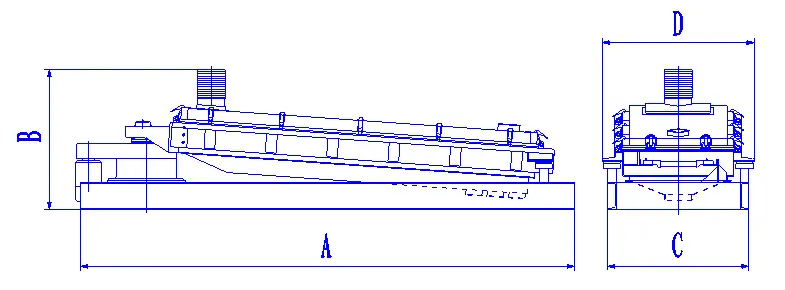
| Modell | Decks | Siebgröße B×L (mm) | Hub (mm) | Leistung (kW) | Drehzahl (U/min) | A (mm) | B (mm) | C (mm) | D (mm) |
| JR-PH0815 | 1 | 800×1500 | 63.5 | 2.2 | 960 | 2752 | 967 | 898 | 943 |
| JR-PH1014 | 1 | 1000×1400 | 63.5 | 2.2 | 960 | 2731 | 962 | 1168 | 1200 |
| JR-PH1030 | 1 | 1000×3000 | 63.5 | 2.2 | 960 | 4484 | 1035 | 1194 | 1251 |
| JR-PH1530 | 1 | 1500×3000 | 76 | 3.7 | 1450 | 4232 | 1362 | 1778 | 1892 |
| JR-PH1536 | 1 | 1500×3000 | 89 | 5.5 | 960 | 5098 | 1352 | 1956 | 2048 |
| JR-PH2036 | 1 | 2000×3600 | 89 | 5.5 | 960 | 5263 | 1327 | 2464 | 2556 |
| JR-PH1030 | 2 | 1000×3000 | 76 | 3.7 | 1450 | 4575 | 1317 | 1270 | 1546 |
| JR-PH1530 | 2 | 1500×3000 | 89 | 5.5 | 960 | 4765 | 1397 | 1956 | 2159 |
| JR-PH1536 | 2 | 1500×3600 | 89 | 5.5 | 960 | 5365 | 1368 | 2032 | 2159 |
| JR-PH2046 | 2 | 2000×4600 | 89 | 7.5 | 960 | 6289 | 1727 | 2591 | 2743 |
| JR-PH1030 | 3 | 1000×3000 | 76 | 3.7 | 1450 | 4854 | 1422 | 1435 | 1549 |
| JR-PH1530 | 3 | 1500×3000 | 89 | 5.5 | 960 | 4765 | 1391 | 1956 | 2159 |
| JR-PH0815 | 4 | 800×1500 | 76 | 3.7 | 1450 | 3806 | 1549 | 1270 | 1537 |
| JR-PH1030 | 4 | 1000×3000 | 89 | 5.5 | 960 | 5159 | 1486 | 1524 | 1607 |
| JR-PH1530 | 4 | 1500×3000 | 89 | 7.5 | 960 | 5505 | 1778 | 2007 | 2223 |
Planar-Rotationssieb vs. Vibrationssieb
Bei industriellen Siebanwendungen hängt die Geräteauswahl von Materialeigenschaften, Kapazitätsanforderungen und Anlagenlayout ab. Sowohl Planar-Rotationssieb als auch Vibrationssieb werden häufig in Bergbau-, Zuschlagstoff- und Schüttgutverarbeitungssystemen eingesetzt, arbeiten jedoch nach unterschiedlichen Siebmechanismen und eignen sich für unterschiedliche Betriebsbedingungen. Jiarui Machinery liefert beide Lösungen, um unterschiedliche Produktionsanforderungen zu unterstützen.
| Artikel | Planar-Rotationssieb | Vibrationssieb |
| Funktionsprinzip | Rotierende Siebfläche mit kontrollierter Materialverweilzeit | Hochfrequenz-Vibration zur Partikeltrennung |
| Materialverhalten | Stabile Rollbewegung, längere Siebzeit | Schnelle Vibration und Partikelschichtung |
| Geeignete Bedingungen | Gemischte Materialien, moderate Feuchtigkeit, Mehrfachfraktionierung | Trockene, rieselfähige Materialien, einfache Klassierung |
| AufgabeGut-Eigenschaften | Bewältigt variable Aufgabebedingungen stabiler | Erfordert stabile und gleichmäßige Aufgabe |
| Kapazitätsbereich | 10–350 t/h (modellabhängig) | 20–500 t/h (konfigurationsabhängig) |
| Siebeffizienz | Stabile 90–95% im Dauerbetrieb | 80–90%, beeinflusst durch die Aufgabestabilität |
| Feuchtigkeitsanpassungsfähigkeit | Mittlere Toleranz gegenüber Feuchtigkeit und Klebrigkeit | Geringe Toleranz, höheres Verstopfungsrisiko bei nassen Bedingungen |
| Partikelgrößenbereich | Geeignet für mittlere bis feine mehrstufige Trennung | Geeignet für grobe bis mittlere Klassierung |
| Wartungsbedarf | Geringer Verschleiß der Komponenten, längere Wartungsintervalle | Regelmäßiger Austausch von Gewebe, Federn und Lagern erforderlich |
| Installationsanforderung | Kompaktes modulares Layout, flexible Anordnung | Erfordert verstärktes Fundament und Schwingungsunterstützung |
| Investitionsniveau | Mittel | Mittel bis niedrig |
| Betriebsstabilität | Stabiler unter variablen Betriebsbedingungen | Beste Leistung unter stabilen Betriebsbedingungen |
Auswahlhinweis
Für gemischte Materialien, moderate Feuchtigkeit oder wenn mehrere Klassierungsschritte erforderlich sind, arbeitet das Planar-Rotationssieb in der Regel stabiler. Vibrationssiebe werden häufiger für trockene, stabile Aufgabe mit höherem Durchsatz eingesetzt. Die endgültige Wahl hängt weiterhin von den tatsächlichen Materialbedingungen und der Anlagenanordnung ab.Für feine Pulver, Entfernung von Verunreinigungen oder kompakte Mehrschichtsiebung können Sie auch unsere Rotations-Vibrationssieb.
Wenn Sie sich bei der richtigen Auswahl noch unsicher sind, können Sie uns für technische Beratung basierend auf Ihrem Material und Ihren Projektbedingungen kontaktieren.
Kundenspezifisches Planar-Rotationssieb
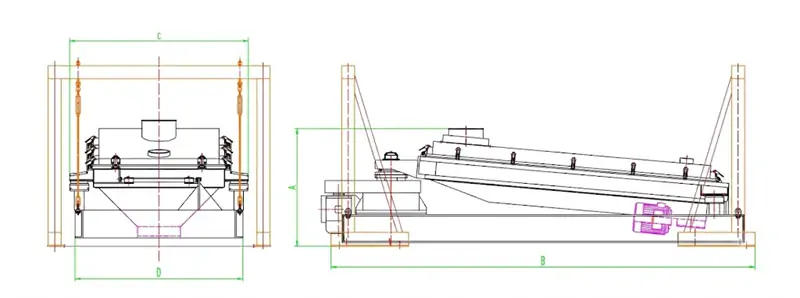
Das Planar-Rotationssieb kann an unterschiedliche Produktionsanforderungen angepasst werden, insbesondere für Materialien mit gemischter Partikelgröße, Feuchtigkeitsschwankungen oder Anforderungen an die Mehrfachklassierung. Wir entwerfen die Ausrüstung basierend auf den tatsächlichen Prozessbedingungen, und Schlüsselparameter wie Siebgröße, Anzahl der Lagen, Kapazität, Materialtyp und Anlagenlayout können alle individuell angepasst werden, um zu bestehenden Linien oder neuen Projekten zu passen, einschließlich der Integration mit vorgelagerten Brech- und nachgelagerten Fördersystemen.
Um eine geeignete Konfiguration und ein Angebot zu erhalten, teilen Sie uns bitte die folgenden Details mit:
- Materialtyp und Schüttdichte
- Zulauf-Partikelgrößenbereich
- Erforderliche Kapazität (t/h)
- Anzahl der Sieblagen
- Standortlayout oder verfügbarer Installationsraum
- Bevorzugtes Konstruktionsmaterial (Kohlenstoffstahl / Edelstahl)
Wenn Details unklar sind, kann unser Engineering-Team Ihnen helfen, die Konfiguration zu bestätigen.
Warum Jiarui Machinery wählen?
Jiarui Machinery konzentriert sich seit 2012 auf industrielle Sieb- und Förderausrüstung. Als Direkthersteller kontrollieren wir den gesamten Prozess von der Konstruktion über die Fertigung und Montage bis hin zur Prüfung und gewährleisten so gleichbleibende Qualität und stabile Lieferung für verschiedene Industrieprojekte. Unsere Ausrüstung wird weitgehend in den Bereichen Bergbau, Zuschlagstoffe, chemische Verarbeitung, Lebensmittelproduktion und neue Materialien eingesetzt.
Jedes System wird basierend auf realen Betriebsbedingungen ausgelegt, einschließlich Materialeigenschaften, Feuchtigkeitsgrad, Partikelgrößenverteilung und erforderlicher Kapazität. Dieser anwendungsorientierte Designansatz ermöglicht es uns, kundenspezifische Sieblösungen statt Standardkonfigurationen anzubieten und so häufige Produktionsprobleme wie Gewebeverstopfung, instabile Klassierung und ungeplante Ausfallzeiten im Dauerbetrieb zu reduzieren.
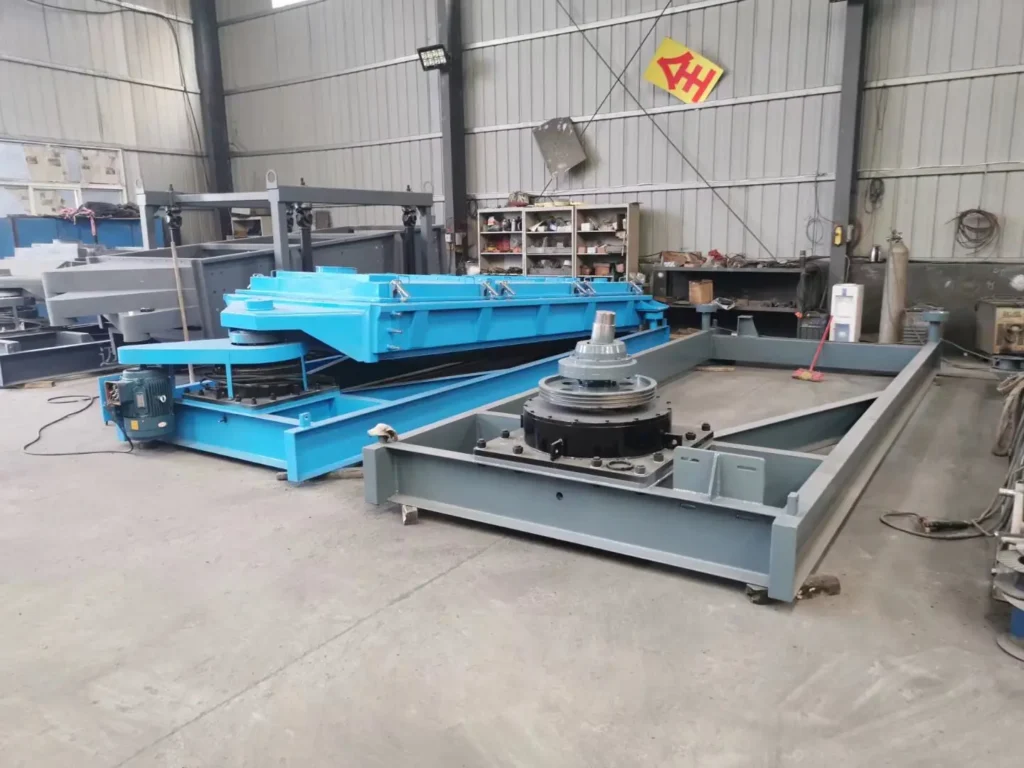
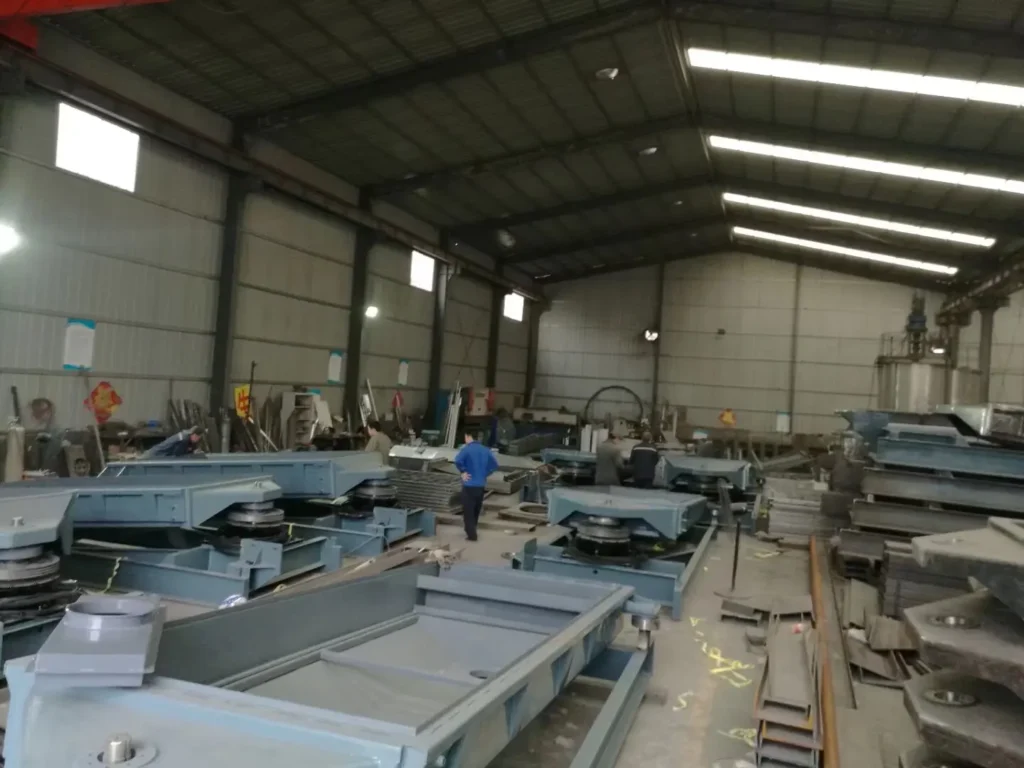
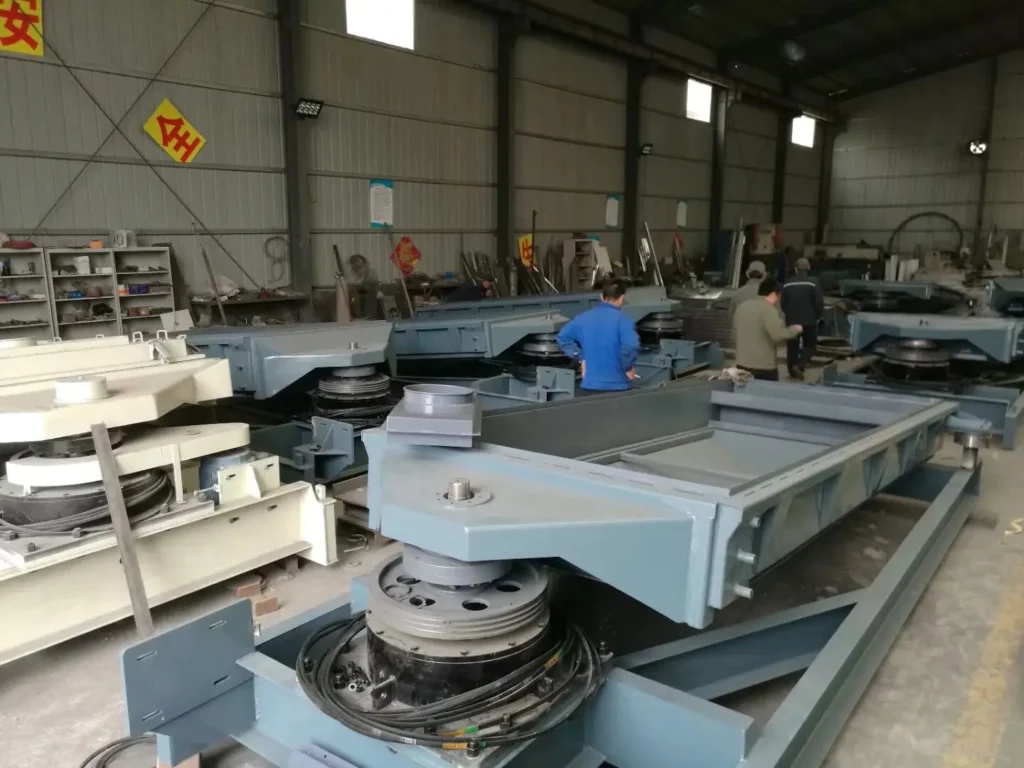
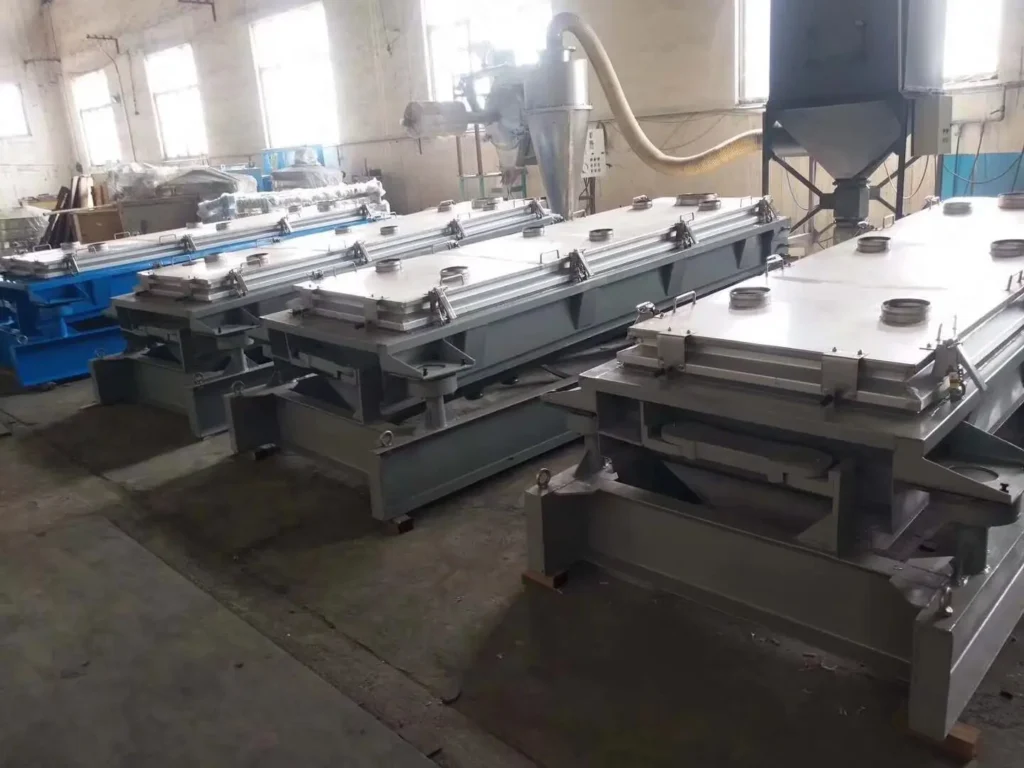
Im Laufe der Jahre hat Jiarui Machinery Ausrüstung für eine breite Palette von nationalen und internationalen Industrieprojekten in verschiedenen Produktionsmaßstäben und Arbeitsumgebungen geliefert. Diese Praxiserfahrung unterstützt zusätzlich unsere Fähigkeit, Designs an unterschiedliche Prozessanforderungen anzupassen und gleichzeitig eine stabile Leistung aufrechtzuerhalten. Alle Geräte werden unter dem ISO9001 Qualitätsmanagementsystem gefertigt und durch mehrere Gebrauchsmusterpatente sowie kontinuierliche technische Verbesserungen unterstützt.
Über einzelne Maschinen hinaus bieten wir komplette Siebsystemlösungen, einschließlich Prozessabstimmung, Layoutplanung, kundenspezifischem Design, Installationsanleitung und langfristigem technischen Support. Der Fokus liegt auf der Gewährleistung eines zuverlässigen Betriebs und stabiler Leistung in realen Produktionsumgebungen.
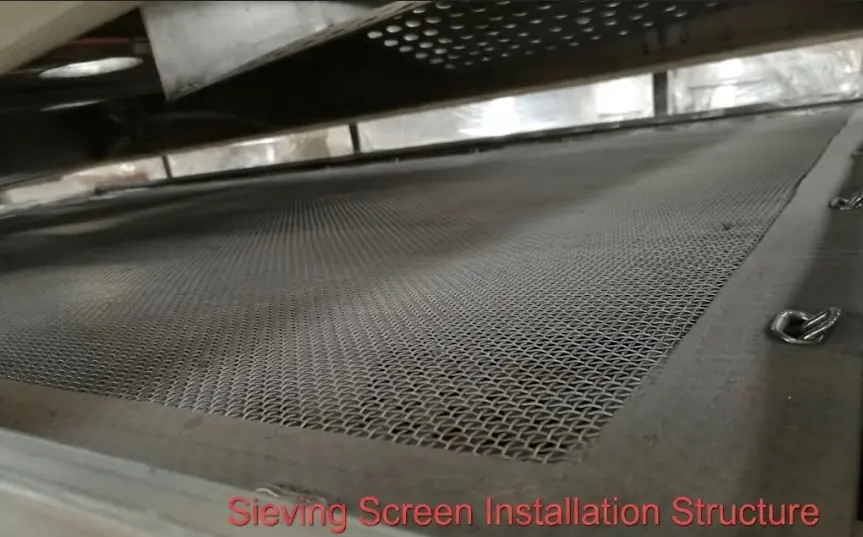
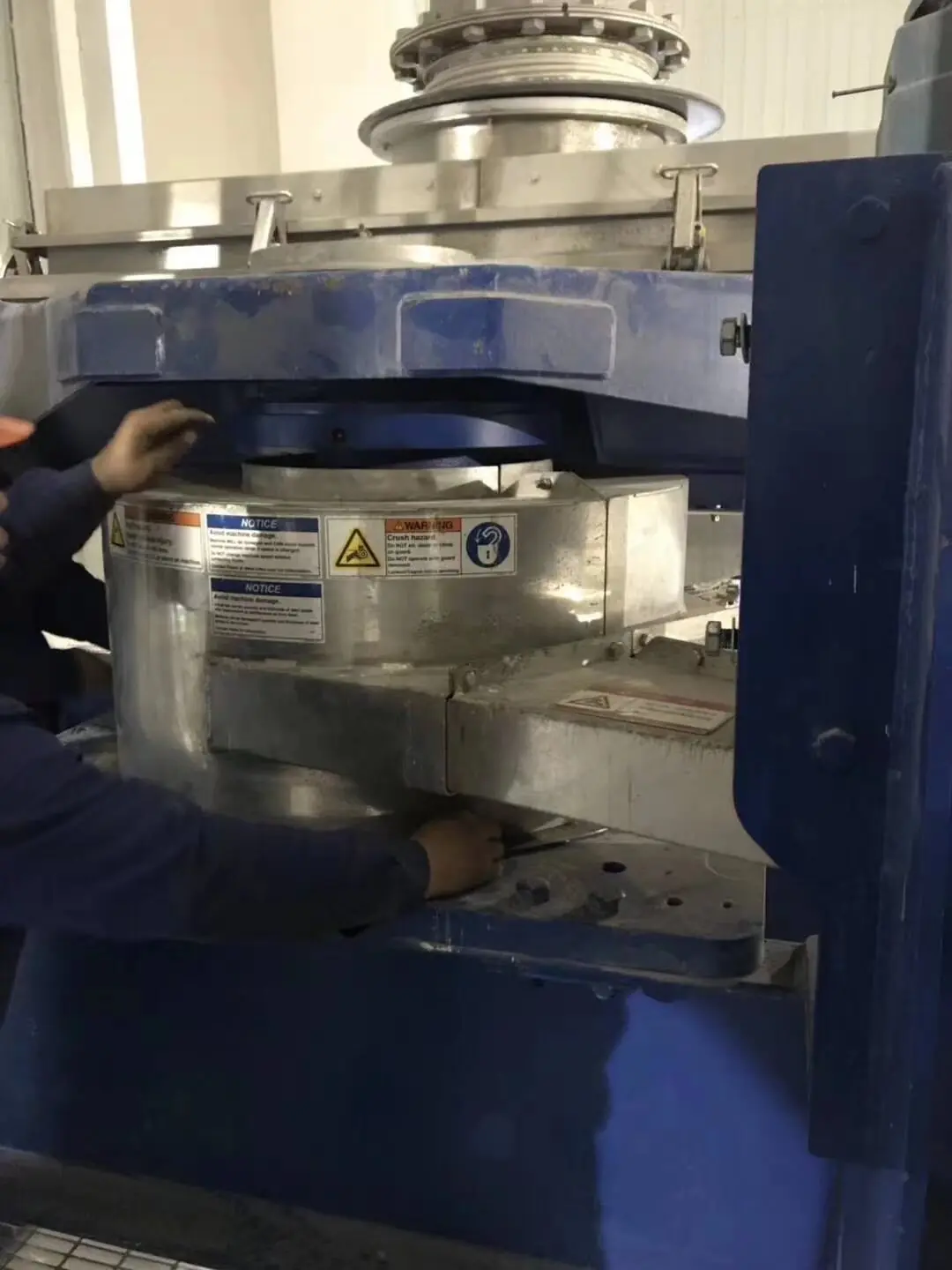
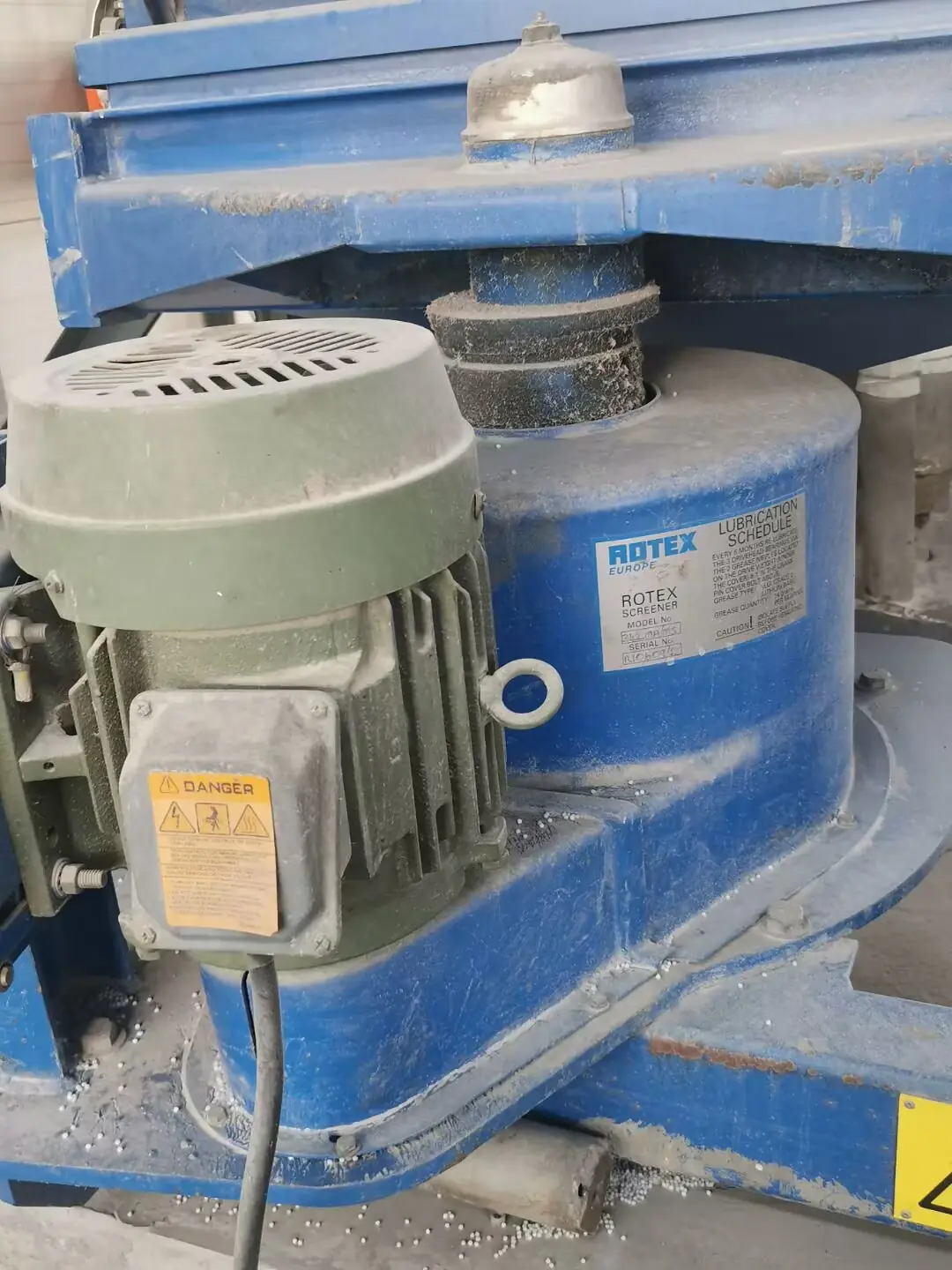
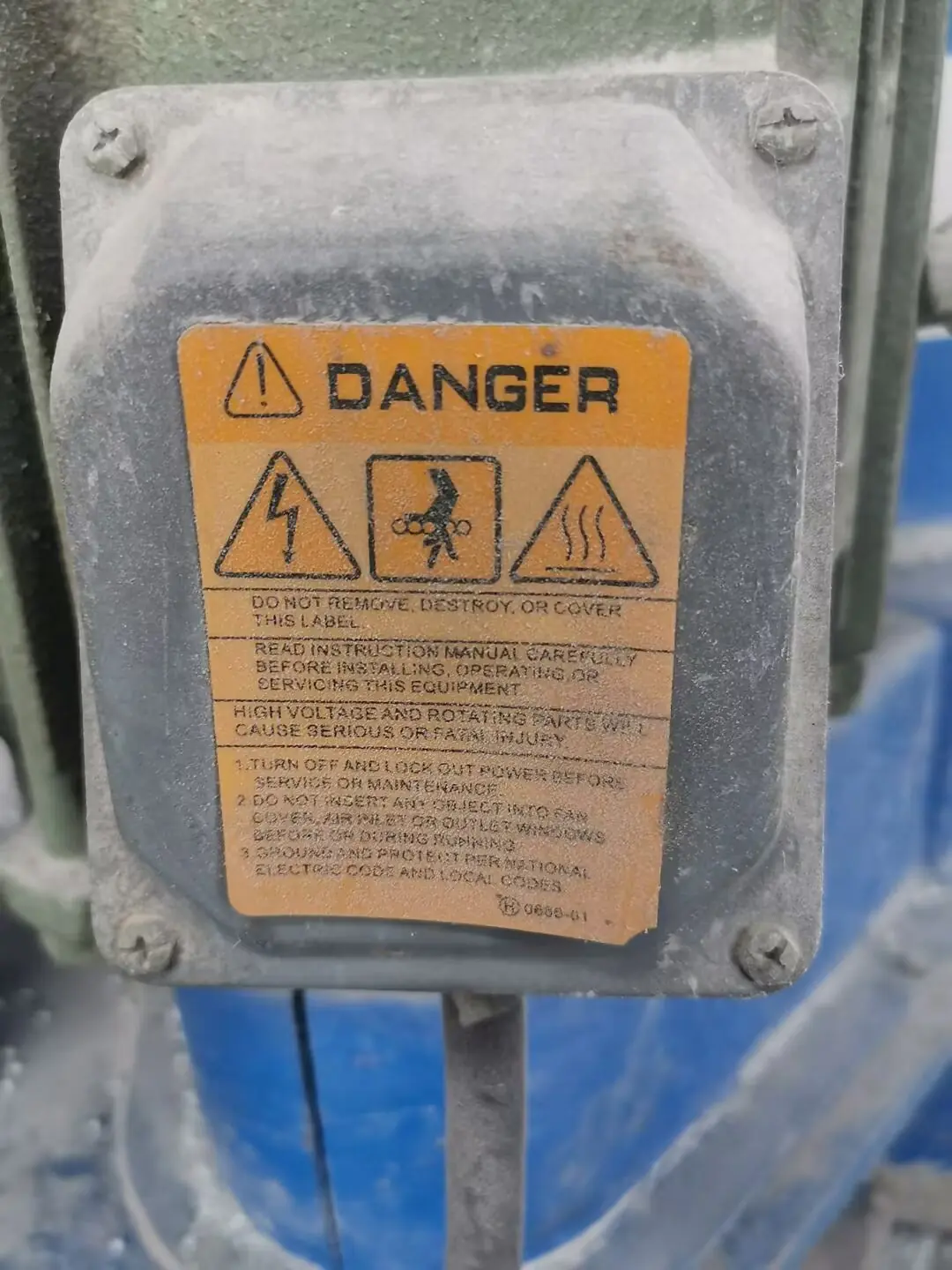
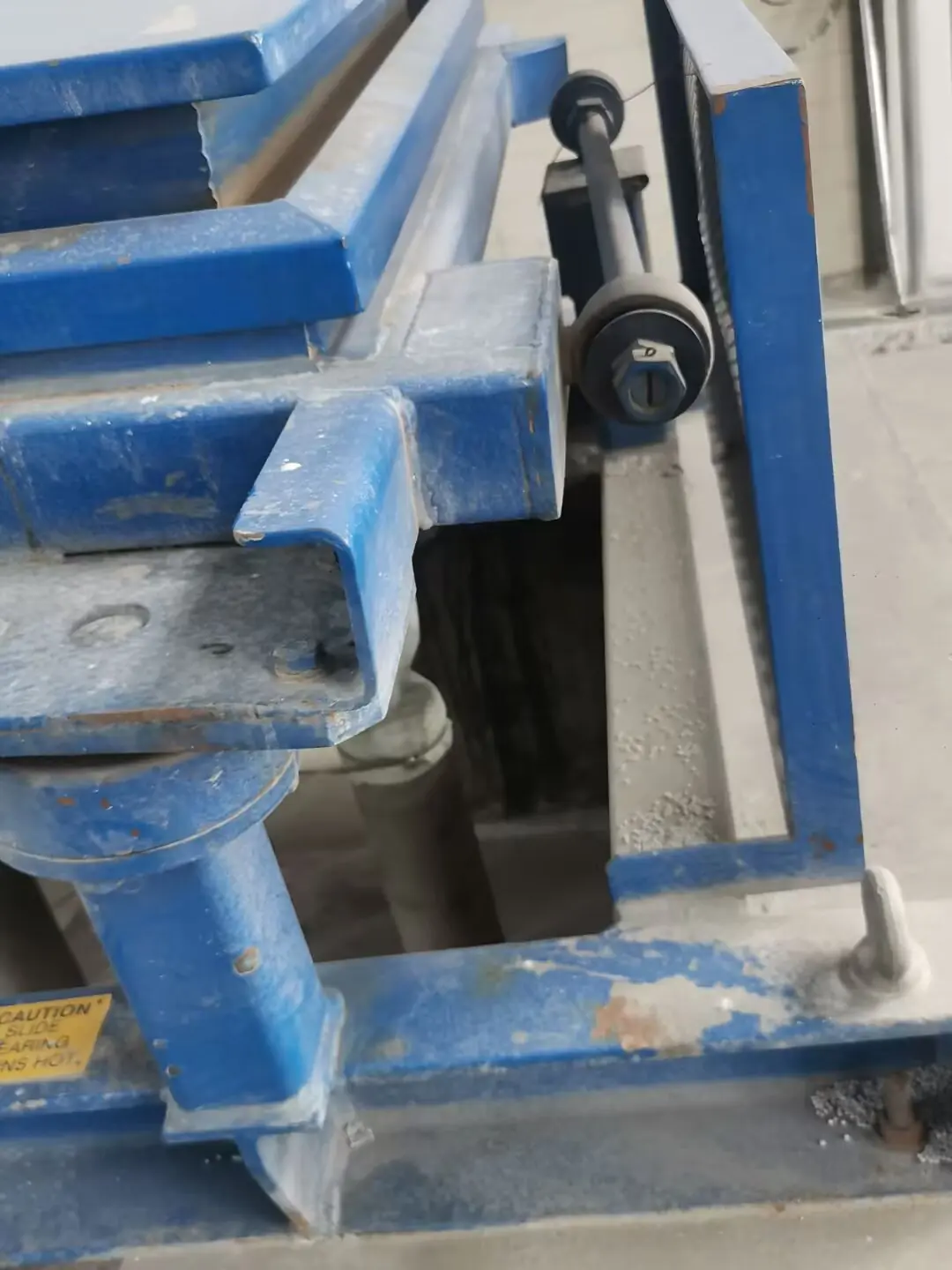
Details zu den Komponenten des Planar-Rotationssiebs
Verwandte Artikel
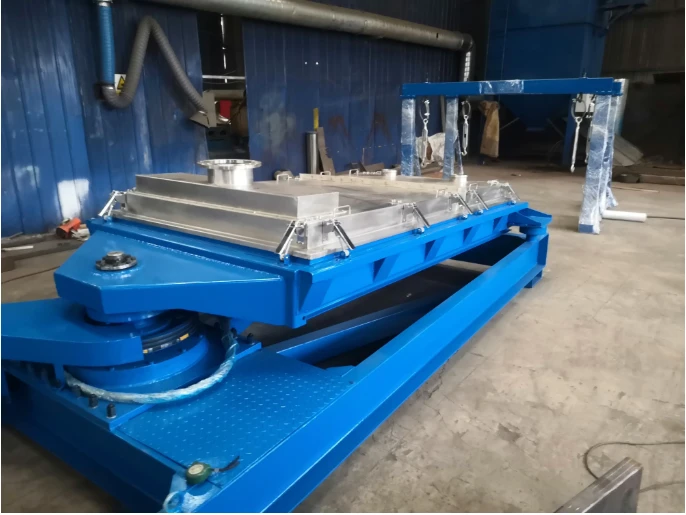
Was ist ein Planar-Rotationssieb?
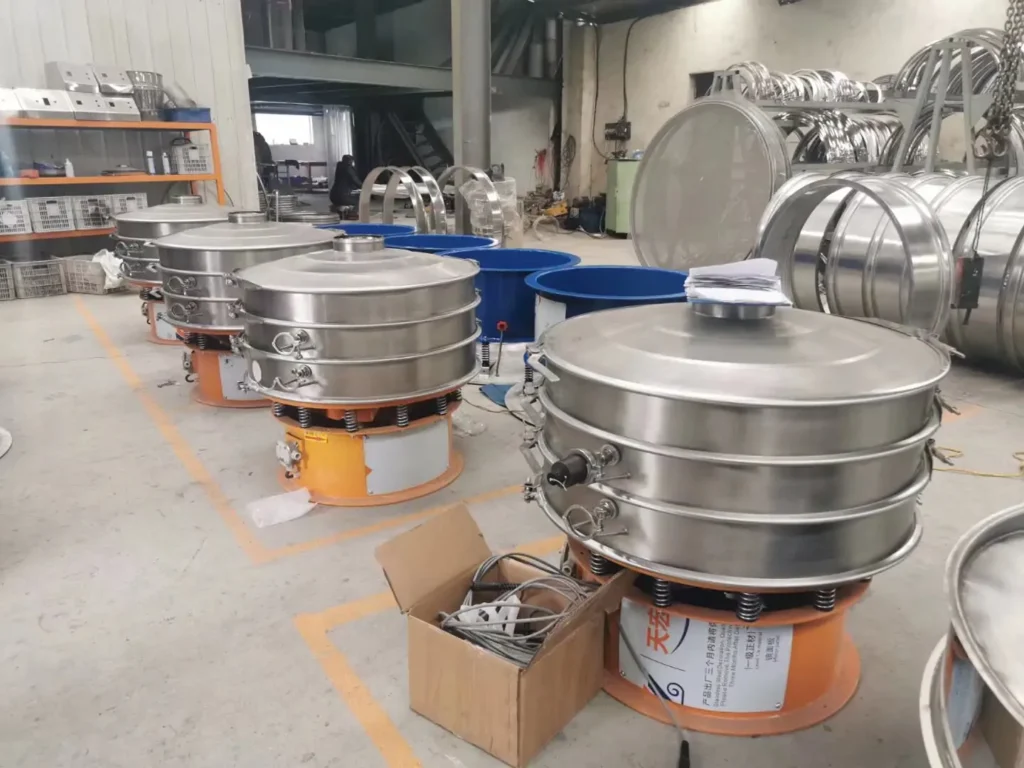
Was ist ein Ultraschall-Vibrationssieb?
Was ist ein Rotationsschwingsieb?
Häufig gestellte Fragen
Kostenlose Beratung erhalten
Füllen Sie das untenstehende Formular aus, um sich mit unseren Experten zu verbinden und personalisierte Empfehlungen für Ihre Anwendung zu erhalten.