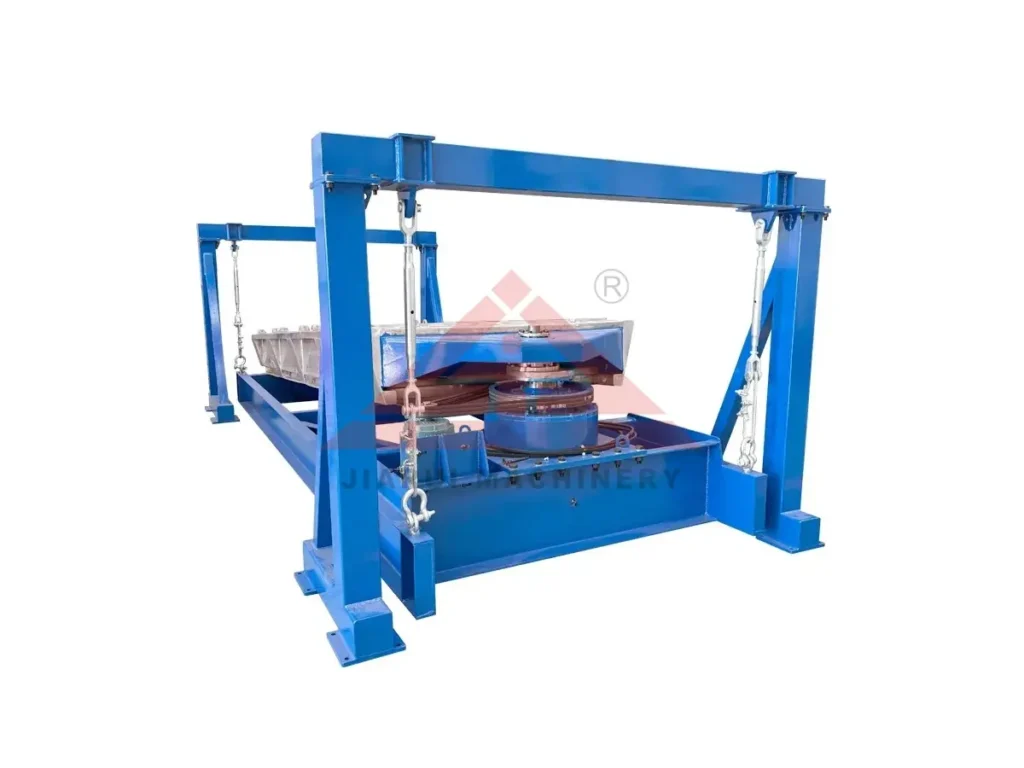
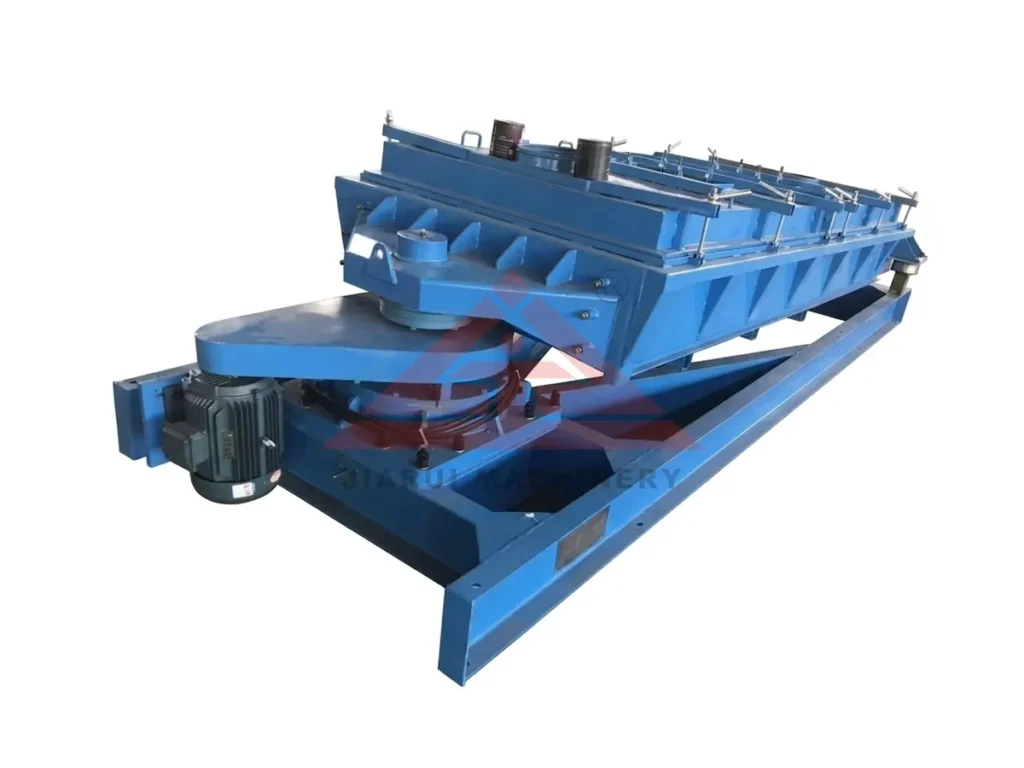
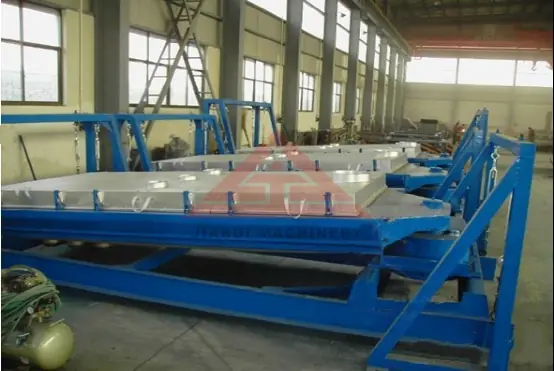
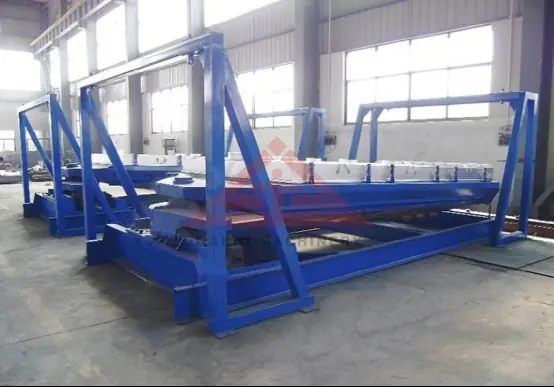
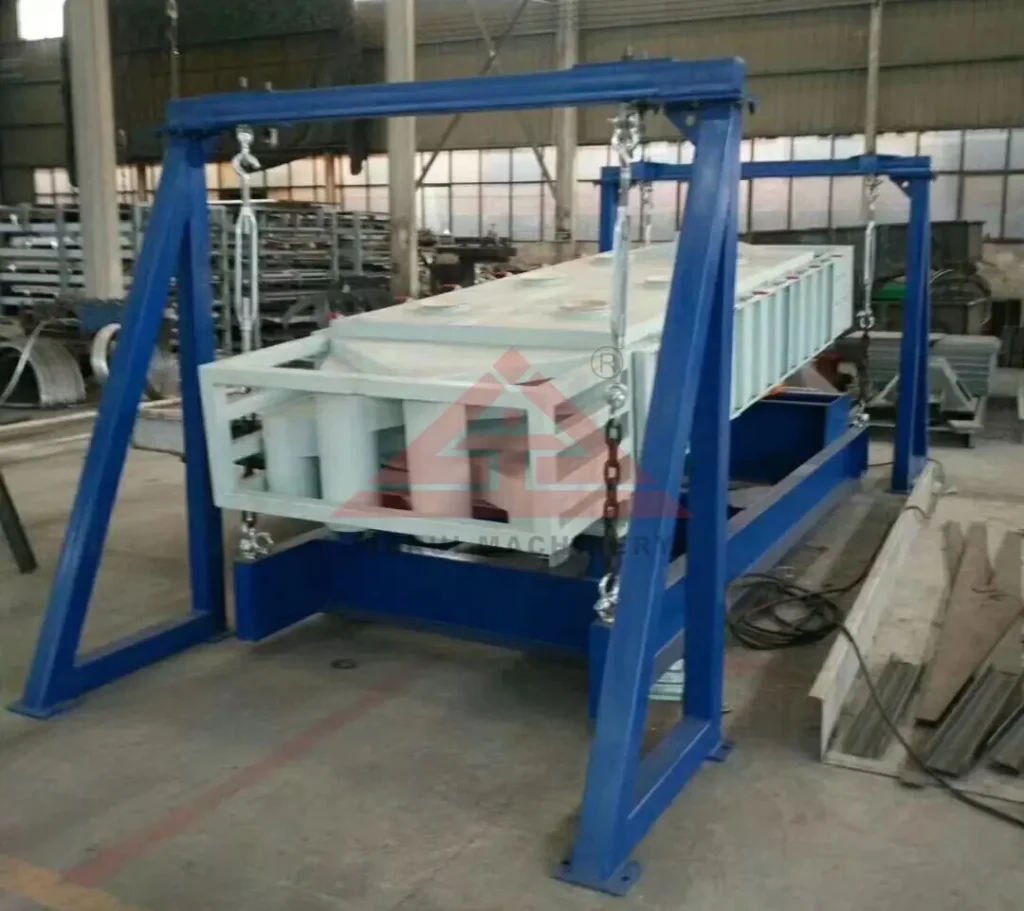
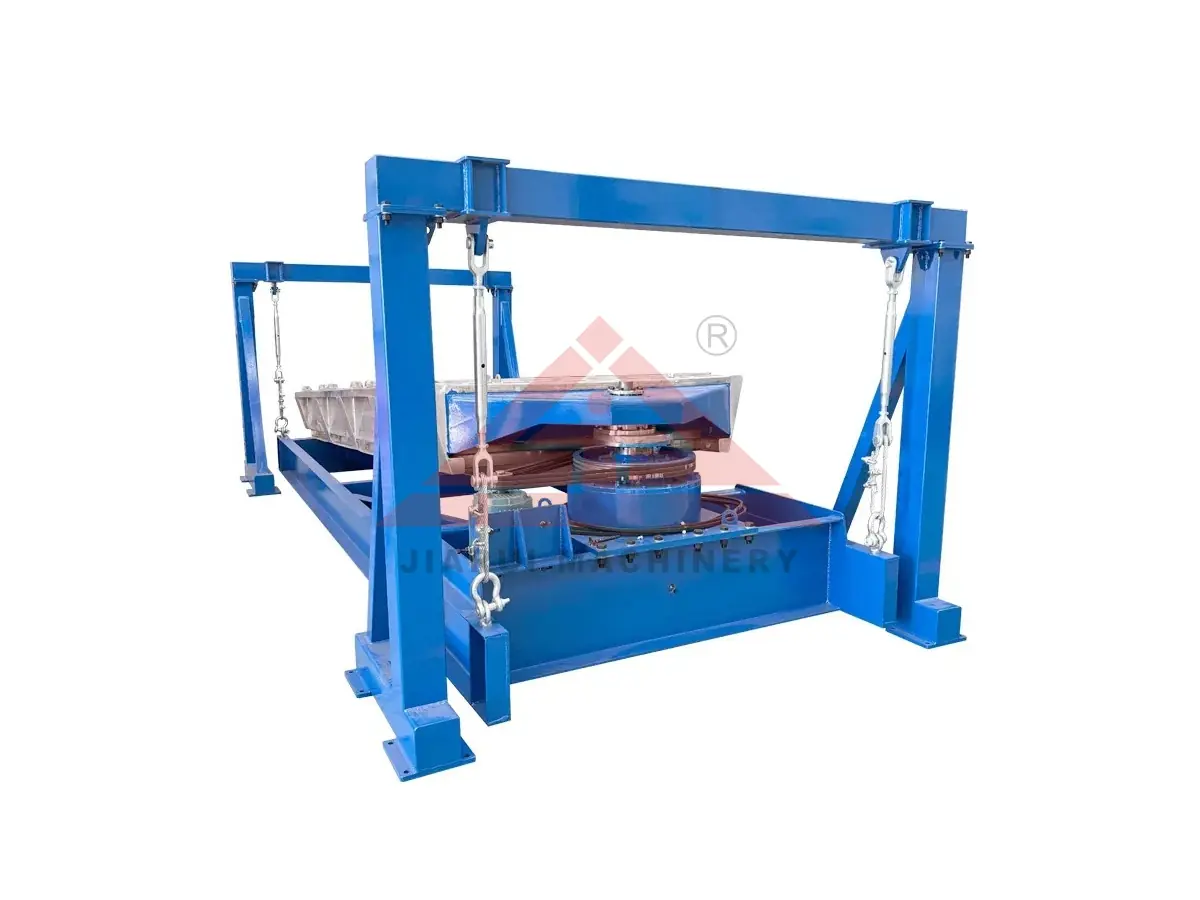
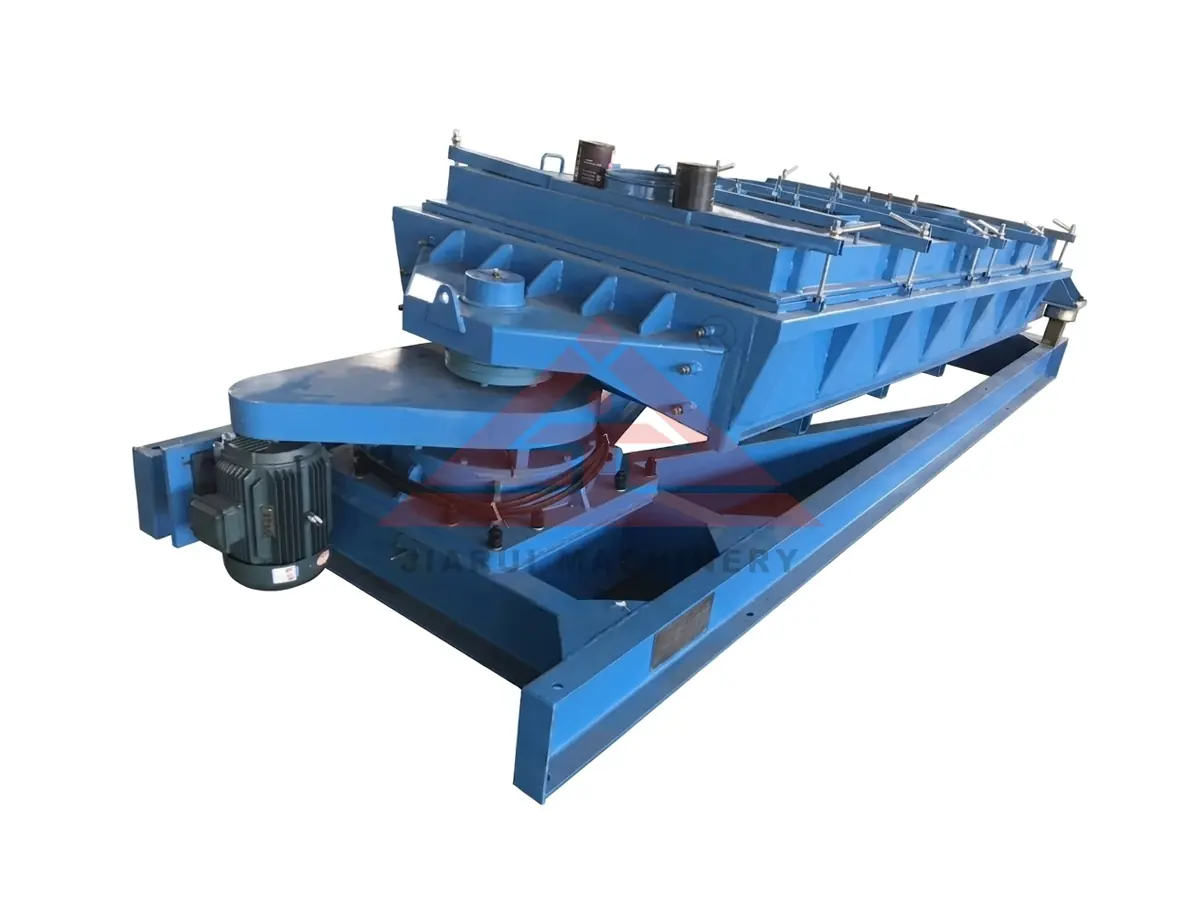
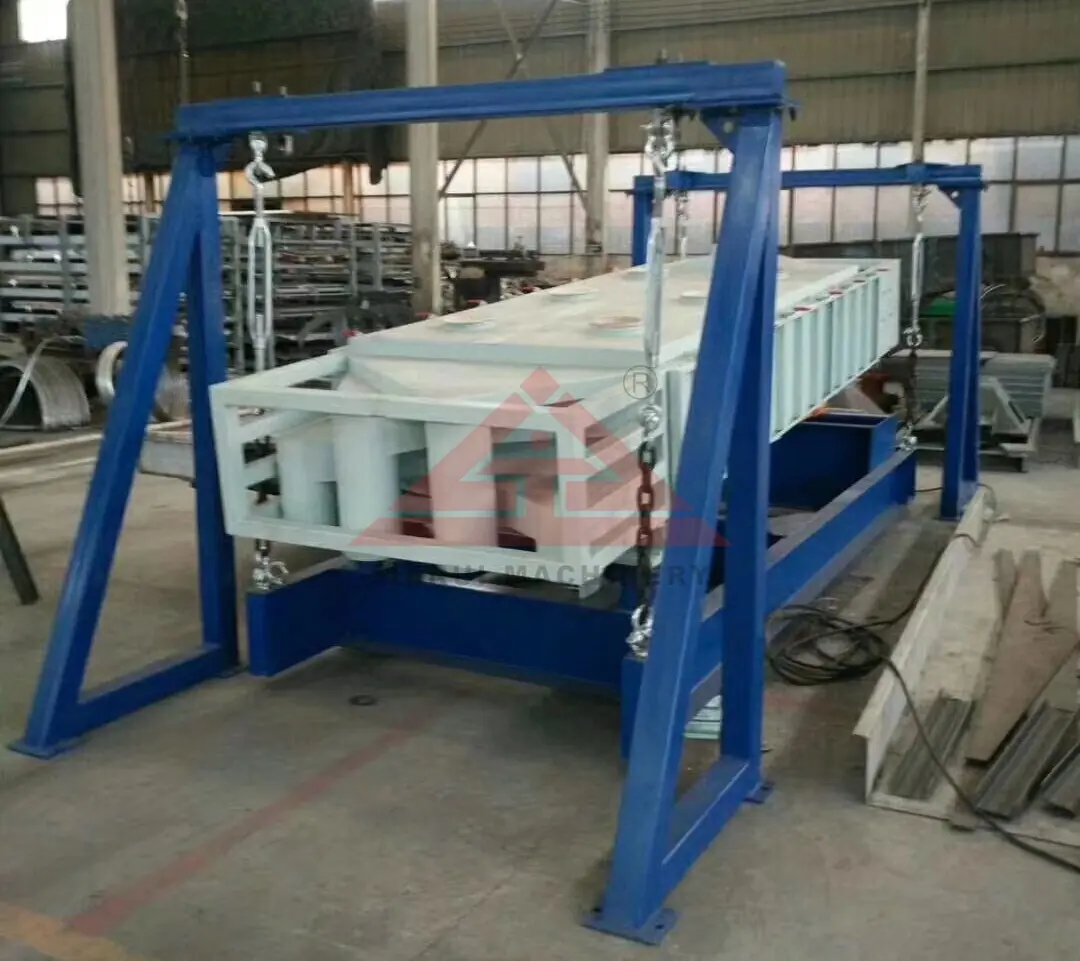
Planar Rotary Screen
Jiarui Machinery Planar Rotary Screen delivers exceptional separation precision for chemical, metallurgy, food, and mining sectors. Utilizing a unique reciprocating rotary motion across a near-horizontal deck, the JR-PH Series maximizes throughput while ensuring zero pollution via advanced dust-tight sealing. Equipped with an efficient mesh-cleaning system, it optimizes screen utilization. Explore the core technical parameters below to find your ideal configuration.
- Model: JR-PH0815/1014/1030/1530/1536/2036/2046
- Screening capacity: up to 100–800 t/h (depending on material conditions)
- Screening size range: 2–200 mm
- Screening area: customized multi-square-meter design
- Drive system: variable frequency motor (VFD control)
- Customization: screen aperture, rotation speed, feeding system,
- discharge layout, structural materials, dust-proof design
What is a Planar Rotary Screen?
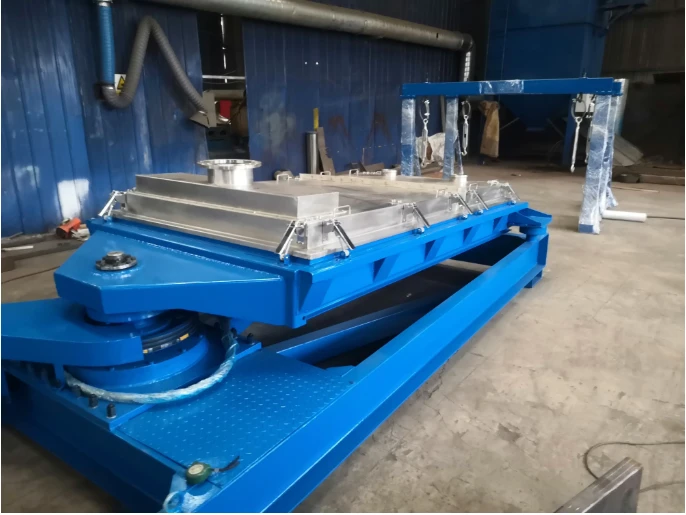
Planar Rotary Screen, also known as a flat rotary screen, is a machine used for separating bulk materials like coal, ore, aggregates, and chemical powders by particle size. It is widely used in mining, metallurgy, chemical, and grain processing lines. Depending on the material, capacity can reach about 800 t/h.
The machine has a near-horizontal screen surface and moves with a controlled back-and-forth rotary motion. Material enters from the center, spreads across the screen, and slowly moves outward in a spiral path. During this process, fine particles pass through the mesh, while larger ones move to the discharge end. A built-in cleaning system keeps the screen from blocking during running. In production lines, it is usually placed after jaw or cone crushers for final grading before conveying or stockpiling.For a more detailed explanation of its structure, working principle, and applications, see our What Is a Planar Rotary Screen? guide.
Working Principle of Planar Rotary Screen
The Planar Rotary Screen (also known as a gyratory screen or rectangular separator) utilizes a unique horizontal reciprocating motion to achieve high-capacity, high-precision particle separation and grading.
Key Technical Parameters & Mechanics
- Drive Mechanism: An eccentric wheel mechanism rotating around a fixed axis.
- Force Profile: A periodic, alternating inertial force generated in a specific direction along the horizontal plane.
- Screen Inclination: Horizontal or slightly inclined at an angle of 0°–5°.
- Motion Pattern: A variable trajectory transitioning from a side-to-side elliptical motion at the inlet, to a circular motion at the center, and finally to a linear reciprocating motion at the outlet.
For general information on particle size classification, sieving methods, and industrial screens, see the ISO/TC 24 technical scope.
Step 1: Material Feeding & Uniform Distribution
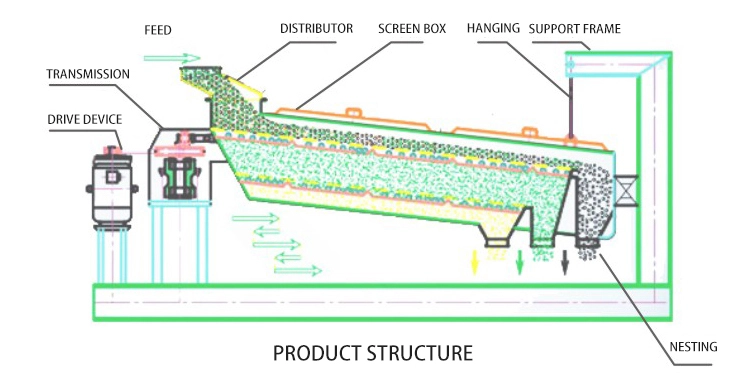
Material enters the screen box through the inlet and passes through a distribution device. As the machine starts, the drive assembly generates a reciprocating inertial force that causes the screen box to move periodically in the horizontal plane. This movement causes the material to spread quickly across the entire width of the screen surface, forming a thin, uniform material bed.
Step 2: Stratification by Planar Reciprocating Motion
As the material bed travels along the screen deck, it undergoes a directed, low-frequency tumbling and rolling movement. The horizontal shear forces cause the material to stratify naturally based on particle size:
- Fines (Undersize): Smaller particles quickly sink through the material bed, contact the screen mesh, and pass through the apertures to the lower deck.
- Coarse (Oversize): Larger particles remain buoyant on the upper surface of the material bed and advance forward toward the discharge end.
Step 3: Multi-Deck Grading and Separation
For multi-deck configurations, the material passes sequentially through multiple layers of screens with decreasing mesh sizes:
- Top Deck: Isolates and removes large impurities or oversized particles.
- Middle Deck: Separates and collects the qualified target product.
- Bottom Pan: Captures the finest dust, fines, or undersized impurities.
Step 4: Material Discharge
Upon reaching the discharge housing, the separated fractions are continuously routed into dedicated outlets:
- Oversize fractions discharge from the upper outlet.
- Qualified product discharges from the middle outlet.
- Undersize fractions or fines discharge from the bottom outlet.
Advantages of the Variable Trajectory Motion
[Inlet: Elliptical Motion] ──> [Center: Circular Motion] ──> [Outlet: Linear Motion]
(Spreads Material) (Stratifies Particles) (Discharges Oversized)
- No Vertical Vibration: The near-horizontal motion eliminates vertical impact, which protects fragile materials from degradation and significantly reduces the dynamic load on the supporting structure.
- Extended Screening Path: The combination of elliptical, circular, and linear motion paths forces particles to stay in contact with the screen mesh longer, maximizing screening efficiency and preventing mesh blinding.
Advantages
Planar Rotary Screen runs for stable and continuous grading of bulk materials. The structure keeps screening steady during long operation, reduces frequent adjustments, and makes daily use simpler on site. For a closer look at its main benefits, see our Planar Rotary Screen Advantages guide.
High screening efficiency
Multi-stage separation can reach up to 6 fractions. Efficiency usually stays around 90–95%, depending on the material.
Self-cleaning screen surface
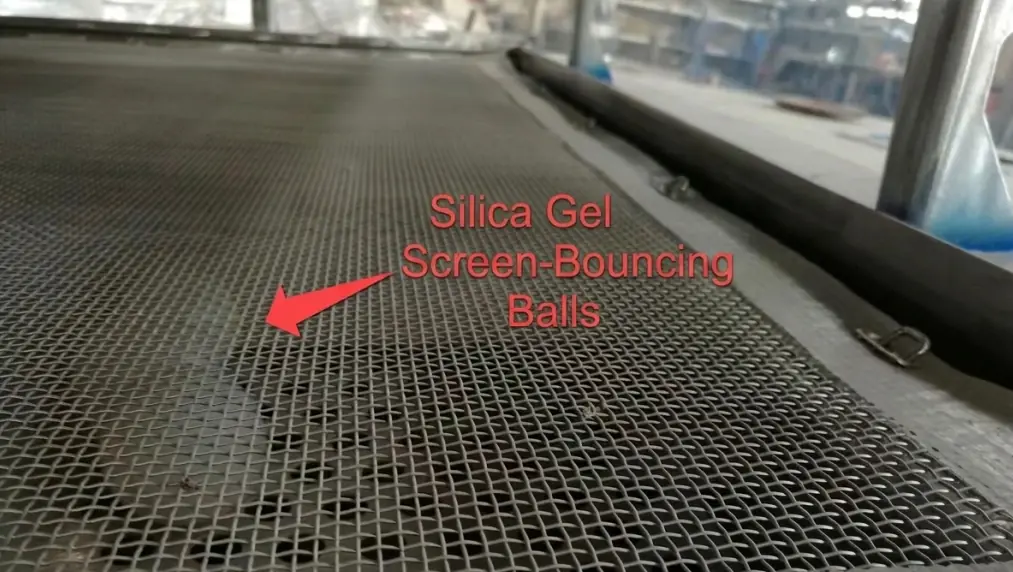
Each screen layer has bouncing balls underneath. During running, the balls keep tapping the mesh, helping loosen stuck material and reduce blockage so material can pass through more smoothly.
Better screen utilization and longer mesh life
Material moves in a controlled rolling path instead of strong vibration. Contact with the screen surface is more even, so the mesh wears slower and lasts longer in real operation.
Fully enclosed operation
The machine is sealed during operation. Dust leakage is reduced, and the surrounding area stays cleaner during production.
Low maintenance
No high-frequency vibration system inside. Fewer stressed parts during running, so maintenance mostly stays on routine checking and occasional part replacement.
Easy installation and layout
Structure is modular and compact. It fits both new plants and existing production lines without major layout changes.
Applications
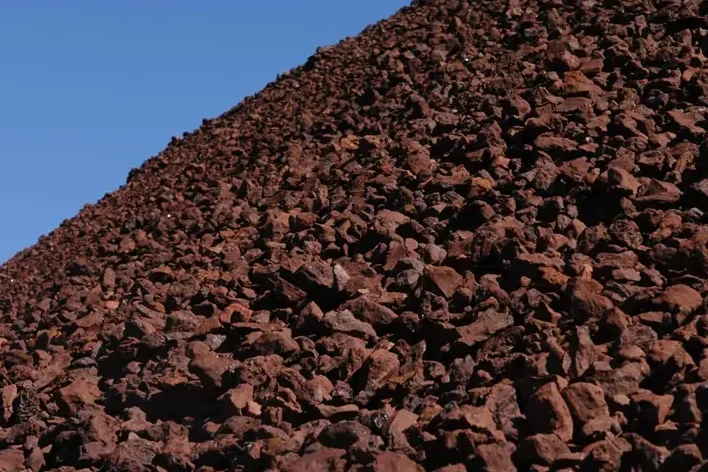
Planar Rotary Screen is used for continuous particle classification and grading in industrial production lines. It provides stable separation for medium and fine materials, helping maintain consistent particle size and stable product quality in large-scale processing systems. The following are Application Industries & Materials:
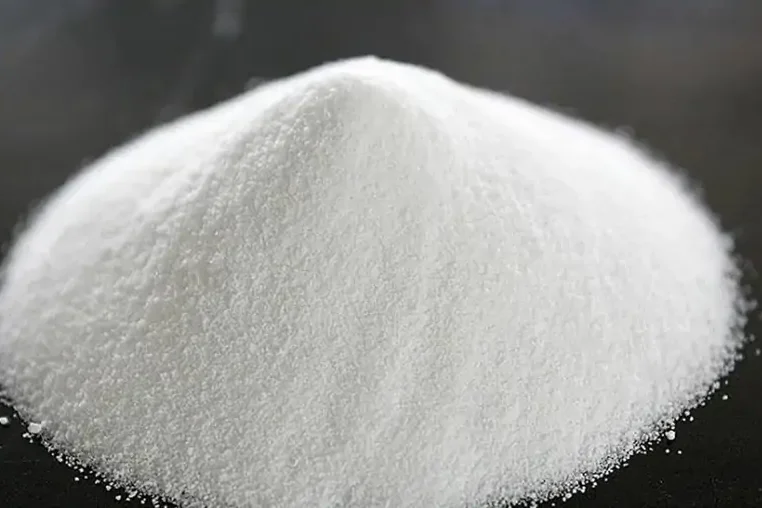
Fertilizer & Chemical Industry
Urea, compound fertilizers, DAP, phosphate materials, soda ash, sodium sulfate, activated carbon, PVC, resin powders, welding flux.
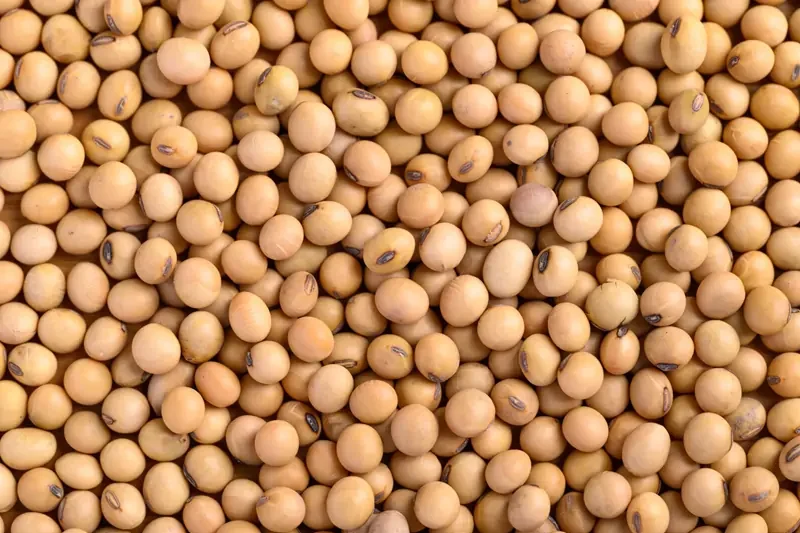
Food & Agricultural Processing
Grain cleaning and grading (wheat, corn, soybean), sugar, salt, tea, tobacco, starch, milk powder, and other food-grade or fragile materials.
Mining, Energy & Metallurgy
Coal, iron ore, limestone, graphite, silicon carbide, ceramic pellets, ferroalloys, abrasive materials, magnetic and refractory materials.
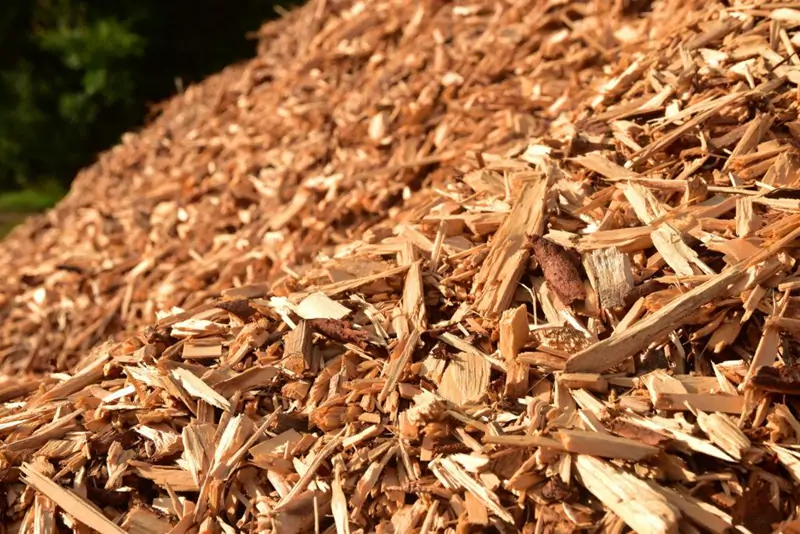
Environmental Protection & Recycling
Wood chips, plastic granules, recycled plastics, and solid waste sorting and resource recovery applications.
Technical Specifications
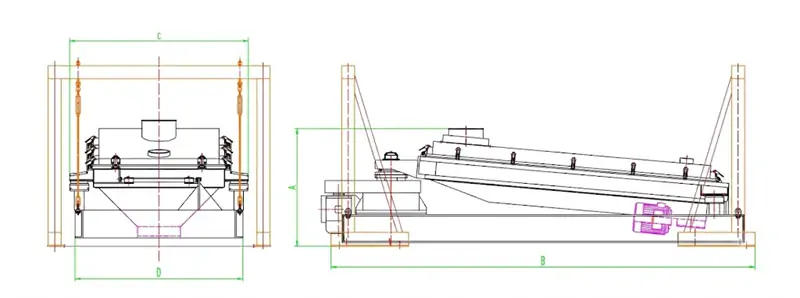
The configuration of the Planar Rotary Screen can be customized based on required capacity, material characteristics, screening stages, and plant layout. Jiarui Machinery provides flexible engineering design, including screen dimensions, layer configuration, drive power, and structural layout to match different production requirements. The specifications below are for reference and model selection.
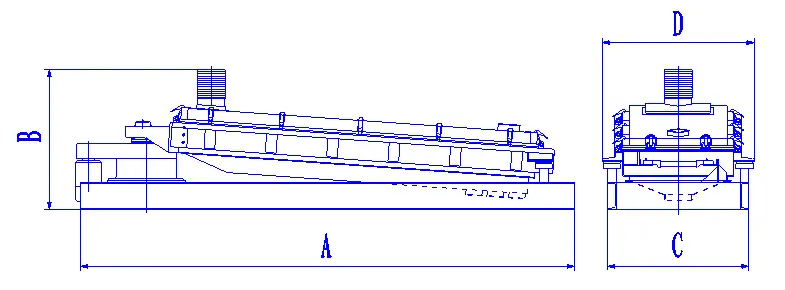
| Model | Decks | Screen SizeW×L (mm) | Stroke(mm) | Power(kw) | Speed(r/min) | A(mm) | B(mm) | C(mm) | D(mm) |
| JR-PH0815 | 1 | 800×1500 | 63.5 | 2.2 | 960 | 2752 | 967 | 898 | 943 |
| JR-PH1014 | 1 | 1000×1400 | 63.5 | 2.2 | 960 | 2731 | 962 | 1168 | 1200 |
| JR-PH1030 | 1 | 1000×3000 | 63.5 | 2.2 | 960 | 4484 | 1035 | 1194 | 1251 |
| JR-PH1530 | 1 | 1500×3000 | 76 | 3.7 | 1450 | 4232 | 1362 | 1778 | 1892 |
| JR-PH1536 | 1 | 1500×3000 | 89 | 5.5 | 960 | 5098 | 1352 | 1956 | 2048 |
| JR-PH2036 | 1 | 2000×3600 | 89 | 5.5 | 960 | 5263 | 1327 | 2464 | 2556 |
| JR-PH1030 | 2 | 1000×3000 | 76 | 3.7 | 1450 | 4575 | 1317 | 1270 | 1546 |
| JR-PH1530 | 2 | 1500×3000 | 89 | 5.5 | 960 | 4765 | 1397 | 1956 | 2159 |
| JR-PH1536 | 2 | 1500×3600 | 89 | 5.5 | 960 | 5365 | 1368 | 2032 | 2159 |
| JR-PH2046 | 2 | 2000×4600 | 89 | 7.5 | 960 | 6289 | 1727 | 2591 | 2743 |
| JR-PH1030 | 3 | 1000×3000 | 76 | 3.7 | 1450 | 4854 | 1422 | 1435 | 1549 |
| JR-PH1530 | 3 | 1500×3000 | 89 | 5.5 | 960 | 4765 | 1391 | 1956 | 2159 |
| JR-PH0815 | 4 | 800×1500 | 76 | 3.7 | 1450 | 3806 | 1549 | 1270 | 1537 |
| JR-PH1030 | 4 | 1000×3000 | 89 | 5.5 | 960 | 5159 | 1486 | 1524 | 1607 |
| JR-PH1530 | 4 | 1500×3000 | 89 | 7.5 | 960 | 5505 | 1778 | 2007 | 2223 |
Planar Rotary Screen vs Vibrating Screen
In industrial screening applications, equipment selection depends on material characteristics, capacity demand, and plant layout. Both Planar Rotary Screen and Vibrating Screen are widely applied in mining, aggregate, and bulk material processing systems, operating under different screening mechanisms and suitable for different working conditions. Jiarui Machinery supplies both solutions to support different production requirements.
| Item | Planar Rotary Screen | Vibrating Screen |
| Working Principle | Rotating screening surface with controlled material residence time | High-frequency vibration for particle separation |
| Material Behavior | Stable rolling movement, longer screening time | Rapid vibration and particle stratification |
| Suitable Conditions | Mixed materials, moderate moisture, multi-fraction grading | Dry, free-flowing materials, simple grading |
| Feed Characteristics | Handles variable feed conditions more steadily | Requires stable and uniform feed |
| Capacity Range | 10–350 t/h (model dependent) | 20–500 t/h (configuration dependent) |
| Screening Efficiency | Stable 90–95% under continuous operation | 80–90%, influenced by feed stability |
| Moisture Adaptability | Medium tolerance to moisture and stickiness | Low tolerance, higher clogging risk under wet conditions |
| Particle Size Range | Suitable for medium to fine multi-stage separation | Suitable for coarse to medium grading |
| Maintenance Demand | Low wear components, longer service interval | Regular mesh, spring, and bearing replacement required |
| Installation Requirement | Compact modular layout, flexible arrangement | Requires reinforced foundation and vibration support |
| Investment Level | Medium | Medium to low |
| Operational Stability | More stable under variable working conditions | Best performance under stable operating conditions |
Selection Insight
For mixed materials, moderate moisture, or when multiple grading steps are needed, the Planar Rotary Screen usually performs more steadily. Vibrating screens are more commonly used for dry, stable feed with higher throughput. The final choice still depends on real material conditions and how the plant is arranged.For fine powders, impurity removal, or compact multi-layer screening, you can also consider our Rotary Vibrating Screen.
If you are still unsure about the right selection, you can contact us for technical advice based on your material and project conditions.
Custom Planar Rotary Screen
Planar Rotary Screen can be adjusted according to different production needs, especially for materials with mixed particle size, moisture variation, or multi-grade separation requirements. We design the equipment based on actual process conditions, and key parameters such as screen size, number of layers, capacity, material type, and plant layout can all be customized to fit existing lines or new projects, including integration with upstream crushing and downstream conveying systems.
To provide a suitable configuration and quotation, please share the following details:
- Material type and bulk density
- Feed particle size range
- Required capacity (t/h)
- Number of screening layers
- Site layout or available installation space
- Preferred material of construction (carbon steel / stainless steel)
If details are unclear, our engineering team can help you confirm the configuration.
Why Choose Jiarui Machinery?
Jiarui Machinery has been focusing on industrial screening and conveying equipment since 2012. As a direct manufacturer, we control the full process from engineering design, fabrication, assembly to testing, ensuring consistent quality and stable delivery for different industrial projects. Our equipment is widely used in mining, aggregates, chemical processing, food production, and new material industries.
Each system is engineered based on real operating conditions, including material characteristics, moisture level, particle size distribution, and required capacity. This application-driven design approach allows us to provide customized screening solutions rather than standard configurations, helping reduce common production issues such as mesh clogging, unstable grading, and unplanned downtime in continuous operations.
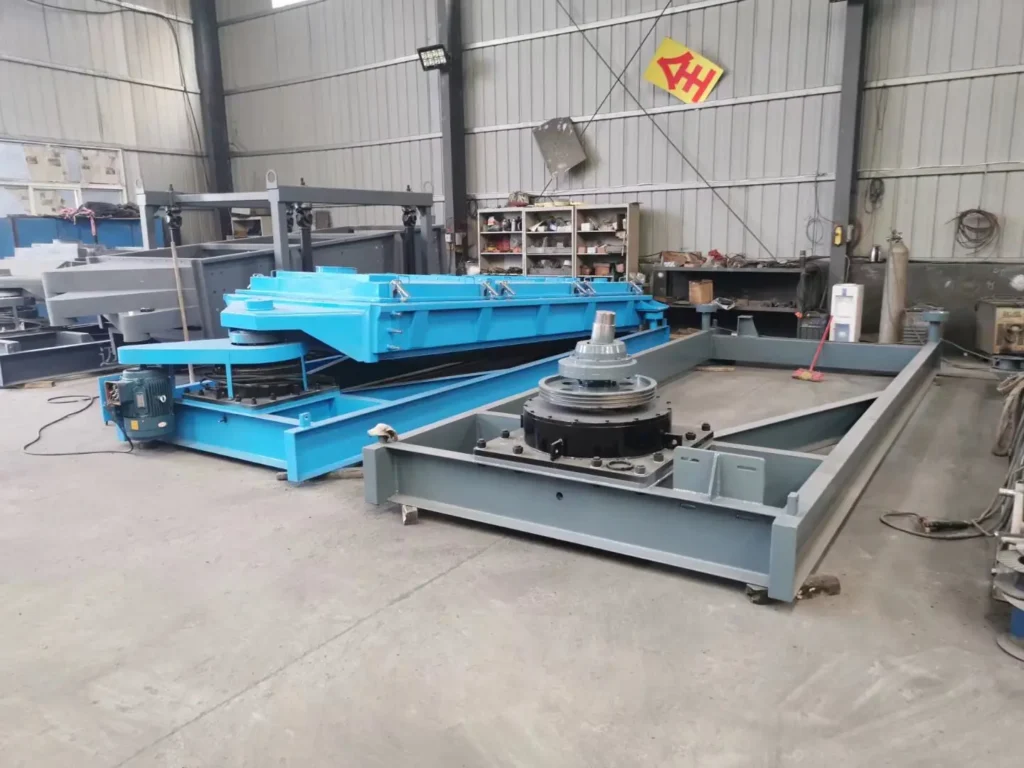
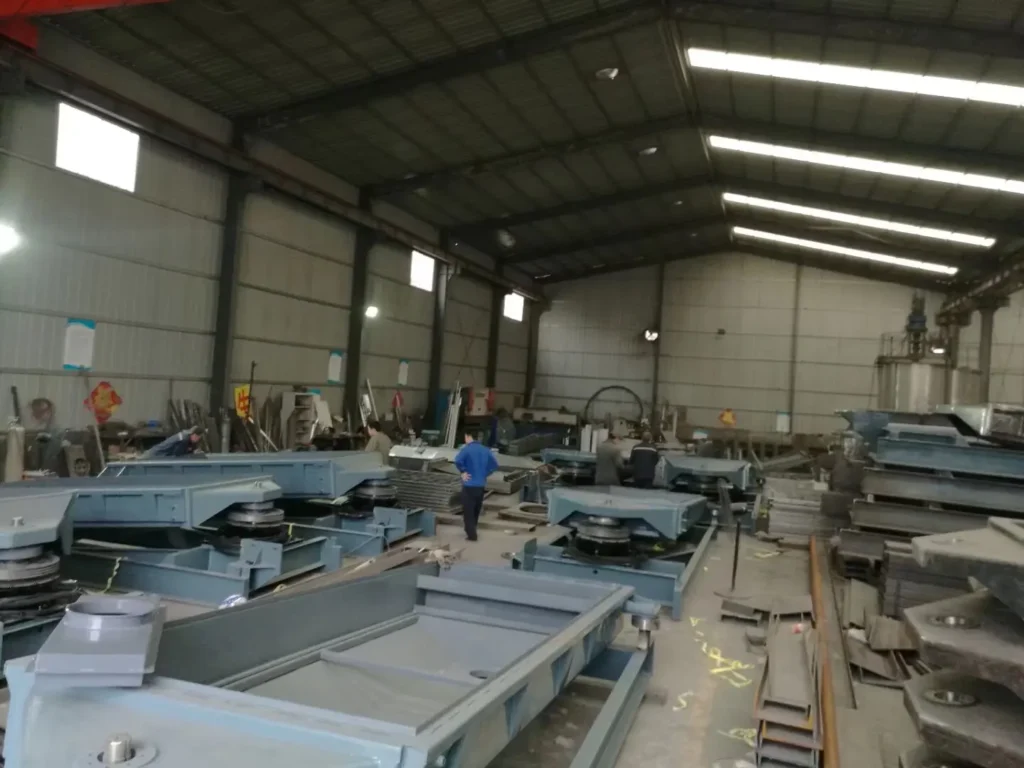
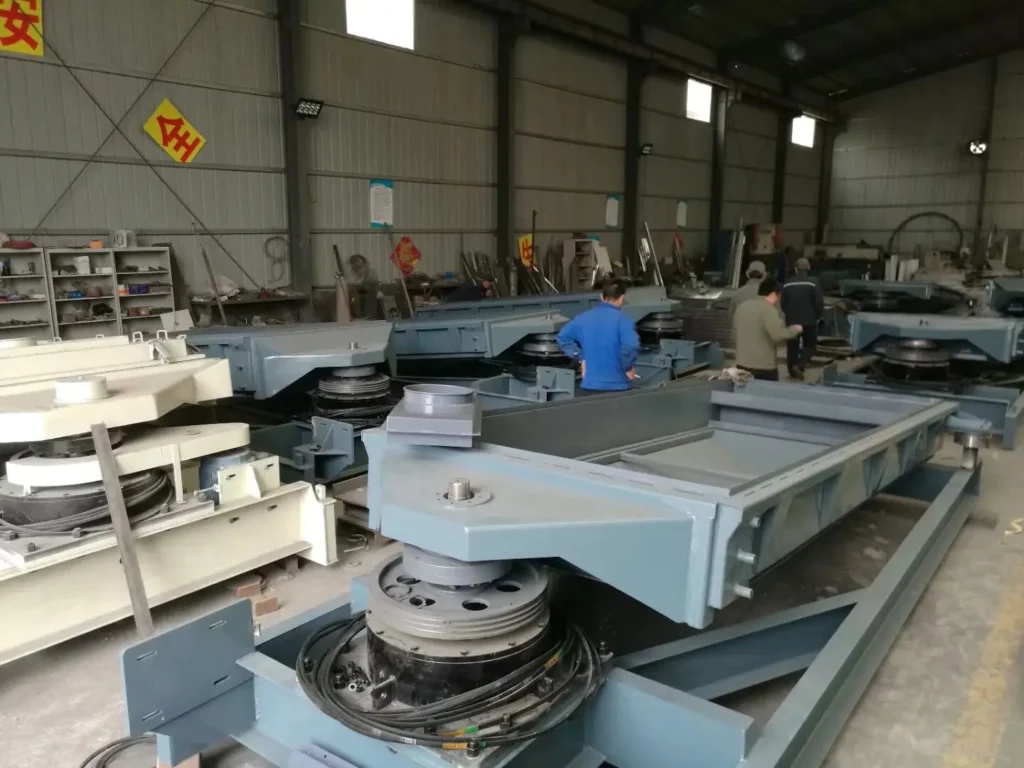
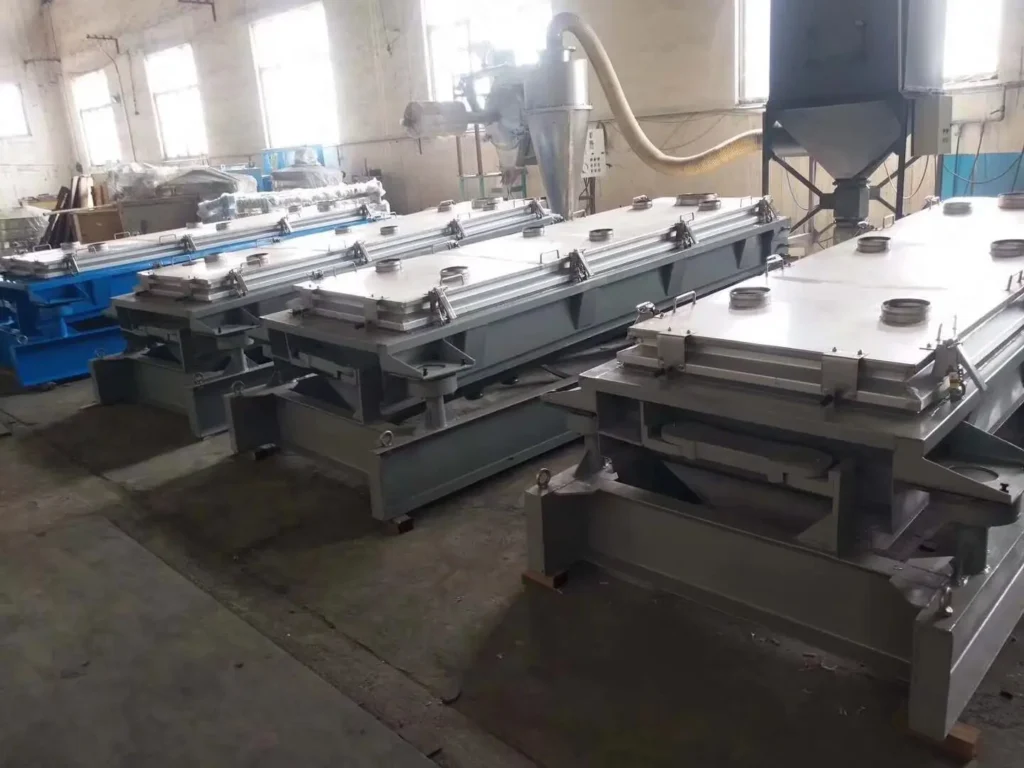
Over the years, Jiarui Machinery has supplied equipment to a wide range of domestic and international industrial projects across different production scales and working environments. This field experience further supports our ability to adapt designs to varied process requirements while maintaining stable performance. All equipment is manufactured under the ISO9001 quality management system and supported by multiple utility model patents and continuous engineering improvements.
Beyond single machines, we provide complete screening system solutions, including process matching, layout planning, customized design, installation guidance, and long-term technical support. The focus is on ensuring reliable operation and stable performance in real production environments.
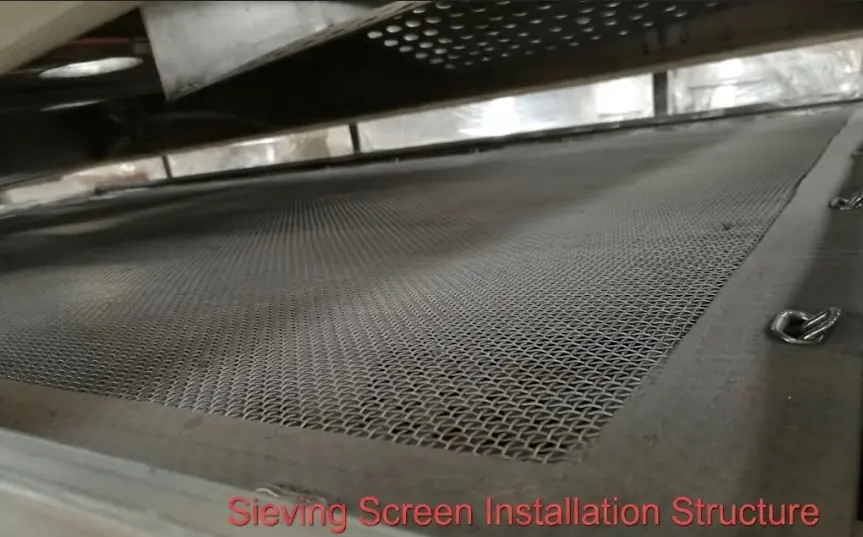
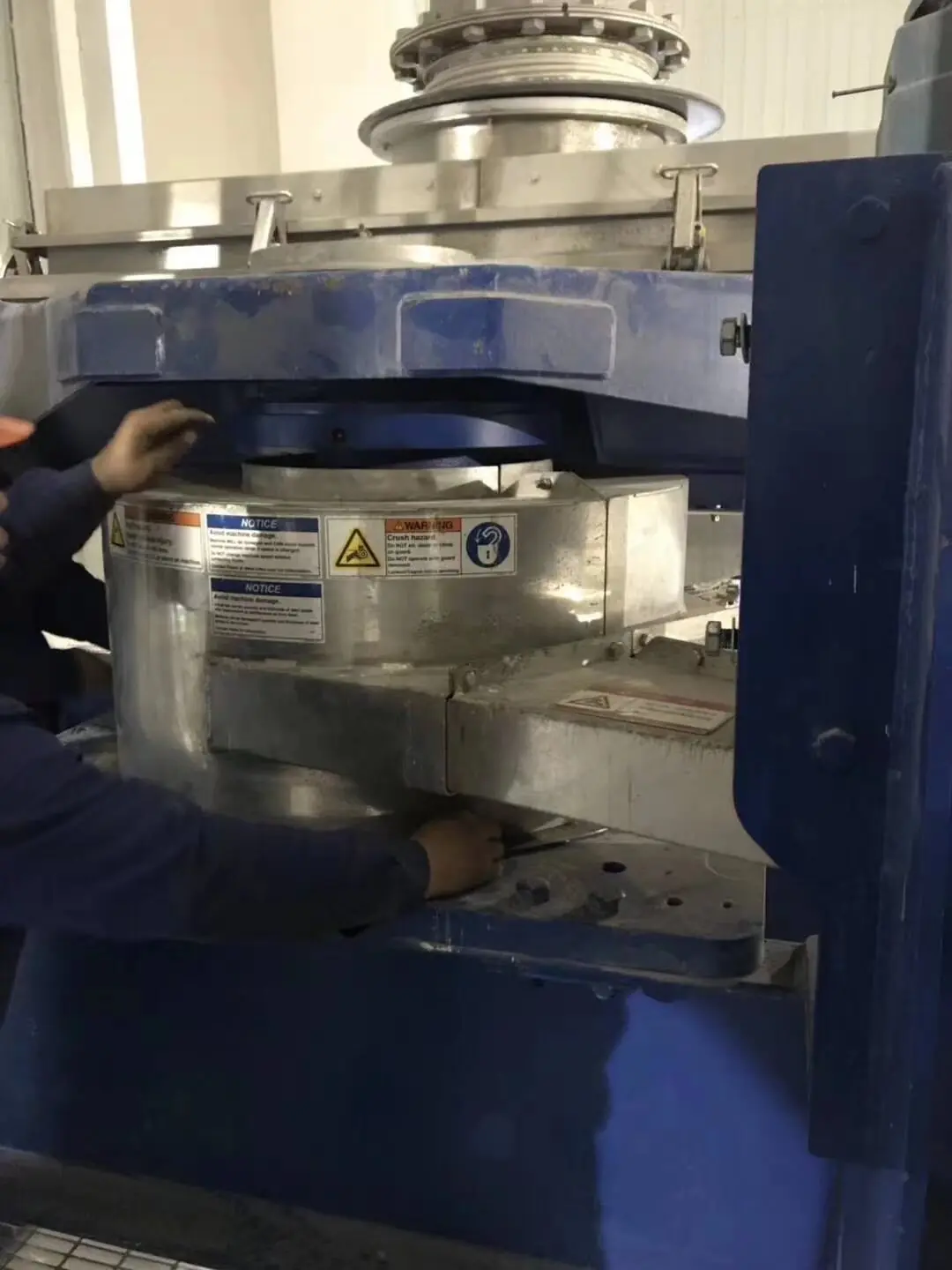
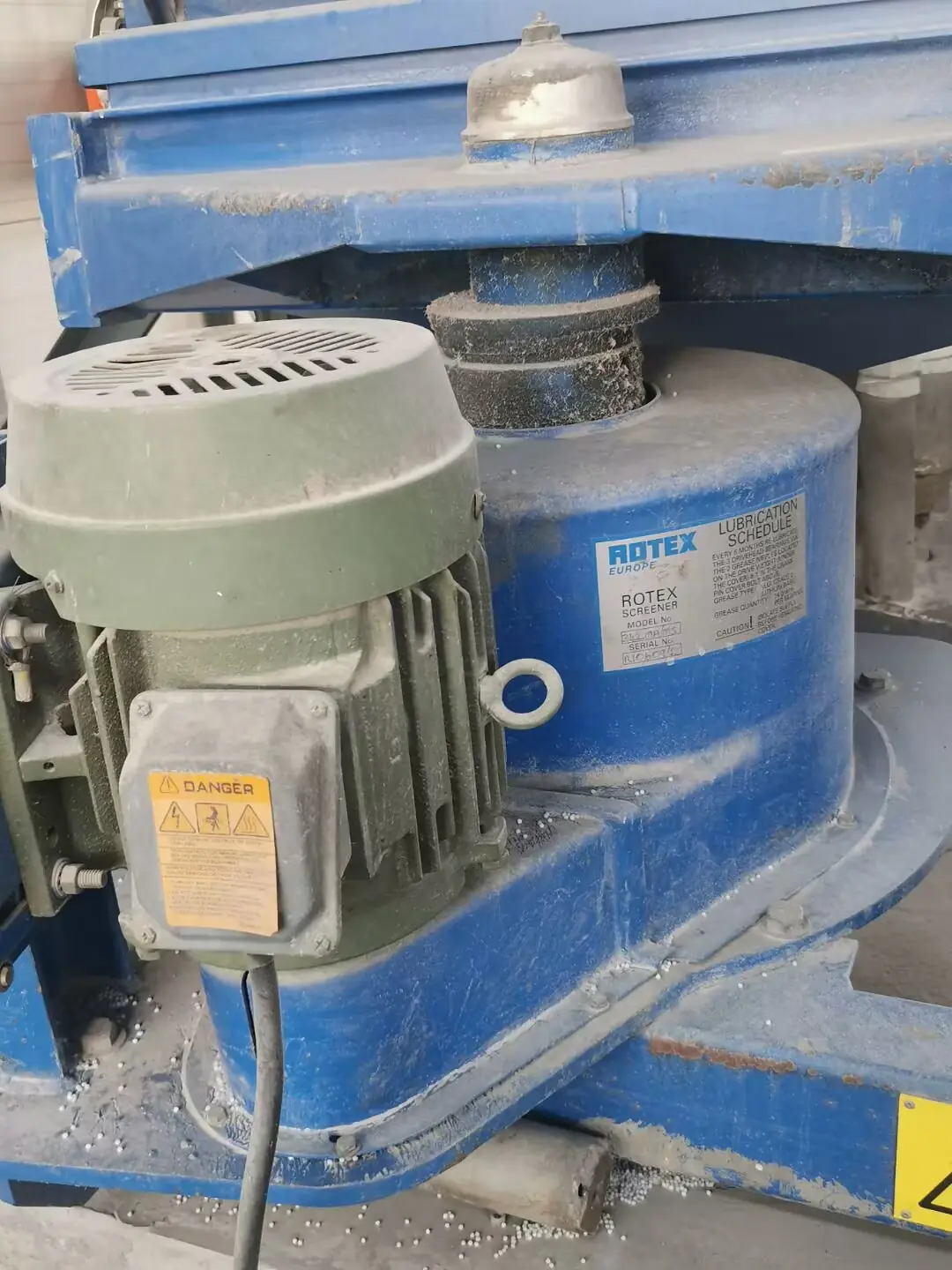
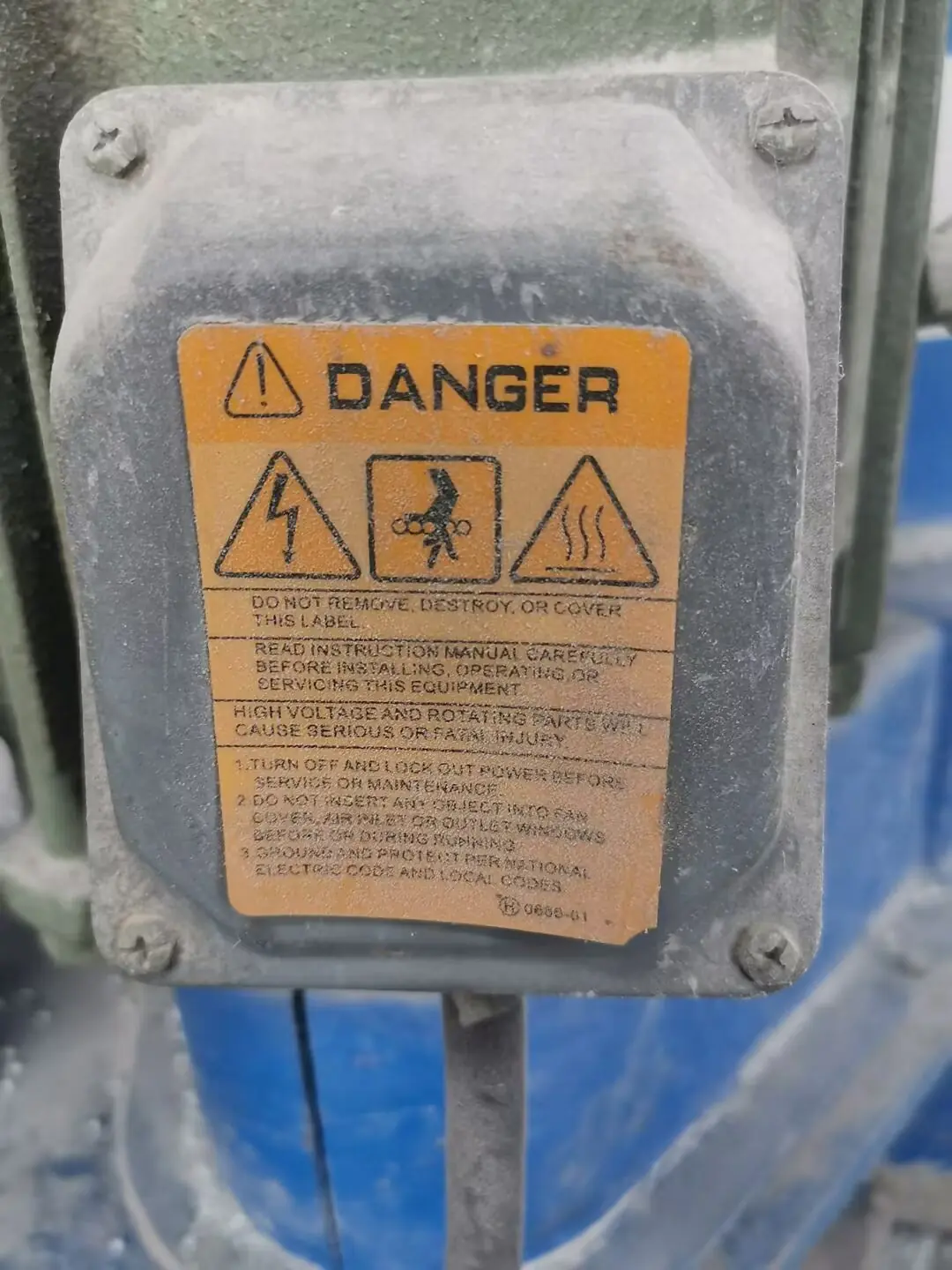
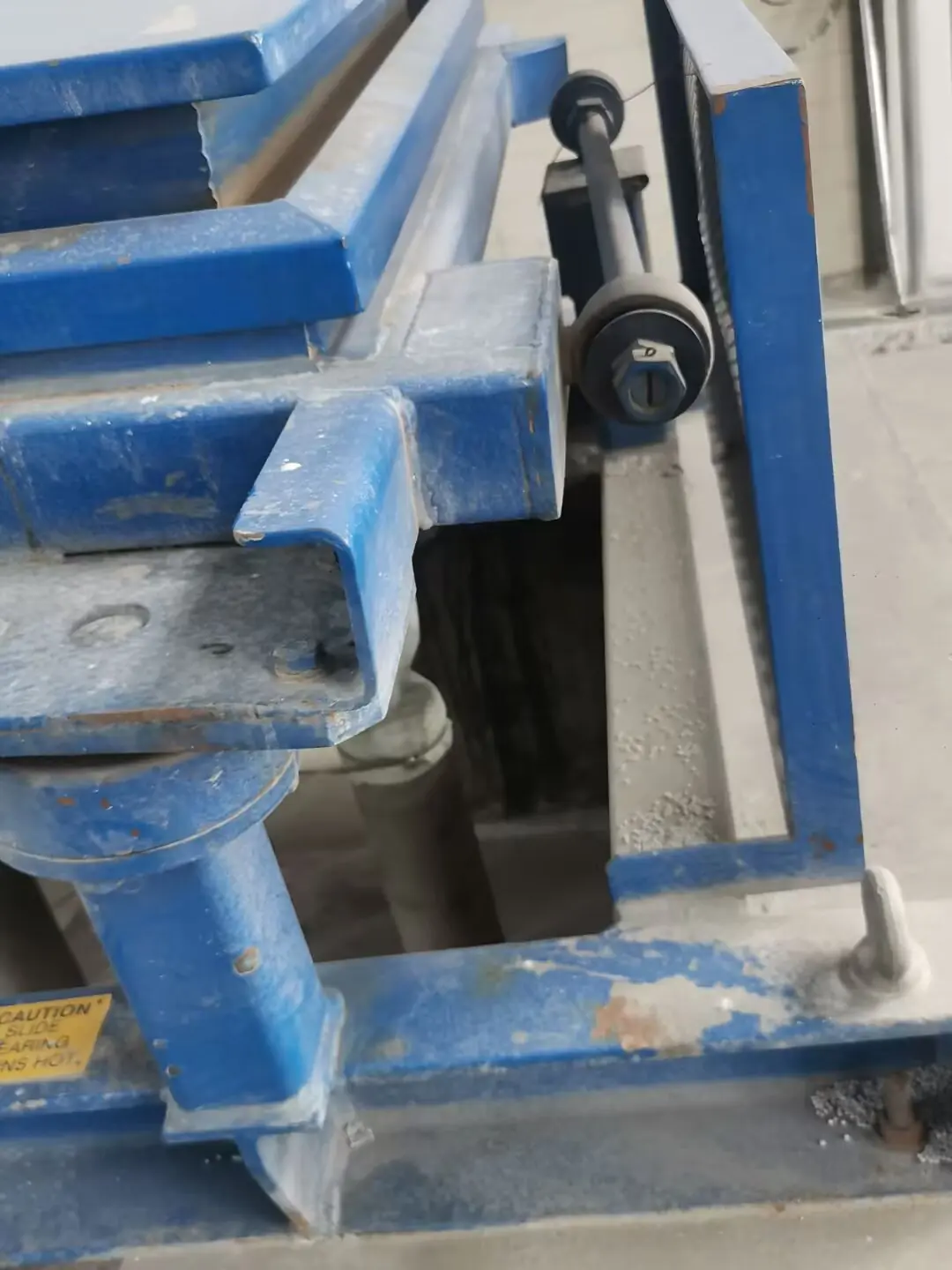
Planar Rotary Screen Component Details
Related Articles
What is a Planar Rotary Screen?
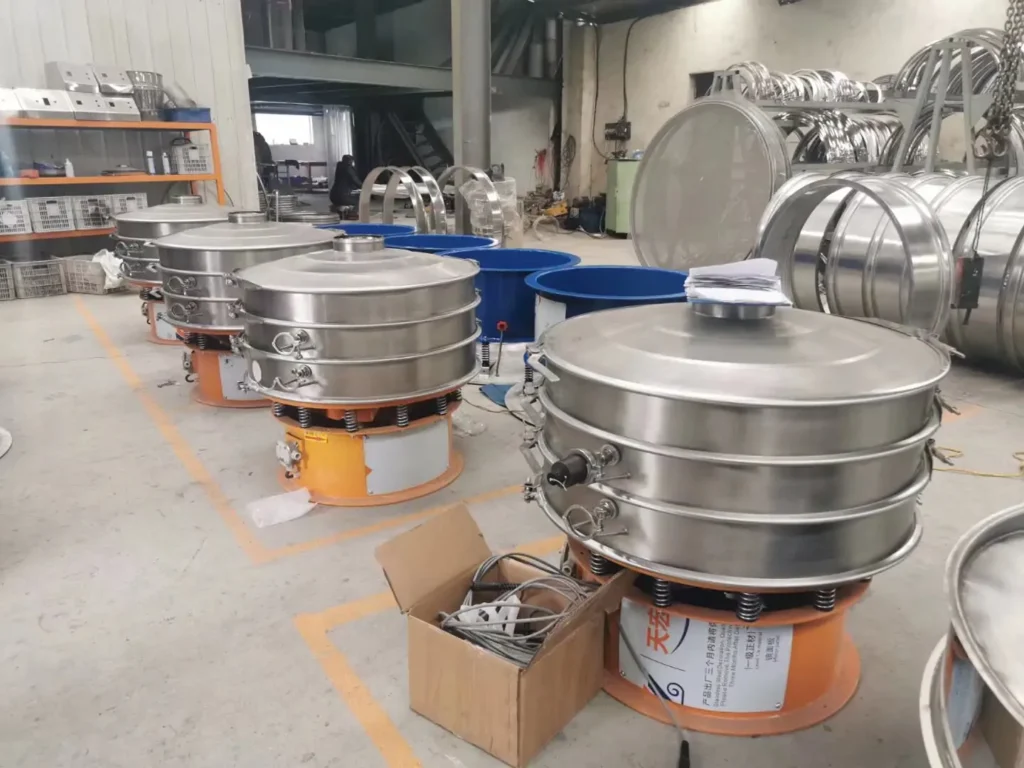
What Is an Ultrasonic Vibrating Screen?
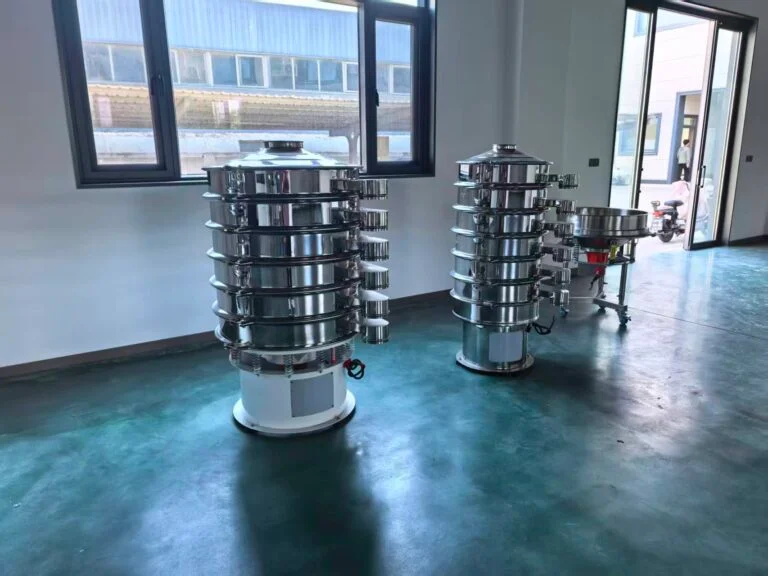
What is a Rotary Vibrating Screen?
FAQs
Get a Free Consultation
Fill out the form below to connect with our experts and receive personalized recommendations for your application.