泰国陶瓷制造商陶瓷浆料过滤解决方案

Project Summary

Project ItemDetails
Customer LocationThailand
Screening MaterialWet Ceramic Slurry
Material Density / Specific Gravity1.1
Screening Mesh Size100 mesh
Required Capacity1000 L/h
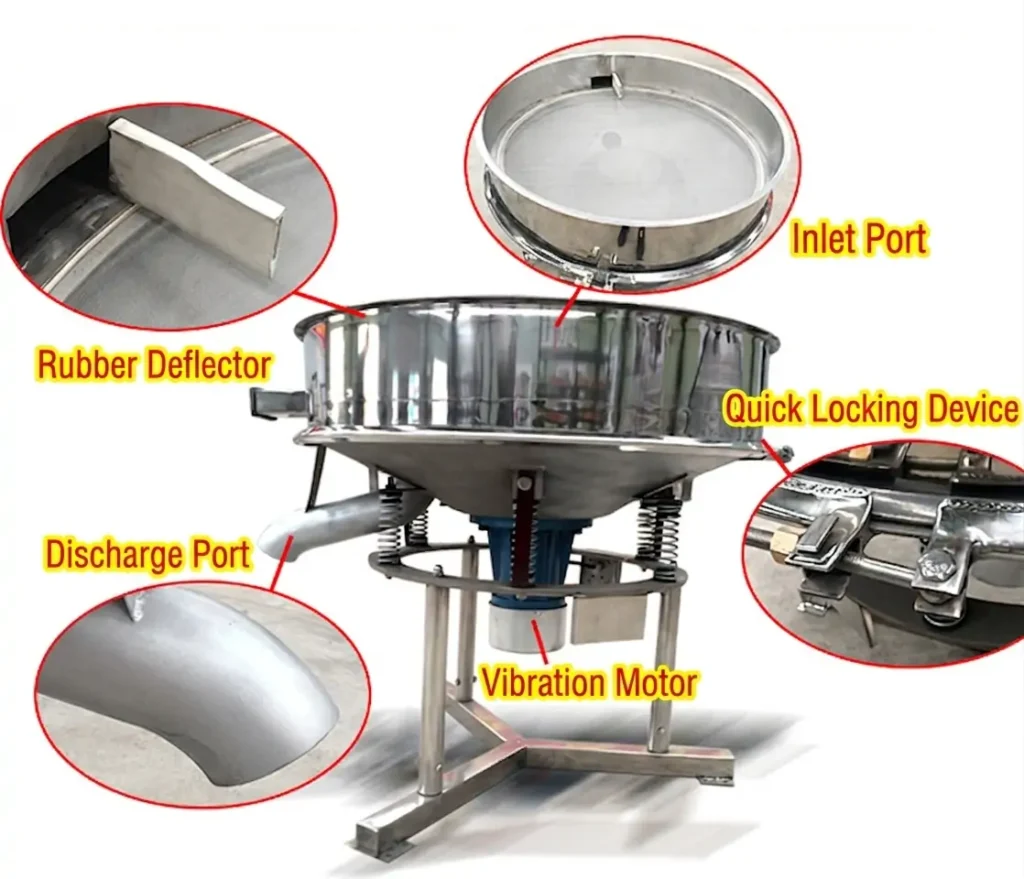
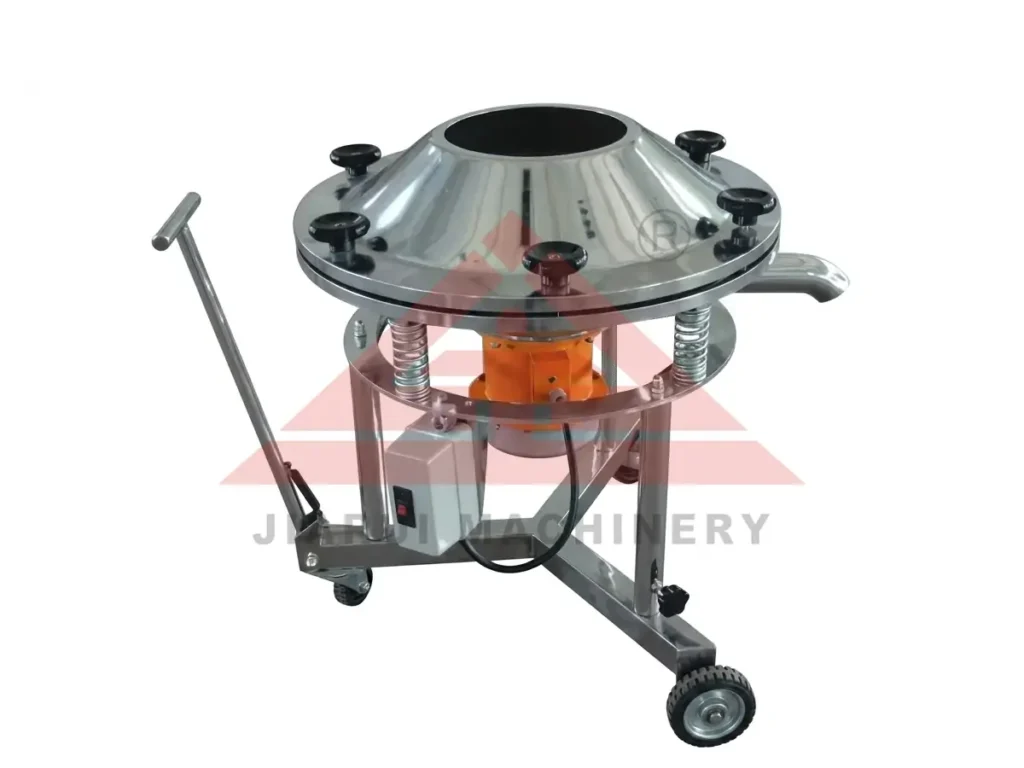
Equipment ModelHigh Frequency Filter Vibrating Screen JRG1000-1S
Screen Diameter1 meter
Screen Deck1 layer
Material Contact PartsSUS304 Stainless Steel
电机功率1.1 kW / 380V / 50Hz
Delivery DateAugust 2025

Project Background

In August 2025, 嘉瑞机械 provided a Ceramic Slurry Filter solution for a ceramic manufacturer in Thailand. The customer produces ceramic products and had a slurry filtration process in their production line.

The original process used a conventional vibrating screen for slurry separation. However, during actual operation, two major problems occurred.

  • First, the screen mesh frequently became blocked, especially when the moisture content of the material fluctuated. This caused a noticeable decline in screening efficiency and required frequent shutdowns for cleaning.
  • Second, the actual processing capacity could not meet the production line requirements, which resulted in waiting time for the following production steps.

Before contacting Jiarui, the customer had tried adjusting the mesh size and increasing the excitation force of the vibration motor. However, these adjustments did not provide a stable improvement.

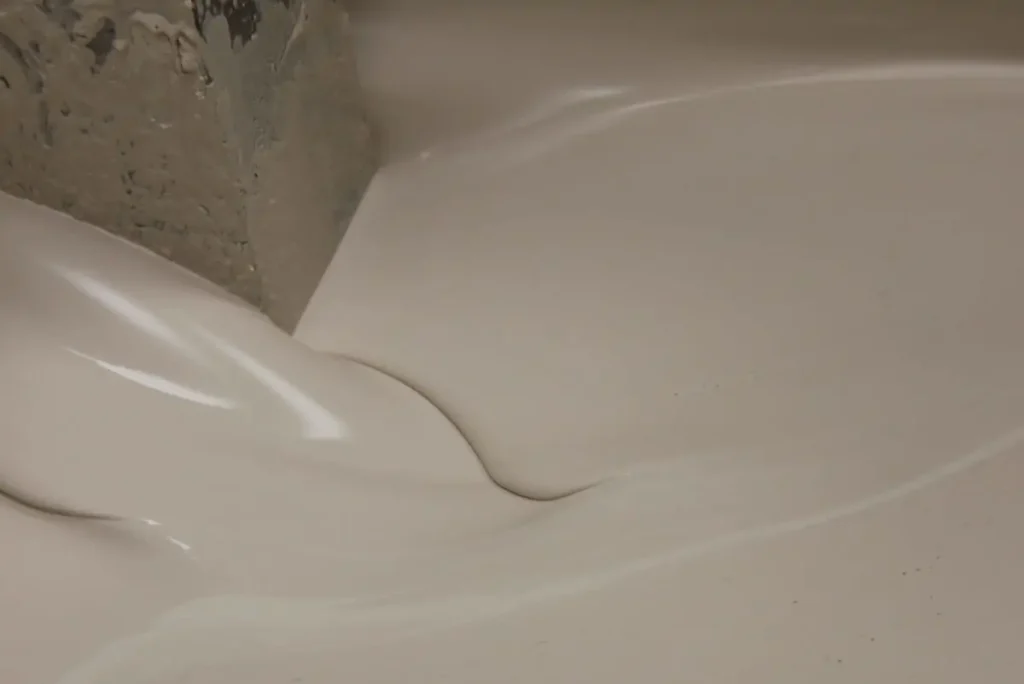
陶瓷浆料过滤

The main challenge was related to the material characteristics. The material was wet ceramic slurry with a specific gravity of 1.1, and its viscosity changed with moisture content. The screening movement and amplitude of conventional vibrating screens were difficult to achieve effective 100 mesh separation while maintaining continuous discharge.

Jiarui’s Ceramic Slurry Filter Solution

Based on the material characteristics and production requirements provided by the customer, Jiarui’s engineering team evaluated the screening method, equipment size, and screen configuration. After assessment, Jiarui recommended the High Frequency Filter Vibrating Screen JRG1000-1S as the screening solution.

This model adopts a high-frequency and low-amplitude vibration principle. Compared with conventional vibrating screens, its higher vibration frequency makes it more suitable for handling wet and sticky materials. The equipment is designed with a 1-meter screen diameter and a single-layer screen structure. The material contact parts are made of SUS304 stainless steel, meeting the requirements of ceramic slurry processing for corrosion resistance and easy cleaning.

For more product information, please check our product page: 高频过滤振动筛

Product Configuration

Configuration ItemParameters
Screen ModelJRG1000-1S
Screen Diameter1000 mm
Screen Layer1 layer
Screen Mesh Size100 mesh (customer supplied and replaceable)
材质Material contact parts: SUS304 Stainless Steel
电机功率1.1 kW
Power Supply380V / 50Hz
Vibration FrequencyHigh frequency (specific parameters available in technical manual)
Feeding MethodPipeline connection, continuous feeding

Why Recommend JRG1000-1S High Frequency Filter Vibrating Screen?

Jiarui evaluated the customer’s material characteristics and production requirements from several aspects.

1. Suitable for Wet Ceramic Slurry Screening

The material was wet ceramic slurry with a specific gravity of 1.1, which is considered a medium-heavy slurry. Conventional vibrating screens usually operate at a lower vibration frequency with larger amplitude. For wet and sticky materials, this can easily cause screen blinding, where slurry adheres to the mesh surface and reduces screening performance.

The JRG1000-1S adopts a high-frequency vibration design with higher vibration frequency and smaller amplitude. This allows slurry to form a thinner layer on the screen surface and pass through the mesh faster, reducing the residence time of material on the screen and lowering the risk of blockage.

This makes it a suitable Wet Slurry Screening Equipment option for applications requiring continuous processing.

2. Matching the Required Processing Capacity

The customer required a processing capacity of 1000 L/h. Based on a 1-meter diameter screen surface, the screening area is approximately 0.785 m², resulting in a unit area processing load of about 1273 L/(m²·h).

This load level is considered medium to relatively high for ceramic slurry screening. However, due to the higher penetration efficiency of high-frequency vibration, the equipment was able to meet the customer’s production requirements during operation.

3. SUS304 Stainless Steel for Material Contact Parts

The material contact parts were manufactured with SUS304 stainless steel because ceramic slurry is generally weakly acidic or neutral. SUS304 provides sufficient corrosion resistance for this application and is also easier to clean, helping prevent cross-contamination between different slurry batches.

4. Suitable Power Configuration

The customer’s site power supply was 380V / 50Hz. Jiarui selected a 1.1 kW motor configuration, providing sufficient vibration force while maintaining reasonable energy consumption.

Comparison Before and After Installation

Comparison ItemOriginal Conventional Vibrating ScreenJRG1000-1S High Frequency Filter Vibrating Screen
Screening EfficiencyApproximately 60-70%, reduced below 50% when moisture content fluctuatedStable above 90%
Screen Blocking FrequencyRequired shutdown cleaning every 2-3 hoursContinuous operation for 8 hours without cleaning
Processing CapacityActual approximately 600-700 L/hStable at 1000 L/h
Screened Material QualityOccasional oversized particles passing throughNo oversized particles in 100 mesh undersize material
Maintenance DowntimeAround 2 hours per dayAround 0.5 hours per day (routine inspection only)

The above data comes from the customer’s actual production operation records, not laboratory testing.

Project Results

The equipment was delivered and installed in August 2025. After commissioning, the customer reported that the JRG1000-1S operated stably, with improved screening efficiency and significantly reduced screen blocking issues.

The production line returned to normal operation, and the downstream process no longer experienced waiting caused by insufficient slurry supply.

The actual improvements included:

  • The processing capacity remained stable above 1000 L/h, meeting the production requirement.
  • Screen cleaning frequency was reduced from once every 2-3 hours to once per production shift, reducing operator workload.
  • The screened slurry had a more uniform particle size distribution, and no excessive coarse particles were found in the 100 mesh undersize material.
  • Equipment noise and vibration remained within an acceptable range and did not interfere with surrounding equipment.
  • The customer plans to apply this model to other slurry screening positions in the future.

结论

This project demonstrates that wet ceramic slurry screening depends on the proper matching of vibration parameters and material characteristics. Compared with conventional screening methods, high-frequency and low-amplitude vibration provides better adaptability for wet and sticky materials, especially in reducing screen blockage and maintaining continuous operation.

For customers looking for a Ceramic Slurry Filter, Ceramic Slurry Screening Machine, or Slurry Screening Machine for wet and fine screening applications, this case can provide a practical reference. The final equipment selection should always consider key factors such as material density, viscosity, processing capacity, and required mesh size.

联系我们

If you have similar slurry screening requirements, please contact Jiarui Machinery for technical selection advice. Based on your material characteristics and production conditions, we can provide customized screening solutions with suitable equipment configurations.

联系我们

邮箱: info@jiaruimachinery.com
电话/WhatsApp: +86 18838703198

获取报价