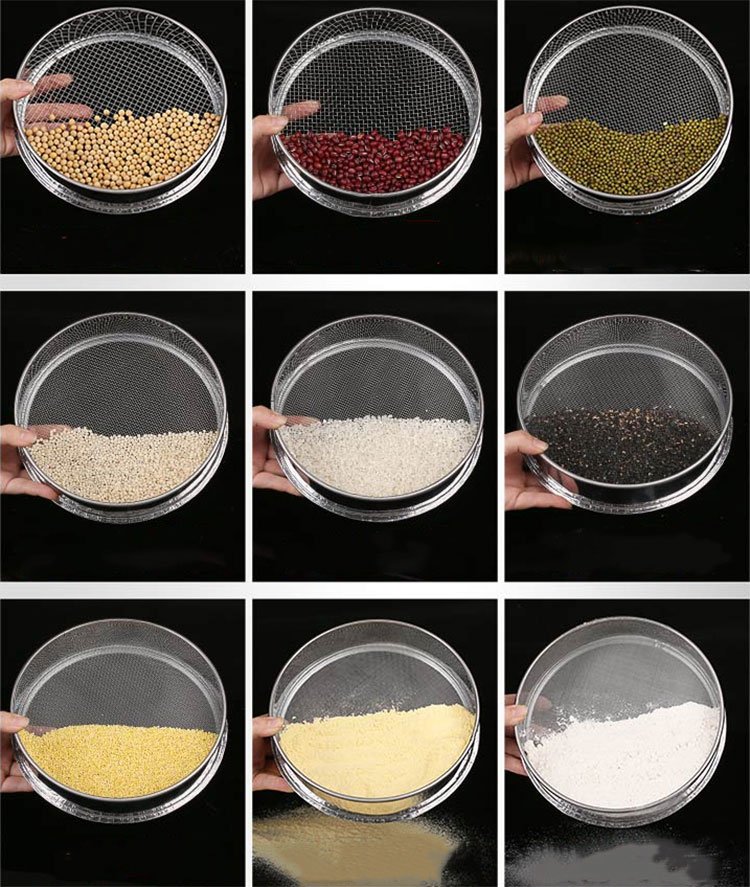
篩網有哪些不同類型?

什麼是振動篩?

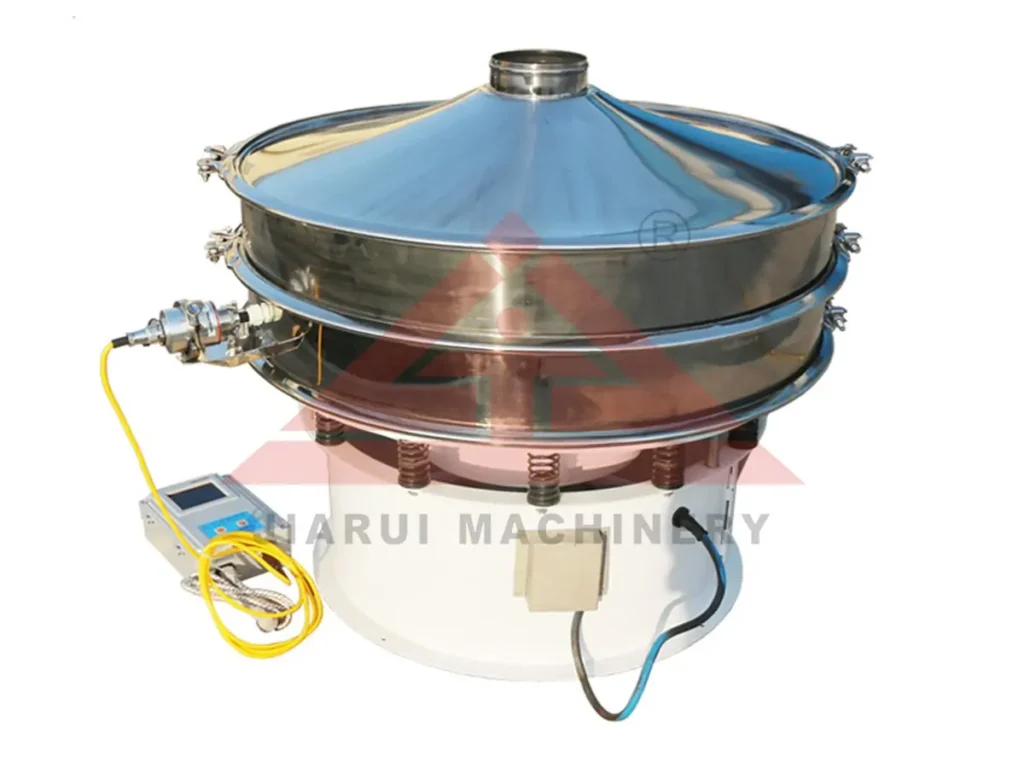
振動篩是一種透過讓物料在篩面上振動,實現粒徑分級與固液分離的設備,藉此完成分層、滲透與過濾作業。廣泛應用於食品、製藥、化工、建材、冶金等行業。依物料特性與應用行業的不同,振動篩的材質選擇主要分為金屬與非金屬兩大類。不同材質製成的振動篩在耐磨性、耐腐蝕性、適用篩網目數及適用行業上有所差異,這些性能差異直接影響篩網目數的選用及對不同行業的適應性。.
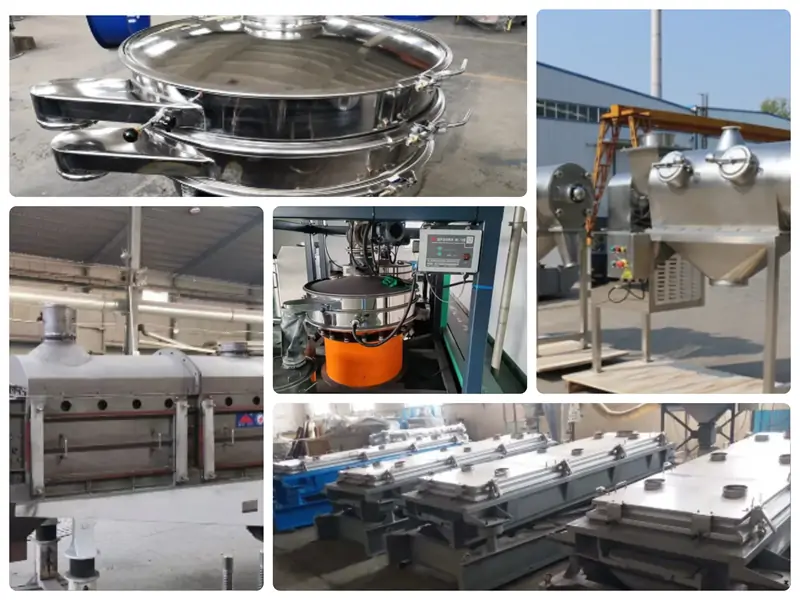
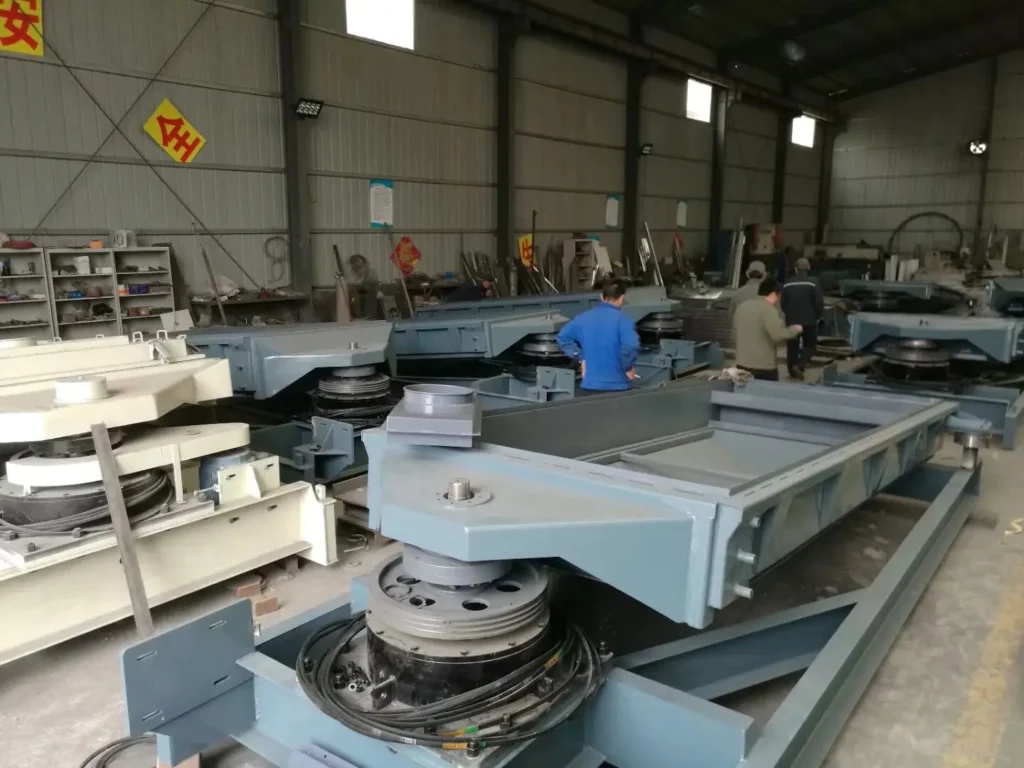
振動篩的工作原理

振動篩的核心原理是透過激振力驅動物料在篩面上進行往復、週期性振動,使物料在篩面上分散並分層,以達成篩分、除雜與過濾的目的。然而,不同類型篩機的物料運動軌跡各不相同,以下將以直線振動篩與圓形振動篩為例,具體說明其工作原理。.

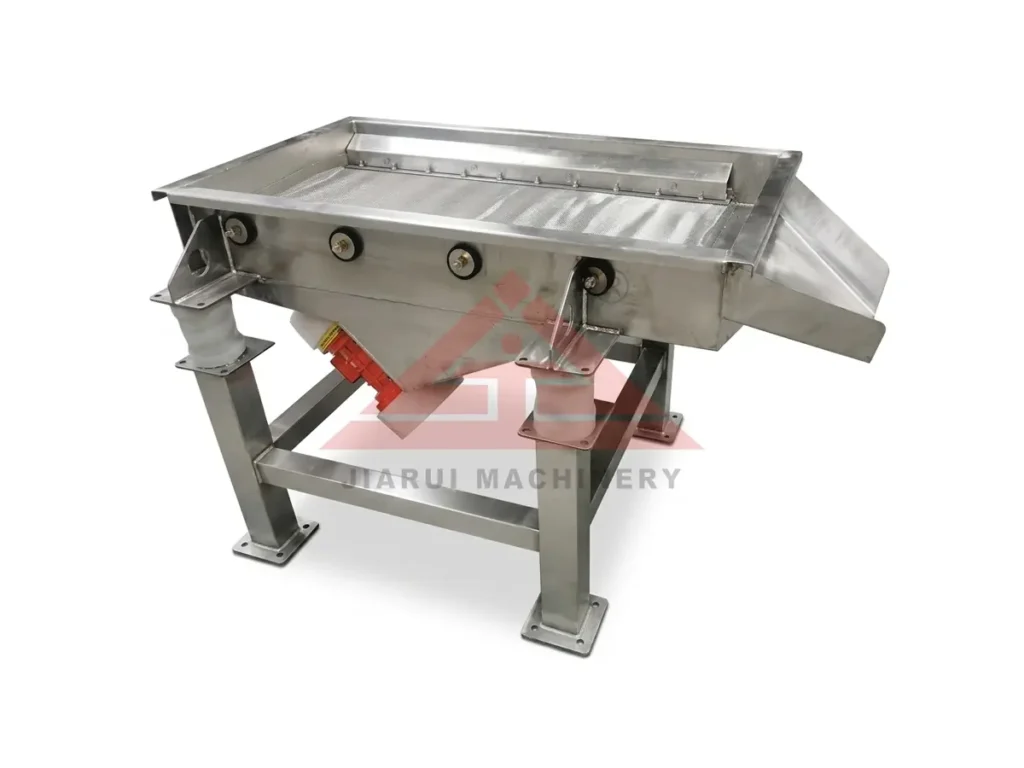
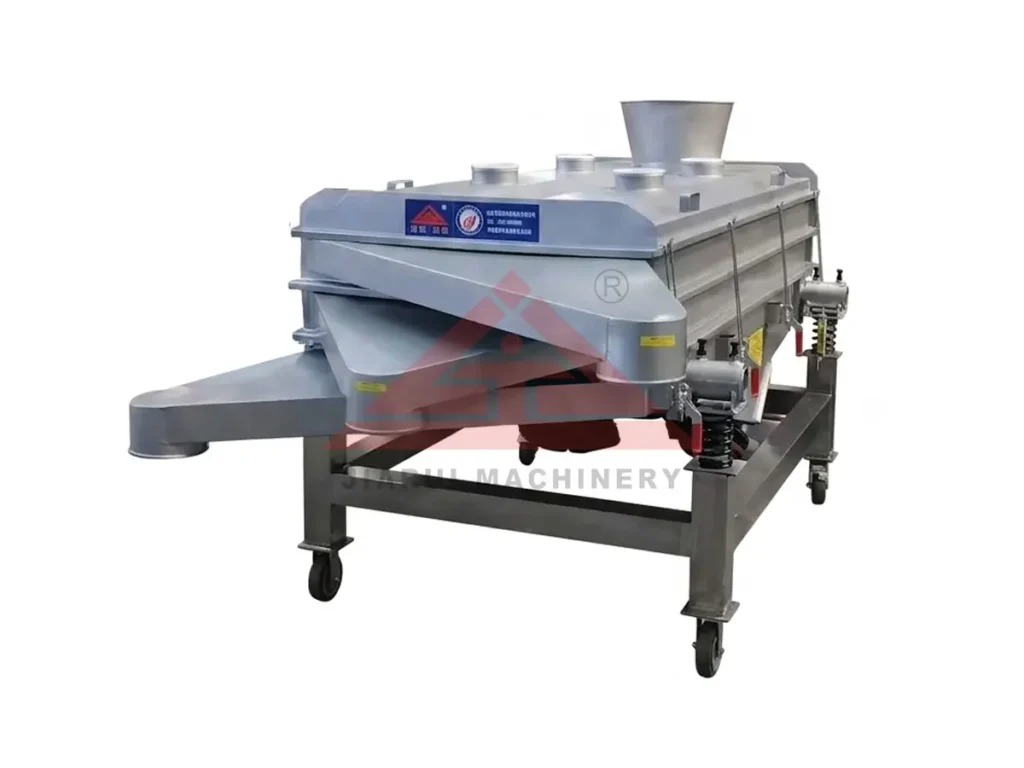
直線振動篩原理

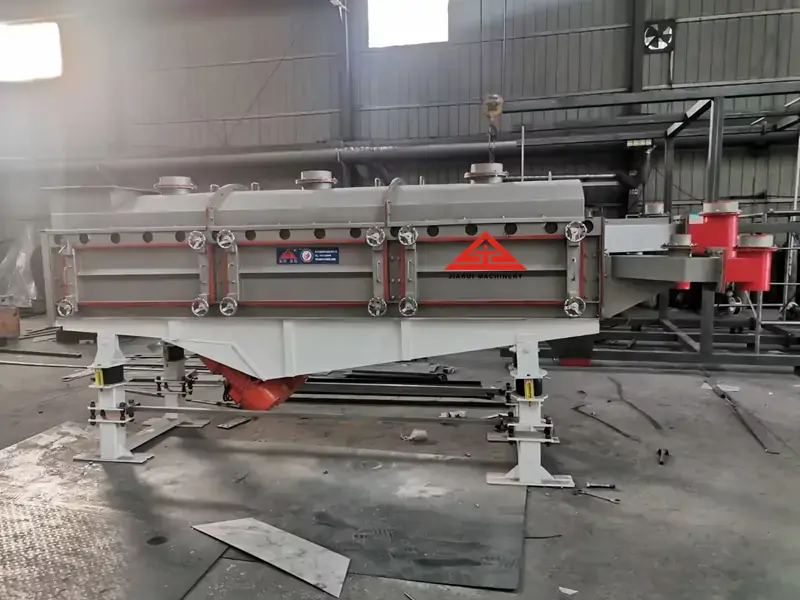
直線振動篩由兩台馬達驅動,兩台馬達同步反向旋轉產生激振力,帶動篩箱做往復直線運動。物料在激振力與自身重力的共同作用下,在篩面上被拋起,並以直線跳躍方式向前運動,在此過程中完成篩分、分級、除雜與過濾。.
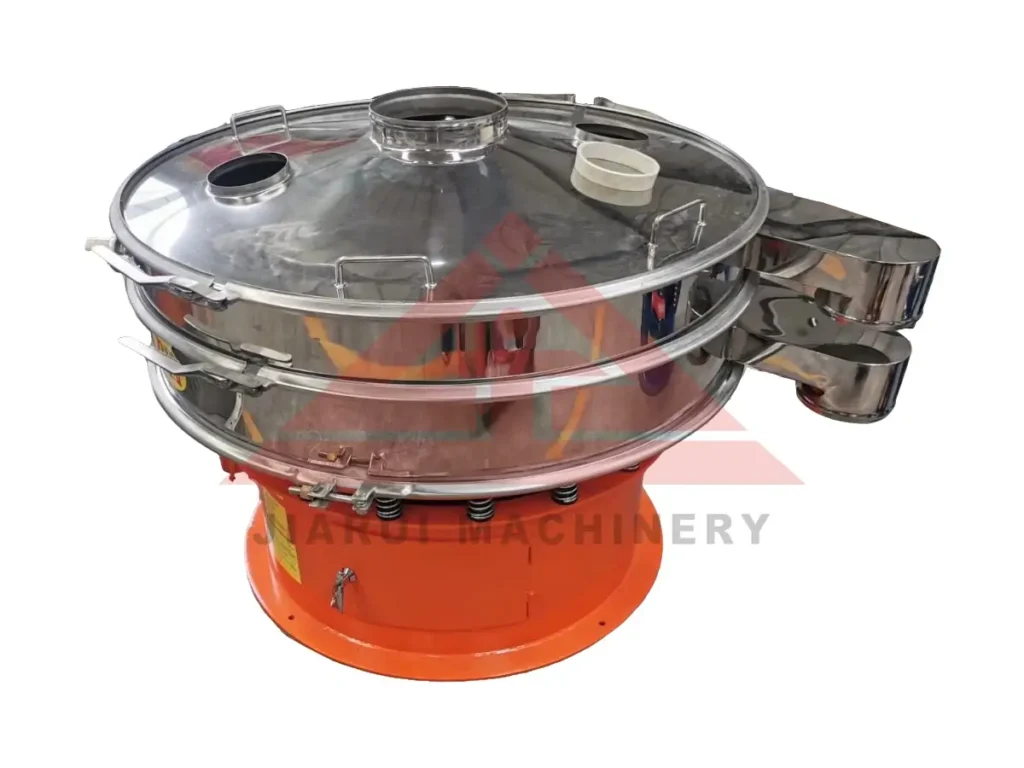
旋轉振動篩原理

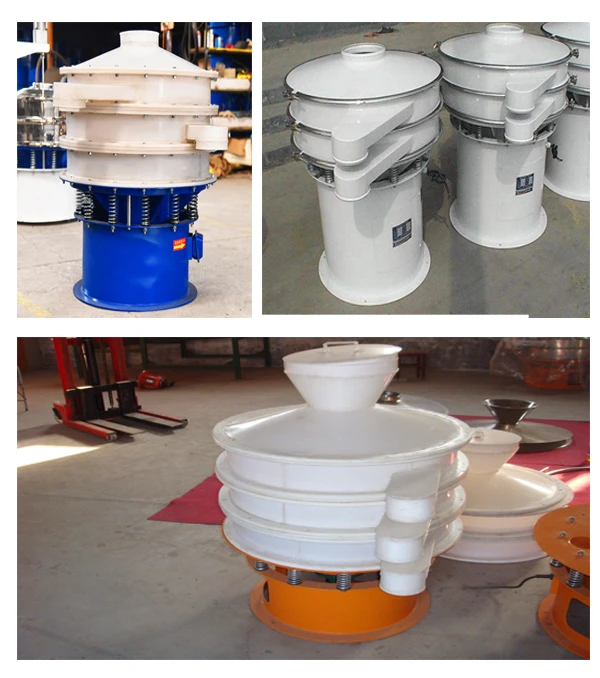
旋轉振動篩的工作原理是 旋轉振動篩 透過振動器產生的離心慣性力,使篩箱產生圓形振動,物料在篩面上被拋擲並滾動,從而達到分離與篩分的目的。.
依篩網材質分類

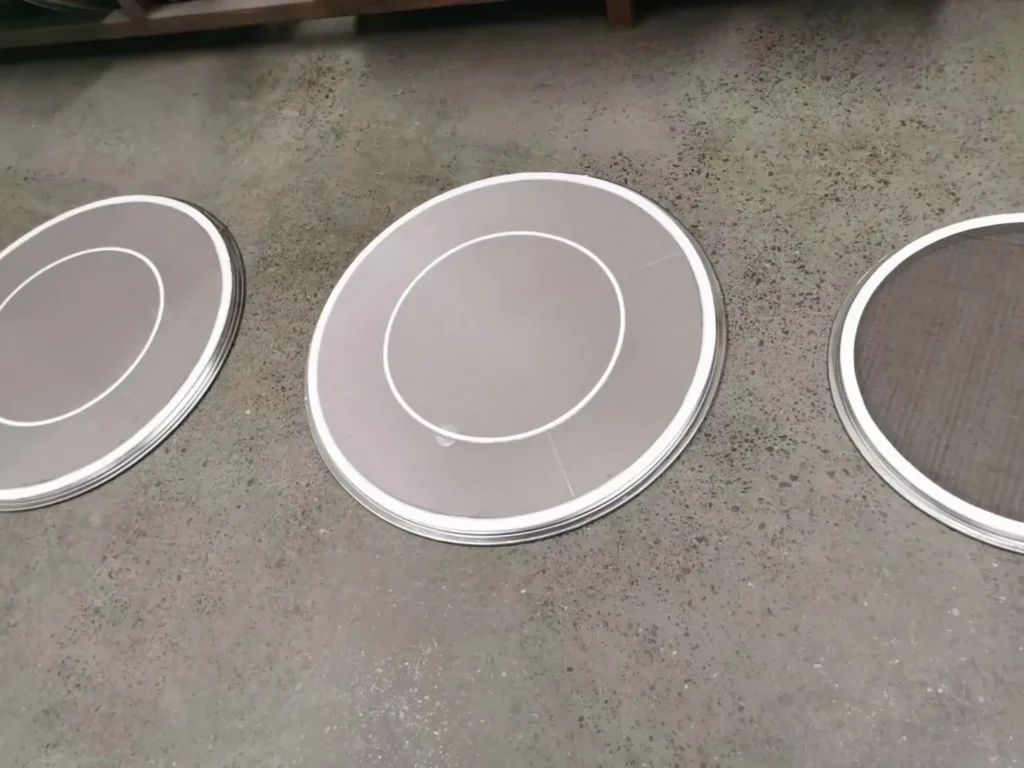
振動篩篩網依材質可分為金屬篩網、沖孔篩板及聚氨酯/橡膠篩網,以下整理其在各種工況下的優勢與應用。.

材質類別材質 核心優勢 類型與用途 
金屬篩網 不鏽鋼 (SUS304/316)、高錳鋼、彈簧鋼、碳鋼、銅絲等強度高、耐高溫(不鏽鋼可達800°C)、篩孔清晰,篩分精度可控性佳礦山及採石場高硬度岩石的分級;食品、製藥、化工等行業對衛生或耐腐蝕要求的精細篩分
聚氨酯、橡膠聚氨酯(PU)、天然橡膠、合成橡膠耐磨性極佳(使用壽命為金屬篩板的3至10倍)、重量輕、運轉安靜、具自清潔與防堵塞功能,且耐水耐腐蝕.潮濕黏性物料的篩分;煤炭洗選、冶金礦渣脫水;需降低噪音的工況
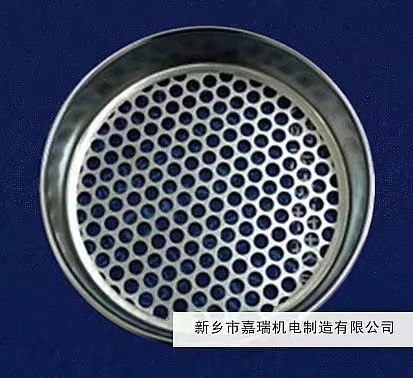
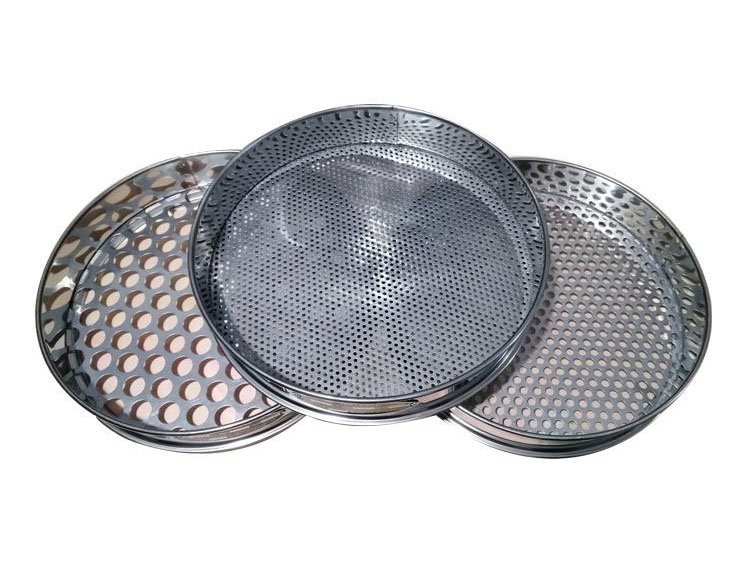
沖孔篩板不鏽鋼板、碳鋼板、鋁板等. 精度均勻、不易變形、承載能力強,可承受大塊物料的衝擊 粗顆粒物料(>1mm)的檢測與篩分:需採用增強篩面強度的振動篩及礦用重型篩。.

依篩孔尺寸分類

依篩網孔徑大小進行分類是篩分設備最基本的分類方式之一,其核心目標是根據物料的目標粒徑選擇合適的篩網目數,從而透過篩分將超粒與細粒分離。.

篩孔尺寸範圍篩面類型常用材質主要特點典型用途
粗顆粒(>50mm) 棒條篩面 碳鋼、錳鋼等. 由平行鋼棒組成,結構堅固,可承受大塊物料的衝擊。.棒條篩或重型振動篩,用於大塊礦石及岩石的初步預篩。. 
中顆粒(1-50mm) 沖孔篩網 低碳鋼、不鏽鋼 由鋼板沖壓而成,堅固耐用、使用壽命長,但有效開孔率較小(約40%-60%)。孔型包括圓孔、方孔、長條孔等。.各類處理中粒徑物料的振動篩。長條孔適合含水量較高的物料,但產品精度略低。.
中/細顆粒(<1mm) 編織篩網 不鏽鋼、彈簧鋼、高錳鋼、尼龍等. 由金屬絲或合成纖維編織而成,有效開孔率大(可達75%以上),篩分效率高,但使用壽命相對較短。.中細粒物料精細分級應用最廣泛,透過調整絲徑與目數,可滿足從毫米級至微米級的篩分需求。.
Fine particle dewatering and medium removalSlit screen surfaceStainless SteelThe screen slots are elongated and specifically designed for dewatering desliming,and degritting operations involving liquids or slurries,with slot widths that can be precisely adjusted to 0.25mm or smaller.Dewatering, desliming,and deashing stages in mineral processing and coal washing.
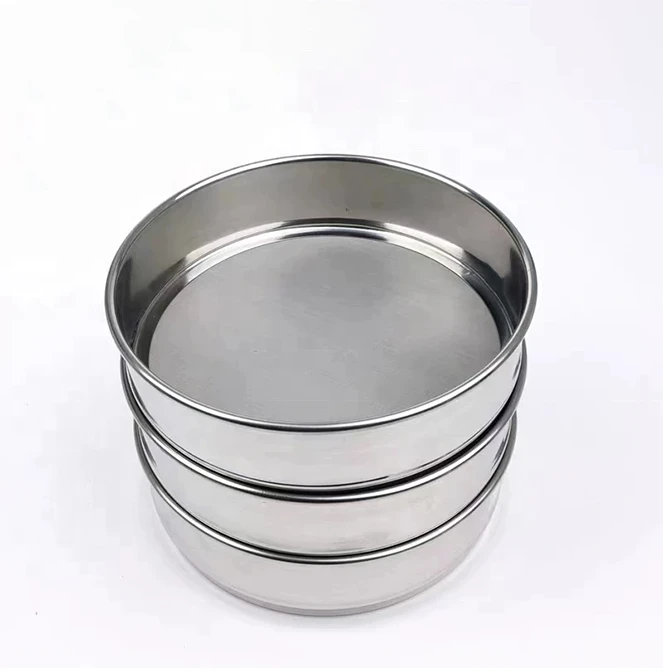
Fine/trace level Standard Test Sieve Stainless steel,brass,nylon,etc. Precision sieves manufactured in accordance with national standards (such as the Chinese Pharmacopoeia,GB/T 6003 series) have strict tolerance ranges for sieve aperture sizes.Laboratory particle size analysis,product quality control,and powder particle size testing in industries such as pharmaceuticals and food.

By material category

Select the appropriate vibrating screen based on material characteristics.It is mainly divided into three major categories:mining heavy-duty vibrating screens,light-duty precision vibrating screens,and laboratory vibrating sieves.This is the most direct way to distinguish equipment functions.

ClassificationTypical device types主要特點Typical Materials and Industries
Mining Heavy Vibrating ScreenVibrating circular screens, vibrating straight-line screens, banana screens, dewatering screens, etc.Structurally robust (often using frame-type riveting),capable of handling large volumes (up to hundreds of tons per hour),and able to withstand high-load impacts.Coal,ores, aggregates,sintered ore,etc.for coarse/medium particle size processing such as classification,dewatering,and desliming.
Light-duty precision vibrating screenVibrating circular screens, straight line screens, 超音波振動篩, direct discharge screens, etc.It is ingeniously structured,primarily designed to address the screening and impurity removal of fine materials,with some models specifically engineered to tackle particular challenges.Powders,granules,or liquids from industries such as chemical engineering,food processing,pharmaceuticals,and coatings,for example starch,resin powder,and traditional Chinese medicine powder.
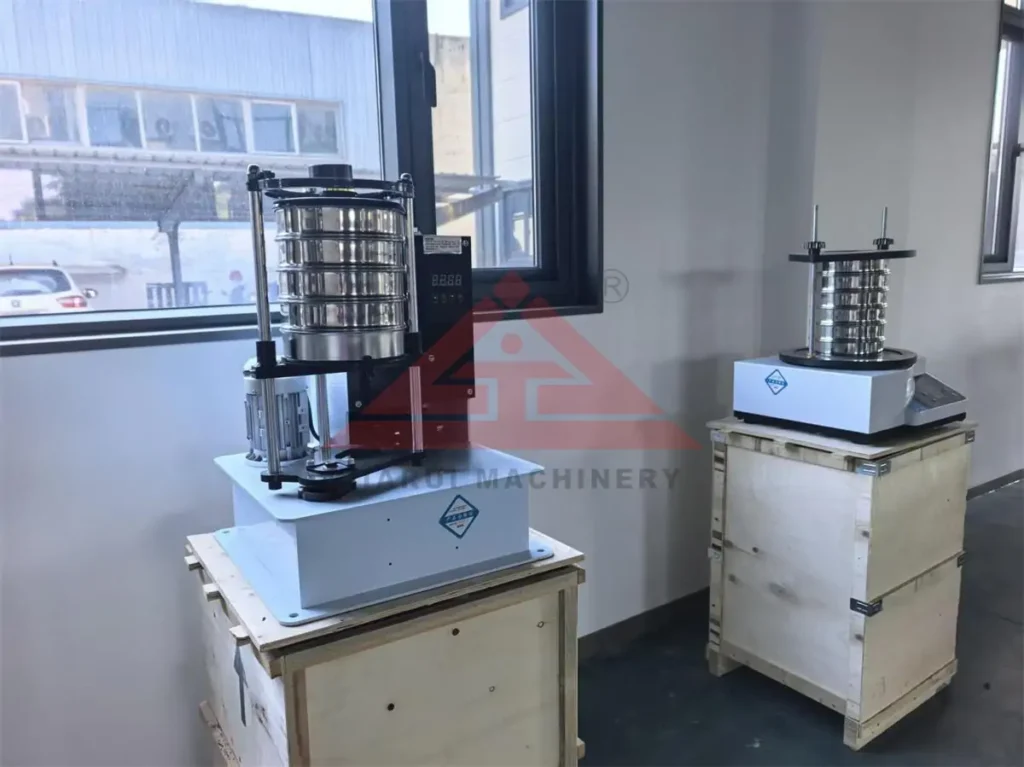
erimental Vibrating Sieve MachineStandard test sieves, impact vibrating sieves, etc.Used in laboratory or quality inspection processes for precise particle size analysis and testing of materialsResearch, quality control,and material testing

So how should we select the Jiarui vibrating screen?

When selecting a vibrating screen,we can start by considering the following characteristics of the material:

  • Grain size and hardness:For large,high-hardness materials,heavy-duty vibrating screens should be selected,and their screens are mostly made of wear-resistant and durable materials such as manganese steel.
  • Humidity and Material Adhesion:For materials with high moisture content,increased humidity can lead to clumping,which affects screening efficiency.We can consider equipping the equipment with a de-clumping device or using special machine types such as high-frequency screens.
  • Corrosiveness, Hygiene Requirements,and Special Properties:When screening materials that are strictly regulated or highly corrosive in industries such as food,pharmaceuticals,and chemical engineering,equipment should be made of stainless steel to prevent contamination and corrosion of the materials.Dust covers can be added as needed to avoid contact with the materials.

How to choose the appropriate mesh size?

The selection of mesh size for a vibrating screen depends on the particle size of the target material.A higher mesh number indicates smaller mesh openings and finer screening,while a lower mesh number means larger mesh openings.Below is a summary of common mesh size selections for typical materials,for reference only.Specific choices should be based on the material’s characteristics;you can contact us directly for consultation.

Material Type / Application ScenarioRecommended mesh rangeInstructions
Sand, gravel 20 mesh – 60 meshConventional grading of construction sand and gravel, fine sand can reach 70-100 mesh
Medium to fine-grained materials such as limestone, quartz sand, and basalt80 mesh – 120 mesh Screening of medium-hard non-metallic minerals 
Powdered materials such as calcium carbonate, talc, and heavy calcium carbonate00 mesh – 325 meshHigh-precision classification of fine powders
Mining Heavy Screen (for Large-Sized Materials) 3mm – 200mm (expressed directly by sieve aperture size)Coarse material classification, select sieve hole size directly instead of mesh count
Laboratory Particle Size Analysis (Standard Sieve Test)2 mesh – 2800 meshMesh 2 – Mesh 2800

Applications of Vibrating Screens

  • Metallurgy:Vibrating screens are most widely used in mining,coal,and metallurgical industries,primarily for material classification,dewatering,desliming,and de-mediuming.
  • Chemical Engineering and Food Processing:In fine chemical,pharmaceutical,and food industries,vibrating screens are primarily used for precision sieving and impurity filtration.For example,they process and separate chemical products such as activated carbon and resins;remove impurities and foreign substances from raw materials to ensure product quality and purity.
  • Environmental Protection and Other Industries:Vibrating screens can also be used to process special materials such as urban garbage and water-coal slurry.

聯絡我們

電子郵件: info@jiaruimachinery.com
T/WA: +86 18838703198

索取報價

結論

Vibrating screens have a wide range of applications and are an indispensable part of production lines in many industries,serving as key equipment for sieving,impurity removal,grading,and filtration.Their core function is to utilize their sieving and grading capabilities to address purity and particle size issues of various materials,achieving high efficiency and large output.When selecting a vibrating screen,we need to carefully choose the appropriate model based on the characteristics of the material and specific requirements.

常見問題

振動篩用於物料篩分、分級及除雜。通過選擇合適篩網目數的篩網,物料被分離為篩上物(篩面頂部)與篩下物(篩面底部)兩部分,從而獲得目標成品。.

在選擇振動篩時,我們應首先根據具體生產需求和物料特性選擇合適的材料,然後根據物料的粒徑選擇合適的篩網目數,從而確定應選擇何種類型的篩機。.

When screening ore, we should first consider whether the material is wear-resistant, impact-resistant,and scratch-resistant.Second,we need to consider whether the production capacity requirement is large or small. Generally,we recommend considering a mining heavy-duty screen.

When sieving in the food, pharmaceutical, and chemical industries,we generally recommend selecting stainless steel material,which complies with hygiene industry standards.A dust cover can be added if necessary.

Selection should be based on the characteristics of the material,its humidity and viscosity, requirements, and environmental conditions.

When screening is complete,ensure that all material on the screen has been fully screened with no residual material remaining,as this will affect the screen’s accuracy.Regularly clean and maintain the screen.