사각 진동 피더

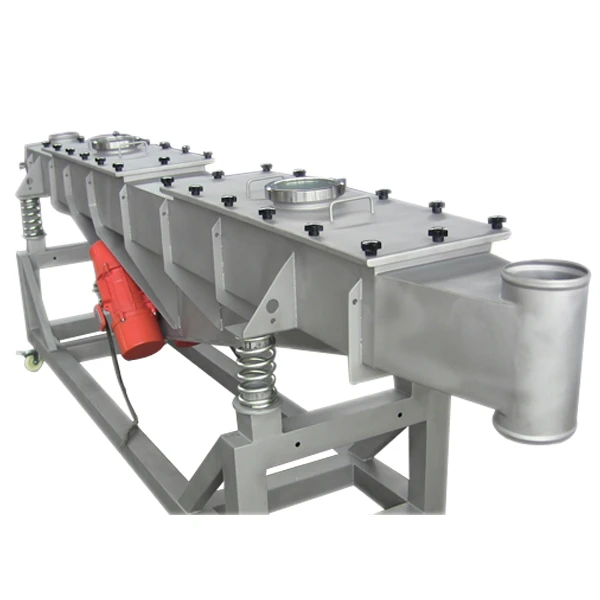
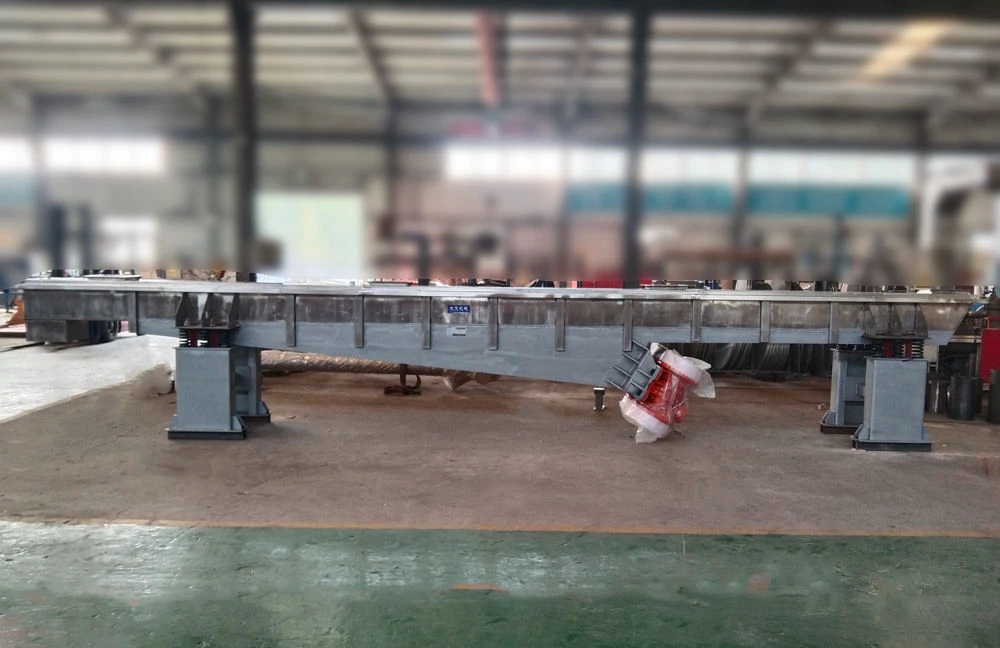
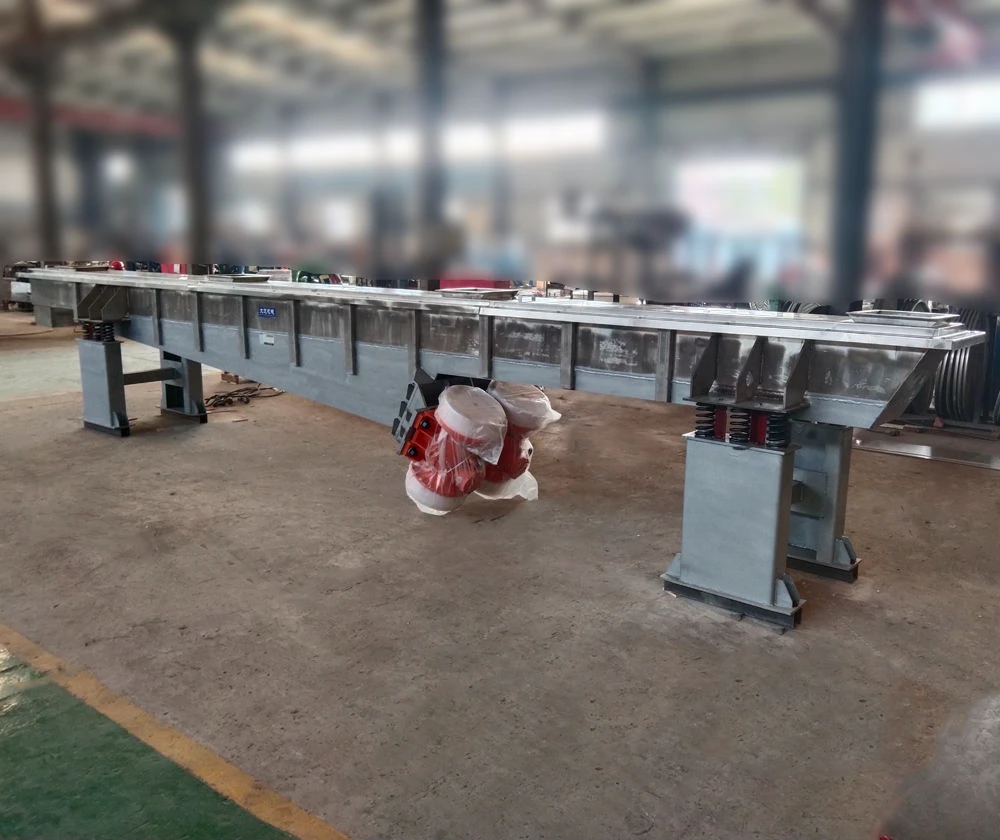
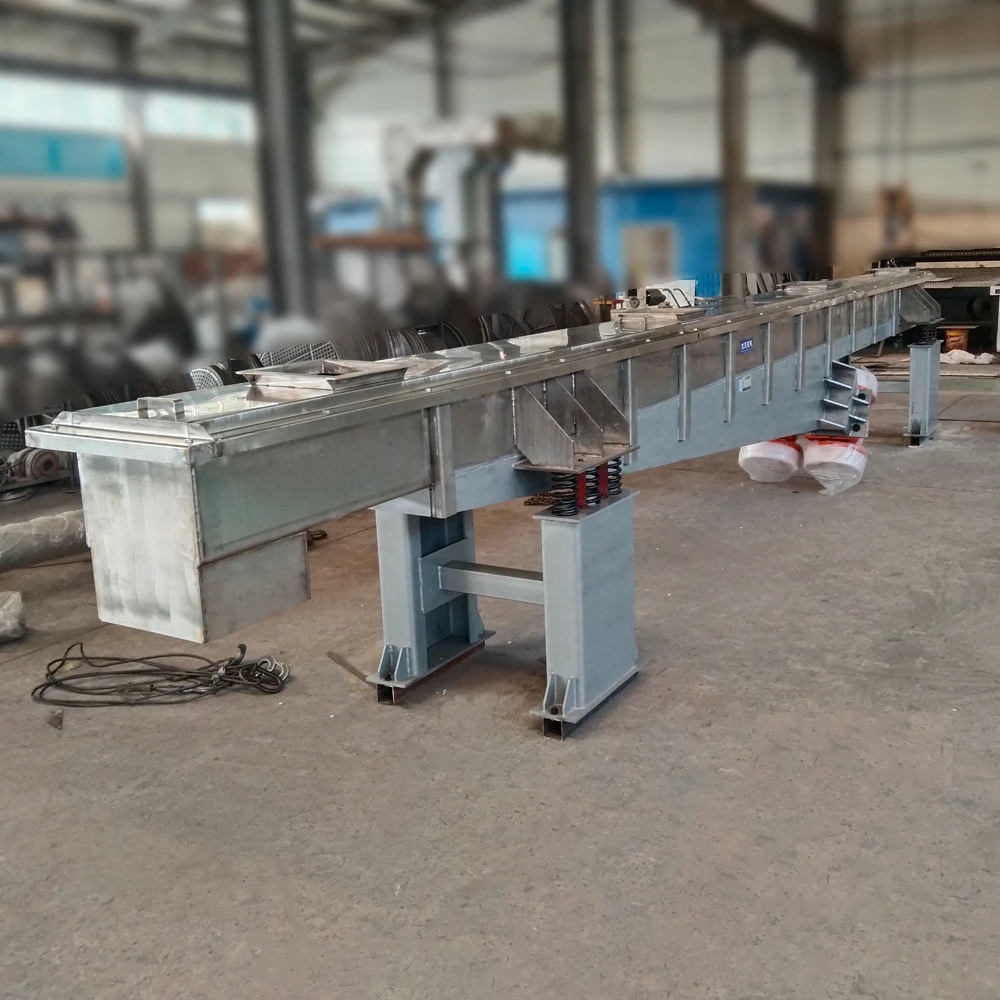
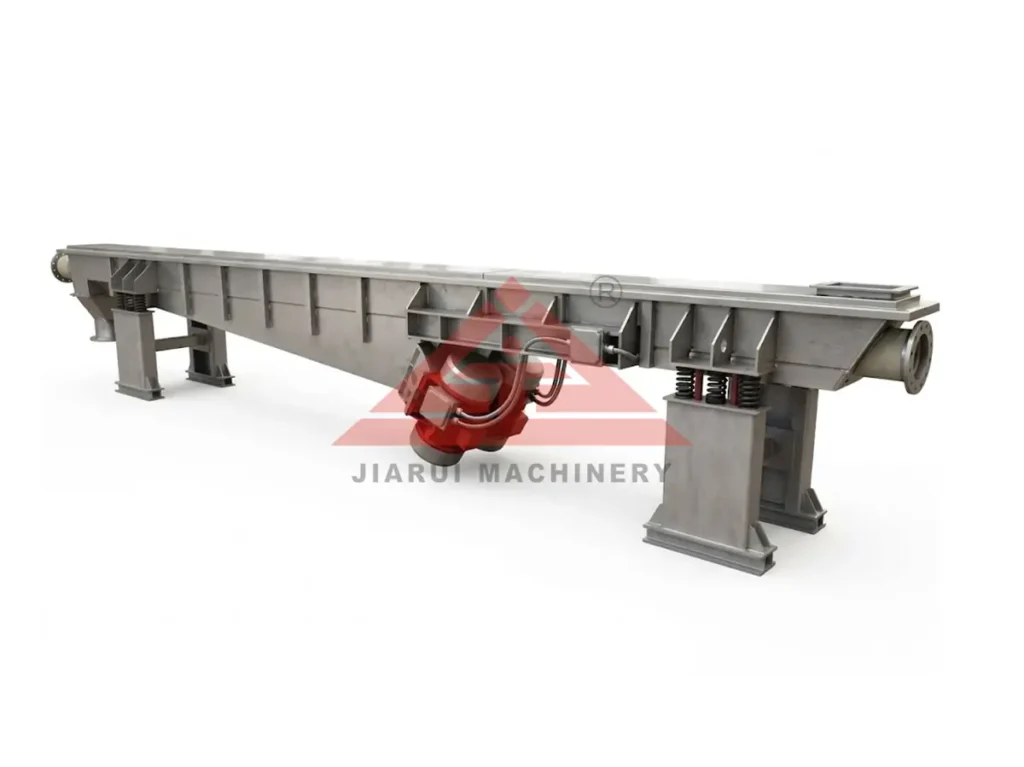
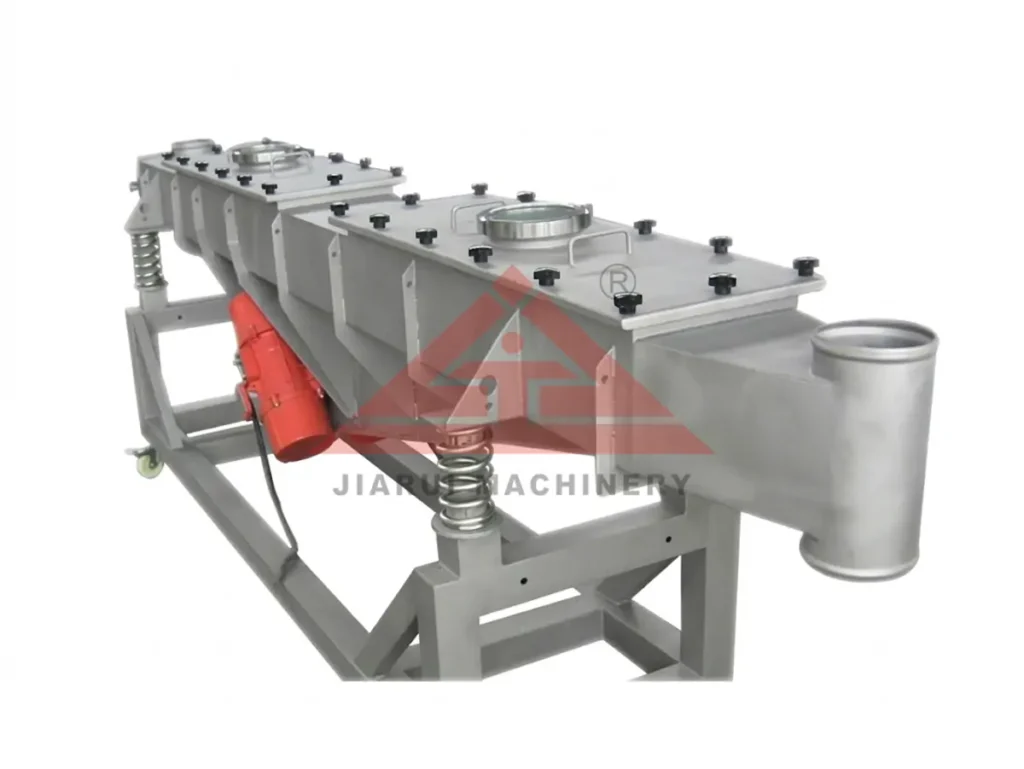
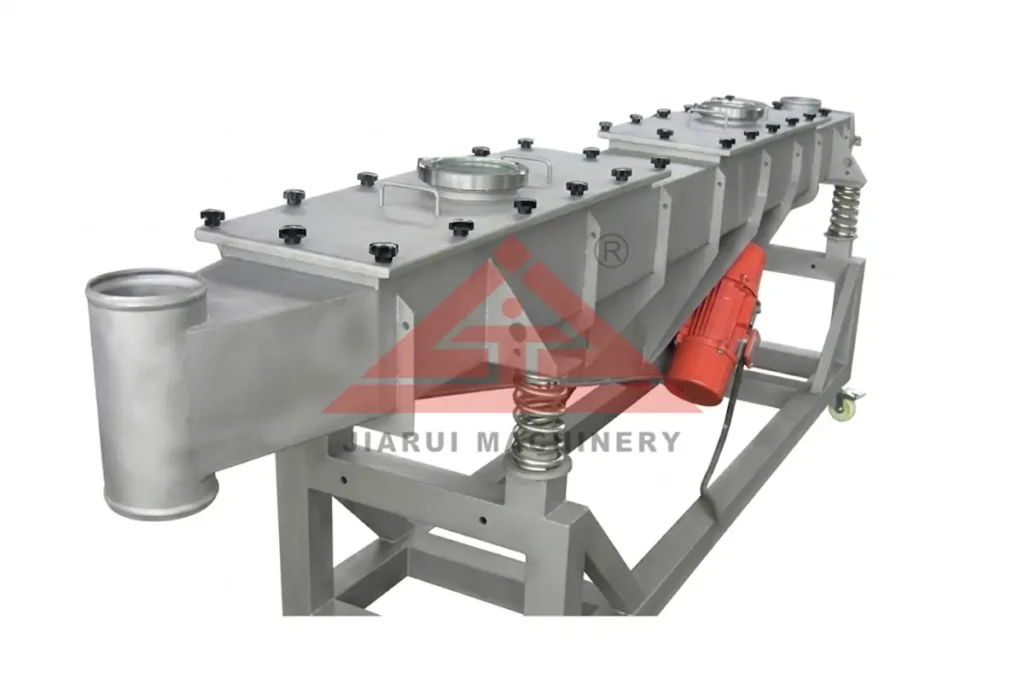
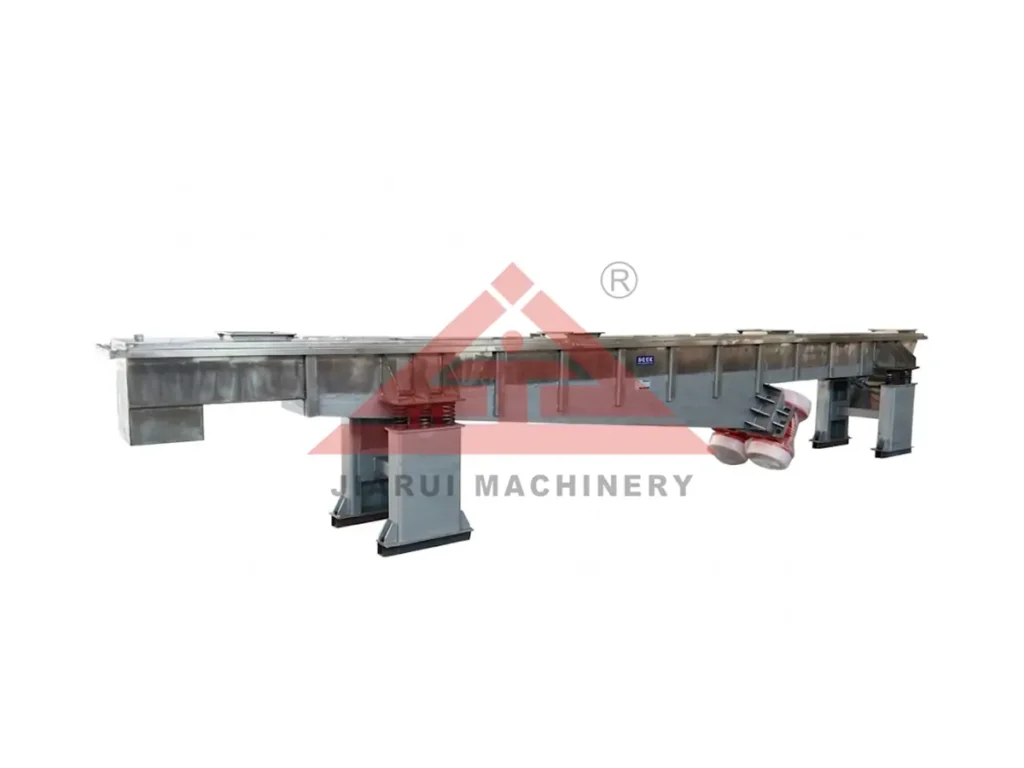
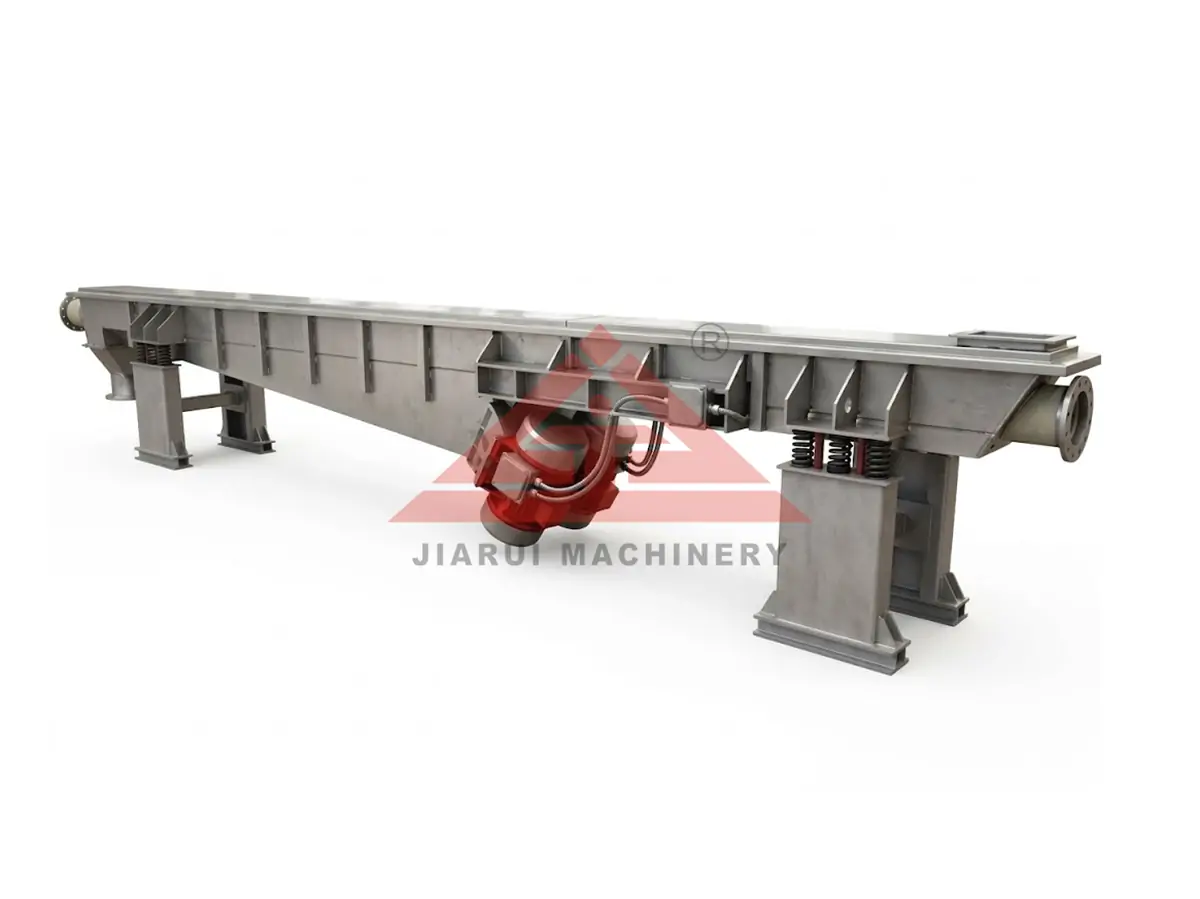
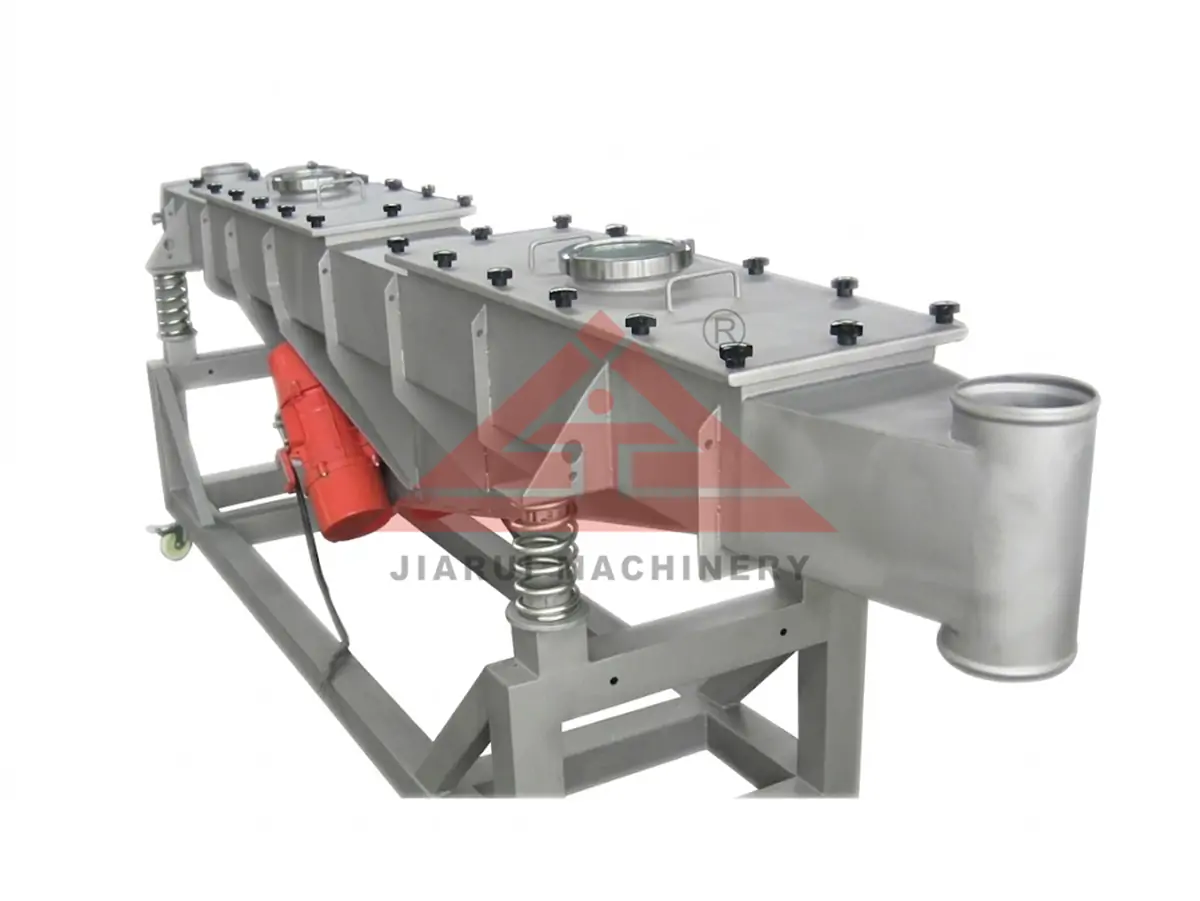
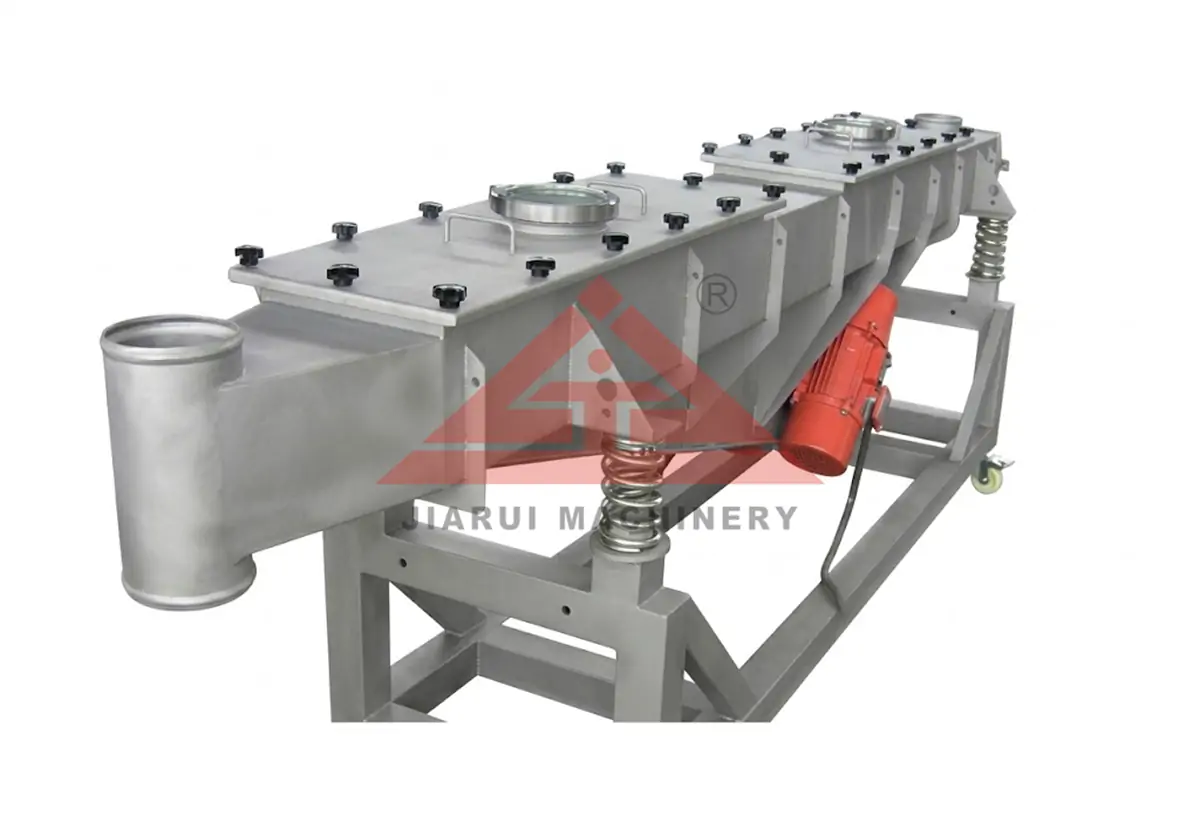
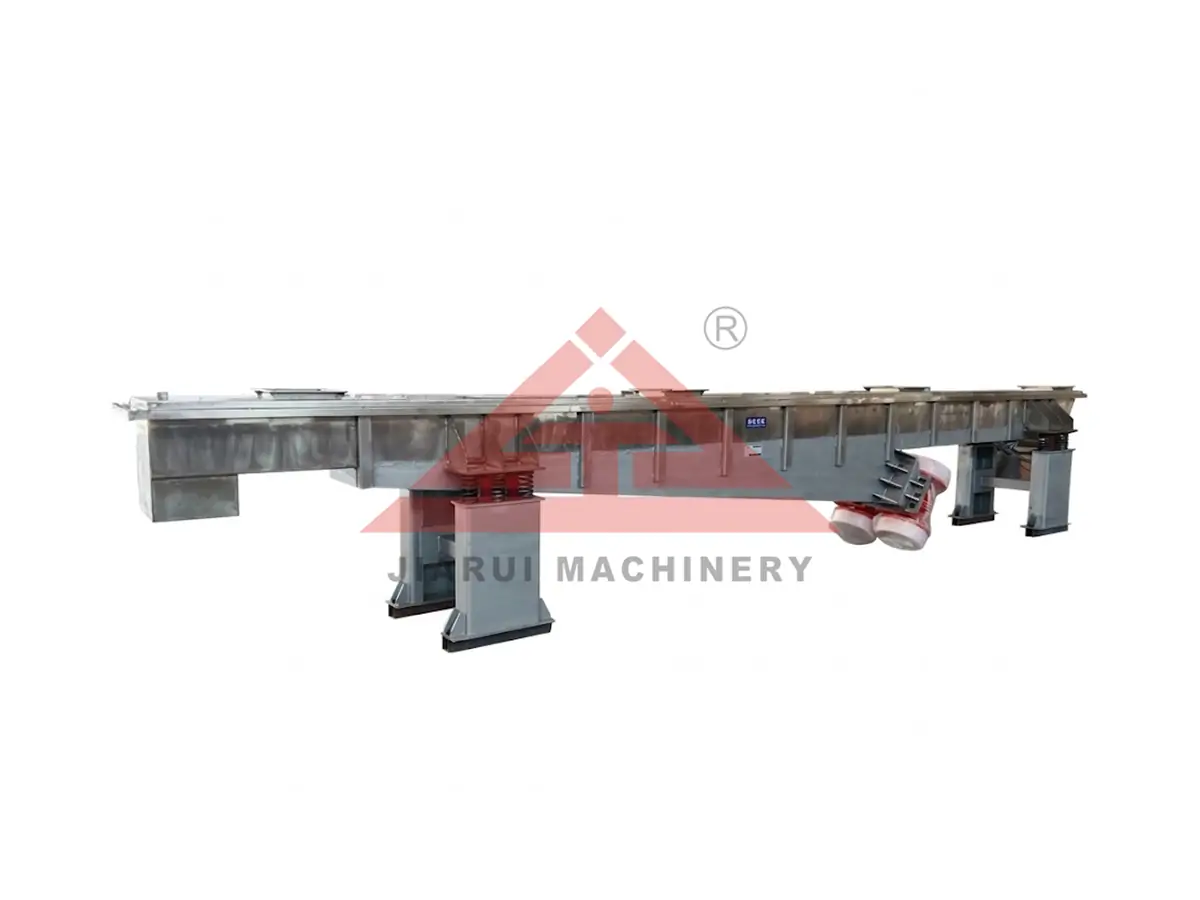
Square Vibrating Feeder is a continuous feeding equipment used for powder, granular, and small bulk materials. Installed at the outlet of hoppers, storage bins, or upstream equipment, it uses vibration to move materials forward evenly and steadily. With stable feeding performance, simple structure, and strong adaptability, it helps reduce material blockage, accumulation, and uneven feeding problems. The equipment is widely used in mining, building materials, chemical, plastic, food, and environmental protection industries.

자루이 provides customized Square Vibrating Feeder solutions according to material characteristics, production capacity, and installation conditions. The trough size, material selection, vibration parameters, and installation structure can be adjusted to match different production line requirements.

  • 모델: ZDS300 Series
  • Trough Width: 300 mm
  • Conveying Distance: 2000–6000 mm
  • Motor Power: 0.25–1.1 kW
  • Inclination Angle: 0–5°
  • Suitable Materials: Powder, granular, and small bulk materials
  • Material Options: Carbon Steel / SUS304 / SUS316
  • Customization Service: Supports customized dimensions, voltage, structure, and installation methods
견적 요청 이메일 보내기

What is Square Vibrating Feeder?

Square Vibrating Feeder, also known as a rectangular vibrating feeder or square vibrating feeder trough, is a continuous feeding device that controls material flow through trough vibration. Its function is not simply to move materials, but to ensure continuous and uniform feeding of materials that are prone to accumulation or unstable flow, providing stable material supply for downstream screening machines, crushers, and conveying equipment.

The square-shaped trough structure allows materials to spread naturally during the feeding process, reducing concentrated discharge and local accumulation. Equipment design should not only consider the model selection but also match the material characteristics and operating conditions. Fine powder materials mainly require smooth discharge to prevent bridging and blockage; hard materials such as ore and aggregates require stronger trough structures and wear-resistant designs; production lines with higher capacity need suitable trough dimensions and vibration parameters.

작동 원리

Square Vibrating Feeder uses a vibration motor to generate excitation force, causing the feeding trough to vibrate continuously. Under the combined effects of vibration force, friction force, and material gravity, materials gradually loosen and move steadily along the feeding direction, achieving continuous and uniform feeding.

1.Material enters the feeding trough

Materials enter the trough from the hopper or upstream equipment and gradually spread under vibration. Proper control of the feeding amount helps prevent material accumulation at the inlet and ensures stable feeding performance.

2.Vibration force loosens the materials

When the trough continues vibrating, materials are constantly turned over and dispersed, reducing compression and adhesion between particles. For powder and fine granular materials, the vibration process can help reduce problems such as bridging and blockage.

3.Materials move forward along the feeding direction

Materials are pushed forward by periodic vibration force and move toward the discharge end together with their own gravity. By adjusting vibration parameters, the Square Vibrating Feeder can match different materials and production line feeding requirements.

4.Materials are discharged steadily

After moving through the trough, materials are evenly delivered into the next process, such as crushing, screening, or conveying equipment, reducing fluctuations in downstream equipment feeding.

The operating performance of a Square Vibrating Feeder depends not only on vibration force but also on material properties. Powder materials require attention to flowability, wet materials require anti-stick considerations, and hard materials such as ore require reinforced wear-resistant designs.

.

Structure Components

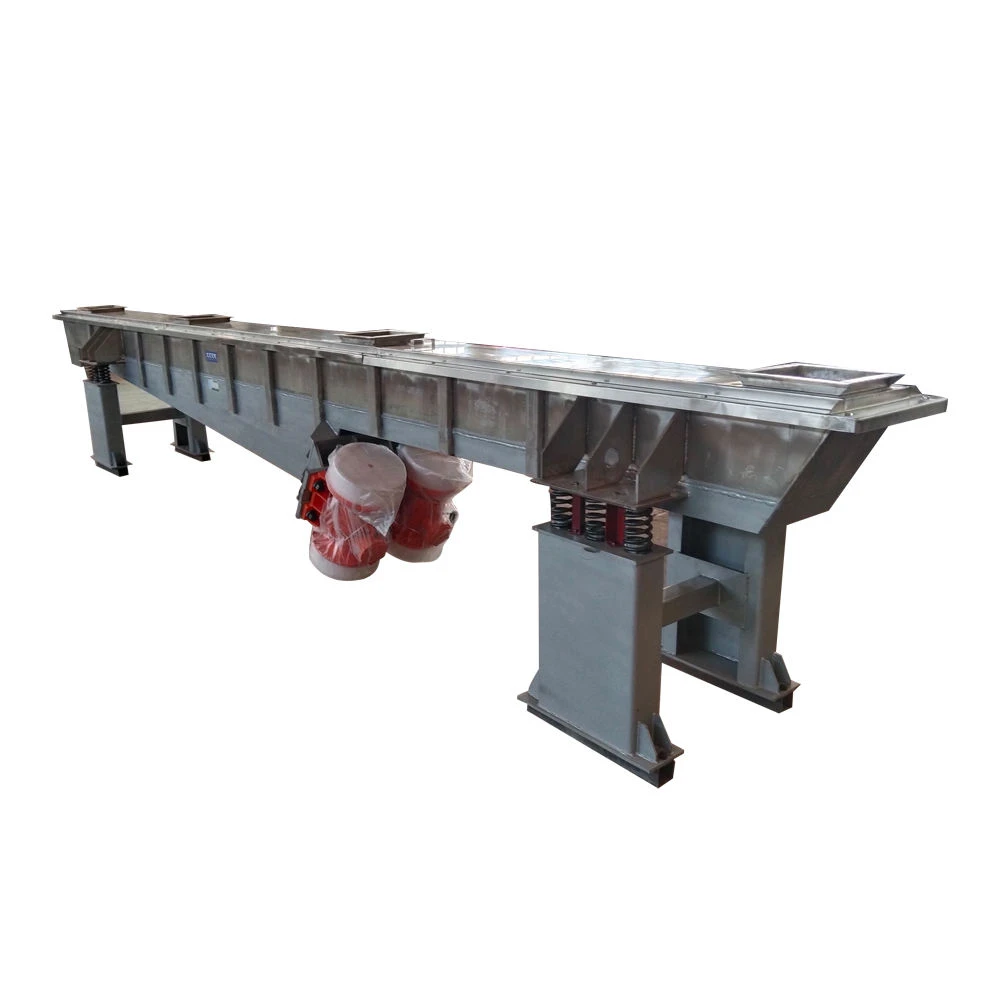
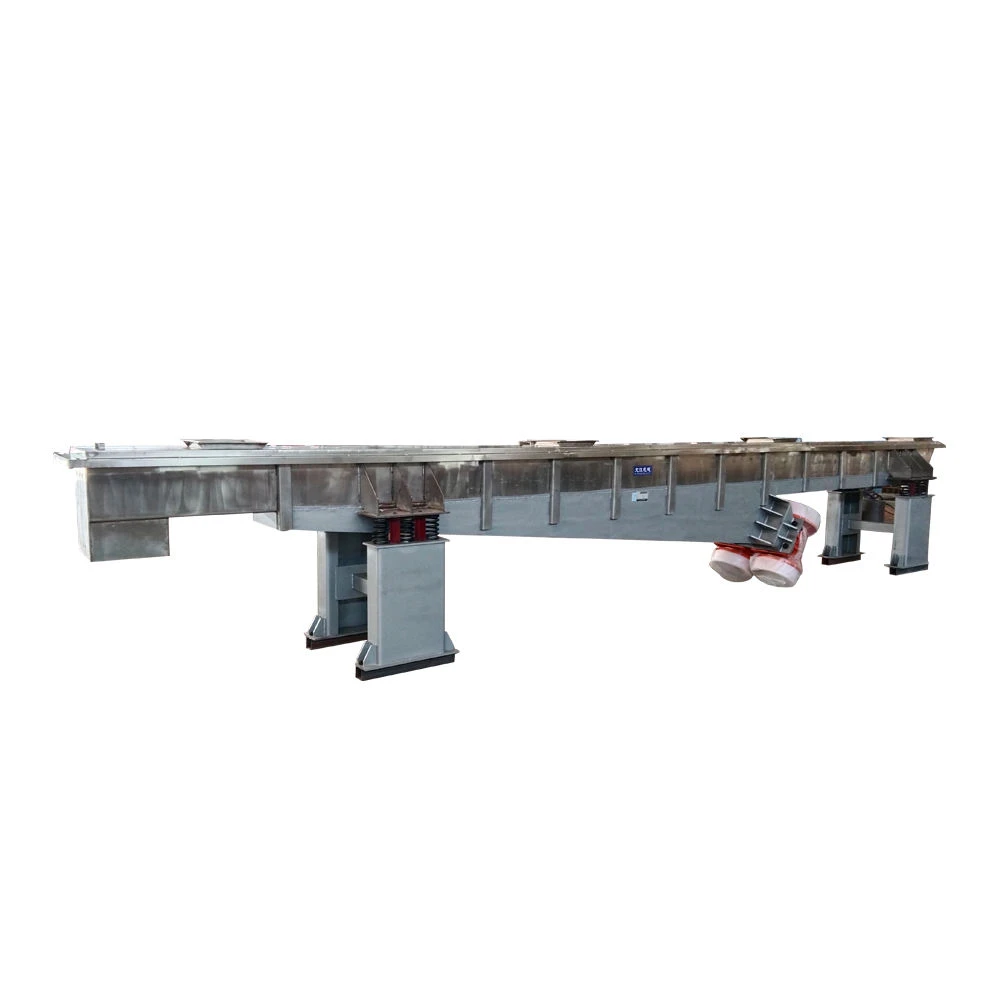
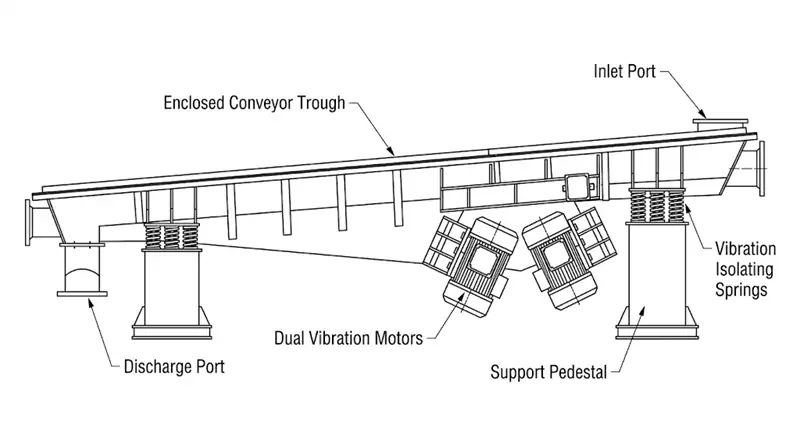
The structure of Square Vibrating Feeder needs to be matched according to material characteristics and installation conditions. During long-term operation, the vibration source, trough strength, and support design all affect feeding stability and equipment service life.The equipment mainly consists of a vibration motor, feeding trough, damping device, and support structure

1.Vibration Motor

The vibration motor provides the excitation force required for equipment operation. The motor selection depends on factors such as feeding capacity, material weight, and operating conditions. Improper parameter matching may cause unstable feeding or increase equipment load during operation.

2.Feeding Trough

The feeding trough directly contacts the material and withstands impact and friction during operation. For abrasive materials such as ore and aggregate, wear-resistant designs are usually required. For powder and granular materials, attention should be paid to anti-sticking performance and smooth material flow.

3.Damping Device

The damping device reduces vibration transmission to the foundation and minimizes the impact on equipment connections during long-term operation.

4.Support Structure

The support structure is designed according to the installation space and production line layout, ensuring smooth connection between the feeder, hoppers, crushers, screening equipment, and other processing units.

A reasonable structural design helps the feeder maintain stable operation under different working conditions while reducing maintenance requirements.

Advantages

Square Vibrating Feeder is not only used for continuous material feeding but also needs to adapt to different material flow characteristics and wear conditions. Lightweight particles mainly require stable feeding performance, while hard materials such as ore and aggregate require stronger structures and better wear resistance.

적용 분야

Square Vibrating Feeder is widely used in industrial production lines that require continuous and uniform material feeding. It can be applied in mining, building materials, chemical, plastic, food, and environmental industries.

Different industries focus on different equipment requirements. Mining applications usually require higher wear resistance and load-bearing capacity. Food processing focuses more on hygienic materials and easy cleaning. Chemical applications often require corrosion resistance and dust control designs.

Application Reference

산업Common MaterialsApplication
적용 분야
Key Considerations
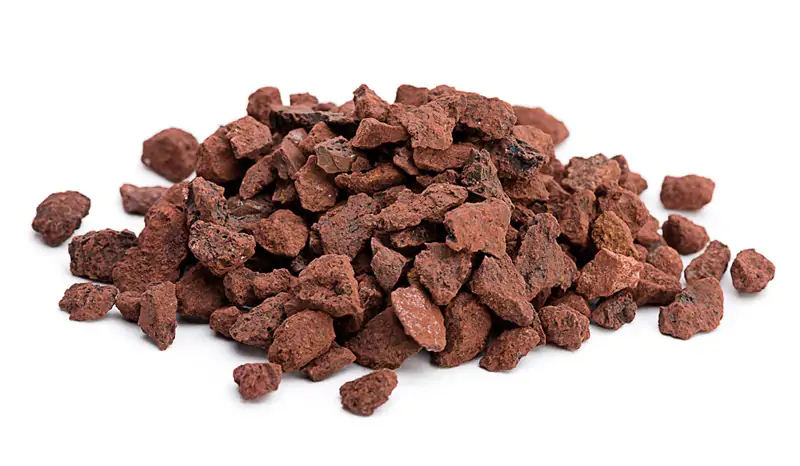
Mining and Aggregate IndustryIron ore, copper ore, limestone, aggregateUsed before crushers and screening equipment to provide stable feeding of raw materialsFocus on trough strength, wear resistance, and load capacity. Wear liners can be added for harsh conditions.
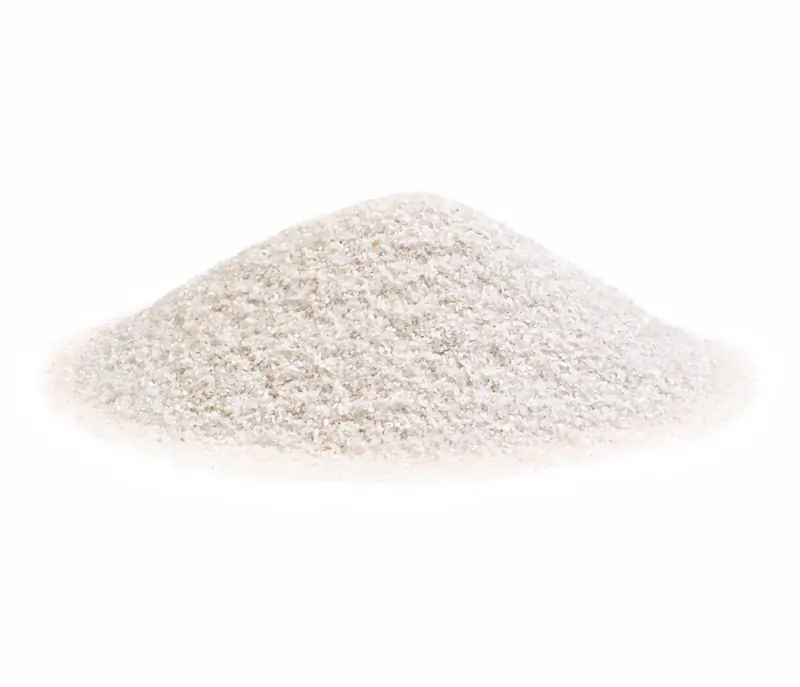
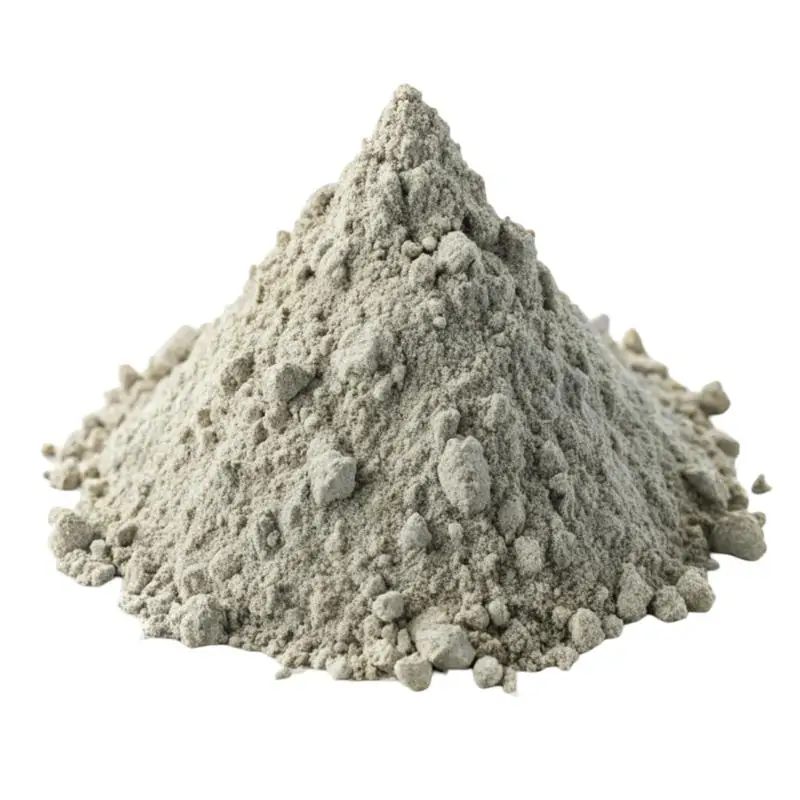
건축 자재 산업Quartz sand, cement powder, lime powder, fly ashUsed in continuous feeding processes for cement, glass, and aggregate productionFeeding structure and vibration parameters should be adjusted according to material flowability to reduce blockage.
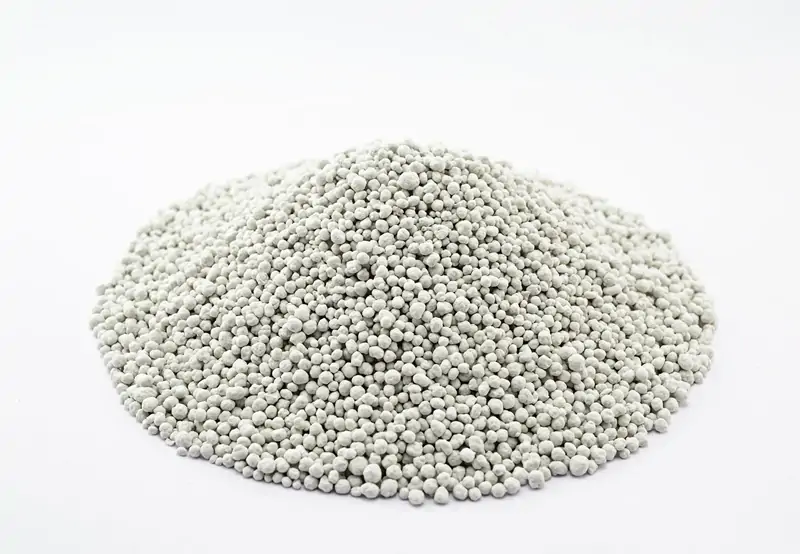
화학 산업Fertilizer granules, resin pellets, chemical powdersUsed for raw material feeding, screening systems, and packaging linesMaterial corrosion resistance and suitable steel selection should be considered according to application requirements.
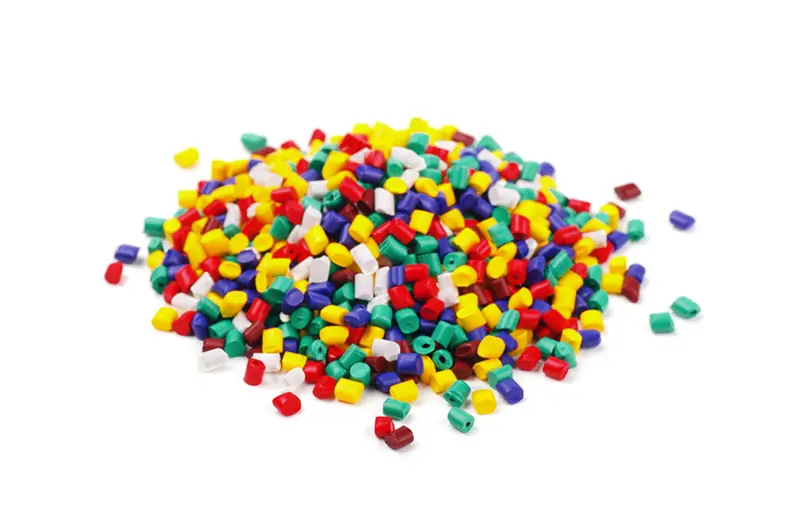
Plastic IndustryPP pellets, PE pellets, recycled plastic pelletsUsed in plastic processing lines for continuous material feedingFeeding speed and vibration parameters should be controlled to ensure stable particle movement.
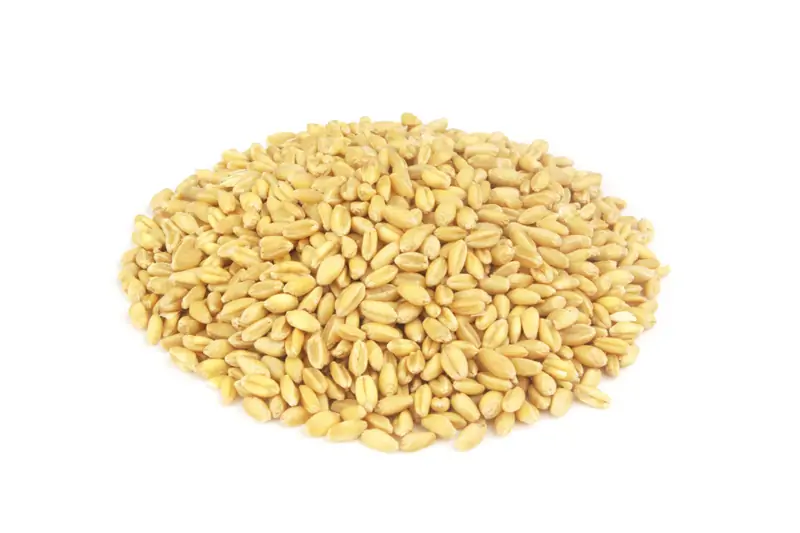
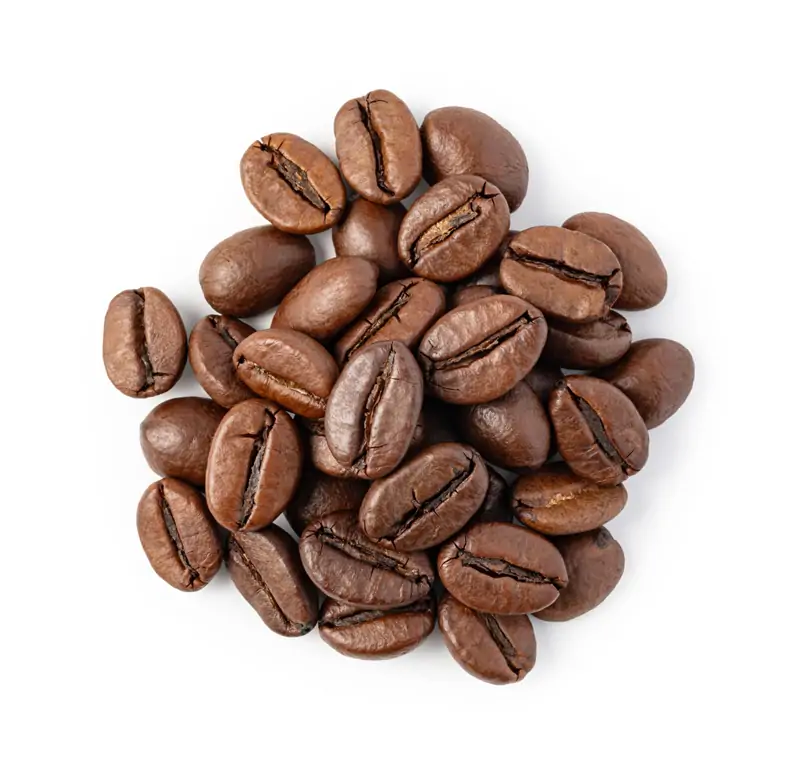
Food and Grain IndustryRice, wheat, corn, sugar, salt, coffee beansUsed in food processing and grain handling systemsStainless steel materials such as 304/316 are commonly selected, with attention to hygiene and cleaning requirements.
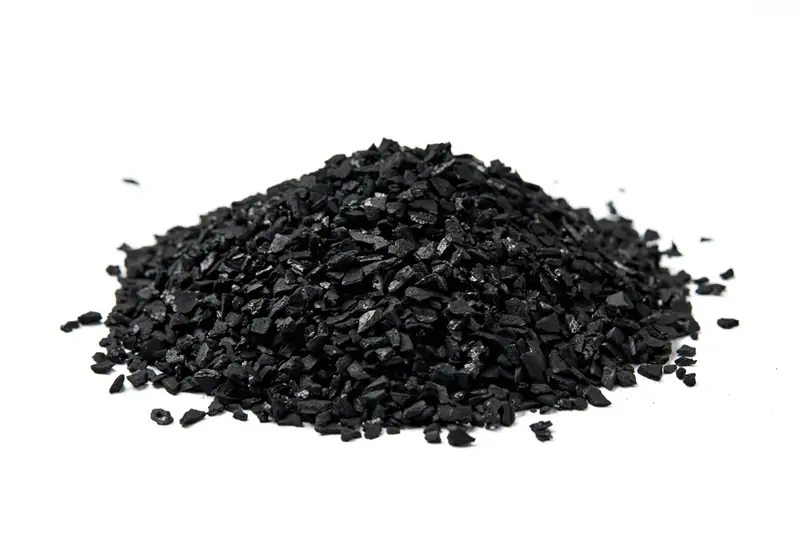
Environmental IndustryActivated carbon, carbon black particles, recycled materialsUsed in waste treatment and resource recovery systemsFocus on sealing performance, dust control, and stable material flow.

Which Materials or Working Conditions Require Careful Selection?

Although Square Vibrating Feeder is suitable for a wide range of materials, some working conditions require additional evaluation before selection:

  • High-viscosity or high-moisture materials may stick to the trough surface and affect normal feeding performance.
  • Large-size and high-hardness materials may require reinforced trough structures or wear-resistant designs.
  • Long-distance conveying or high-angle transportation may require cooperation with equipment such as belt conveyors or screw conveyors.
  • Applications requiring precise micro feeding should consider dedicated metering feeding equipment.

Square Vibrating Feeder selection should not be based only on the industry type. Material characteristics and installation conditions are the key factors affecting equipment configuration.

Jiarui engineering team can evaluate the material name, particle size range, feeding capacity, and installation requirements provided by customers, then adjust the trough size, material selection, and vibration parameters to reduce unstable feeding and improper equipment selection.

문의하기

이메일: info@jiaruimachinery.com
전화/왓츠앱: +86 18838703198

견적 요청

Technical Parameters

The specifications of Square Vibrating Feeder are mainly determined by conveying distance, feeding capacity, and installation requirements. Standard models are suitable for common feeding applications, while special working conditions can be customized with different trough sizes, materials, and connection structures.

모델Trough WidthConveying DistanceMotor PowerInclination AngleInlet Size
ZDS300-2000300 mm2000 mm0.25 kW0-5 deg200 mm diameter
ZDS300-2500300 mm2500 mm0.25 kW0-5 deg200 mm diameter
ZDS300-3000300 mm3000 mm0.37 kW0-5 deg200 mm diameter
ZDS300-3500300 mm3500 mm0.37 kW0-5 deg200 mm diameter
ZDS300-4000300 mm4000 mm0.55 kW0-5 deg200 mm diameter
ZDS300-4500300 mm4500 mm0.55 kW0-5 deg200 mm diameter
ZDS300-5000300 mm5000 mm0.75 kW0-5 deg200 mm diameter
ZDS300-5500300 mm5500 mm0.75 kW0-5 deg200 mm diameter
ZDS300-6000300 mm6000 mm1.1 kW0-5 deg200 mm diameter


Corrosive materials usually require stainless steel structures such as SUS304 or SUS316, while highly abrasive materials require reinforced trough designs and wear-resistant components.
For applications involving corrosion resistance, high wear conditions, or strict hygiene requirements, customized materials and structural solutions are available.

Square Vibrating Feeder vs Electromagnetic Vibrating Feeder vs Screw Feeder

These three types of feeding equipment can all be used for continuous material feeding, but they have different working principles, feeding characteristics, and application conditions.

Equipment selection mainly depends on material type, feeding requirements, production line connection method, and installation conditions.

Comparison사각 진동 피더Electromagnetic Vibrating FeederScrew Feeder
작동 원리Uses a vibration motor to generate excitation force, causing the trough to vibrate continuously and move materials forwardUses electromagnetic vibration force to control material discharge according to the required feeding speedUses a rotating screw blade to push materials along the conveying direction
Suitable MaterialsPowder, granular materials, and small bulk materials with relatively wide adaptabilityPowder and small particles requiring accurate flow controlPowder, granular materials, and bulk materials requiring enclosed conveying
Feeding CharacteristicsProvides stable continuous feeding with strong load capacity, suitable for continuous production linesFlexible flow adjustment and fast response, suitable for precise feeding applicationsClear conveying direction and good sealing performance, helping reduce dust leakage
Main AdvantagesSimple structure, easy maintenance, strong adaptability, and suitable for continuous operationHigh control accuracy, compact structure, and suitable for automatic feeding systemsFlexible installation methods, enclosed conveying, and suitable for powder handling
Common ApplicationsHopper outlets, crusher inlets, and continuous feeding before screening equipmentAutomatic batching, weighing systems, packaging lines, and small-flow feedingStorage hopper discharge, powder conveying, and feeding before packaging
Not Suitable ForLong-distance conveying and applications requiring high-precision metering controlLarge-capacity and heavy-load continuous feeding conditionsHigh-moisture or highly sticky materials that may cause sticking or blockage
Better Choice WhenMaterials need to be continuously fed from hoppers or storage bins to the next process, with priority on stability and reliabilitySmall flow rate and accurate feeding control are required for automation or dosing systemsPowder materials need enclosed conveying, dust reduction, or changes in conveying direction

선정 가이드

Production RequirementRecommended Equipment
Continuous feeding from hopper outlets to crushers or screening machines사각 진동 피더
Automatic batching with precise feeding controlElectromagnetic Vibrating Feeder
Enclosed powder conveying with changes in conveying directionScrew Feeder
Large processing capacity requiring stable continuous feeding사각 진동 피더
Small flow feeding with fast start-stop controlElectromagnetic Vibrating Feeder


Different feeding equipment has different application ranges, and there is no single solution suitable for every production condition.

Square Vibrating Feeder is more suitable for continuous feeding applications such as hopper outlets and crushing or screening production lines. Electromagnetic Vibrating Feeder is suitable for systems requiring accurate flow adjustment and small-capacity feeding. Screw Feeder is more suitable for enclosed powder conveying and applications requiring flexible installation directions.

When selecting equipment, factors such as material size, moisture content, flowability, feeding capacity, and installation conditions should be considered together. Jiarui engineering team can provide suitable feeding solutions according to actual working conditions and help improve equipment stability.

Customize

Different production lines have different material characteristics, feeding capacities, and installation conditions. Standard models may not fully match every application. The configuration of Square Vibrating Feeder needs to be adjusted according to actual operating conditions.

For example, different hopper outlet sizes may require customized connection structures. Hard materials such as ore and aggregate require stronger trough structures and improved wear resistance. Powder materials or materials with poor flowability require better discharge designs to reduce bridging and blockage problems.

Confirming material characteristics, feeding capacity, and installation conditions in advance can help reduce unstable feeding, connection problems, and excessive wear during operation, making the equipment better suited for the actual production environment.For customization, please provide the following information:

  • Material type and characteristics (particle size, moisture content, abrasiveness, etc.)
  • Required feeding capacity per hour
  • Conveying distance and installation space
  • Inlet and outlet connection dimensions
  • Operating environment and material requirements

문의하기

이메일: info@jiaruimachinery.com
전화/왓츠앱: +86 18838703198

견적 요청

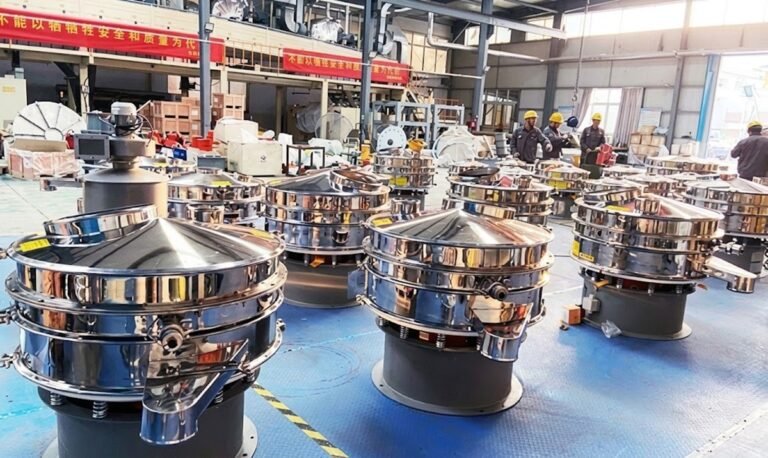
Jiarui Manufacturing

The feeding performance of Square Vibrating Feeder depends not only on vibration force but also on trough structure, vibration parameters, and connection methods with upstream and downstream equipment. Different materials have different requirements for particle size, flowability, and wear resistance. If the equipment configuration does not match the actual working conditions, problems such as uneven feeding, material blockage, or excessive trough wear may occur.

During manufacturing, Jiarui focuses on key factors that affect long-term operation, including whether the structure can withstand abrasive materials, whether powder materials can be discharged smoothly, and whether the equipment can connect properly with existing production lines. For hard materials such as ore and aggregate, stronger trough structures and wear-resistant designs are considered. For powder and fine particle materials, feeding stability and smooth discharge performance are prioritized. Jiarui follows the ISO9001 quality management system during production and combines years of experience in vibration equipment manufacturing to provide suitable feeding solutions for different industrial applications.

자주 묻는 질문

When selecting a Square Vibrating Feeder, customers usually need to provide material type, particle size range, moisture content, abrasiveness, feeding capacity, conveying distance, and installation space.Different material flow characteristics and wear conditions affect the selection of trough size, motor power, material type, and vibration parameters. Jiarui engineering team can evaluate the working conditions and recommend a suitable configuration.

It can be designed according to material characteristics, but the moisture content, stickiness, and flowability of the powder need to be confirmed in advance.Fine powders such as cement powder and fly ash may cause sticking, bridging, or poor discharge when moisture content is high. The trough structure, vibration parameters, and material selection need to be adjusted according to the application conditions.For highly wet or sticky materials, detailed material information should be provided for evaluation.

The two types of equipment are suitable for different applications.Square Vibrating Feeder is mainly used for continuous feeding from hopper outlets and is suitable for powder, granular materials, and production lines connected with crushers or screening equipment.Screw Feeder is more suitable for enclosed powder conveying, changing conveying directions, or applications requiring reduced dust leakage.The final selection should consider conveying distance, sealing requirements, and material flow characteristics.

The conveying distance depends on trough size, material characteristics, feeding capacity, and vibration parameters.

The standard ZDS300 series from Jiarui provides conveying distances from 2000 mm to 6000 mm. For longer distances or special installation requirements, the structure can be customized according to production line layout.

Yes.Square Vibrating Feeder is commonly installed at hopper outlets, storage bins, and before crushing or screening equipment to provide continuous and uniform material feeding.

In mining and aggregate production lines, the feeder can be customized with suitable trough dimensions, wear-resistant structures, and installation methods to connect with existing crushers, screening machines, and conveying systems.

Yes.Jiarui can customize Square Vibrating Feeder according to production requirements, including trough size, conveying length, material selection, voltage, inlet and outlet connections, and installation methods.Customers only need to provide material information, feeding capacity, and site conditions. The engineering team will provide a suitable equipment solution based on the actual application environment.

Get a Free Consultation

Fill out the form below to connect with our experts and receive personalized recommendations for your application.

  • Material Type
  • Material Size/Granulation
  • Required Screening/Conveying Capacity
  • Material Flow Rate
  • Moisture Content
  • Separation Requirements
  • Special Features or Customization Needs
Follow Us: