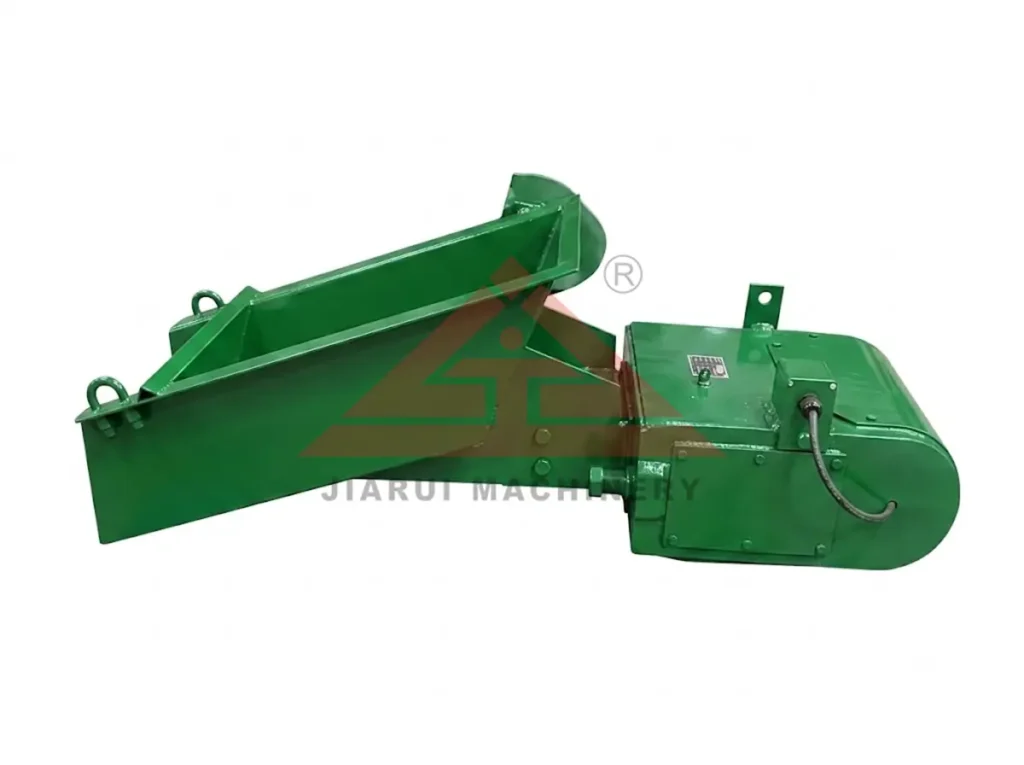
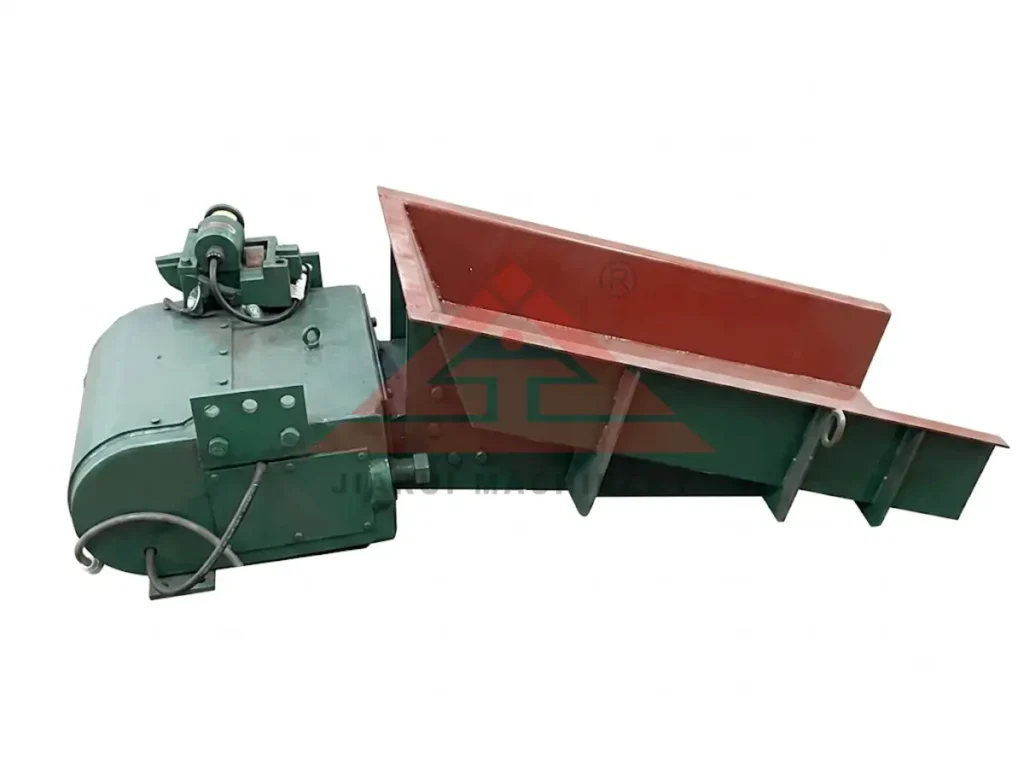
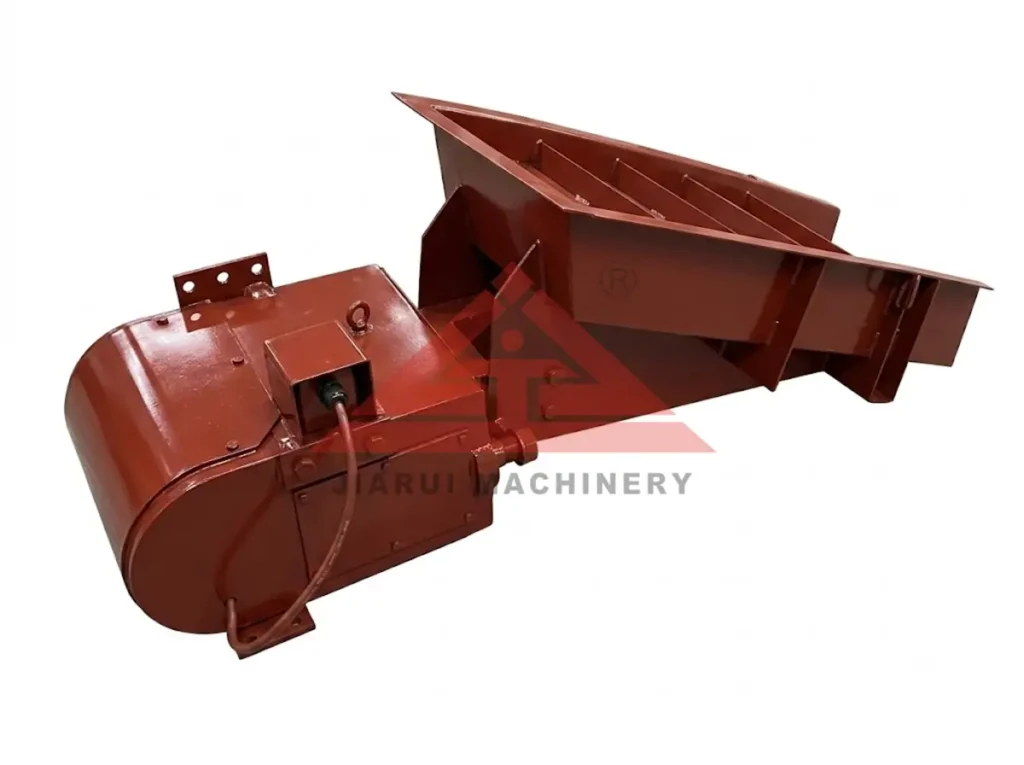
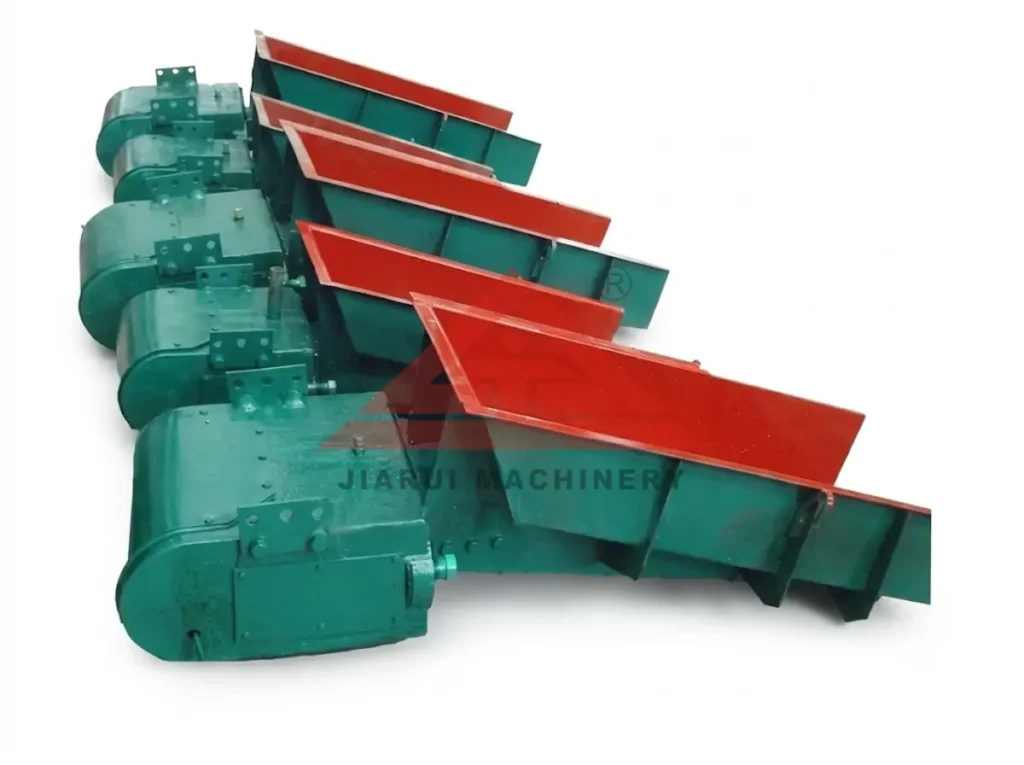
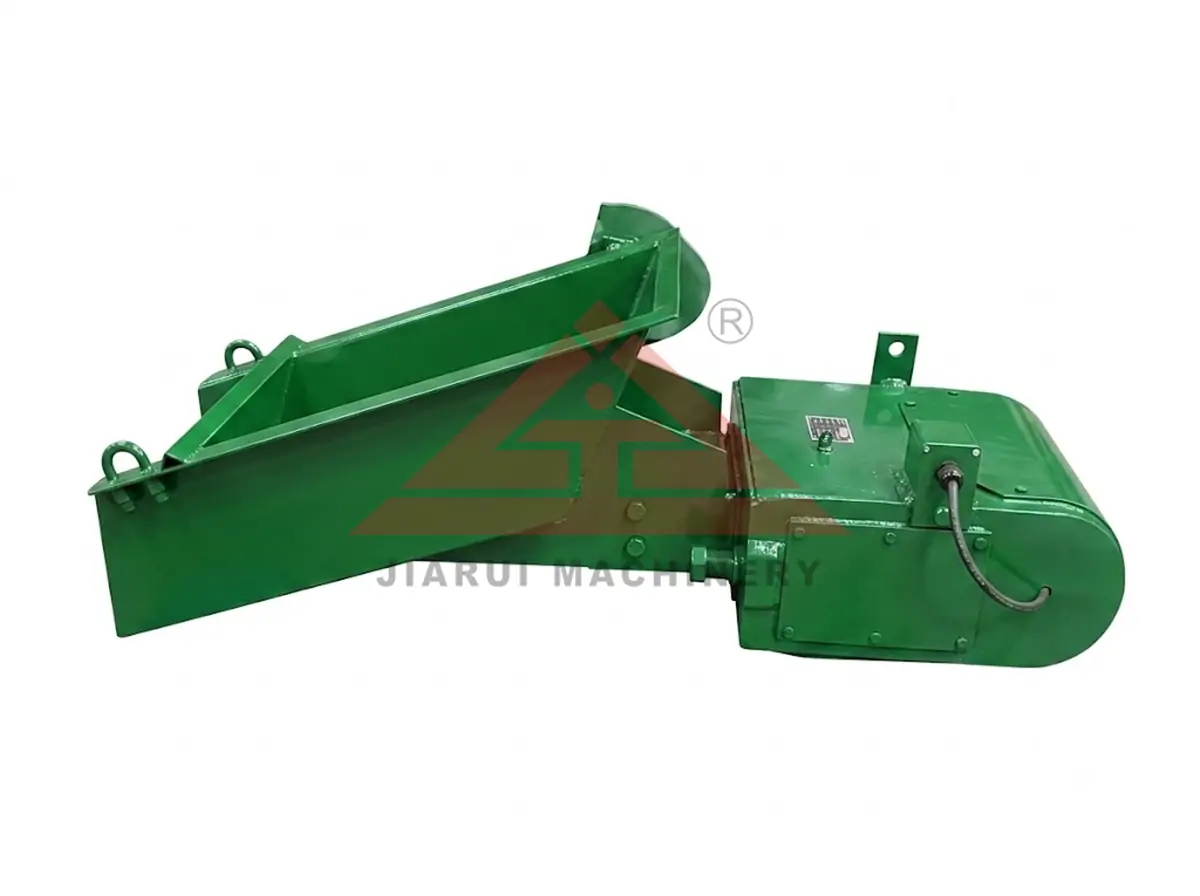
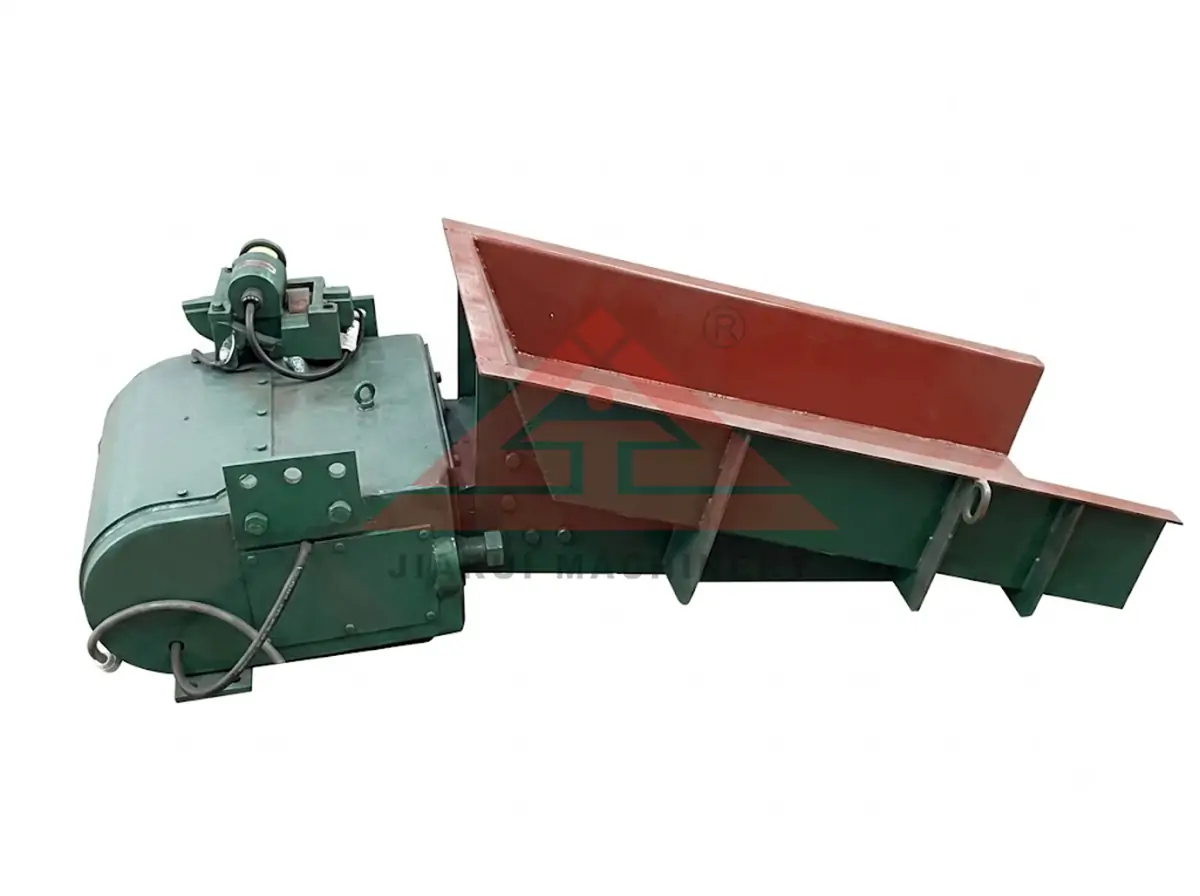
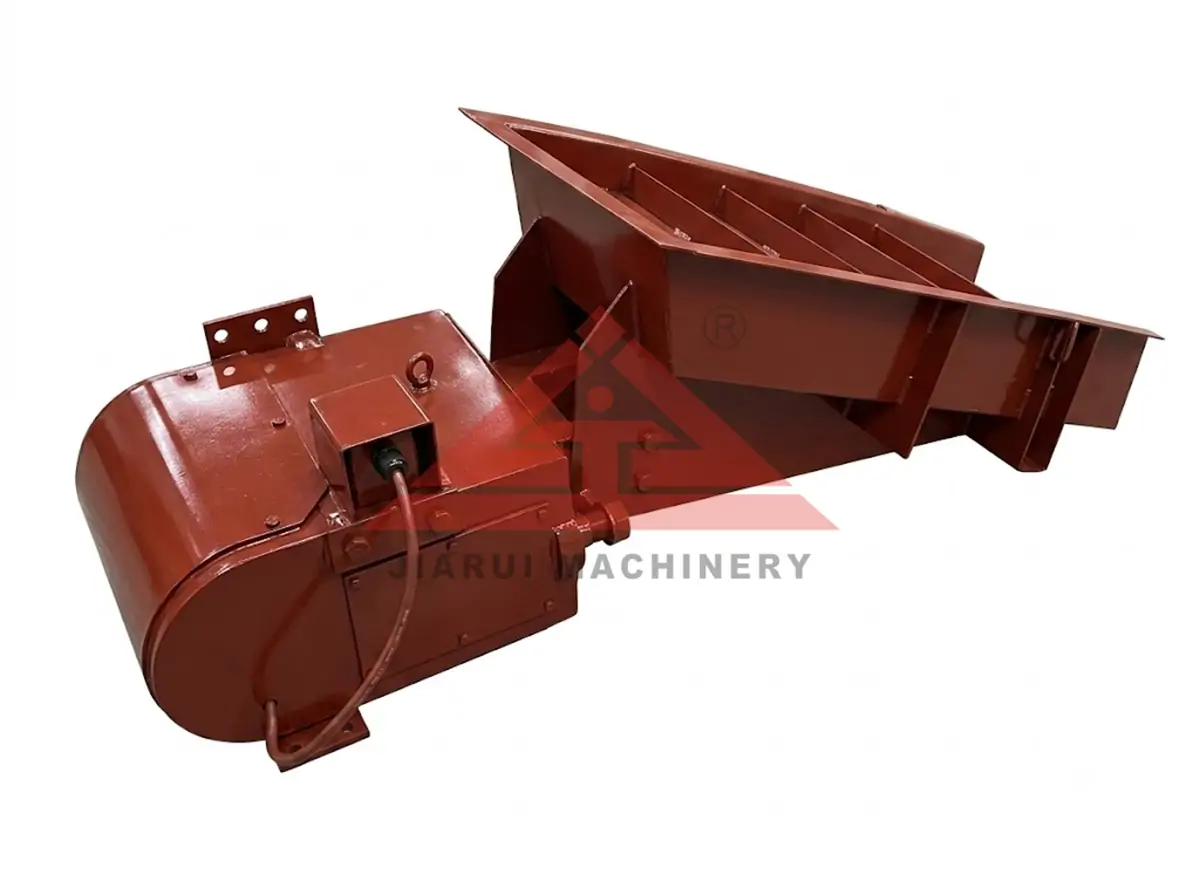
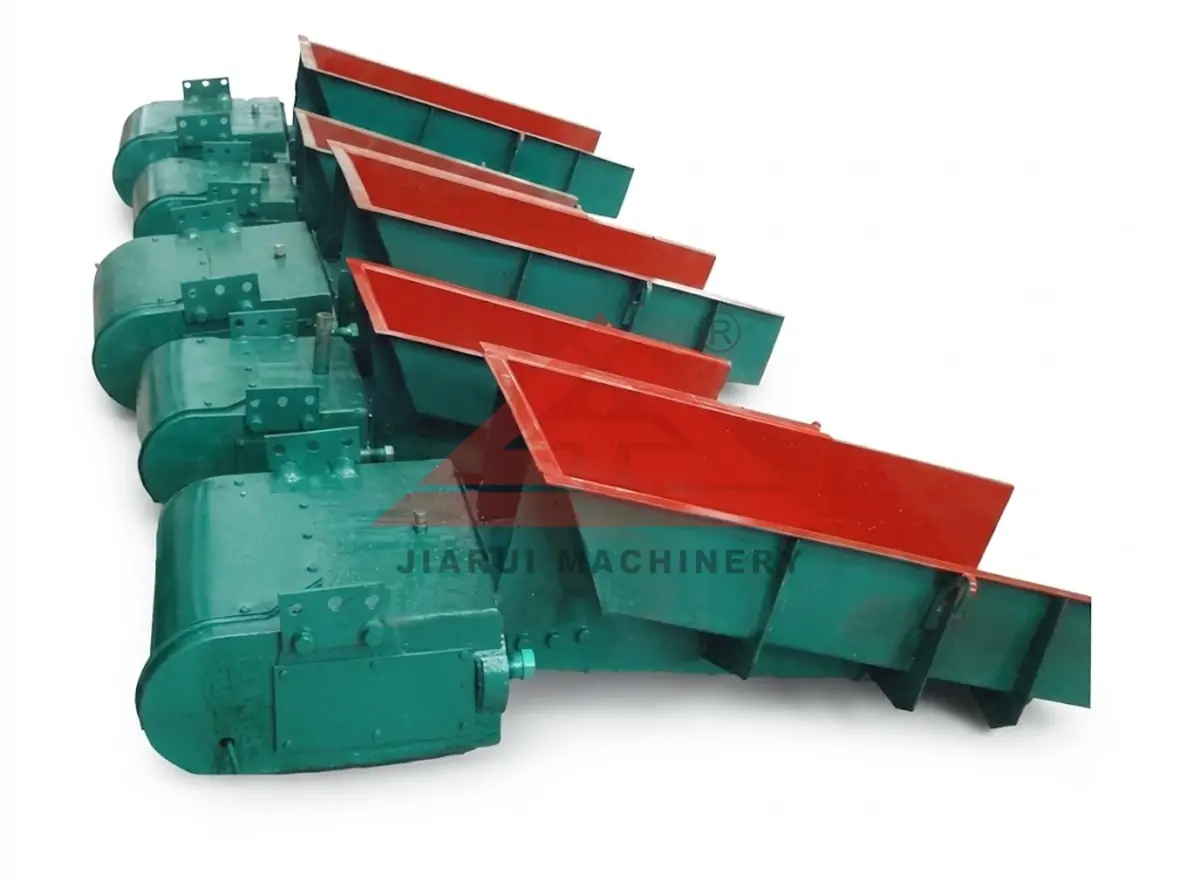
GZ 시리즈 전자기 진동 피더
GZ 시리즈 전자기 진동 피더는 주로 호퍼에서 재료를 균일하게 배출하도록 제어하는 데 사용됩니다. 전자기 진동이 트로프를 지속적으로 작동시켜 분말, 입상 및 소형 덩어리 재료가 설정된 공급 속도로 다음 공정에 투입되도록 합니다. 공급 속도는 조정이 용이하며, 작동 중 장비 반응이 빠르므로 정확한 재료 공급이 필요한 배칭, 계량 및 자동화 생산 공정에 적합합니다.
자루이 재료 특성과 작동 조건에 따라 GZ 시리즈 전자기 진동 피더의 구조와 파라미터를 조정하며, 여기에는 트로프 크기, 방진 설계, 내마모 처리 및 제어 방식 선택이 포함됩니다. 광석 및 골재와 같은 일반 재료나 분말 및 입상 재료를 취급할 때, 당사의 엔지니어링 팀은 용량 요구 사항, 설치 위치 및 생산 공정을 평가하여 적합한 공급 구성을 제공합니다.
- 모델: GZ 시리즈 전자기 진동 피더
- 처리 용량: 5–750 t/h (맞춤 가능)
- 공급 방식: 전자기 진동, 연속 및 가변 공급
- 최대 공급 입도: 최대 500 mm
- 적합한 재료: 광석, 석탄, 석회석, 분말 및 입상 재료
- 적용 분야: 광업, 건축 자재, 화학 및 자동화 생산 라인
- 맞춤 제작: 트로프 크기, 구조 및 제어 시스템 맞춤 제작 가능
GZ 시리즈 전자기 진동 피더란 무엇인가?
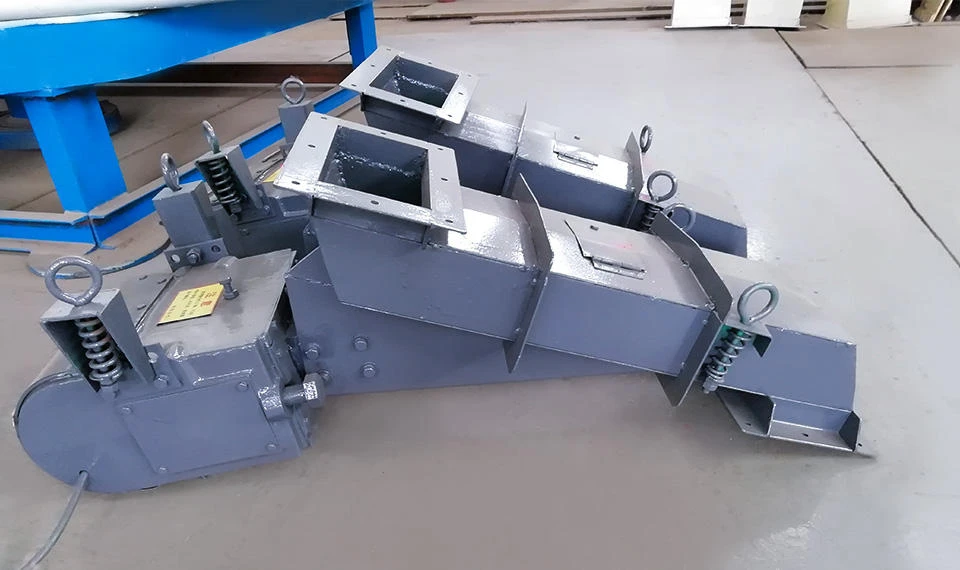
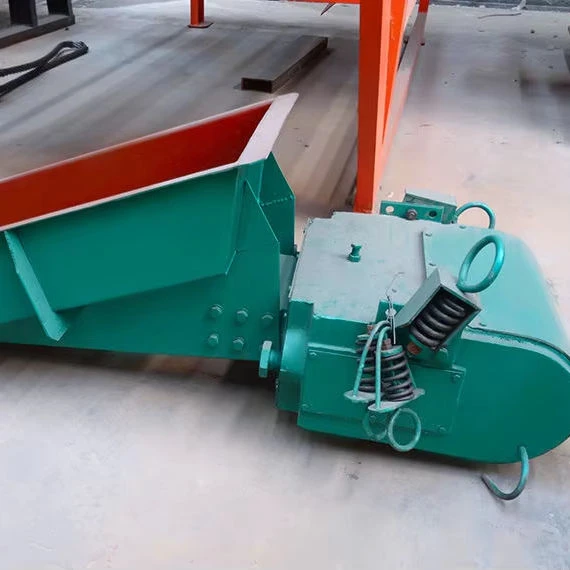
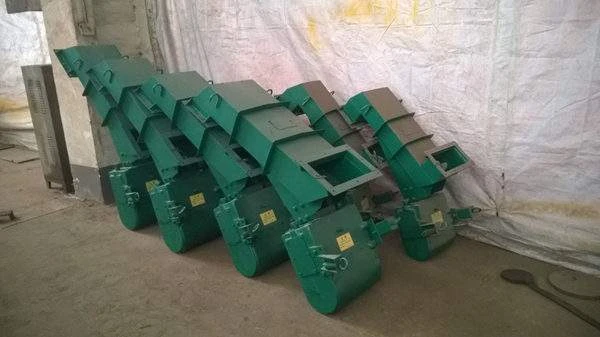
GZ 시리즈 전자기 진동 피더는 전자기 피더 또는 전자기 진동 피더 기계라고도 하며, 전자기 진동을 사용하여 연속 재료 공급을 구현하는 산업용 공급 장비입니다. 주로 덩어리, 입상 및 분말 재료를 호퍼나 저장 장비에서 다음 생산 공정으로 균일하게 이송하는 데 사용됩니다. 이 장비는 전자기 구동을 통해 주기적인 진동을 발생시켜 재료가 안정적인 공급 속도로 트로프 방향을 따라 이동하게 합니다.
GZ 시리즈 전자기 진동 피더는 전자기 제어를 사용하여 진동 진폭을 조정하고 공급 속도를 변경합니다. 균일한 공급과 유량 제어가 필요한 생산 공정에 적합합니다. 기존의 기계식 공급 장비와 비교하여 구조가 더 콤팩트하고 조정 응답이 더 빠릅니다. 광석, 석탄, 골재, 분말 재료 및 입상 재료의 연속 공급에 일반적으로 사용되며, 호퍼와 크러셔, 스크린, 및 배칭 시스템 간의 연결 장치로 사용됩니다.
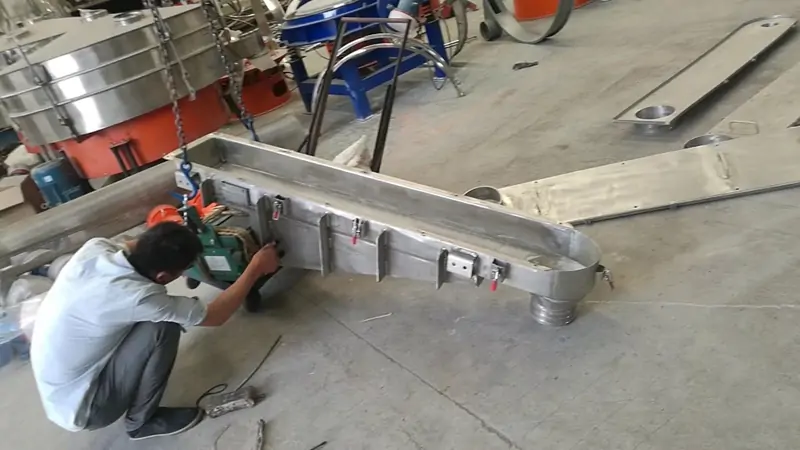
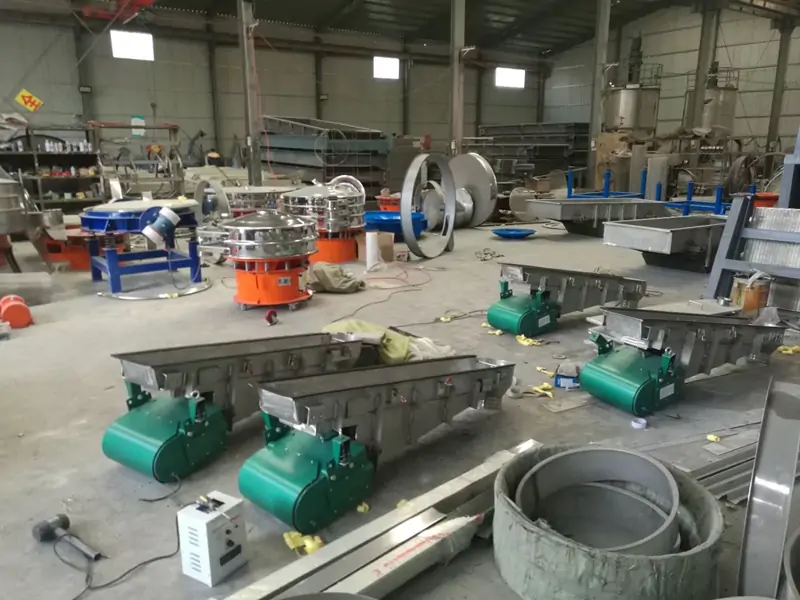
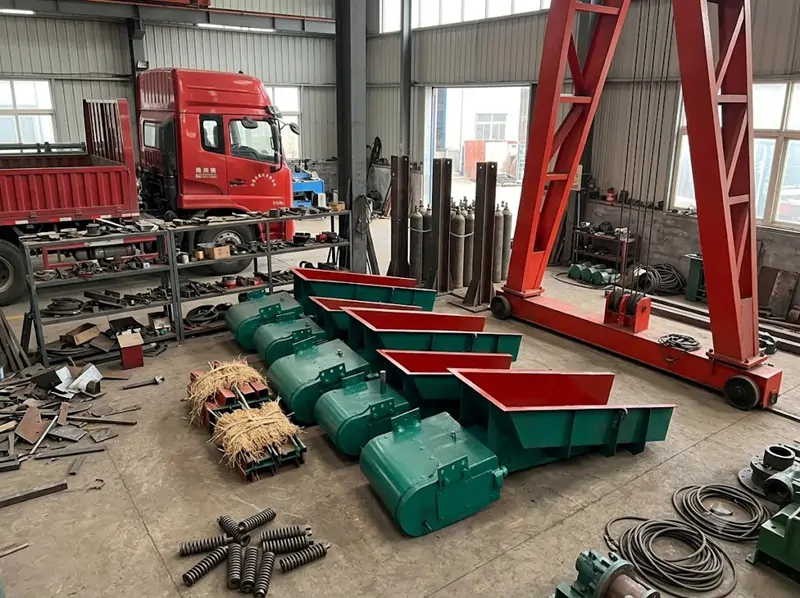
작동 원리
GZ 시리즈 전자기 진동 피더는 전자기 진동기를 사용하여 주기적인 여기력을 발생시켜 트로프가 왕복 진동을 수행하도록 구동합니다. 트로프 내부의 재료는 배출 방향으로 지속적으로 이동합니다. 공급 속도는 전자기 구동 및 제어 시스템을 통해 조정할 수 있어, 이 장비는 연속적이고 제어 가능한 재료 공급에 적합합니다.
전자기 진동이 트로프를 구동합니다
전원이 공급되면 전자기 진동기 내부의 코일이 주기적인 인력을 발생시켜 전기자와 트로프가 앞뒤로 움직이게 합니다. 장비가 전자기 구동을 사용하므로 복잡한 기계적 동력 전달 부품 없이 콤팩트한 구조를 갖습니다. 기동 및 정지 응답이 빨라 생산 요구에 따라 작동을 조정하기 쉽습니다.
진동력이 재료를 전방으로 이동시킵니다
트로프 진동 중 재료는 진동력과 자체 중력의 영향을 받습니다. 재료는 느슨해지며 출구 방향으로 지속적으로 이동합니다. 재료 입도, 유동 특성 및 적체 상태는 실제 작동 결과에 영향을 미치므로, 장비 선정은 특정 작동 조건에 따라 이루어져야 합니다.
전류를 조정하여 공급 속도를 제어합니다
제어 박스는 전자기 여기를 조정하여 진동 진폭과 공급 속도를 조절하며, 이는 재료 이동 속도를 변화시킵니다. 운영자는 파쇄, 스크리닝, 계량 또는 배칭 공정의 요구 사항에 따라 공급 속도를 조정할 수 있어, 상류 및 하류 장비가 함께 작동하도록 돕습니다.
GZ 시리즈 전자기 진동 피더의 작동 원리는 간단하지만, 그 적용 성능은 트로프 설계, 설치 방법 및 제어 파라미터 매칭과 밀접한 관련이 있습니다. 적절한 선정은 작동 조정을 줄이고 피더와 생산 라인 간의 협조를 개선하는 데 도움이 됩니다.
.
장점
GZ 시리즈 전자기 진동 피더의 장점은 주로 공급 제어와 현장 적용에 집중됩니다. 일반 기계식 공급 장비와 비교하여 GZ 시리즈는 전자기 구동과 제어 박스를 사용하여 진동 조건을 조정하므로 공급 속도를 더 쉽게 제어할 수 있습니다. 연속 공급, 유량 조정 및 자동 제어가 필요한 생산 공정에 적합합니다.
공급 속도 조정이 더 용이함
제어 박스의 출력 파라미터를 조정하여 진동 진폭과 재료 이동 속도를 변경할 수 있습니다. 이를 통해 생산 요구에 따라 공급 속도를 조정할 수 있으며, 정확한 유량 제어가 필요한 배칭 및 계량과 같은 공정에 적합합니다.
자동화 생산 라인에 더 적합함
GZ 시리즈는 전자기 제어를 사용하므로 작동 파라미터를 더 빠르게 조정할 수 있습니다. PLC 시스템, 계량 장비 및 자동 배칭 시스템과 연결하여 연속 생산 중 자동 제어를 지원할 수 있습니다.
빠른 기동 및 정지 응답
전자기 구동 구조는 복잡한 기계적 동력 전달 부품이 필요하지 않습니다. 장비는 유연한 조정으로 기동 및 정지가 가능하여, 공급 조건의 빈번한 변경이 필요한 생산 공정에 적합합니다.
콤팩트한 구조와 작은 설치 공간
장비는 주로 전자기 진동기, 스프링 부품, 트로프 및 제어 시스템으로 구성됩니다. 전체 구조가 간단하여 호퍼 출구나 생산 라인 연결 지점에 설치하기 적합합니다.
다양한 트러프 설계로 여러 적용 분야에 대응
설치 공간과 재료 특성에 따라 GZ 시리즈는 기본형, 밀폐형, 상부 장착 진동형, 광폭 트러프형, 관형 등 다양한 구조로 구성할 수 있어 분진 제어, 설치, 공급 조건에 대한 요구 사항을 충족합니다.
안정적인 연속 운전
진동 파라미터와 트러프 구조를 적절히 매칭하면 장비가 연속적이고 균일한 공급을 유지할 수 있어, 상·하류 장비 간 재료 공급 불안정으로 인한 생산 변동을 줄일 수 있습니다.
적용 분야
GZ 시리즈 전자기 진동 피더는 일반적으로 호퍼 출구, 저장 장비 배출 지점 또는 생산 라인 공급 구간에 설치되어 다음 공정으로 투입되는 재료의 공급 속도를 제어합니다. 적용 분야에 따라 요구 사항이 다릅니다. 광업 분야는 대형 재료의 처리 용량에 더 중점을 두고, 분체 산업은 분진 제어와 연속 배출에 중점을 두며, 자동화 생산 라인은 공급 조정과 장비 연결에 더 높은 요구 사항을 가집니다.
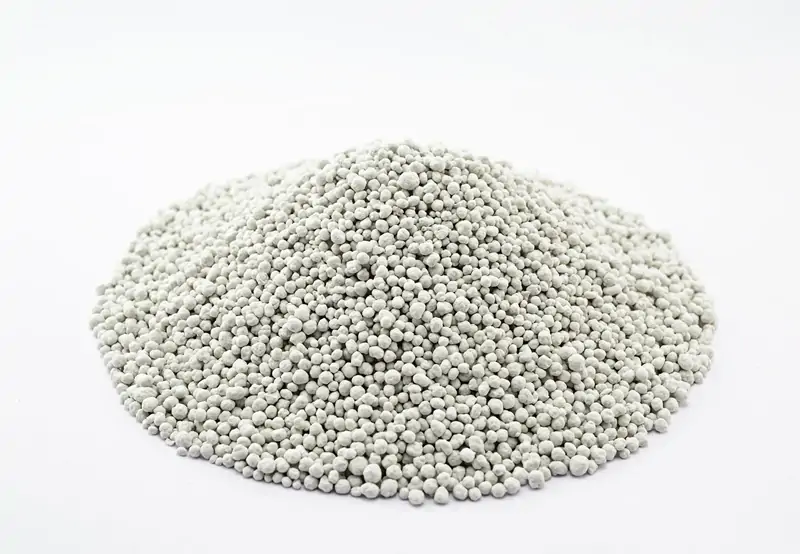
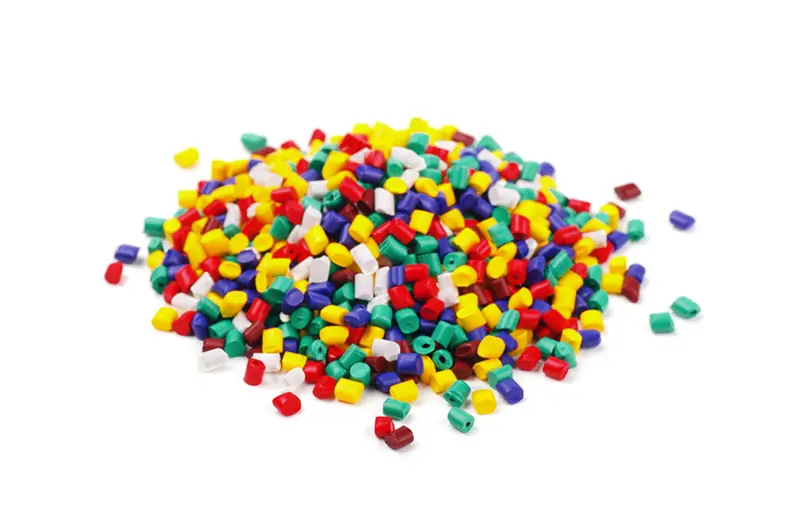
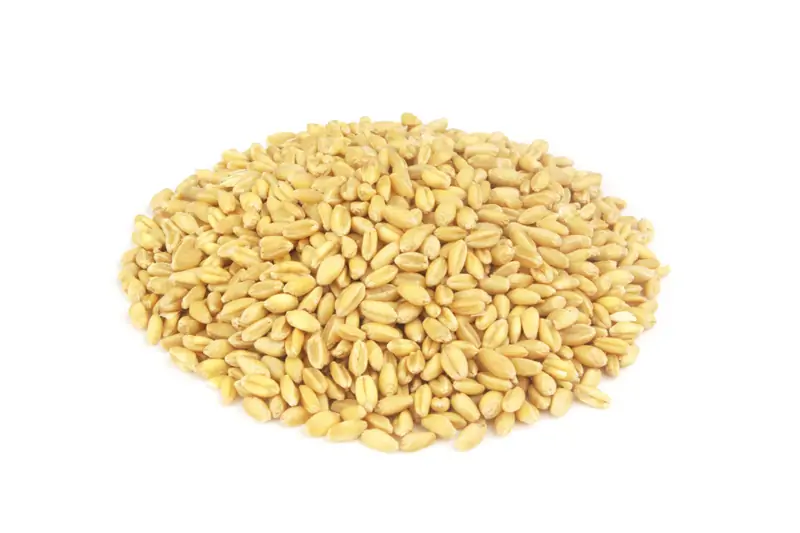
일반적인 적용 분야
| 산업 | 대표 재료 | 일반적인 설치 위치 |
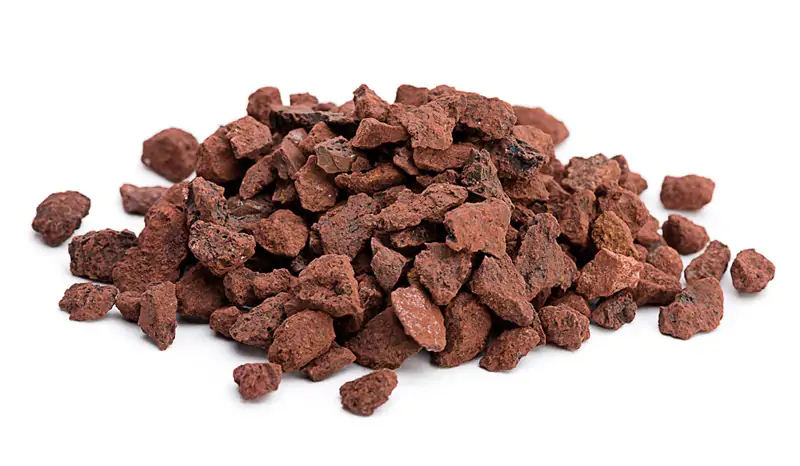
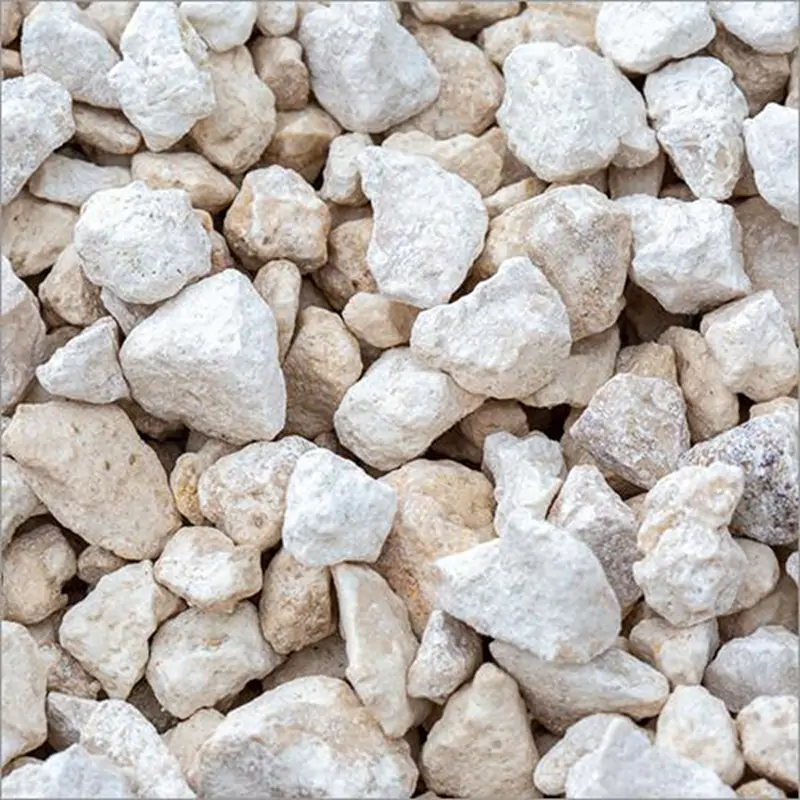
| 광업 | 철광석, 동광석, 파쇄광, 골재 | 호퍼 아래에 설치되어 재료를 크러셔, 스크린 또는 벨트 컨베이어 시스템으로 공급 |
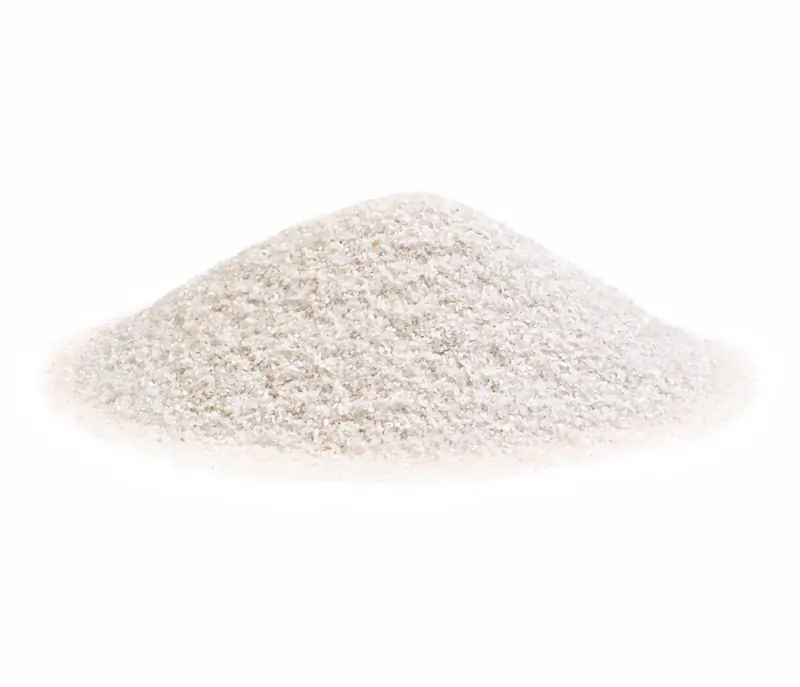
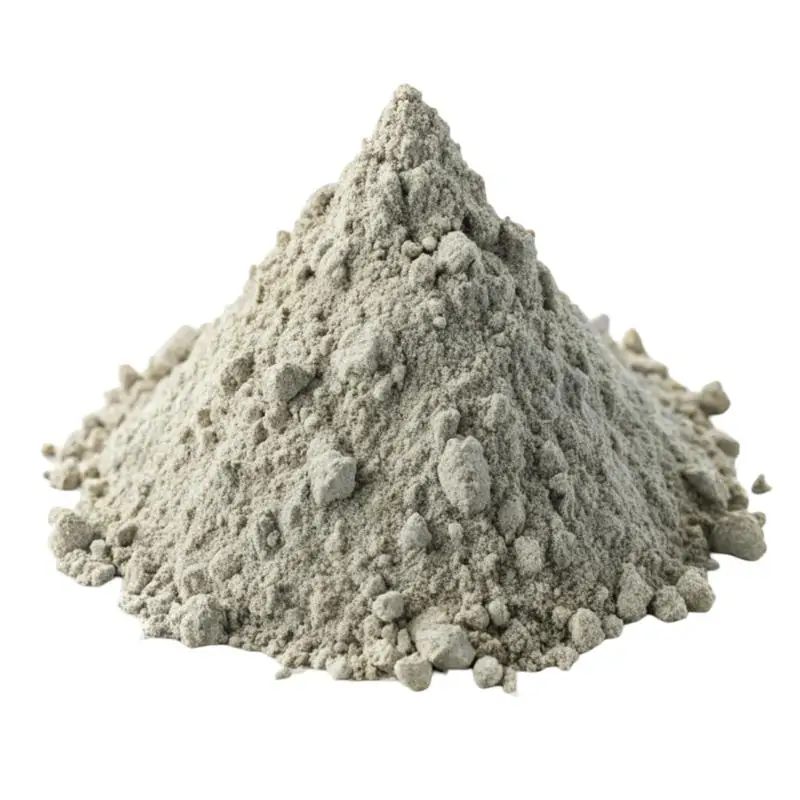
| 건축 자재 산업 | 석회석, 시멘트 클링커, 규사, 건설 골재 | 파쇄, 분쇄, 선별 생산 라인의 전단에 사용되며 하류 장비와 연결 |
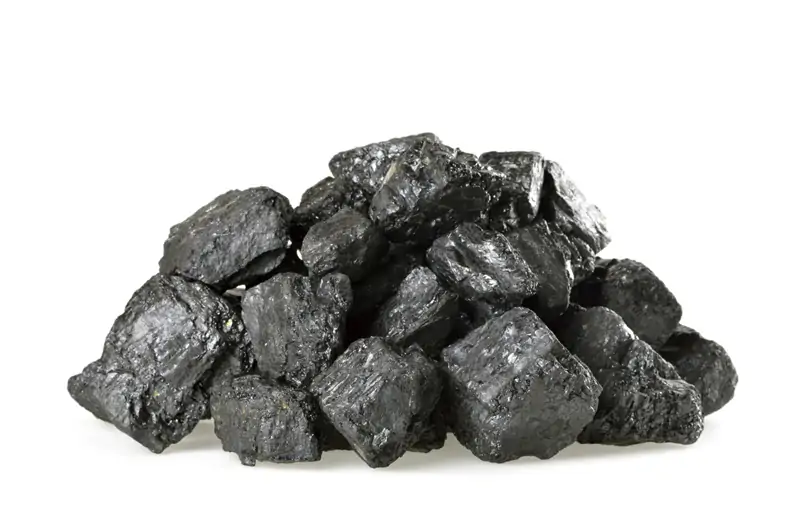
| 석탄 산업 | 원탄, 석탄 덩어리, 코크스 | 석탄 저장 빈 아래에 설치되어 컨베이어 또는 처리 장비로의 재료 공급을 제어 |
| 야금 산업 | 광물 분말, 용광로 재료, 금속 입자 | 제련, 선별, 배치 공정에서 연속 공급에 사용됩니다 |
| 화학 산업 | 비료 과립, 수지 펠릿, 플라스틱 펠릿, 분말 재료 | 배치, 포장, 자동화 생산 라인의 전단에 사용됩니다. 환경 요구 사항에 따라 밀폐형 구조를 선택할 수 있습니다 |
| 식품 산업 | 곡물, 종자, 과립형 식품 재료 | 저장, 계량, 포장 장비 전단에서 균일한 재료 배출에 사용됩니다 |
신중한 선정이 필요한 상황
GZ 시리즈 전자기 진동 피더는 대부분의 건식 벌크 재료에 적합하지만, 모든 재료와 운전 조건이 직접 사용에 적합한 것은 아닙니다. 선정 전 현장 조건을 확인하면 추후 조정 및 운전 문제를 줄일 수 있습니다.
- 고수분 및 점착성 재료: 예를 들어, 습윤 광물 분말과 수분 함유 분말 재료는 트로프 내부에 축적될 수 있습니다. 실제 조건에 따라 구조와 처리 방법을 선택해야 합니다.
- 과대 크기 덩어리 재료: 공급 입도가 설계 범위를 초과하면 트로프에 대한 충격 하중이 증가하고 장비 운전에 영향을 미칠 수 있습니다.
- 장거리 이송 요구 사항: 전자기 진동 피더는 주로 단거리 연속 공급에 사용되며 장거리 이송 장비로는 적합하지 않습니다.
- 진동에 민감한 생산 환경: 일부 정밀 생산 공정은 진동 영향을 피해야 합니다. 설치 방법을 사전에 확인해야 합니다.
GZ 시리즈 전자기 진동 피더의 적용 성능은 재료 상태, 설치 위치, 상하류 장비와의 연결과 관련이 있습니다. 선정 시 용량뿐만 아니라 설치 공간, 연결 장비, 운전 환경도 고려해야 합니다.
기술 매개변수
GZ 시리즈 전자기 진동 피더는 다양한 공급 용량과 재료 크기에 대해 다양한 모델로 제공됩니다. 다음 수치는 참고용입니다. 실제 용량은 재료, 공급 크기, 벌크 밀도 및 운영 조건에 따라 달라집니다.
| 모델 범위 | 참고 용량 | 최대 공급 입도 | 적합한 적용 분야 |
| GZ1–GZ3 | 5–25 t/h | ≤75 mm | 소유량 공급, 배칭 및 보조 공급 |
| GZ4–GZ6 | 50–150 t/h | ≤200 mm | 광석, 골재 및 입상 재료 공급 |
| GZ7–GZ8 | 250–400 t/h | ≤300 mm | 중대형 생산 라인의 연속 공급 |
| GZ9–GZ10 | 600–750 t/h | ≤500 mm | 대형 광업 및 산업 생산 라인 |
모델은 일반적으로 필요한 공급 속도, 재료 크기, 호퍼 치수 및 하류 장비에 따라 선택됩니다. 다양한 모델은 주로 트로프 크기, 진동 매개변수 및 구조적 구성이 다릅니다. 설치 공간이나 공급 조건이 표준 응용 분야와 다른 경우, Jiarui는 피더 구조와 구성을 그에 맞게 조정할 수 있습니다.
기본 매개변수 참고
| 매개변수 | 내용 |
| 구동 방식 | 전자기 진동 구동 |
| 투입 방식 | 연속 및 가변 공급 |
| 처리 용량 | 5-750 t/h |
| 최대 공급 입도 | 최대 500 mm |
| 적용 가능 자재 | 광석, 석탄, 석회석, 분말 재료 및 과립 |
| 제어 방식 | 제어 박스를 통한 진동 진폭 및 공급 속도 조절 |
| 구조 유형 | 기본형, 밀폐형, 상부 장착형, 광폭 트로프형, 관형 등. |
GZ 시리즈 전자기 진동 피더를 선정할 때는 먼저 재료 유형, 용량 요구 사항, 설치 조건을 확인한 후 적합한 모델과 구조를 결정하는 것이 좋습니다. Jiarui는 실제 운전 조건에 따라 장비 매개변수를 매칭하여 생산 요구 사항에 맞지 않는 사양을 선택하지 않도록 합니다.
다양한 구조는 어떻게 선택하나요?
GZ 시리즈 전자기 진동 피더는 설치 공간, 공급 환경 및 적용 요구 사항에 따라 다양한 구조로 설계될 수 있습니다. 구조가 다르다고 해서 성능 수준이 다른 것은 아니며, 다양한 운전 조건에 맞게 설계된 것입니다. 선정은 주로 설치 조건과 사용 요구 사항에 따라 결정됩니다.
| 유형 | 주요 차이점 | 적합한 적용 분야 |
| 기본형 | 개방형 트로프 구조로 성숙된 설계와 넓은 적용 범위 | 특별한 제한이 없는 일반 광석, 석탄, 골재 및 벌크 자재 |
| 상부 장착형 | 트로프 상부에 진동 장치가 설치된 구조 | 피더 하부 공간이 제한적이거나 다른 장비 설치를 피해야 하는 적용 분야 |
| 밀폐형 | 분진 비산을 줄이기 위한 보호 커버 추가 | 분말 재료, 분진성 재료 또는 환경 관리 요구 사항이 높은 작업장 |
| 경량 트로프형 | 더 가벼운 트로프 구조로 장비 하중 감소 | 지지 조건이 제한적이거나 장비 중량 감소가 요구되는 설치 환경 |
| 평판 트로프형 | 보다 균일한 토출을 위한 평평한 트로프 설계 | 박층 공급 또는 스크리닝 및 배칭 장비와의 연결 |
| 광폭 트로프형 | 통과 용량 증가를 위한 트로프 폭 확대 | 더 넓은 공급 표면 또는 더 큰 재료 흐름이 필요한 적용 분야 |
| 관형 | 밀폐된 관형 구조로 우수한 밀봉 성능 | 엄격한 분진 제어 또는 외부 오염 감소가 요구되는 적용 분야 |
| 중부하형 | 더 높은 용량을 위한 강화된 하중 지지 구조 | 대규모 광산 작업 및 연속 고용량 공급 시스템 |
GZ 시리즈 전자기 진동 피더의 구조를 선정할 때 모델 크기만으로 선택하는 것은 권장되지 않습니다. 설치 위치, 다른 장비와의 연결 방식 및 운전 환경도 고려해야 합니다. 다양한 구조는 주로 다양한 설치 조건과 생산 요구 사항에 맞추기 위해 사용됩니다.
전자기 진동 피더는 어떻게 선정하나요?
이 두 유형의 장비는 모두 진동력을 사용하여 재료를 이동시키지만 생산 라인에서의 목적은 다릅니다. GZ 시리즈 전자기 진동 피더는 주로 공급 속도와 운전 리듬 제어 문제를 해결합니다. 연속 정량 공급 및 자동 제어 공정에 더 적합합니다. 진동 피더 컨베이어는 주로 대량의 재료를 연속적으로 이동시키는 데 중점을 두며 고용량 및 중부하 적용에 적합합니다.
| 비교 항목 | GZ 시리즈 전자기 진동 피더 | 진동 피더 컨베이어 |
| 장비 기능 | 정밀 공급 제어 장비 | 고용량 재료 이송 장비 |
| 구동 방식 | 전자기 구동, 진동 진폭으로 공급 속도 조절 | 진동 모터 또는 익사이터에 의해 구동되어 재료를 연속적으로 이동 |
| 주요 용도 | 호퍼 토출 속도를 제어하여 연속 정량 공급 | 생산 라인에서 대용량 재료 이송 처리 |
| 적합한 용도 | 배칭 시스템, 계량 장비, 포장 장비, 자동화 생산 라인 | 광산 파쇄 플랜트, 스크리닝 라인 및 대형 이송 시스템 |
| 적용 가능 자재 | 분말 재료, 입상 재료 및 중소형 덩어리 재료 | 광석, 골재, 석탄 및 대형 벌크 재료 |
| 주요 장점 | 빠른 조정 응답, 유연한 공급 제어, 제어 시스템과의 쉬운 연결 | 높은 용량, 강력한 하중 지지 능력, 연속 중부하 운전에 적합 |
| 설치 특성 | 컴팩트한 구조로 호퍼 출구 및 장비 연결 지점에 적합 | 대형 생산 라인 레이아웃 및 장기 연속 운전에 더 적합 |
생산 라인이 공급 속도 제어, 계량 및 배칭 시스템 매칭, 또는 토출량 빈번 조정에 중점을 둔다면 GZ 시리즈 전자기 진동 피더가 더 적합합니다. 주요 요구 사항이 대형 덩어리 재료 처리, 고용량 및 연속 이송이라면 진동 피더 컨베이어가 더 나은 선택입니다.
맞춤 제작 서비스
GZ 시리즈 전자기 진동 피더에는 표준 모델이 있지만 생산 라인마다 설치 위치, 연결 장비 및 운전 조건에 대한 요구 사항이 다릅니다. 장비 치수, 트로프 구조 및 제어 방식이 적용 분야와 일치하지 않으면 설치 및 운전 성능에 영향을 미칠 수 있습니다. 이러한 상황에 대비하여 당사는 고객 요구 사항에 따라 장비 구조와 구성을 조정하여 보다 적합한 공급 설계를 결정합니다.
어떤 모델이나 구조가 적합한지 확실하지 않은 경우, 다음 기본 정보를 제공해 주시기 바랍니다. 당사는 운전 조건을 평가하여 적합한 트로프 설계, 사양 및 제어 방식을 확인해 드리겠습니다.
선정 정보 권장 사항:
- 재료 정보: 재료명, 입도, 점착성 또는 분진 발생 여부
- 처리 용량 요구 사항: 시간당 요구 공급 용량
- 설치 조건: 호퍼 크기, 설치 공간, 배출 방향
- 운전 환경: 방진, 내마모성 또는 특수 재료 요구 여부
- 제어 요구 사항: PLC 연동, 배칭 또는 자동 제어 시스템 필요 여부
Jiarui 엔지니어링 팀은 제공된 정보를 평가하여 모델 선정부터 구조 설계, 제조 요구 사항까지 장비 구성을 매칭하므로 선정 오류를 줄이고 장비가 생산 공정에 적합하도록 지원합니다.
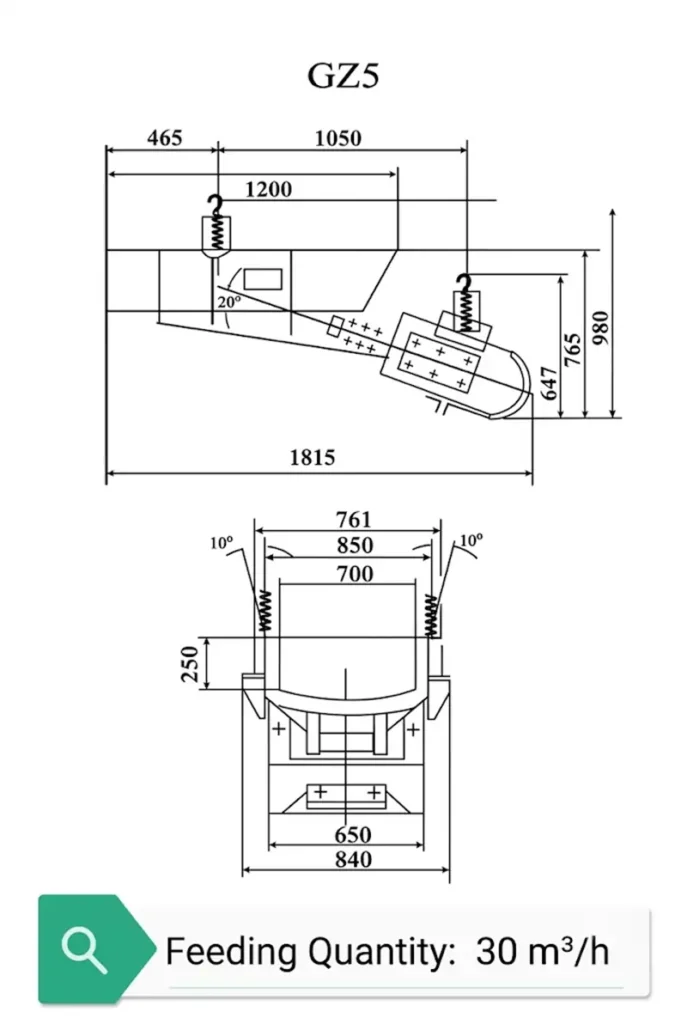
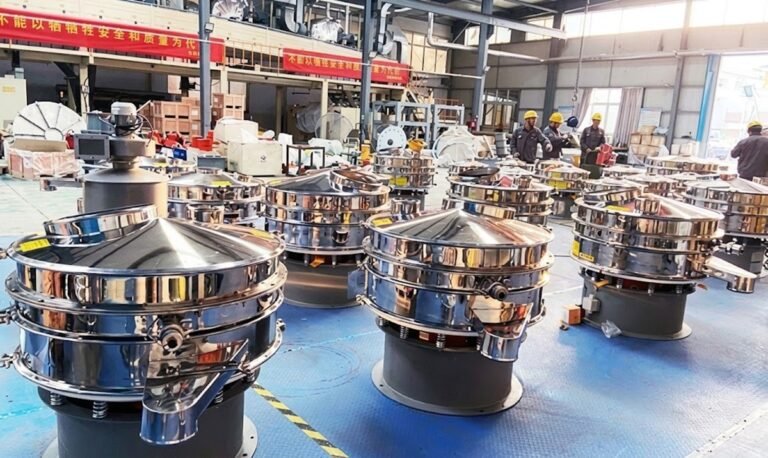
Jiarui 제조
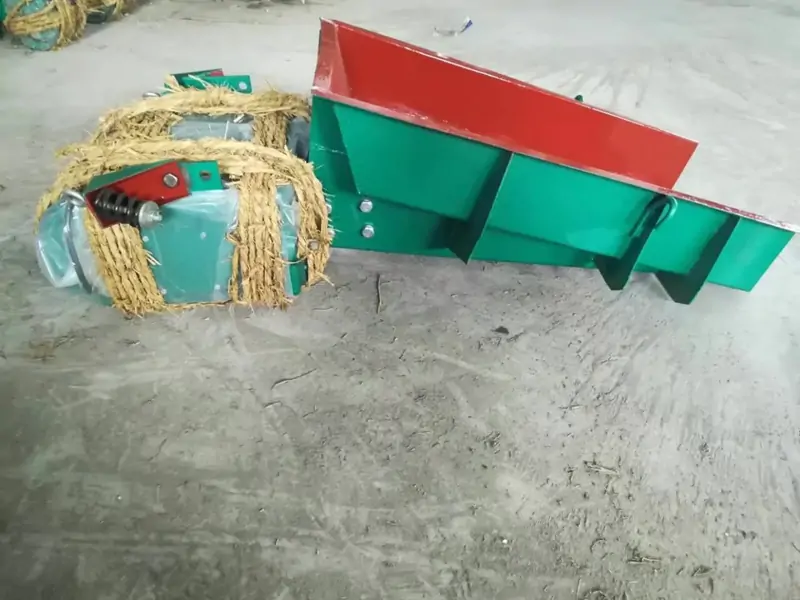
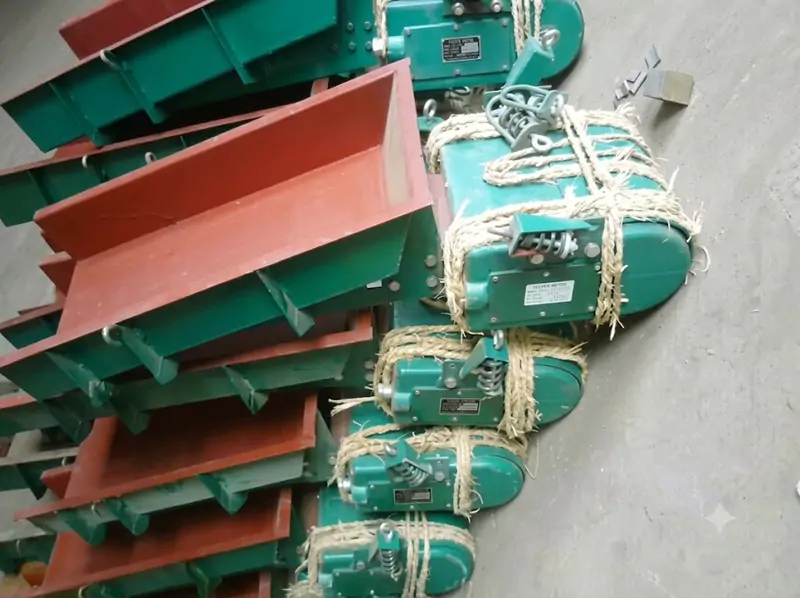
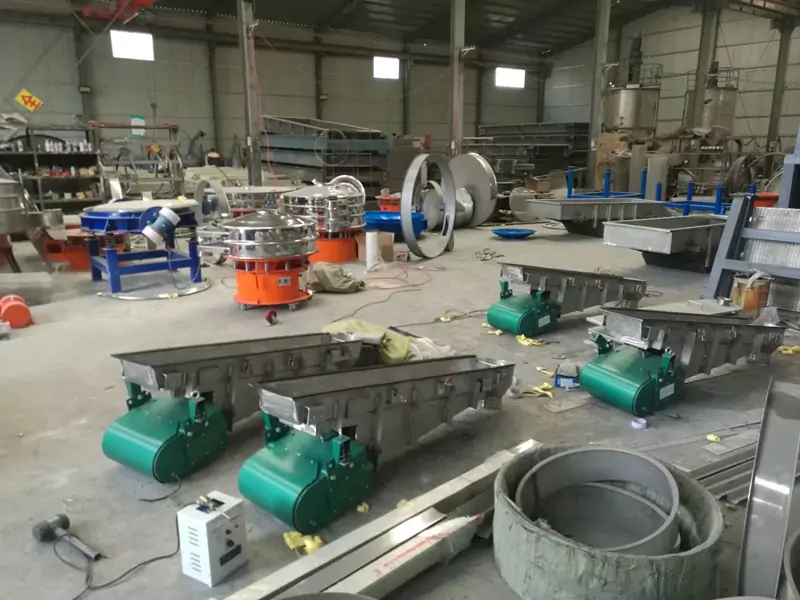
GZ 시리즈 전자기 진동 피더의 경우, 제조 정밀도는 설치 후 장비 성능에 영향을 미칩니다. 트로프 구조, 전자기 진동 시스템 및 조립 공정은 재료 특성과 작업 조건에 맞게 조정되어 안정적인 공급을 유지해야 합니다.
실제 조건에 맞게 설계된 트로프 구조
트로프 치수, 재료 선정 및 내마모 보호는 공급 용량, 재료 특성 및 설치 요구 사항에 따라 결정됩니다. 이를 통해 재료 막힘을 줄이고 공급 공정의 일관성을 유지할 수 있습니다.
조립 시 매칭되는 진동 시스템
전자기 진동기, 스프링 및 제어 부품은 확정된 설계 파라미터에 따라 조립됩니다. 조립 후 각 피더는 출하 전에 진동 작동 및 공급 응답이 점검됩니다.
승인된 도면에 따른 제조
Jiarui는 고객의 기술 요구 사항에 따라 CAD 확인, 부품 가공, 조립 및 테스트에 이르는 제조 공정을 완료합니다. 이를 통해 최종 장비 구성이 확정된 설계와 일치하도록 유지합니다.
제조 공정은 품질 관리 원칙을 준수하여 주요 생산 단계를 관리하고 장비 성능을 안정적으로 유지합니다.
자주 묻는 질문
예, 400메시 이하의 분말용으로 특별히 설계되었으며, 공기 흐름 안정성과 재료 특성에 따라 최대 800메시까지 처리할 수 있습니다.
무료 상담 받기.