
ما هو الناقل الأنبوبي الاهتزازي؟
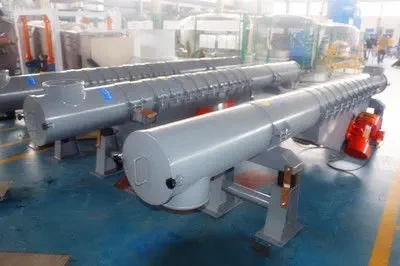
أنابيب النقل الاهتزازية تُستخدم أساسًا لنقل الأسمنت ومواد الرماد المتطاير في محطات خلط الخرسانة. كما أنها مناسبة لمعالجة الصوامع في الصناعات الكيميائية والمعدنية والحبوب، وأماكن التخزين، وغيرها. تتميز الناقلة بقطر لولبي صغير، وسرعة عالية، وسعة نقل كبيرة، ودقة عالية، وظروف نقل ممتازة. تعتمد وحدة القيادة مخفض تروس، يتميز بعزم دوران مرتفع، وضوضاء منخفضة، وعدم تسرب الزيت، وعمر خدمة طويل. غلاف النقل مصنوع من أنابيب فولاذية غير ملحومة عالية الجودة مع توصيل بالفلنجات. الصلابة الكلية للمعدات جيدة، ولديها قدرة تحمل كبيرة. أثناء النقل، سواء كان أفقيًا أو بزاوية ميل كبيرة، يمكن تحقيق نقل مستمر. يسمح باختيار عشوائي لموضع العمل وظروف التشغيل، وهو مناسب للتفكيك والصيانة، والتشغيل آمن وموثوق.
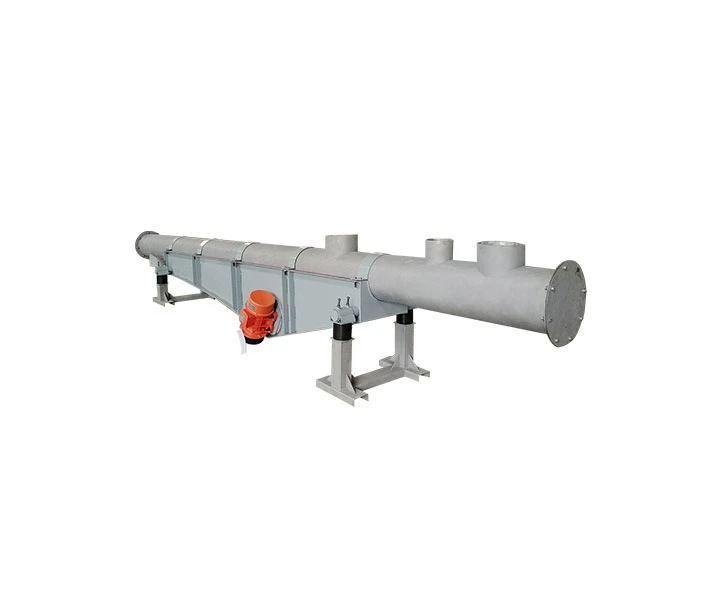
مبدأ النقل
المبدأ الأساسي لعمل ناقل الأنبوب الاهتزازي هو كما يلي: بعد بدء تشغيل المعدات، يعمل محركان اهتزازيان أو مهيجان متطابقان في الطراز والمواصفات، مرتبان بشكل متماثل، بشكل متزامن في اتجاهين متعاكسين. تنتقل قوة الإثارة التي يولدانها عبر جسم الاهتزاز—قاعدة المحرك أو المهيج—إلى جسم الاهتزاز بأكمله—حوض التغذية. مما يجعل الحوض يهتز بشكل دوري، وبالتالي تتحرك المادة داخل الحوض نحو طرف التفريغ بحركة قفز موجهة، مما يكمل في النهاية عملية نقل المادة.
الهيكل الأساسي والتكوين
ناقل الأنبوب الاهتزازي هو جهاز نقل بالقصور الذاتي الاهتزازي الخطي. يتكون هيكله الأساسي وتكوينه بشكل رئيسي من وحدة طاقة (محوران اهتزازيان أو مهيجان متطابقان في الطراز والمواصفات)، وجسم اهتزازي (حوض تغذية)، وجهاز عزل (نوابض عزل)، وقاعدة تحمل (هيكل فولاذي أو منصة مسبقة الصنع)، وملحقات ذات صلة.
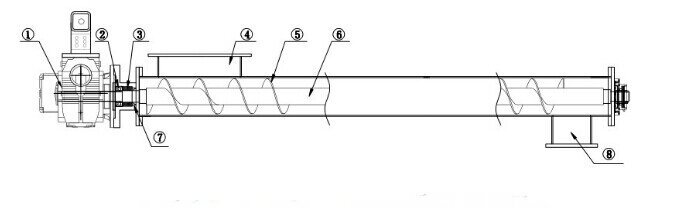
| اسم المكوّن | الوظيفة ومتطلبات المواد |
| خط النقل | قناة نقل المواد، عادةً أنبوب دائري، مع مواد اختيارية تشمل الفولاذ الكربوني (المقاوم للتآكل)، والفولاذ المقاوم للصدأ (لتطبيقات الأغذية/الأدوية)، أو المبطن بالسيراميك (لظروف التآكل العالي)، بأقطار أنابيب شائعة تتراوح من Φ100 إلى Φ600 مم. |
| مولّد الاهتزاز | مصدر الطاقة الأساسي، مثل محرك اهتزازي أو مغناطيس كهربائي أو مجموعة عمود لامركزي، يحدد أداء المعدات مباشرة. |
| جهاز عزل الاهتزاز | عادةً نوابض حلزونية معدنية أو نوابض مطاطية، مثبتة بين جسم الأنبوب والإطار، تستخدم لعزل انتقال الاهتزاز وحماية الأساس الهيكلي. |
| الهياكل والدعامات | يُدعم الجهاز بالكامل بفولاذ هيكلي ملحوم، ويتطلب صلابة وقوة كافيتين. |
| المدخل والمخرج | يمكن تصميمه للتغذية متعددة النقاط والتفريغ متعدد النقاط وفقًا لمتطلبات العملية، ومجهز ببوابات أو أجهزة إحكام. |
| نظام التحكم | يشمل محول تردد (لضبط تردد الاهتزاز)، ووحدة تحكم PLC (للتحكم الآلي المترابط)، وأجهزة استشعار (لمراقبة مستوى المواد). |
ما المشكلات التي يمكن أن يحلها لك؟
يعتمد ناقل الأنبوب الاهتزازي هيكلًا أنبوبيًا مغلقًا بالكامل، مما يمنع بشكل فعال تطاير الغبار في الورشة ويتجنب التلوث الخارجي. يمكنه تلبية متطلبات الروابط عالية النظافة في صناعات مثل الهندسة الكيميائية وتجهيز الأغذية والأدوية. يرث جميع مزايا المغذيات الاهتزازية مع حل مشكلات البيئة والتلوث من خلال هيكله المغلق.
معلمات الطرازات
كجهاز تغذية شائع في نقل الصناعة، تم تلخيص بعض الطرازات الشائعة ومعاييرها الفنية المقابلة لمغذيات الأنابيب الاهتزازية للجميع:
| مواصفات طراز النقل | قطر الأنبوب (مم) | قوة المحرك (كيلوواط) | زاوية الميل (°) | مسافة النقل (مم) |
| 273-2000 | Φ273 | 0.25 | 0~5 | 2000 |
| 273-2500 | Φ273 | 0.25 | 0~5 | 2500 |
| 273-3000 | Φ273 | 0.37 | 0~5 | 3000 |
| 356-3000 | φ356 | 0.37 | 0~5 | 3000 |
| 356-3500 | φ356 | 0.37 | 0~5 | 3500 |
| 356-4000 | φ356 | 0.55 | 0~5 | 4000 |
| 356-4500 | φ356 | 0.55 | 0~5 | 4500 |
| 356-5000 | φ356 | 0.75 | 0~5 | 5000 |
| 356-5500 | φ356 | 0.75 | 0~5 | 5500 |
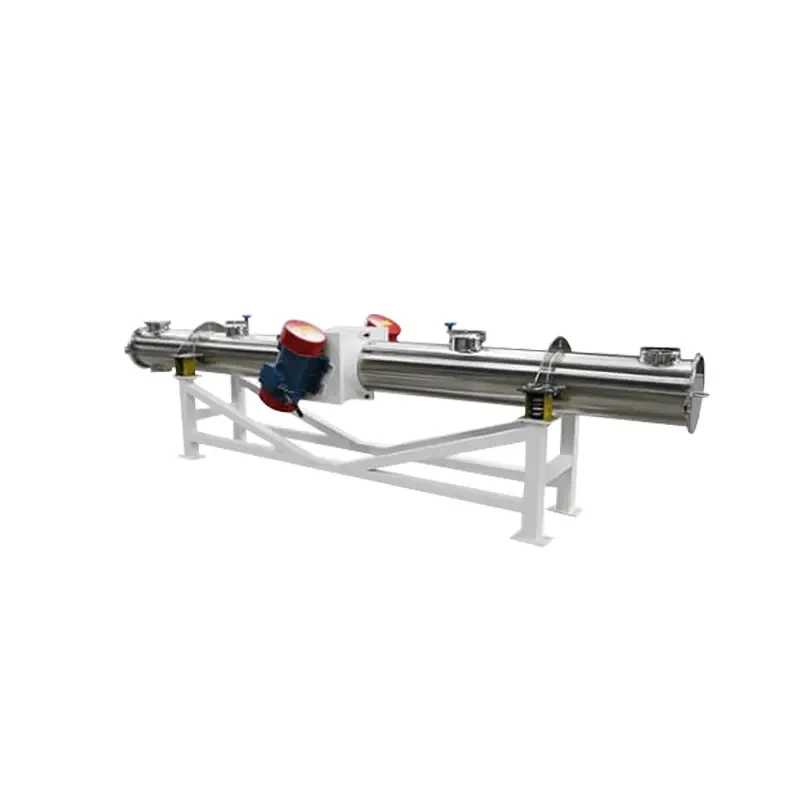
المزايا الأساسية
- نقل المواد بكفاءة عالية: يتم اعتماد إطار تحمل وسيط معلق جديد، مما يزيد من مساحة نقل المواد ويقلل مقاومة التدفق. بالإضافة إلى تصميمات مثل القطر الصغير والسرعة العالية والخطوة المتغيرة، يضمن تدفقًا سلسًا وسريعًا وموحدًا للمواد.
- مرونة التخطيط: يستخدم الغلاف أنابيب فولاذية غير ملحومة عالية الجودة، متصلة في هيكل متكامل عبر الفلنجات. يمكنه نقل المواد بشكل مستمر أفقيًا أو بزوايا ميل كبيرة. يمكن توصيله وتثبيته مباشرة بالمعدات دون الحاجة إلى أساس، مما يستغل المساحة بالكامل ويسهل الحركة والتفكيك.
- طرق توصيل متنوعة: يمكن أن تعتمد كل من منافذ الدخول والخروج أشكال توصيل مختلفة مثل التوصيل بالفلنجات، والتوصيل بالأكياس، وتوصيل علاقات الأكياس، وتوصيل الوصلات العامة.
- إحكام موثوق: يتم تركيب أجهزة مقاومة للماء عند نقاط توصيل أنبوب الغلاف، ويتم تحسين الفتحات التقنية بعناية لمنع الانسدادات الناتجة عن تكوّن كتل الأسمنت داخل الأنبوب بسبب دخول مياه الأمطار، وبالتالي تجنب حوادث انحشار الماكينة.
- لا حاجة لإضافة مواد تشحيم: بفضل اعتماد مواد محامل وسيطة مبتكرة توفر تقليل الاحتكاك ومقاومة التآكل والتشحيم الذاتي، لا يلزم إضافة زيت تشحيم حتى بعد الاستخدام طويل الأمد. هذا يتجنب الآثار السلبية الناتجة عن اختلاط الشحوم بالأسمنت على البطانات والأعمدة.
نوعان
الفرز حسب مصدر الاهتزاز
| مصدر الاهتزاز | التردد | السعة | سيناريوهات التطبيق النموذجية | مصدر الاهتزاز |
| النوع بالقصور الذاتي | قوة الطرد المركزي الناتجة عن دوران الكتلة اللامركزية | تردد متوسط (16~50 هرتز) | متوسط (1~5 مم) | الأكثر استخدامًا على نطاق واسع والمناسب لنقل معظم المواد السائبة |
| النوع الكهرومغناطيسي | قوة جذب دورية كهرومغناطيسية | تردد عالٍ (50~100 هرتز) | صغير (0.5~2 مم) | تغذية دقيقة، تحكم كمي، مواد مسحوقية ناعمة |
| نوع الوصلة المرنة | عمود لا مركزي + ناقل حركة ميكانيكي بقضيب التوصيل | تردد منخفض (6~15 هرتز) | كبير (5~15 مم) | مواد ثقيلة، قطع خام كبيرة، تطبيقات مقاومة للصدمات |
بناءً على مبادئ عملها الأساسية
| الميزات | ناقل أنبوبي اهتزازي | اللولبية الناقل الأنبوبي |
| المزايا | صديق للبيئة بدون تسرب؛ قادر على الميل الكبير (حتى 30°) والانحناء المكاني ثلاثي الأبعاد؛ لا ينحرف حزام الناقل؛ مناسب للنقل لمسافات طويلة وبسعات عالية. | هيكل بسيط ومدمج؛ خصائص إحكام جيدة؛ قادر على التحميل والتفريغ في نقاط متعددة؛ تكلفة أقل؛ صلابة جيدة. |
| القيود | هيكل بسيط ومدمج؛ خصائص إحكام جيدة؛ قادر على التحميل والتفريغ في نقاط متعددة؛ تكلفة أقل؛ صلابة جيدة. | الأجزاء الميكانيكية تتآكل بشدة؛ سعة النقل منخفضة نسبيًا؛ استهلاك الطاقة مرتفع؛ مناسب لنقل المواد القابلة للتكسر بسهولة؛ غير مناسب لنقل المواد عالية اللزوجة أو سهلة التكتل. |
| المعلمات النموذجية | يمكن أن تصل سعة النقل إلى 1,800 طن في الساعة، ويمكن أن يمتد طول الوحدة الواحدة إلى عدة كيلومترات. | يتراوح القطر الحلزوني الشائع من 100 إلى 1250 مم، والطول النموذجي من 2 إلى 70 مترًا. |
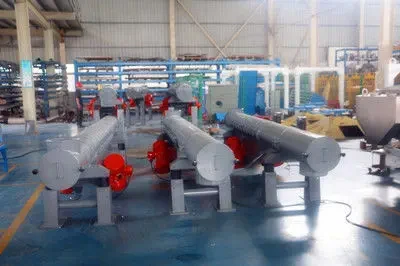
الخصائص التقنية والمعلمات
- حجم مدمج وسرعة عالية، يضمن نقل المواد بسرعة وانتظام.
- يتمتع بصلابة جيدة وإحكام ممتاز. الهيكل مصنوع من أنابيب فولاذية غير ملحومة، مع حواف في الأطراف لتشكيل هيكل متكامل.
- يتم تركيب جهاز تنظيف في نهاية التفريغ. تعمل الآلة بأكملها بضوضاء منخفضة، وقدرة تكيف قوية، وترتيب مرن لمنافذ الدخول والخروج.
- يمكنها تحمل الأحمال الثقيلة وضمان تشغيل آمن وموثوق.
- تُظهر قدرة تكيف قوية، وسهولة في التركيب والصيانة، وعمر خدمة طويل.
مجالات التطبيق
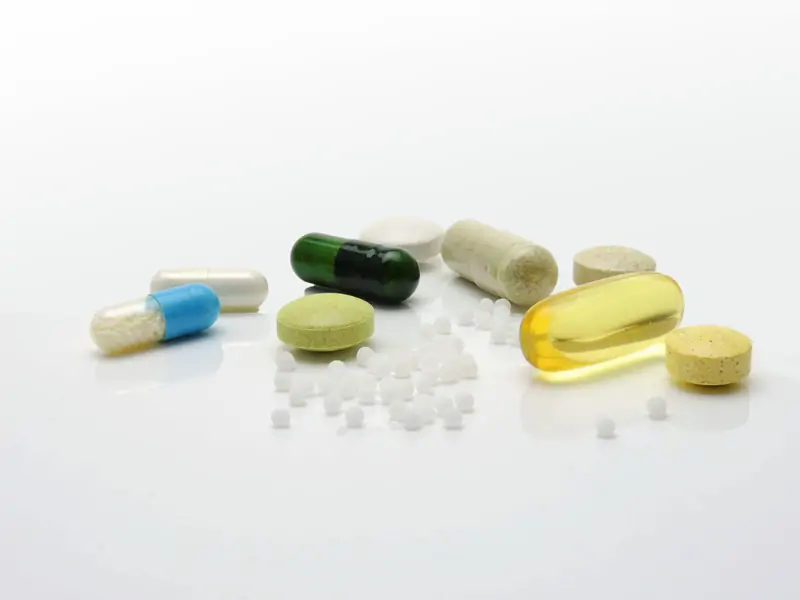
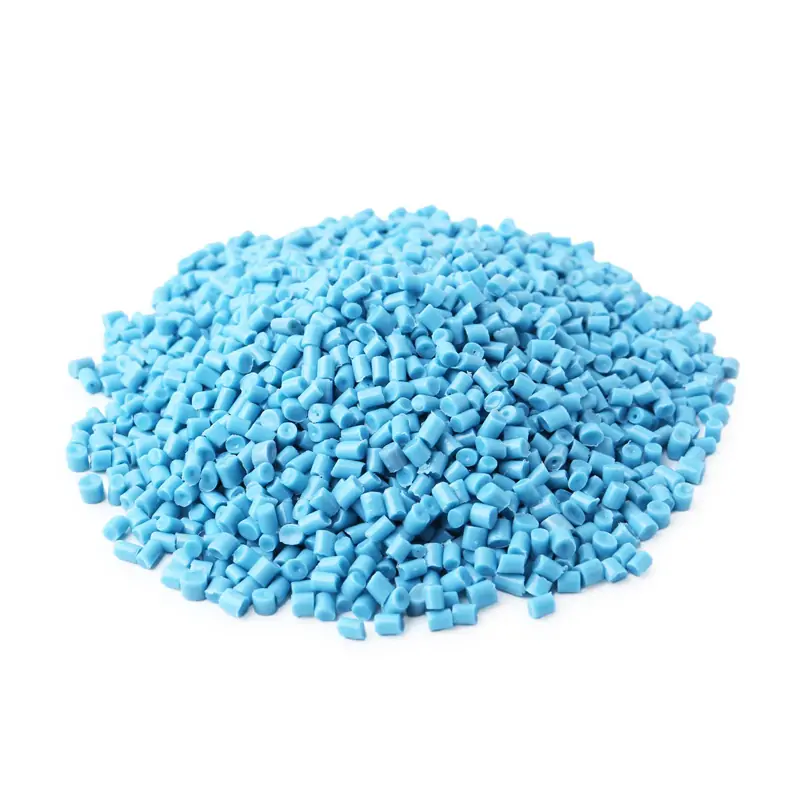
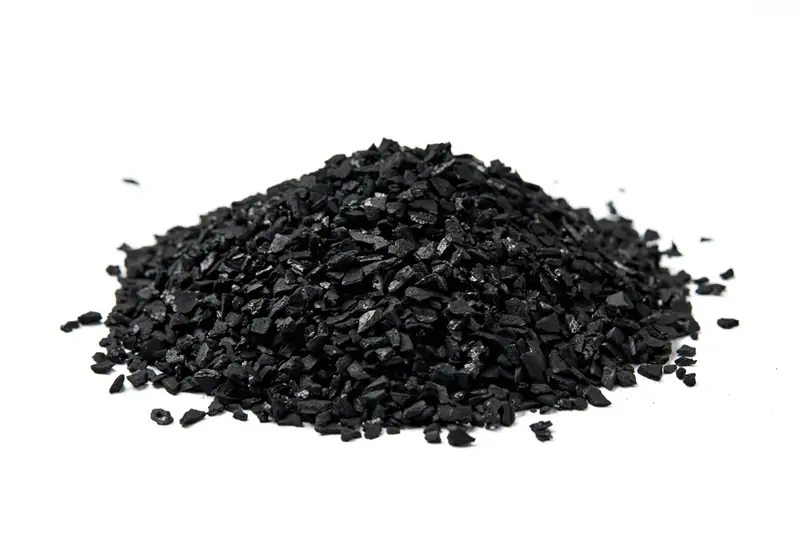
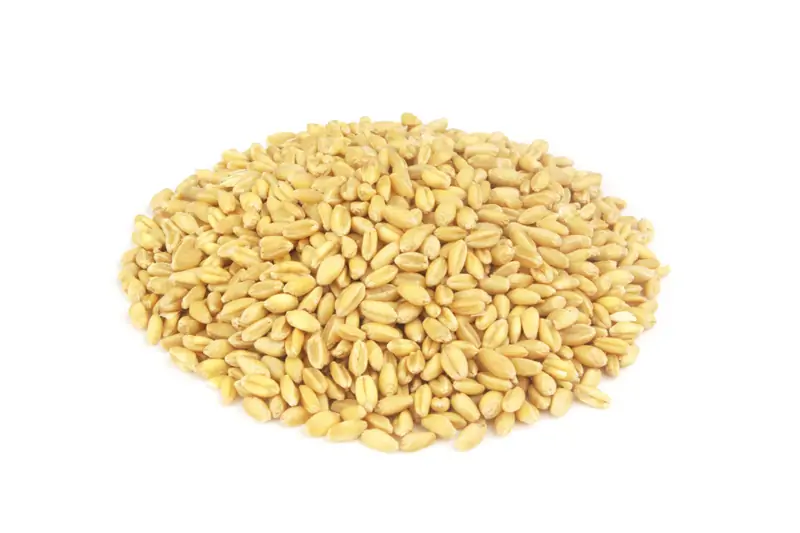
- الغذاء و الصناعات الدوائية الصناعة: لنقل المساحيق والحبيبات وما إلى ذلك، مما يتطلب معالجة لطيفة وعدم التلوث.
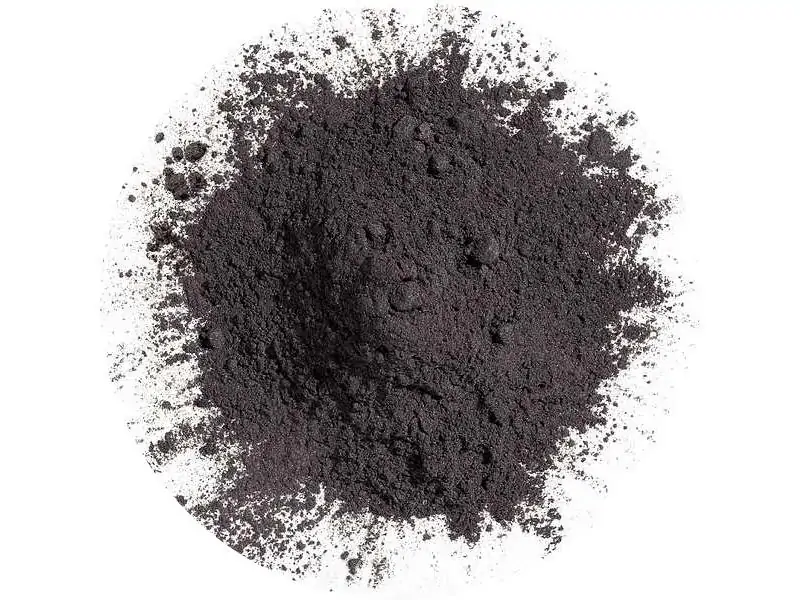
- الصناعة الكيميائية و مواد البناء الصناعة: يُستخدم في أنظمة التغذية لمواد مثل البوكسيت وكربيد السيليكون ورمل المغنيسيا.
- الصناعات الأخرى: يُطبق أيضًا على نطاق واسع في مجالات التعدين والمعادن والفحم والحبوب والزجاج وغيرها.

دليل الاختيار
أثناء عملية اختيار الناقلات الأنبوبية الاهتزازية، يجب مراعاة العديد من العوامل، مثل خصائص المواد، وسعة النقل، وبيئة الورشة، وظروف التشغيل في الموقع. فيما يلي إجراء محدد ملخص:
| الخطوة | محتوى التقييم | الأسئلة الرئيسية |
| ① تحليل المواد | حجم الجسيمات، الكثافة الظاهرية، محتوى الرطوبة، درجة الحرارة، الكشط، التآكل | هل يتطلب الأمر مادة الفولاذ المقاوم للصدأ؟ هل هناك حاجة إلى بطانة مقاومة للتآكل؟ |
| ② متطلبات النقل | مسافة النقل، ارتفاع الرفع، سعة الإنتاج المستهدفة | هل يمكن لوحدة واحدة تلبية المتطلبات؟ هل هناك حاجة إلى توصيل متسلسل؟ |
| ③ اختيار مصدر الاهتزاز | يتم الاختيار بناءً على دقة التحكم وخصائص المواد. | للقياس الدقيق، اختر النوع الكهرومغناطيسي؛ وللإنتاجية العالية، اختر النوع بالقصور الذاتي؛ وللأحمال الثقيلة، اختر النوع الرابطي |
| ④ الظروف البيئية | تصنيف الحماية من الانفجار، تصنيف النظافة، مساحة التركيب. | تتطلب صناعات الأغذية والأدوية تصميمات من الفولاذ المقاوم للصدأ وسهلة التنظيف؛ وتحتاج المناطق الكيميائية إلى محركات مقاومة للانفجار |
| ⑤ الميزات الإضافية | هل يلزم التبريد والتجفيف والغربلة؟ | تتوفر أنابيب تبريد مزدوجة الجدران مخصصة أو هياكل غربلة. |
| ⑥ نظام التحكم | هل يلزم التشابك الآلي للتحكم في السرعة بتردد متغير،, | اتصال PLC, ، وتشابك المستوى؟ |
الأعطال الشائعة
تكون ناقلات الأنابيب الاهتزازية عرضة لأعطال متعددة أثناء الاستخدام طويل الأمد.
فيما يلي ملخص لبعض الأعطال الشائعة وحلولها:
| ظاهرة العطل | الأسباب المحتملة | طرق الحل |
| انخفضت سرعة النقل بشكل ملحوظ. | انخفاض السعة (إجهاد النوابض) أو زيادة الرطوبة في المواد: | اضبط قوة الإثارة أو استبدل النوابض؛ قلل من محتوى الرطوبة في المواد |
| الضوضاء عالية جدًا. | ارتخاء البراغي، تآكل المحامل، كسر النوابض. | اربط البراغي؛ استبدل المحامل أو النوابض. |
| تشقق الأنابيب | الرنين طويل الأمد أو عيوب اللحام؛; | قم بتقوية اللحامات، وأضف أدوات تقوية، واضبط التردد لتجنب منطقة الرنين. |
| ارتفاع حرارة المحرك | نقص زيت المحامل أو ضعف تبديد الحرارة | أضف مادة التشحيم ونظف الغبار عن سطح المحرك. |
ناقل الأنابيب الاهتزازي مقابل الناقل التقليدي الناقل
بصفته أحد الأجهزة شائعة الاستخدام في صناعة النقل، ما الذي يميز مغذيات الأنابيب الاهتزازية عن معدات النقل والتغذية العادية الأخرى؟ يلخص الجدول التالي ذلك من أبعاد متعددة:
| بُعد المقارنة | ناقل الأنابيب الاهتزازي (مغلق) | الناقل الاهتزازي العادي (مفتوح/نوع القناة) |
| الخصائص الهيكلية | أنبوب دائري مغلق بالكامل | قناة مفتوحة على شكل حرف U أو مستطيلة. |
| المزايا الأساسية | حماية البيئة ومنع التلوث: تعمل المواد داخل الأنبوب، دون تسرب للغبار، ولا تتأثر بالتلوث الخارجي. | تكلفة منخفضة ومراقبة مريحة: هيكل بسيط، يسهل مراقبة المواد وصيانتها. |
| المواد القابلة للتطبيق | المواد المسحوقة، أو سهلة التطاير، أو المتطايرة، أو السامة. | المواد السائبة مثل الكتل والحبيبات التي لا تتطلب حماية بيئية خاصة. |
| التطبيقات النموذجية | العمليات في صناعات مثل الهندسة الكيميائية، وتجهيز الأغذية، والمستحضرات الصيدلانية التي تتطلب معايير نظافة عالية. | التكسير، والغربلة، والتغذية للمناجم، والمعادن، ومواد البناء، وغيرها من الصناعات. |
الخلاصة
ناقلات الأنابيب الاهتزازية مناسبة أيضًا للمعالجة الكيميائية، والمعادن، ومعالجة صوامع الحبوب، والتخزين، وغيرها من الأماكن. يتميز الناقل بقطر لولبي صغير، وسرعة عالية، وسعة نقل كبيرة، ودقة عالية، وظروف نقل ممتازة.