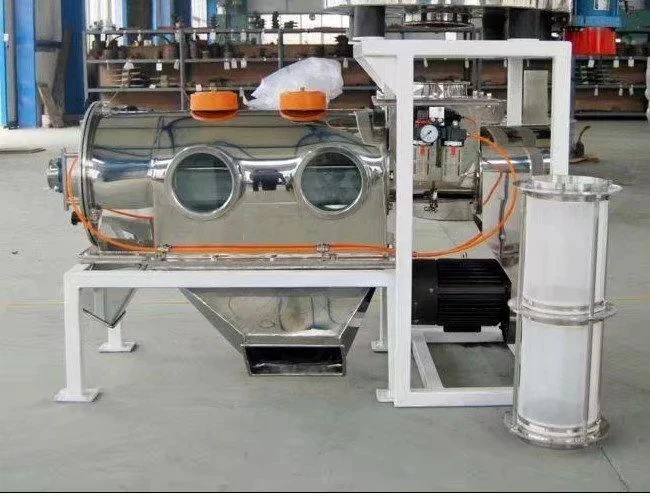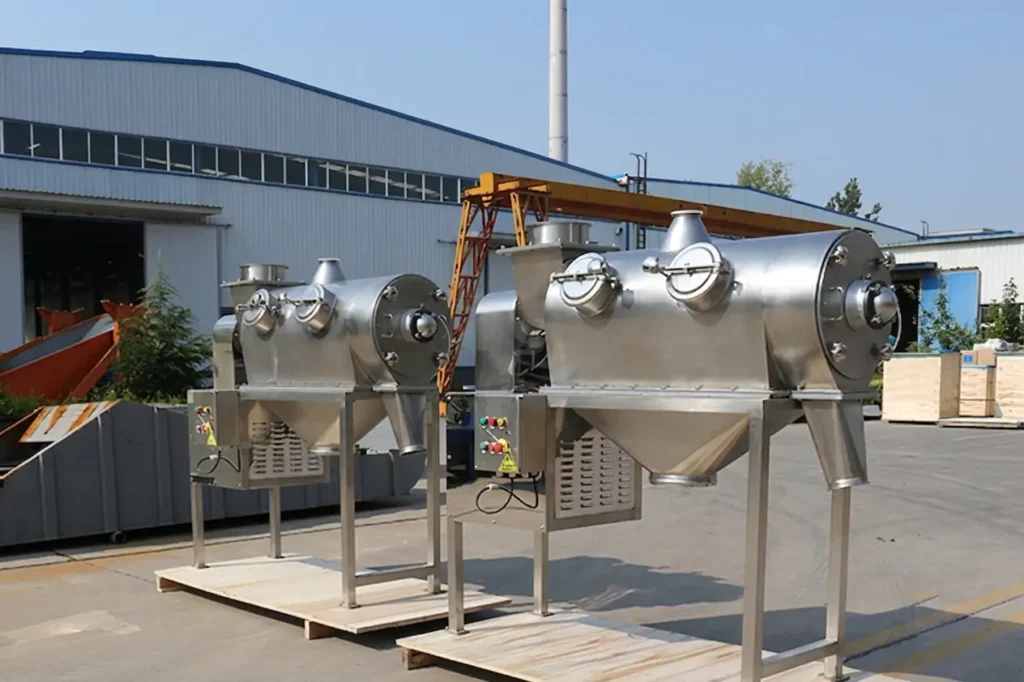
Centrifugal sifter use is fairly straightforward, but the operating sequence still matters. Before starting, check the screen and internal parts to make sure everything is ready. Start the sifter first, then feed the material gradually and watch how the material moves through the screen. When screening is finished, stop the feed, let the remaining material clear, and then shut down the machine.
What Is a Centrifugal Sifter Used For?
A centrifugal sifter is mainly used to screen powder continuously and remove oversized particles and impurities. It is especially useful for fine powders that tend to build up on the screen, form soft lumps, or lose flowability during screening.
You will often see a centrifugal sifter after grinding or mixing, before packaging, or in a powder conveying line. The exact use depends on the material and what you need to remove. If the powder flows freely and only needs basic screening, a vibrating screen may be all you need.
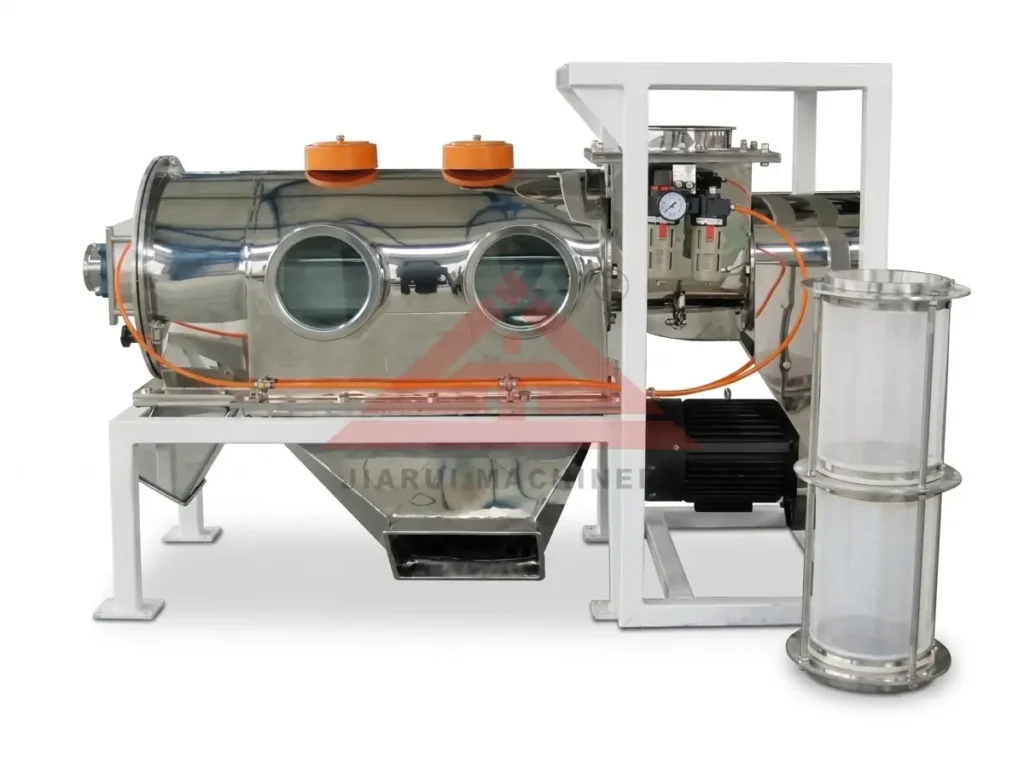
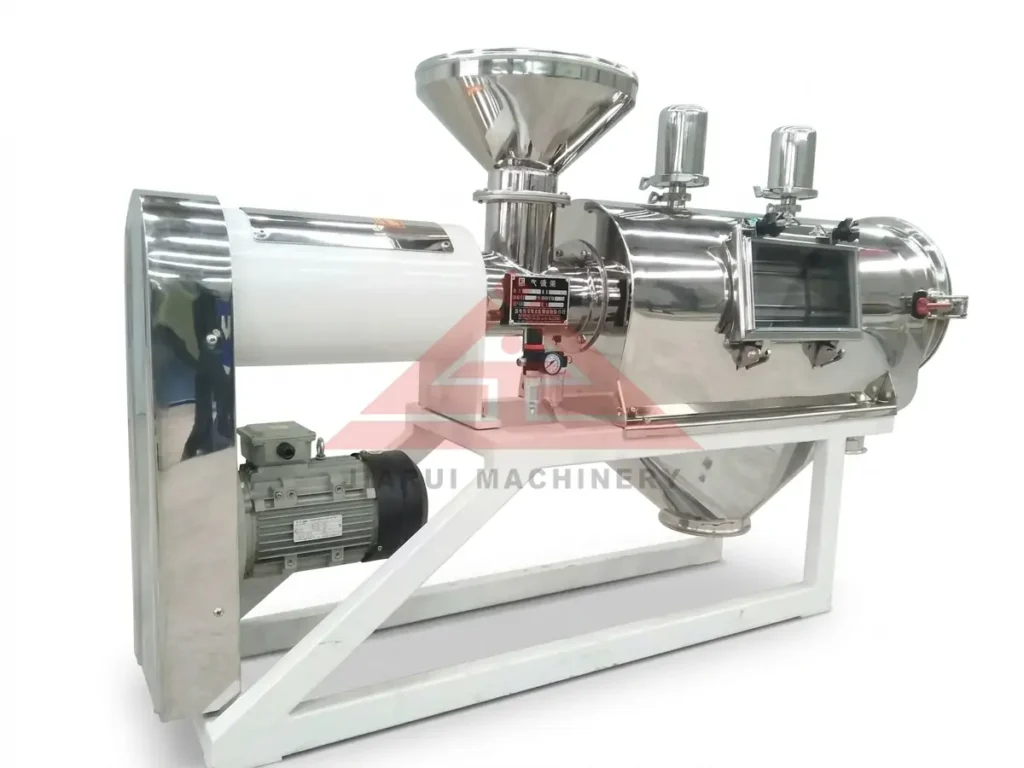
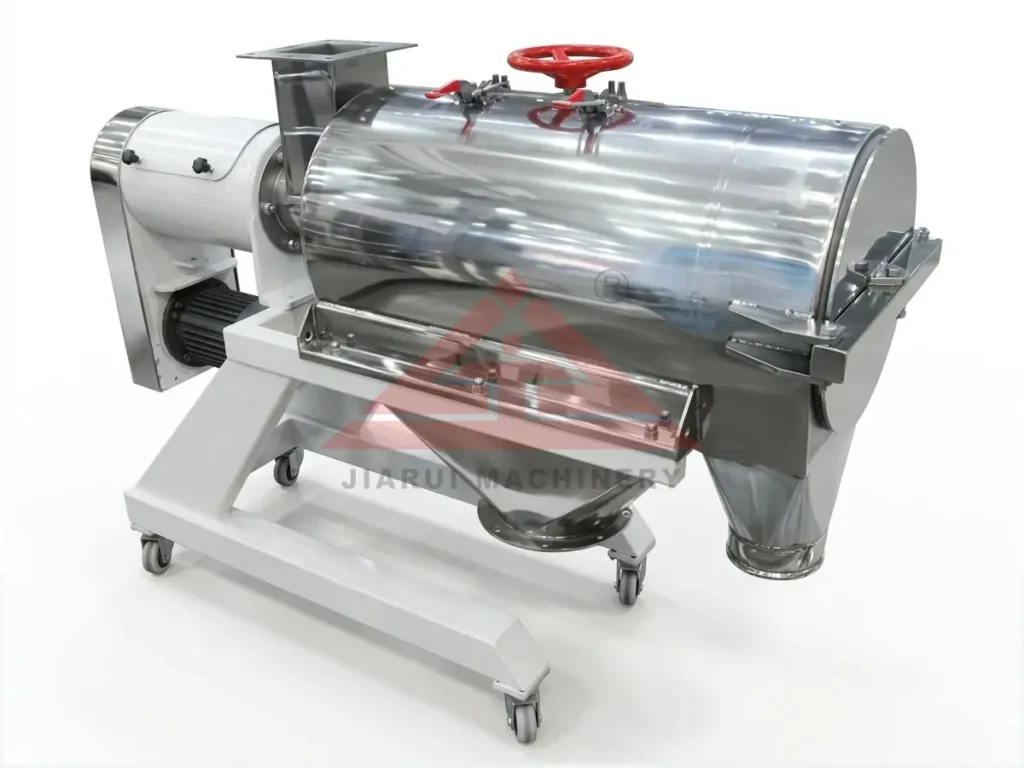
How to Use a Centrifugal Sifter: Step-by-Step
Centrifugal sifter use also depends on following the right operating order. Start with the machine check, then move on to feeding, monitoring, and shutdown.
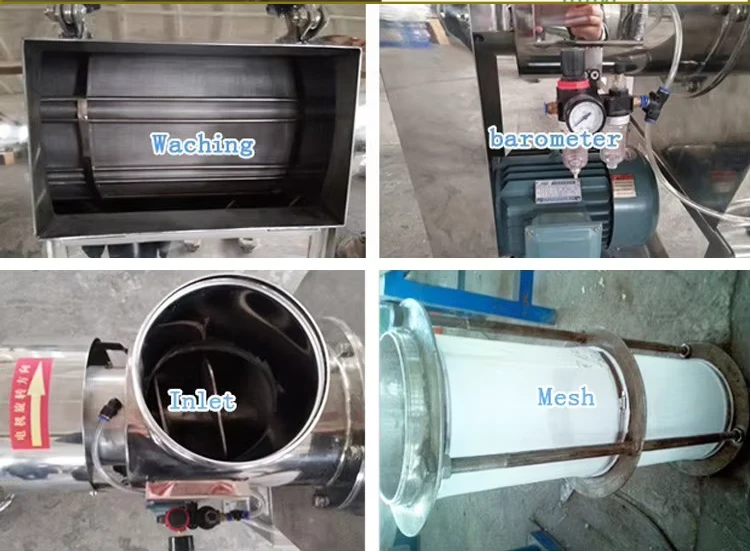
Step 1: Check the Machine.Before opening the sifter or touching any internal parts, stop the machine and disconnect the power supply. Check the screen, inlet, outlet, and internal parts for damage, loose parts, or leftover material. Make sure the screen sits firmly in place with no obvious gaps, movement, or damage. Once everything looks normal, close the machine before starting.
Step 2: Start the Sifter.Make sure the machine is closed and the power supply is connected. Start the centrifugal sifter from the control panel or start switch, but do not feed material yet. Let it run empty for a moment and listen for unusual noise or excessive vibration. If everything sounds and looks normal, you can start feeding.
Step 3: Feed the Material Slowly.Start feeding the material gradually and keep the feed rate steady. Do not put a large amount of powder into the sifter at once. Too much material can build up inside the screening chamber and reduce screening efficiency.
Step 4: Monitor the Screening.Watch how the material moves through the sifter. The screened powder should pass through the screen and leave through the powder outlet, while oversized particles should leave through the separate discharge outlet. If the material flow becomes uneven, powder builds up on the screen, or the screening rate drops, reduce the feed rate first and check the screen and material.
Step 5: Stop the Feed First.When screening is finished, stop feeding material first. Let the sifter continue running until most of the material inside has been discharged. This helps prevent material from being left inside the machine when you shut it down.
Step 6: Shut Down and Clean.After the material has cleared, stop the machine. Before opening the sifter for cleaning or inspection, disconnect the power supply. Clean the screen and remove any material left inside as needed, especially when changing materials or handling powders with strict cleanliness requirements.
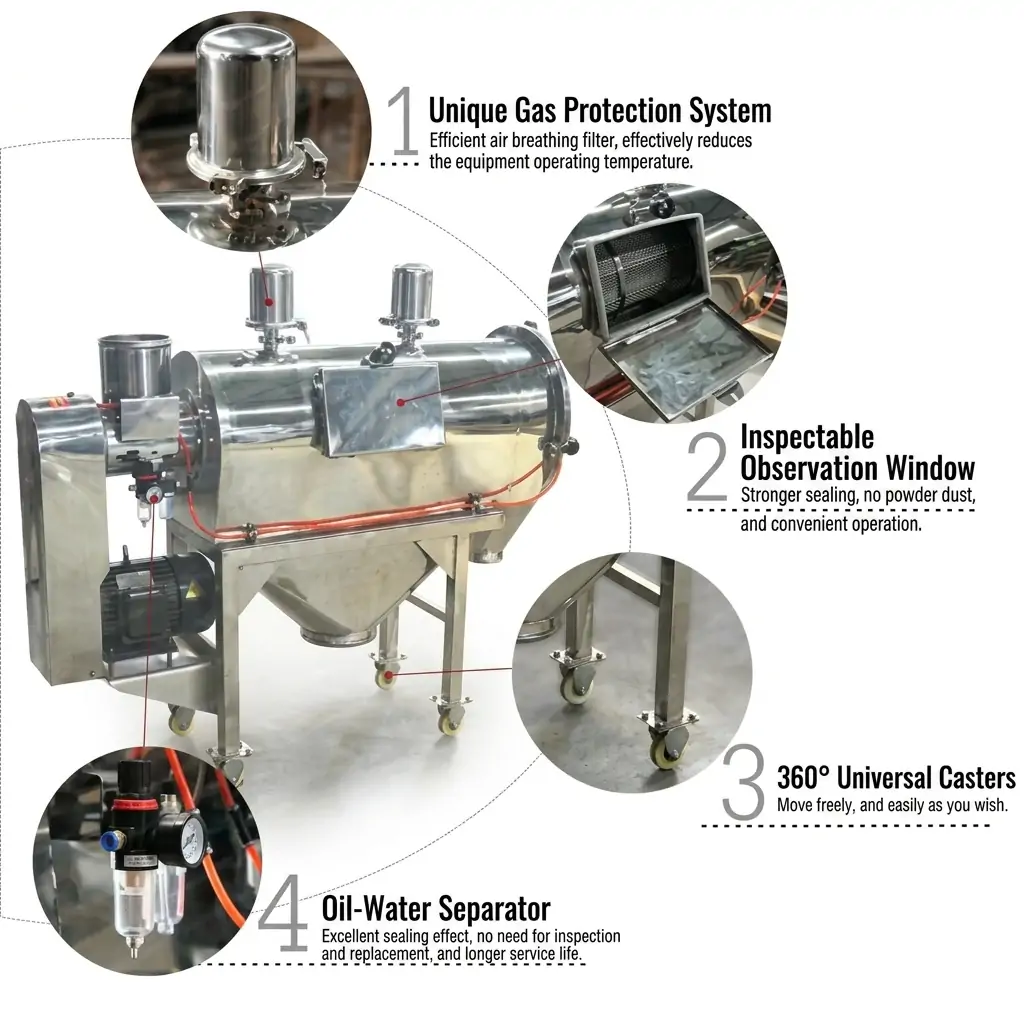
What Should You Check During Operation?
Once the sifter is running, pay attention to three things: material flow, machine sound, and vibration. The material should move through the machine steadily, without sudden changes or unusual buildup.
If you notice unusual noise or stronger vibration than normal, stop the feed and check the machine before continuing. If the material flow becomes uneven, check the feed rate first. Do not keep increasing the feed rate to solve a low output problem, as this can make the screening worse.
If the screen is blocked, stop the machine, disconnect the power, and clean the screen before starting again. If the same problem keeps coming back, check the material condition and screen selection.
If you still cannot find or solve the problem, contact the Jiarui engineering team. We can look at your material and operating conditions and suggest what to check next.
What Materials Are Suitable for a Centrifugal Sifter?
A centrifugal sifter is commonly used for fine powders that tend to build up on the screen, form soft lumps, or lose flowability during screening. It can also remove a small amount of oversized particles or impurities before the next process.
Common materials include flour, starch, powdered sugar, calcium carbonate, quartz powder, resin powder, and pigment powder.

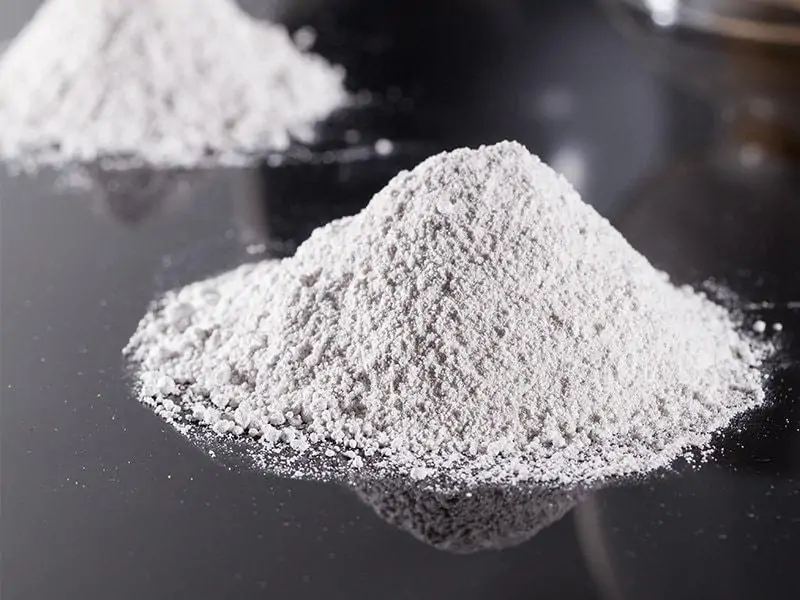


When choosing a sifter, we look at more than just the material name. Particle size, moisture, stickiness, feed rate, required mesh size, and the tendency to form lumps all affect the screening result.
For a new application, send Jiarui the material name, particle size, moisture content, capacity, and required screening size. Our engineering team can use these details to recommend a suitable setup.
How to Keep a Centrifugal Sifter Running Well?
Most problems do not start with a major failure. They usually start with powder left on the screen, a loose part, or a drive component that has been overlooked for too long.
- Keep the screen clean. If powder is left on the screen after screening, remove it before it hardens or builds up. For sticky or moisture-sensitive powders, clean the screen more often. Do not wash it with water unless the machine and material allow it.
- Check the screen when you clean it. Look for tears, loose sections, or worn areas. A damaged screen can affect screening accuracy and may allow oversized particles to pass through.
- Do not ignore new noise or vibration. If the machine starts sounding different or vibrating more than usual, stop and check it rather than continuing to run it. The cause may be a loose part, worn bearing, or a problem with the drive system.
- Keep the machine dry during long shutdowns. After cleaning, make sure no moisture is left inside before storing the sifter, especially when the machine has carbon-steel parts.
These checks only take a few minutes. They are worth doing because small problems are much easier to fix before they affect screening or stop the machine.