The Planar Rotary Screen is an efficient and precise particle material classification and sieving equipment. According to the screening principles described by the Association of Powder Process Industry and Engineering, planar and gyratory screening technologies improve particle classification efficiency by optimizing material movement across the screen surface.
It combines the high output characteristics of Linear Vibrating Screen with the high precision features of vibrating circular sieves, making it an energy-efficient sieving device. It has a simple structure, smooth operation, full enclosure, and low noise, and is widely used in various industries such as food, chemicals, pharmaceuticals, building materials, and metallurgy. It is named for the fact that the sieve body performs a reciprocating rotary motion on a horizontal plane during operation. It can achieve multi-layer classification,full-enclosed dust prevention, and can be combined with other conveying equipment to form a production line.
Principle of operation
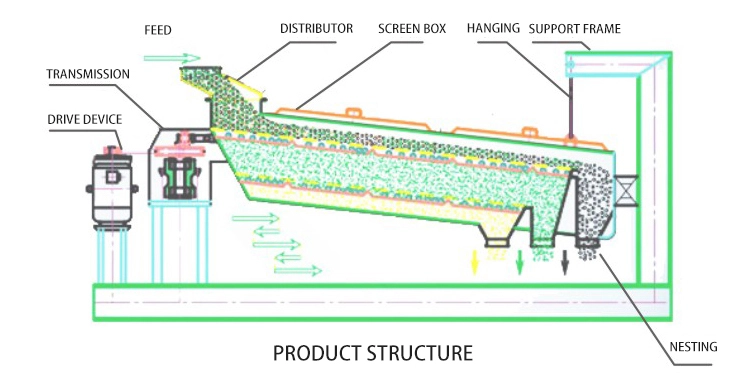
After the material enters the screen from the feed port, the screen body performs a reciprocating rotary motion nearly horizontal on the horizontal plane, which evenly distributes the material across the entire screen surface, facilitating thorough screening of the material.
Advantages of Planar Rotary Screen
- High precision and large output: The flat rotary screen can quickly and evenly distribute the material on the whole screen surface and realize the high energy efficiency of automatic classification and screening. Its special motion makes the material on the screen surface transform from circular motion to linear motion, so as to realize the automatic classification of materials and high-energy-efficiency screening.
- Energy saving and environmental protection: Flat rotary screen in the operation process, due to the use of a plane rotary movement principle, effectively reduces the dynamic-static ratio of the equipment and the foundation dynamic load, thus reducing energy consumption. This not only saves energy but also reduces carbon emissions, in line with the modern industrial demand for energy saving and emission reduction.
- Intelligent control: Some planar rotary screens are equipped with an intelligent control system that can monitor the screening effect in real time and automatically adjust the screening parameters. This intelligent control allows the equipment to better adapt to different screening needs, improving screening efficiency, operational flexibility, and accuracy.
- Easy maintenance: The structure of the plane rotary screen is relatively simple, and the repair and maintenance work is more convenient, which reduces the production cost. At the same time, its screen mesh design is optimized, easy to replace, reducing downtime.
- Strong adaptability: Planar Rotary Screen can be adapted to different kinds and forms of materials, including powder, granular, etc., with wide applicability. In addition, its screen mesh can be customized according to material characteristics to meet specific screening needs.
- Smooth operation: Flat rotary screen’s operation is relatively smooth and produces low noise, which meets the requirements of modern industry for environmental protection and safety, and helps to improve the working environment.
Uses of plane rotary screen in Different industries
Mining industry
In the process of ore screening, a flat rotary screen can effectively separate different specifications of ore and improve the recovery rate and utilization rate of ore. At the same time, it can also be used for screening and grading of coal, metal ores, and other materials.
Chemical
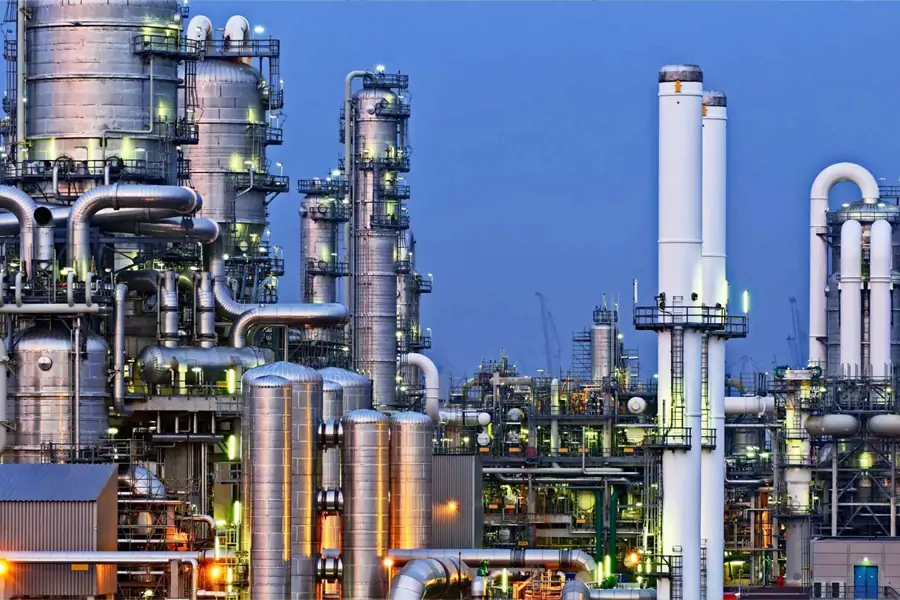
In the screening process of chemical raw materials, a flat rotary screen can quickly and energy-efficiently separate the unqualified particles to ensure the stability and safety of production. It is widely used in the production process of chemical fertilizers, plastics, rubber, and other chemical products, as well as in the screening and grading of materials.
Food industry
A flat rotary screen can sieve food raw materials finely to ensure the safety and quality of food. It is widely used in the sieving, filtering, and grading process of food raw materials such as flour, powdered sugar, spices, seasonings, dried fruits, nuts, milk powder, and protein powder.
Pharmaceutical Industry:
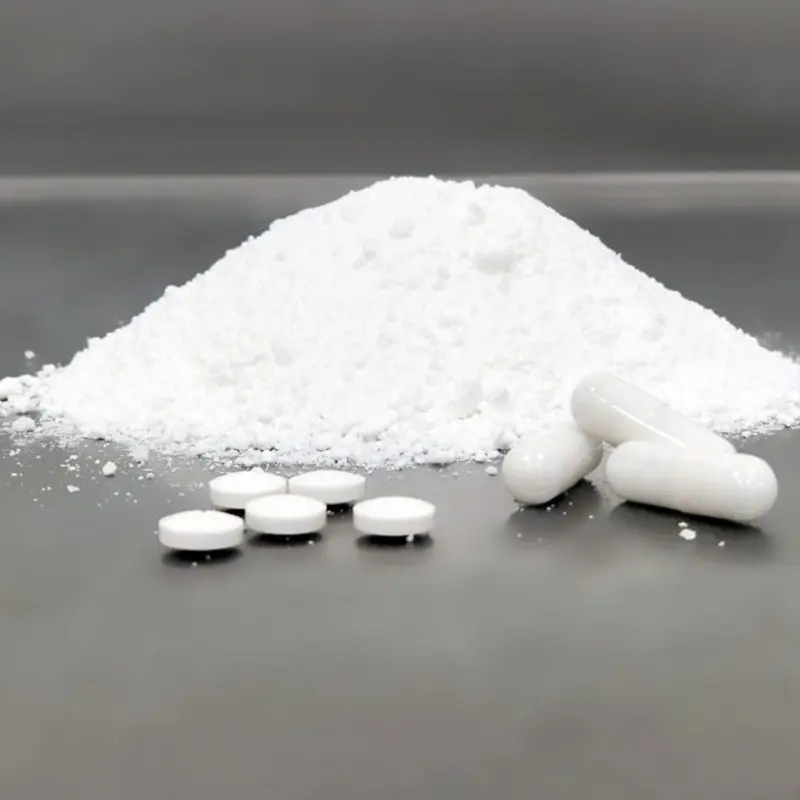
A planar rotary screen is used for sieving pharmaceutical raw materials to ensure the consistency and purity of pharmaceutical ingredients. It can improve the quality and safety of drugs and meet the high requirements of the pharmaceutical industry for material purity and particle size uniformity.
Building materials industry
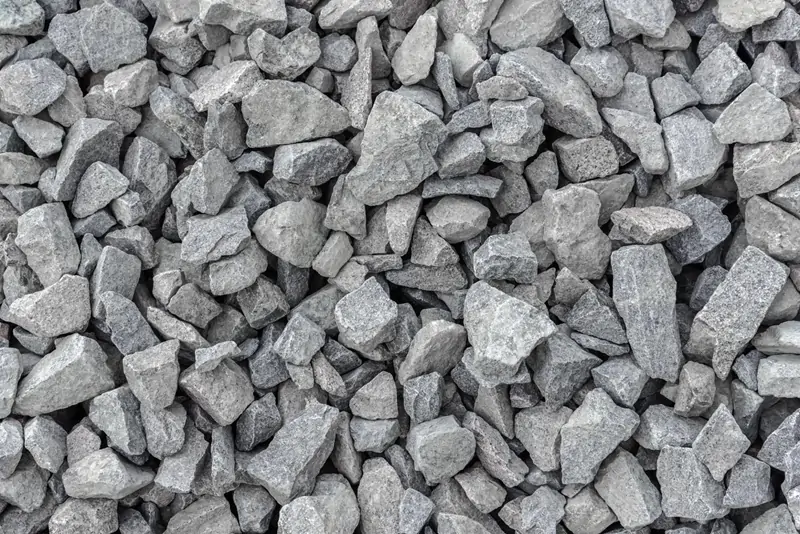
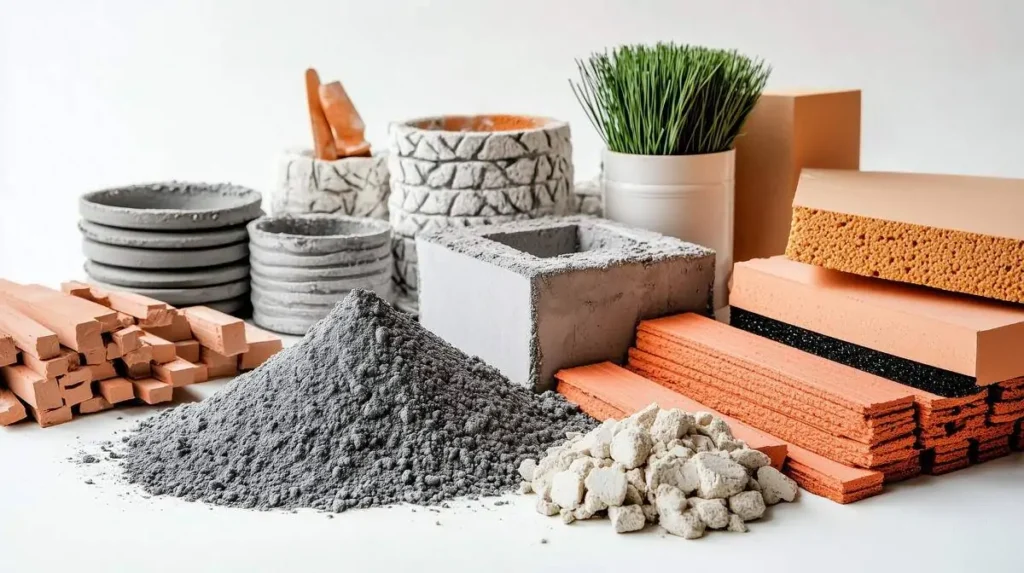
A flat rotary screen is used for screening cement, sand, gravel, glass raw materials, and other building materials to improve the quality and performance of building materials. It can remove impurities and unqualified particles to ensure the stability and reliability of building materials products.
Other Industries
Flat rotary screen is also widely used in metallurgy, environmental protection, feed, and other fields to screen, classify, and remove impurities from materials.


Conclusion
In summary, the flat rotary screen machine with its high energy efficiency screening, energy saving and environmental protection, intelligent control, easy maintenance, adaptability, and smooth operation and other advantageous features, plays a vital role in modern industrial production. It has a wide range of applications and specific use functions in the mining industry, chemical industry, food industry, pharmaceutical industry, building materials industry, and many other fields
If you would like more information about this product, please contact us now.