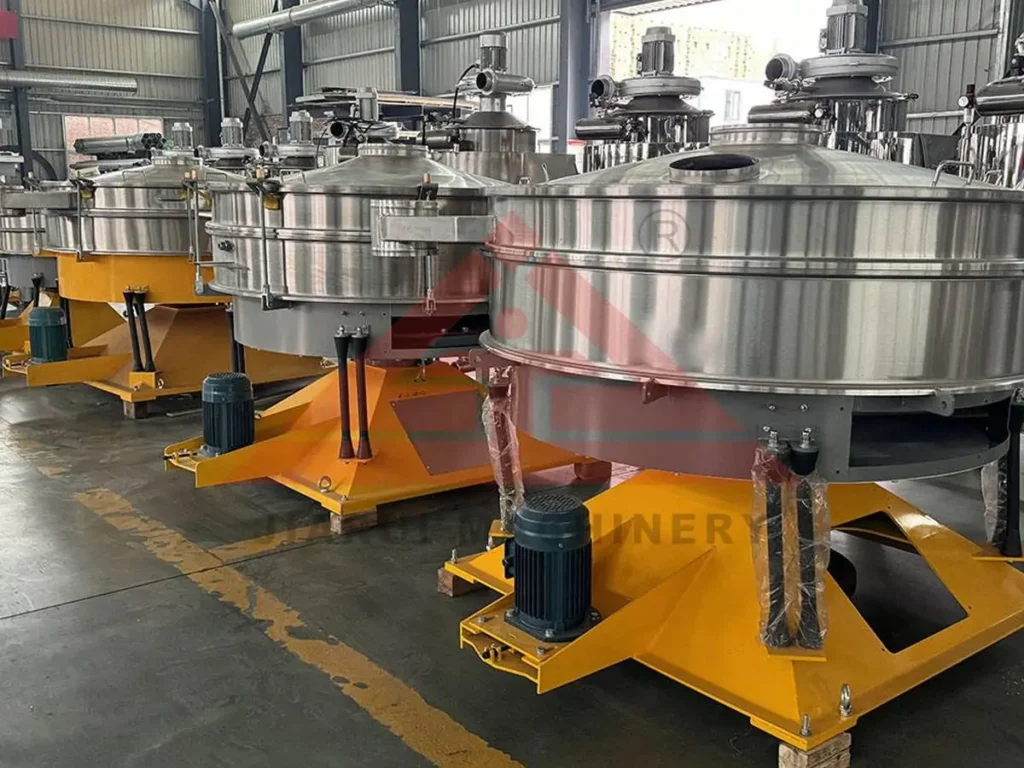
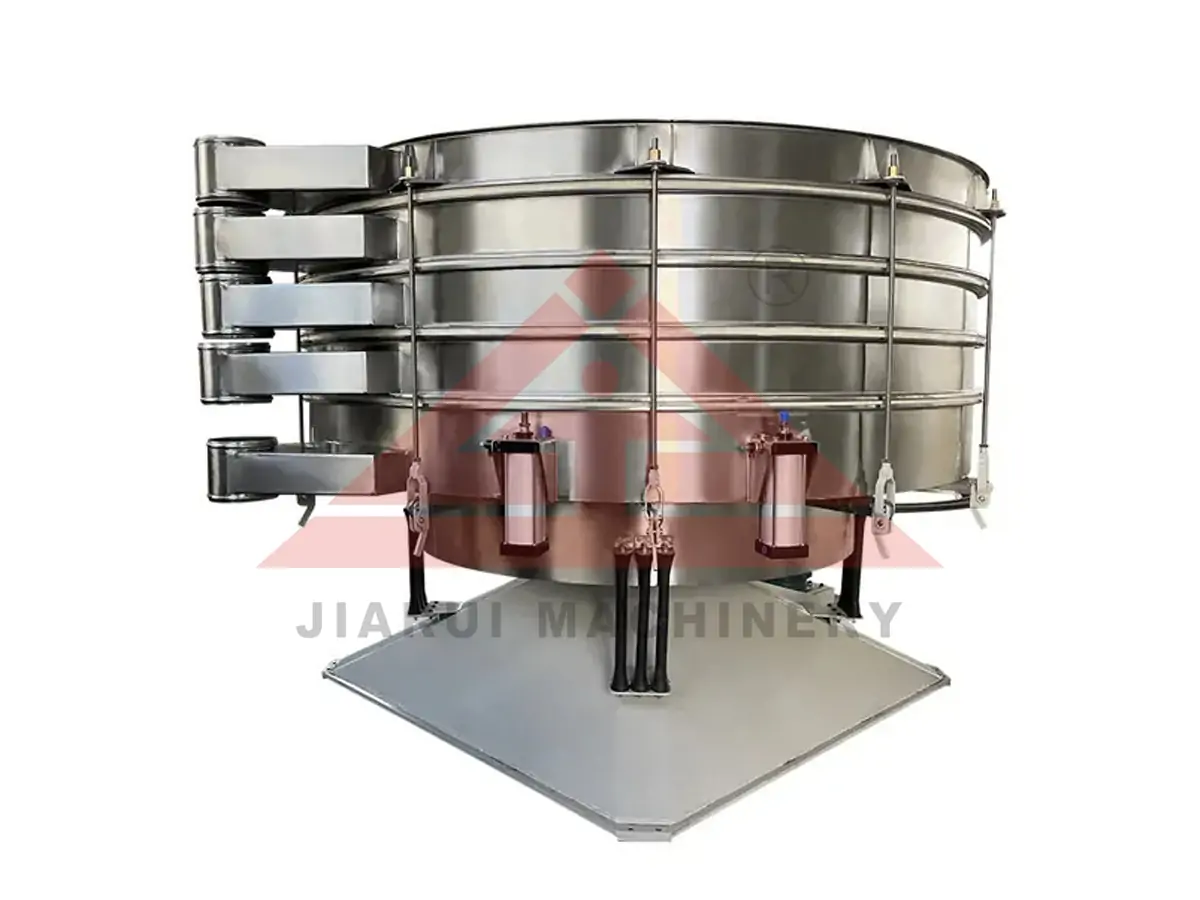
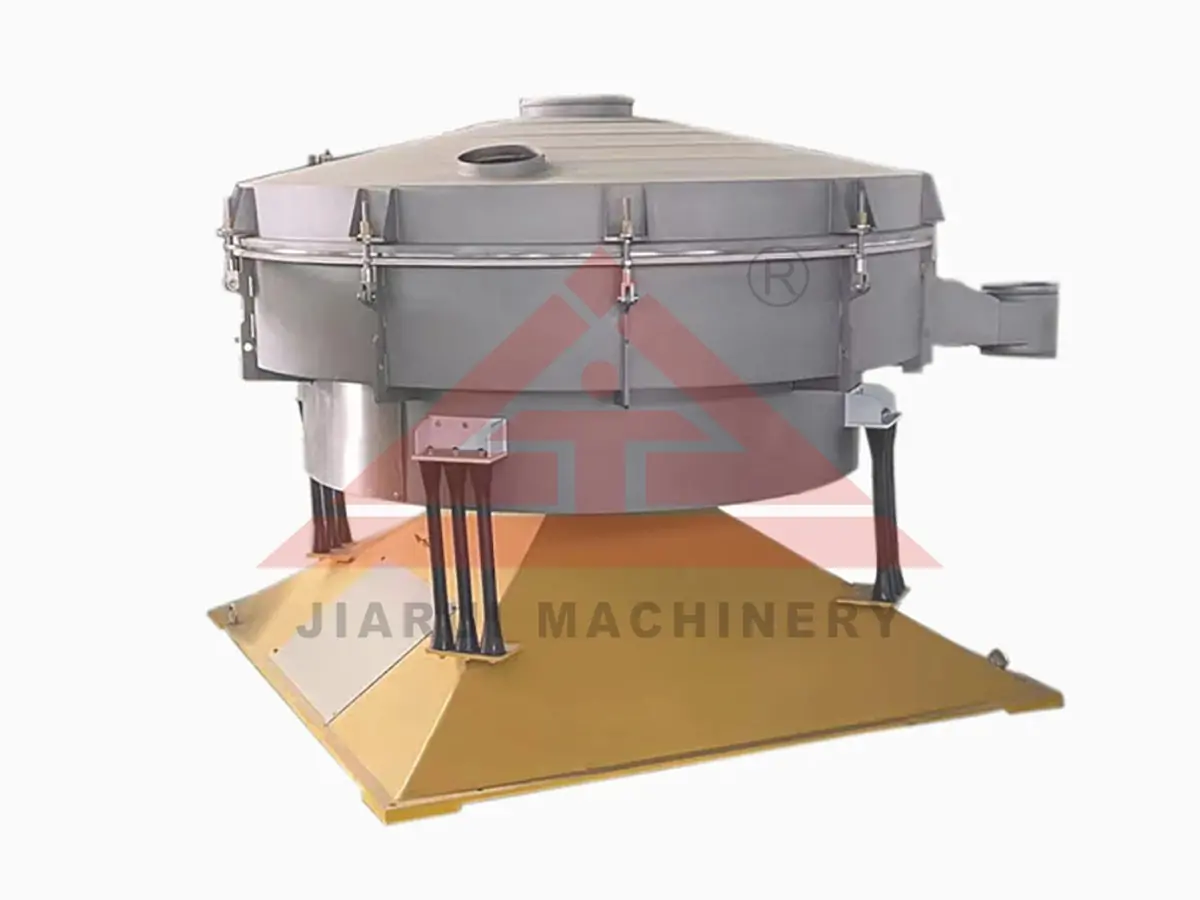
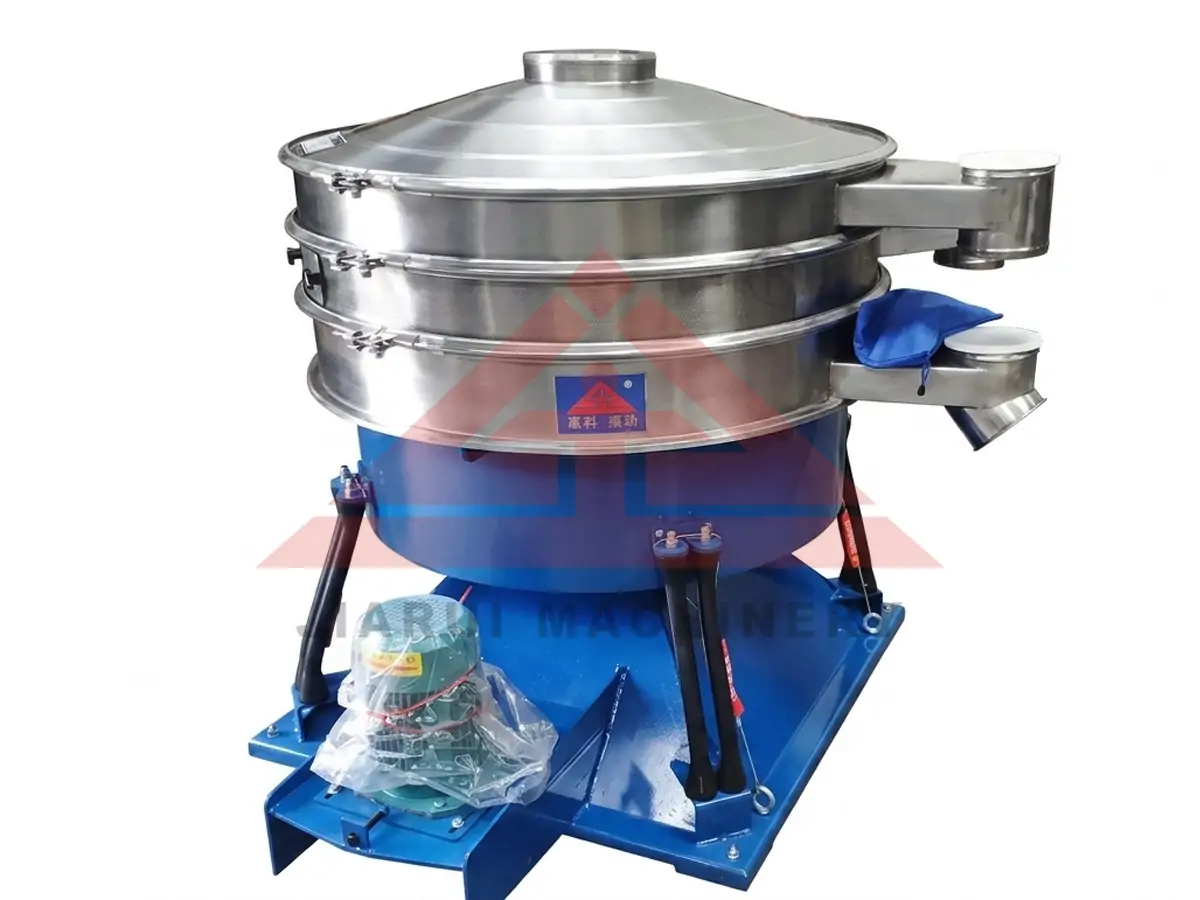
Tumbler Screening Machine
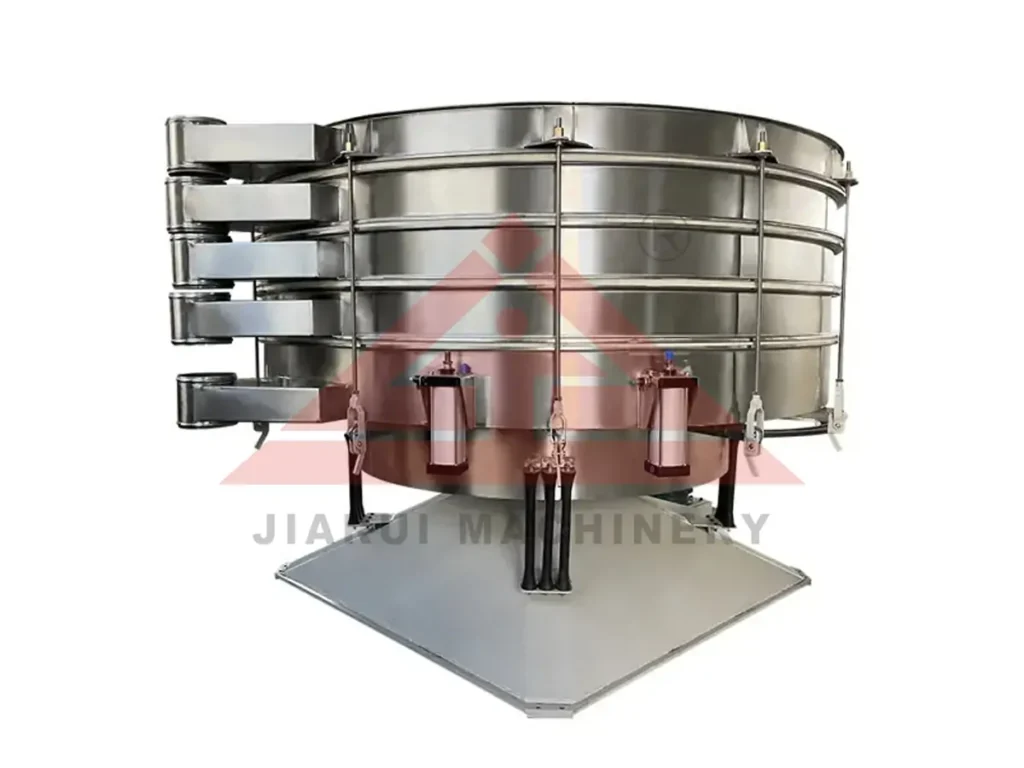
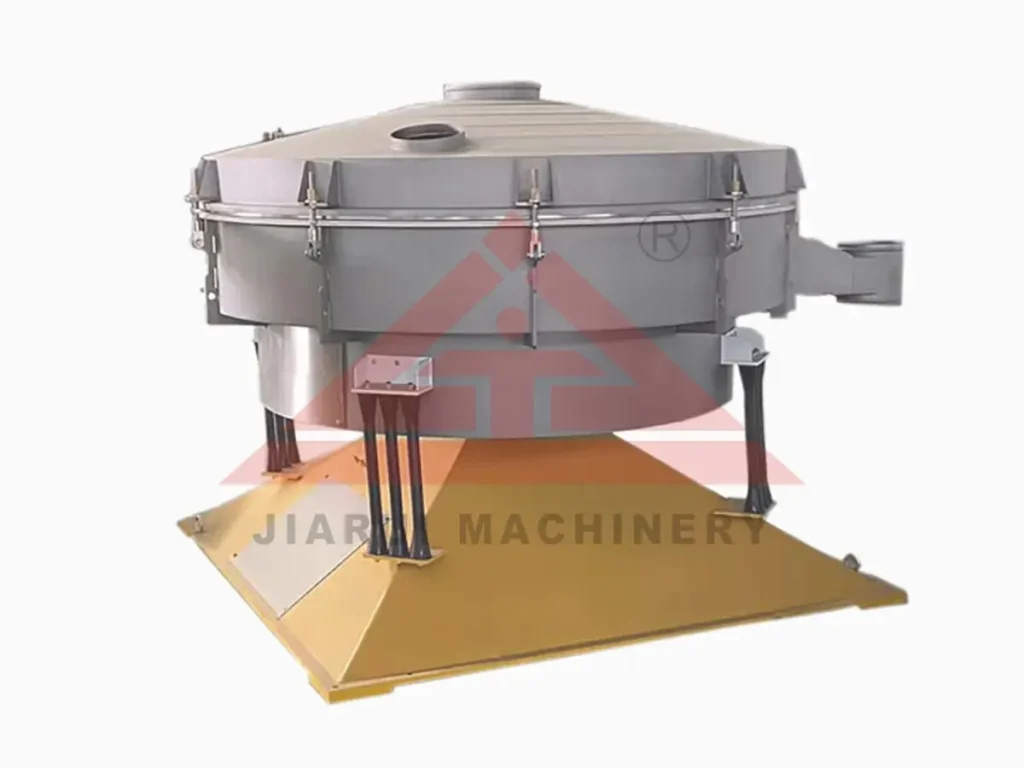
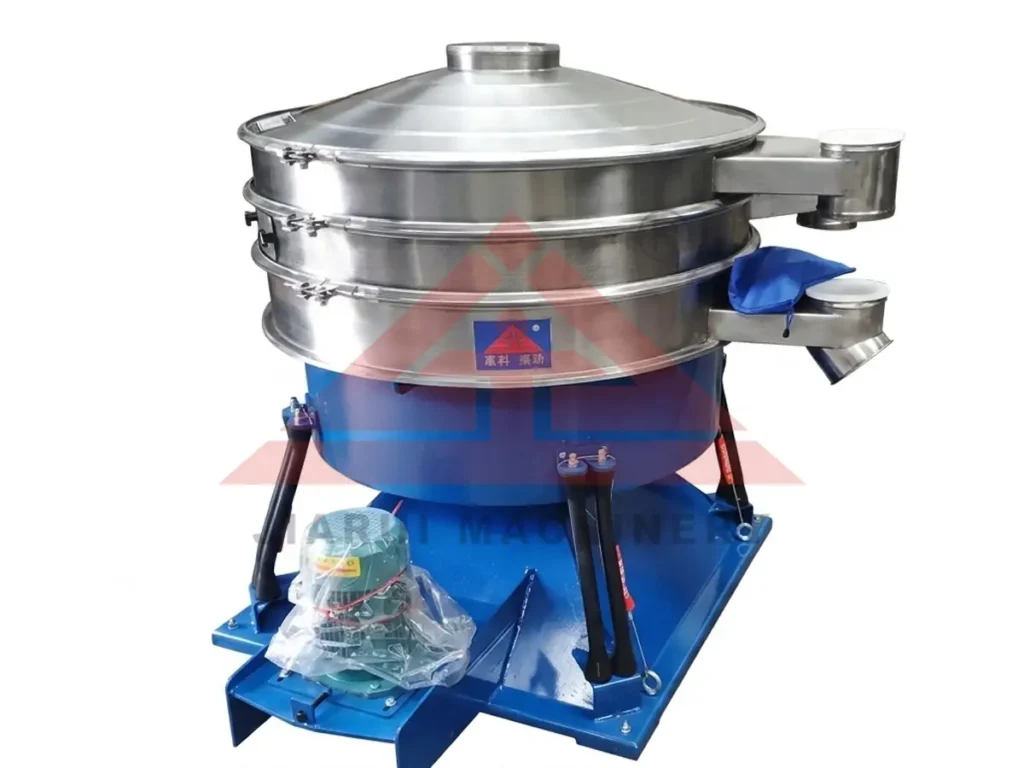
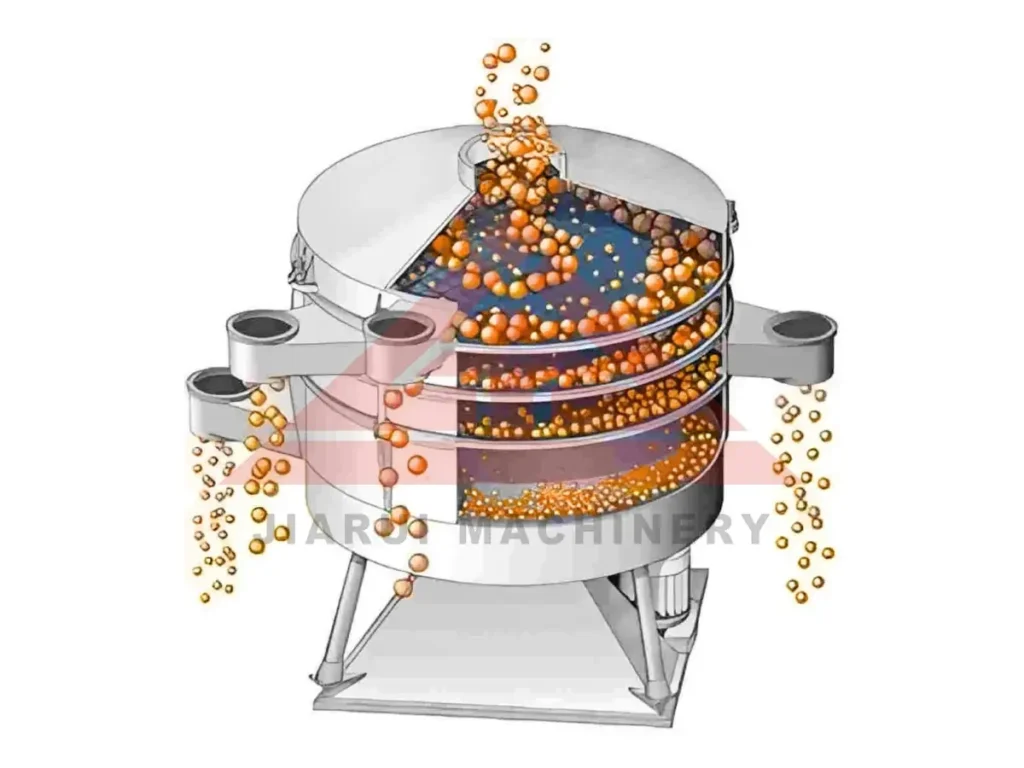
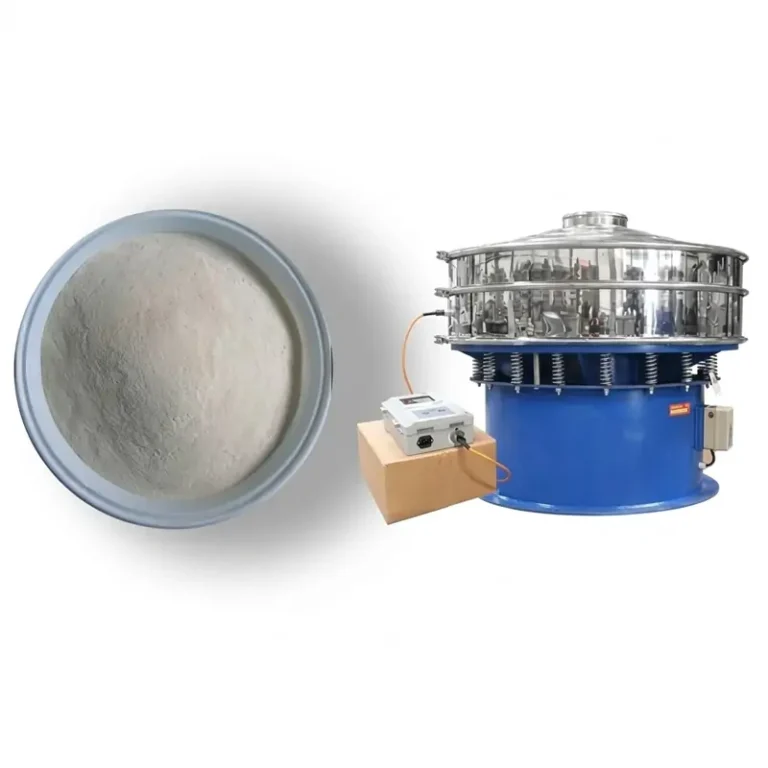
The Tumbler Screening Machine, also known as a swing-type rotary screen, is a versatile and highly efficient screening device that mimics manual screening motions. Its core feature combines “sifting” (planar circular motion) with “tossing” (upward parabolic motion). By adjusting the radial and tangential angles, it creates a three-dimensional spiral tumbling motion that evenly disperses the material across the screen surface and propels it in a spiral pattern from the center to the outer edge. This design is particularly well-suited for processing fine and ultra-fine powders, as well as materials prone to screen clogging or breakage.
Unlike traditional vibrating screens (such as rotary vibrating screens), this machine from Jiarui Machinery generates non-linear three-dimensional motion through an adjustable eccentric drive (25–40 mm) and variable speed (120–360 rpm). The uniform distribution of material on the screen surface allows particles to move along a spiral trajectory from the center to the edge, thereby enhancing screening performance.
What is a Tumbler Screening Machine?
This screening method delivers higher efficiency, reduced mesh blockage, and lower material damage compared with conventional vibrating screens. Learn more about how tumbler screening machines work and where they are used in our detailed guide.
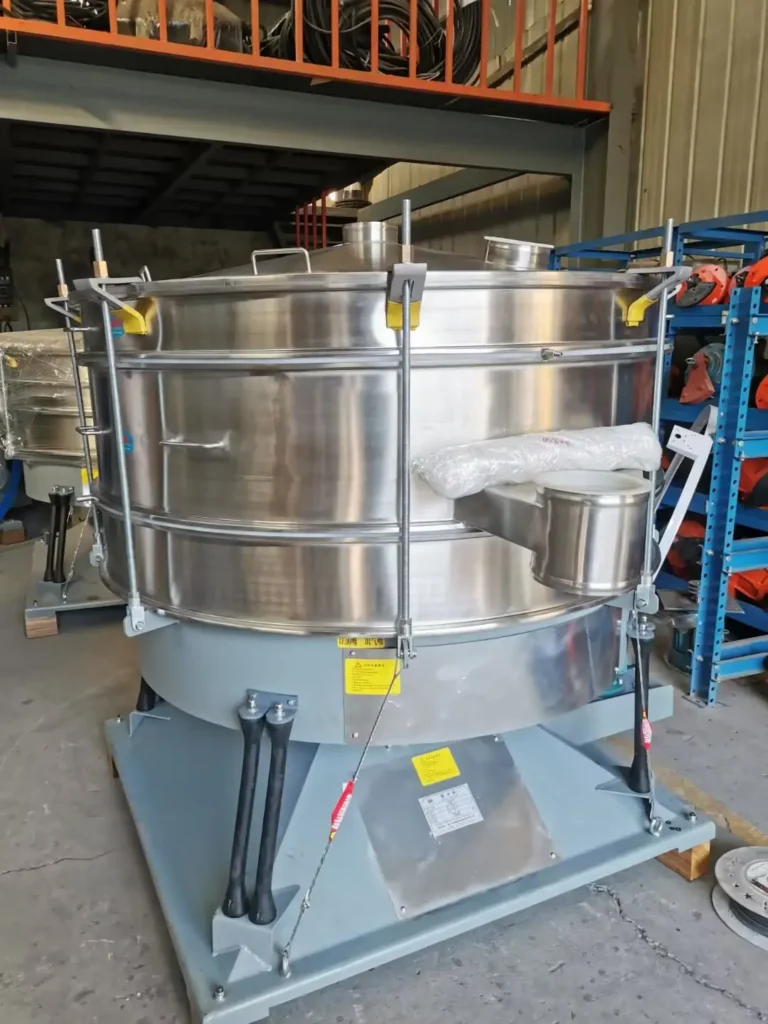
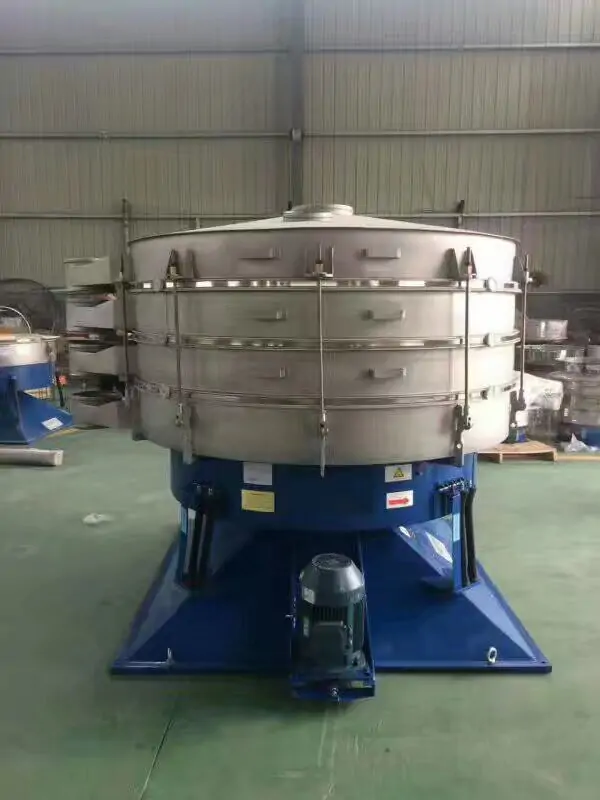
At Jiarui Machinery, the Tumbler Screening Machine is engineered for customers who require high-capacity, high-accuracy screening across multiple industries. Equipped with advanced mesh-cleaning systems such as silicone balls or ultrasonic devices, it achieves stable, continuous operation while minimizing maintenance and noise. It is widely used for chemicals, food ingredients, pharmaceuticals, minerals, plastics, fertilizers, and other difficult-to-screen materials that demand precise particle separation.
Applications of the Tumbler Screening Machine
Jiarui Machinery’s Tumbler Screening Machine, also known as a swing vibrating screen or precision swing screen, is particularly suitable for processing round, cylindrical, flake-shaped, and even irregularly shaped materials that are prone to clogging the screen and require precise screening. Its motion principle, which mimics manual screening, and its highly efficient screen-cleaning mechanism make it suitable not only for the chemical, food and flavoring, plastics, mining, pharmaceutical, wood and plywood, metallurgical, rubber, feed, fertilizer, sugar and salt, and recycling industries, but also for the following specific materials and applications:
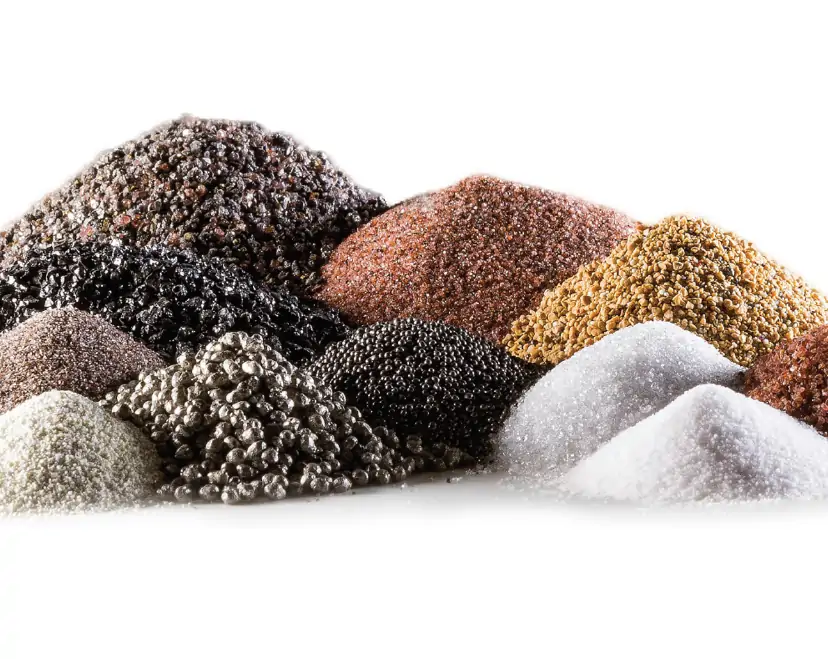
Abrasives and Ceramic Materials
Such as quartz sand, fracturing sand, pearl sand, ceramic aggregate sand, quartz powder, silicon carbide abrasives, zirconia, ceramics, glass beads, etc.
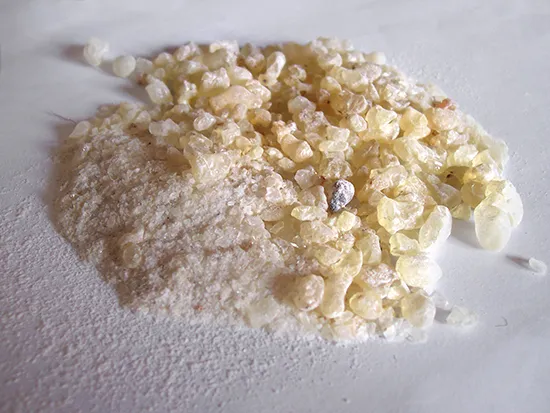
Resins and Plastics
Such as resins, melamine, plastic masterbatches, PVC powder, PVC chips, etc.
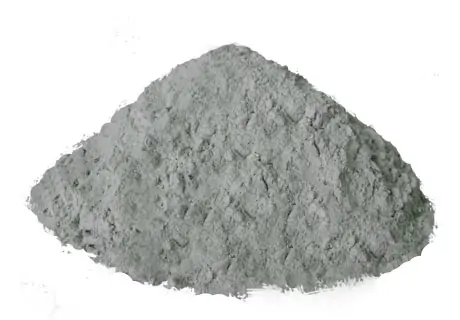
Building Materials and Refractories
Such as calcium powder, coatings, refractory materials, limestone, barite, titanium ore sand, manufactured sand, etc.

Food and Agricultural Products
In addition to spices, it is particularly suitable for fine screening of products requiring high hygiene standards, such as granulated sugar, table salt, starch, milk powder, and flour.
Other Industries
- Energy and Chemical Raw Materials: Such as petroleum coke, activated carbon, soda ash, urea, etc.
- New Materials: Such as nanomaterials, lithium battery materials, and other emerging industries.
- Metals and Magnetic Materials: Such as metal powders, mineral powders, reduced iron powder, magnetic materials, etc.
In summary, the Tumbler Screening Machine, with its high precision, anti-clogging design, and broad material adaptability, covers virtually all industrial sectors involving fine particle classification. It is an efficient solution for processing materials with specific shapes that are prone to clogging screens.For a broader comparison of industrial screener types and selection considerations, see our guide to Types of Industrial Screeners: How to Choose the Right One?.
If your industry is not listed above, please feel free to contact Jiarui Machinery to determine if there is a better solution for your screening needs.
At Jiarui Machinery, we can provide screening solutions ranging from standard models to highly customized options tailored to the specific requirements of your industry.
Working Principle
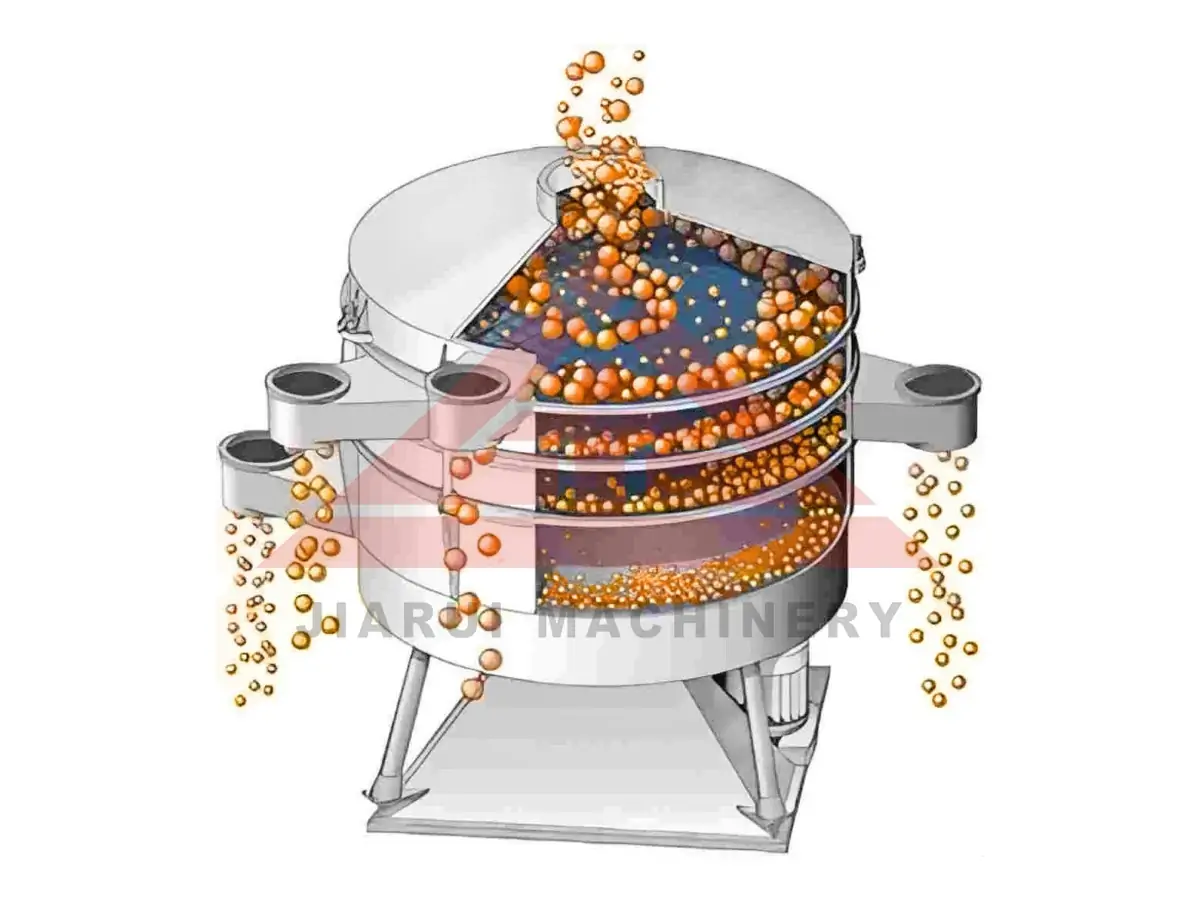
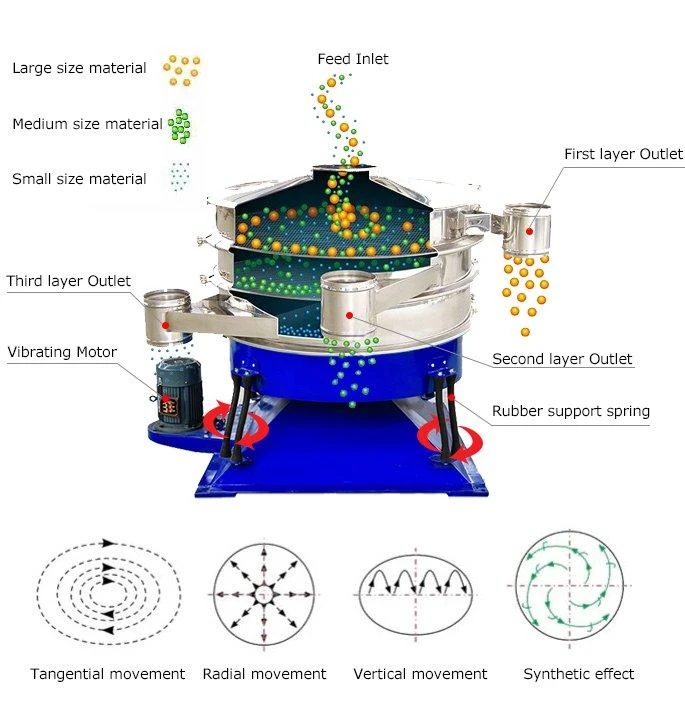
The Tumbler Screening Machine operates by using a mechanical structure to mimic the motion of manual screening. It ingeniously combines two movements—“sifting” (a planar circular motion) and “tossing” (an upward parabolic motion)—to cause the material to follow a three-dimensional involute spiral path on the screen mesh, thereby achieving efficient and precise screening.
Its core operating mechanism and key adjustable parameters are as follows:
Core Motion Principle
Bionic Motion: Its fundamental rotational motion closely resembles manual screening. The motor drives the oscillating body (or eccentric shaft) via a V-belt to generate a force, which is transmitted to the screen box, causing it to perform a complex spatial composite motion.
Three-Dimensional Helical Trajectory: After being fed into the center of the screen surface, the material does not move in a straight line. Instead, under the combined effects of horizontal oscillation, vertical bouncing, and tangential projection, it follows an arc-shaped involute or Archimedean spiral trajectory, spreading uniformly and slowly from the center to the outer edge. This long-path, low-speed movement provides the material with ample time to pass through the screen, thereby achieving high-precision screening.
Multi-layer Screening: This spiral motion process is repeated between each layer of the multi-layer screen. Fine particles close to the mesh size pass through the screen openings and fall to the lower layer during the motion, while larger particles are transported to the edge outlets of that layer and discharged. For a closer look at how it works, see our guide to tumbler screening machines.
Adjustable Parameters (Determining Screening Performance)
The performance of a circular vibrating screen is not fixed; it can be adapted to the characteristics of different materials by adjusting the following parameters:
| Parameter | Adjustment Range | Effect on Screening Performance |
|---|---|---|
| Eccentricity (Eccentric Distance) | Typically adjustable from 25–40 mm | A larger eccentricity increases material movement amplitude and conveying speed, improving throughput for coarse or easy-to-screen materials. A smaller eccentricity creates gentler movement and longer retention time, resulting in higher screening accuracy and better classification of fine materials. |
| Rotational Speed | Typically adjustable from 120–360 rpm (low-speed V-belt drive) | Lower speed provides higher screening precision and reduced impact on fragile or fine powders. Higher speed increases processing capacity and is more suitable for coarse particles and high-output applications. |
| Radial Angle & Tangential Angle | Adjustable by adding or removing shims (radial angle typically 0–2°) | The radial angle mainly affects the vertical jumping motion of the screen, with larger angles increasing material discharge speed. The tangential angle controls the material travel path, movement speed toward the screen edge, and the inclination of the elliptical trajectory, allowing optimization of screening efficiency and residence time. |
Screen Cleaning Systems
The screen cleaning system of a tumbler screening machine is key to maintaining high screening accuracy and consistent efficiency. It typically comes in the following configurations:
Bouncing Ball Cleaning: This is the most classic and commonly used screen cleaning method. It features a simple structure, low cost, and easy maintenance. It is particularly suitable for industries with strict cleanliness requirements—such as food, pharmaceuticals, and chemical raw materials—where the material has a certain degree of flowability. The material and quantity of the bouncing balls can be adjusted according to the characteristics of the material.
Ultrasonic Screen Cleaning: This is one of the most effective solutions for addressing screen clogging issues caused by fine powders, highly static, highly adhesive, or low-density materials. Powerful high-frequency vibrations effectively break down the surface tension of the material, preventing mesh adhesion and significantly improving screening accuracy and throughput. It is widely used in fields such as toner, metal powders, ceramic slurries, and fine chemical powders.
Rotary Brush Screen Cleaning: This is an active, powerful mechanical cleaning method. It is particularly suitable for materials with some moisture, viscosity, or fibrous properties, such as certain traditional Chinese medicinal herbs, wet mining materials, and food ingredients (e.g., starch).
Air Jet (Pulsed Airflow) Screen Cleaning: This is a non-contact, high-intensity screen cleaning method. It is suitable for handling dry, dust-prone materials or as a supplement to other cleaning methods. It effectively addresses minor adhesion and material buildup. It is commonly used in dry screening applications across industries such as mining, metallurgy, refractory materials, and recycled plastic flakes.
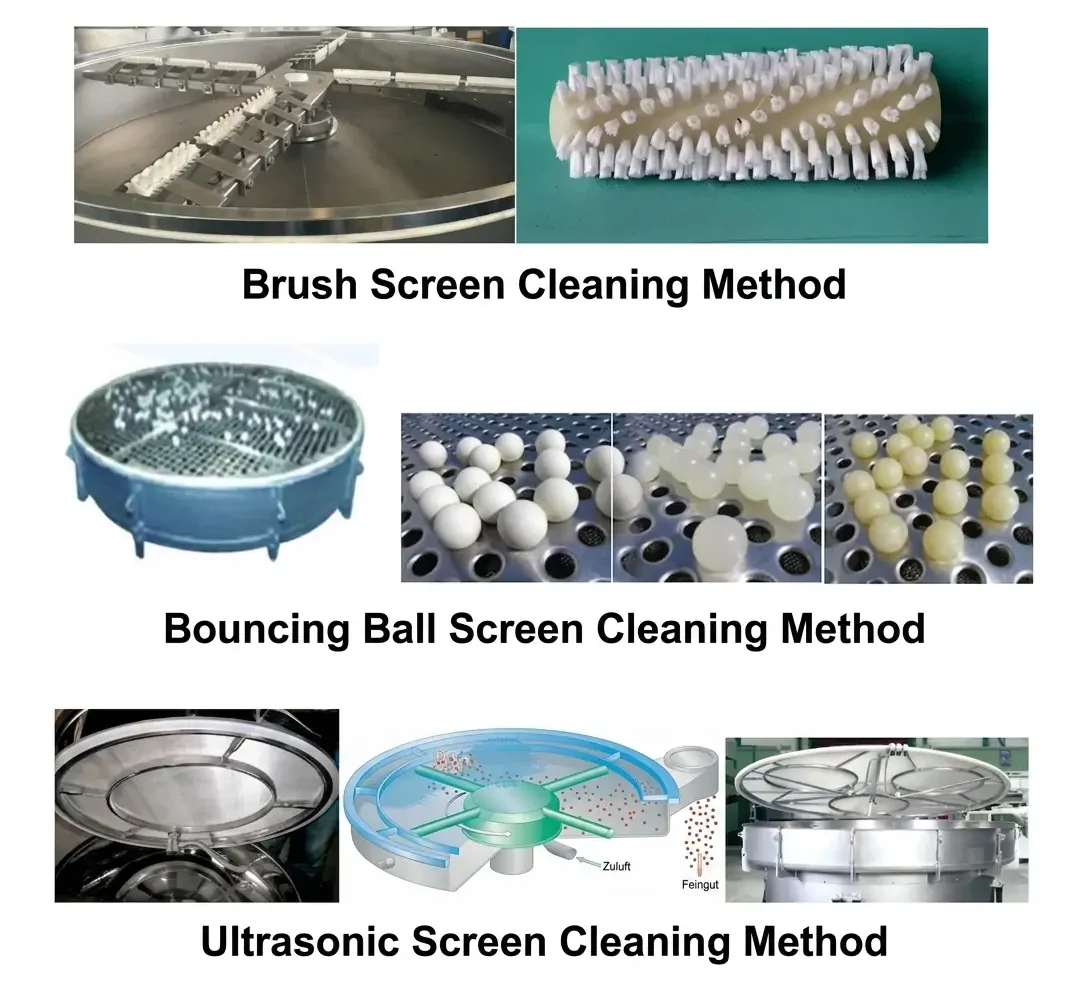
Selection and Application Recommendations: In practical applications, these screen cleaning devices are often used in combination to address complex material characteristics. For example, the “bouncing balls + ultrasonic” combination can simultaneously resolve both adhesion and blockage issues; the “rotating brush + air jet” combination can handle both wet, sticky materials and dry powders. Equipment manufacturer Henan Jiarui Swinging Screen typically conducts tests based on the user’s material samples to recommend the most suitable screen cleaning solution.
Parameters
Sieve Body & Structural Design
- Available in Carbon Steel / Stainless Steel 304 / 316L
- Fully enclosed structure for dust-free and safe operation
- Low vibration acceleration (4.5× lower than traditional screens)
- Noise level controlled below 75 dB
- Modular design for easy maintenance and fast component replacement
Auxiliary & Customization Options
- Adjustable discharge outlet for material flow control and residence time optimization
- Supports anti-corrosion coatings (e.g., PTFE) for harsh environments
- Compatible with multiple installation layouts and space requirements
- Custom configurations available based on material characteristics and process needs
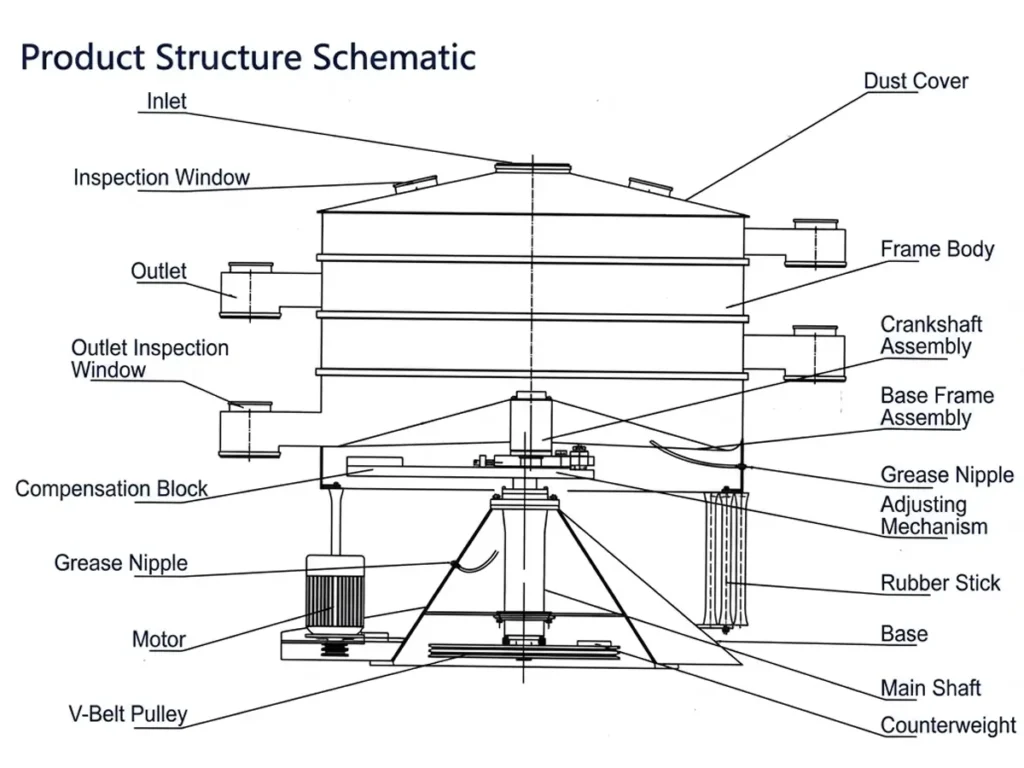
Tumbler Screening Machine Technical Specifications
| Model | JRYB-600 | JRYB-1000 | JRYB-1200 | JRYB-1600 | JRYB-2000 | JRYB-2600 |
|---|---|---|---|---|---|---|
| Screen Diameter (mm) | 650 | 980 | 1250 | 1580 | 1880 | 2650 |
| Screening Area (m²) | 0.29 | 0.68 | 1.10 | 1.80 | 2.60 | 5.30 |
| Installation Space (m³) | 0.4 | 1.8 | 2.5 | 3.9 | 5.6 | 9.6 |
| Maximum Screen Decks | 5 | 5 | 5 | 5 | 5 | 5 |
| Motor Power (kW) | 0.25 | 1.5 | 2.2 | 3 | 4 | 5.5 |
| Rubber Ball Cleaning System | Up to 5 Decks | Up to 5 Decks | Up to 5 Decks | Up to 5 Decks | Up to 5 Decks | Up to 5 Decks |
| Rotary Brush Cleaning System | Up to 5 Decks | Up to 5 Decks | Up to 5 Decks | Up to 5 Decks | Up to 5 Decks | Up to 5 Decks |
| Ultrasonic Cleaning System | Up to 5 Decks | Up to 5 Decks | Up to 5 Decks | Up to 5 Decks | Up to 5 Decks | Up to 5 Decks |
| Filter Attachment | 2 Decks | 2 Decks | 2 Decks | 1 Deck | 1 Deck | 1 Deck |
| Effective Screening Diameter (mm) | 630 | 930 | 1100 | 1340 | 1340 | 1940 |
Notes: We also accept custom orders for special equipment beyond our standard models.
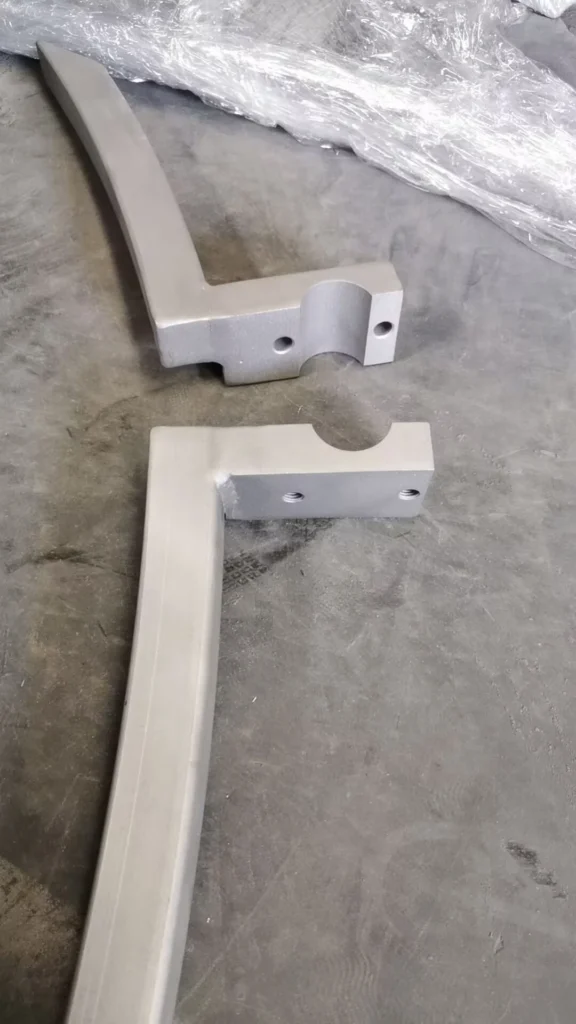
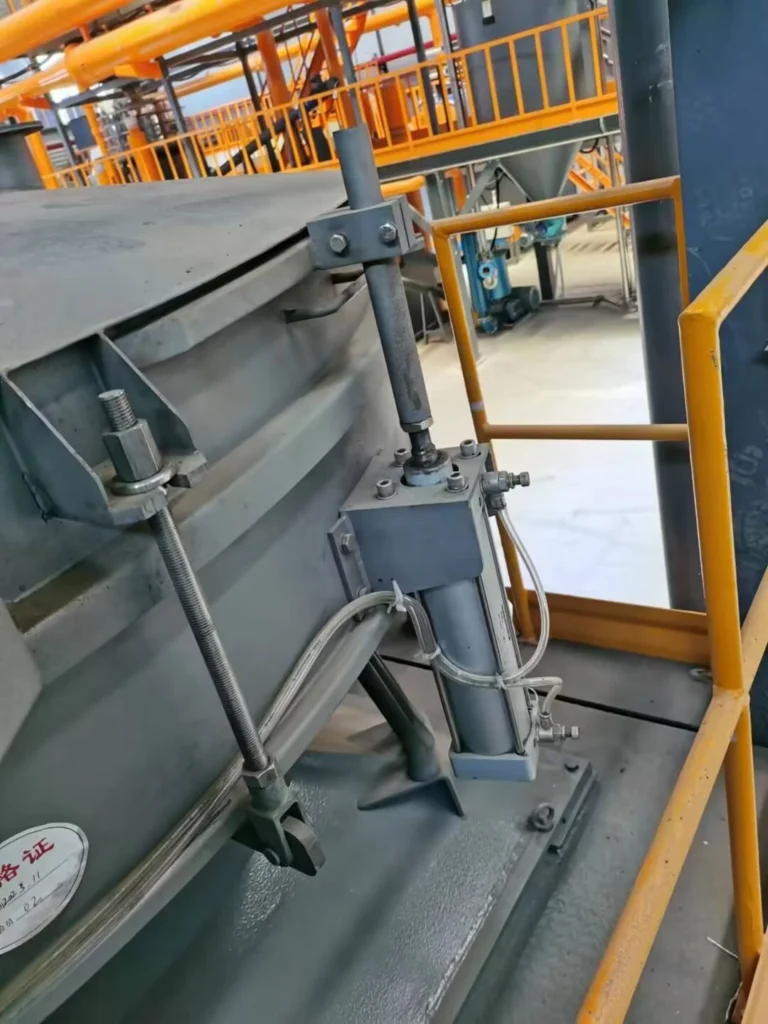
Product Component Details
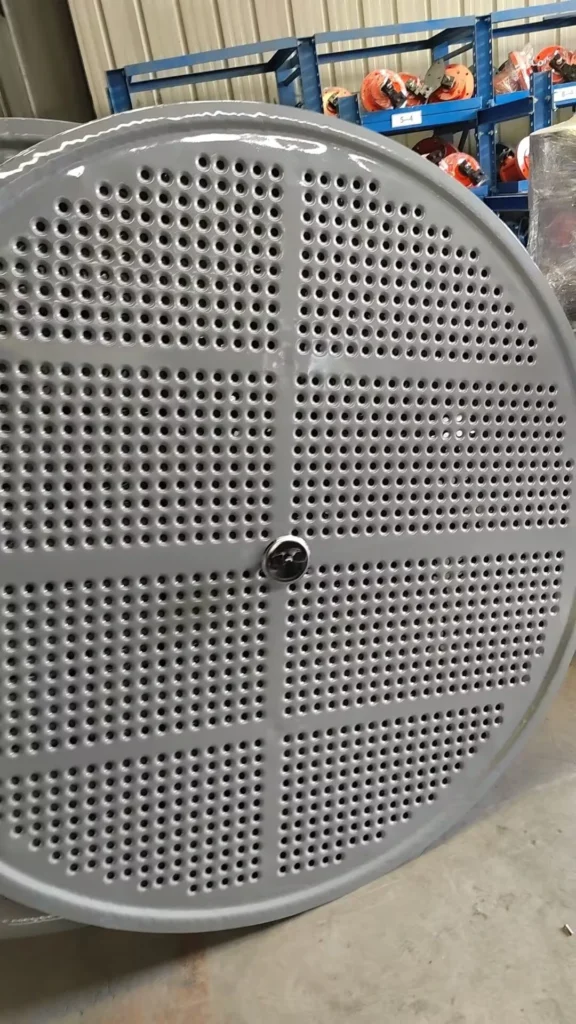
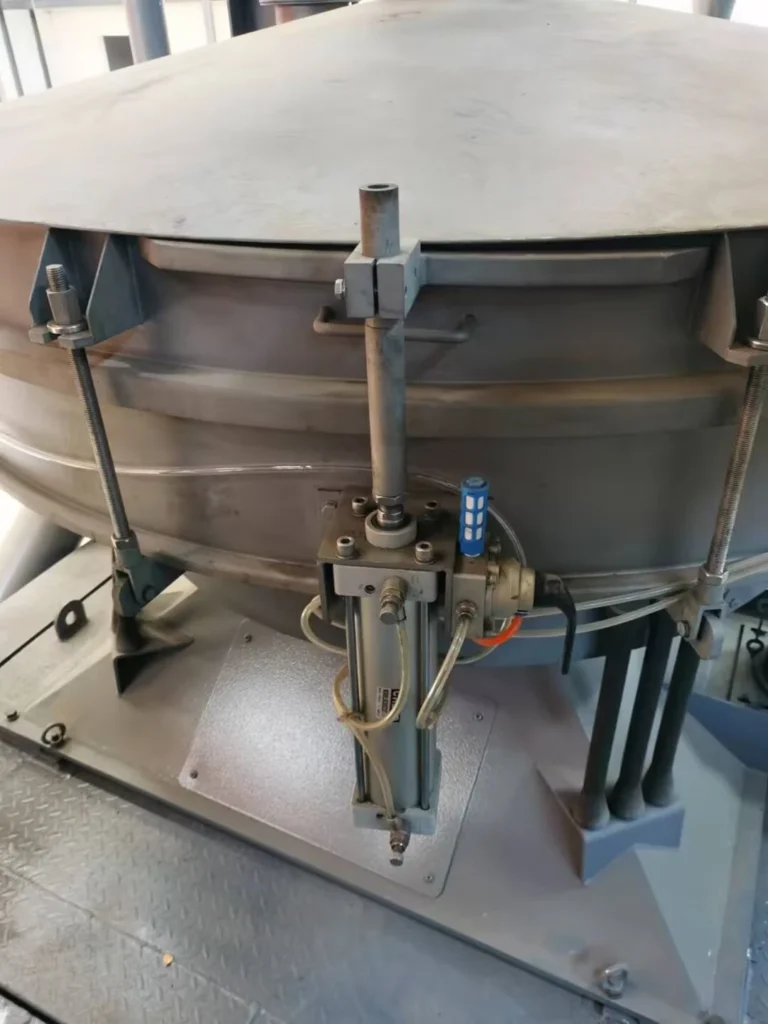
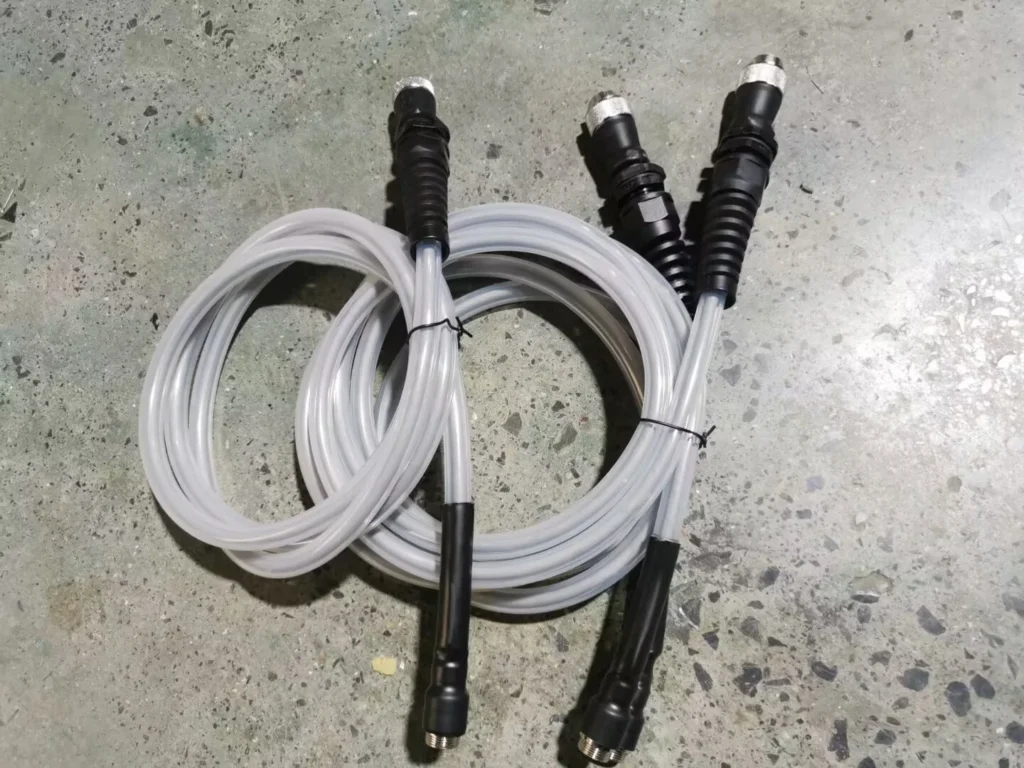
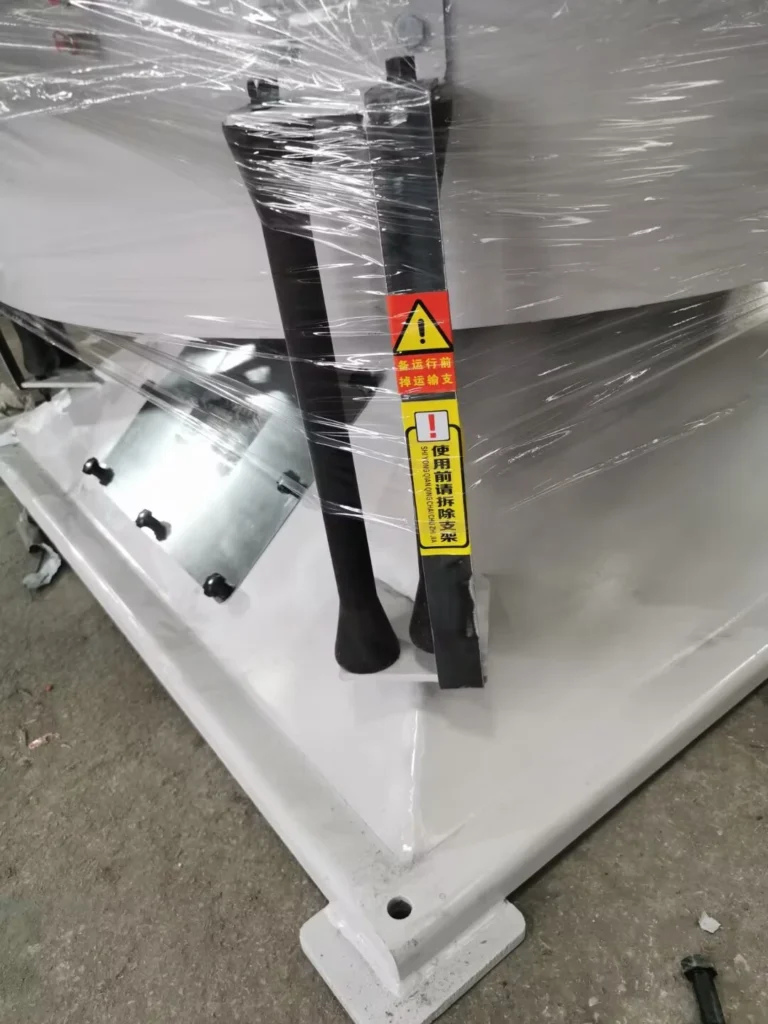
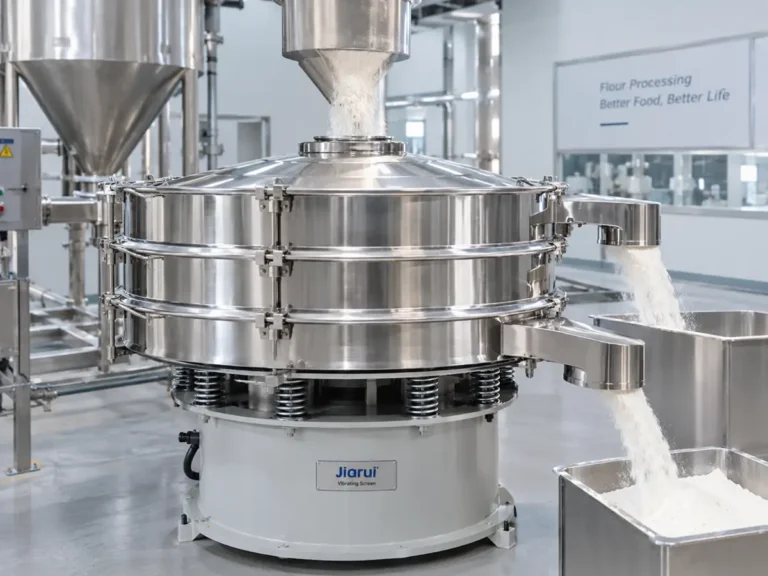
Jiarui Ultrasonic Vibrating Screen
High-Efficiency Tumbler Screening Machine: A Specialized Solution for Fine Powder Classification
Designed for difficult-to-screen and high-value fine materials, the Tumbler Screening Machine delivers high-precision grading and anti-clogging performance, significantly improving product quality and overall production efficiency.
Extremely Efficient and Durable
Utilizes low-frequency gyratory motion to simulate manual screening, achieving 90%–95% efficiency and up to 5× higher output per unit area. Low acceleration extends component life and supports long-term continuous operation with minimal maintenance.
High-capacity & Stable Operation
Optimized spiral material movement ensures uniform distribution across the screen surface, delivering consistent throughput (500–4500 kg/h). Maintains stable performance even with fine, sticky, or irregular materials.
Precise Fine Powder Screening
Multi-layer design supports 2–500 mesh separation with up to 6 grading levels. Combined with anti-blinding systems (silicone balls, brushes, ultrasonic), it effectively prevents clogging and ensures accurate particle size control without altering material properties.
Advanced Problem Solving
Effectively handles agglomeration, adhesion, and mesh blockage issues. Improves material flow and screening consistency, making it ideal for chemicals, food powders, pharmaceuticals, minerals, and recycling applications.
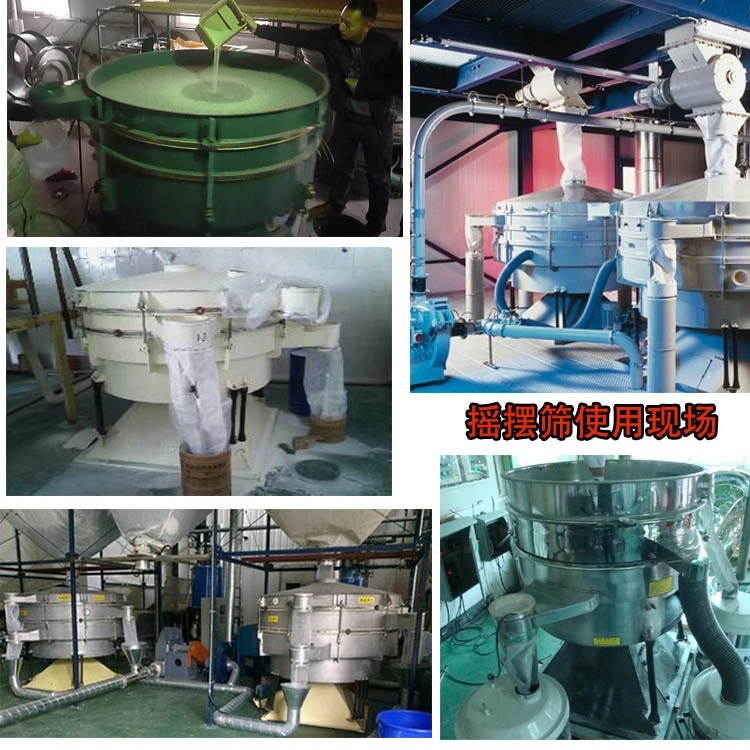
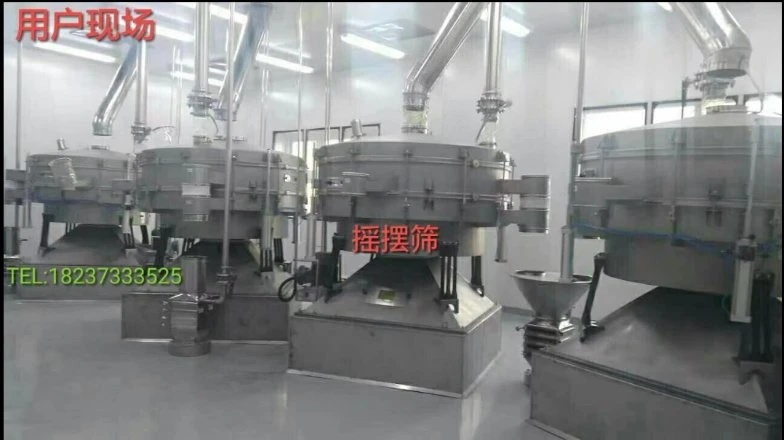
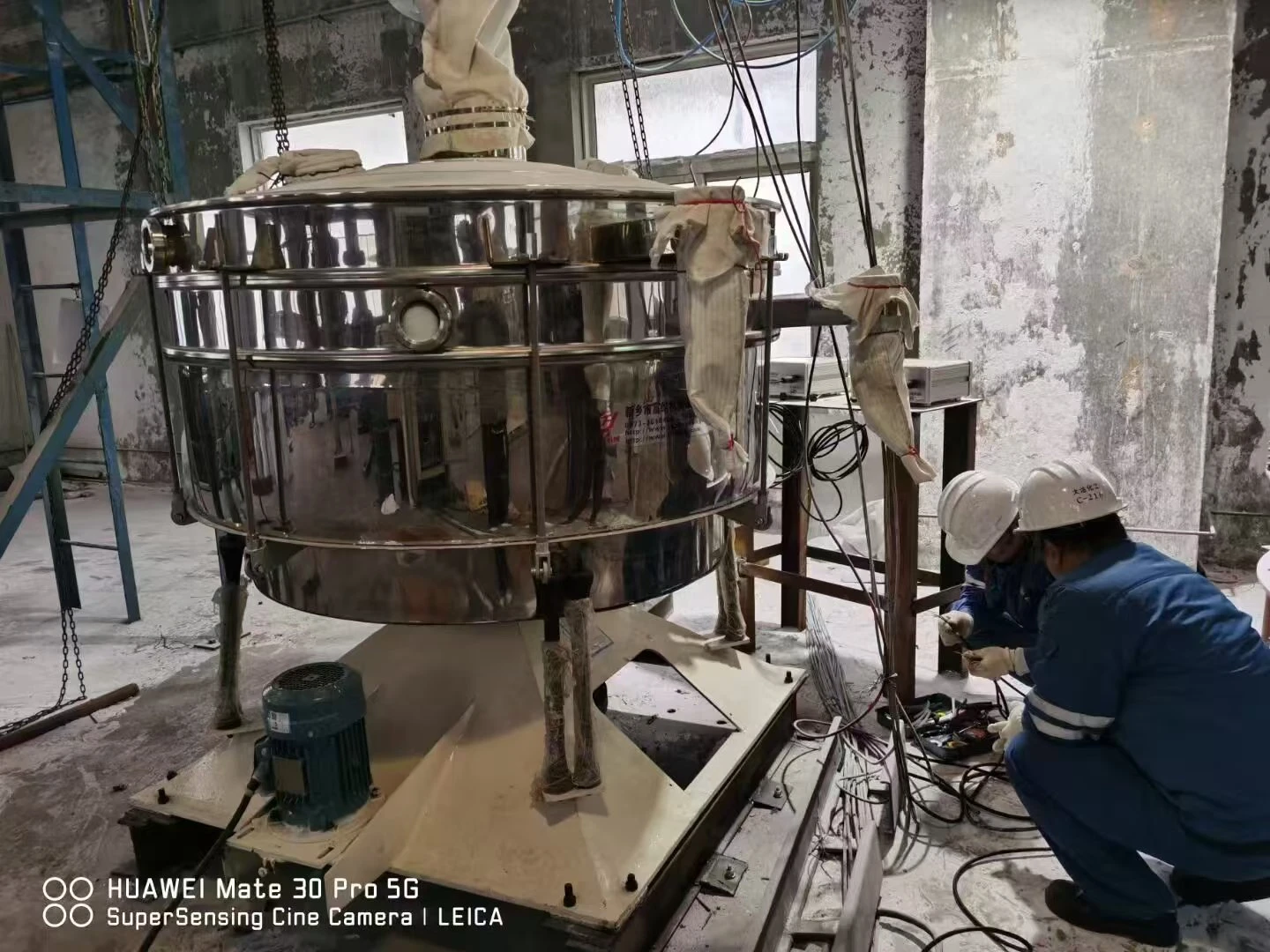
Case
Why Choose Us?
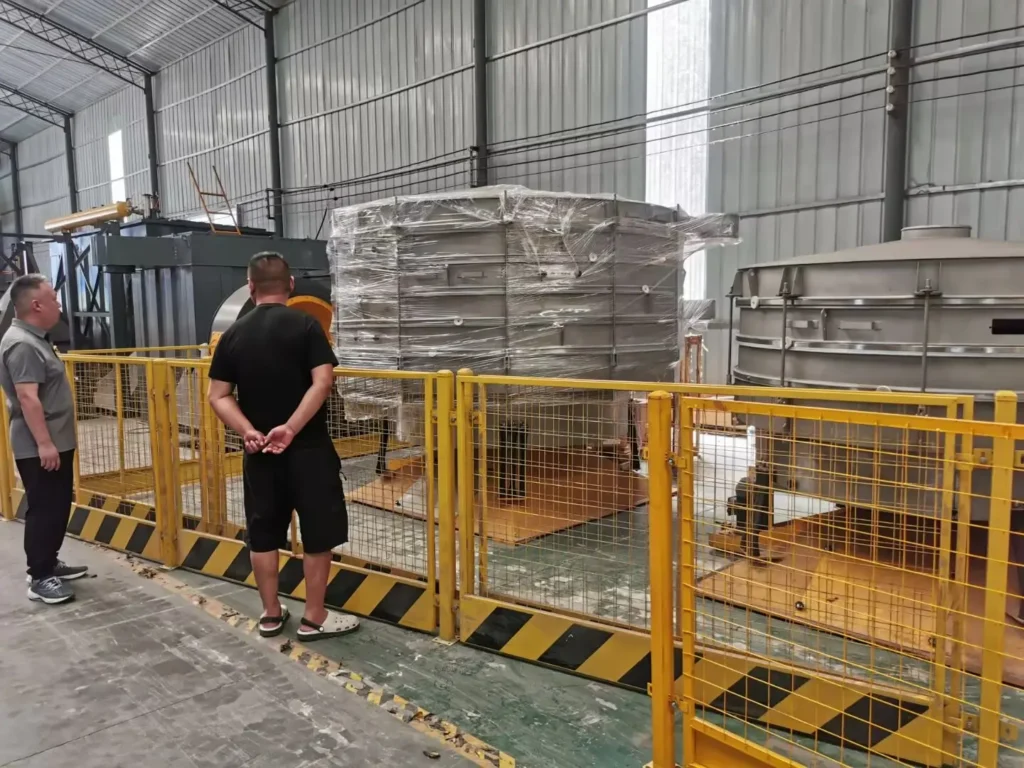
Precision Engineering & Compliance Standards
10-Year Design Life: Built to industrial-grade durability standards, ensuring a 10-year operational lifespan under heavy, continuous workloads.
Global Certifications: Production lines are ISO 9001:2008-certified, and all screening equipment carries the European CE safety mark.
Rigorous Quality Control & Process Adaptation
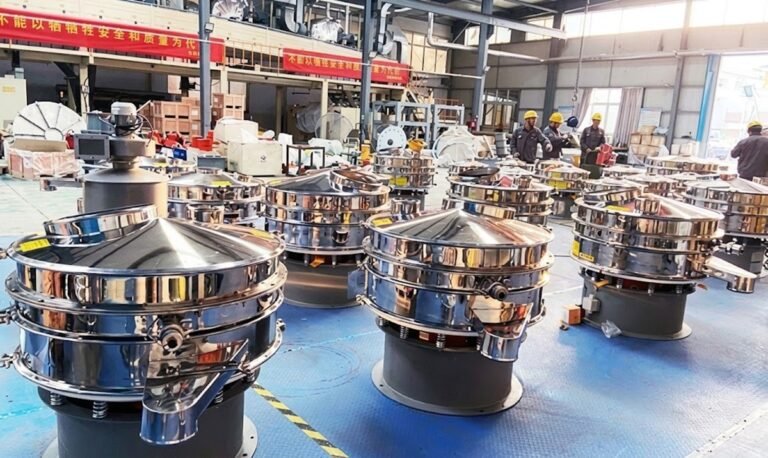
2-Hour Pre-Shipment Run: Every unit undergoes a mandatory 2-hour continuous trial run to verify amplitude stability and motor temperature before dispatch.
Long-Term Parts Availability: Backed by a 1-year warranty and a permanent inventory of standard wear parts (screens, seals, springs) to minimize factory downtime.
FAQs
Get a Free Consultation
Fill out the form below to connect with our experts and receive personalized recommendations for your application.