Misturador de Duplo Cone Tipo W
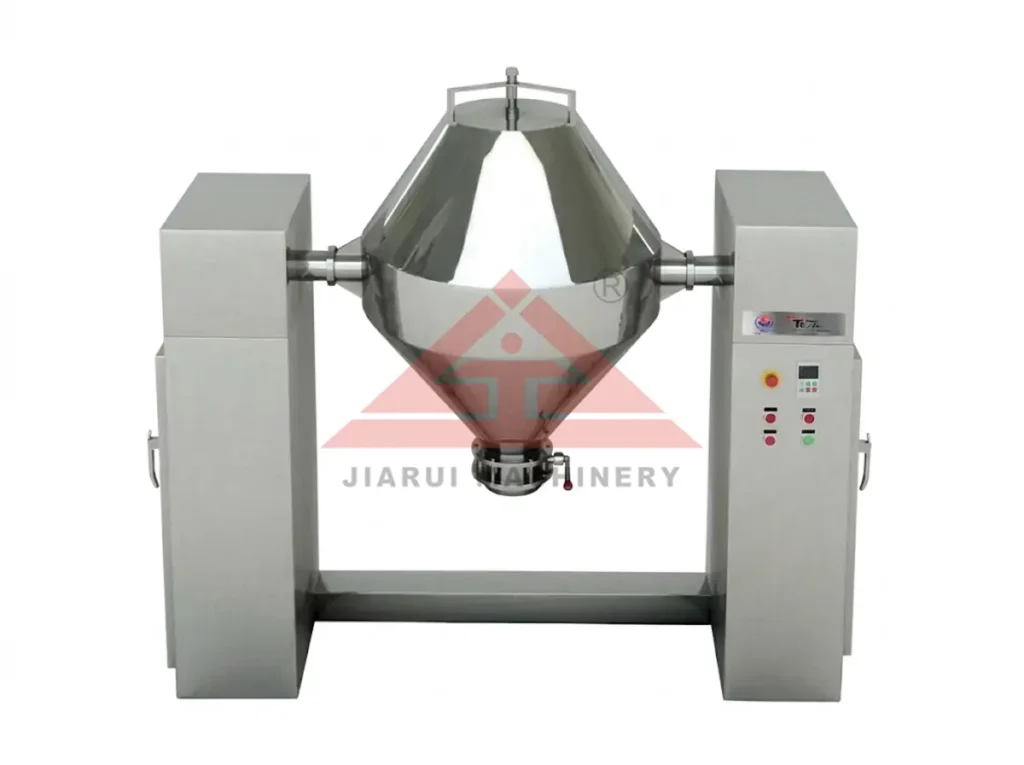
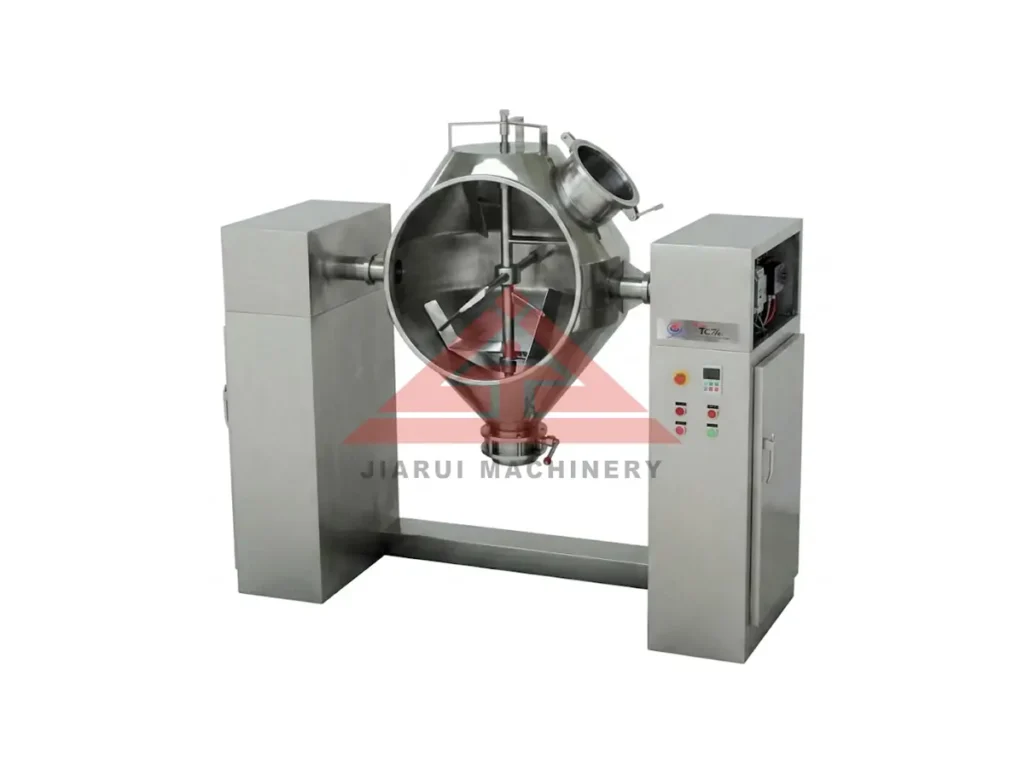
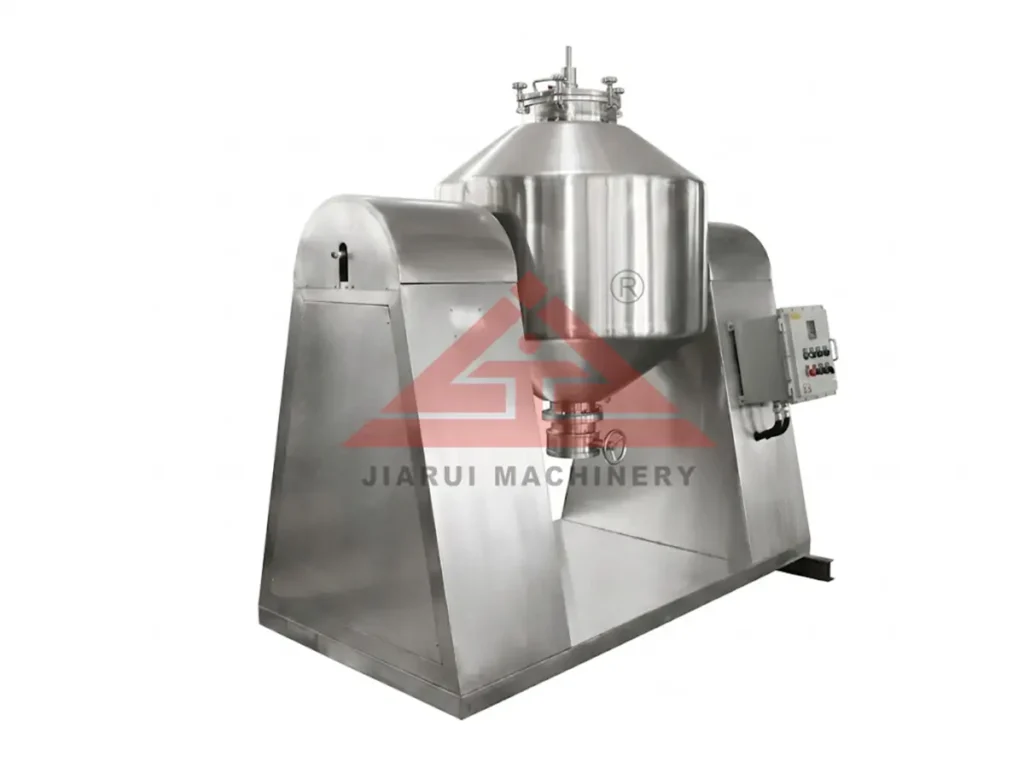
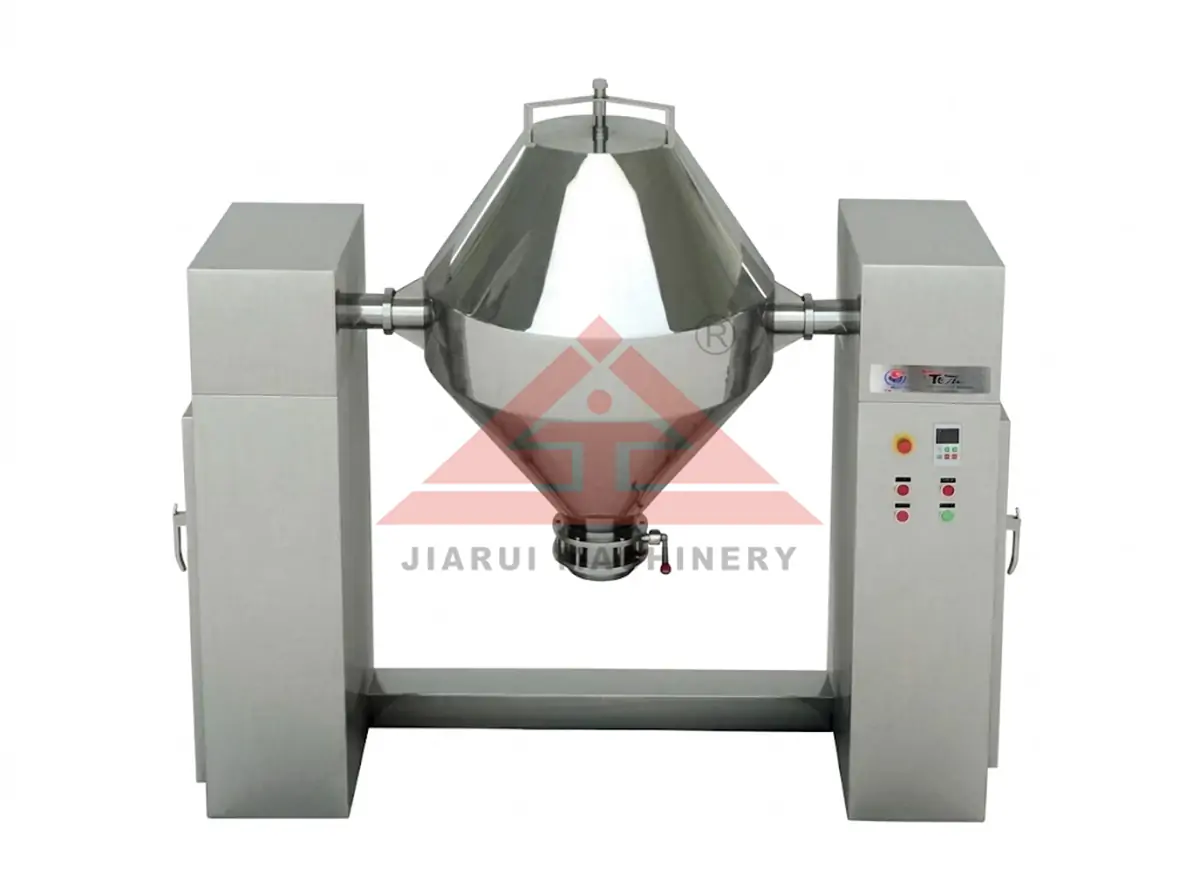
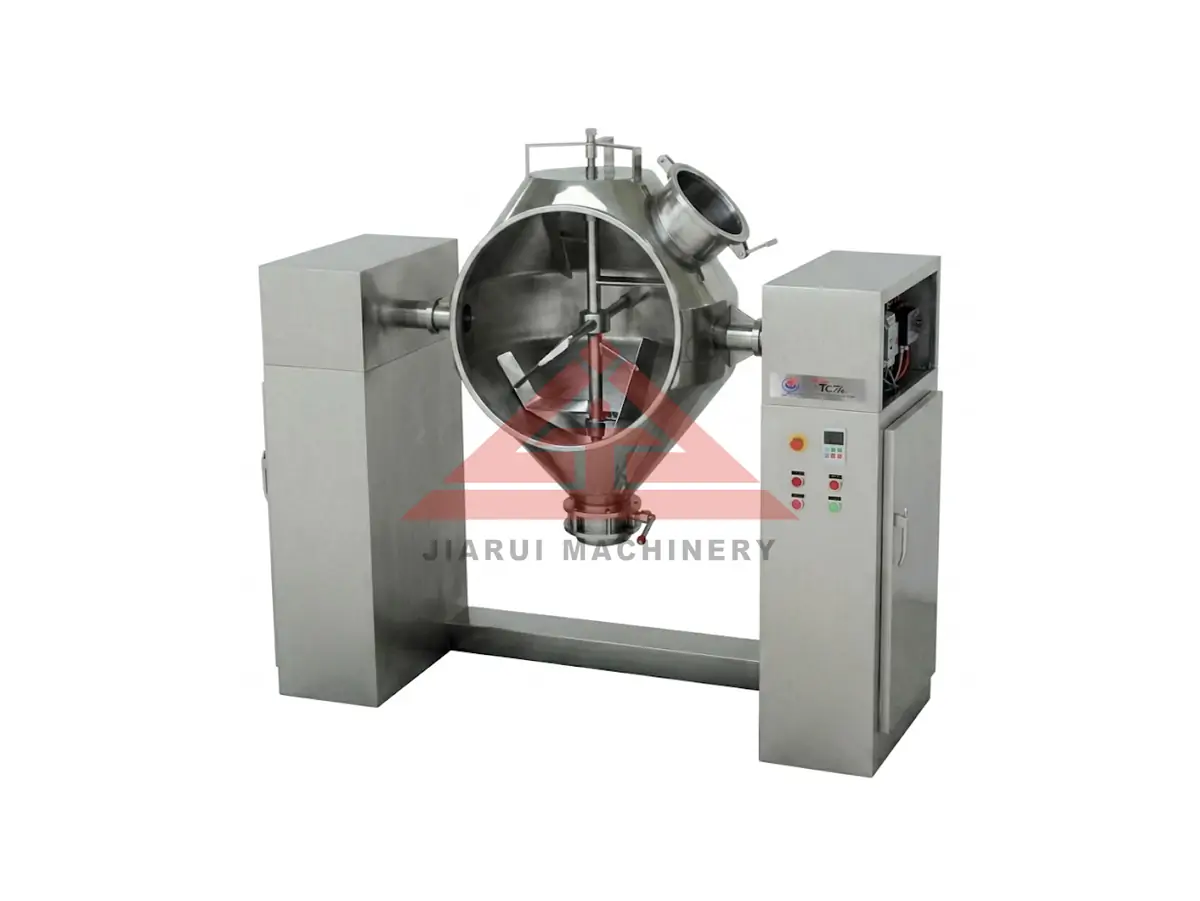
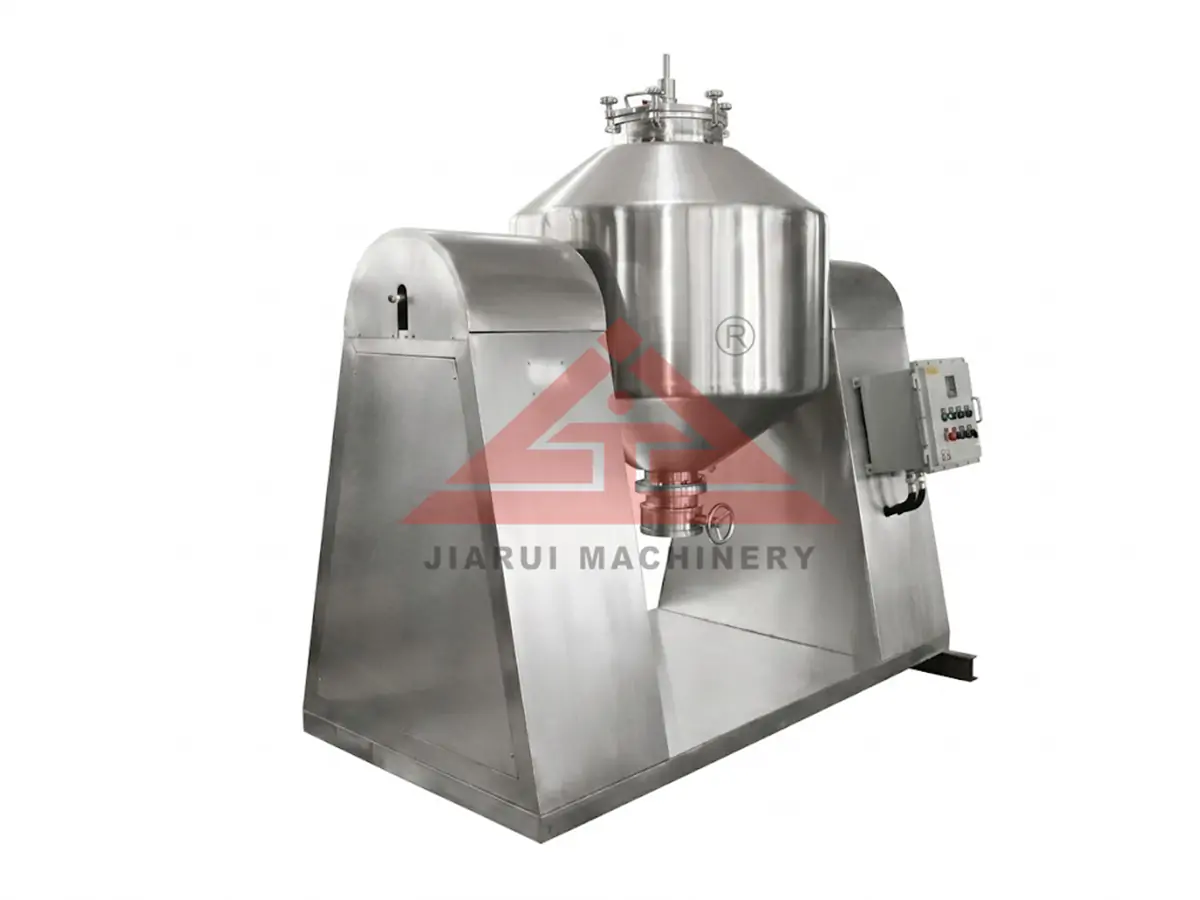
O Misturador de Cone Duplo Tipo W é um misturador de tombamento utilizado para pós, grânulos e misturas de pó-grânulo. Ele gira o vaso de cone duplo para mover os materiais para cima, para baixo e entre diferentes áreas dentro da câmara, permitindo que diferentes componentes alcancem gradualmente uma mistura uniforme. Comparado com métodos de mistura de alta velocidade, este equipamento proporciona um processo de mistura mais suave e é adequado para aplicações onde a quebra de partículas precisa ser reduzida e as propriedades do material precisam ser mantidas.
O Misturador de Duplo Cone Tipo W é utilizado principalmente para pós secos de fluxo livre, grânulos e formulações multicomponentes. É comumente aplicado em processos de mistura em batelada nas indústrias de alimentos, química, farmacêutica e novos materiais. De acordo com diferentes características do material e requisitos de produção, o equipamento pode ser configurado com diferentes volumes de recipiente, materiais de contato e estruturas de alimentação/descarga.
- Tipo de Mistura: Mistura por Tombamento em Duplo Cone
- Materiais Adequados: Materiais em Pó, Grânulos e Misturas de Pó e Grânulos
- Característica de Mistura: Mistura de Baixo Cisalhamento para Reduzir a Quebra de Partículas
- Movimento do Material: Elevação, Queda e Mistura Durante a Rotação do Recipiente
- Material de Contato: Aço Carbono, Aço Inoxidável SUS304 ou SUS316
- Personalização: Volume Personalizado, Estrutura de Alimentação/Descarga e Configuração de Mistura
O Que é um Misturador de Duplo Cone Tipo W?
O Misturador de Duplo Cone Tipo W (Blender de Duplo Cone) é um equipamento de mistura por tombamento utilizado para mistura em batelada de pós e grânulos. Durante a operação, o recipiente de duplo cone gira lentamente, elevando e soltando os materiais repetidamente para alcançar uma mistura gradual e uniforme.
Em comparação com misturadores que dependem de agitadores internos para mistura forçada, o movimento de um Misturador de Duplo Cone Tipo W é mais suave, com menor força de cisalhamento durante a operação. Portanto, é mais adequado para pós de fluxo livre, grânulos e materiais que exigem proteção da integridade das partículas.
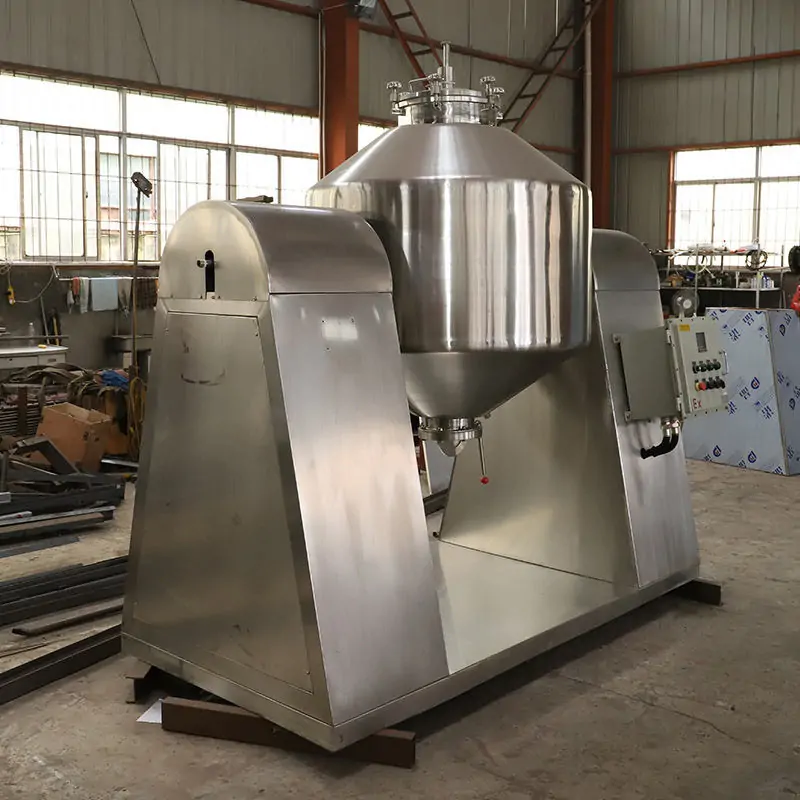
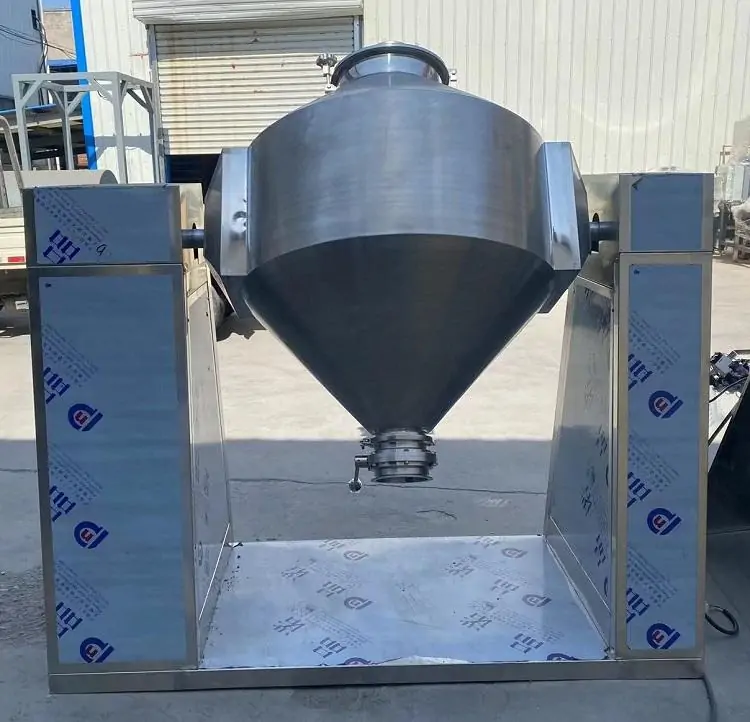
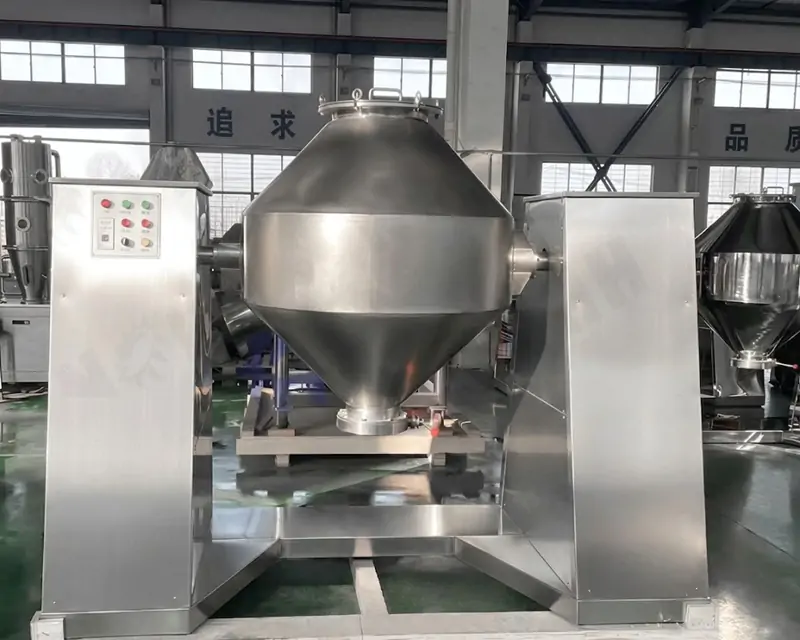
Como Funciona um Misturador de Duplo Cone Tipo W?
O Misturador de Cone Duplo Tipo W mistura materiais através da rotação do vaso de cone duplo.Saiba mais sobre o Princípio de funcionamento do misturador de cone duplo e movimento do material durante o processo de mistura. Com sua estrutura de vaso em forma de W formada por dois cones conectados, os materiais não se movem em apenas uma direção durante a rotação. Em vez disso, eles mudam continuamente de posição entre as duas seções cônicas e a área central, permitindo que diferentes componentes se misturem gradualmente.
Etapa 1: O Recipiente de Duplo Cone Move os Materiais.Após o equipamento iniciar, o recipiente gira lentamente e os materiais na parte inferior movem-se para cima ao longo da parede do recipiente. Quando o recipiente atinge um determinado ângulo, os materiais caem da parede e deslizam ao longo da superfície cônica para o outro lado.
Etapa 2: Troca de Materiais Entre as Duas Seções Cônicas.Devido à estrutura cônica em ambas as extremidades do recipiente tipo W, os materiais se movem para frente e para trás entre as duas seções cônicas durante a rotação. Diferentes áreas de materiais entram continuamente em contato e se misturam entre si, reduzindo a concentração local de material.
Etapa 3: Circulação Contínua Completa a Mistura.À medida que o equipamento continua operando, os materiais passam repetidamente por processos de elevação, queda e troca de posição até que a condição de mistura necessária seja alcançada.
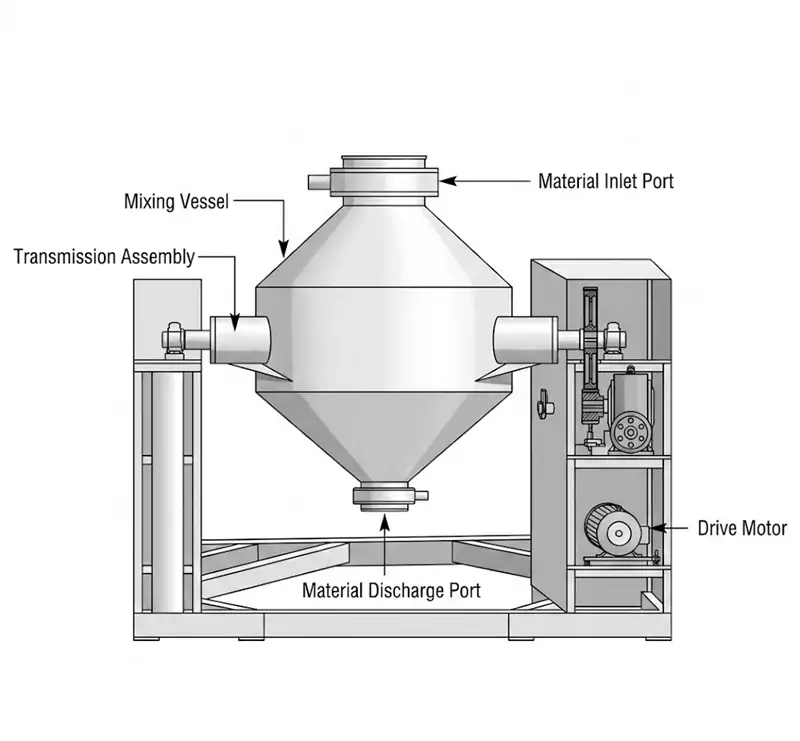
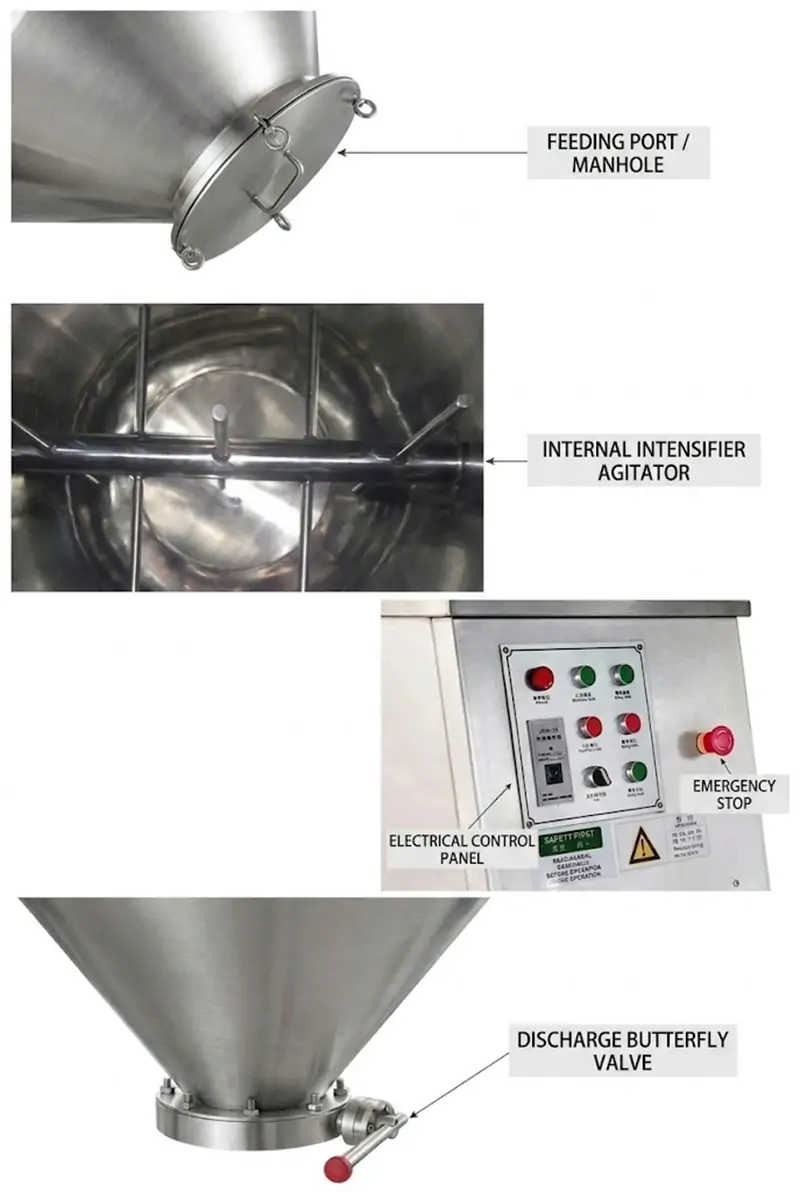
Estrutura Principal
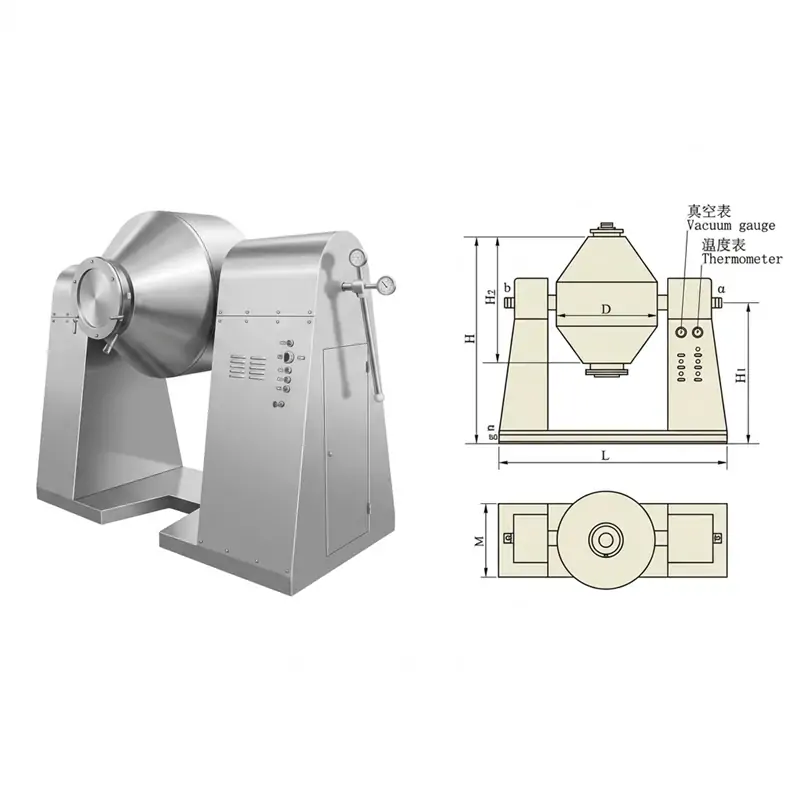
A estrutura de um Misturador de Duplo Cone Tipo W é relativamente simples. Ele depende principalmente da rotação do recipiente de duplo cone para mover os materiais e completar o processo de mistura. O desempenho da mistura depende principalmente do movimento interno do material, da rotação estável e do design conveniente de alimentação e descarga.
O Recipiente de Duplo Cone é o Núcleo da Mistura.O recipiente de duplo cone é a parte mais importante deste tipo de misturador. Dois cones são conectados para formar um espaço interno em formato W. Durante a rotação, os materiais movem-se para cima ao longo da parede do recipiente, deslizam ao longo da superfície cônica e trocam continuamente de posição entre as duas seções cônicas. Em comparação com uma estrutura cilíndrica simples, este design proporciona mais oportunidades para contato e redistribuição do material.
Como o Recipiente Gira?O equipamento utiliza um motor e redutor para acionar o recipiente a uma baixa velocidade de rotação. Como o processo de mistura depende principalmente do movimento do recipiente, a velocidade de rotação precisa permanecer estável para evitar movimento insuficiente ou excessivo do material. O tamanho do sistema de acionamento é selecionado principalmente de acordo com as especificações do equipamento e a carga operacional. Equipamentos maiores exigem um sistema de acionamento mais robusto devido ao aumento do peso do recipiente.
Por Que a Estrutura de Descarga é Importante?O Misturador de Duplo Cone Tipo W requer carga e descarga frequentes durante a produção, tornando a estrutura de alimentação e descarga uma consideração importante. Diferentes materiais podem ser equipados com diferentes portas de alimentação e válvulas de descarga. Especialmente para materiais em pó, a descarga suave e a limpeza interna fácil afetam diretamente a operação diária.
Quando é Necessário um Dispositivo de Mistura com Intensificador?Para pós que tendem a aglomerar ou processos de mistura que exigem a adição de pequenas quantidades de líquido, um dispositivo de mistura com intensificador pode ser adicionado para melhorar a dispersão do material. No entanto, para pós e grânulos de fluxo livre, a estrutura padrão de mistura por tombamento geralmente é suficiente.
Materiais Adequados
O Misturador de Duplo Cone Tipo W é comumente utilizado para mistura em batelada de pós, grânulos e misturas de pó e grânulos. O equipamento gira o recipiente de duplo cone para tombar os materiais, permitindo que diferentes componentes troquem continuamente de posição dentro do recipiente. Ao selecionar o equipamento, fatores como fluidez do material, tamanho das partículas, teor de umidade e tendência a aglomerar devem ser considerados.
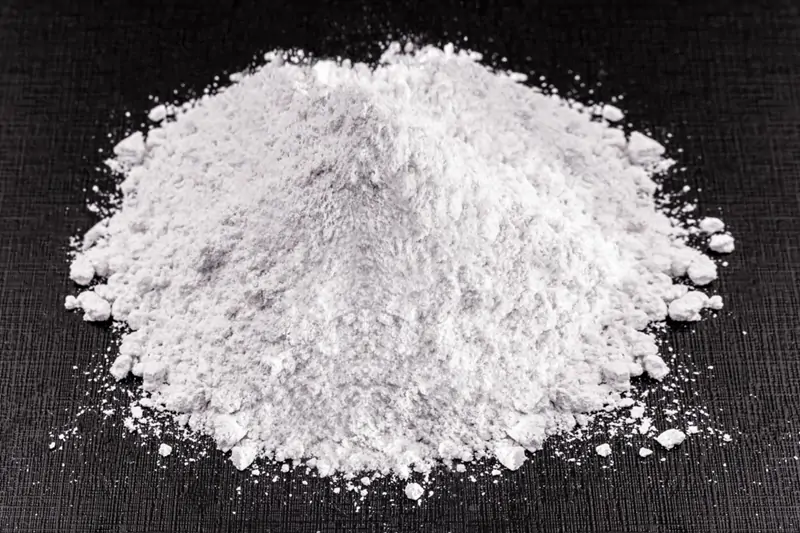
Materiais em Pó para Mistura 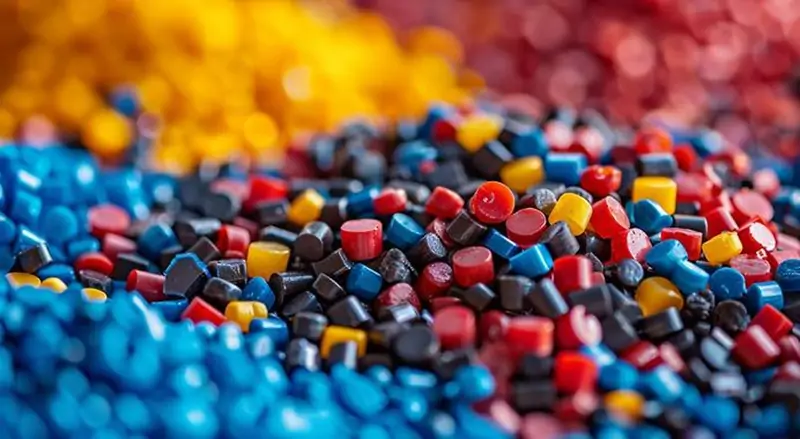
Materiais Granulares para Mistura 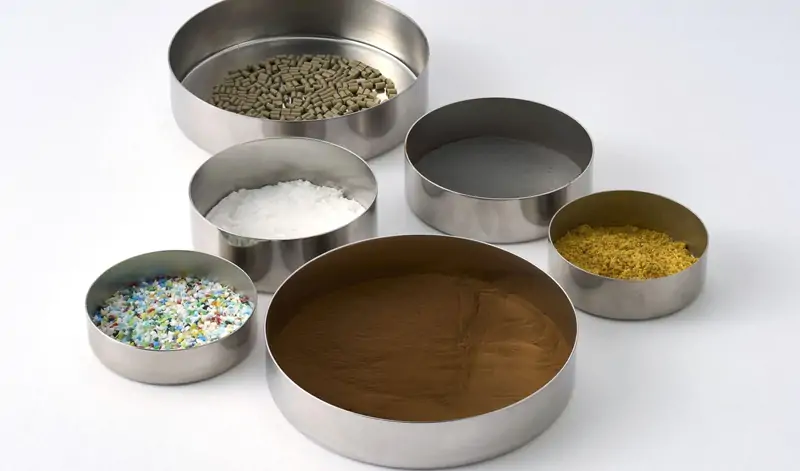
Misturas de Pó e Grânulos 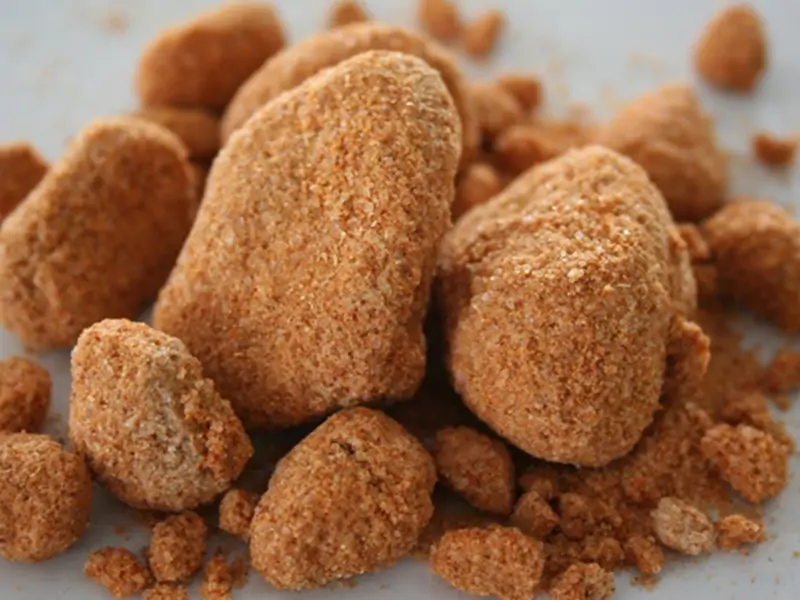
Materiais em Pó Aglomerados
Materiais em Pó:O Misturador de Duplo Cone Tipo W é adequado para pós de fluxo livre, como pós alimentícios, matérias-primas químicas e excipientes farmacêuticos. Durante a operação, os materiais em pó são continuamente tombados com a rotação do recipiente, permitindo que diferentes componentes entrem em contato entre si, tornando-o adequado para mistura em batelada de diversas formulações em pó.
Materiais Granulares:Para materiais como pellets plásticos, partículas metálicas e grânulos cerâmicos que exigem manutenção da forma das partículas, o Misturador de Duplo Cone Tipo W conclui o processo de mistura por meio da rotação do recipiente. O movimento suave de mistura ajuda a reduzir o impacto do excesso de força de cisalhamento sobre as partículas e é adequado para processos de produção onde a integridade das partículas é importante.
Misturas de Pós e Grânulos:Em alguns processos de formulação, os pós precisam ser misturados com materiais granulares, como aditivos e materiais modificados. Como pós e grânulos geralmente apresentam diferenças no tamanho das partículas e na fluidez, a rotação contínua permite que os dois materiais entrem em contato suficiente e atinjam gradualmente uma distribuição uniforme.
Materiais Aglomerados ou Especiais:Para materiais que tendem a aglomerar, apresentam baixa fluidez ou exigem a adição de pequenas quantidades de líquido, um dispositivo de mistura intensificadora pode ser adicionado conforme os requisitos de mistura. No entanto, se os materiais já apresentarem boa fluidez, a estrutura padrão de mistura por rotação geralmente é suficiente para atender aos requisitos de produção.
Seleção do Equipamento
Ao selecionar um Misturador de Duplo Cone Tipo W, a primeira consideração deve ser as características do material. O equipamento utiliza a rotação do recipiente de duplo cone para rotacionar os materiais e proporciona um método de mistura suave, sem depender de cisalhamento de alta velocidade. Por exemplo, pós e grânulos de fluxo livre geralmente exigem configuração padrão, enquanto materiais que tendem a formar blocos, absorver umidade ou exigir adição de líquidos podem necessitar de configurações ajustadas do equipamento.
- Para Pós e Grânulos Padrão:
- Para materiais como farinha, leite em pó, pós químicos e pellets plásticos com boa fluidez, uma configuração padrão do Misturador de Duplo Cone Tipo W geralmente é adequada. O tamanho do equipamento depende principalmente da quantidade de mistura em lote necessária e da densidade do material, para evitar sobrecarga que possa afetar a rotação do recipiente.
- O Que Deve Ser Considerado para Materiais Aglomerantes?
- Se os pós absorverem facilmente umidade e formarem blocos, ou se uma pequena quantidade de líquido precisar ser adicionada durante a mistura, a mistura padrão por rotação pode não proporcionar dispersão suficiente. Nesses casos, um dispositivo de mistura intensificadora pode ser considerado para quebrar materiais aglomerados e melhorar o desempenho da mistura.
- Como Selecionar Equipamento para Aplicações Alimentícias e Farmacêuticas?
- Para aplicações alimentícias e farmacêuticas com requisitos de higiene mais elevados, as partes em contato com o material, a estrutura de vedação e a conveniência de limpeza devem ser consideradas de acordo com os requisitos relevantes GMP (Boas Práticas de Fabricação). De acordo com os requisitos de produção, o equipamento pode ser fabricado em aço inoxidável SUS304 ou SUS316 e configurado com estruturas adequadas de alimentação e descarga.
- Como Determinar a Capacidade do Misturador?
- A capacidade de um Misturador de Cone Duplo Tipo W não deve ser selecionada simplesmente com base no maior volume de carregamento possível. É necessário um certo espaço interno para o tombamento do material. Portanto, o tamanho do equipamento é geralmente determinado de acordo com a quantidade do lote, a densidade do material e os requisitos de produção.
Para pós e grânulos de fluxo livre comuns, a configuração padrão geralmente pode atender às necessidades de produção. Se os materiais forem propensos a aglomeração, exigirem adição de líquido ou tiverem requisitos de higiene mais elevados, as condições do processo devem ser confirmadas primeiro antes de determinar uma configuração adequada.
Parâmetros Técnicos
As especificações do Misturador de Cone Duplo Tipo W são selecionadas principalmente de acordo com a quantidade de mistura por lote, enquanto a densidade e a fluidez do material também precisam ser consideradas. Como diferentes materiais têm diferentes pesos de carregamento, a configuração final do equipamento deve ser determinada de acordo com as condições específicas de produção. Os parâmetros a seguir são para configurações comuns.
| Modelo | Volume Total (L) | Capacidade de Mistura por Lote (kg/lote) | Tempo de Mistura (min) | Potência do Motor (kW) | Velocidade do Vaso (rpm) |
| W-200 | 200 | 40–100 | 6–10 | 1.1 | 12–15 |
| W-300 | 300 | 60–150 | 6–10 | 1.5 | 12–15 |
| W-500 | 500 | 100–200 | 6–10 | 2.2 | 12 |
| W-1000 | 1000 | 200–400 | 6–10 | 4 | 12 |
| W-1500 | 1500 | 300–500 | 6–10 | 4–5.5 | 12 |
| W-2000 | 2000 | 400–800 | 6–10 | 7.5 | 10–12 |
| W-2500 | 2500 | 500–1000 | 6–10 | 7.5–11 | 10–12 |
Nota: Os parâmetros acima são apenas para referência. As especificações reais podem variar dependendo das características do material e dos requisitos personalizados.
Explicação dos Parâmetros
Volume de Mistura:Durante a operação, o Misturador de Cone Duplo Tipo W requer espaço interno suficiente para que os materiais tombem com a rotação do vaso. Portanto, o tamanho do equipamento não pode ser selecionado apenas de acordo com o volume total do vaso. A quantidade real do lote também deve ser considerada. O carregamento excessivo reduzirá o espaço de movimento disponível e afetará o desempenho da mistura.
Densidade do Material:Diferentes densidades de material afetam o peso real de carregamento do equipamento. Por exemplo, pós metálicos, pós minerais e pós alimentícios comuns têm pesos diferentes sob o mesmo volume de vaso. Portanto, a densidade do material deve ser considerada ao selecionar o modelo adequado.
Requisitos de Mistura:Para pós e grânulos de fluxo livre, a estrutura padrão do Misturador de Cone Duplo Tipo W geralmente pode atender aos requisitos de produção. Se os materiais forem propensos a aglomeração ou exigirem adição de líquido durante a mistura, um dispositivo de mistura intensificadora ou uma estrutura interna ajustada pode ser necessário.
Misturador de Cone Duplo Tipo W vs Misturador de Fita Helicoidal
Ao selecionar equipamentos de mistura de pós, o Misturador de Cone Duplo Tipo W e Misturador de Fitas são frequentemente comparados. Ambos os tipos de equipamento podem ser usados para mistura de pós e grânulos, mas seus métodos de mistura são diferentes, o que afeta os materiais adequados e os requisitos de produção.
| Item de Comparação | Misturador de Duplo Cone Tipo W | Misturador de Fitas |
| Método de Mistura | Os materiais são elevados e tombados através da rotação do vaso para alcançar a mistura | O material é circulado e misturado pela rotação das fitas interna e externa. |
| Características de Mistura | Processo de mistura suave com menor força de cisalhamento | Circulação de material mais forte com maior intensidade de mistura |
| Materiais Adequados | Pós, grânulos e materiais que exigem melhor proteção da integridade das partículas | Diversos pós e materiais de formulação em grandes lotes |
| Proteção de Partículas | Mais adequado para partículas frágeis ou aplicações que exigem redução de danos ao material | Efeito de cisalhamento relativamente mais forte, adequado para pós industriais comuns |
| Adição de Líquido | Adição de líquido por pulverização ou estruturas auxiliares podem ser adicionadas de acordo com os requisitos do processo | Comumente usado para formulações em pó que exigem ação de mistura mais forte |
| Aplicações Comuns | Aditivos alimentares, pós farmacêuticos, produtos químicos finos e pós de novos materiais | Argamassa seca, ração, matérias-primas químicas e formulações de pós industriais |
Como Determinar Qual Equipamento É Mais Adequado?
- Se o material for relativamente frágil e exigir redução da quebra de partículas ou um processo de mistura mais suave, o Misturador de Cone Duplo Tipo W é geralmente mais adequado.
- Se o lote de produção for maior e forem necessárias circulação de material mais forte ou tempo de mistura mais curto, o Misturador de Fita Helicoidal é mais comumente selecionado.
- Para materiais com grandes diferenças de densidade, pós propensos a aglomeração ou produtos que exigem aditivos especiais, as características do material devem ser avaliadas primeiro.
Capacidade de Personalização
A estrutura do Misturador de Cone Duplo Tipo W é relativamente madura, mas diferentes materiais e requisitos de produção têm uma influência significativa na configuração do equipamento. A Jiarui pode ajustar o tamanho do vaso, a estrutura de mistura intensificadora e o design de alimentação/descarga de acordo com a quantidade de mistura do cliente, características do material e condições de operação.
Como é Determinado o Volume de Mistura?Diferentes densidades de material e quantidades de lote exigem diferentes tamanhos de equipamento. O Misturador de Cone Duplo Tipo W necessita de espaço interno suficiente para que os materiais se movam durante a rotação. Portanto, o volume do equipamento é geralmente determinado de acordo com a quantidade real de mistura, em vez de simplesmente selecionar um modelo maior.
Quando é Necessário um Dispositivo de Mistura Intensificadora?Para pós e grânulos de fluxo livre, a estrutura padrão de tombamento de cone duplo geralmente pode atender aos requisitos de mistura. Se os materiais forem fáceis de aglomerar, difíceis de dispersar, ou exigirem uma pequena quantidade de adição de líquido durante a mistura, um dispositivo de mistura intensificadora pode ser adicionado para melhorar a dispersão do pó e reduzir a influência da aglomeração na uniformidade da mistura.
Como Podem Ser Ajustados a Estrutura de Alimentação/Descarga e o Material?Diferentes ambientes de produção têm diferentes requisitos para a estrutura do equipamento. As indústrias alimentícia e farmacêutica geralmente prestam mais atenção aos materiais de contato, estruturas de vedação e conveniência de limpeza. De acordo com requisitos específicos, o equipamento pode ser fabricado com aço inoxidável SUS304 ou SUS316 e configurado com portas de alimentação adequadas, válvulas de descarga e tratamento de superfície interna.
Para determinar uma configuração de equipamento adequada, os clientes geralmente precisam fornecer:
- Nome e condição do material (pó, grânulo ou mistura de pó e grânulo);
- Quantidade de mistura por lote;
- Densidade do material, tamanho de partícula e fluidez;
- Se o material tende a aglomerar ou requer adição de líquido;
- Requisitos para material, limpeza e estrutura de descarga.
Fabricação Jiarui
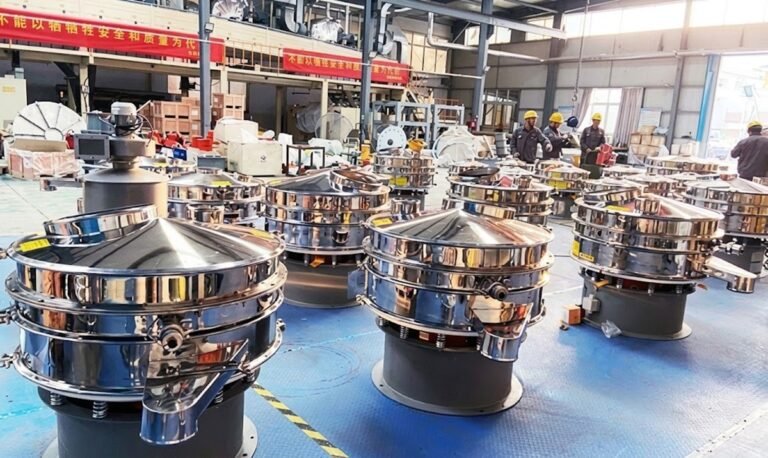
O Misturador de Cone Duplo Tipo W depende da rotação do vaso para tombamento dos materiais, portanto, a estrutura de rotação do vaso, a superfície de contato interna e o sistema de descarga são importantes durante a fabricação. Jiarui ajusta as estruturas correspondentes de acordo com as especificações do equipamento e os requisitos do material.
Por Que a Estrutura do Vaso é Importante?
O vaso de cone duplo é a área onde os materiais são elevados, misturados e redistribuídos. Após o processamento e montagem do vaso, a rotação estável precisa ser garantida para que os materiais possam continuar a se mover para cima, cair e trocar de posição dentro do vaso. Para modelos de equipamentos maiores, a correspondência entre o peso do vaso e a estrutura de rotação também precisa ser considerada antecipadamente.
Como São Processadas as Superfícies de Contato com o Material?
Os materiais em pó entram em contato direto com a superfície interna do vaso, portanto, o tratamento de superfície afeta o resíduo de material e a limpeza. Estruturas de aço carbono podem ser usadas para materiais comuns, enquanto o aço inoxidável SUS304 ou SUS316 pode ser selecionado para aplicações alimentícias e farmacêuticas com requisitos de higiene mais elevados. O tratamento da superfície interna também pode ser ajustado de acordo com as características do material e os requisitos de limpeza.
Quando é Necessária uma Estrutura de Mistura Reforçada?
Se os materiais forem fáceis de aglomerar, tiverem baixa fluidez ou exigirem uma pequena quantidade de adição de líquido, uma Barra Intensificadora pode ser instalada dentro do vaso para ajudar a quebrar os materiais aglomerados. Para pós e grânulos de fluxo livre comuns, a estrutura padrão de cone duplo geralmente é suficiente. Esta configuração não é necessária para todas as aplicações e depende principalmente das características do material.
Como é Projetada a Descarga?
Após a conclusão da mistura, o vaso gira para a posição de descarga, e os materiais são descarregados através da estrutura de descarga inferior. O tipo e o tamanho da válvula de descarga precisam ser selecionados de acordo com a fluidez do material e os requisitos do equipamento a jusante. Para produção de pó, o desempenho de vedação e o controle de material residual também devem ser considerados para evitar acúmulo de material na área de descarga.
Após a montagem, a Jiarui realiza verificações de operação na rotação do vaso, sistema de transmissão e estrutura de descarga para confirmar que o equipamento opera corretamente antes da entrega.
Perguntas Frequentes
Obtenha uma Consultoria Gratuita
Preencha o formulário abaixo para falar com nossos especialistas e receber recomendações personalizadas para sua aplicação.