
O que é um transportador de tubo vibratório?
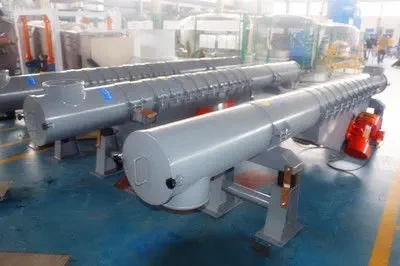
Transportadores tubulares vibratórios são utilizados principalmente para o transporte de cimento e cinzas volantes em centrais de mistura de concreto. Também são adequados para processamento químico, metalúrgico, silos de grãos, armazenamento e outros locais. O transportador apresenta pequeno diâmetro de rosca, alta velocidade, grande capacidade de transporte, alta precisão e excelentes condições de transporte. A unidade de acionamento adota um redutor de engrenagens, que possui alto torque, baixo ruído, sem vazamento de óleo e longa vida útil. A carcaça de transporte é feita de tubo de aço sem costura de alta qualidade com conexão flangeada. A rigidez geral do equipamento é boa e possui grande capacidade de carga. Durante o transporte, seja horizontal ou com grande inclinação, é possível obter transporte contínuo. Permite seleção arbitrária da posição de trabalho e das condições de operação, sendo de fácil desmontagem, manutenção e operação segura e confiável.
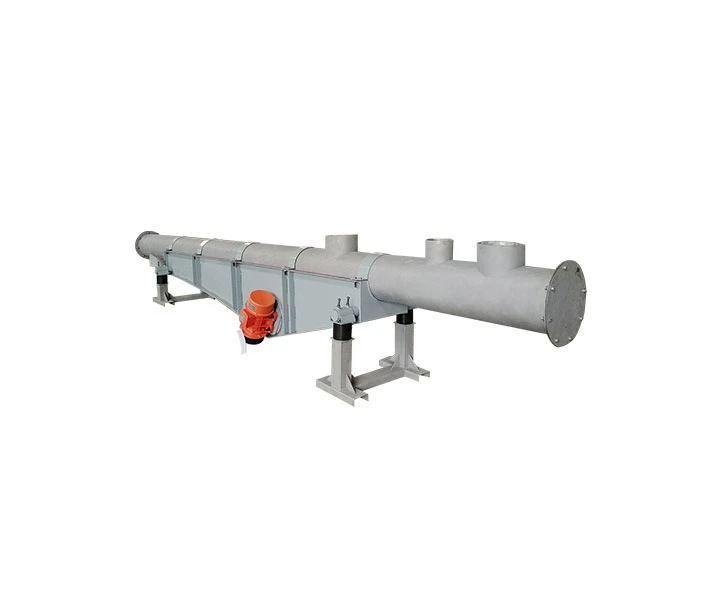
Princípio de Transporte
O princípio básico de funcionamento do transportador tubular vibratório é o seguinte: Após o início da operação do equipamento, dois motores vibratórios ou excitadores de modelos e especificações idênticos, dispostos simetricamente, operam sincronizadamente em direções opostas. A força de excitação gerada por eles é transmitida através do corpo vibratório — base do motor ou excitador — para todo o corpo vibratório — a calha de alimentação. Isso faz com que a calha vibre periodicamente e, assim, o material dentro da calha se mova em direção à extremidade de descarga em um movimento direcionado de saltos, concluindo finalmente a operação de transporte do material.
Estrutura Central e Composição
O transportador tubular vibratório é um dispositivo de transporte inercial vibratório linear . Sua estrutura básica e composição consistem principalmente em uma unidade de potência (dois motores vibratórios ou excitadores de modelos e especificações idênticos), um corpo vibratório (calha de alimentação), um dispositivo de isolamento (molas de isolamento), uma base de suporte de carga (estrutura de aço ou outra plataforma pré-fabricada) e acessórios relacionados.. Nome do Componente.
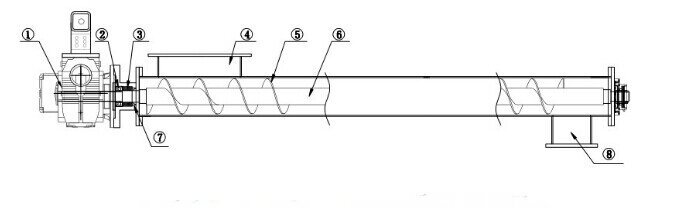
| Função e Requisitos de Material | Tubulação de transporte |
| Canal de transporte de material, geralmente um tubo redondo, com materiais opcionais incluindo aço carbono (resistente à abrasão), aço inoxidável (para aplicações alimentícias/farmacêuticas) ou revestido com cerâmica (para condições de alto desgaste), com diâmetros de tubo comuns variando de Φ100 a Φ600 mm. | Gerador de vibração. |
| Fonte de potência principal, como motor vibratório, eletroímã ou conjunto de eixo excêntrico, determina diretamente o desempenho do equipamento. | Dispositivo de isolamento de vibração. |
| Geralmente molas helicoidais metálicas ou molas de borracha, instaladas entre o corpo do tubo e a estrutura, usadas para isolar a transmissão de vibração e proteger a fundação estrutural. | Estruturas e Suportes. |
| Todo o dispositivo é suportado por estrutura de aço soldada, que requer rigidez e resistência suficientes. | Entrada e Saída. |
| Pode ser projetado para alimentação multiponto e descarga multiponto de acordo com os requisitos do processo, e equipado com comportas ou dispositivos de vedação. | Sistema de Controle. |
| Inclui conversor de frequência (para ajuste da frequência de vibração), controlador PLC (para controle de intertravamento automatizado) e sensores (para monitoramento do nível de material). | O transportador tubular vibratório adota estrutura tubular totalmente fechada, prevenindo eficazmente a dispersão de poeira na oficina e evitando contaminação externa. Pode atender aos requisitos de etapas de alta limpeza em indústrias como química, processamento de alimentos e farmacêutica. Herda todas as vantagens dos alimentadores vibratórios, ao mesmo tempo em que resolve problemas ambientais e de poluição por meio de sua estrutura fechada. |
Quais problemas ele pode resolver para você?
Como um dispositivo de alimentação comum na.
Parâmetros do Modelo
indústria, os alimentadores tubulares vibratórios têm alguns modelos comuns e seus parâmetros técnicos correspondentes resumidos para referência: transporte Especificações do Modelo para Transporte
| Diâmetro do Tubo (mm) | Distância de Transporte (m) | Potência do Motor (kW) | Ângulo de inclinação (°) | Φ273 |
| 273-2000 | 0~5 | 0.25 | φ356 | 2000 |
| 273-2500 | 0~5 | 0.25 | φ356 | 2500 |
| 273-3000 | 0~5 | 0.37 | φ356 | 3000 |
| 356-3000 | Transporte de Material de Alta Eficiência: | 0.37 | φ356 | 3000 |
| 356-3500 | Transporte de Material de Alta Eficiência: | 0.37 | φ356 | 3500 |
| 356-4000 | Transporte de Material de Alta Eficiência: | 0.55 | φ356 | 4000 |
| 356-4500 | Transporte de Material de Alta Eficiência: | 0.55 | φ356 | 4500 |
| 356-5000 | Transporte de Material de Alta Eficiência: | 0.75 | φ356 | 5000 |
| 356-5500 | Transporte de Material de Alta Eficiência: | 0.75 | φ356 | 5500 |
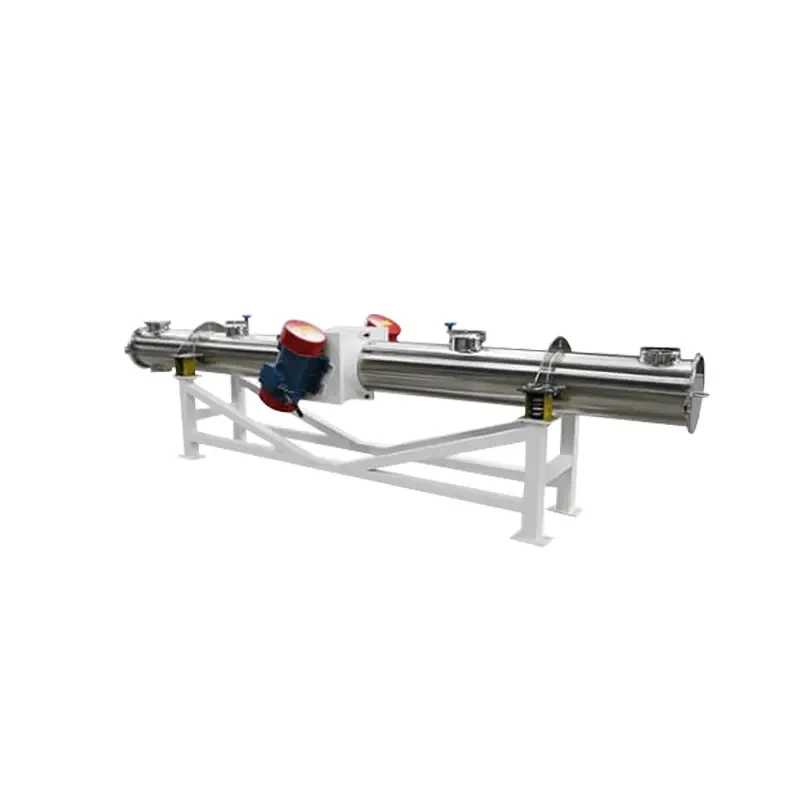
Principais vantagens
- Um novo suporte intermediário suspenso é adotado, aumentando o espaço de transporte de material e reduzindo a resistência logística. Combinado com projetos como pequeno diâmetro, alta velocidade e passo variável, garante fluxo de material suave, rápido e uniforme. Layout Flexível:.
- A carcaça utiliza tubo de aço sem costura de alta qualidade, conectado em estrutura integral via flanges. Pode transportar materiais continuamente na horizontal ou com grandes inclinações. Pode ser diretamente conectado e fixado ao equipamento sem exigir fundação, aproveitando totalmente o espaço e facilitando movimentação e desmontagem. Métodos de Conexão Diversificados:.
- Tanto as portas de entrada quanto as de saída podem adotar várias formas de conexão, como conexões flangeadas, conexões com saco, conexões com suspensor de saco e conexões com junta universal. Vedação Confiável:.
- Dispositivos à prova d'água são instalados nos pontos de conexão do tubo da carcaça, e os orifícios de processo são cuidadosamente melhorados para prevenir obstruções causadas pela formação de blocos de cimento dentro do tubo devido à entrada de água da chuva, evitando assim acidentes de travamento da máquina. Sem Necessidade de Adição de Lubrificante:.
- Graças à adoção de materiais inovadores para mancais intermediários que proporcionam redução de atrito, resistência ao desgaste e autolubrificação, não é necessário adicionar óleo lubrificante mesmo após uso prolongado. Isso evita efeitos adversos causados pela mistura de graxa e cimento em buchas e eixos. Dois tipos.
Classificação pela fonte de vibração
Tipo inercial
| Fonte de Vibração | Frequência | 振幅 | Cenários Típicos de Aplicação | Fonte de Vibração |
| Força centrífuga rotativa de bloco excêntrico | Frequência intermediária (16~50 Hz) | Amplitude média (1~5 mm) | O mais amplamente aplicado e adequado para o transporte da maioria dos materiais a granel | O mais amplamente aplicado e adequado para transportar a maioria dos materiais a granel |
| Tipo eletromagnético | Força atrativa periódica eletromagnética | Alta frequência (50~100 Hz) | Pequena (0,5~2 mm) | Alimentação precisa, controle quantitativo, materiais finos em pó |
| Tipo de conexão elástica | Transmissão mecânica por eixo excêntrico + biela | Baixa frequência (6~15 Hz) | Grande (5~15 mm) | Materiais pesados, grandes blocos de minério, aplicações resistentes a impacto |
Com base em seus princípios fundamentais de funcionamento
| Características | Transportador Tubular Vibratório | Rosca sem fim Transportador tubular |
| Vantagens | Ecologicamente correto, sem vazamentos; capaz de grandes inclinações (até 30°) e curvas espaciais tridimensionais; a correia transportadora não desalinha; adequado para transporte de longa distância e alta capacidade. | Estrutura simples e compacta; bom desempenho de vedação; capaz de carga e descarga em múltiplos pontos; menor custo; boa rigidez. |
| Limitações | Estrutura simples e compacta; bom desempenho de vedação; capaz de carga e descarga em múltiplos pontos; menor custo; boa rigidez. | As peças mecânicas sofrem desgaste severo; a capacidade de transporte é relativamente baixa; o consumo de energia é alto; é adequado para transportar materiais facilmente quebráveis; não é adequado para transportar materiais altamente viscosos ou que tendem a aglomerar. |
| Parâmetros típicos | A capacidade de transporte pode atingir até 1.800 toneladas por hora, e o comprimento de uma única unidade pode se estender por vários quilômetros. | O diâmetro comum da rosca varia de 100 a 1.250 mm, e o comprimento típico é de 2 a 70 metros. |
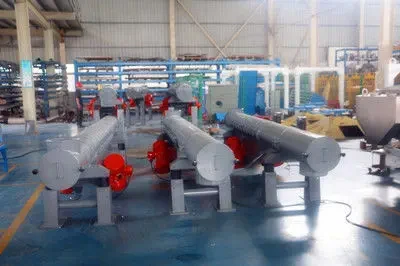
Características técnicas e parâmetros
- Tamanho compacto e alta velocidade, garantindo transporte rápido e uniforme de materiais.
- Possui boa rigidez e excelente vedação. A carcaça é feita de tubo de aço sem costura, com flanges nas extremidades formando uma estrutura integral.
- Um dispositivo de limpeza é instalado na extremidade de descarga. Toda a máquina opera com baixo ruído, forte adaptabilidade e arranjo flexível das portas de entrada e saída.
- Pode suportar cargas pesadas e garantir operação segura e confiável.
- Apresenta forte adaptabilidade, instalação e manutenção convenientes e longa vida útil.
Campos de aplicação
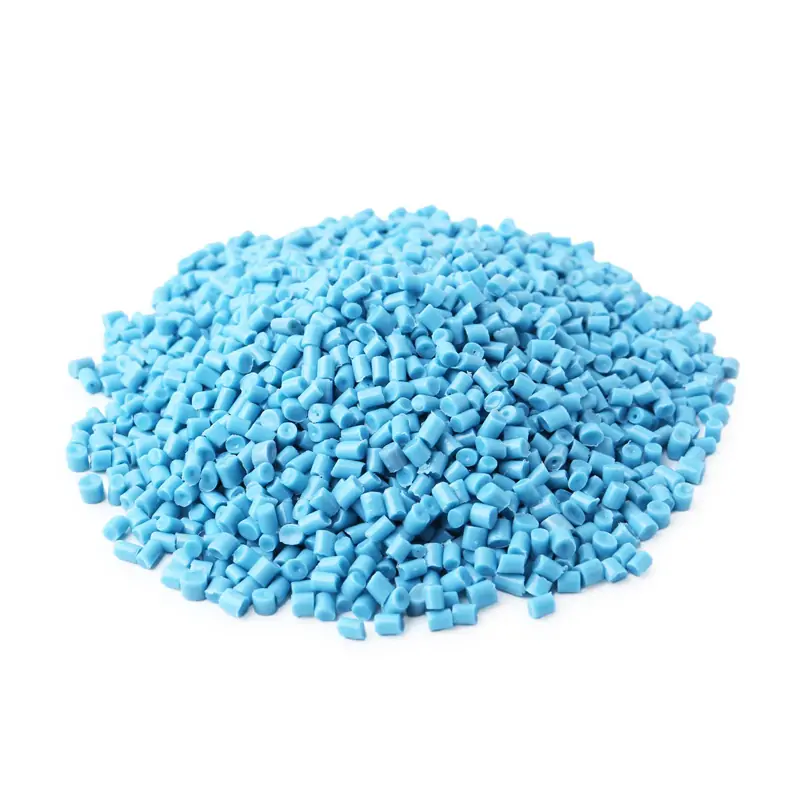
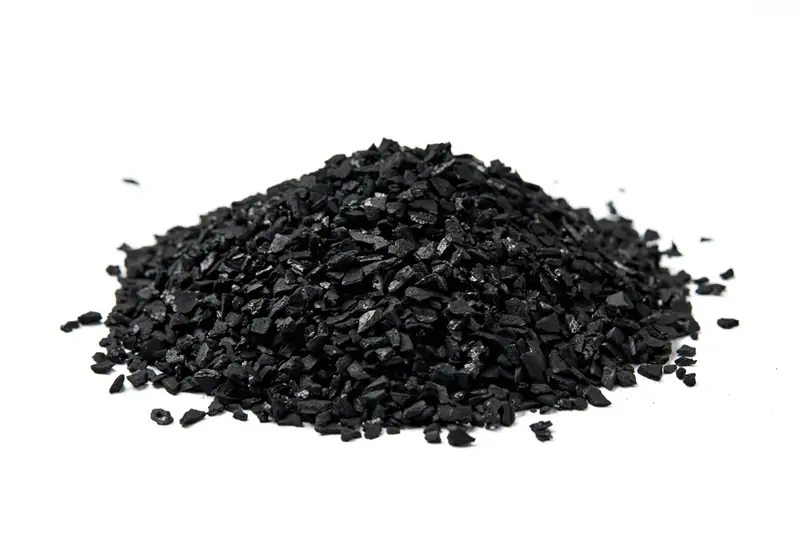
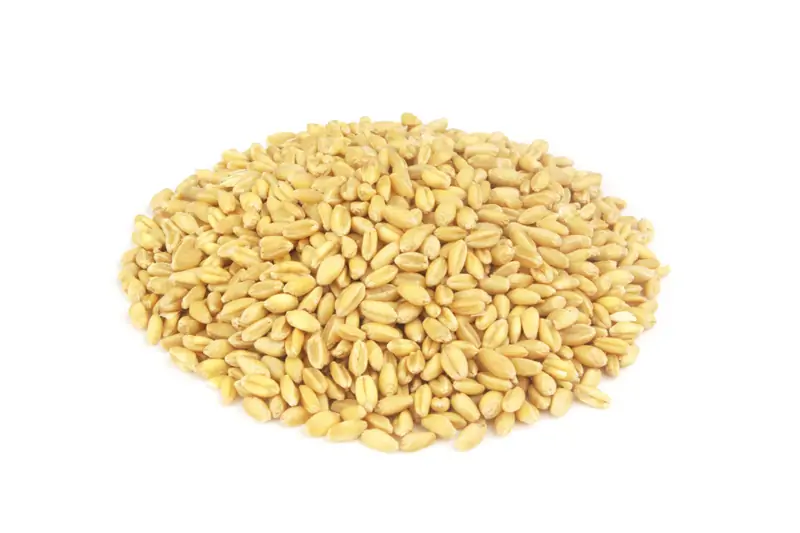
- Alimentos e Farmacêutico Indústria: Para transporte de pós, grânulos, etc., que exigem manuseio suave e sem contaminação.
- Química e Materiais de Construção Indústria: Utilizado em sistemas de alimentação para materiais como bauxita, carbeto de silício e areia de magnésia.
- Outras indústrias: Também amplamente aplicado nos setores de mineração, metalurgia, carvão, grãos, vidro e outros.



Guia de Seleção
Durante o processo de seleção de transportadores vibratórios tubulares, diversos fatores precisam ser considerados, como propriedades do material, capacidade de transporte, ambiente da planta e condições operacionais no local. A seguir, um procedimento específico resumido:
| Etapa | Conteúdo da avaliação | Perguntas-chave |
| ① Análise do material | Tamanho das partículas, densidade aparente, teor de umidade, temperatura, abrasividade, corrosividade | É necessário material em aço inoxidável? É necessário revestimento resistente ao desgaste? |
| ② Requisitos de transporte | Distância de transporte, altura de elevação, capacidade de produção alvo | Uma única unidade pode atender aos requisitos? É necessária conexão em série? |
| ③ Seleção da fonte de vibração | Selecionar com base na precisão de controle e nas propriedades do material. | Para medição precisa, escolha o tipo eletromagnético; para alto volume de produção, escolha o tipo inercial; para carga pesada, escolha o tipo de conexão |
| ④ Condições ambientais | Classificação à prova de explosão, classificação de higiene, espaço de instalação. | As indústrias alimentícia e farmacêutica exigem aço inoxidável e designs de fácil limpeza; zonas químicas precisam de motores à prova de explosão |
| ⑤ Recursos adicionais | É necessário resfriamento, secagem e peneiramento? | Tubos de resfriamento com camisa personalizados ou estruturas de peneira estão disponíveis. |
| ⑥ Sistema de Controle | É necessário intertravamento de automação para controle de velocidade por frequência variável, | comunicação PLC, e intertravamento de nível? |
Falhas Comuns
Transportadores tubulares vibratórios estão sujeitos a diversas falhas durante uso prolongado.
Abaixo está um resumo de algumas falhas comuns e suas soluções:
| Fenômeno de Falha | Causas Possíveis | Métodos de Solução |
| A velocidade de transporte diminuiu significativamente. | Redução de amplitude (fadiga das molas) ou excesso de umidade no material: | Ajuste a força excitatriz ou substitua as molas; reduza o teor de umidade do material. |
| O ruído está muito alto. | Afrouxamento de parafusos, desgaste de rolamentos, quebra de molas. | Aperte os parafusos; substitua rolamentos ou molas. |
| Rachadura no tubo | Ressonância prolongada ou defeitos de solda; | Reforce as soldas, adicione reforçadores e ajuste a frequência para evitar a zona de ressonância. |
| Superaquecimento do motor | Falta de óleo nos rolamentos ou dissipação de calor deficiente | Adicione lubrificante e limpe a poeira da superfície do motor. |
Transportador Tubular Vibratório vs. Convencional Transportador
Como um dos dispositivos comumente usados na indústria de transporte, o que diferencia os alimentadores tubulares vibratórios de outros equipamentos comuns de transporte e alimentação? A tabela a seguir resume isso a partir de várias dimensões:
| Dimensão de Comparação | Transportador Tubular Vibratório (Fechado) | Transportador Vibratório Comum (Aberto/Tipo Calha) |
| Características Estruturais | Tubo redondo totalmente fechado | Canal aberto em forma de U ou retangular. |
| Principais vantagens | Proteção ambiental e prevenção de poluição: Os materiais circulam dentro do tubo, sem vazamento de poeira, e não são afetados por poluição externa. | Baixo custo e observação conveniente: Estrutura simples, facilitando a observação do material e a manutenção. |
| Materiais Aplicáveis | Materiais pulverulentos, facilmente aerotransportados, voláteis ou tóxicos. | Materiais soltos, como blocos e granulares, sem requisitos especiais de proteção ambiental. |
| Aplicações Típicas | Processos em indústrias como engenharia química, processamento de alimentos e farmacêutica que exigem altos padrões de limpeza. | Britagem, peneiramento e alimentação para mineração, metalurgia, materiais de construção e outras indústrias. |
Conclusão
Transportadores tubulares vibratórios também são adequados para processamento químico, metalúrgico, silos de grãos, armazenamento e outros locais. O transportador apresenta pequeno diâmetro de rosca, alta velocidade, grande capacidade de transporte, alta precisão e excelentes condições de transporte.