O que é peneiramento centrífugo?
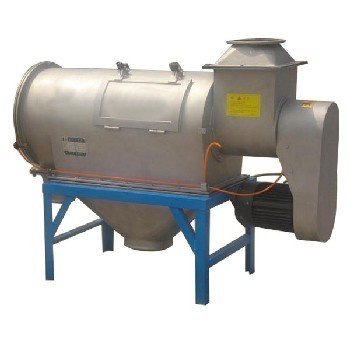
Peneiramento centrífugo é um dispositivo de peneiramento de alta precisão utilizado para peneirar pós finos. Seu princípio técnico baseia-se na aerodinâmica, que utiliza fluxo de ar para movimentar o material. Em estado fechado, o dispositivo dispersa e atomiza o material por meio de fluxo de ar de alta velocidade. As partículas finas do material são ejetadas através da peneira por força centrífuga ou sugadas pelos orifícios da peneira por pressão negativa, realizando a classificação. As peneiras de fluxo de ar são divididas principalmente em tipos verticais e horizontais e são capazes de peneirar continuamente materiais em pó com finura variando de 80 a 530 mesh, com peneiras substituíveis.
O peneiramento centrífugo oferece alta eficiência e precisão de peneiramento, com peneiras instaladas verticalmente. Possui ampla faixa de finura de material aplicável, adota estrutura totalmente fechada, tem consumo de energia relativamente baixo e suporta operação contínua. Equipamentos modernos reduziram o consumo de energia. Este dispositivo é aplicado em indústrias como engenharia química, farmacêutica, processamento de alimentos, papel, metalurgia, materiais de construção, borracha, mecânica, mineração e proteção ambiental. No futuro, o desenvolvimento do peneiramento centrífugo pode envolver inteligência, alcançando ajuste automático e alerta de falhas por meio de monitoramento e análise de dados.
Quais problemas o peneiramento centrífugo pode resolver para você?
- Dobrando a produção: O peneiramento centrífugo alcança eficiência de peneiramento superior a 95%, com alta capacidade de produção por hora e grande volume de processamento por unidade.
- Não entope facilmente, alimentação rápida offline: Com base em princípios aerodinâmicos, pode quebrar a aglomeração de materiais, adequado para processar pós finos com pequena massa, propensos a eletricidade estática, umidade ou aderência.
- Mitiga danos à peneira: A peneira é instalada verticalmente e não suporta diretamente o peso do material, o que ajuda a prolongar a vida útil da peneira. Também possui função automática de limpeza da peneira.
- Superando desafios tradicionais de manutenção: O equipamento possui estrutura compacta, processo de operação relativamente simples, pode alcançar operação contínua e tem requisitos de manutenção relativamente baixos.
Características dos Produtos
O peneiramento centrífugo é equipado com função de alimentação por fluxo de ar, função de trituração de torrões no alimentador e função de peneiramento grosseiro por fluxo de ar. Seus benefícios incluem economizar ao cliente o investimento e os custos operacionais e de manutenção de alimentadores, estendendo a vida útil das peneiras finas em mais de 10 vezes, aumentando estabilmente a capacidade de produção, reduzindo o consumo de energia e melhorando a qualidade do pó acabado que passa pela peneira.
O princípio do peneiramento centrífugo
Peneiramento centrífugo utiliza as características das partículas de pó fino, que são leves, facilmente flutuantes e possuem boa fluidez. Elas dispersam totalmente o pó na corrente de ar, prevenindo a aglomeração de partículas e permitindo que partículas individuais passem pela malha da peneira sequencialmente com o fluxo de ar. A lógica central de peneiramento pode ser resumida como pré-classificação seguida de peneiramento. O fluxo de ar de alta velocidade primeiro dispersa completamente as partículas de pó, quebrando aglomerados; subsequentemente, sob a ação sinérgica de pressão negativa e força mecânica, as partículas individuais pré-classificadas são seletivamente adsorvidas e passam pela malha da peneira. Portanto, o peneiramento centrífugo normalmente oferece alta capacidade de processamento e eficiência de peneiramento. Seu design ajuda a reduzir a adesão de material à malha ou o entupimento dos orifícios da peneira, resultando em alta precisão de peneiramento.
Como o peneiramento centrífugo separa o pó?
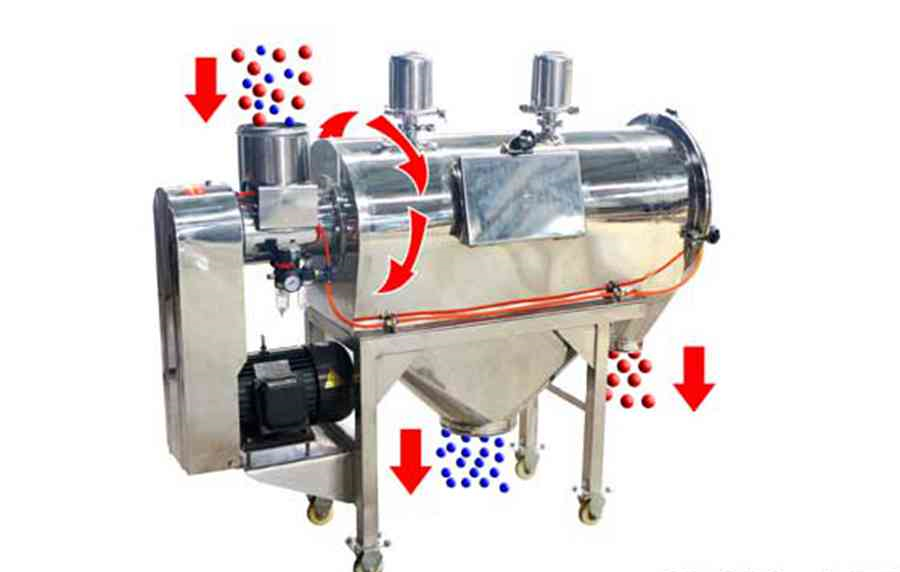
O núcleo do peneiramento centrífugo é usar o ar como transportador e a energia cinética para realizar trabalho, permitindo que as partículas de pó se dispersem totalmente e sejam então ejetadas através da peneira em condição fechada. Após o material entrar pelo funil de alimentação, ele primeiro se mistura e atomiza com o fluxo de ar de alta velocidade. Em seguida, é submetido à força centrífuga e ao impulso ciclônico pelas pás da roda de vento. O pó fino é \”ejetado\” através da peneira para a câmara de coleta, enquanto as partículas grosseiras se movem ao longo da parede do cilindro da peneira e são descarregadas pela saída de resíduos. A peneira é instalada verticalmente em formato cilíndrico e não suporta o peso do material, resultando em vida útil muito mais longa.
Principais componentes
- Sistema de Alimentação e Transporte: O funil de alimentação e o transportador helicoidal são responsáveis por alimentar materiais de forma uniforme e quantitativa na unidade principal. Alguns modelos também incorporam a função de quebrar torrões.
- Unidade Principal de Peneiramento: É a parte central do peneiramento centrífugo, com uma rede de peneira cilíndrica instalada dentro da máquina.
- Sistema de roda de vento e eixo principal: As pás da roda de vento instaladas no lado interno da peneira são acionadas por um motor elétrico para girar rapidamente.
- Sistema de Fluxo de Ar e Energia: O ventilador gera um fluxo de ar de alta velocidade potente, fornecendo a energia para transporte e peneiramento de materiais.
- Sistema de descarga de material grosseiro e fino: Partículas grosseiras são descarregadas pela saída de material grosseiro; o pó fino que passa pela peneira é descarregado pela saída de material fino.
- Dispositivo de Vedação e Observação: Estrutura totalmente fechada, garantindo operação hermética durante todo o processo para evitar que poeira voe e transborde.
Quais são as vantagens do peneiramento centrífugo?
- Jia Rui A peneira de jato de ar alcança eficiência de peneiramento superior a 95% e possui alta produção por hora. A faixa típica de finura de peneiramento do equipamento é de 80-500 mesh, e alguns modelos podem ser estendidos para 10-530 mesh, permitindo o peneiramento de materiais em pó dentro da faixa correspondente.
- A peneira de fluxo de ar Jia Rui adota estrutura totalmente fechada com pressão negativa. Durante o processo de peneiramento, a poeira tem menos probabilidade de vazar; opera com ruído relativamente baixo e consome menos energia.
- A estrutura do equipamento é relativamente compacta, o processo operacional é relativamente simples, é possível obter operação contínua e os requisitos de manutenção são relativamente baixos.
- Sua peneira é instalada verticalmente e não suporta diretamente o peso do material, o que ajuda a prolongar a vida útil da peneira e conta com função automática de limpeza da tela.
- Este dispositivo utiliza princípios aerodinâmicos para desfazer a aglomeração de materiais e é adequado para processar pós finos com massa pequena, propensos a eletricidade estática, umidade ou aderência.
Dois tipos de peneiramento centrífugo
Os classificadores de peneiramento centrífugo são divididos em dois tipos: peneiramento centrífugo horizontal e peneiramento centrífugo vertical, que podem ser selecionados de acordo com as finalidades específicas de produção.
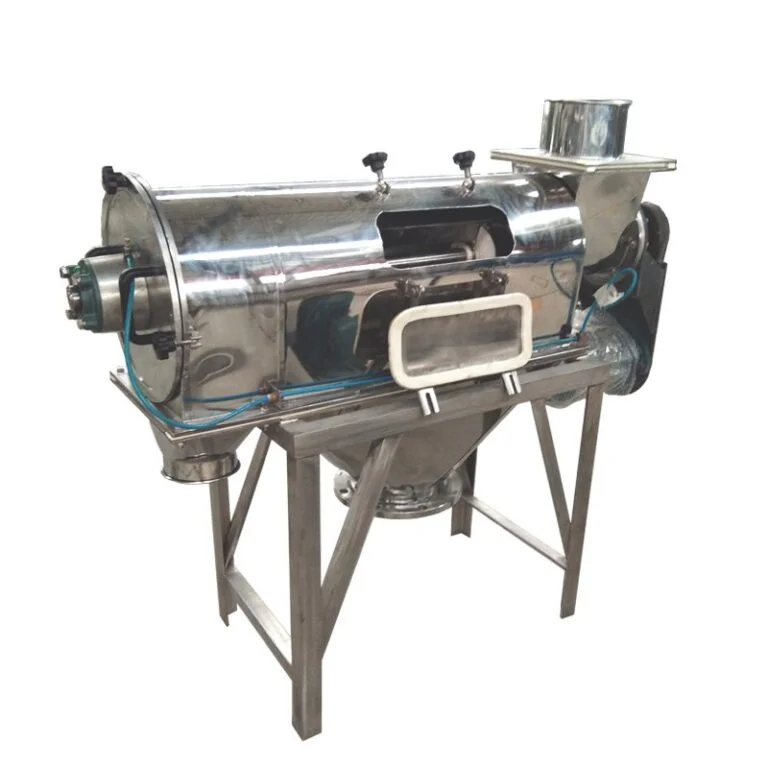
Com base em sua estrutura principal, os classificadores de peneiramento centrífugo são categorizados principalmente em dois grandes tipos: vertical e horizontal. A peneira do peneirador centrífugo vertical tem a forma de um cilindro vertical, com modelos representativos como a série LQS. O peneirador centrífugo horizontal, também conhecido como classificador ciclone, possui peneira em forma de cilindro horizontal. Além disso, existem classificadores de fluxo de ar de laboratório, projetados especificamente para peneiramento e análise em laboratório. Esses modelos de laboratório oferecem alta precisão e parâmetros ajustáveis e são frequentemente usados em conjunto com equipamentos a vácuo.
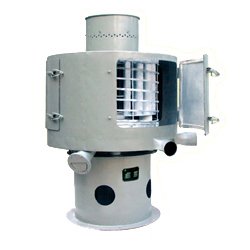
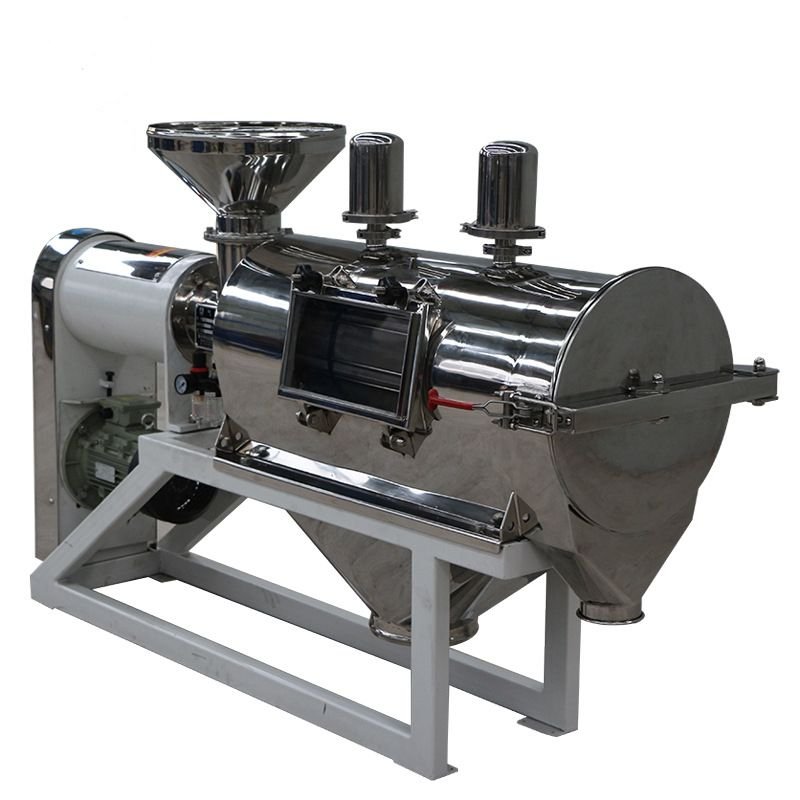
Peneiramento Centrífugo Vertical VS Peneiramento Centrífugo Horizontal
O Peneiramento Centrífugo pode ser dividido em dois tipos: Peneiramento Centrífugo Vertical e Peneiramento Centrífugo Horizontal. Quais são suas diferenças? Abaixo está nosso resumo analisando suas distinções em múltiplas dimensões:
| Dimensões de Comparação | Vertical CCentrífugo SPeneiramento | Horizontal CCentrífugo SPeneiramento |
| Estrutura externa | Cilíndrico vertical | Quadrado horizontal, com descarga de material para baixo a partir do centro. |
| Principais Características | As pás da turbina eólica são densas e operam em altas velocidades de vento, resultando em maior produção. | Possui estrutura relativamente simples e opera de forma mais estável. |
| Materiais aplicáveis | Adequado para peneiramento de pós finos, exigindo que o material fino na matéria-prima represente 90% ou mais. | Adequado para materiais com grande quantidade de pó grosso. |
| Materiais típicos | Farinha, pó de grafite, pó de borracha, óxido de magnésio, carbonato de cálcio pesado, etc. | Materiais com alto teor de fibras, forte viscosidade e baixa densidade específica. |
Parâmetros Técnicos
| Itens de parâmetro | Valor/faixa típica | Observação |
| Finura da malha da peneira | 80 – 530 mesh (alguns podem atingir 600 mesh) | As malhas da peneira podem ser substituídas arbitrariamente |
| Eficiência | ≥ 95% | |
| Capacidade de processamento | 60 – 2000 kg/h (varia conforme o modelo); | Equipamentos de grande porte podem atingir 15 – 500 t/h |
| Potência do Motor | 2,2 – 18,5 KW | |
| Rotação do eixo principal | 650 – 1450 rpm |
Adaptação à indústria
A peneiração centrífuga é amplamente utilizada em indústrias como engenharia química, farmacêutica, processamento de alimentos, papel, metalurgia, materiais de construção, borracha e mecânica, para peneiração contínua de materiais em pó com finura entre 80 e 500 mesh.
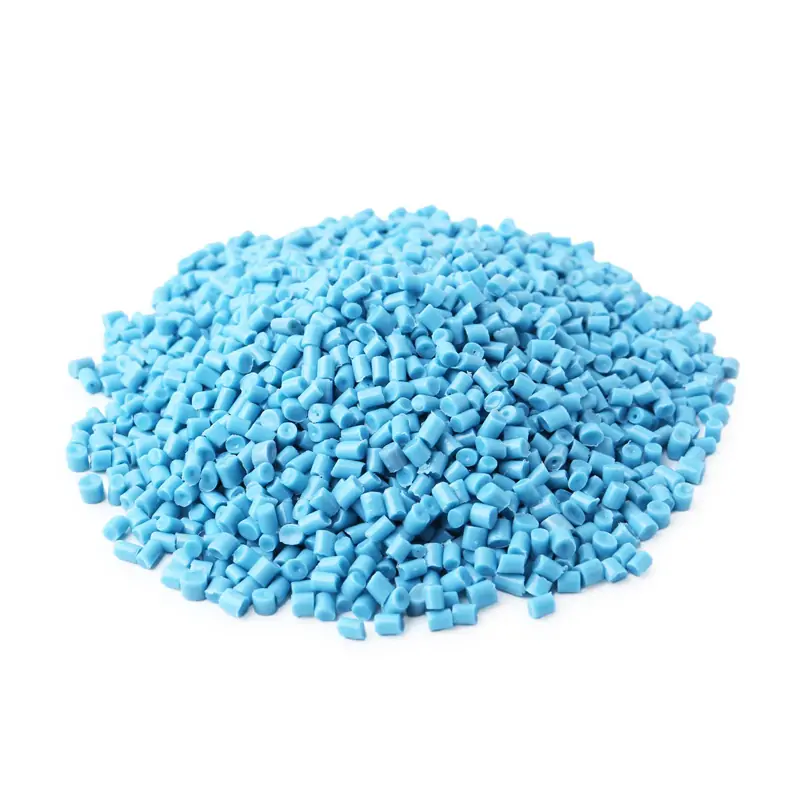
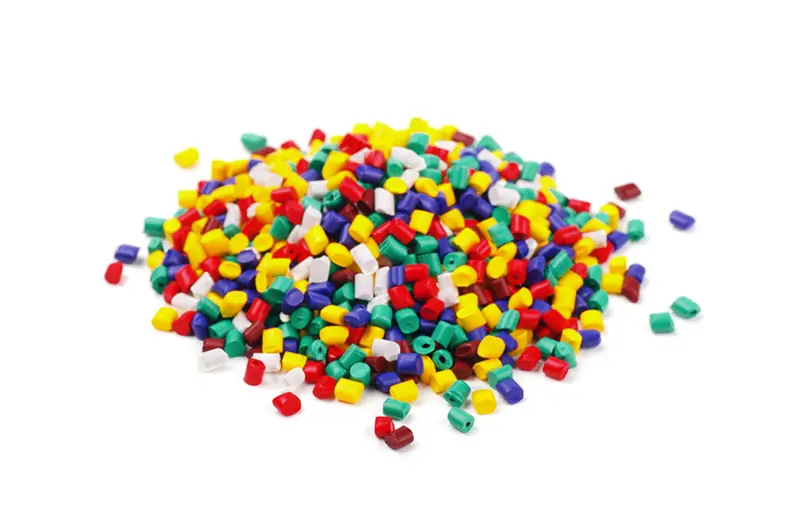
- Indústria química: como carbonato de sódio, polietileno, pó de resina, tintas, corantes, pigmentos, etc.
- Indústria farmacêutica: como pós de medicamentos ocidentais, pós de medicamentos tradicionais chineses e intermediários farmacêuticos.
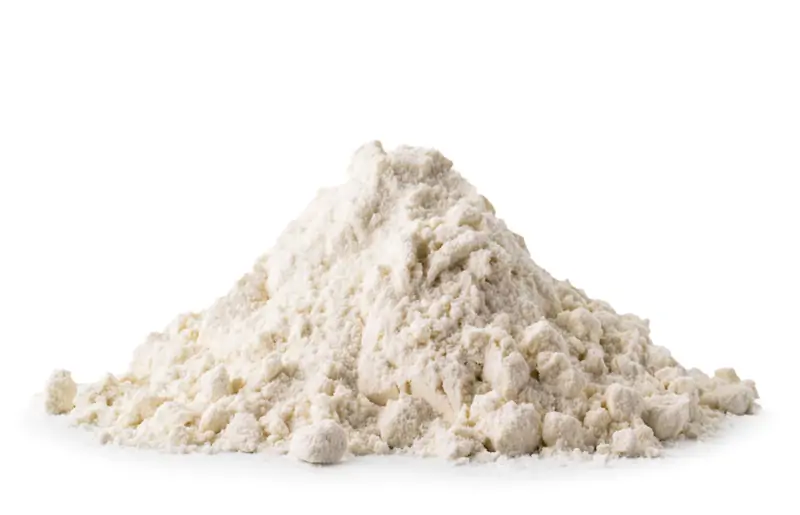
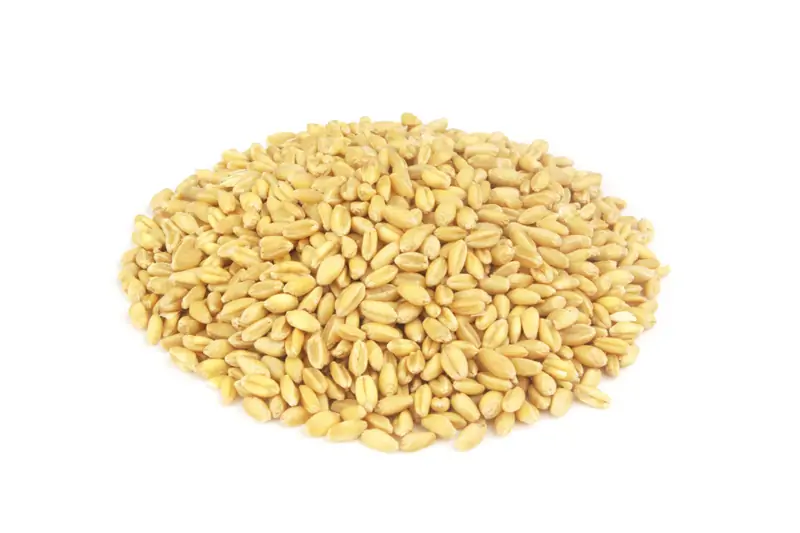
- Indústria alimentícia: como amido, fórmula infantil, temperos, suco de frutas, farinha de aveia
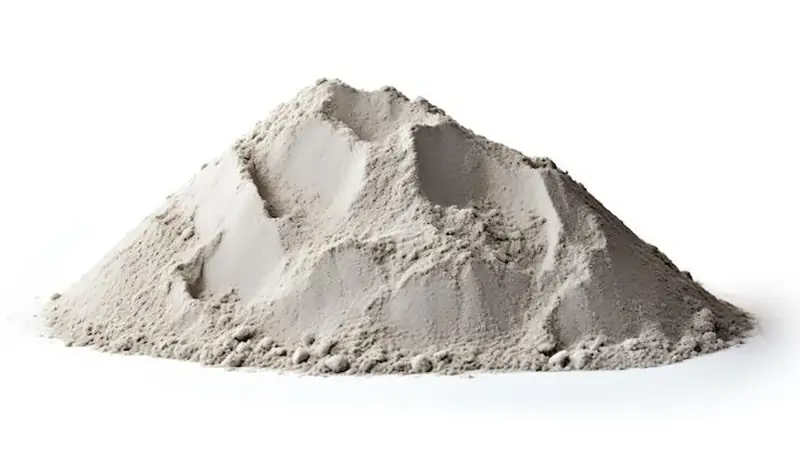
- Indústria não metálica: como negro de fumo, pó de quartzo, mica, cinzas volantes, etc.
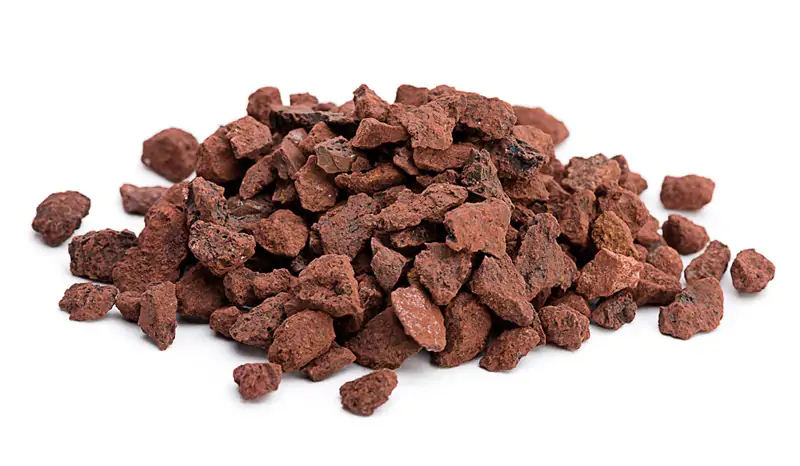
- Indústria metalúrgica: pós de ligas, areias de fundição, bem como papel, materiais de construção, borracha, mecânica e outras indústrias
Modelos comuns
Modelos comuns de peneiração centrífuga vertical:
Modelos comuns de peneiramento centrífugo horizontal:
| Modelo | Material | Potência (kW) | Para |
| WQS18-65 / WSA18-65 | Q235A / SUS304 2.2 | 2 Peneiramento | abaixo de 500 mesh |
| WQS30-100 / WSA30-100 | Q235A / SUS304 | 4 Peneiramento | abaixo de 500 mesh |
| WQS50-130 / WSA50-130 | Q235A / SUS304 | 5.5 | abaixo de 500 mesh |
Como selecionar o peneiramento centrífugo?
- Primeiro, confirme se o material é adequado para peneiramento centrífugo analisando sua distribuição granulométrica, teor de umidade, viscosidade, capacidade de produção, densidade específica e outros aspectos. Selecione o
- Selecione o tipo de peneira a jato de ar: peneira a jato de ar vertical e peneira a jato de ar horizontal. A peneira a jato de ar vertical é a escolha preferida na maioria das situações, oferecendo alta produção e peneiramento completo (com rotação e jateamento do material). A peneira a jato de ar horizontal é usada apenas em casos onde a altura da fábrica é limitada, ou quando há um requisito de produção muito baixo e apenas uma classificação simples é necessária.
- O peneiramento centrífugo não pode operar como uma unidade independente; é necessário confirmar que a fábrica pode fornecer um ventilador, pulso e coletor de pó acompanhantes. Se o material for propenso a gerar eletricidade estática, projeto antiestático ou motores à prova de explosão devem ser especificados.
Conclusão
O peneiramento centrífugo oferece alta eficiência e precisão de peneiramento, com telas instaladas verticalmente. Eles têm uma ampla faixa de finura de material aplicável, adotam uma estrutura totalmente fechada, têm consumo de energia relativamente baixo e suportam operação contínua.