Vacuum Feeding Machine | Dust-Free Powder Vacuum Conveyor Manufacturer
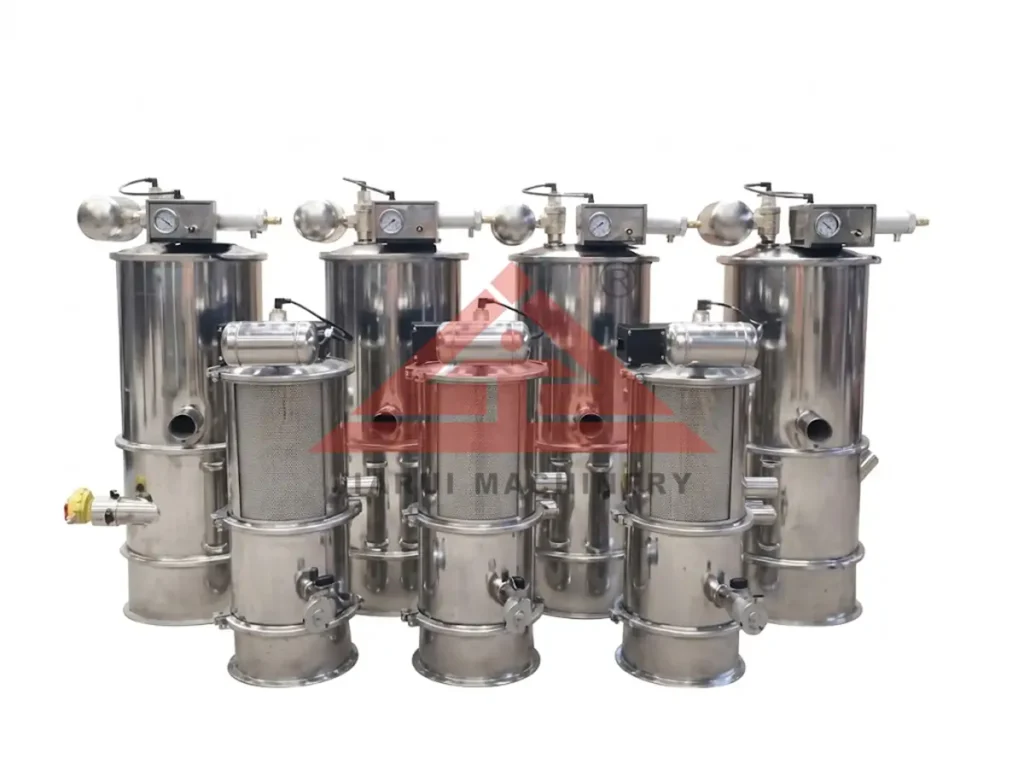
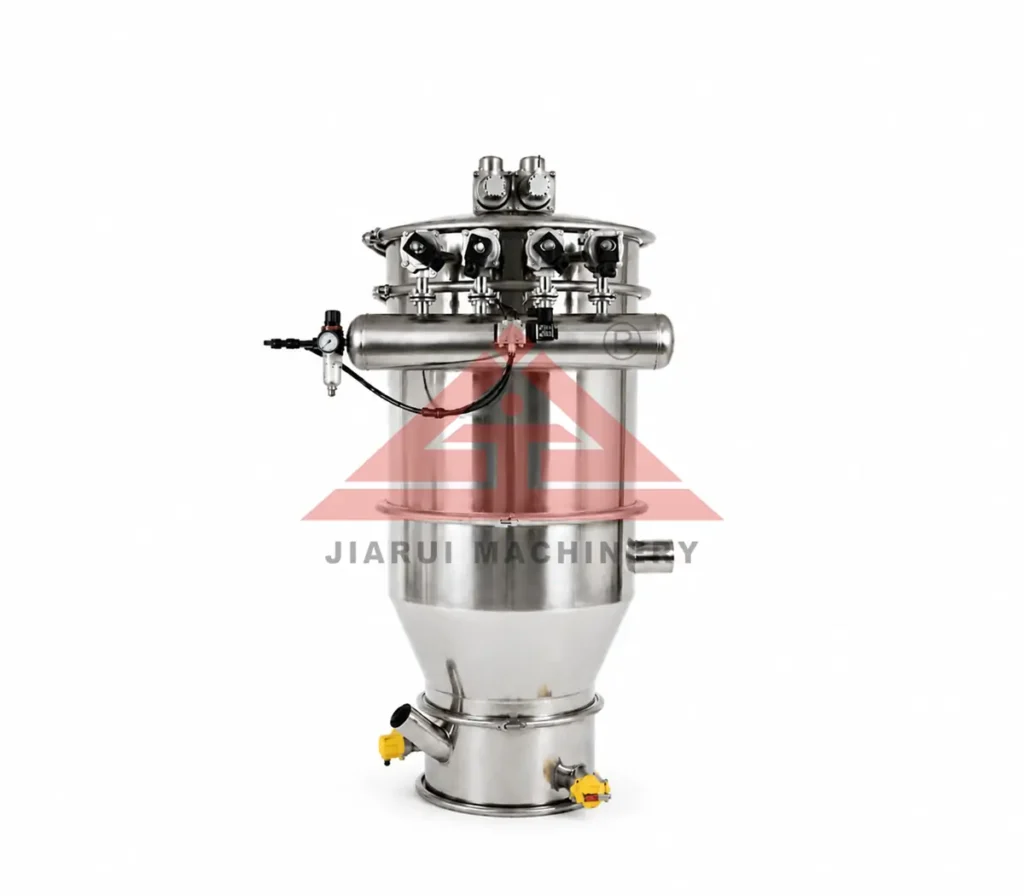
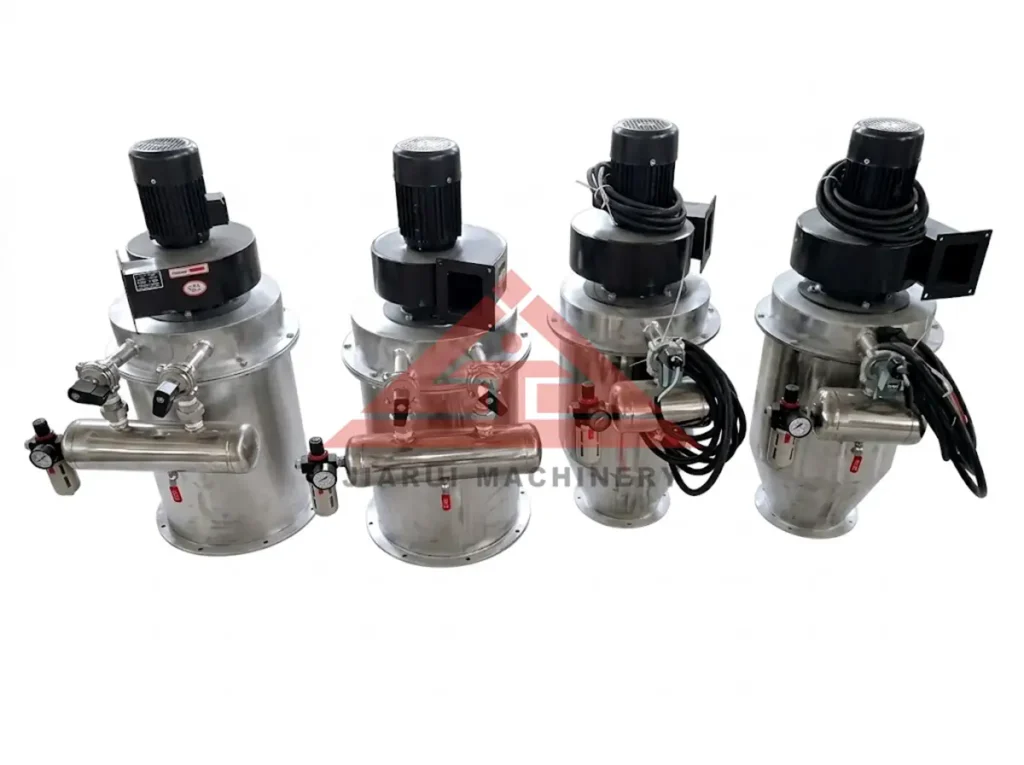
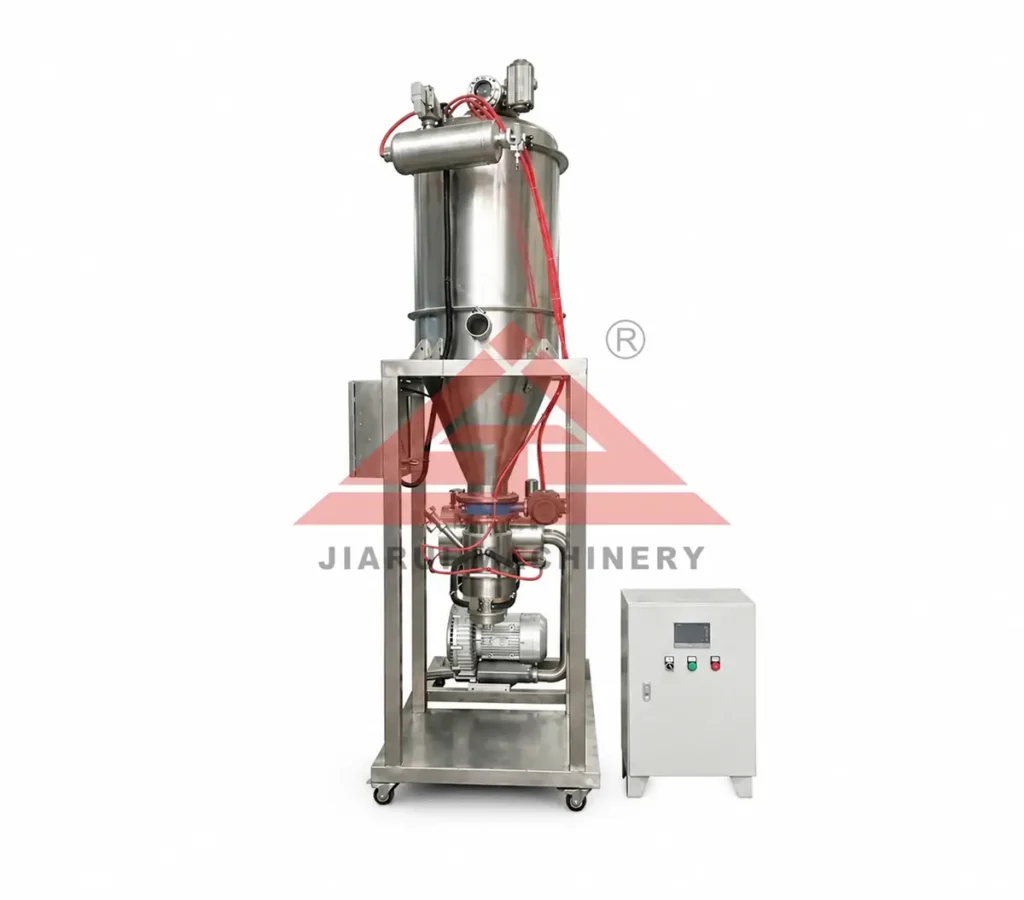
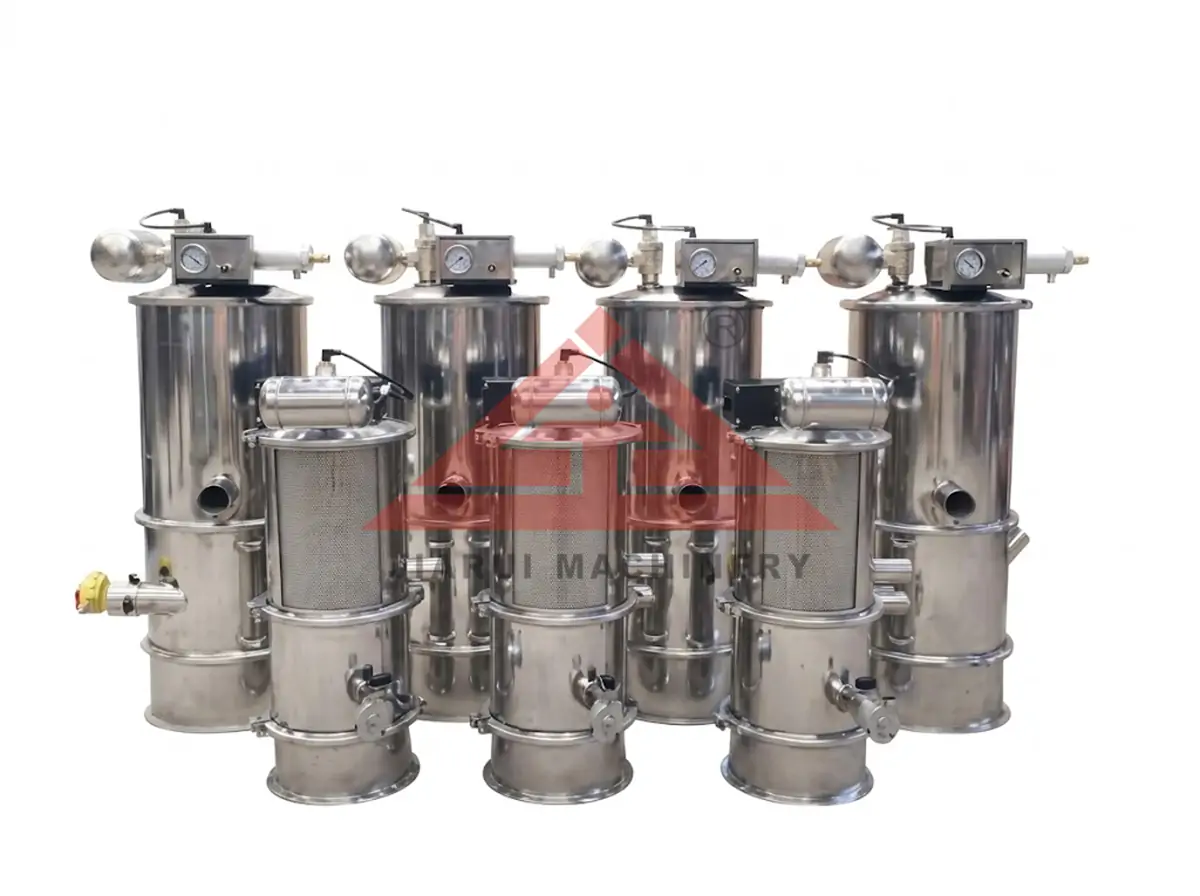
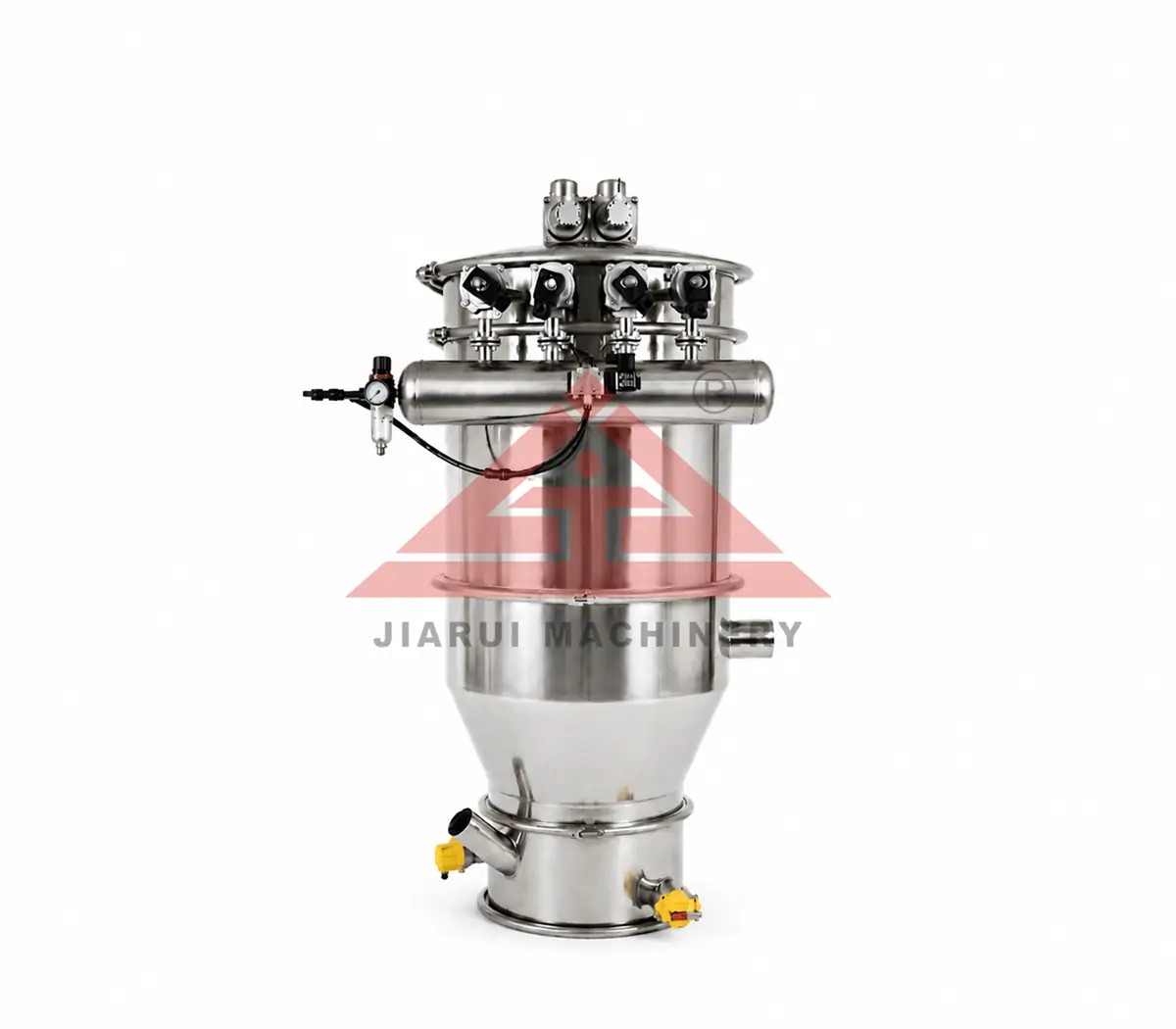
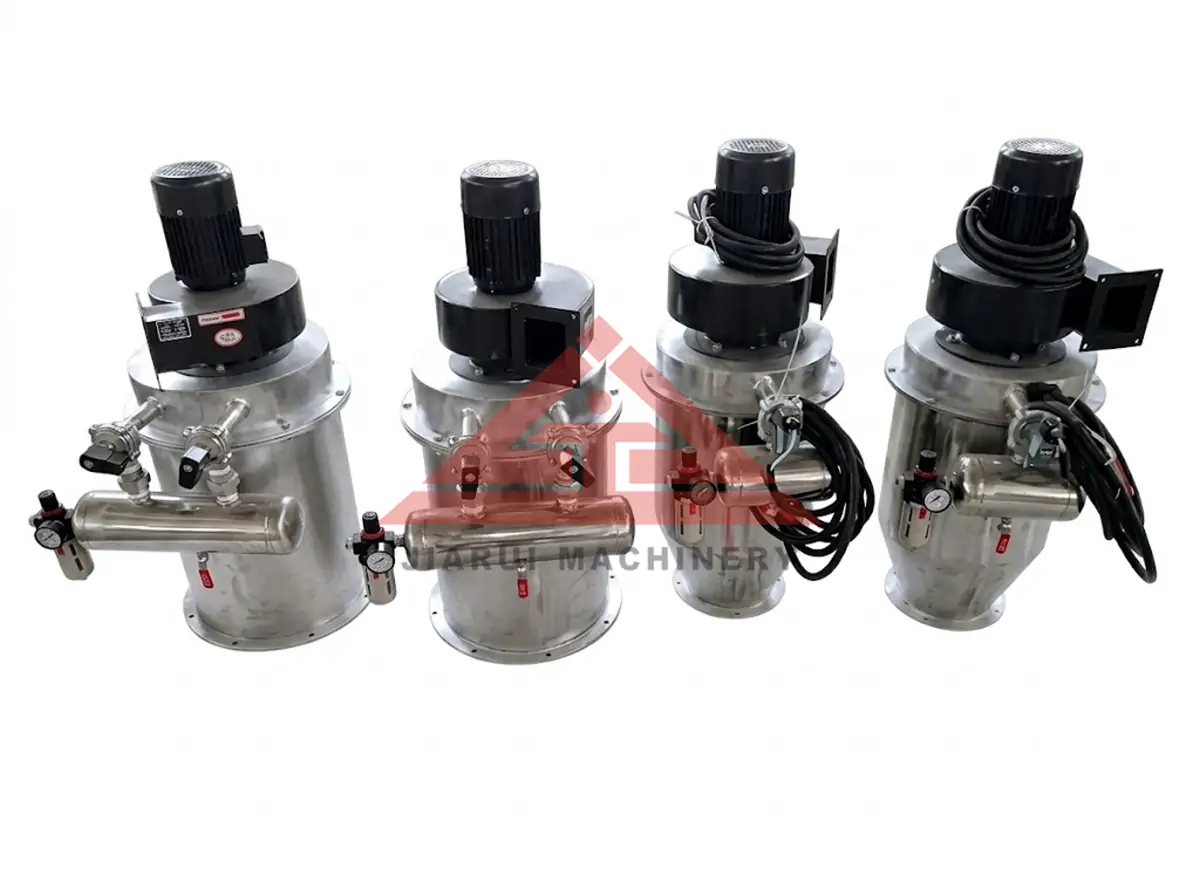
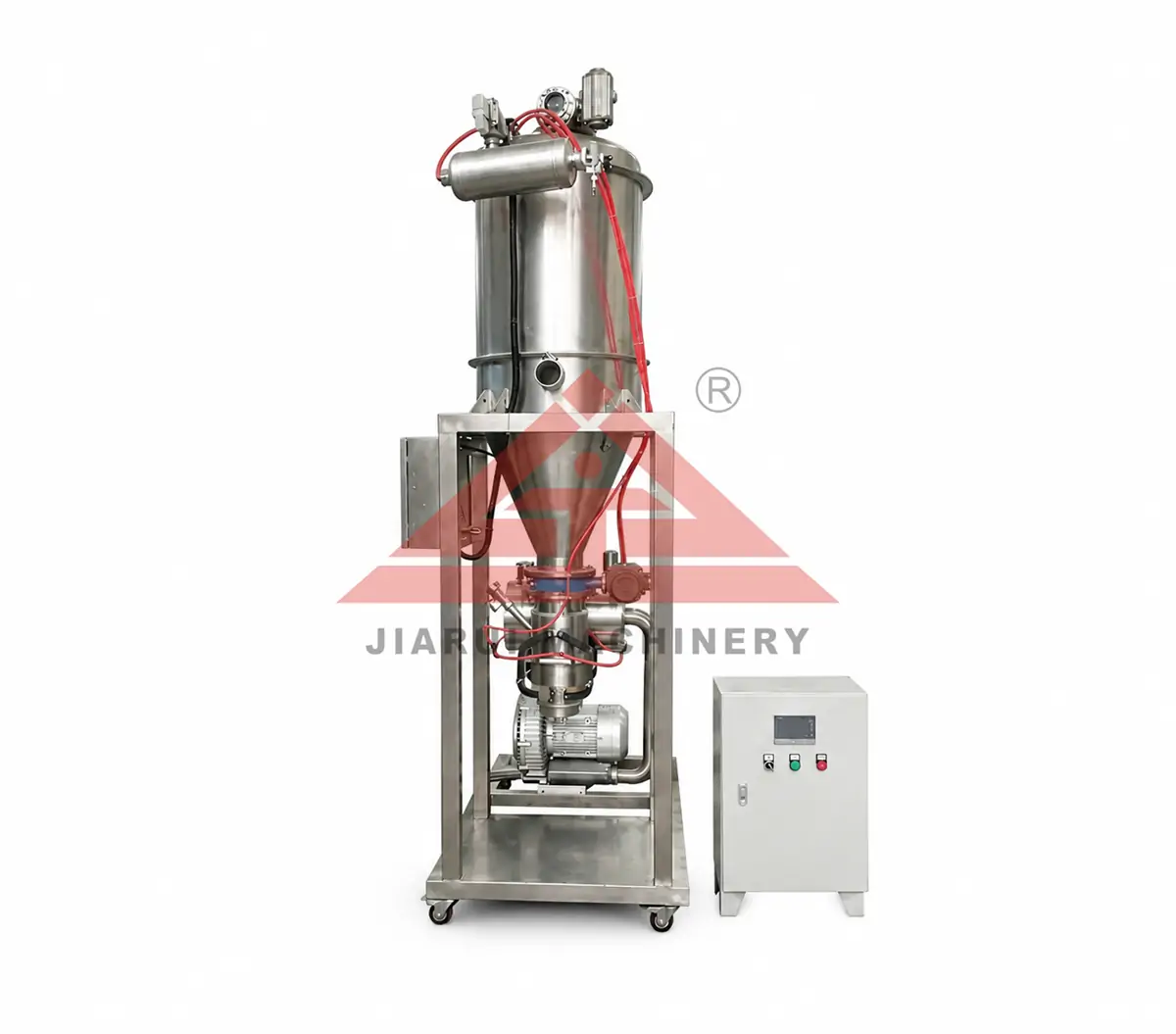
Vacuum Feeding Machine is a type of conveying equipment that uses negative pressure for the automatic transfer of powder and granular materials. Through sealed pipelines, it conveys materials from storage bins, hoppers, or other feeding points to production equipment such as mixers, packing machines, tablet presses, and screening equipment. The equipment uses a pneumatic vacuum generator or electric vacuum source to provide conveying power, reducing manual handling and dust leakage caused by open feeding operations.
Jiarui Vacuum Feeding Machine is suitable for conveying powder and granular materials in industries such as food, pharmaceutical, chemical, and new materials. According to material flowability, conveying distance, capacity requirements, and installation conditions, the hopper structure, filtration system, control method, and connection design can be adjusted to better match the existing production process.
- Model Range: ZKS-1~ZKS-5
- Conveying Capacity: 50-6000 kg/h
- Working Method: Closed conveying under negative pressure
- Vacuum Source: Pneumatic vacuum generator or electric vacuum source
- Control Method: Automatic suction and discharge cycle control
- Suitable Materials: Powders, granules, and powder-granule mixtures
What Is a Vacuum Feeding Machine?
Vacuum Feeding Machine, also known as Vacuum Conveyor or Vacuum Suction Feeder, is equipment that uses negative pressure for material conveying. During operation, the vacuum source removes air from the conveying pipeline, creating a pressure difference inside the system. Powder or granular materials are drawn into the hopper through the conveying pipeline under airflow and then discharged to the next production process through the discharge mechanism.
Vacuum Feeding Machine is commonly installed between storage bins, hoppers, and production equipment, replacing manual handling or open feeding methods. Compared with mechanical conveying methods such as screw conveyors and bucket elevators, it reduces contact between materials and mechanical components, making it more suitable for production environments requiring dust control, clean operation, and material protection.
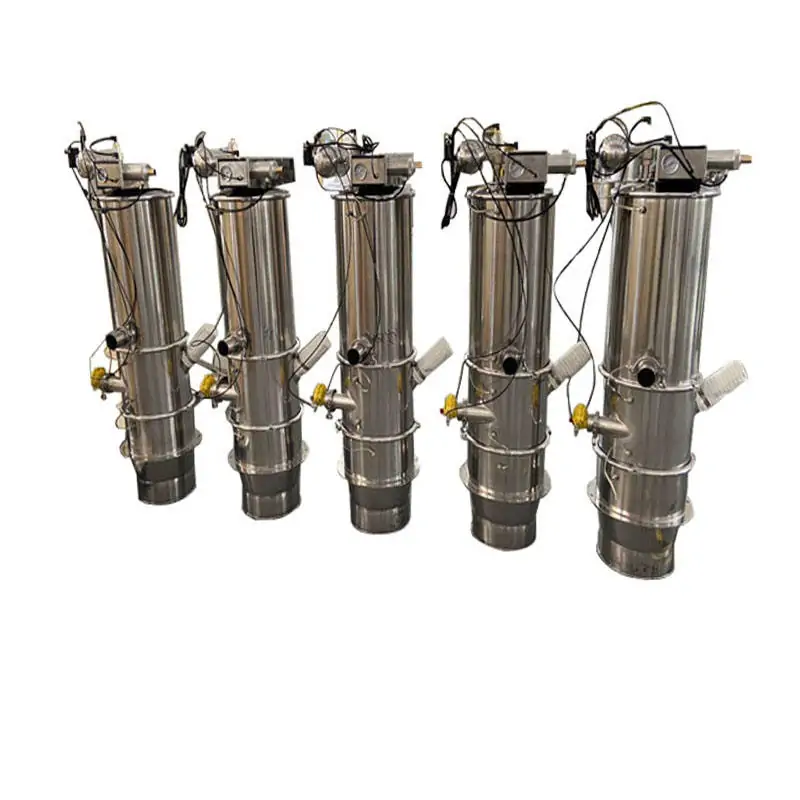
Working Principle
Vacuum Feeding Machine uses a vacuum source to generate negative pressure, allowing materials to enter the equipment through conveying pipelines under the pressure difference. The complete feeding process mainly includes suction, solid-gas separation, discharge, and filter cleaning, with automatic feeding completed through cyclic control.
1.Vacuum Source Generates Suction Force:After the equipment starts, the vacuum generator or vacuum pump removes air from the hopper and conveying pipeline, creating a negative pressure environment inside the system. Under external atmospheric pressure, materials enter the suction pipe and move through the conveying pipeline together with the airflow into the vacuum hopper.
2.Material Enters the Hopper for Separation:After entering the hopper, the material is separated from the conveying air. The material falls into the storage section, while the conveying air passes through the filtration system and is discharged. The filter prevents dust from entering the vacuum source while maintaining stable airflow.
3.Discharge and Start the Next Cycle:When the hopper reaches the preset capacity or operating time, the vacuum system stops suction. The hopper returns to normal pressure, and the discharge valve at the bottom opens to transfer materials into downstream equipment such as mixers, packing machines, and tablet presses.
4.Filter Cleaning and Maintenance:During the discharge process, the equipment can use a reverse blow function to remove dust accumulated on the filter surface and restore filtration capacity, allowing the equipment to enter the next suction cycle.
The operating performance of a Vacuum Feeding Machine depends not only on the vacuum source capacity but also on the filtration type, pipeline length, material flowability, and installation method. Therefore, equipment selection should be based on specific operating conditions to determine suitable configurations.For more information on vacuum conveying principles, applications, and selection, see our guide to What Is a Vacuum Conveyor?
Main Components
The vacuum conveying system mainly consists of a vacuum source, hopper, filtration system, and control system.However, different materials require different equipment configurations. Powder materials usually require higher attention to filtration performance, sealing design, and cleaning convenience, while granular materials require stable conveying performance and protection of material integrity.
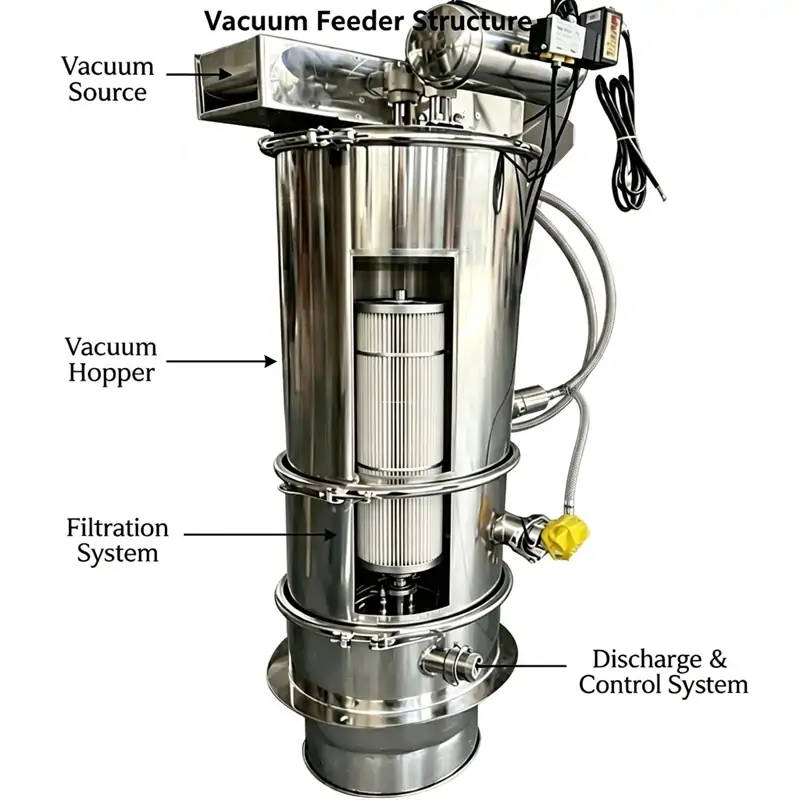
Vacuum Source:The vacuum source provides the conveying power for the vacuum conveying system. Common configurations include pneumatic vacuum generators and vortex vacuum pumps.The pneumatic type features a compact structure and is suitable for environments with high cleanliness requirements such as food and pharmaceutical production. Electric vacuum sources can be selected according to conveying capacity and distance requirements.
Vacuum Hopper:The vacuum hopper is used for material suction, temporary storage, and discharge conversion. It is commonly manufactured from stainless steel, with material contact parts available in 304 or 316L stainless steel. For materials with poor flowability or easy adhesion, the internal structure can be adjusted to reduce material residue.
Filtration System:The filtration system separates materials from conveying air and is a key component affecting stable feeding performance. Different materials require different filtration configurations, such as PTFE-coated filter bags, PE-coated filters, or 316L stainless steel filters, to prevent dust accumulation and maintain stable operation.
Discharge and Control System:The discharge device is responsible for material release, while the control system coordinates suction, discharge, and filter cleaning processes. According to production line requirements, the equipment can be configured with time control, level detection, or PLC control, and can be connected with mixers, packing machines, and other equipment.
The components of a Vacuum Feeding Machine need to work together. The vacuum capacity, filtration method, and hopper design all affect feeding performance. Jiarui engineering team confirms suitable equipment configurations according to material characteristics, conveying distance, and site connection requirements.
Production Problems Solved by Vacuum Feeding Machine
Vacuum Feeding Machine is mainly used to solve problems such as dust generation, material replenishment, and automatic connection between processes during powder and granular material conveying, making the feeding process more suitable for continuous production.
Dust Generation During Powder Feeding
The sealed pipeline conveying method reduces dust dispersion during the feeding of materials such as flour, pharmaceutical powders, and chemical powders.
Difficult Material Feeding to Elevated Equipment
Materials can be conveyed from lower positions to elevated hoppers, making the equipment suitable for automatic feeding of mixers, packing machines, tablet presses, and other production equipment.
Need for Automatic Feeding Between Multiple Processes
The equipment can be connected with downstream machines and complete suction and discharge cycles according to production requirements, reducing frequent manual feeding operations.
Reducing Manual Contact in Clean Production
Materials are conveyed in a sealed environment. Material contact parts can be manufactured from stainless steel, making cleaning and maintenance more convenient.
Applications
The equipment is mainly used for automatic conveying of powders, granules, and powder-granule mixed materials.It is suitable for applications requiring closed conveying, dust control, and automated production. Since different materials have different flowability, dust characteristics, and cleaning requirements, the filtration method, material selection, and conveying structure need to be adjusted according to specific conditions.
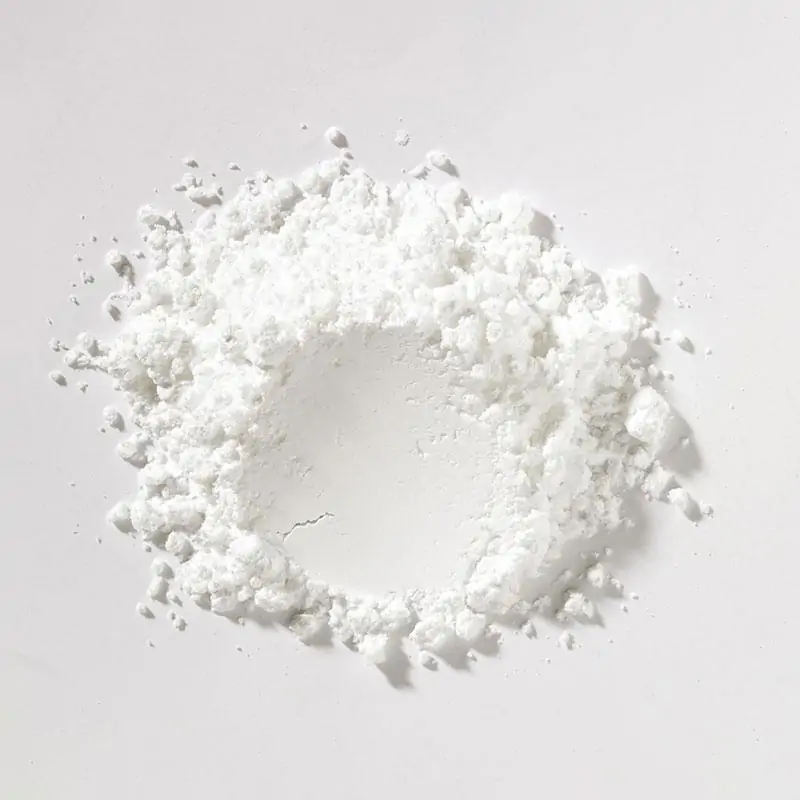 Pharmaceutical Powder
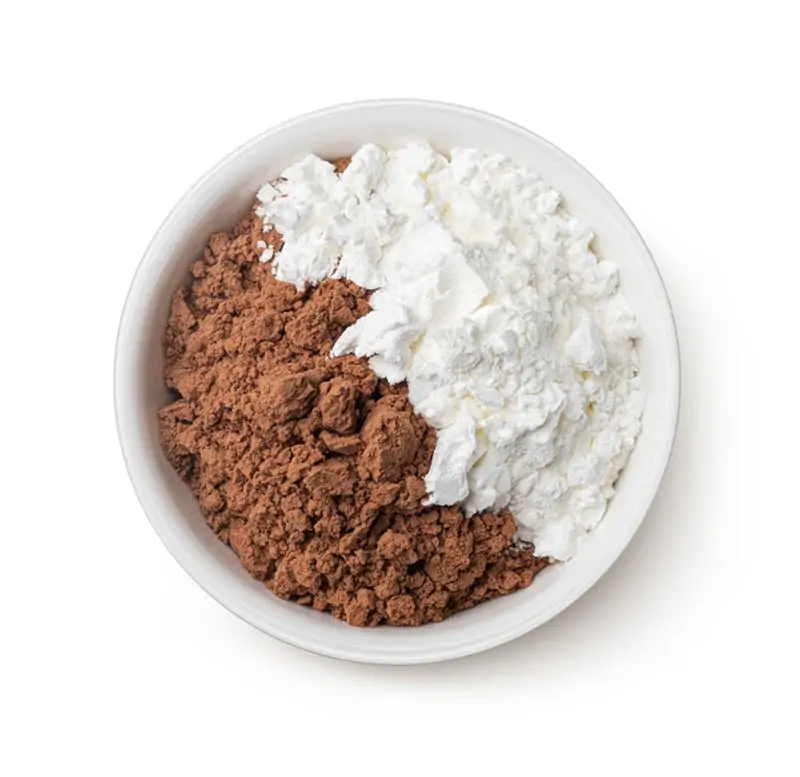 Food Powder
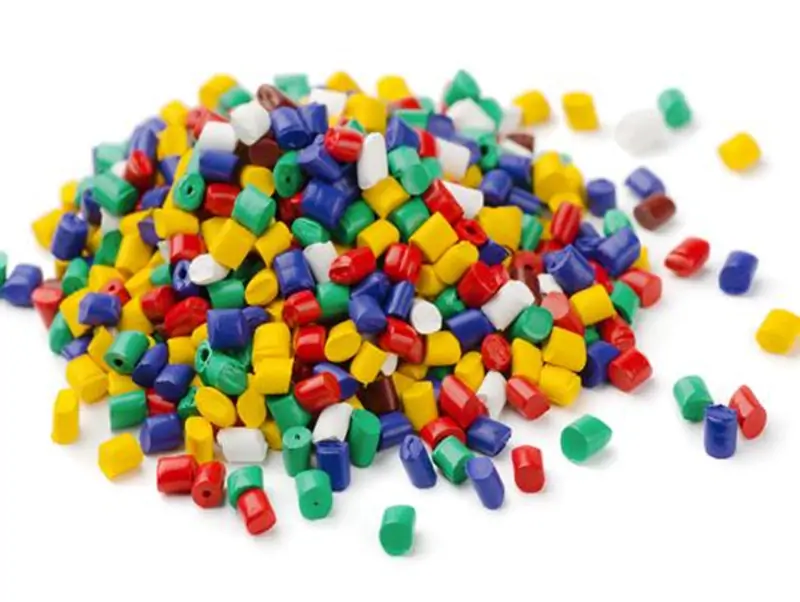 Plastic Pellets
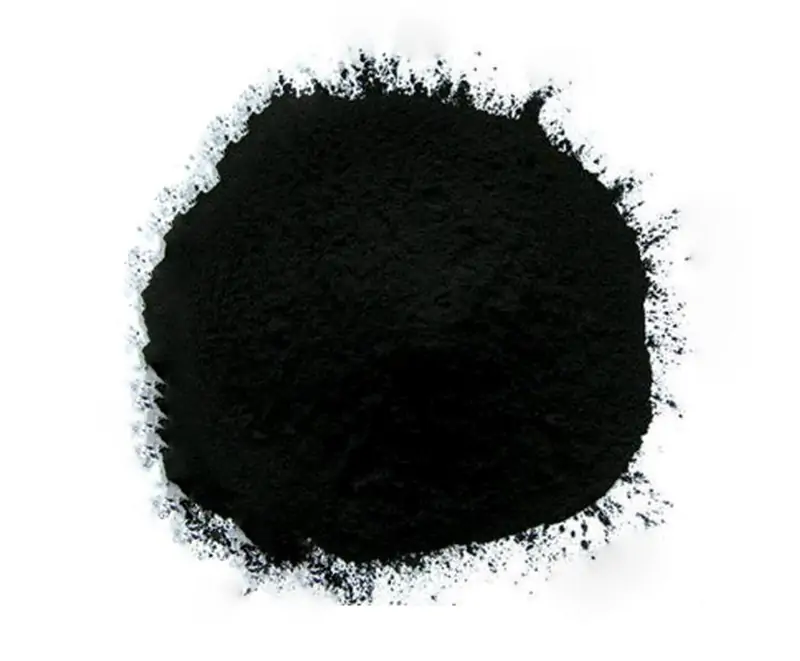 Battery Material Powder
Common Application Industries
| Industry | Common Materials | Material Characteristics | Equipment Considerations |
| Pharmaceutical Industry | API powder, granules, capsule powders | Fine powders with high cleanliness requirements | Focus on 304/316L material, filtration accuracy, and cleaning maintenance |
| Food Industry | Flour, milk powder, sugar powder, starch, additives | Easy to generate dust, some materials have good flowability | Focus on sealing structure, hygienic design, and cleaning convenience |
| Chemical Industry | Resin powder, titanium dioxide, pigment powder, additives | Various powder types, some materials may involve static electricity or corrosion issues | Focus on material selection, filtration configuration, and anti-static design |
| Plastic Industry | PE pellets, PP pellets, plastic masterbatch | Regular particles requiring stable continuous feeding | Focus on feeding speed, pipeline design, and pellet protection |
| New Energy Industry | Graphite powder, cathode and anode materials, battery powders | High-value materials with strict contamination control requirements | Focus on sealed conveying, filtration system, and residue control |
| Fine Chemical Industry | Catalysts, electronic material powders | Fine powders requiring stable conveying performance | Focus on sealing performance, filtration capacity, and automatic connection |
Applications Requiring Careful Selection
Vacuum Feeding Machine is more suitable for dry powder and granular materials with good flowability. The following conditions should be confirmed before selection:
Materials with high moisture content may adhere to filters and affect suction performance;
Highly viscous materials may cause wall sticking or poor discharge;
Powder materials that are easy to agglomerate may require flowability improvement before conveying;
Large-size or high-density materials require further evaluation of vacuum capacity and conveying conditions;
Fragile particles require control of conveying speed to reduce collision and damage.
The selection of a Vacuum Feeding Machine should not only consider the industry but also material characteristics, conveying distance, installation method, and downstream equipment connection requirements. Jiarui engineering team evaluates the material information and site conditions provided by customers to determine suitable vacuum type, filtration method, and equipment configuration.
Technical Parameters
The model selection of Vacuum Feeding Machine is mainly based on conveying capacity, material characteristics, and installation conditions. The following parameters are reference specifications for the ZKS series pneumatic Vacuum Feeding Machine. Actual conveying capacity may vary depending on material density, particle size, flowability, conveying height, pipeline length, and other operating conditions.
| Model | Conveying Capacity (kg/h) | Hopper Volume (L) | Compressed Air Pressure (MPa) | Compressed Air Consumption (NL/min) |
| ZKS-1 | 50-300 | 1.1 | 0.4-0.6 | 180 |
| ZKS-2 | 100-700 | 6 | 0.4-0.6 | 360 |
| ZKS-3 | 300-1500 | 12 | 0.4-0.6 | 720 |
| ZKS-4 | 600-3000 | 42 | 0.4-0.6 | 1440 |
| ZKS-5 | 900-6000 | 60 | 0.4-0.6 | 2880 |
How to Select the Right Vacuum Feeding Machine Model?
The selection of a Vacuum Feeding Machine should not only consider conveying capacity but also material characteristics and production requirements.
For fine powder materials such as flour, milk powder, and pharmaceutical powders, the filtration system configuration and cleaning method need to be considered to prevent dust accumulation from affecting continuous operation.
For materials with good flowability, such as plastic pellets and granules, attention should be paid to conveying distance, pipeline layout, and feeding speed to ensure stable operation according to production requirements.
If the equipment needs to be connected with mixers, packing machines, tablet presses, vibrating screens, or other production equipment, the installation height, connection size, and control method should be confirmed in advance to ensure proper integration with the existing production process.
When selecting equipment models, Jiarui engineering team evaluates the material information, required conveying capacity, site layout, and production process provided by customers, and then determines the suitable vacuum method, filtration configuration, and equipment structure.
Vacuum Feeding Machine vs Screw Conveyor
Vacuum Feeding Machine and Screw Conveyor are both commonly used material conveying equipment for powder and granular materials. When designing an automatic feeding system, customers usually select the appropriate equipment according to material characteristics and production conditions. Although both can complete material conveying, they differ in working methods, application conditions, and production requirements.
| Comparison Item | Vacuum Feeding Machine | Screw Conveyor |
| Working Method | Uses negative pressure to draw materials into conveying pipelines and completes automatic discharge | Uses a rotating screw shaft to push materials forward |
| Suitable Materials | Powder materials, small particles, and dust-prone materials | Powder materials, granular materials, and some continuous conveying applications |
| Dust Control | Closed pipeline conveying, suitable for production environments with higher cleanliness requirements | Sealing performance depends on equipment structure, with relatively higher cleaning requirements |
| Material Protection | No screw extrusion during conveying, suitable for some fragile granular materials | Screw rotation generates certain friction, requiring attention to material wear |
| Conveying Distance and Layout | Flexible pipeline installation, suitable for conveying between equipment and elevated feeding | More suitable for fixed routes and fixed installation positions |
| Common Applications | Automatic feeding processes in pharmaceutical, food, chemical, and new material industries | Continuous conveying applications in grain, chemical, building materials, and other industries |
When Should You Choose a Vacuum Feeding Machine?
If the materials include flour, pharmaceutical powders, food additives, plastic pellets, lithium battery materials, and other powder or granular materials, while the production environment requires dust control, easy cleaning, or connection with automatic equipment such as packing machines, mixers, and tablet presses, a Vacuum Feeding Machine is usually a suitable choice.For a broader explanation of how vacuum conveying works, suitable materials, applications, and pneumatic conveying methods, see our Vacuum Conveyor guide.
When Should You Choose a Screw Conveyor?
If the conveying route is fixed, continuous feeding is required, and the site does not have strict cleanliness requirements, a Screw Conveyor also has advantages in terms of simple structure and convenient maintenance.
When selecting feeding equipment, our team first evaluates material characteristics, conveying height, capacity requirements, and downstream equipment connections, and then determines the suitable conveying method instead of selecting equipment only based on conveying capacity.
Customization
The selection of a Vacuum Feeding Machine should not only consider conveying capacity, but also material characteristics and installation conditions. Different powders have different flowability, moisture content, and dust characteristics. If the filtration method, vacuum capacity, or hopper structure is not properly selected, problems such as unstable suction, filter blockage, or poor discharge may occur.
Jiarui engineering team adjusts equipment configurations according to customer production requirements, including vacuum source, filtration system, hopper structure, material requirements, and control method, ensuring the equipment matches the existing production line, feeding cycle, and installation space. To quickly determine a suitable configuration, customers usually need to provide the following information:
- Material Information: Powder, granule, or mixed material, and whether it is easy to generate dust, adhere, or agglomerate;
- Conveying Requirements: Required conveying capacity, conveying distance, and lifting height;
- Site Conditions: Connected equipment type, installation space, and connection dimensions.
After receiving the above information, Jiarui engineering team can further confirm the vacuum source type, filtration configuration, hopper size, and equipment connection method, helping prevent compatibility issues after installation.
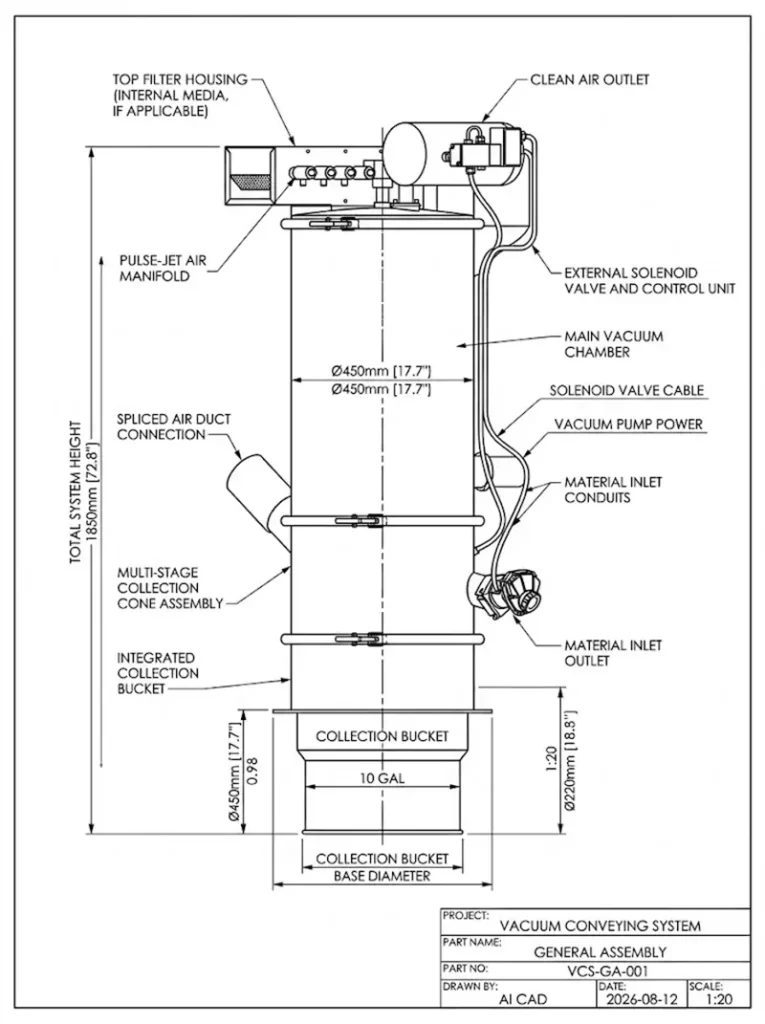
Jiarui Manufacturing
The manufacturing of a Vacuum Feeding Machine involves more than hopper and pipeline processing. It also requires attention to equipment cleanliness, airtightness, and the matching of different components. For powder and granular material conveying equipment, welding quality, sealing structure, filtration system, and discharge stability all affect long-term operating performance.
Stainless Steel Processing:The material contact parts of Vacuum Feeding Machine are usually manufactured from 304 or 316L stainless steel. Jiarui processes hoppers, conveying pipelines, and connection components according to customer industry requirements, reducing internal material accumulation areas and making cleaning and maintenance more convenient.
For food and pharmaceutical applications, equipment design needs to consider hygienic structure, material selection, and cleaning requirements. For example, the equipment design can refer to relevant requirements of the FDA Current Good Manufacturing Practice (CGMP) regulations for pharmaceutical production quality management.
Filtration and System Assembly:The filtration system is an important part affecting the stable operation of the vacuum feeder system.During manufacturing, the filter type, installation sealing, and reverse cleaning structure need to be confirmed according to material characteristics. At the same time, the matching between the vacuum source, discharge valve, and control system is checked to ensure that suction, discharge, and filter cleaning cycles operate properly.
Factory Inspection:After equipment assembly is completed, Jiarui checks the vacuum condition, discharge operation, filter cleaning function, and connection dimensions. The engineering team confirms the equipment according to customer material conditions, conveying requirements, and installation environment, reducing adjustment work after delivery.
FAQs
Get a Free Consultation
Fill out the form below to connect with our experts and receive personalized recommendations for your application.