
真空上料机 | 无尘粉末真空输送机制造商
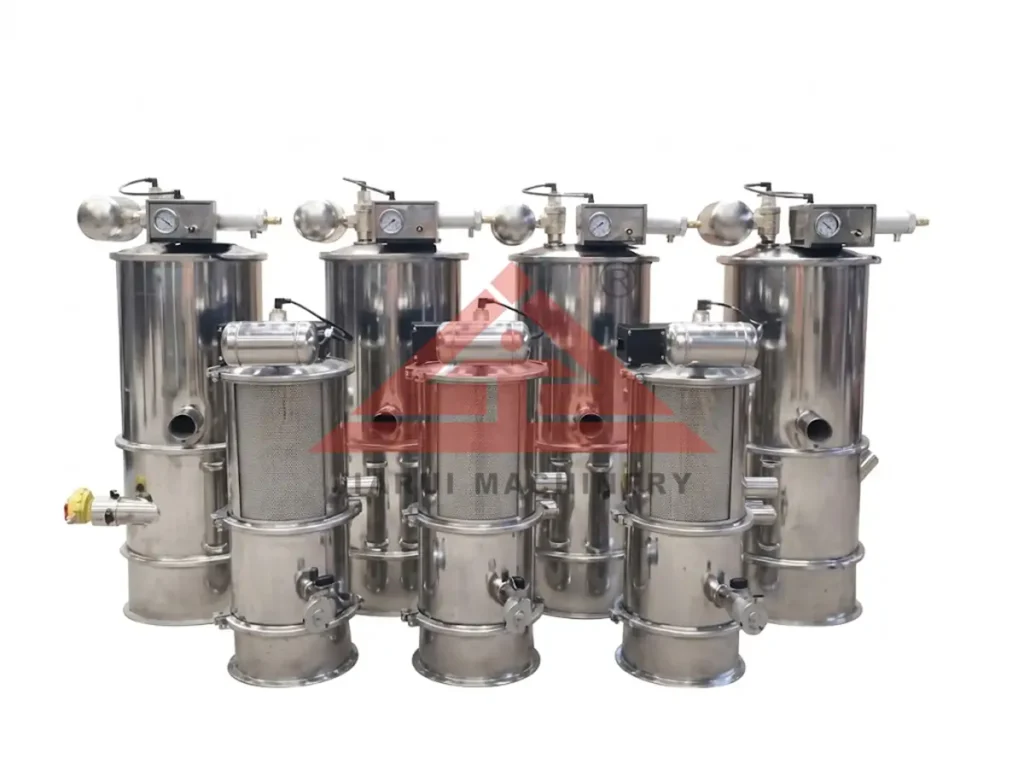
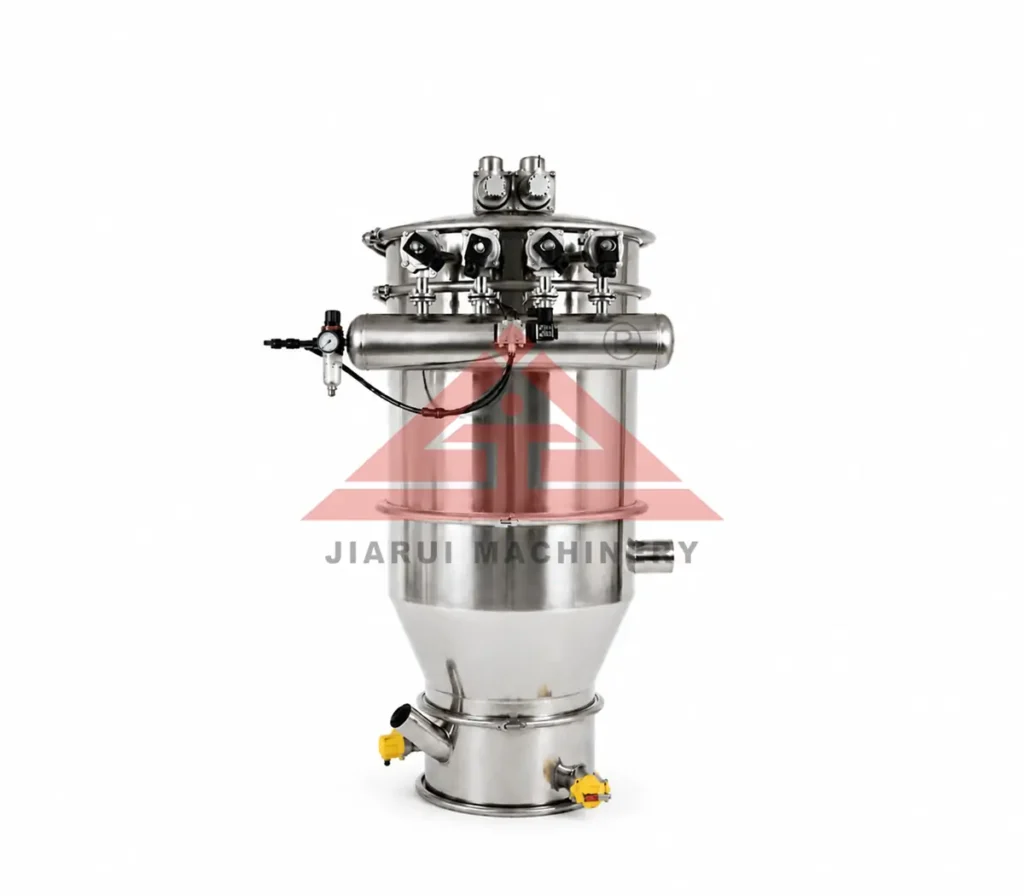
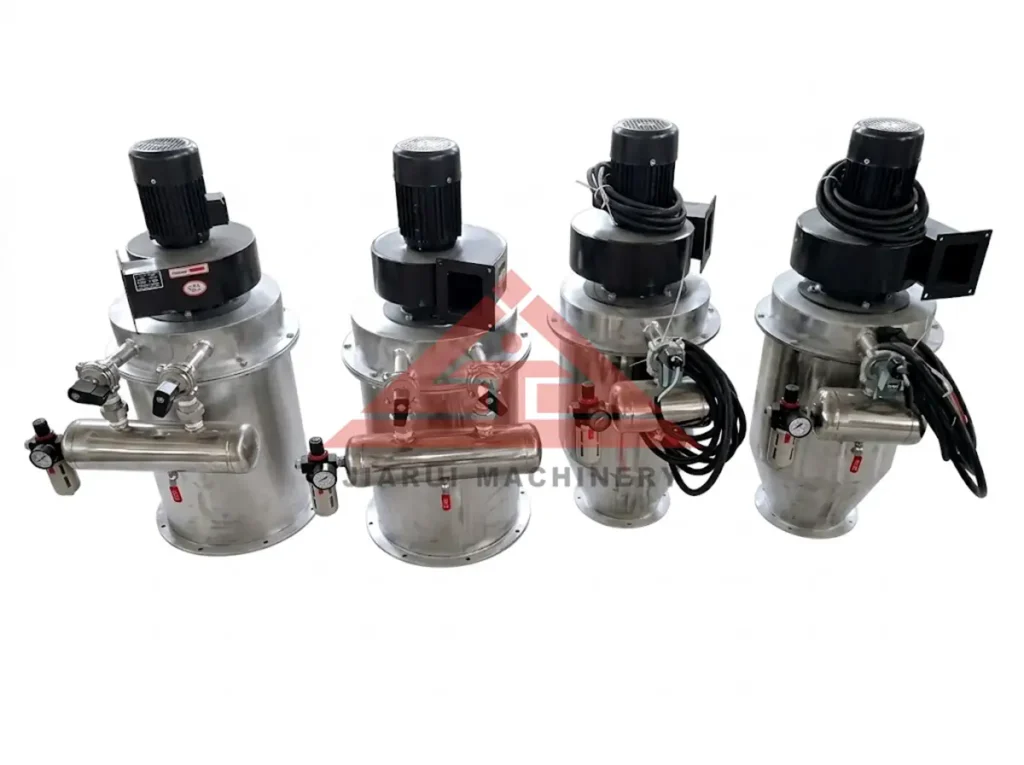
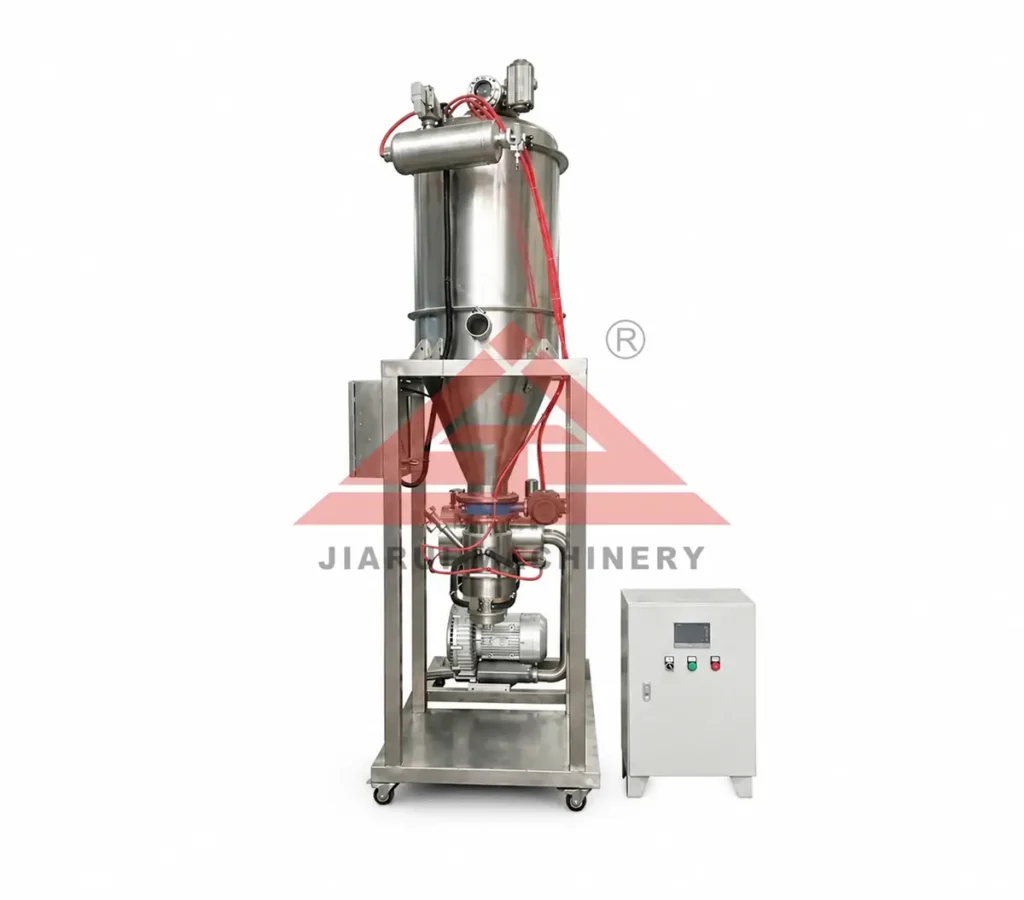
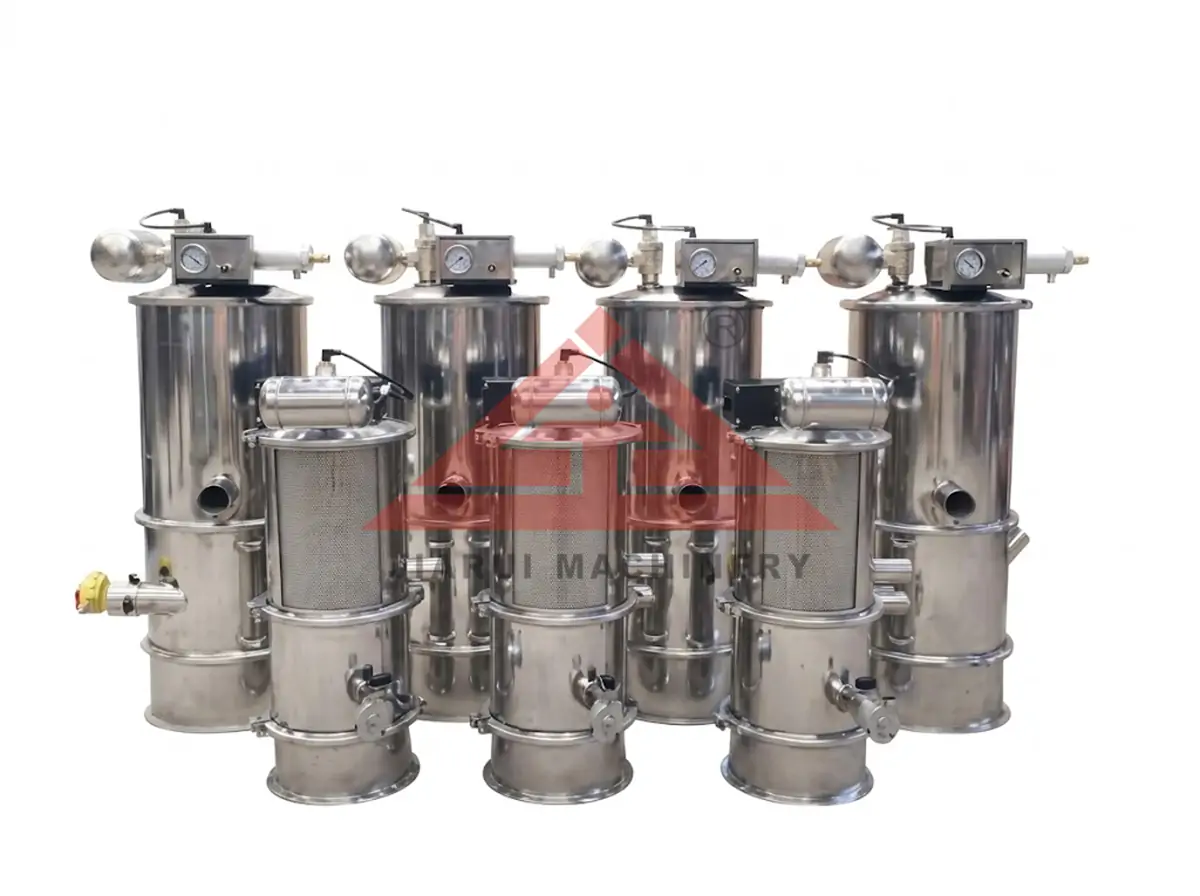
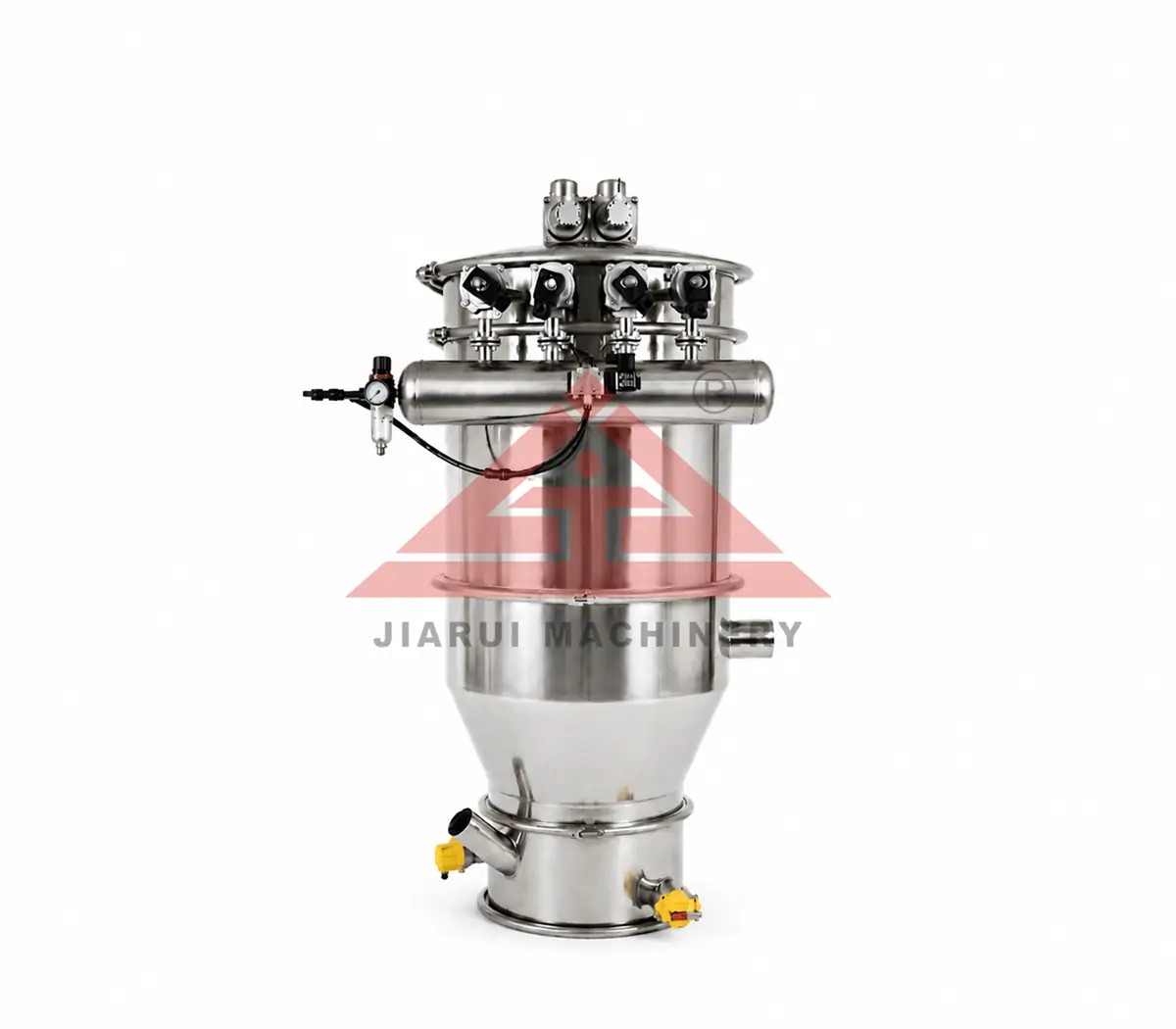
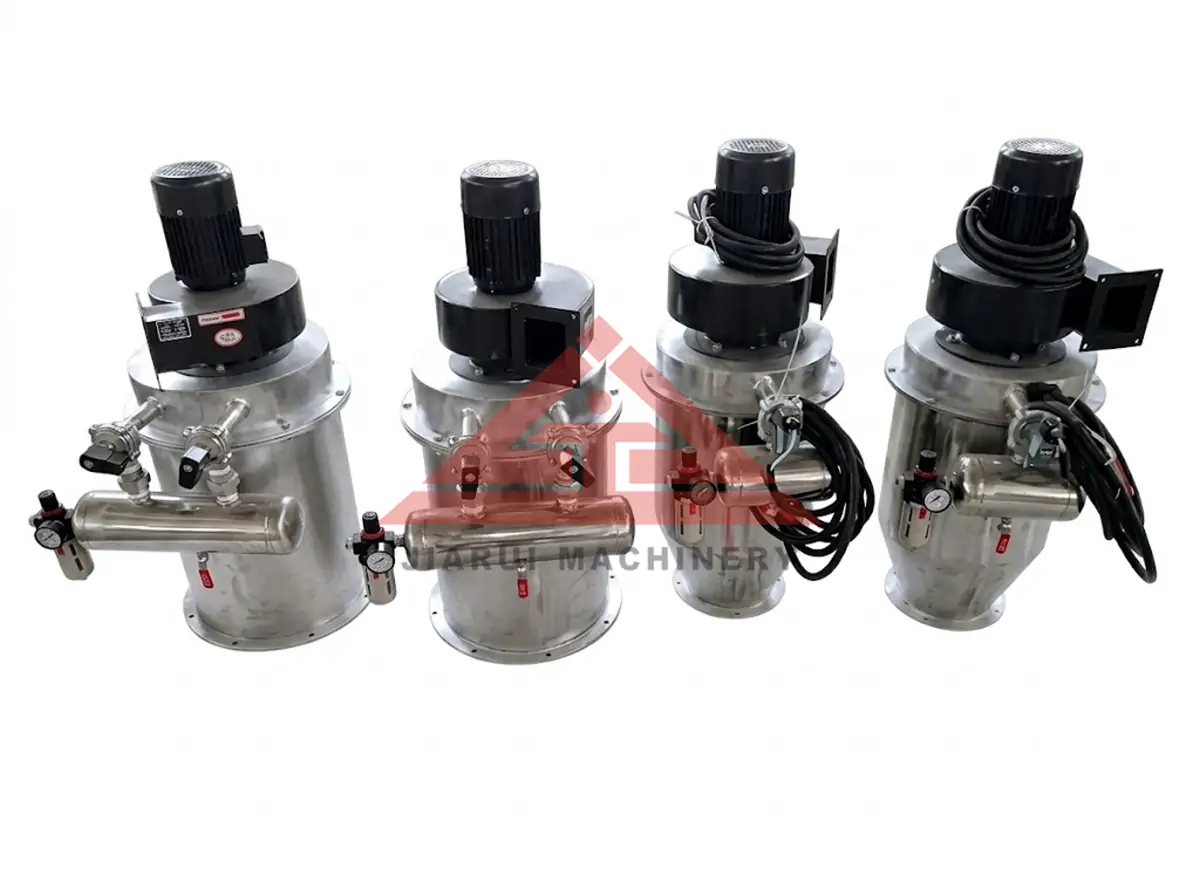
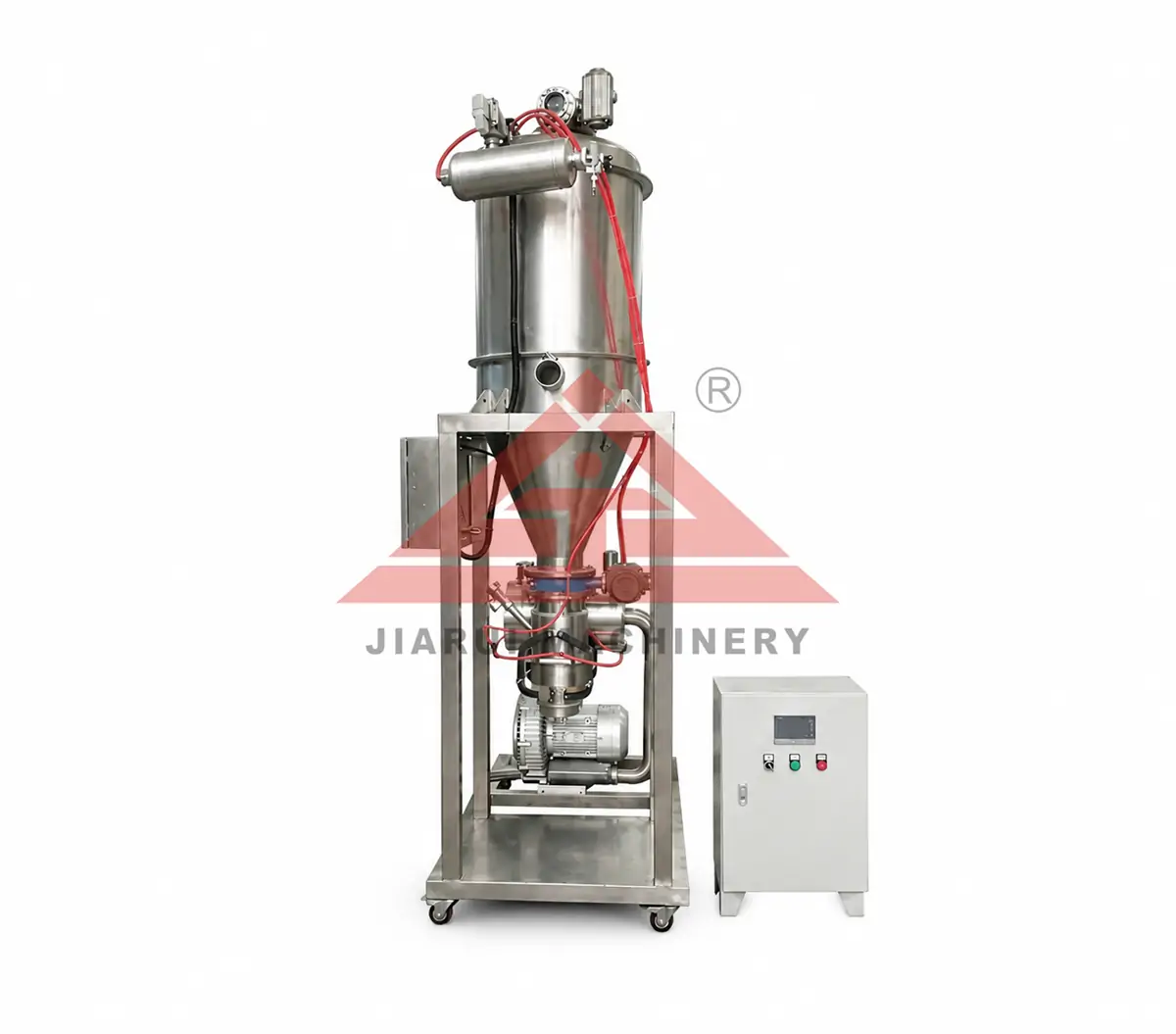
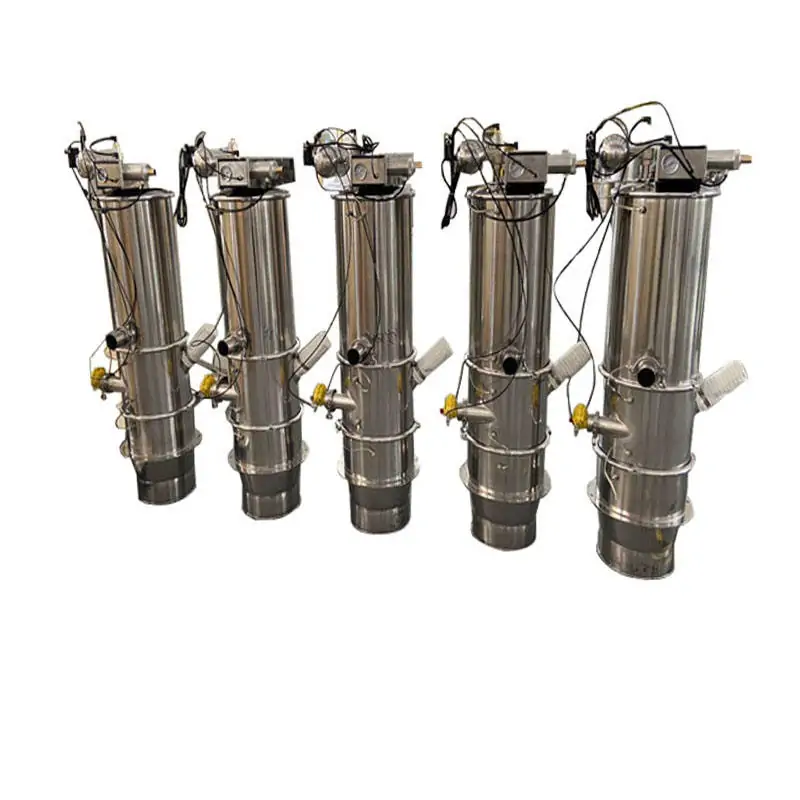
真空上料机是一种利用负压自动输送粉末及颗粒物料的输送设备。通过密封管道,将物料从储料仓、料斗或其他供料点输送至混合机、包装机、压片机及筛分设备等生产设备。该设备采用气动真空发生器或电动真空源提供输送动力,减少人工搬运及敞开式投料造成的粉尘泄漏。.
嘉瑞 真空上料机适用于食品、制药、化工及新材料等行业中粉末及颗粒物料的输送。根据物料流动性、输送距离、产能要求及安装条件,可调整料斗结构、过滤系统、控制方式及连接设计,以更好地匹配现有生产工艺。.
- 型号范围: ZKS-1~ZKS-5
- 输送能力: 50-6000 kg/h
- 工作方式: 负压密闭输送
- 真空源: 气动真空发生器或电动真空源
- 控制方式: 自动吸料、放料循环控制
- 适用物料: 粉末、颗粒及粉粒混合物料
什么是真空上料机?
真空上料机,又称真空输送机或真空吸料机,是一种利用负压进行物料输送的设备。运行时,真空源将输送管道内的空气抽出,使系统内部形成压差。粉末或颗粒物料在气流作用下经输送管道被吸入料斗,再通过卸料机构排出至下一道生产工艺。.
真空上料机通常安装于储料仓、料斗与生产设备之间,替代人工搬运或敞开式投料方式。与螺旋输送机、斗式提升机等机械输送方式相比,减少了物料与机械部件的接触,更适用于需要粉尘控制、洁净运行及物料保护的生产环境。.
工作原理
真空上料机利用真空源产生负压,使物料在压差作用下通过输送管道进入设备。完整的上料过程主要包括吸料、气固分离、卸料及滤芯清理,通过循环控制实现自动上料。.
真空源产生吸力:设备启动后,真空发生器或真空泵将料斗及输送管道内的空气抽出,使系统内部形成负压环境。在外界大气压作用下,物料进入吸料管,并随气流经输送管道进入真空料斗。.
物料进入料斗进行分离:物料进入料仓后,与输送空气分离。物料落入储存段,而输送空气经过过滤系统后排出。过滤器防止粉尘进入真空源,同时保持气流稳定。.
卸料并开始下一循环:当料斗达到预设容量或运行时间时,真空系统停止吸料。料斗恢复常压,底部卸料阀开启,将物料转移至混合机、包装机、压片机等下游设备。.
滤芯清理与维护:在卸料过程中,设备可利用反吹功能清除滤芯表面积累的粉尘,恢复过滤能力,使设备进入下一吸料循环。.
真空上料机的运行性能不仅取决于真空源的容量,还取决于过滤类型、管道长度、物料流动性和安装方式。因此,设备选型应根据具体工况条件来确定合适的配置。有关真空输送原理、应用和选型的更多信息,请参阅我们的指南 什么是真空输送机?
主要组成部件
真空输送系统主要由真空源、料斗、过滤系统及控制系统组成。然而,不同物料需要不同的设备配置。粉末物料通常对过滤性能、密封设计及清洁便利性要求更高,而颗粒物料则要求稳定的输送性能及对物料完整性的保护。.
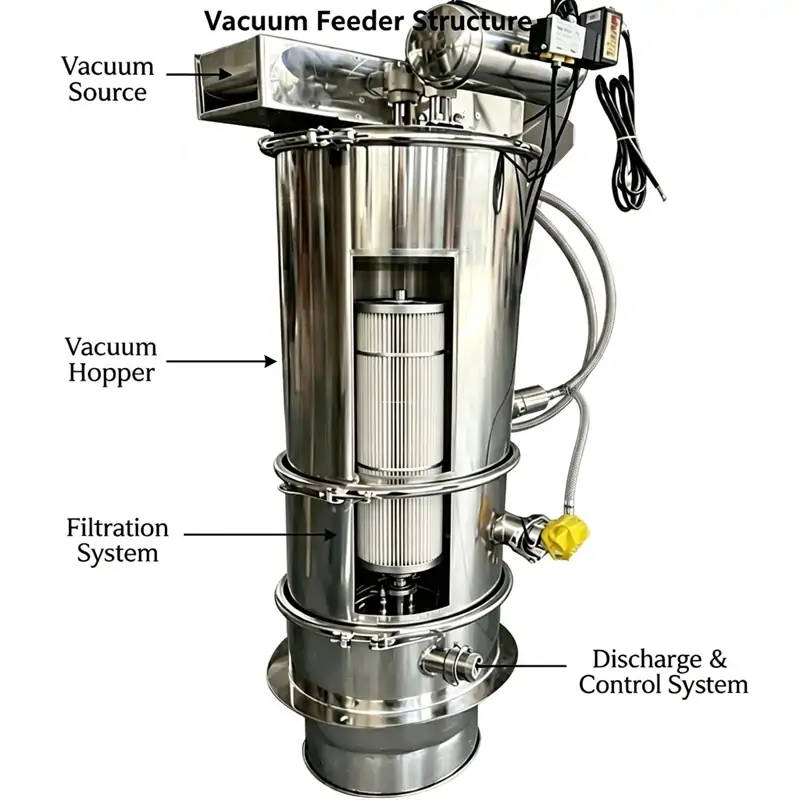
真空源:真空源为真空输送系统提供输送动力。常见配置包括气动真空发生器及漩涡气泵。气动式结构紧凑,适用于食品、制药等对洁净度要求较高的生产环境。电动真空源可根据输送能力及距离要求进行选配。.
真空料斗:真空料斗用于物料吸入、暂存及卸料转换。通常采用不锈钢制造,接触物料部分可选用304或316L不锈钢。对于流动性差或易粘附的物料,可调整内部结构以减少物料残留。.
过滤系统:过滤系统用于将物料与输送空气分离,是影响上料稳定性的关键部件。不同物料需要不同的过滤配置,如PTFE覆膜滤袋、PE覆膜过滤器或316L不锈钢过滤器,以防止粉尘积聚并保持稳定运行。.
卸料及控制系统:卸料装置负责物料排放,控制系统则协调吸料、卸料及滤芯清理过程。根据生产线要求,设备可配置时间控制、料位检测或PLC控制,并可与混合机、包装机等设备联动。.
真空上料机的各部件需要协同工作。真空容量、过滤方式及料斗设计均会影响上料性能。佳锐工程团队根据物料特性、输送距离及现场连接要求,确认合适的设备配置。.
真空上料机解决的生产问题
真空上料机主要用于解决粉末及颗粒物料输送过程中的粉尘产生、物料补充及工序间自动衔接等问题,使上料过程更适应连续化生产。.
粉末上料过程中的粉尘产生
密封管道输送方式可减少面粉、药用粉末及化工粉末等物料上料过程中的粉尘扩散。.
物料难以输送至高位设备
物料可从低位输送至高位料斗,适用于混合机、包装机、压片机及其他生产设备的自动上料。.
多工序间需要自动上料
设备可与下游设备连接,并根据生产要求完成吸料与排料循环,减少频繁的人工上料操作。.
洁净生产中减少人工接触
物料在密封环境中输送。接触物料部件可采用不锈钢制造,便于清洁与维护。.
应用领域
该设备主要用于粉末、颗粒及粉粒混合物的自动输送,适用于需要密闭输送、粉尘控制及自动化生产的场合。由于不同物料的流动性、粉尘特性及清洁要求各异,过滤方式、材质选择及输送结构需根据具体工况进行调整。.
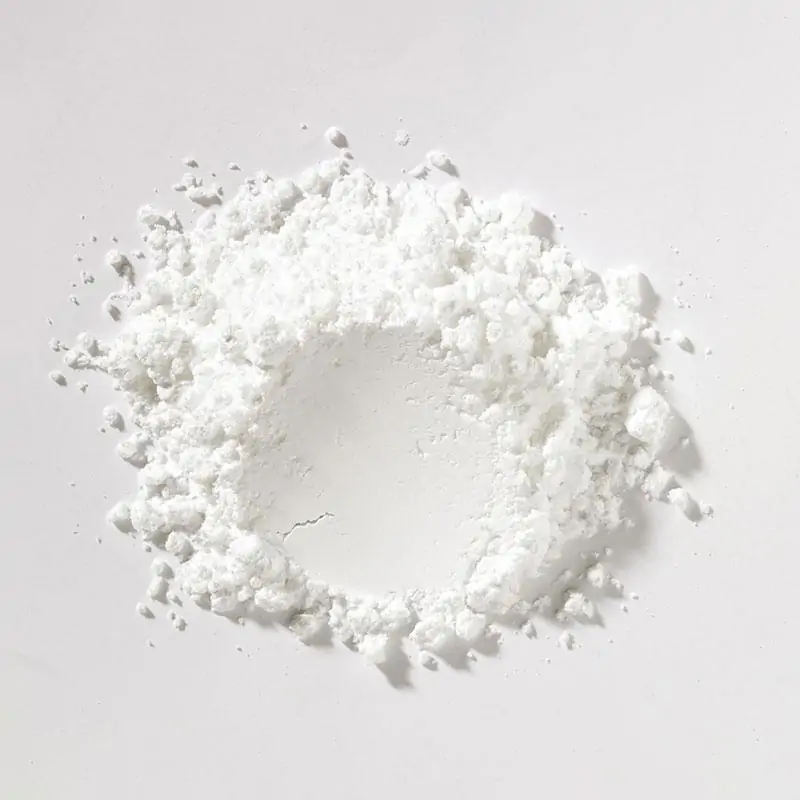 药用粉末
药用粉末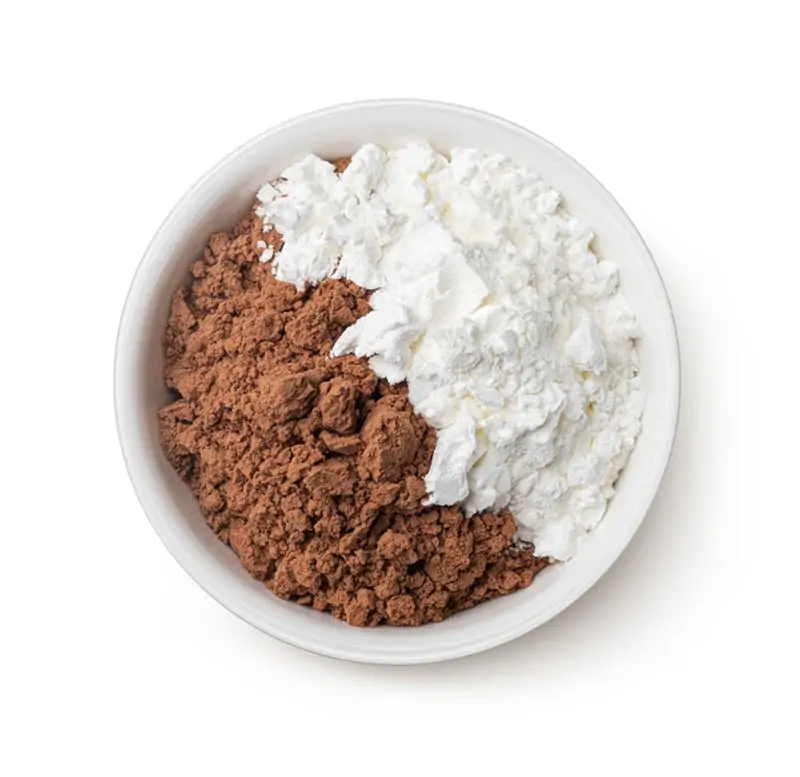 食品粉末
食品粉末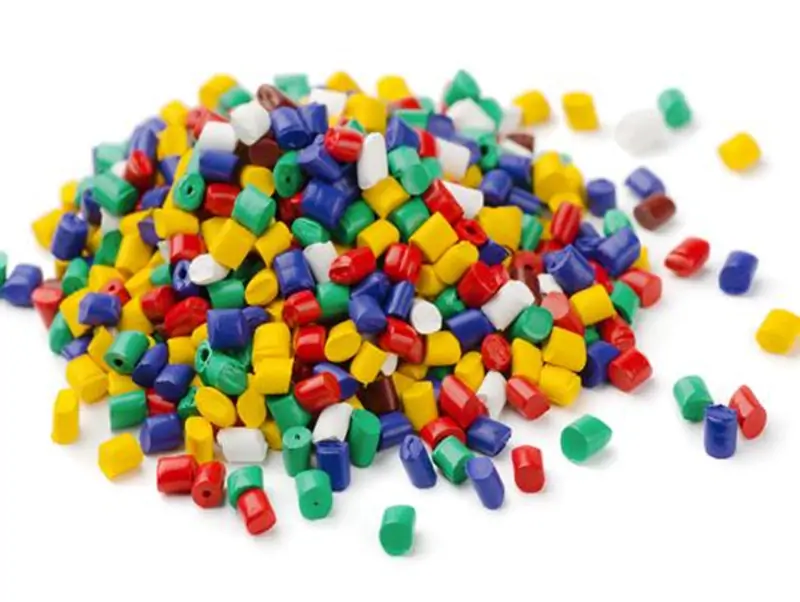 塑料颗粒
塑料颗粒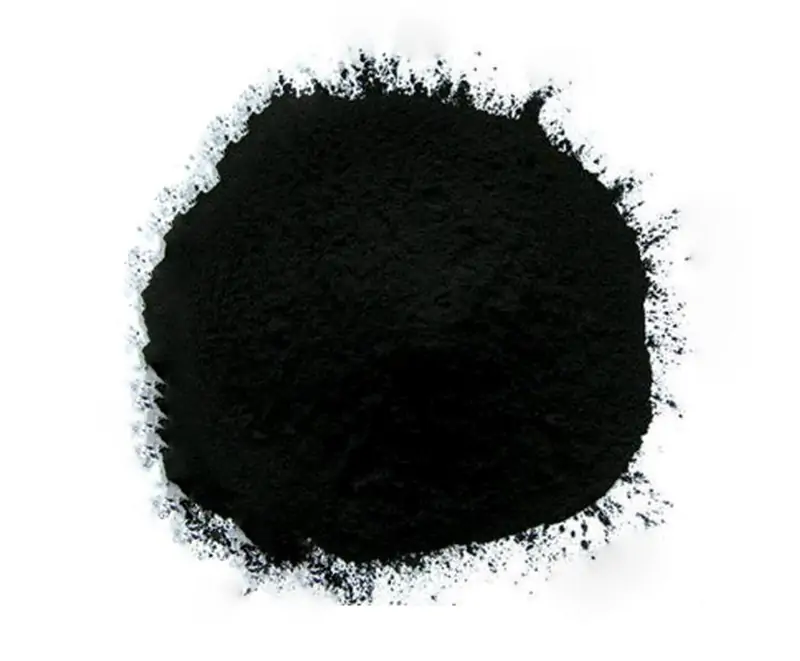 电池材料粉末
常见应用行业
| 行业应用 | 常见物料 | 物料特性 | 设备考量因素 |
| 制药行业 | 原料药粉末、颗粒及胶囊粉末 | 高清洁度要求的细粉类物料 | 重点关注304/316L材质、过滤精度及清洗维护 |
| 食品行业 | 面粉、奶粉、糖粉、淀粉、添加剂 | 易产生粉尘,部分物料流动性较好 | 重点关注密封结构、卫生设计及清洗便利性 |
| 化工行业 | 树脂粉、钛白粉、颜料粉、添加剂 | 粉体种类多样,部分物料可能涉及静电或腐蚀问题 | 重点关注材质选型、过滤配置及防静电设计 |
| 塑料行业 | PE颗粒、PP颗粒、塑料色母粒 | 常规颗粒物料,需稳定连续给料 | 重点关注输送速度、管路设计及颗粒保护 |
| 新能源行业 | 石墨粉、正负极材料、电池粉体 | 高价值物料,对污染控制要求严格 | 重点关注密闭输送、过滤系统及残留控制 |
| 精细化工行业 | 催化剂、电子材料粉体 | 细粉类物料,需稳定输送性能 | 重点关注密封性能、过滤能力及自动对接 |
需谨慎选型的应用场景
真空上料机更适用于流动性较好的干燥粉体及颗粒物料。选型前需确认以下条件:
含水率较高的物料可能粘附过滤器,影响吸料性能;;
高粘性物料可能导致挂壁或卸料不畅;;
易结块的粉状物料可能需先改善流动性再进行输送;;
大尺寸或高密度物料需进一步评估真空能力及输送条件;;
易碎颗粒需控制输送速度,以减少碰撞和破损。.
真空上料机的选型不仅需考虑行业因素,还需结合物料特性、输送距离、安装方式及下游设备对接要求。佳瑞工程团队根据客户提供的物料信息和现场条件,确定合适的真空方式、过滤方法及设备配置。.
技术参数
真空上料机的型号选择主要依据输送能力、物料特性及安装条件。以下参数为ZKS系列气动真空上料机的参考规格。实际输送能力可能因物料密度、粒径、流动性、输送高度、管路长度等运行条件而有所差异。.
| 型号 | 输送能力(kg/h) | 料斗容积(L) | 压缩空气压力(MPa) | 压缩空气消耗量(NL/min) |
| ZKS-1 | 50-300 | 1.1 | 0.4-0.6 | 180 |
| ZKS-2 | 100-700 | 6 | 0.4-0.6 | 360 |
| ZKS-3 | 300-1500 | 12 | 0.4-0.6 | 720 |
| ZKS-4 | 600-3000 | 42 | 0.4-0.6 | 1440 |
| ZKS-5 | 900-6000 | 60 | 0.4-0.6 | 2880 |
如何选择正确的真空上料机型号?
真空上料机的选型不仅需考虑输送能力,还需结合物料特性及生产需求。.
对于面粉、奶粉、制药粉等细粉类物料,需考虑过滤系统配置及清理方式,防止积尘影响连续运行。.
对于塑料颗粒、粒料等流动性较好的物料,需关注输送距离、管路布局及给料速度,确保按生产要求稳定运行。.
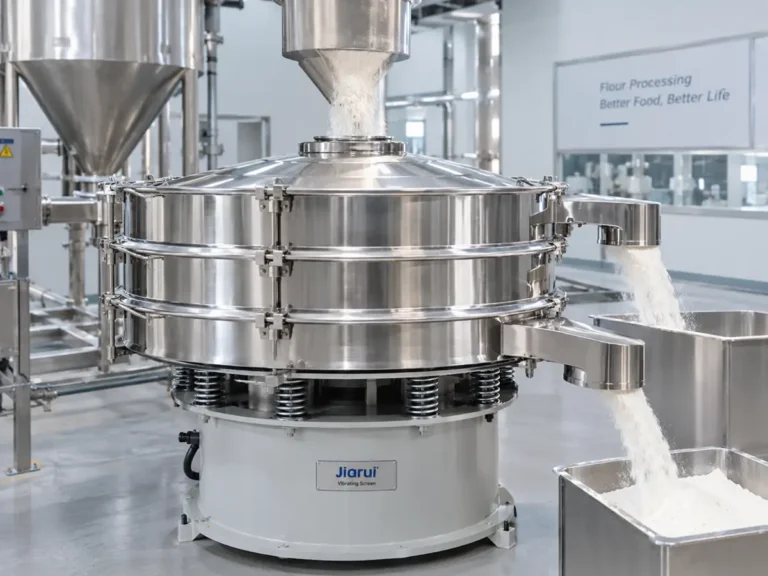
若设备需与混合机、包装机、压片机、振动筛或其他生产设备对接,应提前确认安装高度、连接尺寸及控制方式,以确保与现有生产工艺正确集成。.
在设备选型时,佳瑞工程团队根据客户提供的物料信息、所需输送能力、现场布局及生产工艺,确定合适的真空方式、过滤配置及设备结构。.
真空上料机与螺旋输送机对比
真空上料机和 螺旋输送机 均为粉体及颗粒物料常用的输送设备。在设计自动上料系统时,客户通常根据物料特性和生产条件选择合适的设备。虽然两者均可完成物料输送,但在工作方式、应用条件及生产需求方面存在差异。.
| 对比项目 | 真空上料机 | 螺旋输送机 |
| 工作方式 | 利用负压将物料吸入输送管道,并完成自动卸料 | 利用旋转螺旋轴推动物料前进 |
| 适用物料 | 粉状物料、小颗粒及易产生粉尘的物料 | 粉末物料、颗粒物料及部分连续输送应用场景 |
| 粉尘控制 | 密闭管道输送,适用于清洁度要求较高的生产环境 | 密封性能取决于设备结构,清洁要求相对较高 |
| 物料保护 | 输送过程中无螺旋挤压,适用于部分易碎颗粒物料 | 螺旋旋转产生一定摩擦力,需注意物料磨损问题 |
| 输送距离与布局 | 柔性管道安装,适用于设备间输送及高位加料 | 更适合固定路线和固定安装位置 |
| 常见应用 | 制药、食品、化工及新材料行业的自动上料工艺 | 粮食、化工、建材等行业中的连续输送应用 |
何时应选择真空上料机?
如果物料包括面粉、制药粉末、食品添加剂、塑料颗粒、锂电池材料及其他粉状或颗粒状物料,同时生产环境要求粉尘控制、易于清洁,或需要与包装机、混合机、压片机等自动化设备连接,则真空上料机通常是合适的选择。有关真空输送工作原理、适用物料、应用场景及气力输送方法的更详细说明,请参阅我们的 真空输送机 指南。.
何时应选择螺旋输送机?
如果输送路线固定、需要连续给料,且现场无严格的清洁度要求,螺旋输送机在结构简单和维护方便方面也具有优势。.
在选择给料设备时,我们的团队首先评估物料特性、输送高度、产能要求及下游设备连接方式,然后确定合适的输送方法,而非仅根据输送能力选择设备。.
定制化
真空上料机的选型不仅应考虑输送能力,还应考虑物料特性和安装条件。不同粉末具有不同的流动性、含水率和粉尘特性。如果过滤方式、真空容量或料斗结构选择不当,可能会出现吸料不稳定、过滤器堵塞或排料不畅等问题。.
嘉瑞工程团队根据客户生产需求调整设备配置,包括真空源、过滤系统、料斗结构、物料要求及控制方式,确保设备与现有生产线、上料周期和安装空间相匹配。为快速确定合适的配置,客户通常需要提供以下信息:
- 物料信息: 粉末、颗粒或混合物料,以及是否易产生粉尘、粘附或结块;;
- 输送要求: 所需输送能力、输送距离及提升高度;;
- 现场条件: 连接设备类型、安装空间及连接尺寸。.
收到上述信息后,嘉瑞工程团队可进一步确认真空源类型、过滤配置、料斗尺寸及设备连接方式,帮助避免安装后的兼容性问题。.
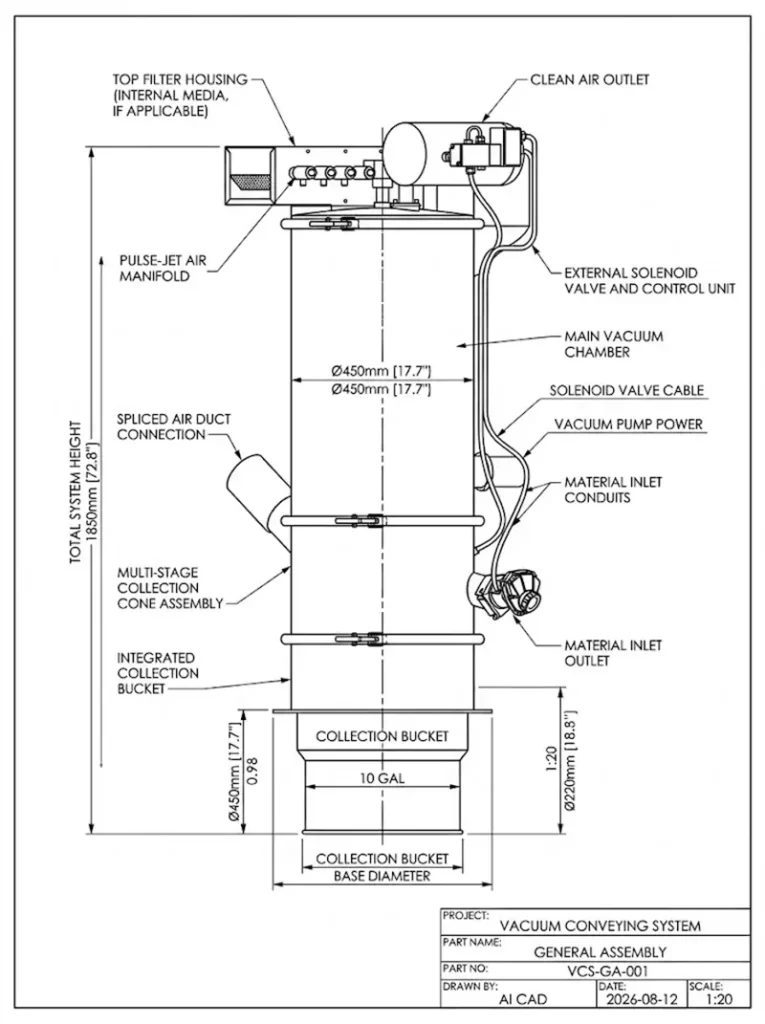
佳锐制造
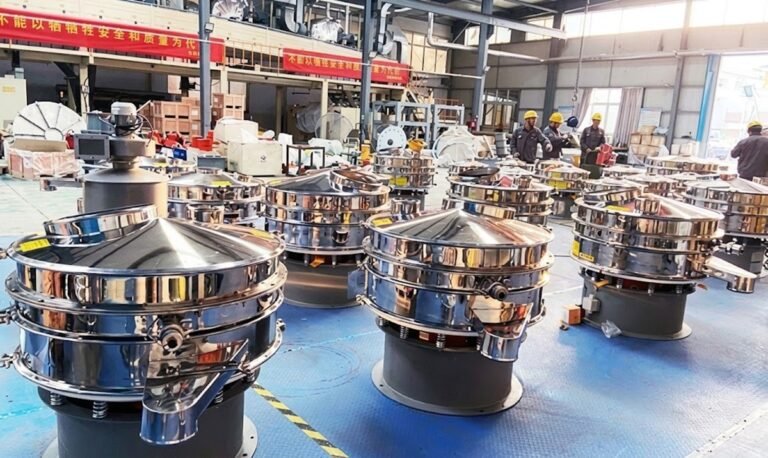
真空上料机的制造不仅涉及料斗和管道加工,还需关注设备清洁度、气密性及不同部件的匹配性。对于粉末和颗粒物料输送设备,焊接质量、密封结构、过滤系统及排料稳定性均影响长期运行性能。.
不锈钢加工:真空上料机的物料接触部件通常采用304或316L不锈钢制造。嘉瑞根据客户行业要求加工料斗、输送管道及连接部件,减少内部物料积存区域,使清洁和维护更加便捷。.
对于食品和制药应用,设备设计需考虑卫生结构、材料选择及清洁要求。例如,设备设计可参考FDA的相关要求 现行药品生产质量管理规范(CGMP)法规 用于药品生产质量管理。.
过滤与系统装配:过滤系统是影响真空上料系统稳定运行的重要部分。制造过程中,需根据物料特性确认过滤器类型、安装密封及反吹清洁结构。同时,检查真空源、排料阀及控制系统之间的匹配性,确保吸料、排料及过滤器清洁循环正常运行。.
工厂检验:设备组装完成后,嘉瑞检查真空状态、排料操作、过滤器清洁功能及连接尺寸。工程团队根据客户物料条件、输送要求及安装环境确认设备,减少交付后的调整工作。.
常见问题
获取免费咨询
填写以下表格,与我们的专家联系,获取针对您应用需求的个性化推荐。.