Z-Type Feeder – Compact, Dust-Free & Zero Damage Conveying
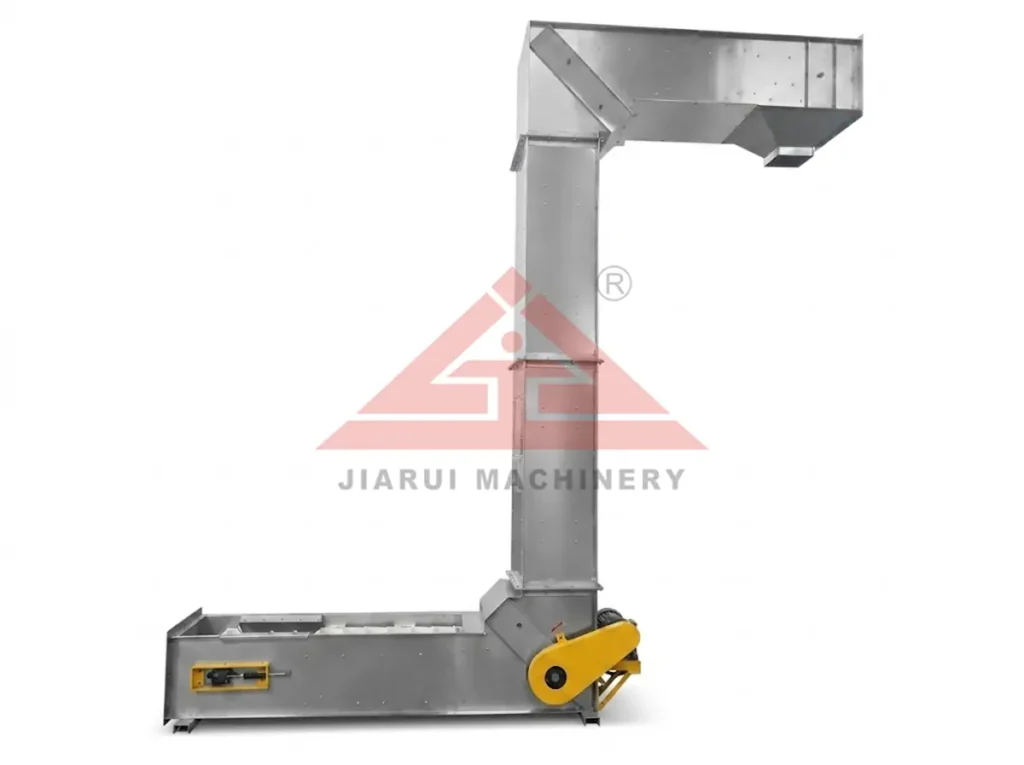
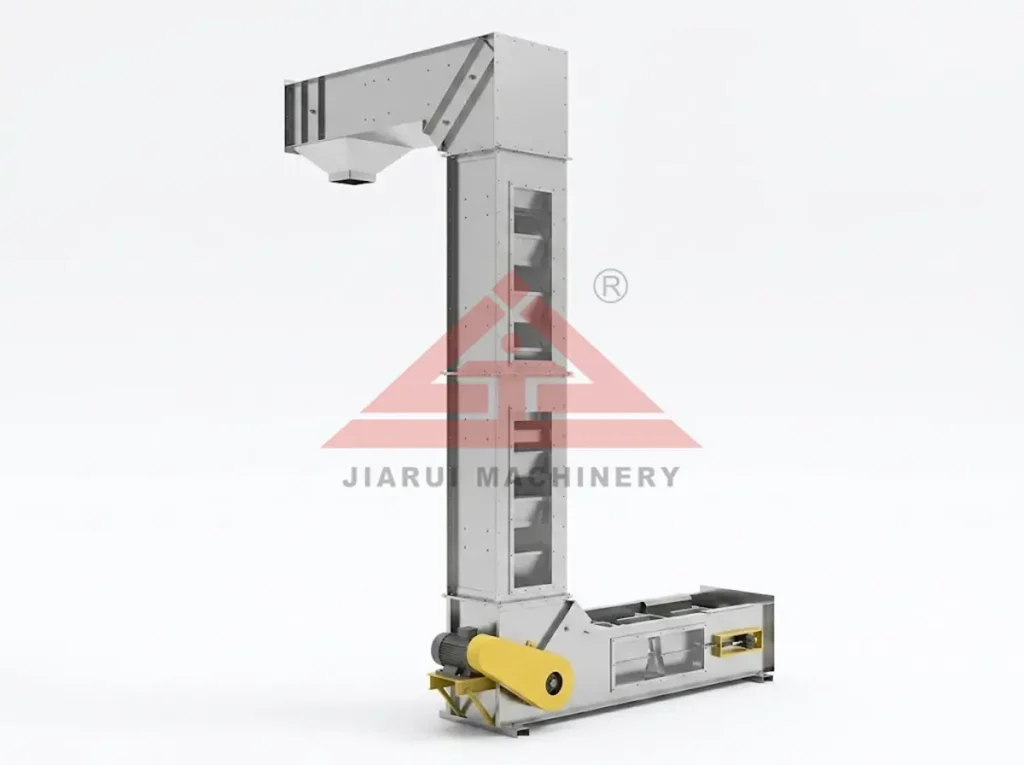
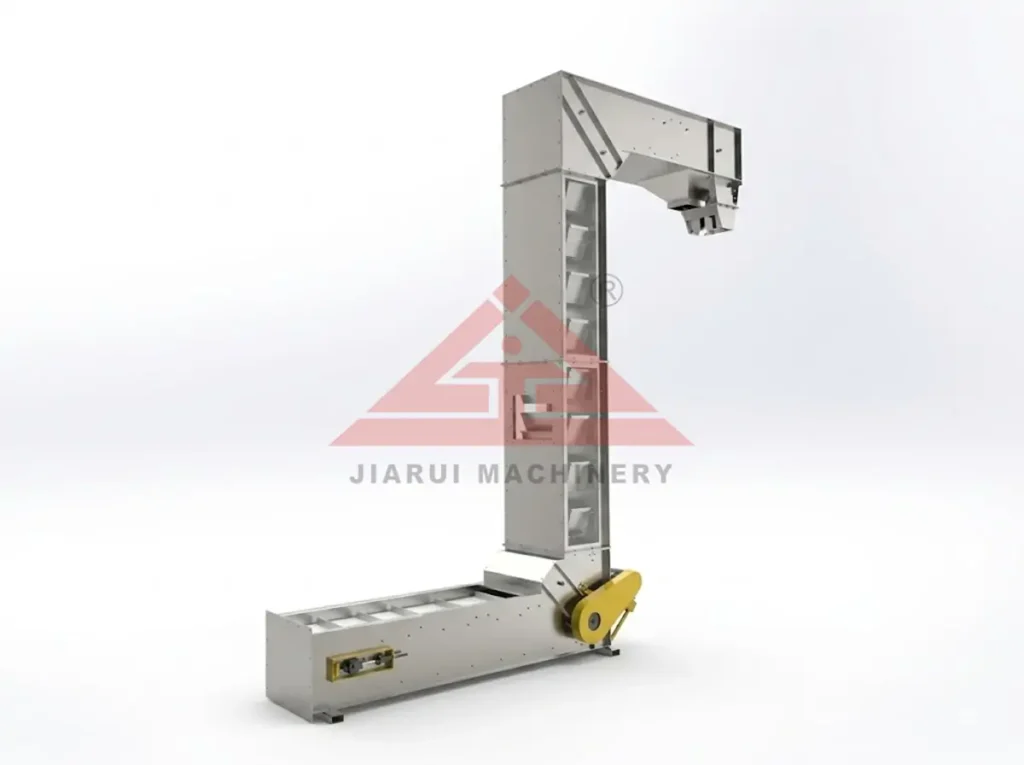
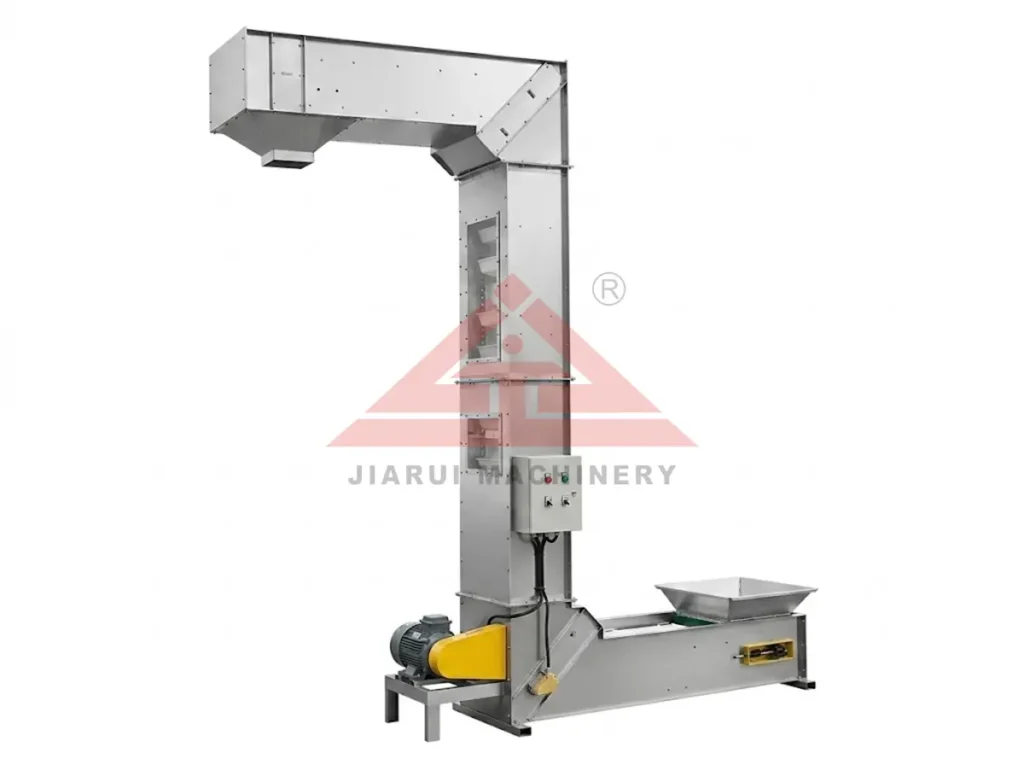
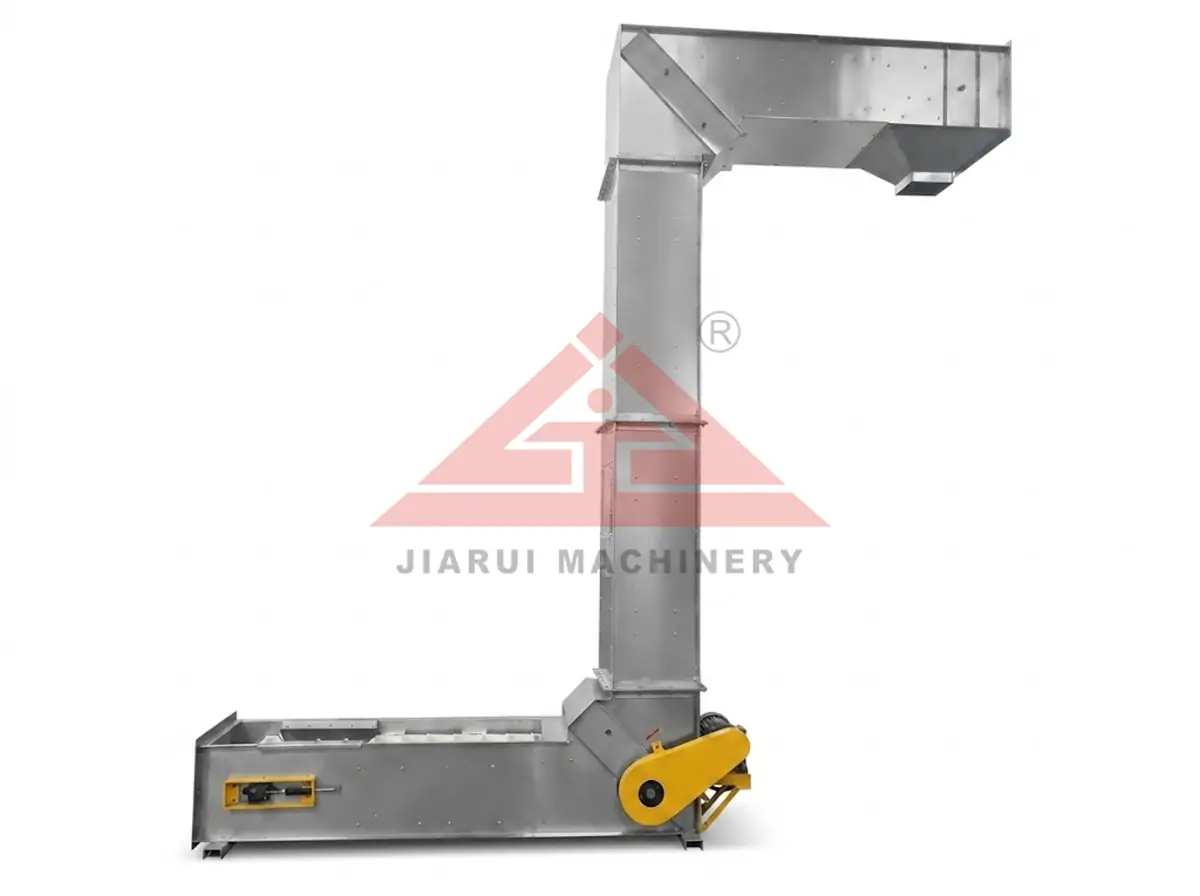
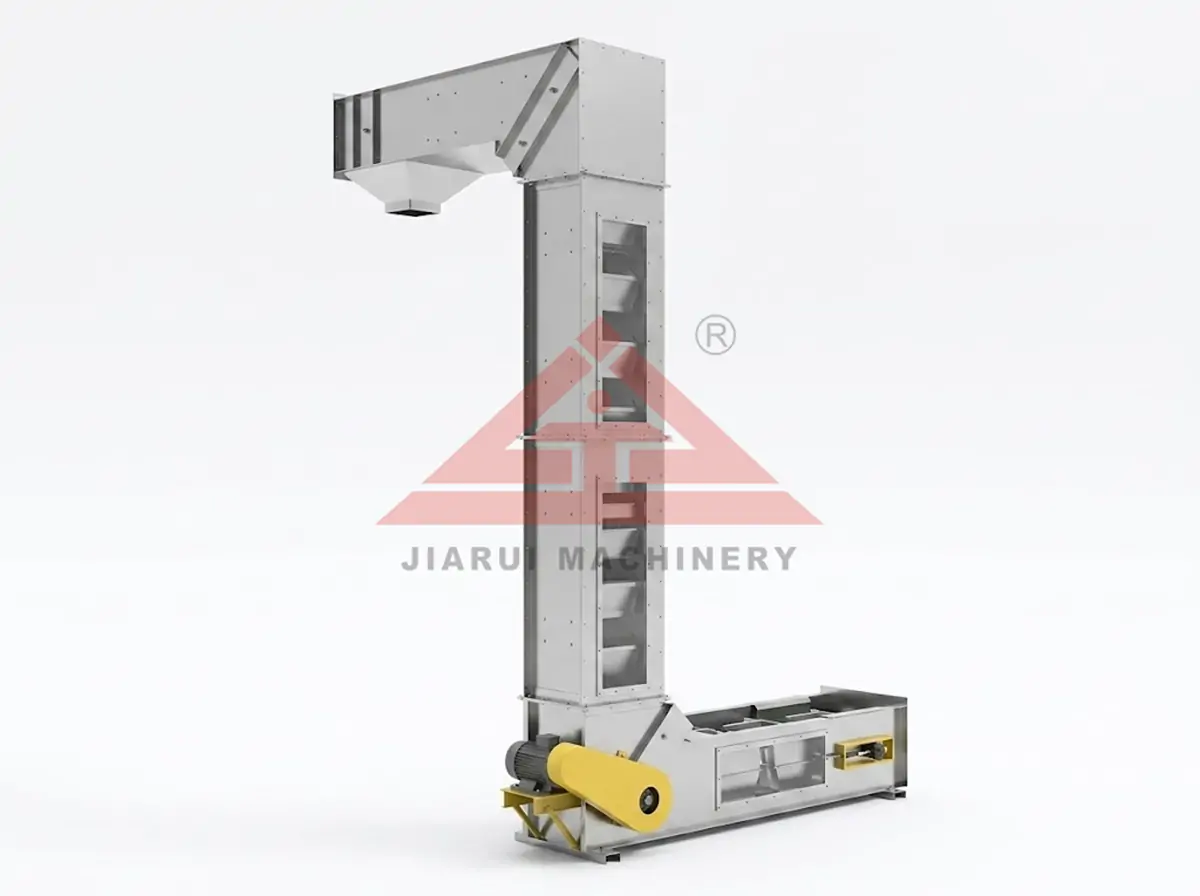
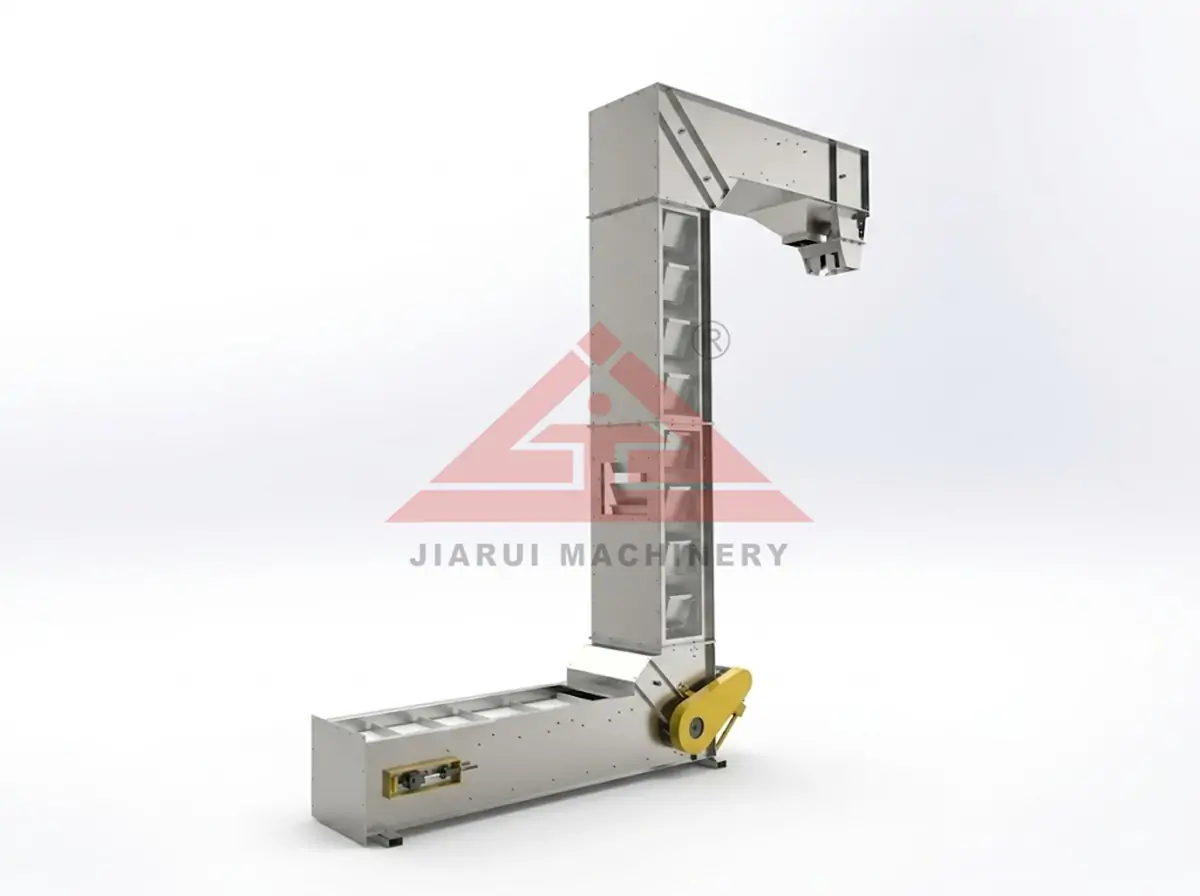
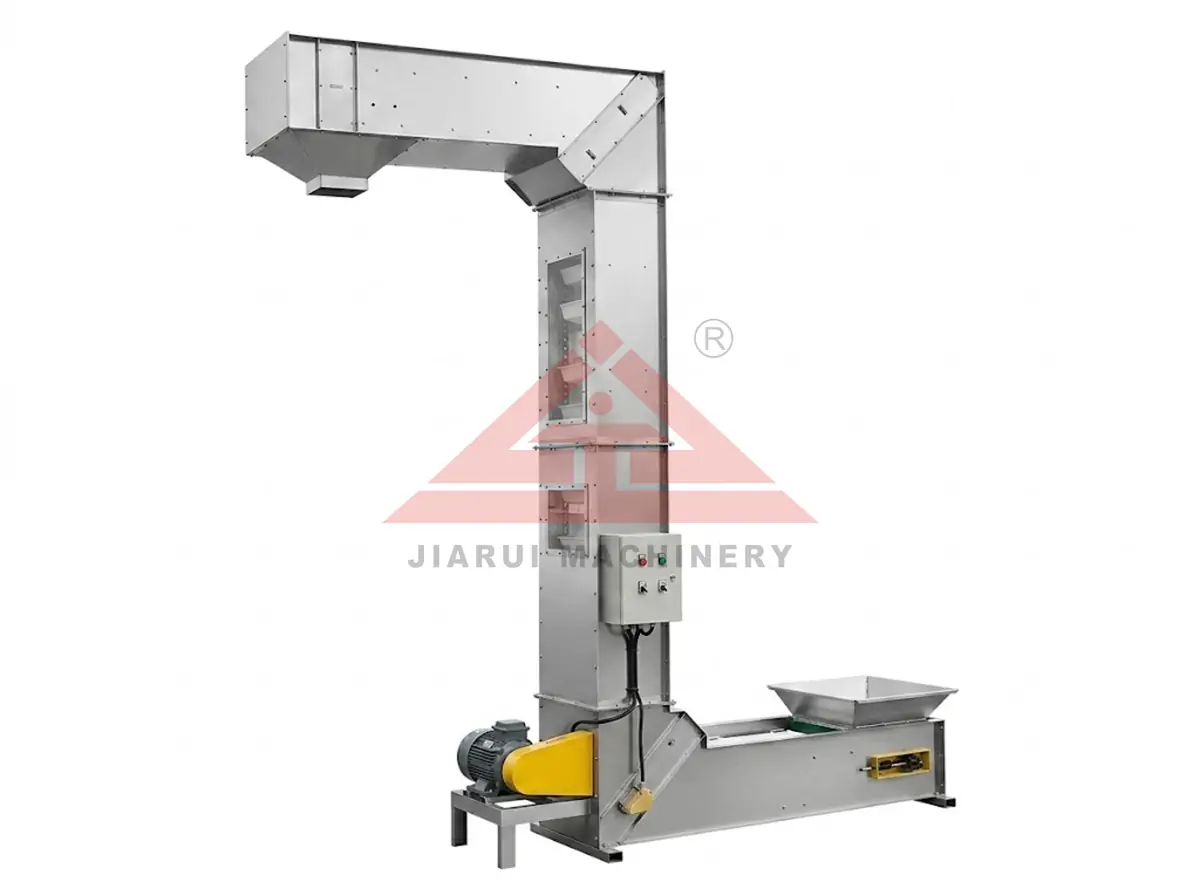
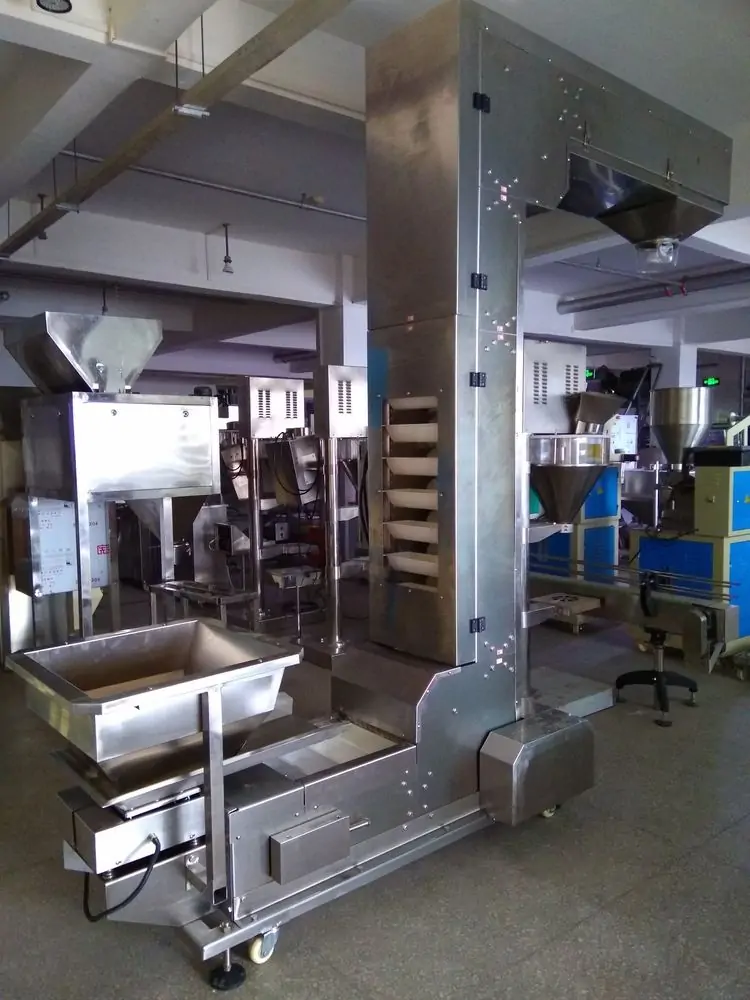
Z-Type Feeder is a conveying equipment used for lifting and transporting granular, powdery, and small block materials. It completes horizontal feeding, vertical lifting, and high-level discharge through a Z-shaped conveying route. The equipment uses buckets to carry materials during conveying, providing stable operation and reducing material breakage. It is suitable for food, pet food, plastic pellets, chemical granules, new energy materials, and other industries.
Jiarui supports customization according to material characteristics and production line layout, including conveying height, bucket size, material selection, inlet and outlet positions, and control methods, helping the equipment match automatic packaging, weighing, and continuous feeding systems.
- Model: JR-Z Type Bucket Elevator
- Capacity: 3-60 m³/h
- Conveying Type: Horizontal → Vertical → Horizontal
- Bucket Material: PP / SUS304
- Structure Material: Carbon Steel / Stainless Steel
- Applications: Food Pellets, Pet Food, Plastic Pellets, Chemical Granules
What Is Z-Type Feeder?
Z-Type Feeder, also known as Z Type Bucket Elevator, is a combined lifting and conveying equipment used for height transfer of bulk materials. Its design focus is not simply increasing lifting height, but integrating low-level feeding, vertical lifting, and high-level conveying into one conveying route within limited installation space.
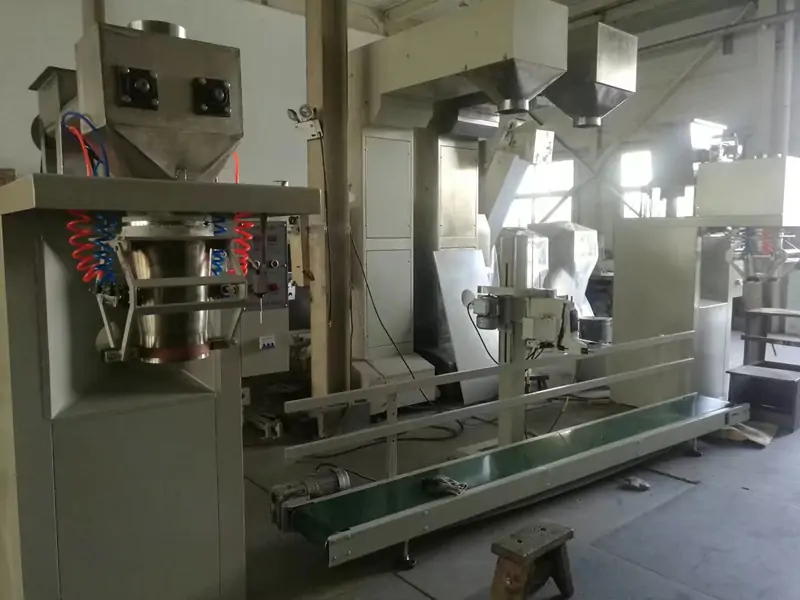
This equipment is commonly installed between hoppers, packaging machines, weighing equipment, and production processes. It is used to solve problems where materials need to overcome height differences or change conveying directions. Compared with conveying lines composed of multiple separate machines, Z-Type Feeder reduces intermediate transfer points and uses buckets to carry materials, making it more suitable for production processes requiring stable feeding and reduced material damage.
Working Principle
Z-Type Feeder adopts a circulating bucket conveying method. The drive system moves the chain or belt, allowing the buckets to run along the Z-shaped route. After materials enter the buckets, they are carried through horizontal conveying and vertical lifting sections, then discharged at the required height. Compared with conveying methods relying on friction or pushing force, the bucket carrying method can reduce material compression and collision, making it suitable for granular material conveying.
How materials enter the buckets:
Materials usually enter the bottom buckets through a hopper, feeding equipment, or manual feeding. The bucket capacity and spacing need to be determined according to material size, density, and conveying capacity to avoid unstable feeding or excessive equipment load.
How buckets complete horizontal and vertical conveying:
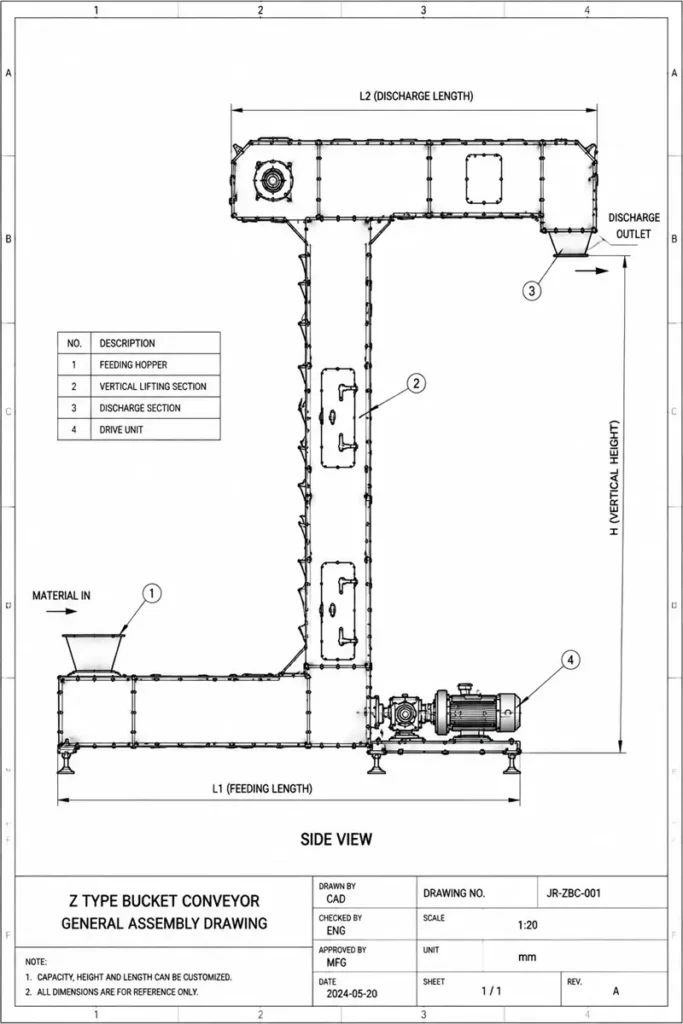
The equipment includes horizontal conveying sections at the bottom and top, with a vertical lifting section in the middle. This structure allows materials to complete height transfer and is suitable for production lines with height differences or limited installation space.
How materials are discharged after lifting:
When the buckets reach the discharge position, materials enter packaging machines, storage hoppers, or the next production process. The discharge height, direction, and interface size can be adjusted according to equipment layout.
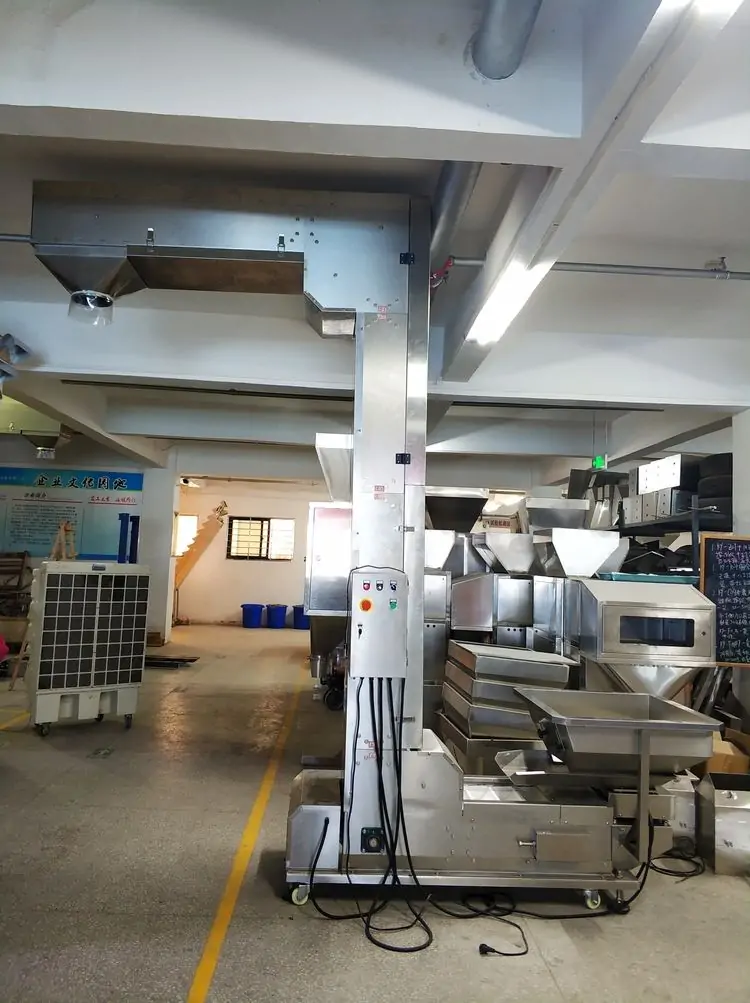
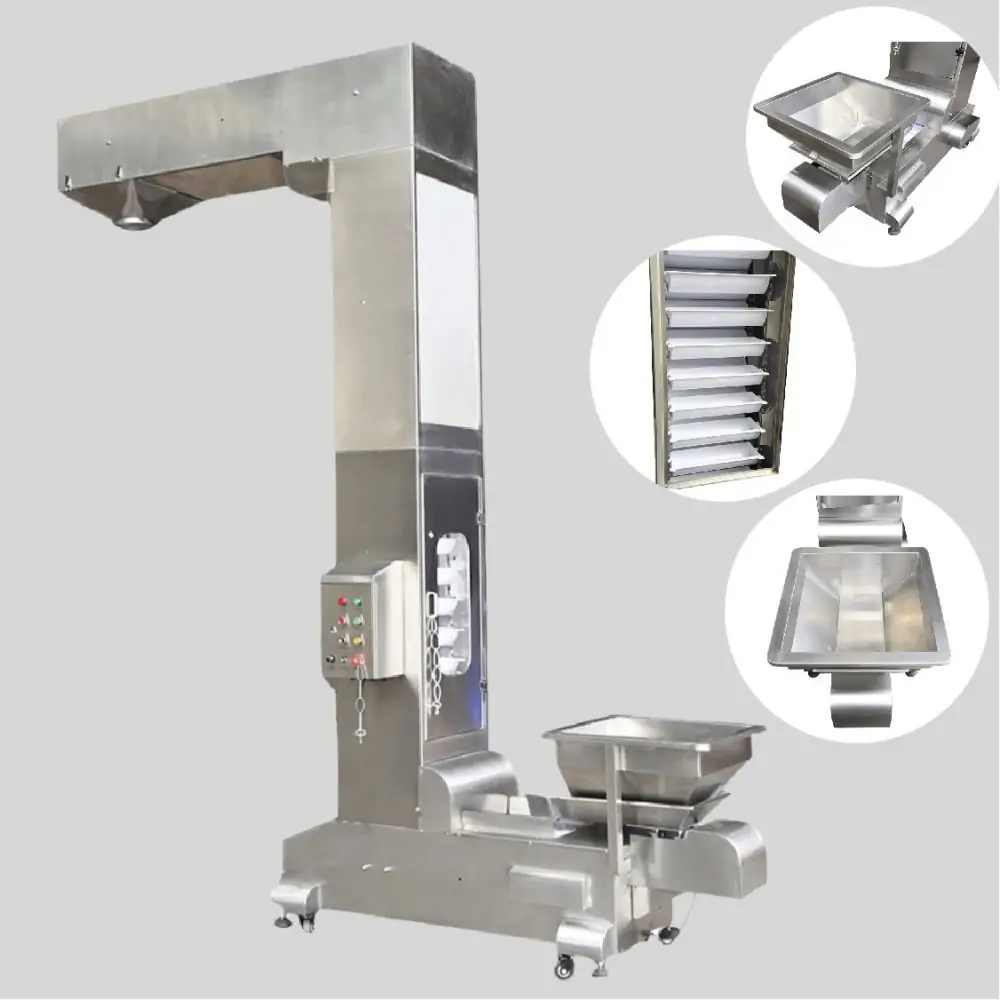
Structure Components
Although Z-Type Feeder has a relatively simple appearance, its internal structure directly affects feeding performance. The buckets carry materials, the drive system provides continuous operating power, and the casing structure determines the installation method and conveying environment. Different materials, conveying heights, and site layouts require different requirements for these structures.
Bucket System:The bucket is the component that directly contacts materials in Z-Type Feeder. Its size, material, and arrangement need to be determined according to conveying capacity and material characteristics. For fragile materials such as nuts and pet food, attention needs to be paid to impact and wear during bucket operation. For plastic pellets, chemical granules, and other materials, bucket load capacity and service life are more important.Jiarui can select different configurations such as food-grade PP buckets and stainless steel buckets according to application conditions.
Drive and Transmission System:The drive system moves the buckets in circulation and usually includes a motor, sprocket, and chain or belt. The lifting height, conveying distance, and material weight affect power selection. If the drive configuration is too small, insufficient load capacity may occur during continuous operation. If the configuration is too large, equipment cost may increase. Therefore, the drive system needs to be selected according to specific operating conditions.
Casing and Conveying Structure:Z-Type Feeder forms a complete conveying route through the bottom horizontal section, middle lifting section, and top horizontal section. The enclosed casing protects internal transmission components and reduces material spillage and external contamination.For industries such as food and pharmaceuticals, casing material and cleaning requirements are important considerations. For example, SUS304 stainless steel structures are commonly selected to meet hygienic production environments.
The structural configuration of Z-Type Feeder has no fixed standard. Bucket type, drive method, and casing material need to be determined according to material properties, conveying capacity, and installation conditions.
Applications
Z-Type Feeder is mainly used for lifting and conveying granular bulk materials, especially for production lines with height differences and requirements for reducing material damage. The equipment uses buckets to carry materials and combines horizontal feeding and vertical lifting into one machine. It is commonly used in food, pet food, chemical granules, and grain processing industries. These applications usually focus on equipment connection, material integrity, and installation space utilization, rather than only completing simple lifting.
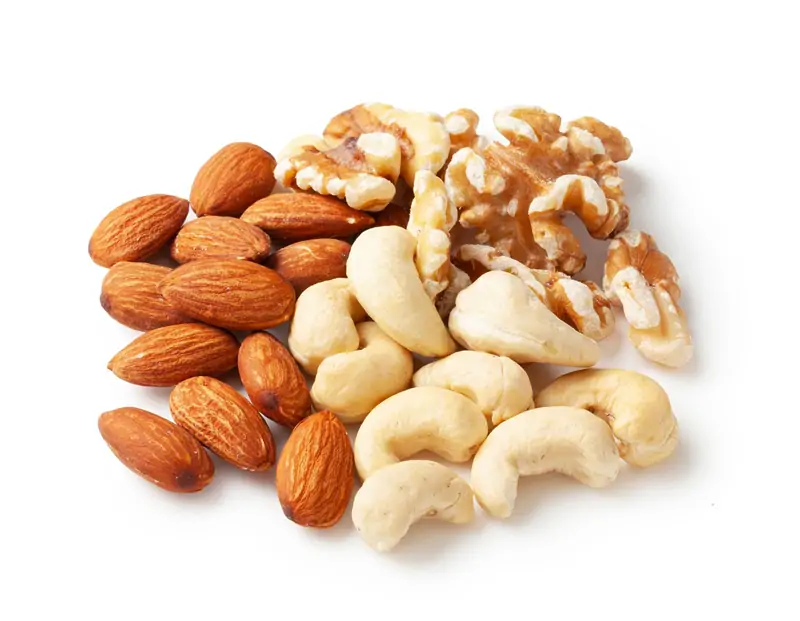 Mixed Nuts
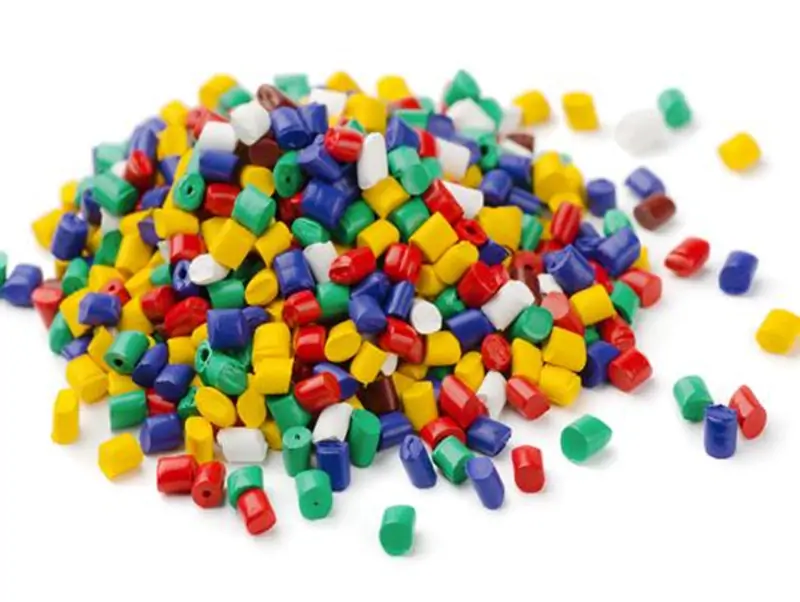 Plastic Pellets
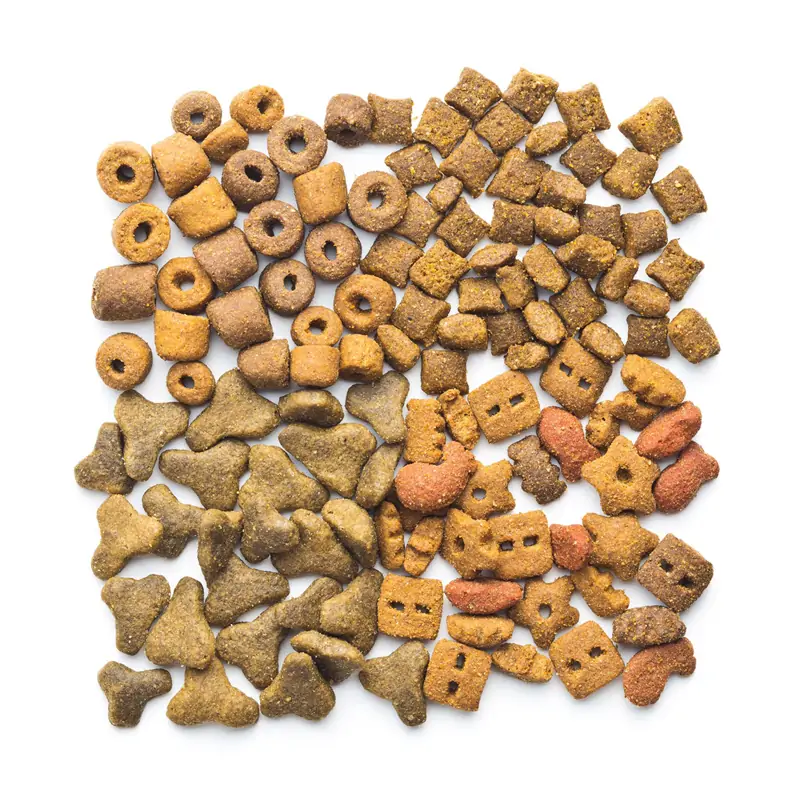 Pet Food Pellets
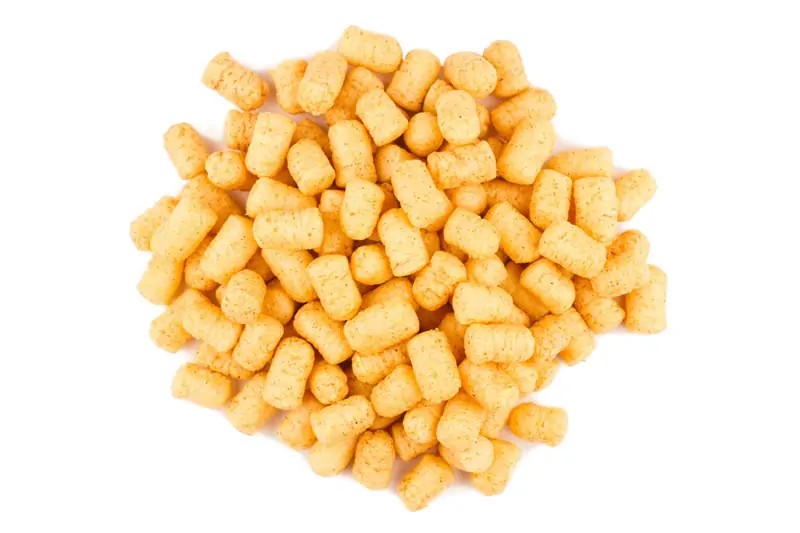 Cereal & Snack Pellets
Typical Material Applications
| Material Type | Application Industry | Reasons for Selecting Z-Type Feeder | Equipment Considerations |
| Mixed nuts, peanuts, cashews, and other nuts | Nut processing, food production | Materials have high value and require reduced collision during conveying to maintain particle integrity | Focus on bucket material, operating speed, and food-grade configuration |
| Dog food, cat food, and other pet food pellets | Pet food production | The particles have regular shapes and are suitable for continuous feeding and height transfer | Focus on conveying stability, breakage rate, and cleaning maintenance |
| Plastic pellets, resin pellets | Chemical and new material industries | The materials have good flowability and are suitable for enclosed continuous conveying | Focus on wear resistance, sealing performance, and anti-static requirements |
| Corn, grains, puffed food pellets | Grain processing, snack food production | The materials are sensitive to compression and falling impact and require stable transfer | Focus on bucket capacity, conveying capacity, and discharge method |
On-Site Selection Judgment
Z-Type Feeder is more suitable for granular bulk materials with good flowability, but different material conditions will affect equipment configuration and operating performance. During selection, material characteristics should be confirmed first, and then whether the equipment structure is suitable should be evaluated.
| Material Condition | Suitability | Design Considerations |
| Regular granular materials | Suitable | Focus on conveying capacity, bucket specifications, and material selection |
| Fragile granular materials | Suitable | Focus on operating speed and bucket structure to reduce collision during conveying |
| Materials with high moisture content or easy adhesion | Requires evaluation | Focus on cleaning methods and internal material residue |
| Large and high-density materials | Requires evaluation | Focus on bucket load capacity, chain strength, and wear-resistant configuration |
| Ultra-fine powder or lightweight powder | Requires evaluation | Focus on sealing structure, dust control, and material flow condition |
The application focus of Z-Type Feeder is continuous conveying of granular bulk materials and height transfer in production lines. During selection, in addition to conveying capacity and lifting height, material particle size, density, moisture content, and installation space also need to be confirmed before determining suitable bucket, drive, and casing configurations.
How to Choose Between Z-Type Feeder and Bucket Elevator Conveyor?
Both Z-Type Feeder and Bucket Elevator Conveyor use circulating bucket conveying structures, but their conveying routes and application scenarios are different. Bucket Elevator Conveyor is mainly used for vertical lifting, while Z-Type Feeder can complete horizontal conveying, vertical lifting, and horizontal conveying again, making it more suitable for production lines requiring connection between upstream and downstream equipment or changes in conveying direction.
Main Differences Between the Two Lifting Equipment
Although the two types of equipment have similar working methods, they are different in equipment layout, material conveying characteristics, and production line connection methods.
| Comparison Item | Z-Type Feeder | Bucket Elevator Conveyor |
| Conveying Method | Horizontal and vertical combined conveying, with conveying route adjustable according to site layout | Mainly vertical lifting with a relatively fixed conveying route |
| Main Function | Lifts materials while completing transfer between production lines | Mainly completes material height lifting |
| Installation Layout | Inlet and outlet positions can be adjusted, making it convenient to connect with upstream and downstream equipment | Usually requires vertical installation space |
| Material Conveying Characteristics | Smooth bucket operation, more suitable for applications requiring material integrity | Mature structure, suitable for continuous lifting and larger conveying requirements |
| Applicable Materials | Granular bulk materials, fragile materials, and materials requiring stable conveying | Powder materials, granular materials, and bulk materials requiring continuous lifting |
| Common Applications | Food processing, packaging production lines, automatic conveying systems | Grain processing, mining, building materials, chemical production lines |
How to Select According to Production Requirements?
If the production line only needs fixed-height continuous lifting, such as transporting materials from a lower position to a higher position and then entering the next process, Bucket Elevator Conveyor can usually meet the requirements.
If the site has the following conditions:
- Limited factory space and requires adjustment of conveying direction;
- Equipment needs to connect with front-end feeding or rear-end packaging systems;
- Materials are fragile particles and need to reduce impact during conveying;
- Production lines require more flexible equipment layout;
In these cases, Z-Type Feeder is usually easier to match production line requirements.
Equipment selection should not only focus on lifting height, but also needs to consider material characteristics, conveying route, and installation conditions together.
Technical Parameters
The model selection of Z-Type Feeder should not only consider conveying capacity, but also needs to be determined according to material characteristics, conveying distance, and installation space. For the same equipment specification, different materials with different density, particle size, and flowability may require different bucket capacity, operating speed, and drive configurations. The following parameters are the common model ranges of Jiarui and can be used as a reference for equipment selection.
Common Model Parameters
Model selection is not based on higher conveying capacity being better. An oversized equipment increases investment and occupied space, while an undersized equipment may affect continuous feeding. The equipment needs to be matched according to actual operating conditions.
| Model | Conveying Capacity |
| ZX-160 | 2.9~4.8 m³/h |
| ZX-250 | 4.6~15.7 m³/h |
| ZX-330 | 6.0~10.0 m³/h |
| ZX-400 | 15.2~25.2 m³/h |
| ZX-500 | 25.4~42.3 m³/h |
| ZX-530 | 20~33.4 m³/h |
| ZX-650 | 32.9~54.9 m³/h |
| ZX-800 | 40.6~67.6 m³/h |
Equipment Parameters
| Parameter | Configuration Range |
| Conveying Type | Horizontal conveying → Vertical lifting → Horizontal conveying |
| Conveying Structure | Buckets driven by chain/belt for circulating operation |
| Applicable Materials | Powdery, granular, and small block bulk materials |
| Casing Material | Carbon steel with spray coating, SUS304 stainless steel, etc. |
| Bucket Material | Food-grade PP, stainless steel, carbon steel |
| Drive Method | Motor drive |
| Control Method | Manual control, automatic control, variable frequency speed regulation |
| Customized Items | Equipment dimensions, material, bucket structure, control method, explosion-proof configuration, etc. |
Parameter Description
The conveying capacity shown in the table is a reference range under standard operating conditions. The actual capacity will be affected by material density, particle size, powder content, and bucket filling rate. For example, when the same equipment model is used for lightweight particles and high-density materials, the operating performance and actual output may be different.
For industries such as food and pharmaceuticals, the material requirements of contact parts need to be confirmed. For continuous production lines, suitable equipment specifications also need to be determined according to conveying distance, lifting height, and installation conditions.
Customization
The structure of Z-Type Feeder needs to be determined according to the site conveying route and material conditions. Since the equipment includes horizontal conveying sections, vertical lifting sections, and discharge sections, different factories have different requirements for installation height, equipment connection methods, and operating environments. Standard models may not always directly match the production line.
Jiarui can adjust equipment dimensions, bucket configurations, material selection, and control methods according to actual operating conditions, reducing problems such as installation mismatch and unstable feeding.When consulting about Z-Type Feeder, it is recommended to provide the following information:
- Material Information: Material name, particle size, whether it is fragile, and whether it is easy to adhere.
- Conveying Requirements: Conveying capacity per hour, lifting height, and horizontal conveying distance.
- Installation Conditions: Installation space, inlet and outlet positions, and whether it needs to connect with packaging machines or automatic equipment.
- Material Requirements: Whether food-grade materials, stainless steel structures, or other special configurations are required.
These information helps determine equipment dimensions, bucket specifications, and drive configurations, making the Z-Type Feeder more suitable for the existing production process.
Jiarui Manufacturing
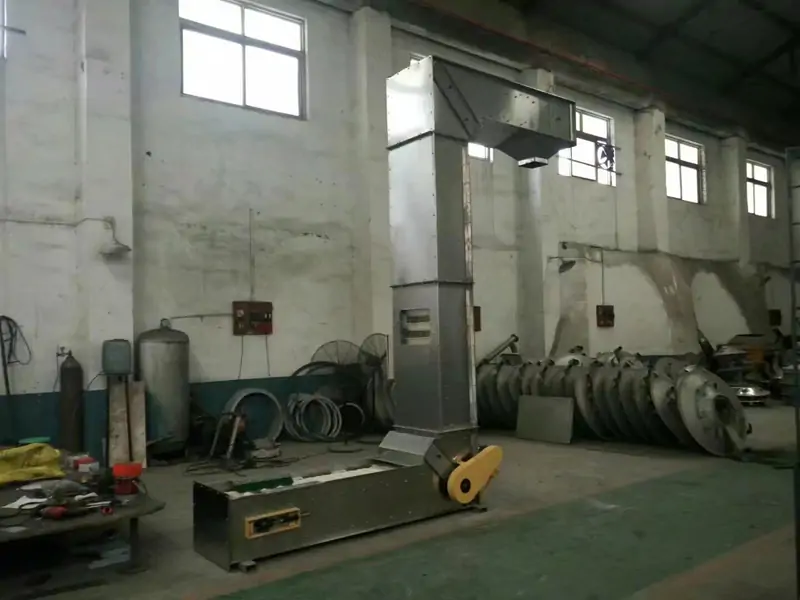
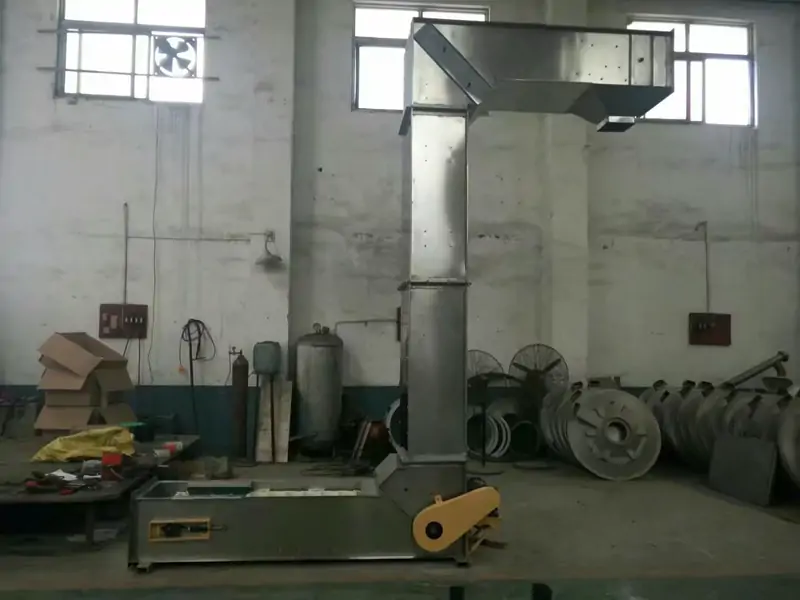
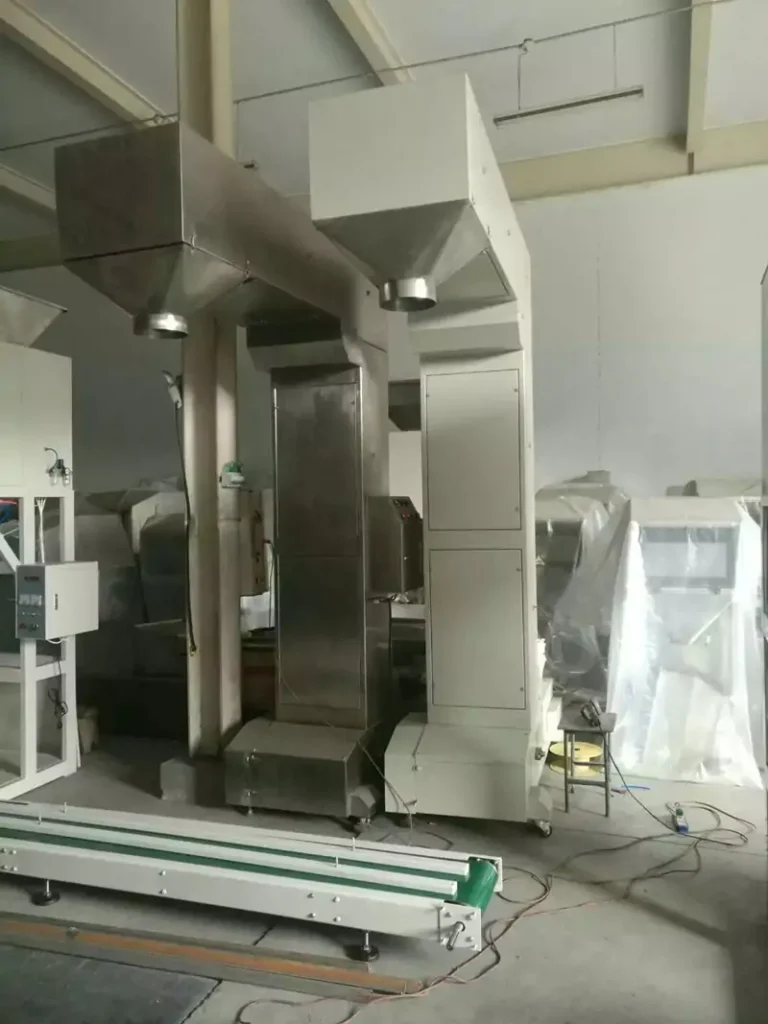
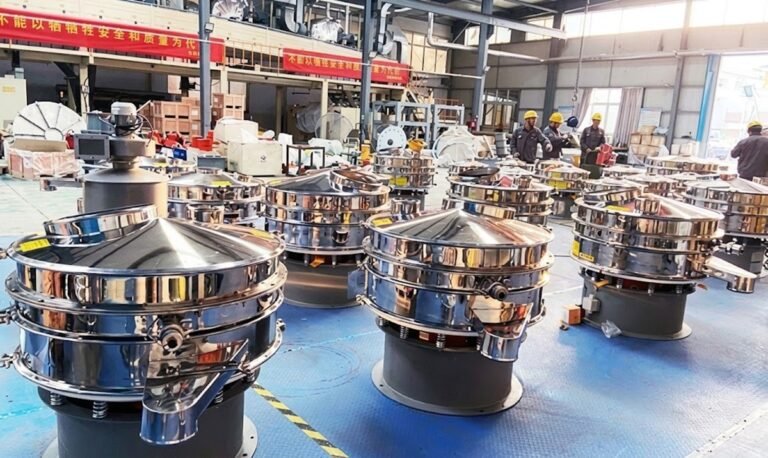
Z-Type Feeder has a simple structure, but stable operation is related to conveying route design, bucket operating accuracy, and transmission system matching. During manufacturing, Jiarui focuses on confirming equipment installation dimensions, bucket operating track, and inlet and outlet connection methods, allowing the feeder to match the customer’s existing production line.
For industries with high hygiene requirements such as food and pharmaceuticals, Jiarui focuses on material contact part selection, welding treatment, and cleaning requirements, allowing the equipment to meet not only conveying requirements but also the use requirements of corresponding production environments.
Focus on Conveying Route Dimensions
Z-Type Feeder is usually installed in limited spaces. The length of horizontal sections, lifting height, and turning positions affect equipment layout. Before manufacturing, site dimensions need to be confirmed, and the frame structure needs to be adjusted according to installation conditions to avoid interface mismatch or installation difficulties after delivery.
Ensure Stable Bucket Circulation
During long-term bucket circulation operation, chain tension, drive matching, and guide structure affect feeding conditions. Jiarui checks bucket clearance, chain operation, and transmission component matching to reduce problems such as jamming, deviation, or unstable feeding during operation.
Check Complete Equipment Condition Before Delivery
After equipment assembly is completed, the drive operation, bucket circulation, inlet and outlet conditions, and overall operating status need to be checked. For stainless steel equipment used in food industries, the treatment of material contact parts also needs to be confirmed to facilitate later cleaning and maintenance.
For Z-Type Feeder, the manufacturing focus is not only completing equipment assembly, but also ensuring that equipment dimensions, operating methods, and production requirements are matched.
FAQs
Get a Free Consultation
Fill out the form below to connect with our experts and receive personalized recommendations for your application.