Alimentador tipo Z: transporte compacto, sin polvo y sin daños
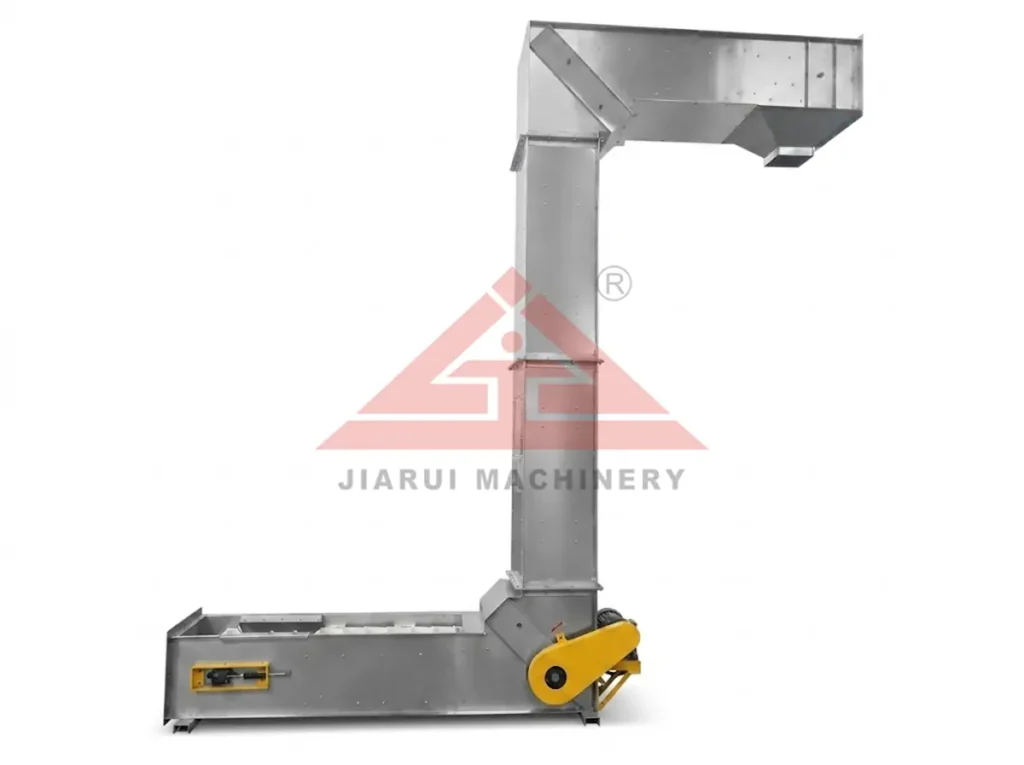
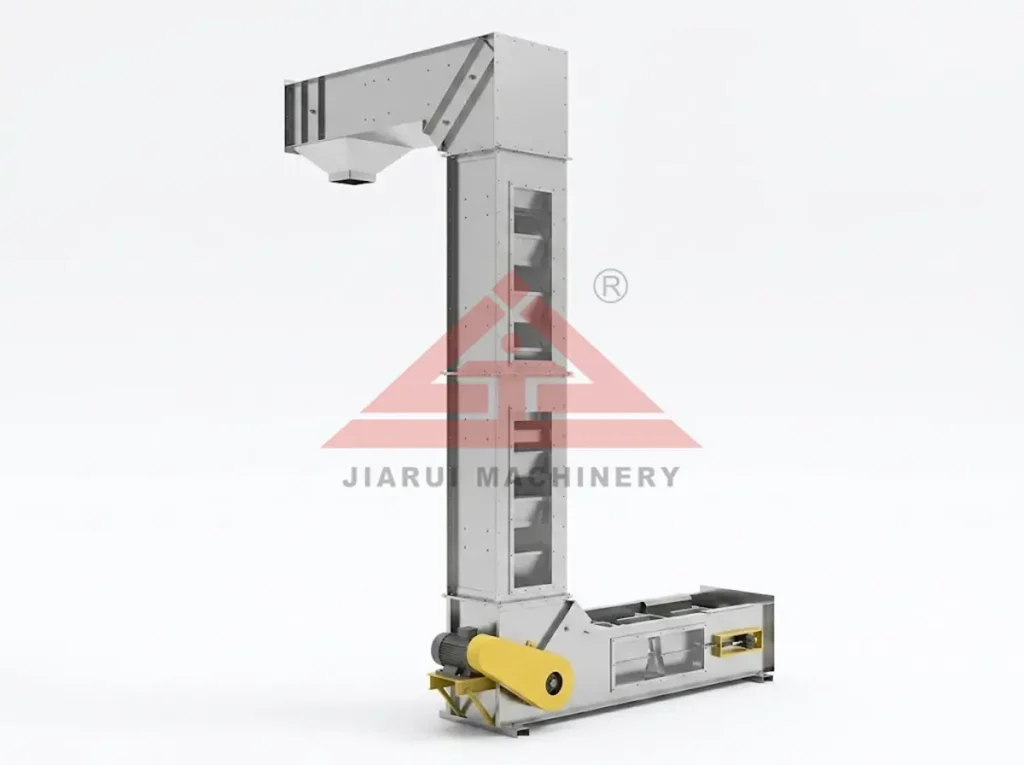
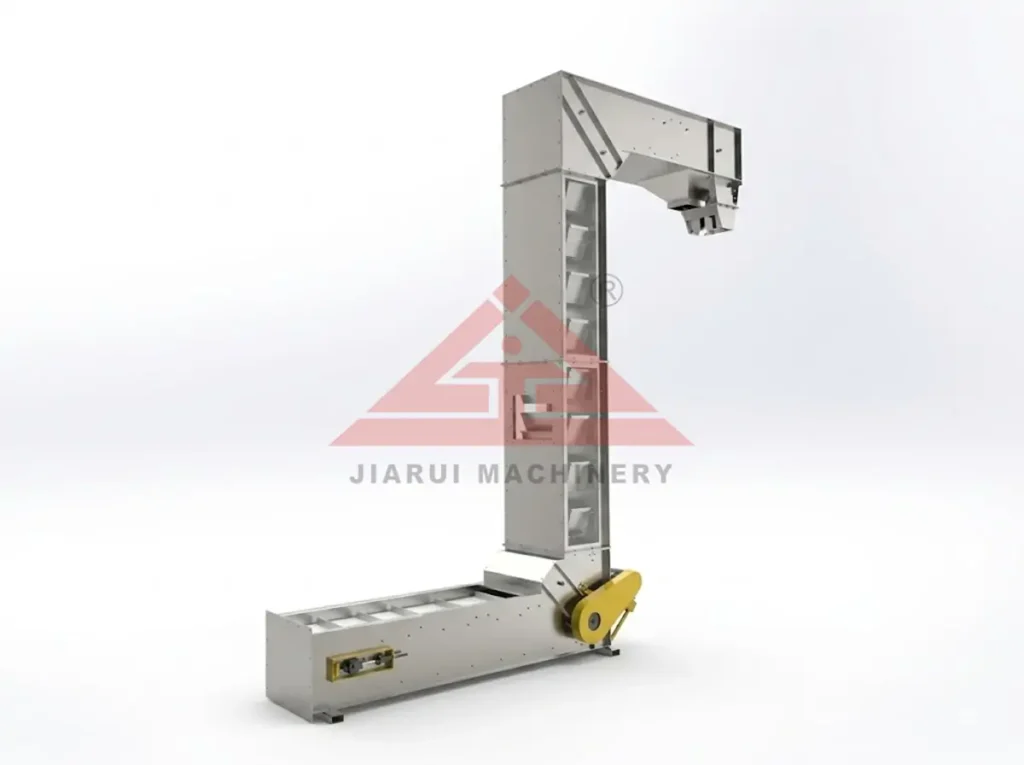
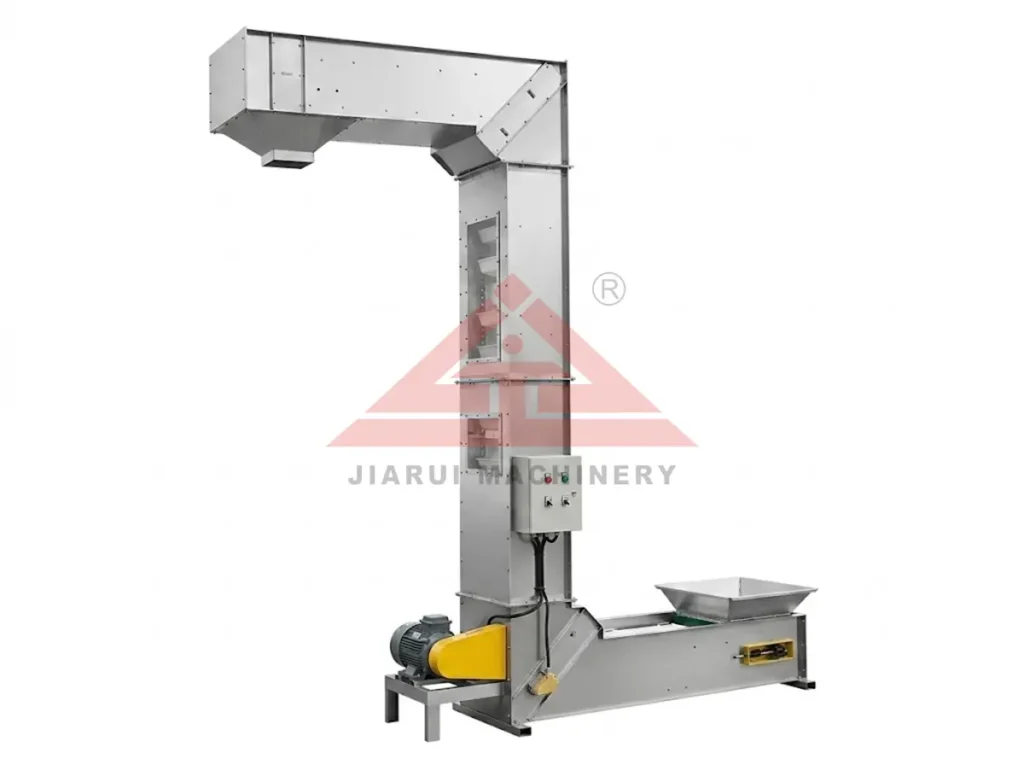
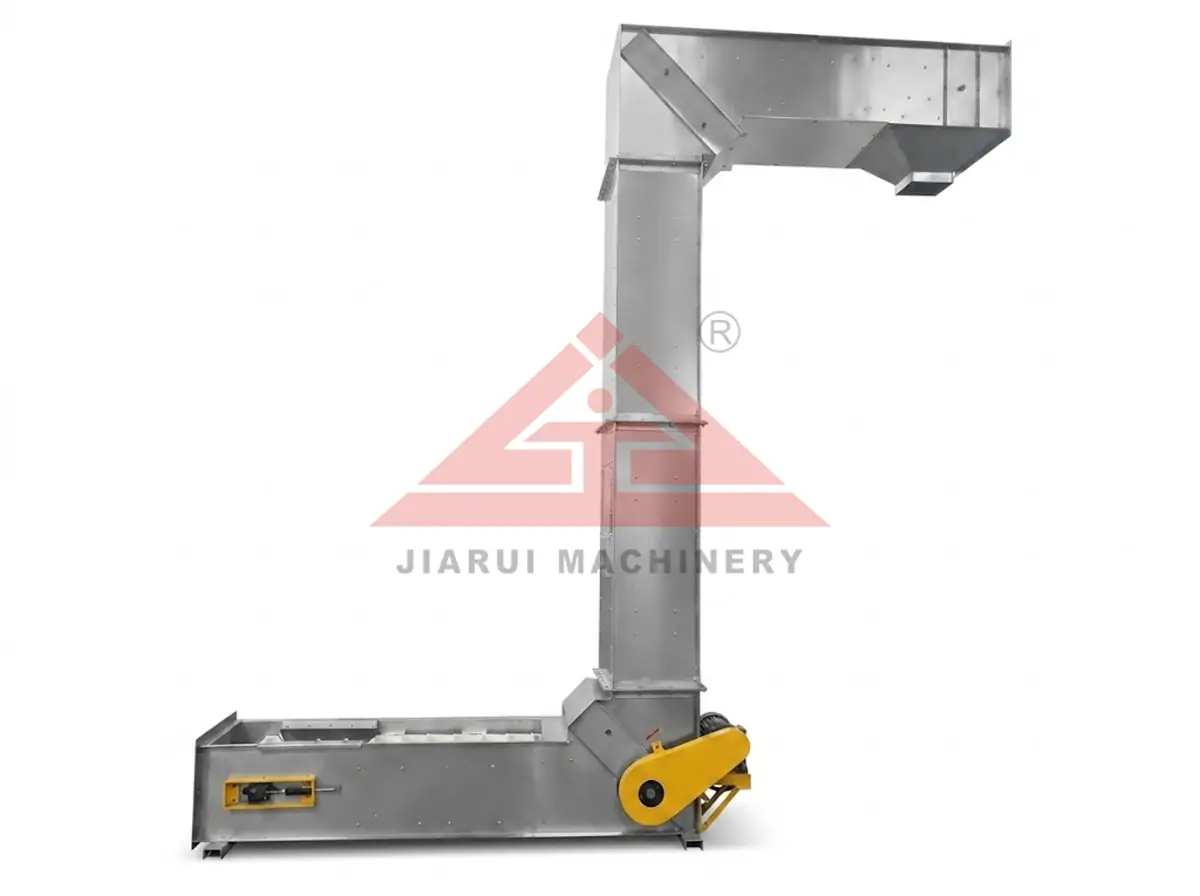
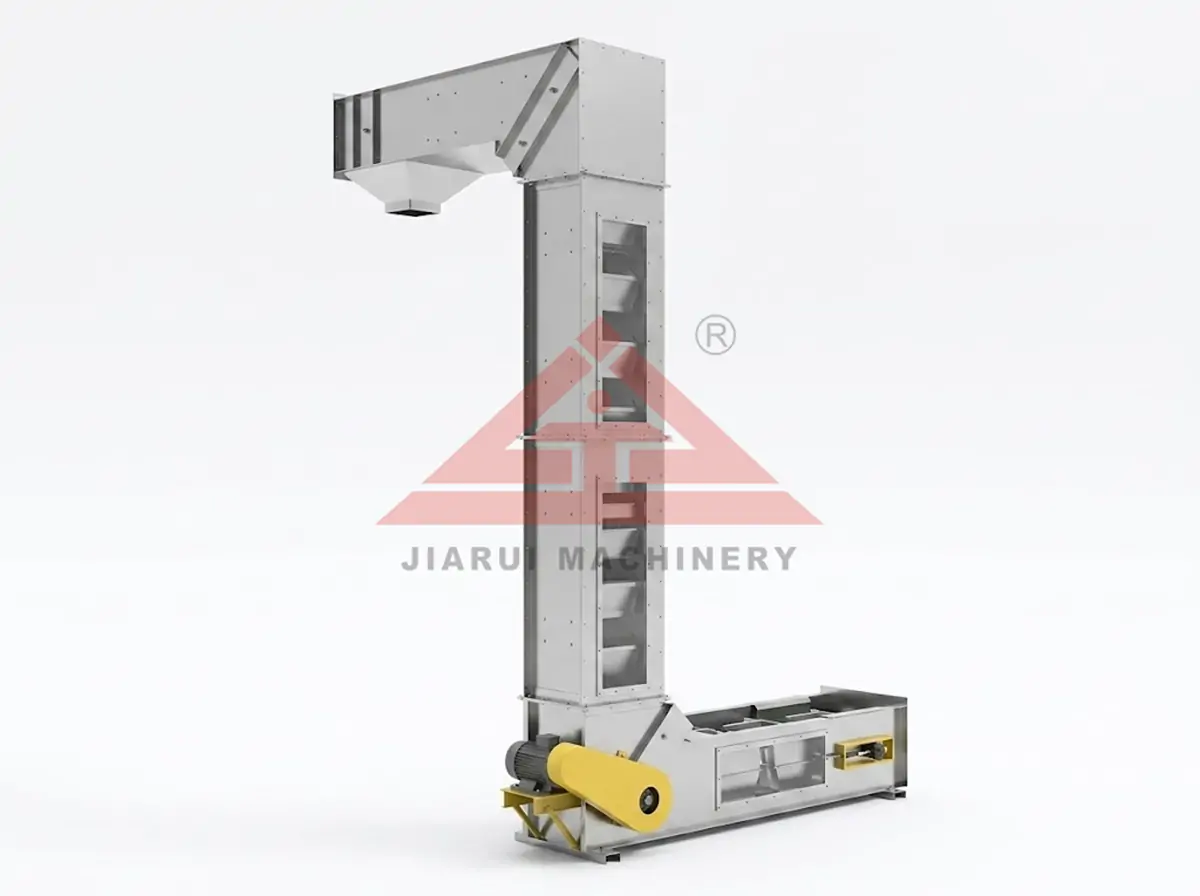
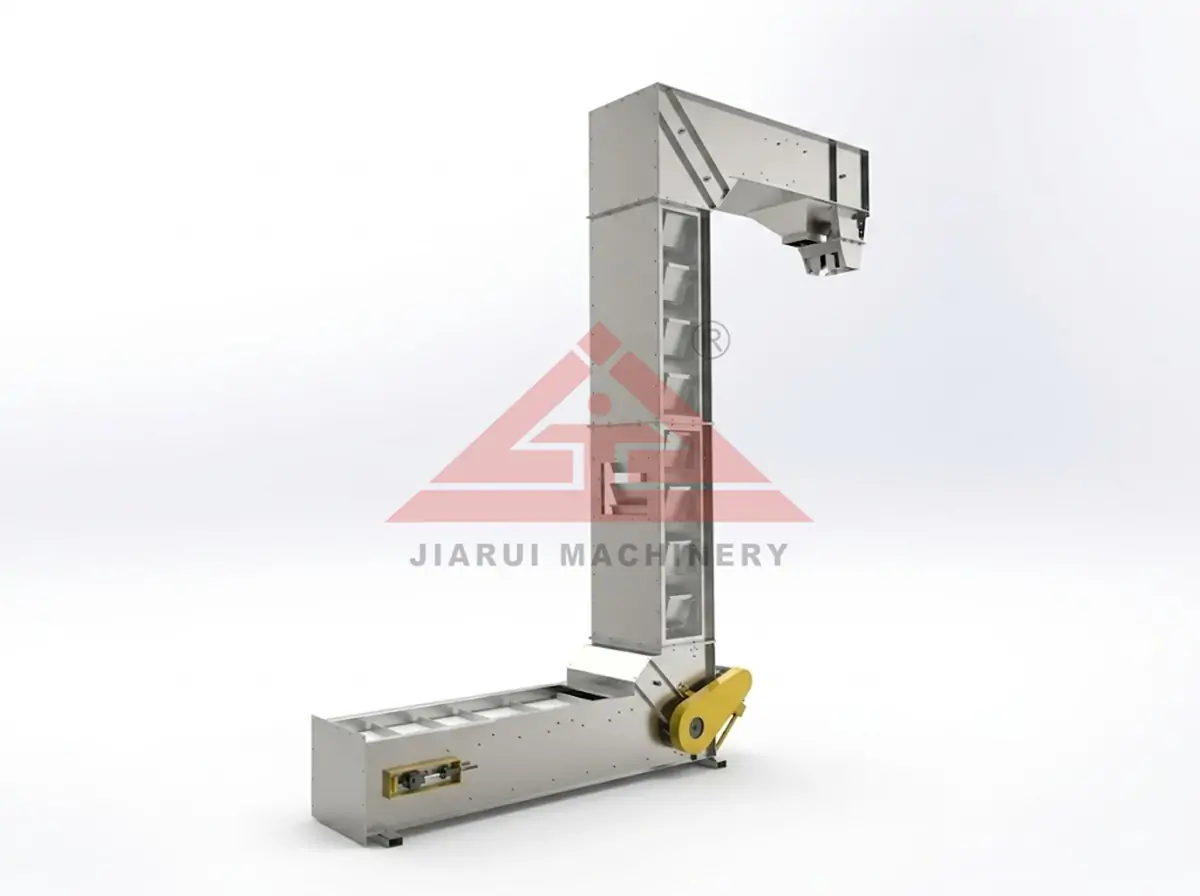
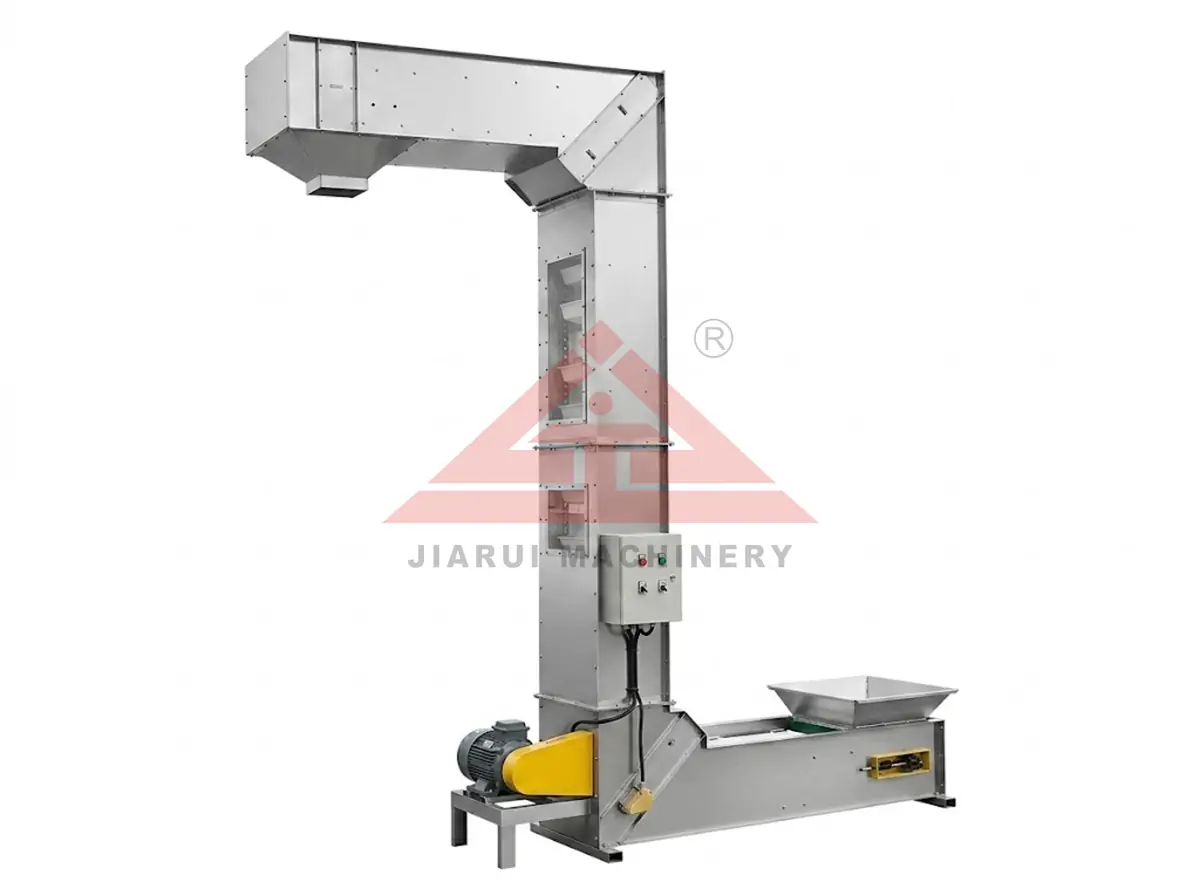
El alimentador tipo Z es un equipo de transporte utilizado para elevar y transportar materiales granulares, en polvo y en pequeños bloques. Completa la alimentación horizontal, la elevación vertical y la descarga a alto nivel mediante una ruta de transporte en forma de Z. El equipo utiliza cangilones para transportar materiales durante el transporte, proporcionando un funcionamiento estable y reduciendo la rotura del material. Es adecuado para las industrias alimentaria, de alimentos para mascotas, de pellets de plástico, de gránulos químicos, de materiales de nueva energía y otras.
Jiarui admite personalización según las características del material y la disposición de la línea de producción, incluida la altura de transporte, el tamaño del cangilón, la selección de materiales, las posiciones de entrada y salida, y los métodos de control, lo que ayuda a que el equipo se adapte a sistemas automáticos de envasado, pesaje y alimentación continua.
- Modelo: Elevador de cangilones tipo JR-Z
- Capacidad: 3-60 m³/h
- Tipo de Transporte: Horizontal → Vertical → Horizontal
- Material del cangilón: PP / SUS304
- Material de la estructura: Acero al carbono / Acero inoxidable
- Aplicaciones: Pellets alimentarios, alimentos para mascotas, pellets de plástico, gránulos químicos
¿Qué es el alimentador tipo Z?
El alimentador tipo Z, también conocido como elevador de cangilones tipo Z, es un equipo combinado de elevación y transporte utilizado para la transferencia de altura de materiales a granel. Su enfoque de diseño no es simplemente aumentar la altura de elevación, sino integrar la alimentación a bajo nivel, la elevación vertical y el transporte a alto nivel en una sola ruta de transporte dentro de un espacio de instalación limitado.
Este equipo se instala comúnmente entre tolvas, máquinas de envasado, equipos de pesaje y procesos de producción. Se utiliza para resolver problemas en los que los materiales necesitan superar diferencias de altura o cambiar la dirección de transporte. En comparación con las líneas de transporte compuestas por múltiples máquinas separadas, el alimentador tipo Z reduce los puntos de transferencia intermedios y utiliza cangilones para transportar materiales, lo que lo hace más adecuado para procesos de producción que requieren una alimentación estable y una reducción del daño al material.
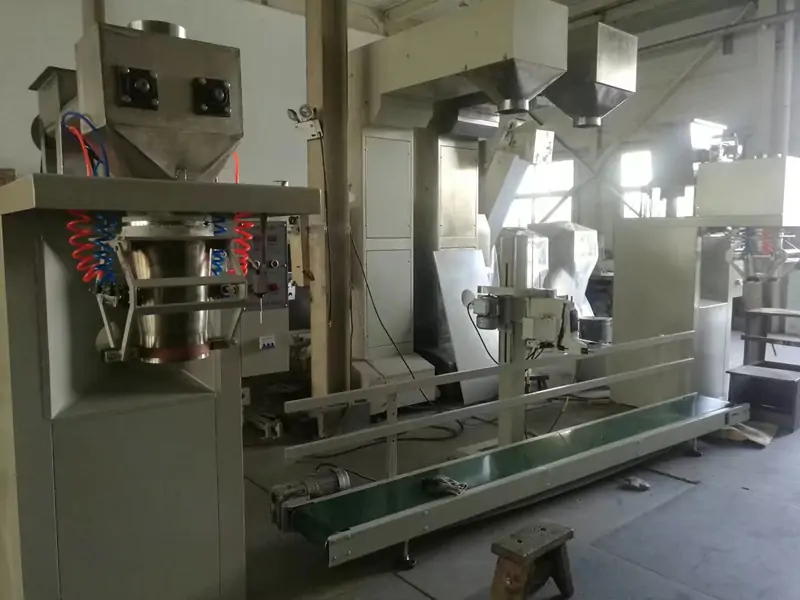
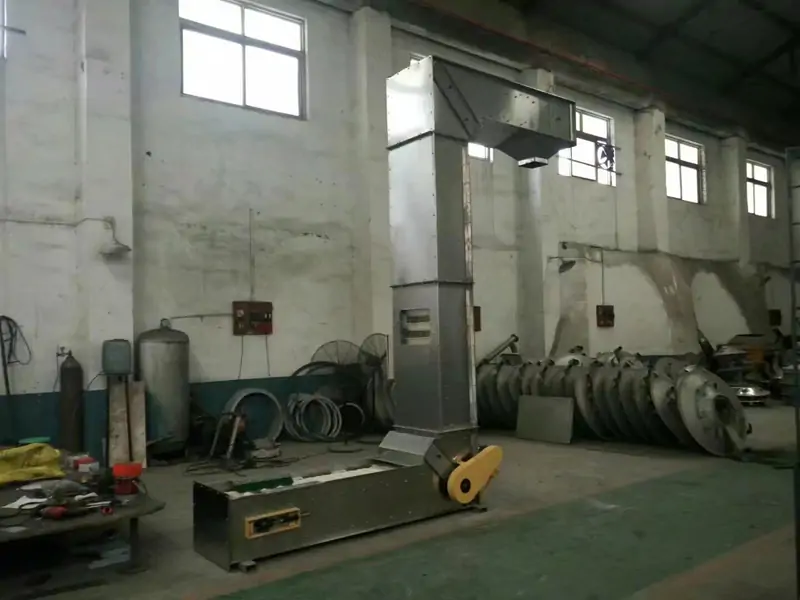
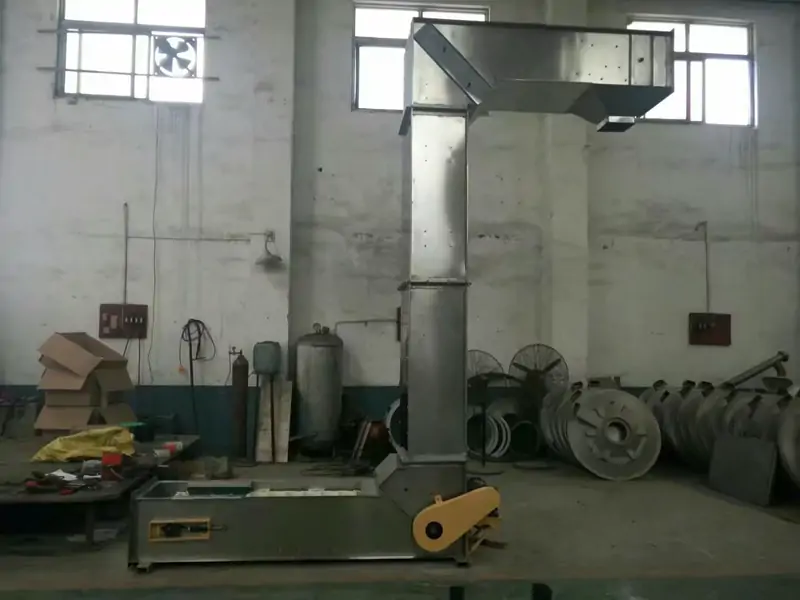
Principio de Funcionamiento
El alimentador tipo Z adopta un método de transporte de cangilones en circulación. El sistema de accionamiento mueve la cadena o la correa, permitiendo que los cangilones recorran la ruta en forma de Z. Después de que los materiales entran en los cangilones, son transportados a través de las secciones de transporte horizontal y elevación vertical, y luego se descargan a la altura requerida. En comparación con los métodos de transporte que dependen de la fricción o la fuerza de empuje, el método de transporte con cangilones puede reducir la compresión y la colisión del material, lo que lo hace adecuado para el transporte de materiales granulares.
Cómo entran los materiales en los cangilones:
Los materiales generalmente entran en los cangilones inferiores a través de una tolva, equipo de alimentación o alimentación manual. La capacidad y el espaciado de los cangilones deben determinarse según el tamaño, la densidad y la capacidad de transporte del material para evitar una alimentación inestable o una carga excesiva del equipo.
Cómo completan los cangilones el transporte horizontal y vertical:
El equipo incluye secciones de transporte horizontal en la parte inferior y superior, con una sección de elevación vertical en el medio. Esta estructura permite que los materiales completen la transferencia de altura y es adecuada para líneas de producción con diferencias de altura o espacio de instalación limitado.
Cómo se descargan los materiales después de la elevación:
Cuando los cangilones alcanzan la posición de descarga, los materiales entran en las máquinas de envasado, tolvas de almacenamiento o el siguiente proceso de producción. La altura de descarga, la dirección y el tamaño de la interfaz se pueden ajustar según la disposición del equipo.
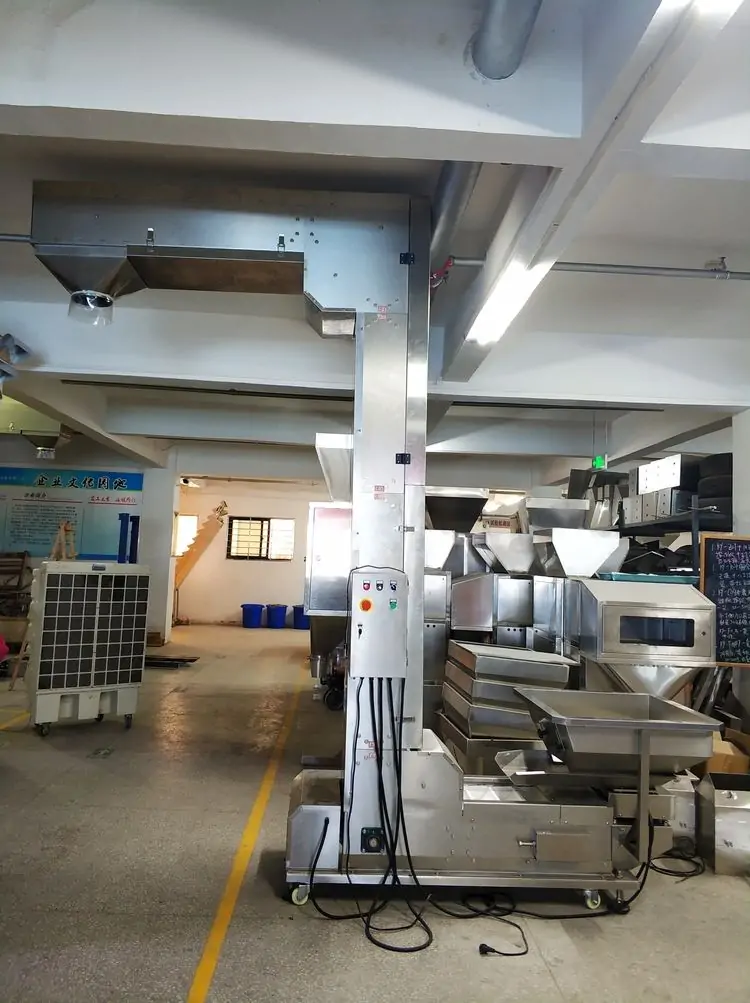
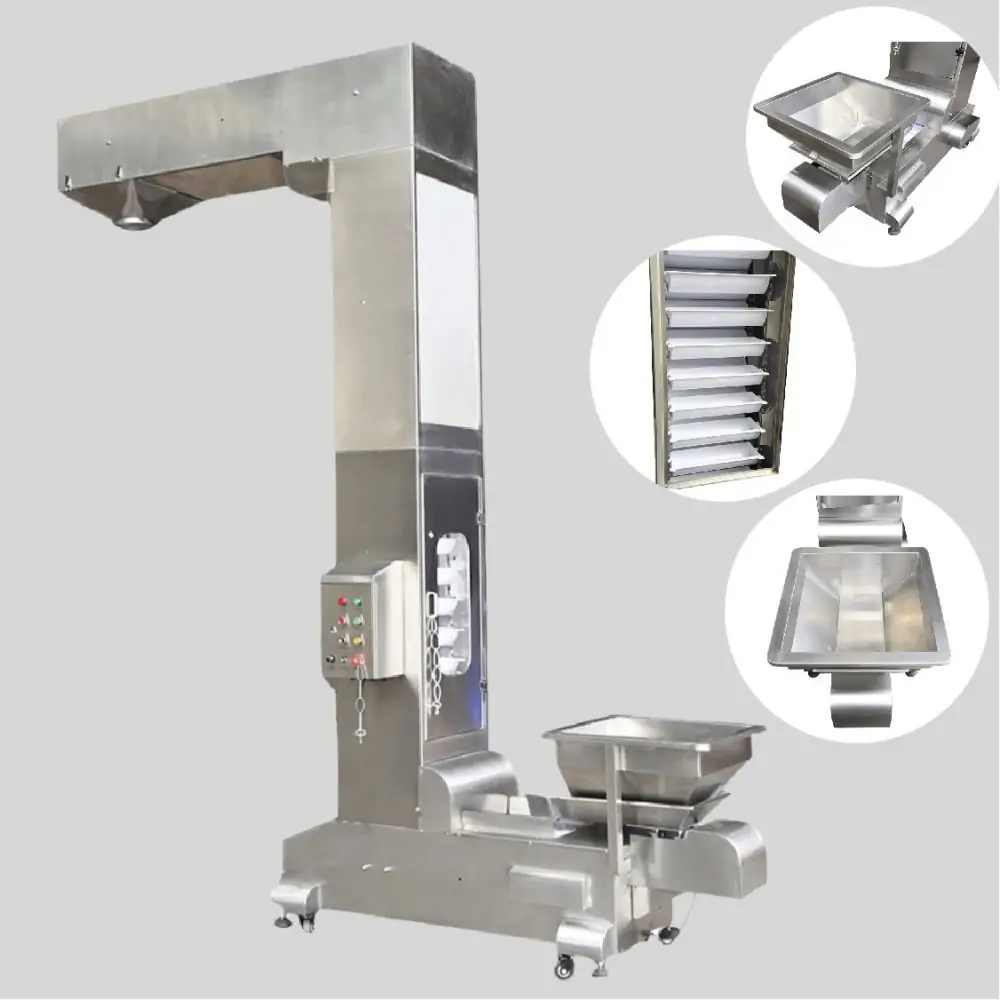
Componentes Estructurales
Aunque el alimentador tipo Z tiene una apariencia relativamente simple, su estructura interna afecta directamente el rendimiento de alimentación. Los cangilones transportan los materiales, el sistema de accionamiento proporciona potencia de funcionamiento continua y la estructura de la carcasa determina el método de instalación y el entorno de transporte. Diferentes materiales, alturas de transporte y disposiciones del sitio requieren diferentes requisitos para estas estructuras.
Sistema de cangilones:El cangilón es el componente que contacta directamente con los materiales en el alimentador tipo Z. Su tamaño, material y disposición deben determinarse según la capacidad de transporte y las características del material. Para materiales frágiles como nueces y alimentos para mascotas, se debe prestar atención al impacto y al desgaste durante el funcionamiento de los cangilones. Para pellets de plástico, gránulos químicos y otros materiales, la capacidad de carga del cangilón y la vida útil son más importantes. Jiarui puede seleccionar diferentes configuraciones, como cangilones de PP aptos para uso alimentario y cangilones de acero inoxidable, según las condiciones de aplicación.
Sistema de accionamiento y transmisión:El sistema de accionamiento mueve los cangilones en circulación y generalmente incluye un motor, una rueda dentada y una cadena o correa. La altura de elevación, la distancia de transporte y el peso del material afectan la selección de potencia. Si la configuración del accionamiento es demasiado pequeña, puede producirse una capacidad de carga insuficiente durante el funcionamiento continuo. Si la configuración es demasiado grande, puede aumentar el costo del equipo. Por lo tanto, el sistema de accionamiento debe seleccionarse según las condiciones de funcionamiento específicas.
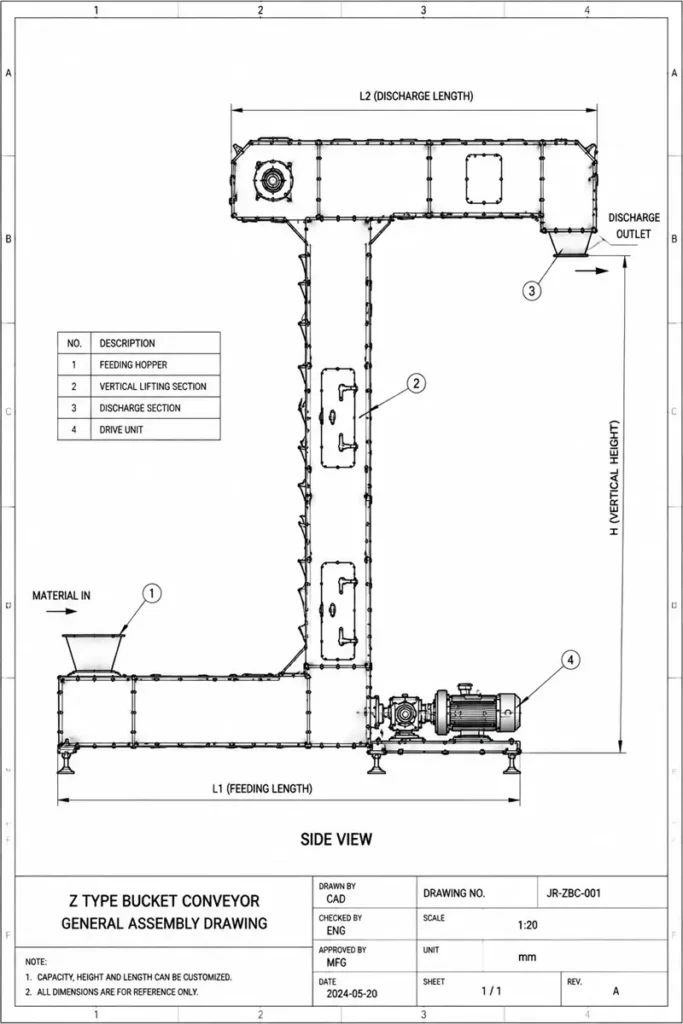
Carcasa y estructura de transporte:El alimentador tipo Z forma una ruta de transporte completa a través de la sección horizontal inferior, la sección de elevación media y la sección horizontal superior. La carcasa cerrada protege los componentes de transmisión internos y reduce el derrame de material y la contaminación externa. Para industrias como la alimentaria y la farmacéutica, el material de la carcasa y los requisitos de limpieza son consideraciones importantes. Por ejemplo, las estructuras de acero inoxidable SUS304 se seleccionan comúnmente para cumplir con entornos de producción higiénicos.
La configuración estructural del alimentador tipo Z no tiene un estándar fijo. El tipo de cangilón, el método de accionamiento y el material de la carcasa deben determinarse según las propiedades del material, la capacidad de transporte y las condiciones de instalación.
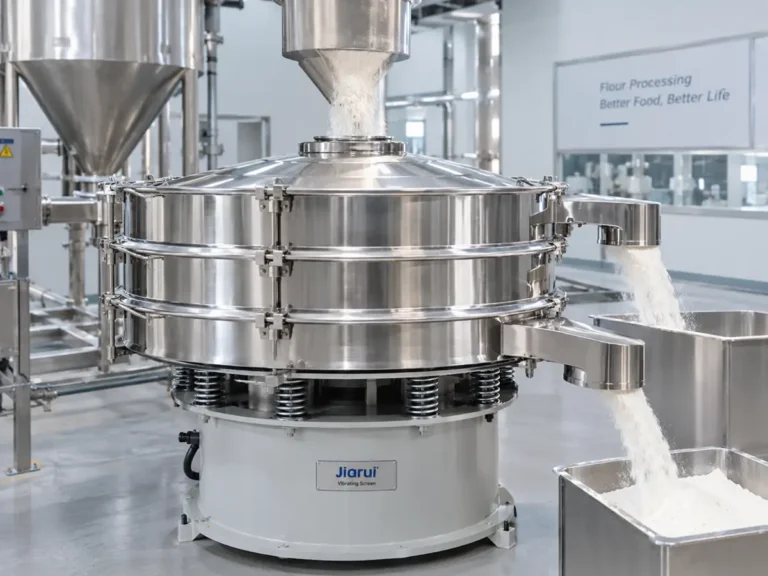
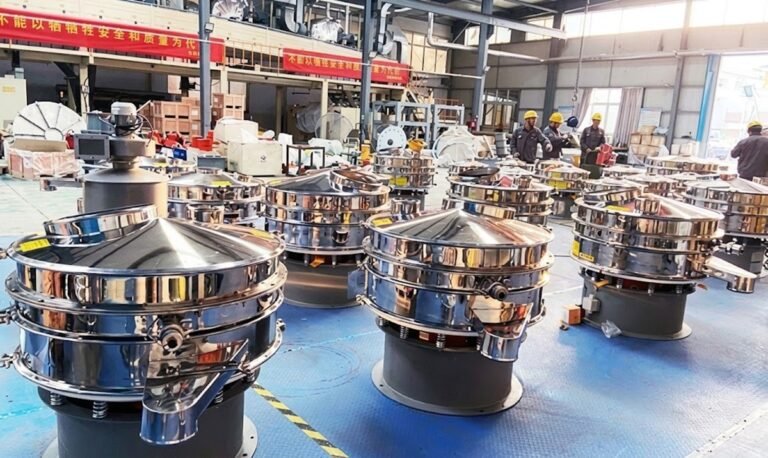
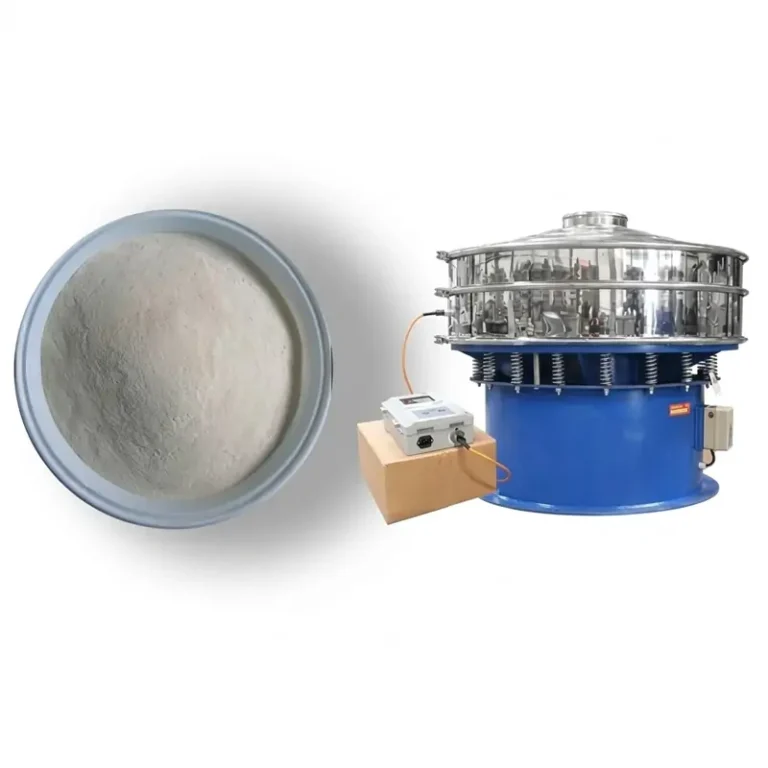
La criba vibratoria Jia Rui se utiliza para tamizar, clasificar y eliminar impurezas de materiales granulares y en polvo, así como para la eliminación de impurezas y filtración de materiales líquidos. Puede utilizarse en combinación con equipos de transporte como alimentadores de vacío y tolvas de alimentación con tornillo sinfín para formar una línea de producción integrada de cribado y transporte, mejorando significativamente la eficiencia de producción. Es compatible con todas las industrias y tiene una amplia gama de aplicaciones, como en las industrias alimentaria, química, farmacéutica, minera y de
El alimentador tipo Z se utiliza principalmente para elevar y transportar materiales a granel granulares, especialmente para líneas de producción con diferencias de altura y requisitos para reducir el daño al material. El equipo utiliza cangilones para transportar materiales y combina la alimentación horizontal y la elevación vertical en una sola máquina. Se utiliza comúnmente en las industrias alimentaria, de alimentos para mascotas, de gránulos químicos y de procesamiento de granos. Estas aplicaciones generalmente se centran en la conexión del equipo, la integridad del material y la utilización del espacio de instalación, en lugar de solo completar una elevación simple.
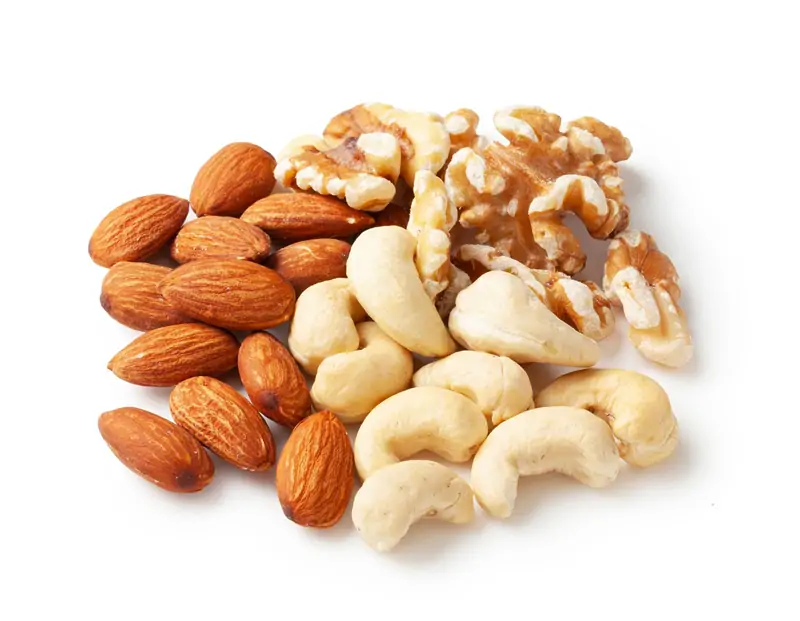 Frutos secos mixtos
 Pellets de plástico
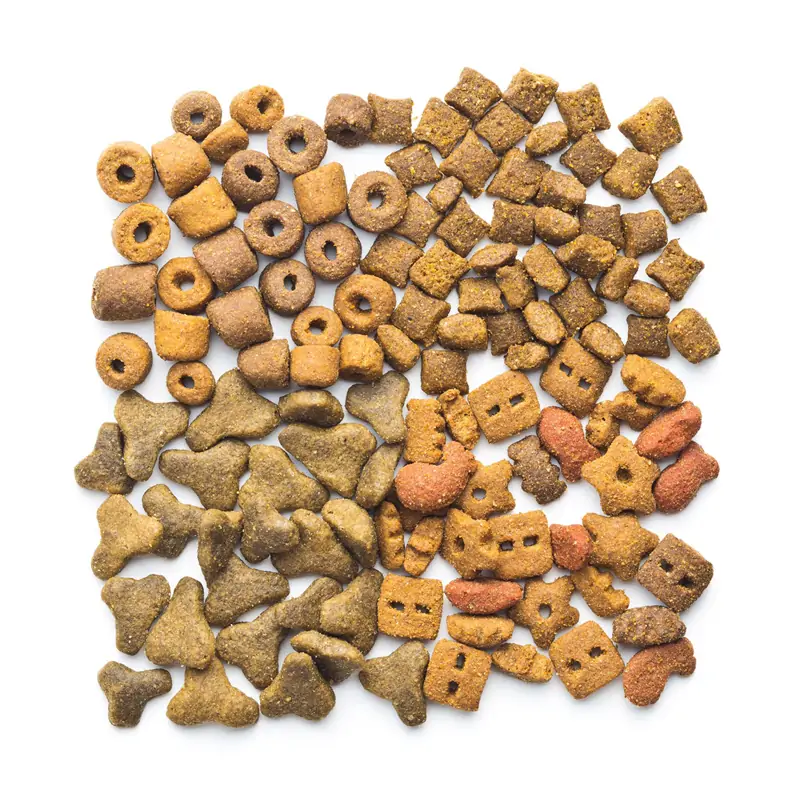 Pellets de alimento para mascotas
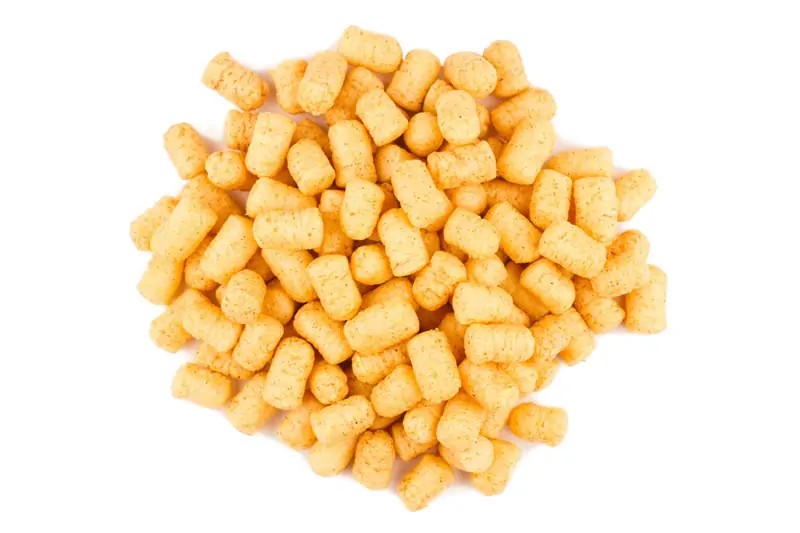 Pellets de cereales y snacks
Aplicaciones típicas de materiales
| Tipo de material | Industria de aplicación | Razones para seleccionar el alimentador tipo Z | Consideraciones sobre el equipo |
| Frutos secos mixtos, cacahuetes, anacardos y otros frutos secos | Procesamiento de frutos secos, producción alimentaria | Los materiales tienen alto valor y requieren reducir el impacto durante el transporte para mantener la integridad de las partículas | Enfoque en el material de los cangilones, la velocidad de operación y la configuración de grado alimenticio |
| Croquetas de perro, gato y otros alimentos para mascotas | Producción de alimentos para mascotas | Las partículas tienen formas regulares y son adecuadas para alimentación continua y transferencia de altura | Enfoque en la estabilidad de transporte, la tasa de rotura y el mantenimiento de limpieza |
| Pellets de plástico, pellets de resina | Industrias química y de nuevos materiales | Los materiales tienen buena fluidez y son adecuados para el transporte continuo en circuito cerrado | Enfoque en la resistencia al desgaste, el rendimiento de sellado y los requisitos antiestáticos |
| Maíz, granos, pellets de alimentos inflados | Procesamiento de granos, producción de snacks | Los materiales son sensibles a la compresión y al impacto por caída y requieren una transferencia estable | Centrarse en la capacidad del cangilón, la capacidad de transporte y el método de descarga |
Juicio de selección en sitio
El alimentador tipo Z es más adecuado para materiales granulados a granel con buena fluidez, pero diferentes condiciones de material afectarán la configuración del equipo y el rendimiento operativo. Durante la selección, primero se deben confirmar las características del material y luego evaluar si la estructura del equipo es adecuada.
| Condición del material | Idoneidad | Consideraciones de diseño |
| Materiales granulares regulares | Adecuado | Centrarse en la capacidad de transporte, las especificaciones del cangilón y la selección del material |
| Materiales granulados frágiles | Adecuado | Centrarse en la velocidad de operación y la estructura del cangilón para reducir la colisión durante el transporte |
| Materiales con alto contenido de humedad o fácil adhesión | Requiere evaluación | Centrarse en los métodos de limpieza y el residuo de material interno |
| Materiales grandes y de alta densidad | Requiere evaluación | Centrarse en la capacidad de carga del cangilón, la resistencia de la cadena y la configuración resistente al desgaste |
| Polvo ultrafino o polvo ligero | Requiere evaluación | Centrarse en la estructura de sellado, el control de polvo y la condición de flujo del material |
El enfoque de aplicación del alimentador tipo Z es el transporte continuo de materiales granulados a granel y la transferencia de altura en líneas de producción. Durante la selección, además de la capacidad de transporte y la altura de elevación, también se deben confirmar el tamaño de partícula del material, la densidad, el contenido de humedad y el espacio de instalación antes de determinar las configuraciones adecuadas de cangilón, accionamiento y carcasa.
¿Cómo elegir entre el alimentador tipo Z y el transportador de elevador de cangilones?
Tanto el alimentador tipo Z como Transportador de Elevador de Cangilones utilizan estructuras de transporte de cangilones circulantes, pero sus rutas de transporte y escenarios de aplicación son diferentes. El transportador de elevador de cangilones se utiliza principalmente para elevación vertical, mientras que el alimentador tipo Z puede completar transporte horizontal, elevación vertical y nuevamente transporte horizontal, lo que lo hace más adecuado para líneas de producción que requieren conexión entre equipos aguas arriba y aguas abajo o cambios en la dirección de transporte.
Principales diferencias entre los dos equipos de elevación
Aunque los dos tipos de equipos tienen métodos de trabajo similares, son diferentes en la disposición del equipo, las características de transporte de materiales y los métodos de conexión de la línea de producción.
| Elemento de comparación | Alimentador Tipo Z | Transportador de Elevador de Cangilones |
| Método de transporte | Transporte combinado horizontal y vertical, con ruta de transporte ajustable según la disposición del sitio | Principalmente elevación vertical con una ruta de transporte relativamente fija |
| Función Principal | Eleva materiales mientras completa la transferencia entre líneas de producción | Principalmente completa la elevación de altura del material |
| Disposición de instalación | Las posiciones de entrada y salida se pueden ajustar, lo que facilita la conexión con equipos aguas arriba y aguas abajo | Generalmente requiere espacio de instalación vertical |
| Características de transporte de materiales | Operación suave del cangilón, más adecuado para aplicaciones que requieren integridad del material | Estructura madura, adecuada para elevación continua y mayores requisitos de transporte |
| Tiene un rango más amplio y es especialmente adecuado para transportar materiales a granel, como polvos y gránulos. Algunos diseños pueden transportar materiales ácidos, alcalinos o aceitosos. | Materiales granulados a granel, materiales frágiles y materiales que requieren transporte estable | Materiales en polvo, materiales granulados y materiales a granel que requieren elevación continua |
| Aplicaciones Comunes | Procesamiento de alimentos, líneas de producción de envasado, sistemas de transporte automático | Procesamiento de granos, minería, materiales de construcción, líneas de producción química |
¿Cómo seleccionar según los requisitos de producción?
Si la línea de producción solo necesita elevación continua a altura fija, como transportar materiales desde una posición inferior a una posición superior y luego ingresar al siguiente proceso, el transportador de elevador de cangilones generalmente puede cumplir con los requisitos.
Si el sitio tiene las siguientes condiciones:
- Espacio de fábrica limitado y requiere ajuste de la dirección de transporte;
- El equipo necesita conectarse con sistemas de alimentación frontales o sistemas de envasado posteriores;
- Los materiales son partículas frágiles y necesitan reducir el impacto durante el transporte;
- Las líneas de producción requieren una disposición de equipo más flexible;
En estos casos, el alimentador tipo Z generalmente es más fácil de adaptar a los requisitos de la línea de producción.
La selección del equipo no solo debe centrarse en la altura de elevación, sino que también debe considerar las características del material, la ruta de transporte y las condiciones de instalación en conjunto.
Parámetros Técnicos
La selección del modelo del alimentador tipo Z no solo debe considerar la capacidad de transporte, sino que también debe determinarse según las características del material, la distancia de transporte y el espacio de instalación. Para la misma especificación de equipo, diferentes materiales con diferente densidad, tamaño de partícula y fluidez pueden requerir diferentes capacidades de cangilón, velocidades de operación y configuraciones de accionamiento. Los siguientes parámetros son los rangos de modelos comunes de Jiarui y pueden usarse como referencia para la selección del equipo.
Parámetros de modelos comunes
La selección del modelo no se basa en que una mayor capacidad de transporte sea mejor. Un equipo sobredimensionado aumenta la inversión y el espacio ocupado, mientras que un equipo subdimensionado puede afectar la alimentación continua. El equipo debe seleccionarse de acuerdo con las condiciones reales de operación.
| Modelo | Capacidad de Transporte |
| ZX-160 | 2,9~4,8 m³/h |
| ZX-250 | 4,6~15,7 m³/h |
| ZX-330 | 6,0~10,0 m³/h |
| ZX-400 | 15,2~25,2 m³/h |
| ZX-500 | 25,4~42,3 m³/h |
| ZX-530 | 20~33,4 m³/h |
| ZX-650 | 32,9~54,9 m³/h |
| ZX-800 | 40,6~67,6 m³/h |
Parámetros del equipo
| Parámetro | Rango de configuración |
| Tipo de transporte | Transporte horizontal → Elevación vertical → Transporte horizontal |
| Estructura de transporte | Cangilones accionados por cadena/correa para operación circulante |
| Tiene un rango más amplio y es especialmente adecuado para transportar materiales a granel, como polvos y gránulos. Algunos diseños pueden transportar materiales ácidos, alcalinos o aceitosos. | Materiales a granel pulverulentos, granulares y en pequeños bloques |
| Material de la carcasa | Acero al carbono con recubrimiento por pulverización, acero inoxidable SUS304, etc. |
| Material del cangilón | PP de grado alimenticio, acero inoxidable, acero al carbono |
| Método de accionamiento | Accionamiento por motor |
| Método de control | Control manual, control automático, regulación de velocidad por frecuencia variable |
| Elementos personalizables | Dimensiones del equipo, material, estructura del cangilón, método de control, configuración antiexplosión, etc. |
Descripción de parámetros
La capacidad de transporte mostrada en la tabla es un rango de referencia en condiciones estándar de operación. La capacidad real se verá afectada por la densidad del material, el tamaño de partícula, el contenido de polvo y la tasa de llenado del cangilón. Por ejemplo, cuando el mismo modelo de equipo se utiliza para partículas ligeras y materiales de alta densidad, el rendimiento operativo y la producción real pueden ser diferentes.
Para industrias como la alimentaria y farmacéutica, es necesario confirmar los requisitos de material de las piezas en contacto. Para líneas de producción continuas, también es necesario determinar las especificaciones adecuadas del equipo según la distancia de transporte, la altura de elevación y las condiciones de instalación.
Personalización
La estructura del alimentador tipo Z debe determinarse según la ruta de transporte en el sitio y las condiciones del material. Dado que el equipo incluye secciones de transporte horizontal, secciones de elevación vertical y secciones de descarga, diferentes fábricas tienen diferentes requisitos de altura de instalación, métodos de conexión del equipo y entornos de operación. Los modelos estándar no siempre pueden coincidir directamente con la línea de producción.
Jiarui puede ajustar las dimensiones del equipo, las configuraciones de los cangilones, la selección de materiales y los métodos de control según las condiciones reales de operación, reduciendo problemas como el desajuste de instalación y la alimentación inestable. Al consultar sobre el alimentador tipo Z, se recomienda proporcionar la siguiente información:
- Información del Material: Nombre del material, tamaño de partícula, si es frágil y si es fácil de adherir.
- Requisitos de Transporte: Capacidad de transporte por hora, altura de elevación y distancia de transporte horizontal.
- Condiciones de instalación: Espacio de instalación, posiciones de entrada y salida, y si necesita conectarse con máquinas envasadoras o equipos automáticos.
- Requisitos del material: Si se requieren materiales de grado alimenticio, estructuras de acero inoxidable u otras configuraciones especiales.
Esta información ayuda a determinar las dimensiones del equipo, las especificaciones de los cangilones y las configuraciones de accionamiento, haciendo que el alimentador tipo Z sea más adecuado para el proceso de producción existente.
Fabricación Jiarui
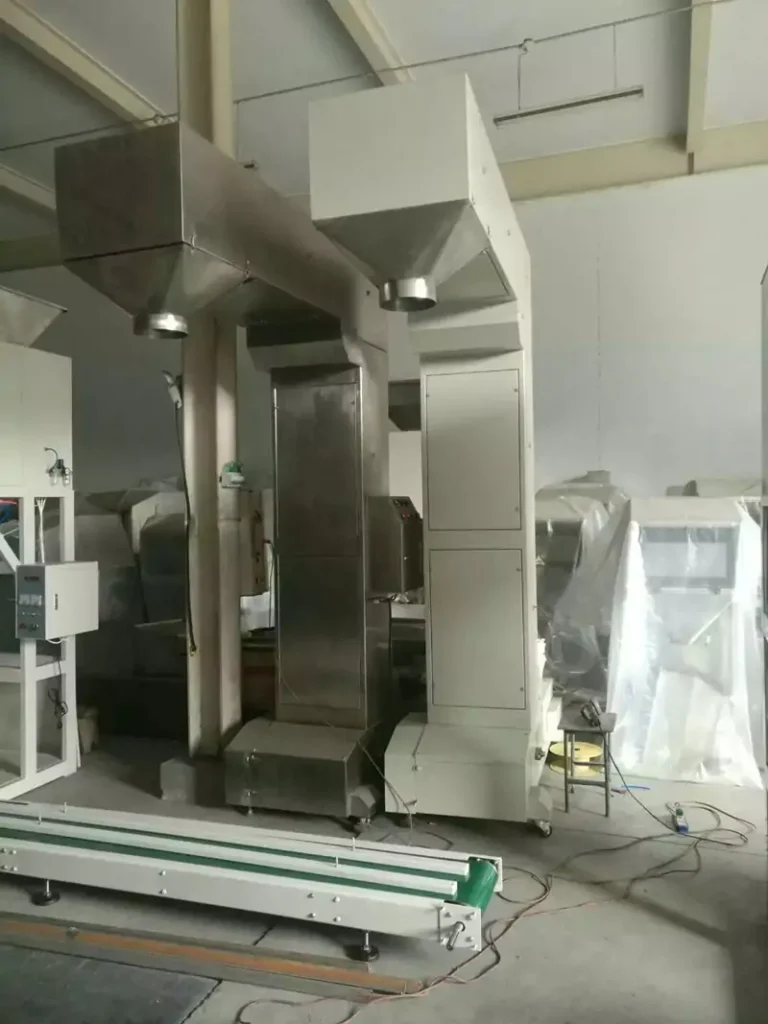
El alimentador tipo Z tiene una estructura simple, pero la operación estable está relacionada con el diseño de la ruta de transporte, la precisión de operación de los cangilones y la coincidencia del sistema de transmisión. Durante la fabricación, Jiarui se enfoca en confirmar las dimensiones de instalación del equipo, la trayectoria de operación de los cangilones y los métodos de conexión de entrada y salida, permitiendo que el alimentador coincida con la línea de producción existente del cliente.
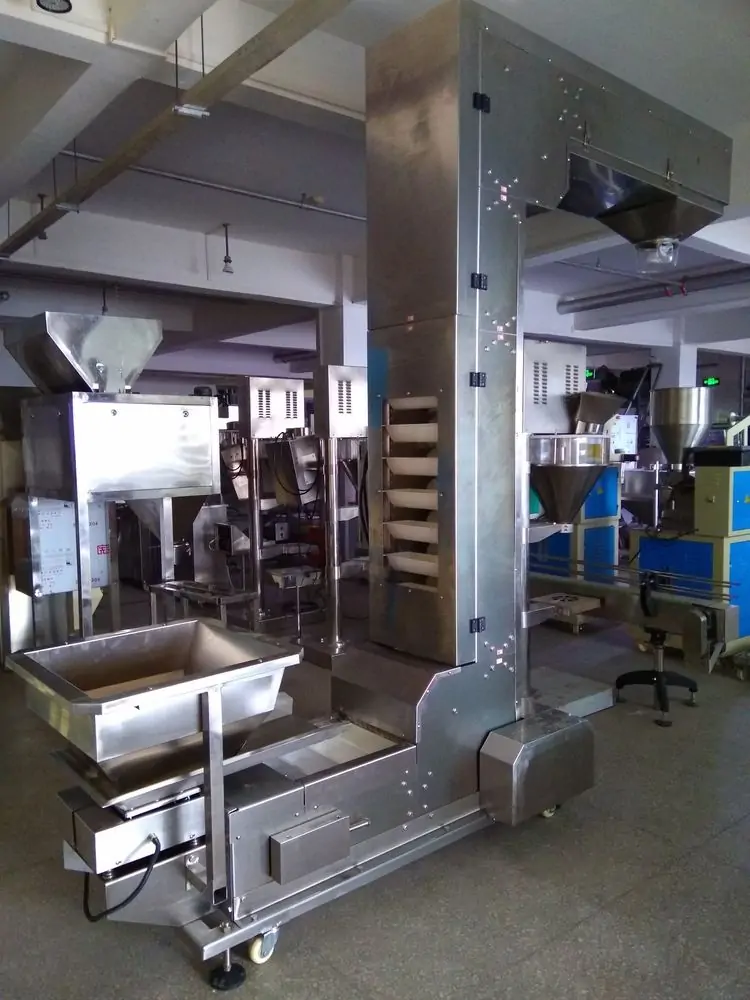
Para industrias con altos requisitos de higiene como la alimentaria y farmacéutica, Jiarui se enfoca en la selección de las piezas en contacto con el material, el tratamiento de soldadura y los requisitos de limpieza, permitiendo que el equipo cumpla no solo con los requisitos de transporte sino también con los requisitos de uso de los entornos de producción correspondientes.
Enfoque en las dimensiones de la ruta de transporte
El alimentador tipo Z generalmente se instala en espacios limitados. La longitud de las secciones horizontales, la altura de elevación y las posiciones de giro afectan la disposición del equipo. Antes de la fabricación, es necesario confirmar las dimensiones del sitio y ajustar la estructura del bastidor según las condiciones de instalación para evitar desajustes de interfaz o dificultades de instalación después de la entrega.
Garantizar una circulación estable de los cangilones
Durante la operación de circulación de cangilones a largo plazo, la tensión de la cadena, la coincidencia del accionamiento y la estructura de guía afectan las condiciones de alimentación. Jiarui verifica el espacio libre de los cangilones, la operación de la cadena y la coincidencia de los componentes de transmisión para reducir problemas como atascos, desviación o alimentación inestable durante la operación.
Verificar el estado completo del equipo antes de la entrega
Después de completar el ensamblaje del equipo, es necesario verificar la operación del accionamiento, la circulación de los cangilones, las condiciones de entrada y salida y el estado operativo general. Para equipos de acero inoxidable utilizados en industrias alimentarias, también es necesario confirmar el tratamiento de las piezas en contacto con el material para facilitar la limpieza y el mantenimiento posteriores.
Para el alimentador tipo Z, el enfoque de fabricación no es solo completar el ensamblaje del equipo, sino también garantizar que las dimensiones del equipo, los métodos de operación y los requisitos de producción estén coordinados.
Preguntas Frecuentes
Obtenga una consulta gratuita
Complete el siguiente formulario para conectarse con nuestros expertos y recibir recomendaciones personalizadas para su aplicación.