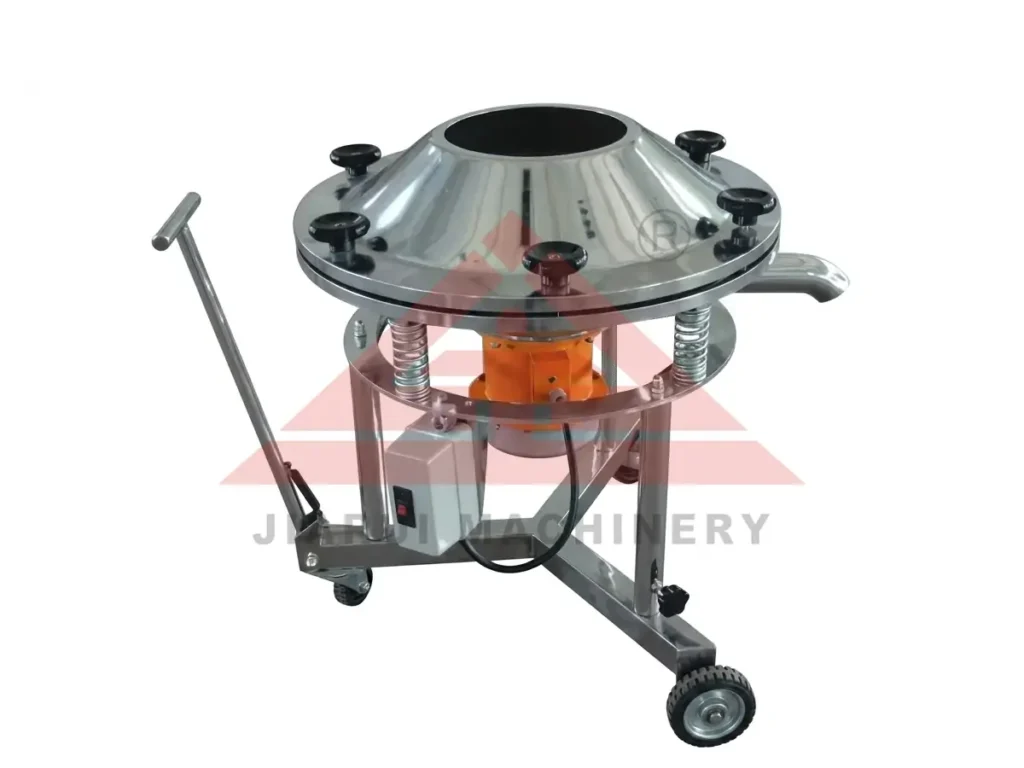
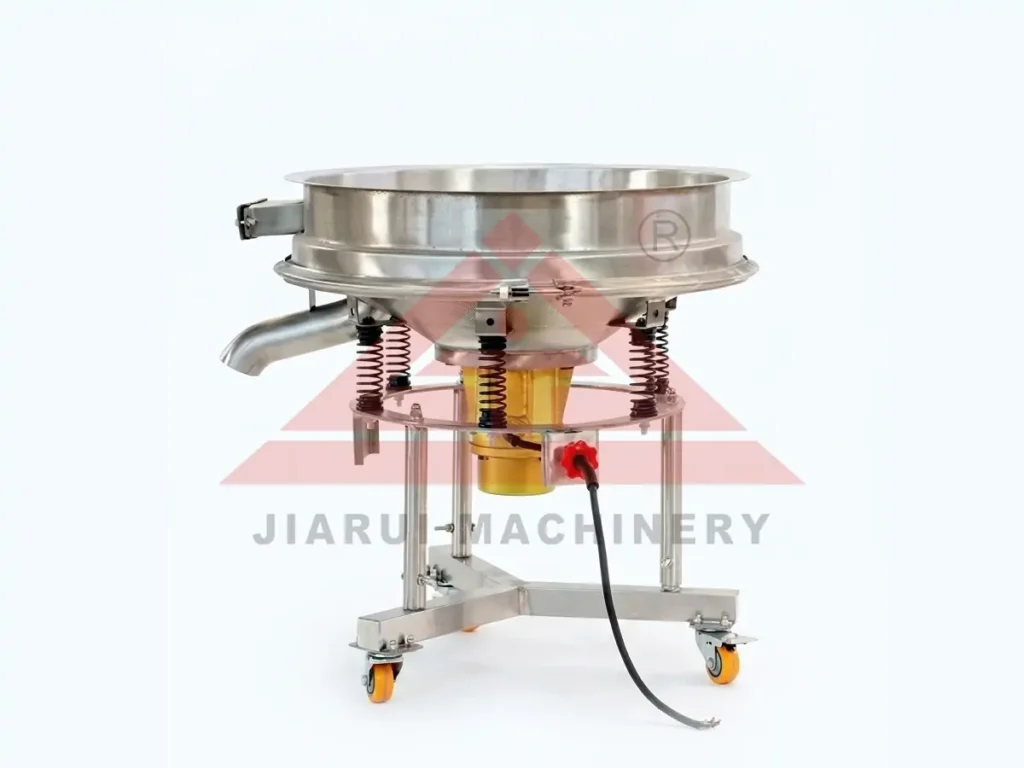
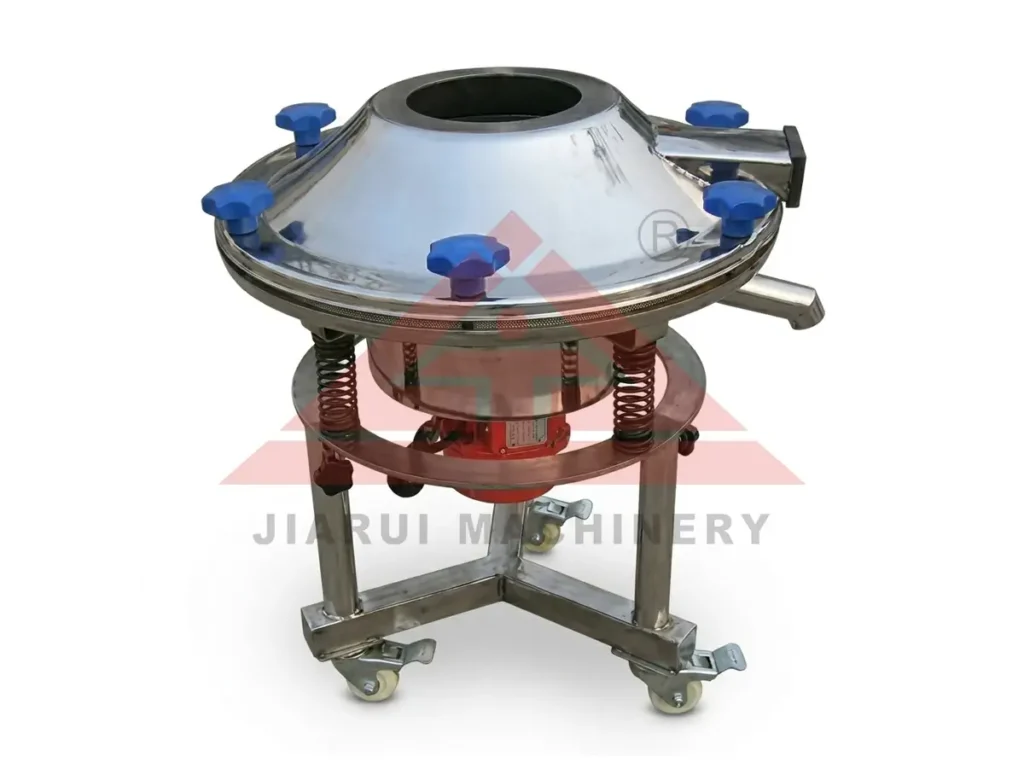
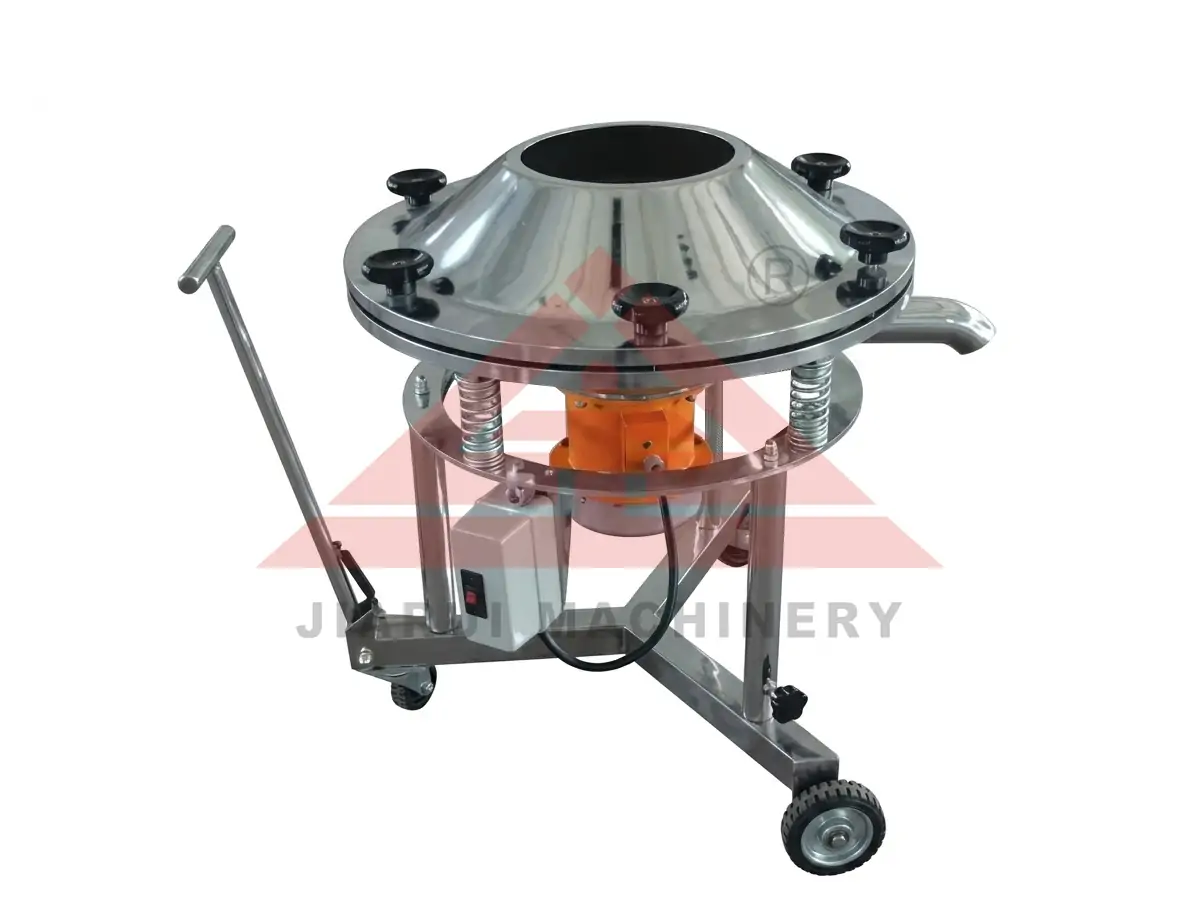
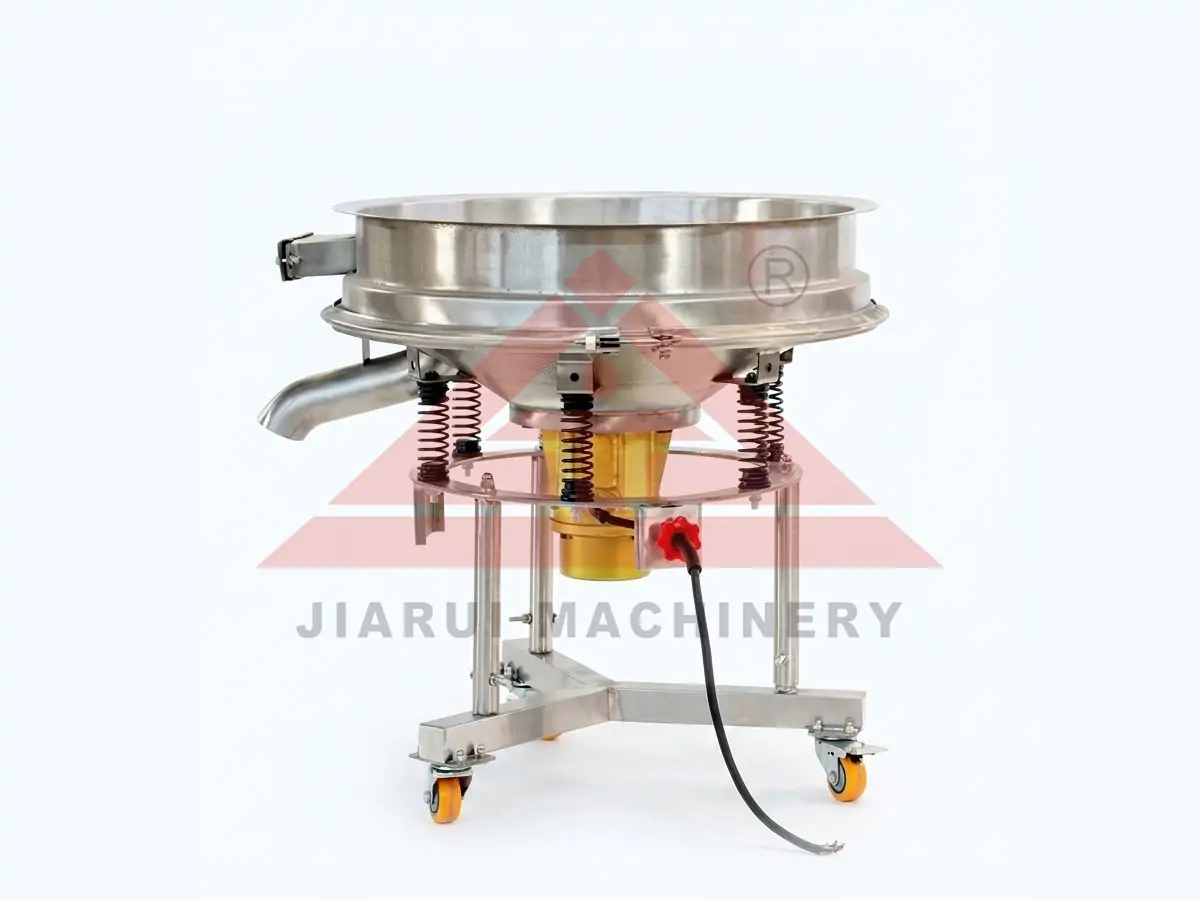
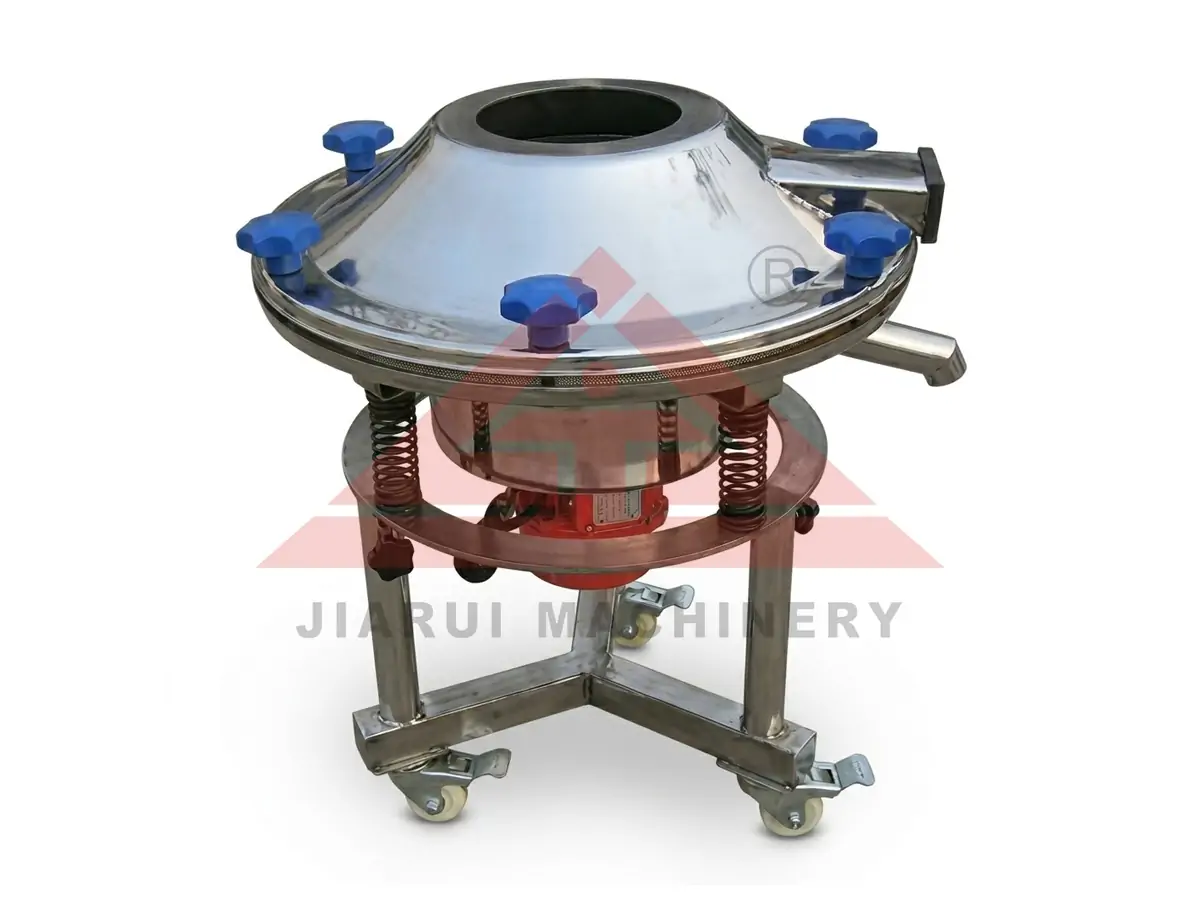
고주파 필터 진동 스크린

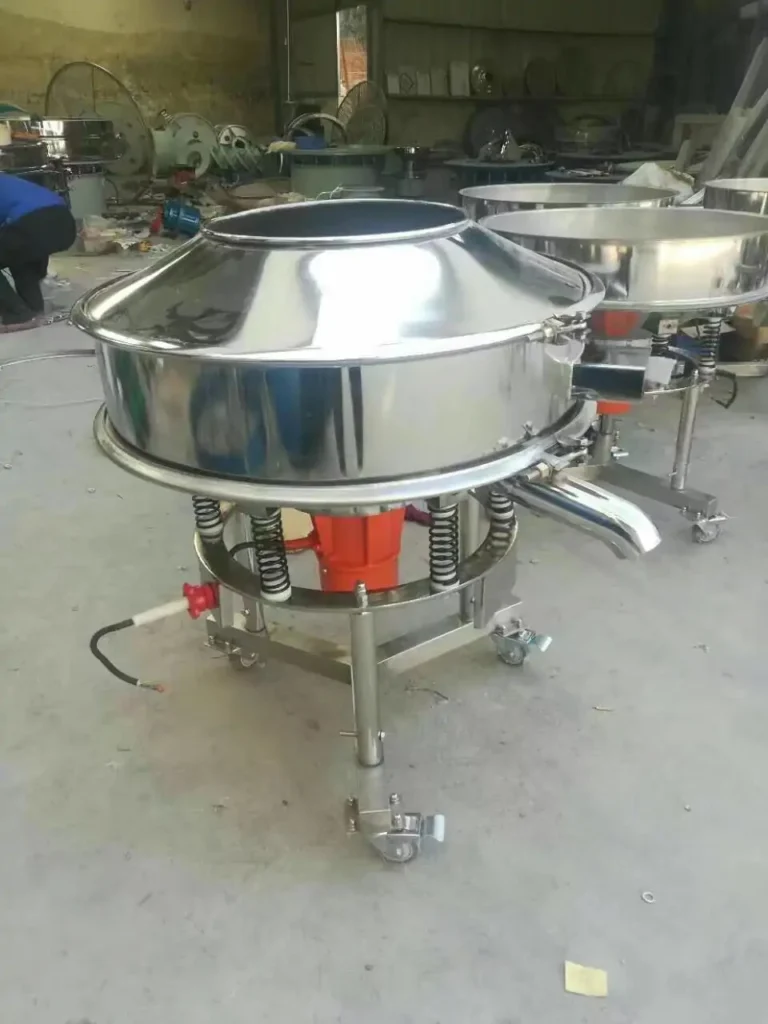
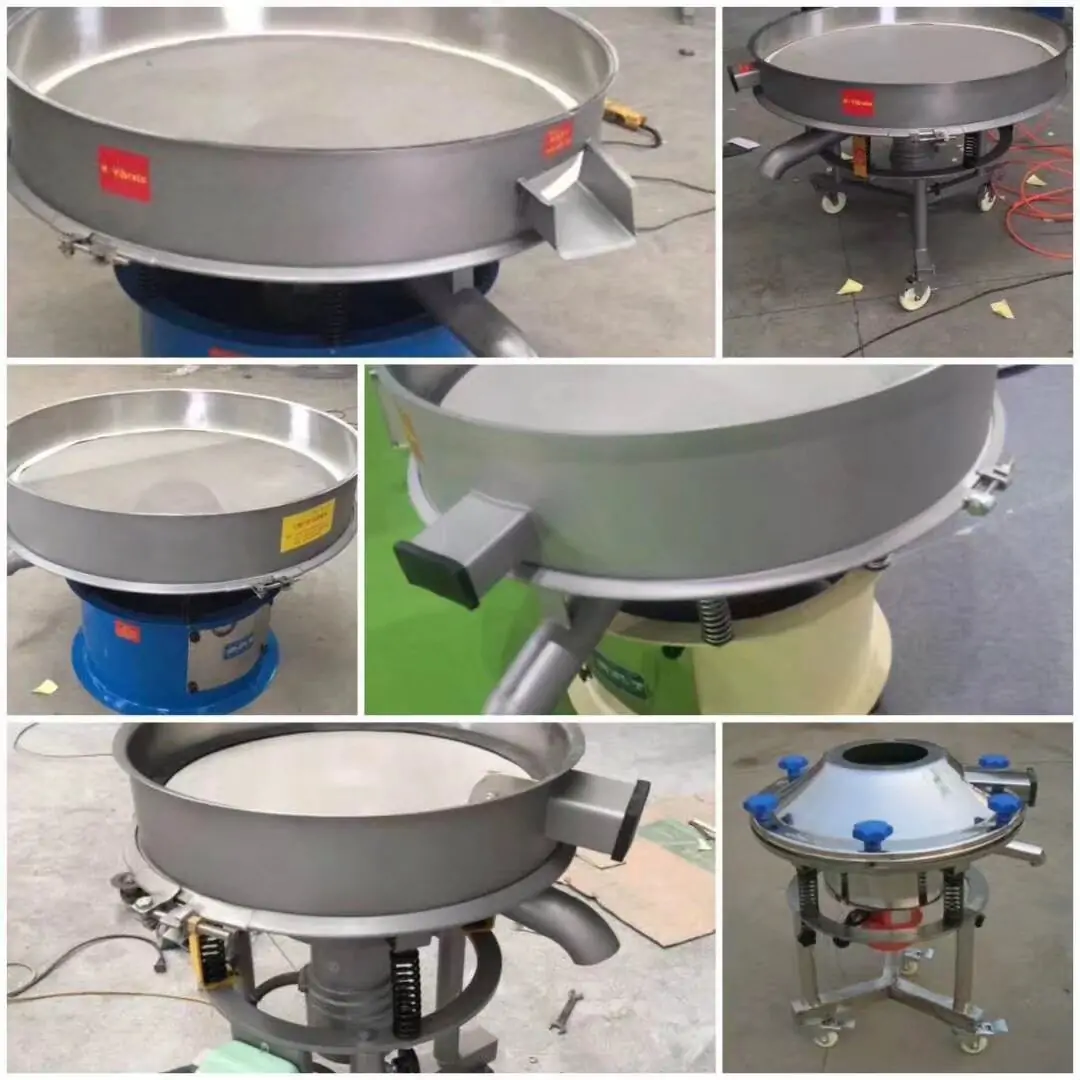
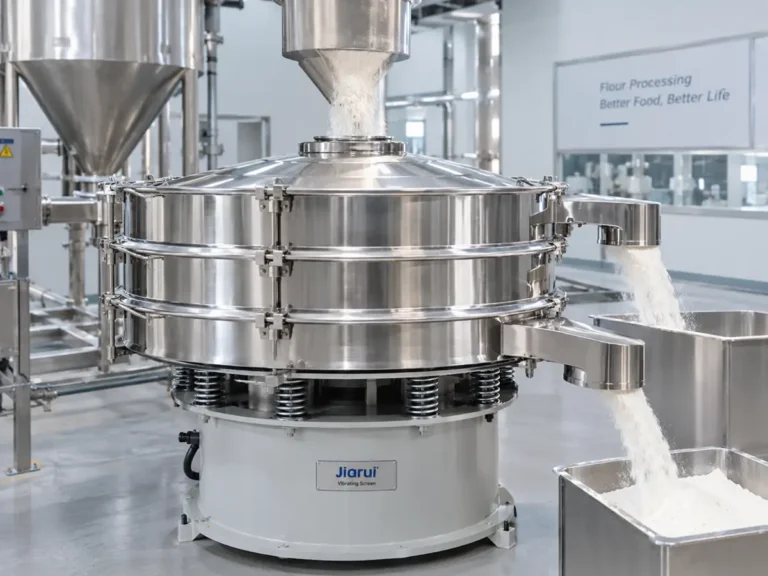
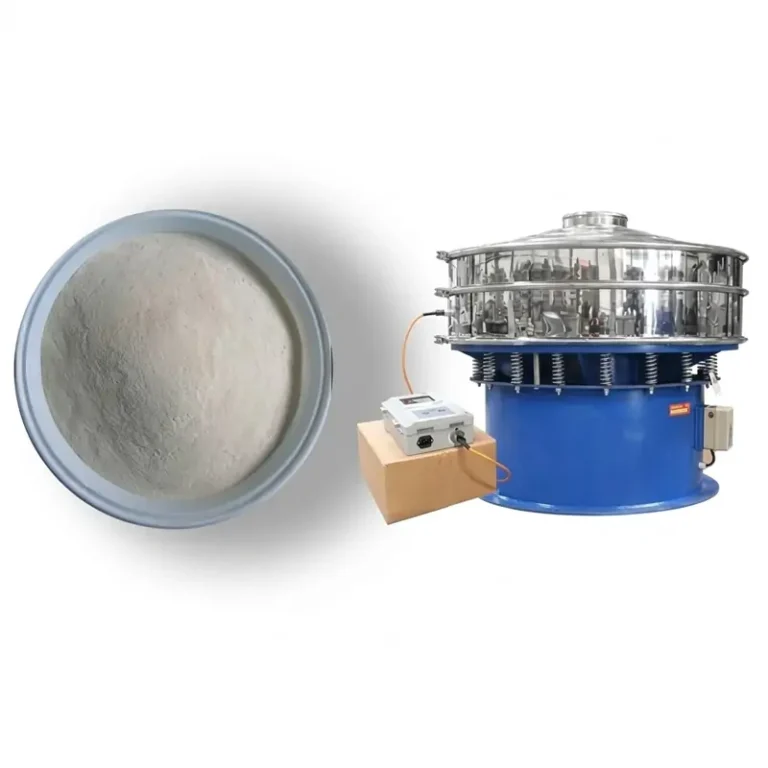
The High-Frequency Filter Vibrating Screen is a low-energy-consumption, high-frequency filter vibrating screen with excellent filtration performance, successfully developed by Jiarui Machinery based on our many years of experience in the filtration industry, filtering, and screening machines. It features a simple structure, compact size, high frequency, and low energy consumption, with a frequency of up to 2,800 cycles per minute. It is widely used in the food, chemical, pharmaceutical, abrasive-ceramic, and metallurgical industries for screening and filtering powders, granules, and slurries.

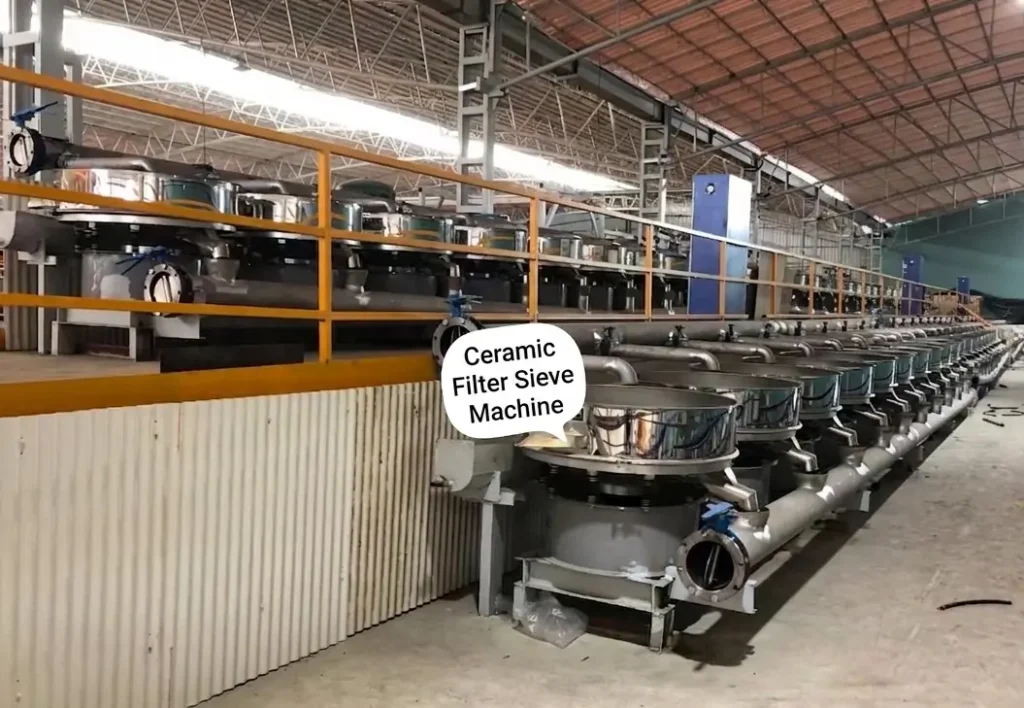
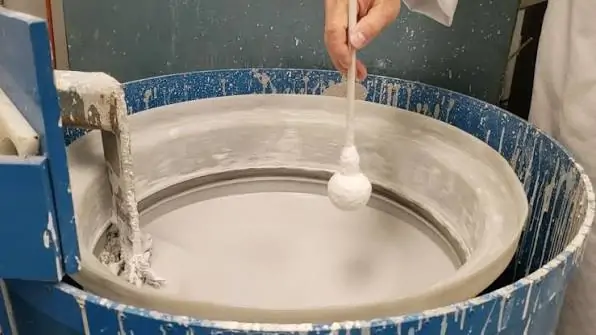
This High-Frequency Filter Vibrating Screen is specifically designed for the screening of glazes in the ceramics industry, where it delivers exceptionally effective results.

  • 모델: JR-G-600 / 800 / 1000 mm
  • 재질: 스테인리스 스틸 304 / 316
  • 메시 크기: 2 – 200 mesh
  • 레이어: 1 – 2 레이어
  • 모터 유형: 단일 모터 / 이중 모터
  • 처리 용량: 1 – 3 톤/시간
  • 맞춤 제작: 제공 가능 (크기, 전압, 메시, 구조, 초음파 시스템 업그레이드)
견적 요청 이메일 보내기

What Is a High-Frequency Filter Vibrating Screen?

A high-frequency filter vibrating screen, also known as a high-frequency screen, is a piece of equipment specifically designed for efficient screening. Its core operating principle relies on high-frequency, high-amplitude vibrations. This unique vibration method effectively breaks the surface tension of the material, causing fine particles to oscillate at high speeds. This accelerates the separation of useful minerals and significantly increases the contact between material smaller than the separation size and the screen mesh. As a result, fine material passes through the screen openings more smoothly, significantly improving screening accuracy and efficiency. It is particularly well-suited for processing fine-grained, high-viscosity slurry-like materials.

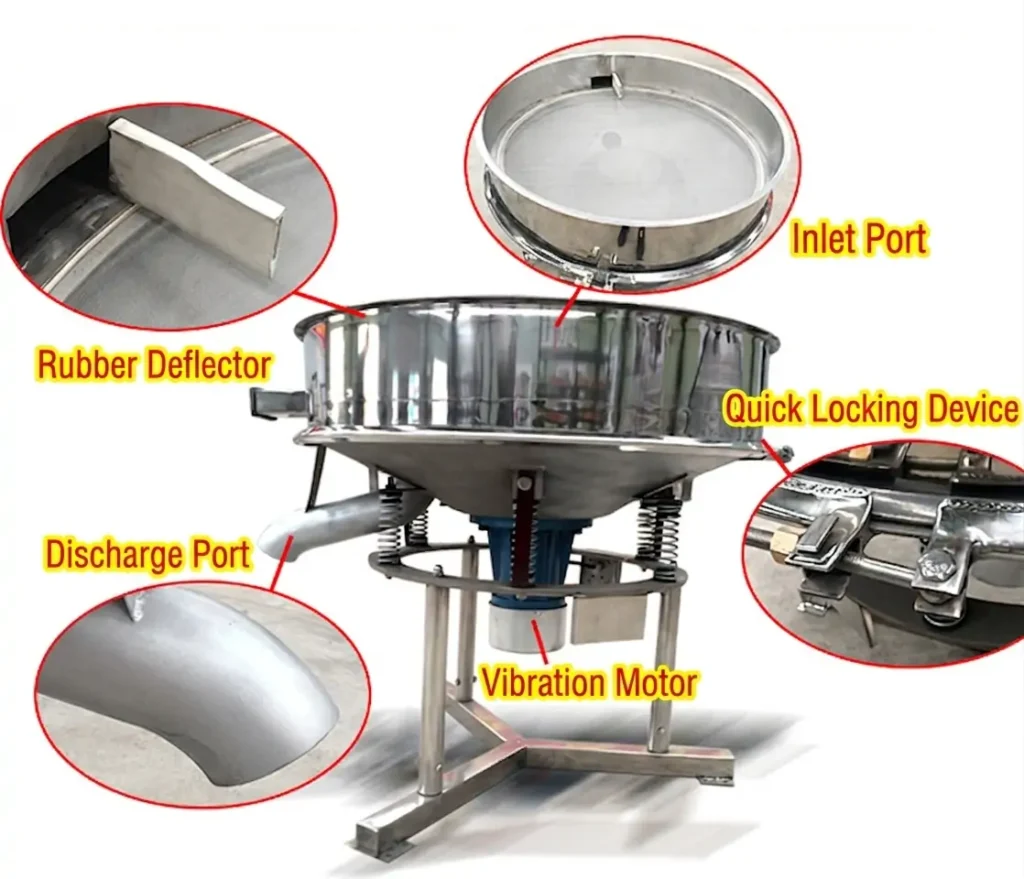
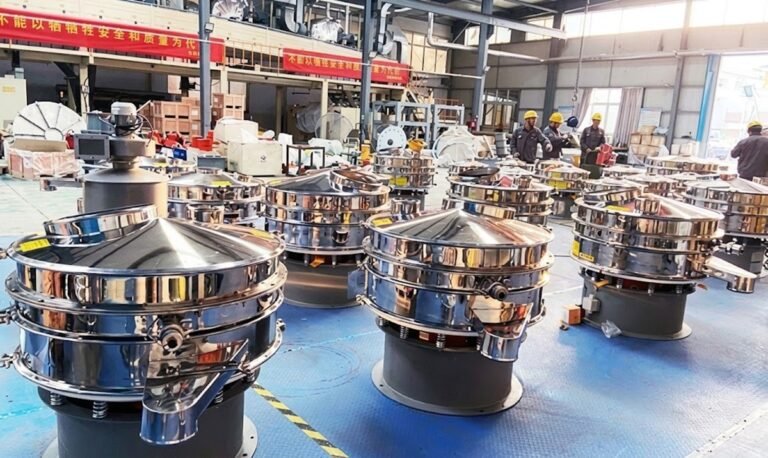
The high-frequency screens manufactured by Jiarui Machinery combine high efficiency, energy savings, and ease of use. With a vibration frequency of up to 3,000 times per minute, they offer exceptional screening capacity and excellent filtration performance for fine powders and viscous slurries. The equipment features an energy-efficient design that can save up to 50% in energy consumption compared to similar models. Structurally, we prioritize user experience: the equipment is compact, lightweight, easy to move and install, and features freely adjustable height. The unique screen structure allows for screen replacement in just 3–5 minutes, significantly improving maintenance efficiency; furthermore, except for the vibration motor, all major components are made of stainless steel, enhancing both durability and aesthetics. These features enable our high-frequency screens to perform exceptionally well in slurry screening and filtration across multiple industries, including ceramic glazes, food, chemicals, and pharmaceuticals. As a result, we have earned the trust of a wide range of customers.

How Does a High-Frequency Filter Vibrating Screen Work?

The working principle of a high-frequency screen is a process centered on high-frequency, low-amplitude vibration, specifically designed for the efficient screening of fine-grained and viscous materials. The process can be broken down as follows:

Step 1: High-Frequency Excitation and Breakdown of Surface Tension: Once the screen is started, the exciter generates high-frequency vibrations at a rate of 1,500 to 7,200 times per minute. These high-frequency vibrations first act on the material (especially mineral slurry or viscous slurries), directly breaking down the surface tension and liquid film on the slurry’s surface, thereby dispersing fine particles that were previously agglomerated due to viscosity.

Step 2: Material Stratification and Separation: Under continuous high-frequency vibration, the material on the screen surface undergoes vigorous but low-amplitude oscillations. This step is crucial, as it accelerates the rearrangement (stratification) of the material based on particle size and density. Fine particles—particularly high-density useful minerals—rapidly settle and move toward the screen surface, while coarse particles are “pushed” to the upper layers. This significantly increases the opportunity for material smaller than the screen aperture size to come into contact with the screen apertures.

Step 3: Fine-Grain Screening: Due to the high vibration frequency, the material is thrown upward and comes into contact with the screen surface an extremely large number of times per unit of time. For qualified fine particles that have already been stratified and reached the screen surface, the energy provided by the high-frequency vibration is sufficient to overcome the resistance encountered as they pass through the screen apertures, allowing them to quickly pass through and become the undersize product. Fine, heavy particles mixed with the slurry can also pass through the screen openings along with the slurry.

Step 4: Coarse Particle Discharge and Material Conveyance: At the same time, coarser particles that fail to pass through the screen openings move forward along the screen surface under the combined effect of the screen’s inclination and high-frequency micro-vibrations, eventually being discharged through the discharge port, thereby completing the separation of oversize and undersize materials.

Summary: Compared to ordinary vibrating screens, the core feature of high-frequency screens lies in “high frequency and low amplitude.” The high frequency provides fine particles with sufficient energy to disperse and pass through the screen, while the low amplitude prevents the disruption of the formed filter layer (which is particularly important for dewatering screening) and excessive material bouncing, resulting in more precise and efficient screening. Some of our advanced models also employ technologies such as dual-frequency composite vibration, further optimizing the screening process.

고주파 필터 진동 스크린
고주파 필터 진동 스크린
고주파 필터 진동 스크린 작동 원리
고주파 필터 진동 스크린

특징

  • Excellent slag removal performance and high processing capacity.
  • Sophisticated design for easier installation.
  • Open-top design for easy viewing of the screen surface.
  • Long screen mesh service life; screen replacement takes only 3–5 minutes.
  • Low motor power, lightweight, high protection rating, capable of continuous operation, and easy to maintain.
  • Can be moved freely within the mining worksite and is height-adjustable, eliminating the need for complex installation.

.

Applications of the High-Frequency Filter Vibrating Screen

Our Jiarui Machinery High-Frequency Filter Vibrating Screen covers virtually all industrial sectors requiring the screening, classification, filtration, and dewatering of powders, granules, and slurries. It is particularly suitable for processing fine-grained, highly viscous materials, or those requiring wet screening.

다음은 당사가 정리한 일반적인 체질 재료 목록입니다:

산업대표 재료Main Applications
Mining & MetallurgyIron ore, tin ore, tungsten ore, tantalum ore, niobium ore, coal, tailings, mineral concentratesFine screening, classification, desliming, dewatering, tailings recovery, coal preparation
Sand & Aggregate ProductionManufactured sand, crushed stone fines, quartz sand, foundry sand, drying sand, frac sandParticle size classification, fine material recovery, finished product screening, capacity improvement
세라믹 및 건축 자재Ceramic slurry, glaze, ceramic raw materials, graphite powder, clay, kaolinSlurry filtration, impurity removal, particle grading, raw material preparation
화학 산업Urea, compound fertilizer, soda ash, petroleum coke, catalysts, fine chemical powdersProduct grading, impurity removal, quality control, particle size separation
Food & Pharmaceutical IndustrySugar, salt, starch, yeast slurry, pharmaceutical powders, food additivesFine screening, filtration, contamination control, product purification
신에너지 재료Lithium carbonate, graphite, silicon-carbon anode materials, battery raw materials, and cathode materialsHigh-purity classification, impurity removal, particle size control, material refinement
Environmental Protection & Water TreatmentSludge, wastewater solids, oily residues, industrial waste, tailings slurrySolid-liquid separation, sludge dewatering, wastewater treatment, resource recovery
Recycling IndustryMetal powders, electronic waste particles, recycled aggregates, battery recycling materialsMaterial classification, impurity removal, resource recovery, recycling efficiency improvement

귀하의 산업이 위 목록에 없는 경우, 주저하지 말고 Jiarui Machinery에 문의하여 귀하의 선별 요구에 더 나은 솔루션이 있는지 확인하십시오.

Jiarui Machinery에서는 표준 모델부터 귀하의 산업별 특정 요구 사항에 맞춘 고도로 맞춤화된 옵션까지 선별 솔루션을 제공할 수 있습니다.

문의하기

이메일: info@jiaruimachinery.com
전화/왓츠앱: +86 18838703198

견적 요청

Why High-Frequency Screens Are Used Across These Industries

High-frequency vibrating screens are particularly effective for fine particle classification, slurry filtration, dewatering, and impurity removal. Their high vibration frequency and low amplitude enable efficient separation of materials ranging from metal ores and industrial minerals to chemical powders, battery materials, and wastewater solids. As industries increasingly demand higher product purity and tighter particle-size control, high-frequency screening technology has become an essential solution for both traditional processing plants and emerging sectors such as lithium battery materials and advanced recycling.

High-Frequency Filter Vibrating Screen Technical Specifications

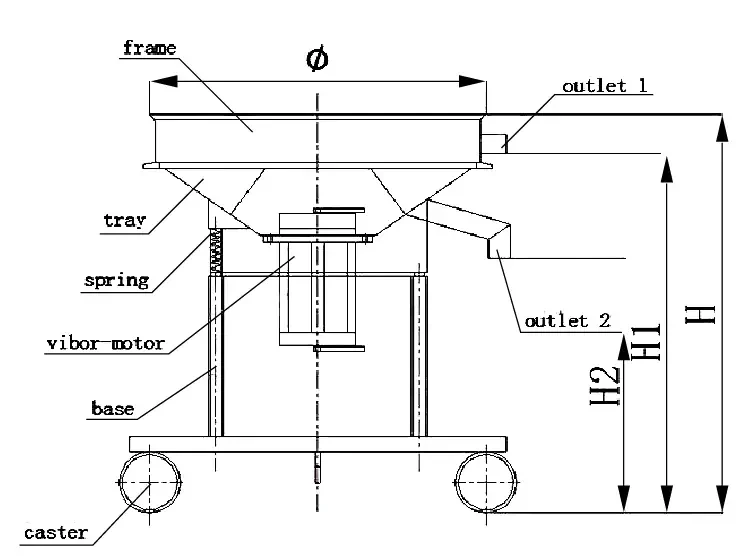
모델Nominal Diameter (mm)스크린 표면 직경 (mm)Rotation Speed (RPM)전력 (KW)
JR-G-60060055028000.55
JR-G-80080076028000.55
JR-G-1000100093028000.75

High-Frequency Filter Vibrating Screen vs Rotary Vibrating Screen

High-frequency filter vibrating screens and 회전 진동 스크린 are both commonly used for material separation and classification, but they are designed for different screening mechanisms and application conditions. A high-frequency filter vibrating screen operates with high-frequency, low-amplitude vibration, which is ideal for fine particle separation, slurry filtration, and anti-clogging wet screening. It is widely used in ceramics, mining slurry, chemical powders, and new energy materials. In contrast, a rotary vibrating screen uses a three-dimensional rotary motion with adjustable vibration force, making it more suitable for general powder screening, solid-liquid separation, and medium-fine particle classification. The main difference lies in their motion mode, screening precision, and suitability for slurry versus dry materials.

Comparison Table: High-Frequency Screen vs Rotary Vibrating Screen

항목고주파 필터 진동 스크린회전 진동 스크린
진동 유형High-frequency linear/vertical micro vibration3D rotary motion (swing + vibration)
주파수Very high (1500–3000+ RPM)Medium frequency
진폭Low amplitudeMedium amplitude
Screening PrecisionVery high (fine particle focus)Medium to high (general use)
Main ApplicationSlurry, fine powder, wet screeningDry powder, granules, slurry (general)
Anti-clogging PerformanceExcellent (best for viscous slurry)Good, but weaker in high-viscosity slurry
Material SuitabilityCeramic slurry, battery materials, mineralsFood powder, chemical granules, pharmaceuticals
메시 범위2–200 mesh (fine classification)Typically 10–400 mesh (broader range)
Energy EfficiencyHigh efficiency for fine screeningModerate energy consumption
MaintenanceFast mesh change (3–5 min)Moderate maintenance effort
Best AdvantageHigh precision + slurry filtration efficiencyVersatility for multiple industries

Jiarui 인라인 진동체를 선택해야 하는 이유는?

고주파 필터 진동 스크린 공장

자주 묻는 질문

고주파 필터 진동 스크린은 주로 미세 입자 분리, 슬러리 여과 및 탈수 용도에 사용됩니다. 세라믹, 광업, 화학, 식품 가공 및 신에너지 소재 산업에서 미세 분말이나 점성 슬러리의 고정밀 선별이 요구되는 분야에 널리 사용됩니다.

주요 차이는 진동 주파수와 적용 유형입니다. 고주파 진동 스크린은 더 높은 주파수와 더 낮은 진폭을 사용하여 미세 슬러리 및 분말 선별에 이상적입니다. 일반 진동 스크린은 더 낮은 주파수와 더 높은 진폭으로 작동하며, 이는 조립 재료 분리 및 대량 선별에 더 적합합니다.

네, 이 제품은 슬러리 및 습식 재료용으로 특별히 설계되었습니다. 고주파 진동이 슬러리의 표면 장력을 깨뜨려 미세 입자가 메시를 더 효율적으로 통과할 수 있게 하며, 막힘을 방지하고 여과 정밀도를 향상시킵니다.

고주파 진동 스크린은 일반적으로 재료 특성과 적용 요구 사항에 따라 2메시에서 200메시까지의 메시 크기를 지원합니다. 미세 메시는 슬러리 여과 및 고정밀 분급에 일반적으로 사용됩니다.

They are widely used in ceramics (glaze screening), mining and metallurgy (ore classification), chemical industry (powder grading), food processing (additive filtration), and new energy materials such as lithium battery production and graphite processing.

Selection depends on material type, required capacity, mesh size, and processing conditions. For example, slurry materials require fine mesh and stainless steel 316, while powder screening may use 304 stainless steel. Capacity requirements also determine whether a 600, 800, or 1000 mm model is suitable.

예, 400메시 이하의 분말용으로 특별히 설계되었으며, 공기 흐름 안정성과 재료 특성에 따라 최대 800메시까지 처리할 수 있습니다.

무료 상담 받기.

  • 아래 양식을 작성하여 전문가와 연결되고 귀하의 애플리케이션에 맞는 맞춤형 권장 사항을 받아보세요.
  • 재료 유형
  • 요구 스크리닝/컨베이어 용량
  • 재료 유량
  • 수분 함량
  • 분리 요구 사항
  • 특수 기능 또는 맞춤화 요구 사항
팔로우하기: