
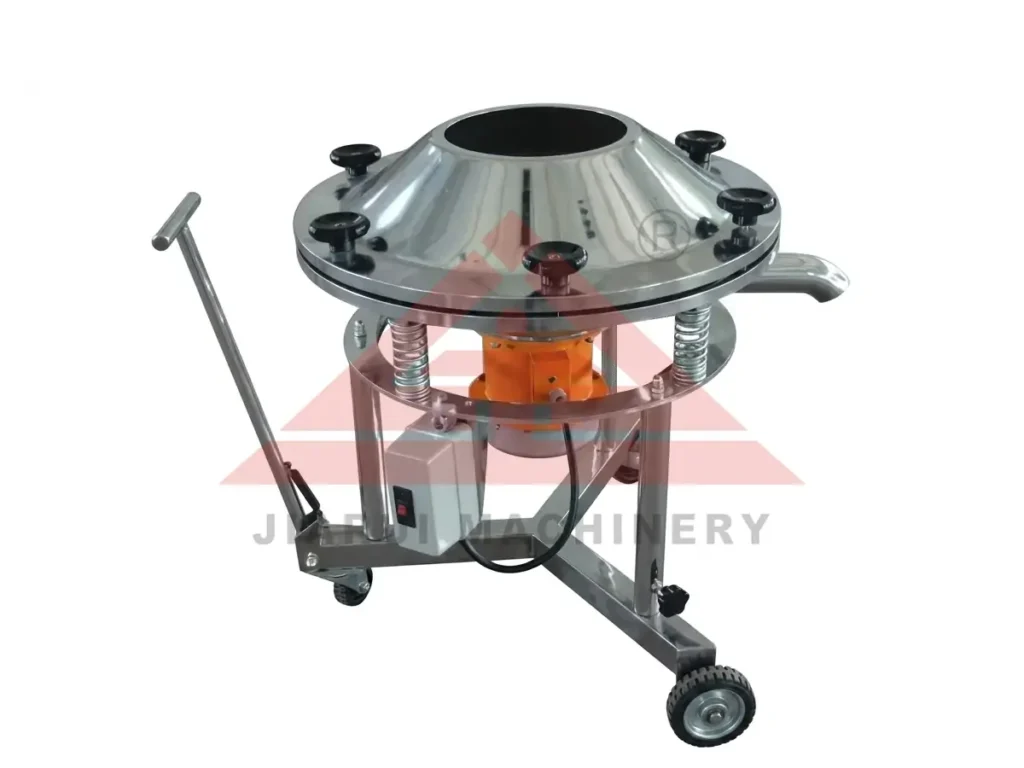
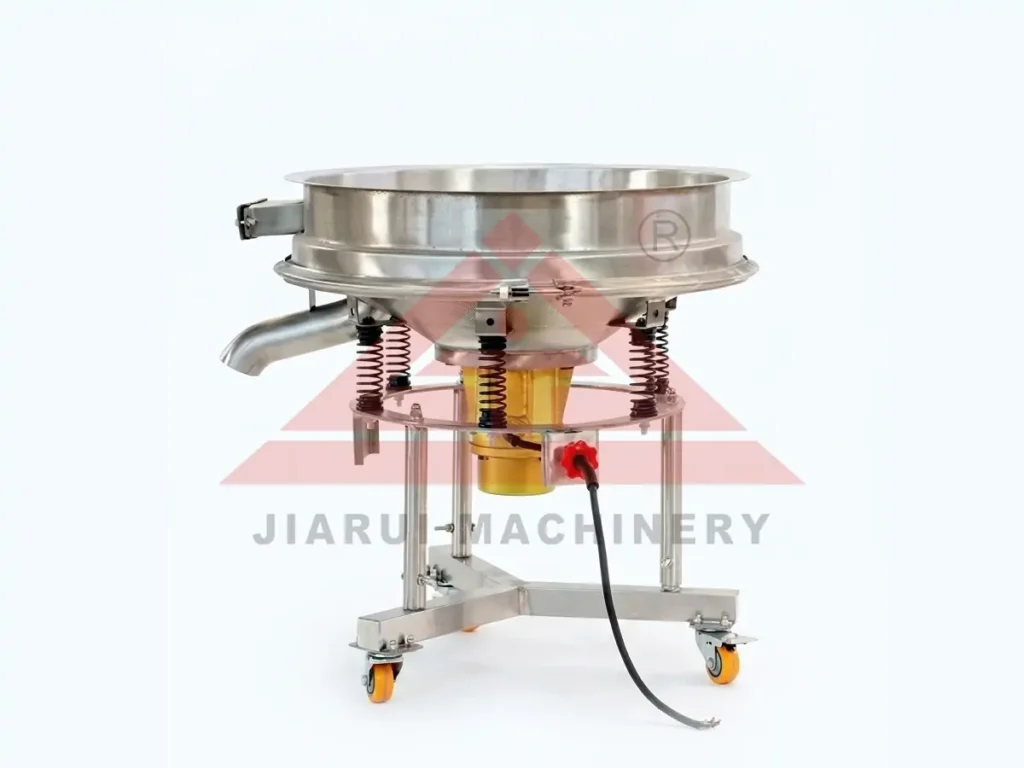
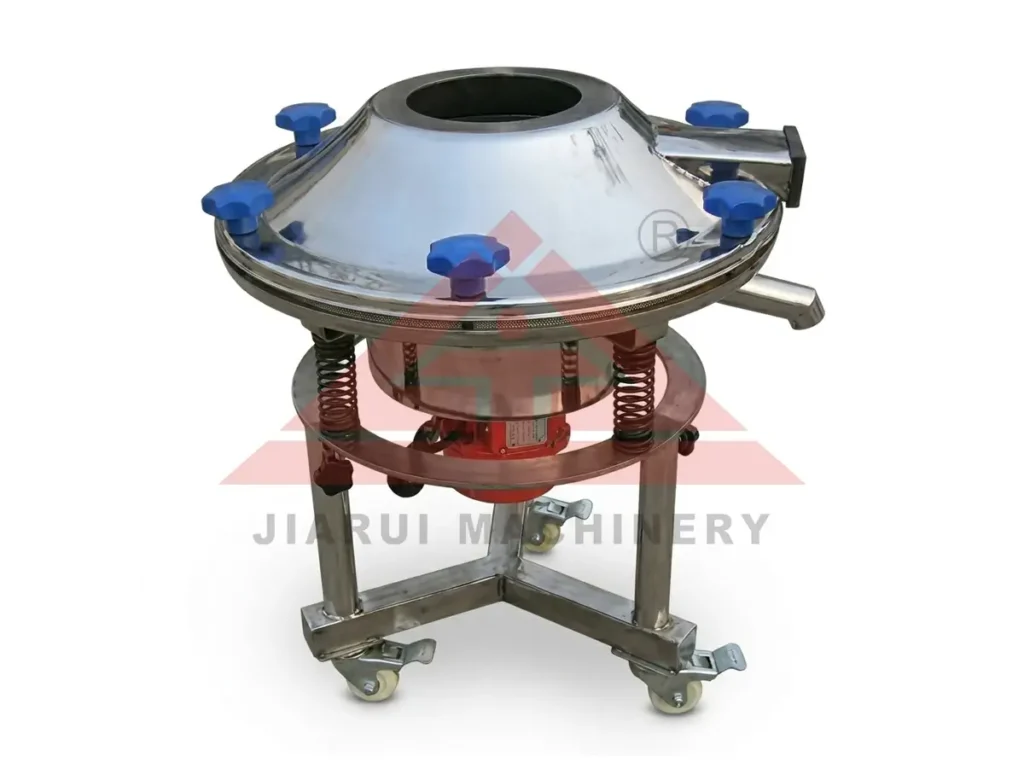
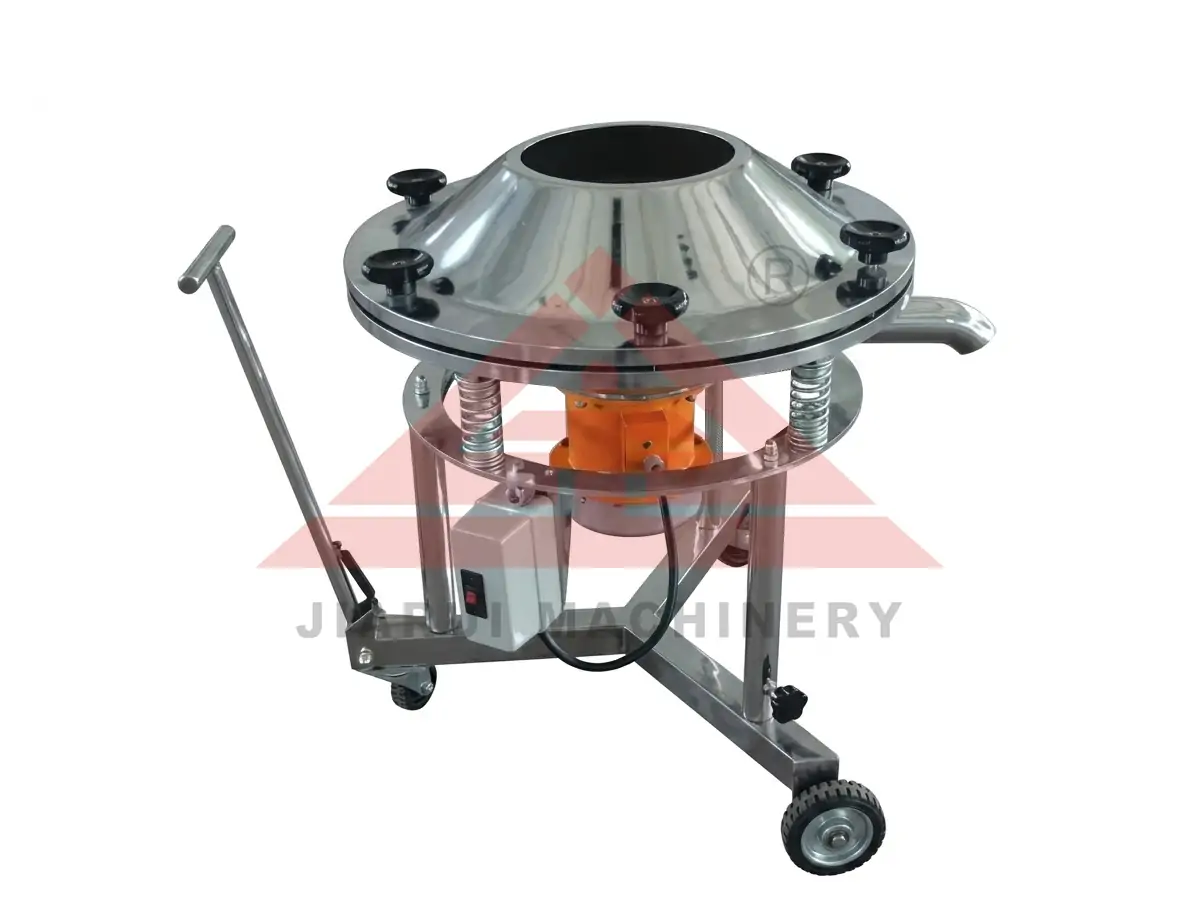
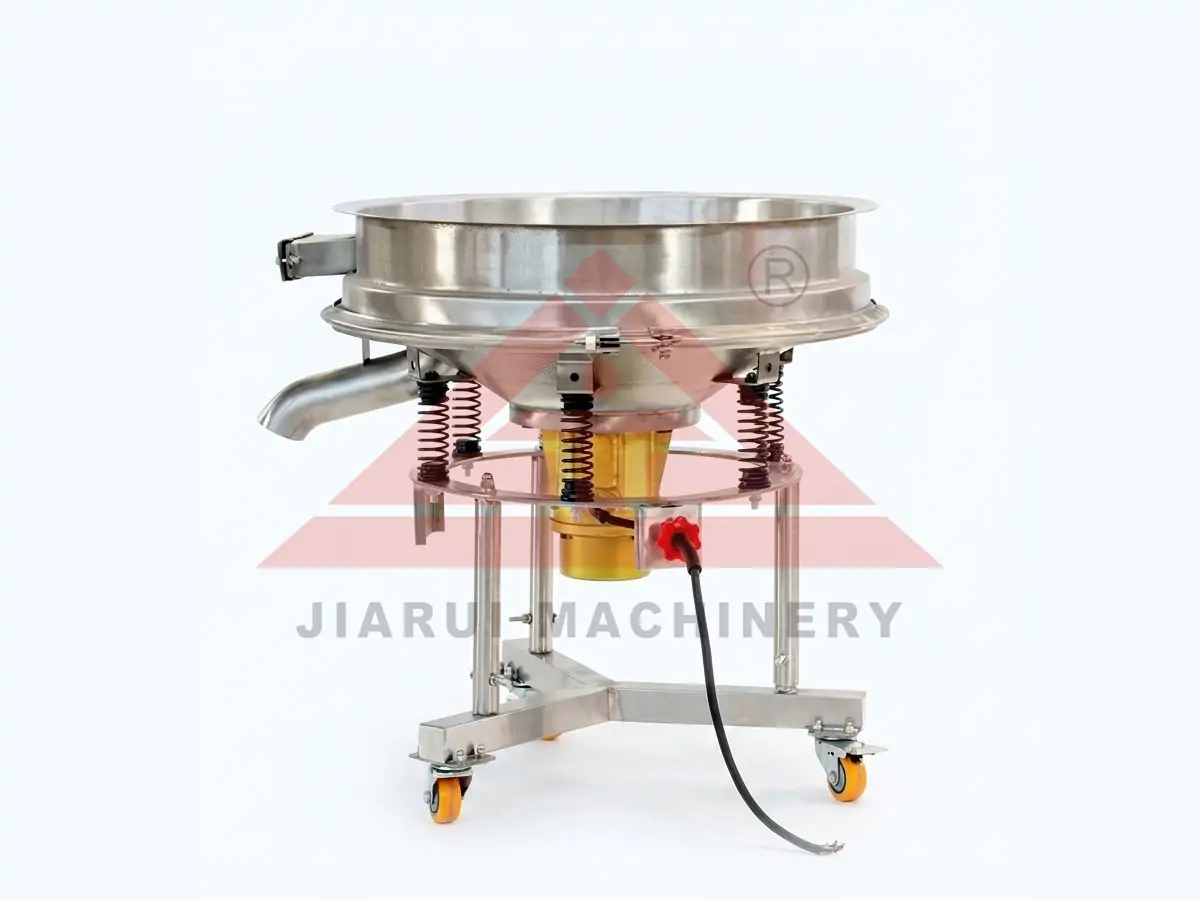
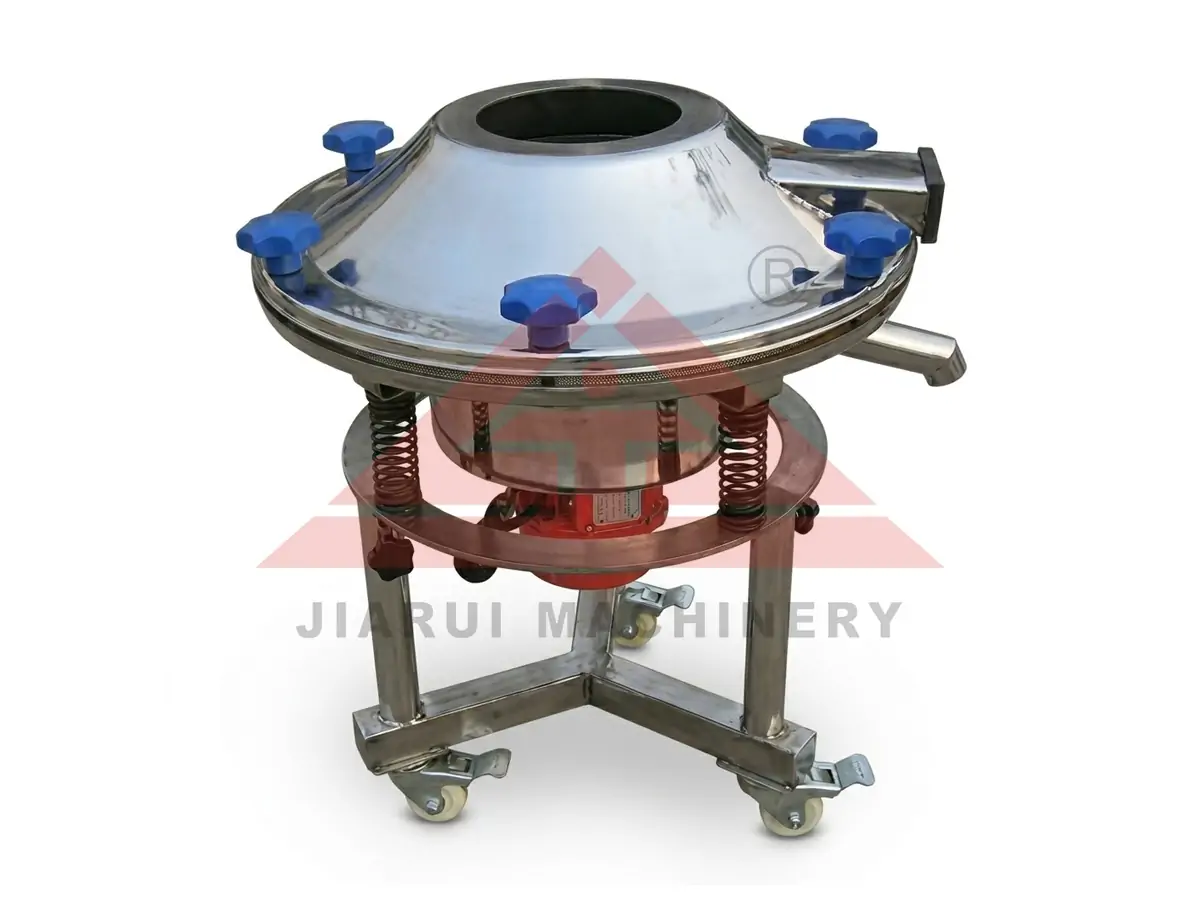
Criba Vibratoria de Filtro de Alta Frecuencia
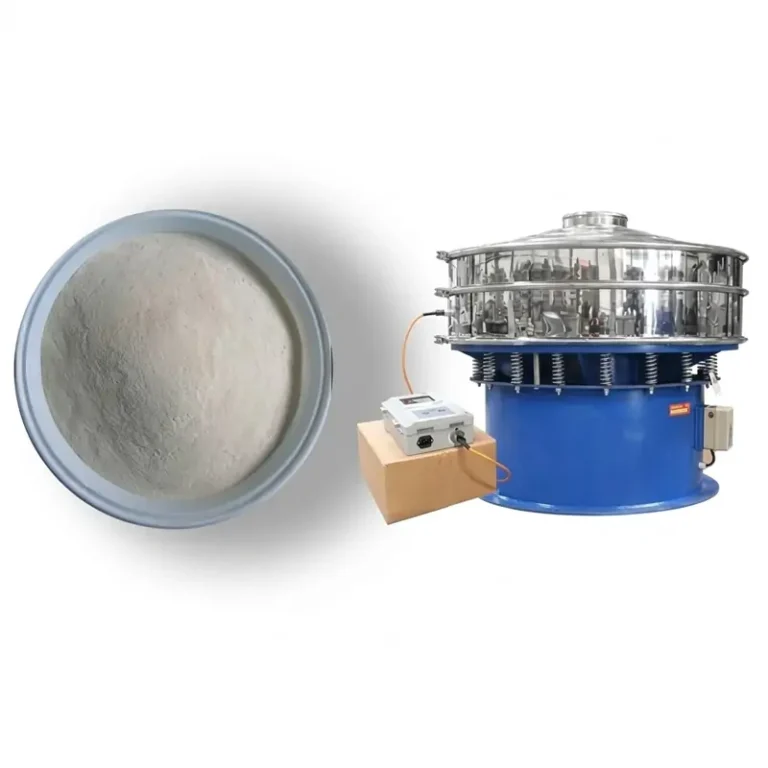
La criba vibratoria de filtro de alta frecuencia es una criba vibratoria de filtro de alta frecuencia y bajo consumo energético con excelente rendimiento de filtración, desarrollada con éxito por Jiarui Machinery sobre la base de nuestra amplia experiencia en la industria de filtración, máquinas de filtrado y cribado. Presenta una estructura simple, tamaño compacto, alta frecuencia y bajo consumo energético, con una frecuencia de hasta 2.800 ciclos por minuto. Se utiliza ampliamente en las industrias alimentaria, química, farmacéutica, de abrasivos y cerámica, y metalúrgica para el cribado y filtrado de polvos, gránulos y lodos.
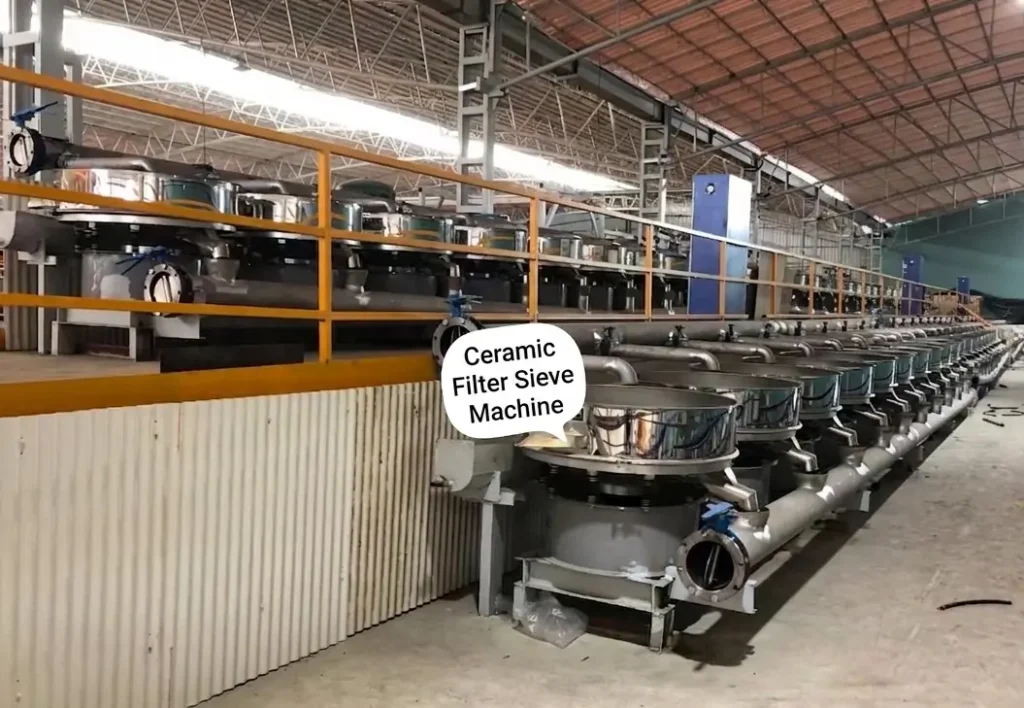
Esta criba vibratoria de filtro de alta frecuencia está diseñada específicamente para el cribado de esmaltes en la industria cerámica, donde ofrece resultados excepcionalmente eficaces.
¿Qué es una criba vibratoria de filtro de alta frecuencia?
Una criba vibratoria de filtro de alta frecuencia, también conocida como criba de alta frecuencia, es un equipo diseñado específicamente para el cribado eficiente. Su principio de funcionamiento central se basa en vibraciones de alta frecuencia y alta amplitud. Este método de vibración único rompe eficazmente la tensión superficial del material, haciendo que las partículas finas oscilen a altas velocidades. Esto acelera la separación de minerales útiles y aumenta significativamente el contacto entre el material menor que el tamaño de separación y la malla de la criba. Como resultado, el material fino pasa a través de las aberturas de la criba con mayor fluidez, mejorando significativamente la precisión y eficiencia del cribado. Es particularmente adecuada para el procesamiento de materiales similares a lodos de grano fino y alta viscosidad.
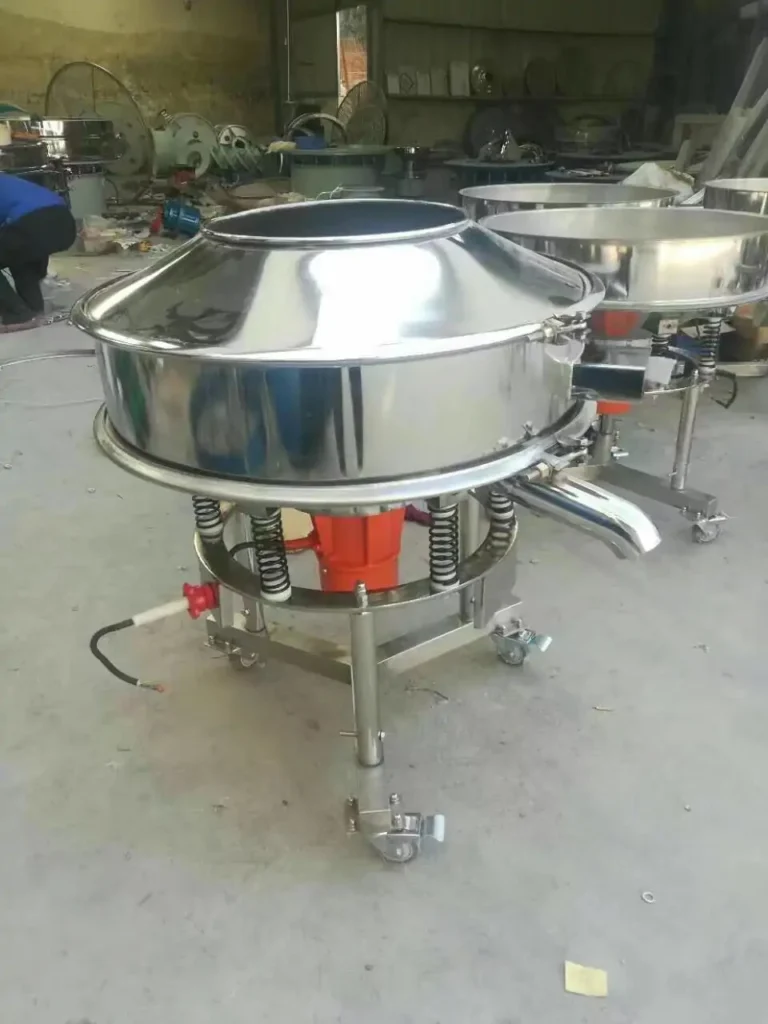
Las cribas de alta frecuencia fabricadas por Maquinaria Jiarui combinan alta eficiencia, ahorro de energía y facilidad de uso. Con una frecuencia de vibración de hasta 3.000 veces por minuto, ofrecen una capacidad de cribado excepcional y un excelente rendimiento de filtración para polvos finos y lodos viscosos. El equipo presenta un diseño de eficiencia energética que puede ahorrar hasta un 50% en consumo de energía en comparación con modelos similares. Estructuralmente, priorizamos la experiencia del usuario: el equipo es compacto, ligero, fácil de mover e instalar, y cuenta con altura libremente ajustable. La estructura única de la malla permite reemplazar la malla en solo 3–5 minutos, mejorando significativamente la eficiencia de mantenimiento; además, excepto por el motor de vibración, todos los componentes principales están fabricados en acero inoxidable, lo que mejora tanto la durabilidad como la estética. Estas características permiten que nuestras cribas de alta frecuencia funcionen excepcionalmente bien en el cribado y filtración de lodos en múltiples industrias, incluyendo esmaltes cerámicos, alimentos, productos químicos y productos farmacéuticos. Como resultado, hemos ganado la confianza de una amplia gama de clientes.
¿Cómo funciona una criba vibratoria de filtro de alta frecuencia?
El principio de funcionamiento de una criba de alta frecuencia es un proceso centrado en la vibración de alta frecuencia y baja amplitud, diseñado específicamente para el cribado eficiente de materiales de grano fino y viscosos. El proceso se puede desglosar de la siguiente manera:
Paso 1: Excitación de alta frecuencia y ruptura de la tensión superficial: Una vez que se pone en marcha la criba, el excitador genera vibraciones de alta frecuencia a una velocidad de 1.500 a 7.200 veces por minuto. Estas vibraciones de alta frecuencia actúan primero sobre el material (especialmente lodo mineral o lodos viscosos), rompiendo directamente la tensión superficial y la película líquida en la superficie del lodo, dispersando así las partículas finas que previamente estaban aglomeradas debido a la viscosidad.
Paso 2: Estratificación y separación del material: Bajo vibración continua de alta frecuencia, el material sobre la superficie de la criba experimenta oscilaciones vigorosas pero de baja amplitud. Este paso es crucial, ya que acelera la reorganización (estratificación) del material según el tamaño y la densidad de las partículas. Las partículas finas—particularmente los minerales útiles de alta densidad—se asientan rápidamente y se desplazan hacia la superficie de la criba, mientras que las partículas gruesas son “empujadas” hacia las capas superiores. Esto aumenta significativamente la oportunidad de que el material menor que el tamaño de abertura de la criba entre en contacto con las aberturas de la criba.
Paso 3: Cribado de grano fino: Debido a la alta frecuencia de vibración, el material es lanzado hacia arriba y entra en contacto con la superficie de la criba un número extremadamente grande de veces por unidad de tiempo. Para las partículas finas calificadas que ya se han estratificado y alcanzado la superficie de la criba, la energía proporcionada por la vibración de alta frecuencia es suficiente para superar la resistencia encontrada al pasar a través de las aberturas de la criba, permitiéndoles pasar rápidamente y convertirse en el producto pasante. Las partículas finas y pesadas mezcladas con el lodo también pueden pasar a través de las aberturas de la criba junto con el lodo.
Paso 4: Descarga de partículas gruesas y transporte de material: Al mismo tiempo, las partículas más gruesas que no logran pasar a través de las aberturas de la criba se desplazan hacia adelante a lo largo de la superficie de la criba bajo el efecto combinado de la inclinación de la criba y las microvibraciones de alta frecuencia, siendo finalmente descargadas a través del puerto de descarga, completando así la separación de materiales sobredimensionados y pasantes.
Resumen: En comparación con las cribas vibratorias ordinarias, la característica central de las cribas de alta frecuencia radica en “alta frecuencia y baja amplitud”. La alta frecuencia proporciona a las partículas finas suficiente energía para dispersarse y pasar a través de la criba, mientras que la baja amplitud evita la alteración de la capa filtrante formada (lo cual es particularmente importante para el cribado de deshidratación) y el rebote excesivo del material, resultando en un cribado más preciso y eficiente. Algunos de nuestros modelos avanzados también emplean tecnologías como la vibración compuesta de doble frecuencia, optimizando aún más el proceso de cribado.
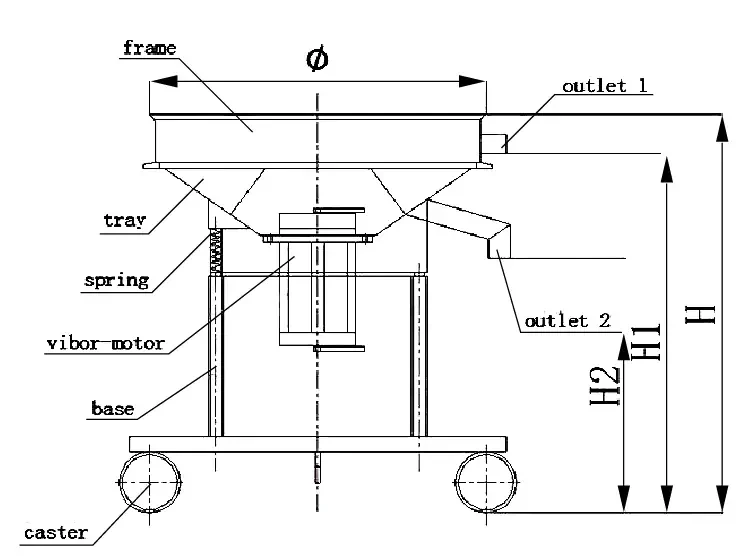
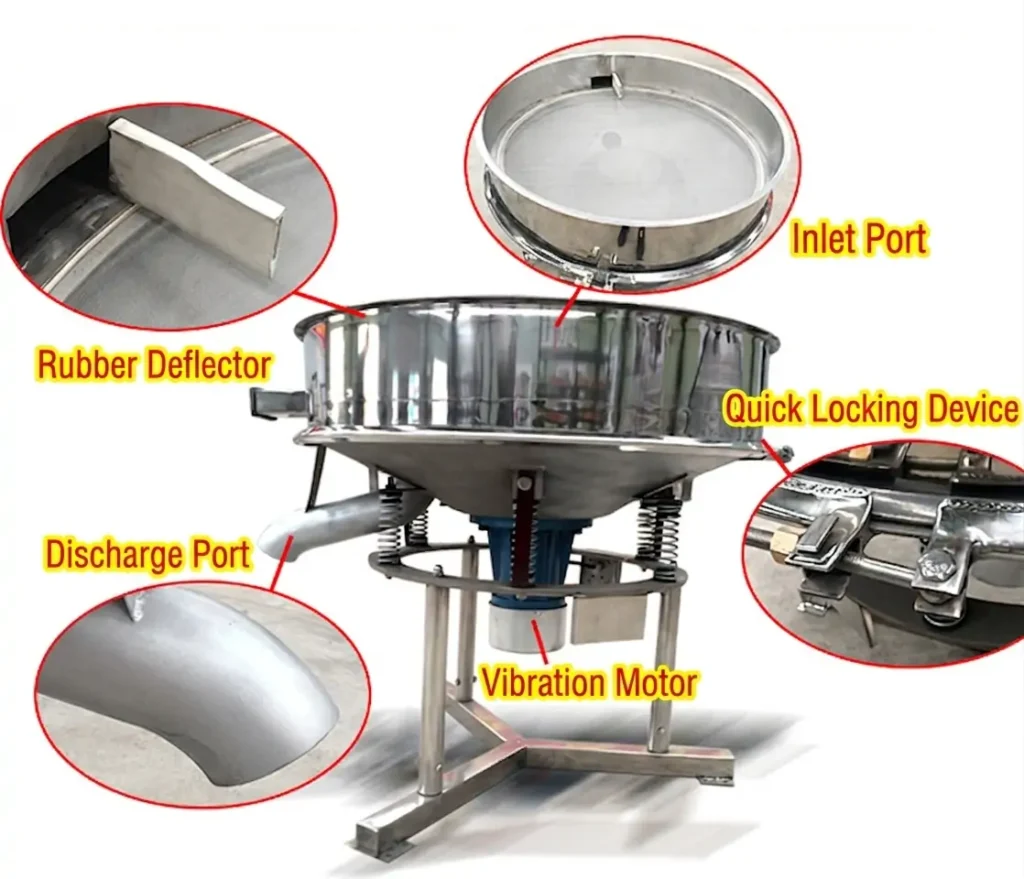
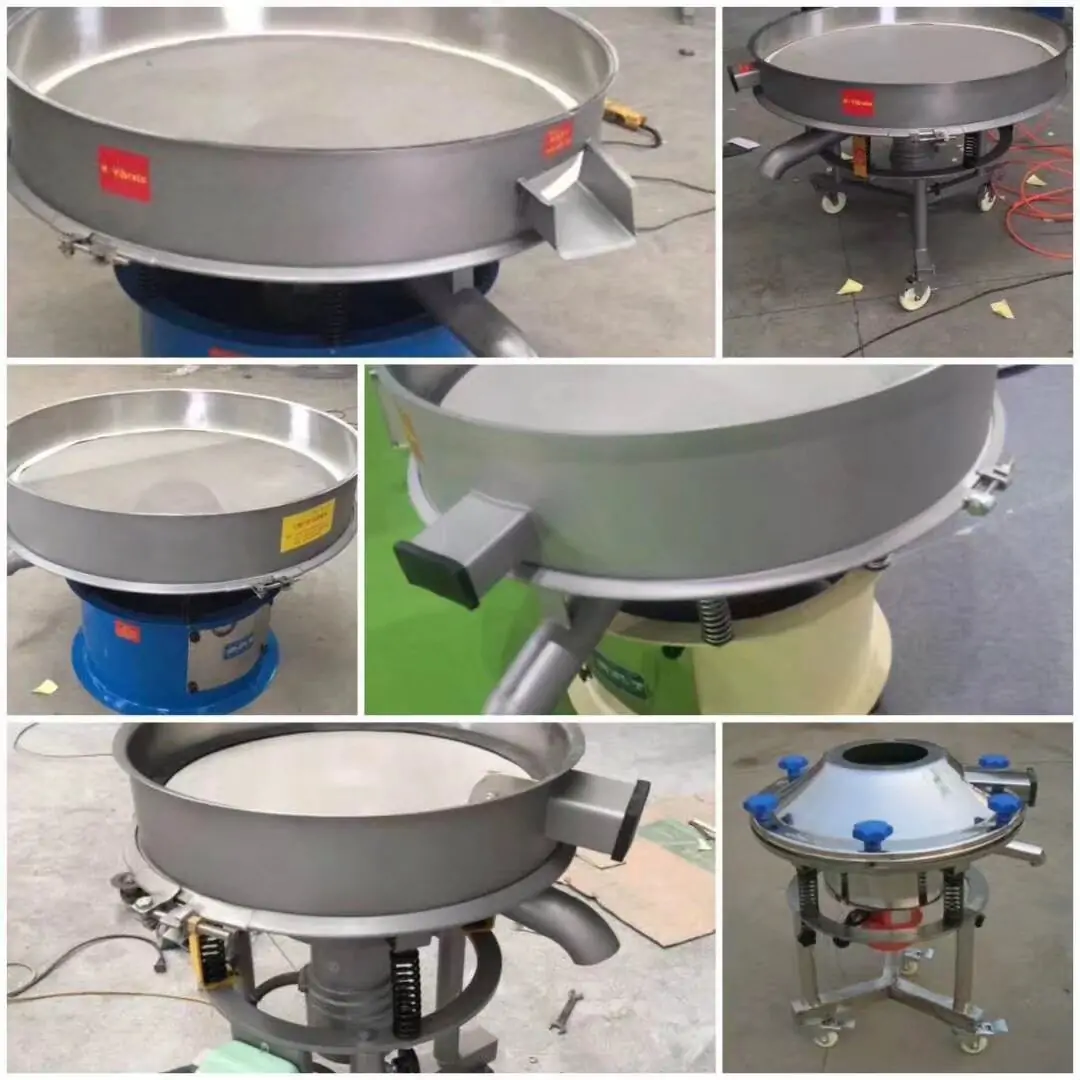
Características
- Excelente rendimiento de eliminación de escoria y alta capacidad de procesamiento.
- Diseño sofisticado para una instalación más sencilla.
- Diseño abierto superior para una fácil visualización de la superficie de la criba.
- Larga vida útil de la malla de cribado; el reemplazo de la malla toma solo 3–5 minutos.
- Baja potencia del motor, ligero, alto grado de protección, capaz de operar de forma continua y fácil de mantener.
- Se puede mover libremente dentro del sitio minero y es ajustable en altura, eliminando la necesidad de una instalación compleja.
.
Aplicaciones de la Criba Vibratoria de Filtro de Alta Frecuencia
Nuestra Criba Vibratoria de Filtración de Alta Frecuencia de Jiarui Machinery cubre prácticamente todos los sectores industriales que requieren el cribado, clasificación, filtración y deshidratación de polvos, gránulos y lodos. Es particularmente adecuada para aquellos que requieren cribado húmedo.
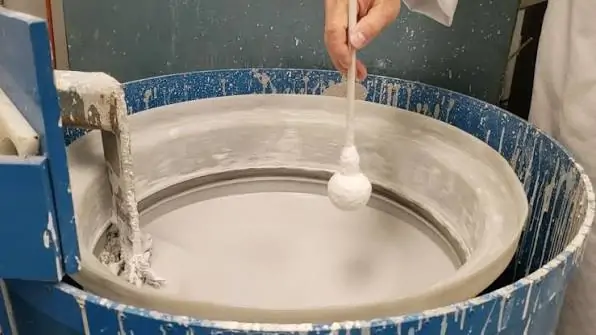 Lechada cerámica
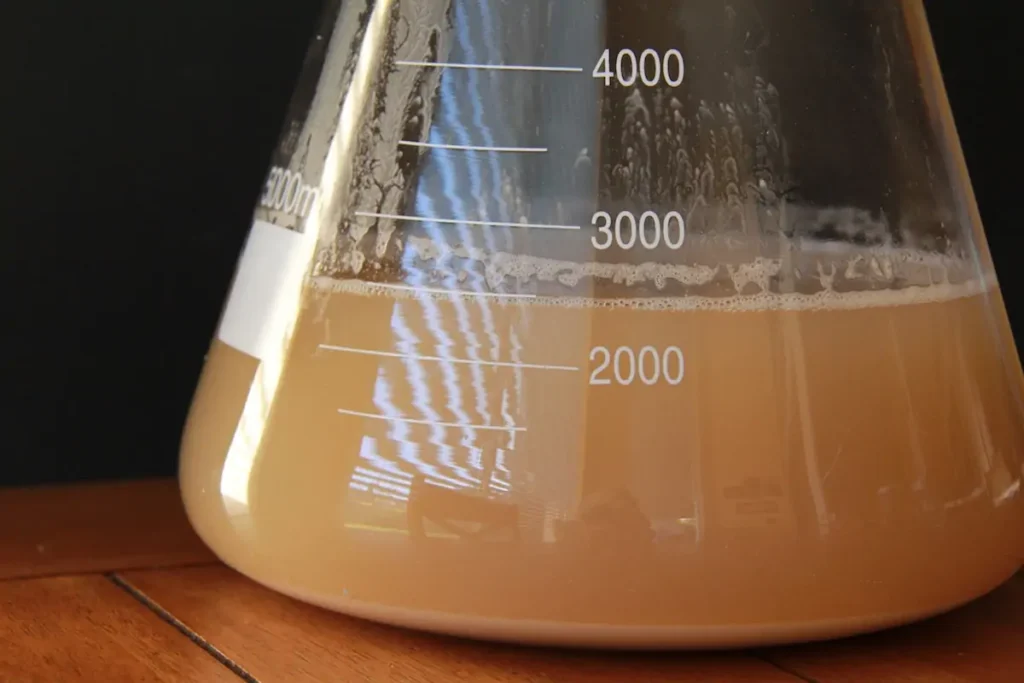 Lodo de Levadura
A continuación, se presenta una lista de materiales comúnmente cribados que hemos recopilado:
| Clasificación por Industria | Materiales típicos | Propósito de Filtrado/Cribado | Nota |
| Cerámica y Materiales de Construcción | Esmaltes cerámicos, lodos cerámicos, lodos de porcelana eléctrica, pastas de caolín, lodos para fabricación de ladrillos | Eliminar impurezas de grano grueso, mejorar la finura y uniformidad del lodo. | Los campos de aplicación principales de las cribas de alta frecuencia, que son particularmente efectivas para efectos de esmalte |
| Alimentos y Fermentación | Líquidos de levadura, salsa de soja, bebidas, jugos de frutas, pastas de almidón, jarabes de azúcar | Filtración clarificante, eliminar impurezas suspendidas, recuperar sólidos útiles. | Tenga en cuenta el grado de higiene del material (como acero inoxidable 304/316L) |
| Industria Química y Recubrimientos | Pinturas, recubrimientos, pigmentos, tintas, lodos de resina, adhesivos | Filtrar impurezas, prevenir partículas de espuma, garantizar la finura del producto. | Los materiales de alta viscosidad requieren asistencia ultrasónica para mallas antiobstrucción |
| Productos Farmacéuticos y Medicina Tradicional China | Extractos de medicina tradicional china, líquidos de medicina occidental, líquidos orales, líquidos de fermentación | Eliminar impurezas y clarificar, mejorar la pureza del líquido medicinal. | El equipo debe ser fácil de limpiar, no tener rincones muertos y cumplir con los estándares GMP. |
| Protección Ambiental y Tratamiento de Agua | Aguas residuales, lodos, fangos, líquido de biogás, líquidos de desecho industrial | Separación sólido-líquido, recuperación de sustancias útiles y reducción de sólidos suspendidos; | Tiene una gran capacidad de procesamiento y a menudo se utiliza junto con procesos como filtración y centrifugación. lodos. |
| Minería y Metalurgia | Pulpa de mineral, pulpa de relaves, pulpa de concentrado, líquidos de desecho de fundición | Clasificación, deshidratación y recuperación de minerales útiles de grano fino | Se requieren mallas de alta resistencia al desgaste, ya que con frecuencia maneja lodos de alta concentración. |
| Aceites y Productos Químicos de Uso Diario | Aceite comestible, grasas, champú, emulsiones cosméticas, detergentes | Filtrar impurezas, eliminar partículas y garantizar la claridad del producto. | Existe una gran diferencia de viscosidad, por lo que el modelo debe seleccionarse según el material específico. |
| Otros Líquidos | Pulpa de papel, pulpa de cuero, soluciones de tinte, soluciones de galvanoplastia, fluidos de corte | Filtrar para eliminación de impurezas, recuperación y purificación. | El material debe elegirse según la corrosividad y la temperatura. |
Si su industria no está listada anteriormente, no dude en contactar a Jiarui Machinery para determinar si existe una mejor solución para sus necesidades de cribado.
En Jiarui Machinery, podemos proporcionar soluciones de cribado que van desde modelos estándar hasta opciones altamente personalizadas, adaptadas a los requisitos específicos de su industria.
Por qué se utilizan cribas de alta frecuencia en estas industrias
Las cribas vibratorias de alta frecuencia son particularmente eficaces para la clasificación de partículas finas, la filtración de suspensiones, la deshidratación y la eliminación de impurezas. Su alta frecuencia de vibración y baja amplitud permiten una separación eficiente de materiales que van desde minerales metálicos y minerales industriales hasta polvos químicos, materiales para baterías y sólidos de aguas residuales. A medida que las industrias exigen cada vez más una mayor pureza del producto y un control más estricto del tamaño de partícula, la tecnología de cribado de alta frecuencia se ha convertido en una solución esencial tanto para plantas de procesamiento tradicionales como para sectores emergentes como los materiales para baterías de litio y el reciclaje avanzado.
Especificaciones técnicas de la criba vibratoria de filtro de alta frecuencia
| Modelo | Diámetro nominal (mm) | Diámetro de la superficie de la criba (mm) | Velocidad de rotación (RPM) | Potencia (KW) |
|---|---|---|---|---|
| JR-G-600 | 600 | 550 | 2800 | 0.55 |
| JR-G-800 | 800 | 760 | 2800 | 0.55 |
| JR-G-1000 | 1000 | 930 | 2800 | 0.75 |
Criba vibratoria de filtro de alta frecuencia vs criba vibratoria rotativa
Las cribas vibratorias de filtro de alta frecuencia y cribas vibratorias rotatorias ambas se utilizan comúnmente para la separación y clasificación de materiales, pero están diseñadas para diferentes mecanismos de cribado y condiciones de aplicación. Una criba vibratoria de filtro de alta frecuencia opera con vibración de alta frecuencia y baja amplitud, lo que es ideal para la separación de partículas finas, la filtración de suspensiones y el cribado húmedo antiobstrucción. Se utiliza ampliamente en cerámica, suspensión de minería, polvos químicos y materiales de nueva energía. En contraste, una criba vibratoria rotativa utiliza un movimiento rotativo tridimensional con fuerza de vibración ajustable, lo que la hace más adecuada para el cribado general de polvos, la separación sólido-líquido y la clasificación de partículas de finas a medias. La principal diferencia radica en su modo de movimiento, precisión de cribado y adecuación para suspensiones versus materiales secos.
Tabla comparativa: Criba de alta frecuencia vs criba vibratoria rotativa
| Ítem | Tamiz Vibratorio de Filtro de Alta Frecuencia | Criba Vibratoria Rotatoria |
|---|---|---|
| Tipo de Vibración | Microvibración lineal/vertical de alta frecuencia | Movimiento rotativo 3D (oscilación + vibración) |
| Frecuencia | Muy alta (1500–3000+ RPM) | Frecuencia media |
| Amplitud | Amplitud baja | Amplitud media |
| Precisión de cribado | Muy alta (enfoque en partículas finas) | Media a alta (uso general) |
| Aplicación principal | Suspensión, polvo fino, cribado húmedo | Polvo seco, gránulos, suspensión (general) |
| Rendimiento antiobstrucción | Excelente (mejor para suspensiones viscosas) | Bueno, pero más débil en suspensiones de alta viscosidad |
| Idoneidad del material | Suspensión cerámica, materiales para baterías, minerales | Polvo alimentario, gránulos químicos, productos farmacéuticos |
| Rango de Malla | 2–200 mesh (clasificación fina) | Típicamente 10–400 mesh (rango más amplio) |
| Eficiencia energética | Alta eficiencia para cribado fino | Consumo de energía moderado |
| Mantenimiento | Cambio rápido de malla (3–5 min) | Esfuerzo de mantenimiento moderado |
| Mejor ventaja | Alta precisión + eficiencia de filtración de suspensiones | Versatilidad para múltiples industrias |
Para el cribado compacto de polvos y gránulos, la Criba Vibratoria de Alta Eficiencia puede ser una mejor opción.
¿Por qué elegir la criba vibratoria en línea Jiarui?
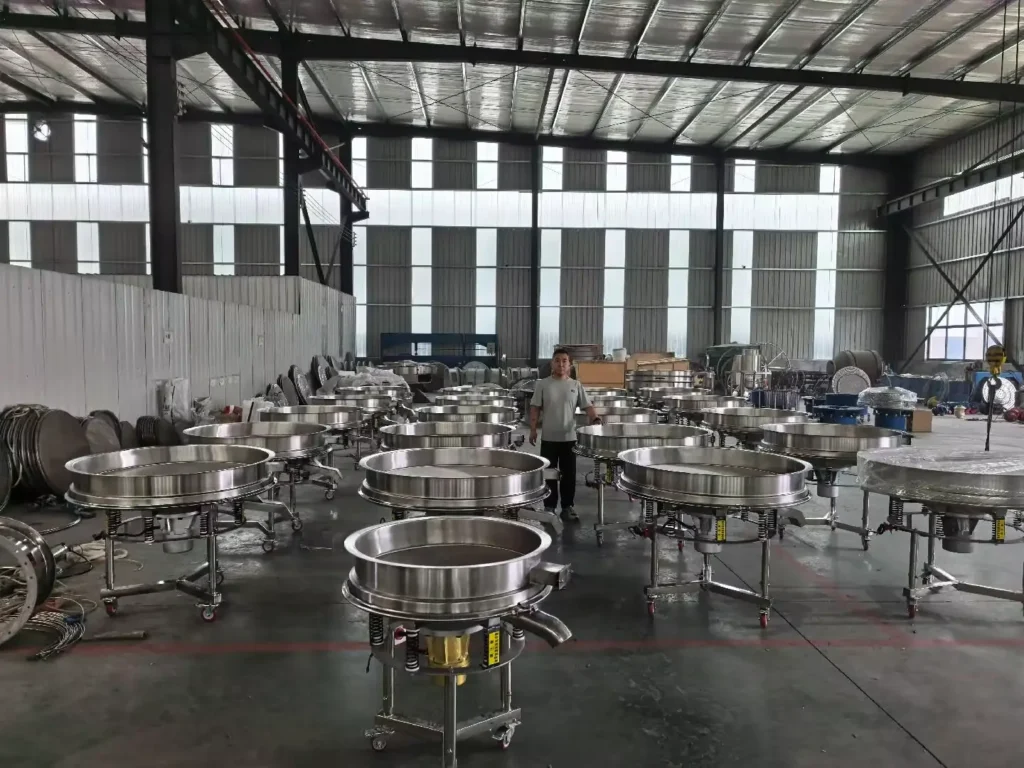
Experiencia técnica avanzada y capacidades de personalización a medida
Ingeniería probada en la industria: Más de una década de experiencia en fabricación garantiza una estabilidad excepcional y un funcionamiento de bajo ruido.
Personalización flexible: Disponible con diámetros de tamiz personalizados, tamaños de malla, configuraciones de cubierta, materiales de contacto, voltajes y sistemas de alimentación para cumplir con requisitos específicos de proceso y producción.
Estrictos estándares de calidad y soporte de servicio de por vida confiable
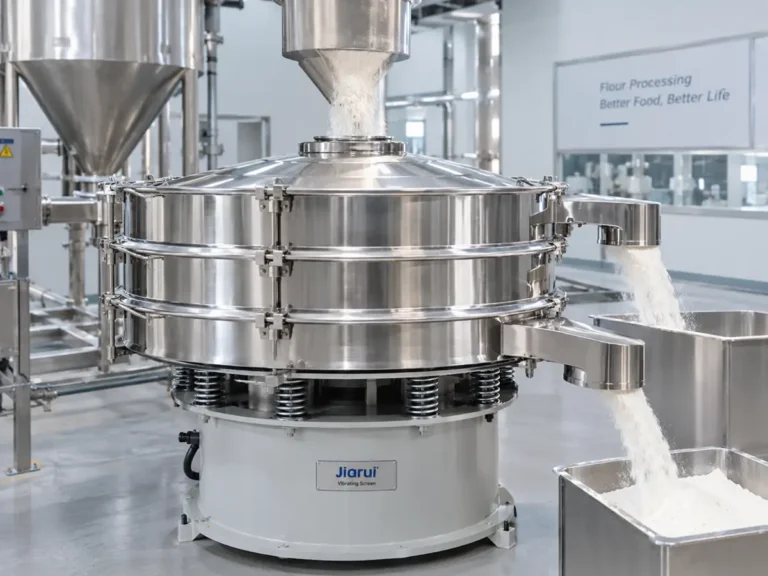
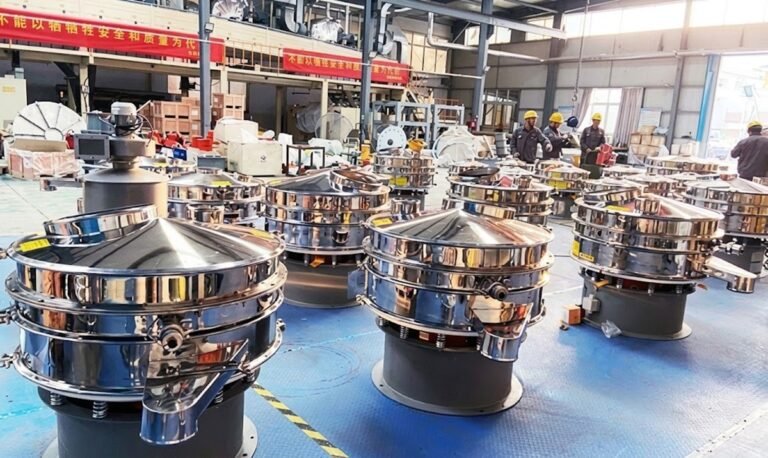
Calidad de grado industrial: Diseño de acero inoxidable totalmente cerrado y conforme a GMP, certificado según CE y ISO estándares.
Soporte integral de por vida: Respuesta rápida en 24 horas, garantía de un año y mantenimiento técnico de por vida para producción continua.
Preguntas Frecuentes
Obtenga una consulta gratuita
Complete el siguiente formulario para conectarse con nuestros expertos y recibir recomendaciones personalizadas para su aplicación.