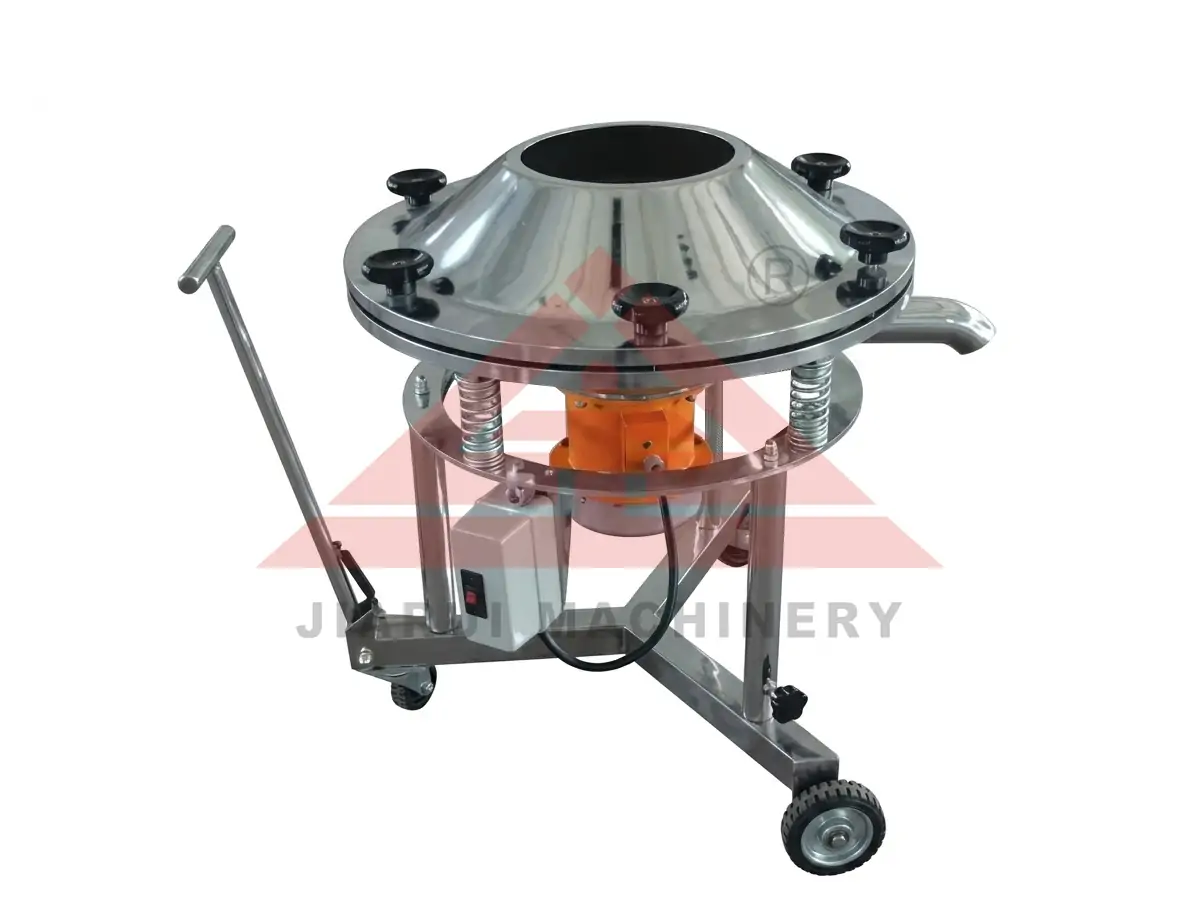
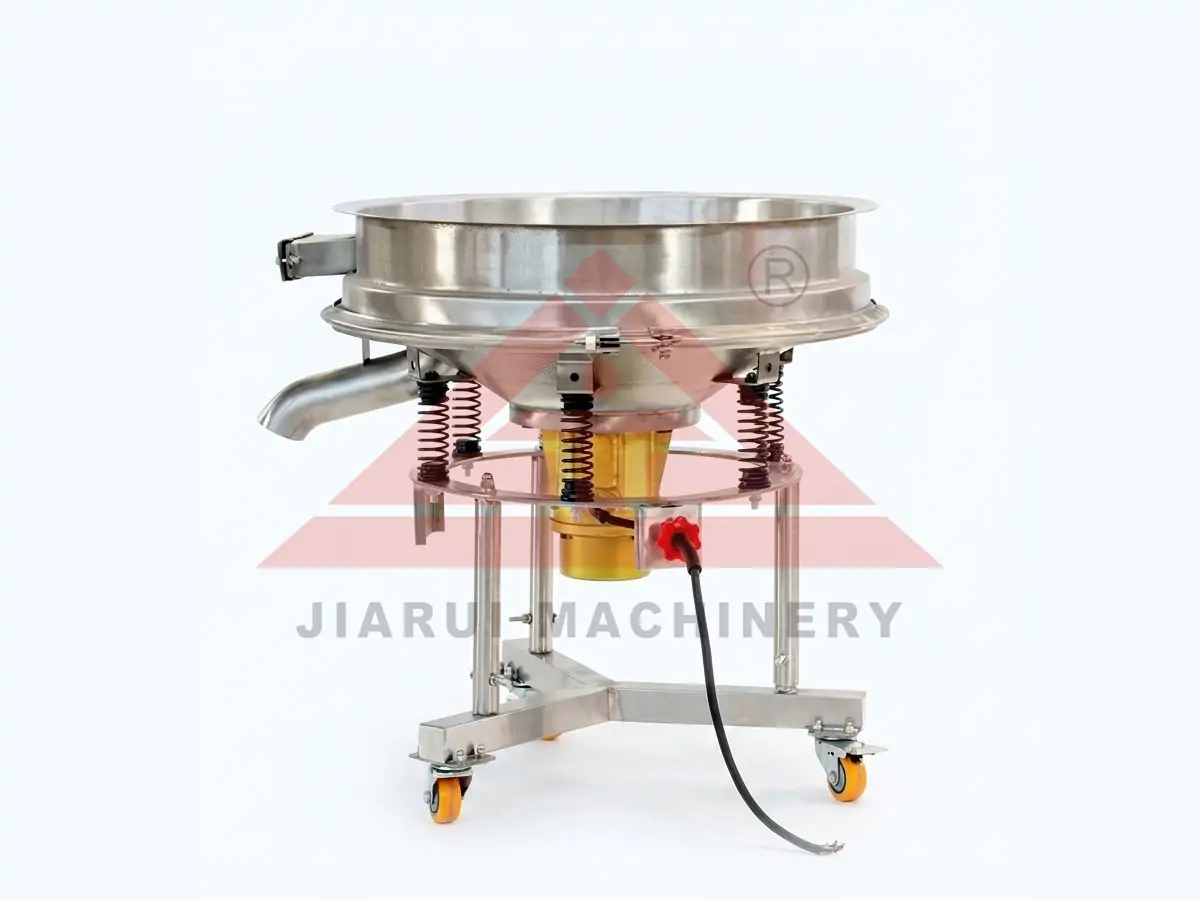
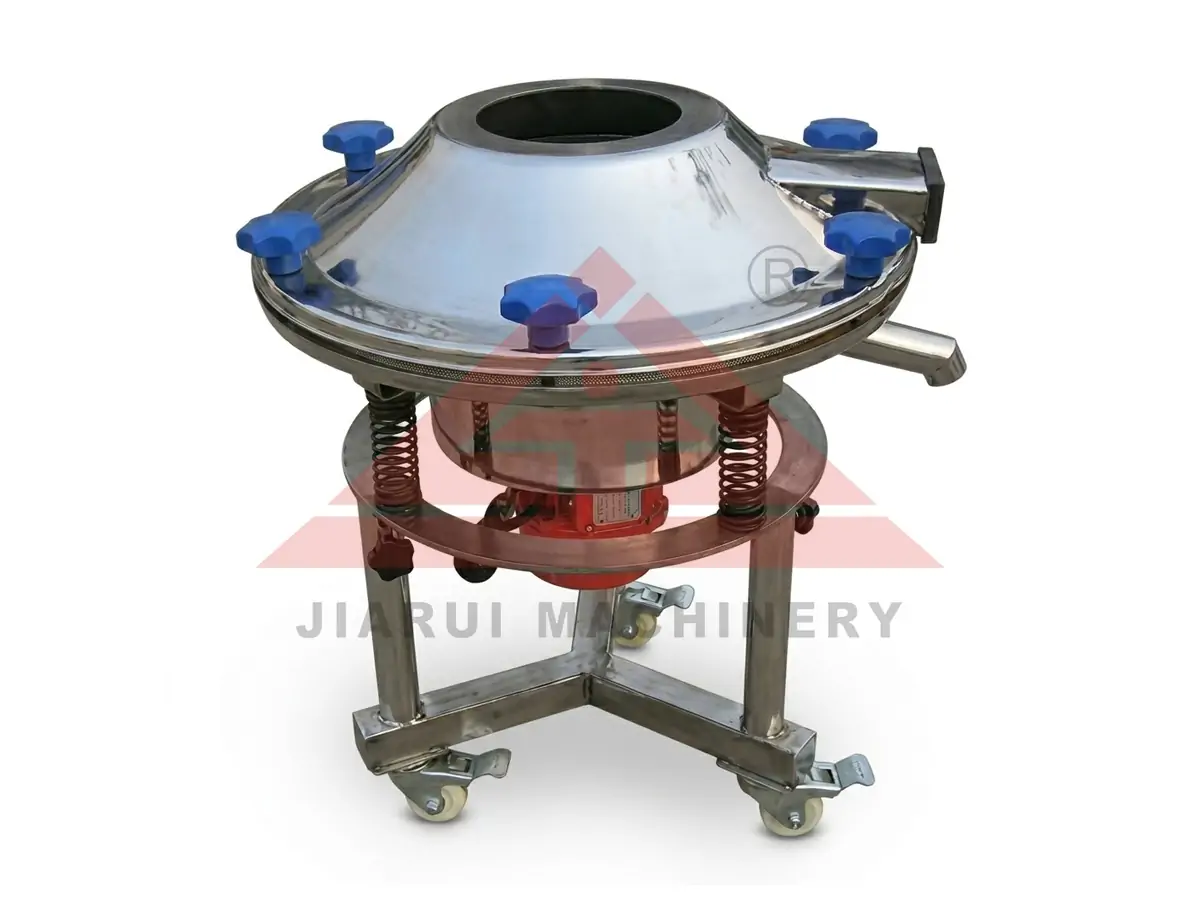
High Frequency Filter Vibrating Screen
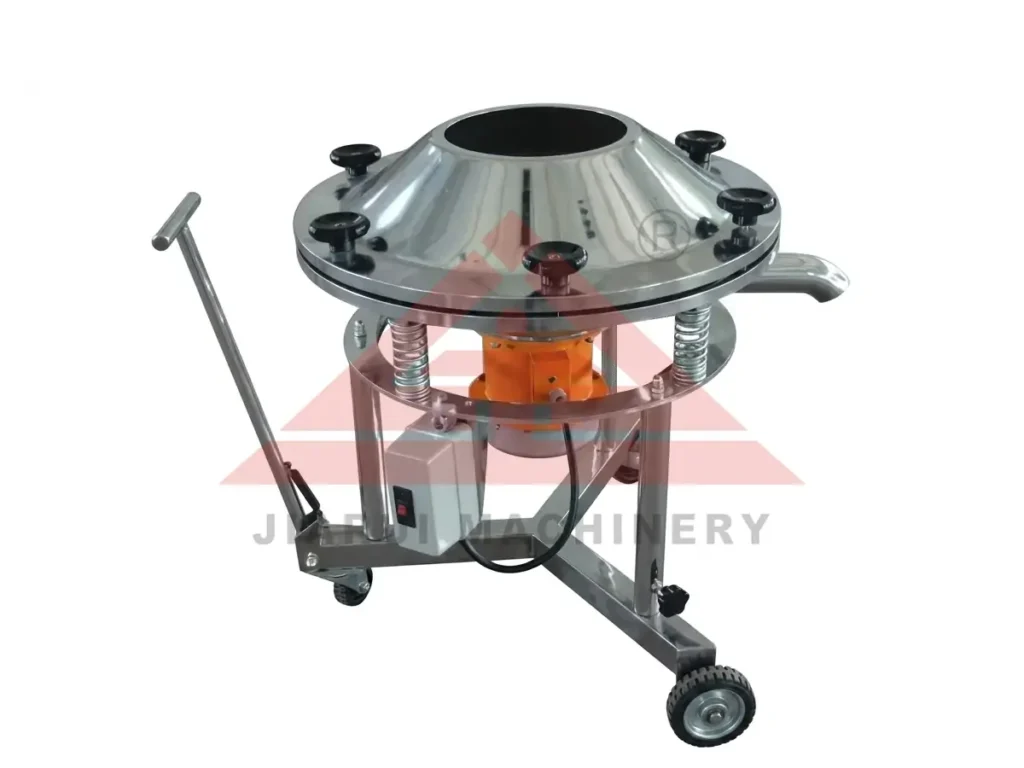
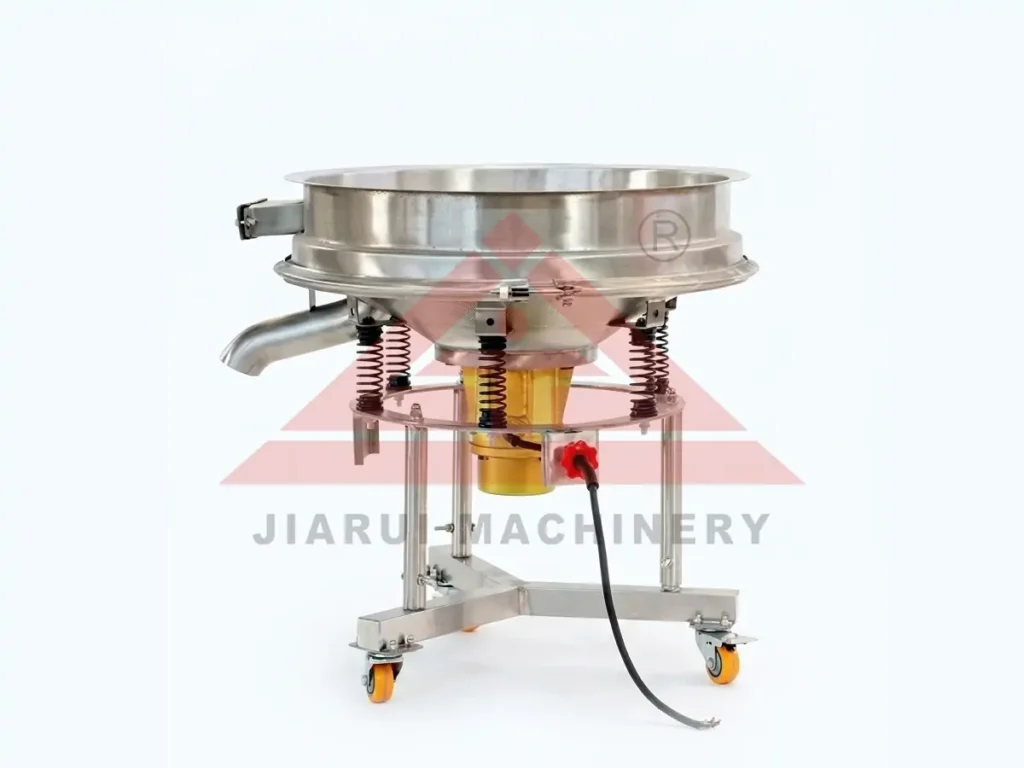
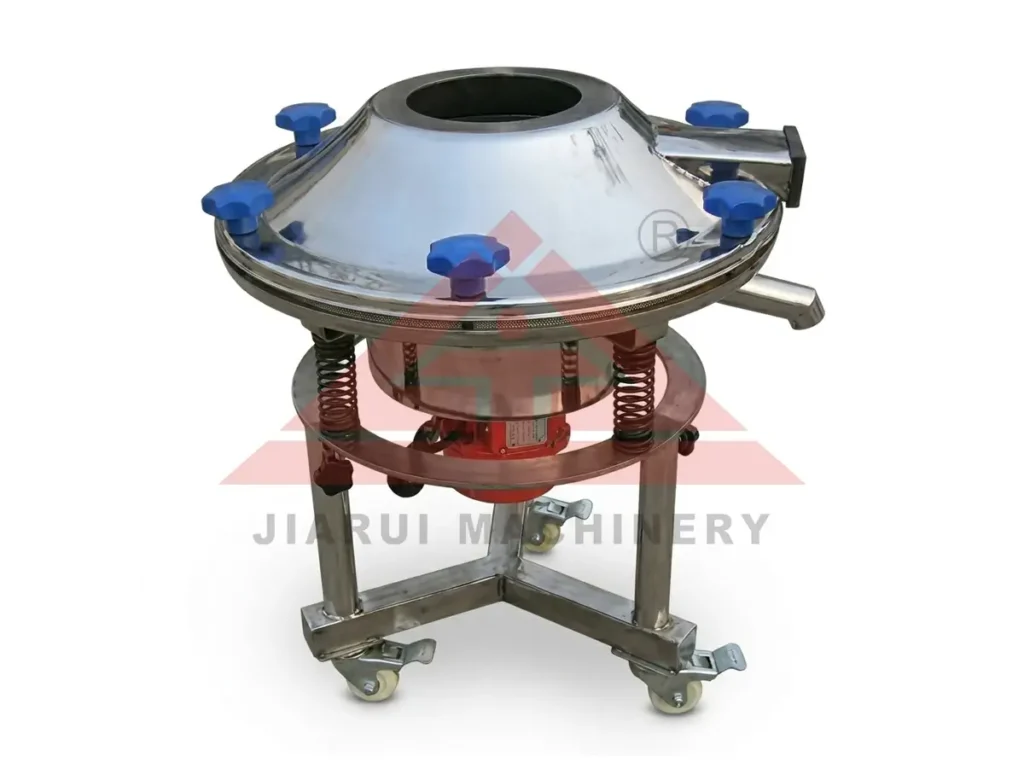
The High-Frequency Filter Vibrating Screen is a low-energy-consumption, high-frequency filter vibrating screen with excellent filtration performance, successfully developed by Jiarui Machinery based on our many years of experience in the filtration industry, filtering, and screening machines. It features a simple structure, compact size, high frequency, and low energy consumption, with a frequency of up to 2,800 cycles per minute. It is widely used in the food, chemical, pharmaceutical, abrasive-ceramic, and metallurgical industries for screening and filtering powders, granules, and slurries.
This High-Frequency Filter Vibrating Screen is specifically designed for the screening of glazes in the ceramics industry, where it delivers exceptionally effective results.
What Is a High-Frequency Filter Vibrating Screen?
A high-frequency filter vibrating screen, also known as a high-frequency screen, is a piece of equipment specifically designed for efficient screening. Its core operating principle relies on high-frequency, high-amplitude vibrations. This unique vibration method effectively breaks the surface tension of the material, causing fine particles to oscillate at high speeds. This accelerates the separation of useful minerals and significantly increases the contact between material smaller than the separation size and the screen mesh. As a result, fine material passes through the screen openings more smoothly, significantly improving screening accuracy and efficiency. It is particularly well-suited for processing fine-grained, high-viscosity slurry-like materials.
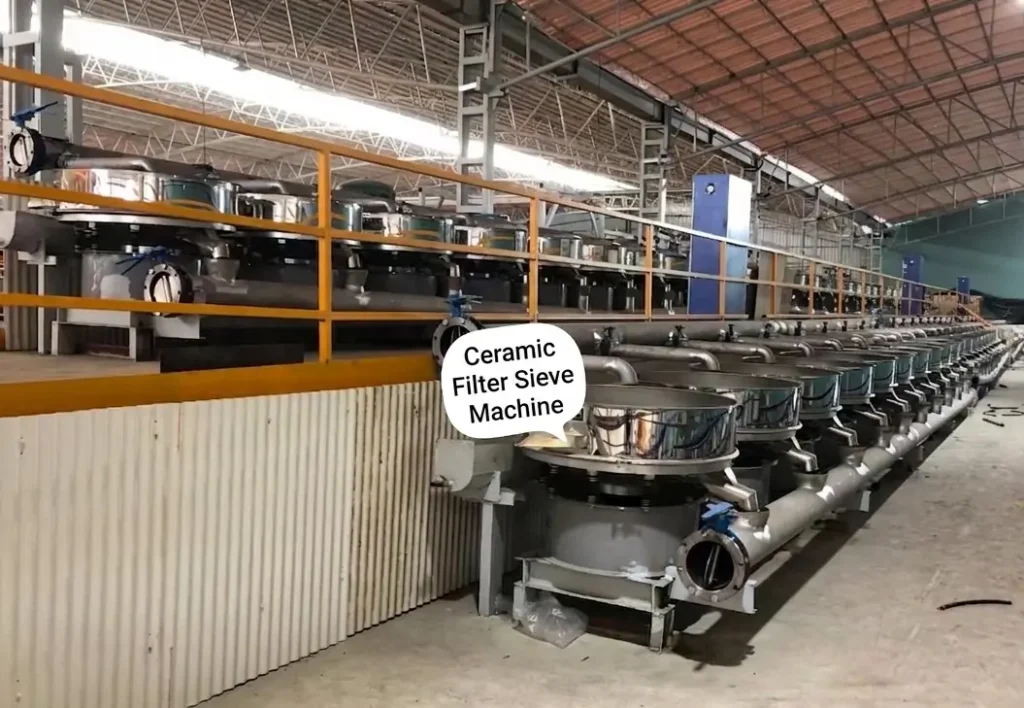
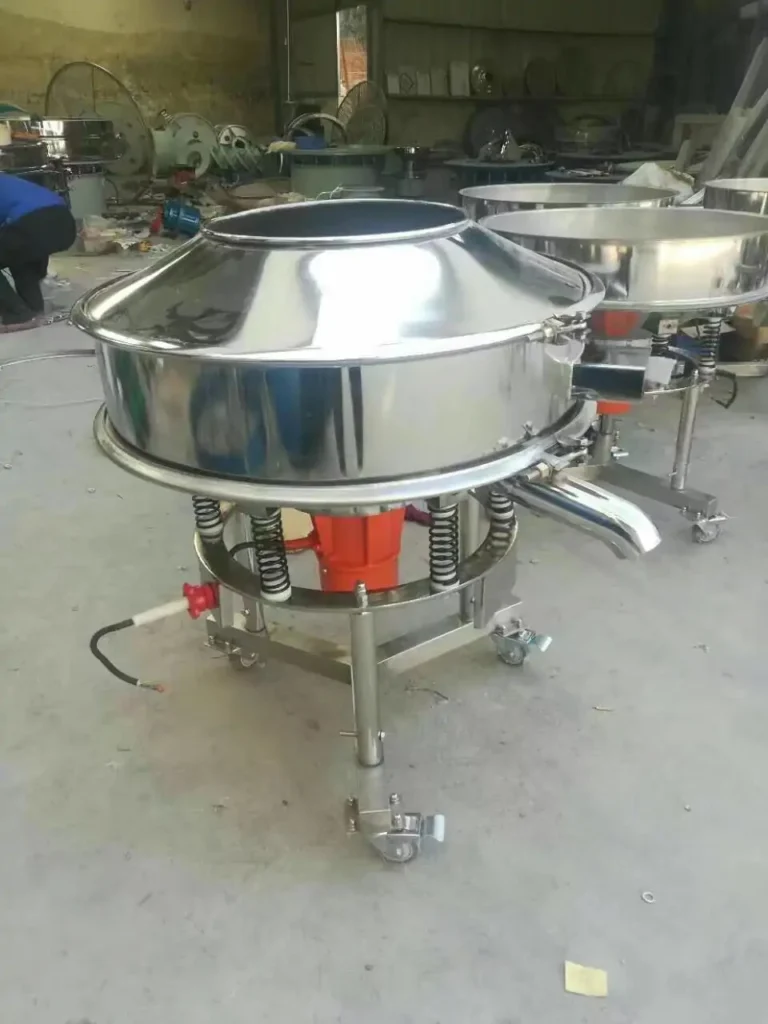
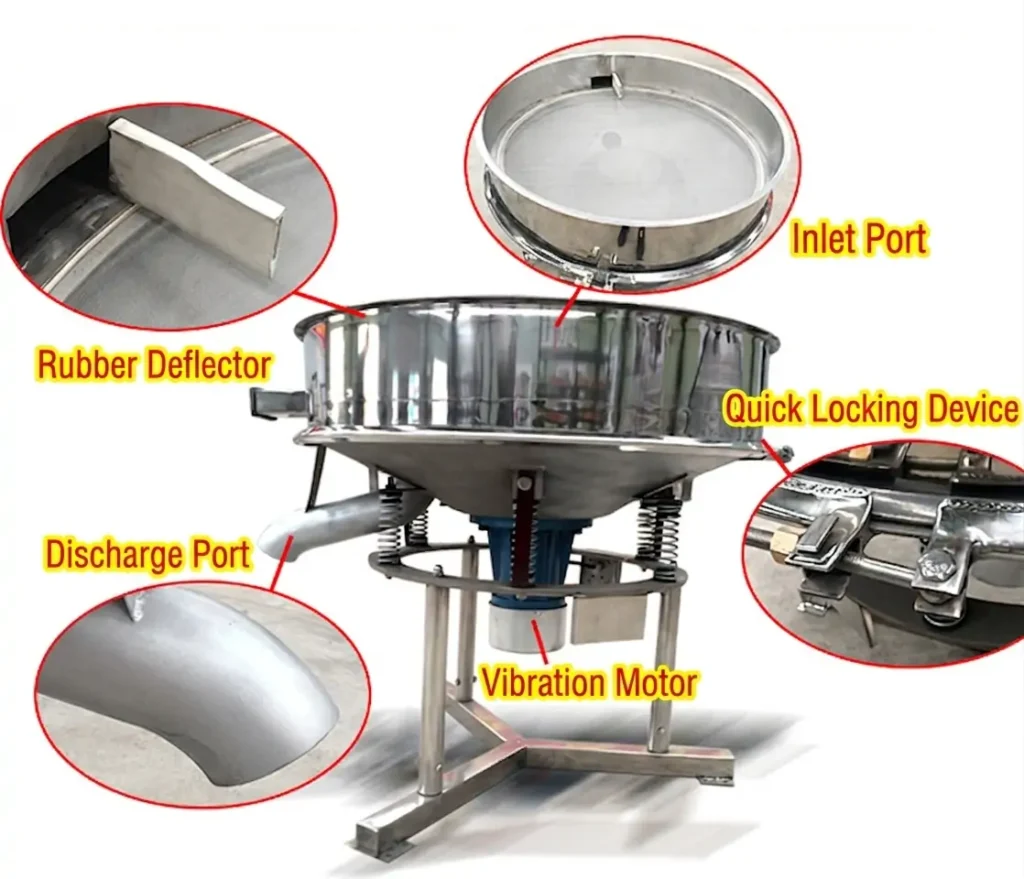
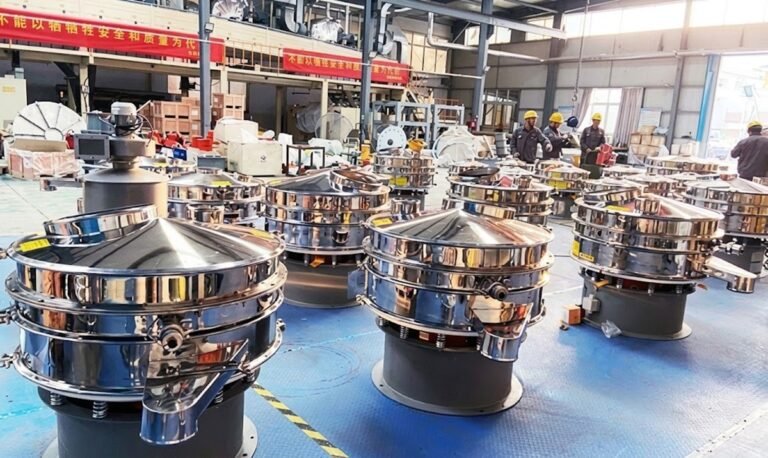
The high-frequency screens manufactured by Jiarui Machinery combine high efficiency, energy savings, and ease of use. With a vibration frequency of up to 3,000 times per minute, they offer exceptional screening capacity and excellent filtration performance for fine powders and viscous slurries. The equipment features an energy-efficient design that can save up to 50% in energy consumption compared to similar models. Structurally, we prioritize user experience: the equipment is compact, lightweight, easy to move and install, and features a freely adjustable height. The unique screen structure allows for screen replacement in just 3–5 minutes, significantly improving maintenance efficiency; furthermore, except for the vibration motor, all major components are made of stainless steel, enhancing both durability and aesthetics. These features enable our high-frequency screens to perform exceptionally well in slurry screening and filtration across multiple industries, including ceramic glazes, food, chemicals, and pharmaceuticals. As a result, we have earned the trust of a wide range of customers.
How Does a High-Frequency Filter Vibrating Screen Work?
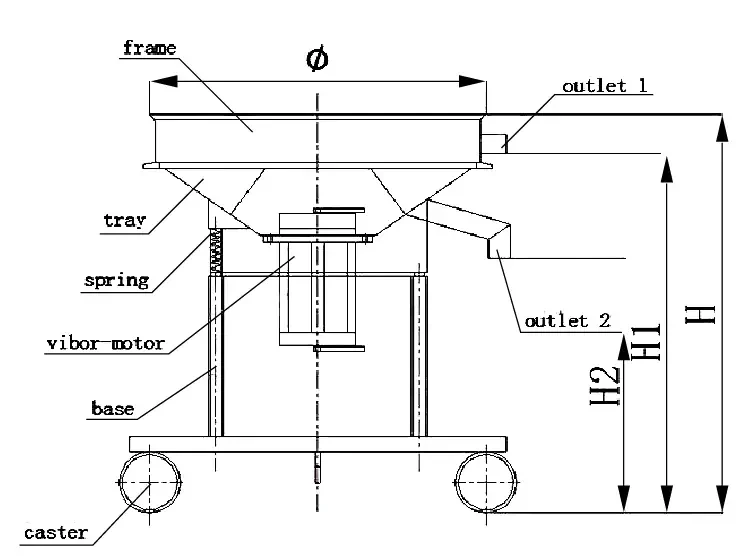
The working principle of a high-frequency screen is a process centered on high-frequency, low-amplitude vibration, specifically designed for the efficient screening of fine-grained and viscous materials. The process can be broken down as follows:
Step 1: High-Frequency Excitation and Breakdown of Surface Tension: Once the screen is started, the exciter generates high-frequency vibrations at a rate of 1,500 to 7,200 times per minute. These high-frequency vibrations first act on the material (especially mineral slurry or viscous slurries), directly breaking down the surface tension and liquid film on the slurry’s surface, thereby dispersing fine particles that were previously agglomerated due to viscosity.
Step 2: Material Stratification and Separation: Under continuous high-frequency vibration, the material on the screen surface undergoes vigorous but low-amplitude oscillations. This step is crucial, as it accelerates the rearrangement (stratification) of the material based on particle size and density. Fine particles—particularly high-density useful minerals—rapidly settle and move toward the screen surface, while coarse particles are “pushed” to the upper layers. This significantly increases the opportunity for material smaller than the screen aperture size to come into contact with the screen apertures.
Step 3: Fine-Grain Screening: Due to the high vibration frequency, the material is thrown upward and comes into contact with the screen surface an extremely large number of times per unit of time. For qualified fine particles that have already been stratified and reached the screen surface, the energy provided by the high-frequency vibration is sufficient to overcome the resistance encountered as they pass through the screen apertures, allowing them to quickly pass through and become the undersize product. Fine, heavy particles mixed with the slurry can also pass through the screen openings along with the slurry.
Step 4: Coarse Particle Discharge and Material Conveyance: At the same time, coarser particles that fail to pass through the screen openings move forward along the screen surface under the combined effect of the screen’s inclination and high-frequency micro-vibrations, eventually being discharged through the discharge port, thereby completing the separation of oversize and undersize materials.
Summary: Compared to ordinary vibrating screens, the core feature of high-frequency screens lies in “high frequency and low amplitude.” The high frequency provides fine particles with sufficient energy to disperse and pass through the screen, while the low amplitude prevents the disruption of the formed filter layer (which is particularly important for dewatering screening) and excessive material bouncing, resulting in more precise and efficient screening. Some of our advanced models also employ technologies such as dual-frequency composite vibration, further optimizing the screening process.
Features
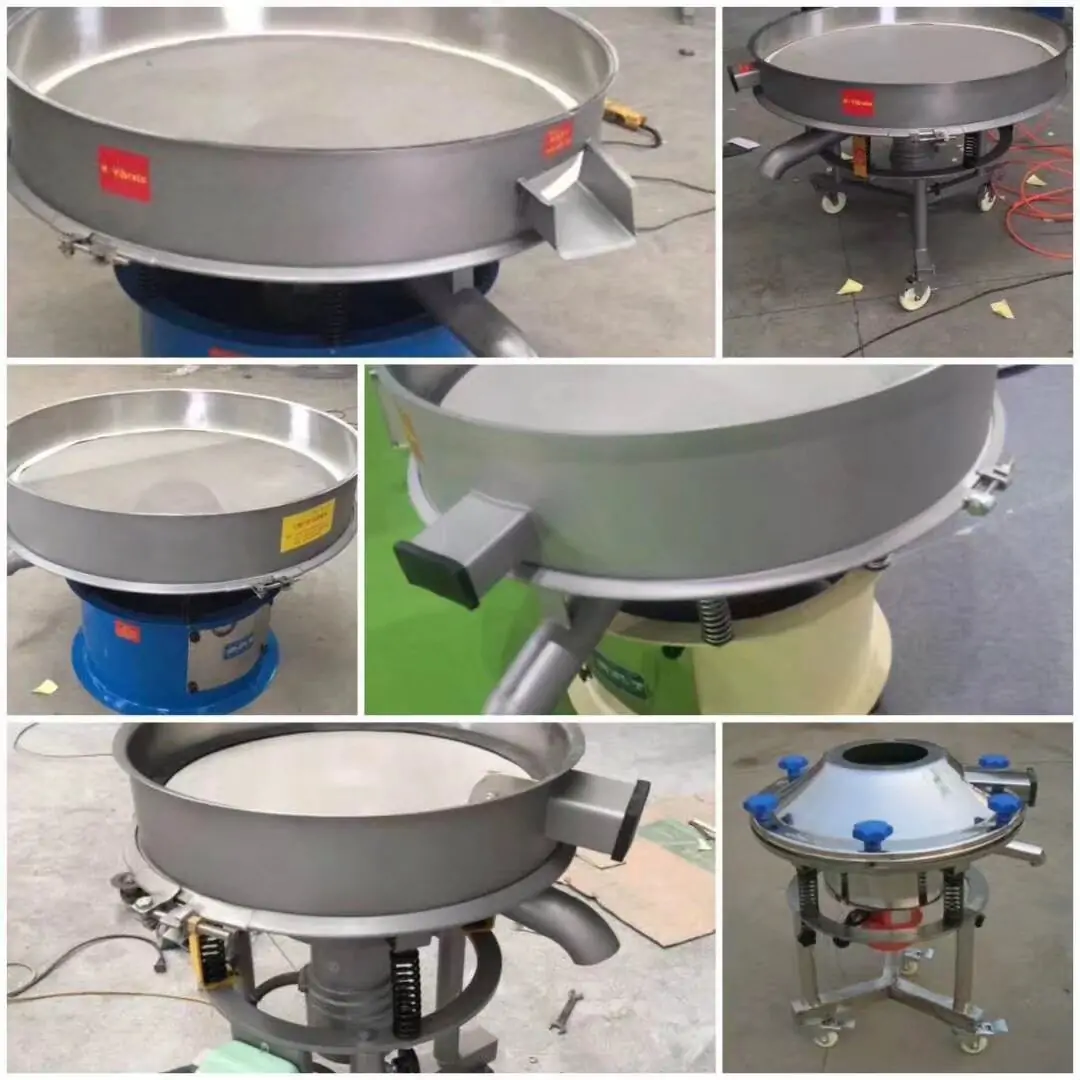
- Excellent slag removal performance and high processing capacity.
- Sophisticated design for easier installation.
- Open-top design for easy viewing of the screen surface.
- Long screen mesh service life; screen replacement takes only 3–5 minutes.
- Low motor power, lightweight, high protection rating, capable of continuous operation, and easy to maintain.
- Can be moved freely within the mining worksite and is height-adjustable, eliminating the need for complex installation.
.
Applications of the High-Frequency Filter Vibrating Screen
Our Jiarui Machinery High-Frequency Filter Vibrating Screen covers virtually all industrial sectors requiring the screening, classification, filtration, and dewatering of powders, granules, and slurries. It is particularly suitable for those requiring wet screening.
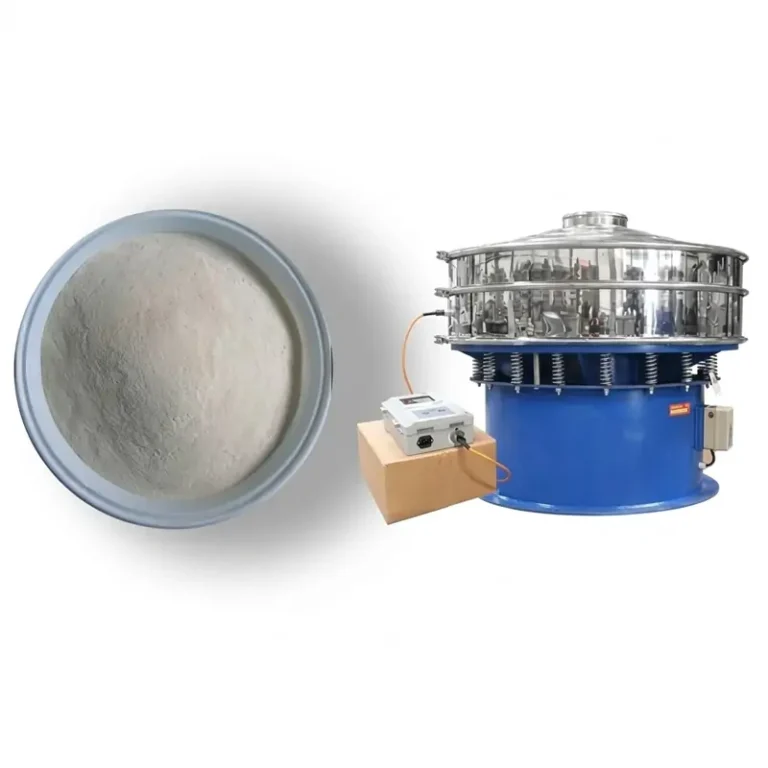
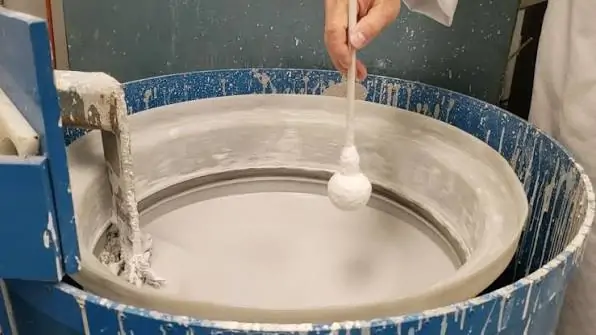 Ceramic Slurry
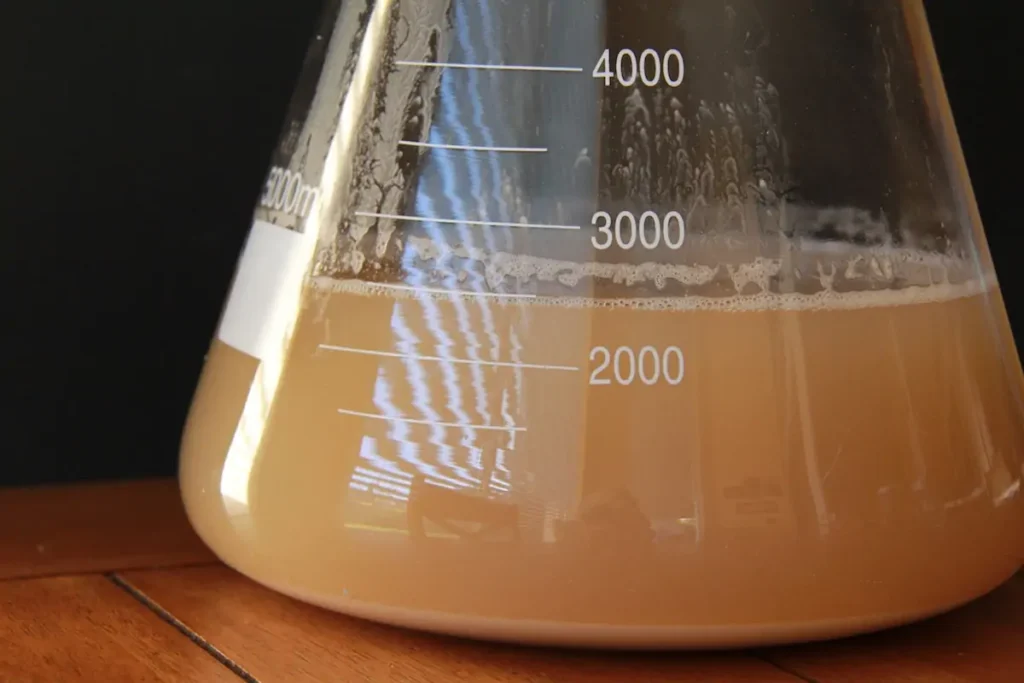 Yeast Slurry
Below is a list of commonly screened materials that we have compiled:
| Industry Classification | Typical materials | Purpose of Filtering/Sieving | Note |
| Ceramics and Building Materials | Ceramic glazes, ceramic slurries, electrical porcelain slurries, kaolin pastes, brick-making slurries | Remove coarse-grained impurities, improve slurry fineness and uniformity. | The core application fields of high-frequency sieves, which are particularly effective for glaze effects |
| Food and Fermentation | Yeast liquids, soy sauce, beverages, fruit juices, starch pastes, sugar syrups | Clarify filtration, remove suspended impurities, recover useful solids. | Note the material hygiene grade (such as 304/316L stainless steel) |
| Chemical Industry and Coatings | Paints, coatings, pigments, inks, resin slurries, adhesives | Filter impurities, prevent scum particles, ensure product fineness. | High-viscosity materials require ultrasonic assistance for anti-clogging screens |
| Pharmaceuticals and Traditional Chinese Medicine | Traditional Chinese medicine extracts, Western medicine liquids, oral liquids, fermentation liquids | Remove impurities and clarify, improve medicinal liquid purity. | The equipment should be easy to clean, have no dead corners, and comply with GMP standards. |
| Environmental Protection and Water Treatment | Wastewater, mud slurry, sludge, biogas liquid, industrial waste liquids | Solid-liquid separation, recovery of useful substances, and reduction of suspended solids; | It has a large processing capacity and is often used in conjunction with processes such as filtration and centrifugation. slurries. |
| Mining and Metallurgy | Ore pulp, tailings pulp, concentrate pulp, smelting waste liquids | Classification, dewatering, and recovery of fine-grained useful minerals | High-wear-resistant screens are required, as it frequently handles high-concentration slurries. |
| Oils and Daily Chemicals | Edible oil, fats, shampoo, cosmetic emulsions, detergents | Filter impurities, remove particulate matter, and ensure product clarity. | There is a large viscosity difference, so the model should be selected according to the specific material. |
| Other Liquids | Paper pulp, leather pulp, dye solutions, electroplating solutions, cutting fluids | Filter for impurity removal, recovery, and purification. | The material should be chosen based on corrosivity and temperature. |
If your industry is not listed above, please feel free to contact Jiarui Machinery to determine if there is a better solution for your screening needs.
At Jiarui Machinery, we can provide screening solutions ranging from standard models to highly customized options tailored to the specific requirements of your industry.
Why High-Frequency Screens Are Used Across These Industries
High-frequency vibrating screens are particularly effective for fine particle classification, slurry filtration, dewatering, and impurity removal. Their high vibration frequency and low amplitude enable efficient separation of materials ranging from metal ores and industrial minerals to chemical powders, battery materials, and wastewater solids. As industries increasingly demand higher product purity and tighter particle-size control, high-frequency screening technology has become an essential solution for both traditional processing plants and emerging sectors such as lithium battery materials and advanced recycling.
High-Frequency Filter Vibrating Screen Technical Specifications
| Model | Nominal Diameter (mm) | Screen Surface Diameter (mm) | Rotation Speed (RPM) | Power (KW) |
|---|---|---|---|---|
| JR-G-600 | 600 | 550 | 2800 | 0.55 |
| JR-G-800 | 800 | 760 | 2800 | 0.55 |
| JR-G-1000 | 1000 | 930 | 2800 | 0.75 |
High-Frequency Filter Vibrating Screen vs Rotary Vibrating Screen
High-frequency filter vibrating screens and rotary vibrating screens are both commonly used for material separation and classification, but they are designed for different screening mechanisms and application conditions. A high-frequency filter vibrating screen operates with high-frequency, low-amplitude vibration, which is ideal for fine particle separation, slurry filtration, and anti-clogging wet screening. It is widely used in ceramics, mining slurry, chemical powders, and new energy materials. In contrast, a rotary vibrating screen uses a three-dimensional rotary motion with adjustable vibration force, making it more suitable for general powder screening, solid-liquid separation, and medium-fine particle classification. The main difference lies in their motion mode, screening precision, and suitability for slurry versus dry materials.
Comparison Table: High-Frequency Screen vs Rotary Vibrating Screen
| Item | High-Frequency Filter Vibrating Screen | Rotary Vibrating Screen |
|---|---|---|
| Vibration Type | High-frequency linear/vertical micro vibration | 3D rotary motion (swing + vibration) |
| Frequency | Very high (1500–3000+ RPM) | Medium frequency |
| Amplitude | Low amplitude | Medium amplitude |
| Screening Precision | Very high (fine particle focus) | Medium to high (general use) |
| Main Application | Slurry, fine powder, wet screening | Dry powder, granules, slurry (general) |
| Anti-clogging Performance | Excellent (best for viscous slurry) | Good, but weaker in high-viscosity slurry |
| Material Suitability | Ceramic slurry, battery materials, minerals | Food powder, chemical granules, pharmaceuticals |
| Mesh Range | 2–200 mesh (fine classification) | Typically 10–400 mesh (broader range) |
| Energy Efficiency | High efficiency for fine screening | Moderate energy consumption |
| Maintenance | Fast mesh change (3–5 min) | Moderate maintenance effort |
| Best Advantage | High precision + slurry filtration efficiency | Versatility for multiple industries |
For compact screening of powders and granules, the High Efficiency Vibrating Screen may be a better fit.
Why Choose Jiarui Inline Vibrating Screen?
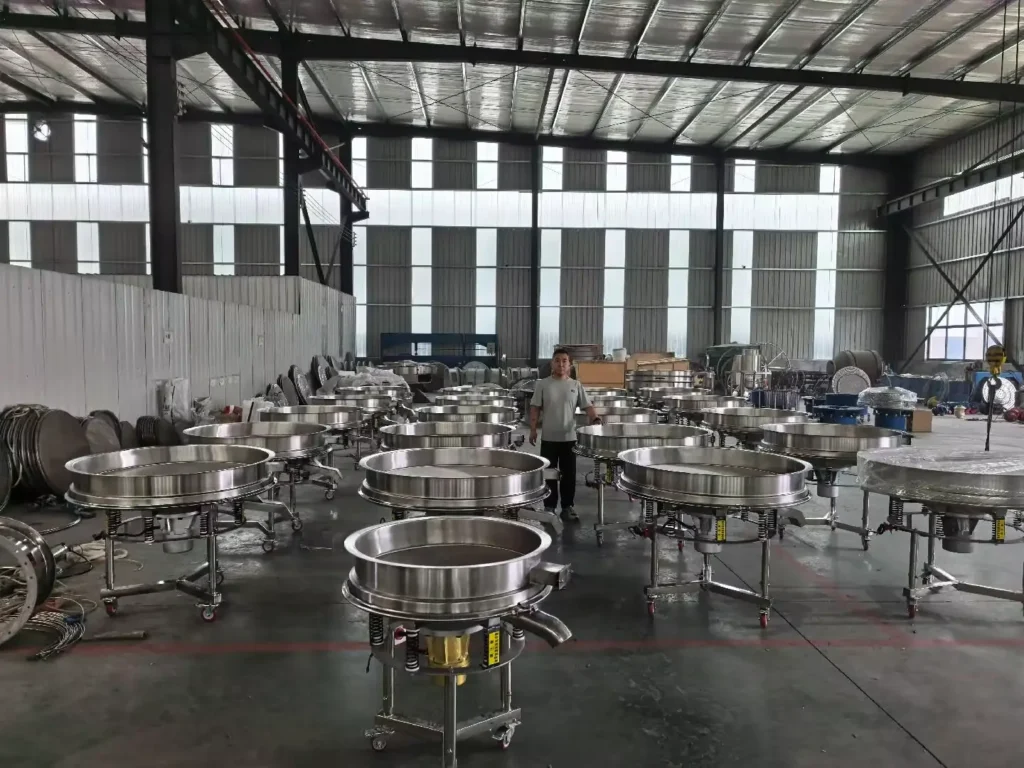
Advanced Technical Expertise & Tailored Customization Capabilities
Industry-Proven Engineering: Over a decade of manufacturing experience ensures exceptional stability and low-noise operation.
Flexible Customization: Available with customized screen diameters, mesh sizes, deck configurations, contact materials, voltages, and feeding systems to meet specific process and production requirements.
Stringent Quality Standards & Reliable Lifetime Service Support
Industrial-Grade Quality: Fully enclosed, GMP-compliant stainless steel design certified by CE and ISO standards.
Comprehensive Lifetime Support: Fast 24-hour response, one-year warranty, and lifelong technical maintenance for continuous production.
FAQs
Get a Free Consultation
Fill out the form below to connect with our experts and receive personalized recommendations for your application.