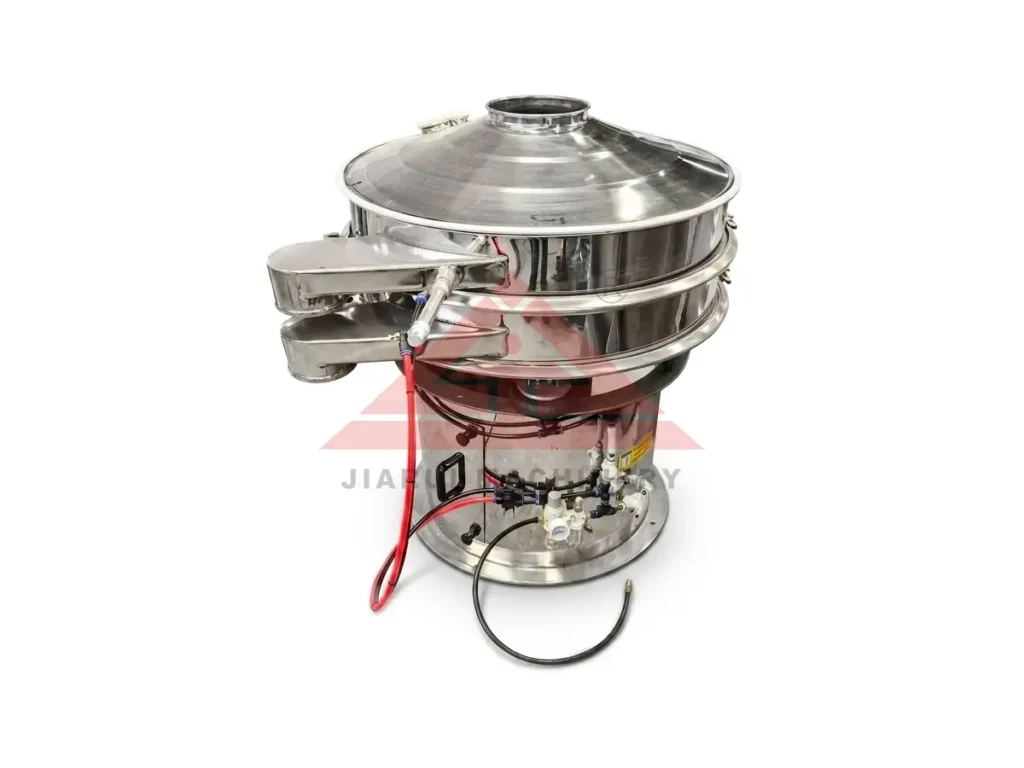
A vibrating sieve is an industrial screening machine used for material separation and classification. It separates materials with different particle sizes through a screen surface and can also be used for impurity removal, solid-liquid separation, and material dewatering. Depending on different production requirements, vibrating sieve machines are widely applied in mining, aggregate processing, powder production, chemical industries, food processing, and resource recycling.
What Does A Vibrating Sieve Do?
A vibrating sieve, also known as a vibrating sieve machine or vibrating screen, is a type of industrial screening equipment that uses vibration force to separate materials according to particle size.
In simple terms, the screen controls which particles can pass through. Smaller particles pass through the screen openings, while larger particles or unwanted materials remain on the screen surface and are discharged separately. This process allows the equipment to perform material classification, impurity removal, dewatering, and solid-liquid separation.
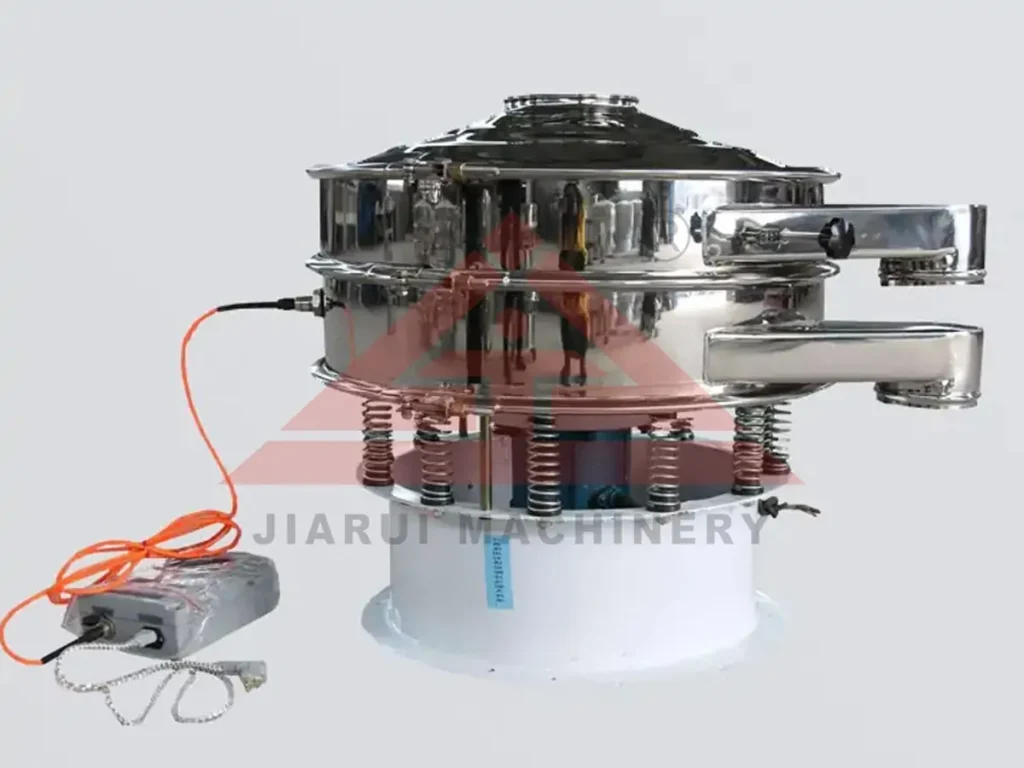
A vibrating sieve machine usually consists of a vibration motor, screen box, screen mesh, and vibration isolation system. During operation, the vibration force causes materials to move and spread across the screen surface, allowing particles of different sizes to separate according to the screen opening.
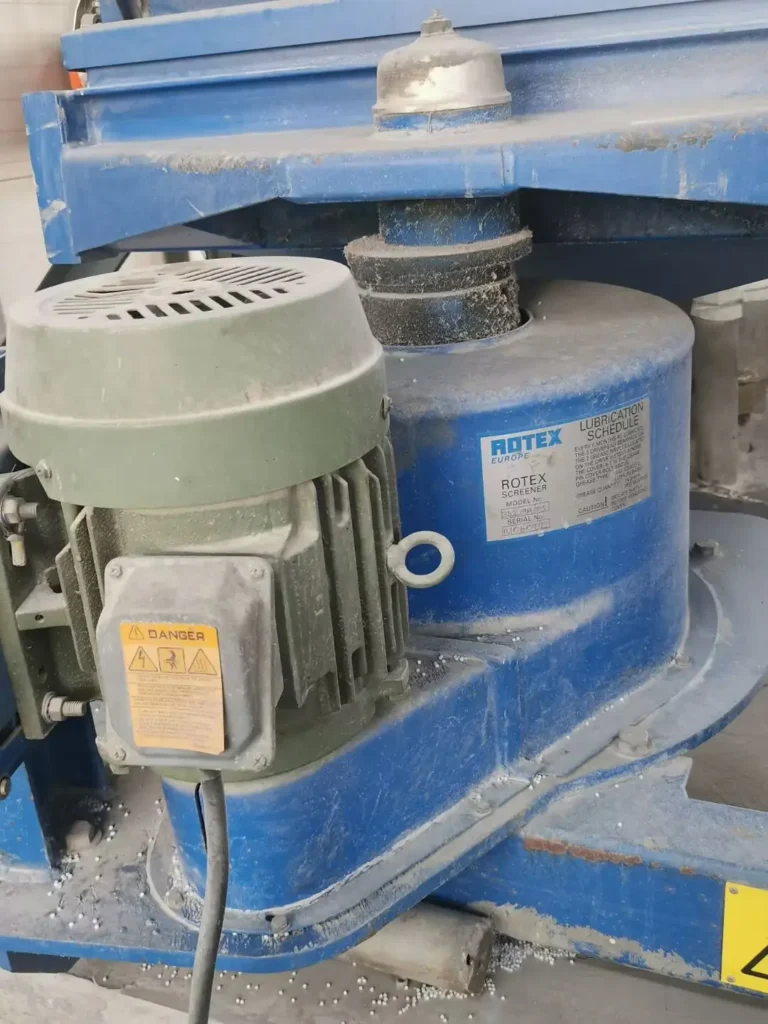
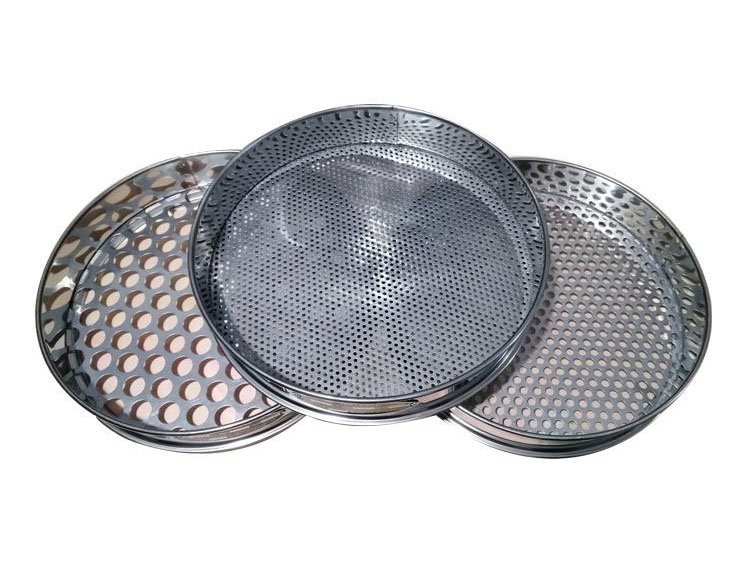
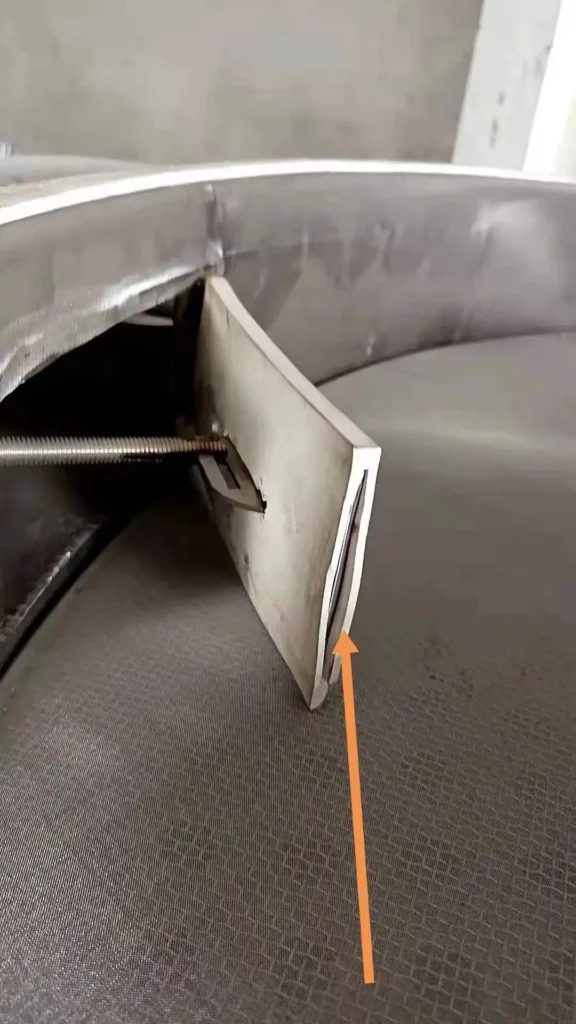
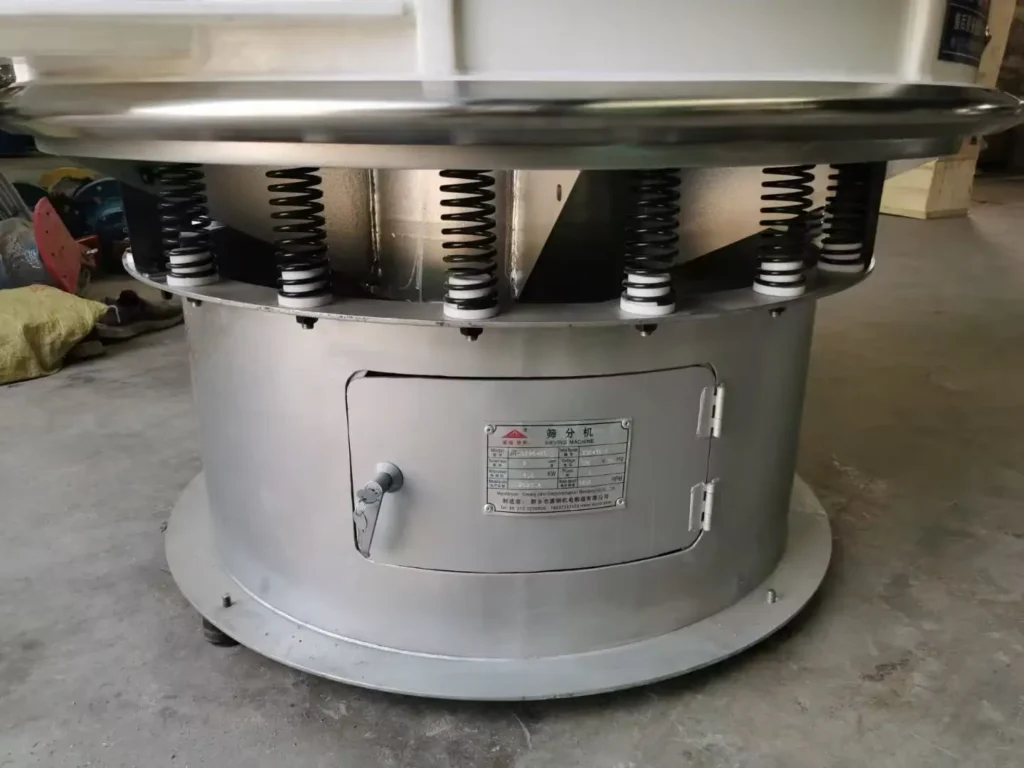
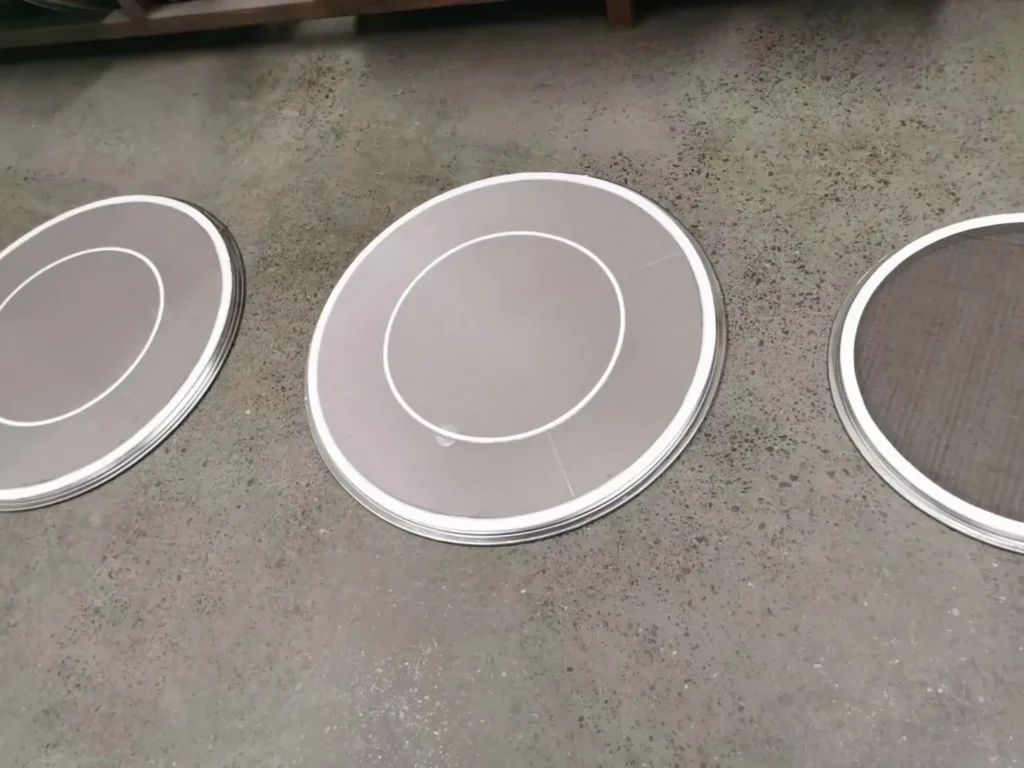
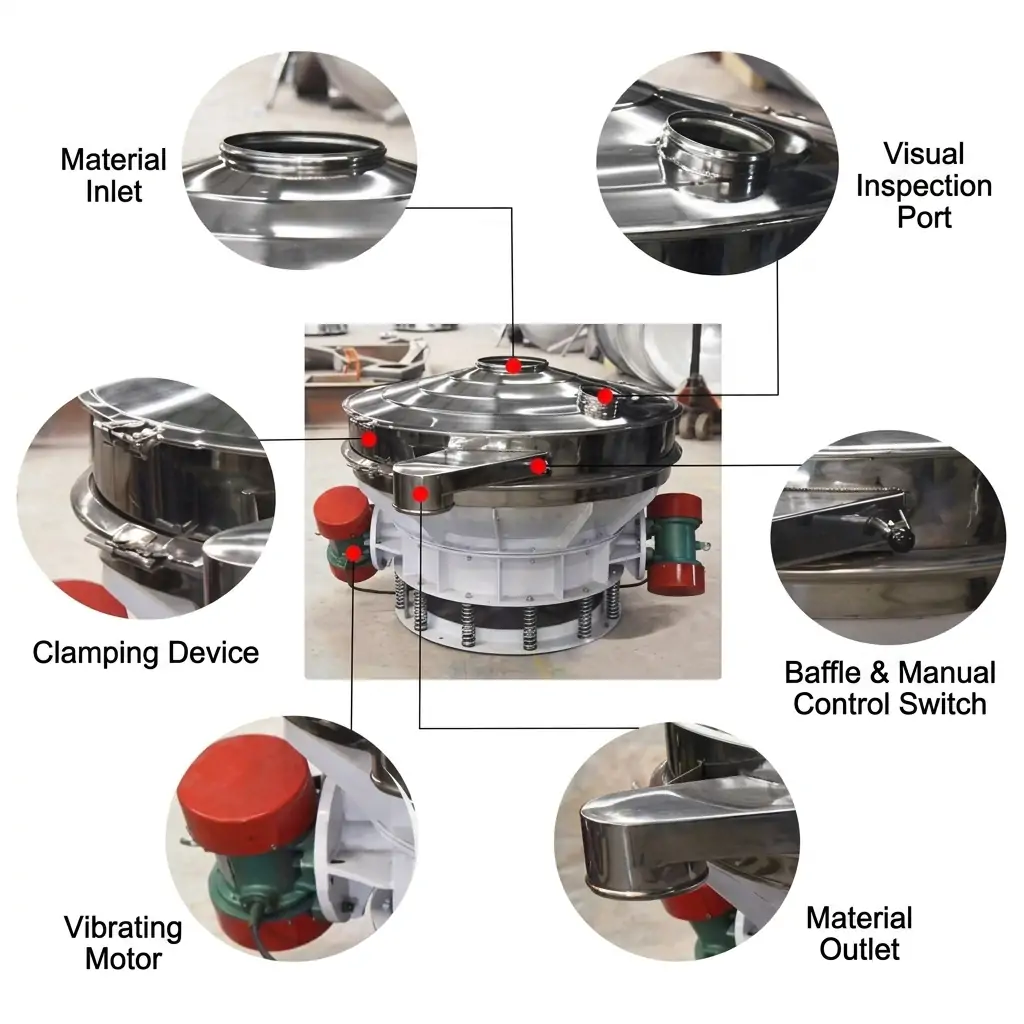
Different production conditions require different equipment configurations. For example, aggregate production usually focuses on processing capacity and long-term operating stability, powder processing requires higher screening accuracy, while dewatering applications need suitable screen structures and material passing performance. Therefore, the right vibrating sieve should be selected based on the actual material characteristics and production requirements.
How Does A Vibrating Sieve Work?
The vibrating sieve working principle is relatively simple. The equipment uses vibration force to make materials move continuously on the screen surface, allowing particles with different sizes to gradually separate.
During operation, the vibration motor drives the eccentric weight to generate exciting force, causing the screen box and screen mesh to move in a controlled vibration pattern. After materials enter the screen surface, they are continuously loosened, spread, and moved toward the discharge end.
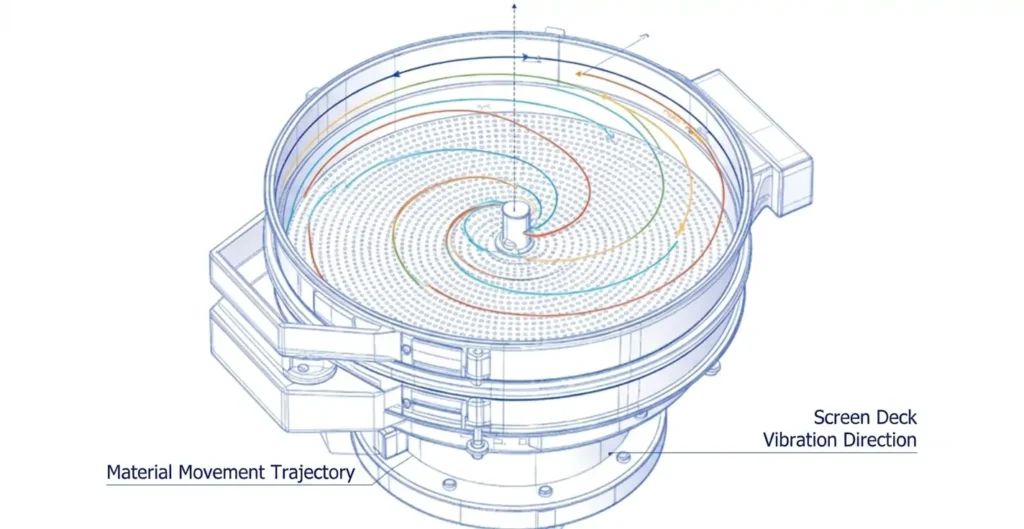
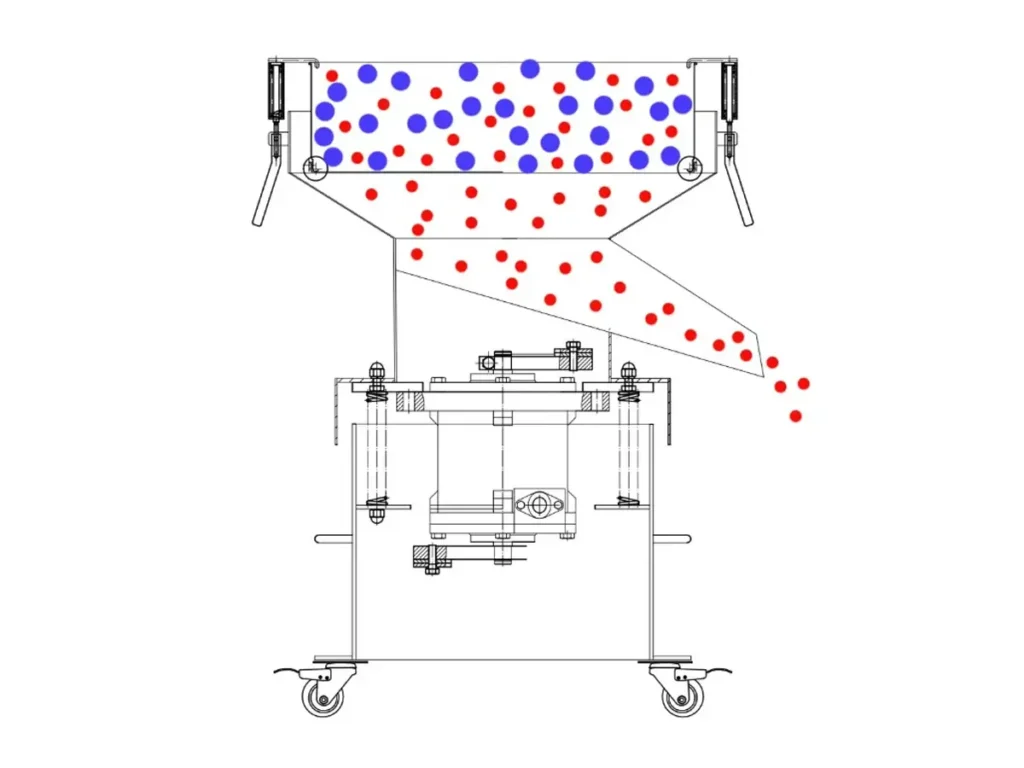
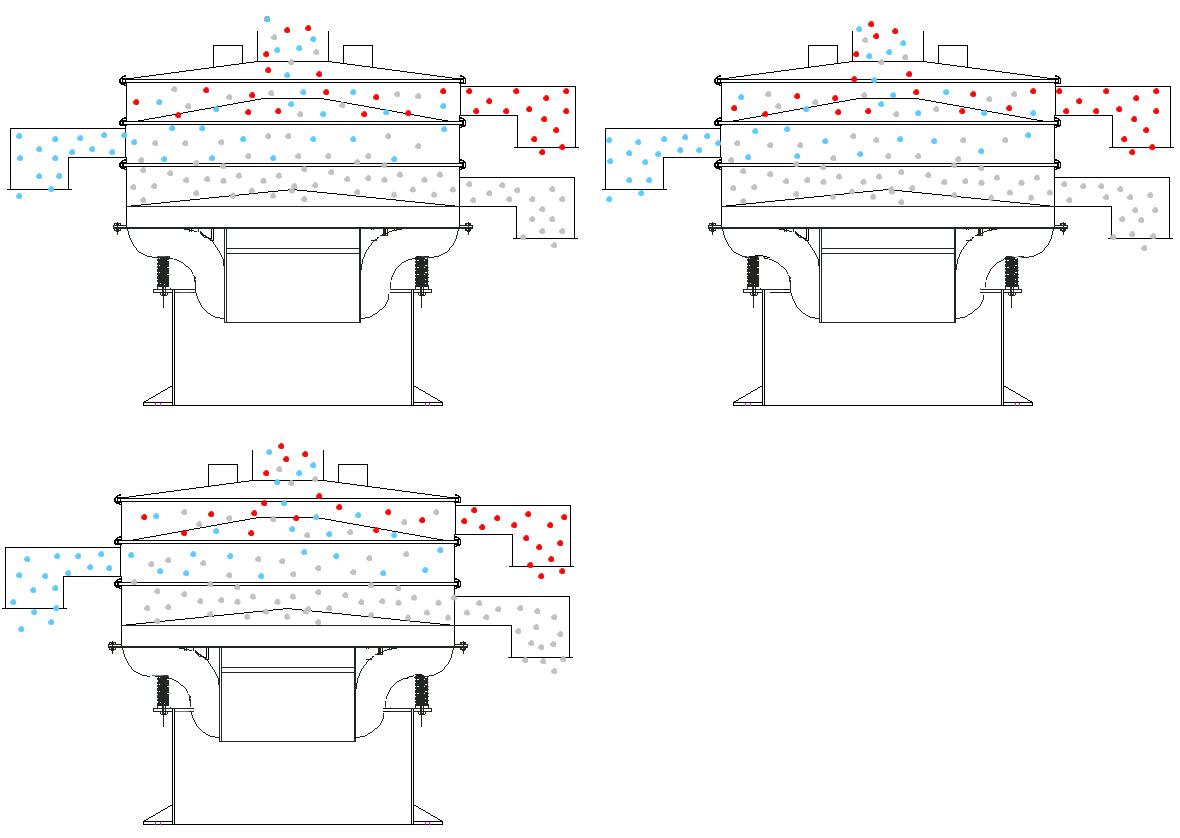
Smaller particles pass through the screen openings and enter the next processing stage, while larger particles remain on the screen surface and are discharged separately.
From an engineering perspective, screening performance is not determined only by vibration strength. The screen movement pattern, screen mesh design, and material movement condition on the screen surface all affect the final screening result.
A properly designed vibrating sieve needs to maintain the right material movement path. This allows particles to have enough contact with the screen surface while preventing materials from passing through too quickly, which may reduce screening accuracy.
What Are The Common Types of Vibrating Sieve?
Different types of vibrating sieve machines mainly vary in their screen movement patterns and material handling methods.
In industrial applications, common vibrating sieve types include rotary vibrating sieve, linear vibrating sieve, and ultrasonic vibrating sieve. There are also special screening equipment designs, such as airflow sieve and tumbler sieve, which are developed for fine powders, difficult-to-screen materials, or applications requiring higher screening accuracy.
When selecting a vibrating sieve, there is no simple answer about which type is better. The key is whether the equipment structure matches the material characteristics and production requirements. Different vibration methods solve different screening problems. Some are designed for fine particle classification, some are suitable for continuous high-capacity production, while others focus on reducing screen blockage during fine powder screening.
Rotary Vibrating Sieve
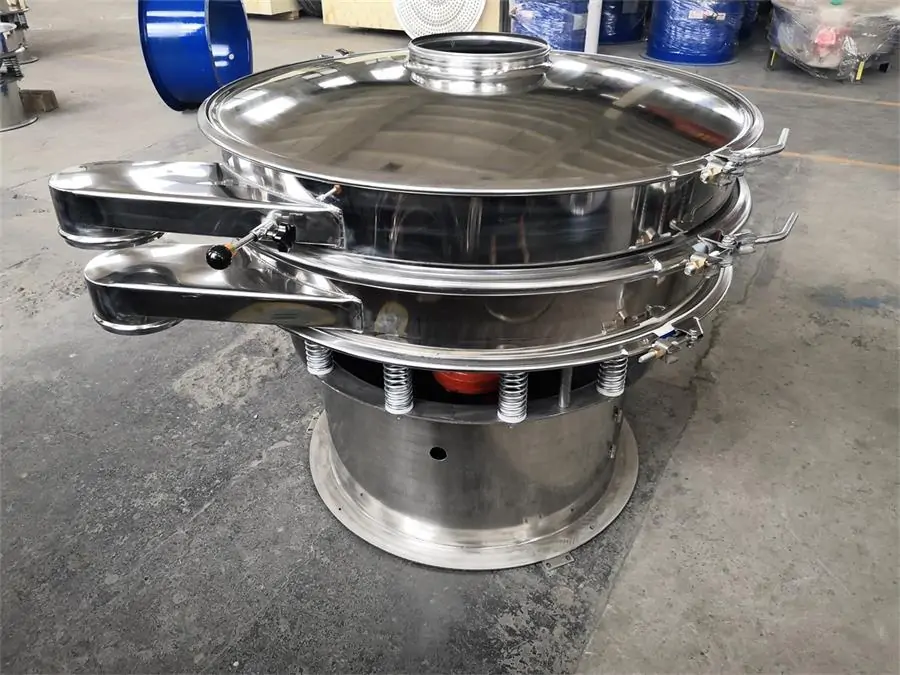
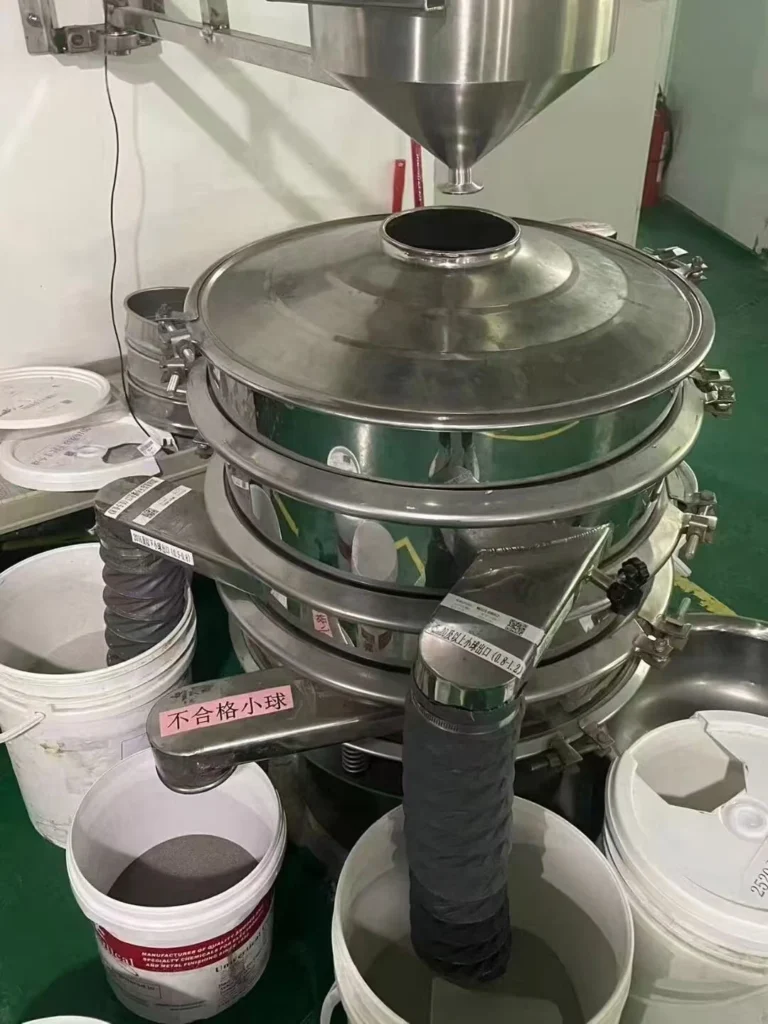
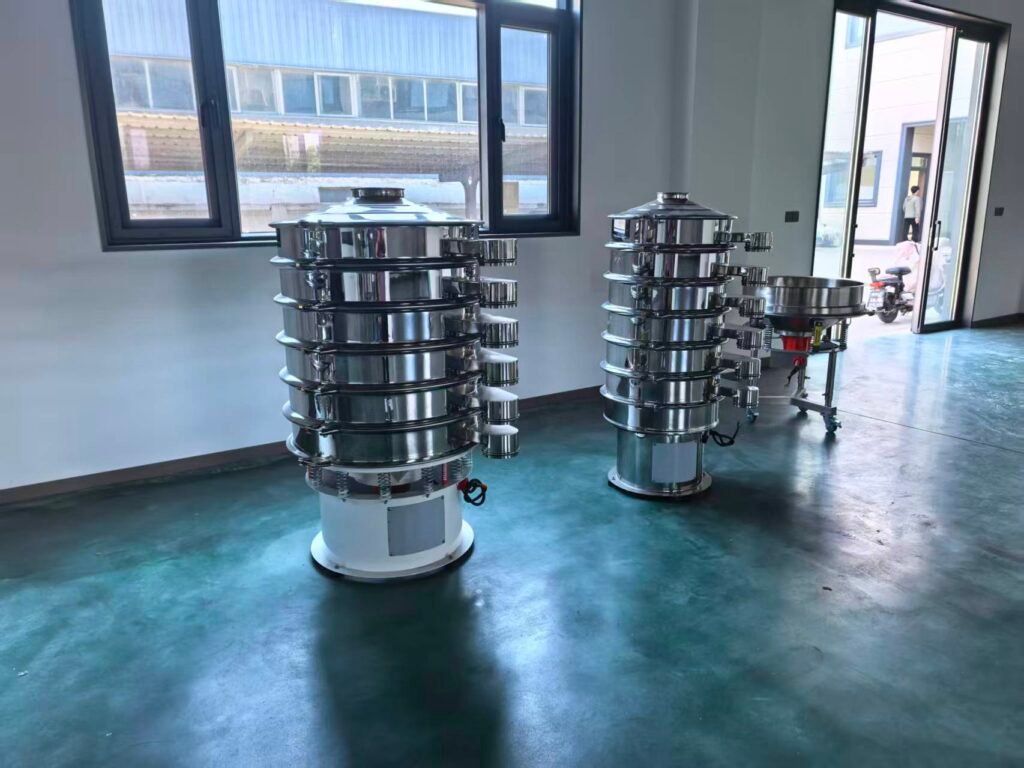
A rotary vibrating sieve is commonly used for powder and fine particle screening applications. During operation, the vibration motor generates multi-directional movement, causing materials to spread and move across the screen surface. This increases the contact between particles and the screen mesh, allowing materials with different particle sizes to be separated.
Structure Features:
- Compact circular screen design with a small installation footprint;
- Multiple screen layers can be installed for multi-size classification;
- Provides sufficient material movement for fine screening applications.
Common Applications:
Rotary vibrating sieves are commonly used for chemical powders, food ingredients, mineral powders, plastic granules, and other fine materials.
In powder processing applications, rotary vibrating sieve machines are mainly used when customers need accurate particle classification and multiple size separation.
Linear Vibrating Sieve
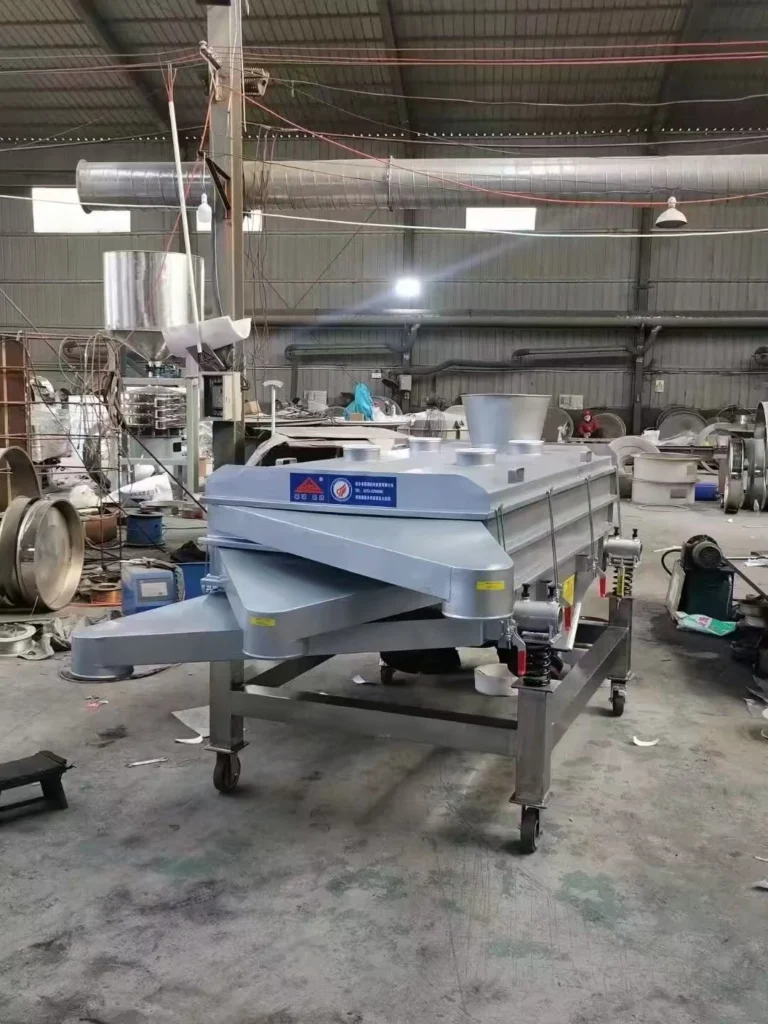
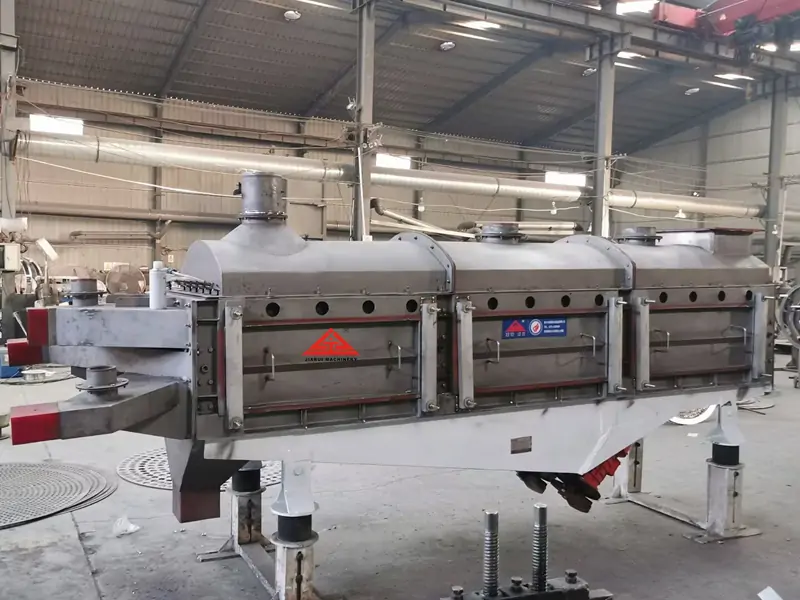
A linear vibrating sieve uses two synchronized vibration motors to generate linear movement, causing materials to move forward along the screen surface while completing particle separation.
Compared with fine powder screening equipment, a linear vibrating sieve focuses more on continuous operation capability and material conveying performance. It is commonly used for large-volume screening of granular materials.
Structure Features:
- Clear material movement direction for continuous screening;
- Larger screen area utilization, suitable for higher processing capacity;
- Simple structure and suitable for long-term operation.
Common Applications:
Linear vibrating sieves are widely used for aggregate, mineral particles, coal, and industrial raw materials.
In engineering applications, linear vibrating sieve machines are usually installed in continuous production lines, where equipment stability and processing capacity are key considerations.
Ultrasonic Vibrating Sieve
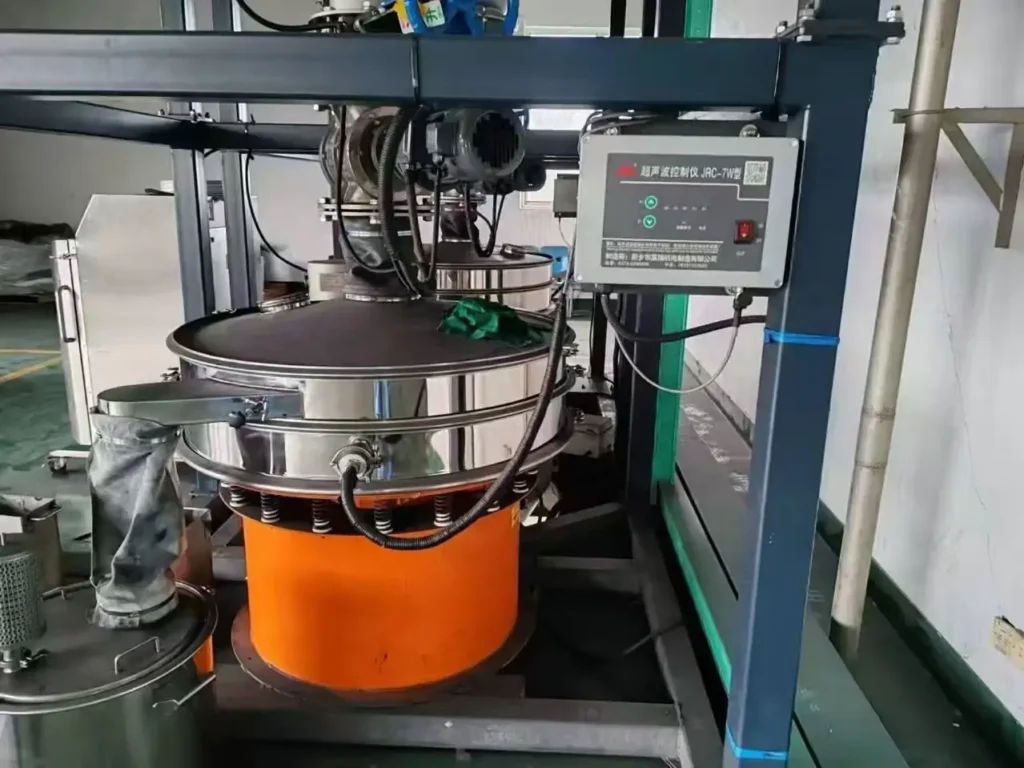
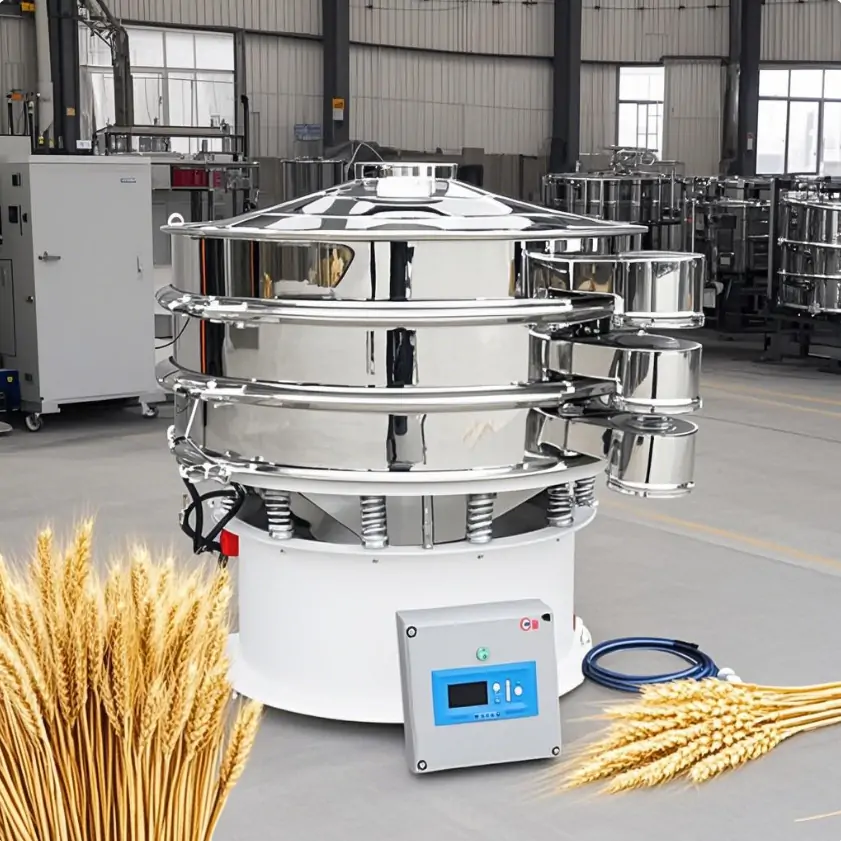
An ultrasonic vibrating sieve is developed by adding a high-frequency ultrasonic system to a traditional vibrating sieve. Its main purpose is to improve screening performance when fine powders are difficult to process due to screen blockage.
For materials with very small particle sizes, easy agglomeration, or static electricity problems, traditional vibration methods may not maintain stable screening performance. The ultrasonic system applies high-frequency vibration to the screen mesh, helping fine particles pass through the openings more easily.
Structure Features:
- Reduces screen blockage during fine powder screening;
- Suitable for ultra-fine and difficult-to-screen materials;
- Provides more stable screening for high-precision powder classification.
Common Applications:
Ultrasonic vibrating sieves are commonly used for metal powders, battery materials, fine chemical powders, and ultra-fine mineral materials.
The main purpose of this type of equipment is not to increase processing capacity, but to solve screening problems that are difficult to handle with conventional vibrating sieve machines.
Different vibrating sieve types do not have absolute advantages or disadvantages. The right choice depends on whether the equipment design matches the actual production requirements.
Understanding the characteristics of different screening methods can help customers determine the suitable equipment direction and provide a better basis for equipment selection and project design.
What Are Vibrating Sieve Applications?
A vibrating sieve is mainly used for material classification, screening, and impurity removal during production processes. In different industries, the equipment performs different functions, such as controlling final product size, improving the stability of downstream processes, and handling materials that are difficult to screen.
The equipment configuration usually depends on material characteristics, required particle size, processing capacity, and production conditions.
Mining and Aggregate Production
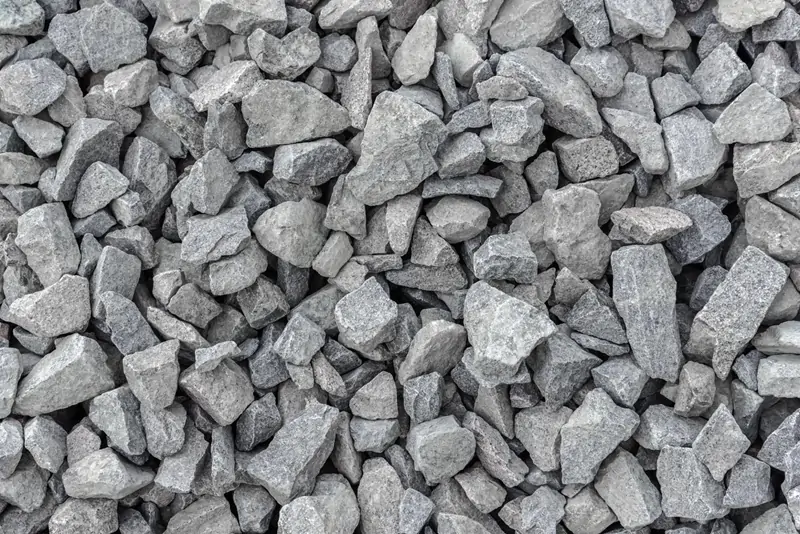
Vibrating sieves are commonly used after crushing processes to separate ore, gravel, and aggregate into different sizes. These applications usually require high processing capacity, wear-resistant screen mesh, and stable operation under continuous working conditions.
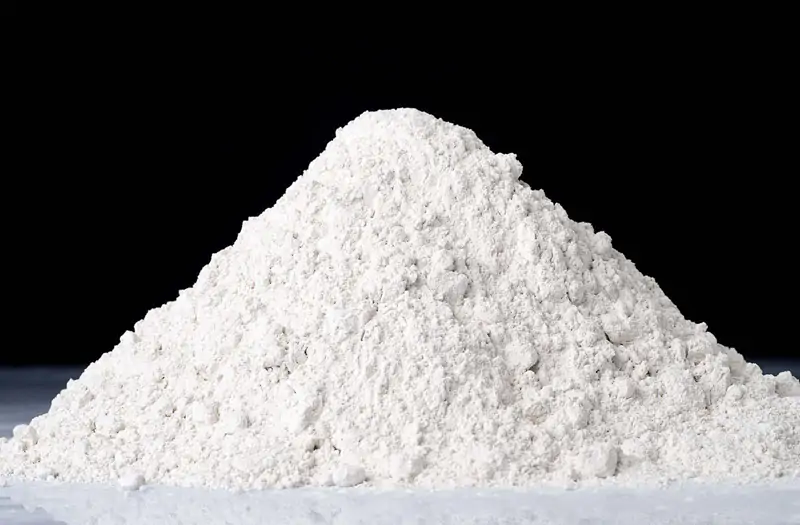
Chemical and Powder Processing
For mineral powders, chemical materials, and fine particles, vibrating sieve machines help control particle size and remove impurities. The main concerns are screening accuracy, screen blockage prevention, and maintaining stable material movement during operation.

Food Processing
In food production, vibrating sieves are used for materials such as flour, starch, grains, and sugar powder. Equipment selection usually focuses on hygiene requirements, easy cleaning, screening stability, and reducing material loss during processing.

Metallurgy, New Materials and Battery Materials
Vibrating sieve machines are used for particle size control of metal powders, battery materials, and other fine materials. These applications require stable screening performance, suitable screen mesh selection, and consistent particle distribution.
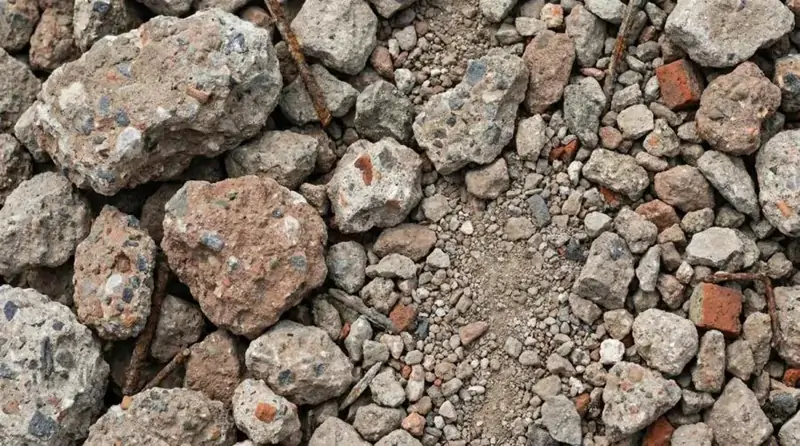
Solid Waste Treatment and Recycling
In construction waste recycling plants, vibrating sieves separate crushed materials into different sizes for further processing and reuse. These projects usually require strong structures, impact resistance, and reliable performance when handling mixed materials.
Vibrating sieve applications vary depending on material characteristics and production requirements. Choosing the right equipment configuration helps achieve stable screening performance and reliable operation.
How To Choose The Right Vibrating Sieve?
Choosing a suitable vibrating sieve requires more than simply looking at the equipment model, price, or processing capacity. The key factor is whether the equipment configuration matches the actual production requirements.
The requirements for a vibrating sieve can vary significantly depending on material characteristics and production conditions. During selection, it is necessary to first confirm the material type, screening target, and production requirements, then choose a suitable equipment structure and configuration.
A vibrating sieve may have a simple structure, but screening performance is often affected by the matching between vibration method, screen mesh selection, and material characteristics. When configuring equipment, Jia Rui engineers first consider material particle size, moisture content, and processing requirements instead of recommending equipment only based on production capacity.
Vibrating Sieve Selection Guide
| Material / Production Condition | Key Factors To Consider | Recommended Selection Direction |
| Ore, crushed stone, and aggregate requiring high-volume continuous screening | Processing capacity, wear resistance, long-term operating stability | Choose a linear vibrating sieve, circular vibrating sieve, or other equipment suitable for continuous production |
| Need to separate materials into multiple particle sizes | Number of screen layers, screen opening size, screening accuracy | Configure multi-layer vibrating sieve according to final product size requirements |
| Fine powder or materials prone to screen blockage | Screening accuracy, anti-blocking performance, screen adaptability | Consider rotary vibrating sieve or ultrasonic vibrating sieve for fine material screening |
| Wet materials or materials that easily stick to the screen | Material passing ability, screen cleaning method | Select suitable screen mesh and anti-blocking solutions according to material characteristics |
| Production lines requiring long-term continuous operation | Equipment reliability, maintenance convenience, service life | Select an industrial vibrating sieve with stable structure and convenient maintenance |
What Should Be Considered When Selecting A Vibrating Sieve?
A suitable vibrating sieve is not always the one with the largest processing capacity. The key is whether the equipment configuration can meet the actual production requirements.
Large aggregate production lines usually focus on processing capacity, screen wear resistance, and long-term operating stability. Fine powder screening requires higher screening accuracy and anti-blocking design. Special materials need suitable screening methods based on their characteristics.
If you are not sure which vibrating sieve is suitable for your production requirements, you can provide your material information, capacity requirements, and screening targets. Jia Rui’s engineering team can provide suitable equipment configuration suggestions based on practical application experience.