
The Chinese vibrating screen industry is at a critical period of structural adjustment and high-quality development, as well as a key transition period shifting from high-speed growth to high-quality development. The market size for vibrating screens and linear screens continues to expand. However, while developing, the industry is undergoing profound structural changes, with linear vibrating screens gradually moving towards intelligence, customization, higher levels, and higher quality.
Overview of the Development of China’s Vibrating Screen Industry
China’s vibrating screen industry is currently in a critical period of structural adjustment and high-quality development, mainly characterized by the following features:
Structural differentiation of needs
The demand growth rate for linear vibrating screens in traditional coal and steel industries has slowed down, but the demand for screening equipment from new energy and other industry sectors is growing increasingly vigorous, with their annual growth rates rising accordingly. Additionally, the procurement volume of food-grade and hygienic vibrating screens by the food and pharmaceutical industries is on the rise.
Indigenization and Technological Breakthroughs
By 2025, the localization rate of high-end domestic screening machines in China had exceeded 78%. The number of global patent applications related to vibrating screens continued to increase in 2025, with Chinese applicants accounting for over 42%, forming a significant advantage in screen mesh processing and structural optimization.
Industrial Agglomeration and Competitive Landscape
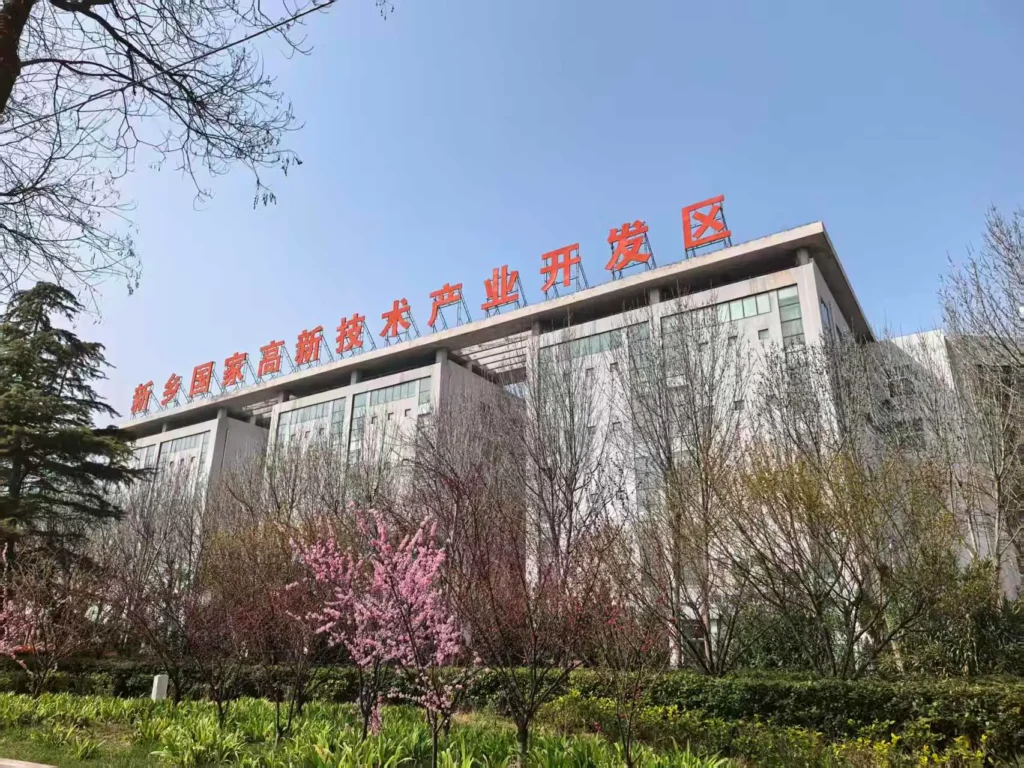
Xinxiang City, Henan Province, is the core agglomeration area of China’s vibrating screen industry and has been selected as the fourth batch of national characteristic industrial clusters for small and medium-sized enterprises in 2025. The industry has low concentration, a large number of small and medium-sized enterprises, severe homogenization, and lacks distinctive products.
Exports and Internationalization
In 2025, China’s total exports of vibrating screens will be approximately 2.2 billion US dollars, primarily directed to Southeast Asian, African, and South American markets. Among these, the average export price of linear vibrating screens has increased by 14.2% compared to 2020.
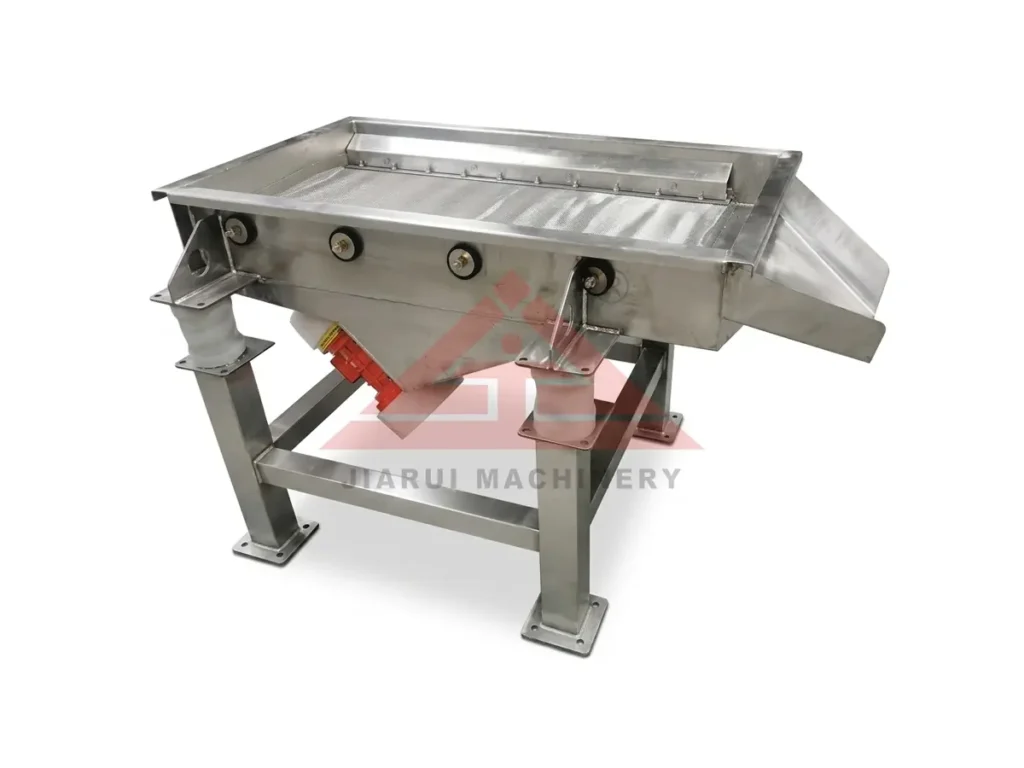
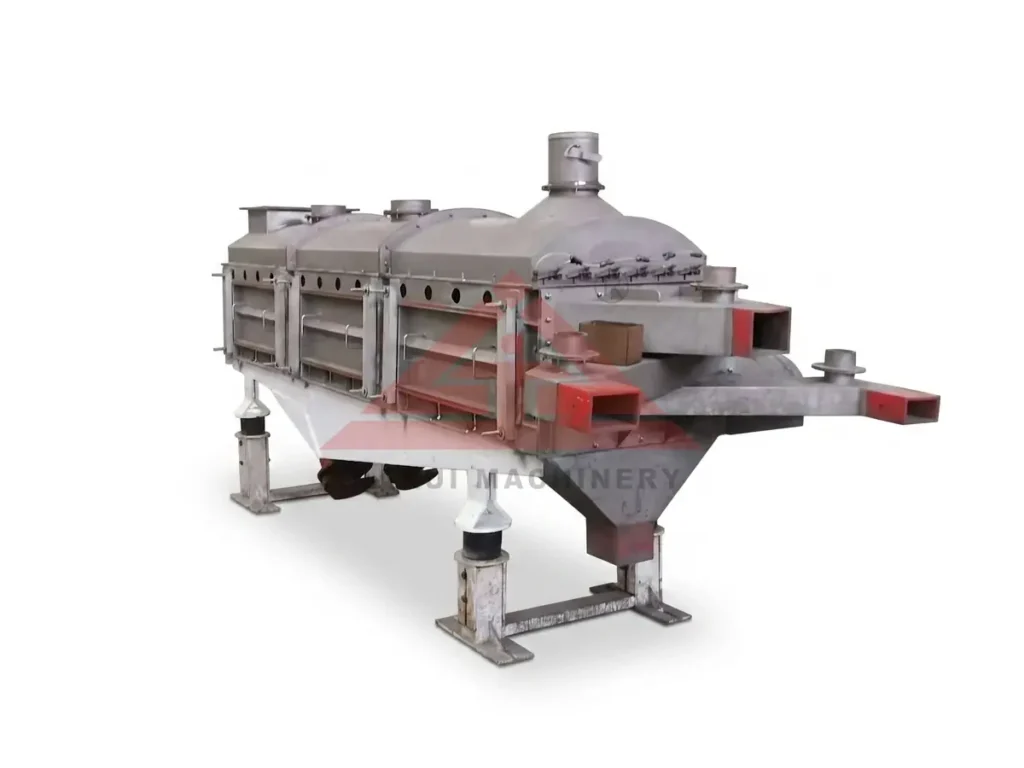
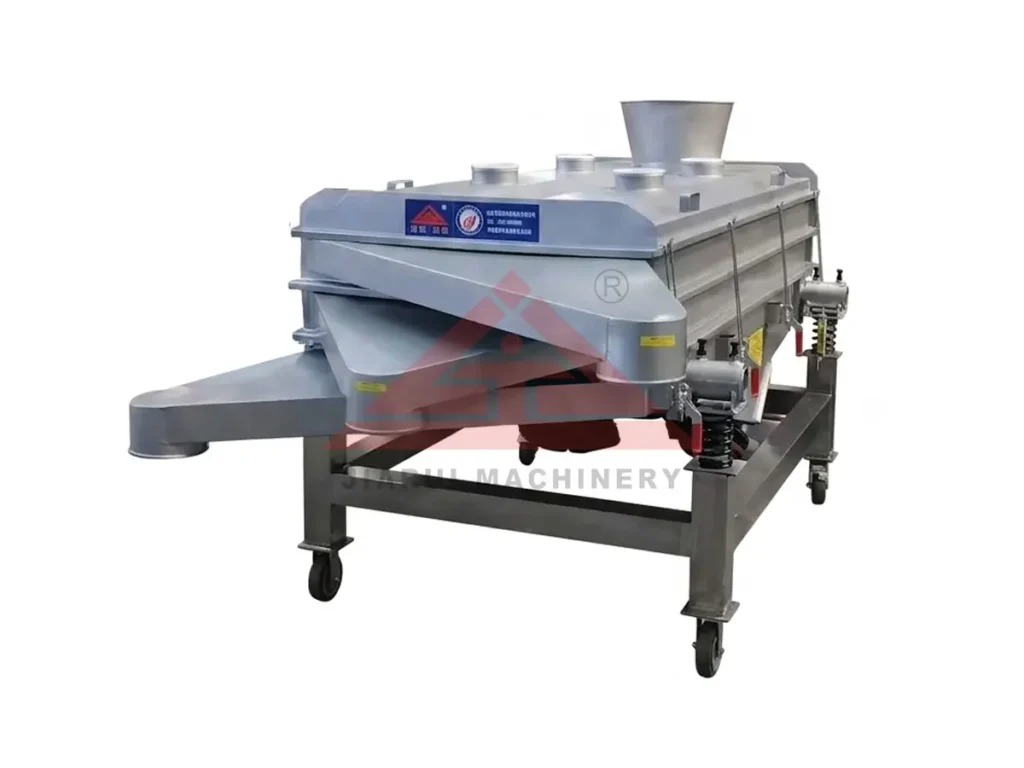
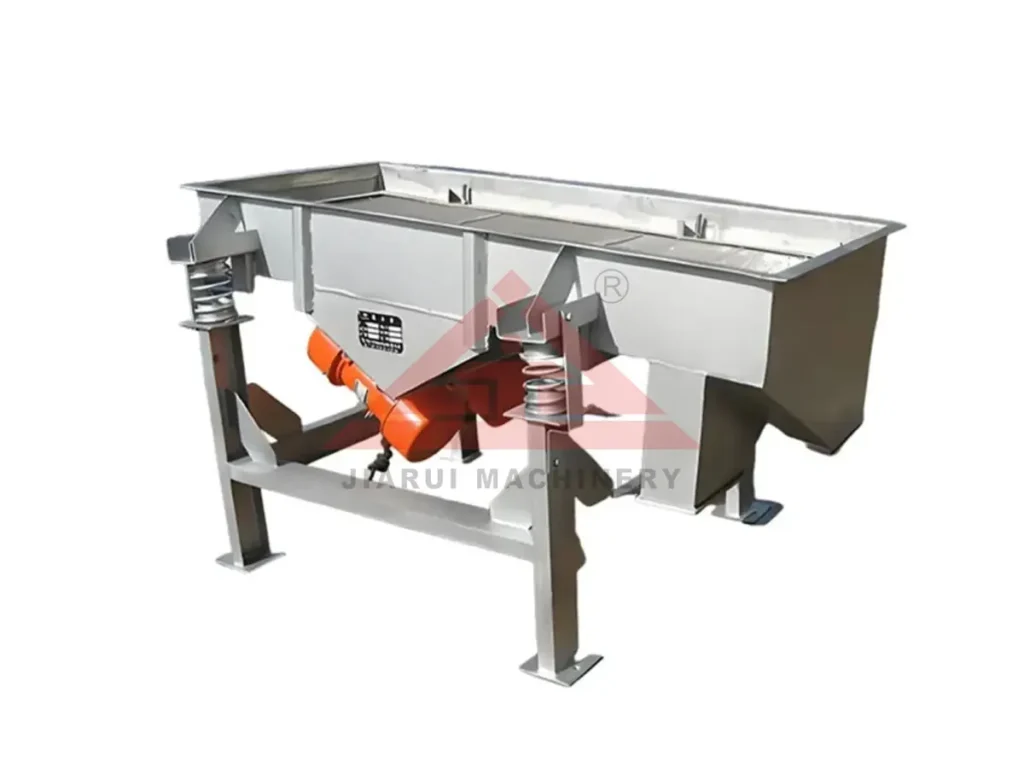
Market Size and Global Position: The World’s Factory, Steady Growth
As the world’s primary producer and manufacturer of vibrating screens, China’s linear vibrating screen market size continues to grow rapidly and expand. The following are the data we have compiled:
| Indicators | Data |
| Global Market Position | It will account for over 32% of the global market share in 2025 and over 38% of the global share in 2026. |
| China Market Size | Break through 980 million yuan in 2026. |
| Growth Forecast | The compound annual growth rate (CAGR) from 2026 to 2032 is expected to range between 3.3% and 5.1%. |
In terms of exports, China’s total vibration screen exports are expected to reach approximately 2.2 billion US dollars in 2025. Among these, the average export price of linear vibrating screens has increased by 14.2% compared to 2020. Exports are projected to grow by 15.4% year-on-year in 2026, reaching 47,000 units.
Industrial Landscape: Led by the ‘Vibration Capital’, Competition Intensifies
Xinxiang, the ‘Vibratory Capital
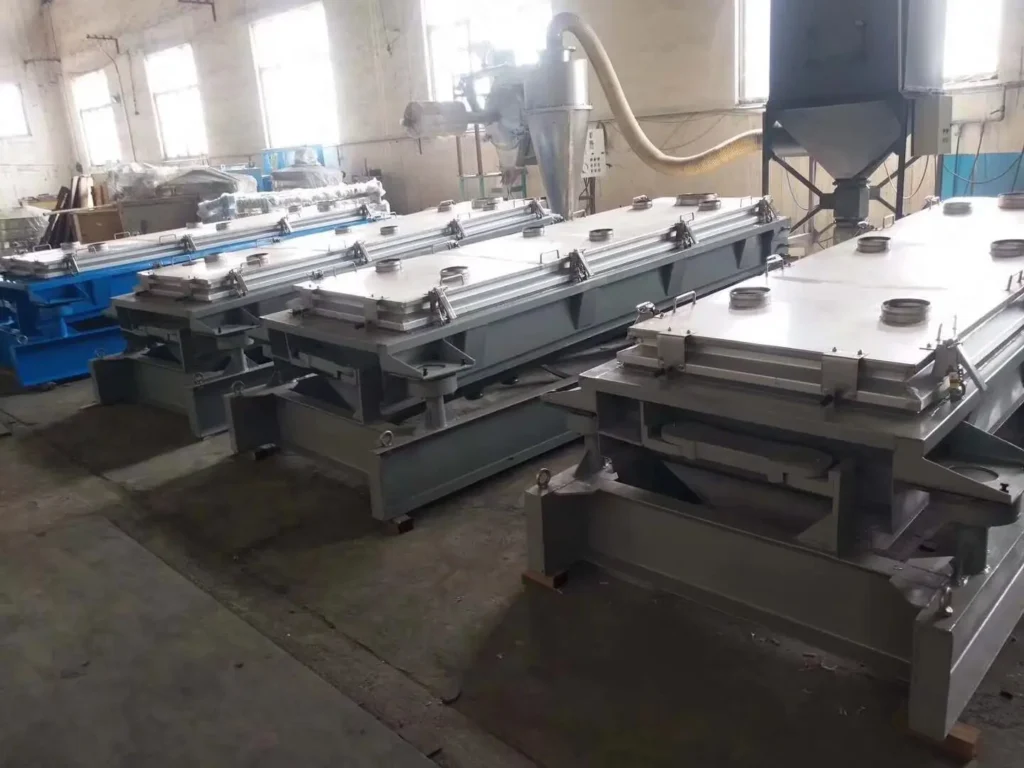
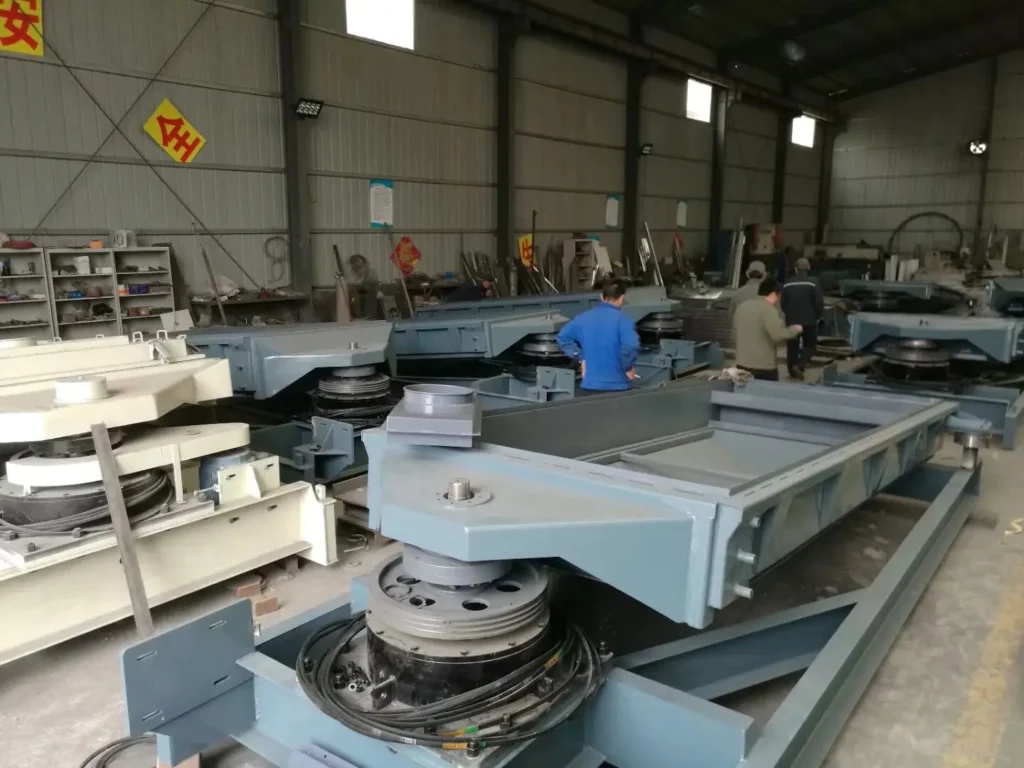
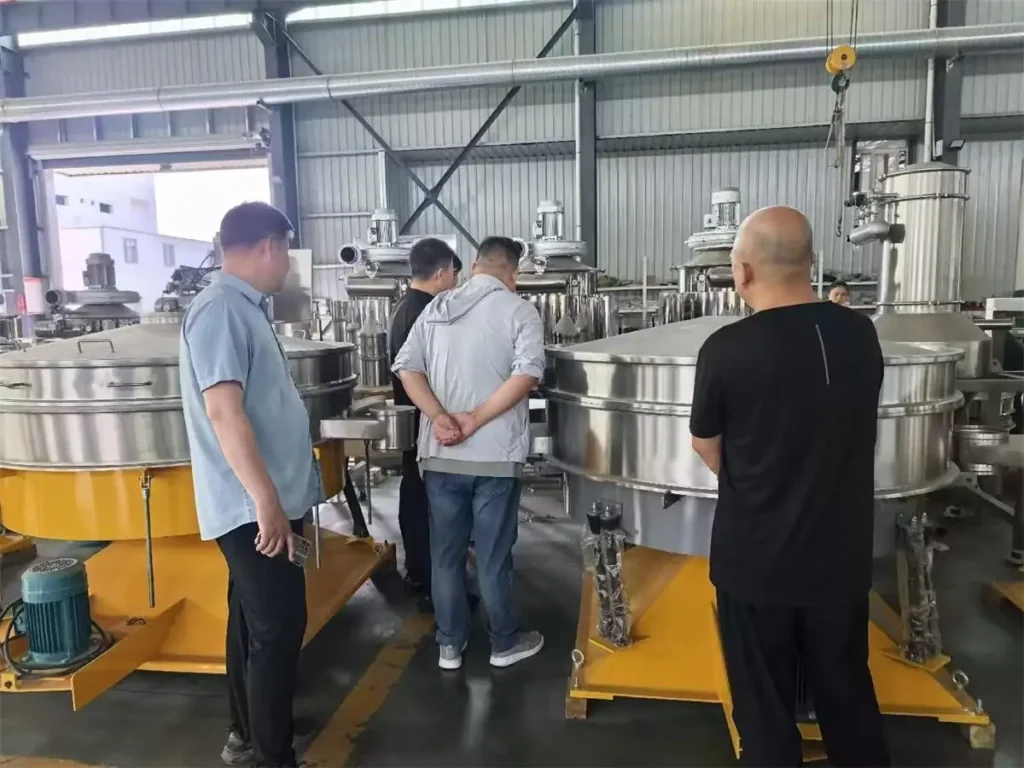
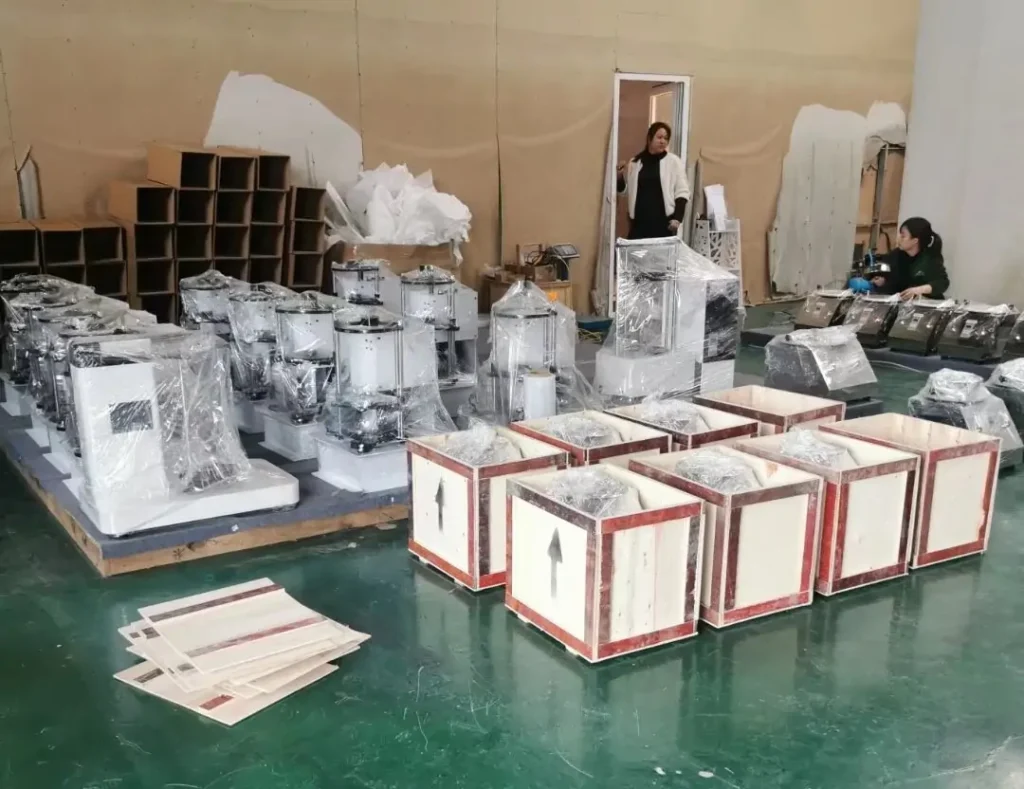
Xinxiang City in Henan Province is the core production base for China’s vibrating screen industry. The region has gathered 334 equipment manufacturing enterprises and over 110 supporting companies, contributing 60% of the country’s total output and approximately 30% of the industry’s total industrial output value in the vibrating machinery sector. Its product range now covers 45 series and more than 1,000 specifications.
Competitive landscape
A large number of small and medium-sized enterprises have emerged, leading to severe product homogenization and intense competition. The industry has low concentration, with the top ten enterprises holding a market share of approximately 41.3%.
Advantages of China’s Vibrating Screen Industry
- Customized Services: Support on-demand customization and non-standard customization services, accurately matching different operating conditions and special requirements.
- Prominent Industrial Cluster Effect: Taking Xinxiang, Henan as the core, it has gathered over 70% of China’s manufacturing enterprises, possessing a relatively complete industrial synergy effect.
- Global Leading Cost-Performance Ratio: The procurement cost of domestic linear vibrating screen equipment is low, 30%-50% lower than similar products from Western countries. The localization rate of core components is gradually increasing. The product quality is good, significantly reducing maintenance costs.
- Rapid Technological Enhancement: The localization rate of linear vibrating screens is continuously improving. Over 42% of global patent applications come from China. It has achieved technological leadership in fields such as automated, intelligent, and green screening.
- Stable Market Dominance: China is the world’s largest producer and consumer of vibrating screens. The linear vibrating screen market is expanding globally, mainly selling to emerging markets such as Southeast Asia and Africa.
- Dual Drive of Policies and Standards: The state supports the upgrading and transformation of the vibrating screen industry through the promulgation of multiple policies, increased preferential measures, and technical standard guidance.
How to choose a Chinese vibrating screen manufacturer as a partner?
When selecting a suitable Chinese vibrating screen manufacturer as a partner, one should not only look at price but instead follow a systematic evaluation process:
| Evaluation Dimensions | Key Indicators | Evaluation Points and Standards |
| I. Enterprise Identity Verification | Source Factory | Prioritize manufacturers with their own factories and R&D teams, and reject pure traders or OEM/ODM factories. |
| Industry Experience, | The longer the establishment time, the better; the core team must have more than 10 years of experience in handling similar materials. | |
| II. Qualification Certification Review | Quality Management | Mandatory ISO 9001 and other system certifications are required. |
| Export/Special Requirements | If export is required, CE certification is needed; for special domestic conditions, GB/T 5226.1 (Electrical Safety) and GB 3836 (Explosion-proof) certifications are required. | |
| III. Scale and Production Capacity Assessment | Factory Area | Established manufacturers typically have larger facilities (reference: Tiancheng Mines has 8,000㎡). |
| Industrial Agglomeration | Located in the Newxiang industrial cluster of Henan Province, it has a more comprehensive advantage in procurement costs, technical talent, and delivery speed. |
Conclusion
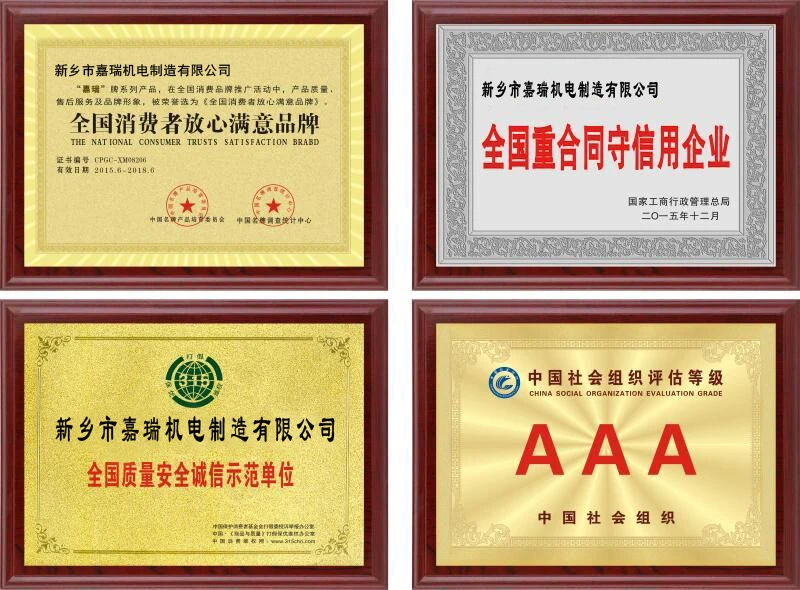
As a leading enterprise in the vibrating screen industry, Jiarui is committed to providing customers with exceptional service and high-quality vibrating screens. With decades of production experience, we have handled various projects and accumulated a certain amount of customer resources. We are confident and capable of retaining existing customers and attracting new ones to meet your satisfaction. As a common screening equipment in the vibrating screen industry, the Linear Vibrating Screen has a wide range of applications, large unit processing capacity, and we can also provide non-standard customization services for you.