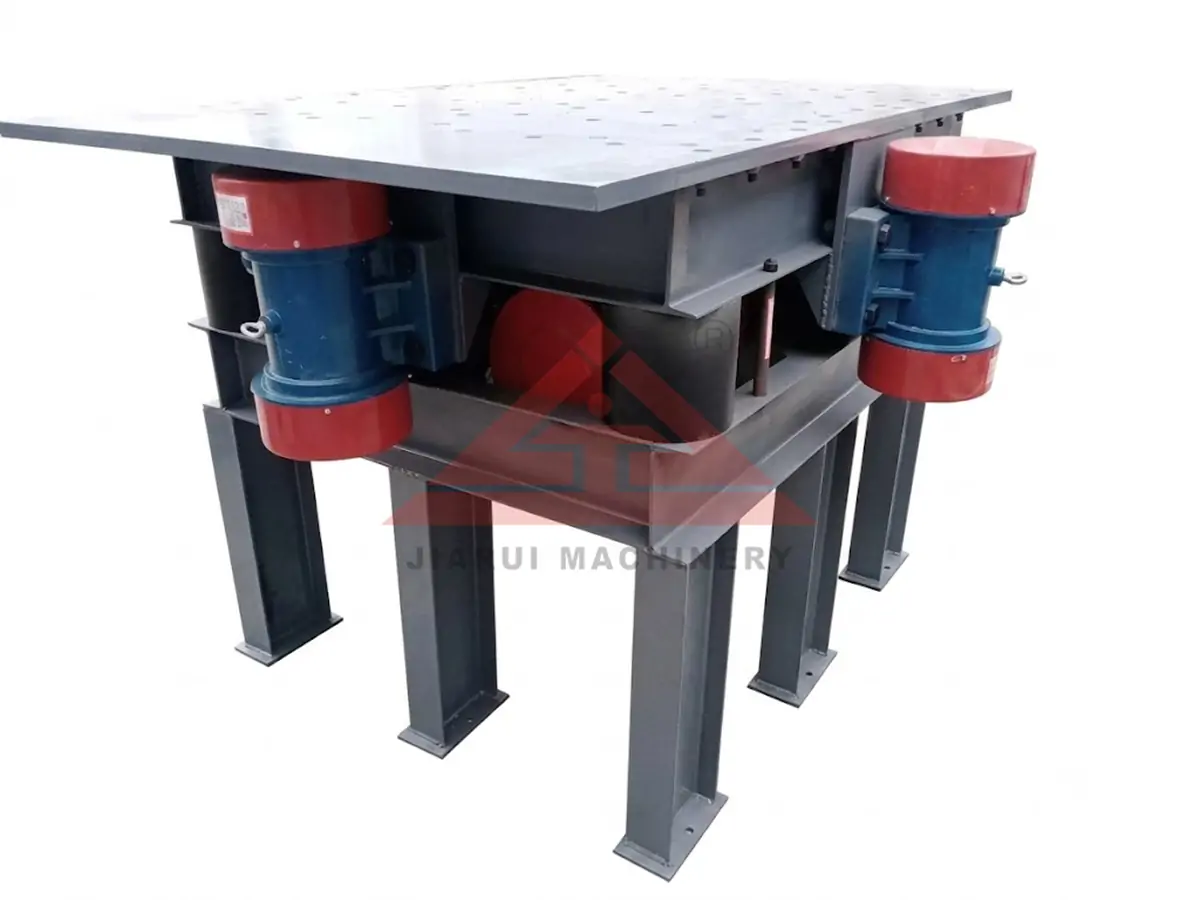
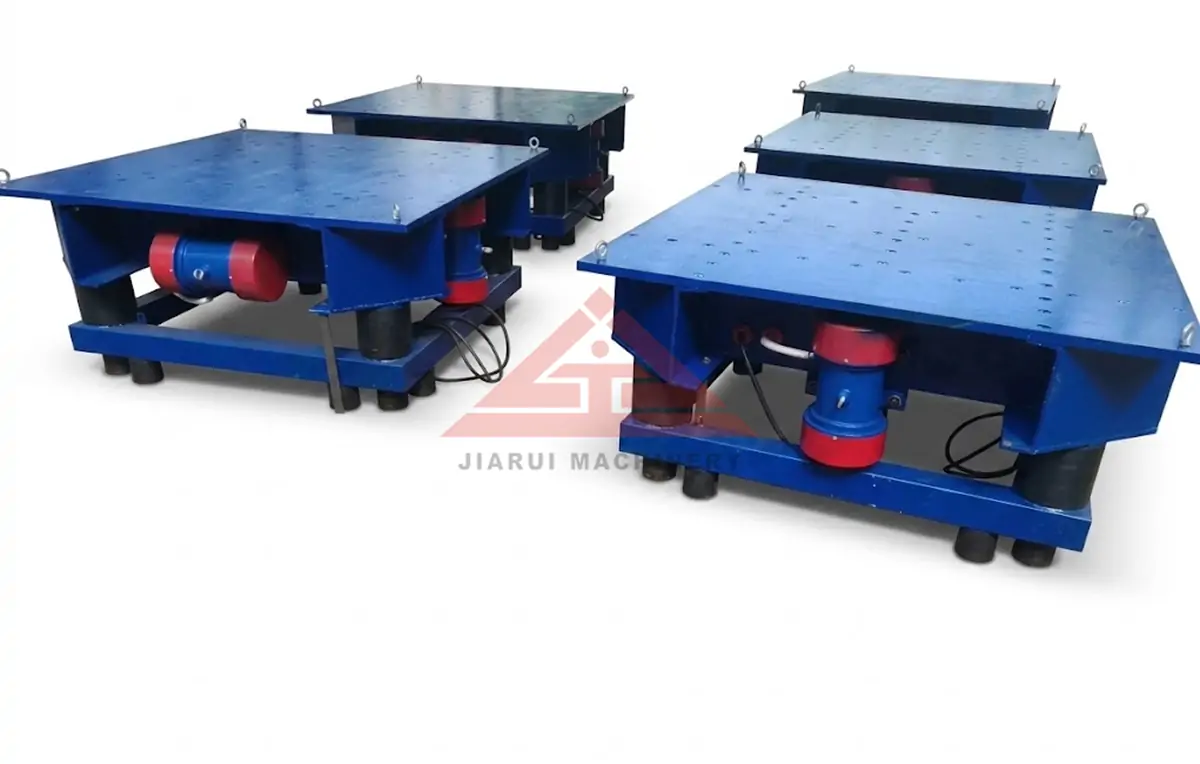
振動平台
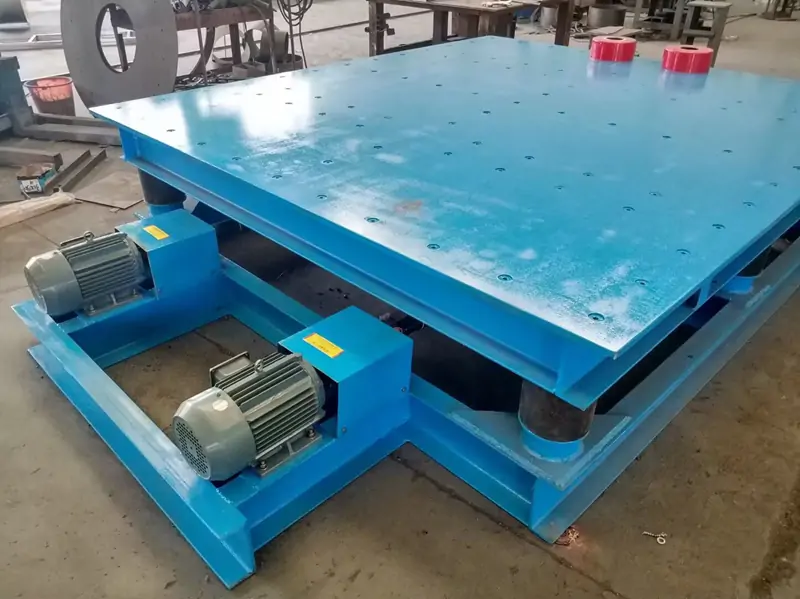
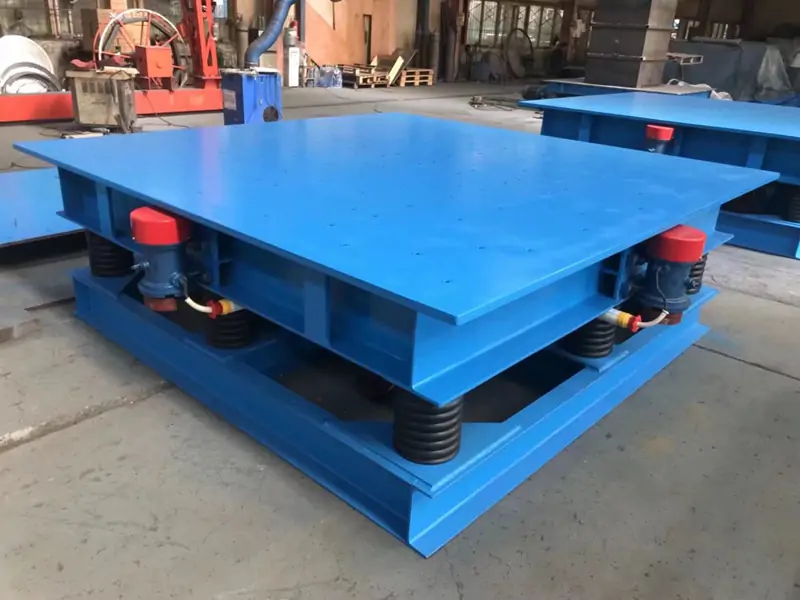
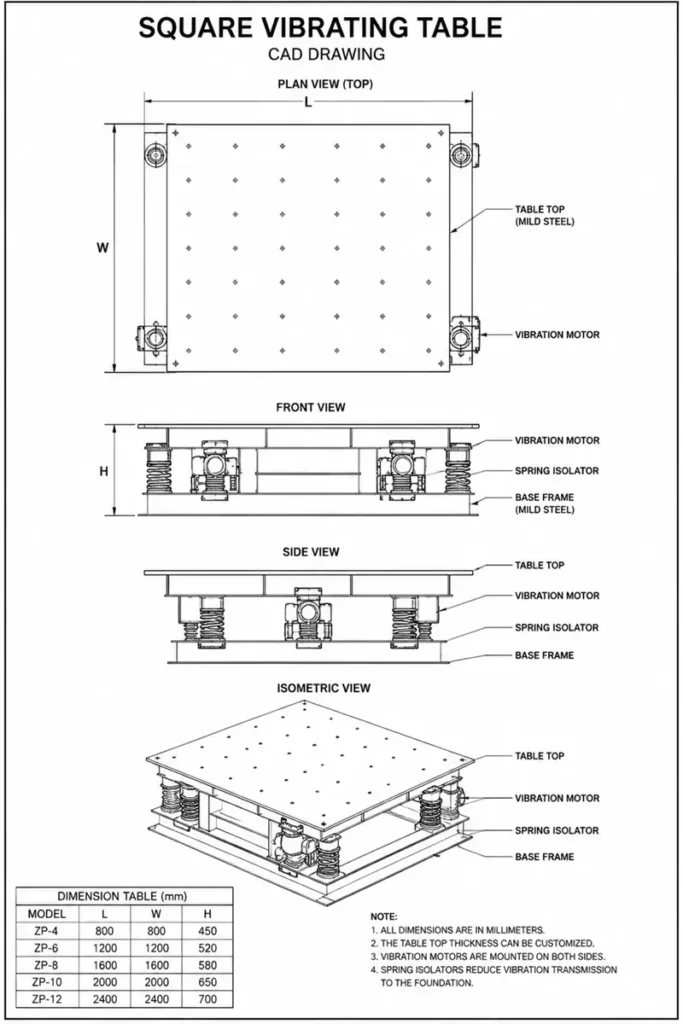
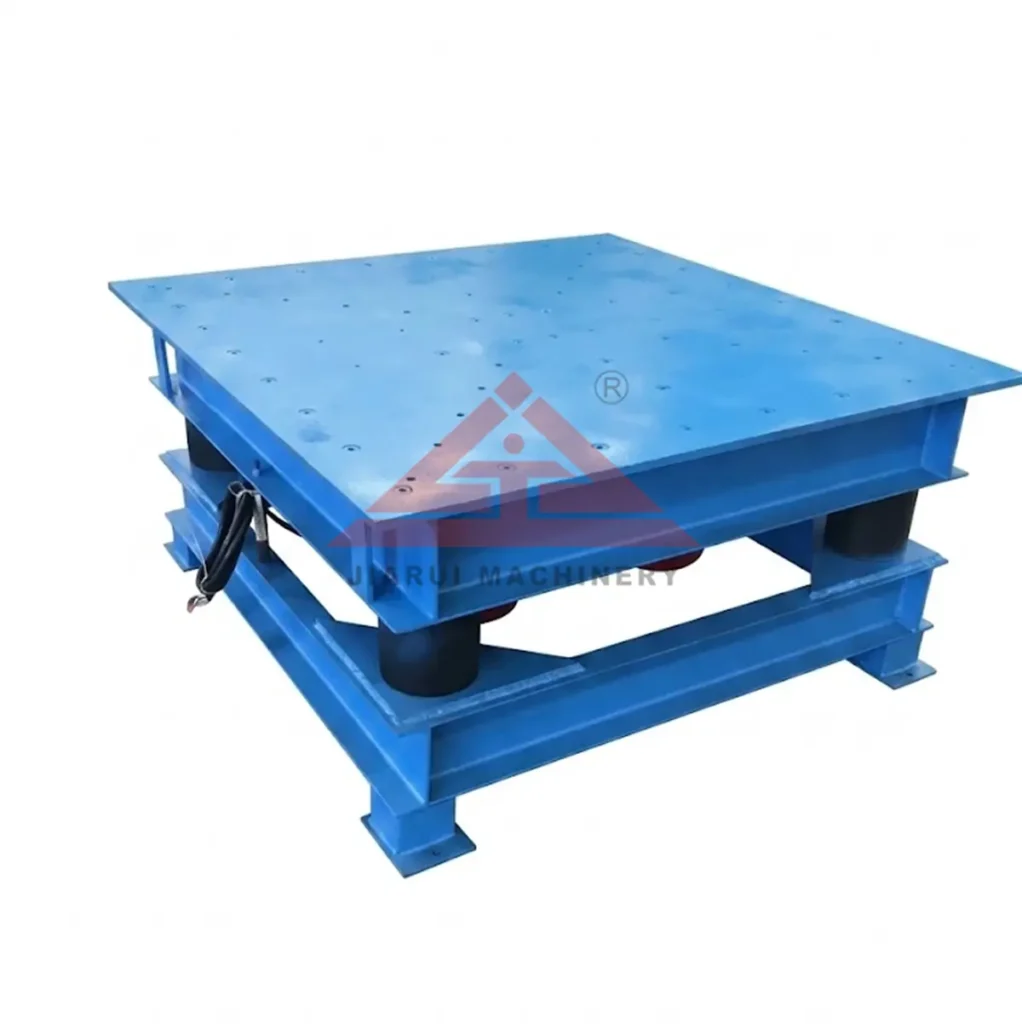
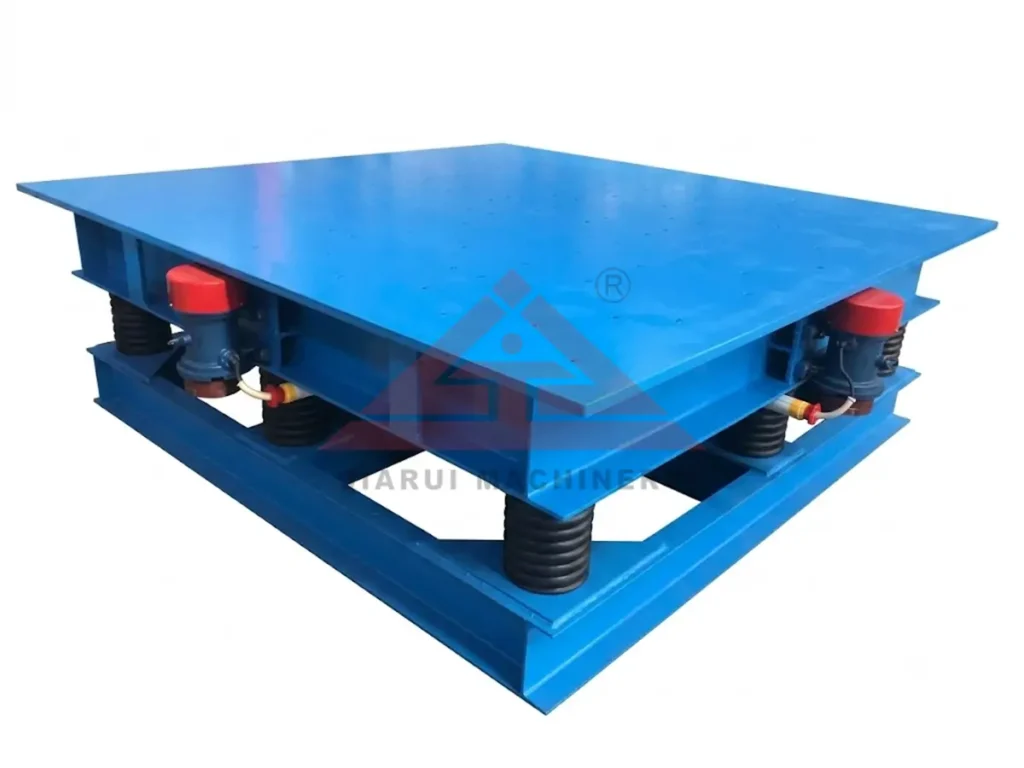
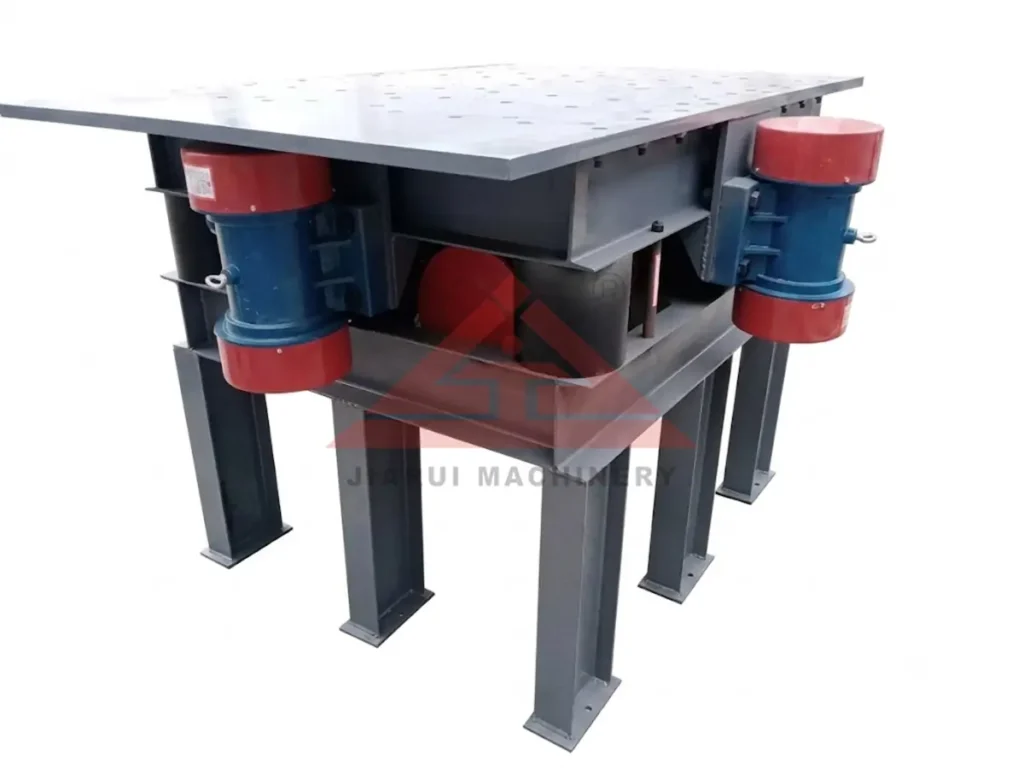
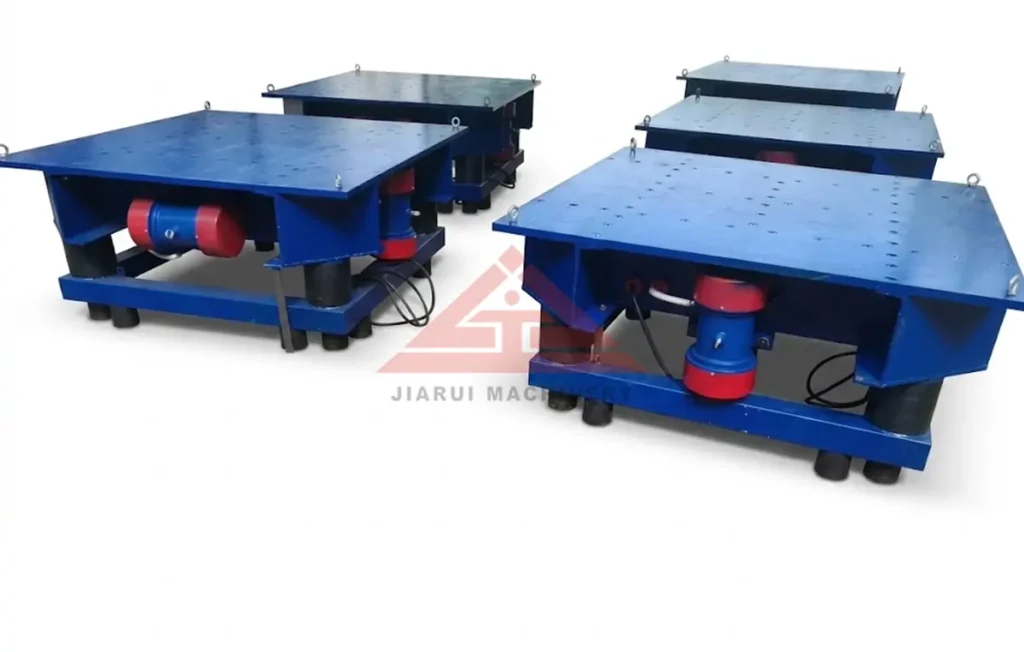
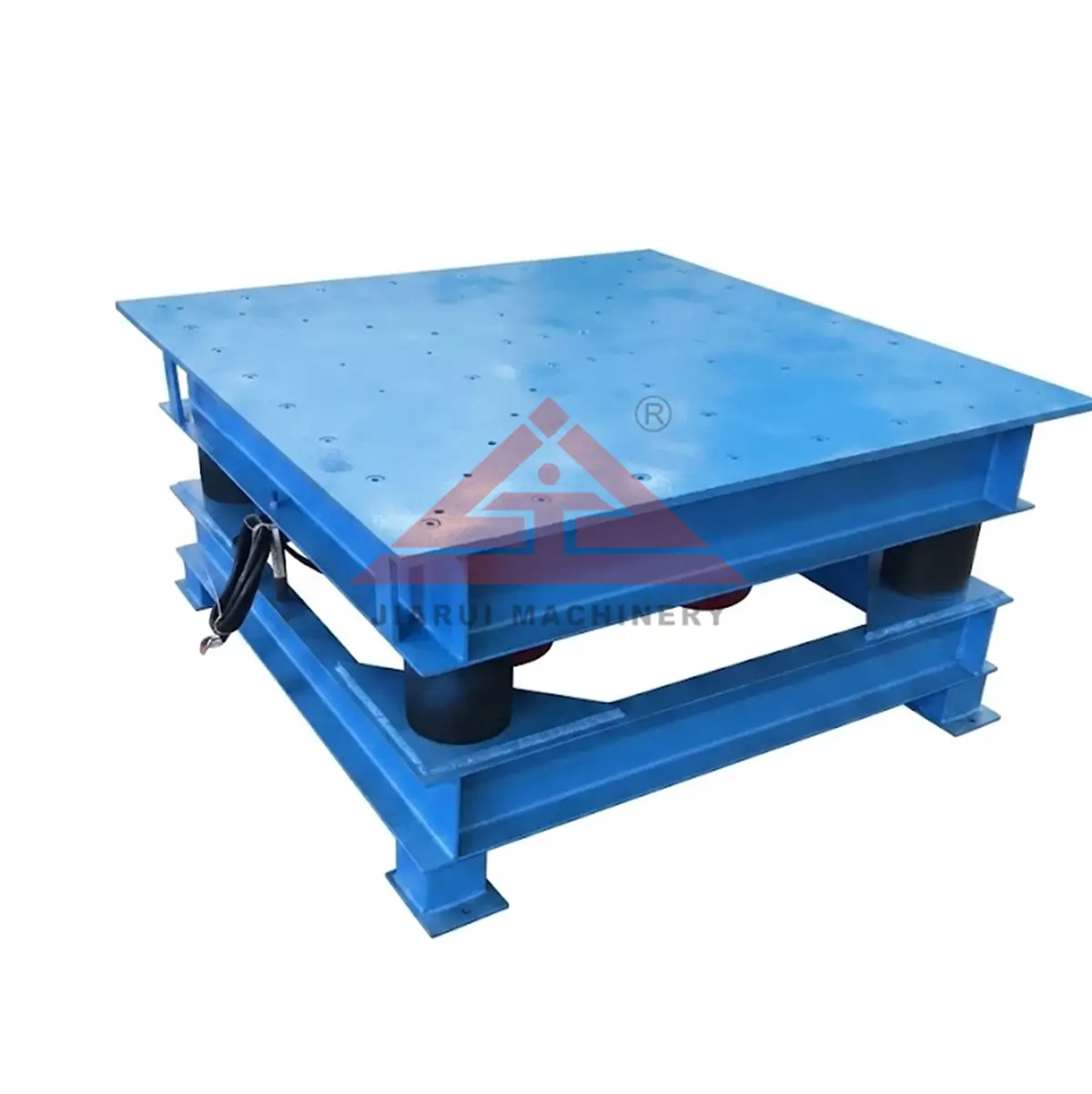
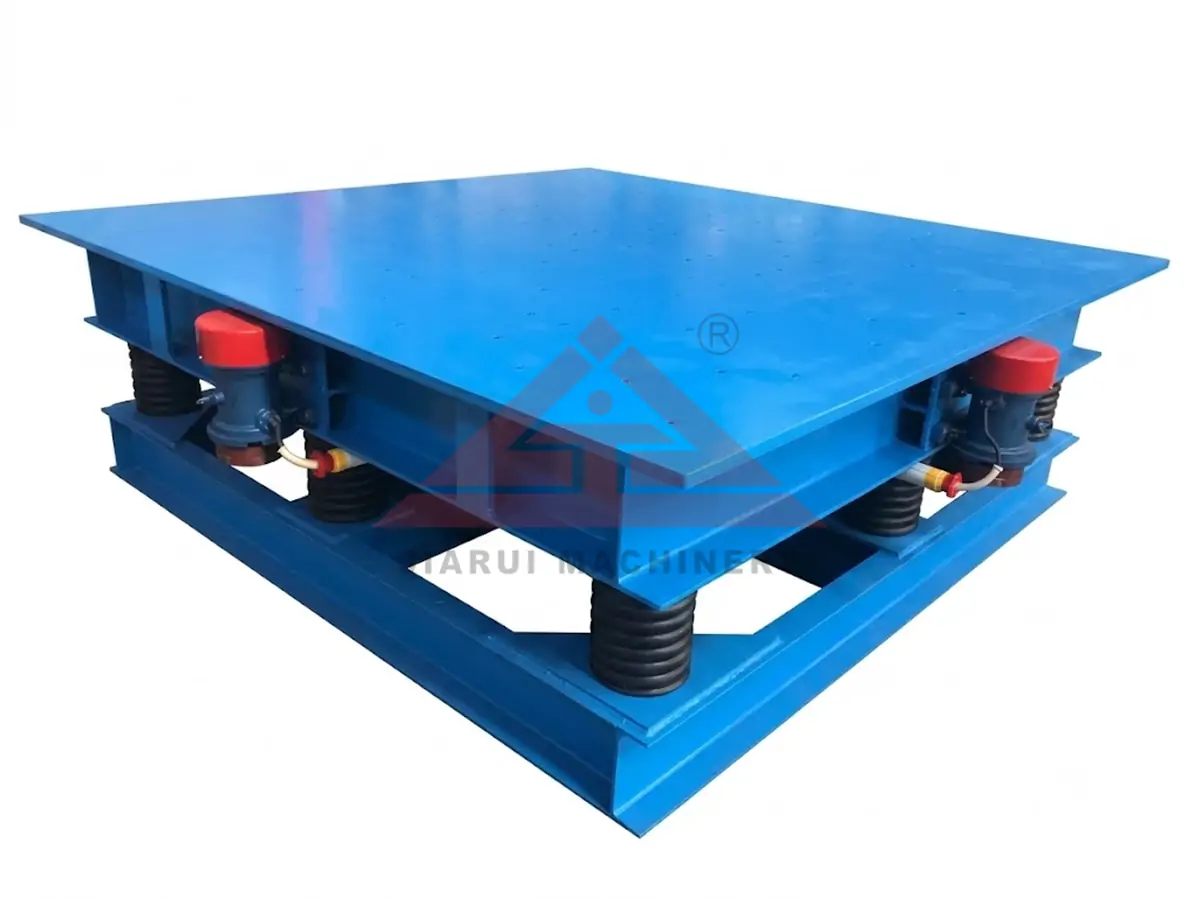
振動平台主要用於壓實鬆散粉末材料、顆粒材料或模具內的材料。通過振動,減少內部空氣和間隙,使材料填充更緊密,提高產品成型質量。ZP系列振動平台採用多點振動設計,提供穩定的振動力與強大的承載能力,適用於鑄造砂箱、混凝土預製件、粉末包裝、耐火材料等生產工藝。.
不同的工件重量、平台尺寸和生產方式需要不同的振動力和結構配置。. J瑞 工程團隊可根據實際工況調整平台尺寸、振動系統配置和安裝方案,確保振動平台與生產工藝更佳匹配。.
- 型號: ZP-4 / ZP-6 / ZP-8 / ZP-10 / ZP-12系列
- 平台尺寸: 800×800–4000×3000 mm
- 激振力: 20–80 kN
- 功率範圍: 6–7.5 kW
- 應用行業: 鑄造、混凝土製品、粉末材料、耐火材料
- 客製化: 支援客製化平台尺寸、振動參數和結構設計
什麼是振動平台?
振動平台,也稱為振動壓實台或振動平臺,主要用於壓實材料和模具。通過施加受控振動,鬆散材料逐漸沉降,減少內部空氣間隙並提高填充密度。常用於鑄造砂箱、混凝土製品、粉末包裝和耐火材料生產。.
砂箱、模具和預製產品通常具有不同的重量和尺寸,這需要不同的振動力、平台尺寸和承載能力。ZP系列振動平台採用多點激振結構,配備4–12個振動點。最大激振力可達80 kN,設備配置可根據工件重量、模具尺寸和生產要求進行選擇。.
工作原理
振動平台主要通過振動馬達產生激振力,使平台表面產生穩定振動,帶動材料、模具或砂箱共同運動。振動過程中,鬆散材料逐漸沉降,顆粒重新排列,內部間隙減少,達到更好的壓實效果。.
將材料放置在振動平台表面
操作時,將裝有材料的砂箱、模具或容器放置在工作平台上。振動平台需根據工件尺寸和重量選擇合適的平台尺寸,以確保振動時受力均勻。.
振動馬達驅動平台運行
設備啟動後,振動馬達產生激振力並通過連接結構傳遞至平台表面,使材料或模具隨平台進行規律運動。.
材料在振動過程中逐漸壓實
隨著振動持續,鬆散材料內部的顆粒不斷調整位置。較小顆粒填充較大顆粒之間的間隙,內部空氣逐漸排出,使鑄造砂、混凝土和粉末材料等達到更好的壓實效果。.
壓實後的材料進入下一生產工序
達到所需工藝標準後,工件或材料進入下一生產階段。ZP系列振動平台可根據現場佈局要求進行設計,並與輸送設備整合,支援連續生產。.

振動平台的性能不僅取決於振動力,還取決於材料特性、工件重量和設備配置。正確匹配振動參數對於長期穩定運行至關重要。.
優勢
ZP系列振動平台在設計時重點考慮承載能力、振動穩定性和實際應用需求,適用於不同尺寸的工件和多種生產環境。.
高承載結構設計
強化鋼結構平台可承受砂箱、模具、混凝土預製件等不同重量工件的振動載荷,滿足大型和重型部件的壓實要求。.
多點激振,振動更均勻
根據平台尺寸配置多個激振點,使振動力均勻傳遞至整個平台,有助於減少大型平台可能出現的振動不足區域。.
靈活的振動參數調整
可根據材料特性、工件重量和壓實要求調整激振力、振動幅度和運行參數,提升振動平台的整體壓實性能。.
適用於多種壓實應用
振動平台適用於鑄造砂箱、混凝土預製件、粉末包裝、耐火材料等生產工藝,滿足不同材料的密實化要求。.
生產線整合能力
設備可根據現場佈局進行客製化,通過調整平台高度、安裝方式和連接結構,並可與輸送設備和自動化生產線整合。.
工程化客製設計
根據工件尺寸、載荷要求和工況條件,Jiarui提供平台尺寸、激振配置和結構形式的客製化設計,確保振動平台與實際應用相匹配。.
應用領域
振動平台主要用於解決材料鬆散、填充不足等問題。ZP系列振動壓實平台適用於鑄造砂、混凝土、粉末材料、耐火材料等材料的應用。振動性能可根據材料特性和工藝要求進行調整。.
哪些材料適合使用振動平台?
| 適用物料 | 常見行業 | 振動功能 |
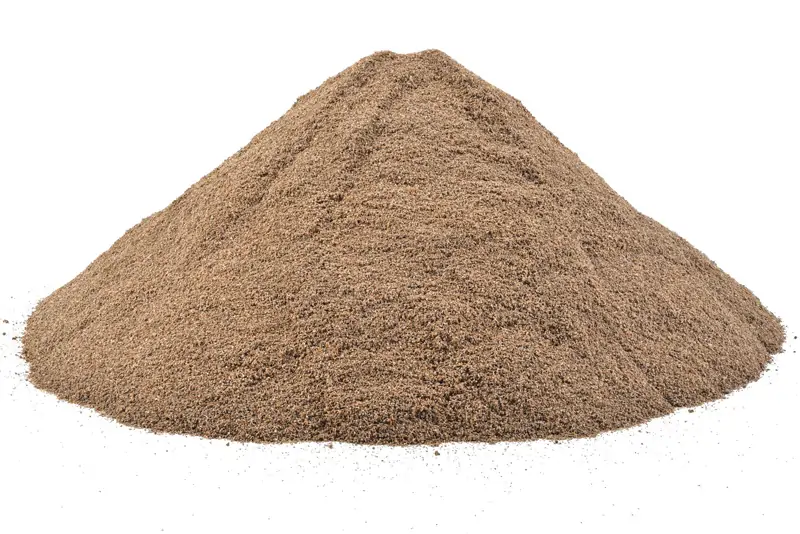
| 鑄造砂、樹脂砂 | 鑄造行業 | 幫助砂料填充模具型腔,提升砂料密實度 |
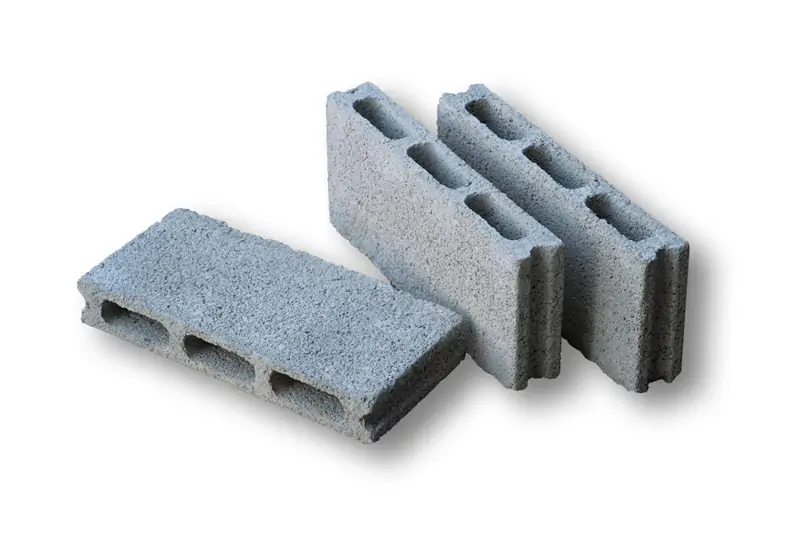
| 混凝土預製件 | 建材行業 | 去除內部氣泡,提升混凝土密度 |
| Cement powder, mineral powder | Powder processing industry | Allows powder materials to settle naturally, improving filling efficiency and reducing packaging gaps |
| Refractory materials | Refractory industry | Helps compact materials and improve stability after forming |
| 石英砂 | Glass and foundry industries | Improves particle arrangement and filling performance |
| 化工粉末 | 化工行業: | Used during bagging and container filling to improve container utilization |
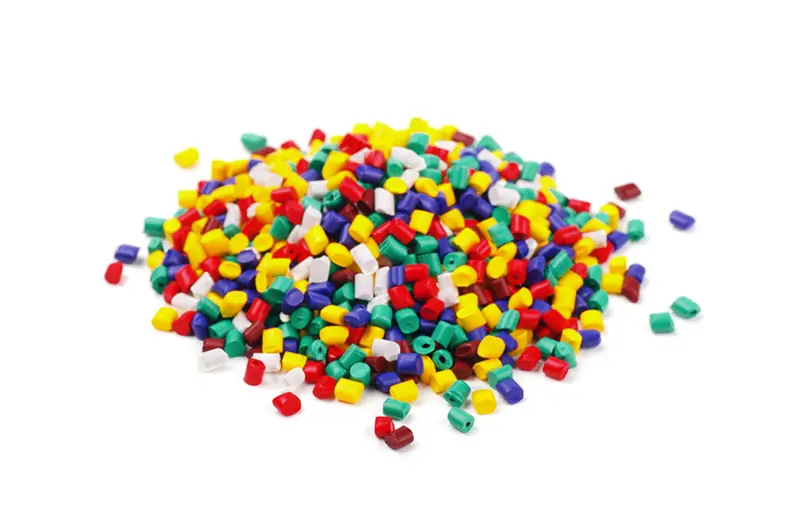
| 塑膠顆粒 | Plastic industry | Promotes particle settlement and improves packaging compactness |
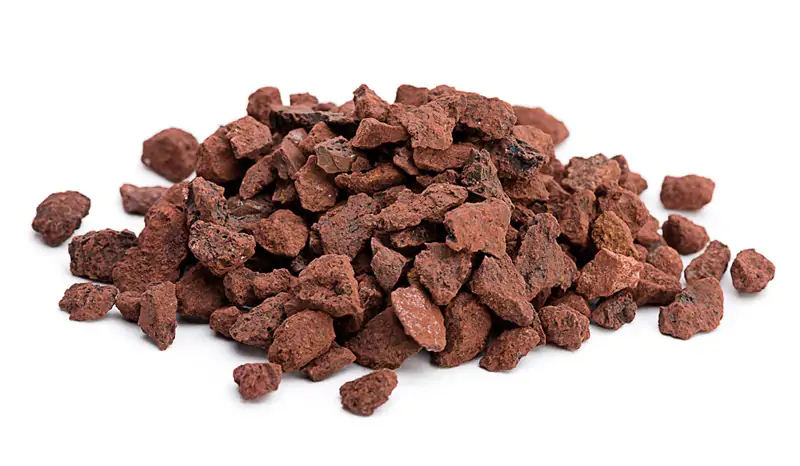
| Mineral sand, mineral powder | Metallurgical industry | Improves loose material stacking condition and stability |
Conditions to Confirm Before Using a Vibrating Table
A Vibrating Table is suitable for materials that require settling and compaction due to internal gaps. However, not all materials are suitable for vibration treatment. During equipment selection, material conditions and production requirements should be confirmed in advance.
- Wet materials with high moisture content and strong adhesion may cause sticking or agglomeration after vibration.
- Materials requiring continuous conveying should consider equipment such as vibrating conveyors or screw conveyors instead.
- Precision products that are sensitive to vibration and may be damaged should not be directly processed on a Vibrating Table.
- Production processes requiring crushing, screening, or mixing cannot be replaced by a Vibrating Table.
The vibration effect is closely related to material characteristics, workpiece weight, table size, and vibration parameters. Equipment configuration should be matched with actual production conditions to avoid insufficient vibration force or unstable operation.
When Is a Vibrating Table Needed?
During production, when materials or workpieces have problems such as insufficient filling, excessive internal gaps, or low compaction density, a Vibrating Table can be used as an auxiliary compaction solution. Through stable vibration, material particles rearrange to improve filling performance and forming consistency.
Common application situations include:
- Foundry sandboxes require higher sand compaction after filling to improve mold tightness.
- Concrete precast products contain excessive internal air bubbles and require improved concrete density.
- Powder or granular materials have large gaps after packaging and require higher filling density.
- Large molds or workpieces require a more stable mechanical compaction method instead of manual vibration.
- Production processes require higher product consistency and reduced differences caused by manual operation.
The main purpose of a Vibrating Table is to solve the problem of how loose materials can be compacted more evenly and effectively. If the production requirement involves continuous conveying, screening, or mixing, the corresponding equipment should be selected instead.
技術參數
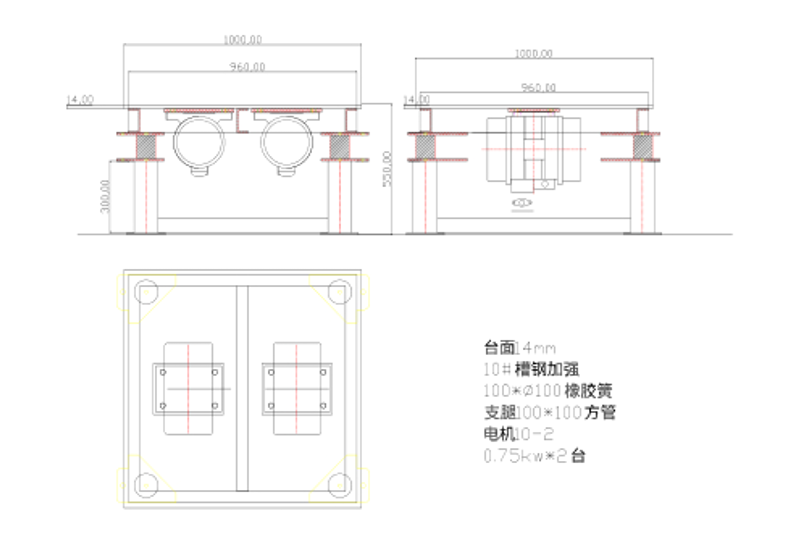
The ZP Series Vibrating Table provides multiple specifications for different application requirements. The table size range covers 800×800 mm to 4000×3000 mm, with exciting force from 20–80 kN. Different models are designed with different numbers of excitation points, power configurations, and structural dimensions, making them suitable for compaction requirements of sandboxes, molds, precast products, and powder materials with different weight levels.
| 型號 | Table Size (mm) | Excitation Points | Exciting Force (kN) | 功率(kW) | Weight (kg) |
| ZP-4 | 800×800 | 4 | 20 | 1.6 | 450 |
| ZP-6-Ⅰ | 1000×1000 | 6 | 30 | 2.4 | 600 |
| ZP-6-Ⅱ | 1200×1200 | 6 | 30 | 2.4 | 860 |
| ZP-8-Ⅰ | 1600×1200 | 8 | 40 | 3.2 | 1000 |
| ZP-8-Ⅱ | 1600×1400 | 8 | 40 | 3.2 | 1250 |
| ZP-10-Ⅰ | 2000×1600 | 10 | 50 | 4 | 1600 |
| ZP-10-Ⅱ | 2000×1800 | 10 | 60 | 6 | 2000 |
| ZP-12-Ⅰ | 3000×2000 | 12 | 80 | 7.5 | 3100 |
| ZP-12-Ⅱ | 4000×3000 | 12 | 80 | 7.5 | 4600 |
Vibration Parameters:
| Parameter | Range |
| Vibration Frequency | 20–80 Hz |
| Vibration Acceleration | 1–2 g |
| 振幅 | 0.5–2 mm |
Jiarui can customize the Vibrating Table according to customer workpiece dimensions, load requirements, and production line conditions. For large sandboxes, complex cavity castings, or continuous production line applications, we can provide a compaction table solution that matches specific operating conditions.
Vibrating Table Selection Guide
There is no fixed Vibrating Table model that can directly fit every application. Equipment selection mainly depends on workpiece weight, table size, and compaction requirements. When configuring equipment, our engineers usually confirm the actual load and operating method first to avoid insufficient vibration force or unnecessary oversizing.
First Confirm the Workpiece Weight
When selecting a Vibrating Table, the total working load should be considered, including the weight of the sandbox, mold, workpiece, and material. A higher load requires stronger platform structure and greater exciting force, so the vibration configuration should be properly matched.
Then Determine the Required Table Size
The table size should not only meet workpiece placement requirements but also ensure that vibration force can be evenly transferred. For large sandboxes, molds, or precast products, a larger working surface and more excitation points are usually required to avoid insufficient vibration in local areas.
Finally Confirm the Installation Method
For standalone operation, the main considerations are load capacity and operating convenience. If the Vibrating Table needs to be integrated into an automated production line, equipment height, positioning method, and connection with upstream and downstream equipment should also be considered.
The key to Vibrating Table selection is not choosing the largest model, but ensuring that equipment parameters match actual operating conditions. If the application conditions are special, customers can provide workpiece dimensions, weight, and production requirements. Jiarui engineering team can help confirm a suitable configuration based on practical experience.
客製化
Different factories have different workpiece sizes, weights, and production processes. Standard models may not fully meet every application requirement. Vibrating Table customization is not simply about changing equipment dimensions; it requires comprehensive consideration of load conditions, compaction requirements, and installation environment to design the table structure, excitation system, and connection method properly.
Based on years of experience in vibration equipment design, we usually confirm workpiece weight, dimensions, and operating methods first, then match the suitable structure and parameters according to site conditions. If you are unsure about the right model, providing the following basic information allows our engineering team to confirm the equipment configuration.
Required Information:
- Workpiece or material name
- Maximum weight
- Overall dimensions
- Application requirements
After receiving the above information, we will evaluate the workpiece weight, size, and operating requirements to confirm the appropriate Vibrating Table structure and configuration solution.

Jiarui Manufacturing
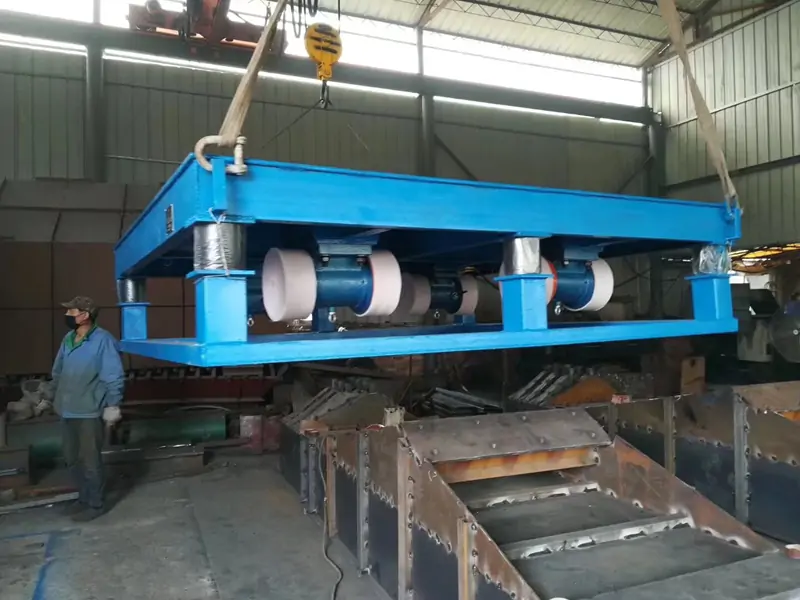
A Vibrating Table is not simply a steel structure machine. During long-term operation, it continuously withstands vibration loads, and factors such as table strength, welding quality, and excitation system installation directly affect equipment stability and service life. During manufacturing, we focus on these details that influence long-term performance, from structural processing and component assembly to complete machine testing, ensuring stable operation after delivery.
With years of experience in vibration equipment manufacturing, Jiarui focuses on the long-term performance and reliability of equipment in real production environments, rather than simply meeting basic technical specifications. Our Vibrating Table and other vibration equipment are supplied to global customers through professional B2B platforms such as Made-in-China.com, where customers can learn more about our manufacturing capabilities, product range, and customized service solutions.
常見問題
獲取免費諮詢
填寫以下表單與我們的專家聯繫,並獲得針對您應用的個人化建議。.