
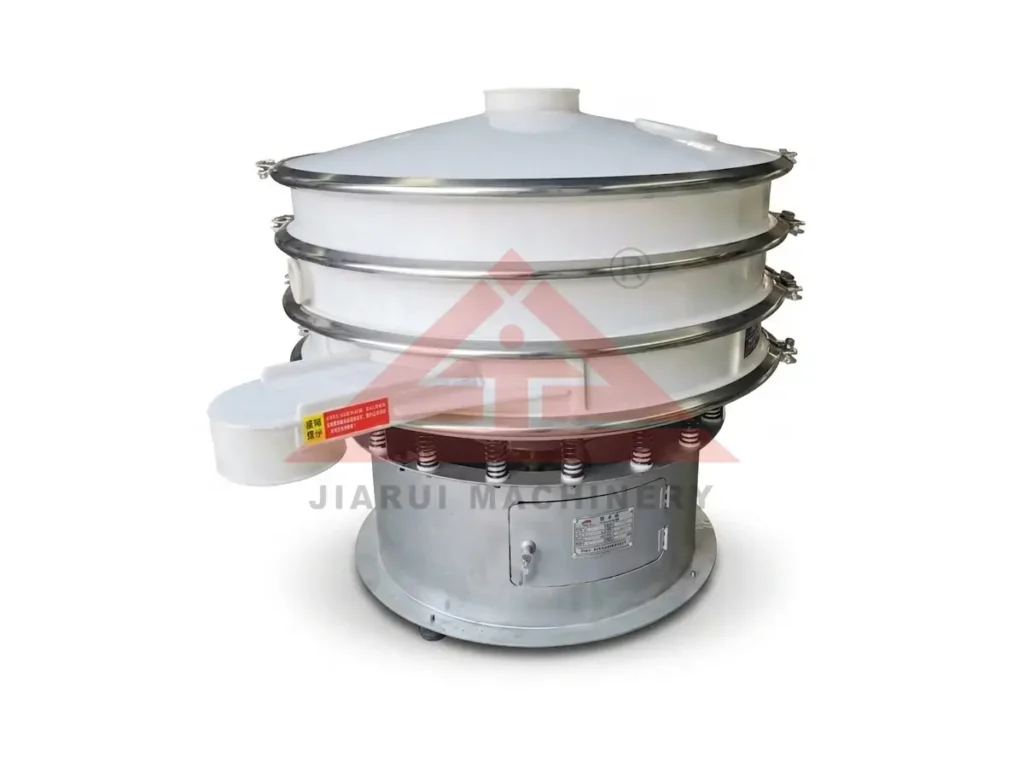
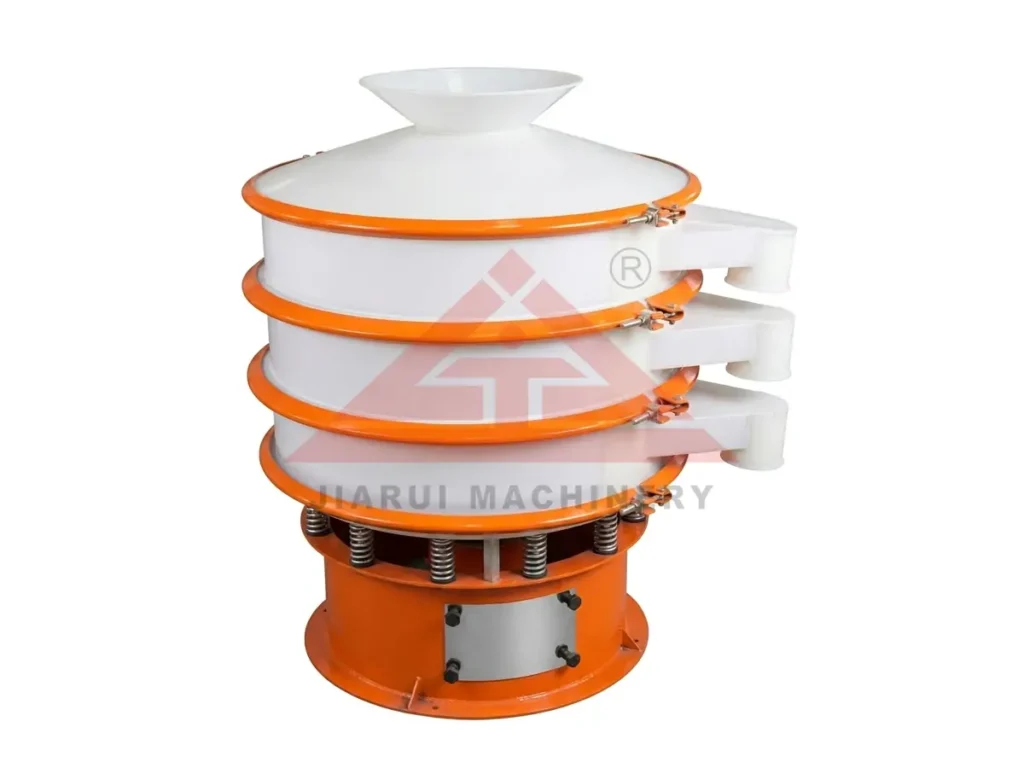
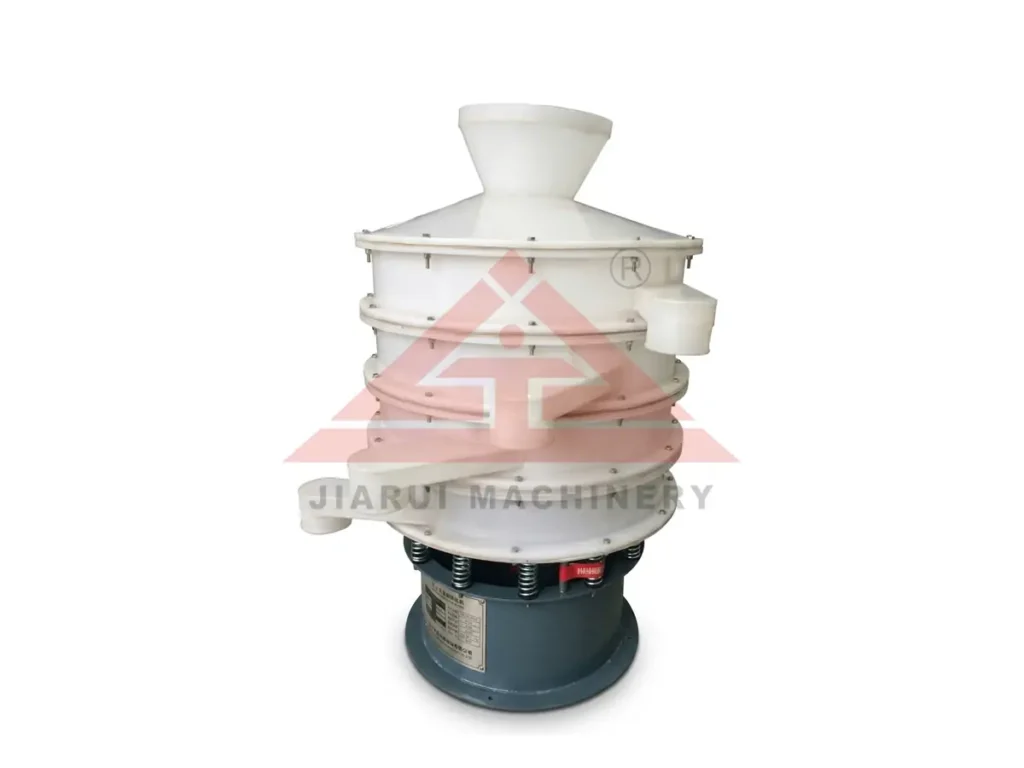
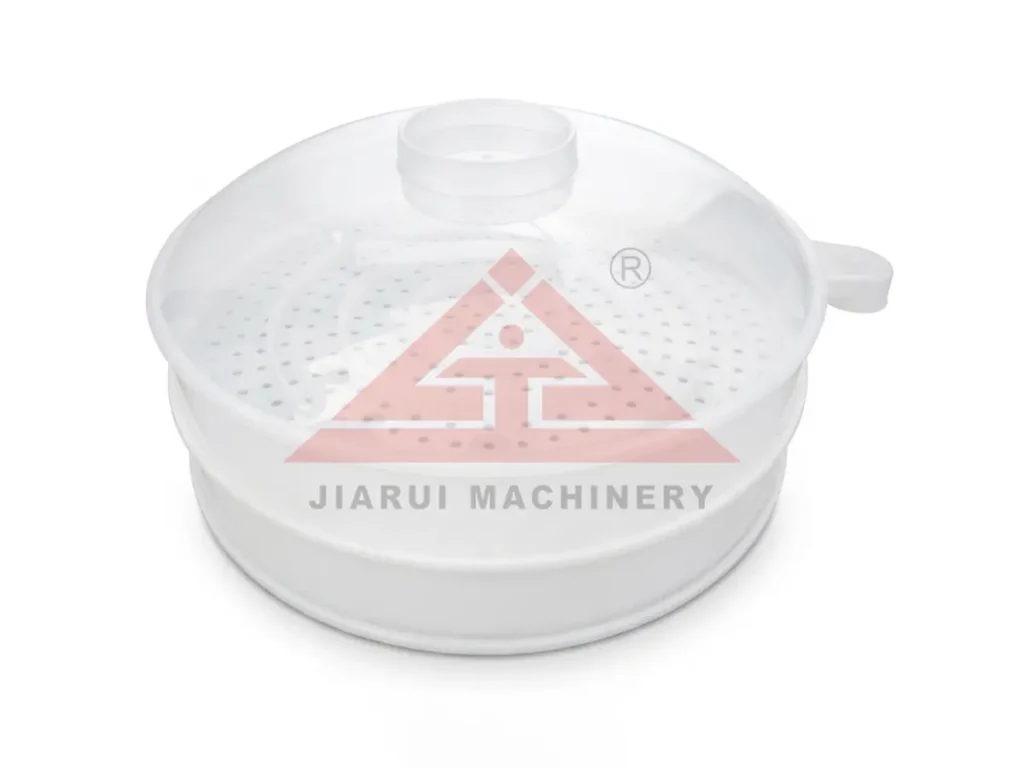
Пластиковый вибрационный грохот
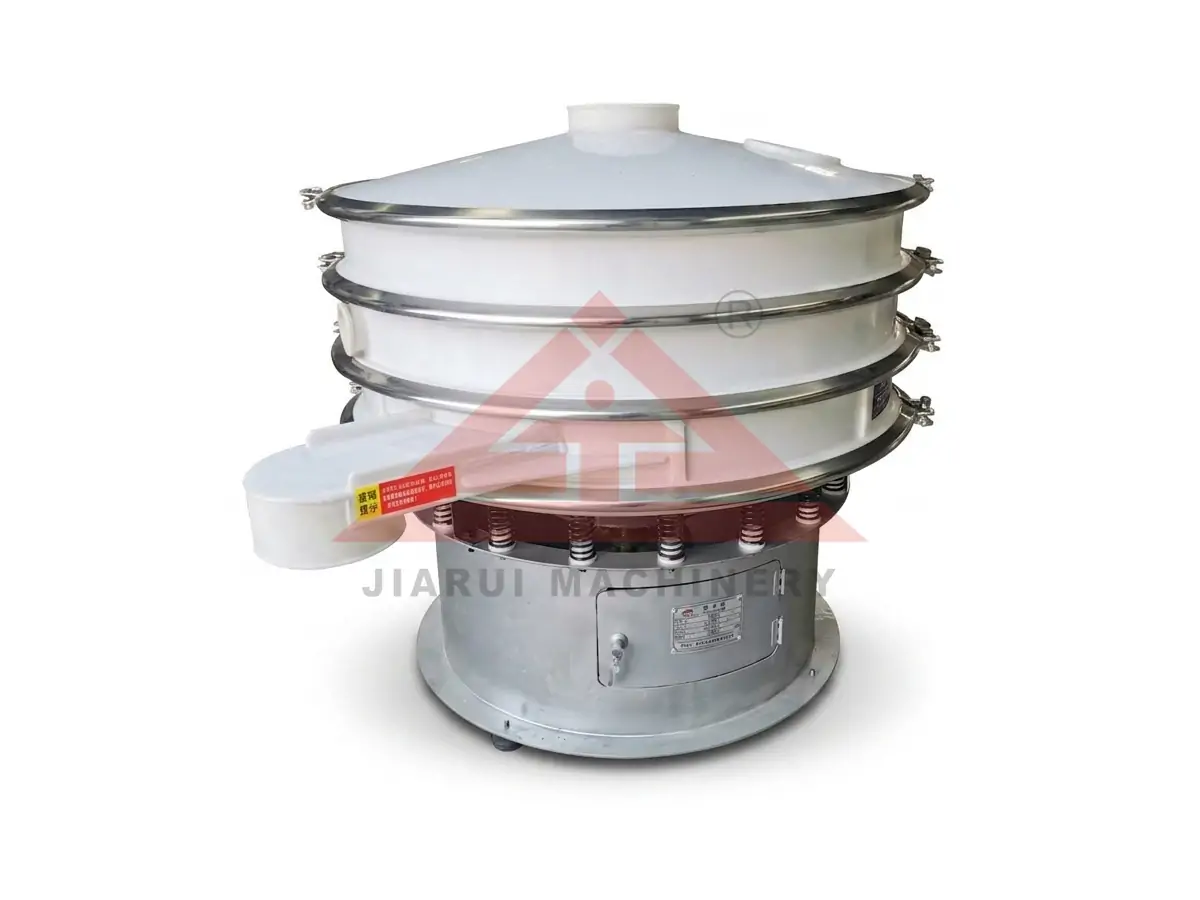
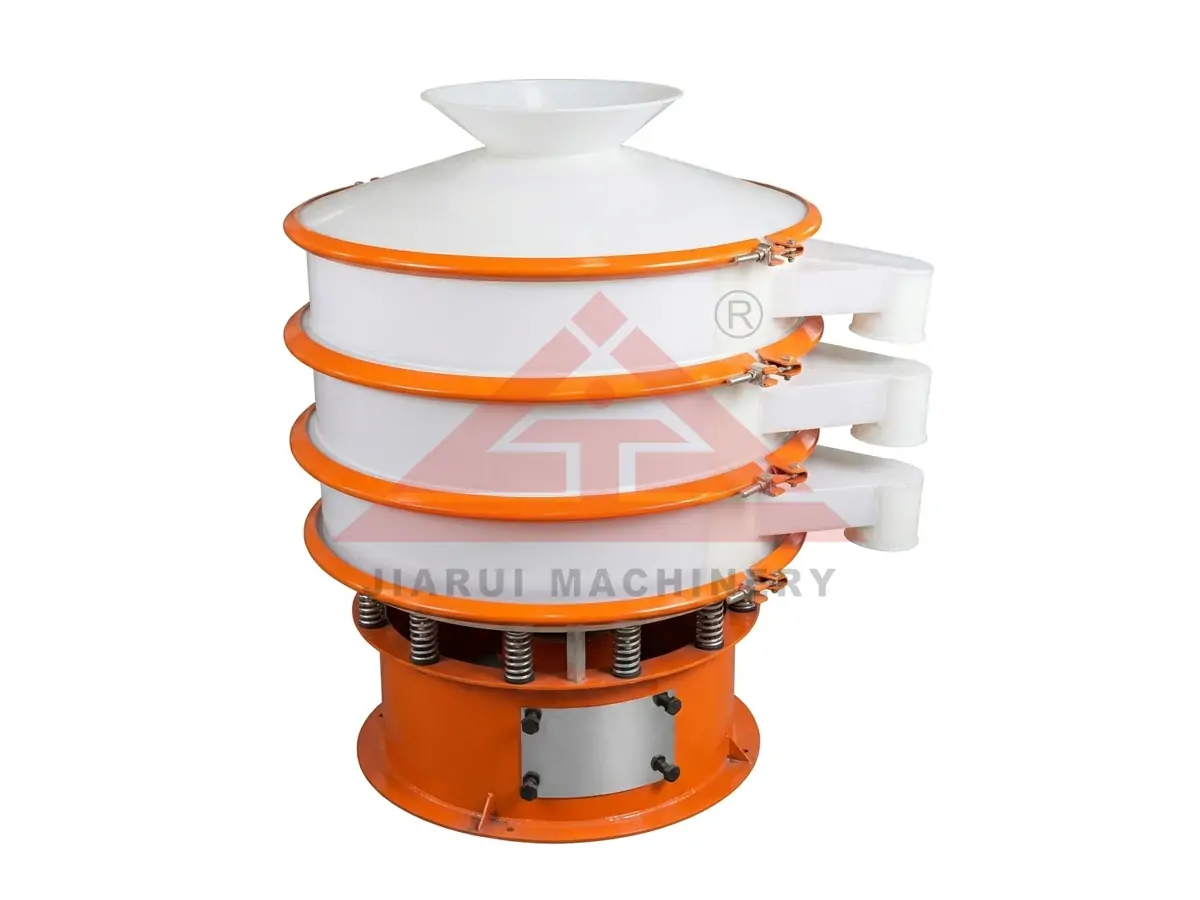
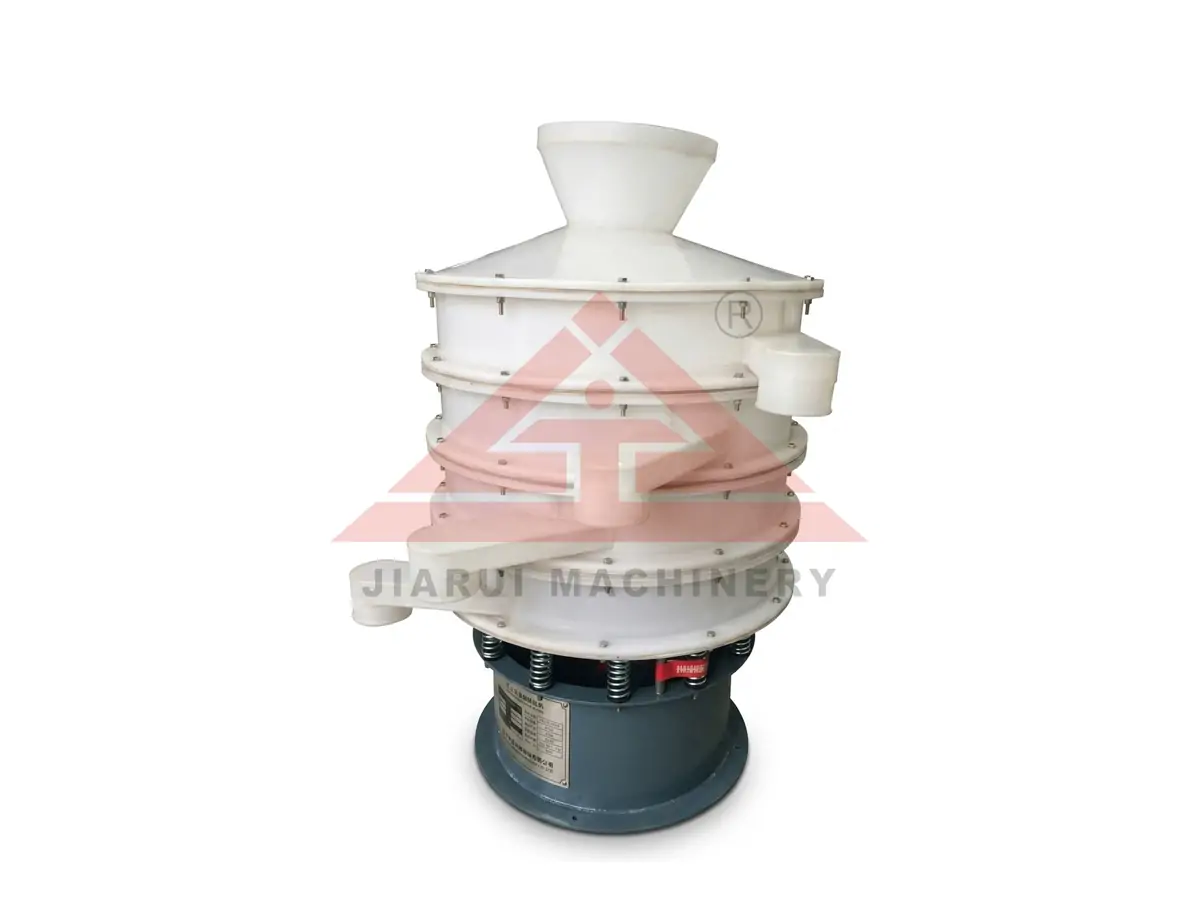
Пластиковый вибрационный грохот изготовлен с использованием материала PP полипропилен и в основном используется для просеивания материалов, которые не могут вступать в прямой контакт с металлом или обладают коррозионными свойствами. Оборудование обеспечивает хорошую устойчивость к кислотной, щелочной и химической коррозии, помогая снизить риск загрязнения ионами металлов. Оно подходит для просеивания порошков высокой чистоты и специальных задач разделения материалов.
Дзяжуй. предоставляет индивидуальные решения для просеивания на основе характеристик материалов и производственных требований заказчиков. Конфигурация оборудования может быть скорректирована в соответствии с различными применениями, включая размер оборудования, количество ситовых ярусов, материал ситовой сетки, конструкцию уплотнения и другие компоненты. Пластиковый вибрационный грохот из PP широко применяется в химической, фармацевтической, пищевой,新材料 и других отраслях промышленности.
- Модель: JR-P Φ400/600/800/1000/1200/1500/1800мм
- Материал: PP полипропилен (конструкция без контакта с металлом)
- Размер ячейки ситовой сетки: 2–500 меш (настраивается в соответствии с требованиями к материалу)
- Источник вибрации: Вибрационный двигатель
- Количество слоев сита: 1–5 ярусов
- Индивидуальная настройка: Поддержка индивидуальной настройки размера оборудования, материала ситовой сетки и структурной конфигурации
Что такое пластиковое вибрационное сито?
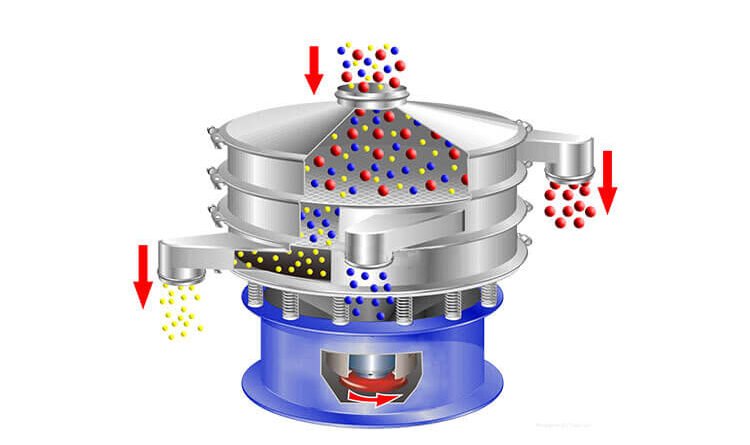
Пластиковый вибрационный грохот, также известный как коррозионностойкий вибрационный грохот из PP или неметаллический вибрационный грохот, представляет собой тип вибрационного просеивающего оборудования, в котором детали, контактирующие с материалом, изготовлены из полипропилена PP. Оборудование использует вибрационный двигатель для приведения в движение поверхности сита, позволяя материалу равномерно распределяться и проходить через ячейки ситовой сетки различного размера для разделения.
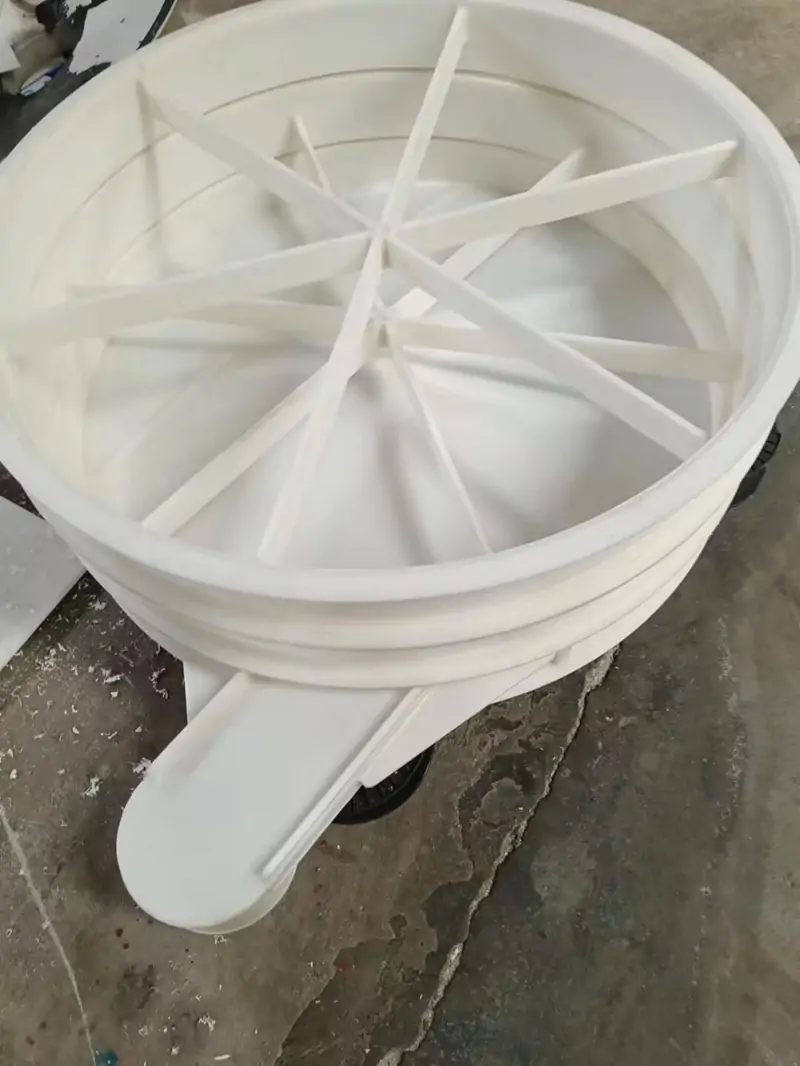
Этот тип просеивающей машины в основном используется для материалов с особыми требованиями к материалам оборудования, таких как материалы, которые не могут контактировать с металлом, коррозионные порошки или порошки, требующие высокой чистоты. По сравнению с обычными вибрационными грохотами из нержавеющей стали, материал PP позволяет снизить риск загрязнения металлами и обеспечивает хорошую устойчивость к кислотным и щелочным средам. Он широко применяется в химической, фармацевтической, пищевой и специализированных порошковых отраслях промышленности. Размер оборудования, количество ситовых ярусов, материалы ситовой сетки и структурная конфигурация могут быть скорректированы в соответствии с различными характеристиками материалов.
Области применения
Пластиковый вибрационный грохот в основном применяется в тонкой химической, фармацевтической, пищевой,新材料, керамической и специализированных порошковых отраслях промышленности. Он подходит для просеивания материалов, которые не могут вступать в прямой контакт с металлом, обладают коррозионными свойствами или требуют высокой чистоты.
Различные материалы имеют различия в размере частиц, сыпучести и химических свойствах. Поэтому необходимо подбирать подходящие материалы ситовой сетки и конфигурации оборудования в соответствии с характеристиками материала.
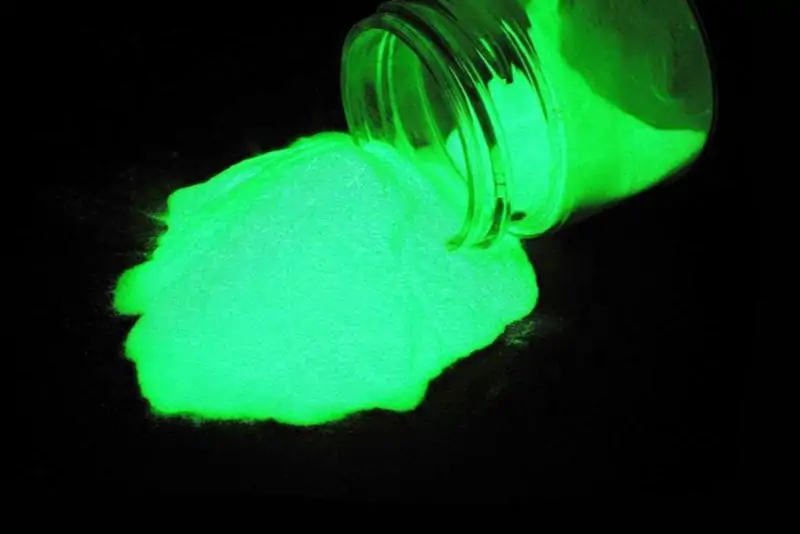 Люминофор
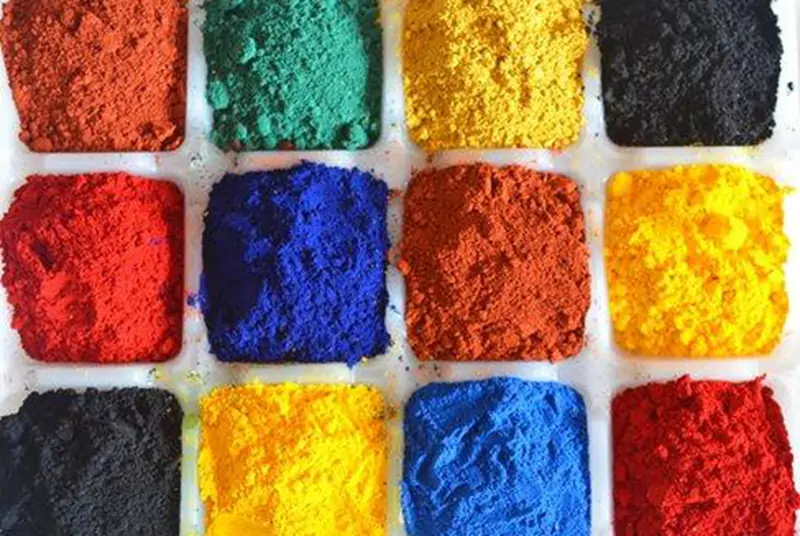 Пигменты
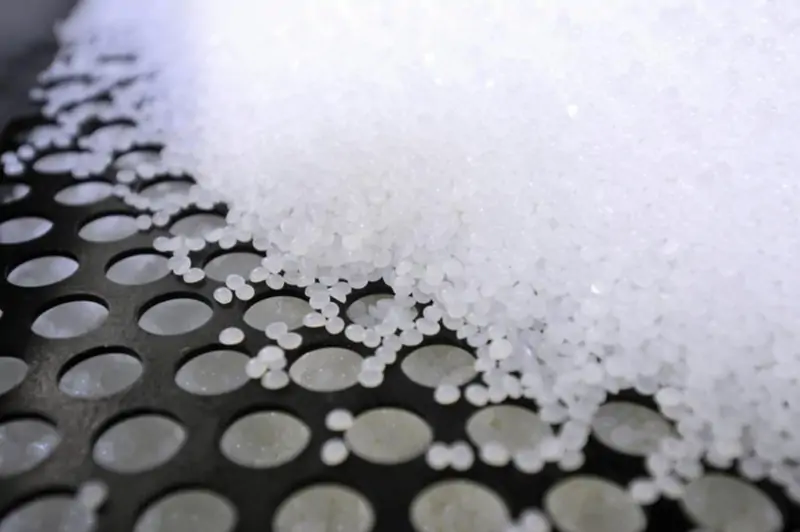 Смолы
Смолы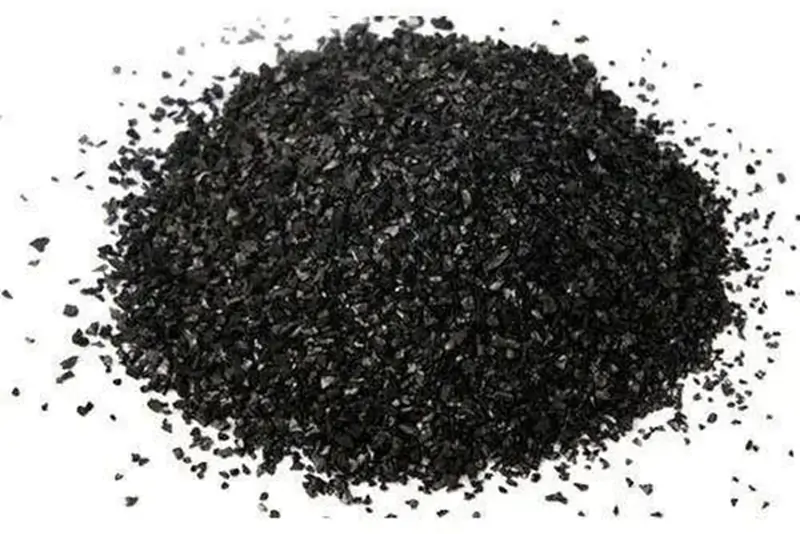 Активированный уголь
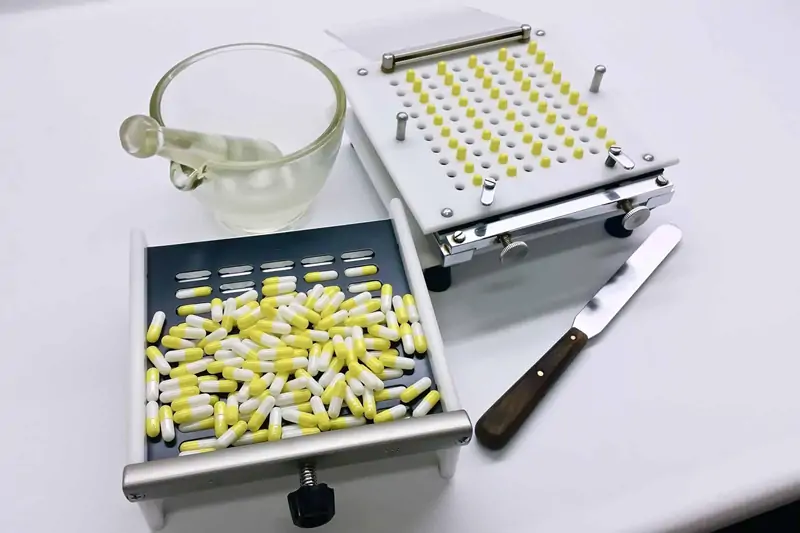 Фармацевтическое сырье
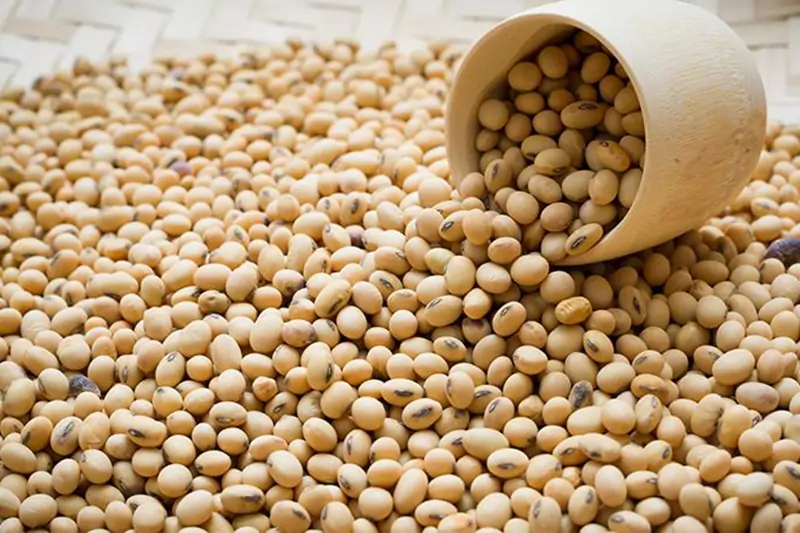 Пищевая промышленность
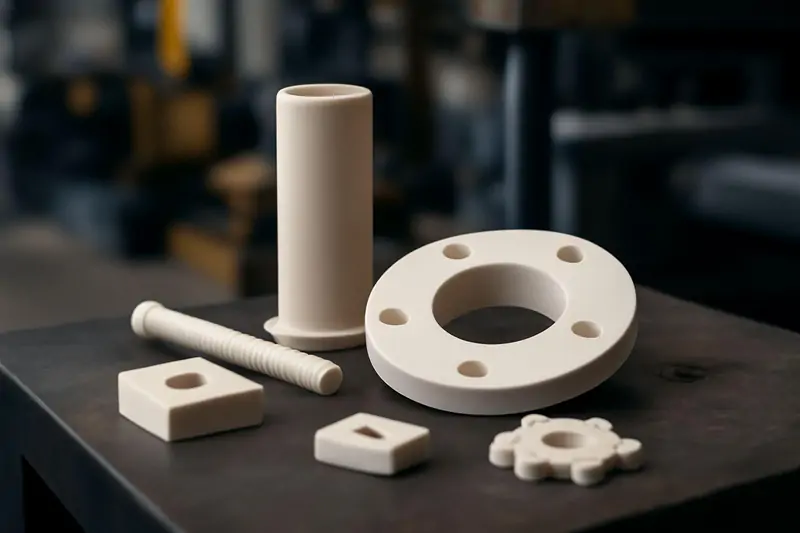 Керамика
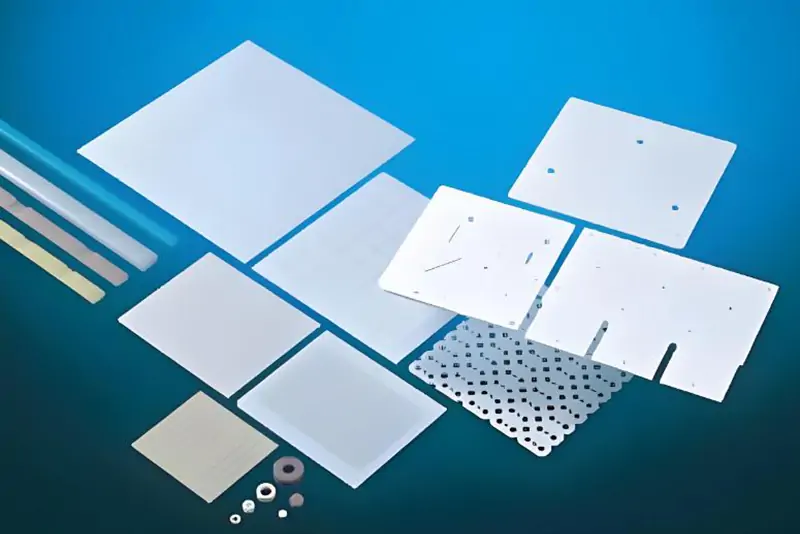 Электронные материалы
Типичные отрасли и материалы для просеивания
| Отрасль применения | Типичные материалы для просеивания | Характеристики просеивания и причины выбора |
| Тонкая химическая промышленность | Люминесцентный порошок, пигментный порошок, порошок смолы, порошок покрытия, технический углерод | Некоторые порошки являются коррозионными и чувствительны к металлическим примесям. Материал PP помогает уменьшить прямой контакт с металлом и снизить риски загрязнения. |
| Фармацевтическая промышленность | Порошок лекарственных трав, фармацевтическое сырьё, фармацевтические промежуточные продукты | Эти материалы требуют высокой чистоты продукта, чистых производственных условий и строгого контроля загрязнения. Конструкция без контакта с металлом подходит для просеивания порошков высокой чистоты. |
| Пищевая промышленность | Крахмал, сахарная пудра, белковый порошок, пищевые добавки, порошок приправ | Пищевые материалы обычно требуют гигиенического просеивания. Материалы оборудования должны обеспечивать возможность лёгкой очистки и снижать внешнее загрязнение. |
| Новые энергетические и электронные материалы | Электронная керамическая пудра, функциональные порошки, некоторые порошки для аккумуляторных материалов | Некоторые порошки чувствительны к металлическим примесям и требуют контролируемого контакта с материалом в процессе просеивания. |
| Керамические и неметаллические материалы | Керамический порошок, материалы глазури, оксид алюминия, кварцевый порошок, карбонат кальция | Мелкодисперсные порошковые материалы требуют стабильной производительности просеивания и надлежащего соответствия между характеристиками материала и конфигурацией оборудования. |
| Экологические материалы | Активированный уголь, фильтрующие материалы, адсорбционные материалы | Некоторые материалы обладают адсорбционными свойствами или химическими характеристиками. Конструкции из PP могут повысить коррозионную стойкость оборудования в таких применениях. |
Почему выбрать пластиковый вибрационный грохот Jiarui?
Выбор пластикового вибрационного грохота не должен основываться только на типе отрасли. Один и тот же материал может давать различные результаты просеивания из-за различий в размере частиц, влажности, сыпучести и производственных требований. При подборе оборудования мы уделяем больше внимания характеристикам материала, включая контактный материал, конфигурацию ситовой сетки, количество ситовых ярусов и конструкцию уплотнения, поскольку эти детали напрямую влияют на долгосрочную производительность оборудования.
Обладая многолетним опытом в производстве вибрационного просеивающего оборудования, Jiarui решала различные задачи по просеиванию порошков. Для материалов, которые не могут контактировать с металлом, коррозионных материалов или порошков высокой чистоты мы корректируем конструкцию и конфигурацию оборудования в зависимости от конкретных условий эксплуатации, помогая заказчикам избежать проблем, вызванных неподходящим выбором материала, таких как коррозия, загрязнение или частное техническое обслуживание.
Конструкция и компоненты пластикового вибрационного грохота
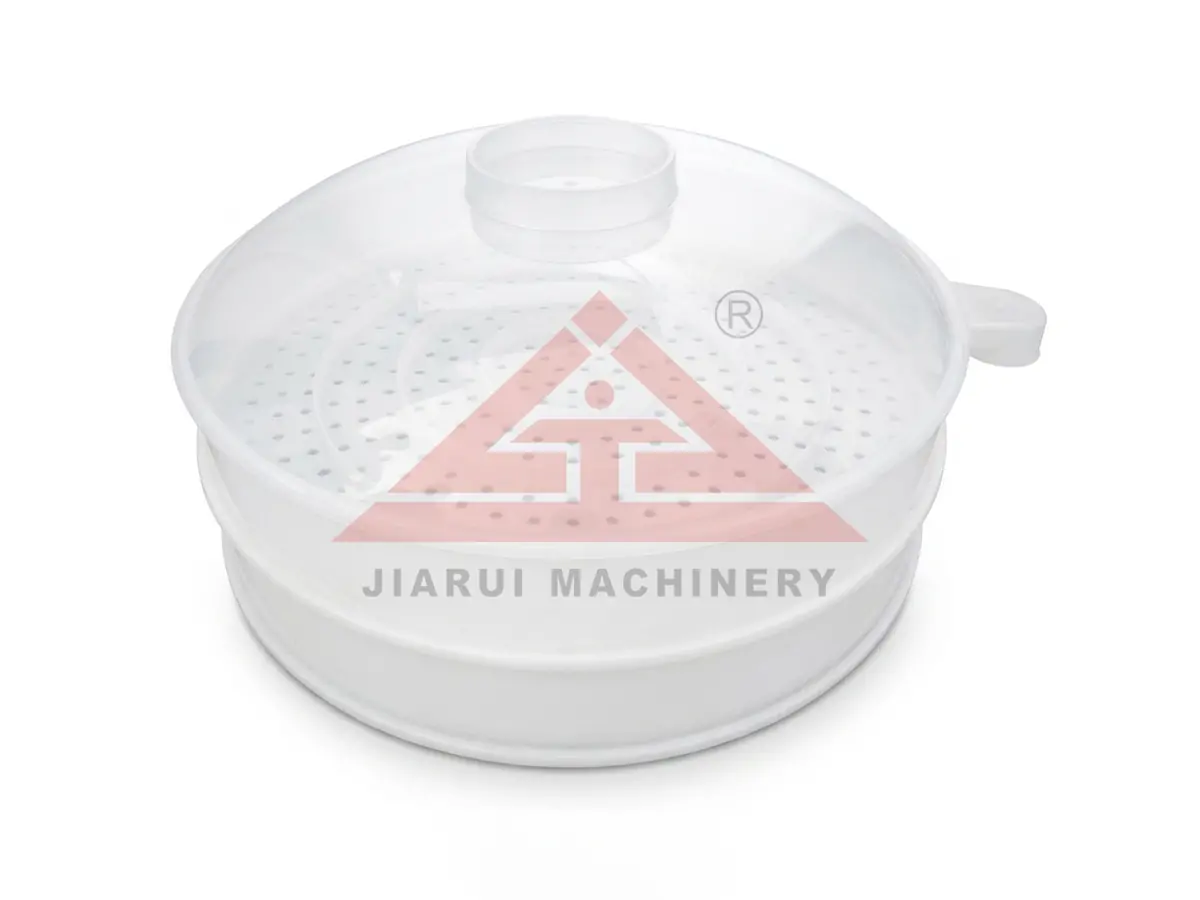
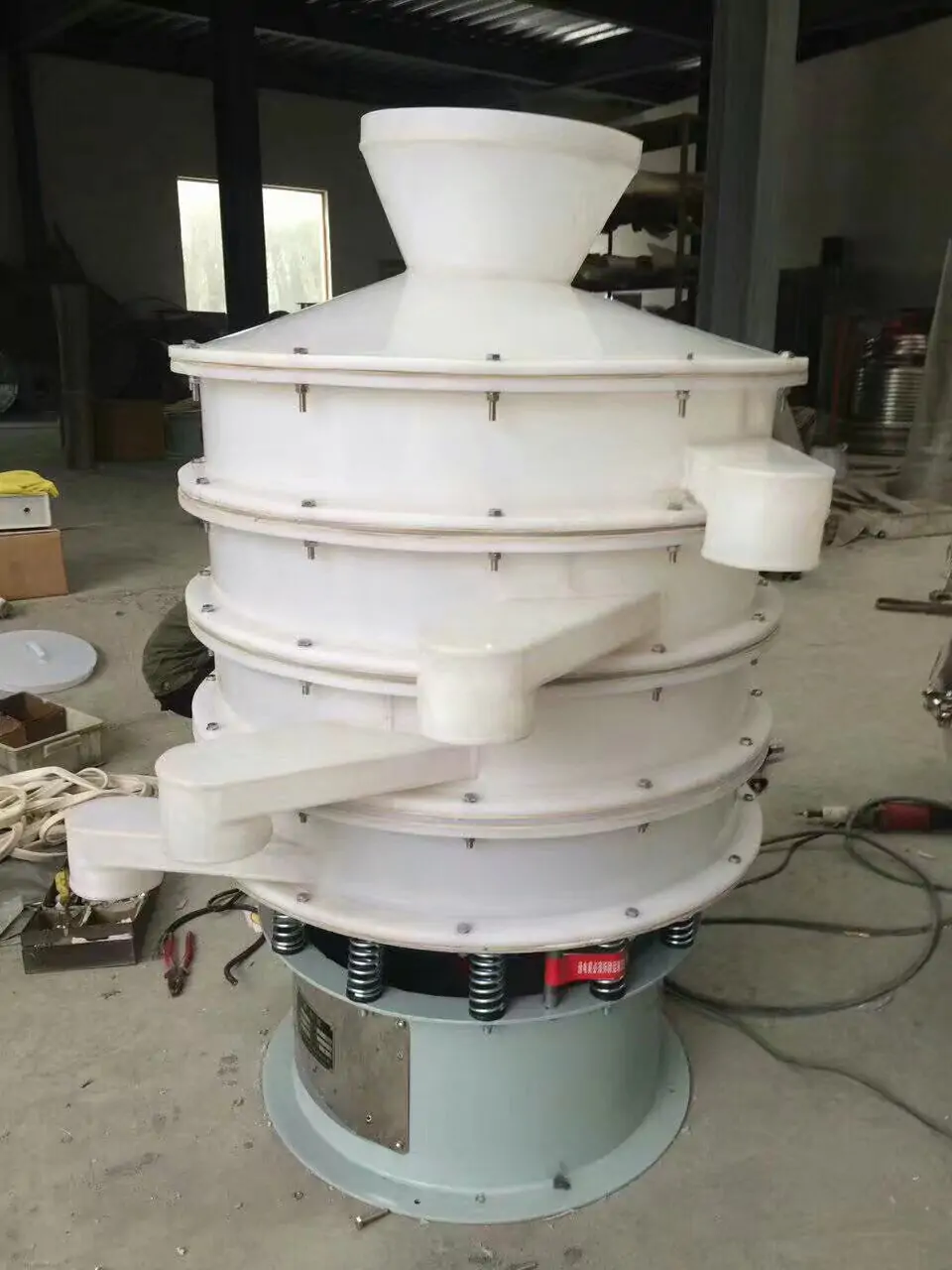
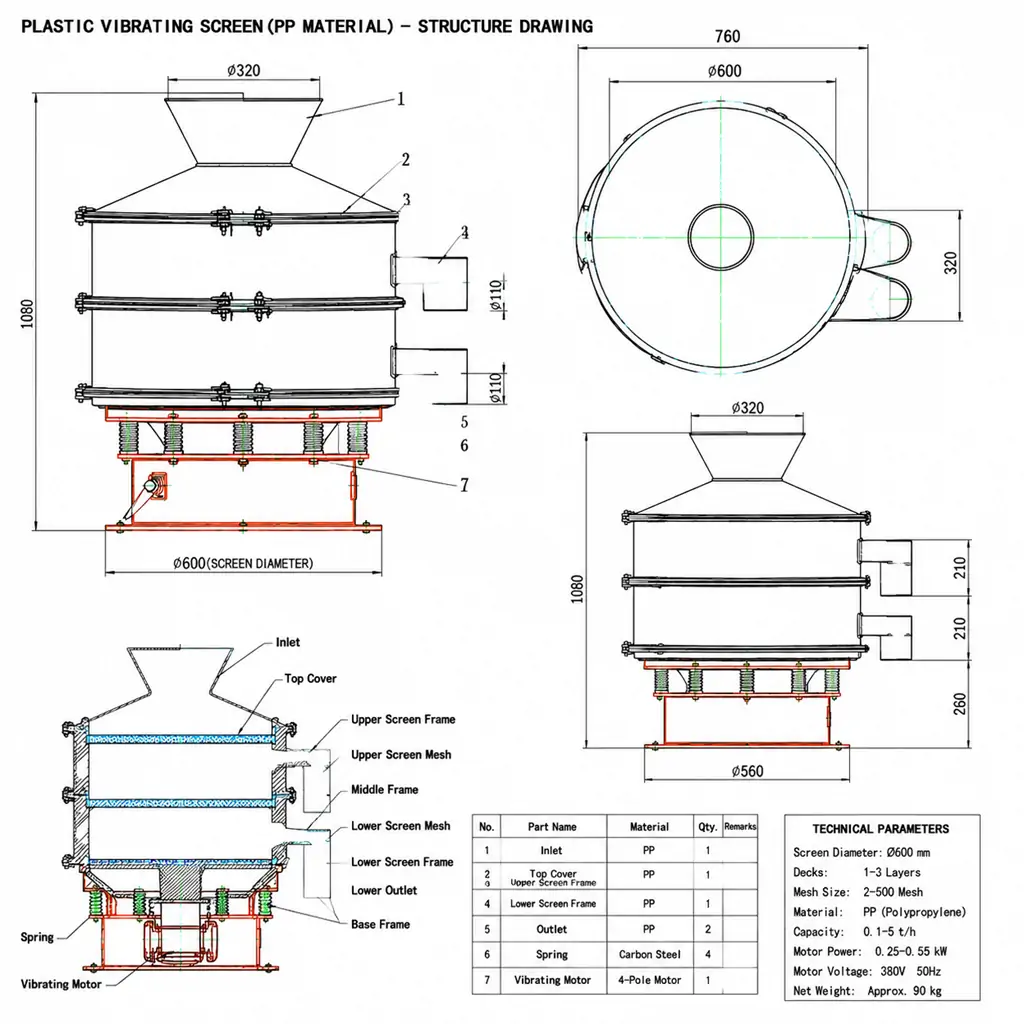
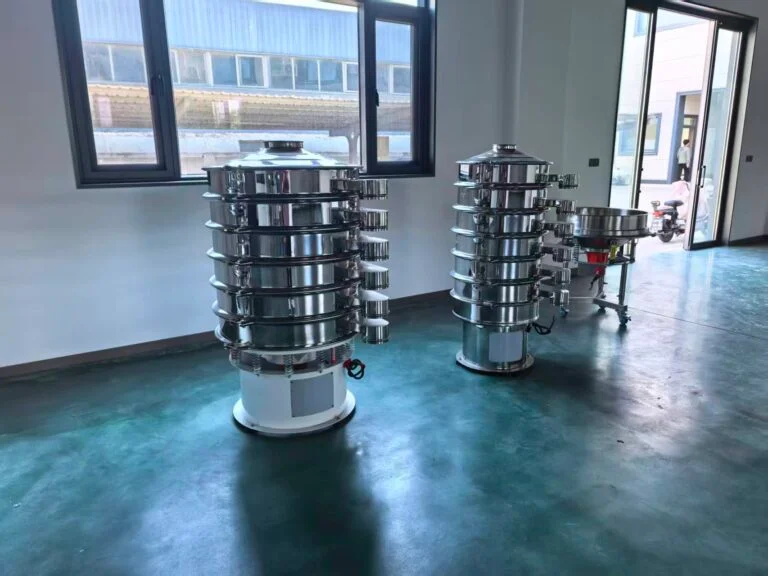
Пластиковый вибрационный грохот в основном состоит из корпуса сита из полипропилена PP, узла ситовой сетки, ситовой рамы, вибрационного двигателя, уплотнительной конструкции и разгрузочной конструкции. По сравнению с обычными металлическими вибрационными грохотами, этот тип оборудования в основном предназначен для материалов, которые не могут контактировать с металлом, коррозионных материалов или порошков высокой чистоты. Поэтому детали, контактирующие с материалом, изготовлены из PP и других неметаллических материалов.
При проектировании оборудования конфигурация корректируется в соответствии с характеристиками материала. Корпус сита из PP в основном решает проблемы коррозионной стойкости и загрязнения металлами, ситовая сетка определяет точность просеивания; уплотнительная конструкция помогает контролировать утечку пыли; а многоярусная ситовая рама обеспечивает непрерывное разделение по размеру частиц.
Корпус сита из полипропилена PP
Корпус из полипропилена PP является ключевым компонентом, отличающим пластиковый вибрационный грохот от обычных вибрационных грохотов. Материал PP обеспечивает хорошую стойкость к кислотам и щелочам, что делает его пригодным для некоторых коррозионно-активных порошков и материалов, чувствительных к металлическим примесям, помогая снизить риск загрязнения в процессе просеивания.
Ситовой блок
Сито напрямую влияет на точность просеивания и производительность. Соответствующий материал сита и размер ячейки следует выбирать в зависимости от размера частиц материала, сыпучести и требований к просеиванию. Различные материалы предъявляют разные требования к выбору сита, и правильная конфигурация необходима для достижения стабильной производительности просеивания.
Многослойная ситовая рама
В соответствии с производственными требованиями оборудование может быть оснащено несколькими ситовыми ярусами для разделения материалов с различным размером частиц за один процесс просеивания. Количество ситовых ярусов следует выбирать исходя из характеристик материала, производительности и целей просеивания. Большее количество ярусов не всегда означает лучшую производительность.
Герметизирующая крышка и разгрузочная конструкция
Оборудование имеет герметичную конструкцию, позволяющую снизить утечку пыли во время просеивания и предотвратить попадание внешних примесей в материал. Рациональная разгрузочная конструкция помогает обеспечить непрерывный выпуск материала и повышает стабильность работы оборудования.
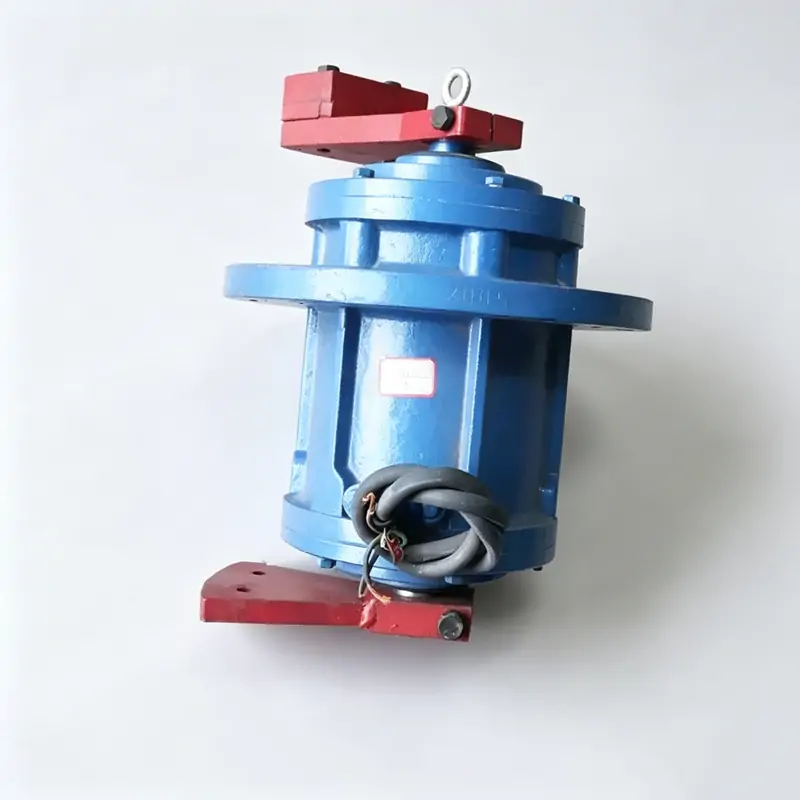
Вибрационный двигатель
Вибрационный двигатель обеспечивает стабильную вибрационную силу для оборудования, позволяя материалу формировать подходящую траекторию движения на поверхности сита. Регулировка параметров вибрации в соответствии с плотностью материала, размером частиц и требованиями к просеиванию помогает повысить стабильность просеивания.
Различные материалы предъявляют разные требования к просеивающему оборудованию. Ключ к пластиковому вибрационному грохоту заключается не только в использовании материала PP, но и в правильном подборе материала, сита, герметизирующей конструкции и параметров вибрации. Выбор правильной конфигурации в соответствии с характеристиками материала имеет решающее значение для обеспечения долгосрочной стабильной работы оборудования.
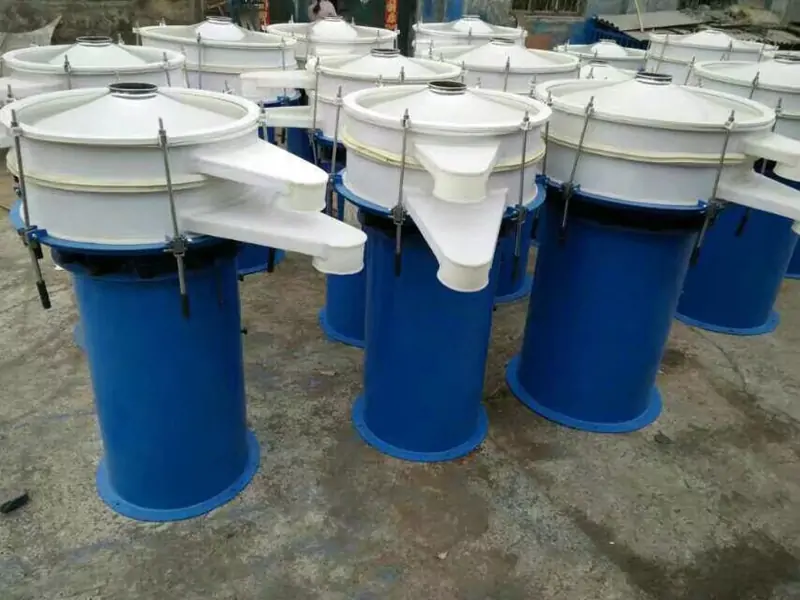 Сборка пластикового вибрационного сита
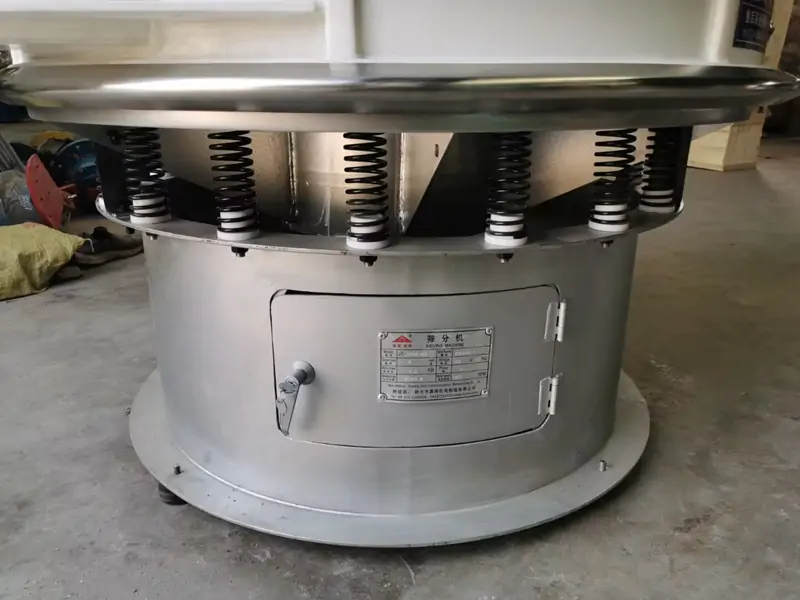 Нижнее основание
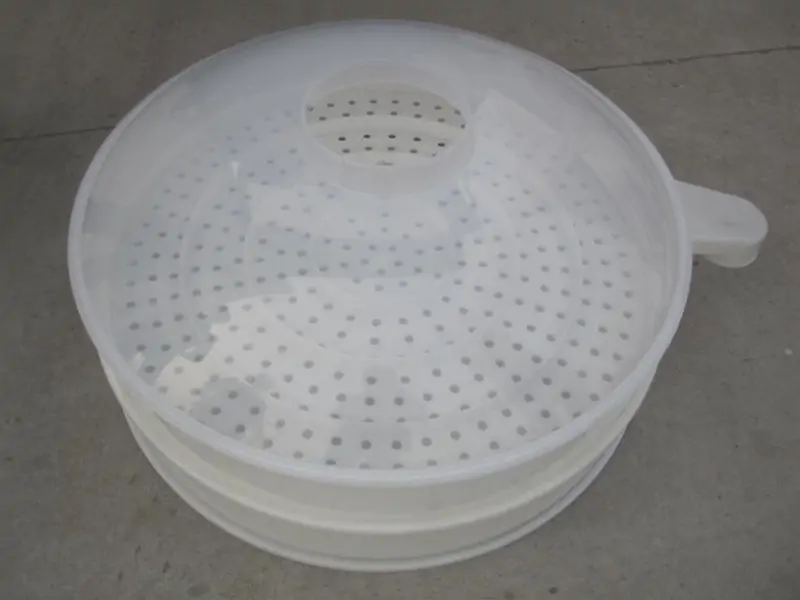 Пылезащитная крышка
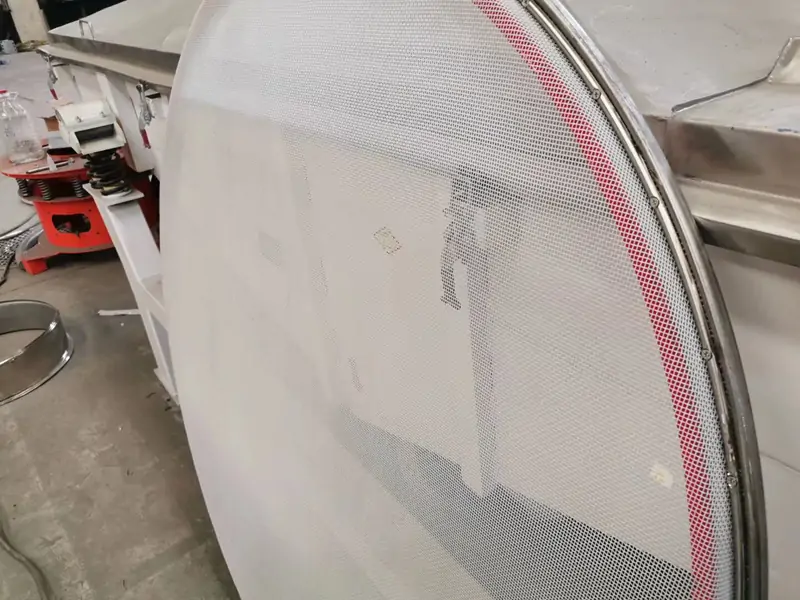 Сетка для грохота
 Пластиковый вибрационный грохот
 Лист PP повышенной прочности 10 мм
Ключевые преимущества пластикового вибрационного сита
Конструкция без контакта с металлом
Оборудование использует PP полипропилен и другие неметаллические материалы для снижения прямого контакта материалов с металлическими частями, что делает его пригодным для просеивания порошков с высокими требованиями к чистоте.
Герметичная конструкция
Закрытая конструкция помогает снизить утечку пыли во время работы, одновременно снижая риск попадания внешних примесей в материал.
Простота очистки и обслуживания
Конструкция оборудования разработана для удобной очистки и обслуживания, что делает его пригодным для отраслей со строгими требованиями к чистоте материалов и производственной гигиене, таких как фармацевтика, пищевая промышленность и специальные порошковые применения.
Кислото- и щелочестойкость
Материал PP обеспечивает хорошую коррозионную стойкость и подходит для некоторых химических, фармацевтических и специальных порошковых сред просеивания.
Многослойная конфигурация
Оборудование поддерживает многослойные конструкции просеивания и может выполнять непрерывное разделение различных размеров частиц в соответствии с производственными требованиями.
Гибкая настройка
Просеивающая сетка, слои сита и структурная конфигурация могут быть отрегулированы в соответствии с характеристиками материала, производительностью и рабочими требованиями для удовлетворения различных потребностей применения.
Технические параметры пластикового вибрационного сита
Конкретная конфигурация пластикового вибрационного сита зависит от характеристик материала и производственных требований. Различные материалы имеют различия в размере частиц, сыпучести, коррозионных свойствах и точности просеивания, что влияет на выбор модели оборудования, конфигурацию просеивающей сетки и производительность обработки. Приведённые ниже параметры предоставлены в качестве справочных для выбора оборудования, окончательное решение должно быть подтверждено в соответствии с фактическими рабочими условиями.
| Модель | Диаметр сита (мм) | Слои сита | Размер ячейки сита (Мesh) | Мощность (кВт) | Напряжение (В) | Справочная производительность (кг/ч) | Детали, контактирующие с материалом |
| JR-P400 | 350 | 1-3 слоя | 2-500 | 0.18 | 220/380 | 100-300 | ПП |
| JR-P600 | 550 | 1-3 слоя | 2-500 | 0.25 | 220/380 | 300-600 | ПП |
| JR-P800 | 750 | 1-5 слоёв | 2-500 | 0.55 | 220/380 | 500-1200 | ПП |
| JR-P1000 | 920 | 1-5 слоёв | 2-500 | 0.75 | 220/380 | 800-1800 | ПП |
| JR-P1200 | 1120 | 1-5 слоёв | 2-500 | 1.1 | 220/380 | 1500-2800 | ПП |
| JR-P1500 | 1420 | 1-5 слоёв | 2-500 | 1.5 | 220/380 | 2100-3500 | ПП |
| JR-P1800 | 1720 | 1-5 слоёв | 2-500 | 2.2 | 220/380 | Изготавливается по индивидуальному заказу в соответствии с материалом | ПП |
Стандартная конфигурация:
- Материал: PP полипропилен (неметаллические контактные материалы могут быть изготовлены по индивидуальному заказу в соответствии с требованиями к материалу)
- Частота: 50Гц / 60Гц
- Частота вибрации: 1440 об/мин
- Опциональные конфигурации: ультразвуковая система очистки, загрузочный бункер, мобильное основание и т.д.
Оборудование из пластиковых материалов предъявляет определённые требования к рабочей среде и условиям материала. При выборе следует учитывать такие факторы, как коррозионные свойства материала, температура, размер частиц, влажность и производительность обработки. Инженерная команда Jiarui подберёт подходящие конструкции и конфигурации оборудования на основе информации о материале и производственных требований, предоставленных клиентами.
Пластиковое вибрационное сито vs роторное вибрационное сито и ультразвуковое вибрационное сито
Пластиковое вибрационное сито, роторное вибрационное сито и ультразвуковое вибрационное сито могут все использоваться для просеивания порошков, но они предназначены для решения различных задач просеивания. вибрационный грохот роторного типа в основном используется для обычной классификации порошков; ультразвуковой вибрационный грохот ориентировано на улучшение производительности просеивания мелких порошков и снижение засорения сетки, тогда как пластиковое вибрационное сито в основном предназначено для материалов, которые не могут напрямую контактировать с металлом, коррозионных материалов или применений с высокочистыми порошками.
| Параметр сравнения | Пластиковый вибрационный грохот | Ротационный вибрационный грохот | Ультразвуковой вибрационный грохот |
| Основная решаемая проблема | Решает проблемы контакта с металлом, коррозии и требований к чистоте | Соответствует большинству обычных требований к просеиванию порошков | Решает проблемы засорения сетки при просеивании мелких порошков |
| Детали, контактирующие с материалом | PP полипропилен и другие неметаллические материалы для снижения рисков металлического загрязнения | Нержавеющая сталь, углеродистая сталь и другие металлические материалы | Конструкция из нержавеющей стали с ультразвуковой системой очистки сетки |
| Подходящие материалы | Люминесцентный порошок, фармацевтическое сырьё, высокочистые порошки, коррозионные химические порошки | Пищевой порошок, химический порошок, пластиковый порошок, минеральный порошок и другие обычные материалы | Ультратонкий порошок, легкий порошок, электростатические материалы и материалы, склонные к засорению сетки |
| Фокус просеивания | Совместимость с материалом и чистота продукта | Точность просеивания, производительность и универсальность оборудования | Степень прохождения мелкого порошка и стабильность работы сита |
| Производительность по предотвращению засорения | Зависит от характеристик материала и конфигурации сита | Подходит для общего просеивания порошков | Обеспечивает лучшее улучшение для мелких порошков, склонных к засорению сетки |
| Типовые применения | Фармацевтическая,新材料, тонкая химическая и высокочистая порошковая промышленность | Пищевая, химическая, пластмассовая и минеральная порошковая промышленность | Материалы для батарей, ультратонкие порошки и применение новых материалов |
| Ключевые аспекты выбора | Сначала уточните, может ли материал контактировать с металлом | Сначала уточните производительность и требования к просеиванию | Сначала уточните, является ли засорение сетки основной проблемой |
Как выбрать в соответствии с различными условиями материала?
При выборе оборудования более сложное оборудование не всегда лучше. Ключевым моментом является выявление фактических проблем материала. Обычно мы оцениваем свойства материала, размер частиц, производительность и условия эксплуатации, прежде чем определить подходящую структуру и конфигурацию оборудования.
| Если ваш материал имеет эти условия | Рекомендуемое оборудование | Причина выбора |
| Обычный порошок, требующий только классификации по размеру частиц | Ротационный вибрационный грохот | Проверенная конструкция, подходящая для большинства стандартных применений просеивания |
| Мелкий порошок, который легко забивает сетку сита при просеивании | Ультразвуковой вибрационный грохот | Ультразвуковая система помогает очищать сетку сита и повышает стабильность просеивания мелкого порошка |
| Материал не может напрямую контактировать с металлом | Пластиковый вибрационный грохот | Конструкция без контакта с металлом помогает снизить риск загрязнения металлом |
| Материал обладает определенными кислотными или щелочными коррозионными свойствами | Пластиковый вибрационный грохот | Материал PP обеспечивает хорошую стойкость к кислотам и щелочам для особых рабочих условий |
| Продукт требует высокой чистоты | Пластиковый вибрационный грохот | Снижает контакт с металлом и соответствует требованиям просеивания высокочистых материалов |
Выбор оборудования не имеет фиксированного ответа. Ключевым является соответствие оборудования характеристикам материала и требованиям эксплуатации. Основываясь на многолетнем опыте в проектировании и применении вибрационного просеивающего оборудования, мы обнаружили, что один и тот же материал может требовать различных конфигураций оборудования из-за различий в размере частиц, влажности, сыпучести и производственных требованиях.
Если вы не уверены, какое оборудование — пластиковый вибрационный грохот, роторный вибрационный грохот или ультразвуковой вибрационный грохот — больше подходит для вашего материала, вы можете предоставить информацию о материале и требования к просеиванию инженерной команде Jiarui. Мы предоставим более подходящую рекомендацию по выбору на основе фактических рабочих условий, включая выбор материала, конфигурацию сетки сита и структуру оборудования.
Настройте решение для вашего пластикового вибрационного грохота
Чтобы рекомендовать подходящий пластиковый вибрационный грохот, предоставьте следующую базовую информацию:
- Информация о материале
- Название материала:
- Характеристики материала (коррозионный / не может контактировать с металлом / требования к высокой чистоте):
- Требования к просеиванию
- Требуемый размер ячейки:
- Производительность:
- Особые требования
- Количество слоев сита:
- Другие требования:
После получения вашей информации инженерная команда Jiarui проанализирует свойства вашего материала и производственные требования, чтобы рекомендовать подходящую конфигурацию пластикового вибрационного грохота.
Почему стоит выбрать JIARUI Machinery?
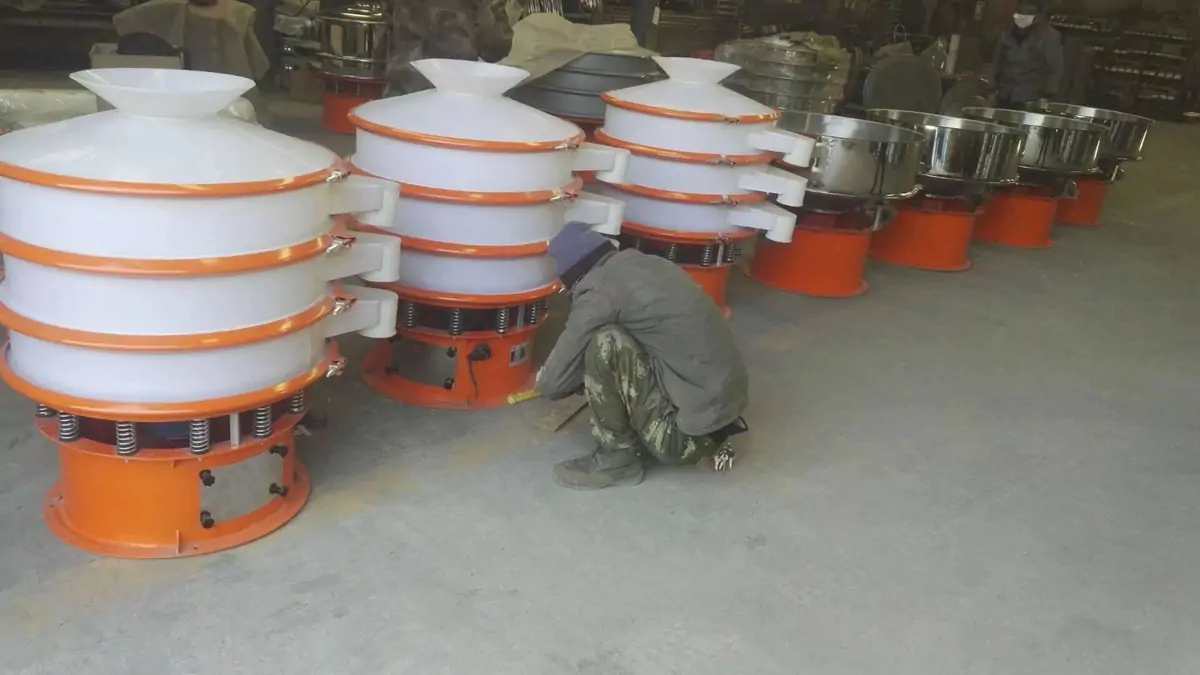
После многих лет производства вибрационного просеивающего оборудования мы обнаружили, что многие проблемы просеивания вызваны неправильным выбором оборудования, а не самим оборудованием. Для материалов, которые не могут контактировать с металлом, коррозионных порошков или высокочистых материалов выбор материала, конфигурация сетки сита и конструктивное исполнение напрямую влияют на производительность оборудования.
Инженерная команда Jiarui оценивает свойства материала, требования к просеиванию и условия эксплуатации, чтобы подобрать подходящие конфигурации, включая материал PP, сетку сита, слои сита и уплотнительную конструкцию. Это помогает снизить ошибки выбора и делает оборудование более пригодным для длительной эксплуатации.
- Более подходящая конфигурация оборудования
- Более стабильная работа
- Гибкая настройка
Если вы не уверены, подходит ли пластиковый вибрационный грохот для вашего применения, предоставьте информацию о материале и требования к просеиванию. Инженерная команда Jiarui порекомендует подходящую конфигурацию на основе фактических рабочих условий.
Часто задаваемые вопросы
Статьи по теме
Что такое пневматическое вибрационное сито?
Узнайте, что такое пневматический вибрационный грохот, как он работает и почему используется для взрывозащищенного просеивания порошков. Изучите его принцип работы, компоненты, области применения и преимущества перед электрическими вибрационными ситами.Что такое вибрационный грохот?
Узнайте, что такое вибрационный грохот, как он работает, какие типы доступны, распространенные промышленные применения и практические рекомендации по выбору подходящей вибрационной просеивающей машины.Типы промышленных просеивающих машин: как выбрать подходящую?
Узнайте о различных типах промышленных просеивающих машин, сравните их применения и узнайте, как выбрать правильное промышленное сортировочное оборудование на основе характеристик материала, точности просеивания, производственной мощности и эксплуатационных требований.
Получить бесплатную консультацию
Заполните форму ниже, чтобы связаться с нашими экспертами и получить персональные рекомендации для вашего применения.