
Bulk Bag Unloading System (TCD1000)
Dust-Free Ton Bag Unloading Solution for Powder & Granular Materials
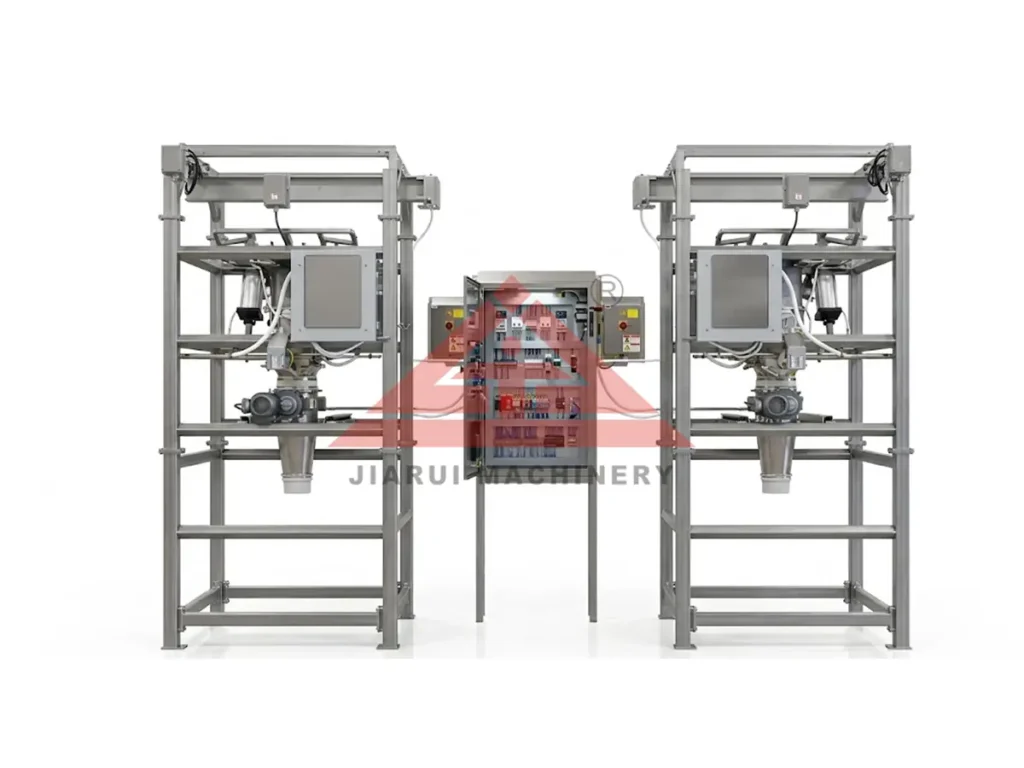
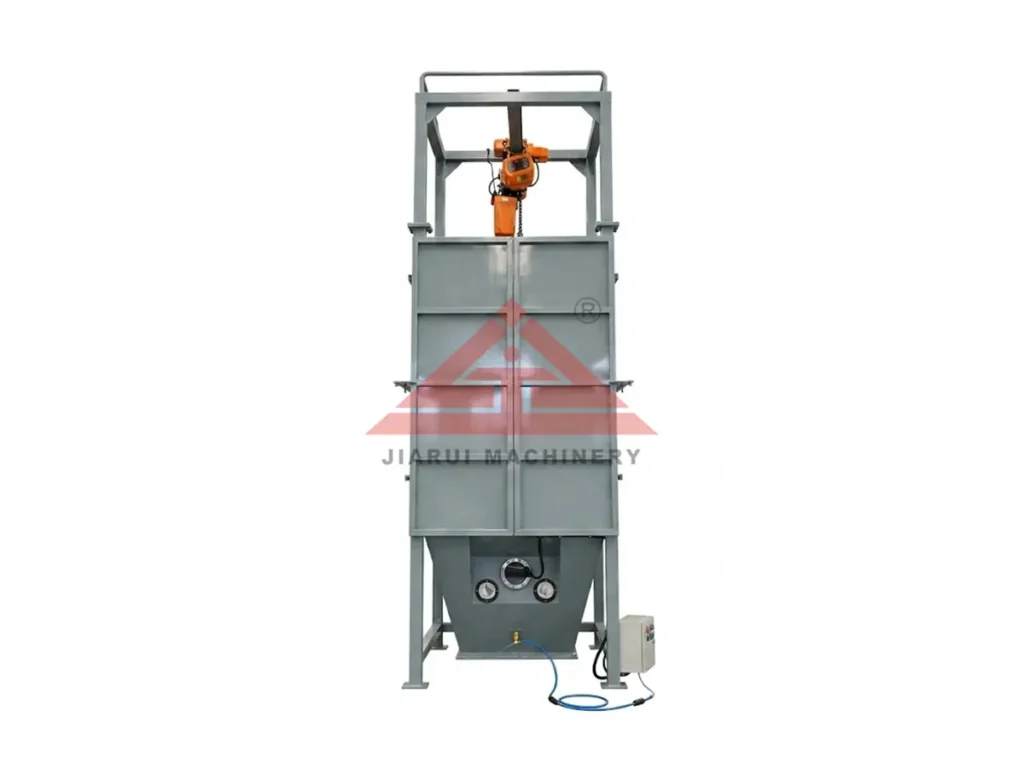
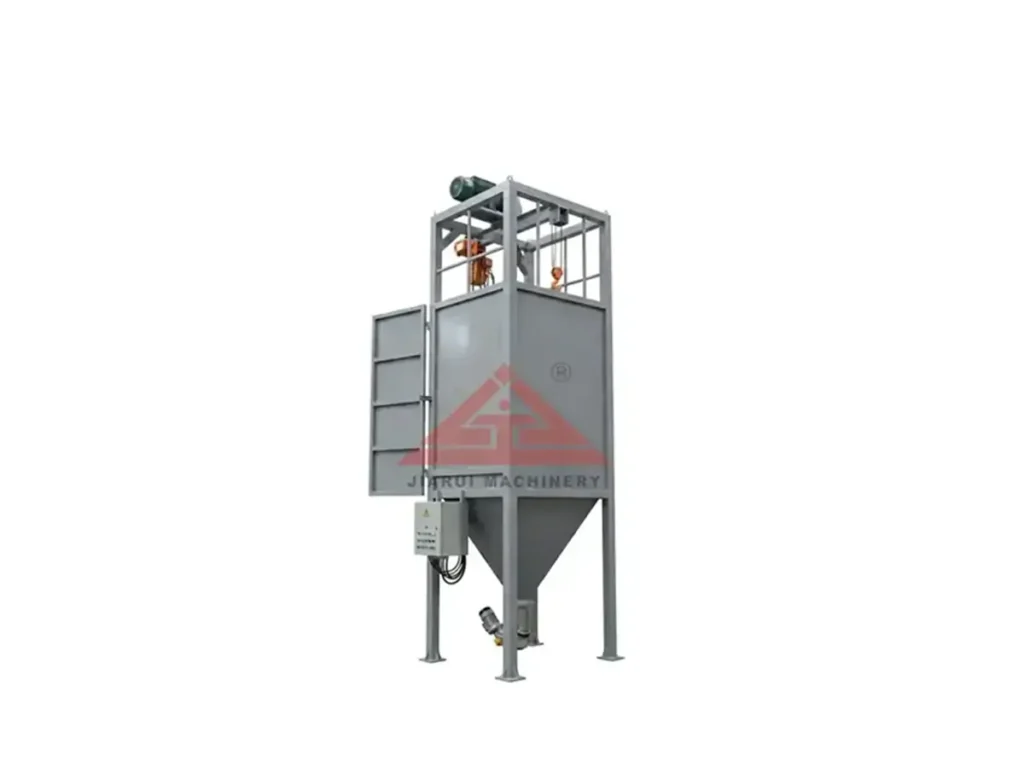
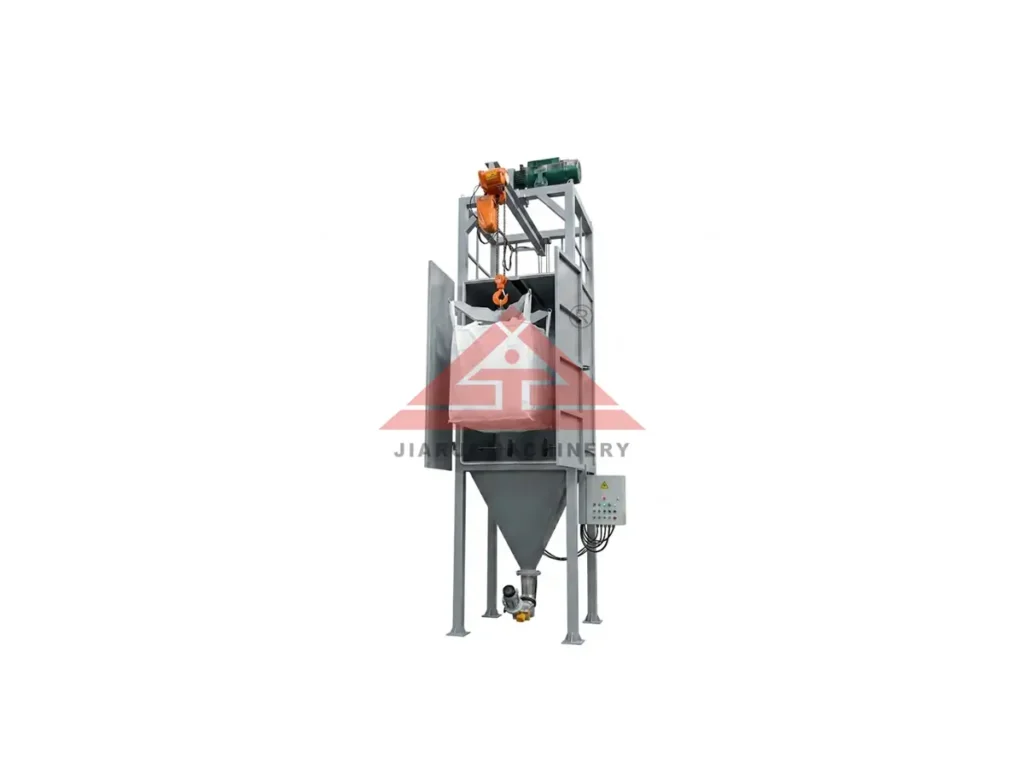
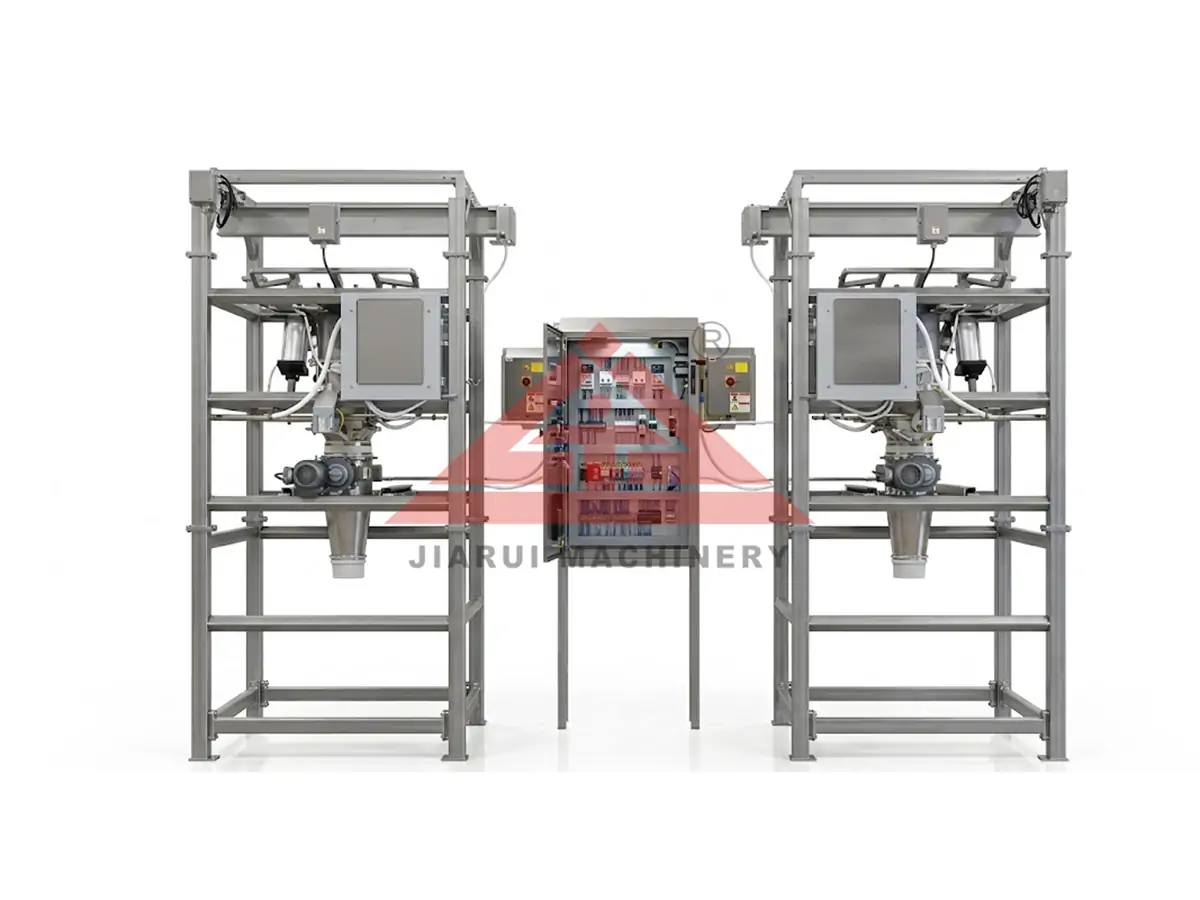
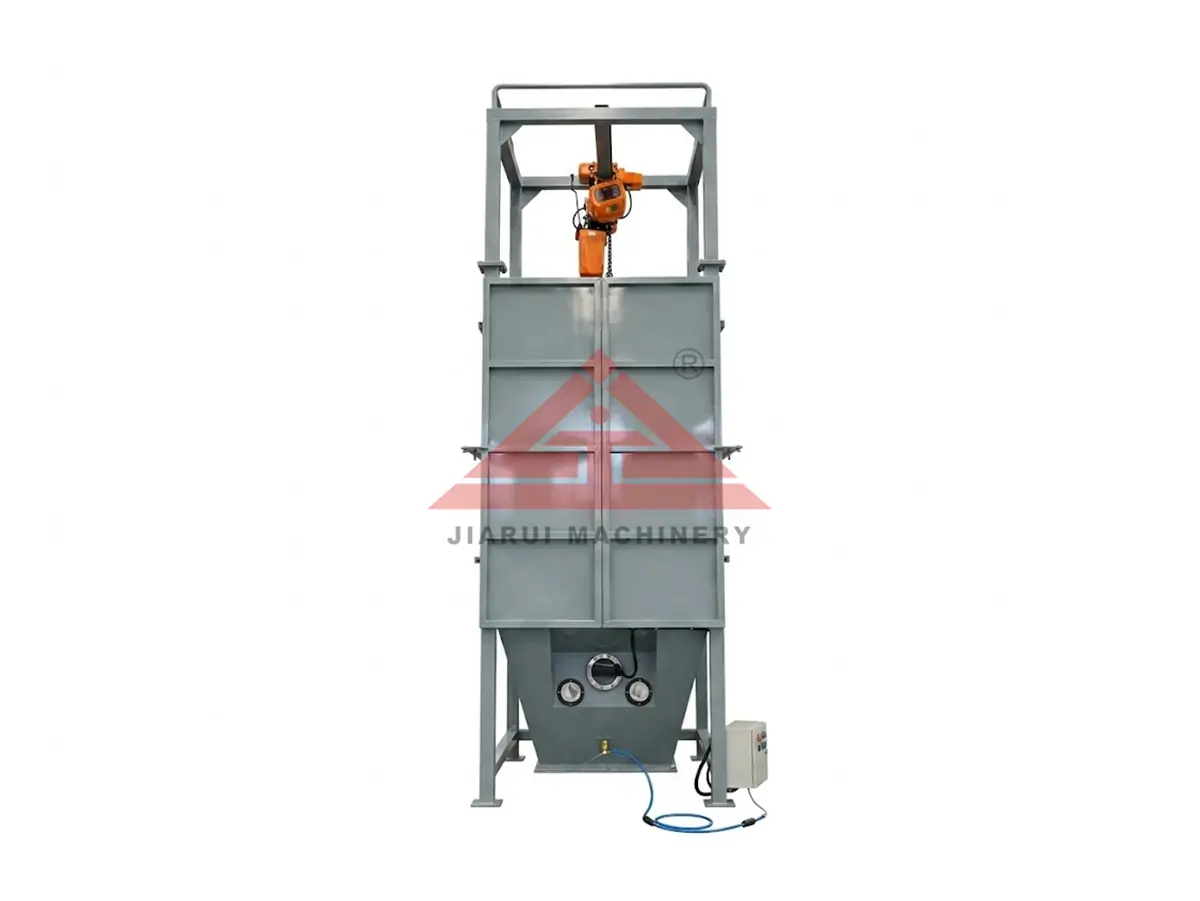
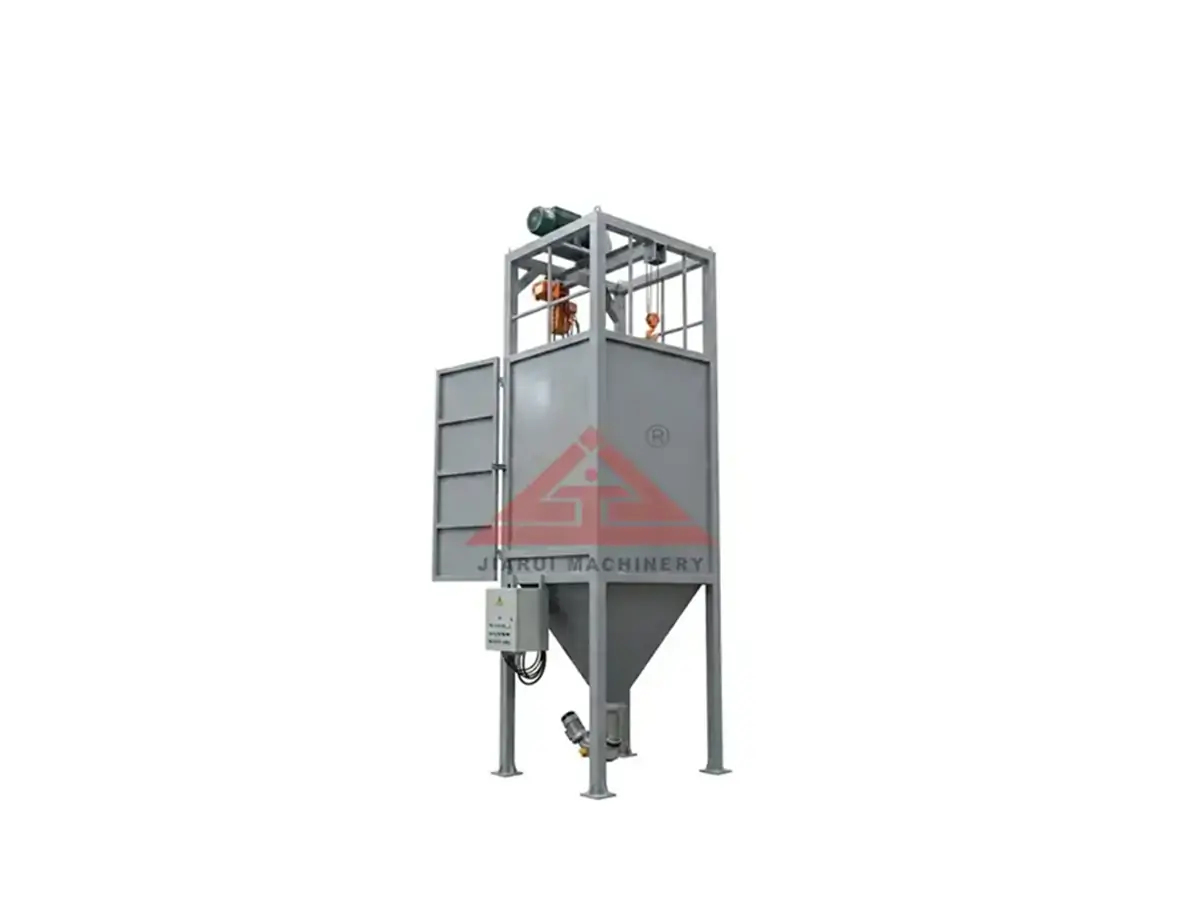
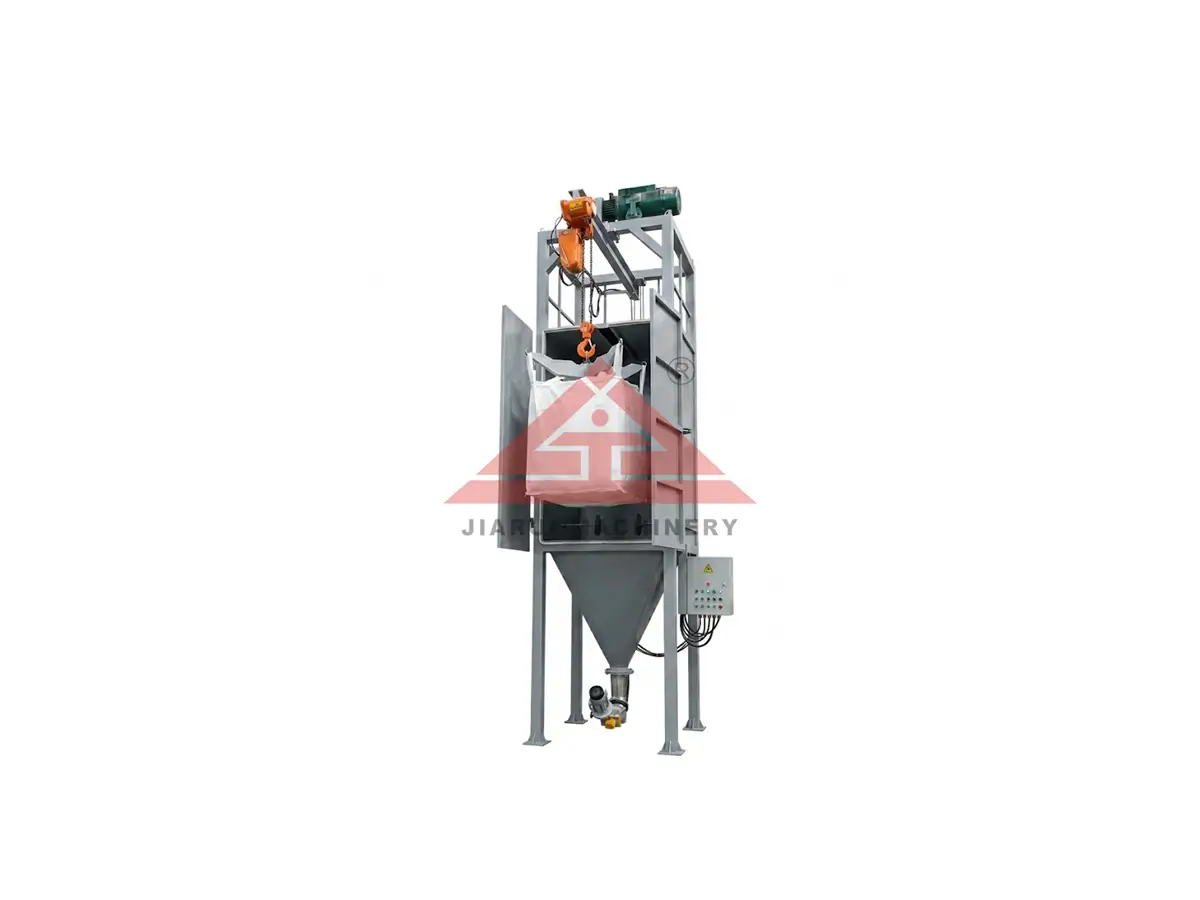
A Ton Unpacking Machine is mainly used for the automatic unloading of 500-2000kg ton bags (also known as Flexible Intermediate Bulk Containers (FIBCs)) filled with powder and granular materials. It enables stable feeding of bulk raw materials into storage hoppers, conveying equipment, or production processes. Through bag positioning, enclosed discharge, and flow assistance structures, the equipment reduces manual bag opening operations and improves the stability of powder feeding processes.
It is suitable for materials such as plastic resin, food additives, chemical powders, and mineral powders. The Jiarui engineering team can adjust the equipment configuration according to material characteristics, ton bag specifications, and on-site connection requirements.
- Model: TCD1000
- Bag Capacity: 1000 kg class ton bags
- Unloading Capacity: 5-10 bags/h
- Material Type: Powder and granular materials
- Unloading System: Closed discharge with flow assistance
- Custom Options: Dust collection, conveying connection, and material-specific design
Why Is a Ton Unpacking Machine Needed?
Bulk bag packaging is suitable for raw material transportation and storage, but continuous material feeding becomes limited during the production process. When a 1000kg class ton bag is manually unpacked, operators need to frequently perform lifting, bag opening, and feeding operations. In addition, material flowability, dust generation, and unloading methods can directly affect discharge stability.
A Ton Unpacking Machine, also known as a Bulk Bag Unloader in many international markets, is designed to solve the problem of transferring ton bag materials into production lines.Through mechanical unloading, it reduces manual operations and allows materials to enter storage hoppers or downstream equipment more consistently. For fine powders, dust-prone materials, or materials with poor flowability, the equipment can be configured with enclosed discharge, dust collection, and flow assistance structures according to operating conditions.
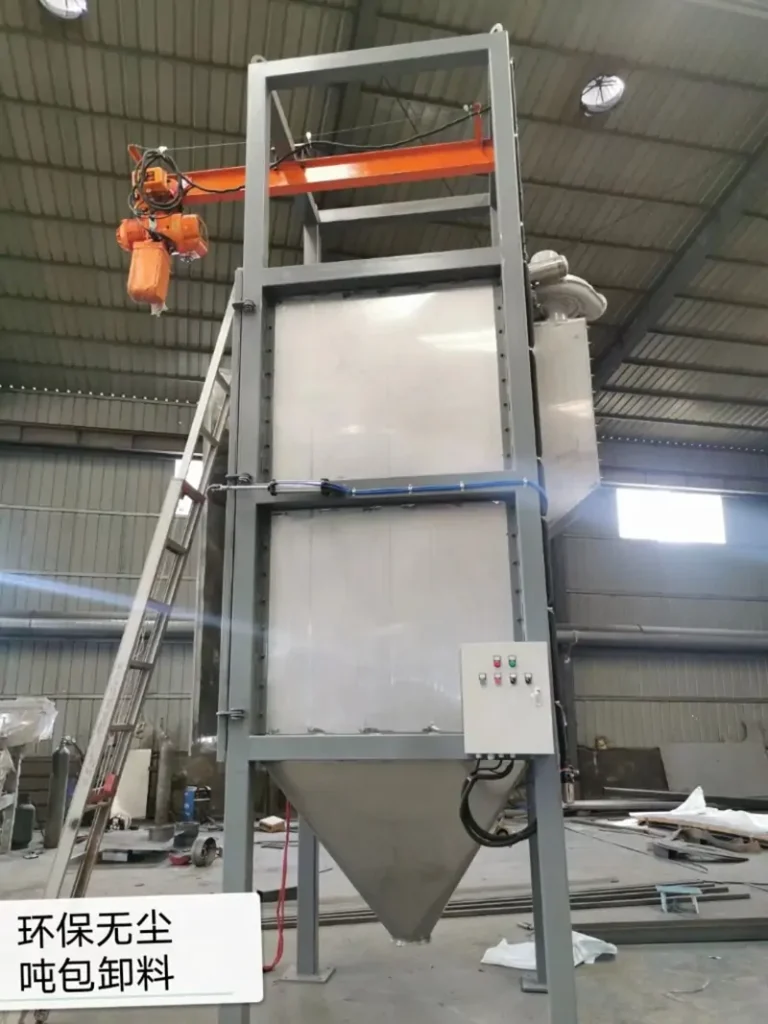
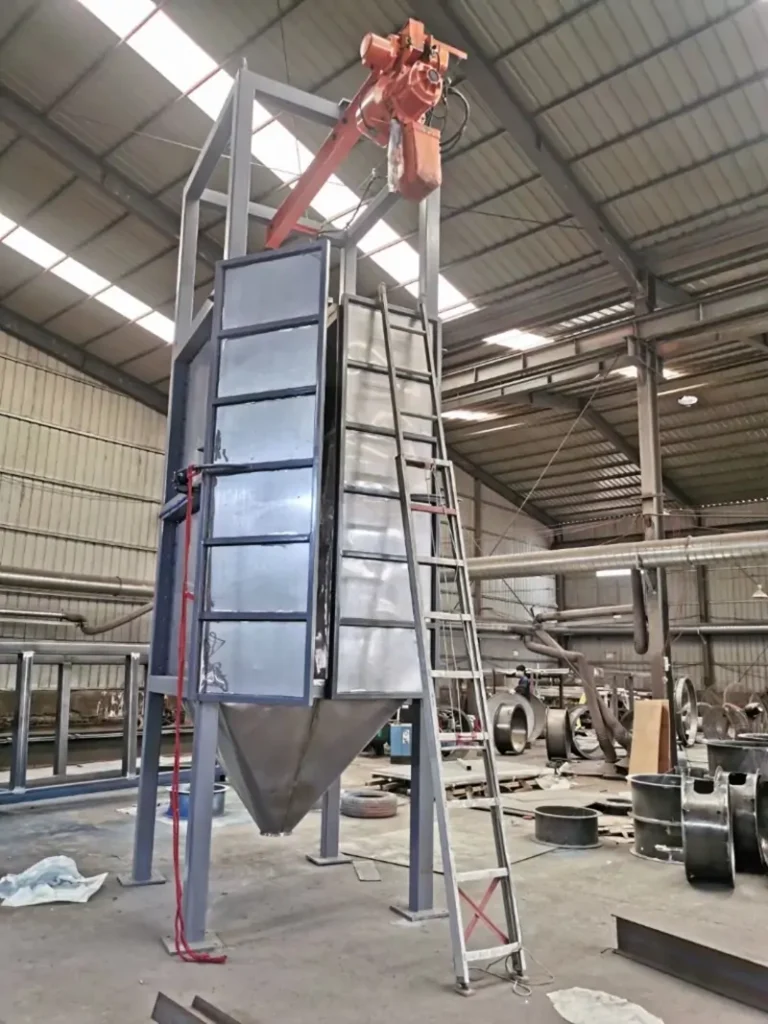
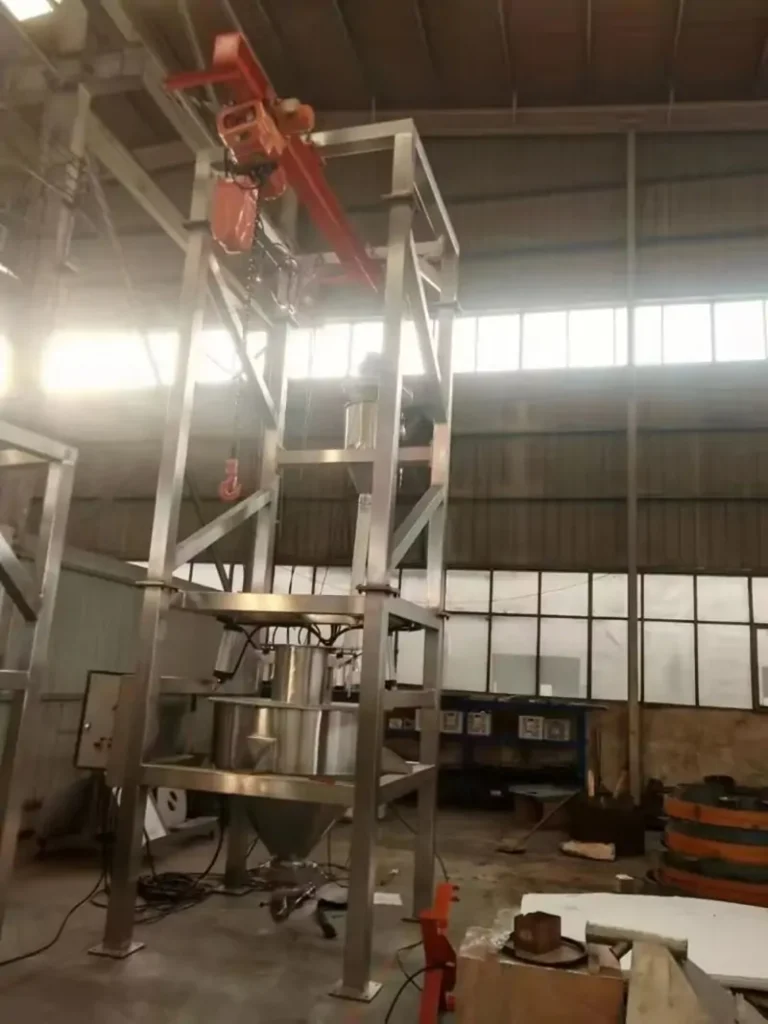
How Does a Ton Unpacking Machine Work?
After the ton bag enters the equipment, the complete unloading process mainly includes positioning, bag connection, discharge, and downstream conveying. Different materials require different handling methods, especially powder materials with poor flowability, which may require additional flow assistance structures.
① Ton Bag Positioning:The filled ton bag is placed onto the equipment support frame by an electric hoist or forklift. After the bag position is fixed, the next unloading operation can be carried out.
② Bag Outlet Connection:The discharge outlet of the ton bag is connected and fixed at the unloading position. For powder materials, an enclosed structure and dust collection connection can be used to reduce dust leakage during bag opening and unloading.
③ Flow Assistance During Unloading:Granular materials with good flowability can usually be discharged directly by gravity. For fine powders, moisture-sensitive materials, or materials that are easy to bridge, pneumatic beating, vibration, or other structures can be added to help the material discharge smoothly.
④ Feeding into Downstream Equipment:After the material falls into the hopper below, it can continue to enter storage bins, screw conveyors, vacuum conveying equipment, and other downstream machines. The outlet size and connection method should be confirmed according to the downstream equipment in advance.
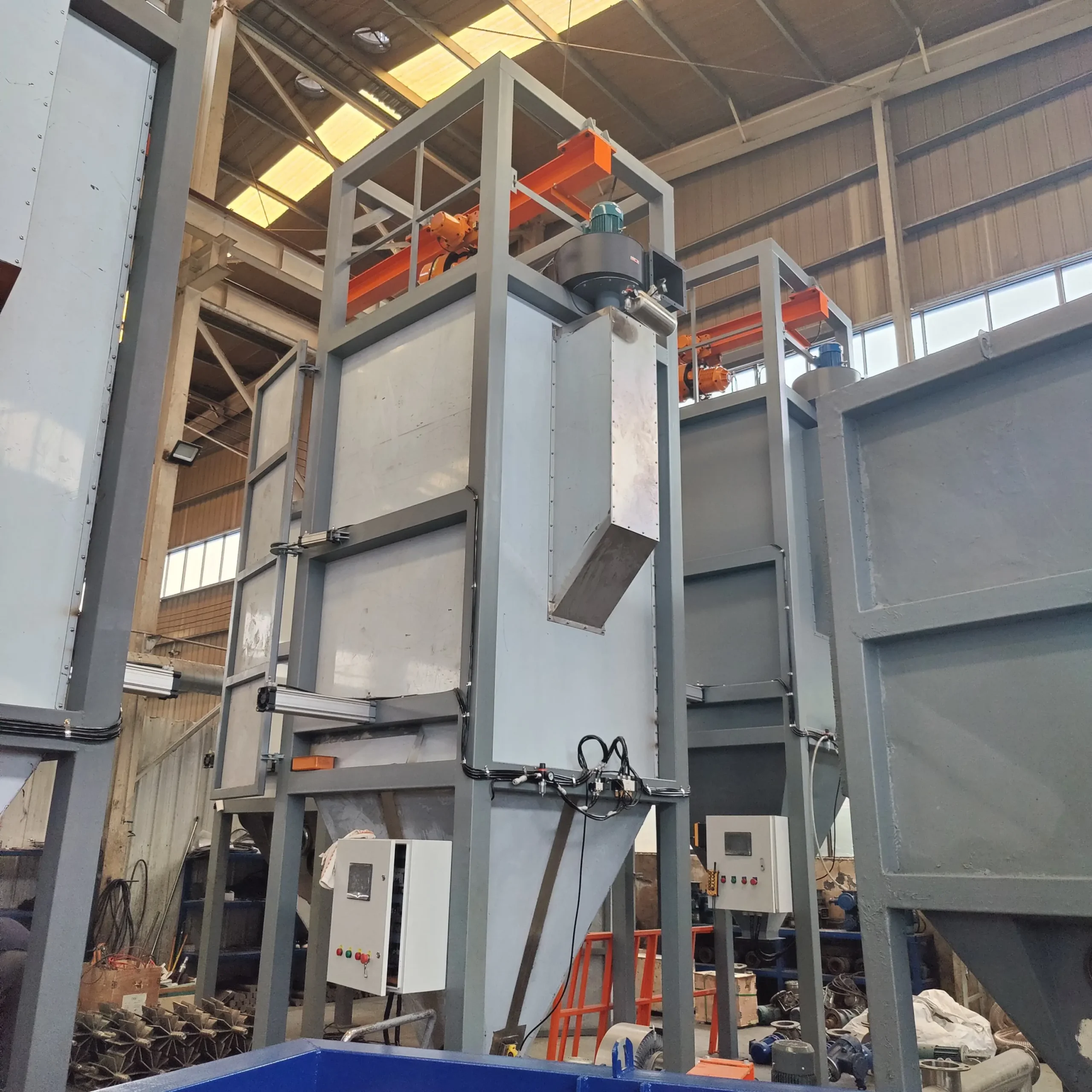
Main Structure
A Ton Unpacking Machine may appear simple in structure, but the unloading performance is mainly determined by details such as ton bag fixation, material flow control, and downstream connection. Since different materials have significant differences in characteristics, the equipment structure needs to be adjusted according to actual installation conditions.
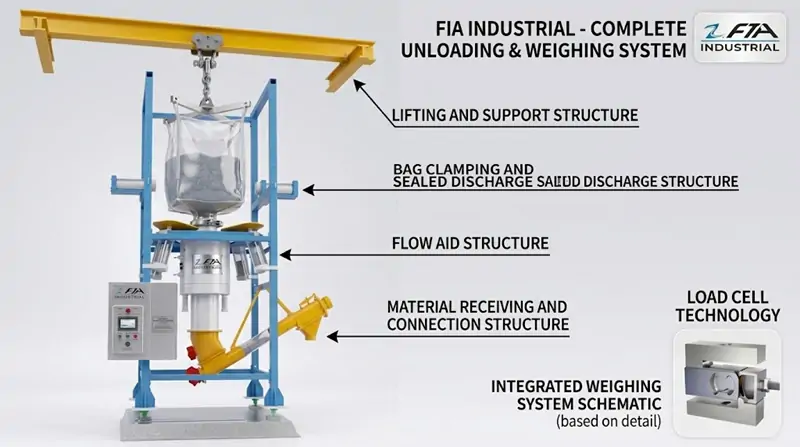
Lifting and Supporting Structure:Ton bags are usually packed in 500kg to 2000kg sizes, so the equipment must first ensure safe placement of the bags. A stable support frame and suitable lifting method can reduce the difficulty of bag replacement operations. According to the available space and operating habits, electric hoists or forklifts can be used for ton bag loading.
Bag Clamping and Enclosed Discharge Structure:The fixing method of the ton bag outlet directly affects the smoothness of the unloading process. The bag clamping structure needs to maintain a stable outlet position, allowing materials to enter the lower hopper according to the designed direction. For powder materials, the enclosed structure and dust collection connection should also be considered to reduce dust leakage during discharge.
Flow Assistance Structure:Different materials show significant differences during discharge. Granular materials can usually rely on their own gravity for unloading, while fine powders, moisture-sensitive materials, or materials prone to bridging may experience slow discharge or material residue. In these situations, pneumatic beating, vibration, or other flow assistance methods are required to maintain continuous material discharge.
Material Receiving and Connection Structure:A Bulk Bag Unloader is usually not used independently but works as part of the production line feeding process. After unloading, materials can enter storage hoppers, screw conveyors, vacuum conveying systems, and other downstream equipment. Therefore, the outlet size and connection type should be determined according to the production process before installation to avoid connection problems after equipment delivery.
.
Suitable Materials

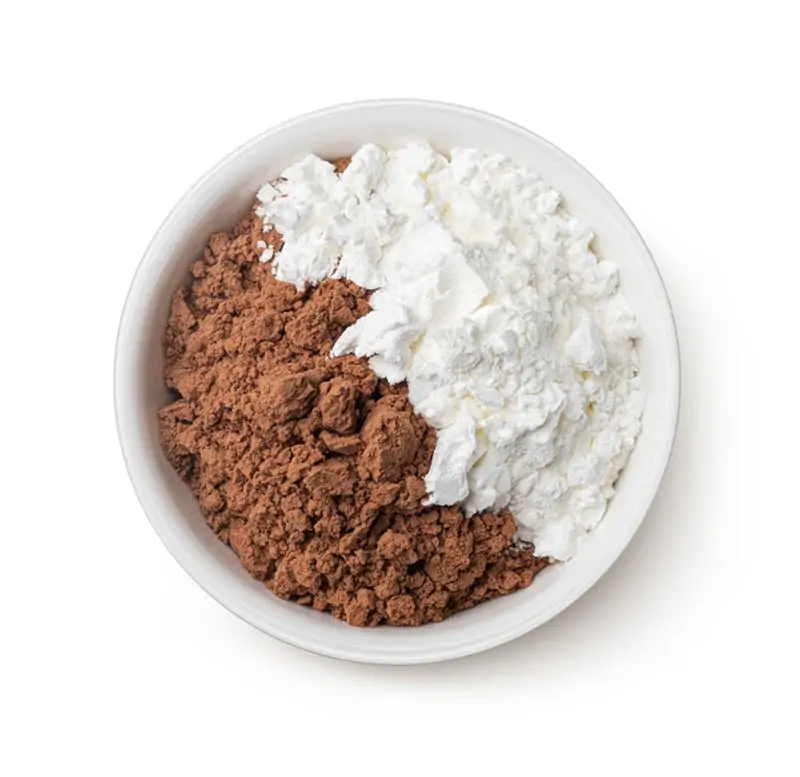
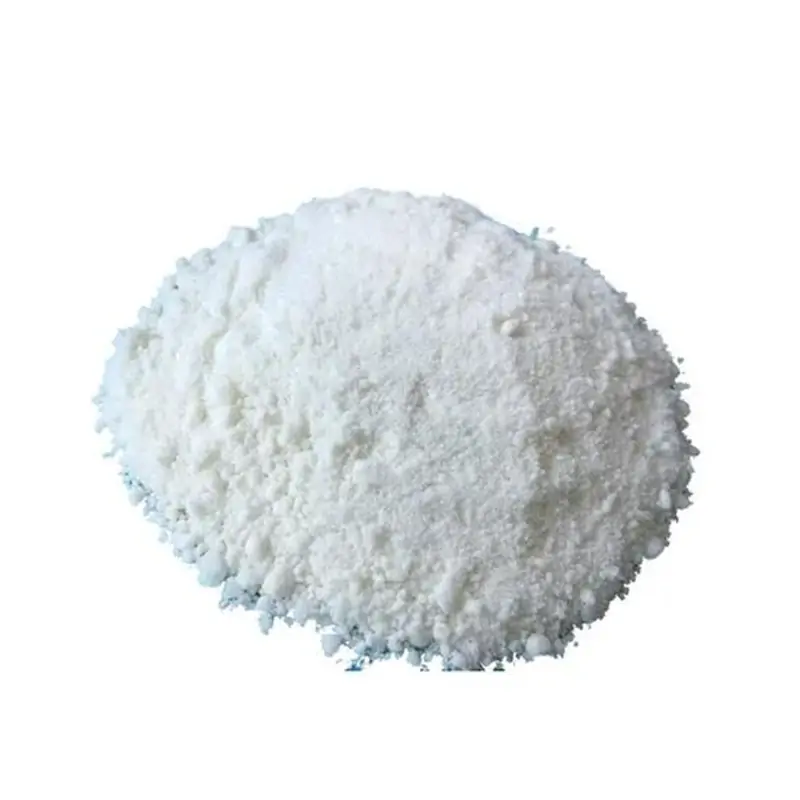
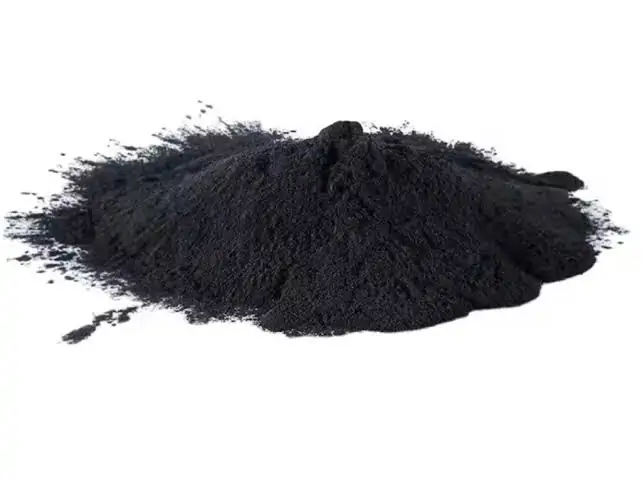
Different materials have differences in flowability, moisture content, and dust characteristics. A Ton Unpacking Machine needs to adjust unloading methods and auxiliary configurations according to material conditions.
Granular Materials with Good Flowability
Examples include plastic pellets, resin pellets, grain pellets, and feed pellets. These materials usually have good flowability and can be discharged by gravity after opening the ton bag. The equipment mainly needs to match the ton bag specifications, outlet connection, and downstream conveying method.
Common Powder Materials
Examples include food additives, mineral powders, and some chemical powders. These materials may generate dust during unloading, so attention should be paid to bag outlet sealing, dust collection connections, and integration with downstream production equipment to ensure a more stable feeding process.
Difficult-to-Discharge Powder Materials
Examples include graphite powder, carbon black, and fine powders that are easy to absorb moisture and form lumps. These materials may cause bridging, material hanging, or discontinuous discharge inside the ton bag. In these applications, pneumatic beating, vibration, and other flow assistance structures may be required to help the material discharge steadily.
How to Choose a Ton Unpacking Machine?
The configuration of a FIBC Discharger is not fixed and usually depends on three key factors: what material needs to be unloaded, how the ton bag will be opened, and how the material will enter the next production process. Since each application condition is different, the equipment structure also needs to be adjusted accordingly.
During equipment selection, the first step is to understand the material discharge characteristics. For granular materials with good flowability, such as plastic pellets and resin pellets, a relatively simple unloading structure is usually sufficient. For fine powders, moisture-sensitive materials, or materials prone to bridging, additional flow assistance methods such as pneumatic beating and vibration are required to prevent poor discharge inside the ton bag. For materials with high dust generation, enclosed unloading and dust collection configurations should also be considered in advance.
At the same time, information about the ton bag itself needs to be confirmed, including bag weight, dimensions, outlet design, and whether the packaging bag needs to be recovered. Some customers use reusable bags and need to keep the bag body intact while manually opening the outlet. Other customers use disposable bags and may choose cutting methods to improve unloading efficiency.
In addition, a Ton Unpacking Machine usually needs to work together with downstream production equipment, such as storage hoppers, screw conveyors, and vacuum conveying systems. Outlet height, connection dimensions, and installation space will all affect equipment design. Confirming these conditions in advance can reduce later installation adjustments.
During solution design, the Jiarui engineering team adjusts the unloading structure and auxiliary configurations according to the customer’s material characteristics, ton bag information, and production line layout, ensuring that the equipment better matches the actual production requirements.
Technical Parameters
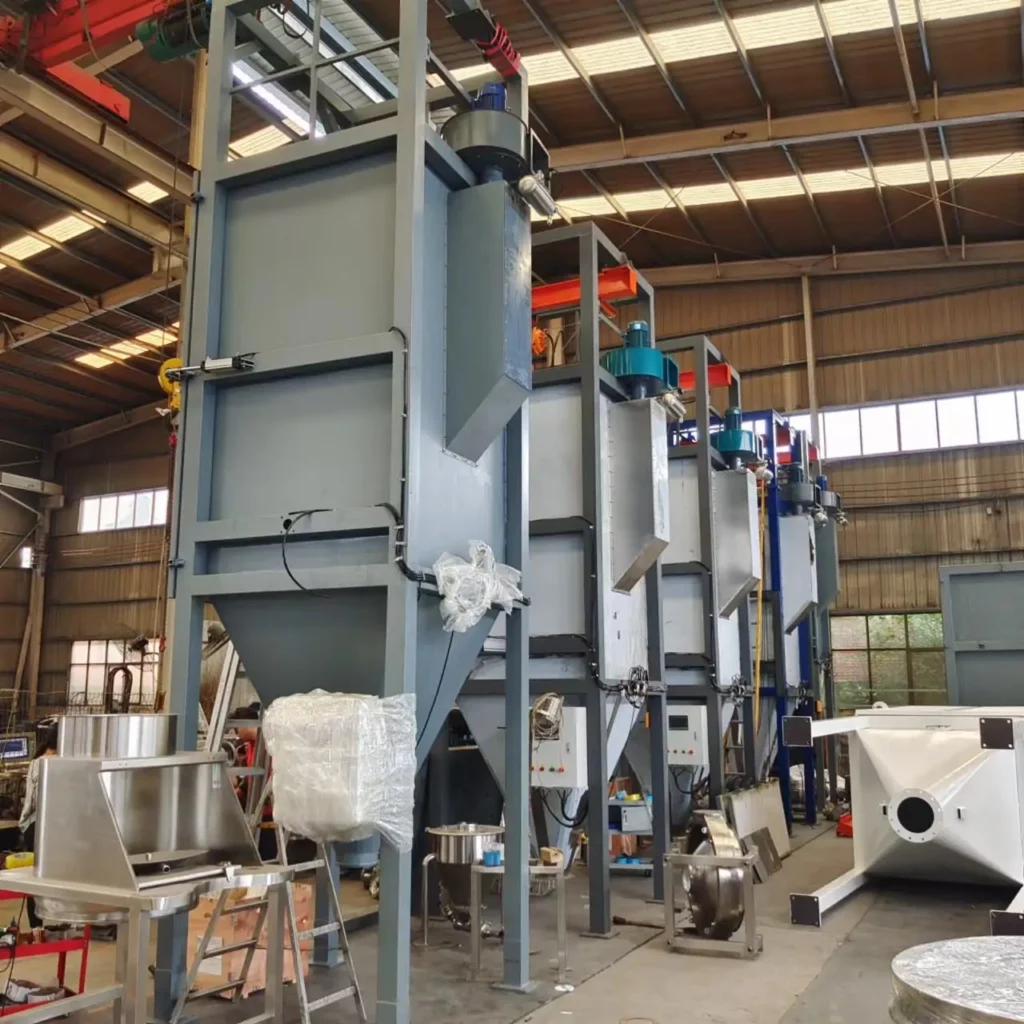
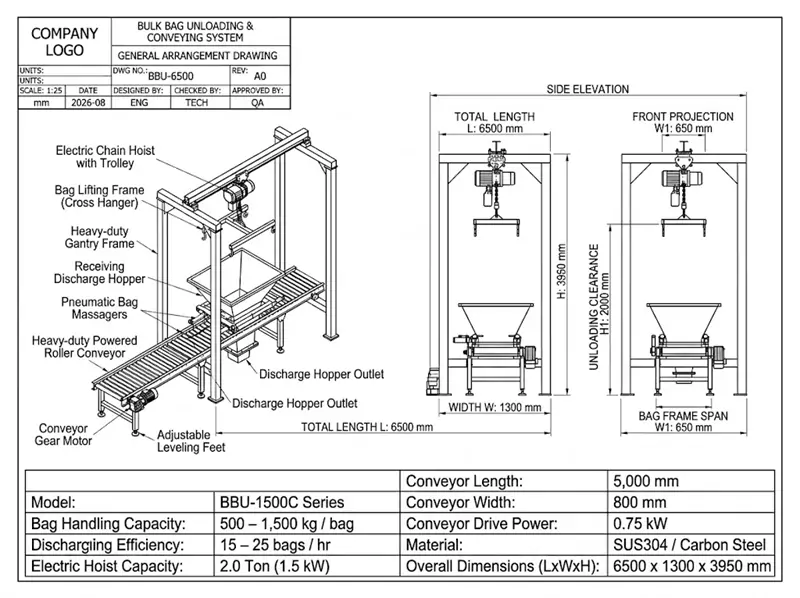
A Bulk Bag Unloader needs to be configured according to ton bag specifications, material characteristics, and installation conditions. Different projects may require different equipment dimensions and structural designs.
| Parameter Item | Parameter Content |
| Applicable Ton Bag Specification | 500-2000kg |
| Unpacking Method | Manual bag opening / Automatic bag cutting |
| Unloading Method | Gravity discharge with flow assistance |
| Flow Assistance Type | Pneumatic beating and vibration assistance |
| Dust Collection Configuration | Connectable to external dust collection system |
| Applicable Materials | Powder and granular materials |
| Control Method | Manual or automatic control |
| Custom Options | Adjustment of dimensions, materials, interfaces, and structure |
Custom Configuration
A Ton Unpacking Machine usually needs to be adjusted according to site conditions. Different materials, ton bag specifications, and production line connection methods all affect the equipment structure.
For materials with poor flowability or a tendency to bridge, pneumatic beating or vibration flow assistance devices can be added. For materials generating large amounts of dust, the enclosed structure can be optimized and dust collection connections can be reserved. Equipment height, outlet position, interface dimensions, and material contact part selection can also be modified according to installation requirements.
Before solution design, customers need to provide information including material name, ton bag dimensions, downstream equipment, and installation space. The Jiarui engineering team adjusts the unloading structure based on these conditions, ensuring that the equipment is suitable for the actual application.
Jiarui Manufacturing
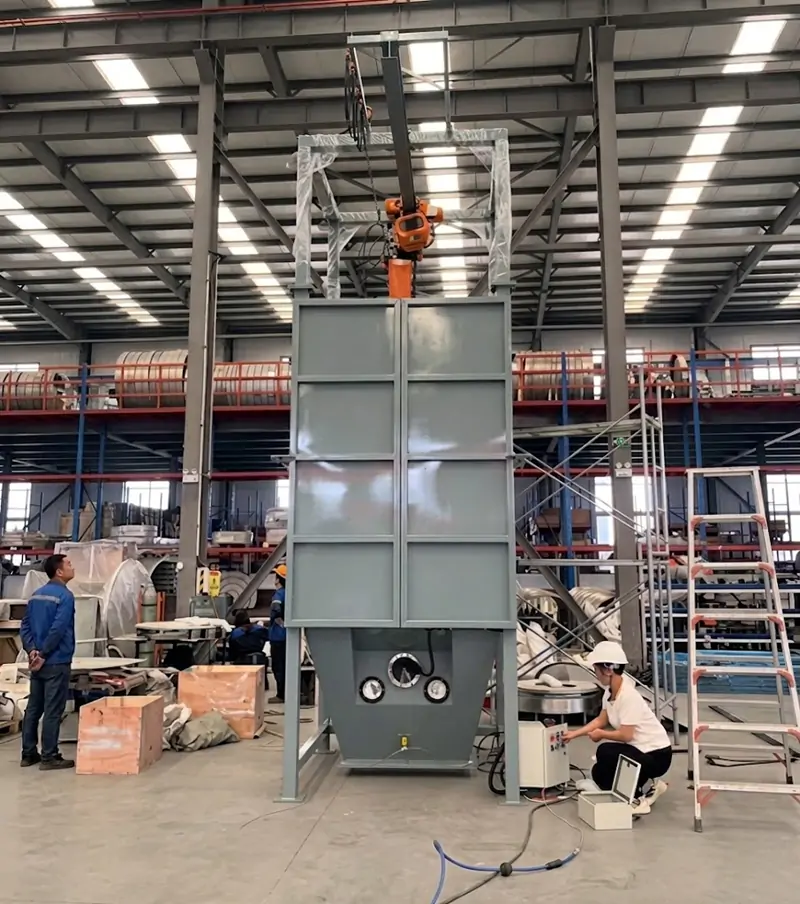
A Big Bag Emptying System is designed to handle large bags of materials above 500kg for long-term operation. During manufacturing, attention must be paid not only to overall structural strength but also to details such as ton bag fixation, unloading stability, and dust control.
When manufacturing Ton Unpacking Machines, Jiarui adjusts the equipment structure according to customer-provided ton bag dimensions, material characteristics, and installation requirements. Key components such as lifting frames, bag clamping mechanisms, discharge outlets, and flow assistance devices need to maintain proper coordination during machining and assembly to avoid problems such as unstable fixation or poor discharge during operation.
For powder material applications, the enclosed structure, dust collection connections, and material contact part selection are also important manufacturing considerations. During production, the structure and configuration are adjusted according to material characteristics, allowing the equipment to adapt to different production environments.
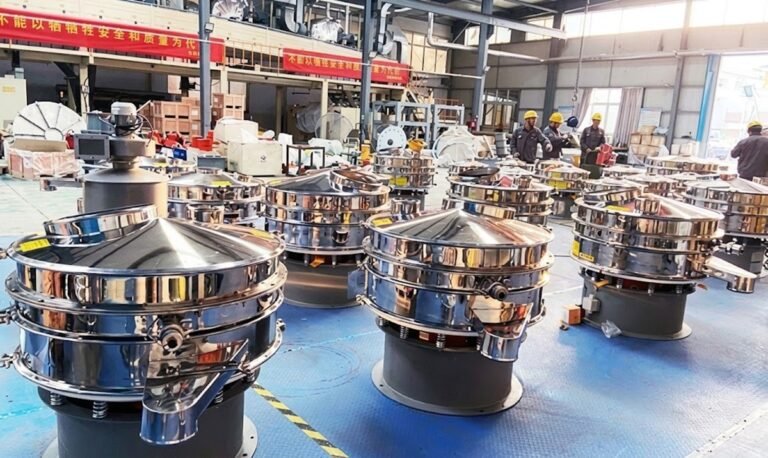
After completing assembly, Jiarui checks equipment operation, unloading procedures, and all connection points. The production process is controlled according to the ISO 9001 quality management system requirements, ensuring that the equipment structure, manufacturing process, and final performance meet the confirmed design specifications.
FAQs
Get a Free Consultation
Fill out the form below to connect with our experts and receive personalized recommendations for your application.