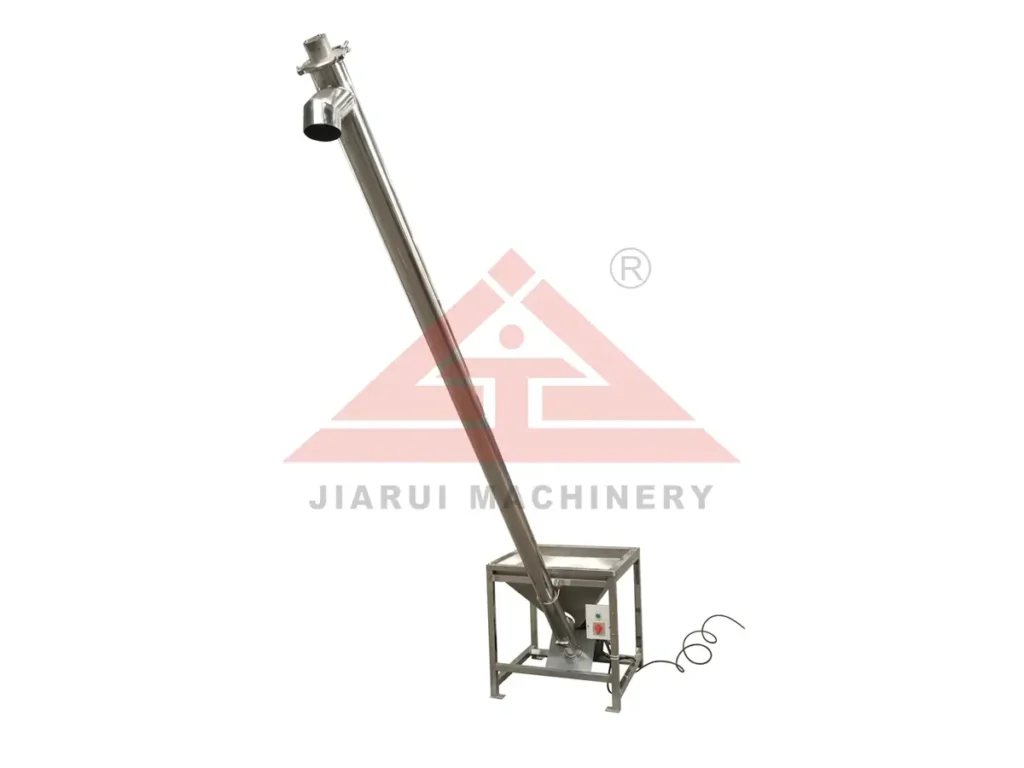
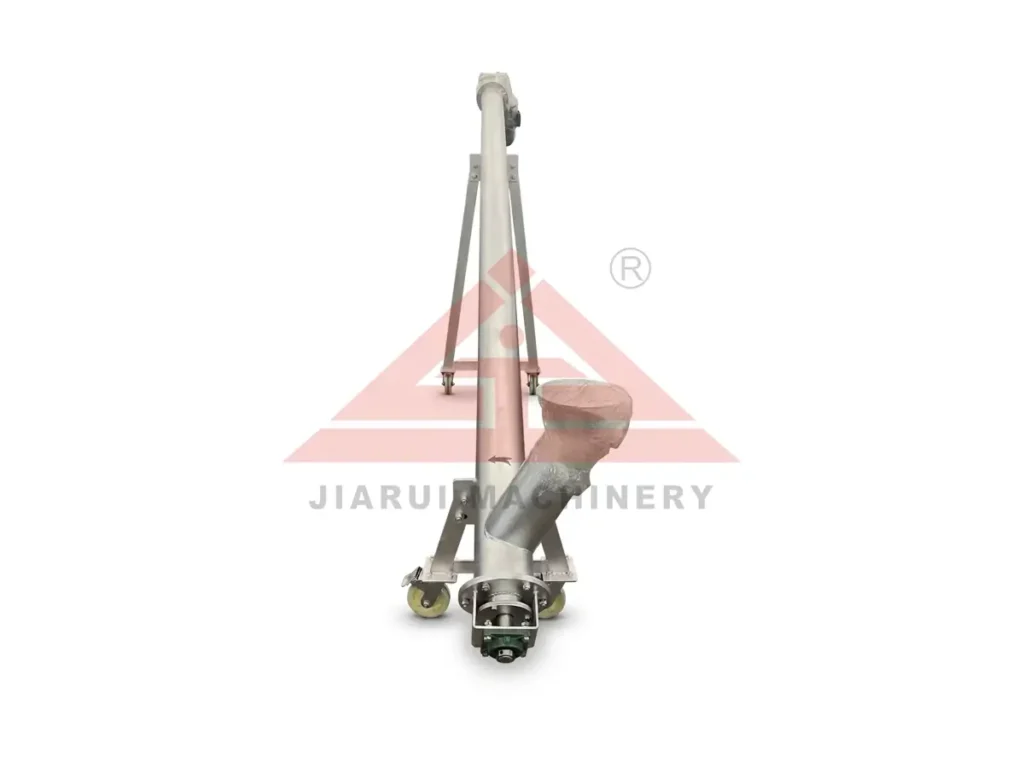
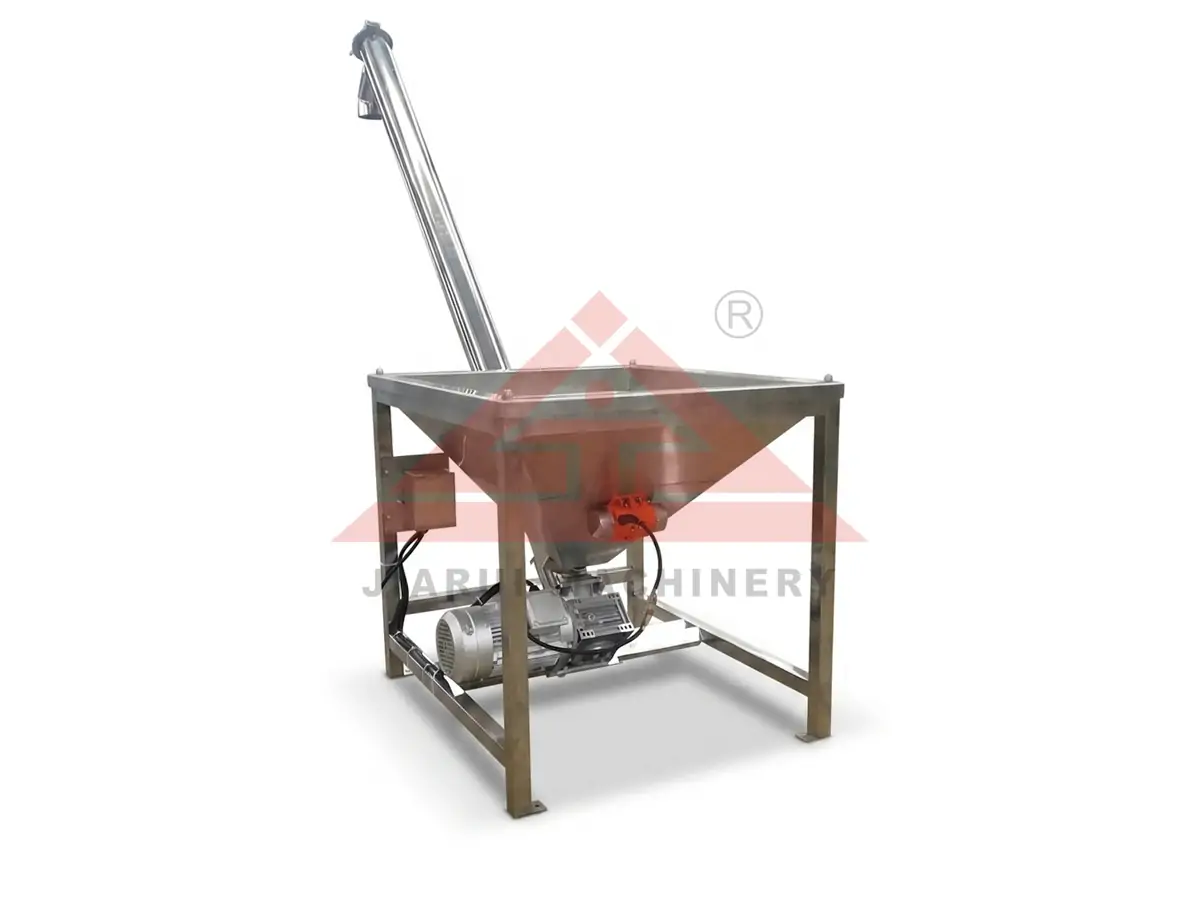
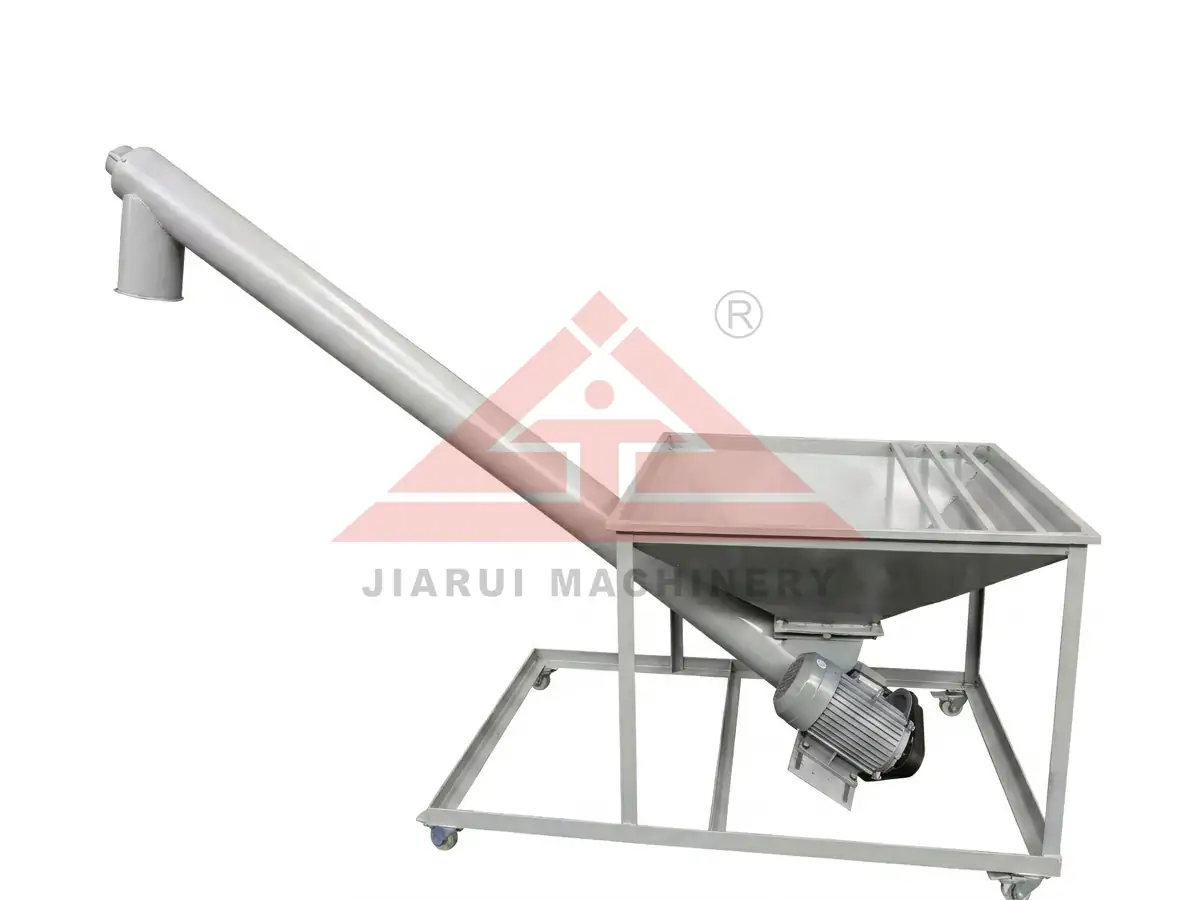
Auger Screw Feeder Hopper
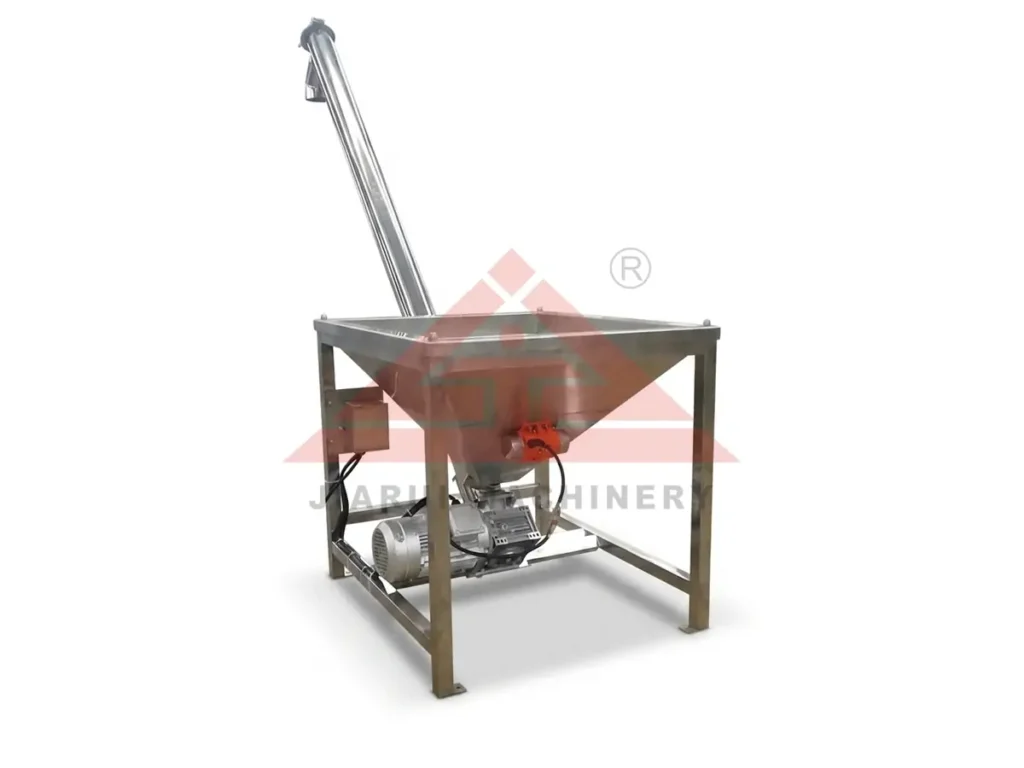
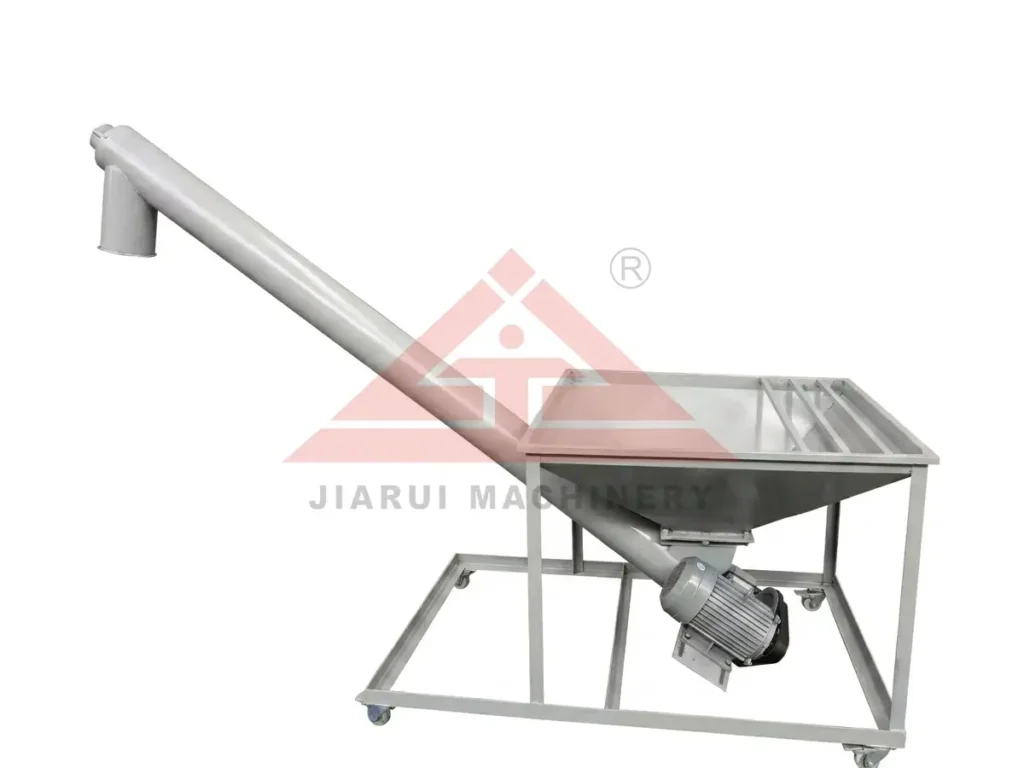
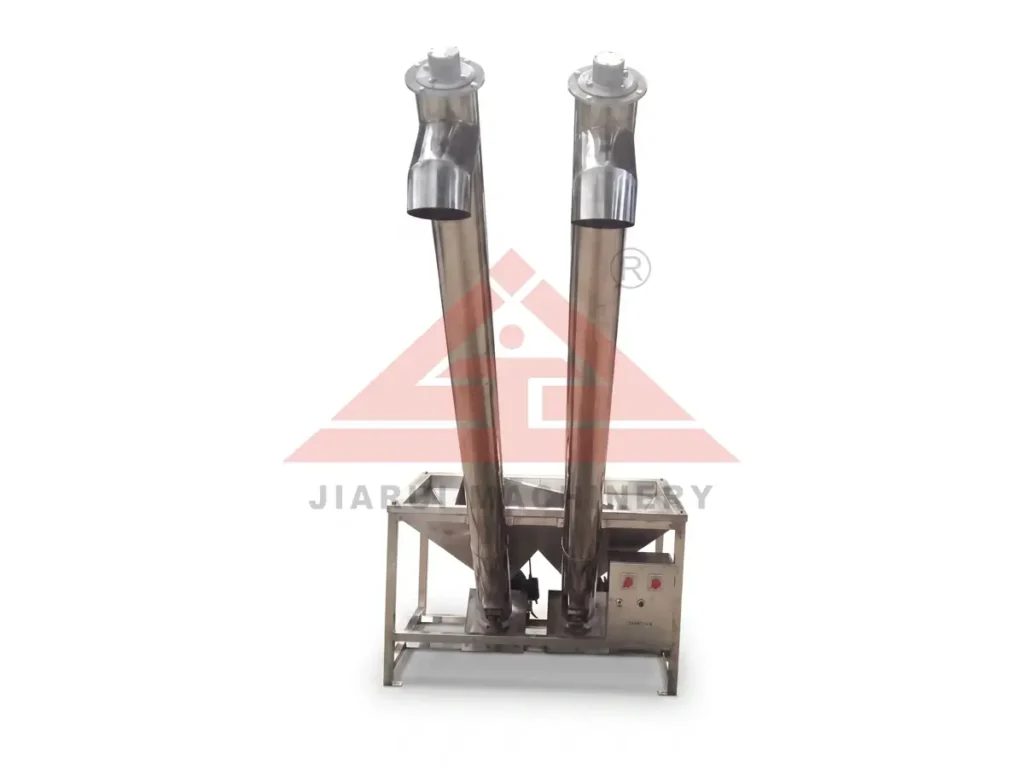
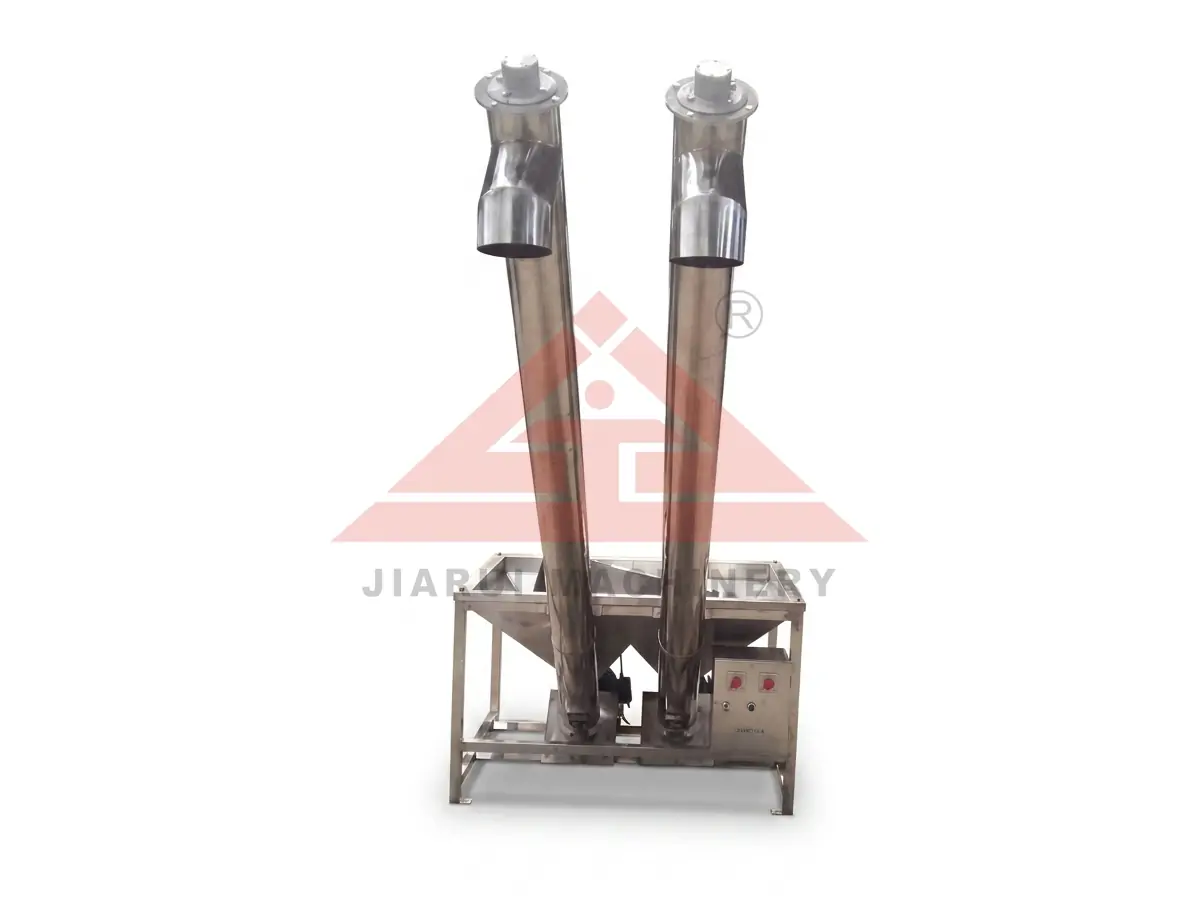
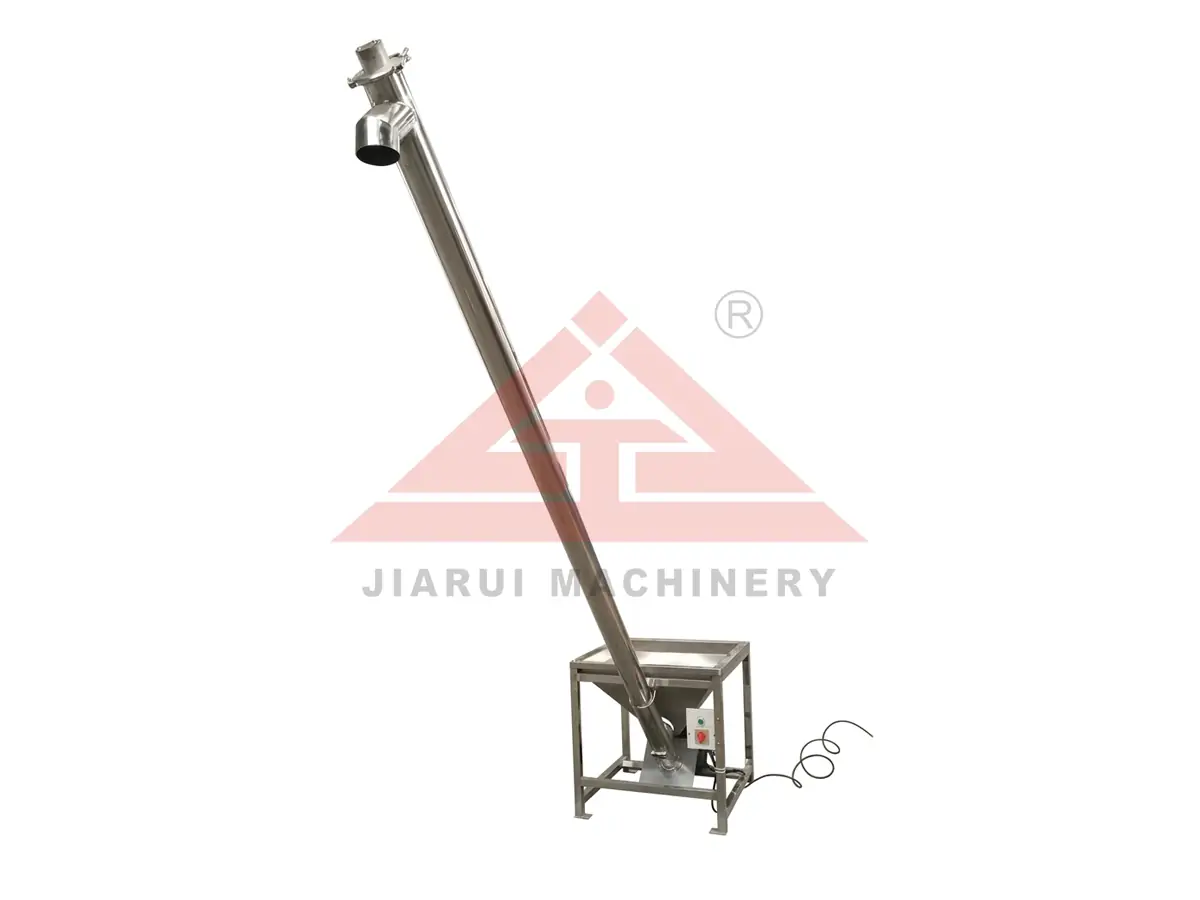
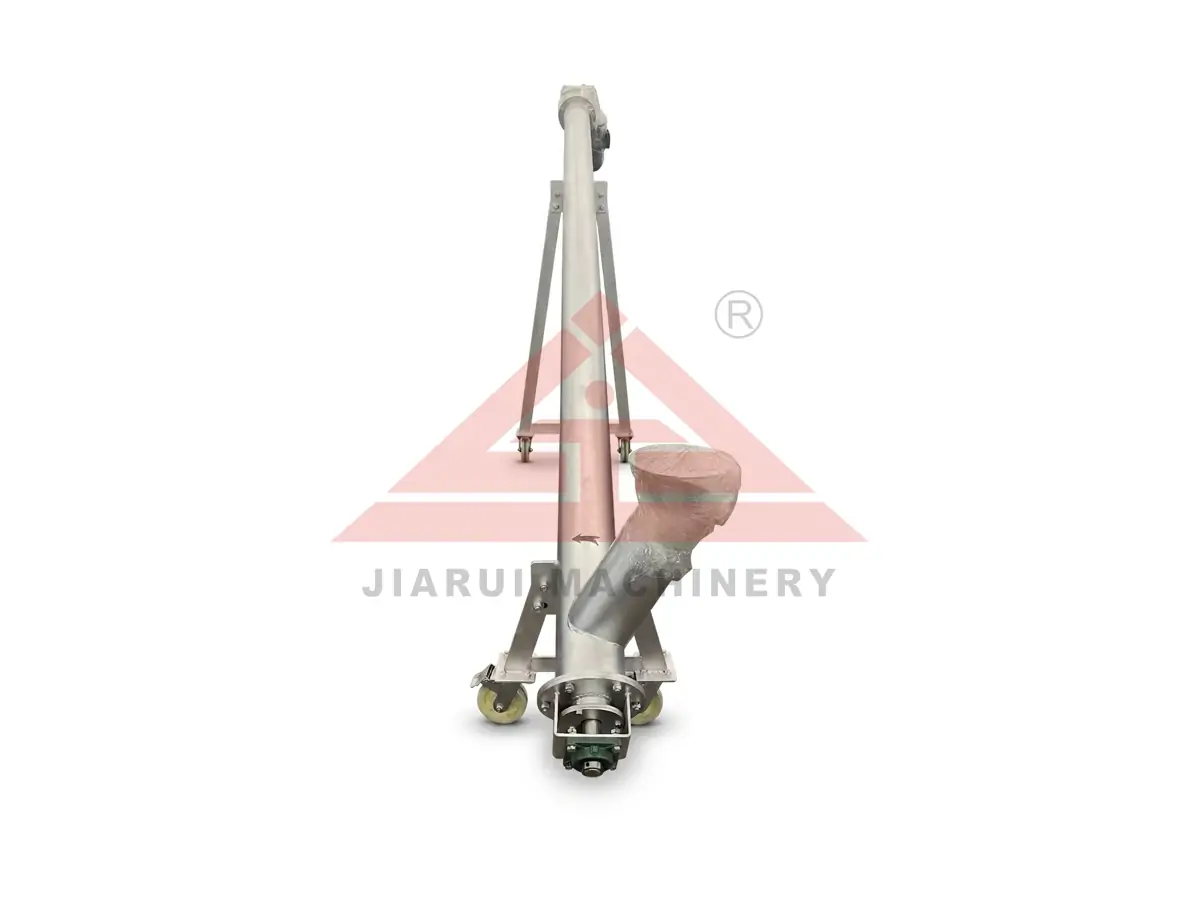
The Auger Screw Feeder Hopper is a screw feeding system designed for continuous feeding of powder, granular, and small bulk materials. The JR series combines a storage hopper with an auger screw feeding structure to achieve stable and continuous material transportation. With a compact design, reliable operation, and flexible installation options, it supports installation angles up to 60° and is widely used in mining, building materials, chemical processing, food processing, and machinery manufacturing industries.
According to different material characteristics, processing capacities, and installation conditions, the Jiarui engineering team provides customized equipment configurations and feeding solutions. By properly matching screw diameter, rotation speed, and drive system, we help customers select an Auger Screw Feeder Hopper that meets their actual production requirements.
- Models: JR-133 /141 /168 /219 /273 /325 /406
- Screw Diameter: 133–406 mm
- Conveying Capacity: 2.2–64 m³/h
- Maximum Inclination Angle: ≤60°
- Suitable Materials: Powder, granular, and small bulk materials
- Customization: Customized dimensions, structures, and configurations available
What Is an Auger Screw Feeder Hopper?
The Auger Screw Feeder Hopper is a continuous feeding machine that uses a screw mechanism to transport materials. It is also known as an auger feeder, screw feeder, or hopper feeder. The equipment usually consists of a storage hopper, auger screw conveying assembly, and drive system. It is mainly used for stable feeding and continuous transportation of powder, granular, and small bulk materials.
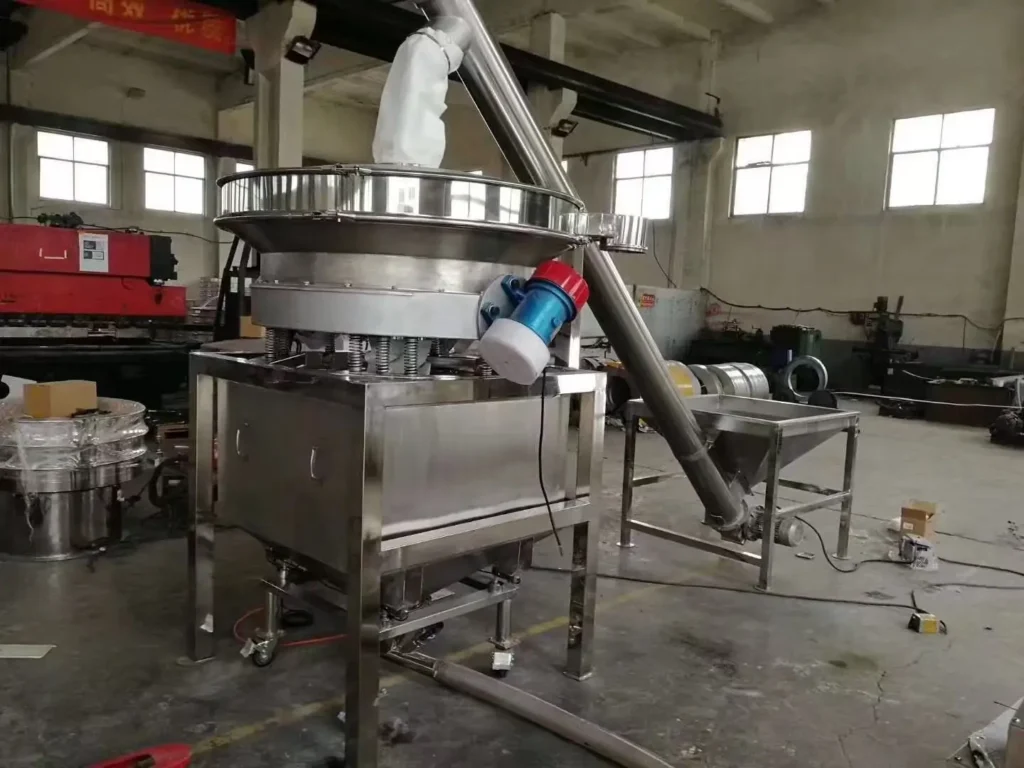
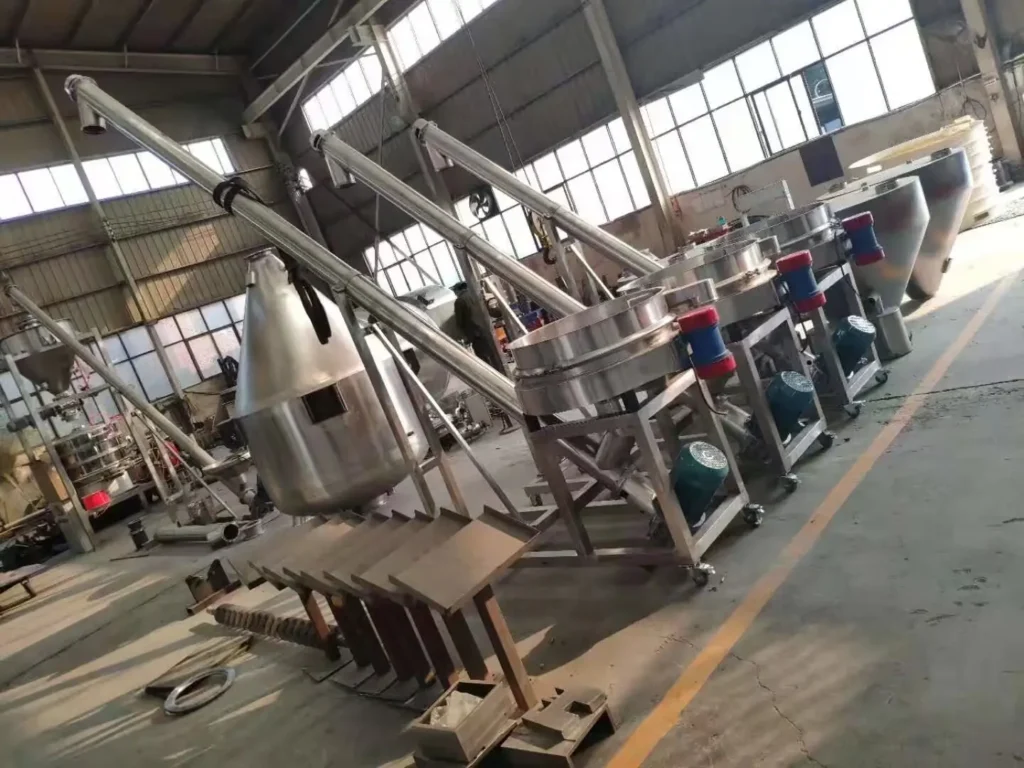
In many production line designs, feeding equipment selection should consider not only conveying capacity but also material flow characteristics, installation space, and connection requirements with upstream and downstream equipment. The hopper design of an Auger Screw Feeder Hopper integrates material storage and feeding into a single system, reducing intermediate transfer processes and making it easier to connect to storage bins, processing equipment, or packaging systems.
Working Principle
This screw feeding system works by using a motor to drive the screw shaft rotation.The rotating screw flights push materials forward, allowing the materials inside the hopper to be continuously transported to the next processing stage.
After entering the hopper, materials fall into the screw conveying section under their own gravity and are continuously moved forward by the rotating auger flights.Material characteristics such as bulk density, moisture content, and flowability directly affect feeding performance. These properties are commonly considered in bulk solids handling system design.
For more information about bulk material properties and handling principles, refer to the resources provided by CEMA Conveyor Equipment Manufacturers Association. Equipment configuration should not be selected based only on conveying capacity. Our engineering team usually evaluates material conditions and connection requirements first, then determines suitable screw parameters and drive configurations to avoid unstable feeding, material blockage, or insufficient feeding.
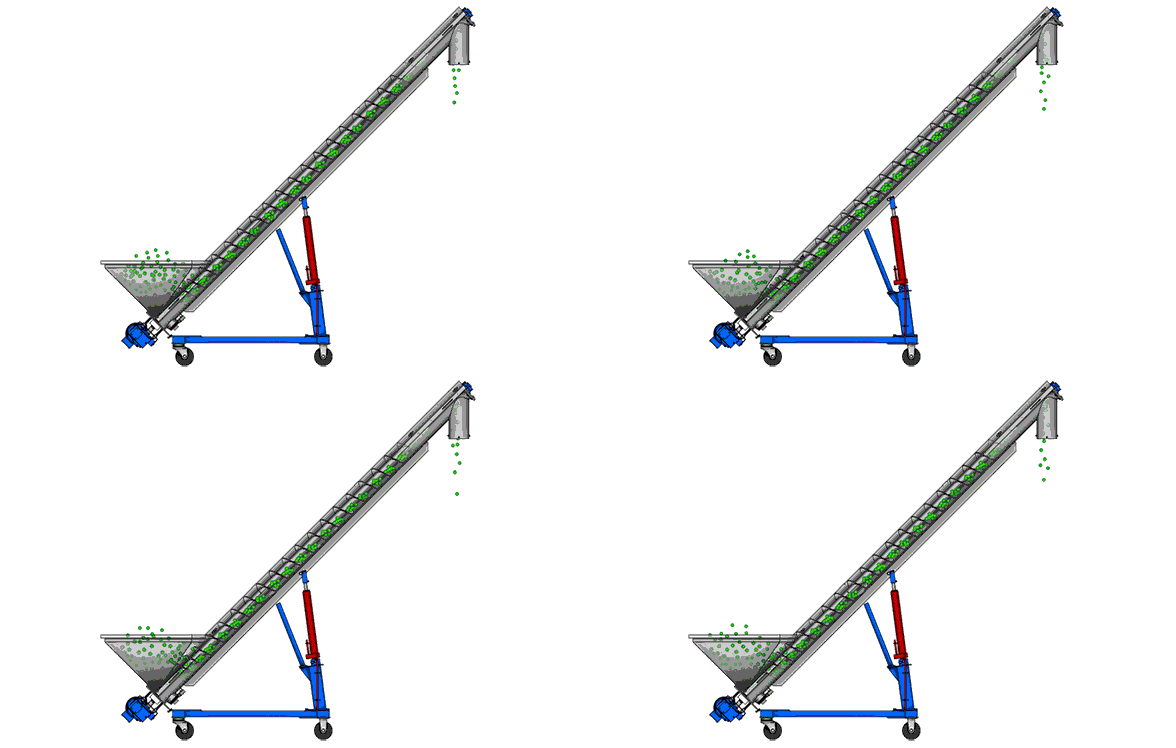
Part
The equipment mainly consists of a hopper, auger screw assembly, drive system, and discharge connection. The structural design focuses on ensuring continuous material entry into the screw conveying area and maintaining stable feeding under different installation conditions.
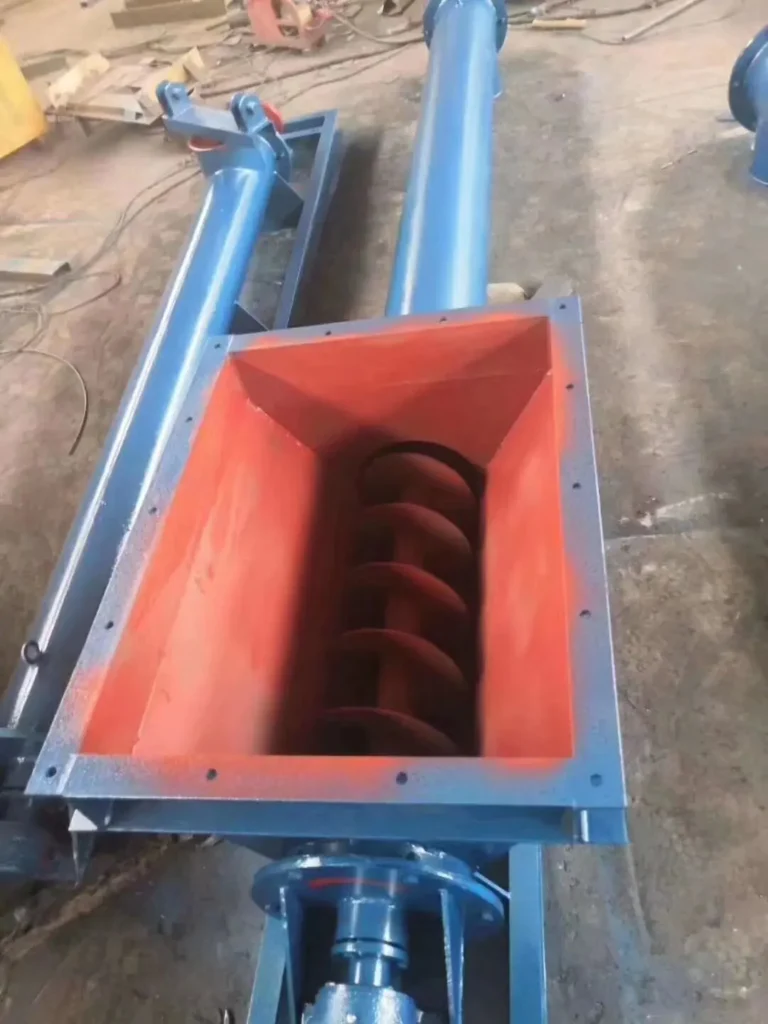
Hopper Section
The hopper is mainly used for material storage and buffering, preventing unstable feeding caused by direct material entry into the screw conveyor. According to different material flow characteristics, the hopper angle and capacity can be customized to improve feeding performance.
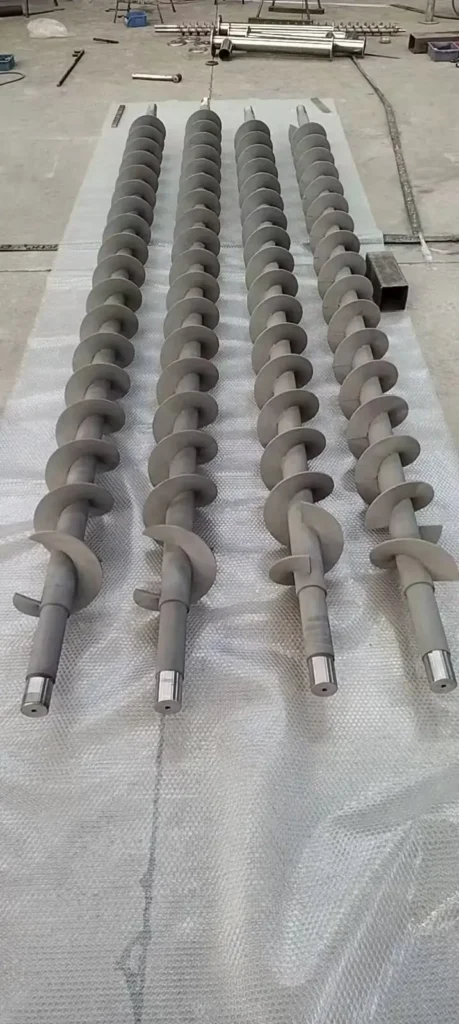
Auger Screw Assembly
The auger screw assembly is the core feeding component of the equipment. The rotating screw flights push materials forward continuously. Screw diameter, pitch, and rotation speed directly affect conveying capacity and should be selected according to material properties and required feeding rate.
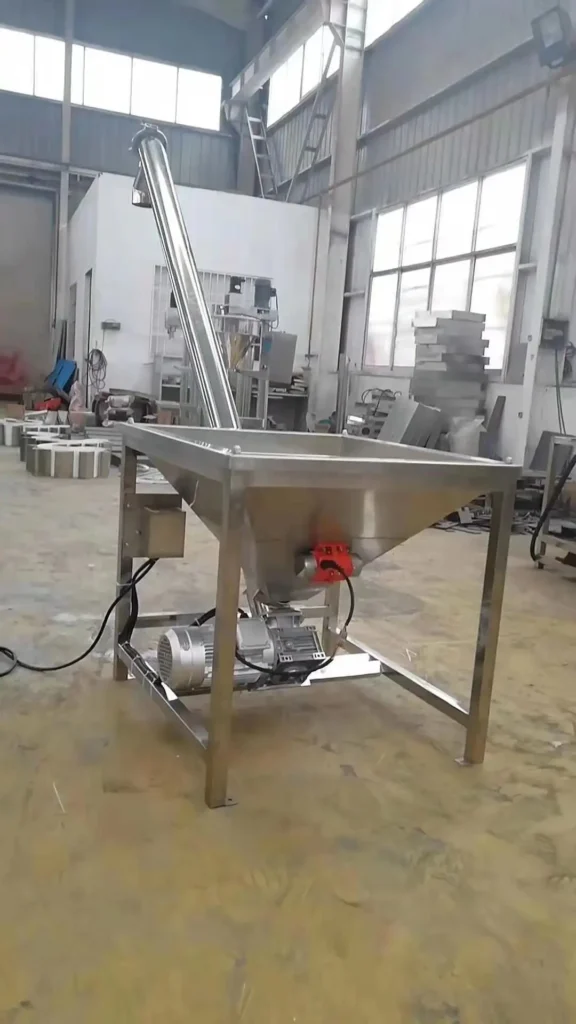
Drive System
The drive system provides power for screw rotation. Different conveying distances, installation angles, and material densities require different motor configurations. Proper drive selection helps ensure long-term stable operation of the Auger Screw Feeder Hopper.
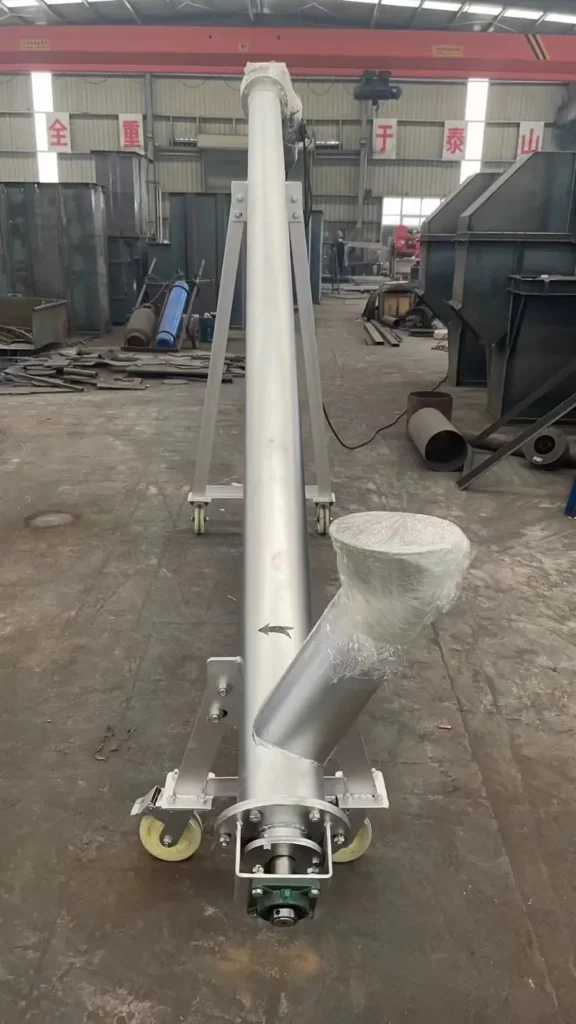
Connection Structure
The inlet and outlet structures can be adjusted according to production line layout, allowing convenient connection with storage bins, processing equipment, packaging systems, or other automated production equipment.
Different applications require different equipment configurations. Our engineering team can adjust the hopper design, screw specifications, drive system, and connection structure according to material characteristics and site conditions to ensure stable feeding performance.
Advantages
Suitable for Complex Installation Conditions
The JR series supports installation angles up to 60° and can be flexibly installed according to different site layouts.
Ensures Stable and Continuous Feeding
The screw diameter, rotation speed, and drive system can be matched according to material characteristics to achieve stable feeding.
Suitable for Various Materials
The Auger Screw Feeder Hopper is suitable for powder, granular, and small bulk materials with different feeding requirements.
Customized According to Site Requirements
The hopper size, screw length, structure, and configuration can be customized according to customer requirements.
Technical Parameters
Equipment selection should consider material characteristics, feeding capacity, and installation conditions. Different operating environments require different screw specifications and drive configurations.
JR Series Auger Screw Feeder Hopper Parameters
| Model | Screw Diameter (mm) | Screw Pitch (mm) | Screw Speed (r/min) | Max. Conveying Capacity (m³/h) | Motor Power (kW) | Max. Inclination Angle |
| JR-133 | 133 | 80 | 140 | 2.2 | 1.5–18.5 | ≤60° |
| JR-141 | 141 | 100 | 125 | 4 | 1.5–18.5 | ≤60° |
| JR-168 | 168 | 128 | 112 | 8 | 1.5–18.5 | ≤60° |
| JR-219 | 219 | 160 | 100 | 11 | 1.5–18.5 | ≤60° |
| JR-273 | 273 | 200 | 90 | 22 | 1.5–18.5 | ≤60° |
| JR-325 | 325 | 252 | 80 | 34 | 1.5–18.5 | ≤60° |
| JR-406 | 406 | 320 | 71 | 64 | 1.5–18.5 | ≤60° |
Different materials have different feeding characteristics. Jiarui recommends providing material information, bulk density, conveying distance, and installation angle so that the suitable Auger Screw Feeder Hopper configuration can be confirmed.
JR can customize the screw diameter, length, hopper size, drive configuration, and connection structure according to different project requirements to provide a feeding solution that matches actual operating conditions.
Contact us now to get a quote and technical support
Applications
The Auger Screw Feeder Hopper is mainly used for continuous feeding processes in production lines. Through hopper storage and screw rotation, this feeding system provides stable material transportation for powder, granular, and small bulk materials, and can be connected with storage bins, crushing equipment, screening equipment, mixing equipment, packaging systems, and other processing equipment according to production requirements.
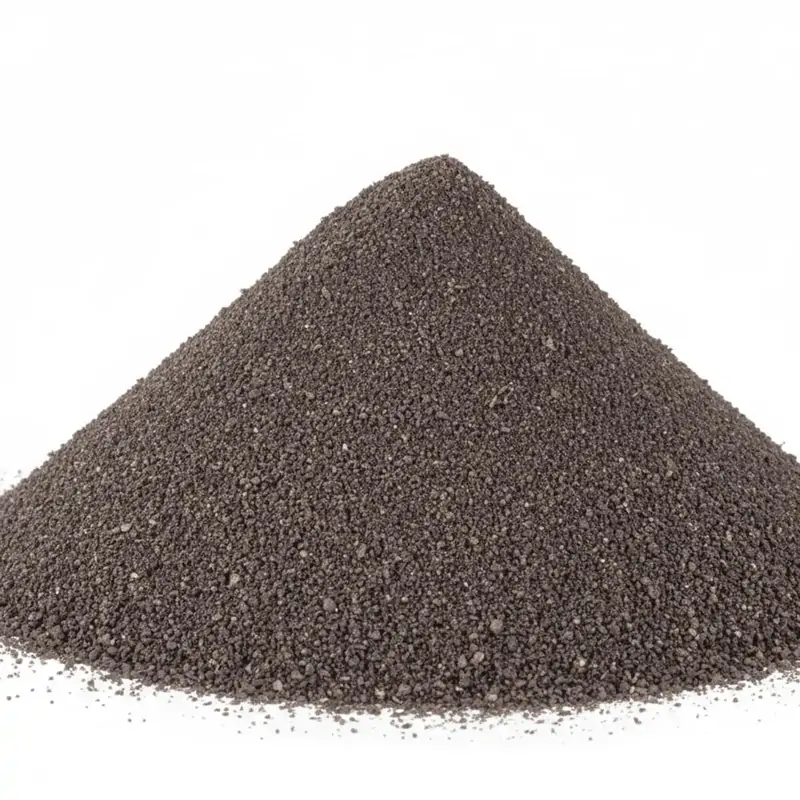 Mining and Mineral Processing
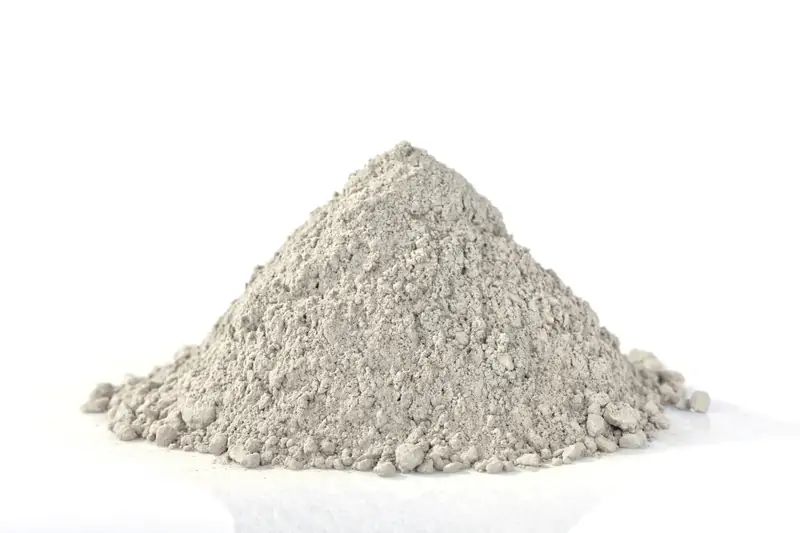 Building Materials Industry
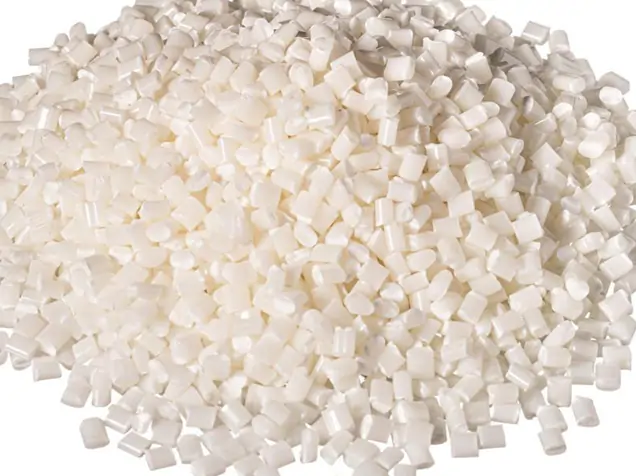 Chemical and Plastic Industry
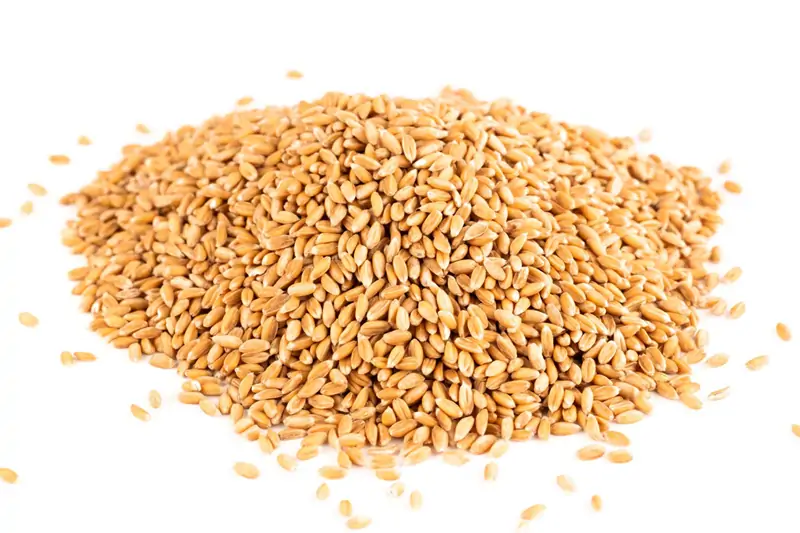 Food and Feed Industry
Applications by Industry
| Application Industry | Typical Materials | Common Applications | Application Value |
| Mining and Mineral Processing | Mineral powder, iron ore powder, limestone, sand and gravel particles | Feeding after storage bins, supplying crushing and screening production lines | The screw structure can be selected according to material density and wear characteristics to maintain stable feeding |
| Building Materials Industry | Cement, lime powder, stone powder, sand materials | Material feeding for mixing, batching, and packaging processes | Provides continuous powder feeding and reduces manual feeding and intermediate transfer |
| Chemical and Plastic Industry | Plastic pellets, resin powder, chemical powders | Raw material transportation and automatic production line feeding | The configuration can be adjusted according to material flow characteristics to ensure continuous feeding |
| Food and Feed Industry | Grain, corn, feed pellets | Feeding before processing equipment and automatic batching systems | Suitable for continuous transportation of granular materials and convenient connection with downstream equipment |
Powder Feeding Notes
During powder material feeding applications, material blockage is usually not caused by insufficient equipment capacity. In many cases, it results from improper matching between material characteristics and equipment parameters.
During equipment selection, we usually focus on material moisture content, bulk density, flowability, and feeding requirements, then adjust the screw diameter, rotation speed, and structural design accordingly to reduce problems such as bridging, blockage, and uneven feeding.
Special Materials
This auger feeding equipment is mainly used suitable for most powder, granular, and small bulk materials. However, some special applications require confirmation of material characteristics and equipment structure before selection.
| Material Conditions | Potential Issues |
|---|---|
| Materials containing large amounts of fibers or easily tangled materials | May wrap around the screw shaft and require structural adjustment or alternative feeding methods |
| Oversized or hard abrasive materials | May increase screw wear and require enhanced wear-resistant design |
| High-temperature or highly corrosive materials | Require suitable material selection based on temperature and corrosion conditions |
If your material has special characteristics or you are unsure about the suitable model, please provide material information, required capacity, and operating conditions.
Our engineering team will evaluate the application and recommend a suitable Auger Screw Feeder Hopper configuration.
Auger Screw Feeder Hopper vs Screw Conveyor
The Auger Screw Feeder Hopper and Screw Conveyor both use screw rotation to move materials, but they are designed for different production requirements.
Simply speaking, the Auger Screw Feeder Hopper is mainly used for stable material feeding, controlling the feeding speed and ensuring continuous supply to downstream equipment. A Screw Conveyor is mainly used for material transportation, moving materials continuously between different locations.
For example, when materials from a storage hopper need to be continuously and evenly fed into packaging machines, mixers, or processing equipment, the Auger Screw Feeder Hopper is usually selected. When materials need to be transferred between different production processes, the Screw Conveyor is selected based on conveying distance, capacity, and installation layout.
There is no absolute advantage between these two types of equipment. The correct choice depends on the actual function required in the production line.
| Comparison Item | Auger Screw Feeder Hopper | Screw Conveyor |
| Main Function | Controls material feeding rate and provides stable continuous feeding | Transfers materials between different locations through continuous conveying |
| Main Considerations | Feeding uniformity, material flow characteristics, screw parameters, and drive configuration | Conveying distance, conveying capacity, installation layout, and material characteristics |
| Common Installation Position | Before processing equipment, mixing equipment, packaging systems, or batching systems | Between different production processes for material transfer |
| Structural Features | Integrated hopper and screw feeding system for material storage and buffering | Mainly designed for material conveying and connected with upstream and downstream equipment |
| Typical Applications | Continuous feeding, automatic batching, and equipment feeding | Production line connection and material transportation |
| Suitable Materials | Powder, granular, and small bulk materials | Powder, granular, and small bulk materials |
For more information on inclined screw conveying systems, see our guide to Vibrating Hopper Inclined Screw Conveyor.
How to Choose Auger Screw Feeder Hopper or Screw Conveyor?
Equipment selection should be based on the main task of the production line: stable feeding or material transportation.
| Application Requirements | Recommended Equipment | Selection Reference |
| Feeding materials continuously from a hopper to processing equipment | Auger Screw Feeder Hopper | Suitable for applications requiring stable feeding speed and continuous material supply |
| Adjusting feeding rate according to production requirements | Auger Screw Feeder Hopper | Screw diameter, screw speed, and drive configuration can be adjusted according to material conditions |
| Transporting materials from existing storage equipment to a specific location | Screw Conveyor | Suitable for material transfer between different production stages |
| Connecting two pieces of equipment for continuous material movement | Screw Conveyor | Selected according to conveying distance, capacity, and installation conditions |
| Powder materials have unstable flow or feeding problems | Auger Screw Feeder Hopper | Hopper structure and screw design can be optimized to improve feeding stability |
| Requiring inclined installation due to limited space | Selected according to process requirements | Configuration should be determined based on installation angle, conveying distance, and material characteristics |
Different applications require different equipment configurations. Selecting the correct equipment type helps improve production stability and reduce problems such as material blockage, interrupted feeding, and unsuitable conveying performance.
Customization
Different production sites have different requirements for installation space, material characteristics, and feeding processes. Standard models may not always fully meet specific applications. JiaRui can customize equipment dimensions, screw specifications, drive configurations, and connection structures according to actual requirements to provide a suitable screw feeding solution.
From process design to equipment manufacturing, our team optimizes the configuration based on customer-provided operating information to ensure smooth connection with existing production lines.
Required Information
To confirm the suitable configuration, please provide the following information:
- Material:
- Feeding capacity:
- Installation method:
- Site dimensions:
- Special requirements:
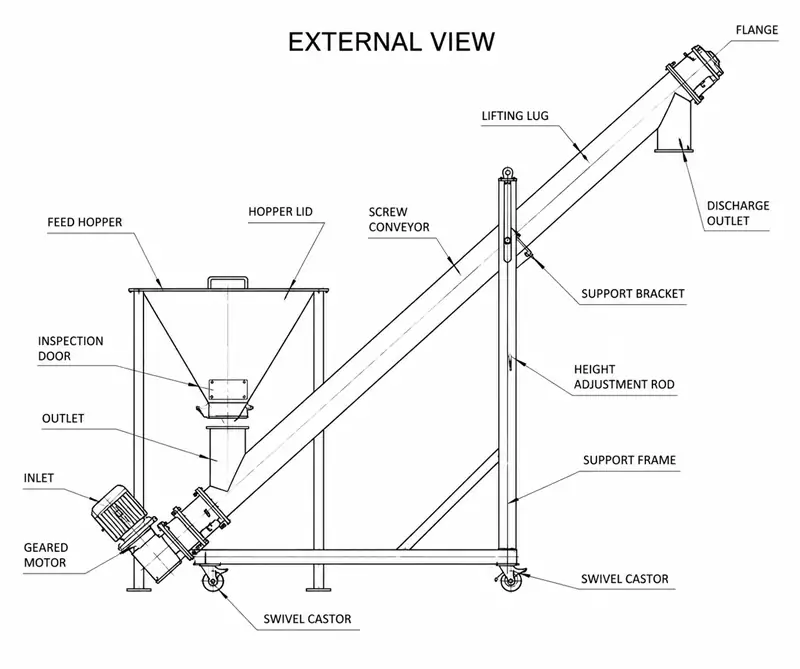
JiaRui provides screw feeding equipment design, manufacturing, and export services. If complete parameters are not available, you can provide material information and site photos, and our engineering team will assist in confirming the suitable configuration.
JiaRui Manufacturing
At JiaRui, we understand that feeding equipment is not simply a standard product. Different materials and installation conditions require different structural designs and manufacturing considerations.
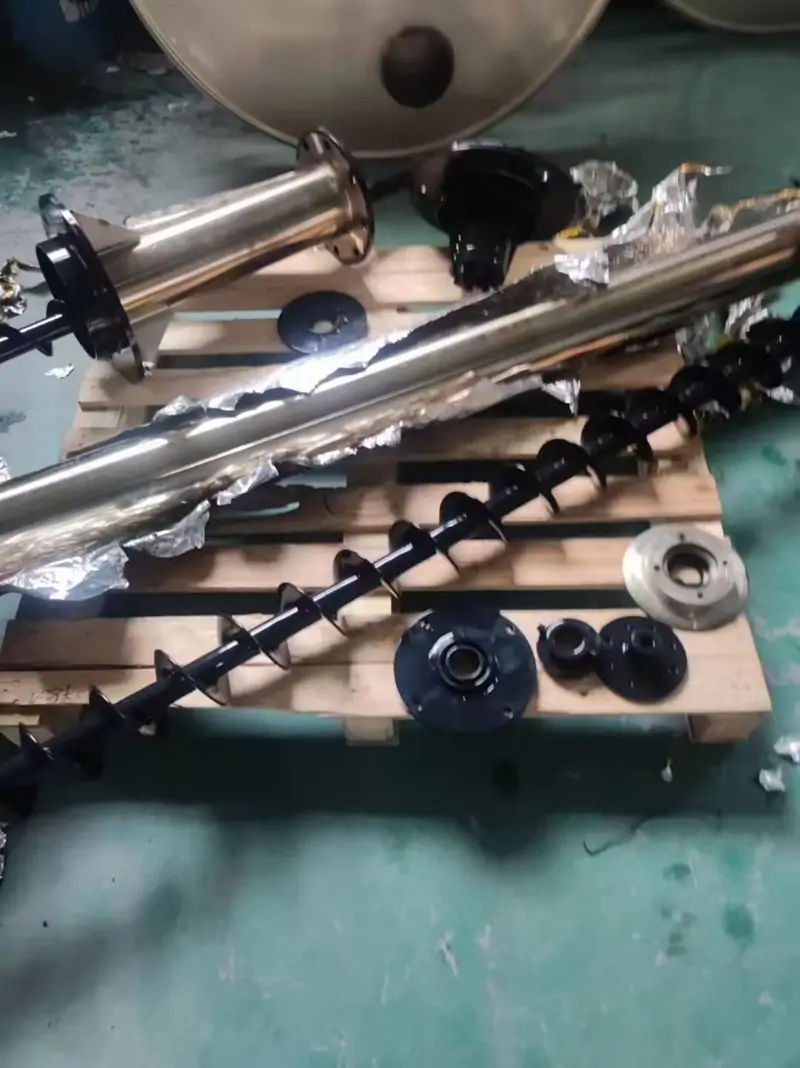
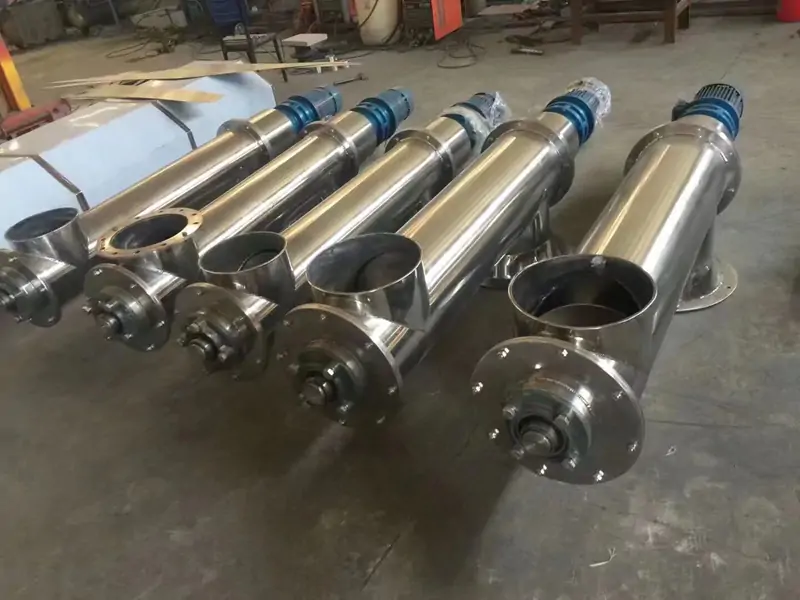
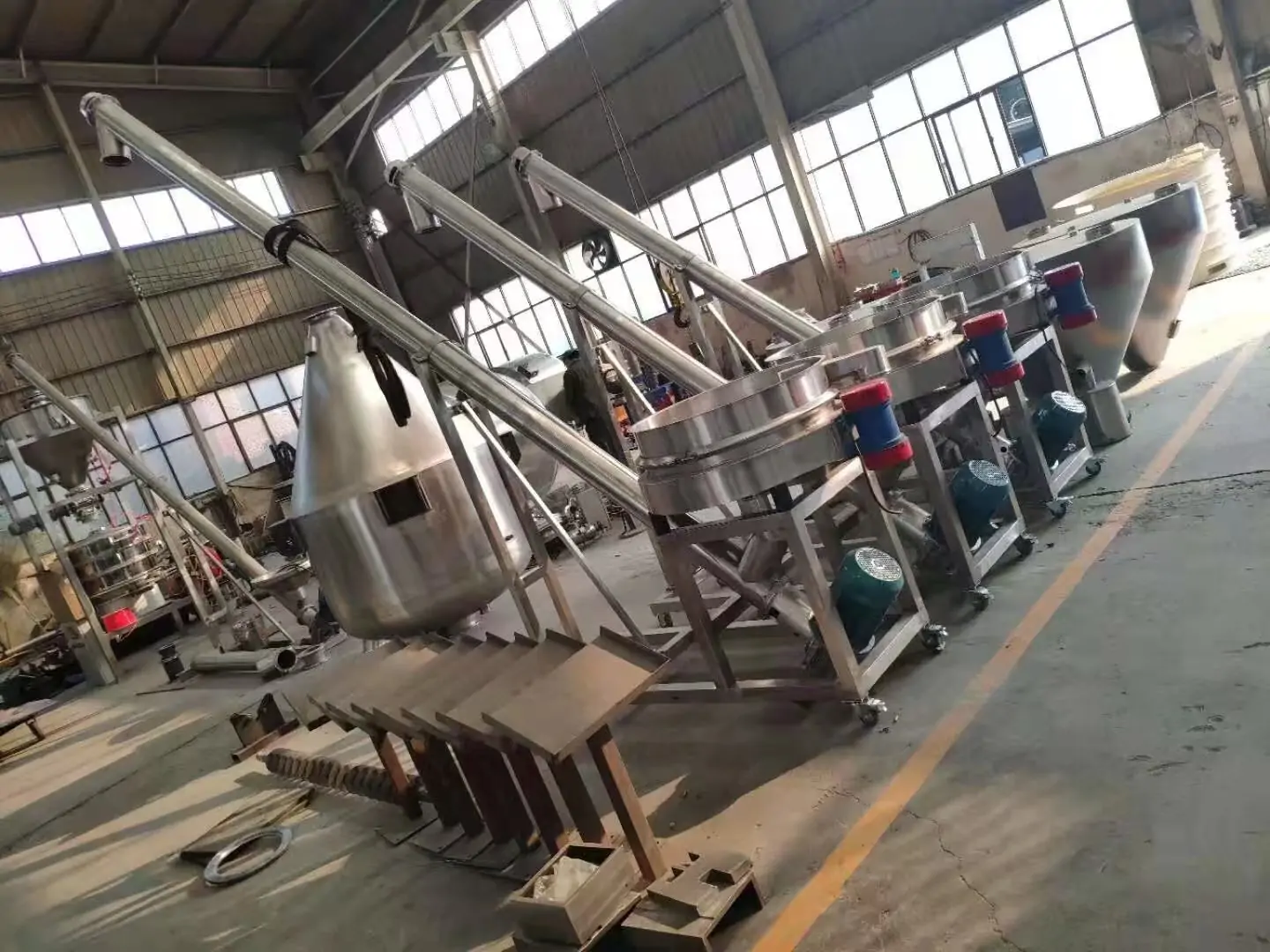
JiaRui can complete CAD design, screw shaft machining, welding fabrication, equipment assembly, and factory testing according to customer requirements. The equipment configuration can be adjusted based on site dimensions, connection requirements, and operating conditions.
FAQs
Related Articles
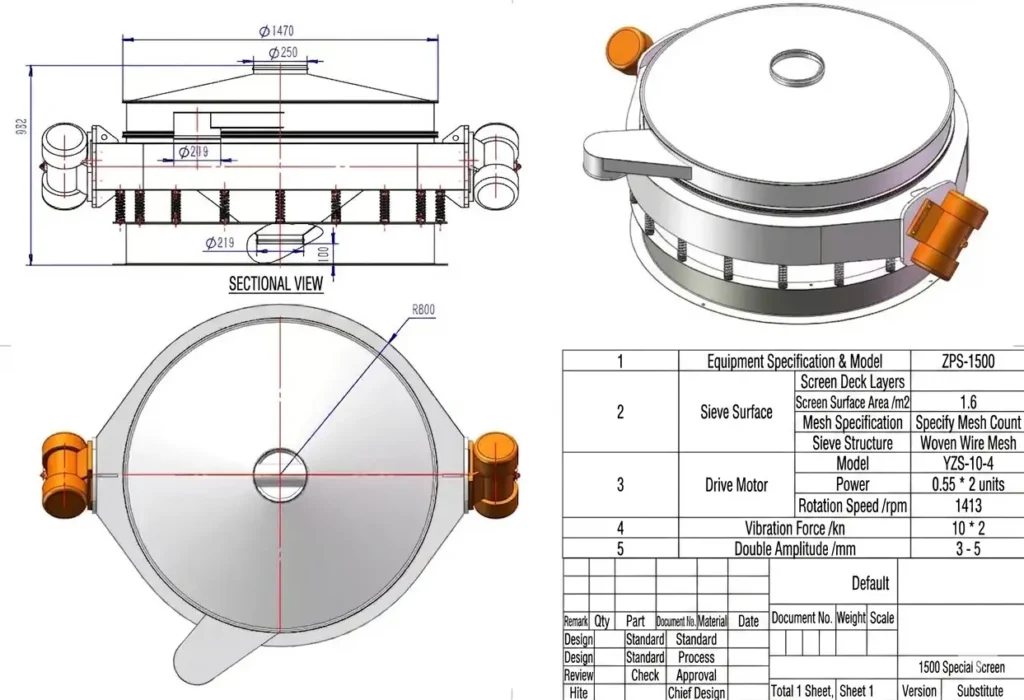
What Is an Inline Vibrating Screen? Working Principle & Uses
What is an inline vibrating screen? Learn its working principle, structure, advantages, applications, and selection guide for efficient powder and…What Is a Tumbler Screening Machine? Working Principle, Benefits & Applications
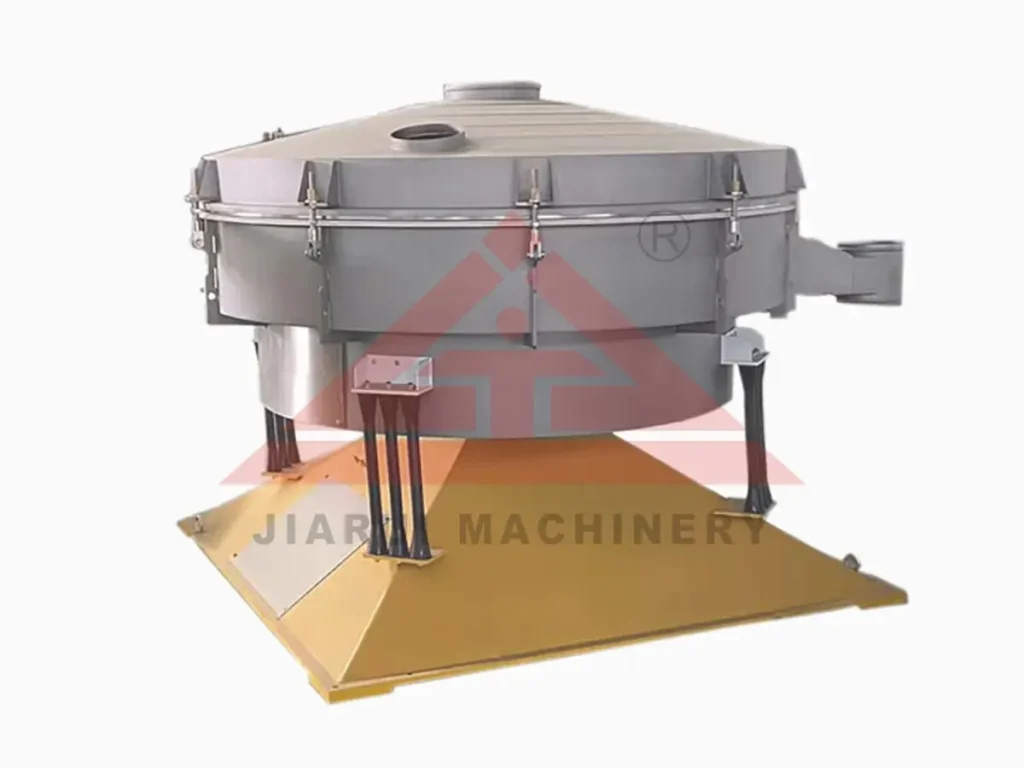
Learn what a Tumbler Screening Machine is, how it works, its advantages, applications, and differences from rotary vibrating screens. Jiarui…What Is a Pneumatic Vibratory Sifter?
Learn what a pneumatic vibratory sifter is, how it works, and why it is used for explosion-proof powder screening. Explore…
Get a Free Consultation
Fill out the form below to connect with our experts and receive personalized recommendations for your application.