
Las cribas industriales no se utilizan simplemente para separar materiales en diferentes rangos de tamaño. Cada proyecto enfrenta distintos desafíos de cribado. Algunos requieren mayor capacidad de procesamiento, otros necesitan solucionar problemas de obstrucción de mallas en polvos finos, mientras que otros se centran en la precisión del cribado y en mantener la integridad del material.
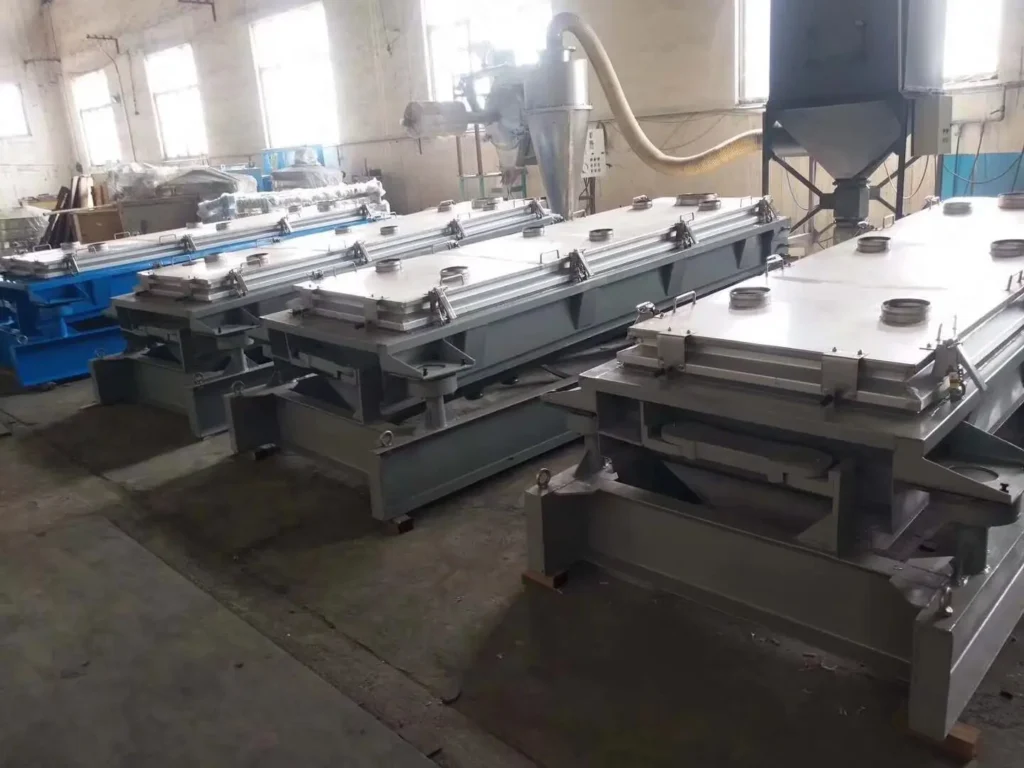
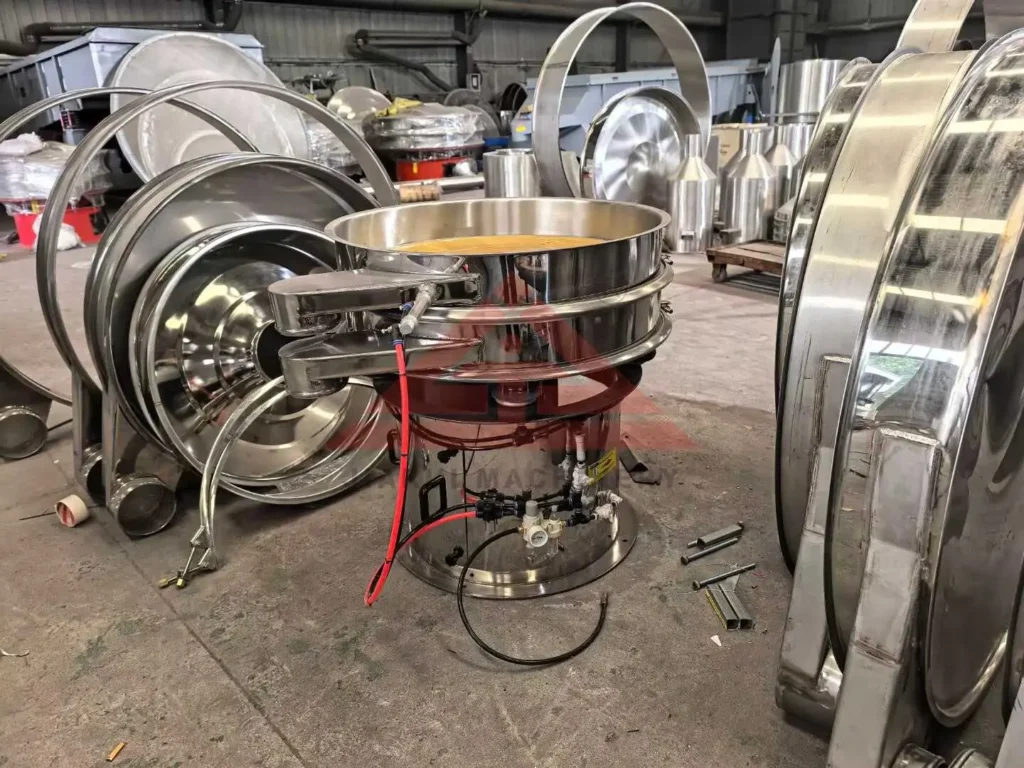
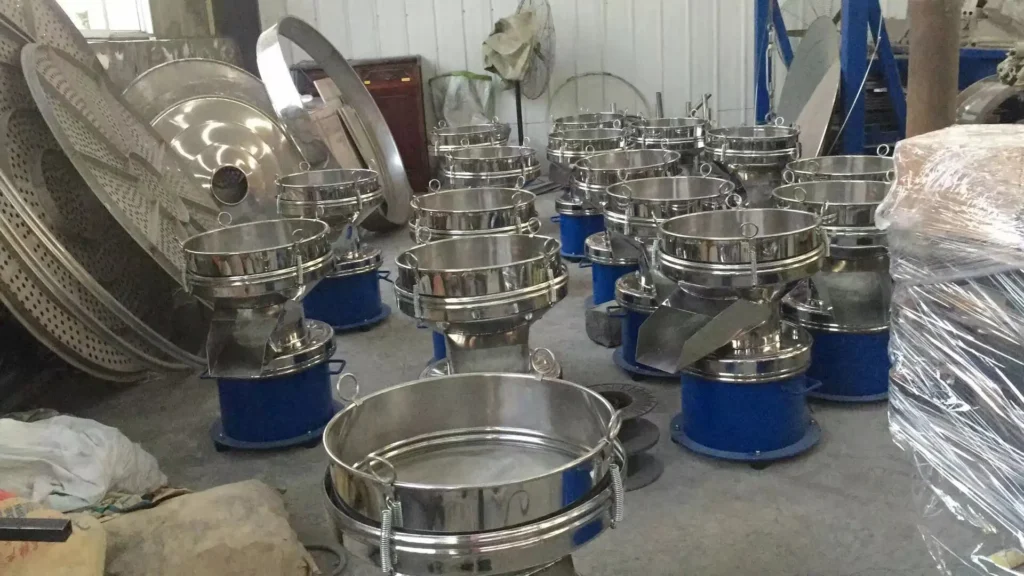
Basándonos en años de experiencia en el diseño y la aplicación de cribas industriales, hemos descubierto que muchos resultados de cribado inestables no son causados por problemas del equipo, sino por un desajuste entre el tipo de criba, las características del material y las condiciones de producción. El tamaño de partícula del material, el contenido de humedad, la fluidez, la pegajosidad y los requisitos de capacidad afectan todos la selección de las cribas industriales.
Comparación rápida de cribas industriales
Las diferentes cribas industriales están diseñadas para distintos requisitos de cribado. No existe un único tipo de máquina que pueda manejar todos los materiales. La siguiente comparación de tipos comunes de cribas industriales le ayuda a comprender rápidamente qué problemas está diseñado principalmente para resolver cada tipo de equipo.
| Tipo de criba industrial | Principales problemas resueltos | Aplicaciones Comunes |
| Tamiz Vibratorio Rotativo | Clasificación general de polvos y separación de múltiples tamaños | Polvos alimentarios, polvos químicos, polvos minerales |
| Tamiz Vibratorio Ultrasónico | Prevención de obstrucciones en polvos finos y mejora de la estabilidad del cribado | Polvos metálicos, materiales para baterías, polvos ultrafinos |
| Criba Vibratoria Lineal | Producción continua y cribado de alta capacidad | Áridos, minerales, materiales industriales |
| Criba Rotativa Plana | Cribado de alta precisión con reducción del daño al material | Alimentos, productos químicos, nuevos materiales |
| Criba Centrífuga | Dispersión y cribado de polvos ultrafinos y de baja densidad | Polvos químicos, polvos de baja densidad |
Desde la perspectiva de la selección de cribas industriales, las cribas vibratorias rotativas son más adecuadas para el cribado general de polvos, mientras que las cribas vibratorias lineales están diseñadas para producción continua con mayores requisitos de capacidad. Las cribas vibratorias ultrasónicas, las cribas rotativas planas y las tamizadoras centrífugas se utilizan principalmente para polvos finos, cribado de alta precisión y materiales difíciles de cribar.
Principales tipos de cribas industriales
Muchos clientes preguntan primero al elegir equipos de cribado industrial: “¿Qué criba es la mejor?”
El enfoque de cada proyecto de cribado es diferente. Algunos proyectos se preocupan más por la capacidad de procesamiento y la operación continua, mientras que otros prestan más atención a la precisión del cribado. Algunos materiales necesitan principalmente soluciones para problemas de adherencia, obstrucción o bajo rendimiento de cribado. Por lo tanto, elegir la criba industrial adecuada comienza por comprender las características del material y los requisitos de producción.
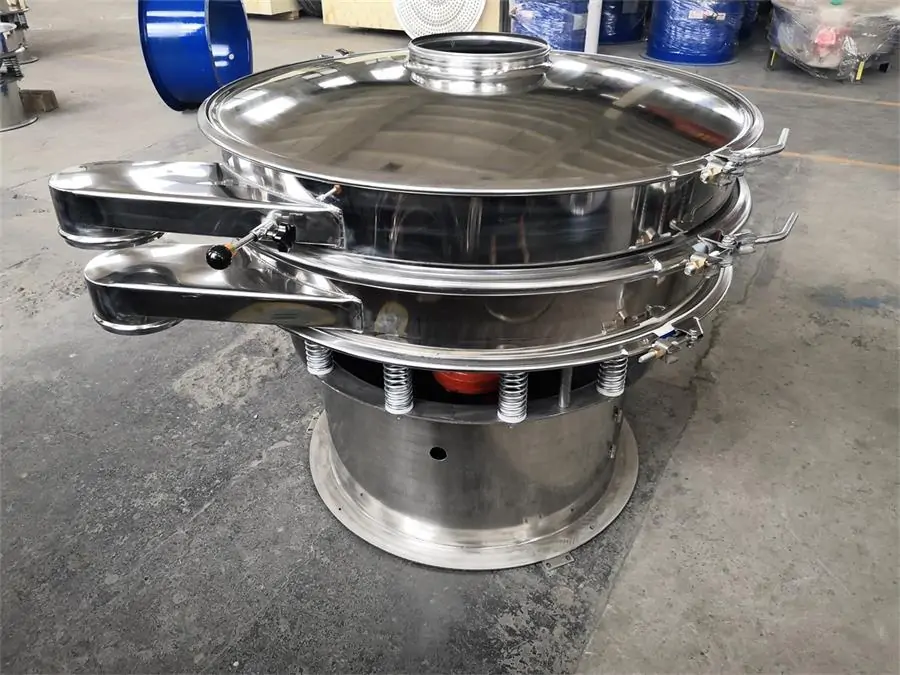
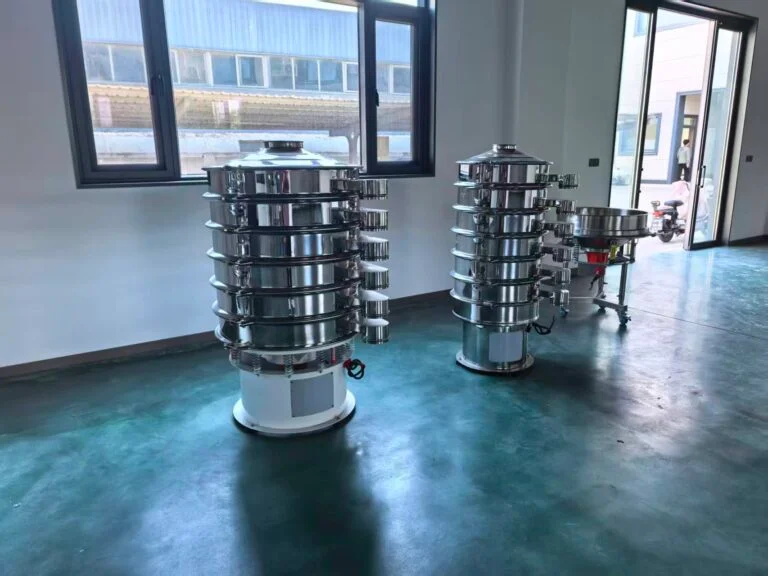
Tamiz Vibratorio Rotativo
Una criba vibratoria rotativa es una de las cribas industriales más utilizadas para el cribado de polvos. Se usa principalmente para la clasificación de polvos finos, eliminación de impurezas y separación de materiales con diferentes tamaños de partícula. Durante la operación, la fuerza vibratoria hace que los materiales se distribuyan uniformemente sobre la superficie de la malla. Las partículas más pequeñas pasan a través de la malla de cribado, mientras que las partículas más grandes se descargan para completar el proceso de separación. Para materiales con tamaños de partícula relativamente finos, requisitos de mayor precisión de cribado y la necesidad de configuraciones flexibles de plataformas de cribado, las cribas vibratorias rotativas suelen ser una opción adecuada.
Materiales Adecuados:
- Polvos químicos
- Polvos alimentarios
- Gránulos de plástico
- Polvos cerámicos
- Polvos minerales
Características principales:
- Proporciona buena precisión de cribado para polvos finos y partículas pequeñas.
- Configuraciones flexibles de mallas y plataformas según los diferentes requisitos de cribado.
- Adecuada para una amplia gama de materiales en polvo y granulares.
Consideraciones para la selección:
Si el material es propenso a absorber humedad, se adhiere a la malla o bloquea las aberturas de la malla, se deben considerar soluciones antiobstrucción con anticipación, como agregar un sistema de limpieza ultrasónica. Si el proyecto se centra en cribado continuo de alta capacidad, se deben evaluar otros tipos de equipos de cribado industrial según la capacidad de producción y las características del material.
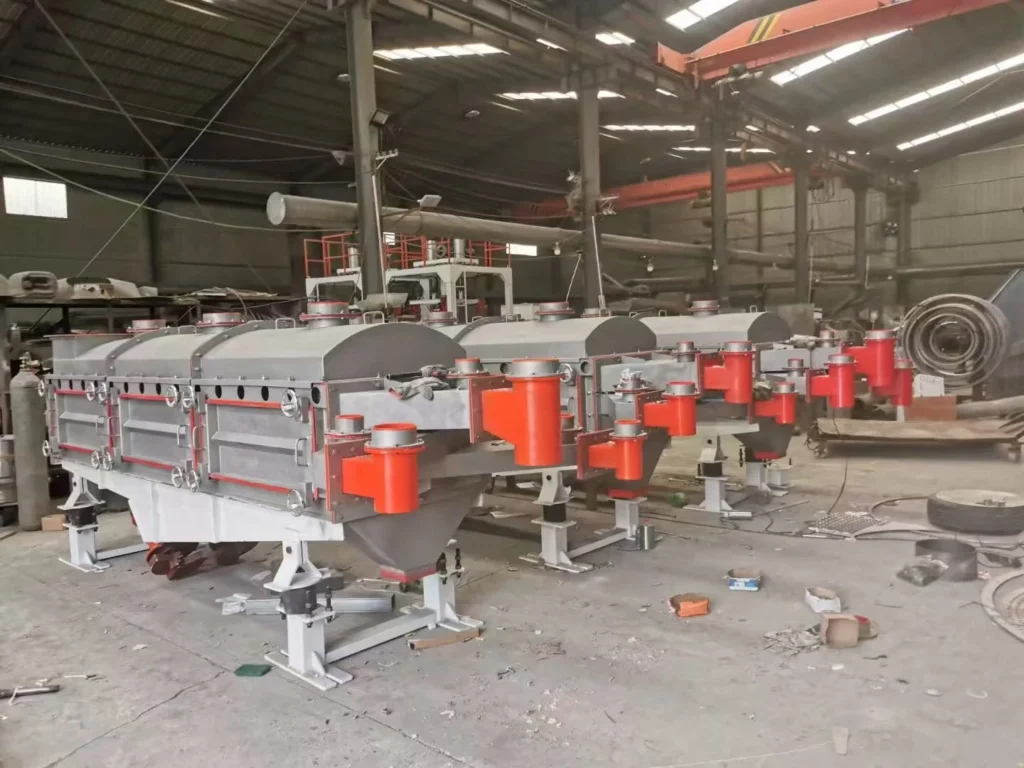
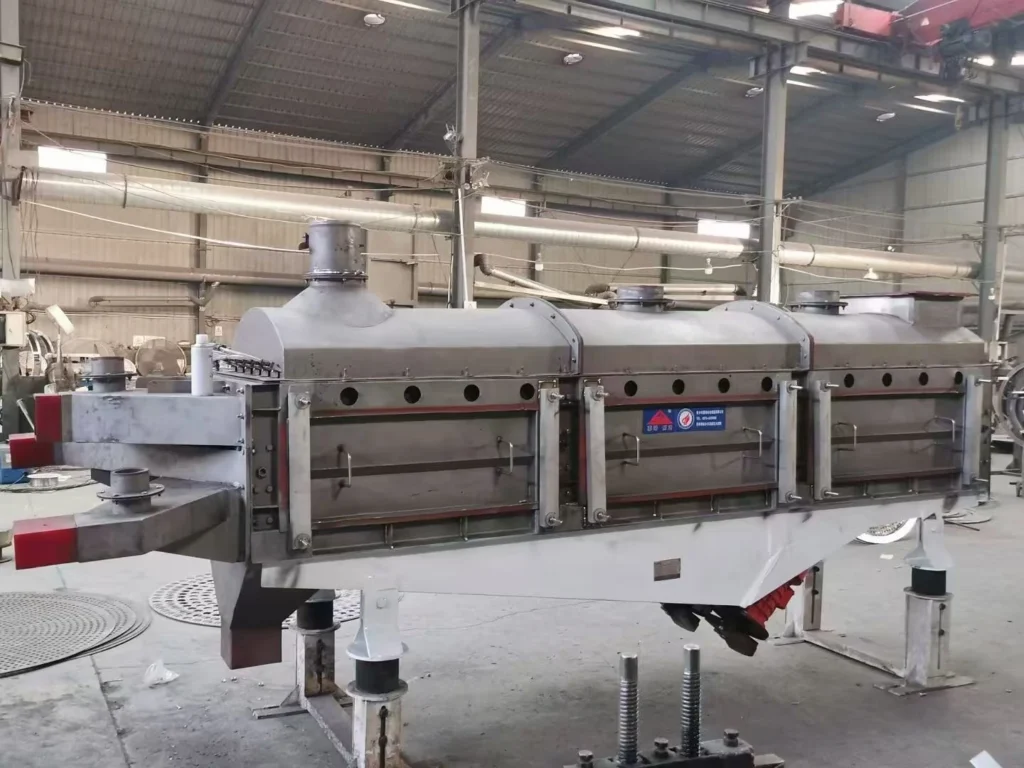
Criba Vibratoria Lineal
Una criba vibratoria lineal se utiliza principalmente para el cribado continuo y la clasificación de materiales granulares. Durante la operación, los materiales avanzan en línea recta a lo largo de la superficie de la malla y se separan en diferentes tamaños a través de diferentes mallas de cribado.
En comparación con las cribas vibratorias rotativas, las cribas vibratorias lineales son más adecuadas para aplicaciones que requieren mayor capacidad de procesamiento y operación continua a largo plazo. Se utilizan ampliamente como equipos de cribado industrial en las industrias minera, de áridos y de procesamiento de materiales.
Materiales Adecuados:
- Áridos de arena y grava
- Partículas minerales
- Carbón
- Gránulos de plástico
- Gránulos químicos
Características principales:
- Mayor capacidad de procesamiento, adecuada para producción continua.
- Flujo de cribado claro, adecuado para la separación de materiales en múltiples etapas.
- Estructura simple y operación estable para períodos de trabajo prolongados.
Consideraciones para la selección:
Las cribas vibratorias lineales son más adecuadas para materiales granulares con buena fluidez. Si el material consiste principalmente en polvo fino o tiene tendencia a adherirse y bloquear las aberturas de la malla, se deben considerar otros tipos de cribas industriales según las características del material.
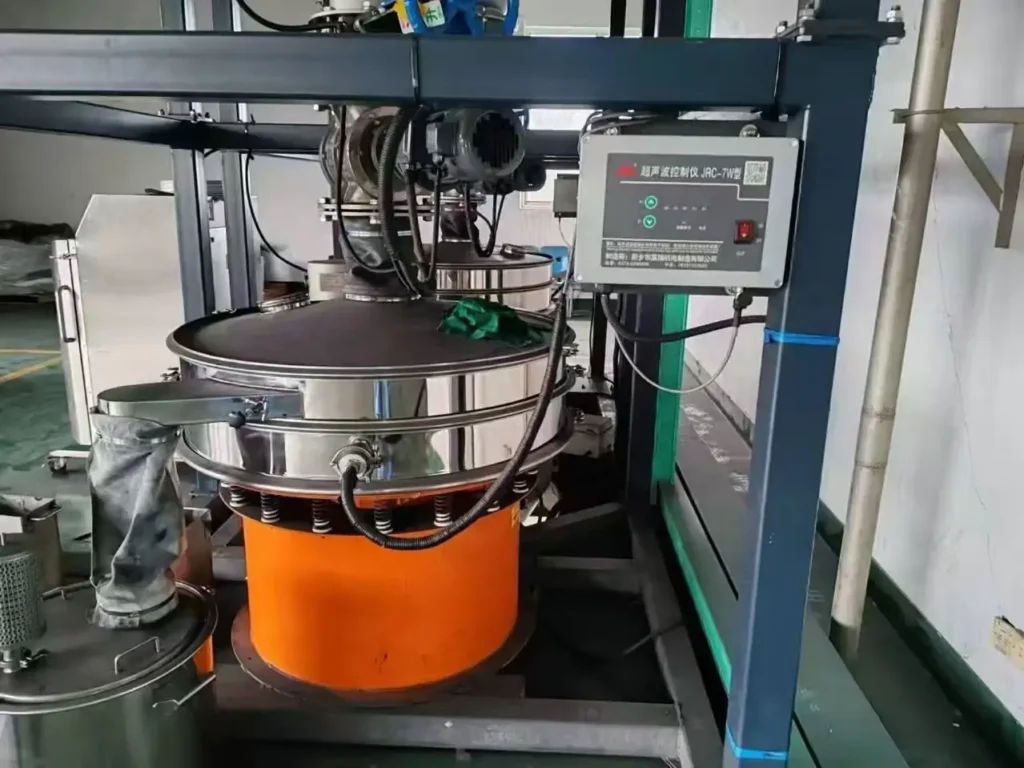
Tamiz Vibratorio Ultrasónico
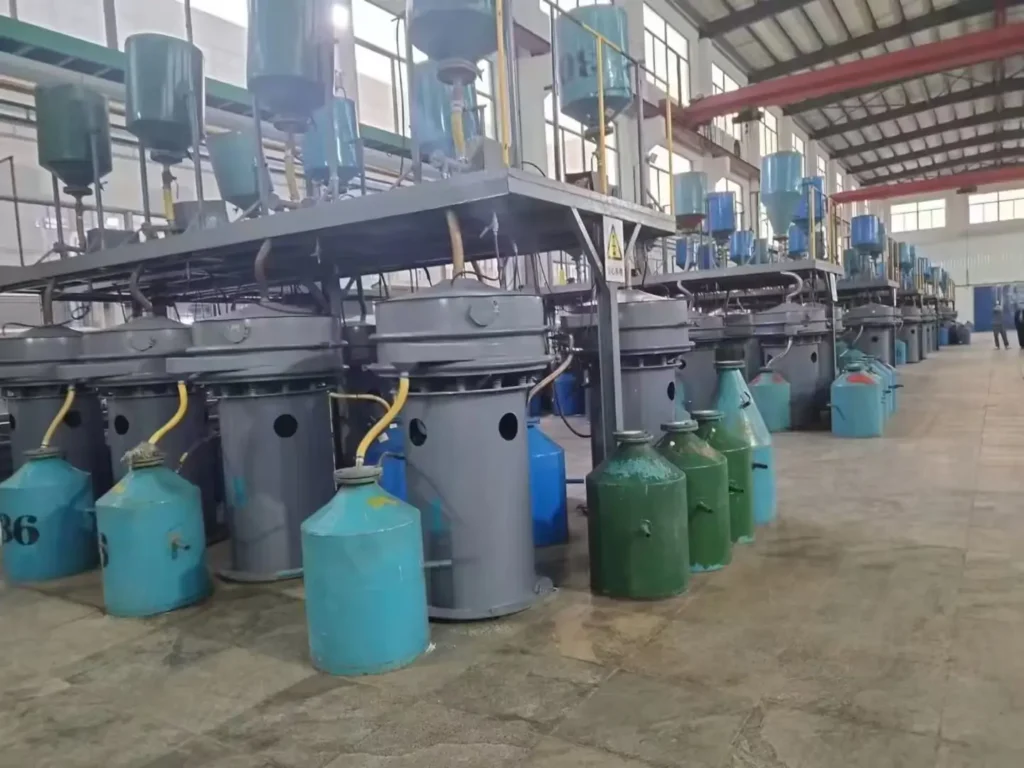
Una criba vibratoria ultrasónica está diseñada principalmente para el cribado de polvos finos y ultrafinos. Ayuda a resolver problemas comunes en el cribado convencional, como la obstrucción de la malla y la dificultad de que las partículas finas pasen a través de la malla. Durante el proceso de cribado, se añade vibración ultrasónica a la superficie de la malla, lo que permite que las partículas finas pasen a través de la malla más fácilmente.
En muchas aplicaciones de cribado de polvos, el principal desafío con los materiales ultrafinos no es la capacidad de procesamiento, sino la obstrucción de la malla y el rendimiento de cribado inestable. Para materiales como polvos metálicos y materiales para baterías, el cribado asistido por ultrasonidos a menudo se considera como primera opción.
Materiales Adecuados:
- Polvos metálicos
- Polvos químicos
- Materiales para baterías
- Polvos alimentarios
- Polvos minerales ultrafinos
Características principales:
- Reduce la obstrucción de la malla en polvos finos y mejora la estabilidad del cribado.
- Adecuada para polvos ultrafinos y materiales difíciles de cribar.
- Puede configurarse con diferentes plataformas de cribado y especificaciones de malla según los requisitos de cribado.
Consideraciones para la selección:
Los tamices vibratorios ultrasónicos están diseñados principalmente para polvos finos y problemas de obstrucción de mallas. Si el tamaño de partícula del material es grande o el proyecto requiere una capacidad de procesamiento muy alta, se debe considerar otro equipo de cribado industrial, como los tamices vibratorios lineales.
Criba Rotativa Plana
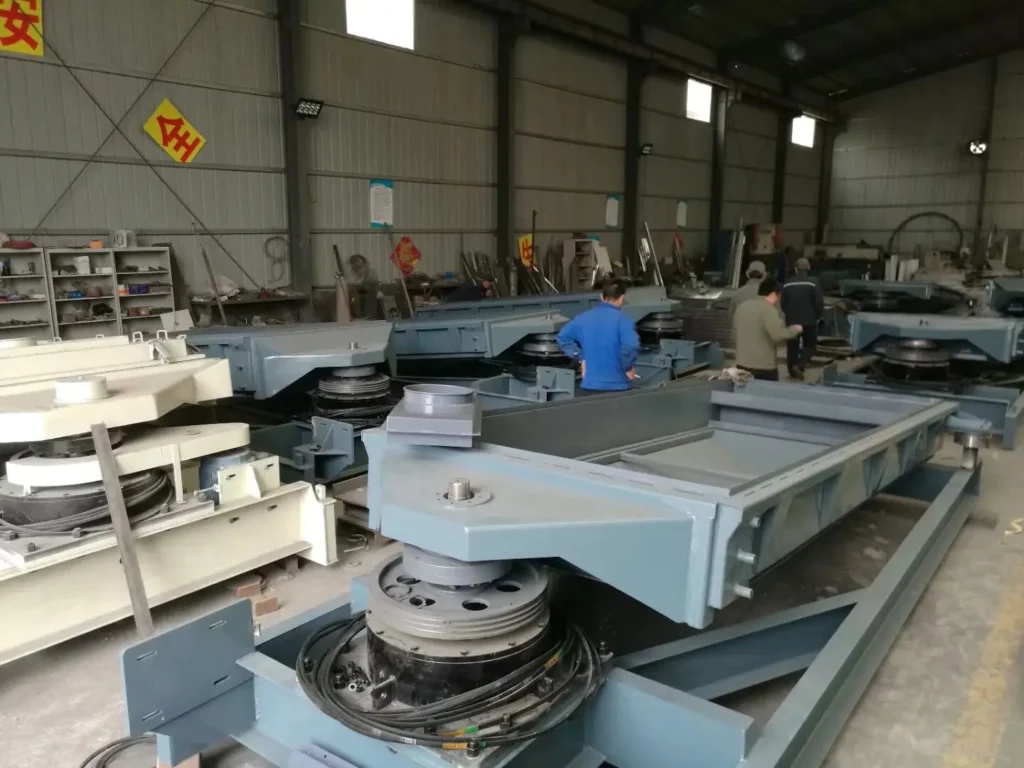
Un cribador rotativo plano se utiliza principalmente para la clasificación de alta precisión de polvos y materiales granulares. El equipo utiliza un movimiento de cribado relativamente suave, lo que permite que los materiales se distribuyan uniformemente sobre la superficie de la malla y completen la separación. En comparación con las tamizadoras vibratorias convencionales, los cribadores rotativos planos son más adecuados para materiales frágiles y aplicaciones que requieren una clasificación precisa de partículas.
Para proyectos que requieren alta precisión de cribado, menor daño al material y un rendimiento de separación estable, un cribador rotativo plano suele ser una solución adecuada.
Materiales Adecuados:
- Polvos alimentarios
- Polvos químicos
- Gránulos de plástico
- Polvos minerales
- Nuevos materiales
Características principales:
- Proceso de cribado suave, adecuado para materiales frágiles o aplicaciones que requieren protección de la forma de las partículas.
- Mayor tiempo de retención del material sobre la superficie de la malla, lo que ayuda a mejorar el rendimiento del cribado de polvos finos.
- Configuraciones de mallas multicapa disponibles para diferentes clasificaciones de tamaño de partícula.
Consideraciones para la selección:
Las cribas rotativas planas son más adecuadas para aplicaciones de cribado de alta precisión con requisitos de bajo daño al material.
Si el proyecto se centra principalmente en el cribado continuo de alta capacidad, los requisitos de producción deben considerarse cuidadosamente, y equipos como las cribas vibratorias lineales pueden ser más adecuados.
Criba Centrífuga
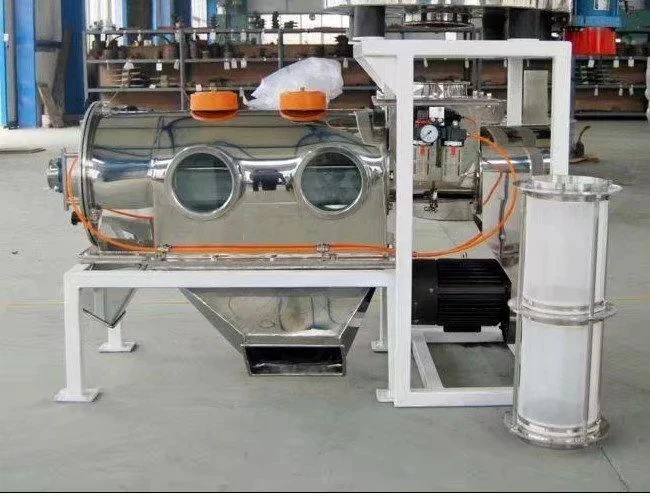
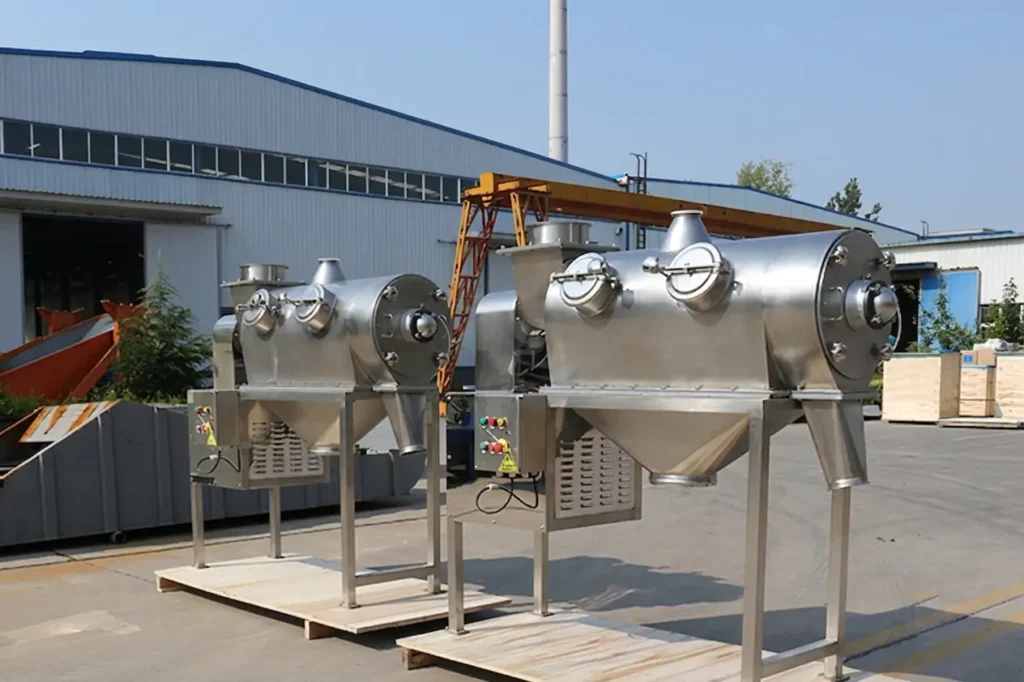
Un tamiz centrífugo se utiliza principalmente para el cribado de polvos ultrafinos y polvos ligeros. Es adecuado para materiales que son difíciles de cribar de manera estable con máquinas tamizadoras vibratorias convencionales. El equipo utiliza flujo de aire para dispersar los materiales y ayuda a que las partículas finas pasen a través de la malla del tamiz para su clasificación.
Para polvos con tamaños de partícula pequeños, mala dispersión, fácil aglomeración o problemas de obstrucción de malla, los tamices centrífugos suelen ser una opción adecuada.
Materiales Adecuados:
- Polvos alimentarios
- Polvos químicos
- Polvos metálicos
- Materiales para baterías
- Polvos cerámicos
- Polvos minerales
Características principales:
- Adecuado para el cribado de polvos ultrafinos y ayuda a reducir los problemas de obstrucción de malla.
- Proporciona una mejor dispersión del material para polvos difíciles de cribar.
- Estructura de cribado cerrada adecuada para aplicaciones con estrictos requisitos de control de polvo.
Consideraciones para la selección:
Los tamices centrífugos están diseñados principalmente para polvos finos y materiales en polvo especiales.
Si el tamaño de partícula del material es mayor o el proyecto requiere una alta capacidad de procesamiento, se deben seleccionar otros tipos de máquinas tamizadoras industriales según las condiciones de producción.
¿Cómo elegir la máquina tamizadora industrial adecuada?
No existe una respuesta fija al seleccionar una máquina tamizadora industrial. El mismo material puede requerir diferentes tipos de equipos bajo diferentes capacidades de producción, requisitos de precisión de cribado y condiciones de operación.
Al seleccionar equipos para un proyecto, los ingenieros generalmente comienzan por comprender las características del material y los requisitos de cribado, y luego seleccionan el tipo de máquina tamizadora industrial más adecuado.
| Requisitos de cribado | Equipo Recomendado | Materiales comunes | Aplicaciones Adecuadas |
| Cribado de polvos finos y polvos generales | Tamiz Vibratorio Rotativo | Polvos químicos, polvos alimentarios, polvos minerales | Adecuado para clasificación de polvos finos, eliminación de impurezas y separación de múltiples tamaños |
| Materiales granulares y cribado de alta capacidad | Criba Vibratoria Lineal | Áridos, partículas minerales, carbón, etc. | Adecuado para producción continua con mayores requisitos de capacidad y estabilidad operativa |
| Polvos finos con obstrucción frecuente de malla | Tamiz Vibratorio Ultrasónico | Polvos metálicos, materiales para baterías, polvos ultrafinos | Adecuado para resolver problemas de obstrucción de malla durante el cribado de polvos finos |
| Cribado de alta precisión y bajo daño | Criba Rotativa Plana | Polvos alimentarios, polvos químicos, nuevos materiales | Adecuado para aplicaciones que requieren alta precisión de cribado e integridad del material |
| Cribado de polvos ultrafinos y ligeros | Criba Centrífuga | Polvos químicos ultrafinos, polvos ligeros, polvos especiales | Adecuado para polvos finos con mala fluidez y fácil aglomeración |
Si no está seguro de qué máquina tamizadora industrial es adecuada para su material y requisitos de producción, puede contactarnos. Nuestro equipo de ingeniería proporcionará recomendaciones de equipos adecuados según las características de su material, la capacidad de procesamiento y los objetivos de cribado.
Notas adicionales sobre la selección de máquinas tamizadoras industriales
Una vez confirmado el tipo de máquina tamizadora industrial, el rendimiento final del cribado aún puede verse afectado por la configuración de la malla, los cambios en el material y la compatibilidad con la línea de producción.
Algunos proyectos pueden funcionar normalmente durante la etapa inicial, pero el rendimiento del cribado puede cambiar cuando aumenta la capacidad de producción o varían las condiciones del material. En muchos casos, esto no es causado por el equipo en sí, sino porque las características del material no se consideraron completamente durante la selección inicial del equipo.
Por lo tanto, al elegir máquinas tamizadoras industriales, es importante considerar no solo el tipo de equipo, sino también el tamaño de partícula del material, el contenido de humedad, la capacidad de procesamiento y los requisitos de cribado. Una evaluación adecuada durante la etapa de selección puede ayudar a reducir ajustes posteriores y mantener una operación estable del equipo.
Conclusión
El rendimiento de cribado inestable a menudo no es causado por la máquina tamizadora en sí, sino por una incompatibilidad entre el tipo de equipo, las características del material y las condiciones de producción. El tamaño de partícula del material, el contenido de humedad, la fluidez, la adherencia y los requisitos de capacidad afectan todos los resultados finales del cribado.
Basándose en años de experiencia en diseño y aplicación de máquinas tamizadoras industriales, la selección de equipos debe comenzar con el análisis de las propiedades del material y los requisitos de producción antes de determinar el tipo de máquina adecuado. Una consideración cuidadosa durante la etapa de selección puede reducir modificaciones y ajustes posteriores, ayudando a mantener un rendimiento de cribado estable.
Si tiene preguntas sobre la selección de máquinas tamizadoras industriales o soluciones de cribado, nuestro equipo de ingeniería puede proporcionar recomendaciones adecuadas según las condiciones de su material y los requisitos de producción.