
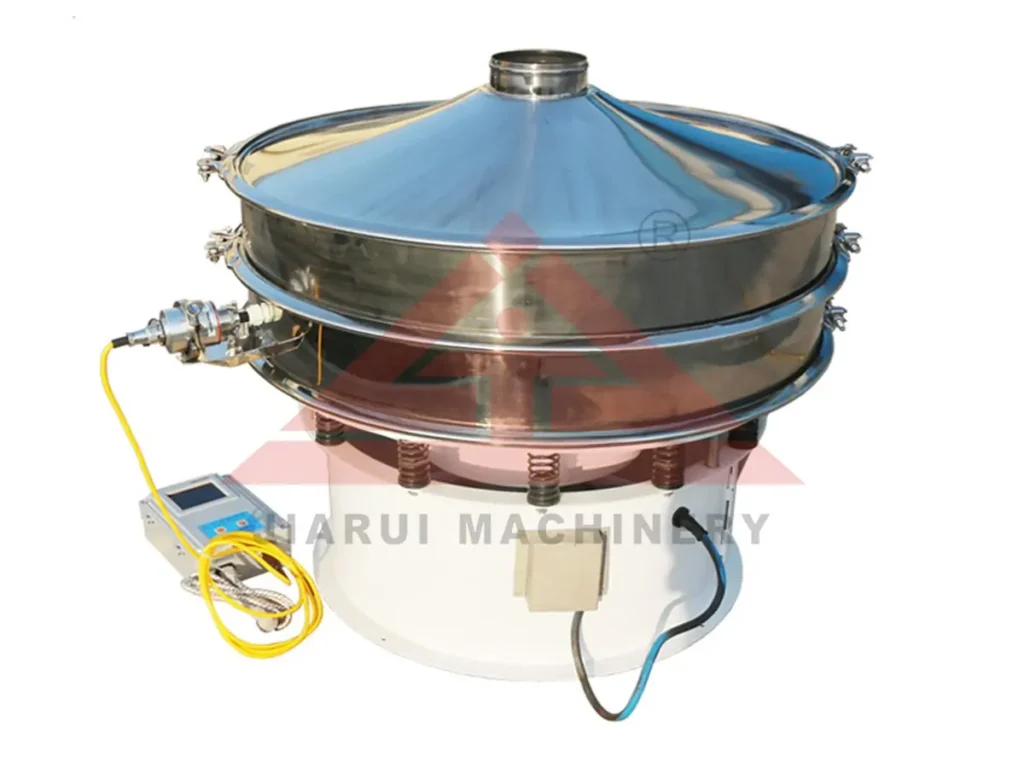
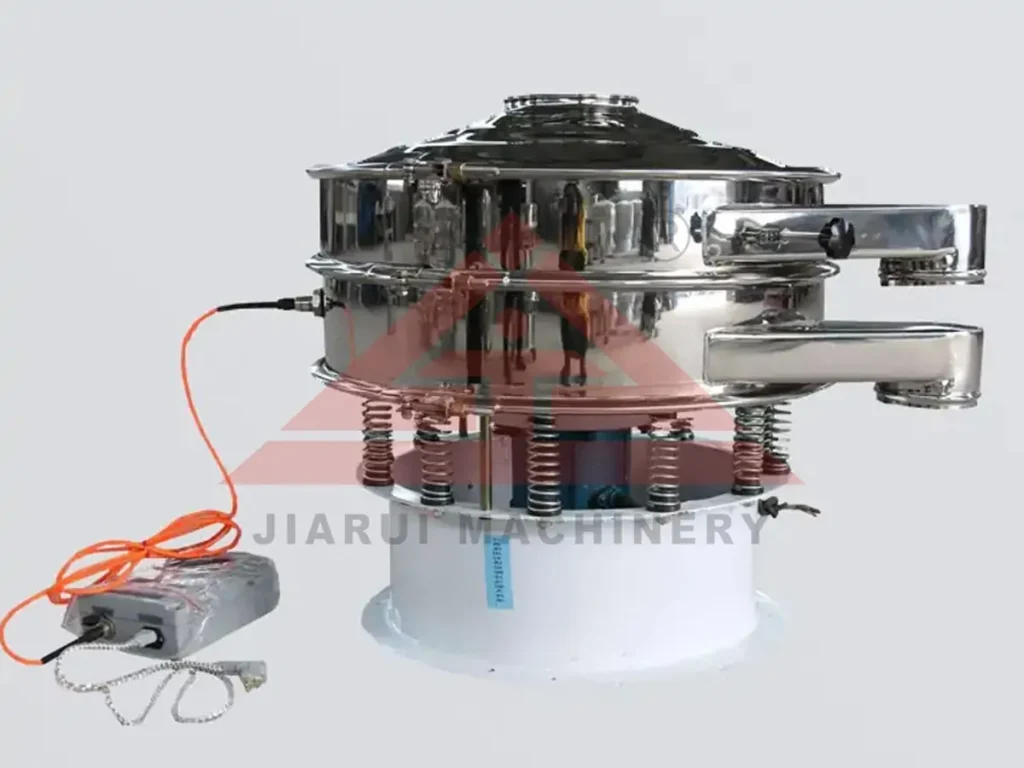
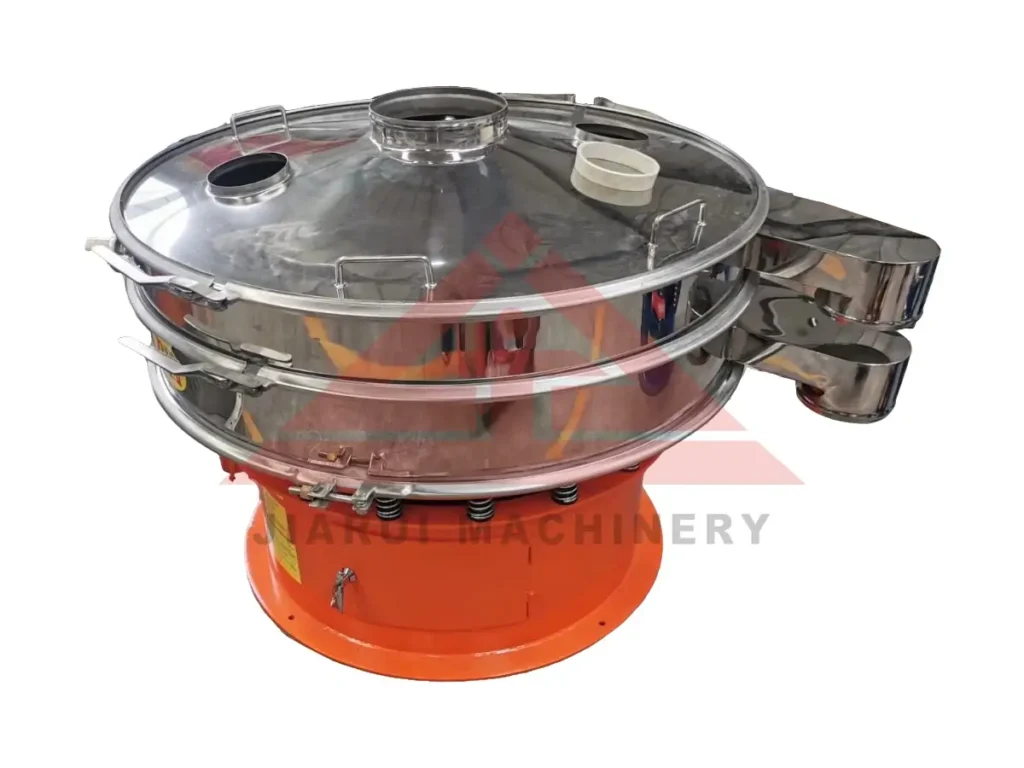
Criba Vibratoria Ultrasónica
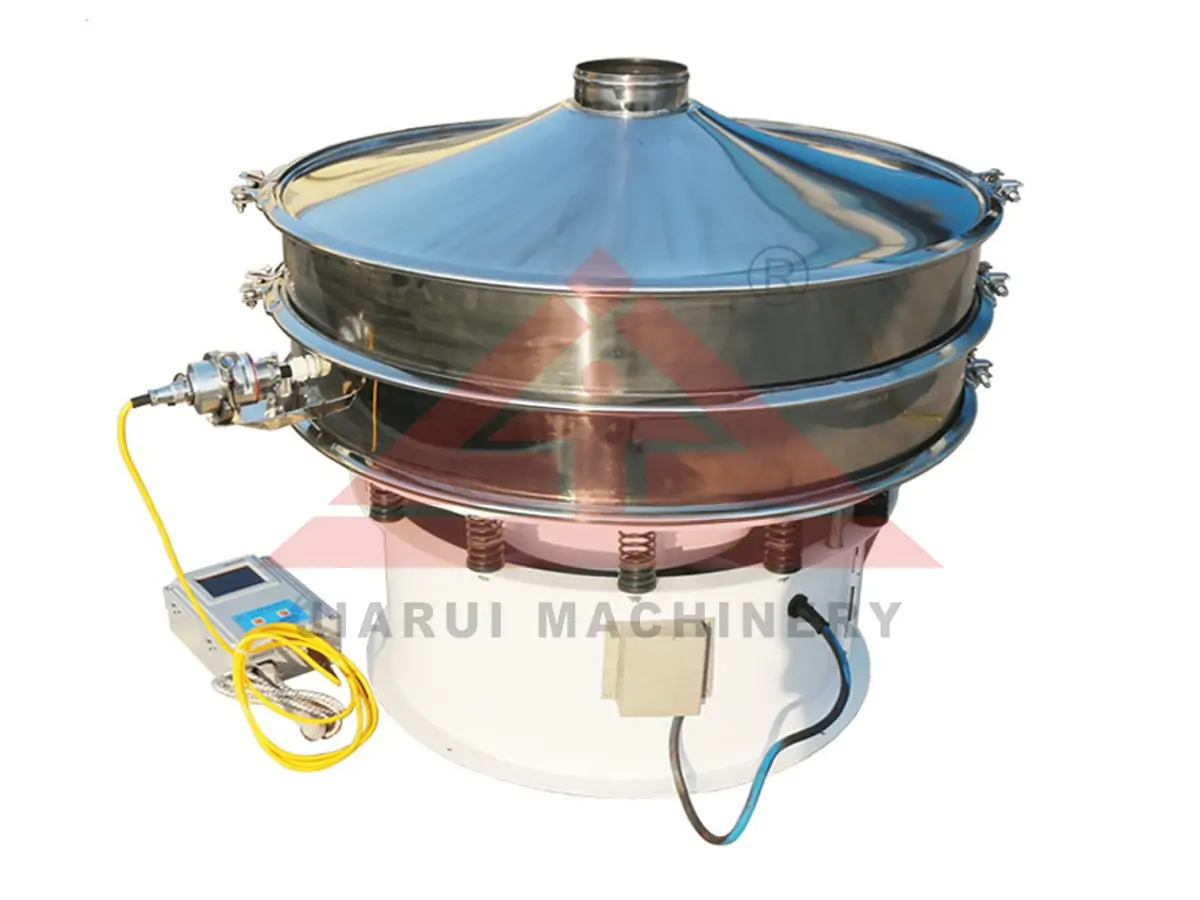
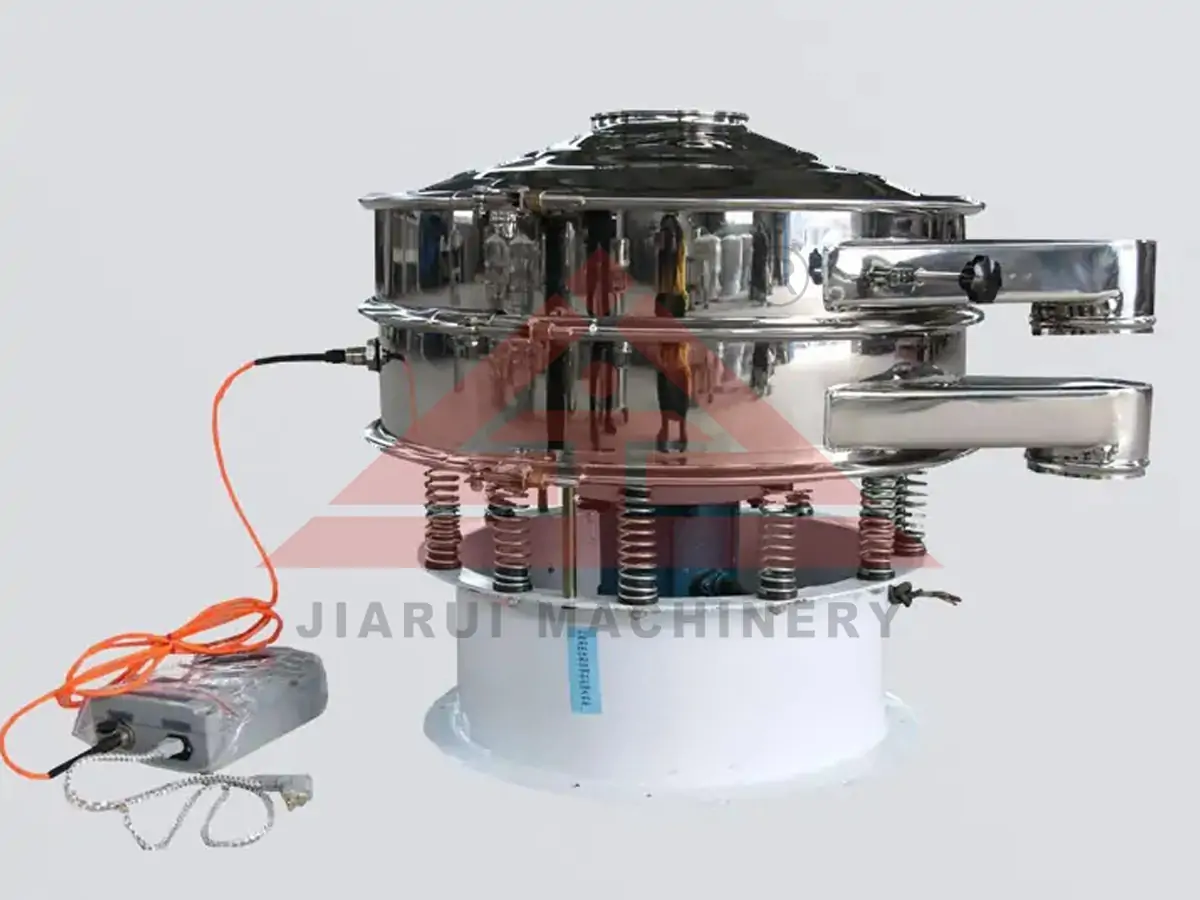
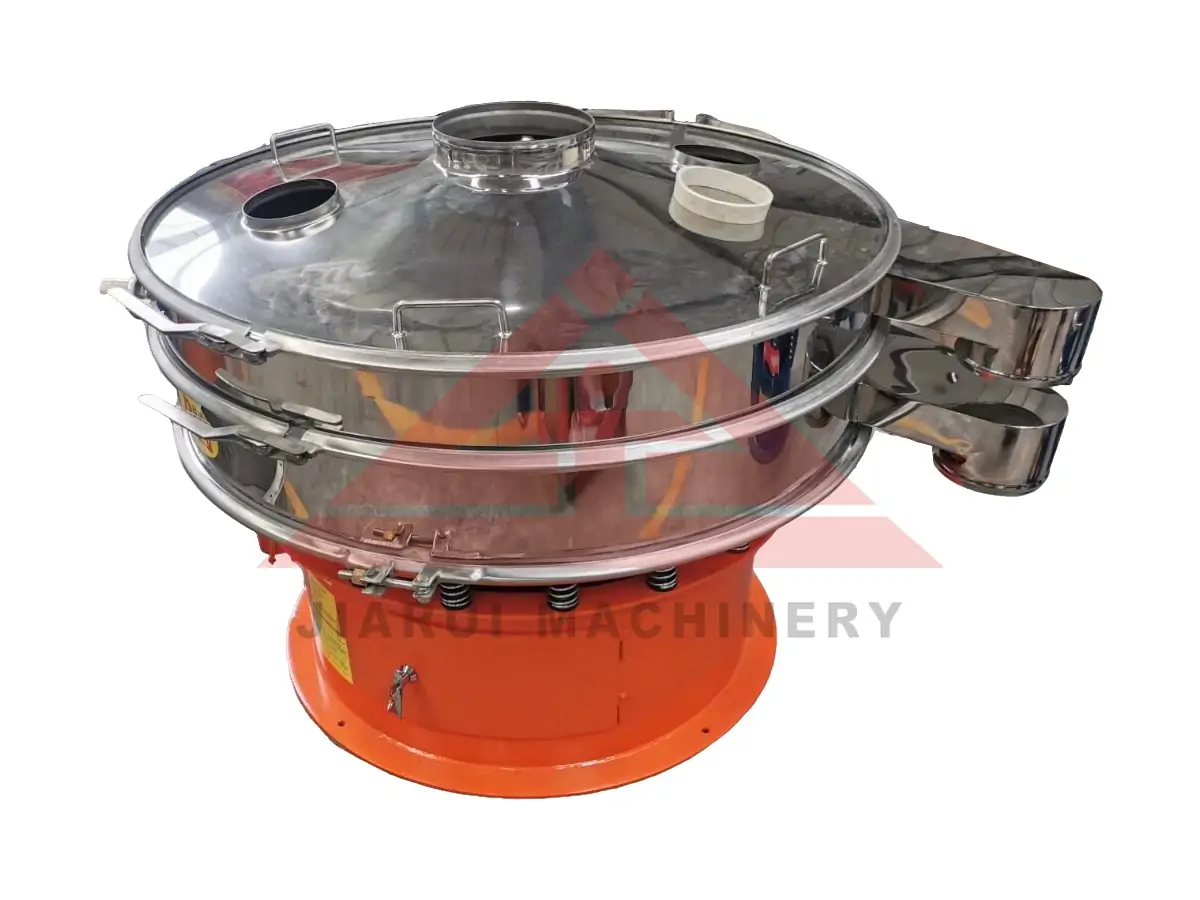
Cribas vibratorias ultrasónicas también se conocen como cribas vibratorias rotativas ultrasónicas. Este equipo se basa en las cribas vibratorias tradicionales (como cribas vibratorias rotatorias) incorporando un sistema de vibración ultrasónica de alta frecuencia para mejorar la eficiencia y precisión del cribado. Es una solución de cribado avanzada diseñada para abordar los desafíos del procesamiento de polvos ultrafinos, materiales altamente viscosos, materiales propensos a la aglomeración y materiales con carga electrostática. Su valor principal radica en la “antiobstrucción” y “alta precisión”, lo que lo convierte en un equipo crítico en industrias como la química fina, la farmacéutica, la alimentaria y los nuevos materiales (por ejemplo, baterías de litio).
¿Qué es una criba vibratoria ultrasónica?
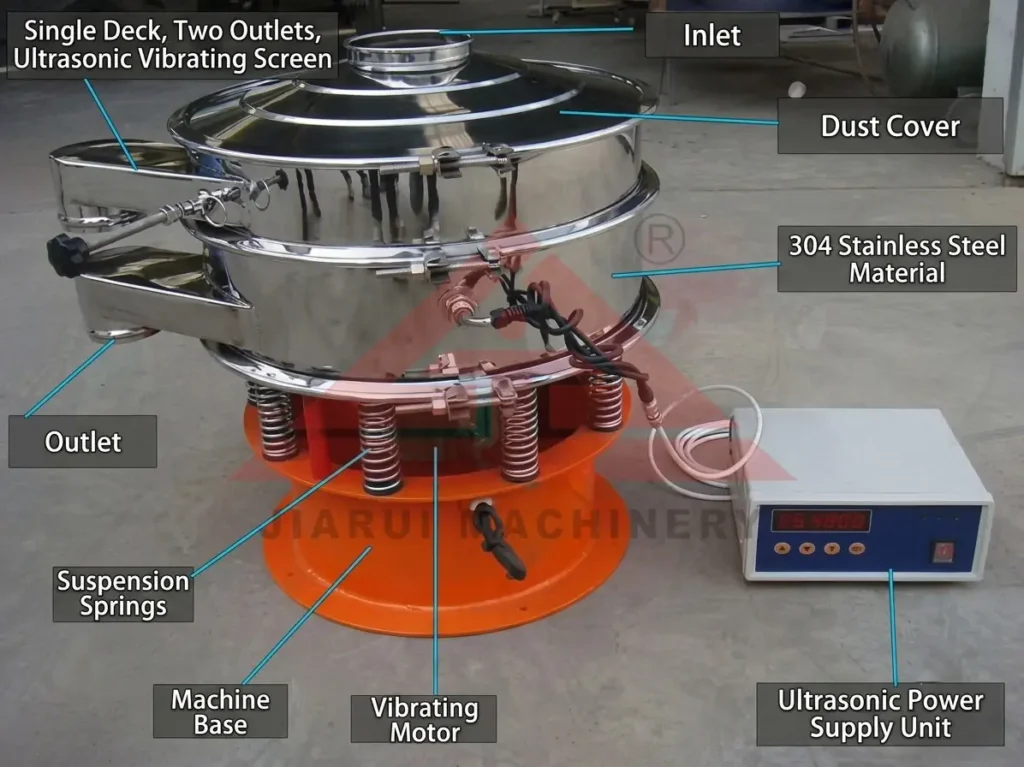
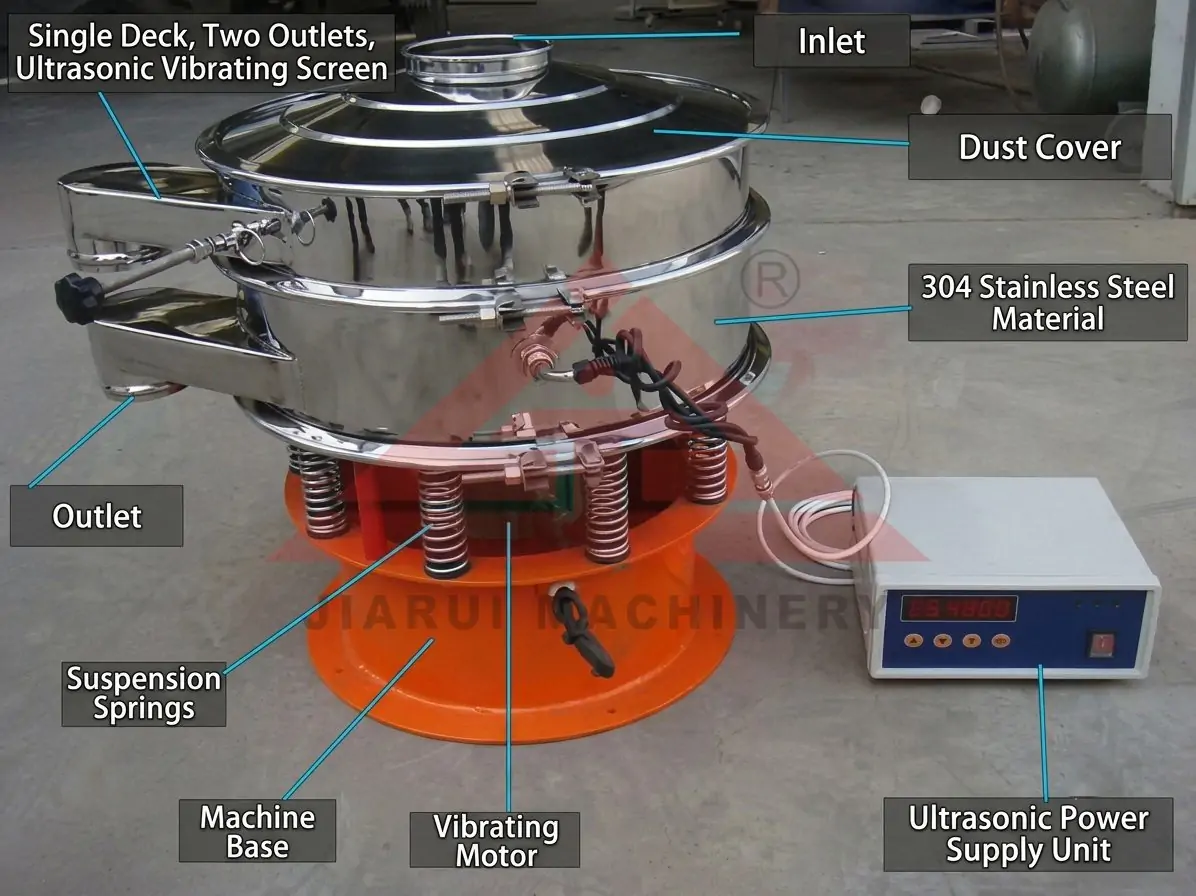
Una criba vibratoria ultrasónica, también conocida como criba vibratoria rotativa ultrasónica, es un dispositivo de cribado de alta precisión que combina la tecnología ultrasónica con la funcionalidad de una criba vibratoria tradicional. Su principio de funcionamiento central es el “accionamiento de doble potencia”: por un lado, un motor de vibración proporciona la vibración mecánica básica, asegurando que el material se distribuya uniformemente sobre la superficie de la malla; por otro lado, un sistema ultrasónico (compuesto por un generador y transductores) convierte la energía eléctrica en vibraciones mecánicas de alta frecuencia (típicamente 20–40 kHz) y las superpone sobre la malla. Esta vibración de alta frecuencia y baja amplitud rompe eficazmente las fuerzas de adhesión y la atracción electrostática entre los materiales, haciendo que las partículas finas se “suspendan”, resolviendo así completamente el problema de la obstrucción de la malla durante el cribado de polvos finos y mejorando significativamente la eficiencia y precisión del cribado.
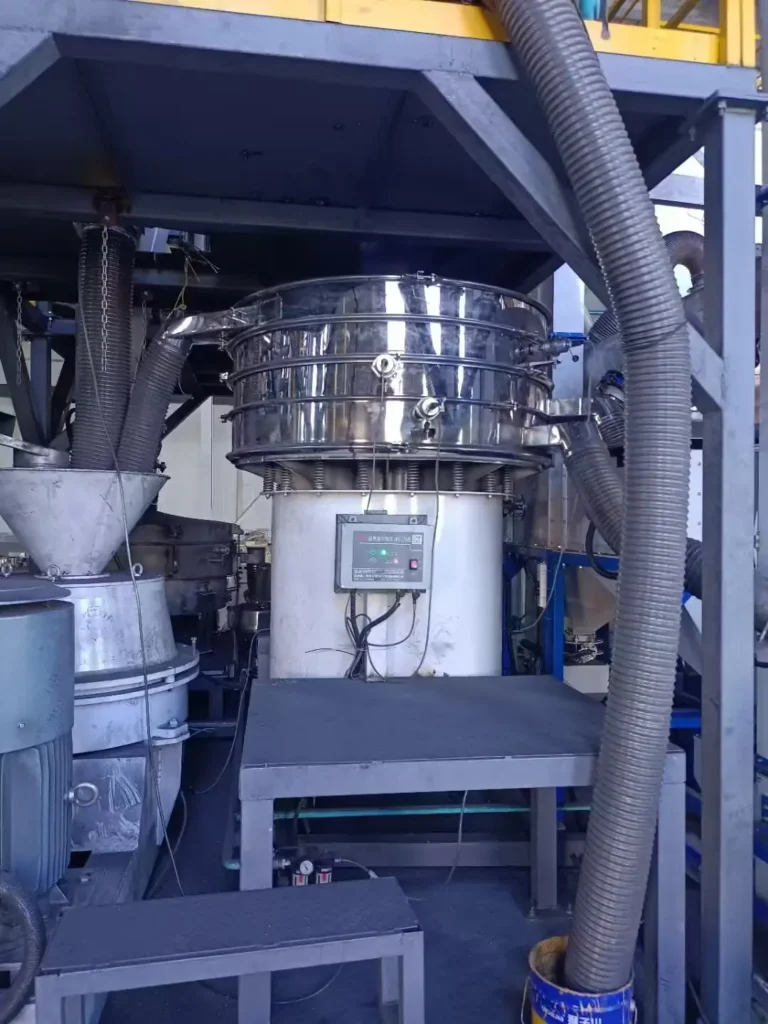
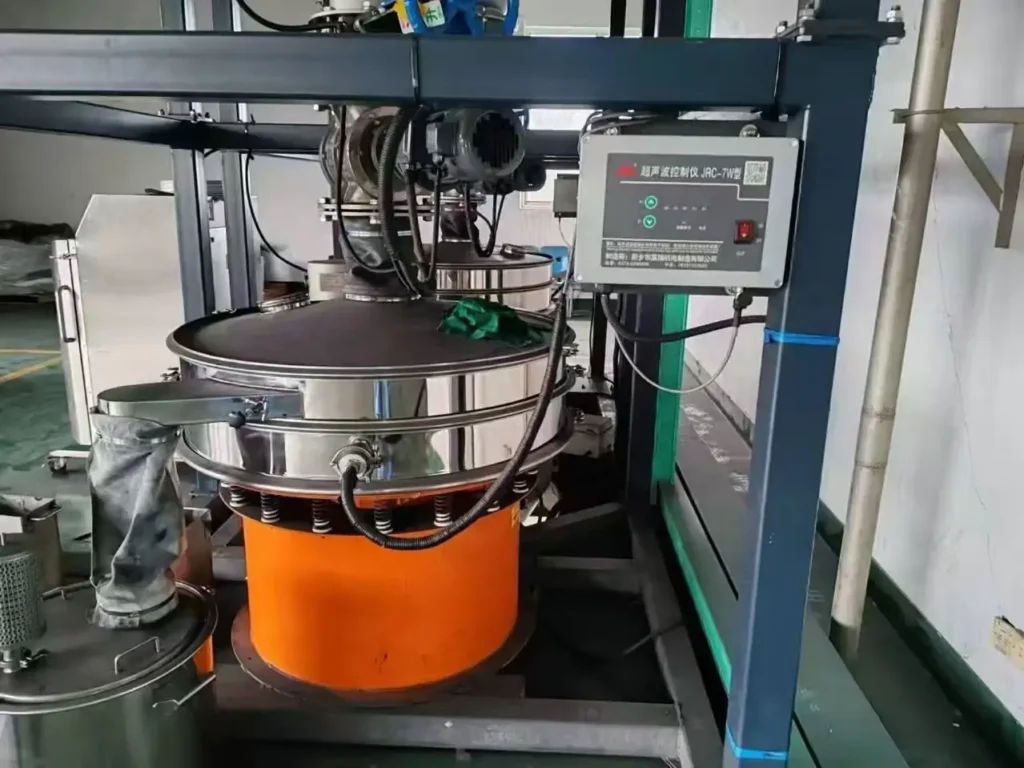
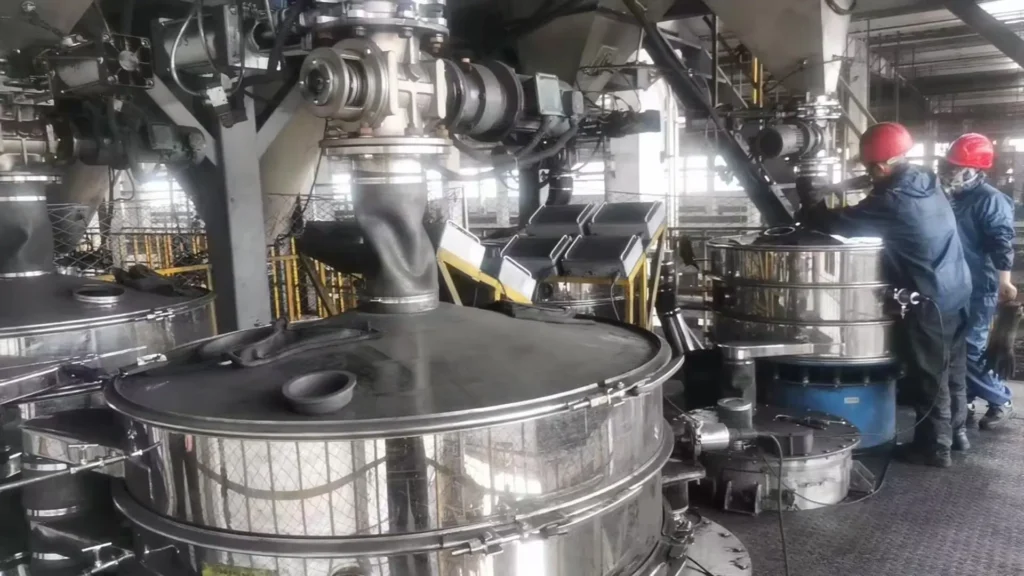
La criba vibratoria ultrasónica de la serie JR-C es un nuevo tipo de criba ultrasónica de “alta precisión y alta estabilidad” desarrollada por Jiarui Machinery con base en años de experiencia en clasificación fina y mediante cooperación técnica con Alemania. Esta criba vibratoria ultrasónica convierte la energía eléctrica de 220V, 50Hz o 110V, 60Hz en energía eléctrica de alta frecuencia de 38kHz, que luego se alimenta al transductor ultrasónico. Esto permite un cribado eficiente y una limpieza de malla eficaz, haciendo que el cribado de polvos ultrafinos sea sencillo. Sobre la base de las cribas vibratorias tradicionales, este sistema introduce vibraciones ultrasónicas de baja amplitud y alta frecuencia (ondas mecánicas) en la malla, mejorando así el rendimiento de cribado de partículas ultrafinas. Las principales áreas de aplicación incluyen: la industria química (por ejemplo, recubrimientos en polvo, resinas, materiales para baterías), la industria alimentaria (por ejemplo, leche en polvo, azúcar en polvo, almidón), la industria farmacéutica (por ejemplo, polvos medicinales chinos y occidentales, principios activos farmacéuticos que requieren cumplimiento de GMP), así como las industrias metalúrgica y de nuevos materiales (por ejemplo, polvos metálicos, polvos cerámicos, arena de cuarzo, etc.). Además, este equipo desempeña un papel significativo en los sectores de protección ambiental y nuevas energías (por ejemplo, cribado de materiales para baterías de litio).
Obtenga más información sobre el principio de funcionamiento y las aplicaciones de las cribas vibratorias ultrasónicas en nuestra guía: ¿Qué es una cri¿Qué es una criba vibratoria ultrasónica?ba vibratoria ultrasónica?
Aplicaciones de la criba vibratoria ultrasónica
Gracias a su capacidad única para abordar desafíos como la obstrucción de la malla y la aglomeración electrostática en polvos ultrafinos, las cribas vibratorias ultrasónicas de Jiarui Machinery se utilizan ampliamente en numerosas industrias que exigen una precisión y pureza extremadamente altas en el cribado de materiales.
 Intermedios farmacéuticos (API)
 Polvo de malta
 Azúcar en Polvo
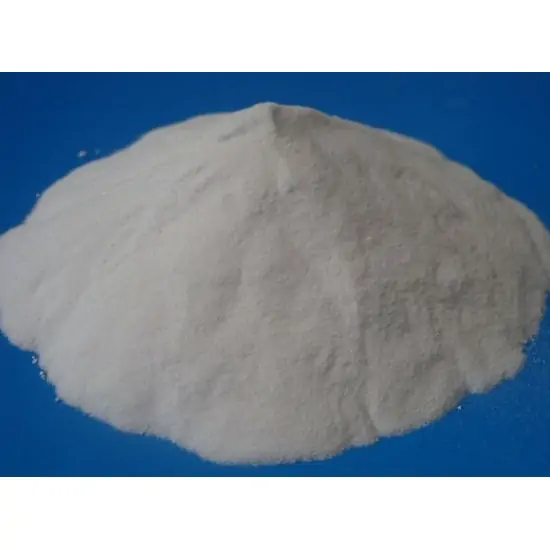 Polvo de Ribavirina
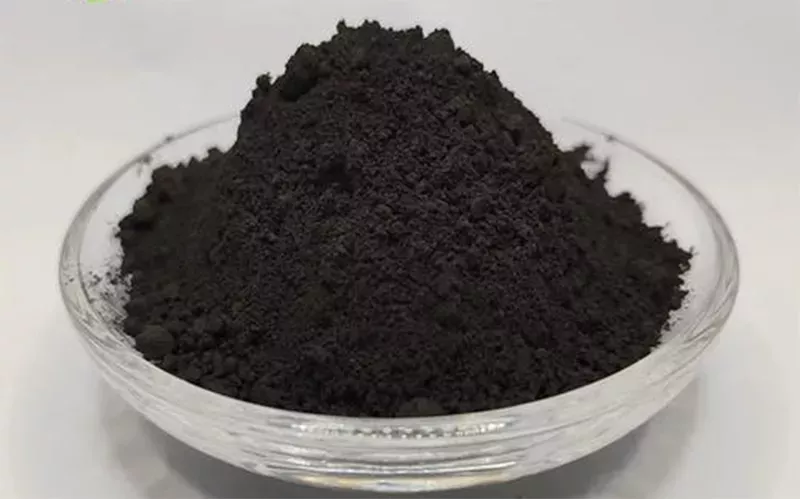 Polvo de Carburo de Boro
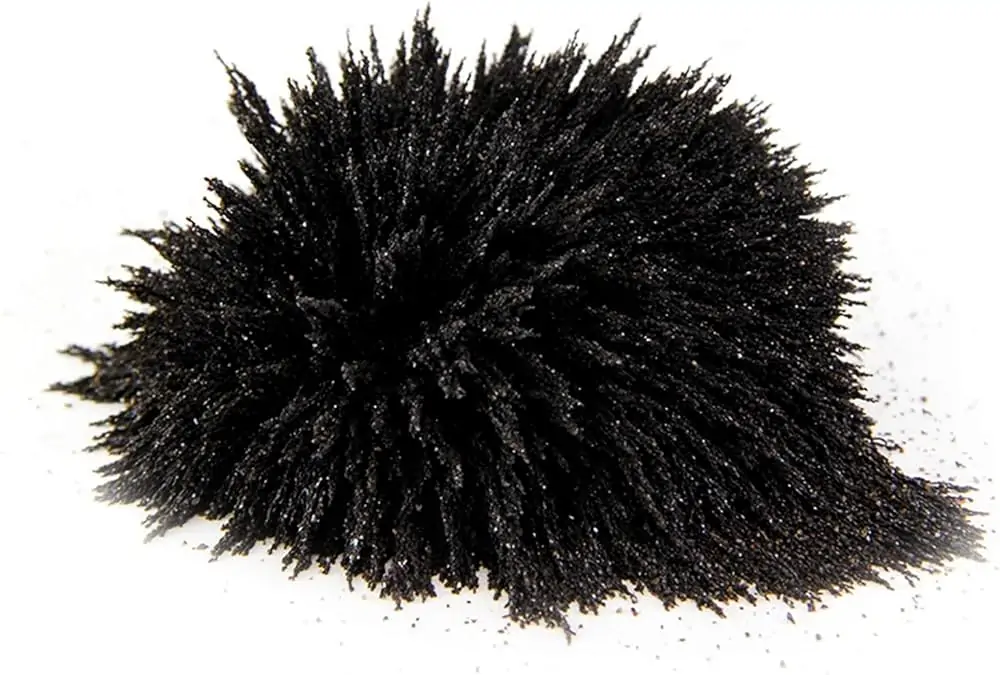 Polvo magnético
 Recubrimientos en polvo
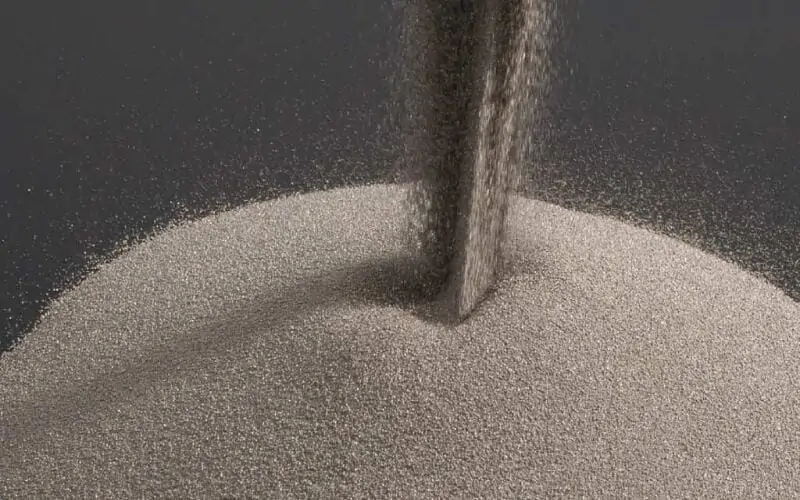 Polvo de Acero Inoxidable
| Industria | Materiales típicos (cribado de malla 400–600) |
|---|---|
| Nuevas energías y materiales avanzados | Materiales de ánodo de baterías de litio, materiales de cátodo, polvo magnético, polvo láser, polvo de aleación |
| Polvo Metálico y Metalurgia de Polvos | Polvo de Molibdeno, Polvo de Acero Inoxidable, Polvo de Tungsteno, Polvo de Níquel, Polvo de Cobalto, Polvo de Aleaciones |
| Industria Química y de Recubrimientos | Recubrimientos en Polvo, Polvo de Carburo de Silicio, Polvo de Carburo de Boro, Polvo de Cuarzo, Polvos Químicos Orgánicos |
| Alimentos y Aditivos Alimentarios | Polvo de Malta, Polvo de Café, Almidón, Azúcar en Polvo, Leche en Polvo |
| Procesamiento Farmacéutico y de API | Polvo de Ribavirina, Polvo de Hierbas Medicinales, Polvos Farmacéuticos, Intermedios de API |
| Materiales Abrasivos y Cerámicos | Carburo de Silicio, Carburo de Boro, Polvo de Cuarzo, Alúmina, Polvo Cerámico |
Para una comparación más amplia de los tipos de cribadoras industriales y consideraciones de selección, consulte nuestra guía de Tipos de Cribadoras Industriales: ¿Cómo Elegir la Correcta? Si su industria no está listada anteriormente, no dude en contactar a Jiarui Machinery para determinar si existe una mejor solución para sus necesidades de cribado.
En Jiarui Machinery, podemos proporcionar soluciones de cribado que van desde modelos estándar hasta opciones altamente personalizadas, adaptadas a los requisitos específicos de su industria.
Especificaciones técnicas de la criba vibratoria ultrasónica
Diseñada para cribado de polvos ultrafinos, esta criba vibratoria ultrasónica integra tecnología ultrasónica avanzada con un rendimiento de cribado de alta eficiencia. Se utiliza ampliamente en industrias como procesamiento químico, materiales para baterías de litio, polvos alimentarios y productos farmacéuticos.
Fuente de alimentación ultrasónica
- Convierte 220V / 50Hz o 110V / 60Hz en energía eléctrica de alta frecuencia de 38 kHz
- Diseño de circuito totalmente cerrado para operación estable y a largo plazo
- Compatible con control digital, lo que permite modos de trabajo continuo e intermitente
- Rango de potencia: 0,25 kW – 3 kW
- Ajuste adaptativo de frecuencia según la densidad y viscosidad del material
Transductor Ultrasónico
- Convierte la energía eléctrica en ondas de vibración mecánica de alta frecuencia
- Garantiza una distribución uniforme del ultrasonido en toda la superficie de la malla
- Compatible con 12–24 horas de operación continua en condiciones de servicio pesado
- Equipada con conectores de aviación sellados, no requiere sistema de enfriamiento
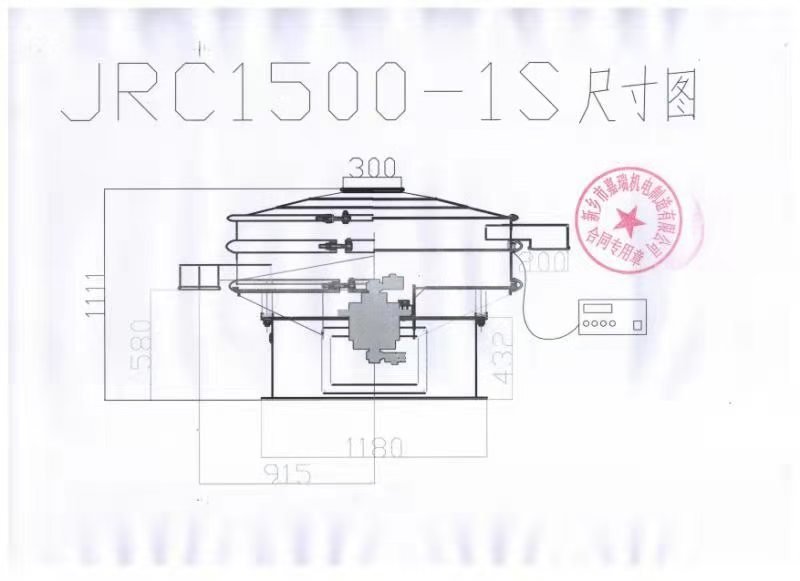
Tela de criba ultrasónica
- Combina movimiento de vibración 3D + vibración ultrasónica, mejorando la precisión del cribado
- Ideal para polvos ultrafinos (> 500 mesh)
- La función de autolimpieza elimina la obstrucción de la malla
- Finura de cribado de hasta 635 mesh (18 micras)
- Mantiene un rendimiento estable sin pérdida de eficiencia
Para el reemplazo de mallas, consulte nuestra guía de Reemplazo de la malla en criba vibratoria ultrasónica.Para una referencia rápida de los tamaños de malla y los tamaños de abertura correspondientes, consulte nuestra Tabla de Comparación de Tamaño de Malla y Abertura de Criba Vibratoria.
Estructura del cuerpo de la criba
- Opciones de diámetro: Φ400 mm – Φ1800 mm
- Área de cribado efectiva: 0.09 – 2.26m2
- Diseño modular para facilitar el mantenimiento y la sustitución de componentes
- Recubrimiento opcional de PTFE (Teflón) para:
- Materiales antiadherentes
- Entornos corrosivos
- Industrias de procesamiento de alta pureza
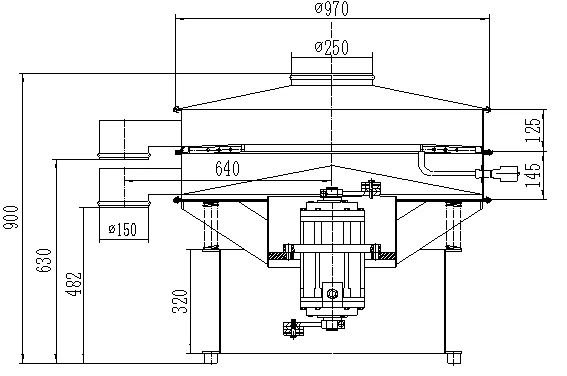
Detalles de los componentes
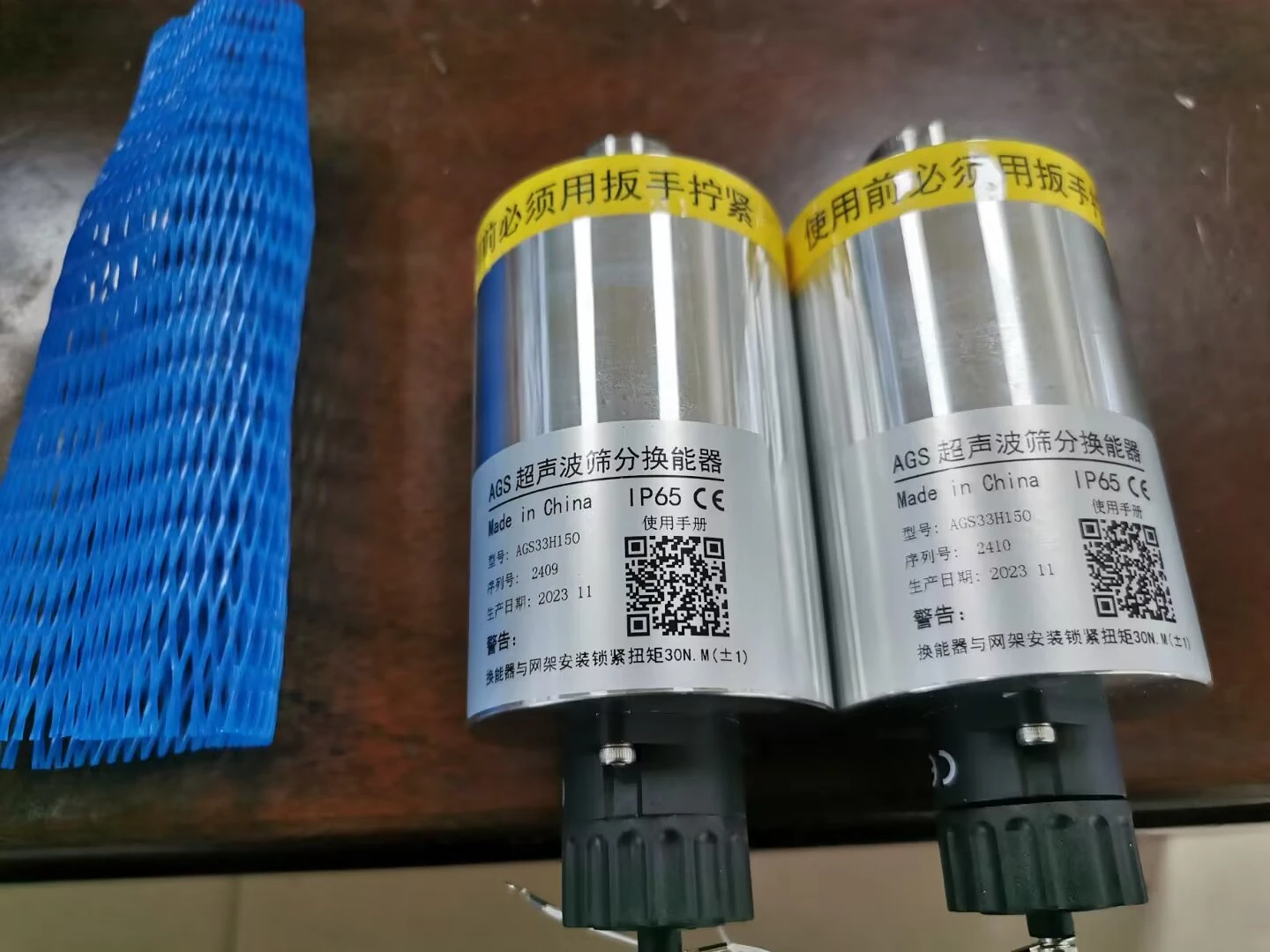
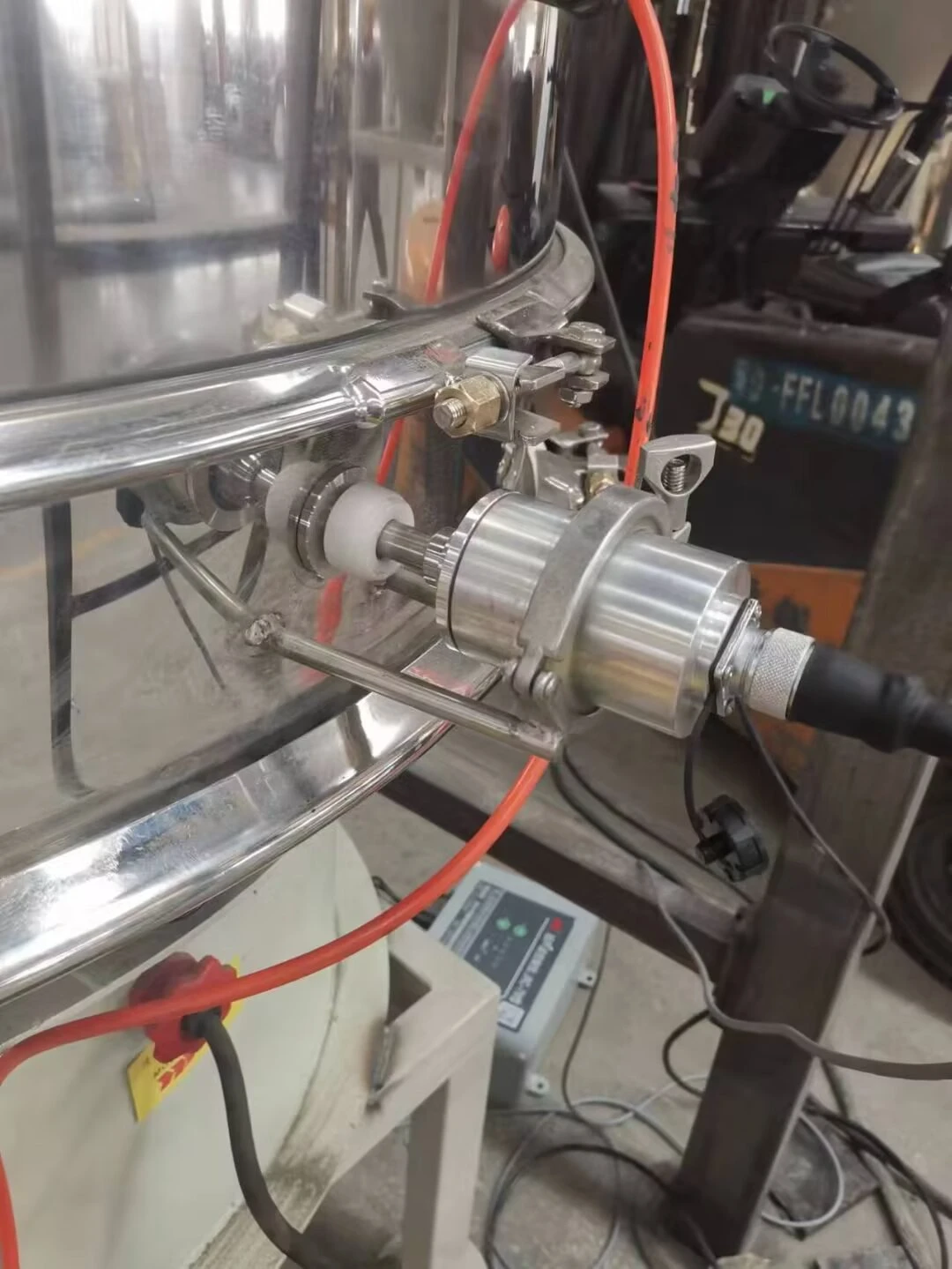
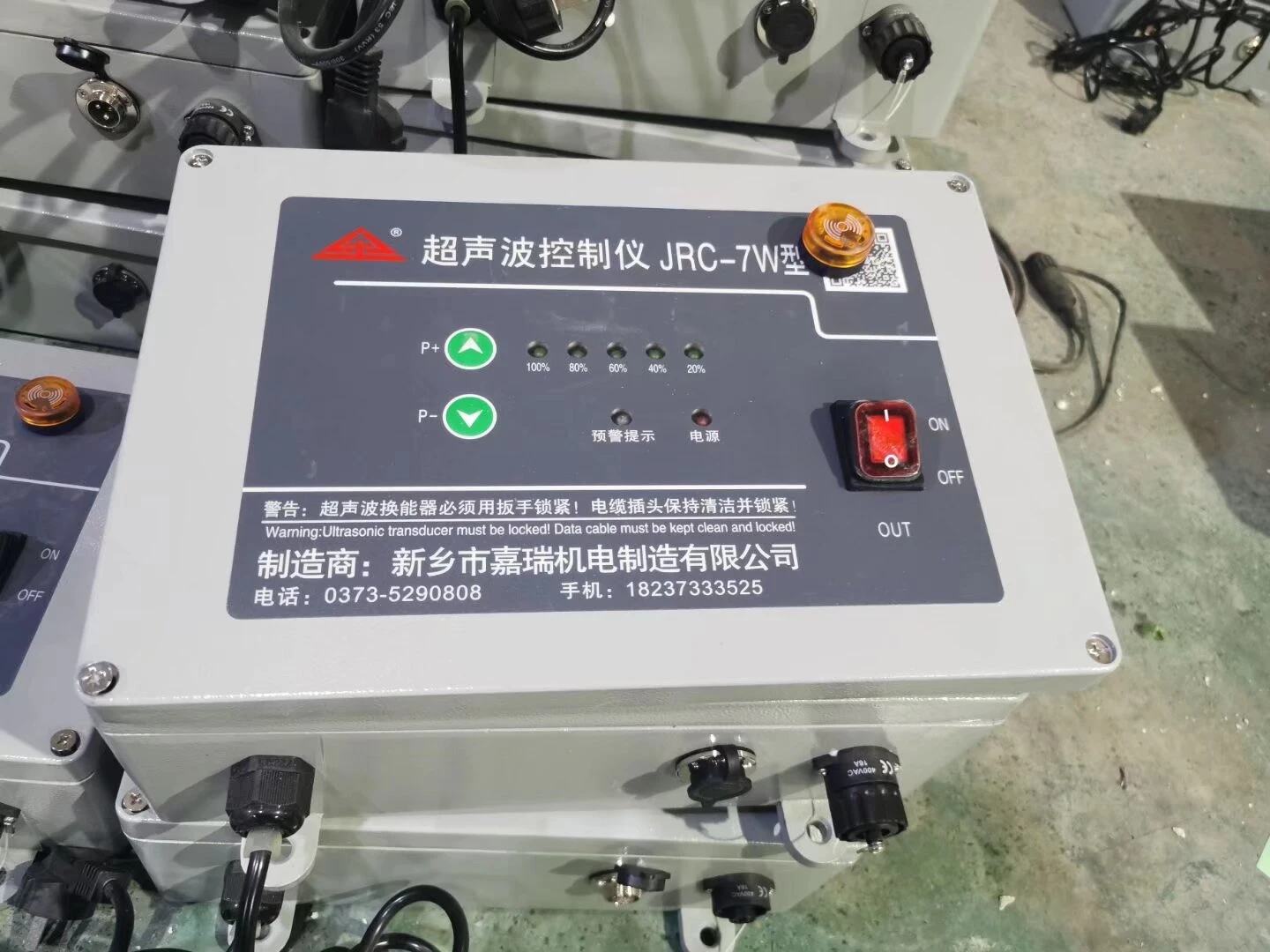
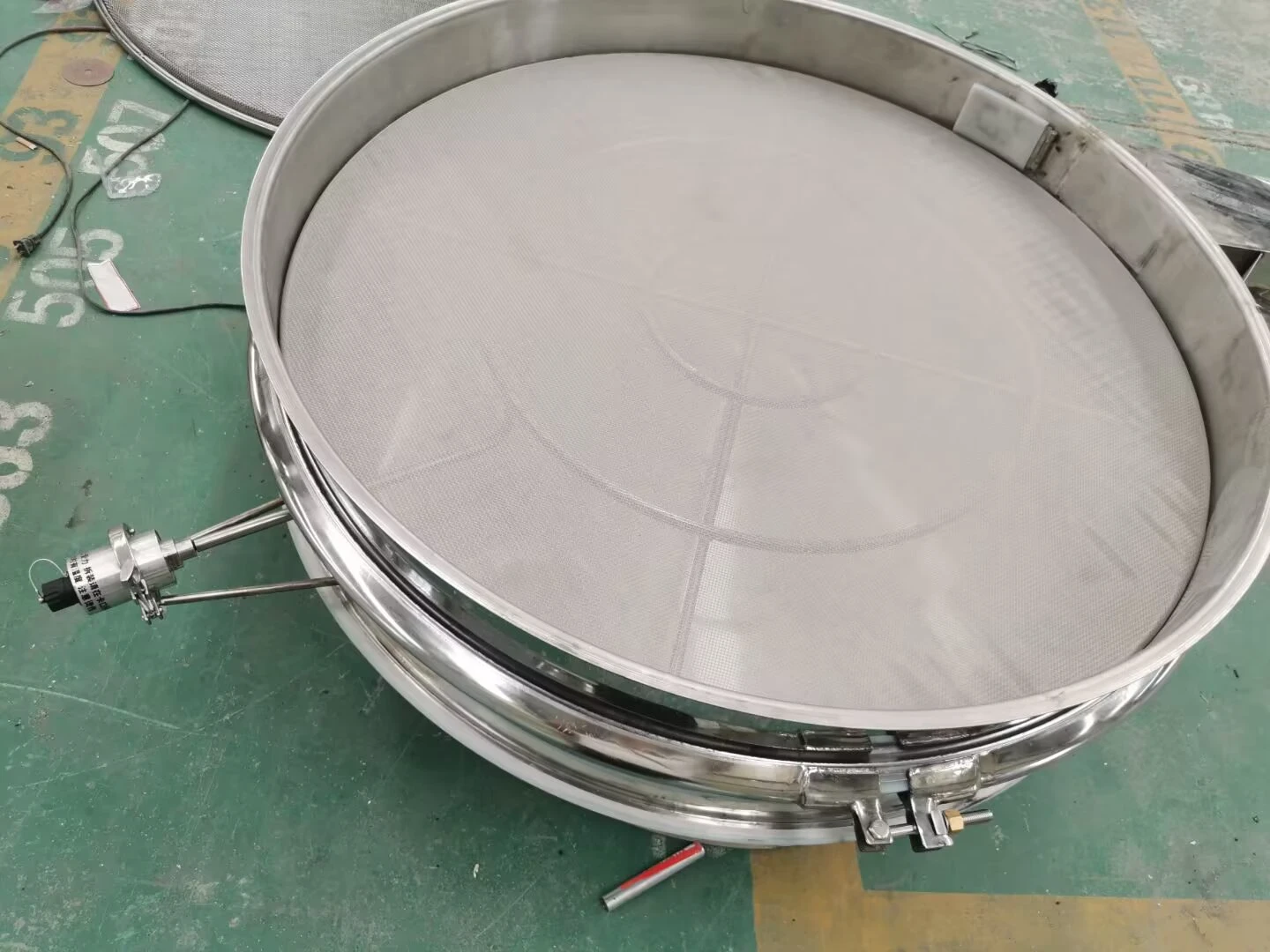
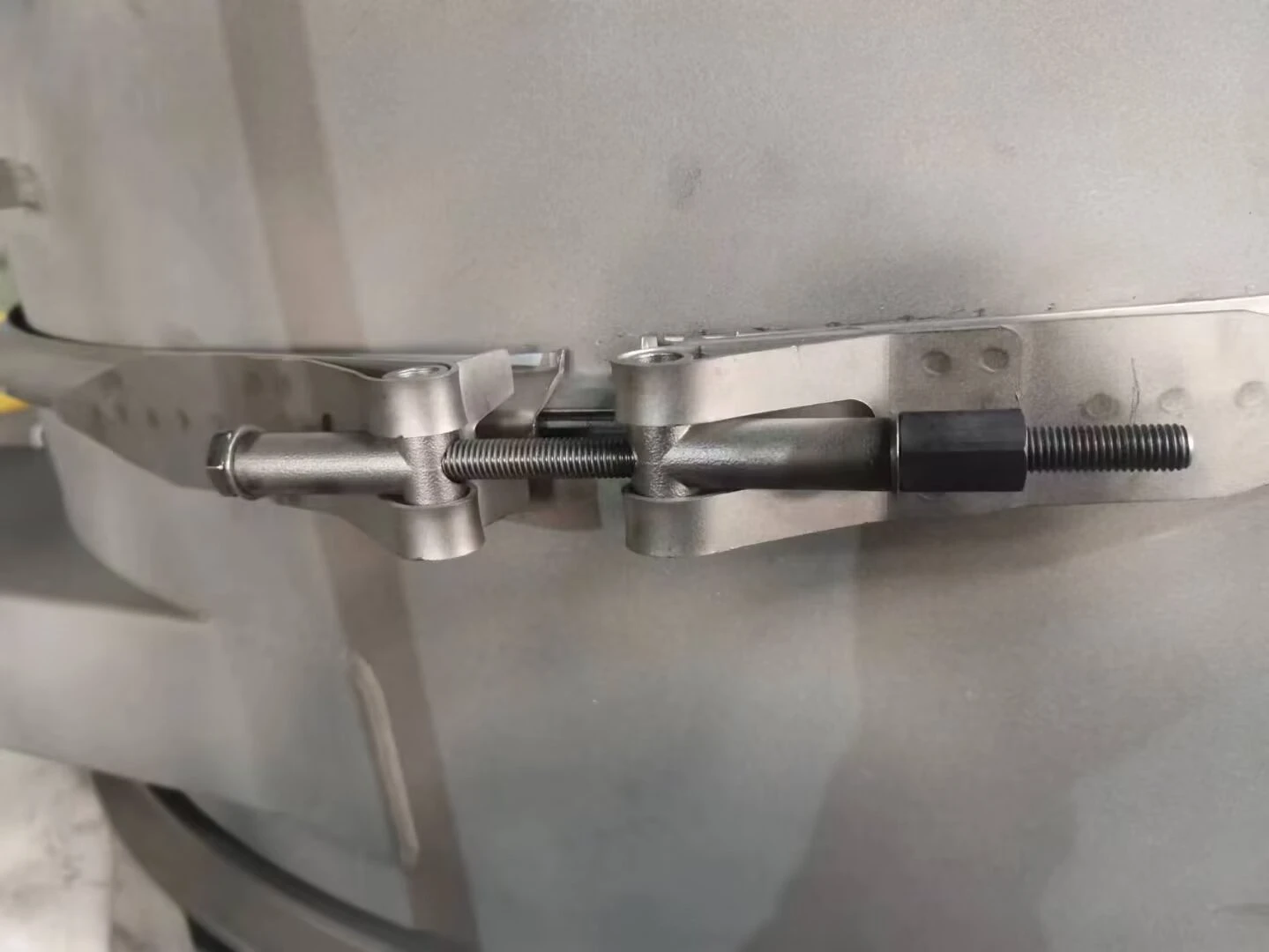
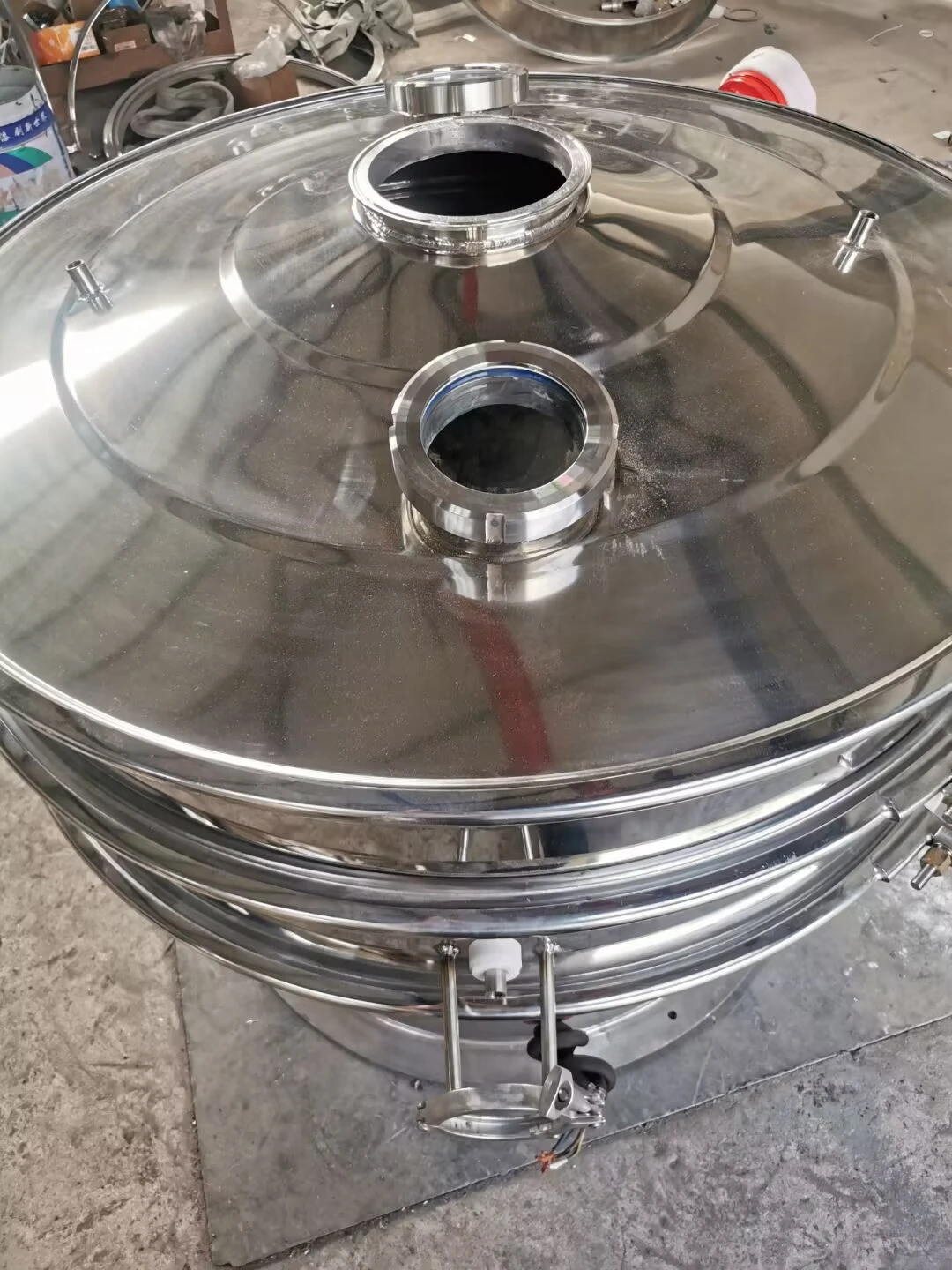
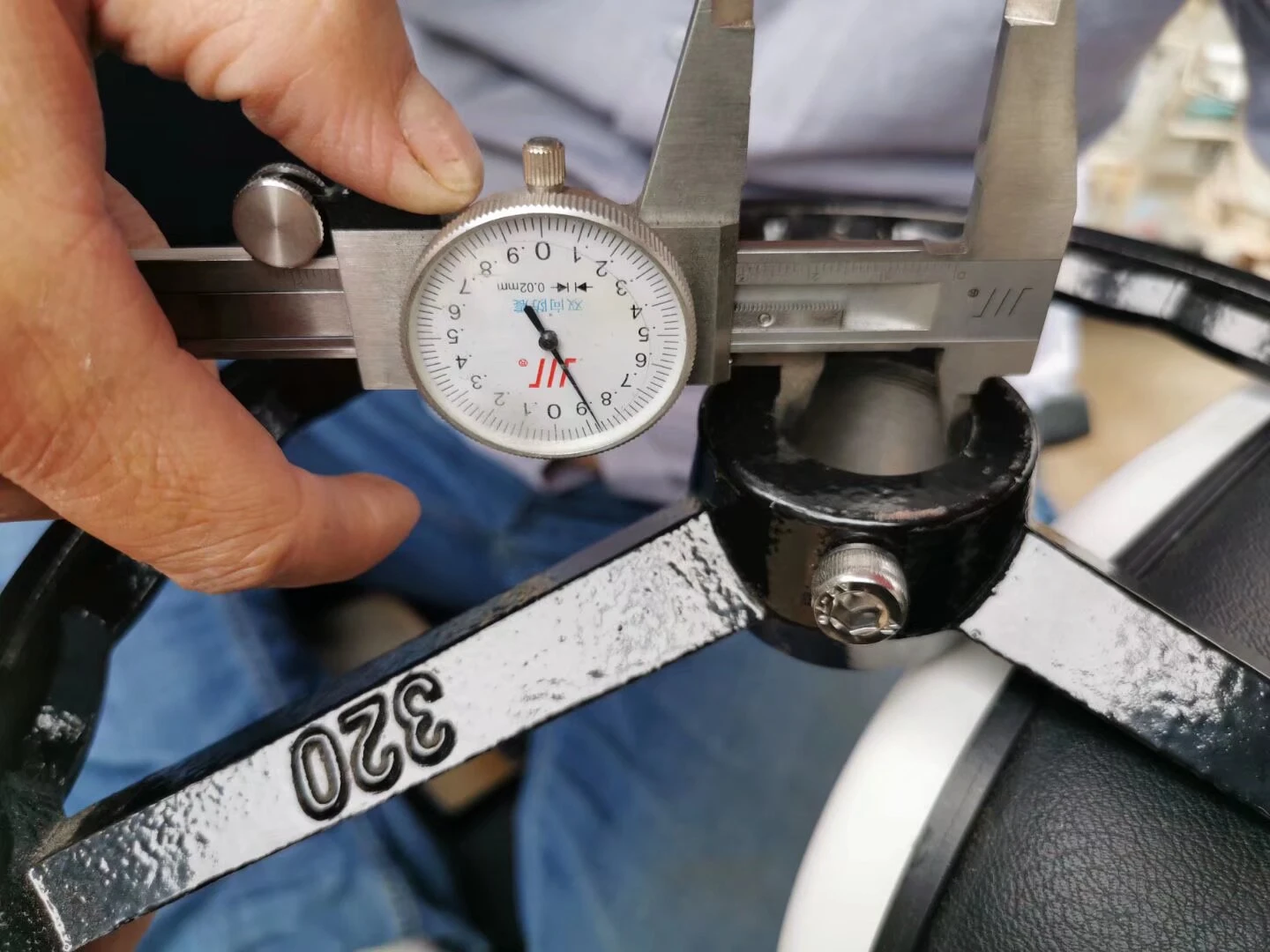
Tabla resumen de especificaciones técnicas
| Parámetro | Especificación |
|---|---|
| Voltaje | 110V / 220V |
| Frecuencia | 38 kHz |
| Rango de potencia | 0,25 kW – 3 kW |
| Finura de Cribado | Hasta 635 mesh (18 μm) |
| Diámetro de la Máquina | Φ400 – Φ1800 mm |
| Área de Cribado | 09 – 2.26m2 |
| Modo de operación | Continuo / Intermitente |
| Materiales de Aplicación | Polvo fino, suspensión, materiales pegajosos |
Modelo
| Parámetro técnico | JR-C-400 | JR-C-600 | JR-C-800 | JR-C-1000 | JR-C-1200 | JR-C-1500 | JR-C-1800 |
|---|---|---|---|---|---|---|---|
| Diámetro efectivo de cribado (mm) | 350 | 550 | 750 | 950 | 1150 | 1430 | 1700 |
| Área de cribado efectiva (m²) | 0.0961 | 0.2375 | 0.4416 | 0.7085 | 0.9028 | 1.6052 | 2.2687 |
| Rango de Malla de Cribado | 100–635 Mesh | 100–635 Mesh | 100–635 Mesh | 100–635 Mesh | 100–635 Mesh | 100–635 Mesh | 100–635 Mesh |
| Número de Cubiertas de Criba | 1–3 | 1–3 | 1–3 | 1–3 | 1–3 | 1–3 | 1–3 |
| Potencia del Motor (kW) | 0.25 | 0.55 | 0.75 | 1.5 | 1.75 | 2.2 | 3.0 |
Notas especiales
Además de las especificaciones estándar del tamiz vibratorio ultrasónico IR-C, ofrecemos una variedad de diseños personalizados. Para el cribado de materiales especiales, podemos proporcionar soluciones como sistemas para inyectar fluido de limpieza o cribado bajo una atmósfera de gas inerte.
Tamiz vibratorio ultrasónico vs. tamiz vibratorio convencional: Guía de selección
La elección entre un tamiz vibratorio convencional y un tamiz vibratorio ultrasónico depende del tamaño de partícula, las características del material, la eficiencia de cribado y los requisitos de producción. La siguiente comparación ayuda a identificar la solución más adecuada para diferentes aplicaciones. Para obtener más información sobre la selección de tamices vibratorios para el cribado industrial de polvos, consulte nuestra guía sobre Máquina tamizadora vibratoria para cribado industrial de polvos.
A continuación se presentan algunas recomendaciones de Jiarui Machinery para su consideración.
| Elemento de comparación | Criba vibratoria convencional | Criba Vibratoria Ultrasónica | Consideración de selección |
|---|---|---|---|
| Principio de Funcionamiento | Vibración tridimensional generada por un motor vibratorio y pesos excéntricos. | Vibración tridimensional combinada con energía ultrasónica de alta frecuencia. | Determine si se necesita energía ultrasónica para superar la adhesión y aglomeración de partículas. |
| Ventajas clave | Funcionamiento estable, estructura simple, rentable para polvos y gránulos generales. | Elimina eficazmente la electricidad estática, la aglomeración y la fuerte adhesión de partículas en polvos ultrafinos. | Seleccione según las características del material y el presupuesto de producción. |
| Método de limpieza de la malla | Bolas rebotadoras de goma o silicona limpian continuamente la malla del tamiz. | La vibración ultrasónica proporciona autolimpieza automática de la malla sin bolas rebotadoras. | Adecuado para materiales propensos a la obstrucción o contaminación de la malla. |
| Rango de cribado recomendado | Mejor rendimiento para materiales por debajo de 200 mesh (≈75 μm). | Ideal para Malla 200–635 (≈18–75 μm) clasificación de polvo ultrafino. | Elija según la distribución del tamaño de partícula objetivo. |
| Rendimiento de cribado | Excelente para materiales convencionales, pero la eficiencia disminuye cuando los polvos finos obstruyen la malla. | La precisión de cribado puede mejorar en 1%–70%, mientras que la capacidad puede aumentar 0,5–10 veces en comparación con el cribado convencional. | Recomendado para producción continua de alta malla que requiere un rendimiento estable. |
| Mantenimiento e inversión | Menor costo de equipo y mantenimiento simple. | Mayor inversión inicial debido al sistema ultrasónico y a los requisitos básicos de capacitación del operador. | Equilibre la inversión inicial con la eficiencia de producción a largo plazo y las mejoras de calidad. |
Para aplicaciones de cribado de harina, consulte nuestra guía sobre Máquina industrial de tamizado de harina para una comparación de los tipos comunes de tamizadores y consideraciones de selección.
Cómo elegir la solución de cribado adecuada
Elija una Criba vibratoria convencional si:
- Procesamiento de polvos o gránulos por debajo de 200 mesh
- Los materiales tienen buena fluidez con mínima electricidad estática
- La rentabilidad es la consideración principal
- La precisión de cribado estándar cumple con los requisitos de producción
Elija una Criba Vibratoria Ultrasónica si:
- Cribado Polvos ultrafinos de malla 200–635
- Los materiales presentan electricidad estática, aglomeración o fuerte adhesión
- La alta precisión de cribado y el rendimiento estable son críticos
- Las aplicaciones involucran materiales de baterías de litio, polvos metálicos, polvos farmacéuticos,
aditivos alimentarios o materiales cerámicos avanzados.
Consulte nuestro caso de estudio de cribado de polvo de batería de litio para ver un ejemplo de aplicación real.
Recomendación rápida
| Requisito de aplicación | Solución recomendada |
|---|---|
| Cribado general de polvos | Criba vibratoria convencional |
| Clasificación de polvos finos (100–200 mesh) | Criba vibratoria convencional |
| Cribado de polvos ultrafinos (200–635 mesh) | Criba Vibratoria Ultrasónica |
| Polvos estáticos, pegajosos o aglomerados | Criba Vibratoria Ultrasónica |
| Control de tamaño de partícula de alta precisión | Criba Vibratoria Ultrasónica |
| Producción estándar sensible al presupuesto | Criba vibratoria convencional |
| Procesamiento de polvos de alto valor con máximo rendimiento | Criba Vibratoria Ultrasónica |
Seleccionar la criba vibratoria ultrasónica adecuada no es tan simple como comparar una sola tabla para encontrar el producto perfecto. Ofrecemos una guía de selección gratuita. Si no está seguro de cómo elegir, contacte a Jiarui Machinery hoy.
Criba vibratoria ultrasónica Jiarui
Cribas vibratorias ultrasónicas de alta eficiencia: una solución especializada para polvo superfino
Diseñada específicamente para materiales finos difíciles de cribar, ofrece clasificación de alta precisión y operación sin obstrucciones para impulsar la calidad y el rendimiento de producción.
Extremadamente eficiente y duradera
Convierte energía eléctrica en vibraciones de 38 kHz, mejorando la eficiencia de cribado en 50%–400% y permitiendo 12–24 horas de operación continua sin enfriamiento.
Cambio de malla ultrarrápido
El diseño de reemplazo rápido de malla reduce el tiempo de inactividad. Los conectores de aviación totalmente cerrados y los transductores integrados garantizan una operación fácil, segura y de bajo mantenimiento.
Cribado preciso de polvos finos
La tela de malla autolimpiante previene la obstrucción a 500 mesh y alcanza hasta 635 mesh (18 micras) con tamaño de partícula estable y propiedades del material sin cambios.
Resolución avanzada de problemas
Elimina problemas de electricidad estática, aglomeración y adsorción. Mejora el flujo de polvo y aumenta la producción de 0,5–10 veces para materiales de alto valor como polvos de baterías de litio.
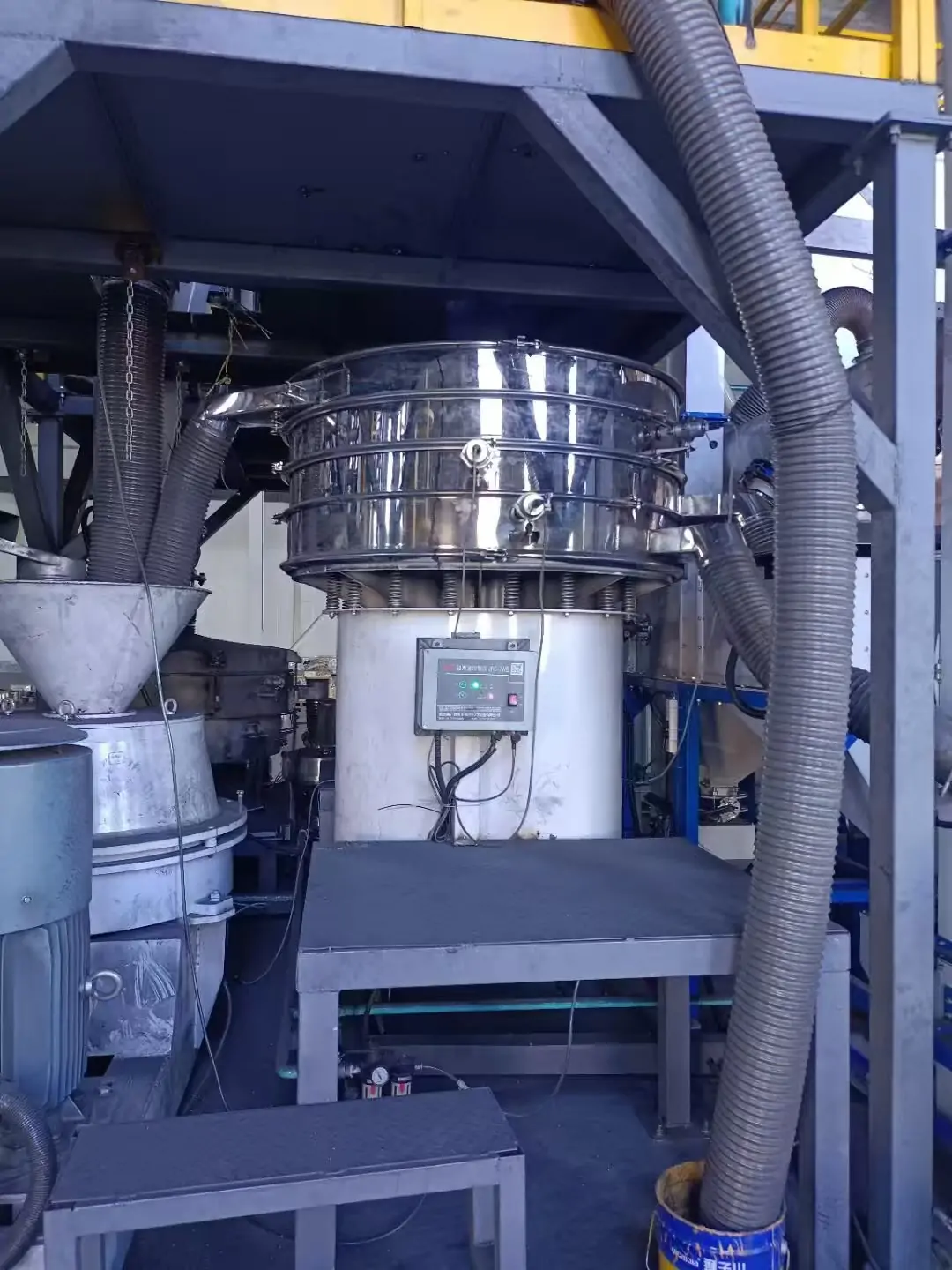
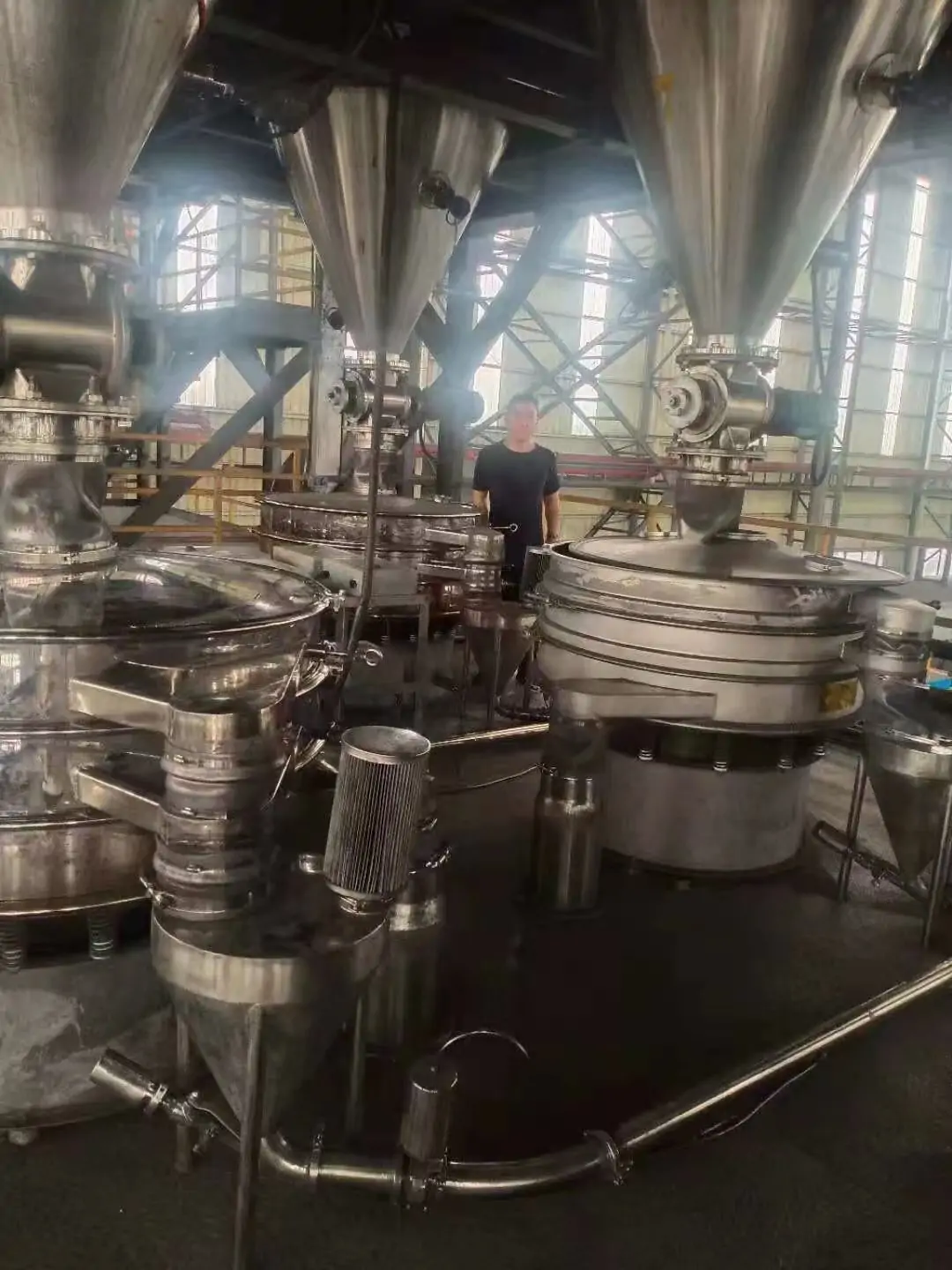
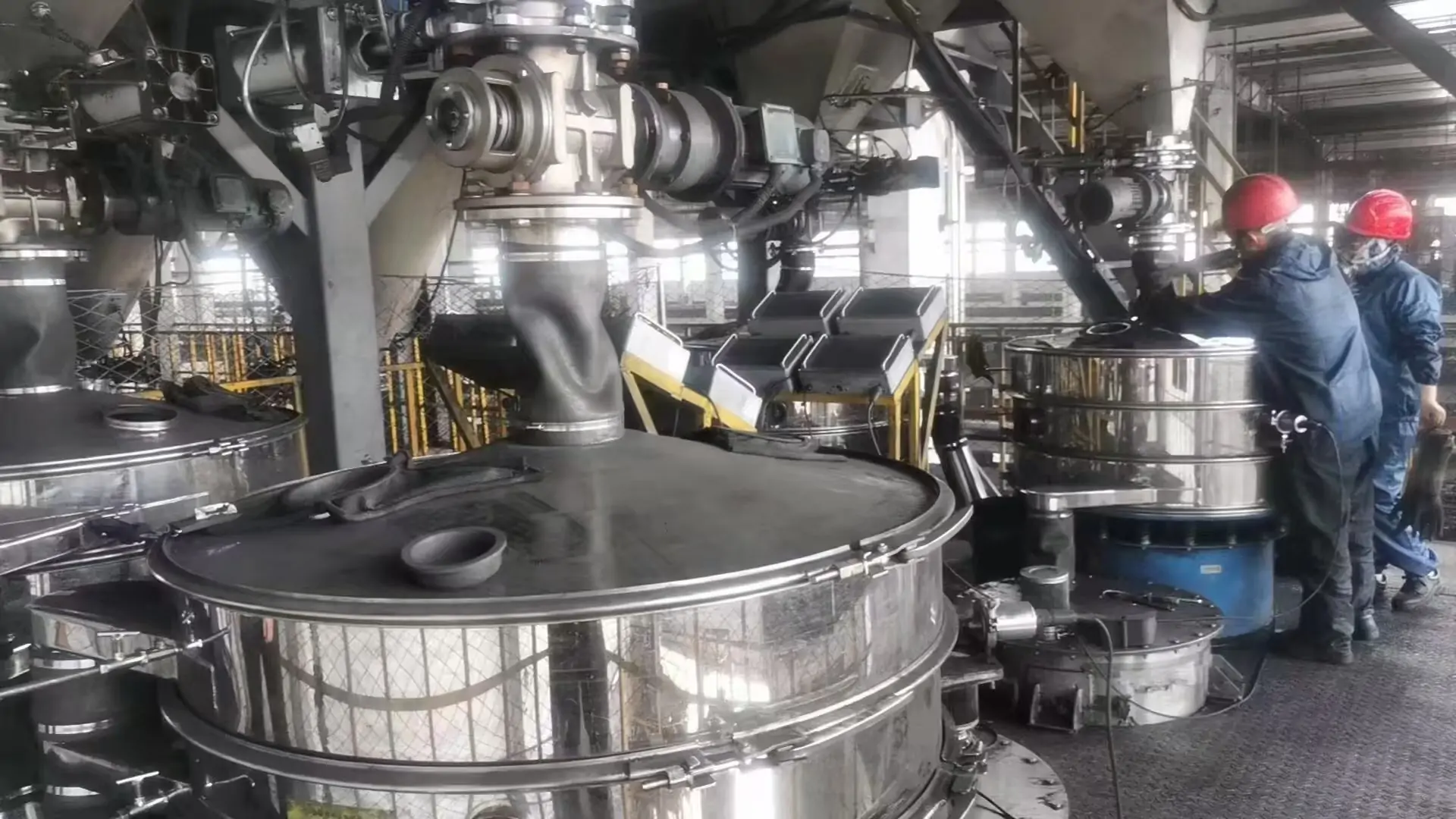
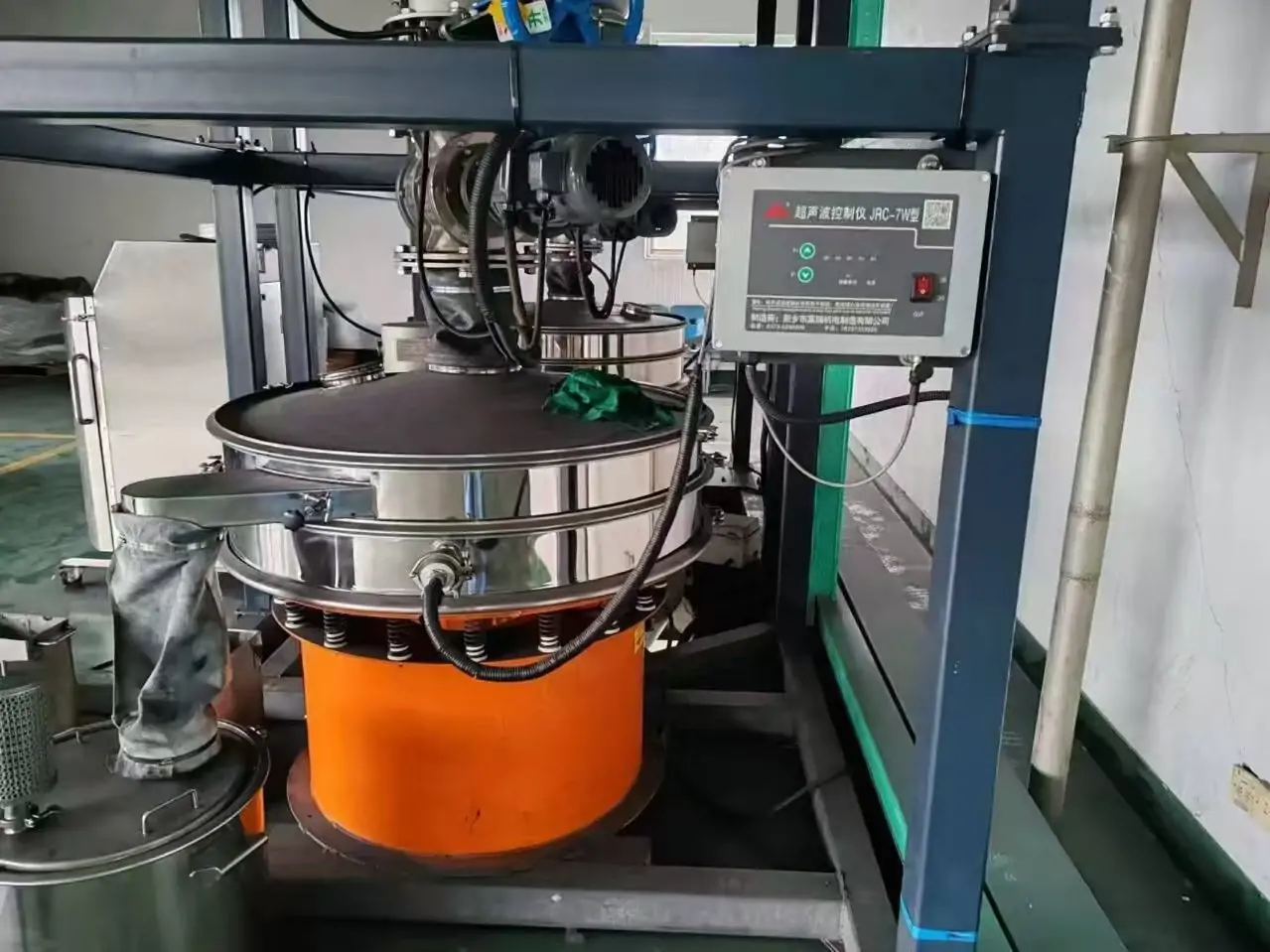
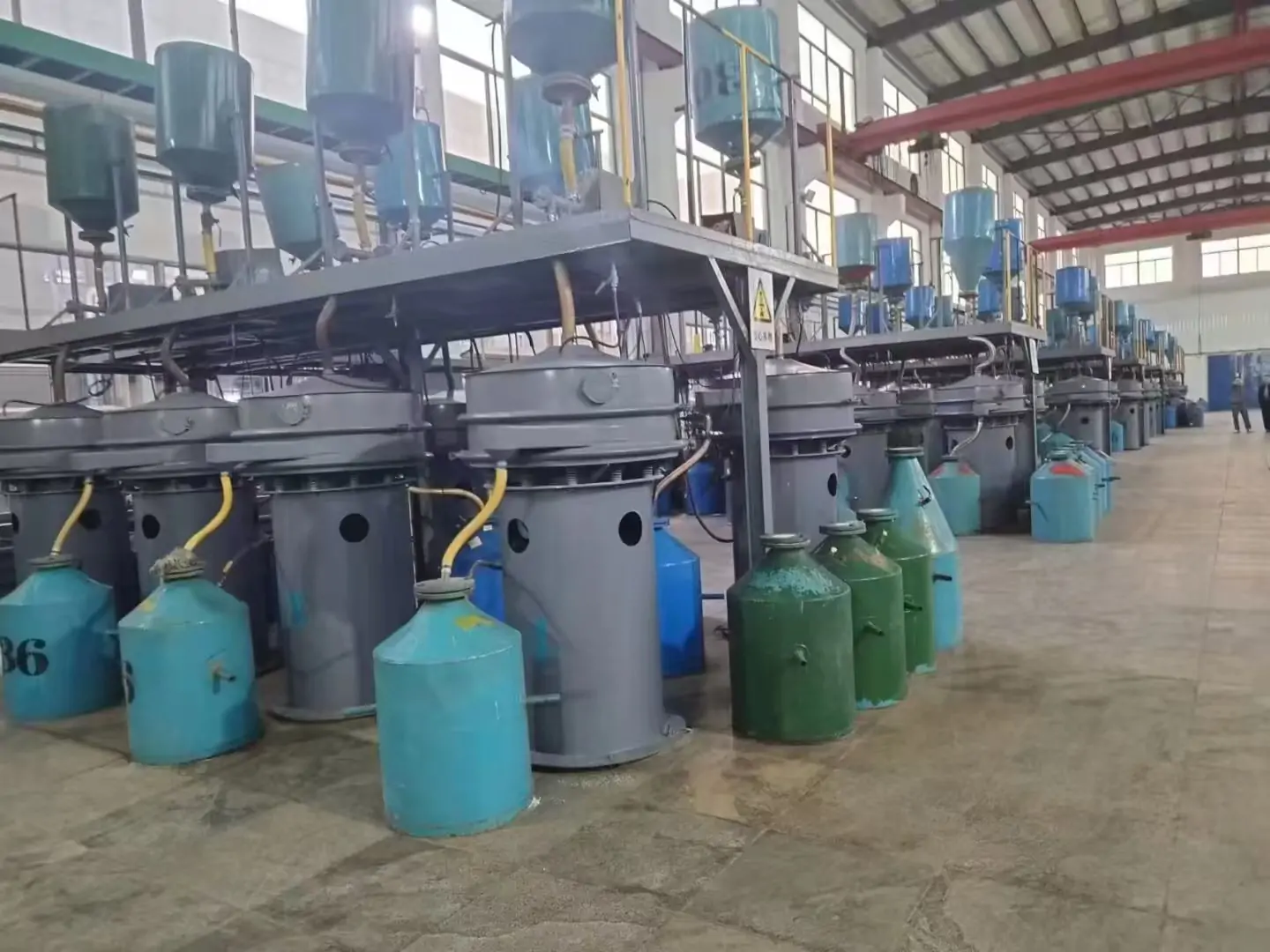
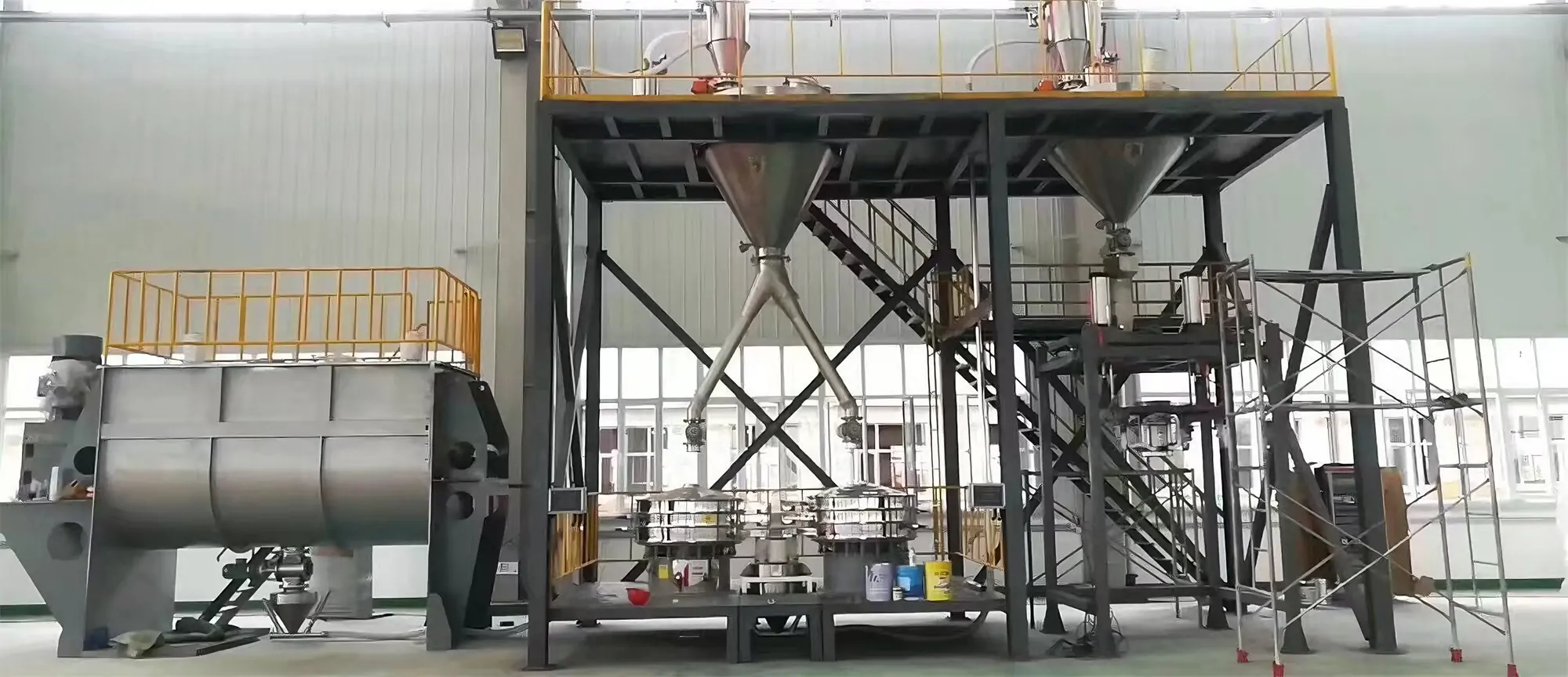
Caso
¿Por qué elegirnos?
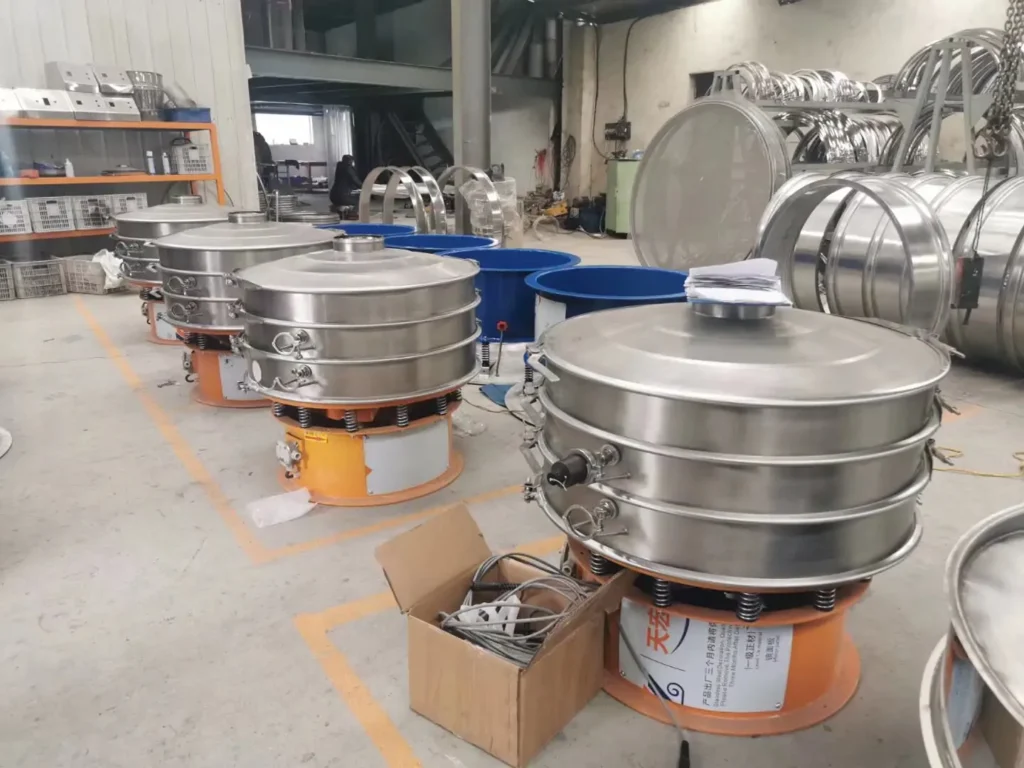
Ingeniería de precisión y estándares de cumplimiento
Vida útil de diseño de 10 años: Construido según estándares de durabilidad de grado industrial, garantizando una vida operativa de 10 años bajo cargas de trabajo continuas y pesadas.
Certificaciones globales: Las líneas de producción están certificadas según ISO 9001:2008-certificado, y todos los equipos de cribado cuentan con la marca de seguridad CE europea.
Control de calidad riguroso y adaptación de procesos
Prueba de funcionamiento de 2 horas antes del envío: Cada unidad se somete a una prueba de funcionamiento continuo obligatoria de 2 horas para verificar la estabilidad de la amplitud y la temperatura del motor antes del despacho.
Disponibilidad de repuestos a largo plazo: Respaldado por una garantía de 1 año y un inventario permanente de piezas de desgaste estándar (cribas, sellos, resortes) para minimizar el tiempo de inactividad de la fábrica.
Preguntas Frecuentes
Obtenga una consulta gratuita
Complete el siguiente formulario para conectarse con nuestros expertos y recibir recomendaciones personalizadas para su aplicación.