
In fine powder processing industries, achieving stable screening performance is often more difficult than simply increasing vibration intensity. Materials such as battery powders, metal powders, pharmaceutical powders, and fine chemical powders frequently suffer from screen mesh blocking, electrostatic adhesion, or particle agglomeration during operation.
A powder screening ultrasonic system (Ultrasonic Vibrating Screen) is designed to solve these problems by applying high-frequency ultrasonic vibration directly to the screen mesh. Unlike conventional screening methods that mainly rely on mechanical vibration, ultrasonic screening technology improves the interaction between fine particles and the mesh surface, allowing difficult-to-screen powders to pass through more consistently.
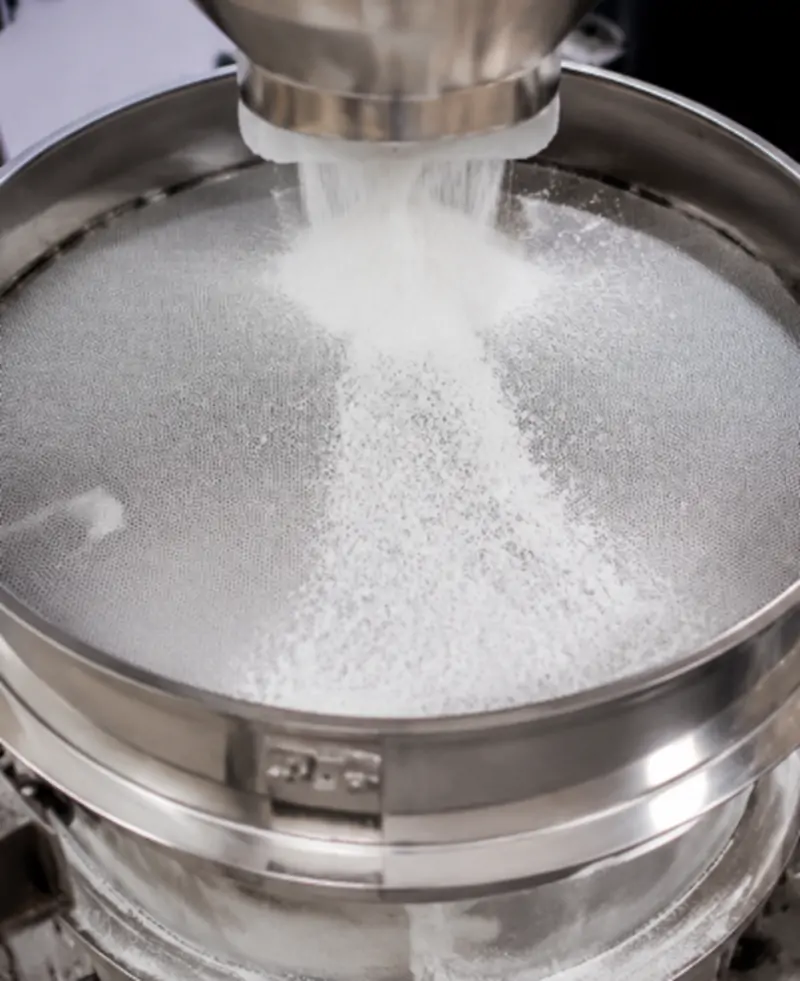
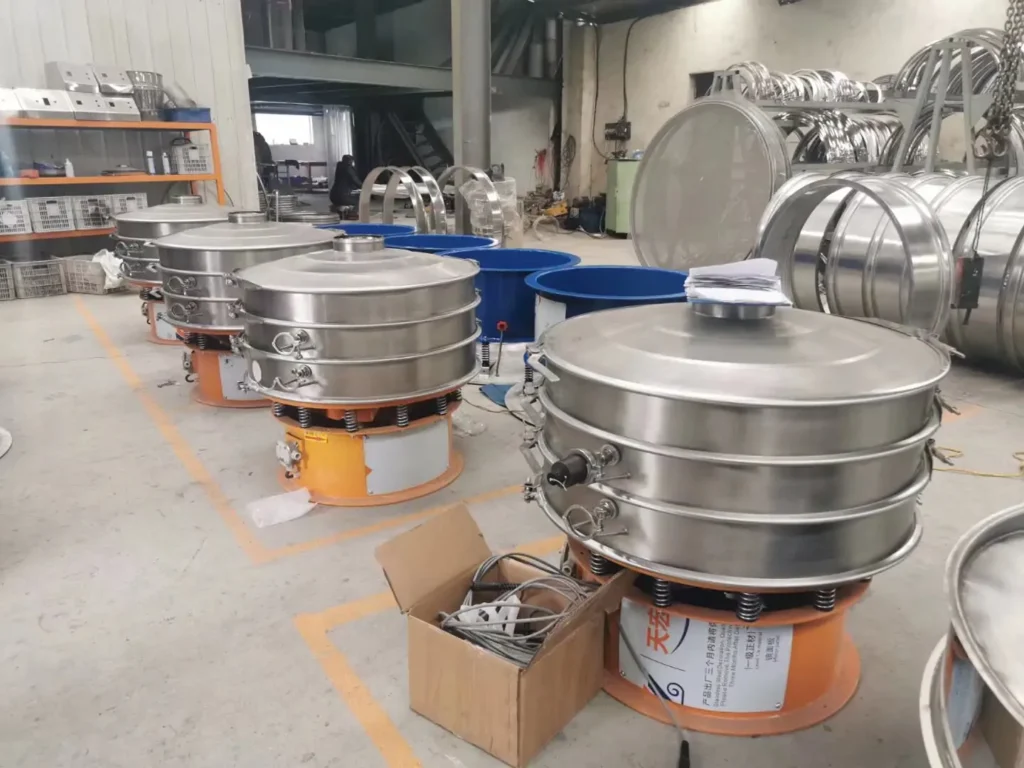
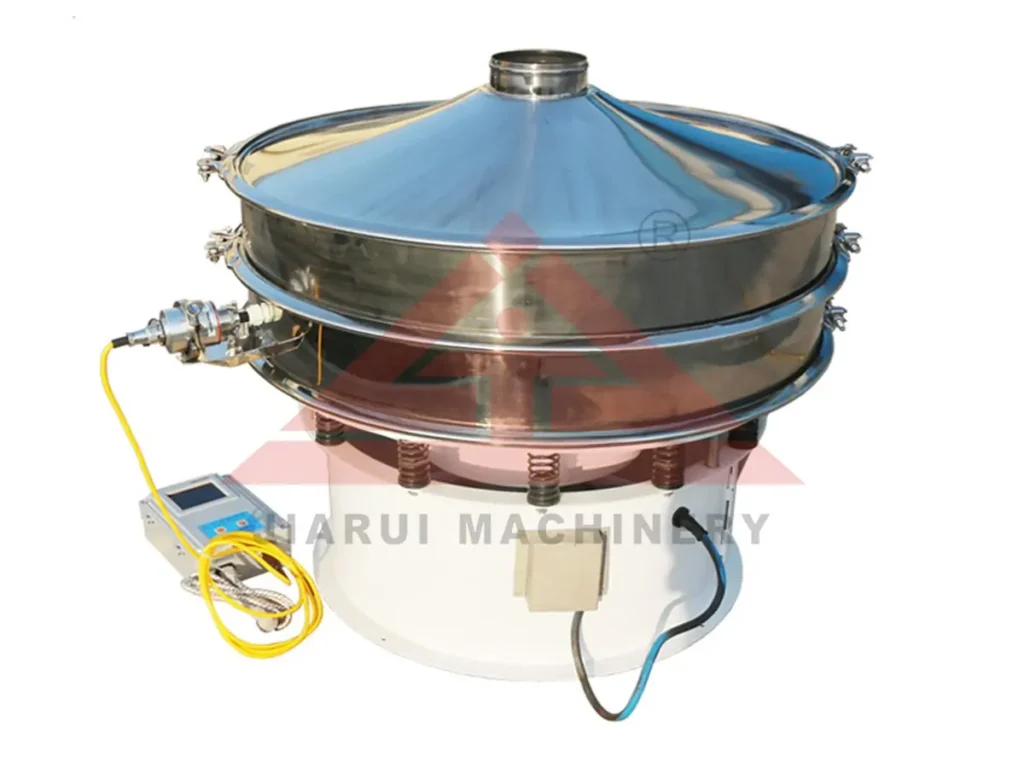
However, ultrasonic screening is not a universal solution for every material. Its effectiveness mainly depends on particle characteristics, moisture content, static behavior, and the reason behind screening difficulties.
Working Principle of a Powder Screening Ultrasonic System
A powder screening ultrasonic system consists mainly of an ultrasonic generator, transducer, connection components, and a resonance structure installed on the screen frame.
The ultrasonic generator converts standard electrical power into a high-frequency electrical signal, normally around 36–38 kHz. The transducer then converts this electrical energy into mechanical vibration, which is transmitted through the resonance ring or screen frame to the mesh surface. The high-frequency micro-vibration changes the movement condition of fine particles on the screen.
During conventional screening, fine powder particles may remain attached to the mesh openings because of:
- Electrostatic attraction between particles and screen wires
- Particle surface moisture or stickiness
- Agglomeration caused by fine particle size
- Low bulk density materials floating on the mesh surface
The ultrasonic vibration reduces the contact force between particles and the mesh, helping keep the openings active during continuous operation. As a result, particles smaller than the mesh opening can pass through more easily, while the risk of screen blinding is reduced. The key point is that ultrasonic vibration does not simply increase the overall vibration force of the machine. Instead, it creates a high-frequency cleaning effect directly on the screening surface.
Main Components and Vibration Transmission
Ultrasonic Generator
The ultrasonic generator provides stable high-frequency energy for the system. Industrial units usually include automatic frequency tracking functions to maintain operation near the optimal resonance point.
Stable frequency output is important because unstable ultrasonic energy can reduce cleaning efficiency and shorten the service life of components.
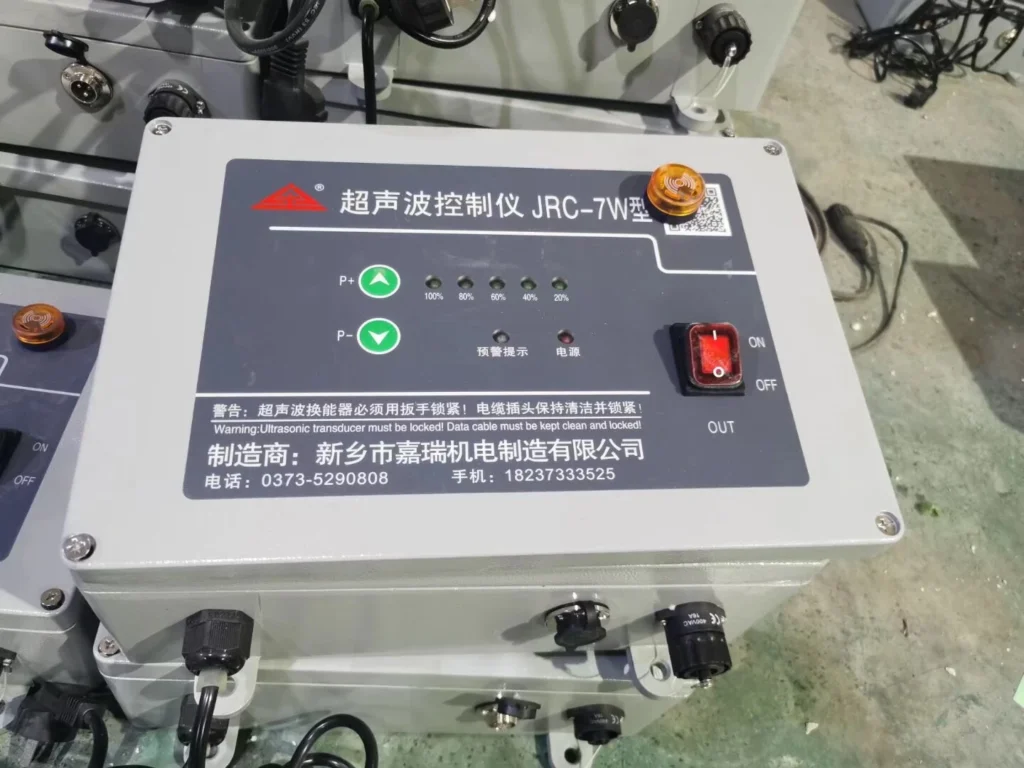
Ultrasonic Transducer
The transducer is the core energy conversion component. It converts electrical signals into mechanical vibration and transfers ultrasonic energy to the screen structure.
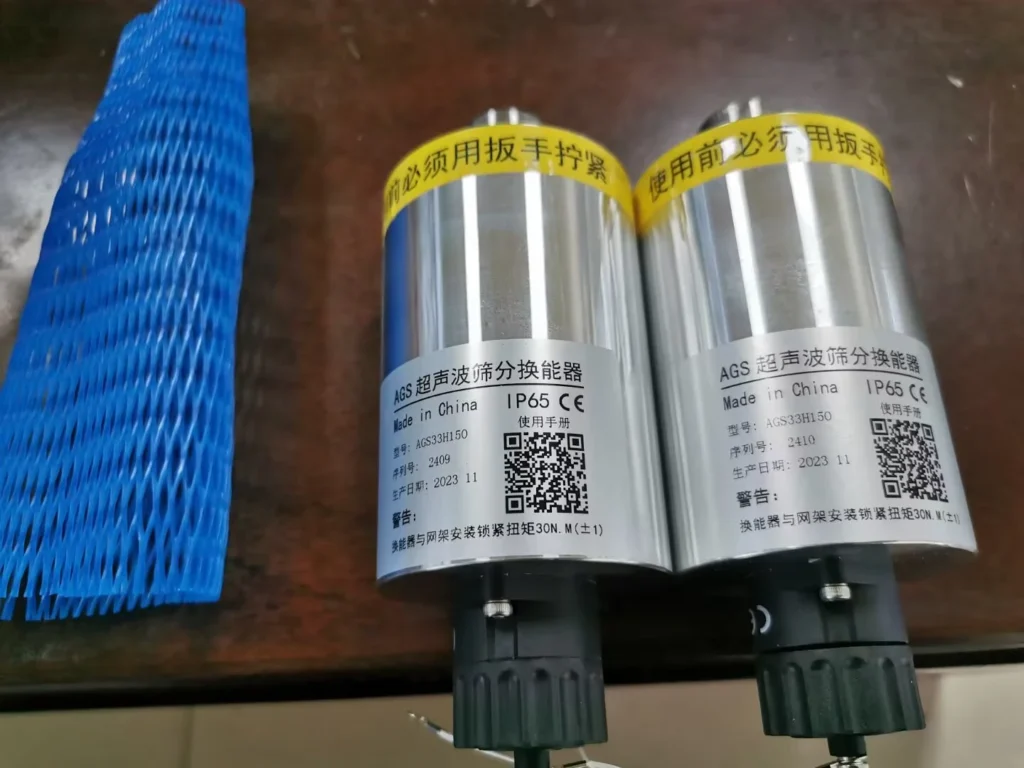
The quality of the transducer directly affects:
- Screening stability
- Energy transmission efficiency
- Long-term operating reliability
Resonance Ring and Screen Structure
The resonance structure distributes ultrasonic vibration evenly across the screen surface.
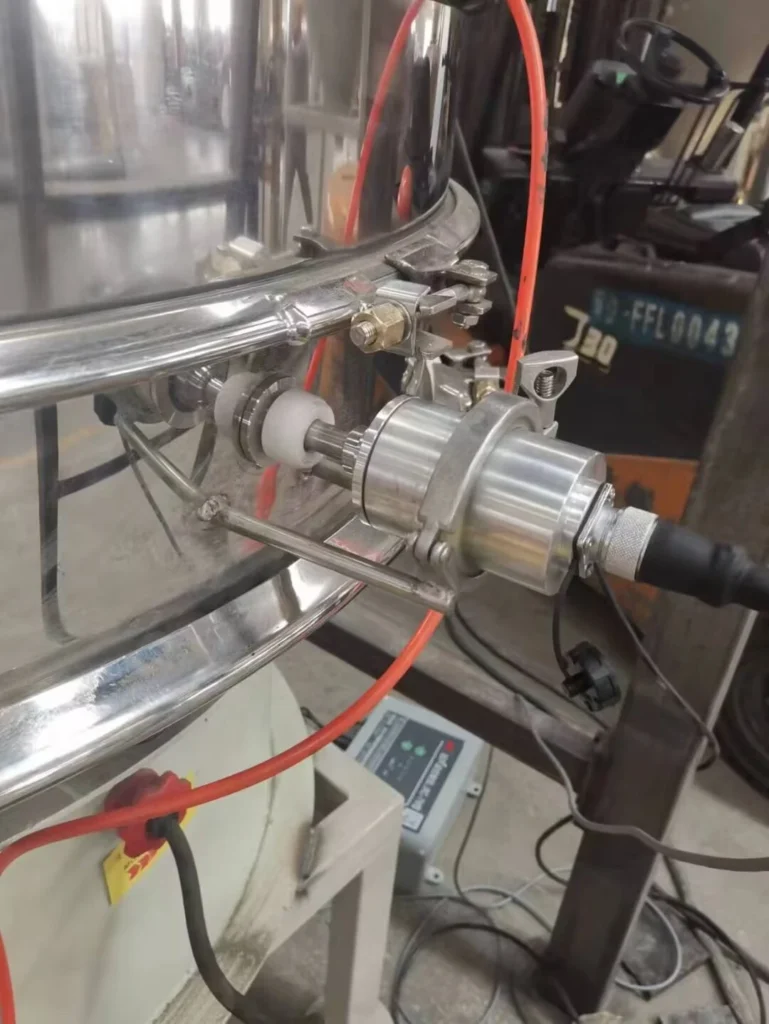
A well-designed system should ensure that different areas of the mesh receive consistent vibration. Uneven vibration may cause local blockage, unstable screening results, or unnecessary stress on the screen mesh.
Applications in Difficult Fine Powder Screening
A powder screening ultrasonic system is mainly used when conventional screening equipment cannot maintain stable performance because of material characteristics.
1. High Static and Adhesive Powders
Some powders generate static electricity during handling and transportation. These particles tend to attach to the screen mesh instead of passing through.



Typical examples include:
- Metal powders
- Resin powders
- Electrostatic coating materials
For these materials, ultrasonic vibration helps reduce particle adhesion and improves continuous screening operation.
2. Ultra-Fine and Low-Density Powders
Fine powders with small particle sizes and low bulk density often have poor screening behavior because particles move slowly and easily accumulate on the mesh.
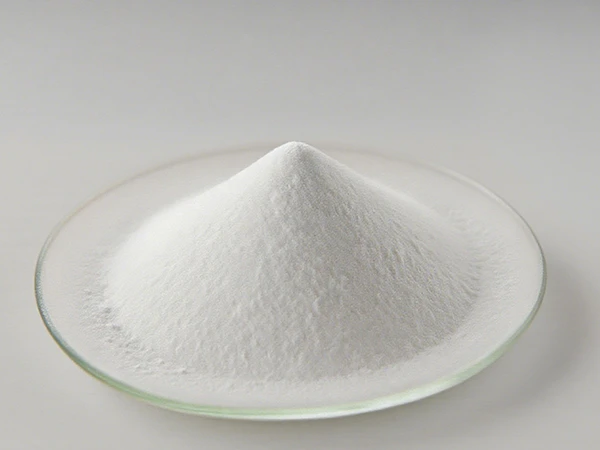

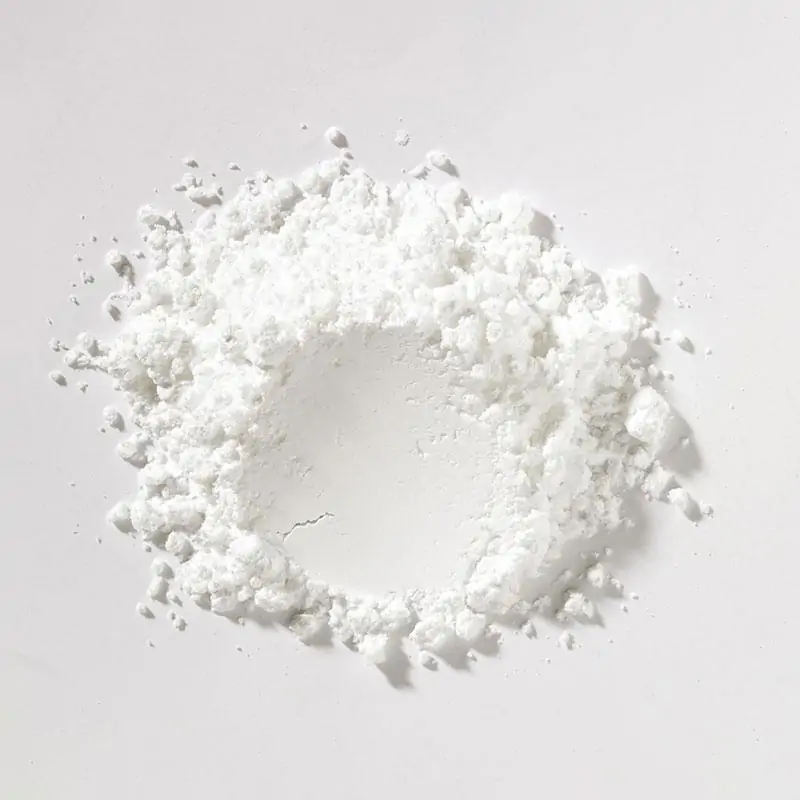
Examples include:
- Silica powder
- Pigments
- Fine chemical powders
In these applications, ultrasonic vibration improves particle dispersion on the screen surface.
3. Agglomerated Powder Materials
Some powders form small clusters during storage or processing. These agglomerates reduce effective screening efficiency and increase the possibility of mesh blockage.
Ultrasonic vibration helps separate weak particle bonding and improves the probability of individual particles contacting the mesh openings.
Advantages and Limitations of Ultrasonic Screening Technology
Improved Screening Stability
The biggest advantage of a powder screening ultrasonic system is reducing frequent mesh cleaning caused by fine powder blockage. For continuous production lines, fewer cleaning interruptions mean higher equipment availability.
Better Performance for Fine Mesh Screening
When using very fine mesh sizes, especially in high-precision powder applications, maintaining open mesh areas is often more important than simply increasing vibration amplitude. Ultrasonic vibration provides additional cleaning energy directly to the mesh, which is especially useful for fine powder screening.
Protection of Material Properties
Ultrasonic screening operates through high-frequency, low-amplitude vibration. Compared with stronger mechanical impact methods, it creates less risk of damaging sensitive powders.
This is important for applications involving:
- Battery materials
- Pharmaceutical powders
- High-value metal powders
Important Considerations Before Selection
Although ultrasonic screening technology provides clear advantages for difficult powders, it should be selected based on actual process conditions.
Engineers should evaluate:
- Particle size distribution
- Material moisture content
- Powder flowability
- Required capacity
- Mesh opening size
- Whether the main problem is blockage or insufficient screening force
For coarse materials with good flowability, a conventional vibrating screen may already provide sufficient performance. Ultrasonic systems are most valuable when fine particles create screening instability.
Conclusion
A powder screening ultrasonic system provides an effective approach for solving fine powder screening problems caused by static electricity, particle adhesion, and mesh blocking.
Its main value is not simply increasing vibration intensity, but maintaining stable screening conditions by applying high-frequency vibration directly to the screen mesh.
For industries processing fine powders, selecting the right ultrasonic screening solution requires understanding the material characteristics and actual production conditions. A screening test with the target material is recommended before final equipment selection to achieve the best balance between screening accuracy, capacity, and operating stability.
Contact Us
If you are experiencing issues with screening fine powders—such as screen clogging, static adhesion, or inconsistent screening efficiency—you should select an appropriate ultrasonic screening configuration based on your material characteristics and production requirements. If you’re unsure how to choose, contact Jiarui Machinery today, and our staff will provide you with a solution within 24 hours.
FAQ
1. What problems can a powder screening ultrasonic system solve?
A powder screening ultrasonic system mainly solves problems such as screen mesh blocking, static adhesion, and poor flowability of fine powders. It is especially useful when conventional vibrating screens experience frequent cleaning requirements or unstable screening performance.
2. Why do fine powders block screen mesh?
Fine powders can block mesh openings because of electrostatic attraction, particle moisture, surface adhesion, or agglomeration. Smaller particles have a higher surface-area-to-volume ratio, making them more likely to stick to the screen wires.
3. Is ultrasonic screening suitable for 500 mesh powder?
Yes, ultrasonic screening is commonly used for very fine powders, including applications requiring high mesh accuracy. However, the final performance depends on material properties, screen design, feeding conditions, and required throughput.
4. What materials usually require ultrasonic powder screening?
Materials with high static electricity, strong adhesion, or very fine particle sizes often benefit from ultrasonic screening. Common applications include metal powders, battery materials, pharmaceutical powders, chemical powders, and food ingredients.
5. Does ultrasonic vibration damage powder materials?
Normally, ultrasonic vibration uses high-frequency and low-amplitude energy, which produces less mechanical impact compared with aggressive screening methods. It is generally suitable for materials that require gentle handling.
6. How should a powder screening ultrasonic system be selected?
Selection should consider particle size, material characteristics, moisture content, required capacity, screen mesh size, and production requirements. Testing the actual material before final selection is the most reliable method for confirming performance.