
ما هو الناقل الحزامي المزود بحواجز مائلة؟
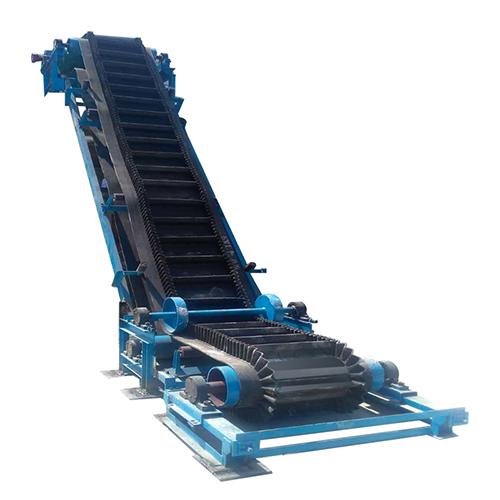
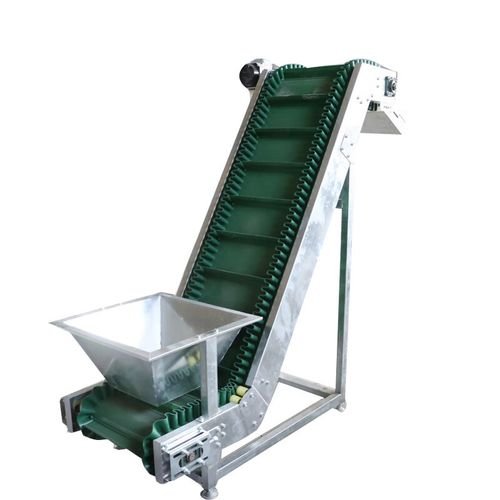
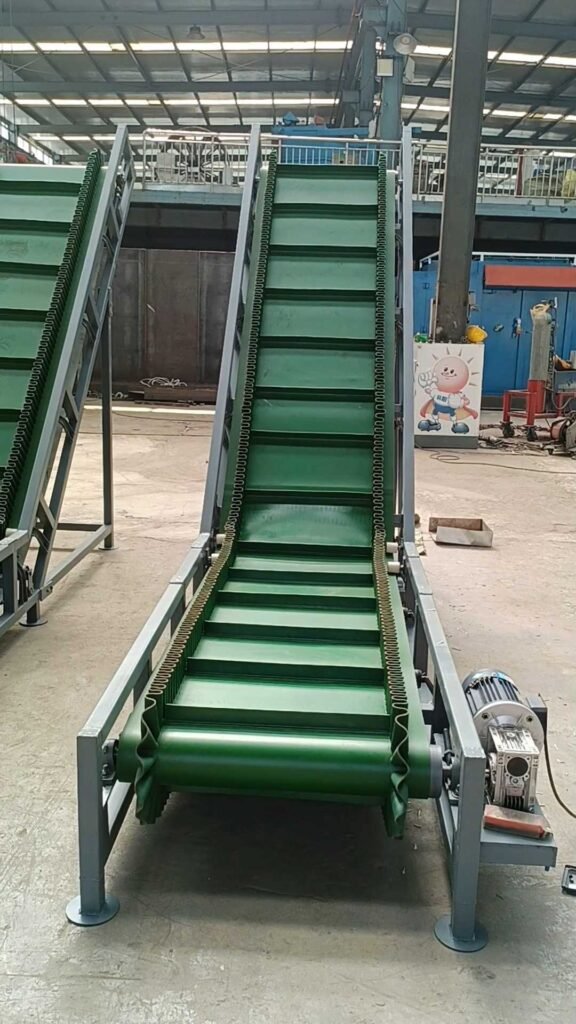
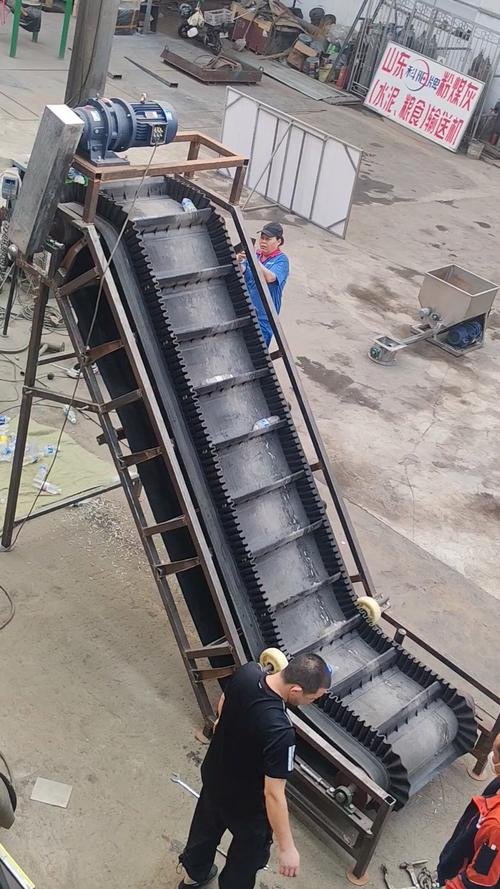
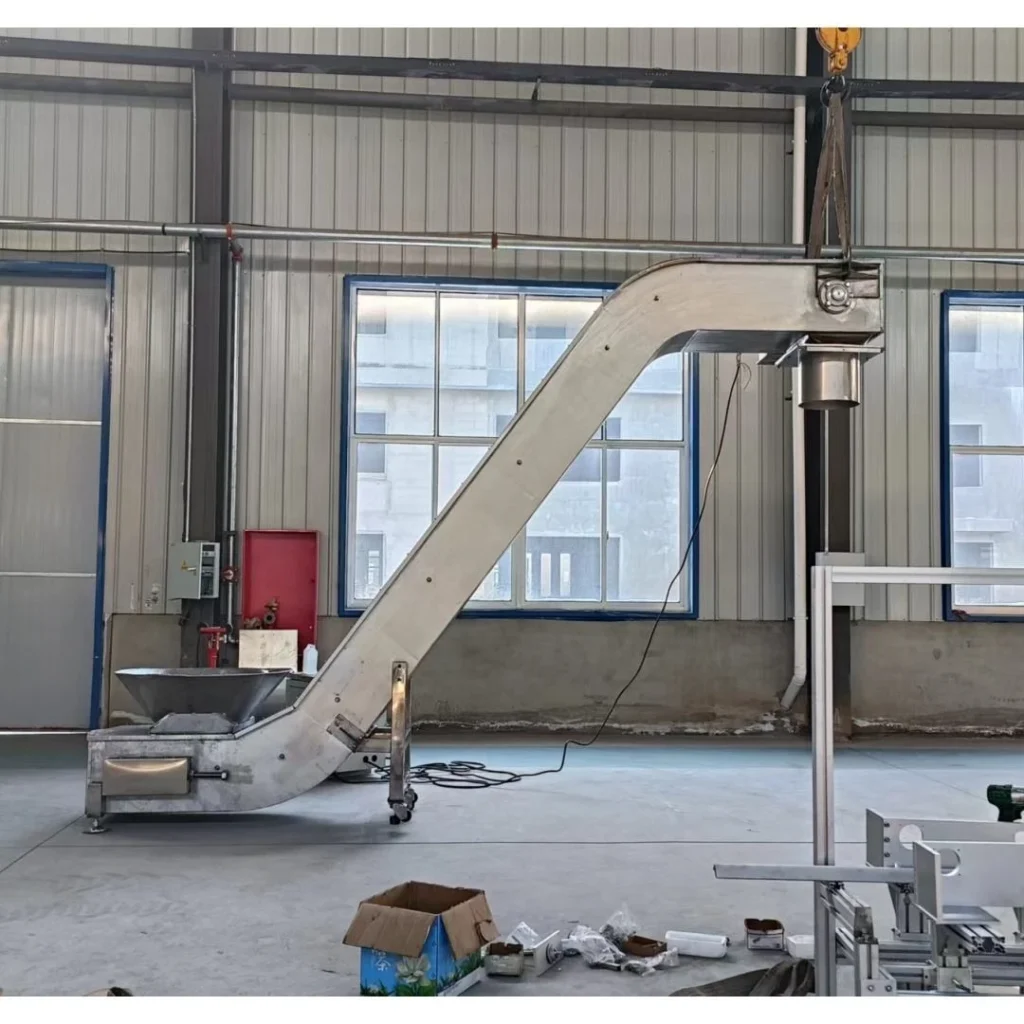
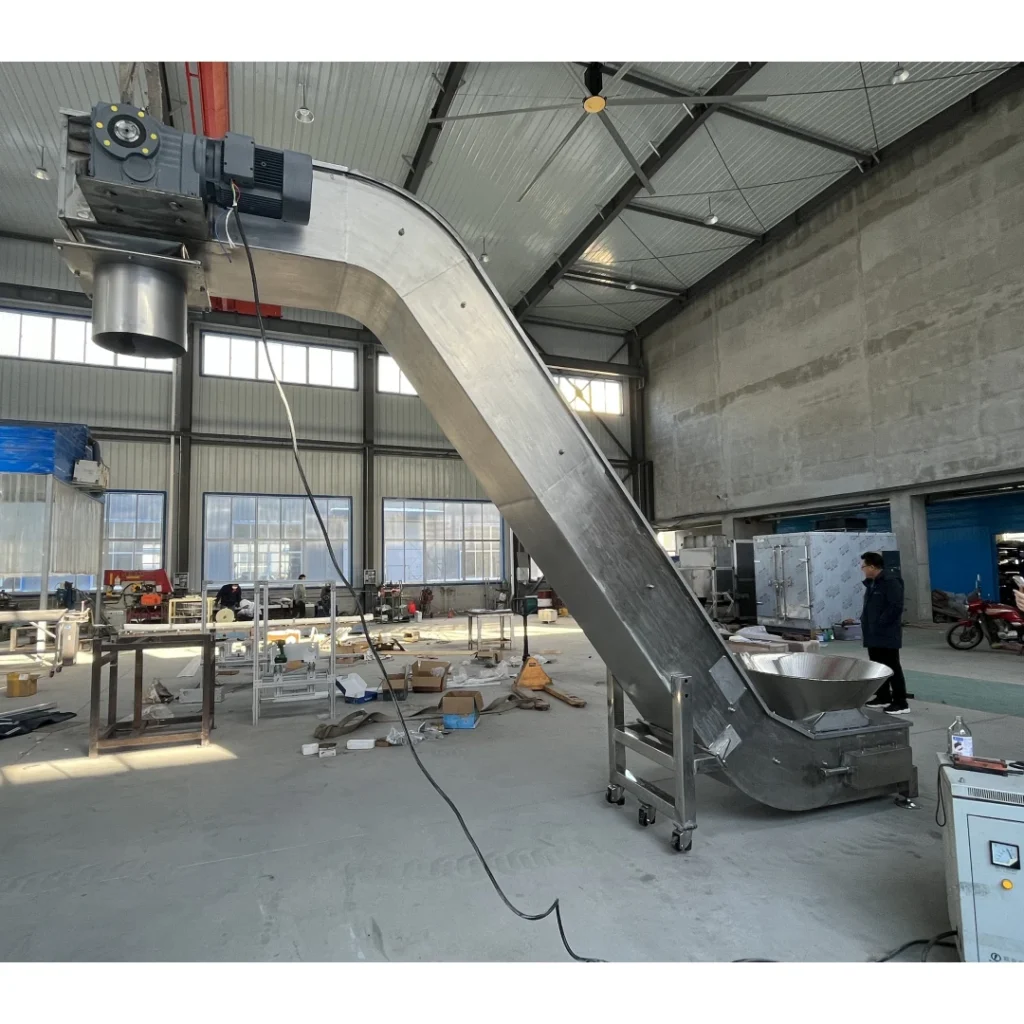
يقوم الناقل الحزامي المائل ذو الحواف الجانبية مع الحواجز الجانبية هو نوع من معدات النقل بالحزام التي تنقل المواد بشكل مستمر. يتكون من تثبيت ‘تنانير جانبية’ رأسية متموجة قابلة للتمدد بحرية على جانبي حزام النقل المطاطي المسطح، وتثبيت فواصل عرضية ذات قوة ومرونة معينة بين التنانير لتشكيل قنوات شبيهة بالصناديق، مما يسمح بنقل المواد بشكل مستمر داخل هذه القنوات. يُستخدم هذا الناقل على نطاق واسع في قطاعات مثل الفحم والحبوب ومواد البناء والصناعات الكيميائية والطاقة الكهرومائية والمعادن. يمكنه نقل مختلف المواد السائبة بكثافة تراص تتراوح بين 0.5-2.5 طن/م³ ضمن نطاق درجة حرارة محيطة من -19℃ إلى +40℃. بالنسبة للمواد ذات متطلبات النقل الخاصة، مثل تلك ذات درجات الحرارة المرتفعة، أو التي تحتوي على مواد حمضية أو قلوية أو زيوت أو مذيبات عضوية، يجب استخدام أحزمة ناقلة خاصة ذات حواجز جانبية.
الهيكل الأساسي
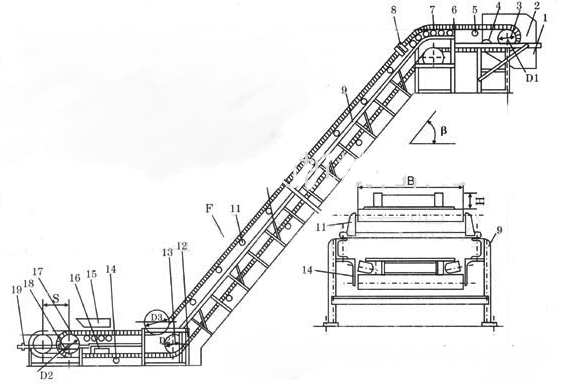
يعتمد الناقل الحزامي المائل ذو الحواف الجانبية تصميمًا على شكل ‘Z’، ويتكون بشكل أساسي من قسم أفقي علوي وقسم أفقي سفلي وقسم مائل. التفاصيل المحددة هي كما يلي.
الخطوة 1
القسم الأفقي العلوي: لاستيعاب متطلبات ارتفاع التفريغ المختلفة، ينقسم الإطار الرأسي إلى إطارات رأسية منخفضة الارتفاع (ارتفاع الإطار الرأسي H0 = 1000 مم)، وإطارات رأسية متوسطة الارتفاع (ارتفاع الإطار الرأسي H0 = 1100~1500 مم)، وإطارات رأسية عالية الارتفاع (ارتفاع الإطار الرأسي H0 = 1600~2000 مم). وبالمقابل، بالنسبة للقسم الأفقي العلوي، تُستخدم إطارات مقوسة محدبة منخفضة الارتفاع وأرجل إطار وسيطة منخفضة الارتفاع (لارتفاع الإطار الرأسي H0 = 1000 مم)، وإطارات مقوسة محدبة متوسطة الارتفاع وأرجل إطار وسيطة متوسطة الارتفاع (لارتفاع الإطار الرأسي H0 = 1100~1500 مم)، وإطارات مقوسة محدبة عالية الارتفاع وأرجل إطار وسيطة عالية الارتفاع (لارتفاع الإطار الرأسي H0 = 1600~2000 مم) على التوالي.
الخطوة 2
القسم المائل: بغض النظر عما إذا كان القسم الأفقي العلوي يستخدم أرجل إطار وسيطة منخفضة أو متوسطة أو عالية الارتفاع، فإن القسم المائل يستخدم أرجل إطار وسيطة منخفضة الارتفاع. عندما تكون زاوية ميل الناقل β ≥ 45°، يُوصى باستخدام أرجل إطار وسيطة منخفضة الارتفاع من النوع II.
الخطوة 3
القسم الأفقي السفلي: يستخدم القسم الأفقي السفلي أرجل إطار وسيطة منخفضة الارتفاع.
مبدأ التشغيل
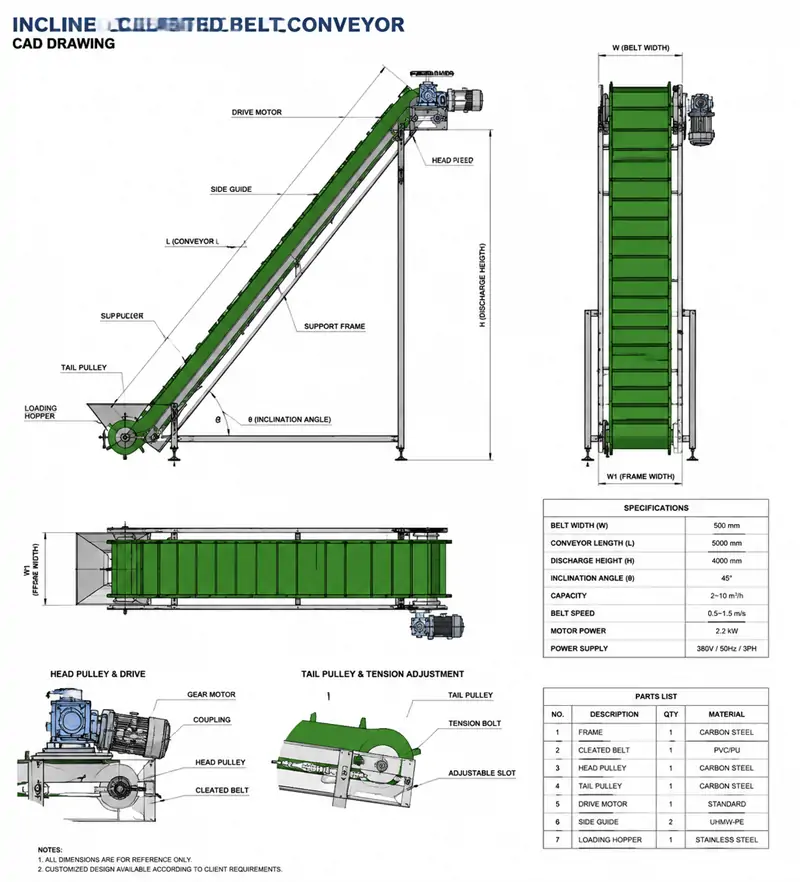
مبدأ عمله مشابه لمبدأ الناقل الحزامي التقليدي، حيث تنتقل الطاقة من خلال الاحتكاك بين أسطوانة القيادة و حزام النقل. تدخل المادة إلى ‘القنوات الشبيهة بالصناديق’ على حزام النقل عبر قناة التوجيه في القسم الأفقي السفلي. ومع تشغيل حزام النقل، تُرفع المادة بثبات إلى القسم الأفقي العلوي للتفريغ. لمنع التدفق العكسي للمادة أثناء النقل، تم تجهيز المعدات أيضًا بأجهزة مثل بكرات الضغط.
ما المشكلات التي يمكن أن يحلها لك؟
- الناقلات الحزامية المائلة ذات الحواف الجانبية هي معدات نقل مستمر للمواد السائبة ذات الاستخدام العام، وتستخدم أحزمة ناقلة ذات حواف جانبية متموجة وفواصل عرضية. لذلك، فهي مناسبة بشكل خاص للنقل بزوايا ميل كبيرة.
- يمكن استخدام هذه الآلة في صناعات مثل الفحم،, الهندسة الكيميائية, مواد البناء, والمعادن والطاقة والصناعات الخفيفة والحبوب والموانئ والشحن. وهي قادرة على نقل مختلف المواد السائبة بكثافة تراص تتراوح بين 0.5-2.5 طن/م³ ضمن نطاق رطوبة بيئة العمل من -15℃ إلى +40℃.
- بالنسبة للمواد ذات متطلبات النقل الخاصة، مثل تلك ذات درجات الحرارة المرتفعة، أو التي تحتوي على أحماض أو قلويات أو زيوت أو مذيبات عضوية، يجب استخدام أحزمة ناقلة خاصة.
- يمكن للناقل الحزامي المائل ذو الحواف الجانبية نقل المواد ضمن نطاق زاوية ميل من 0° إلى 90°.
المزايا والخصائص
- زيادة زاوية النقل (30 إلى 90 درجة)؛;
- مساحة أرضية صغيرة مشغولة، واستثمار منخفض؛;
- قدرة نقل كبيرة، ويمكن تحقيق ارتفاعات رفع أعلى؛;
- يمكنه الانتقال بسلاسة من الوضع الأفقي إلى المائل (أو الرأسي)؛;
- مناسب لنقل المواد المسحوقة والحبيبية والكتلية الصغيرة والمعجونة والسائلة التي تتشتت بسهولة؛;
- استهلاك طاقة منخفض، وهيكل بسيط، وقوة حزام عالية، وعمر خدمة طويل.
معلمات الطرازات
هناك العديد من موديلات الآلات، وتختلف المعلمات وقدرات النقل لكل موديل. فيما يلي ملخص لبعض البيانات للرجوع إليها فقط. للحصول على تفاصيل محددة، يرجى الاستفسار أكثر.
سلسلة الموديلات الرئيسية
| سلسلة الموديلات | الوصف |
| سلسلة DJ | السلسلة العامة الأكثر شيوعًا، ومناسبة لمعظم سيناريوهات النقل شديد الانحدار. |
| سلسلة DJS | عادةً ما تكون إصدارات محسّنة أو محسّنة بشكل خاص من سلسلة DJ. |
| سلسلة JHs | واحدة من السلسلات الشائعة |
| سلسلة QB | موديلات محددة من بعض الشركات المصنعة، مثل QB-550 وQB-650 من Xinxiang Hetian Machinery. |
| سلسلة DJ.WQ | موديلات من شركات مصنعة محددة (مثل Wuhu Qiyun) تلبي متطلبات المعيار JB/T8908-2013. |
الناقل الحزامي المائل ذو الحواف الجانبية الكبير من سلسلة DJ
| عرض الحزام (مم) | سرعة الحزام (م/ث) | قدرة النقل (طن/ساعة) | الطاقة (كيلوواط) |
| 500 | 0.8 ~ 2.5 | 78 ~ 230 | 1.5 ~ 30 |
| 650 | 0.8 ~ 2.5 | 131 ~ 191 | 1.5 ~ 40 |
| 800 | 1.0 ~ 3.15 | 278 ~ 824 | 1.5 ~ 75 |
| 1000 | 1.0 ~ 3.15 | 435 ~ 1233 | 3 ~ 100 |
| 1200 | 1.0 ~ 4.0 | 655 ~ 2200 | 4 ~ 185 |
| 1400 | 1.0 ~ 4.0 | 891 ~ 2900 | 4 ~ 185 |
الناقل ذو الحواف المائلة الكبير بسلسلة DJD
| موديل المواصفات | عرض الحزام (مم) | ارتفاع الحاجز (مم) | زاوية الميل (°) | Bسرعة الحزام (م/ث) | السعة الإنتاجية (م³/ساعة) |
| DJD500 | 500 | 80/120 | 20-90 | 0.8-3.15 | 13-71 |
| DJD650 | 650 | 120/160 | 20-90 | 0.8-3.15 | 31-104 |
| DJD800 | 800 | 120/160/200/240 | 20-90 | 0.8-3.15 | 38-235 |
| DJD1000 | 1000 | 120/160/200/240 | 20-90 | 0.8-3.15 | 51-327 |
| DJD1200 | 1200 | 120/160/200/240 | 20-90 | 0.8-3.15 | 85-466 |
الصناعات القابلة للتطبيق
تُستخدم الناقلات ذات الحواف المائلة على نطاق واسع في قطاعات مثل الفحم والحبوب ومواد البناء والكيماويات والطاقة الكهرومائية والمعادن. ويمكنها نقل مختلف المواد السائبة بكثافة تكديس تتراوح بين 0.5 و2.5 طن/م³ ضمن نطاق درجة حرارة محيطة من -19°م إلى +40°م. بالنسبة للمواد ذات متطلبات النقل الخاصة، مثل تلك ذات درجات الحرارة المرتفعة، أو التي تحتوي على مواد حمضية أو قلوية، أو زيوت، أو مذيبات عضوية، يجب استخدام سيور ناقلة ذات حواف جانبية خاصة.
| المجال الصناعي | التطبيقات والمواد النموذجية | الخصائص الرئيسية |
| الفحم والمناجم | الفحم والمناجم – الفحم الخام، الفحم المكرر، الخام، الشوائب الصخرية، إلخ. | أحد مجالات التطبيق الأساسية، مناسب للتعدين تحت الأرض والتعدين السطحي. |
| علم المعادن | خام الملبد، أكسيد الزنك، وشحن الفرن العالي، إلخ. | يُستخدم في بيئات درجات الحرارة المرتفعة والأحمال الثقيلة مثل مصانع الصلب. |
| الطاقة الكهربائية | نظام نقل الفحم في محطات الطاقة الحرارية. | ضمان الإمداد المستمر بالوقود لمحطات الطاقة. |
| مواد البناء والأسمنت | الحجر الجيري، الطين، كلنكر الأسمنت، الرمل والحصى، إلخ. | يمكن أن يوفر مساحة كبيرة من أرضية المعدات. |
| الصناعة الكيميائيةy | مختلف الأسمدة الكيماوية والمواد الخام الكيميائية. | يمكن تخصيص السيور الناقلة وفقًا لحمضية وقلوية المواد وخصائصها الأخرى. |
| الحبوبn | الحبوب والبقوليات. | تُستخدم عادةً لتخزين ونقل الحبوب. |
| الموانئ والسفن | تفريغ البضائع السائبة، التحميل، وعمليات الساحات. | مناسب لسيناريوهات مثل السفن الكبيرة ذاتية التفريغ. |
| الصناعات الخفيفة وغيرها | معالجة النفايات، المحاجر، السيراميك، المسابك، إلخ. | تطبيق مرن، قابل للتخصيص حسب الاحتياجات. |
أنواع واختيار الحواجز العرضية
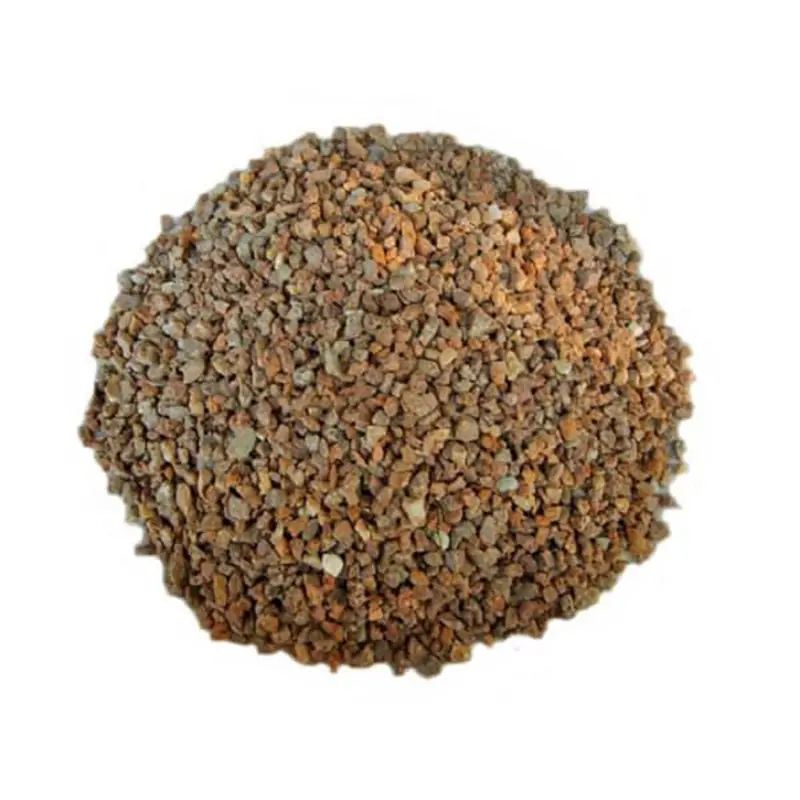
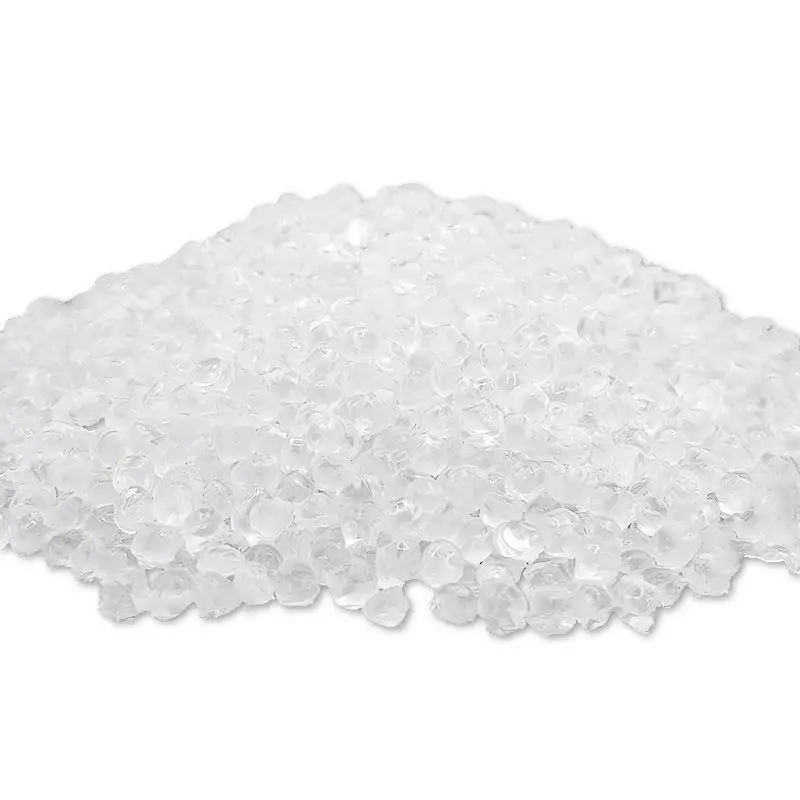
يؤثر اختيار شكل الحاجز مباشرة على كفاءة النقل والاستقرار. نحتاج إلى الاختيار بناءً على زاوية الميل للمواد وخصائص المادة:
| نوع الحاجز | زاوية الميل القابلة للتطبيق | خصائص المواد |
| نوع T، نوع TS | ≤ 40° | للأغراض العامة. |
| النوع C | > 40° | تتمتع المادة بسيولة جيدة. |
| نوع T، نوع TS | > 40° | تتميز المادة بلزوجة عالية وحجم جسيمات كبير. |
الناقل الحزامي العادي مقابل الناقل الحزامي المائل ذي الحواف المتموجة
| بُعد المقارنة | ناقل الحزام المزود بحواجز مائل | الحزام العادي الناقل |
| الحزام الناقل الأساسي | الحزام الناقل ذو الحواف المتموجة. يتكون من حزام أساسي، وحاجزين متموجين على الجانبين، وألواح عرضية وسيطة. يتمتع الحزام الأساسي بصلابة عرضية أكبر. | أحزمة مسطحة أو أحزمة بنقوش. يمكن أن يكون السطح مستويًا أملسًا أو يحتوي على نقوش ضحلة لزيادة الاحتكاك. |
| أقصى ميل للنقل | من 0° إلى 90°، يمكن تحقيق الرفع الرأسي. | بشكل عام، لا يتجاوز 18° إلى 28°. |
| آلية منع انزلاق المواد | ‘القادوس’ المتكون من الحواجز العرضية والجدران الجانبية المتموجة يحمل المادة. | بسبب الاحتكاك بين الحزام الناقل والمادة، تكون المادة عرضة للانزلاق عندما يكون الميل شديد الانحدار. |
| الاختلافات في المكونات الأساسية | بالإضافة إلى المكونات العامة، تمت إضافة بكرات ضغط وبكرات مخصصة. | بكرات وبكرات ووحدات قيادة قياسية، إلخ. |
| المساحة الأرضية المشغولة | صغيرة. يمكن تحقيق زيادة كبيرة في الارتفاع على مسافة قصيرة، مما يوفر المساحة بشكل كبير. | كبيرة. لتحقيق نفس ارتفاع الرفع، يلزم مسافة أفقية أو مائلة أطول. |
| المواد القابلة للتطبيق | لديها نطاق أوسع وهي مناسبة بشكل خاص لنقل المواد السائبة مثل المساحيق والحبيبات. يمكن لبعض التصميمات نقل المواد الحمضية أو القلوية أو الزيتية. | إنها قابلة للتطبيق على نطاق واسع، لكن قدرتها على التكيف ضعيفة مع المواد المعرضة للتدحرج أو الانزلاق أو ذات الزوايا الكبيرة. |
| سيناريوهات التطبيق النموذجية | للتطبيقات التي تتضمن النقل بزوايا حادة والبيئات المقيدة مكانيًا، مثل المناجم والمعادن ومواد البناء والموانئ. | للنقل الأفقي أو ذي الزوايا الضحلة، مثل الخدمات اللوجستية والتعبئة وخطوط التجميع. |
| تكاليف الاستثمار والتشغيل | يمكن توفير إجمالي الاستثمار بنسبة 20% إلى 30% بسبب تقليل المكونات وانخفاض تكاليف الإنشاءات المدنية. | للمشاريع ذات ارتفاع الرفع الكبير، قد يكون إجمالي الاستثمار أعلى بسبب المساحة الكبيرة وطول المعدات. |
كيف تختار الطراز المناسب؟
- سعة النقل: سعة النقل المطلوبة في الساعة هي الأساس الأساسي للاختيار.
- عرض الحزام وسرعة النقل: تحديد مواصفات حجم الجهاز وكفاءة التسليم.
- ميل النقل: أقصى زاوية ميل للمعدات.
- ارتفاع الحاجز الجانبي وشكل الحاجز العرضي: تحديد كمية المواد التي يمكن ‘احتواءها’. على سبيل المثال، تُستخدم الحواجز العرضية من النوع T أو TS بشكل شائع عندما تكون زاوية الميل أقل من 40°، بينما تُختار الحواجز العرضية من النوع C أو TC أو TCS عندما تكون زاوية الميل أكبر من 40°.
- خصائص المواد: يتم تحديد الاختيار بناءً على خصائص المواد مثل النوع والكثافة الظاهرية وحجم الجسيمات ودرجة الحرارة والتآكل.
- قوة المحرك: يتم حساب قوة المحرك بناءً على حجم النقل والمسافة وارتفاع الرفع.
الخلاصة
الناقل الحزامي المائل ذو الحواجز الجانبية هو نوع من معدات النقل الحزامي التي تنقل المواد بشكل مستمر. يتكون من تثبيت ‘تنانير جانبية’ عمودية متموجة قابلة للتمدد بحرية على جانبي حزام نقل مطاطي مسطح، وتثبيت فواصل عرضية ذات قوة ومرونة معينة بين التنانير لتشكيل قنوات على شكل صندوق، مما يسمح بنقل المواد بشكل مستمر داخل هذه القنوات.