
مغذي اهتزازي مربع
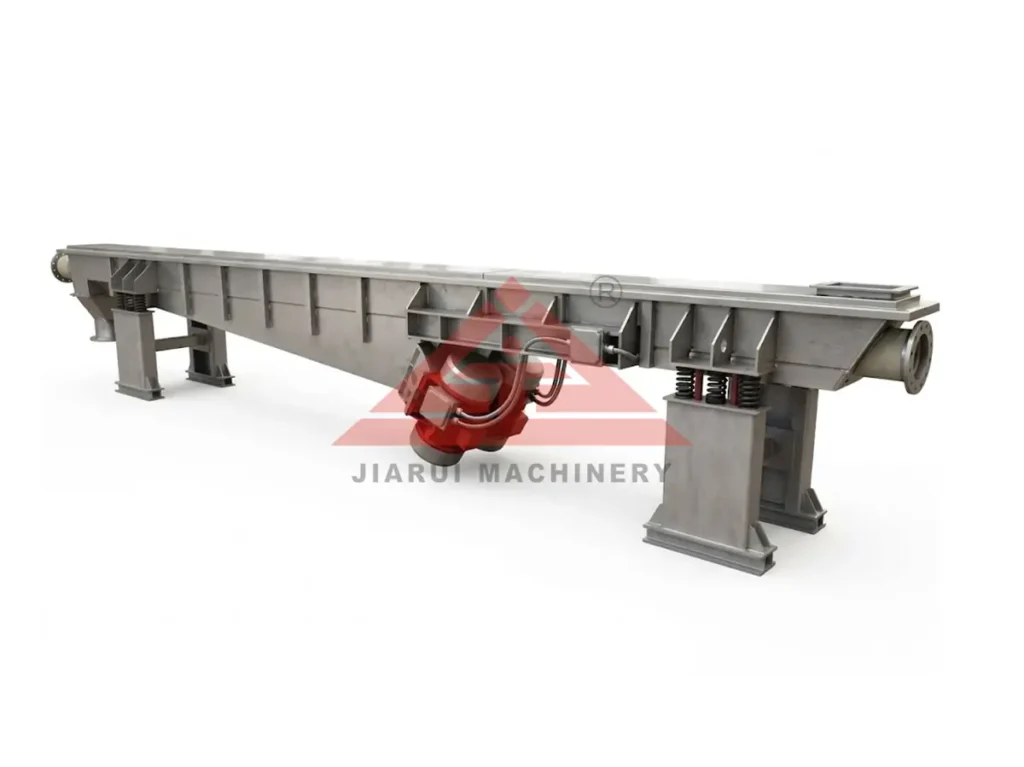
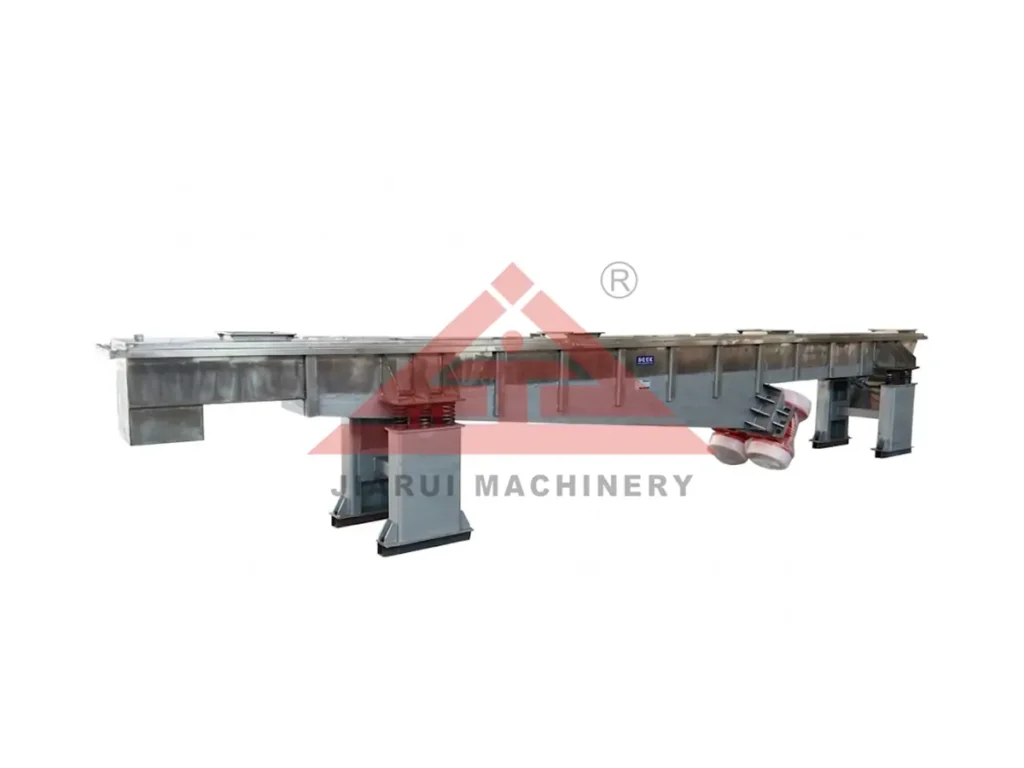
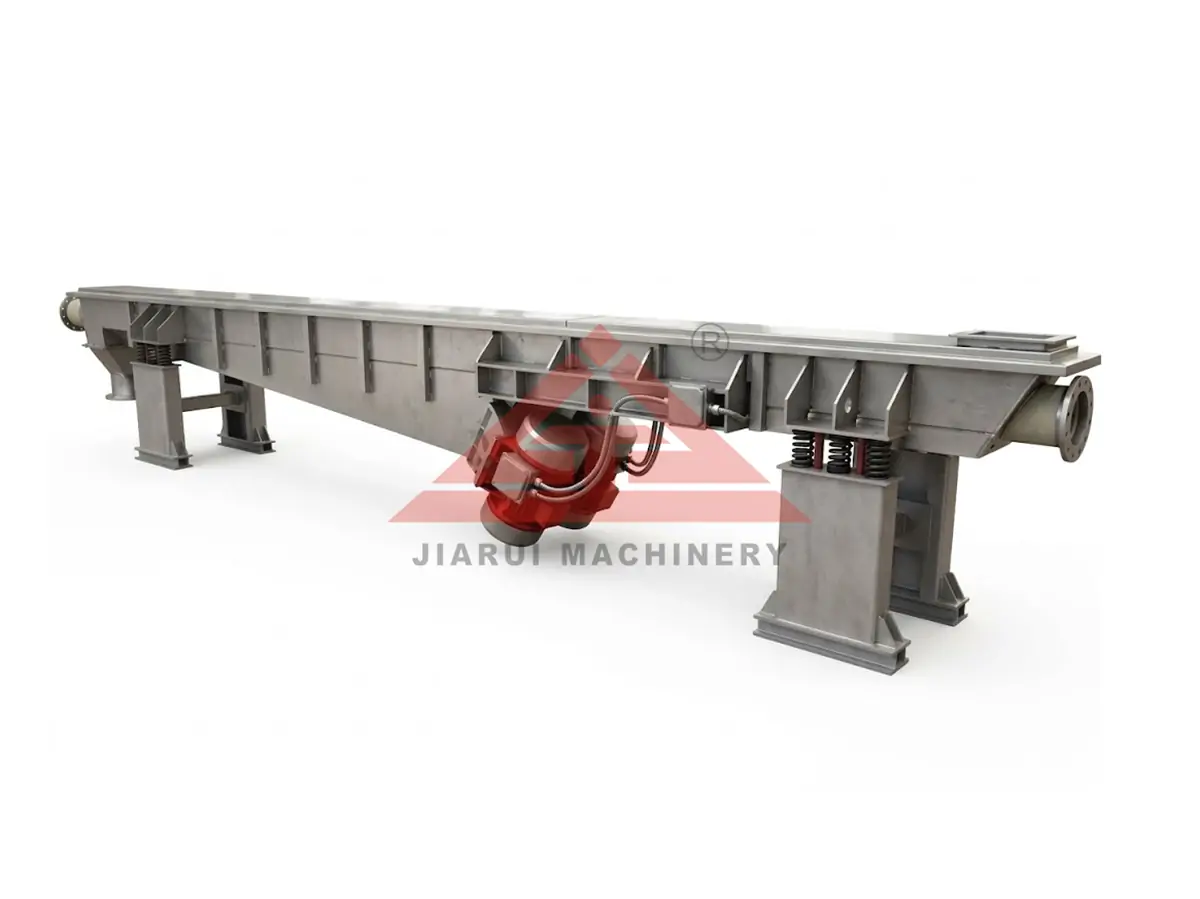
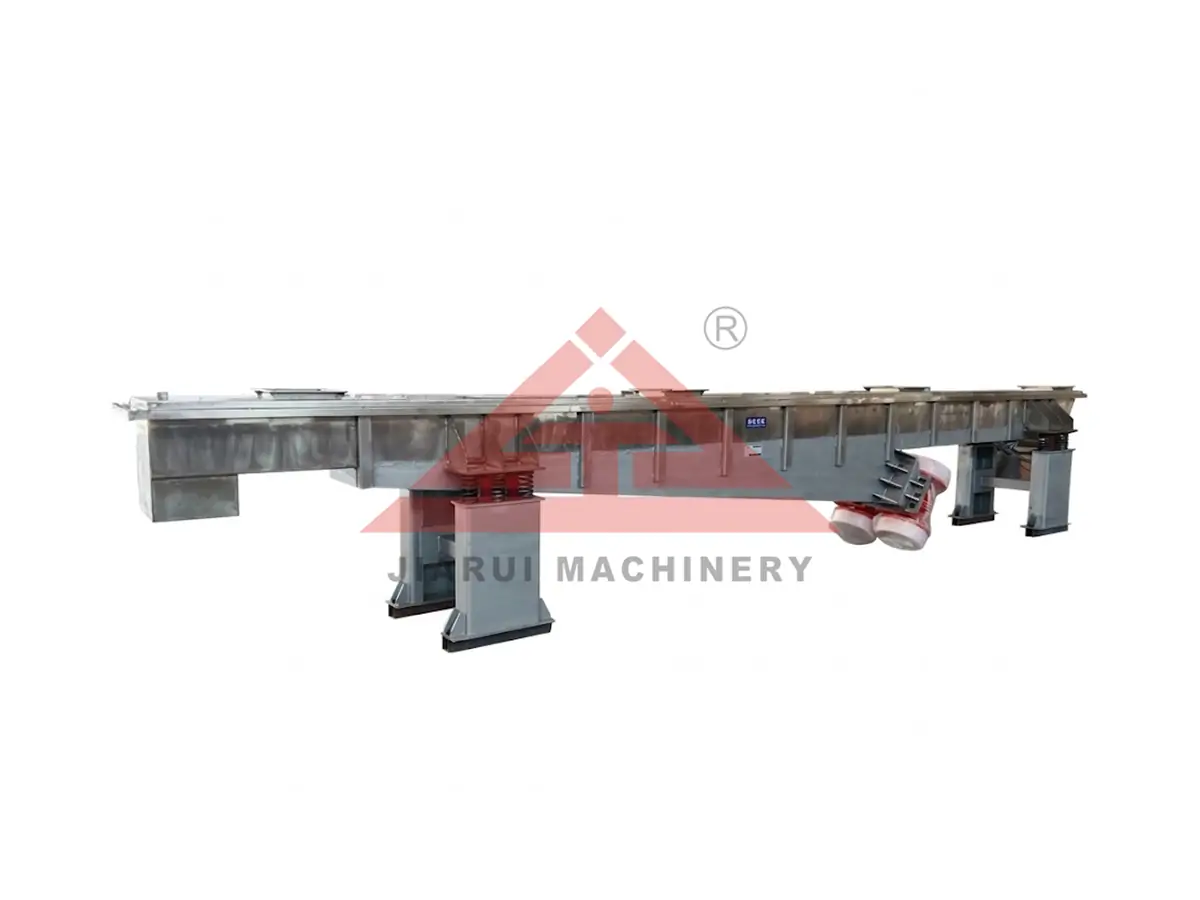
وحدة التغذية الاهتزازية المربعة هي معدات تغذية مستمرة تُستخدم للمواد المسحوقة والحبيبية والمواد السائبة صغيرة الحجم. تُركّب عند مخرج القواديس أو صوامع التخزين أو المعدات العلوية، وتستخدم الاهتزاز لتحريك المواد إلى الأمام بشكل متساوٍ وثابت. بفضل أداء التغذية المستقر، والبنية البسيطة، والقدرة العالية على التكيف، تساعد في تقليل مشاكل انسداد المواد، وتراكمها، والتغذية غير المتساوية. تُستخدم المعدات على نطاق واسع في صناعات التعدين، ومواد البناء، والكيماويات، والبلاستيك، والأغذية، وحماية البيئة.
جاروي توفر حلولاً مخصصة لوحدة التغذية الاهتزازية المربعة وفقاً لخصائص المواد، والسعة الإنتاجية، وظروف التركيب. يمكن تعديل حجم الحوض، واختيار المواد، ومعايير الاهتزاز، وهيكل التركيب لتناسب متطلبات خطوط الإنتاج المختلفة.
- الموديل: سلسلة ZDS300
- عرض الحوض: 300 مم
- مسافة النقل: 2000–6000 مم
- قوة المحرك: 25–1.1 كيلوواط
- زاوية الميل: 0–5°
- المواد المناسبة: المواد المسحوقة والحبيبية والمواد السائبة صغيرة الحجم
- خيارات المواد: فولاذ كربوني / SUS304 / SUS316
- خدمة التخصيص: يدعم تخصيص الأبعاد، والجهد، والهيكل، وطرق التركيب
ما هي وحدة التغذية الاهتزازية المربعة؟
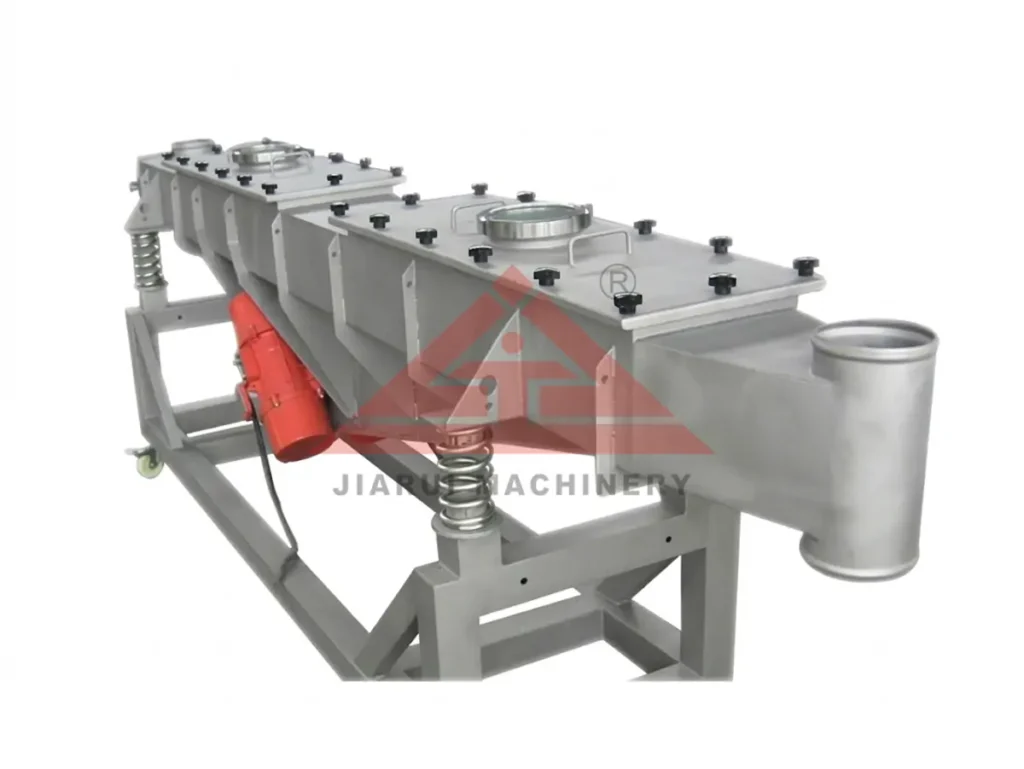
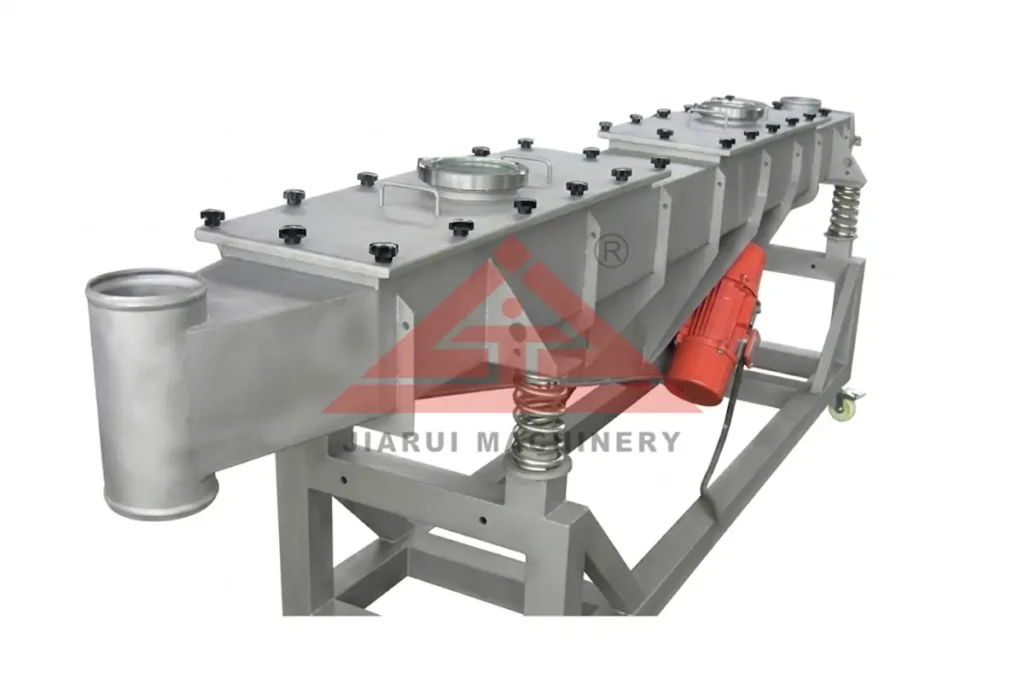
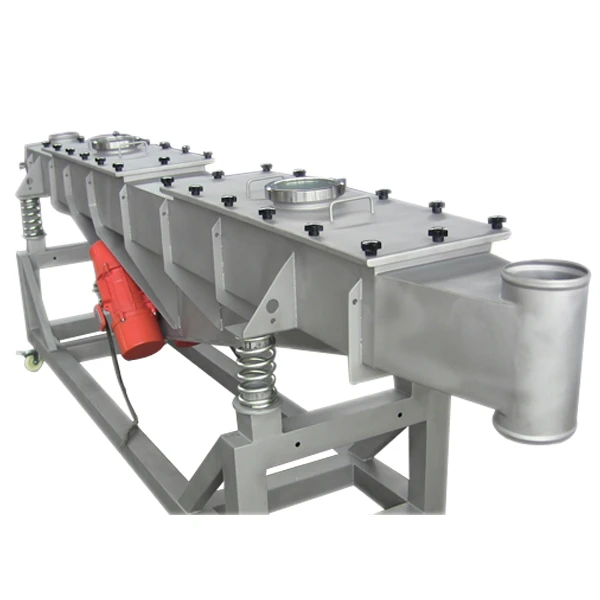
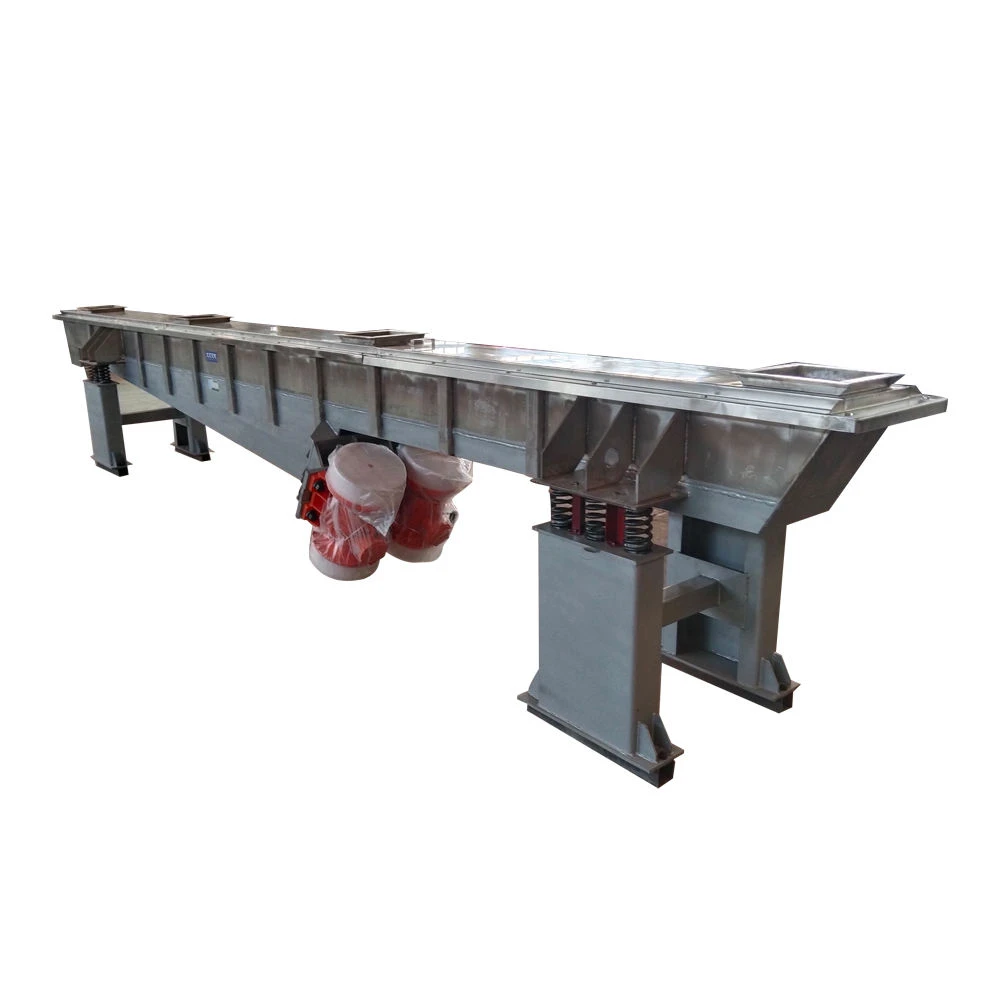
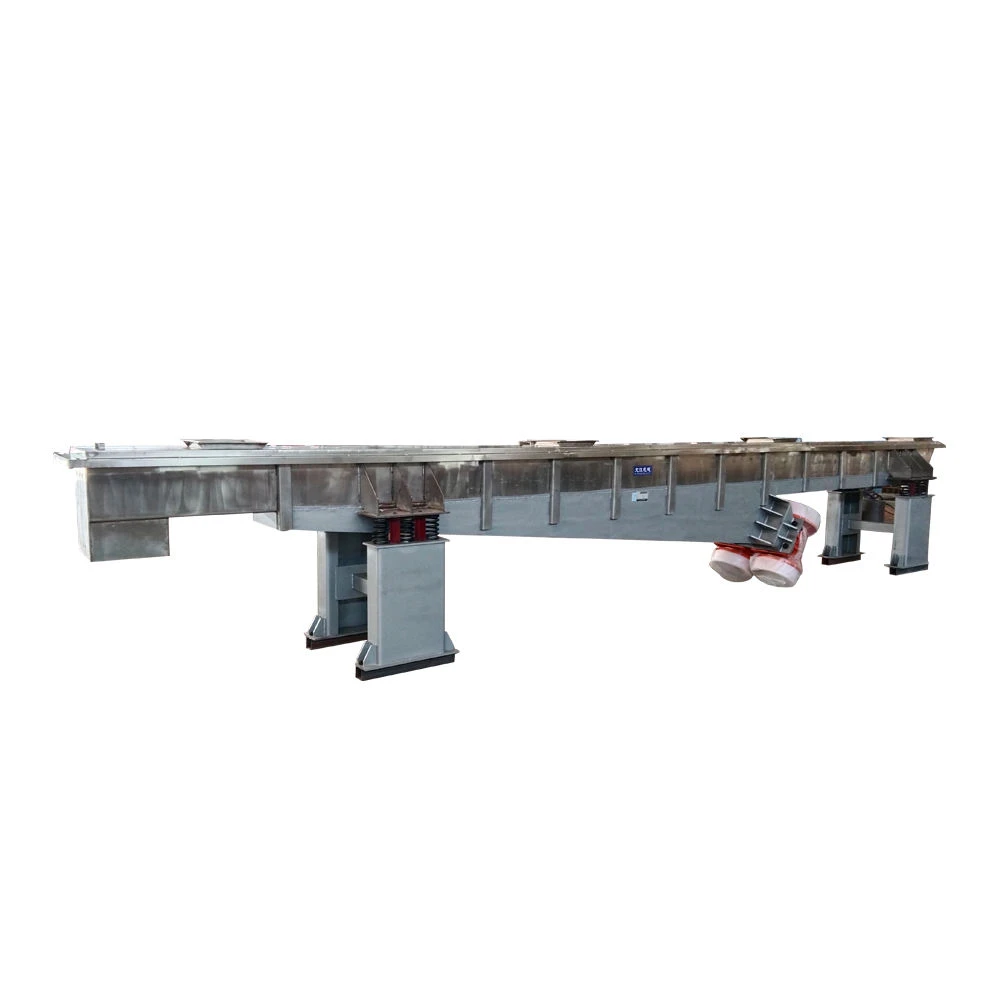
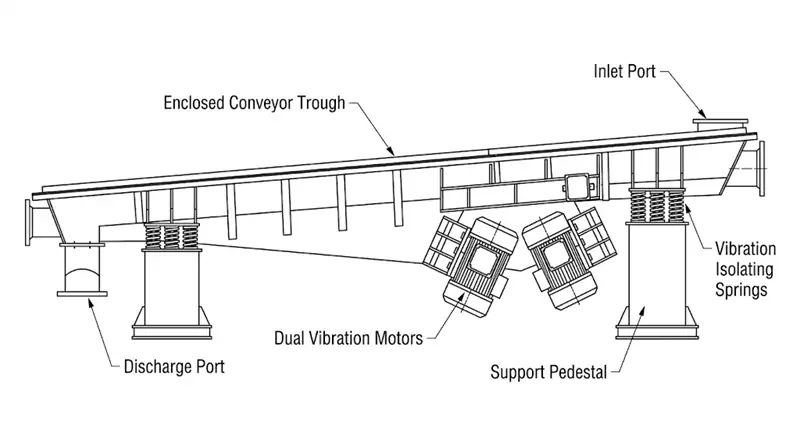
مغذي الاهتزاز المربع ZDS هو مغذي اهتزازي قصوري مصمم للتغذية المستمرة ونقل المواد لمسافات قصيرة إلى متوسطة للمواد المسحوقة والحبيبية والكتل الصغيرة. يوفر تدفقًا متحكمًا وموحدًا للمواد من القواديس أو صوامع التخزين أو المعدات العلوية إلى العمليات السفلية مثل الغربلة والتكسير والنقل. يمكن اختيار أنواع مختلفة من المغذيات الاهتزازية وفقًا للمادة ومتطلبات التغذية.
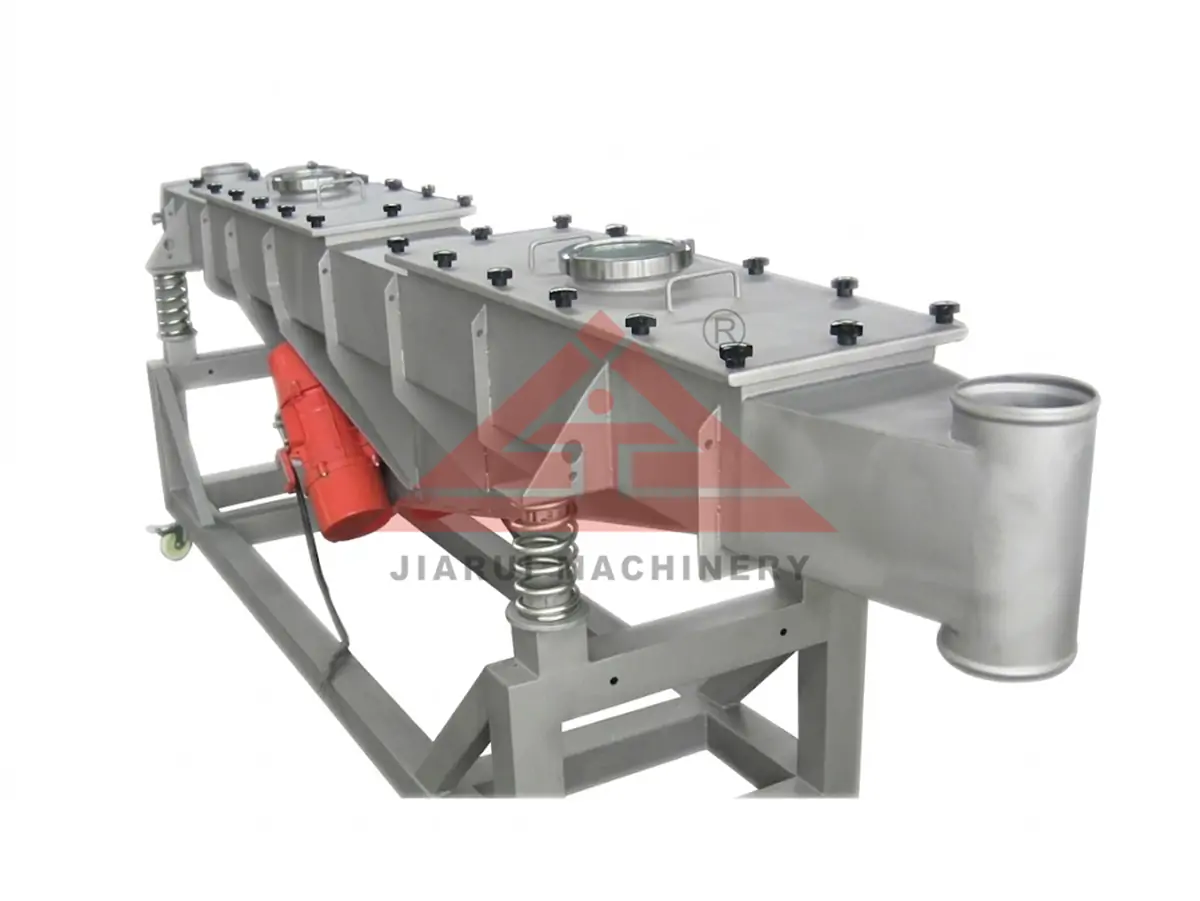
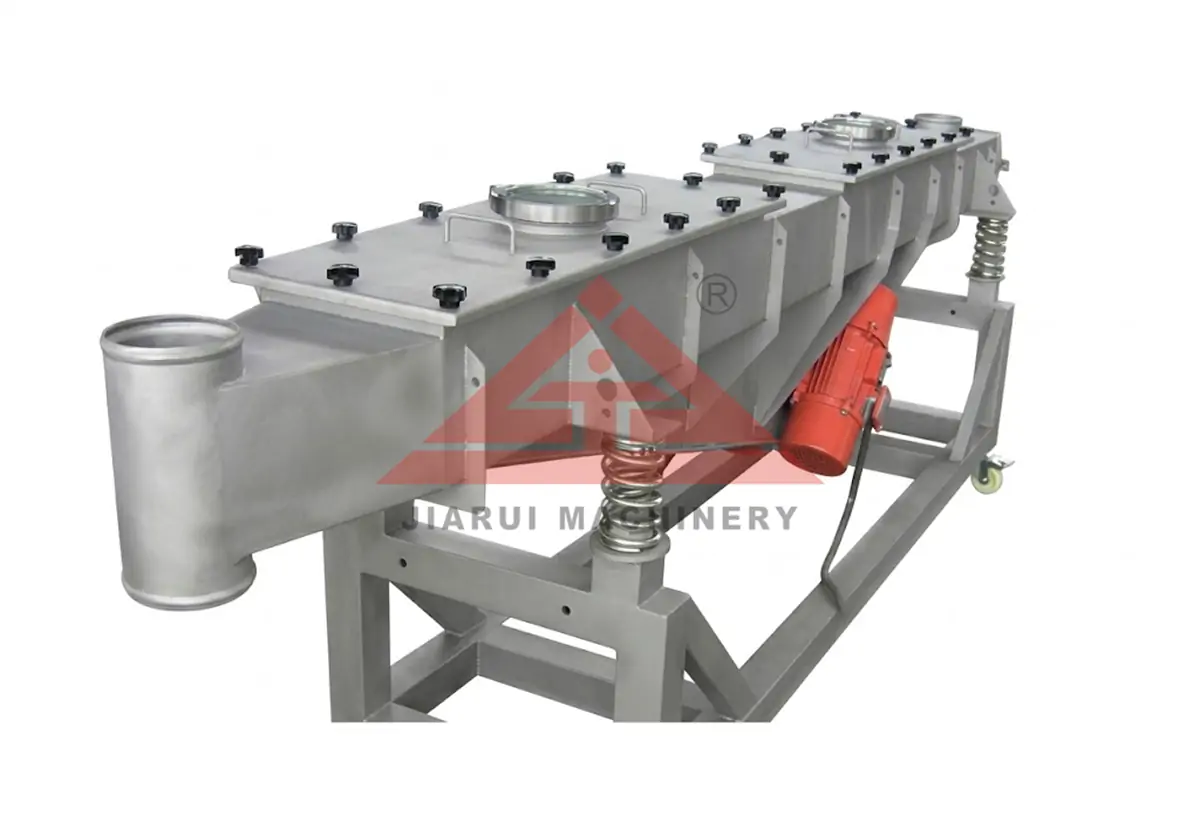
يتوفر مغذي ZDS بأحواض على شكل حرف U أو أنبوبية، اعتمادًا على المادة والعملية. تتوفر التصاميم المفتوحة والمغلقة لبيئات النقل المختلفة. يمكن أن يستخدم نظام الدفع محرك اهتزاز للتحفيز المباشر أو محركًا تقليديًا مع هزاز للدفع غير المباشر.
مبدأ العمل
يستخدم مغذي الاهتزاز المربع ZDS محرك اهتزاز أو هزازًا لتوليد الاهتزاز الذي يحرك حوض التغذية. مع اهتزاز الحوض، تتحرك المادة للأمام بثبات، مما يوفر تغذية مستمرة ومتساوية للعملية التالية.
يمكن لمغذي ZDS التعامل مع المواد المسحوقة والحبيبية والكتل الصغيرة. مع تصميمات الأحواض المختلفة وتكوينات الدفع المختلفة، يمكن استخدامه أيضًا للنقل لمسافات قصيرة إلى متوسطة.
.
المكونات الهيكلية
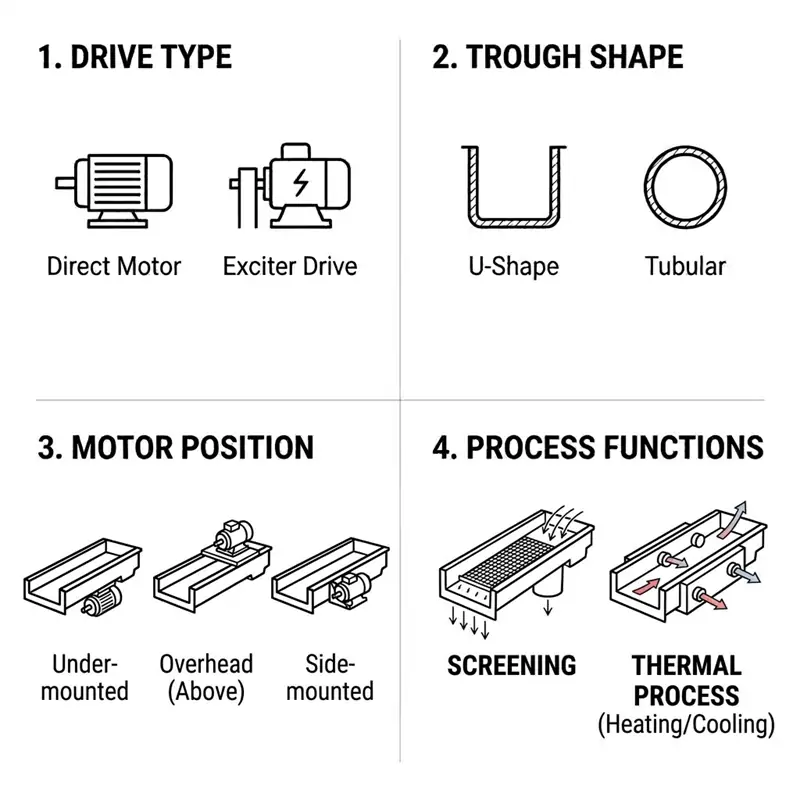
خيارات الدفع
يمكن لمغذي ZDS استخدام محرك اهتزاز للدفع المباشر أو محركًا تقليديًا مع هزاز للدفع غير المباشر. يتم اختيار نوع الدفع بناءً على تخطيط المعدات وظروف التشغيل.
خيارات الحوض
يمكن تصنيع الحوض بشكل على شكل حرف U أو أنبوبي وفقًا للمادة ومتطلبات النقل. تتوفر التصاميم المفتوحة أو المغلقة عندما تكون هناك حاجة إلى إحكام أفضل أو التحكم في الغبار.
موضع مصدر الاهتزاز
يمكن وضع مصدر الاهتزاز فوق الحوض أو أسفله أو على جانبه. يمكن اختيار الموضع ليناسب مساحة التركيب المتاحة وتخطيط خط الإنتاج.
وظائف معالجة إضافية
مع حوض مصمم خصيصًا والتكوين المناسب للمعدات، يمكن أيضًا استخدام مغذي ZDS للغربلة أو التجفيف أو التسخين أو التبريد أثناء مناولة المواد.
المزايا
المزايا الرئيسية لمغذي ZDS هي تدفق المواد المستقر، والتكوين المرن، وسهولة التكامل، والصيانة المباشرة.
تغذية مستمرة مستقرة
يحرك الحوض الاهتزازي المواد للأمام بشكل مستمر ومتساوٍ. وهذا يجعل مغذي ZDS مناسبًا للتغذية المتحكم بها من القواديس وصوامع التخزين والمعدات العلوية إلى الكسارات والغرابيل والناقلات والمعدات السفلية الأخرى.
تدفق مواد أفضل
يساعد الاهتزاز في تحريك المساحيق والحبيبات والكتل الصغيرة التي قد لا تتدفق بسلاسة تحت الجاذبية وحدها. بالنسبة للمواد مثل مسحوق الأسمنت والرماد المتطاير، يمكن أن يساعد الاهتزاز في تقليل التكتل وانقطاعات التغذية.
خيارات مقاومة التآكل للمواد الصعبة
بالنسبة للمواد الكاشطة مثل الخام والحجر والركام، يمكن استخدام مواد مقاومة للتآكل في الحوض ومناطق التلامس الأخرى. يمكن اختيار البناء وفقًا لحجم المادة وصلابتها وظروف التشغيل.
سهولة التكامل في الخطوط القائمة
يمكن تعديل أبعاد الحوض ووصلات المدخل والمخرج وترتيبات التركيب لتناسب المساحة المتاحة والمعدات القائمة. وهذا يجعل تركيب المغذي أسهل كجزء من خط إنتاج جديد أو قائم.
تخصيص مرن
نقاط الخدمة الرئيسية هي محرك الاهتزاز والينابيع والمكونات المتصلة. يمكن أيضًا بناء المغذي ليناسب السعة المطلوبة وحجم الحوض والجهد ومادة البناء وظروف الموقع.
تآكل منخفض وصيانة سهلة
لا يحتوي المغذي على نظام نقل معقد في مسار المواد. تشمل الصيانة الروتينية بشكل أساسي محرك الاهتزاز والينابيع والأجزاء المتصلة. بالنسبة للمواد الكاشطة، يمكن إضافة بطانات مقاومة للتآكل إلى المناطق التي تلامس المادة.
التطبيقات
يُستخدم مغذي الاهتزاز المربع ZDS للتغذية المستمرة والنقل لمسافات قصيرة إلى متوسطة للمواد المسحوقة والحبيبية والكتل الصغيرة. تشمل التطبيقات الشائعة التعدين ومواد البناء والمعالجة الكيميائية والبلاستيك ومناولة الأغذية والحبوب والمعالجة البيئية.
يعتمد تكوين المعدات على المادة وظروف العمل. قد تتطلب تطبيقات التعدين حوضًا أقوى وبطانات مقاومة للتآكل، بينما قد تتطلب تطبيقات الأغذية بناءً من الفولاذ المقاوم للصدأ وسهولة التنظيف. قد تتطلب المواد الكيميائية والمغبرة مواد مقاومة للتآكل أو حوضًا مغلقًا.
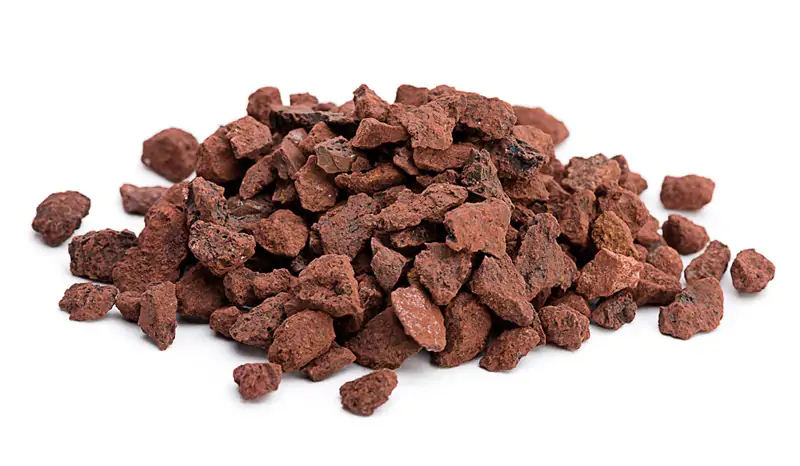 المساحيق الكيميائية
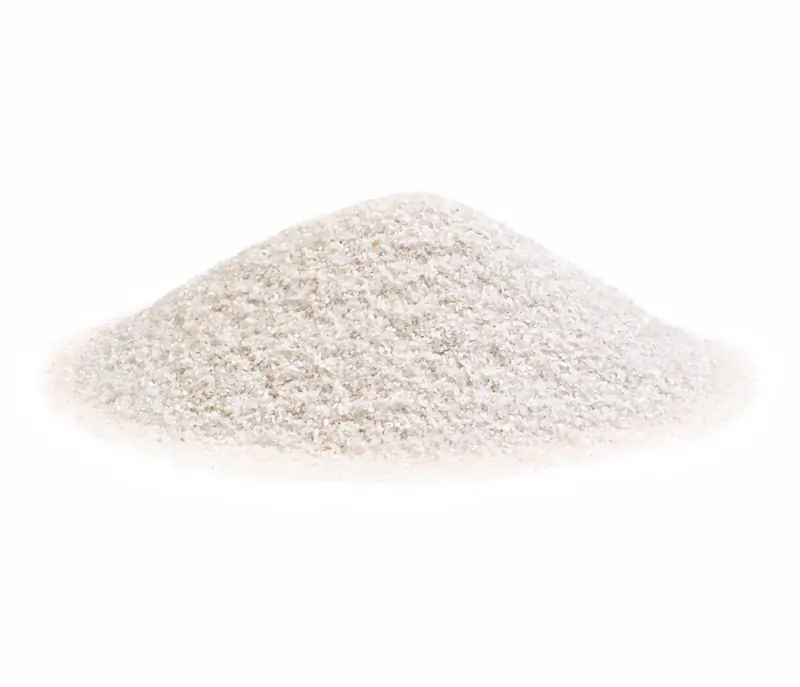 رمل الكوارتز
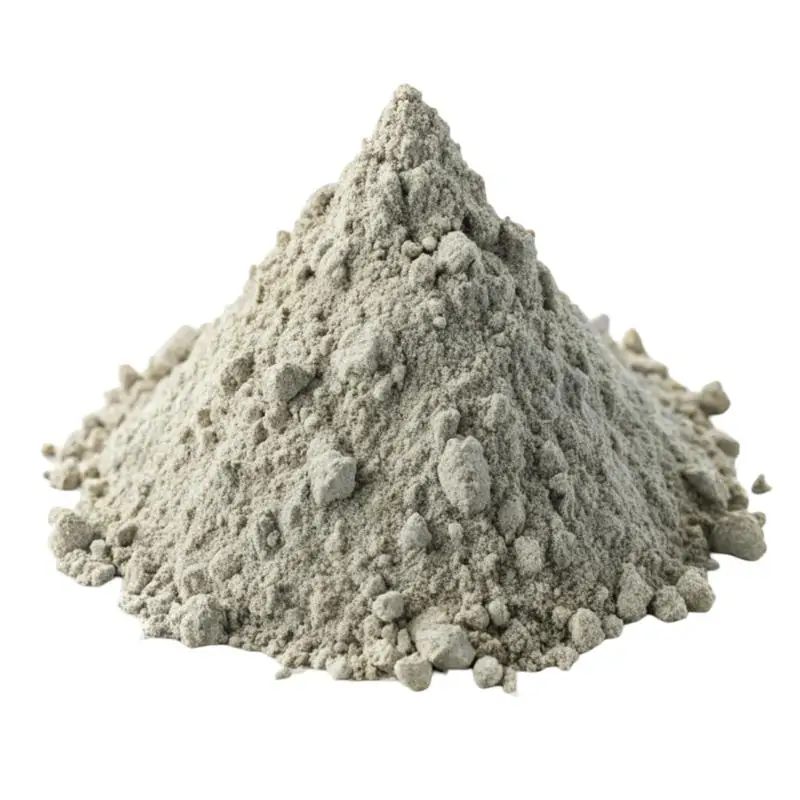 مسحوق الأسمنت
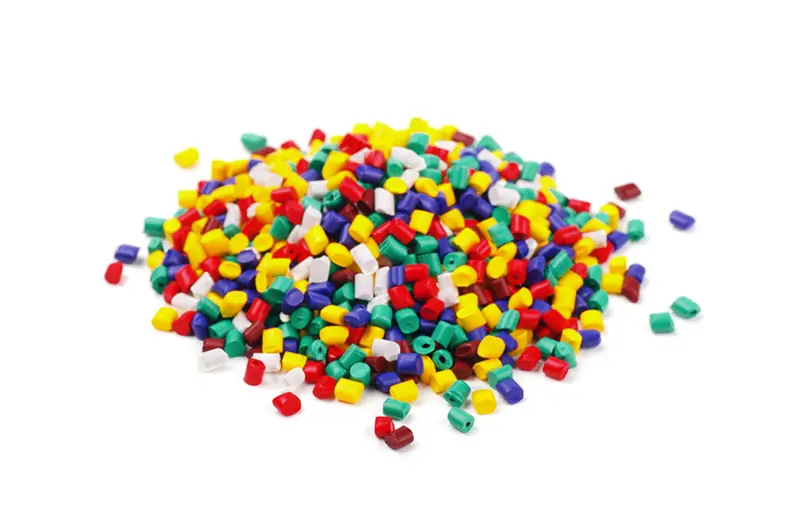 كريات البلاستيك
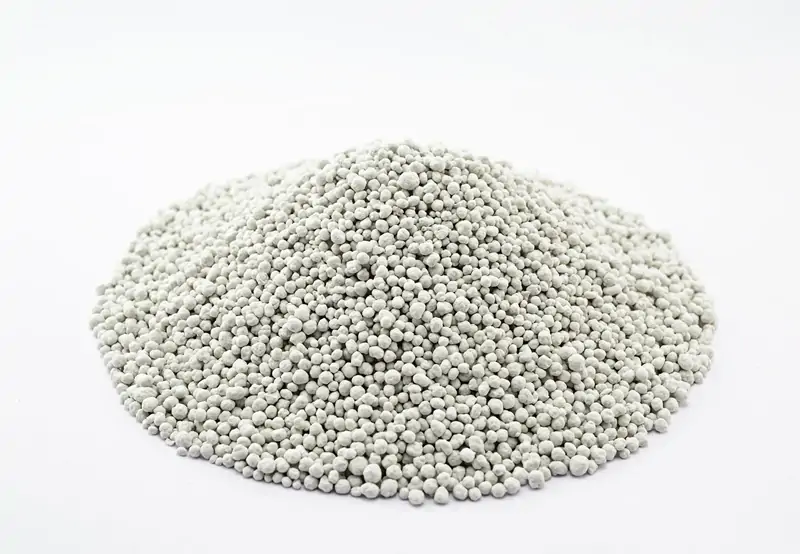 حبيبات الأسمدة
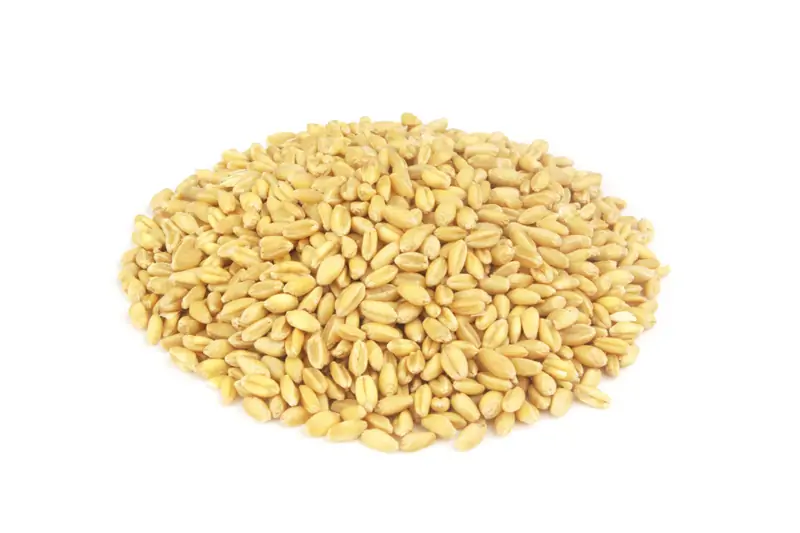 القمح
القمح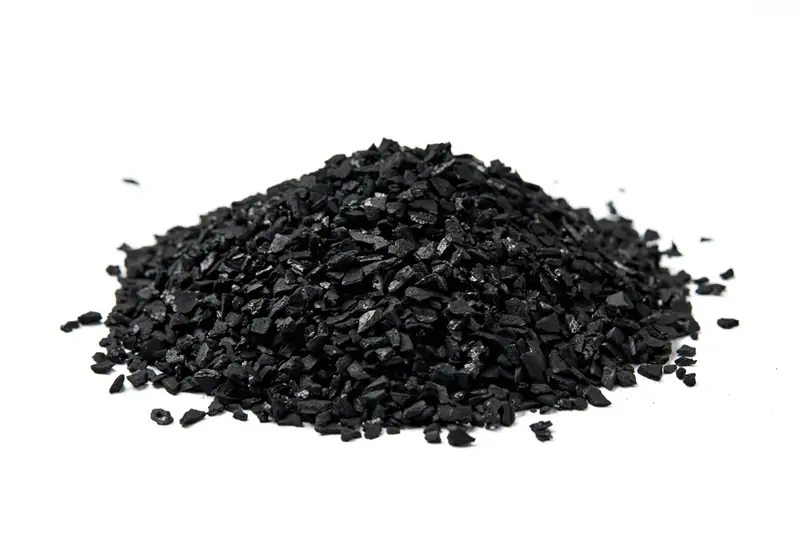 خام الحديد
 رمل المسبك
يمكن تخصيص المعدات وفقًا لسعة التغذية، ومساحة التركيب، ومتطلبات الجهد، واختيار المواد، وظروف الإنتاج.
| الصناعة | المواد الشائعة | التطبيق | يُستخدم مغذي الاهتزاز المربع على نطاق واسع في خطوط الإنتاج الصناعي التي تتطلب تغذية مستمرة وموحدة للمواد. يمكن تطبيقه في صناعات التعدين ومواد البناء والكيماويات والبلاستيك والأغذية والبيئة. |
| صناعة التعدين والركام | خام الحديد، خام النحاس، الحجر الجيري، الركام | يُستخدم قبل الكسارات ومعدات الغربلة لتوفير تغذية مستقرة للمواد الخام | تعتبر قوة الحوض ومقاومة التآكل وسعة التحميل مهمة. يمكن إضافة بطانات تآكل للمواد الكاشطة. |
| صناعة مواد البناء | رمل الكوارتز، مسحوق الأسمنت، مسحوق الجير، الرماد المتطاير | يُستخدم للتغذية المستمرة في إنتاج الأسمنت والزجاج والركام | يجب أن يتوافق تصميم الحوض ومعلمات الاهتزاز مع قابلية تدفق المواد لتقليل الانسداد والتغذية غير المستقرة. |
| الصناعة الكيميائية | حبيبات الأسمدة، كريات الراتنج، المساحيق الكيميائية | يُستخدم لتغذية المواد الخام وأنظمة الغربلة وخطوط التعبئة والتغليف | يجب مراعاة مقاومة التآكل واختيار المواد والإحكام والتحكم في الغبار وفقًا للمادة. |
| صناعة البلاستيك | كريات PP، كريات PE، كريات البلاستيك المعاد تدويره | يُستخدم في خطوط معالجة البلاستيك للتغذية المستمرة للمواد | يجب ضبط سرعة التغذية ومعلمات الاهتزاز للحفاظ على حركة جزيئية مستقرة. |
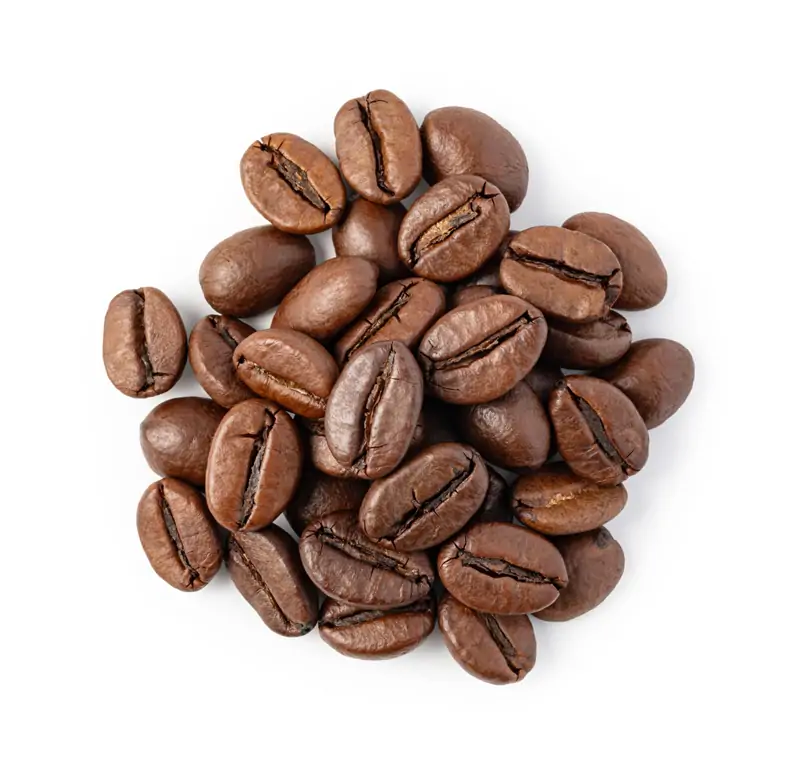
| صناعة الأغذية والحبوب | الأرز، القمح، الذرة، السكر، الملح، حبوب البن | يُستخدم في أنظمة معالجة الأغذية ومناولة الحبوب | يمكن اختيار الفولاذ المقاوم للصدأ مثل 304 أو 316 عند الحاجة. يجب أيضًا مراعاة متطلبات النظافة والتنظيف. |
| الصناعة البيئية | الكربون المنشط، جزيئات الكربون الأسود، المواد المعاد تدويرها | يُستخدم في أنظمة معالجة النفايات واستعادة الموارد | قد تكون التصاميم المغلقة والإحكام والتحكم في الغبار وتدفق المواد المستقر مطلوبة. |
ما هي المواد أو ظروف العمل التي تتطلب اختيارًا دقيقًا؟
على الرغم من أن وحدة التغذية ZDS تتعامل مع مجموعة واسعة من المواد، إلا أن بعض الظروف تحتاج إلى التحقق قبل اختيار المعدات:
- قد تتراكم المواد عالية الرطوبة أو اللزجة على الحوض وتؤثر على تدفق المواد.
- قد تتطلب المواد الكبيرة والصلبة حوضًا مقوى أو بطانات مقاومة للتآكل.
- قد تتطلب مسافات النقل الطويلة ناقلًا هزازًا مخصصًا، أو ناقلًا حزاميًا، أو ناقلًا لولبيًا، أو معدات نقل أخرى اعتمادًا على المادة وتخطيط العملية.
- قد تتطلب معدلات التغذية المنخفضة جدًا أو المضبوطة بدقة معدات قياس مخصصة بدلاً من وحدة التغذية الهزازة القياسية.
الصناعة وحدها ليست كافية لاختيار وحدة التغذية الهزازة. خصائص المادة، والسعة المطلوبة، ومسافة النقل، ومساحة التركيب، وظروف التشغيل جميعها تؤثر على التكوين النهائي.
عند مراجعة مشروع، يمكن لفريق الهندسة في Jiarui العمل بناءً على اسم المادة، وحجم الجسيمات، والسعة المطلوبة، ومسافة النقل، وظروف التركيب. تُستخدم هذه التفاصيل لتحديد حجم الحوض، ومادة البناء، وتكوين المحرك، وإعدادات الاهتزاز للتطبيق.
المعايير الفنية
تتوفر وحدة التغذية الهزازة المربعة ZDS بأطوال نقل مختلفة لتناسب متطلبات التغذية والتركيب المختلفة. تغطي السلسلة القياسية ZDS300 مسافات نقل من 2,000 إلى 6,000 مم، بينما يمكن تخصيص تكوينات أخرى لظروف عمل محددة.
| الموديل | عرض الحوض | مسافة النقل | قوة المحرك | زاوية الميل | حجم المدخل |
| ZDS300-2000 | 300 مم | 2,000 مم | 25 كيلوواط | 0–5° | Ø200 مم |
| ZDS300-2500 | 300 مم | 2,500 مم | 25 كيلوواط | 0–5° | Ø200 مم |
| ZDS300-3000 | 300 مم | 3,000 مم | 37 كيلوواط | 0–5° | Ø200 مم |
| ZDS300-3500 | 300 مم | 3,500 مم | 37 كيلوواط | 0–5° | Ø200 مم |
| ZDS300-4000 | 300 مم | 4,000 مم | 55 كيلوواط | 0–5° | Ø200 مم |
| ZDS300-4500 | 300 مم | 4,500 مم | 55 كيلوواط | 0–5° | Ø200 مم |
| ZDS300-5000 | 300 مم | 5,000 مم | 75 كيلوواط | 0–5° | Ø200 مم |
| ZDS300-5500 | 300 مم | 5,500 مم | 75 كيلوواط | 0–5° | Ø200 مم |
| ZDS300-6000 | 300 مم | 6,000 مم | 1 كيلوواط | 0–5° | Ø200 مم |
بالنسبة للمواد المسببة للتآكل، يمكن اختيار الفولاذ المقاوم للصدأ مثل SUS304 أو SUS316. قد تتطلب المواد الكاشطة حوضًا مقوى وبطانات مقاومة للتآكل، بينما قد تتطلب تطبيقات الأغذية مواد وبناءً يلبي متطلبات النظافة والتنظيف.
وحدة التغذية الهزازة المربعة مقابل وحدة التغذية الهزازة الكهرومغناطيسية مقابل وحدة التغذية اللولبية
يمكن لهذه الأنواع الثلاثة من وحدات التغذية توفير تغذية مستمرة للمواد، لكنها تعمل بشكل مختلف وتناسب مواد وظروف تغذية مختلفة. يعتمد الاختيار الصحيح بشكل أساسي على المادة، ومعدل التغذية المطلوب، ومسافة النقل، وكيفية اتصال المعدات بخط الإنتاج.
| المقارنة | مغذي اهتزازي مربع | وحدة التغذية الاهتزازية الكهرومغناطيسية | وحدة التغذية اللولبية |
| مبدأ العمل | تستخدم محرك اهتزاز لتوليد قوة الإثارة وتحريك المواد على طول الحوض | تستخدم الاهتزاز الكهرومغناطيسي للتحكم في تدفق المواد | تستخدم لولبًا دوارًا لتحريك المواد على طول اتجاه النقل |
| المواد المناسبة | المواد المسحوقة والحبيبية وقطع المواد الصغيرة | المساحيق والجسيمات الصغيرة حيث يكون ضبط معدل التغذية مهمًا | المواد المسحوقة والحبيبية وغيرها من المواد التي تتطلب نقلًا مغلقًا |
| خصائص التغذية | تغذية مستمرة مستقرة ومناسبة للنقل لمسافات قصيرة إلى متوسطة | استجابة سريعة وضبط مناسب لمعدل التدفق | نقل محكوم مع إحكام جيد واحتواء للغبار |
| المزايا الرئيسية | بناء بسيط، وسهولة في الصيانة، وتكوين مرن | تحكم جيد في معدل التغذية وسهولة التكامل مع أنظمة الجرعات الأوتوماتيكية | نقل مغلق واتجاه نقل مرن |
| التطبيقات الشائعة | مخارج القادوس، ومداخل الكسارات، والتغذية قبل معدات الغربلة | تطبيقات التغذية الخاضعة للتحكم مثل الخلط بالدفعات والوزن والتعبئة | تفريغ القادوس والنقل المغلق للمساحيق والتغذية قبل التعبئة |
| أكثر ملاءمة لـ | التغذية المستمرة حيث تكون حركة المواد المستقرة وتكامل المعدات أمرًا مهمًا | معدلات التغذية الصغيرة أو الخاضعة للتحكم حيث يكون التعديل السريع مطلوبًا | النقل المغلق حيث تكون هناك حاجة للتحكم في الغبار أو تغيير اتجاه النقل |
دليل الاختيار
| متطلبات الإنتاج | المعدات الموصى بها |
| التغذية المستمرة من القادوس إلى الكسارة أو آلة الغربلة | مغذي اهتزازي مربع |
| الخلط بالدفعات أو الجرعات الآلي مع معدل تغذية خاضع للتحكم | وحدة التغذية الاهتزازية الكهرومغناطيسية |
| النقل المغلق للمواد المسحوقة | وحدة التغذية اللولبية |
| التغذية المستمرة لمسافات قصيرة إلى متوسطة مع تدفق مستقر للمواد | مغذي اهتزازي مربع |
| التغذية منخفضة التدفق مع تعديل متكرر للتشغيل والإيقاف | وحدة التغذية الاهتزازية الكهرومغناطيسية |
إذا كنت بحاجة إلى نقل المواد بشكل مستمر من قادوس أو صومعة تخزين إلى الآلة التالية، فغالبًا ما يكون المغذي الاهتزازي المربع خيارًا جيدًا. وإذا كنت بحاجة إلى تحكم أكثر دقة في معدل التغذية للخلط بالدفعات أو الجرعات، فقد يكون المغذي الاهتزازي الكهرومغناطيسي أكثر ملاءمة. وإذا كانت المواد تحتاج إلى النقل في نظام مغلق مع تحكم أفضل في الغبار، فعادةً ما يستحق المغذي اللولبي النظر.
قبل اختيار المغذي، ضع في اعتبارك المادة وحجم الجسيمات والرطوبة والسعة المطلوبة ومسافة النقل ومساحة التركيب المتاحة. ستساعدك هذه التفاصيل على اختيار نوع المغذي المناسب لخط الإنتاج الخاص بك.
التخصيص
لا يناسب المغذي الاهتزازي المربع القياسي كل خط إنتاج دائمًا. اعتمادًا على المادة وظروف التركيب، يمكننا تعديل حجم الحوض وهيكل التوصيل ومواد البناء وتكوين نظام التشغيل.
على سبيل المثال، قد يتطلب مخرج قادوس مختلف هيكل مدخل أو توصيل مخصص. قد تحتاج المواد الصلبة والكاشطة مثل الخام والركام إلى حوض أقوى وبطانات مقاومة للتآكل. قد تحتاج المواد المسحوقة أو المواد ذات السيولة الضعيفة إلى تصميم حوض مختلف لتحسين التفريغ وتقليل التكتل أو الانسداد. للتخصيص، يرجى تقديم المعلومات التالية:
- نوع المادة وخصائصها (حجم الجسيمات، محتوى الرطوبة، الكشط، إلخ)
- سعة التغذية المطلوبة في الساعة
- مسافة النقل ومساحة التركيب المتاحة
- أبعاد توصيل المدخل والمخرج
- بيئة التشغيل ومتطلبات المواد
تصنيع Jiarui
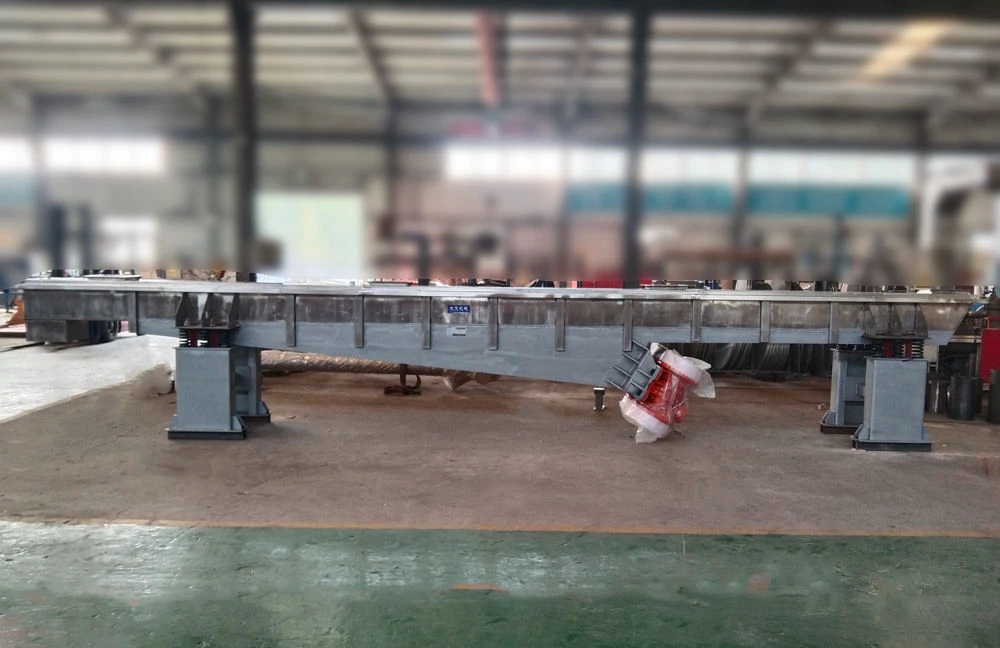
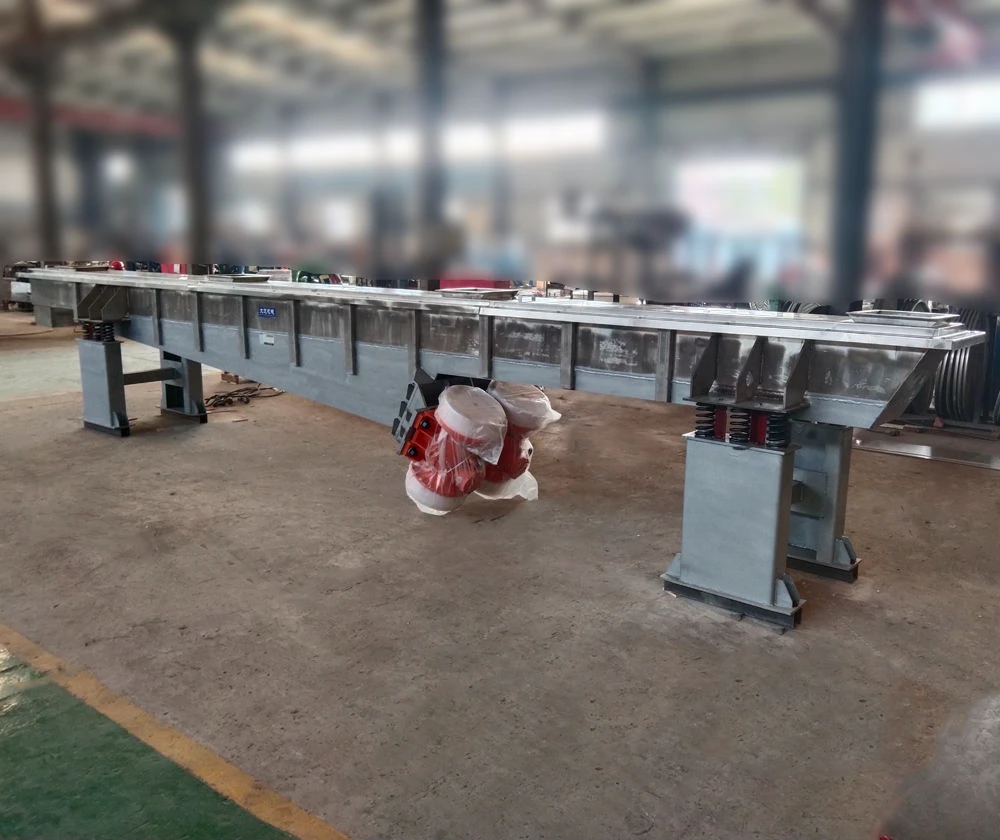
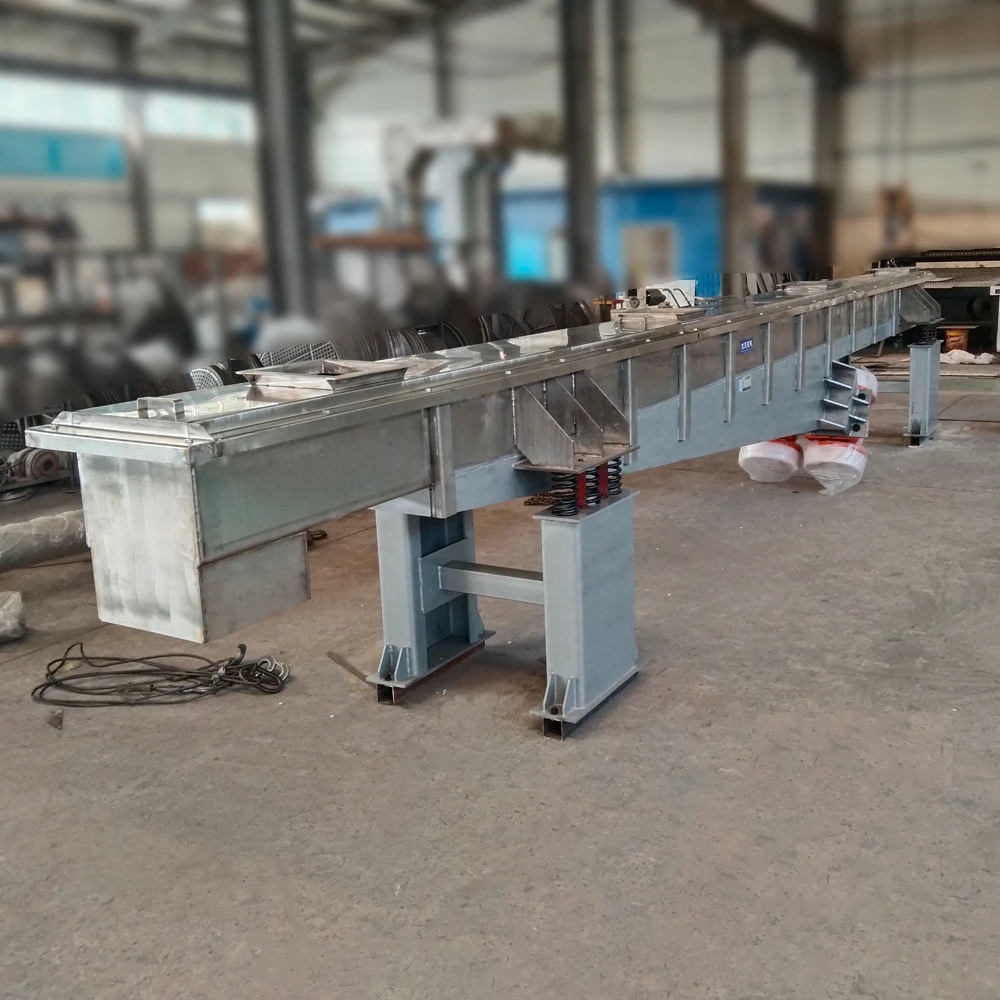
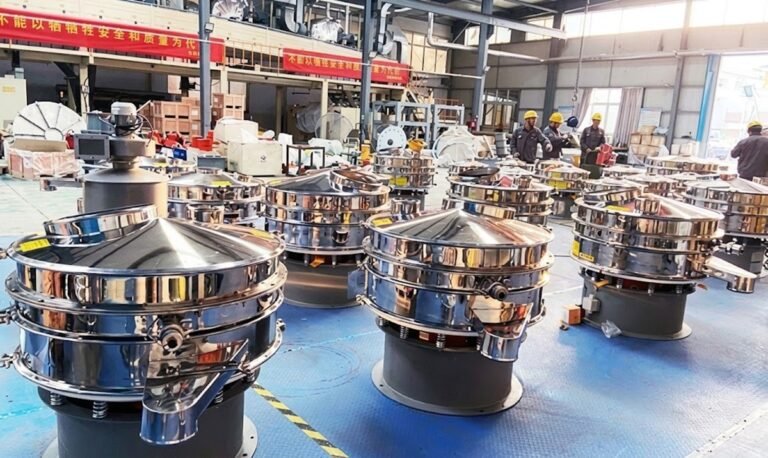
تصنع Jiarui المغذيات الاهتزازية المربعة بناءً على المادة والسعة وحجم الحوض ومتطلبات التركيب لكل مشروع. بعد تأكيد تصميم CAD، يتم تشغيل الحوض والأجزاء الرئيسية وتلحيمها. ثم يتم تركيب محرك الاهتزاز أو الهزاز، يليه تجميع النوابض والدعامات وأجزاء التوصيل. يتم فحص كل مغذي للتأكد من أداء الاهتزاز والتشغيل السليم قبل التسليم.
بالنسبة للمواد الكاشطة مثل الخام والركام، يمكن تقوية الحوض أو تزويده ببطانات مقاومة للتآكل. بالنسبة للمواد المسحوقة والناعمة، يمكن تعديل هيكل الحوض والمدخل لتحسين تدفق المواد. تتبع Jiarui ISO 9001 نظام إدارة الجودة أثناء الإنتاج وتوفر المغذيات الاهتزازية المربعة بأحجام ومواد وتكوينات مختلفة.
الأسئلة الشائعة
احصل على استشارة مجانية
املأ النموذج أدناه للتواصل مع خبرائنا والحصول على توصيات مخصصة لتطبيقك.