
شاشة دوّارة صناعية عالية الدقة
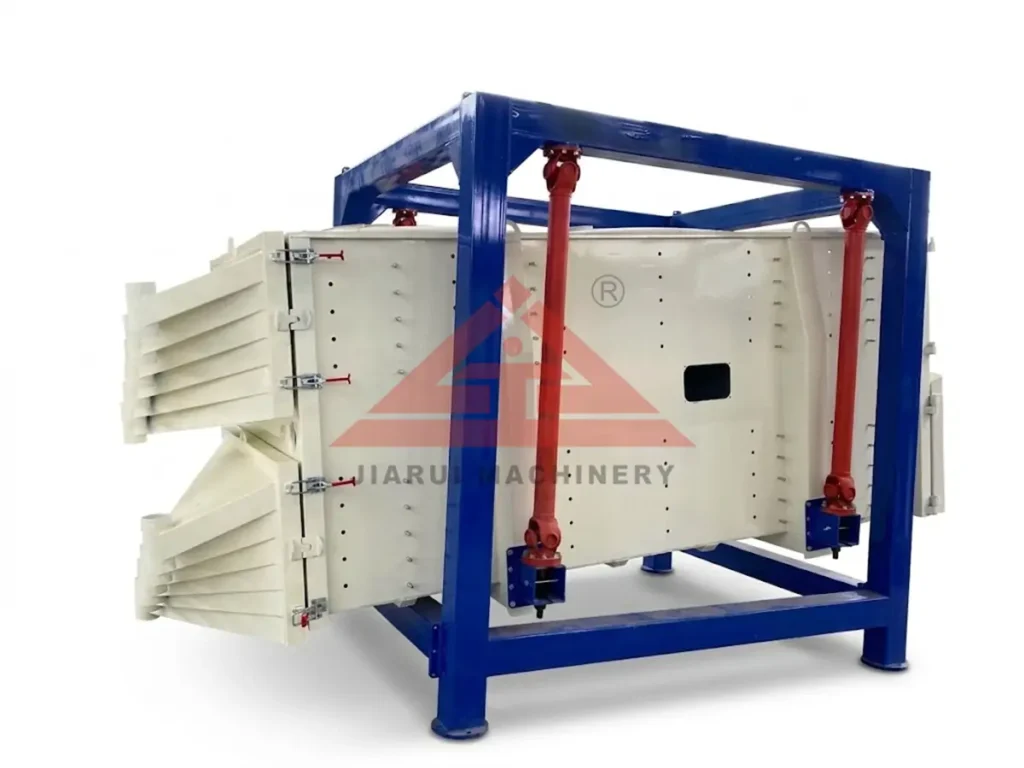
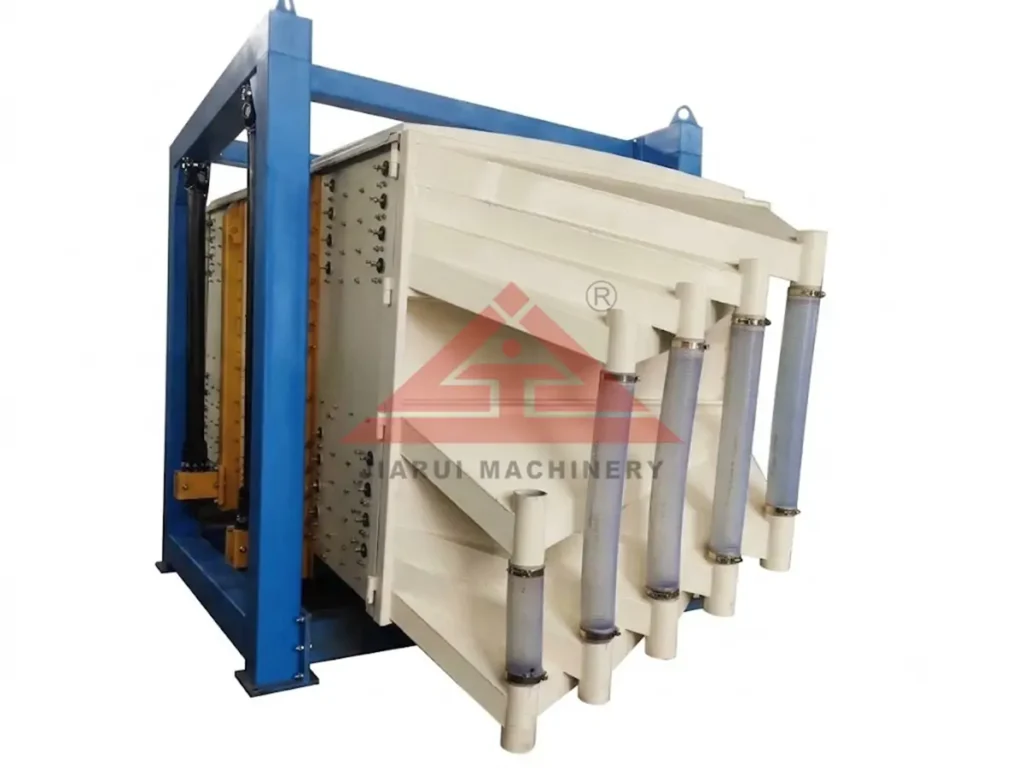
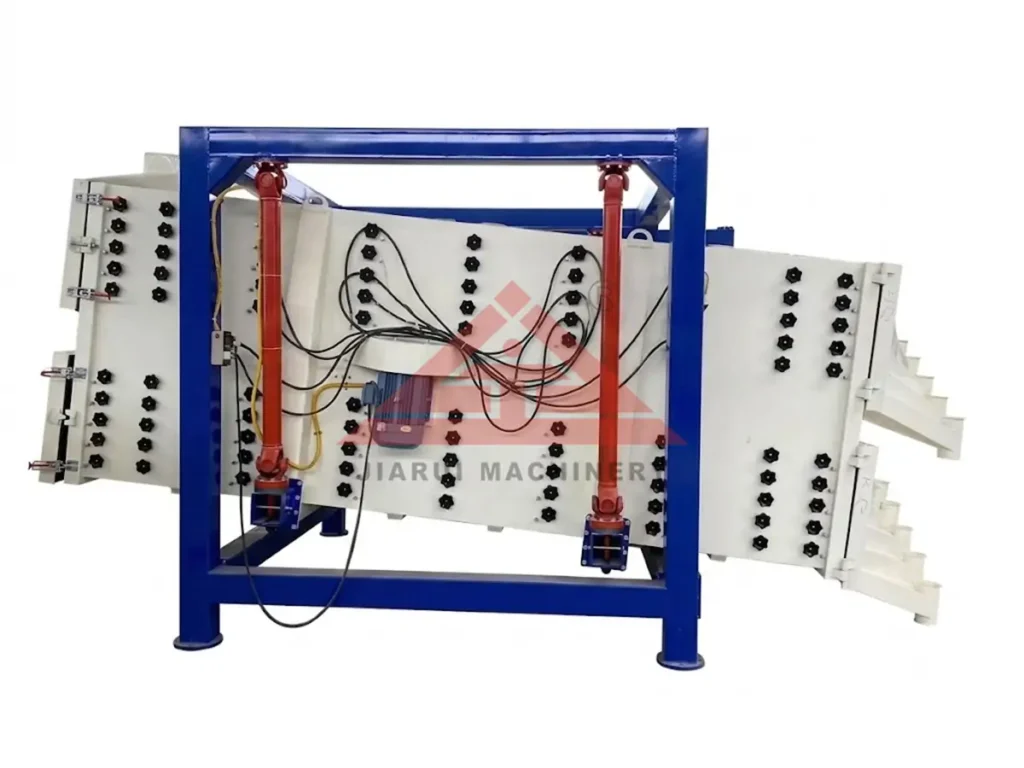
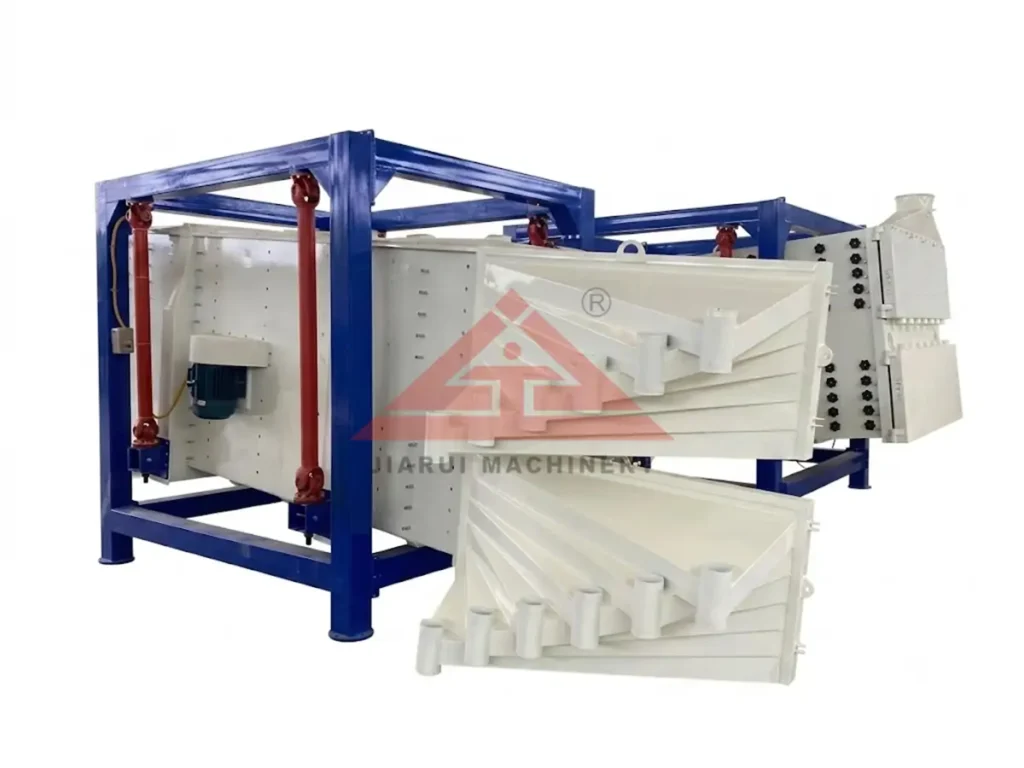
تم تصميم الغربال الدوراني بشكل أساسي للتصنيف الدقيق للمساحيق والحبيبات والمواد صغيرة الحجم. من خلال الحركة الدورانية الأفقية، تنتشر المادة بالتساوي على سطح الغربلة الكبير وتحافظ على تلامس كافٍ مع شبكة الغربال، مما يحسّن دقة الغربلة والتحكم في حجم الجسيمات. يُستخدم على نطاق واسع في عمليات الإنتاج التي تكون فيها اتساق المنتج وسلامة المادة أمرين مهمين.
بالمقارنة مع الغرابيل الاهتزازية التقليدية، تعمل آلة الغربلة الدوّارة بحركة غربلة أكثر لطفًا، مما يساعد على تقليل تكسير المواد وتحسين استخدام الغربال. بناءً على خصائص المواد وسعة المعالجة وظروف التركيب،, جاروي يمكن تخصيص حجم الغربال وعدد طبقات الشبكة واختيار المواد والتكوين الهيكلي لتلبية متطلبات الغربلة الصناعية المختلفة.
- الموديل: سلسلة FYBS (FYBS1535 / FYBS2040)
- حجم الغربال: 5 × 3.5 م، 2 × 4 م (قابل للتخصيص)
- مساحة الغربلة الفعالة: 25–8 م²
- طبقات الغربال: 1–9 طبقات، فصل متعدد الدرجات للجسيمات
- دقة الفرز: تصل إلى 95%
- تردد الحركة الدوّارة: 180–260 دورة/دقيقة
- المواد المناسبة: المساحيق والحبيبات والمعادن صغيرة الحجم والمواد الخام الكيميائية
- خدمة التخصيص: يمكن تعديل شبكة الغربال والأبعاد والطبقات والتصميم الهيكلي وفقًا للمتطلبات
ما هي الشاشة الدوّارة الصناعية؟
الشاشة الدوّارة الصناعية، المعروفة أيضًا باسم آلة الغربلة الدوّارة أو الغربال الدوّار المربع، هي نوع من معدات الغربلة الدقيقة المستخدمة للتصنيف الدقيق للمواد المسحوقة والحبيبية. على عكس الغرابيل الاهتزازية التقليدية التي تعتمد على الاهتزاز عالي التردد للفصل السريع، فإنها تحاكي حركة الغربلة اليدوية. تتحرك المادة بلطف عبر سطح الغربال، مما يزيد من وقت الاتصال بين المادة والشبكة مع تقليل التأثير على الجسيمات.
يمكن تجهيز الغربال الدوراني بطبقات غربلة متعددة، مما يسمح بفصل عدة أحجام جسيمات في عملية غربلة واحدة. يُطبَّق عادةً في صناعات مثل المساحيق الكيميائية والمساحيق المعدنية والمكونات الغذائية وحبيبات البلاستيك حيث يكون التحكم في حجم الجسيمات مهمًا. عند اختيار المعدات، ينبغي مراعاة عوامل مثل حجم المادة وسعة المعالجة ومستويات الفصل المطلوبة ومساحة التركيب لتحديد حجم الغربال والتكوين الهيكلي المناسبين.
مبدأ العمل
يعتمد الغربال الدوراني بشكل أساسي على نظام التشغيل لتحريك صندوق الغربال في حركة دورانية أفقية. أثناء التشغيل، تنتشر المواد باستمرار وتنقلب وتُغربل أثناء تحركها عبر سطح الغربال. على عكس الغرابيل الاهتزازية التقليدية التي تعتمد على الاهتزاز السريع لتحريك وفصل المواد، توفر عملية الغربلة الدورانية مسار غربلة أطول ووقت تلامس أكبر بين المادة والشبكة.
- تدخل المادة إلى سطح الغربال وتنتشر بالتساوي
بعد الدخول عبر منفذ التغذية، تنتشر المادة تدريجيًا عبر منطقة الغربلة مع حركة صندوق الغربال. تصبح طبقة المادة المركزة في البداية أرق، مما يسمح لمزيد من الجسيمات بالاتصال بشبكة الغربال ويمنع التراكم المفرط للمواد من التأثير على أداء الغربلة. - يحدث فصل الجسيمات أثناء الحركة
مع استمرار المادة في التحرك للأمام، يتم فصل الجسيمات ذات الأحجام المختلفة تدريجيًا. تتلامس الجسيمات القريبة من فتحات الشبكة مع سطح الغربال بشكل متكرر، بينما تمر الجسيمات الأصغر عبر الشبكة إلى الطبقة السفلية وتستمر الجسيمات الأكبر في التحرك نحو منفذ التفريغ. - يتم تفريغ أحجام الجسيمات المختلفة بشكل منفصل
بعد الغربلة، يتم تفريغ المواد الناعمة والخشنة عبر منافذها المقابلة. عند تركيب طبقات غربلة متعددة، يمكن للمعدات إكمال عدة تصنيفات لأحجام الجسيمات في عملية واحدة، مما يقلل الحاجة إلى عمليات غربلة إضافية.
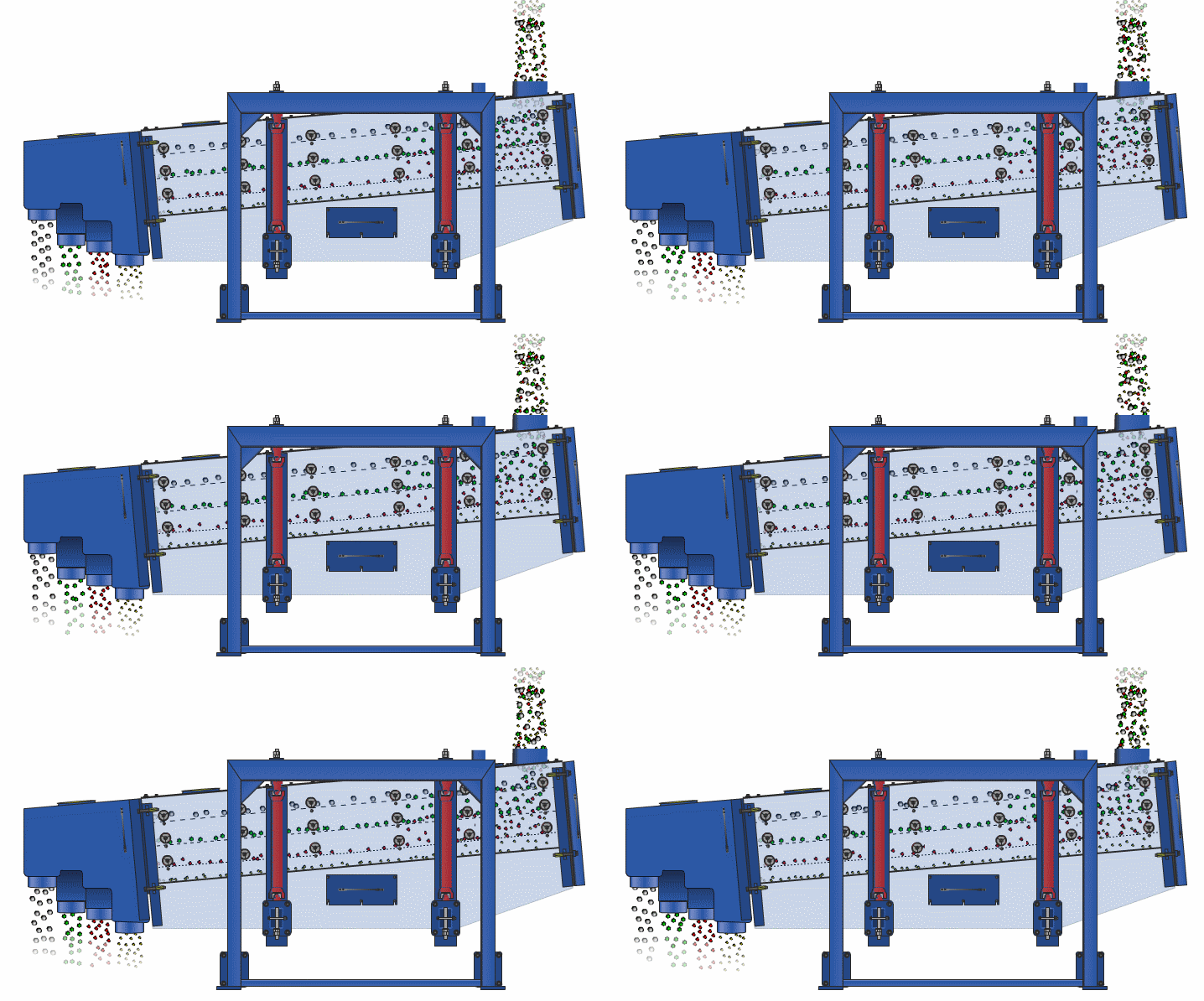
طريقة الغربلة للشاشة الدوّارة الصناعية لطيفة نسبيًا ومناسبة بشكل خاص للمواد التي تتطلب دقة غربلة عالية وسلامة جيدة للجسيمات. ومع ذلك، قد يؤدي التكوين غير المناسب إلى انخفاض كفاءة الغربلة حتى عندما يكون حجم المعدات كافيًا. يعد الاختيار الصحيح لحجم الغربال ومواصفات الشبكة ومعلمات التشغيل أمرًا مهمًا للأداء المستقر.
هيكل المعدات
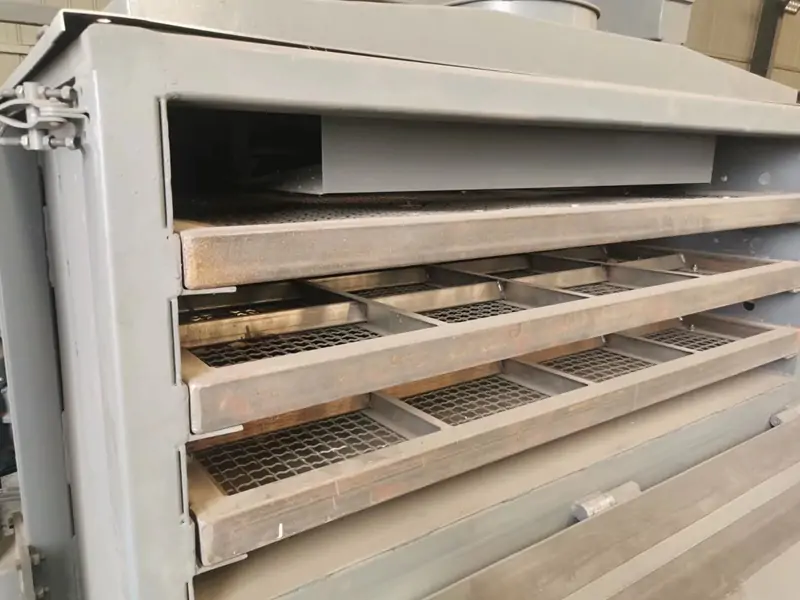
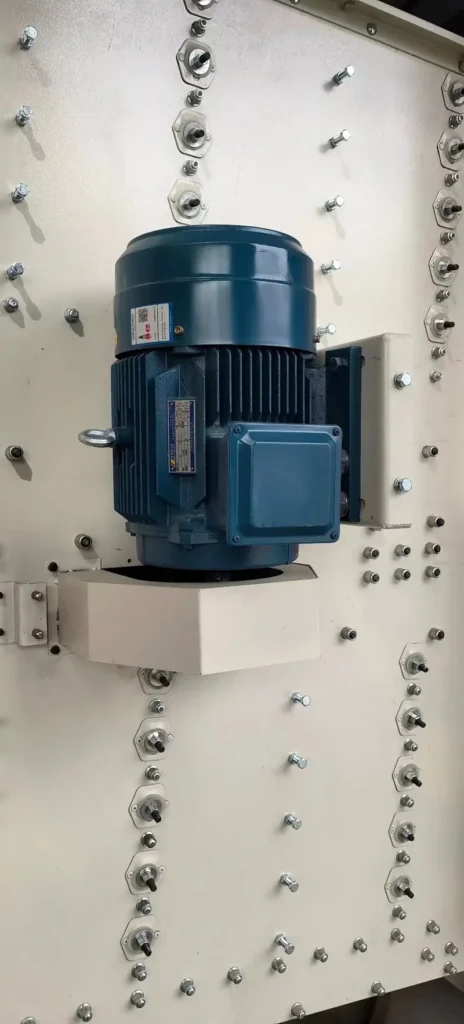
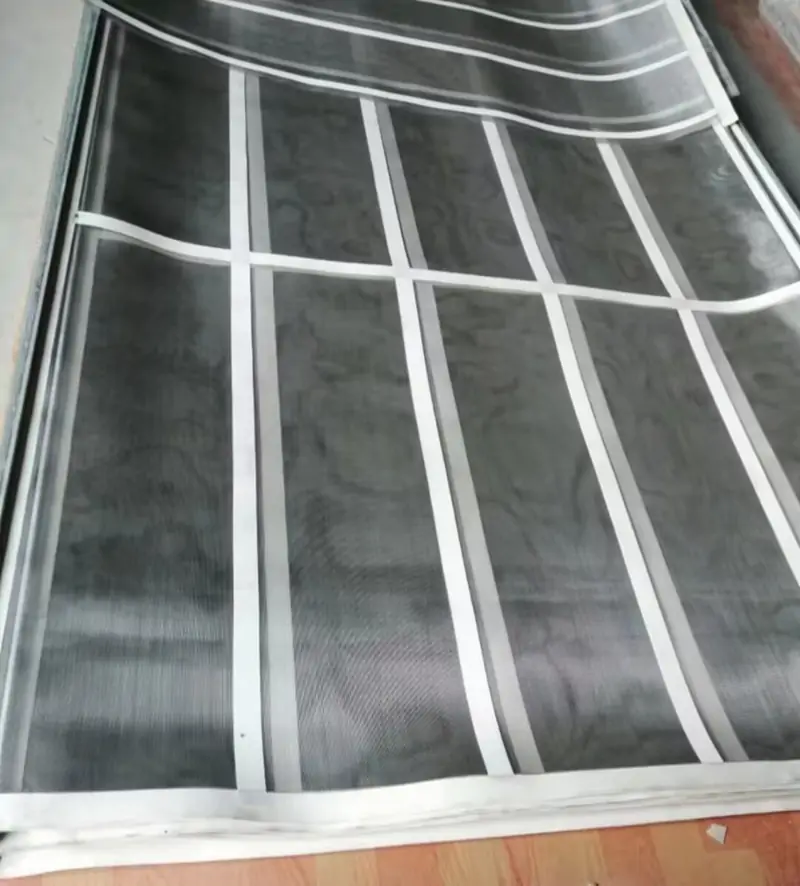
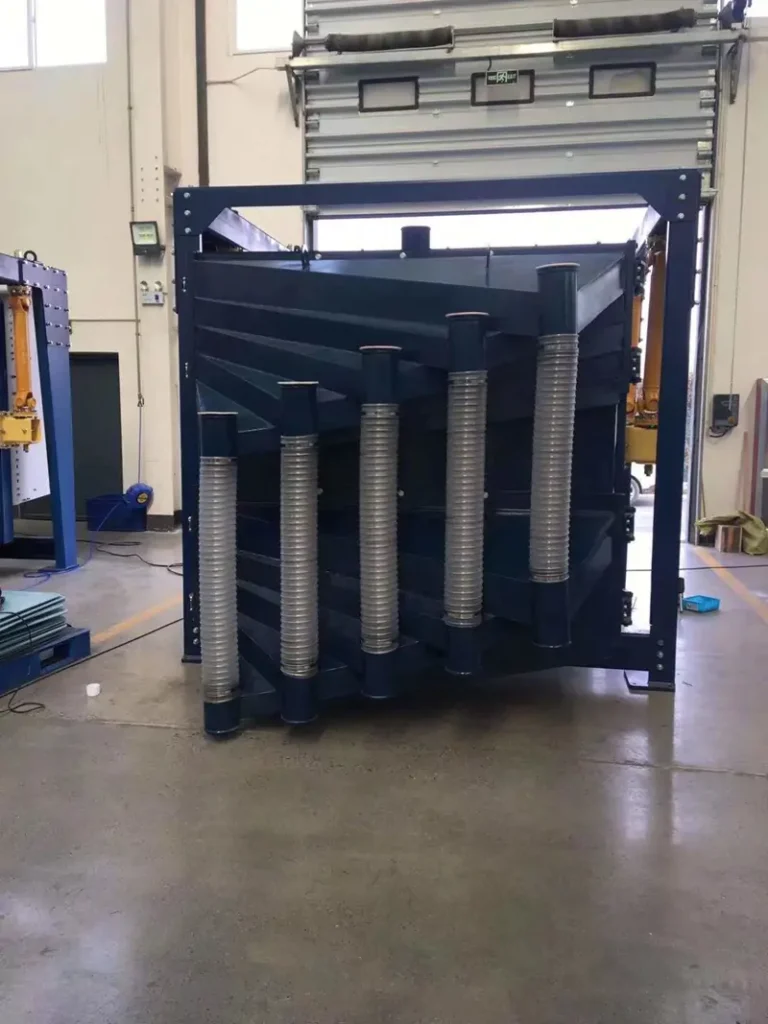
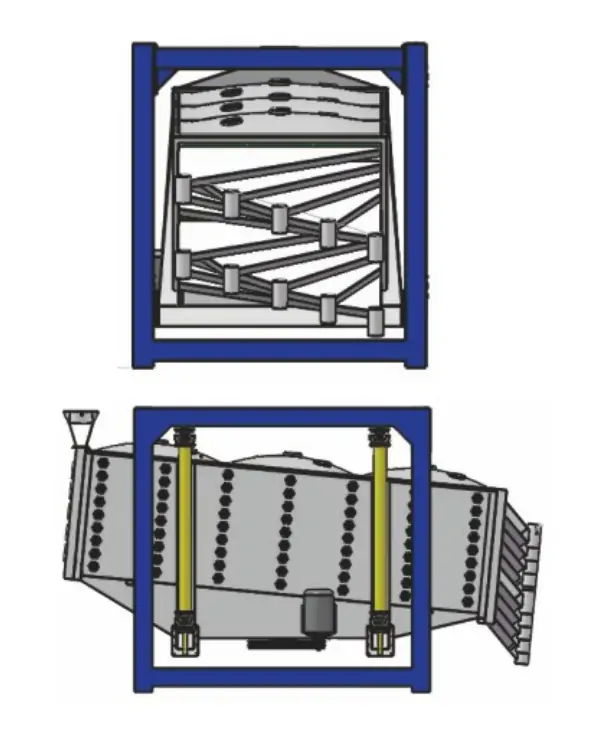
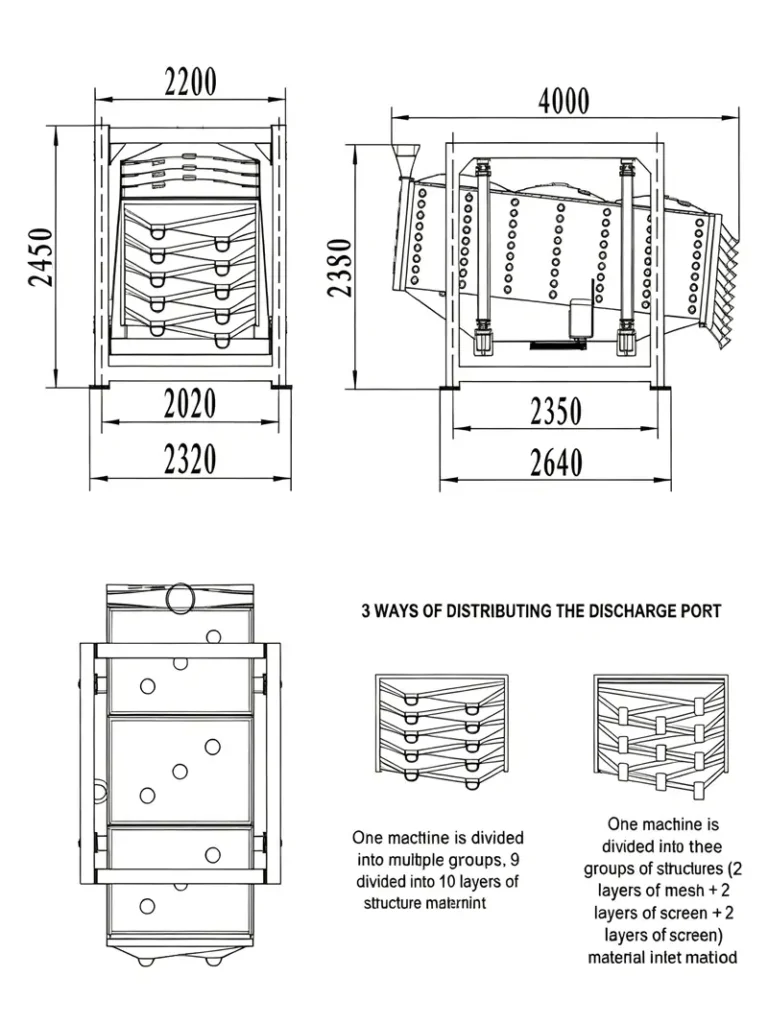
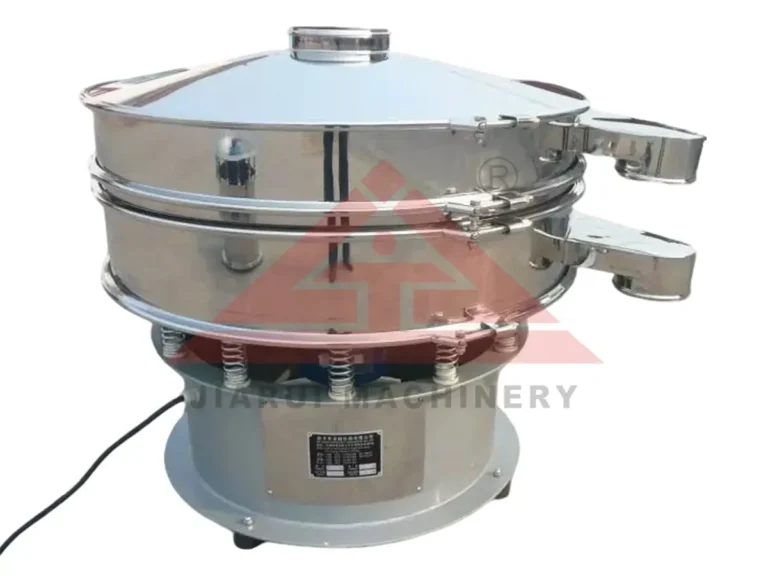
يتكون الغربال الدوراني بشكل أساسي من صندوق الغربال ومجموعة شبكة الغربال ونظام التشغيل والهيكل الداعم ومكونات التخميد. تعمل كل جزء معًا لتحقيق تصنيف مستقر للمواد وفقًا لمتطلبات الغربلة المختلفة.
- صندوق الغربال وشبكة الغربال
صندوق الغربال هو منطقة العمل الرئيسية حيث يحدث فصل المواد. يمكن تركيب طبقات غربلة متعددة وفقًا لمتطلبات التصنيف المختلفة، مما يسمح بفصل عدة أحجام جسيمات في آلة واحدة. تم تصميم هيكل الغربال لسهولة الاستبدال والصيانة. - نظام القيادة
يوفر نظام القيادة الطاقة لحركة صندوق الغربال. من خلال المحرك وآلية النقل، تعمل المعدات وفقًا لمسار الحركة المصمم. تم تجهيز نماذج المعدات المختلفة بتكوينات طاقة مناسبة للحفاظ على أداء غربلة مستقر. - جهاز تنظيف الغربال
سطح الغربال مزود بمكونات تنظيف مثل الكرات المرتدة. أثناء التشغيل، تصطدم هذه المكونات باستمرار بالجانب الخلفي لشبكة الغربال، مما يساعد على إزالة المواد المحتبسة في الفتحات وتقليل انسداد الشبكة. - الهيكل الداعم ونظام التخميد
يحمل الهيكل الداعم الجسم الرئيسي للمعدات، بينما يقلل نظام التخميد من انتقال الاهتزاز والتأثير التشغيلي. يساعد ذلك في الحفاظ على تشغيل مستقر وتبسيط التركيب والصيانة.
لا يكون تكوين آلة الغربلة الدورانية ثابتًا تمامًا. يمكن تعديل حجم الشاشة وعدد الطبقات وطرق التشغيل وفقًا لمتطلبات العملاء. يعد اختيار البنية الصحيحة أمرًا مهمًا لتحقيق تشغيل مستقر طويل الأمد.
المزايا
تصنيف الجسيمات عالي الدقة
تستخدم الغربال الدوراني الصناعي طريقة غربلة لطيفة تسمح للمواد بالبقاء على سطح الشاشة لفترة أطول. وهذا يزيد من فرصة التلامس بين المواد وشبكة الشاشة، مما يحقق دقة غربلة عالية وتحكمًا ثابتًا في حجم الجسيمات. في ظل ظروف التشغيل المناسبة، يمكن أن تصل دقة الغربلة إلى حوالي 95%.
مناسب للغربلة واسعة النطاق
يوفر سطح الشاشة المربع مساحة غربلة فعالة أكبر مقارنة بمعدات الغربلة الدائرية التقليدية. في ظل نفس ظروف التركيب، يمكنه التعامل مع سعة معالجة أكبر وهو مناسب لخطوط الإنتاج المستمرة التي تتطلب تصنيفًا ثابتًا للمواد.
تقليل تأثير المواد
أثناء التشغيل، تتحرك المواد بسلاسة عبر سطح الشاشة بدلاً من التعرض لتأثير قوي أو قفز عالي التردد. تساعد عملية الغربلة اللطيفة هذه في تقليل تكسر الجسيمات وهي مناسبة للتطبيقات التي تكون فيها سلامة المواد مهمة.
فصل الجسيمات متعدد المراحل
من خلال تكوين أعداد مختلفة من طبقات الشاشة، يمكن للمعدات إكمال عمليات فصل متعددة لأحجام الجسيمات في عملية غربلة واحدة. وهذا يقلل من الحاجة إلى آلات غربلة متعددة ويبسط عملية الإنتاج.
تشغيل مستقر للاستخدام طويل الأمد
يقلل هيكل الدفع المتوازن من تأثير التشغيل ويحسن استقرار المعدات أثناء التشغيل المستمر. وهذا يجعل الآلة مناسبة لتطبيقات الغربلة الصناعية طويلة الأمد.
تكوين هيكلي مرن
يمكن تخصيص حجم الشاشة وعدد طبقات الشبكة ومادة المعدات وطريقة التفريغ وفقًا لظروف الإنتاج المختلفة، مما يسمح لنظام الغربلة بالتوافق بشكل أفضل مع خطوط المعالجة المختلفة.
المعايير الفنية
الغربال الدوراني الصناعي هو آلة غربلة دقيقة قابلة للتخصيص. تؤثر خصائص المواد المختلفة ومتطلبات سعة المعالجة وأهداف الغربلة على حجم المعدات وتكوين الشاشة واختيار الطاقة.
المواصفات التالية هي نطاق التكوين القياسي لسلسلة Jiarui FYBS. يمكن تعديل التصميم النهائي للمعدات وفقًا لظروف إنتاج العميل.
| الموديل | حجم الغربال | مساحة الغربلة الفعالة | ميل الشاشة | طبقات الغربال | قوة المحرك | سرعة الدوران | شوط صندوق الغربال |
| FYBS1535 | 5 × 3.5 م | 25 م² | 5–8° | 1–9 طبقات | 5 كيلوواط | 180–260 دورة/دقيقة | 25–60 مم |
| FYBS2040 | 2 × 4 م | 8 م² | 5–8° | 1–9 طبقات | 5 كيلوواط | 180–260 دورة/دقيقة | 25–60 مم |
المواصفات المذكورة أعلاه للإشارة فقط. ينبغي مراعاة حجم جسيمات المادة ومحتوى الرطوبة ومستويات الفصل المطلوبة وسعة الإنتاج وظروف التركيب معًا عند اختيار تكوين الغربال وحجم المعدات.
تطبيقات الغربال الدوراني الصناعي
يُستخدم غربال FYBS الدوراني للغربلة الدقيقة للمساحيق والحبيبات والمواد السائبة صغيرة الحجم. يُعد خيارًا جيدًا عندما تحتاج المادة إلى أكثر من مجرد غربلة خشنة بسيطة—على سبيل المثال، عندما يحتاج عدة أحجام جسيمات إلى الفصل في آلة واحدة أو عندما قد يؤدي الصدم المفرط إلى إتلاف المنتج.
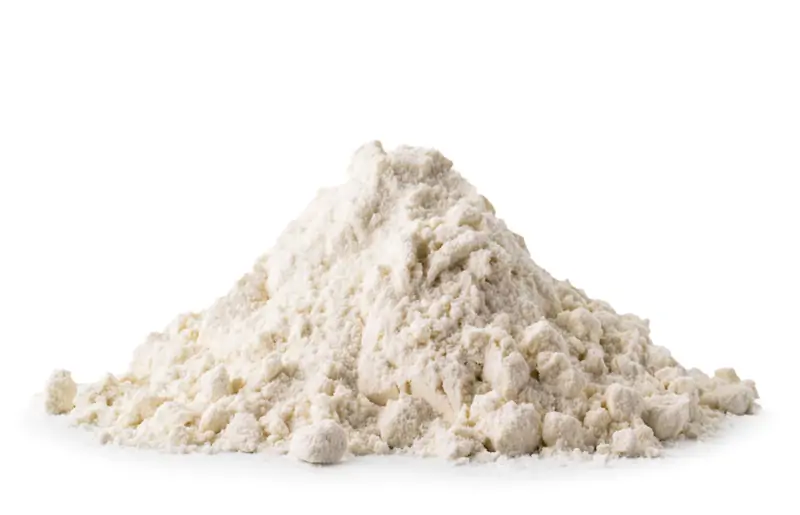
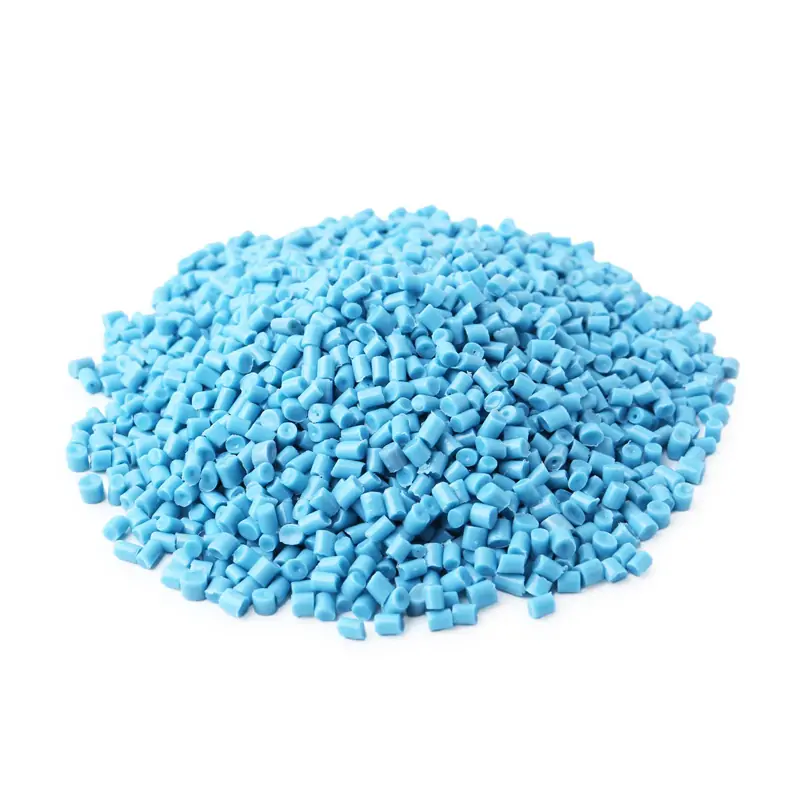
تشمل التطبيقات الشائعة المساحيق الغذائية والمواد الكيميائية وحبيبات البلاستيك والمنتجات المعدنية والمساحيق المعدنية وحبيبات الأسمدة. يمكن اختيار شبكة الغربال وعدد طبقات الغربلة وحجم الآلة بناءً على المادة والإنتاج المطلوب.
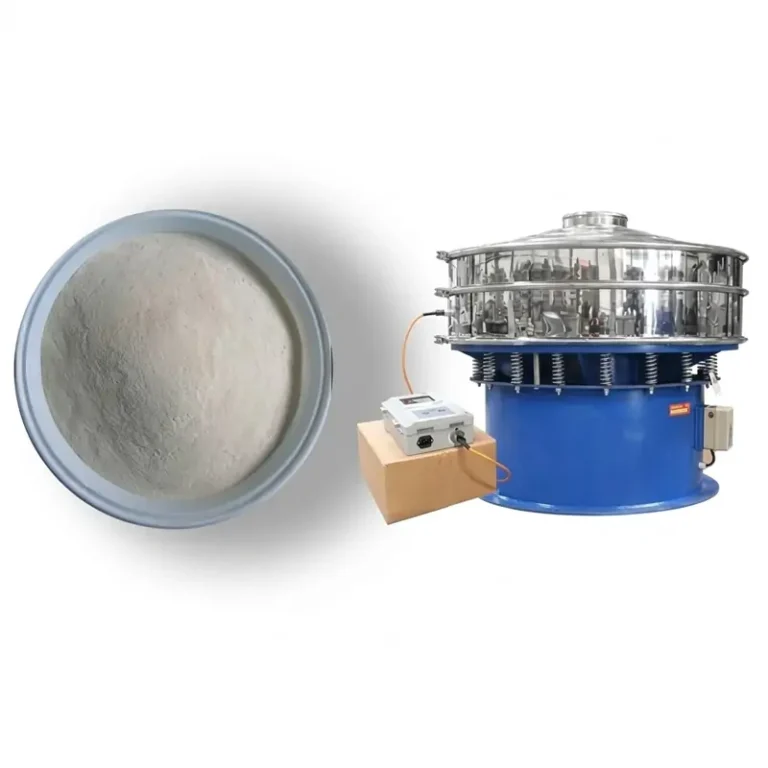
 الدقيق
 كريات البلاستيك
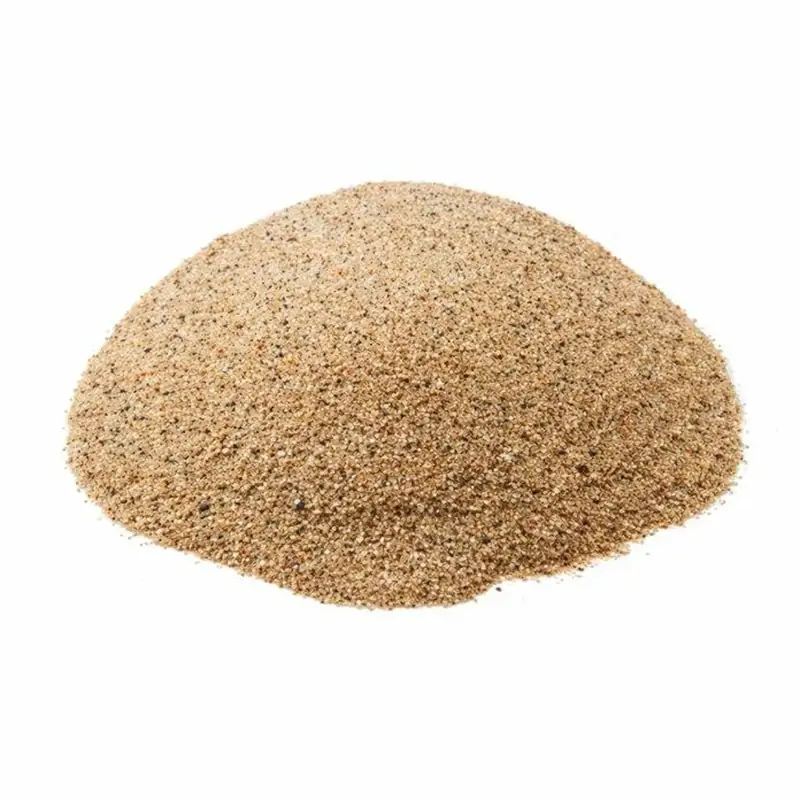 رمل الكوارتز
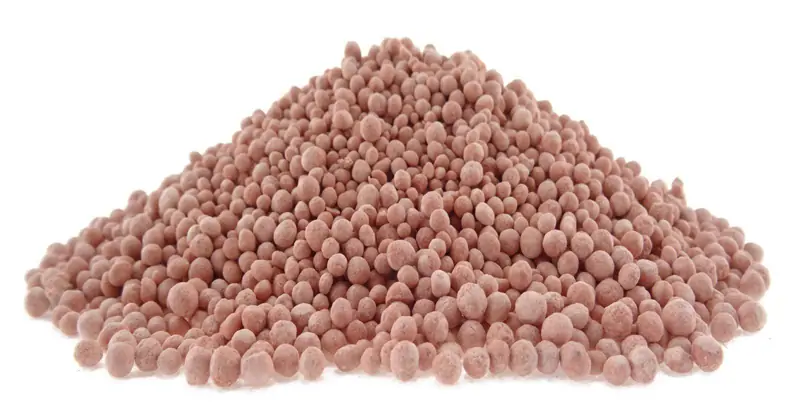 حبيبات الأسمدة
اختيار التطبيق الشائع
| الصناعة | المواد النموذجية | الاستخدام النموذجي | نقاط الاختيار الرئيسية |
| صناعة الأغذية | الدقيق والنشا والسكر والملح ومسحوق الأرز ومسحوق الشاي | الغربلة الدقيقة وتصنيف حجم الجسيمات | مادة التلامس والإحكام وشبكة الغربال |
| الصناعة الكيميائية | مسحوق الراتنج ومسحوق PVC والكربون المنشط والأصباغ والمحفزات | فصل المسحوق الدقيق والتصنيف متعدد الأحجام | شبكة الغربال وتصميم منع الانسداد والإحكام |
| صناعة البلاستيك | حبيبات PP وحبيبات PE وحبيبات PVC | إزالة الحبيبات كبيرة أو صغيرة الحجم والتحكم في حجم الجسيمات | فتحة الشبكة والسعة والتشغيل المستمر |
| الصناعة المعدنية | الرمل الكوارتزي والرمل السيراميكي والمواد الحرارية والمواد الكاشطة | فصل المنتجات المعدنية إلى نطاقات أحجام مختلفة | مقاومة تآكل الغربال وحجم الغربال والسعة |
| الصناعة الميتالورجية | مسحوق النحاس ومسحوق الحديد والمساحيق المعدنية | التصنيف الدقيق للمساحيق المعدنية | مواصفات الشبكة واختيار المواد والتحكم في الغبار |
| صناعة الأسمدة | اليوريا وحبيبات الأسمدة المركبة | غربلة المنتج النهائي وتصنيف الحجم | طبقات الغربال والسعة ومواصفات الشبكة |
متى لا يكون الغربال الدوراني الخيار المناسب
تم تصميم الغربال الدوراني للتصنيف الدقيق وليس للغربلة الخشنة الشاقة. قد لا يكون الخيار المناسب لـ:
- المواد ذات الرطوبة العالية التي تلتصق بالغربال أو تشكل كتلًا كبيرة؛;
- الصخور الكبيرة ومخلفات البناء والمواد الثقيلة الأخرى التي تحتاج إلى غربلة عالية الصدم؛;
- العمليات التي تحتاج فيها الغربلة والنقل لمسافات طويلة إلى المعالجة بواسطة نفس الآلة؛;
- التطبيقات التي تكون فيها الغربلة الخشنة عالية السرعة هي المتطلب الرئيسي.
قد يكون حل غربلة أو نقل مختلف أكثر ملاءمة لهذه الظروف. لغربلة المساحيق فائقة النعومة، قد يكون منخل طرد مركزي أكثر ملاءمة.
كيف تختار معدات الغربلة الدقيقة بناءً على متطلبات الإنتاج؟
الغربال الدوراني الصناعي و شاشة اهتزازية دوارة يمكن استخدامهما لغربلة المساحيق والمواد الحبيبية الدقيقة. ومع ذلك، يختلفان في التصميم الهيكلي وحركة الغربلة والتطبيقات المناسبة. يجب أن يعتمد اختيار المعدات على خصائص المواد وقدرة المعالجة وظروف التركيب.
| عنصر المقارنة | شاشة دوارة بدرجة صناعية | Rالغربال الاهتزازي الدوار |
| طريقة الغربلة | يستخدم حركة دورانية أفقية لصندوق الغربال، مما يسمح للمواد بالتحرك والانتشار تدريجيًا وإكمال فصل الجزيئات على سطح الغربال | يستخدم محرك اهتزاز عمودي لتوليد اهتزاز ثلاثي الأبعاد، مما يؤدي إلى تشتت المواد وفصلها على سطح الغربال |
| خصائص الغربلة | يوفر مسار حركة أطول للمواد ووقت تلامس أطول مع شبكة الغربال، مناسب للتصنيف الدقيق والفصل متعدد المراحل والتطبيقات التي تتطلب سلامة المواد | يوفر استجابة غربلة أسرع وشدة اهتزاز أقوى، مناسب لغربلة المساحيق والمواد الحبيبية التقليدية |
| هيكل الغربال | سطح غربلة مربع كبير بكفاءة استخدام عالية. يمكن تركيب طبقات غربال متعددة لتحقيق فصل أحجام جزيئات مختلفة | تصميم سطح غربال دائري بهيكل مدمج وتركيب مرن ومناسب لمساحات إنتاج مختلفة |
| المواد المناسبة | المساحيق والحبيبات والمعادن صغيرة الحجم والمواد الخام الكيميائية وحبيبات البلاستيك والمواد السائبة الأخرى التي تتطلب تصنيفًا دقيقًا | المساحيق والحبيبات والملاط والمواد الصناعية العامة |
| دقة الفرز | مناسب للتطبيقات التي تتطلب التحكم في حجم الجزيئات والتصنيف الدقيق وتقليل تلف المواد | يلبي متطلبات معظم تطبيقات غربلة المساحيق والجزيئات التقليدية |
| سعة المعالجة | مساحة غربلة فعالة أكبر، مناسبة للإنتاج المستمر ومتطلبات الإنتاجية الأعلى | متوفر بطُرز مختلفة ومناسب لمتطلبات قدرة إنتاجية مختلفة |
| ميزات المعدات | عملية غربلة لطيفة، تقليل تأثير المواد، ودعم تكوين الغربلة متعددة الطبقات | هيكل مدمج، صيانة سهلة، ومناسب لخطوط الإنتاج ذات المساحة المحدودة |
| الصناعات الشائعة | صناعات الأغذية والكيماويات والبلاستيك ومعالجة المعادن وال metallurgy والمواد الجديدة وغيرها | التطبيقات الصناعية العامة في الكيماويات والأغذية والبلاستيك ومعالجة المعادن وغيرها |
الاختيار السريع بناءً على متطلبات الإنتاج
| متطلبات الإنتاج | المعدات الموصى بها |
| غربلة دقيقة مستمرة على نطاق واسع | شاشة دوارة بدرجة صناعية |
| فصل أحجام جزيئات متعددة في عملية واحدة | شاشة دوارة بدرجة صناعية |
| متطلبات عالية لسلامة المواد | شاشة دوارة بدرجة صناعية |
| مساحة تركيب محدودة وتخطيط مرن مطلوب | الغربال الاهتزازي الدوار |
| غربلة المساحيق والمواد الحبيبية التقليدية | الغربال الاهتزازي الدوار |
| هيكل بسيط وصيانة سهلة مطلوبة | الغربال الاهتزازي الدوار |
آلات الغربلة المختلفة لها نطاقات تطبيق مختلفة، ولا يمكن لنوع واحد من المعدات تلبية كل متطلبات الغربلة. الغربال الدوراني الصناعي أكثر ملاءمة للتصنيف الدقيق عالي السعة والفصل متعدد الدرجات والتطبيقات التي يجب فيها تقليل تأثير المواد. الغرابيل الاهتزازية الدوارة أكثر إدماجًا وتُستخدم عادةً لغربلة المساحيق والمواد الحبيبية التقليدية حيث تكون مساحة التركيب محدودة.
أثناء اختيار المعدات، دقة الغربلة ليست العامل الوحيد الذي يجب مراعاته. يجب أيضًا تقييم حجم جزيئات المواد ومحتوى الرطوبة وقدرة المعالجة ومستويات الفصل المطلوبة وتخطيط خط الإنتاج. يمكن لفريق جياريو الهندسي تقديم حلول غربلة مناسبة بناءً على ظروف التشغيل الفعلية لمساعدة العملاء على تحسين استقرار المعدات وتقليل أخطاء الاختيار.
خدمة التخصيص
نادرًا ما يُستخدم الغربال الدوراني الصناعي بتكوين ثابت تمامًا. تتطلب المواد المختلفة وقدرات الإنتاج وظروف التركيب أحجام معدات وتكوينات غربال وتصاميم هيكلية مختلفة.
يمكن لـ جياريو تعديل حجم الغربال وطبقات الشبكة واختيار المواد وهيكل التفريغ وفقًا لمتطلبات الإنتاج المحددة، مما يضمن توافق المعدات بشكل أفضل مع خط إنتاج العميل.
إذا لم تكن متأكدًا من الطراز المناسب، يمكنك تقديم المعلومات التالية:
- المادة المراد غربلتها (مسحوق، حبيبات، معادن، إلخ)
- قدرة المعالجة المطلوبة في الساعة
- عدد درجات حجم الجزيئات المطلوبة
- مساحة التركيب المتاحة
- متطلبات خاصة للمواد أو الحماية من الغبار أو مقاومة التآكل
بهذه المعلومات، يمكن لفريقنا الهندسي تحديد تكوين معدات أكثر ملاءمة وتجنب المشكلات الناتجة عن اختيار الطراز بناءً على متطلبات السعة فقط.
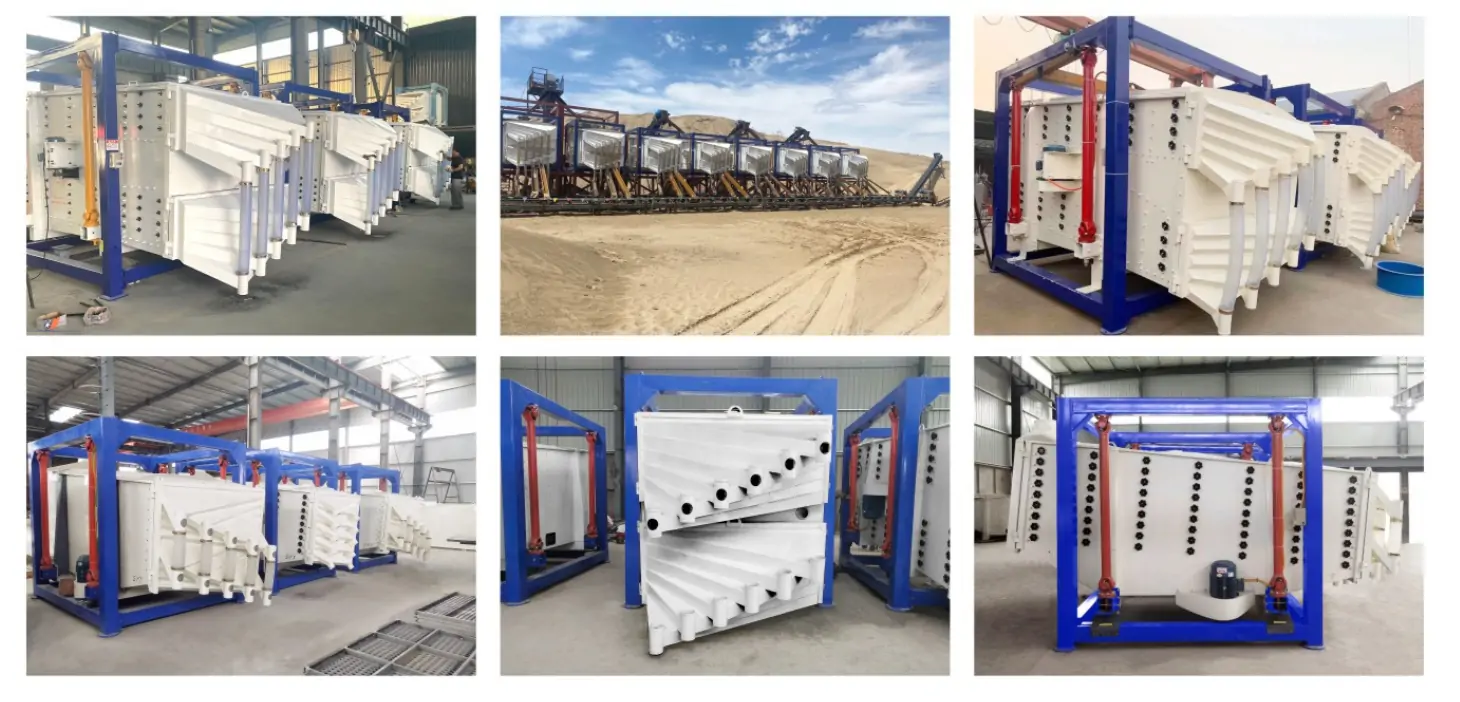
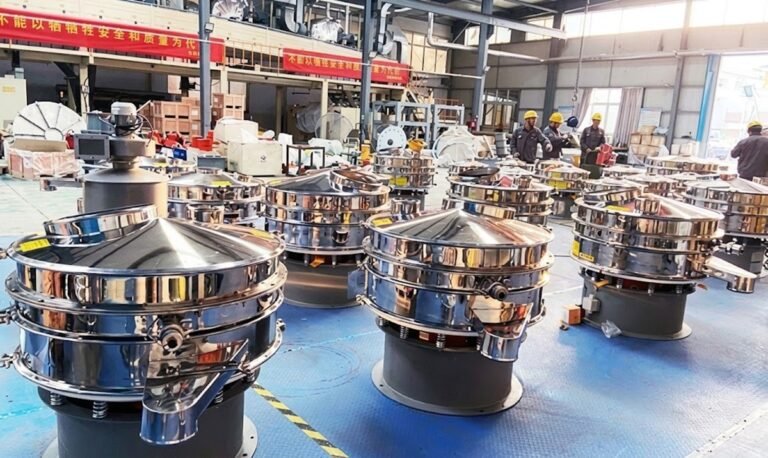
تصنيع Jiarui
أداء الغربلة لـ شاشة دوارة بدرجة صناعية لا يعتمد فقط على الهيكل العام ولكن أيضًا على تفاصيل مثل حركة صندوق الغربال وتثبيت الغربال وتصميم التفريغ، والتي تؤثر مباشرة على استقرار التشغيل طويل الأمد. تعمل جياريو باستمرار على تحسين الهياكل الرئيسية لمعدات الغربلة الدورانية وحصلت على براءات اختراع متعددة لنماذج المنفعة المتعلقة بهياكل تثبيت الغربال وأنظمة الدفع وتصاميم التفريغ لدعم أداء معدات موثوق.
يلعب اختيار شبكة الغربال دورًا مهمًا في أداء الغربلة. تختار جياريو مواصفات الشبكة المناسبة وفقًا لحجم الجزيئات المستهدف ومتطلبات التصنيف. يمكن الرجوع إلى المعايير ذات الصلة مثل مواصفة معيار ASTM E11 لقماش المنخل السلكي المنسوج والمناخل الاختبارية أثناء اختيار شبكة الغربال.
الأسئلة الشائعة
احصل على استشارة مجانية
املأ النموذج أدناه للتواصل مع خبرائنا والحصول على توصيات مخصصة لتطبيقك.