Bucket Elevator Conveyor
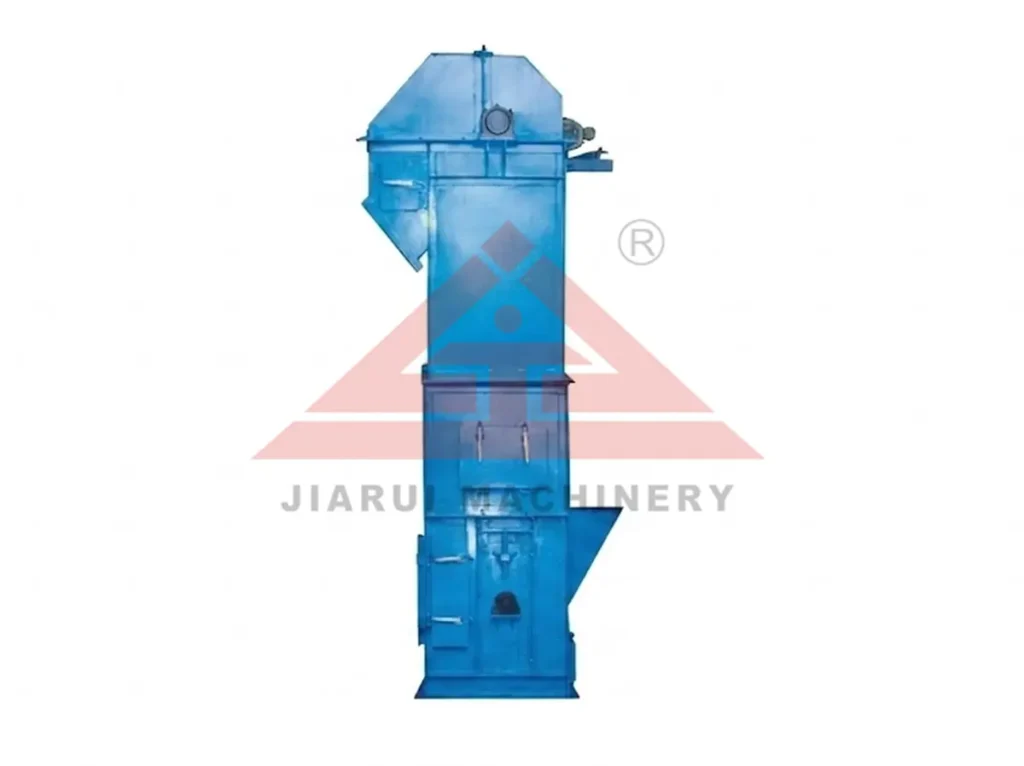
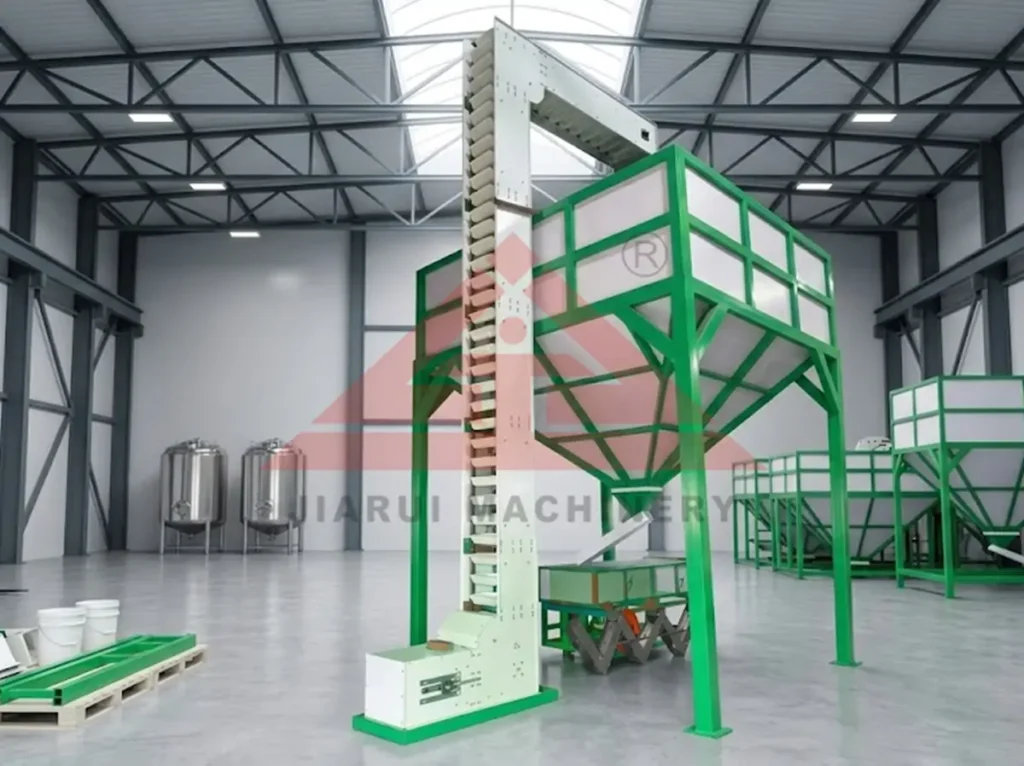
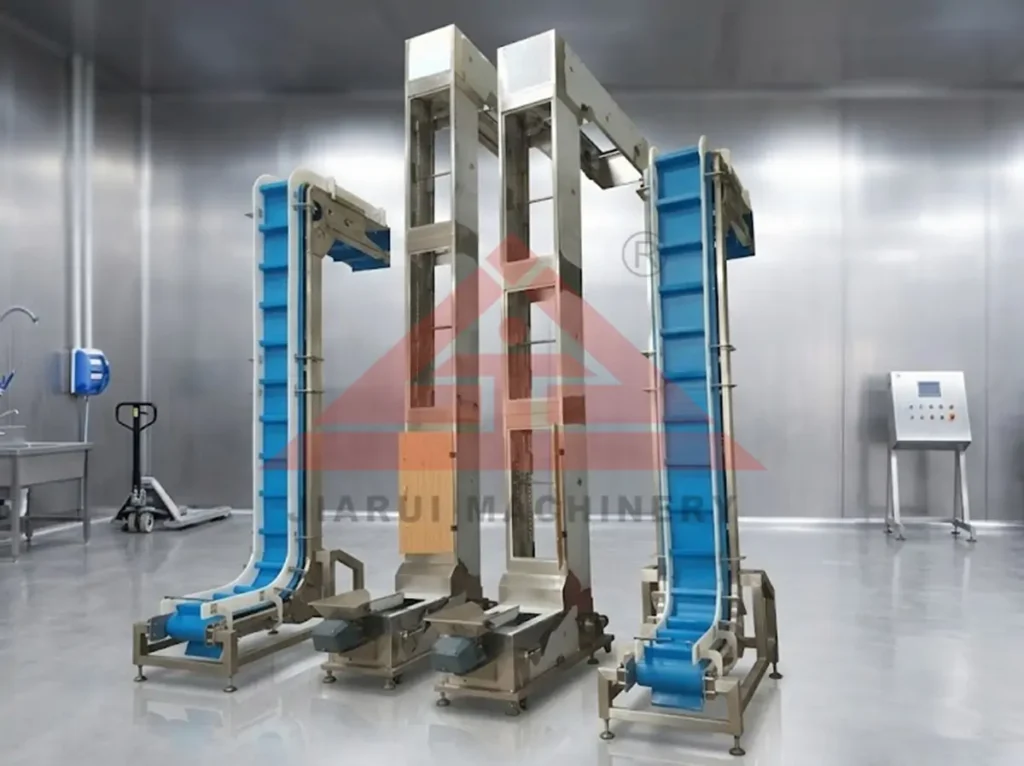
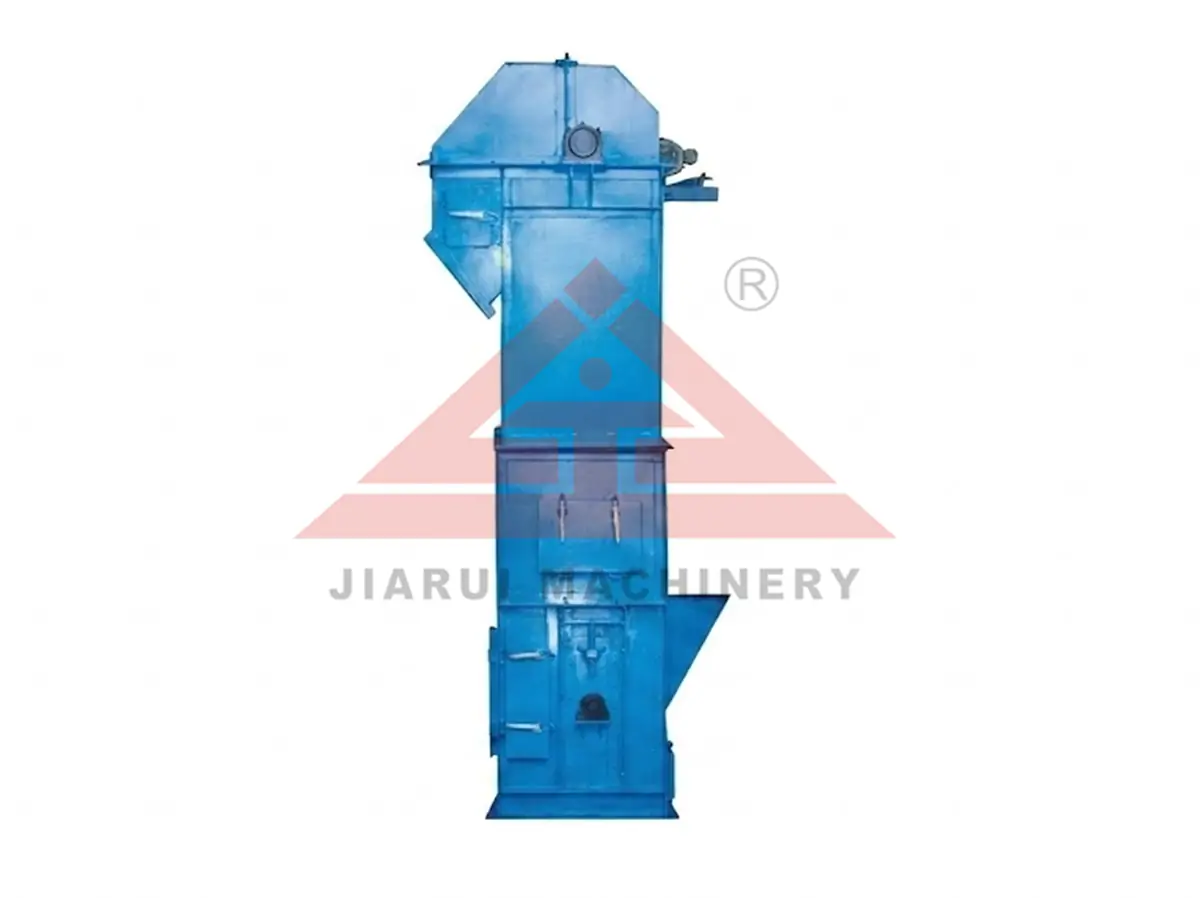
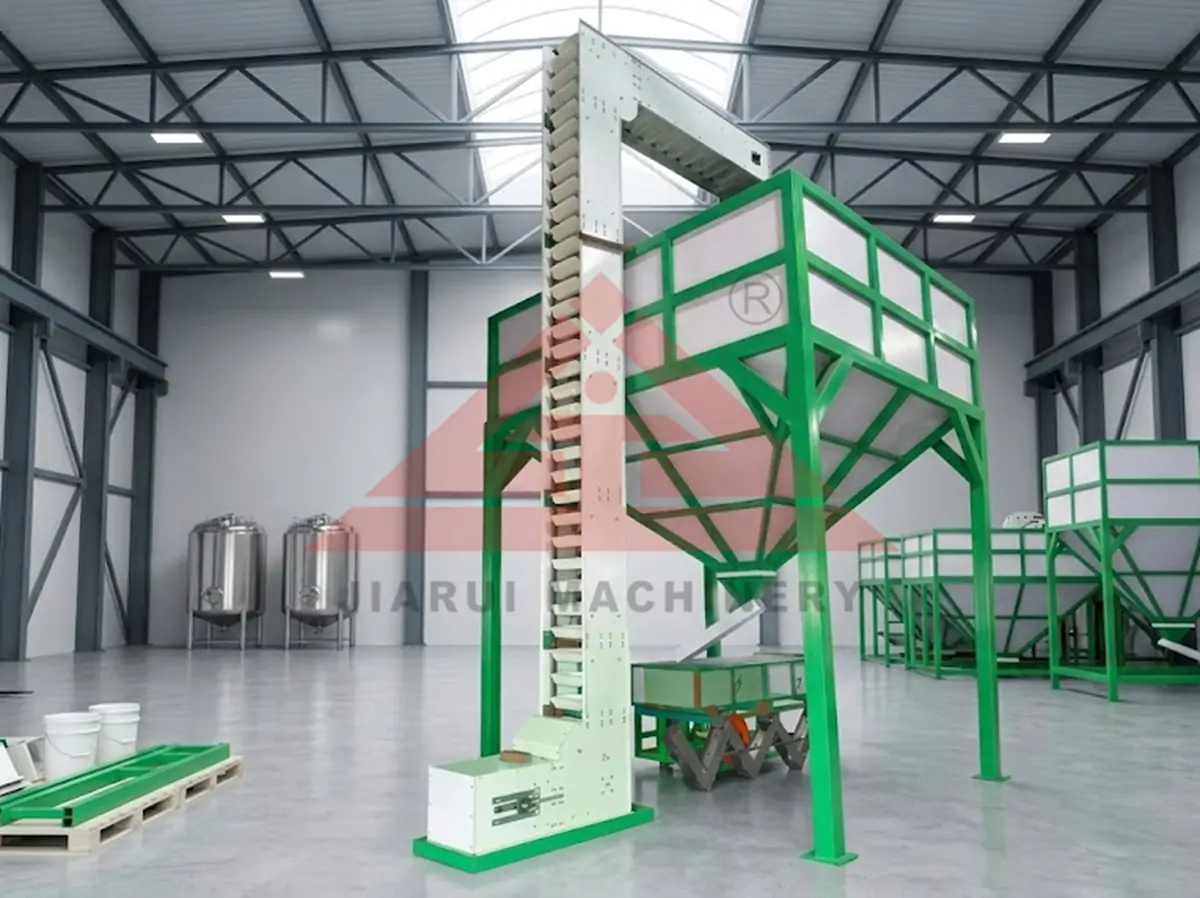
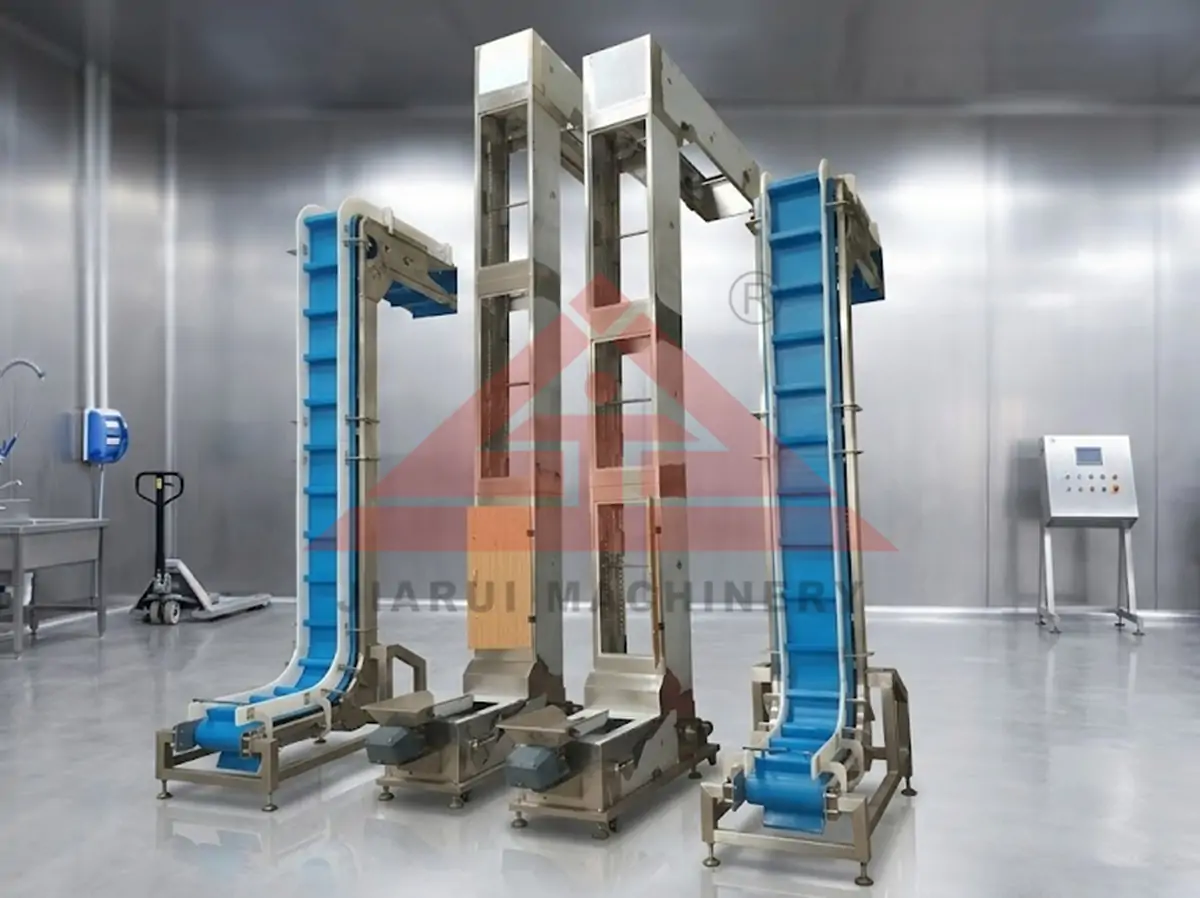
Bucket Elevator Conveyor is a type of continuous vertical conveying equipment designed for lifting powder, granular, and small bulk materials. By using buckets driven by a belt or chain, the equipment continuously transfers materials from a lower position to a higher position with stable operation.
The equipment adopts an enclosed structure with a compact footprint, making it suitable for production processes that require vertical material transfer. Jiarui engineering team can customize suitable bucket types, driving systems, and equipment configurations according to material characteristics, conveying capacity, lifting height, and site installation conditions.
- Lifting Method: Continuous vertical conveying
- Conveying Capacity: Customized according to material and operating conditions
- Lifting Height: Several meters to dozens of meters
- Suitable Materials: Powder, granular, and small bulk materials
- Structure Types: Belt type, chain type, and plate chain type
- Customization Service: Supports customized dimensions, materials, and structural solutions
What Is a Bucket Elevator Conveyor?
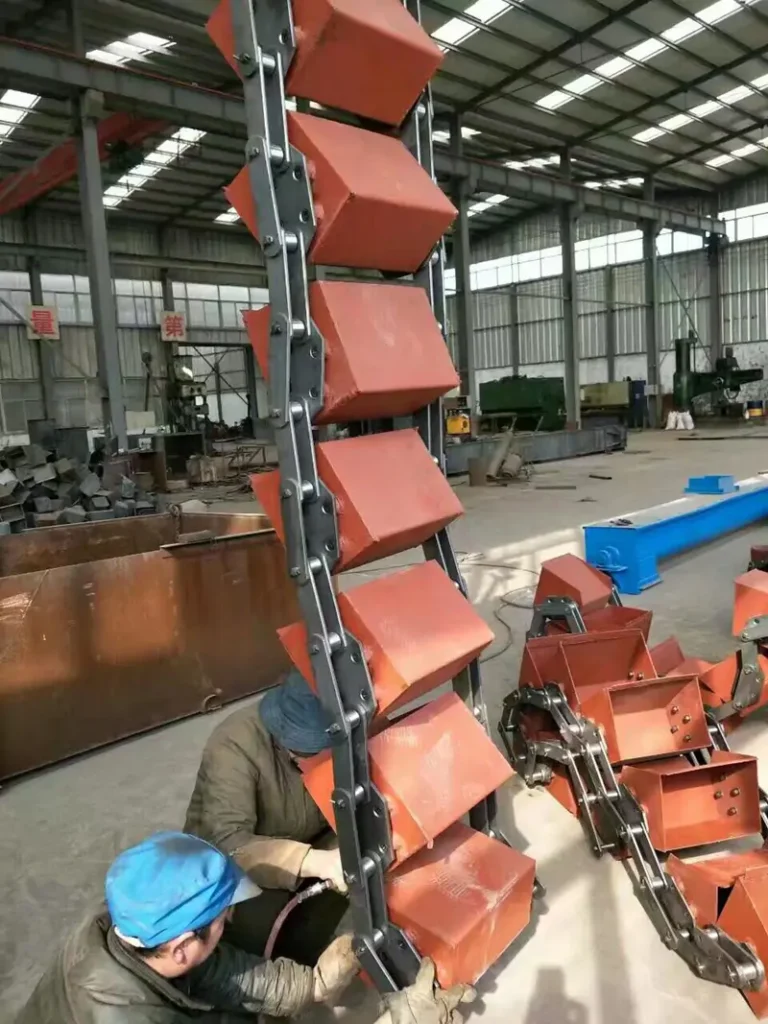
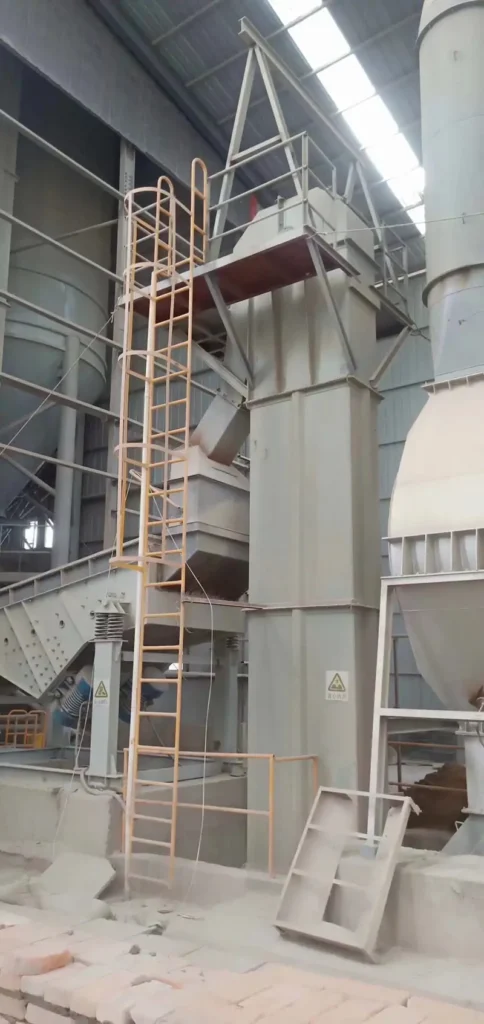
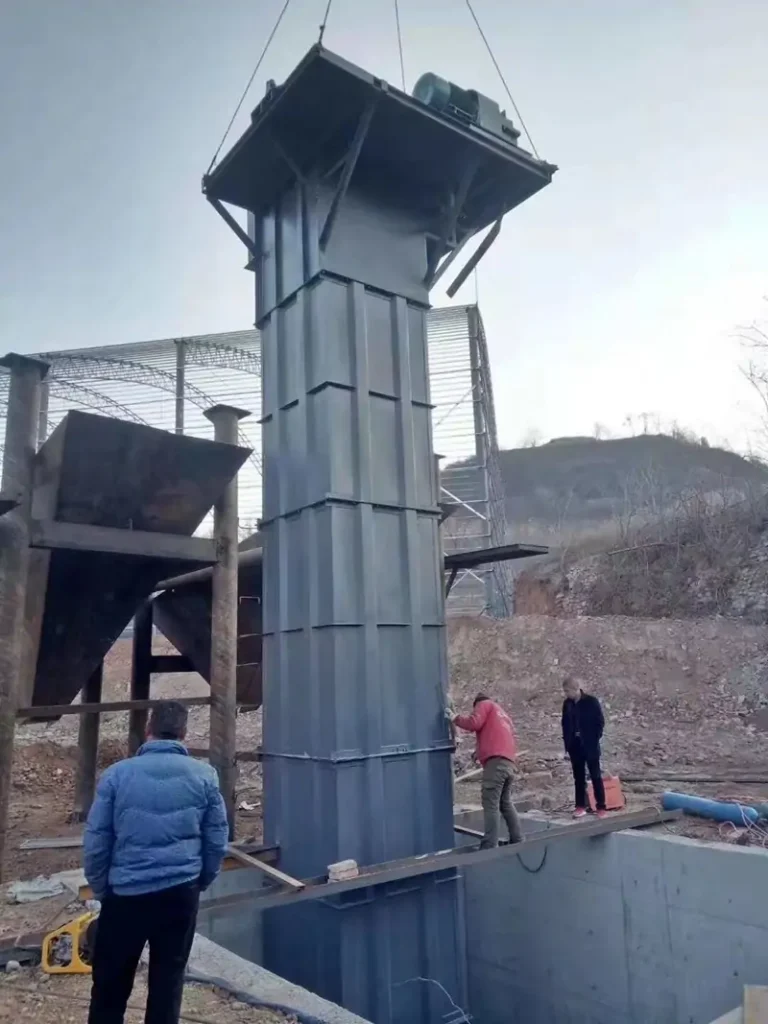
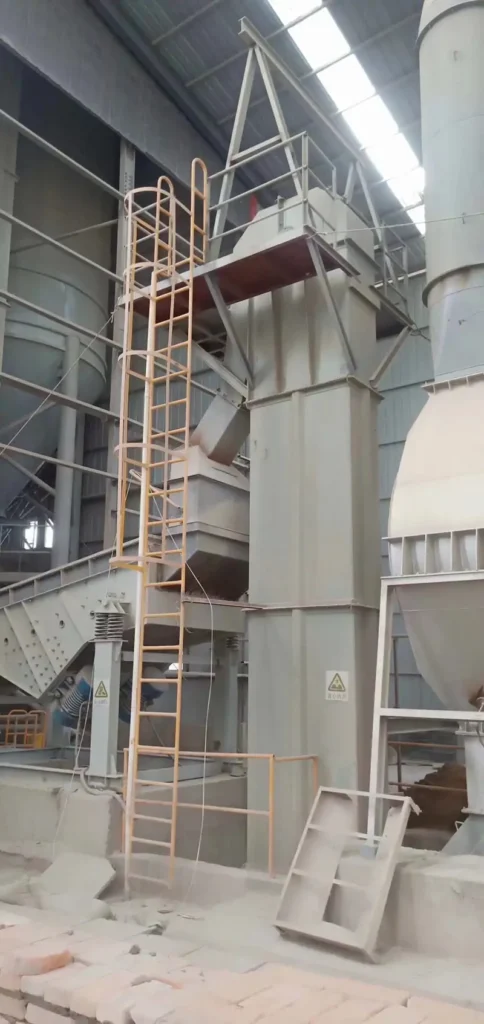
A Bucket Elevator Conveyor, also known as a Bucket Elevator or Bucket Elevator Machine, is a vertical conveying equipment used for lifting bulk materials. The equipment uses continuously circulating buckets to transfer materials from a lower position to a higher position and then deliver them to the next production process. It mainly consists of buckets, belt or chain system, driving device, tensioning device, and enclosed casing. With a simple structure and continuous lifting operation, it is commonly used in production lines that require vertical material transfer, connecting different heights between storage, processing, and packaging sections.
The selection of a Bucket Elevator Conveyor mainly depends on the material characteristics and site operating conditions. For example, heavy and abrasive materials such as ore and cement clinker require higher equipment strength and wear resistance, while powder and granular materials require better conveying stability and dust control. Proper selection of lifting method and equipment configuration can reduce maintenance issues during operation and improve the continuous running capability of the production line.
Working Principle
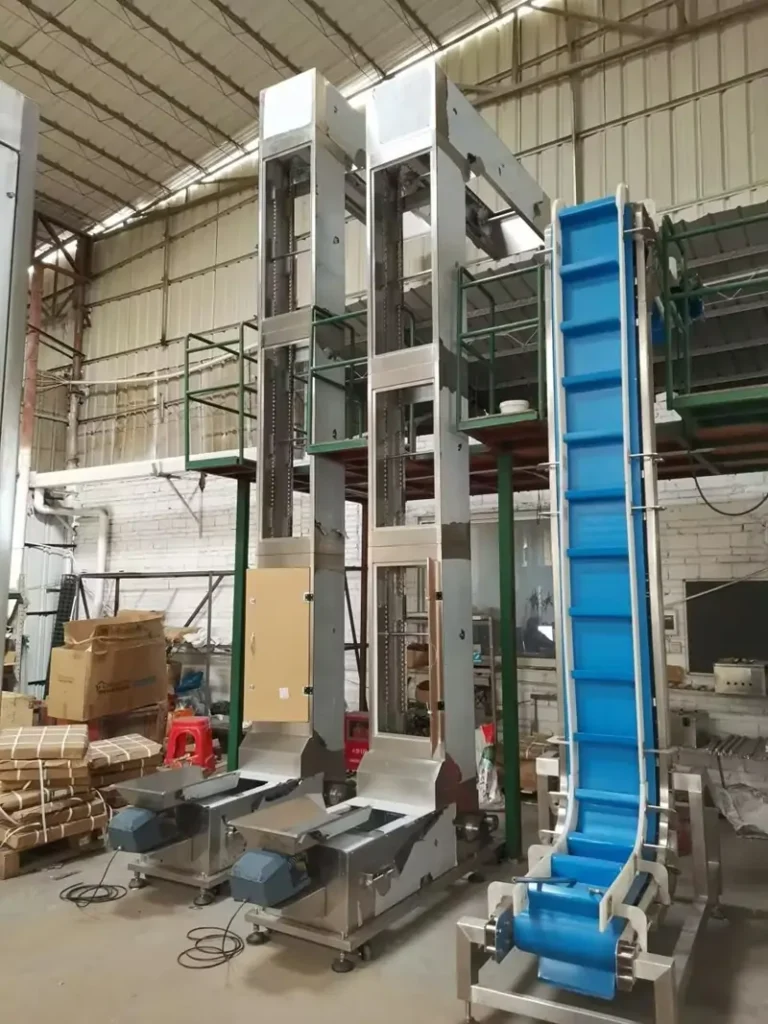
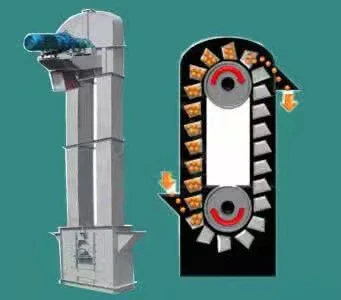
A Bucket Elevator Conveyor completes vertical material lifting through continuously circulating buckets. During operation, materials enter from the bottom inlet and are collected by the moving buckets. Driven by the belt or chain system, the buckets move upward along the enclosed casing. After reaching the top section, the materials are discharged into the storage bin or the next production process, and the empty buckets return to the bottom for continuous operation.
1.Material Loading
Materials enter the bottom section of the Bucket Elevator Conveyor through the feeding inlet and are collected by the running buckets. Different materials have different requirements for the feeding process. Powder and granular materials need smooth feeding conditions to ensure stable operation, while heavy materials such as ore require stronger bucket structures and better wear resistance.
2.Vertical Lifting
The motor drives the belt or chain to circulate continuously, moving the buckets upward inside the equipment casing. The enclosed structure helps reduce material spillage and dust leakage during transportation while maintaining stable conveying performance.
3.Material Discharging
When the buckets reach the top section, materials are discharged through centrifugal or gravity discharge methods according to the equipment structure and material characteristics. The discharged materials then enter storage bins or the next production process.
4.Continuous Circulation
After completing discharge, the empty buckets return to the bottom section and repeat the loading and lifting process. Through continuous circulation operation, the Bucket Elevator Conveyor can be used for stable vertical conveying applications, such as ore transfer, cement clinker lifting, powder feeding, and granular material transportation.
The operation stability of a Bucket Elevator Conveyor mainly depends on material characteristics, daily processing capacity, and installation conditions. Proper selection of bucket type, traction method, and equipment parameters can improve operating reliability and reduce future maintenance requirements.
Types
Common Bucket Elevator Conveyor structures include Belt Bucket Elevator, Chain Bucket Elevator, and Plate Chain Bucket Elevator. The main differences between these three types are the traction method and load-bearing capacity. Equipment selection should not only consider conveying capacity but also material weight, abrasiveness, and daily operating hours.
| Type | Features | Suitable Applications |
|---|---|---|
| Belt Bucket Elevator | Smooth operation, low noise, and relatively simple maintenance. Suitable for continuous vertical conveying. | Powder materials, granular materials, and materials with low abrasiveness |
| Chain Bucket Elevator | High-strength chain structure with strong pulling force and load capacity, suitable for heavy-duty operation. | Ore, cement clinker, and other heavy or abrasive materials |
| Plate Chain Bucket Elevator | Uses high-strength plate chain with higher load-bearing capacity, suitable for large conveying capacity and continuous operation. | Large particle materials, high-density materials, and heavy-duty production lines |
Many customers focus only on lifting height and conveying capacity when selecting a Bucket Elevator Conveyor. However, long-term stable operation is usually determined by material characteristics. Lightweight powder materials require better sealing performance and stable conveying, while materials such as ore and cement clinker require stronger structures and wear-resistant designs.
Technical Parameters
The specifications of a Bucket Elevator Conveyor need to be matched according to material characteristics, conveying capacity, lifting height, and site installation conditions. Different structural types have different configurations in bucket size, traction method, driving system, and load-bearing capacity. The following parameters are common configuration ranges. The specific model should be confirmed according to actual operating conditions.
| Parameter | Common Range |
|---|---|
| Equipment Type | Belt Bucket Elevator, Chain Bucket Elevator, Plate Chain Bucket Elevator |
| Conveying Capacity | 3–800 m³/h (varies according to model, material characteristics, and operating conditions) |
| Lifting Height | 5–50 m (can be designed according to site requirements) |
| Bucket Volume | 0.65–15 L (configured according to equipment model) |
| Material Particle Size | ≤25–55 mm (adjusted according to structural type) |
| Motor Power | Above 2.2 kW (configured according to lifting height and load requirements) |
| Traction Method | Rubber belt, chain, plate chain |
| Casing Material | Carbon steel, stainless steel optional |
| Suitable Materials | Powder materials, granular materials, and small bulk materials |
The same conveying capacity may require completely different equipment configurations for different materials. For example, ore materials require higher load-bearing capacity and wear resistance, while powder materials focus more on sealing performance and stable operation.
When conveying high-density and abrasive materials such as ore and cement clinker, the chain system, buckets, and wear-resistant structures usually need to be strengthened. For powder and granular materials such as cement powder and grain, more attention should be paid to equipment sealing, operating stability, and reducing material loss during conveying.
Applications
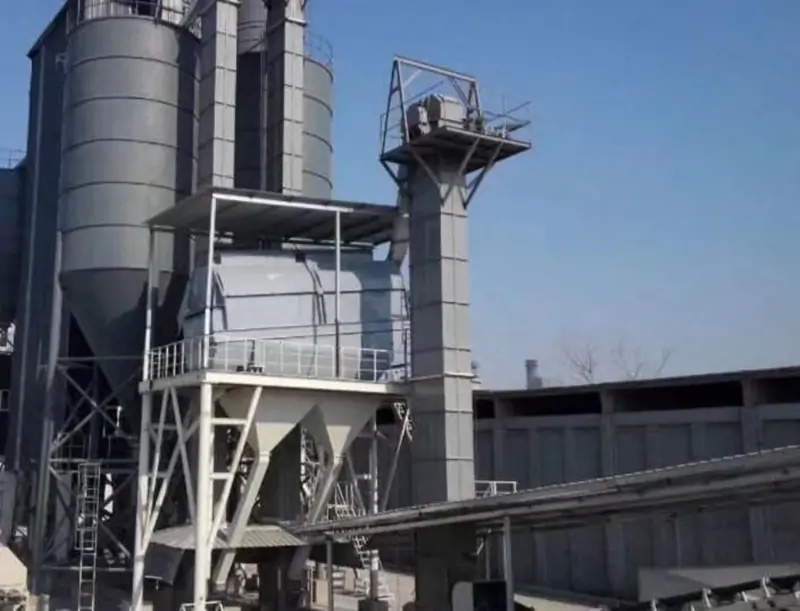
Bucket Elevator Conveyor is mainly used for vertical material transfer in production lines and can continuously lift powdery, granular, and small bulk materials. The equipment is usually connected with storage bins, crushing, screening, grinding, or packaging processes. The actual configuration needs to be determined according to material characteristics, conveying capacity, and site installation conditions to avoid problems such as excessive wear, material sticking, or connection adjustments during operation.
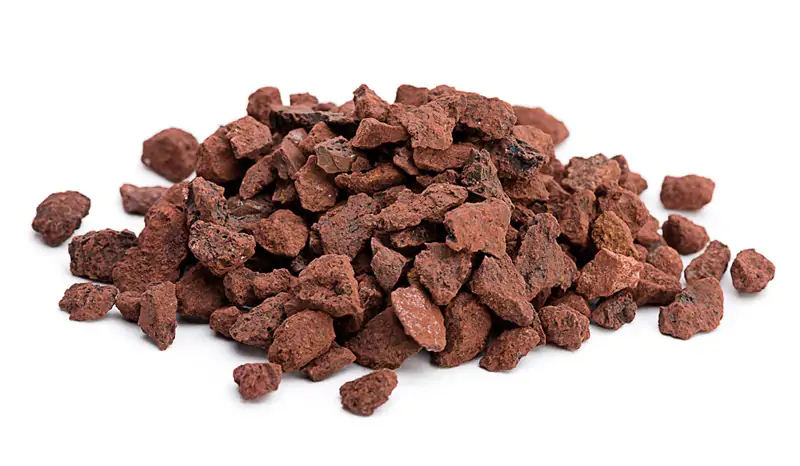 Iron Ore
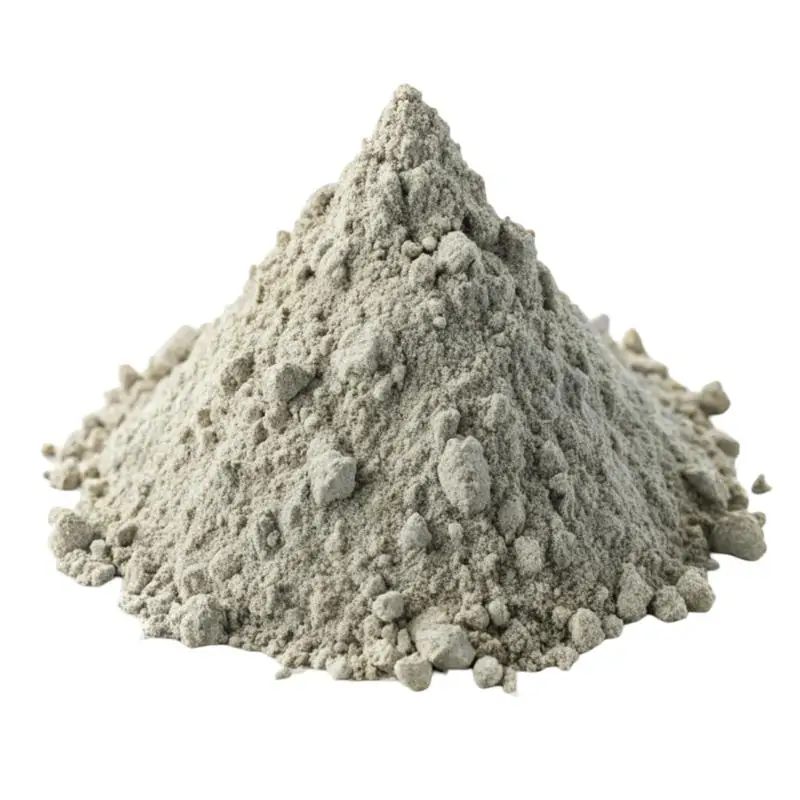 Cement Powder
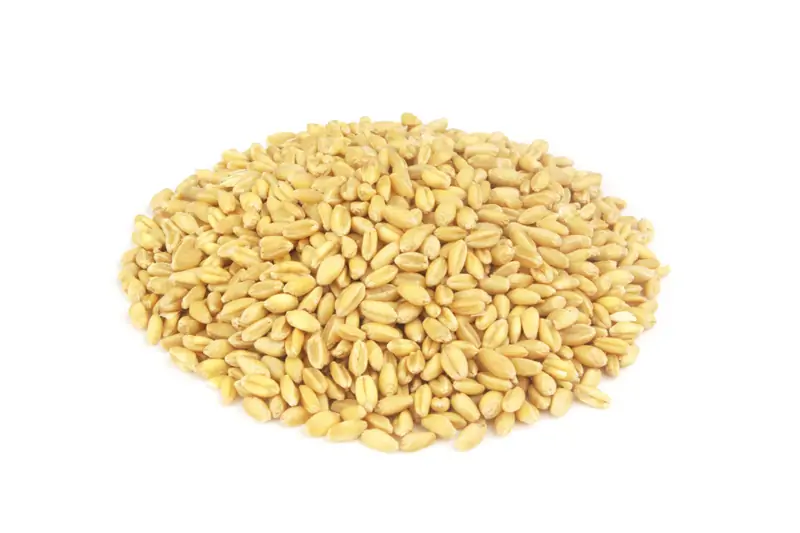 Wheat
Wheat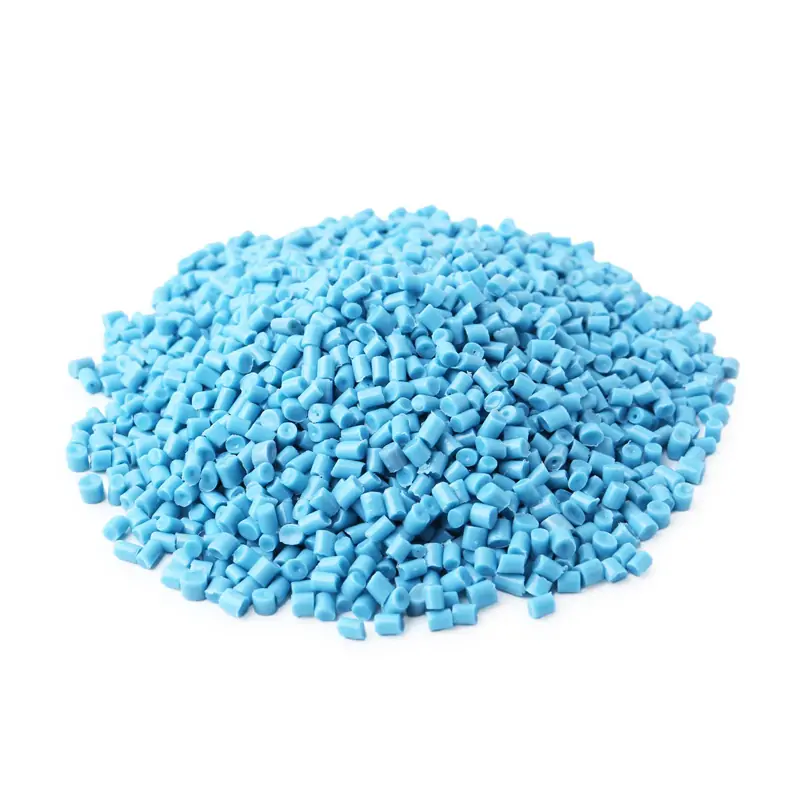 Plastic Pellets
Common Application Scenarios of Bucket Elevator Conveyor
Bucket Elevator Conveyor plays different roles in different production processes. Even with the same lifting height and conveying capacity, equipment configuration may vary significantly depending on material characteristics.
| Production Process | Common Materials | Selection Considerations |
|---|---|---|
| Material lifting after ore crushing | Iron ore, limestone, aggregates, mineral powder | When materials are heavy or highly abrasive, attention should be paid to bucket strength, chain load capacity, and wear-resistant configuration |
| Material transfer in cement production lines | Cement clinker, cement powder, fly ash | Focus on equipment sealing, continuous operation capability, and dust control performance |
| Vertical material lifting in grain processing | Wheat, corn, grain particles | Need to ensure stable conveying and reduce material breakage during operation |
| Feeding for powder and granular material packaging | Fertilizer granules, plastic pellets, chemical raw materials | Consider material flowability, material requirements, and connection methods with packaging equipment |
For different production conditions, the configuration priorities of a Bucket Elevator Conveyor are not the same. High-density and highly abrasive materials usually require stronger load-bearing structures and wear-resistant designs, while powder and lightweight granular materials require better sealing performance, stable operation, and reduced material loss.
Conditions That Need to Be Confirmed in Advance
Although Bucket Elevator Conveyor has a wide range of applications, the following conditions need to be confirmed before equipment design:
- Materials with high moisture content and strong adhesion: Anti-sticking structures should be considered to avoid affecting discharge performance.
- Large particle bulk materials: The feeding size needs to be confirmed to prevent excessive impact on the buckets.
- Materials that are easy to break: Conveying speed should be properly controlled to reduce collision and material damage.
- Corrosive materials: Suitable materials and protective solutions should be selected according to material characteristics.
The operating performance of a Bucket Elevator Conveyor depends not only on the equipment model but also on material properties and site conditions. Providing material name, processing capacity, lifting height, and installation space information can help Jiarui engineering team recommend a more suitable structural solution.
Advantages
Bucket Elevator Conveyor is used for vertical lifting processes in production lines. Compared with inclined conveying equipment, it requires less installation space and is suitable for applications that require higher lifting heights and continuous material feeding.
Space Saving
For factories with sufficient vertical space but limited horizontal layout, a Bucket Elevator Conveyor is usually easier to install compared with long-distance inclined conveying equipment.
Reduced Dust Leakage
The enclosed casing design allows materials to be lifted and discharged inside the equipment, helping reduce dust leakage and material spillage during conveying.
Suitable for Continuous Operation
The buckets continuously circulate with the belt or chain system, completing loading, lifting, and discharge processes continuously. It is suitable for long-term production operation.
Adaptable to Different Materials
The equipment can handle powder materials, granular materials, and small bulk materials. Bucket type, traction method, and material configuration can be adjusted according to different material characteristics.
Selection Guide
The selection of a Bucket Elevator Conveyor needs to be based on material characteristics, conveying capacity, lifting height, and site installation conditions. For the same conveying capacity, different materials may require different traction methods, bucket structures, and material configurations.
Material Characteristics
Powder and granular materials usually require better sealing performance and stable conveying. Materials such as ore and cement clinker, which have high density and strong abrasiveness, require consideration of chain strength, bucket material, and wear-resistant configurations.
Conveying Capacity and Lifting Height
Conveying capacity determines the equipment size, while lifting height affects the equipment structure and driving configuration. These factors need to be considered together according to production requirements. For horizontal or inclined conveying, a Screw Conveyor can be considered, while a Bucket Elevator Conveyor is used for vertical material lifting.
Installation Conditions
Bucket Elevator Conveyor is usually connected with storage bins, screening equipment, crushing equipment, or packaging systems. Confirming inlet and outlet positions, equipment height, and installation space in advance can reduce later adjustments.
Special Requirements
Industries such as food and chemical processing may require stainless steel materials, corrosion-resistant treatment, or special sealing requirements. These conditions should be confirmed before equipment design.
If you are unsure which type of Bucket Elevator Conveyor is suitable, please provide material name, conveying capacity, lifting height, and installation conditions. Jiarui engineering team can analyze the actual application requirements and help confirm a suitable equipment configuration.
Customization
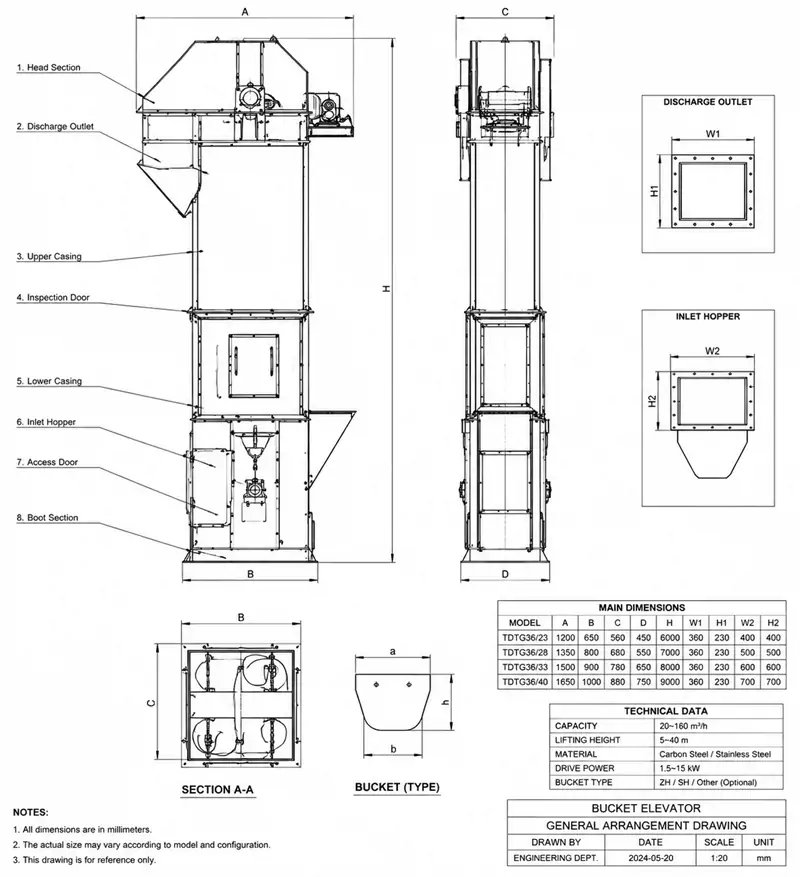
The design of a Bucket Elevator Machine needs to be matched according to actual operating conditions. Lifting height, conveying capacity, material characteristics, and installation space all affect the equipment structure. In many projects, equipment performance is not the main issue, but insufficient consideration of material conditions and production line connection requirements during the early design stage may lead to later adjustment problems.
Jiarui engineering team focuses on material weight, abrasiveness, feeding and discharge positions, and continuous operation requirements during the equipment design process. According to different working conditions, the team can adjust bucket types, traction methods, driving configurations, and equipment materials. For example, high-wear materials such as ore and cement clinker require stronger load-bearing and wear-resistant designs, while powder and granular materials require better sealing performance and stable conveying.
To provide a more suitable Bucket Elevator Conveyor solution, please provide the following information:
- Material name;
- Material particle size, density, and characteristics;
- Required conveying capacity per hour;
- Required lifting height;
- Inlet and outlet positions;
- Installation space or equipment connection requirements.
We will analyze these parameters and help determine a suitable Vertical Bucket Elevator structure and configuration, reducing adjustment costs after installation.
Manufacturing
When manufacturing a Bucket Elevator Conveyor, we find that many customers focus mainly on conveying capacity and lifting height at the early stage. However, long-term stable operation also depends on material characteristics, installation conditions, and production line connection requirements. The same conveying capacity may require different equipment structures, bucket designs, and wear-resistant configurations for materials such as ore, cement clinker, and powder materials. Jiarui engineering team confirms suitable solutions according to actual operating conditions and controls key processes from structural design, manufacturing, and equipment testing to ensure the equipment meets site requirements.
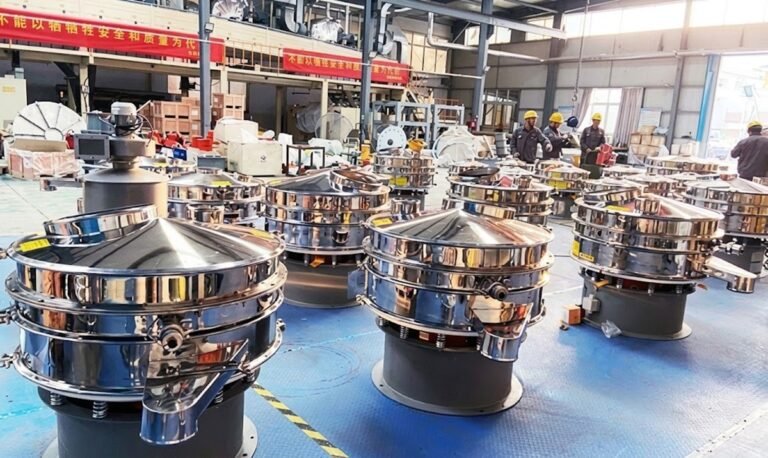
Xinxiang Jiarui Electromechanical Manufacturing Co., Ltd. was established in 2012 and focuses on the research, development, and manufacturing of screening, conveying, lifting, and feeding equipment. Jiarui has engineering design and production teams that can adjust equipment configurations according to different materials and production conditions. From CAD design confirmation, steel plate cutting, casing welding, bucket installation, to complete equipment assembly and testing, the team controls key manufacturing processes to ensure equipment structure, manufacturing quality, and application requirements are properly matched. The company has passed ISO9001 quality management system certification and provides conveying equipment solutions for industries including food, chemical processing, mineral processing, and new energy materials.
FAQs
Get a Free Consultation
Fill out the form below to connect with our experts and receive personalized recommendations for your application.