Case Study: High-Capacity, Low-Breakage Screening Solution for Urea Fertilizer in the Middle East
Customer Background & Core Challenges
The client is a leading integrated chemical and fertilizer manufacturer in the Middle East, specializing in high-purity urea and compound fertilizers.
During production, a long-standing challenge emerged in the final grading stage of urea granules. Traditional high-frequency vibrating screens caused significant product degradation due to the fragile nature of urea crystals.
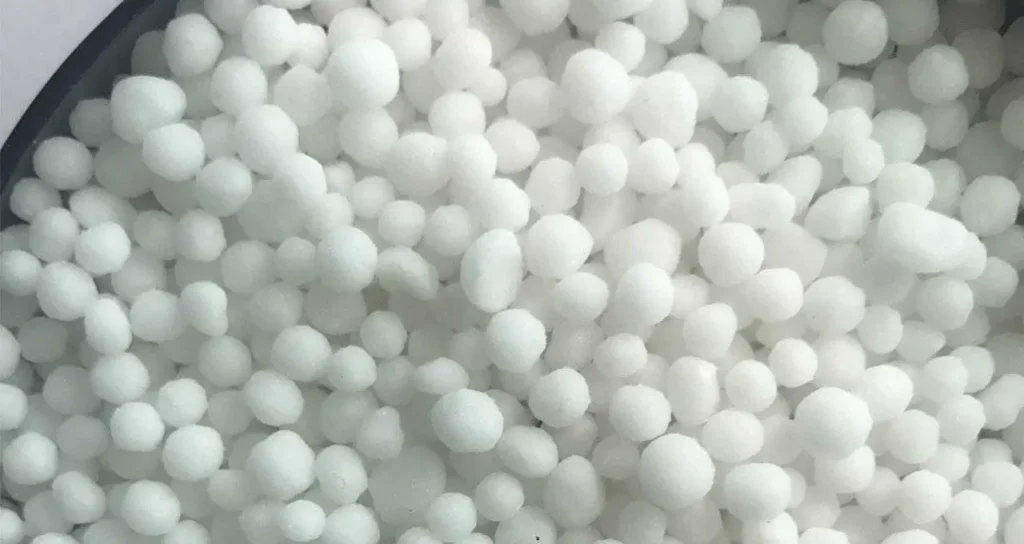
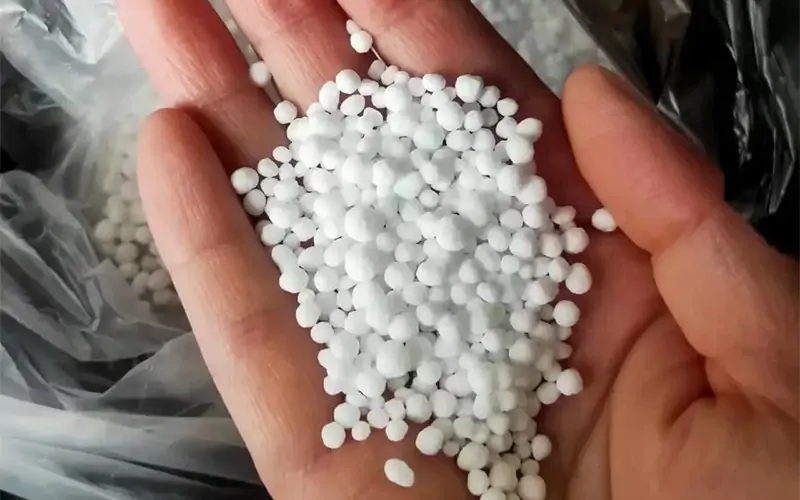
Key operational issues included:
- High breakage rate up to 8%, caused by strong vibration impact
- Significant conversion of finished granules into low-value powder
- Poor particle integrity is affecting downstream customer satisfaction
- Capacity instability when exceeding 5 tons/hour, with grading efficiency dropping to ~85%
- High noise levels and environmental compliance concerns in modern plant operations
These issues resulted in direct economic losses and inconsistent product quality, creating urgent demand for a more gentle and efficient screening technology.
Engineering Diagnosis & Customized Solution
After on-site inspection and material behavior analysis, our engineering team identified a critical issue:
The root cause was incorrect screening technology selection. Urea crystals require low-impact separation rather than high-frequency vibration.
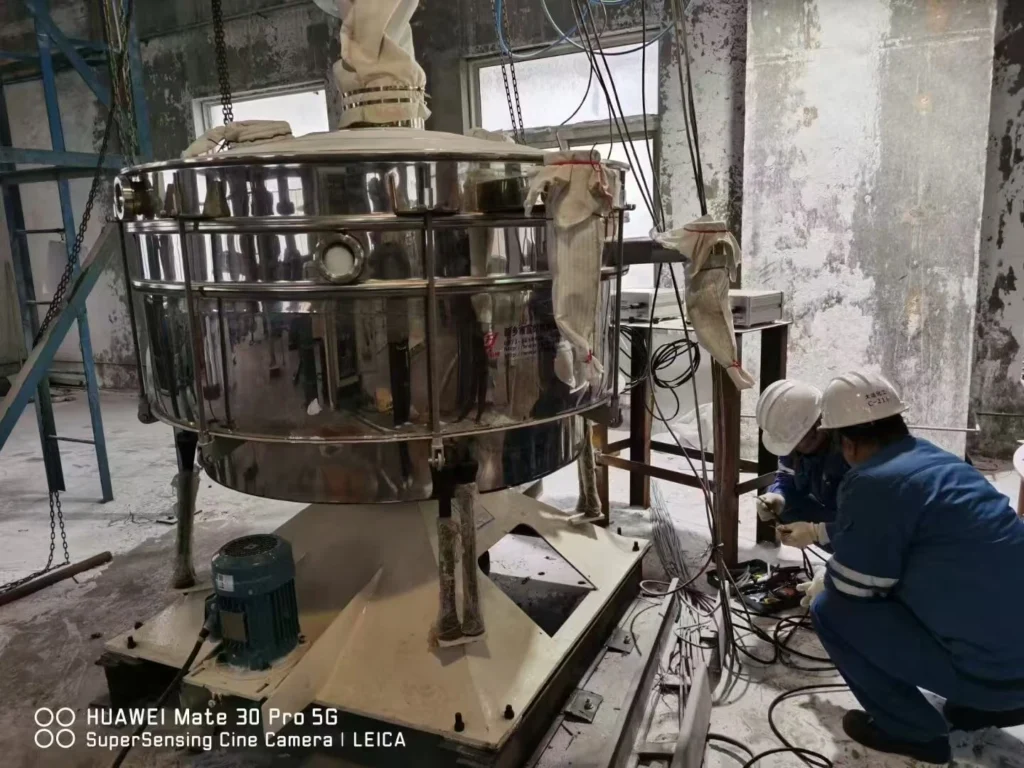
To address this, we recommended and customized the JR-YB Circular Tumbler Screening Machine, a low-speed, biomimetic screening system designed to replicate manual sieving motion.
Unlike conventional vibrating screens, the tumbler screening machine uses three-dimensional elliptical swing motion, ensuring gentle material handling and high-precision separation.
Recommended Product Models: https://jiaruimachinery.com/product/tumbler-screening-machine/
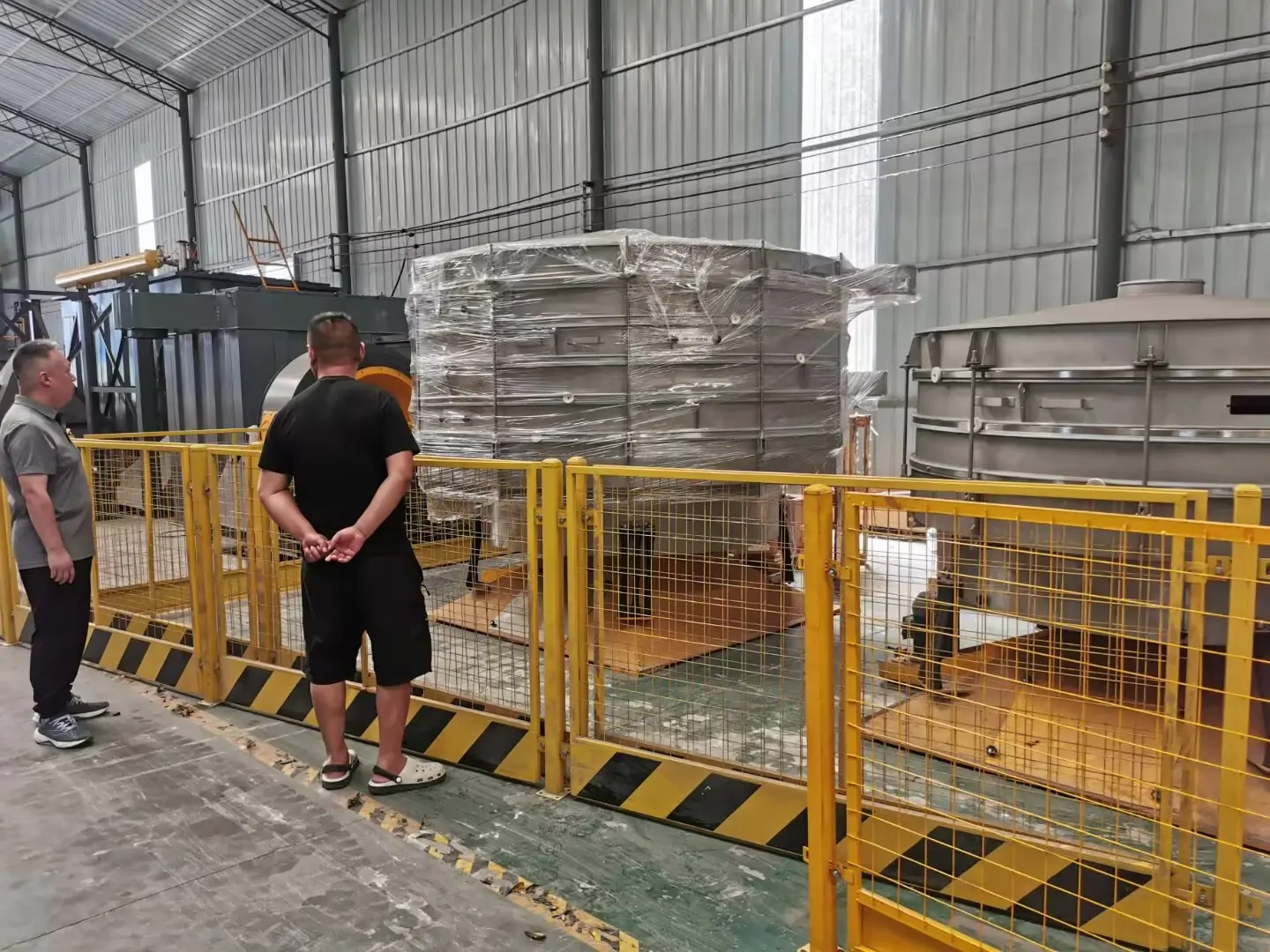
JR-YB Tumbler Screening Machine Technical Configuration
| System Module | Technical Specification | Key Problem Solved |
|---|---|---|
| Main Unit Design | Model: JR-YB Circular Tumbler Screen Motion: 3D elliptical tumbling (0–300 RPM adjustable) Drive: low-speed explosion-proof motor | Eliminates high-impact vibration, reducing urea granule breakage to <1% theoretical level |
| Screening Structure | Multi-layer design enabling 5-stage classification Screen material: SS316L woven mesh | Achieves simultaneous multi-grade separation with 95%–99% screening efficiency |
| Screen Cleaning System | Elastic bouncing ball cleaning + optional pneumatic pulse air cleaning | Prevents clogging caused by slight moisture absorption in fertilizer materials, ensuring continuous 24/7 operation |
| Sealing & Environment Control | Fully enclosed dust-proof structure with a negative pressure port Noise level: ≤72 dB | Eliminates dust leakage and meets modern industrial environmental standards |
| Intelligent Control System | PLC touchscreen control with adjustable swing frequency and amplitude Data logging supported | Enables flexible process optimization for different fertilizer formulations |
Performance Comparison (Before vs After Installation)
The JR-YB tumbler screening system was installed and commissioned in Q4 2025 and immediately integrated into the client’s main production line.
After more than 6 months of continuous operation, performance results significantly exceeded expectations:
| Performance Item | Before (Vibrating Screen) | After (JR-YB Tumbler Screen) |
|---|---|---|
| Urea breakage rate | ~8% | ≤0.5% stable |
| Product grading accuracy | ~85% at high load | 95%–99% stable |
| Capacity per unit | ≤5 TPH (unstable above limit) | 5.5–6 TPH stable |
| Fine powder generation | High and inconsistent | Significantly reduced |
| Maintenance frequency | Frequent screen replacement | Reduced by ~80–90% |
The most noticeable change reported by the plant was not only the reduction in losses, but the stability of the product shape. The granules after screening were visibly more uniform and less dusty.
Equipment Comparison in Fertilizer Screening Applications
From an engineering perspective, the difference between tumbler screening and traditional vibrating systems is not just mechanical, but process logic.
| Item | JR-YB Tumbler Screening Machine | Conventional Vibrating Screen |
|---|---|---|
| Working principle | Low-speed 3D tumbling motion | High-frequency vertical vibration |
| Material stress level | Low, gentle rolling movement | High impact + repeated collision |
| Suitable materials | Fragile granules (urea, NPK, sugar) | Strong particles, ores, sand |
| Breakage risk | Very low | Medium to high |
| Screening accuracy at high load | Stable | Drops with overload |
| Noise level | Low (industrial friendly) | Relatively high |
| Maintenance demand | Low | High |
In fertilizer plants, especially urea lines, the key shift is from “force-based separation” to “movement-controlled separation”.
Engineering Recommendations
Based on this project and similar fertilizer applications, our engineering team summarized a few practical observations:
1. Do not treat urea as a standard granular material
Even if the particle size looks stable, the internal crystal structure is fragile. High-frequency vibration accelerates micro-cracking before visible breakage appears.
2. Capacity should never override material behavior
Many production lines increase vibration intensity to push throughput, but for urea, this usually leads to hidden yield loss rather than real capacity gain.
3. Screening stability is more important than peak output
In fertilizer production, downstream blending quality is directly affected by particle consistency. A slightly lower but stable throughput often performs better economically.
4. Gentle motion systems reduce total lifecycle cost
Although tumbler systems operate at lower mechanical intensity, long-term data show significantly lower screen replacement and downtime frequency.
5. Process testing should always precede equipment selection
In this project, the final decision was only made after physical material testing, not based on theoretical capacity comparison.
Final Outcome
After the JR-YB tumbler screening machine was integrated into the production line, the client effectively eliminated long-standing product degradation issues while maintaining the required throughput.
More importantly, the screening section became a stable, low-maintenance part of the plant rather than a frequent bottleneck.
From an engineering standpoint, this project reinforced a simple conclusion:
For fragile fertilizer granules like urea, controlling motion is more effective than increasing vibration intensity.
Application Scope
The same JR-YB tumbler screening system is also suitable for:
- NPK compound fertilizer
- Ammonium nitrate
- Urea-based blending materials
- Sugar, salt, starch
- Chemical granules and resin pellets
Get Your Customized Screening Solution
If you are facing challenges in urea fertilizer screening, granule breakage, or unstable throughput, our Jairui machinery engineering team can provide:
- Free material testing
- Customized process design
- Full tumbler screening system proposal
Optimize your fertilizer screening line today with JR-YB tumbler screening technology.