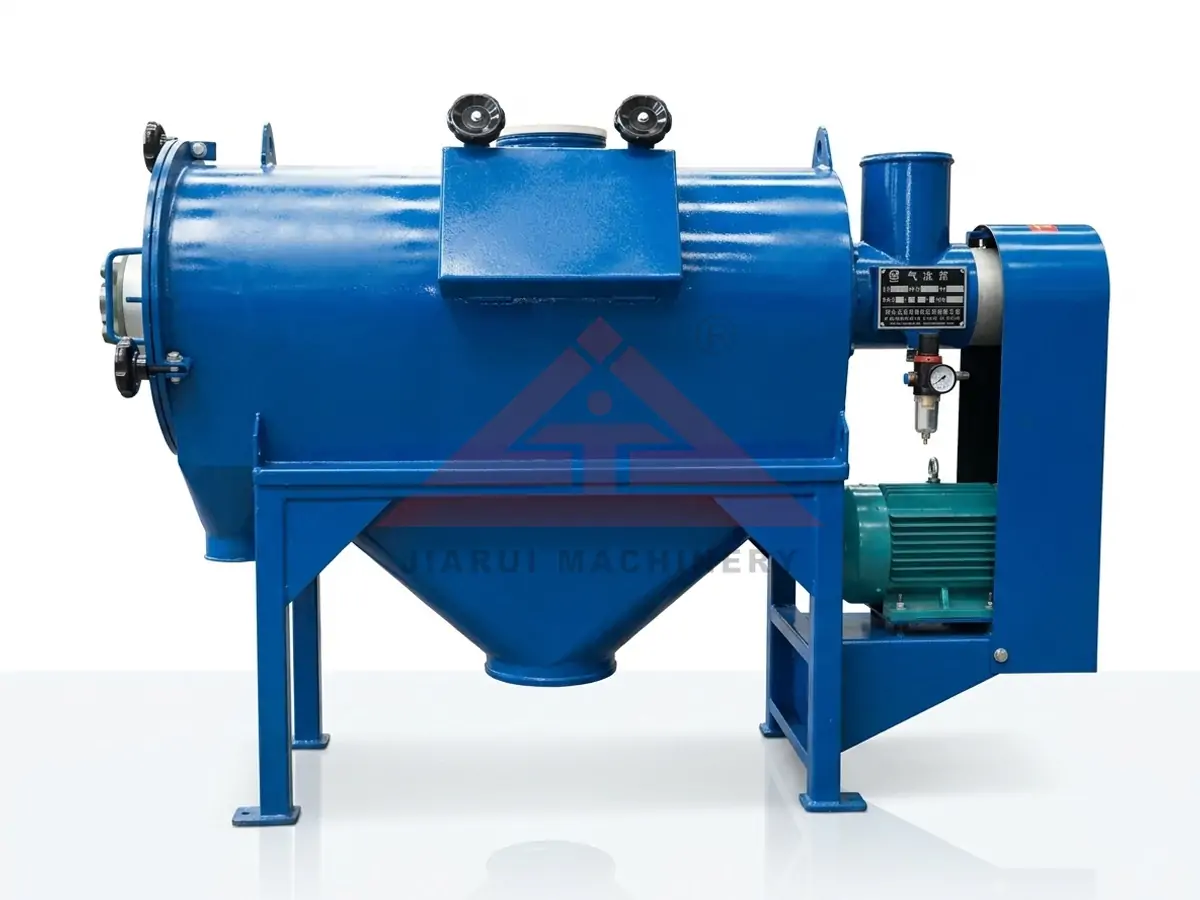
Centrifugal Sifter
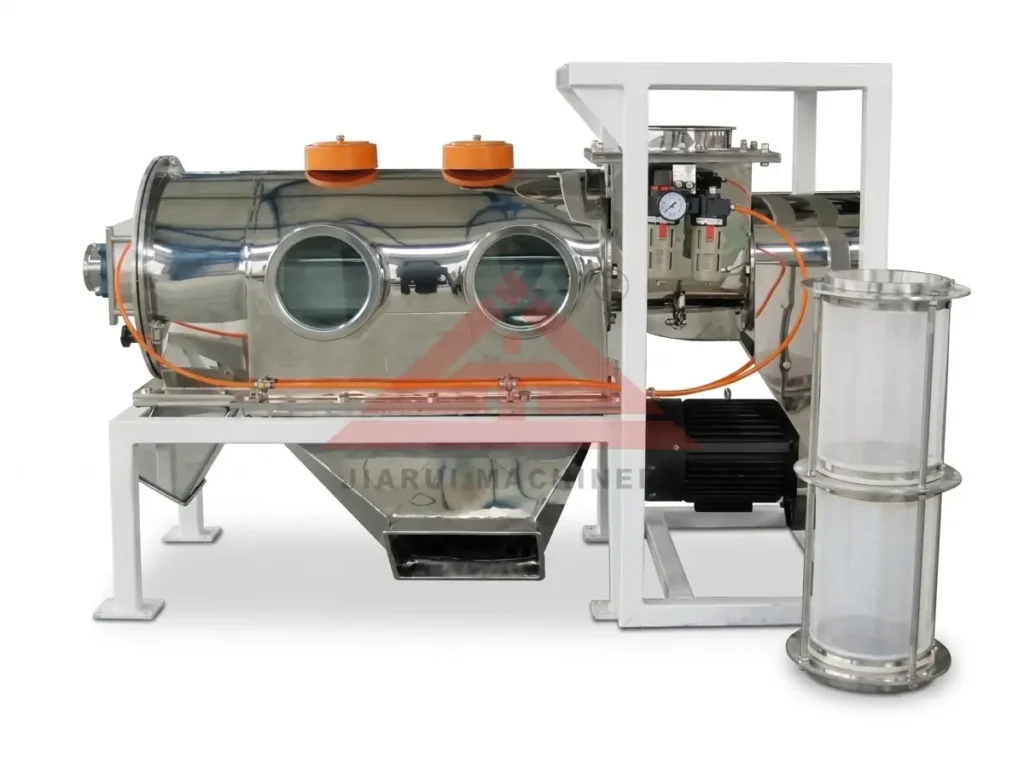
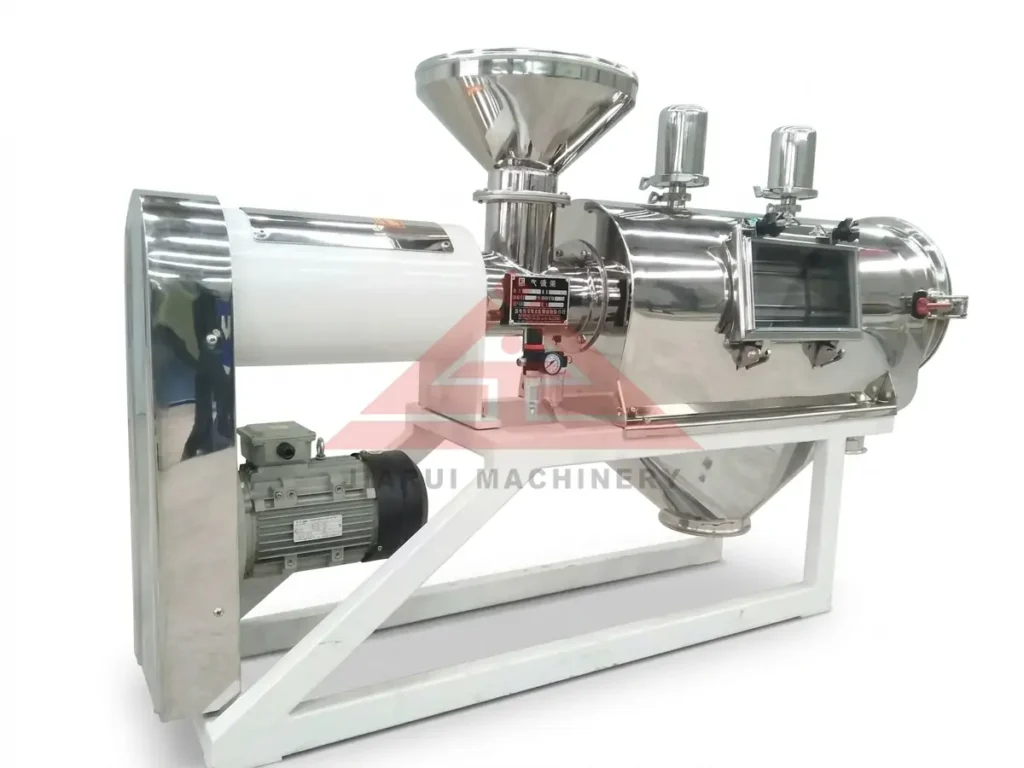
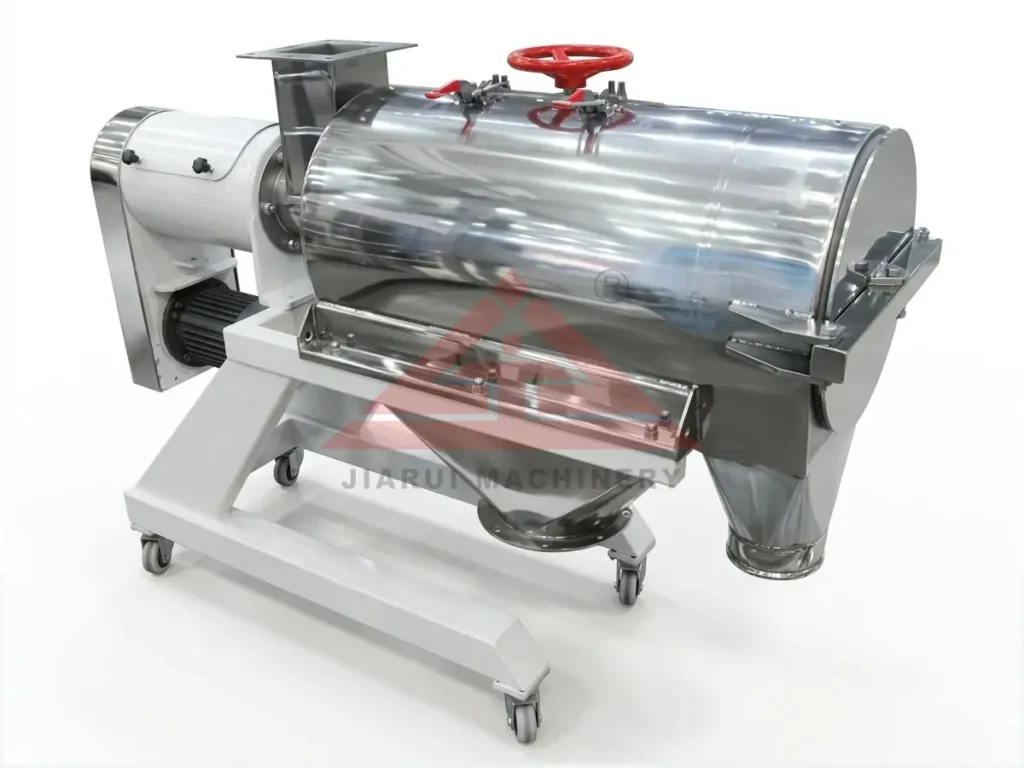
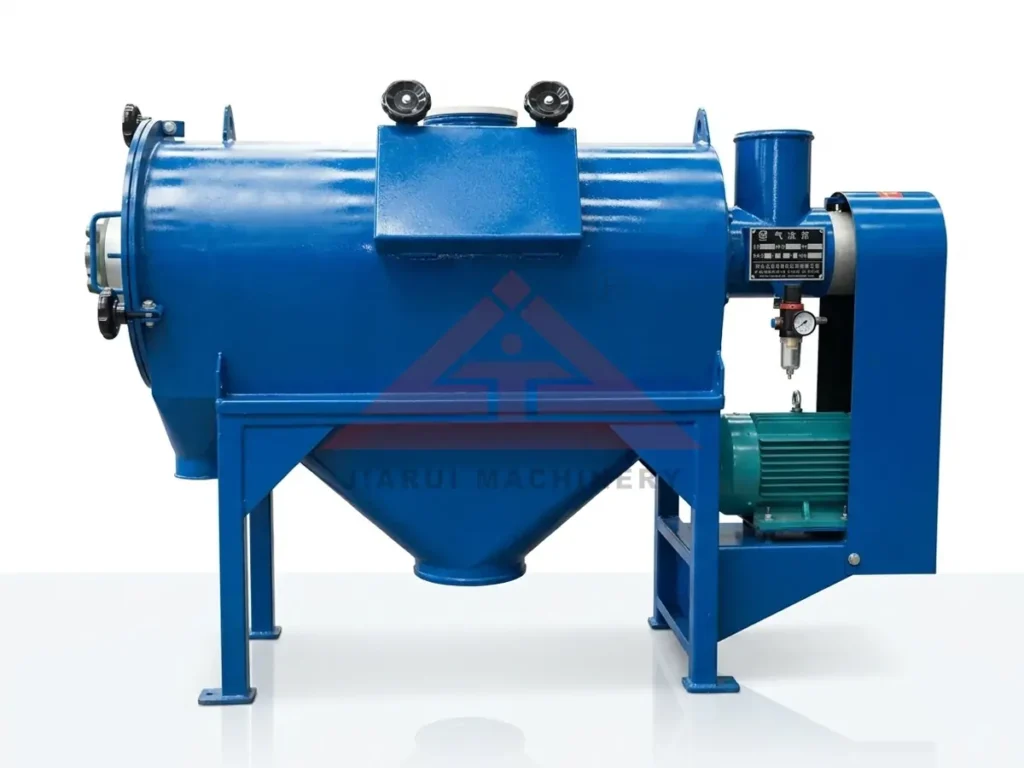
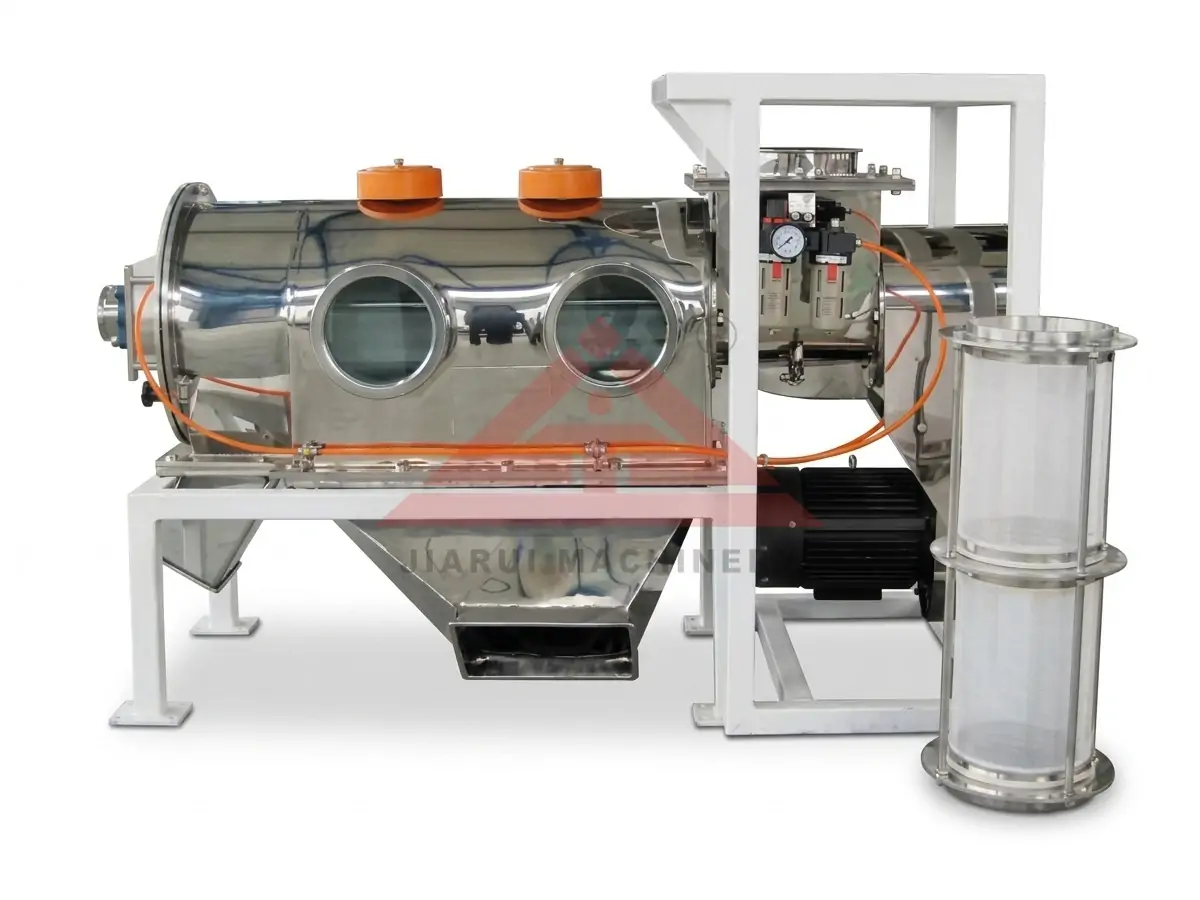
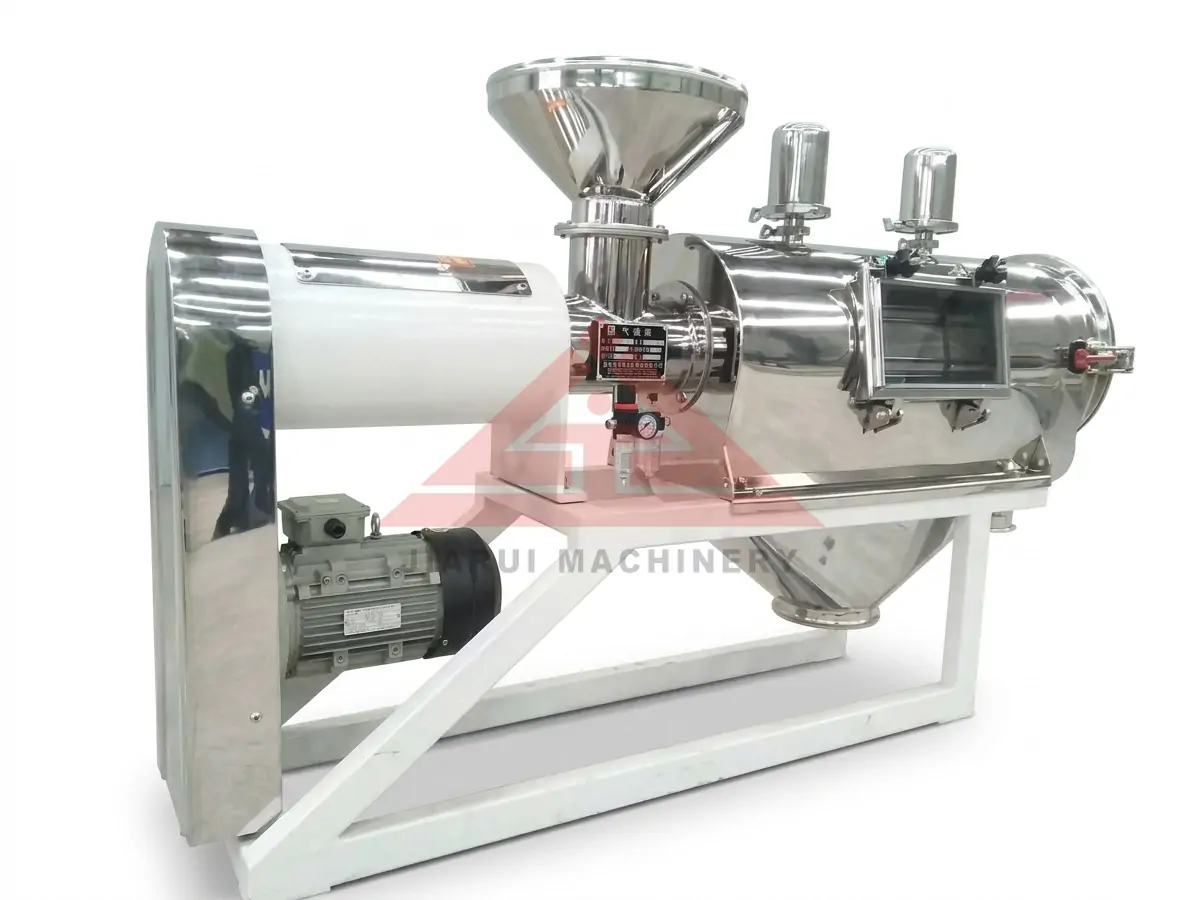
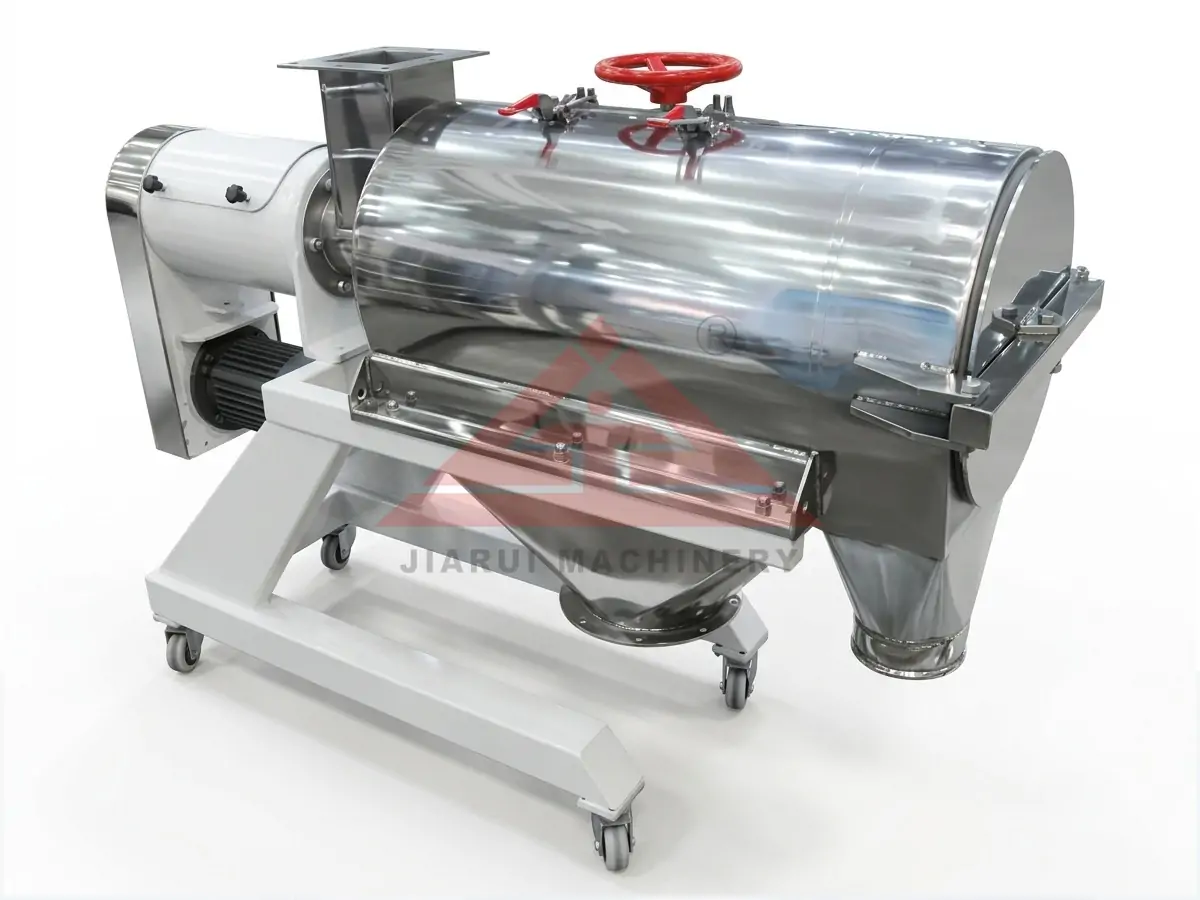
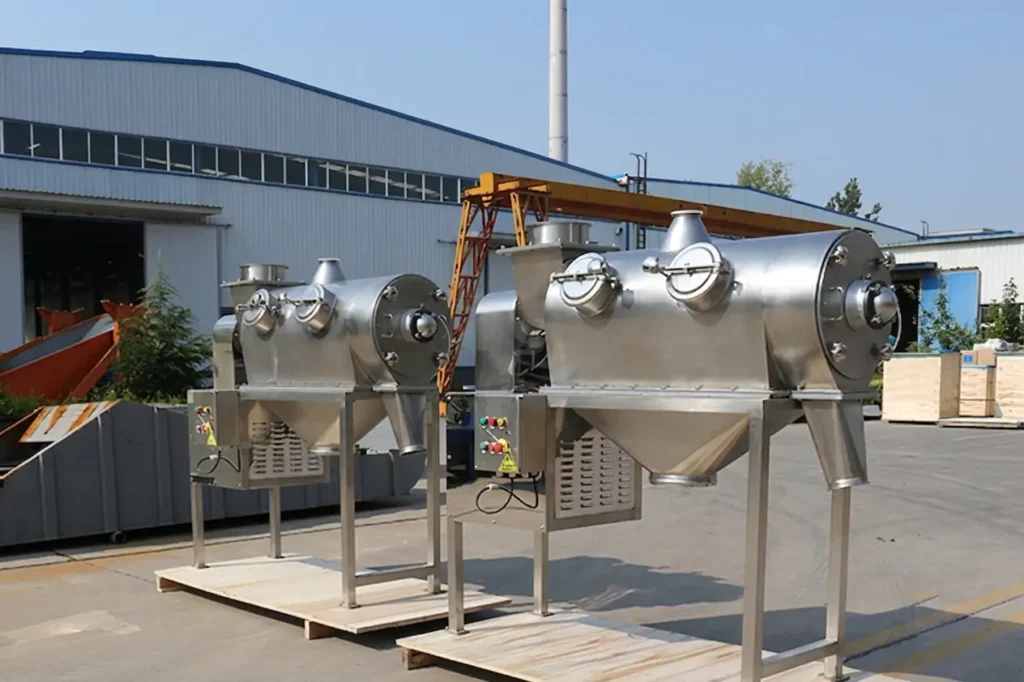
The Centrifugal Sifter is a continuous powder screening machine for separating fine particles from coarse particles. It is designed for fine and ultrafine powders and provides enclosed, low-noise screening for pharmaceutical, food, chemical, mineral, and other powder processing applications.
Configuration: Horizontal
Models: JR-WQ18-65, JR-WQ30-100, JR-WQ50-130
Screen Type: Net cage cylinder
Screen Mesh: Below 500 mesh, depending on the model
Material: Q235A , SUS304 ,SUS316
Operation: Continuous screening
Customization: Screen mesh, machine size, feeding and discharge configuration
What Is a Centrifugal Sifter?
The term “centrifugal sifter” refers to the centrifugal force generated by the rotating blades during screening. Inside the cylindrical screen, the rotating blades keep the powder moving against the screen and help fine particles pass through the mesh.
Jiarui’s JR-WQ Series is a horizontal centrifugal sifter with an airflow-assisted screening system. Airflow helps move the material through the screening chamber, while the rotating blades generate centrifugal force to assist screening and separation.
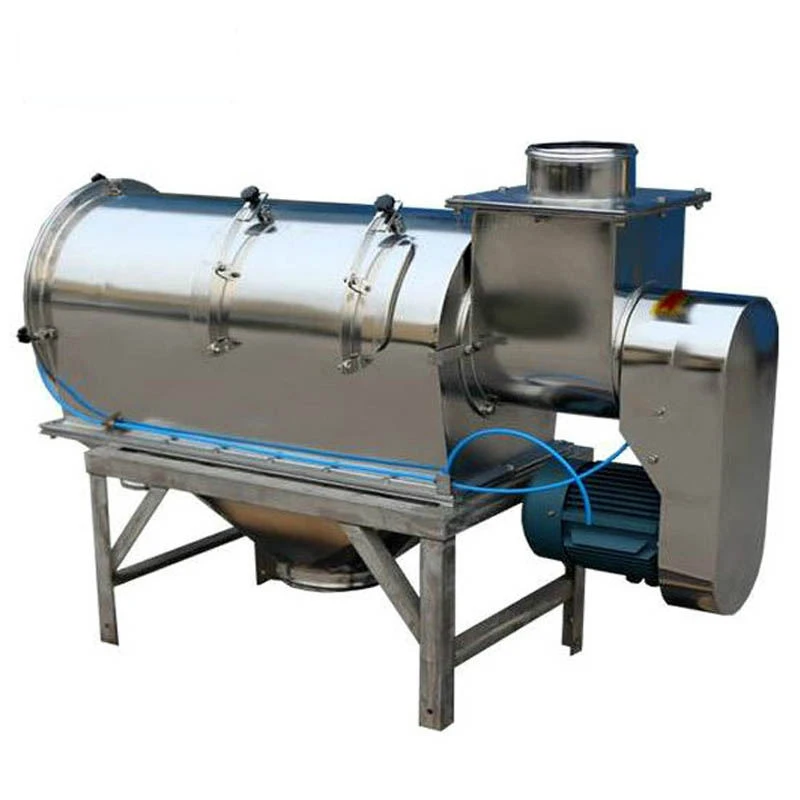
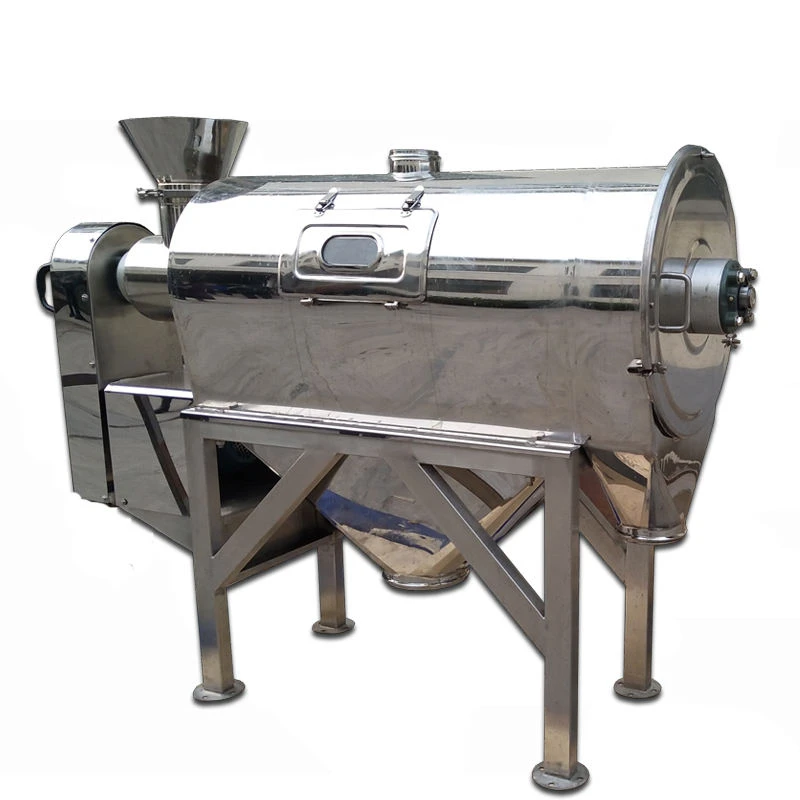
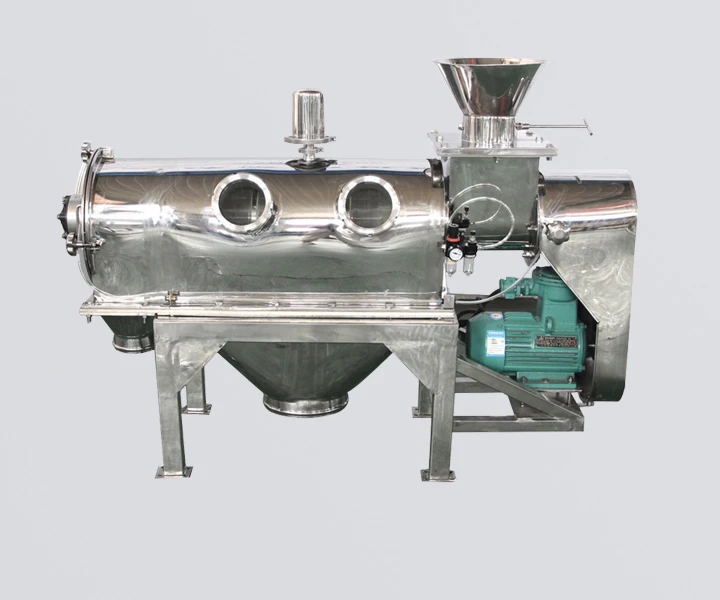
How Does a Centrifugal Sifter Work?
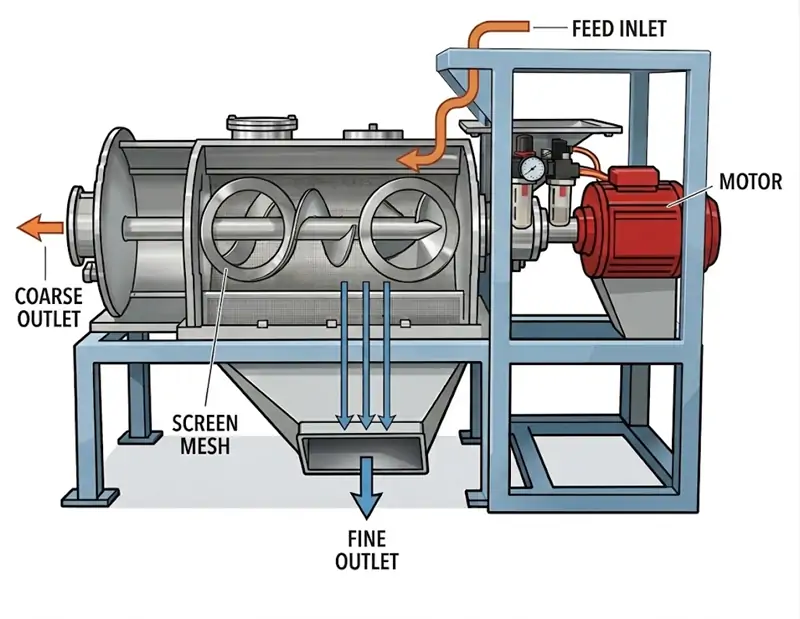
Step 1: Feed the Material
Material enters the machine through the screw conveying system and moves into the cylindrical screen. A JR Series Screw Conveyor can be used to provide continuous and controlled feeding when the sifter is integrated into a powder-processing line.
Step 2: Screen the Material
The rotating wind wheel blades generate centrifugal force and keep the material moving against the screen. Fine particles pass through the mesh, while coarse particles continue moving along the screen.
Step 3: Discharge the Material
Fine particles pass through the screen and leave through the fine material outlet. Coarse particles move to the end of the screen and leave through the coarse material outlet. The enclosed design helps control dust during continuous operation.
Key Features
Continuous Screening
Suitable for continuous powder screening and production lines.
Enclosed Operation
The closed screening chamber helps reduce dust during operation.
Low Noise and Vibration
Compact structure with smooth operation and low vibration and noise.
Good for Fine Powders
Suitable for fine and ultrafine powder screening, with screen mesh up to 500 mesh depending on the model.
Breaks Up Caked Material
The rotating screening system helps disperse agglomerated powder during screening.
Automatic Screen Cleaning
The screening system helps reduce material buildup on the screen surface.
Easy Process Integration
The horizontal design can be connected to pneumatic conveying lines.
Flexible Configuration
Screen mesh, feeding structure, airflow system, discharge outlets, and other components can be configured for different materials and process layouts.
Applications of the Centrifugal Sifter
The Centrifugal Sifter is suitable for fine and ultrafine powder screening in pharmaceutical, food, chemical, mineral, and other powder-processing industries.
 Pharmaceutical Powders
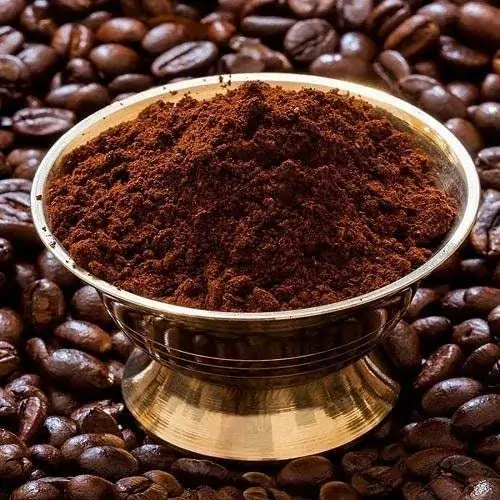 Coffee powder
 Flour
Flour Milk powder
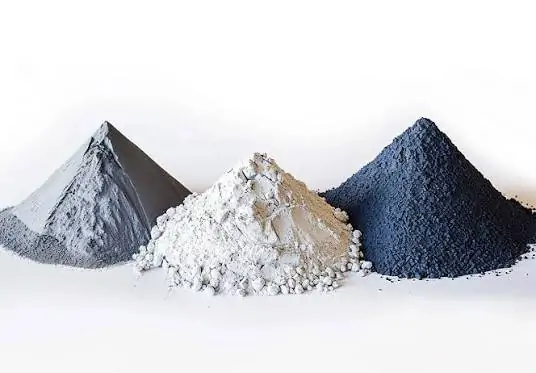 Ceramic powders
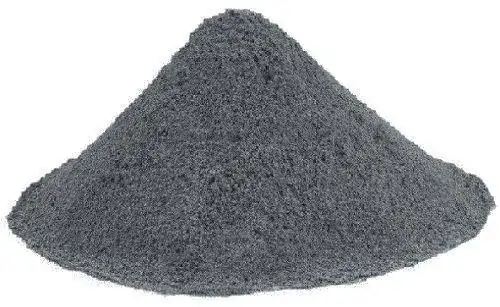 Iron ore powder
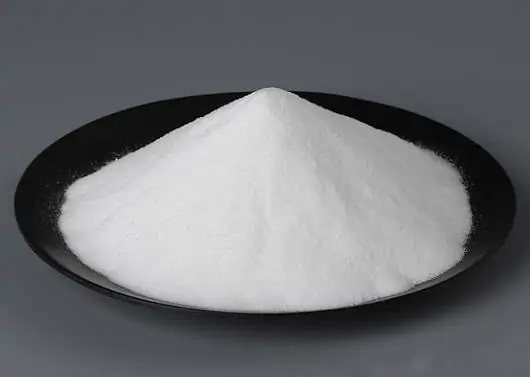 Quartz sand
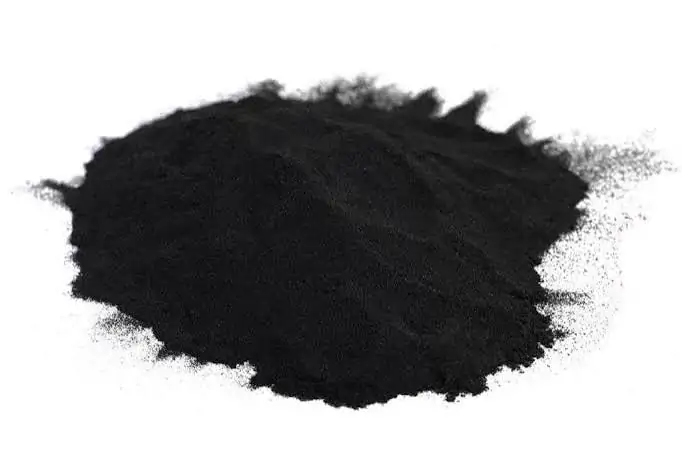 Rubber powder
| Industry | Typical Materials | Screening Considerations |
| Pharmaceuticals | Pharmaceutical raw materials, API, traditional Chinese medicine powders | Fine particle classification, enclosed operation, and easy cleaning are important for pharmaceutical processing. |
| Food Processing | Flour, starch, milk powder, sugar, cocoa, coffee powder, food additives | The sifter can be used for fine powder classification and removal of oversized particles or impurities. |
| Chemicals & New Materials | Resin powder, pigments, coatings, catalysts, rubber powder, metal powders, ceramic powders, graphite | Screen mesh, airflow, and feeding conditions can be selected according to particle size, flowability, and material characteristics. |
| Minerals & Building Materials | Cement, quartz powder, gypsum, calcium powder, alumina, mineral powders | Suitable for continuous classification of dry mineral and building material powders. |
| Metallurgy | Metal powders, iron powder, zinc powder, and other fine materials | Fine particle screening helps control the required particle size range before downstream processing. |
| Other Powder Processing | Salt, animal feed, paper-making materials, electronic materials, and other dry powders | Equipment configuration can be adjusted for different material properties and process layouts. |
For flour screening applications, see our guide to Industrial Flour Sifter Machine for a comparison of common sifter types and selection considerations.
If your material or application is not listed above, contact Jiarui Machinery with your material information and screening requirements. Our engineering team can help evaluate a suitable sifter configuration.
Choosing between a horizontal and vertical centrifugal sifter also depends on your production line layout, available floor space, plant height, screening requirements, and material characteristics. See our guide to the Difference Between Horizontal Centrifugal Sifter and Vertical Centrifugal Sifter for a practical comparison.
Main Components
The main components of the centrifugal sifter include the feeding system, cylindrical screen, wind wheel, main shaft, and separate discharge outlets.
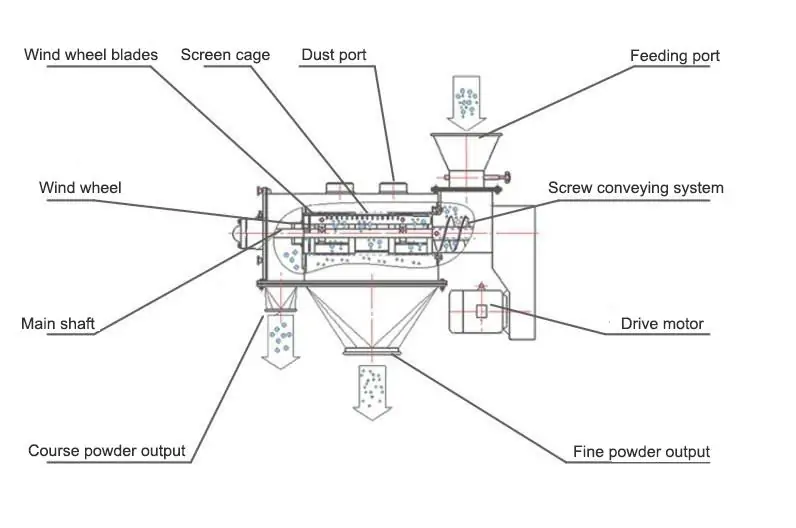
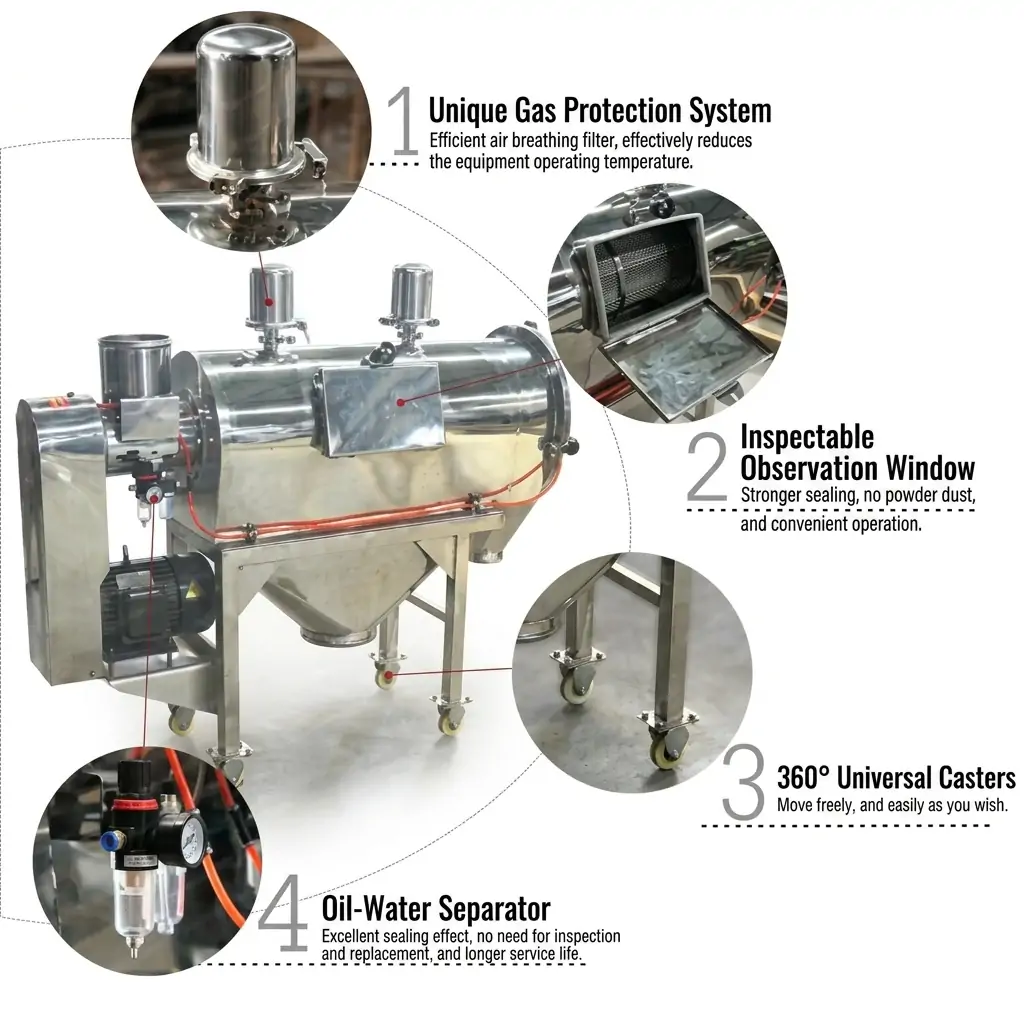
| Component | Function |
| Feed Inlet | Introduces material into the screening chamber. |
| Screw Conveying System | Feeds and moves material into the cylindrical screen. |
| Main Shaft | Transfers rotation to the wind wheel. |
| Wind Wheel | Generates centrifugal force and helps move the material through the screen. |
| Wind Wheel Blades | Keep the material moving against the screen during screening. |
| Screen Frame | Holds the screening mesh in position. |
| Fine Material Outlet | Discharges particles that pass through the screen. |
| Coarse Material Outlet | Discharges particles that do not pass through the screen. |
| Dust Outlet | Provides a connection for dust collection or airflow discharge when required. |
Centrifugal Sifter Structure
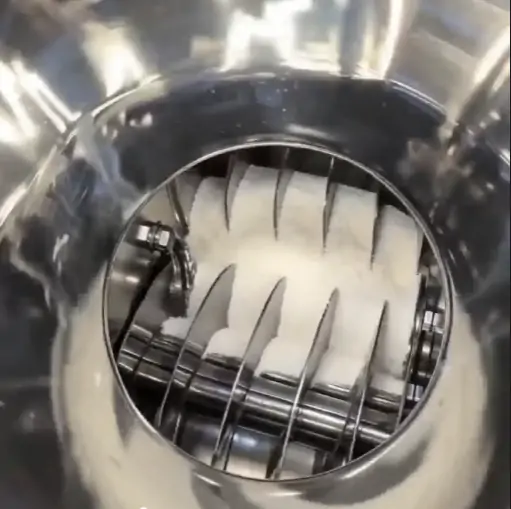 Screw Conveying System
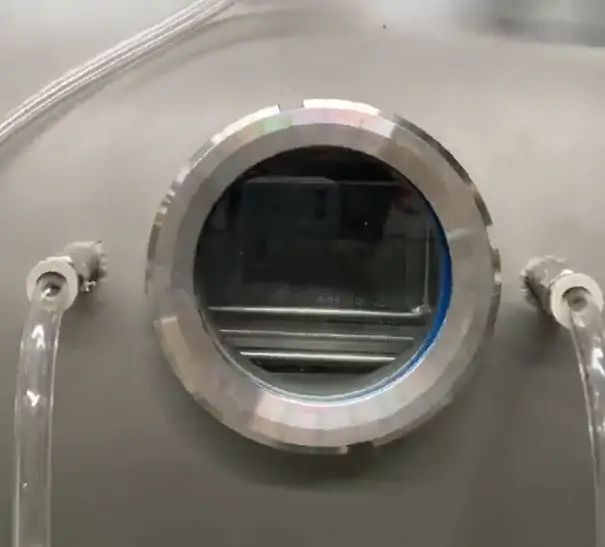 Viewing port
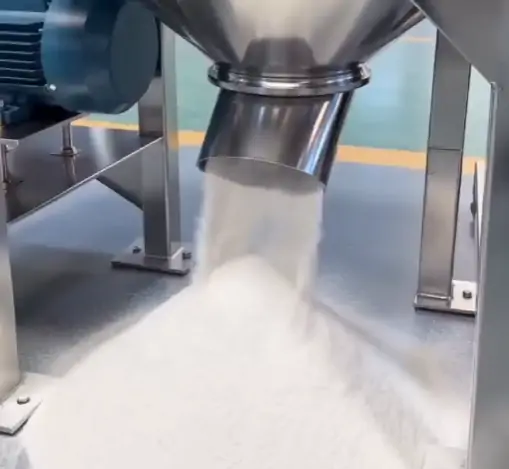 Fine Material Outlet
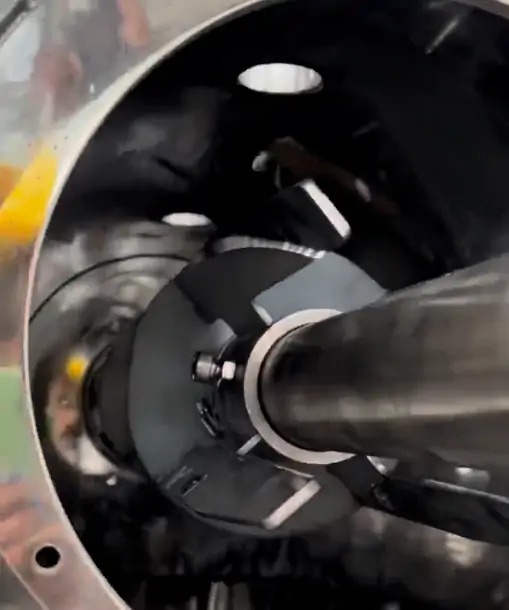 Spindle
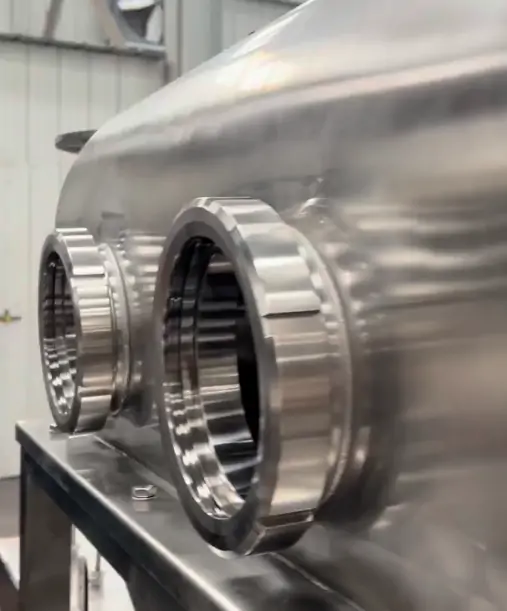 Viewing port
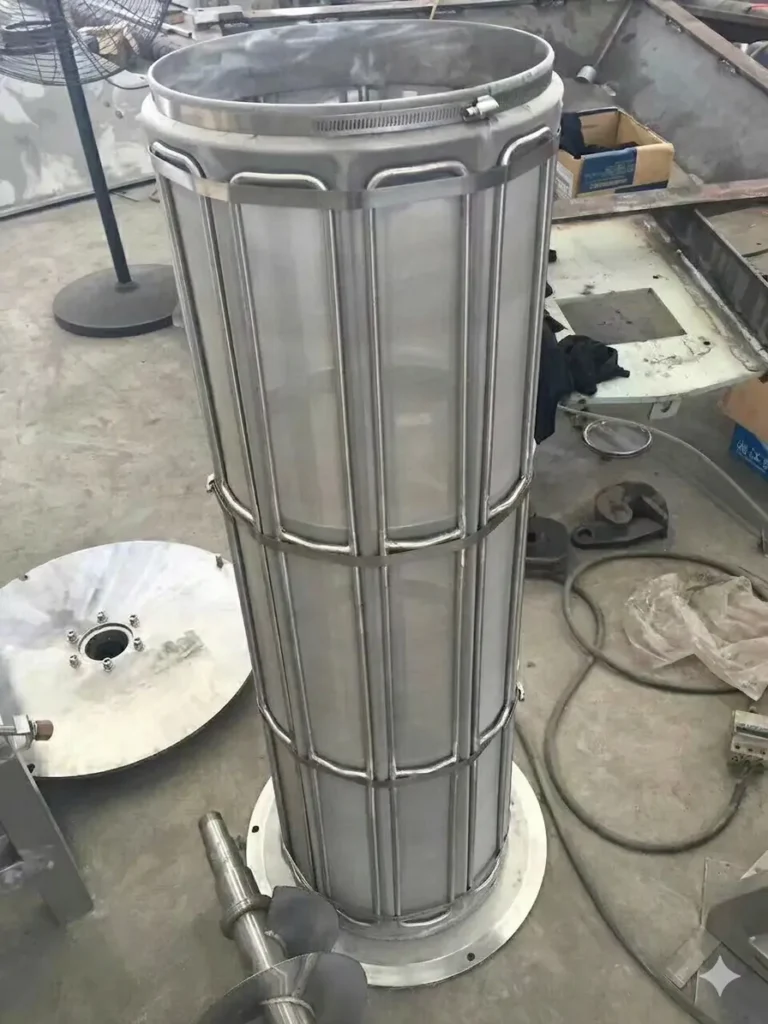 Wire Cage
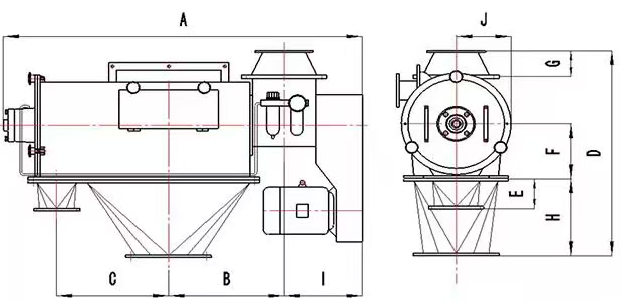
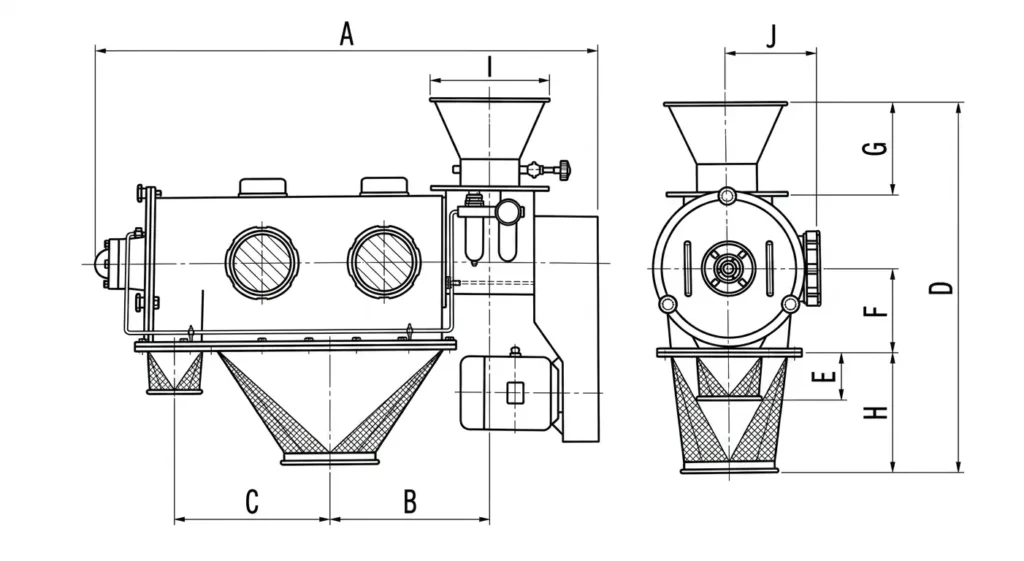
JR-WQ Series Specifications
The JR-WQ Series is available in three models with different machine sizes and screen mesh ranges. The equipment can be made from Q235A carbon steel or SUS304 stainless steel.
| Model | A (mm) | B (mm) | C (mm) | D (mm) | E (mm) | F (mm) | G (mm) | H (mm) | I (mm) | J (mm) | Material | Screen Mesh |
| JR-WQ18-65 | 1430 | 460 | 420 | 1005 | 135 | 230 | 250 | 330 | 340 | 210 | Q235A / SUS304 | Below 500 mesh |
| JR-WQ30-100 | 1845 | 655 | 766 | 1240 | 320 | 285 | 300 | 350 | 380 | 290 | Q235A / SUS304 | Below 500 mesh |
| JR-WQ50-130 | 2230 | 870 | 790 | 1775 | 280 | 515 | 150 | 660 | 400 | 485 | Q235A / SUS304 | Below 500 mesh |
Customization Available
The JR-WQ Series can be configured for different materials, screening requirements, and process layouts. Customization options include:
- Machine Size
- Construction Material: Q235A carbon steel or SUS304, SUS316stainless steel
- Screen Mesh
- Feeding Structure
- Airflow System
- Discharge Design
- Voltage Configuration
- Anti-Clogging Options, including ultrasonic systems when required
Send us your material information, required capacity, screen mesh, and installation conditions. Our engineering team can recommend a suitable configuration for your process.
Why Choose Jiarui Centrifugal Sifter?
Advanced Technical Expertise & Tailored Customization Capabilities
Industry-Proven Engineering: Over a decade of manufacturing experience ensures exceptional stability and low-noise operation.
Flexible Customization: Available with customized screen diameters, mesh sizes, deck configurations, contact materials, voltages, and feeding systems to meet specific process and production requirements.
Stringent Quality Standards & Reliable Lifetime Service Support
Industrial-Grade Quality: Fully enclosed, GMP-compliant stainless steel design certified by CE and ISO standards.
Comprehensive Lifetime Support: Fast 24-hour response, one-year warranty, and lifelong technical maintenance for continuous production.
FAQs
Get a Free Consultation
Fill out the form below to connect with our experts and receive personalized recommendations for your application.