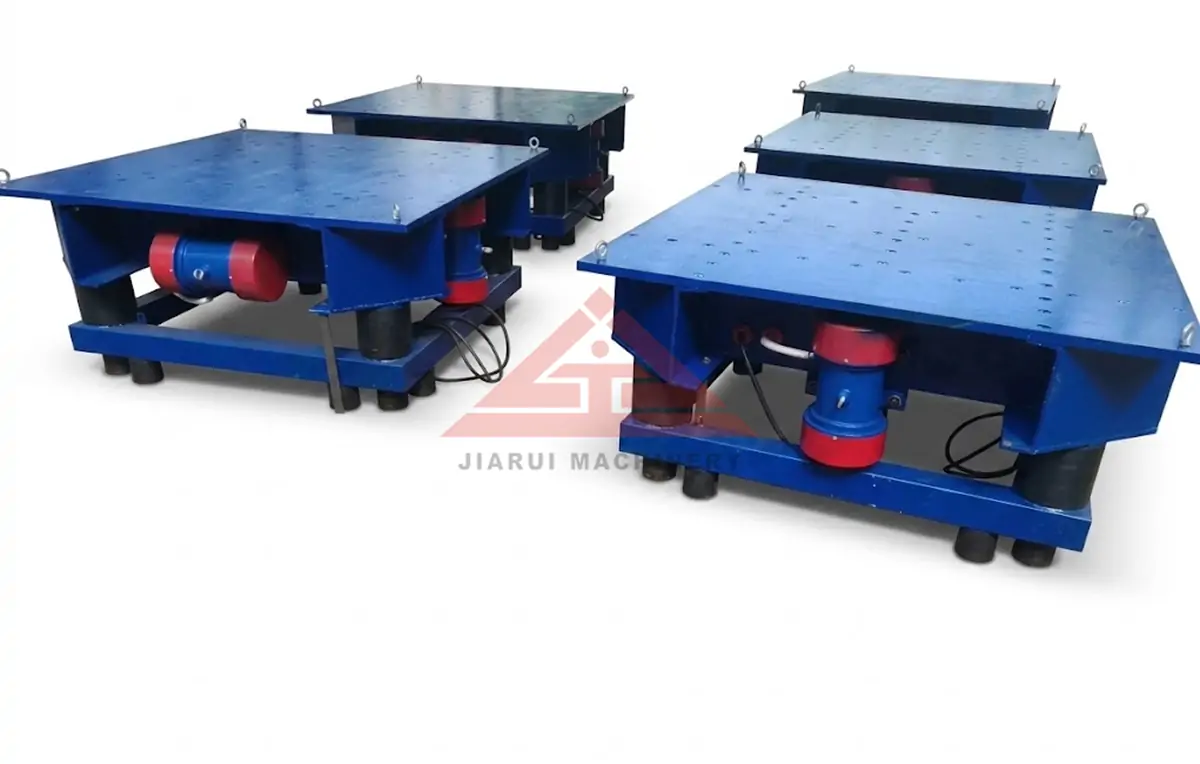
振动平台

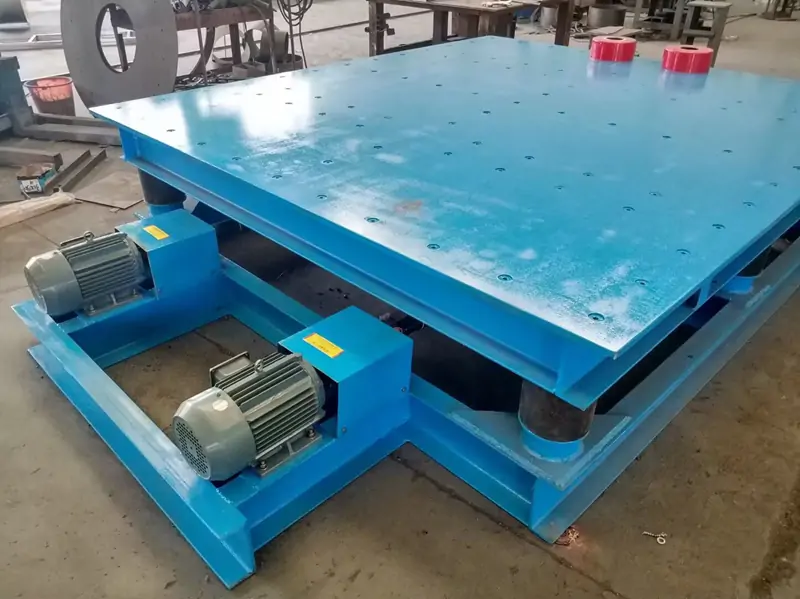
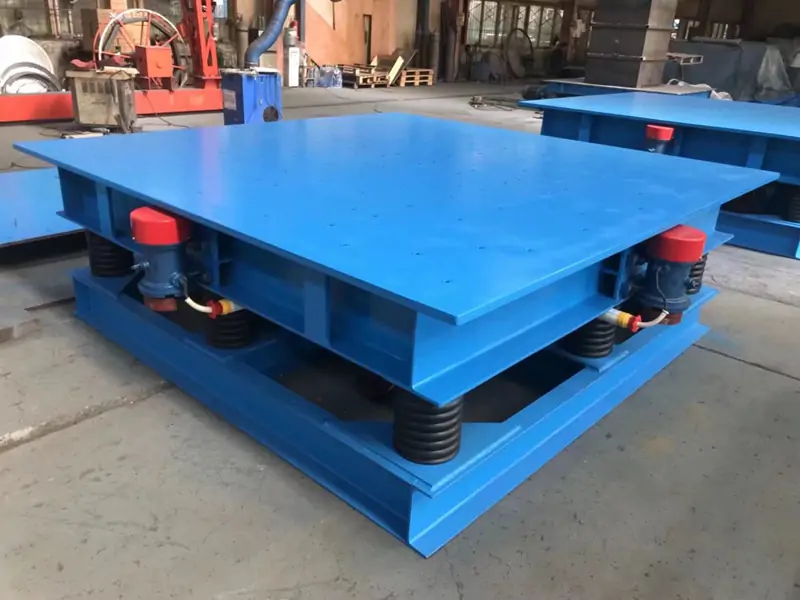
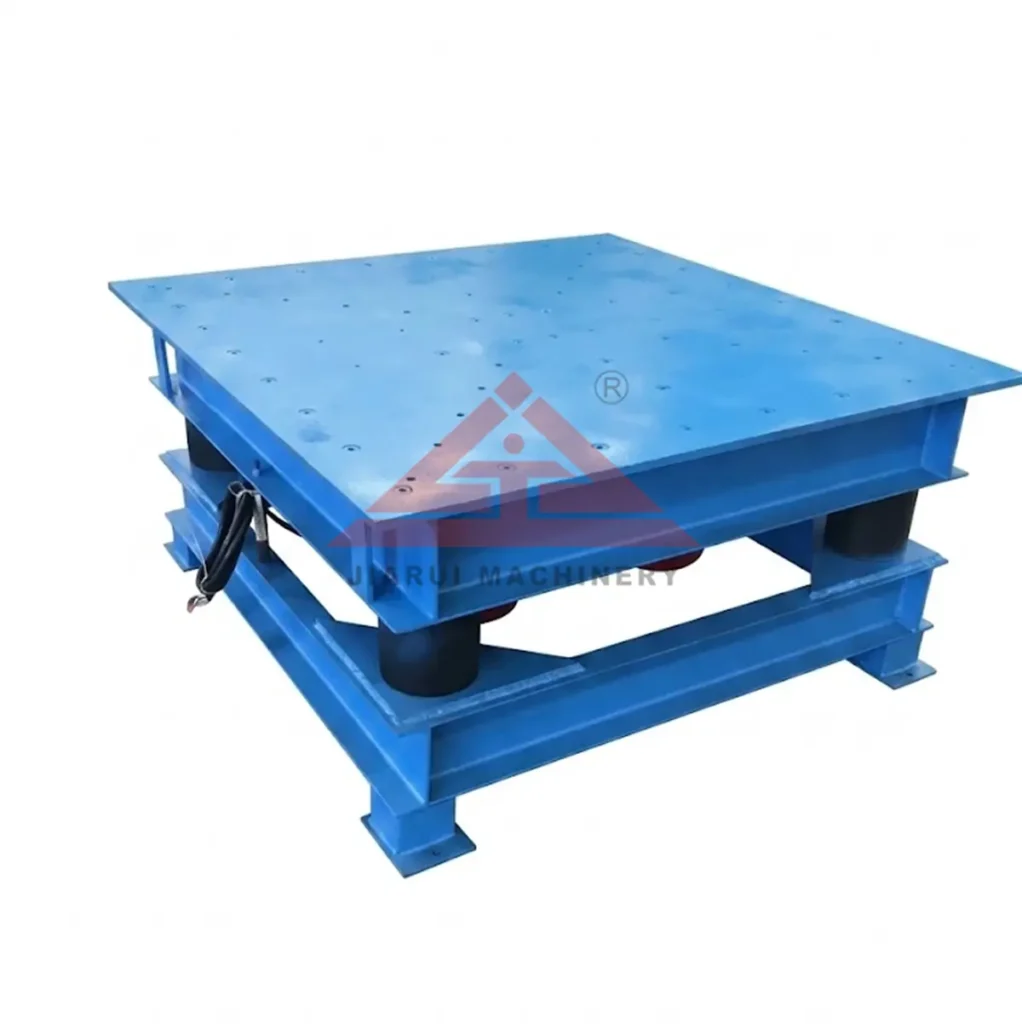
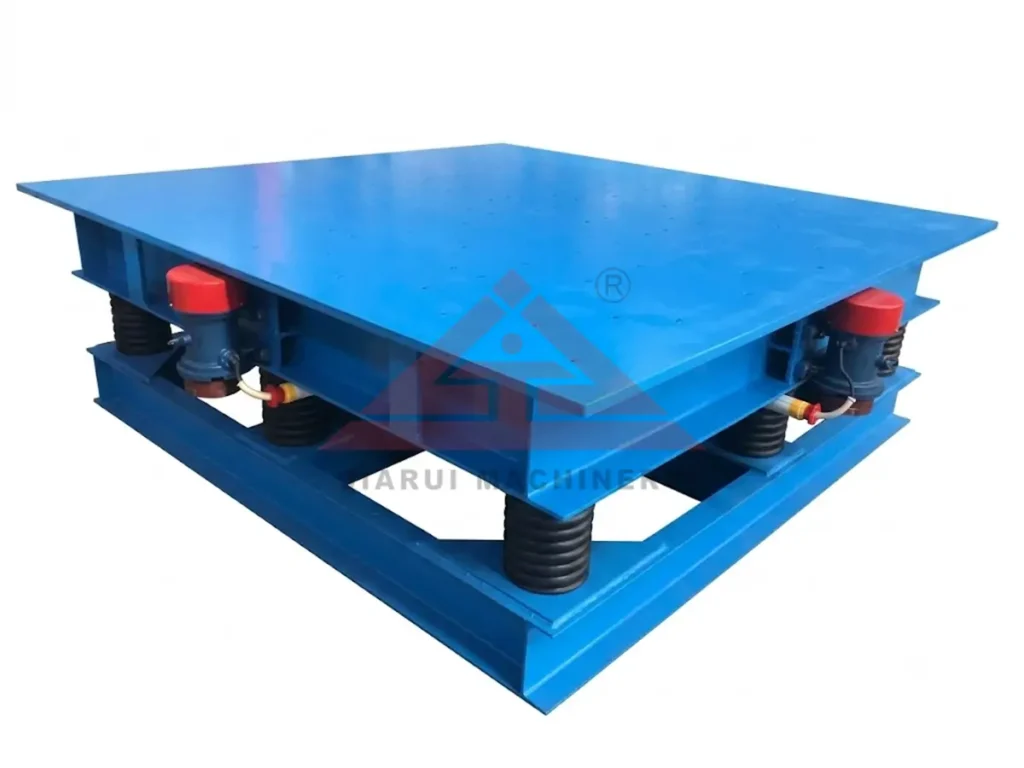
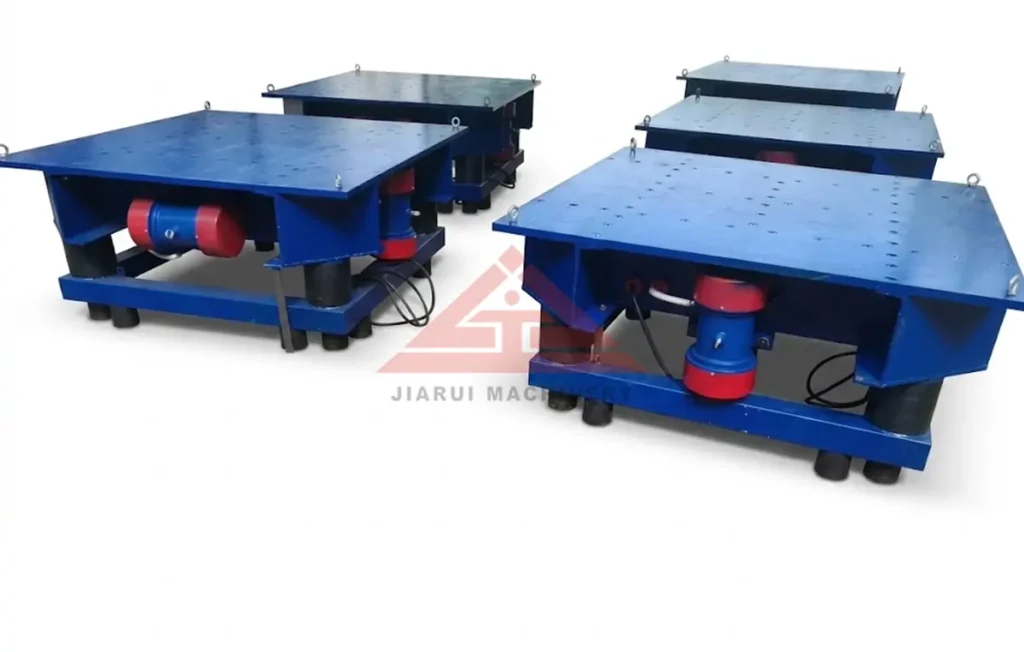
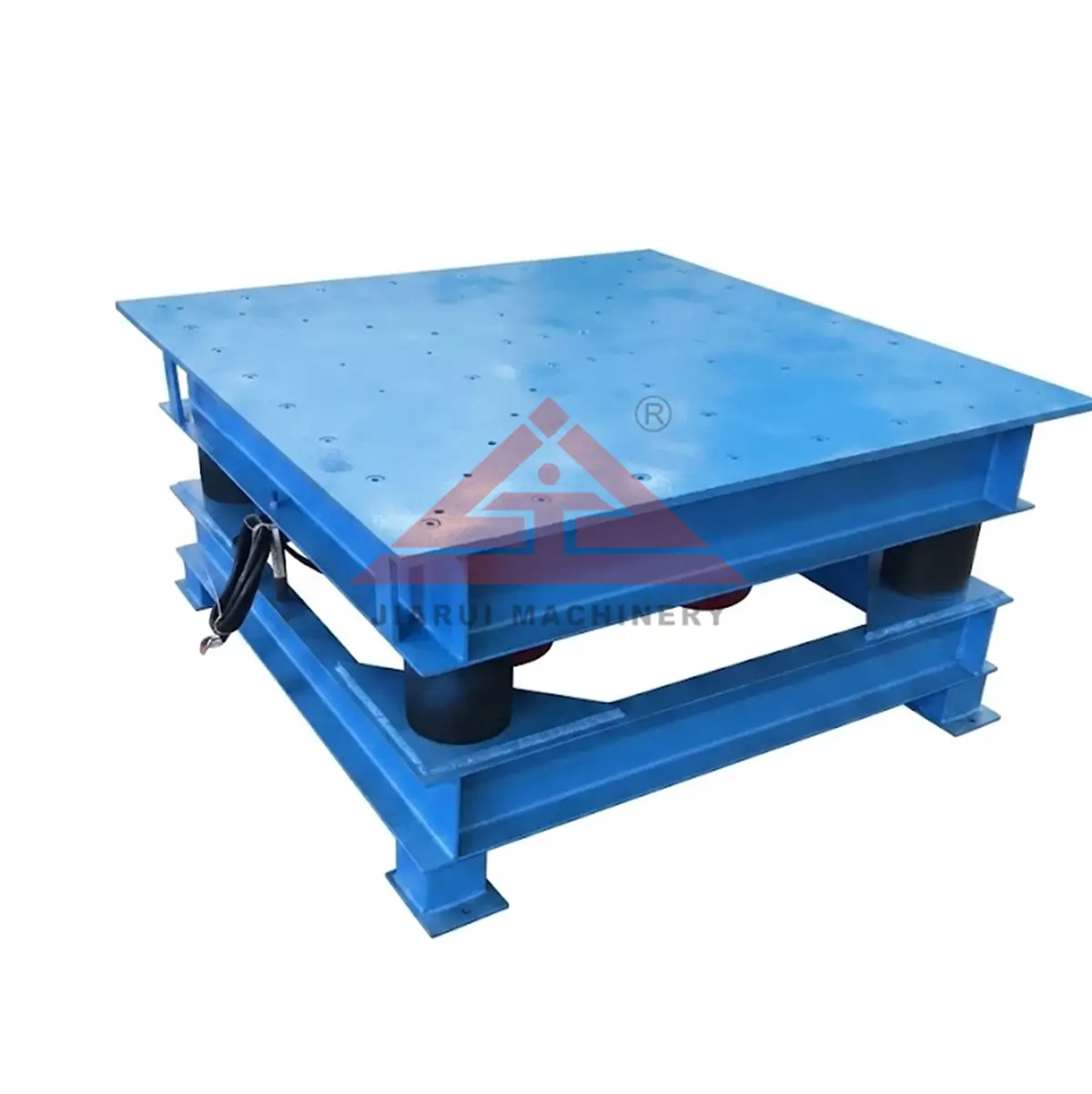
Vibrating Table is mainly used to compact loose powder materials, granular materials, or materials inside molds. Through vibration, it reduces internal air and gaps, allowing materials to fill more tightly and improving product forming quality. The ZP Series Vibrating Table adopts a multi-point vibration design, providing stable vibration force and strong load-bearing capacity. It is suitable for foundry sandboxes, concrete precast products, powder packaging, refractory materials, and other production processes.

Different workpiece weights, table sizes, and production methods require different vibration force and structural configurations. 嘉瑞 engineering team can adjust the table size, vibration system configuration, and installation solution according to actual operating conditions, ensuring that the Vibrating Table is better matched with the production process.

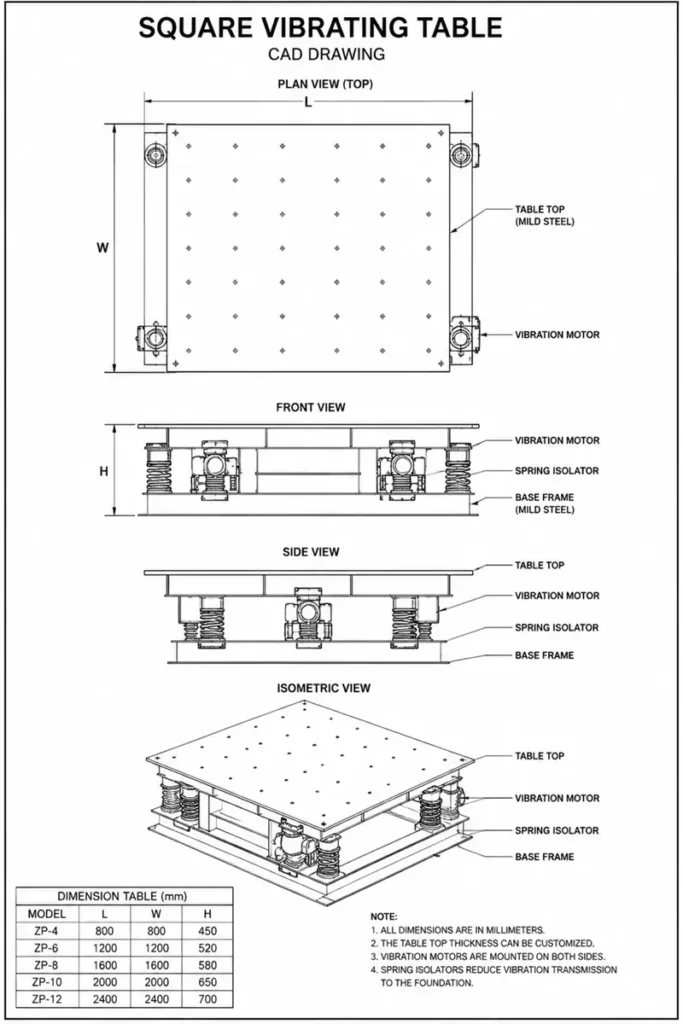
  • Models: ZP-4 / ZP-6 / ZP-8 / ZP-10 / ZP-12 Series
  • Table Size: 800×800–4000×3000 mm
  • Exciting Force: 20–80 kN
  • Power Range: 1.6–7.5 kW
  • Application Industries: Foundry, concrete products, powder materials, refractory materials
  • Customization: Support customized table size, vibration parameters, and structural design
获取报价 send to email

What is a Vibrating Table?

A Vibrating Table, also known as a vibration compaction table or vibrating platform, is mainly used for compacting materials and molds. By applying controlled vibration, loose materials gradually settle down, reducing internal air gaps and improving filling density. It is commonly used in foundry sandboxes, concrete products, powder packaging, and refractory material production.

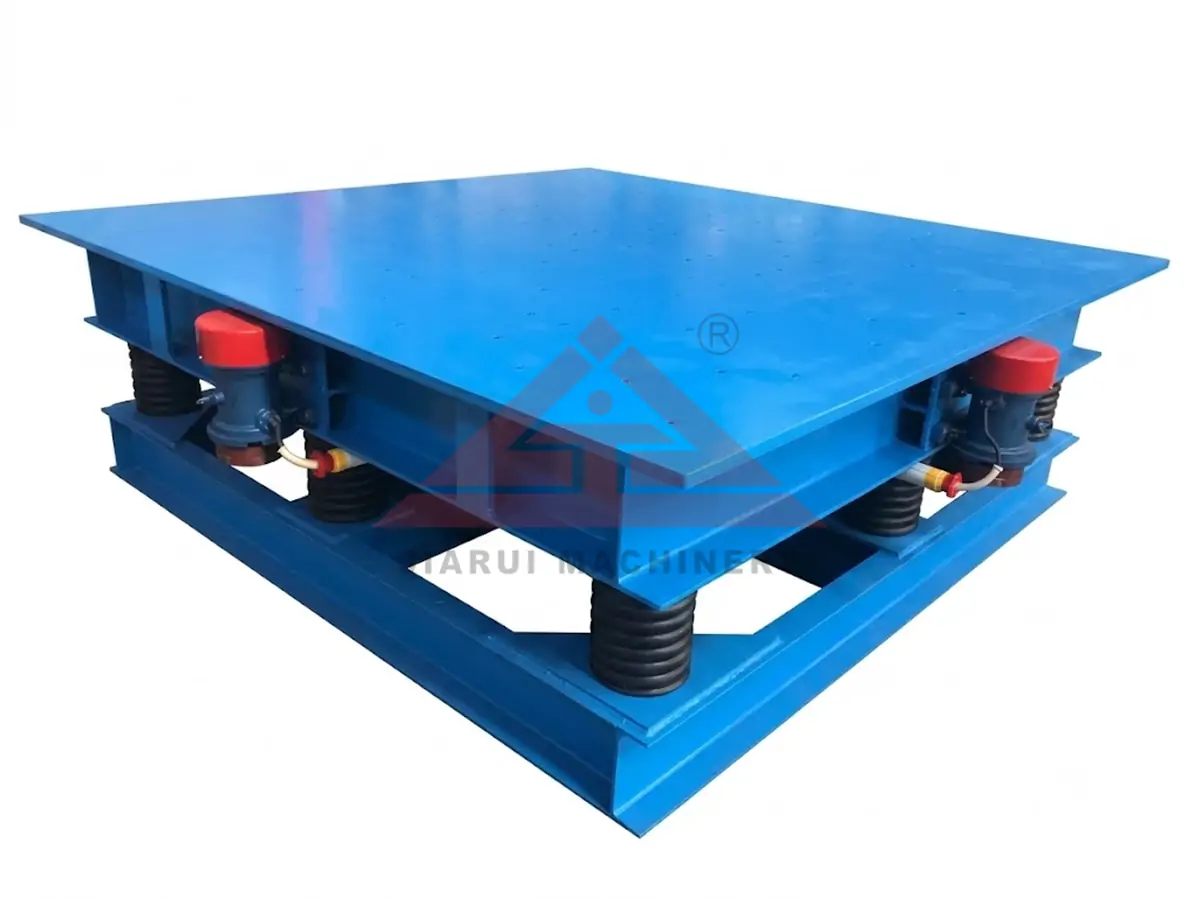
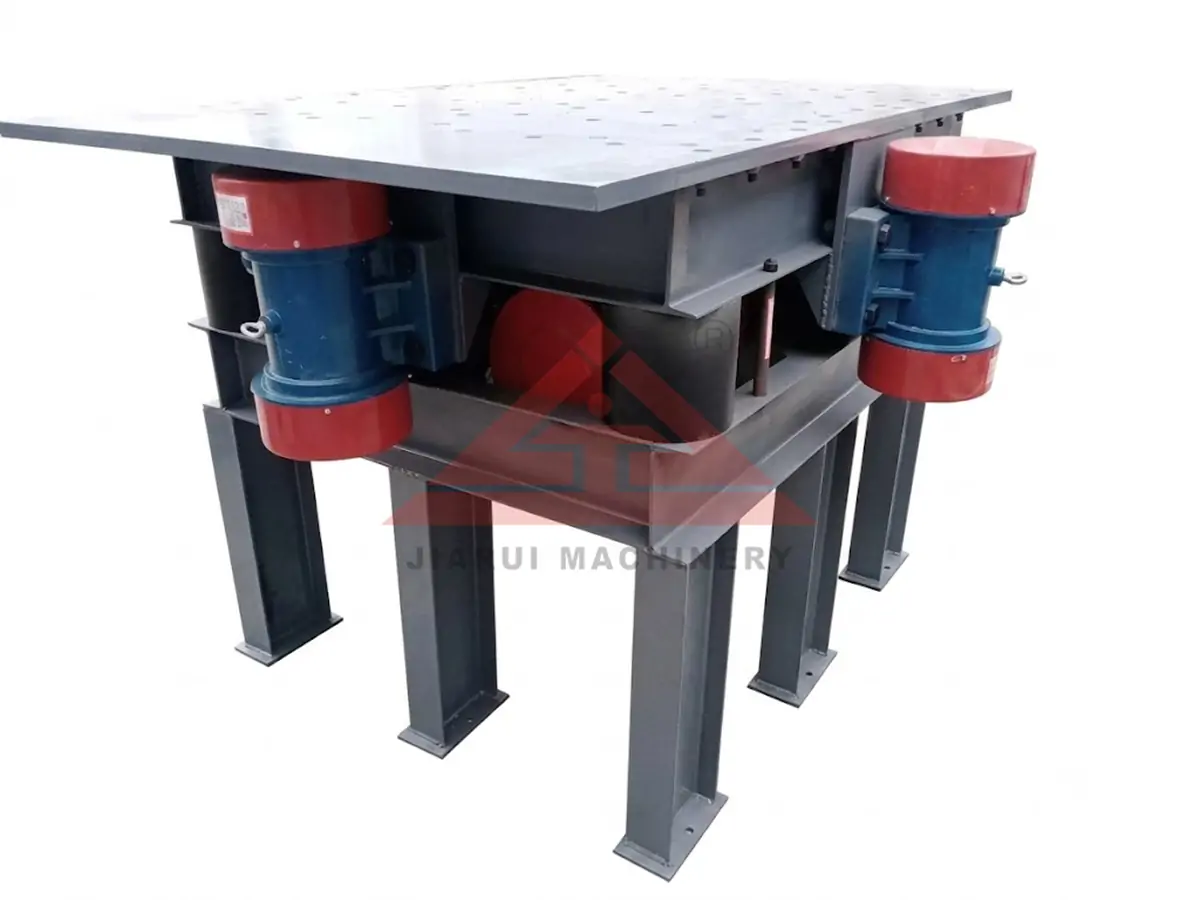
Sandboxes, molds, and precast products usually have different weights and dimensions, which require different vibration forces, table sizes, and load capacities. The ZP Series Vibrating Table adopts a multi-point excitation structure with 4–12 vibration points. The maximum exciting force can reach 80 kN, and the equipment configuration can be selected according to workpiece weight, mold size, and production requirements.

工作原理

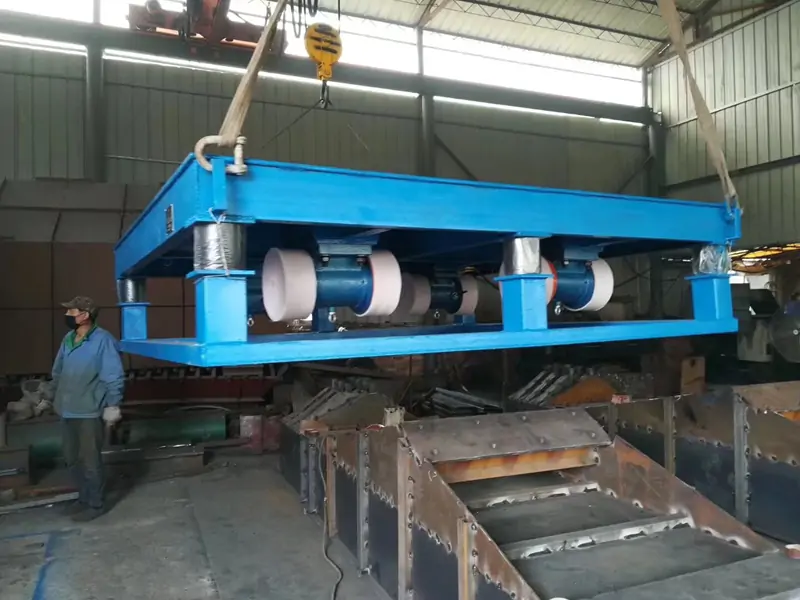
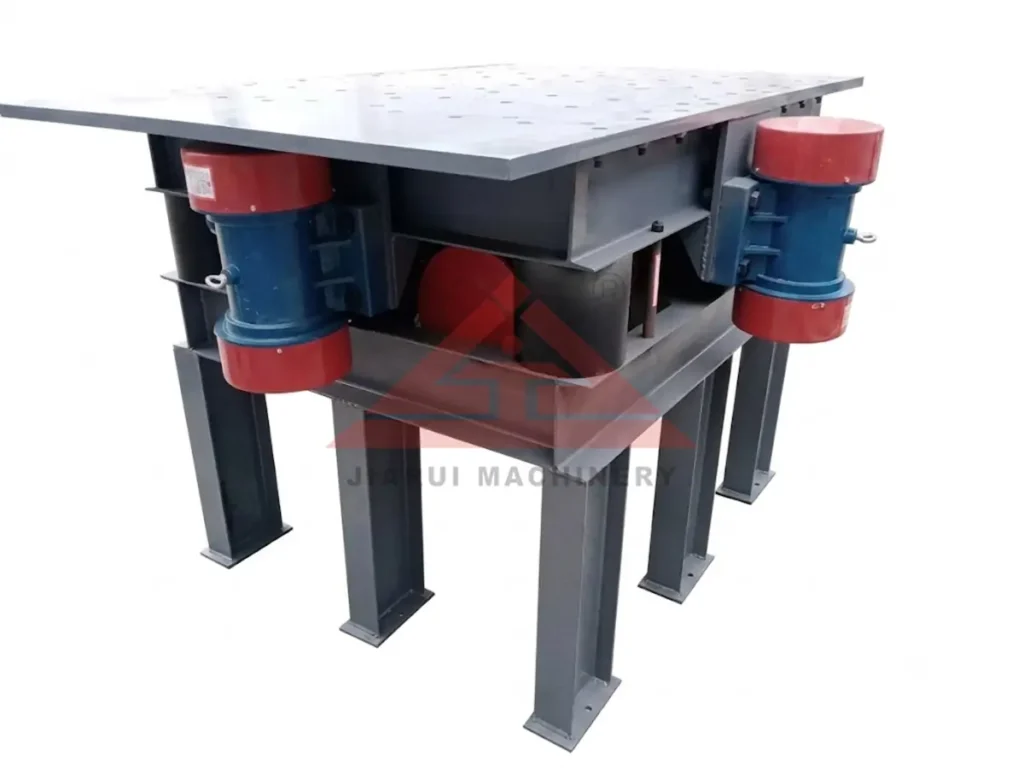
A Vibrating Table mainly works by using vibration motors to generate exciting force, causing the table surface to produce stable vibration and driving the materials, molds, or sandboxes to move together. During vibration, loose materials gradually settle, particles rearrange, and internal gaps are reduced, achieving better compaction results.

1.Materials are placed on the vibrating table surface

During operation, sandboxes, molds, or containers filled with materials are placed on the working table. The Vibrating Table requires suitable table dimensions according to workpiece size and weight to ensure stable force distribution during vibration.

2.Vibration motors drive the table operation

After the equipment starts, the vibration motors generate exciting force and transmit it to the table surface through the connection structure, causing materials or molds to vibrate with the table in a regular motion.

3.Materials gradually become compact during vibration

As vibration continues, particles inside loose materials continuously adjust their positions. Smaller particles fill the gaps between larger particles, while internal air is gradually removed, allowing materials such as foundry sand, concrete, and powder materials to achieve better compaction.

4.Compacted materials enter the next production process

After reaching the required process standard, the workpiece or material moves to the next production stage. The ZP Series Vibrating Table can be designed according to site layout requirements and integrated with conveying equipment to support continuous production.

振动平台

The performance of a Vibrating Table depends not only on vibration force but also on material characteristics, workpiece weight, and equipment configuration. Proper matching of vibration parameters is essential for stable long-term operation.

Advantages

The ZP Series Vibrating Table focuses on load capacity, vibration stability, and actual application requirements during design. It is suitable for workpieces of different sizes and various production environments.

应用领域

A Vibrating Table is mainly used to solve problems such as loose materials and insufficient filling. The ZP Series Vibrating Compaction Table is suitable for applications involving foundry sand, concrete, powder materials, refractory materials, and other materials. Vibration performance can be adjusted according to material characteristics and process requirements.

Which Materials Are Suitable for a Vibrating Table?

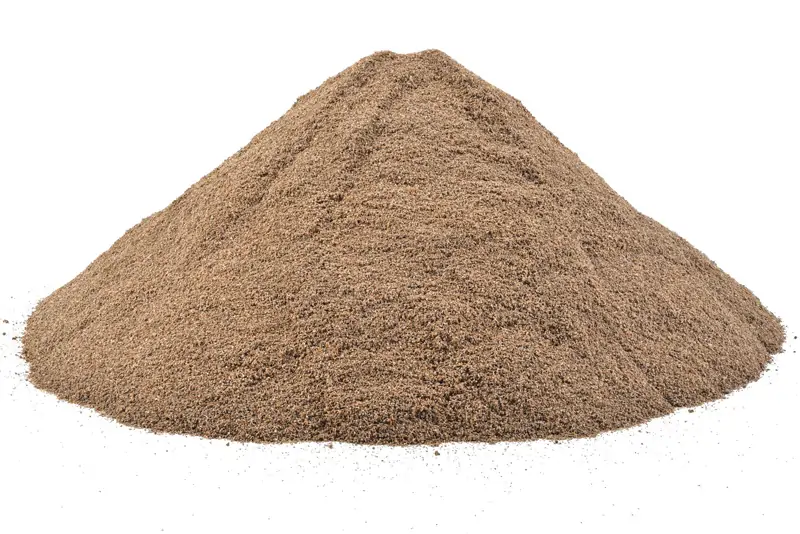
Suitable MaterialsCommon IndustriesVibration Function
Foundry sand, resin sandFoundry industryHelps sand fill mold cavities and improves sand compactness
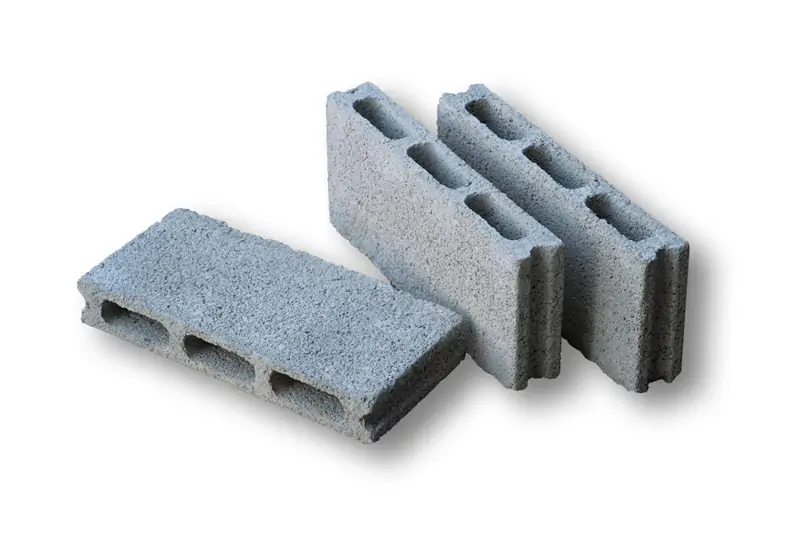
Concrete precast products建材行业Removes internal air bubbles and improves concrete density
Cement powder, mineral powderPowder processing industryAllows powder materials to settle naturally, improving filling efficiency and reducing packaging gaps
Refractory materialsRefractory industryHelps compact materials and improve stability after forming
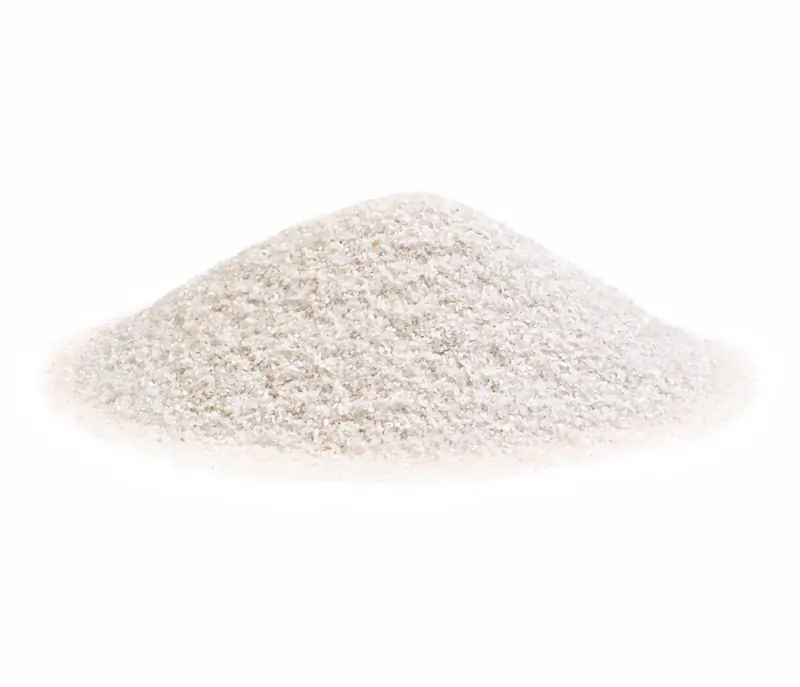
Quartz sandGlass and foundry industriesImproves particle arrangement and filling performance
Chemical powders化工行业Used during bagging and container filling to improve container utilization
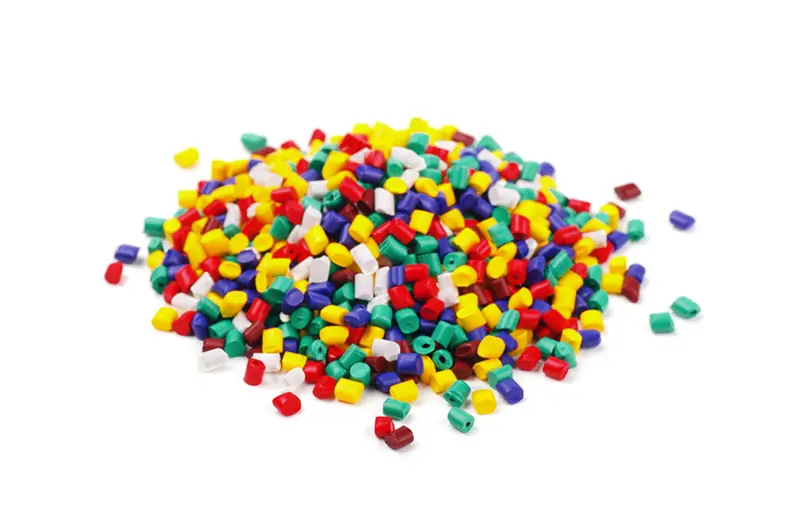
Plastic pelletsPlastic industryPromotes particle settlement and improves packaging compactness
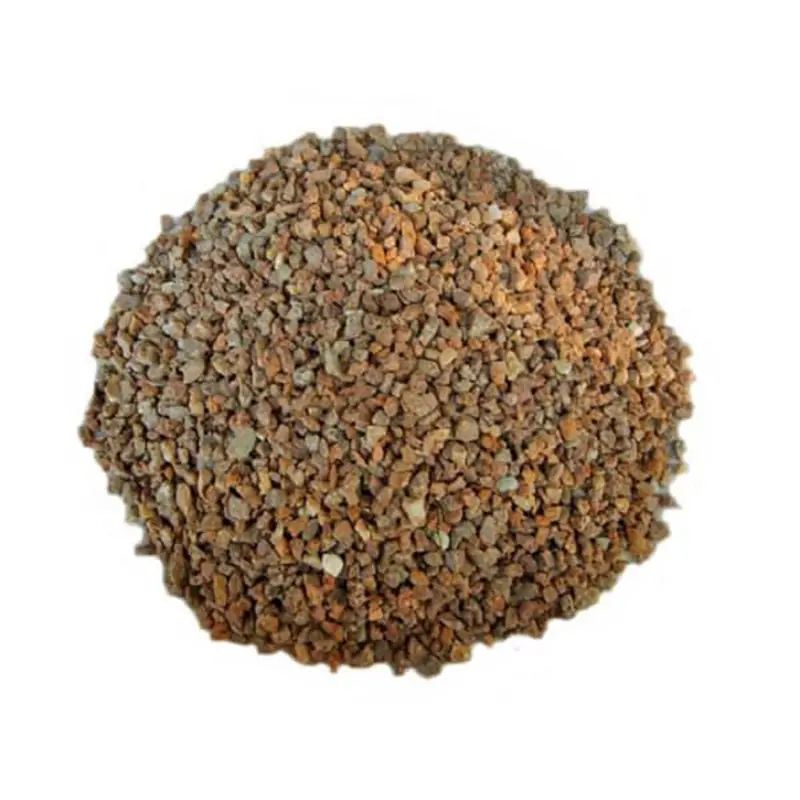
Mineral sand, mineral powderMetallurgical industryImproves loose material stacking condition and stability

Conditions to Confirm Before Using a Vibrating Table

A Vibrating Table is suitable for materials that require settling and compaction due to internal gaps. However, not all materials are suitable for vibration treatment. During equipment selection, material conditions and production requirements should be confirmed in advance.

  • Wet materials with high moisture content and strong adhesion may cause sticking or agglomeration after vibration.
  • Materials requiring continuous conveying should consider equipment such as vibrating conveyors or screw conveyors instead.
  • Precision products that are sensitive to vibration and may be damaged should not be directly processed on a Vibrating Table.
  • Production processes requiring crushing, screening, or mixing cannot be replaced by a Vibrating Table.

The vibration effect is closely related to material characteristics, workpiece weight, table size, and vibration parameters. Equipment configuration should be matched with actual production conditions to avoid insufficient vibration force or unstable operation.

联系我们

邮箱: info@jiaruimachinery.com
电话/WhatsApp: +86 18838703198

获取报价

When Is a Vibrating Table Needed?

During production, when materials or workpieces have problems such as insufficient filling, excessive internal gaps, or low compaction density, a Vibrating Table can be used as an auxiliary compaction solution. Through stable vibration, material particles rearrange to improve filling performance and forming consistency.

Common application situations include:

  • Foundry sandboxes require higher sand compaction after filling to improve mold tightness.
  • Concrete precast products contain excessive internal air bubbles and require improved concrete density.
  • Powder or granular materials have large gaps after packaging and require higher filling density.
  • Large molds or workpieces require a more stable mechanical compaction method instead of manual vibration.
  • Production processes require higher product consistency and reduced differences caused by manual operation.

The main purpose of a Vibrating Table is to solve the problem of how loose materials can be compacted more evenly and effectively. If the production requirement involves continuous conveying, screening, or mixing, the corresponding equipment should be selected instead.

技术参数

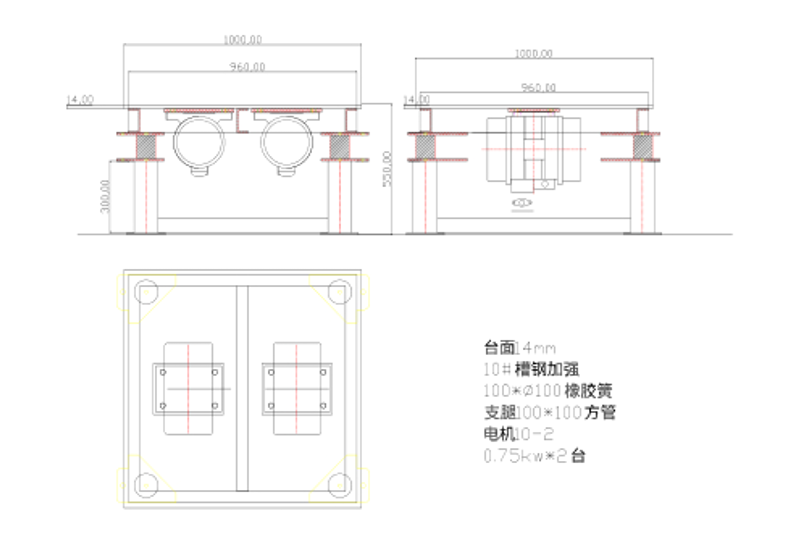
The ZP Series Vibrating Table provides multiple specifications for different application requirements. The table size range covers 800×800 mm to 4000×3000 mm, with exciting force from 20–80 kN. Different models are designed with different numbers of excitation points, power configurations, and structural dimensions, making them suitable for compaction requirements of sandboxes, molds, precast products, and powder materials with different weight levels.

型号Table Size (mm)Excitation PointsExciting Force (kN)功率(kW)Weight (kg)
ZP-4800×8004201.6450
ZP-6-Ⅰ1000×10006302.4600
ZP-6-Ⅱ1200×12006302.4860
ZP-8-Ⅰ1600×12008403.21000
ZP-8-Ⅱ1600×14008403.21250
ZP-10-Ⅰ2000×1600105041600
ZP-10-Ⅱ2000×1800106062000
ZP-12-Ⅰ3000×200012807.53100
ZP-12-Ⅱ4000×300012807.54600

Vibration Parameters:

ParameterRange
Vibration Frequency20–80 Hz
Vibration Acceleration1–2 g
振幅0.5–2 mm


Jiarui can customize the Vibrating Table according to customer workpiece dimensions, load requirements, and production line conditions. For large sandboxes, complex cavity castings, or continuous production line applications, we can provide a compaction table solution that matches specific operating conditions.

Vibrating Table Selection Guide

There is no fixed Vibrating Table model that can directly fit every application. Equipment selection mainly depends on workpiece weight, table size, and compaction requirements. When configuring equipment, our engineers usually confirm the actual load and operating method first to avoid insufficient vibration force or unnecessary oversizing.

First Confirm the Workpiece Weight

When selecting a Vibrating Table, the total working load should be considered, including the weight of the sandbox, mold, workpiece, and material. A higher load requires stronger platform structure and greater exciting force, so the vibration configuration should be properly matched.

Then Determine the Required Table Size

The table size should not only meet workpiece placement requirements but also ensure that vibration force can be evenly transferred. For large sandboxes, molds, or precast products, a larger working surface and more excitation points are usually required to avoid insufficient vibration in local areas.

Finally Confirm the Installation Method

For standalone operation, the main considerations are load capacity and operating convenience. If the Vibrating Table needs to be integrated into an automated production line, equipment height, positioning method, and connection with upstream and downstream equipment should also be considered.

The key to Vibrating Table selection is not choosing the largest model, but ensuring that equipment parameters match actual operating conditions. If the application conditions are special, customers can provide workpiece dimensions, weight, and production requirements. Jiarui engineering team can help confirm a suitable configuration based on practical experience.

Customization

Different factories have different workpiece sizes, weights, and production processes. Standard models may not fully meet every application requirement. Vibrating Table customization is not simply about changing equipment dimensions; it requires comprehensive consideration of load conditions, compaction requirements, and installation environment to design the table structure, excitation system, and connection method properly.

Based on years of experience in vibration equipment design, we usually confirm workpiece weight, dimensions, and operating methods first, then match the suitable structure and parameters according to site conditions. If you are unsure about the right model, providing the following basic information allows our engineering team to confirm the equipment configuration.

Required Information:

  • Workpiece or material name
  • Maximum weight
  • Overall dimensions
  • Application requirements

After receiving the above information, we will evaluate the workpiece weight, size, and operating requirements to confirm the appropriate Vibrating Table structure and configuration solution.

联系我们

邮箱: info@jiaruimachinery.com
电话/WhatsApp: +86 18838703198

获取报价

振动平台

Jiarui Manufacturing

A Vibrating Table is not simply a steel structure machine. During long-term operation, it continuously withstands vibration loads, and factors such as table strength, welding quality, and excitation system installation directly affect equipment stability and service life. During manufacturing, we focus on these details that influence long-term performance, from structural processing and component assembly to complete machine testing, ensuring stable operation after delivery.

With years of experience in vibration equipment manufacturing, Jiarui focuses on the long-term performance and reliability of equipment in real production environments, rather than simply meeting basic technical specifications. Our Vibrating Table and other vibration equipment are supplied to global customers through professional B2B platforms such as Made-in-China.com, where customers can learn more about our manufacturing capabilities, product range, and customized service solutions.

常见问题

振动平台主要用于解决生产过程中物料松散、内部间隙过大及填充不足等问题。通过稳定振动,使物料颗粒重新排列并减少内部空气,从而提高物料密度。常用于铸造砂、混凝土预制件、粉体物料、耐火材料及其他需要压实处理的应用场景。.

振动台利用振动电机产生激振力,使台面产生规律振动并将振动能量传递给工件或物料。在持续振动过程中,颗粒调整位置,内部空气和间隙逐渐减少,从而实现沉降、压实,并改善成型性能。.

振动台与振动压实平台通常指同一类型的设备,但术语强调的应用目的有所不同。振动台侧重于利用振动力对物料或工件进行压实,而振动压实平台则突出致密化和沉降的目的。ZP系列振动台可根据不同生产需求,用于砂箱、模具、混凝土制品及粉体物料的压实。.

Vibrating Tables are widely used in foundry, concrete products, powder processing, refractory materials, chemical, and food industries. Different industries use them for different purposes. For example, foundry applications mainly use them for sand compaction, concrete production uses them to reduce internal bubbles, and powder industries use them to improve filling density and packaging stability.

Depending on the model, the ZP Series Vibrating Table provides 20–80 kN exciting force, and the largest configuration can support sandboxes weighing approximately 8 tons. The actual load capacity needs to be determined according to table size, workpiece weight, and compaction requirements. Proper matching of structure and vibration parameters is more important than simply selecting a larger machine.

Yes. When workpieces are oversized, have special weight requirements, or need integration into an automated production line, standard models may not fully meet the application requirements. Jiarui can customize the Vibrating Table by adjusting table dimensions, load capacity, excitation configuration, and installation methods. Customers only need to provide workpiece dimensions, weight, and operating requirements, and our engineering team can help confirm a suitable solution.

Get a Free Consultation

Fill out the form below to connect with our experts and receive personalized recommendations for your application.

  • Material Type
  • Material Size/Granulation
  • Required Screening/Conveying Capacity
  • Material Flow Rate
  • Moisture Content
  • Separation Requirements
  • Special Features or Customization Needs
Follow Us: