什么是振动筛?

振动筛是一种用于物料分离和分级的工业筛分设备。它通过筛面将不同粒径的物料分离,也可用于除杂、固液分离和物料脱水。根据不同的生产需求,振动筛广泛应用于采矿、骨料加工、粉体生产、化工、食品加工和资源回收等领域。.
振动筛的作用是什么?

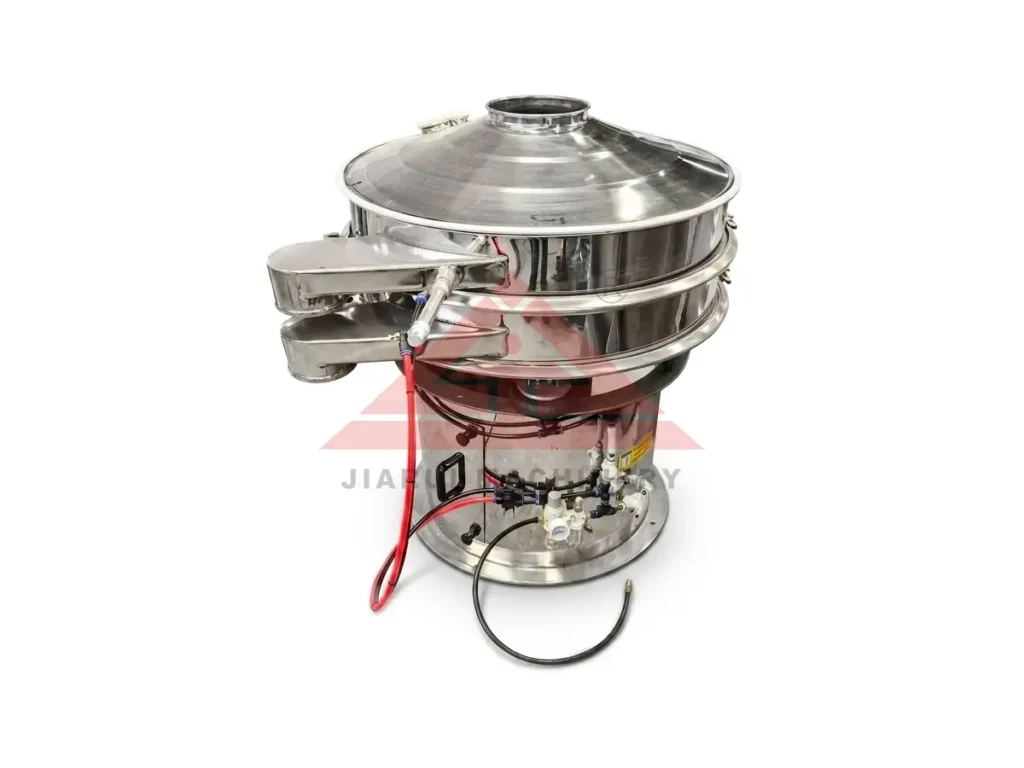
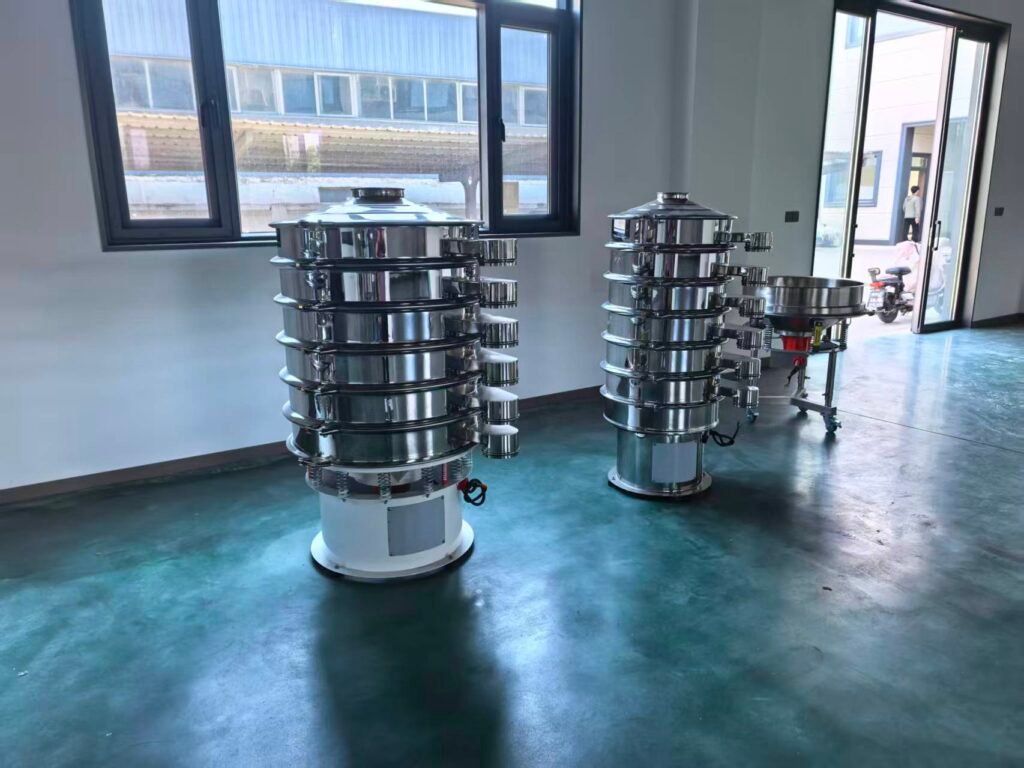
振动筛,又称振动筛机或振动筛分机,是一种利用振动力按粒径分离物料的工业筛分设备。.

简单来说,筛网控制哪些颗粒可以通过。较小颗粒穿过筛孔,而较大颗粒或不需要的物料留在筛面上并单独排出。该过程使设备能够实现物料分级、除杂、脱水和固液分离。.

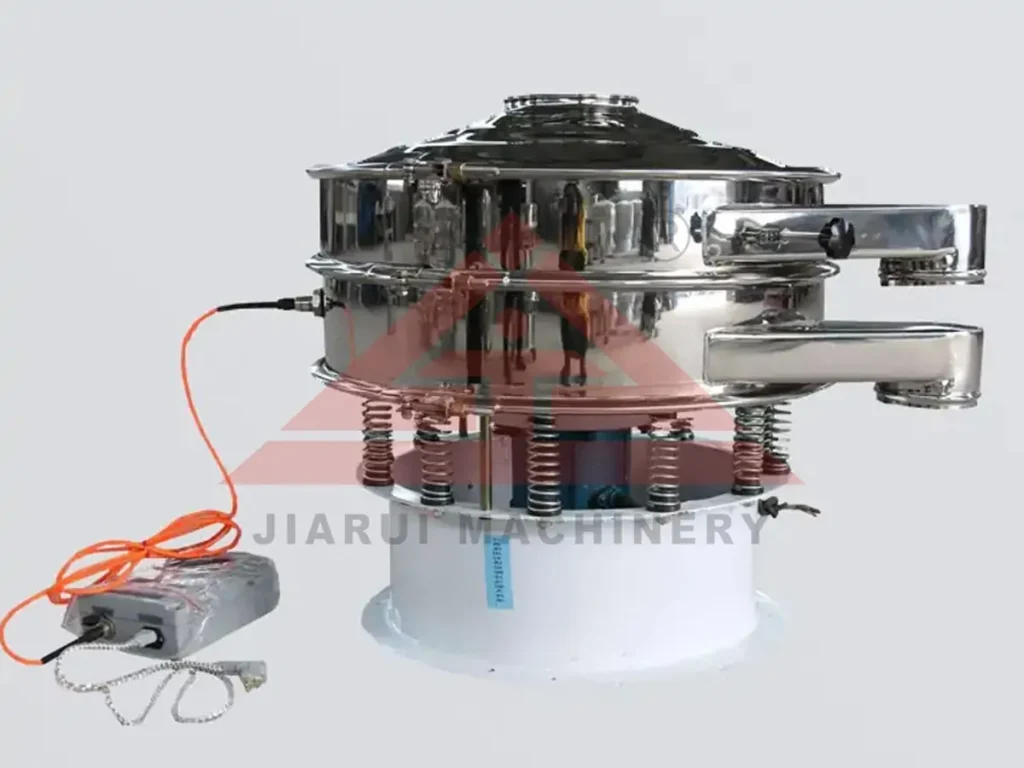
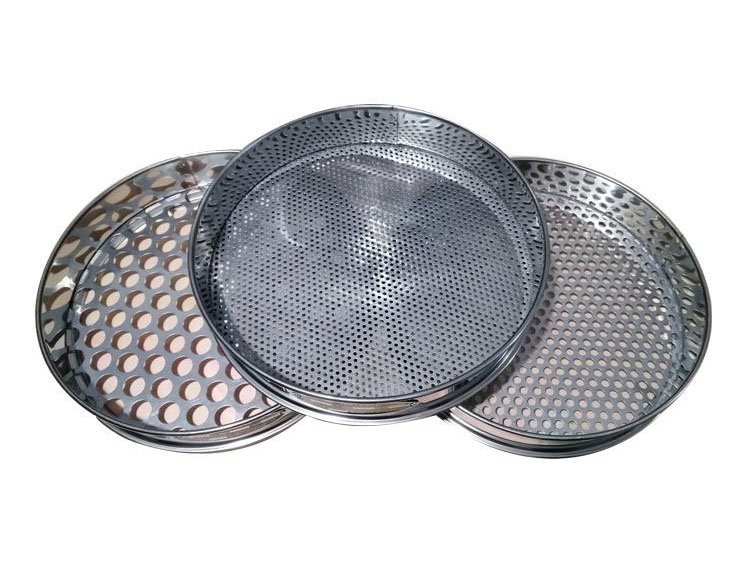
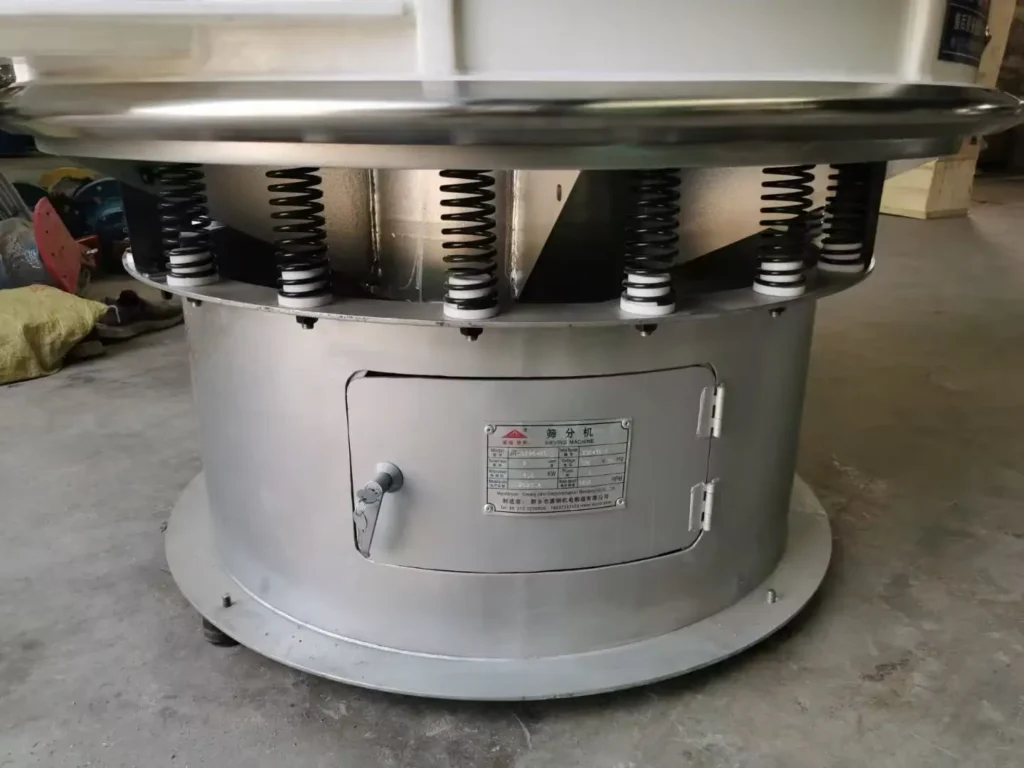
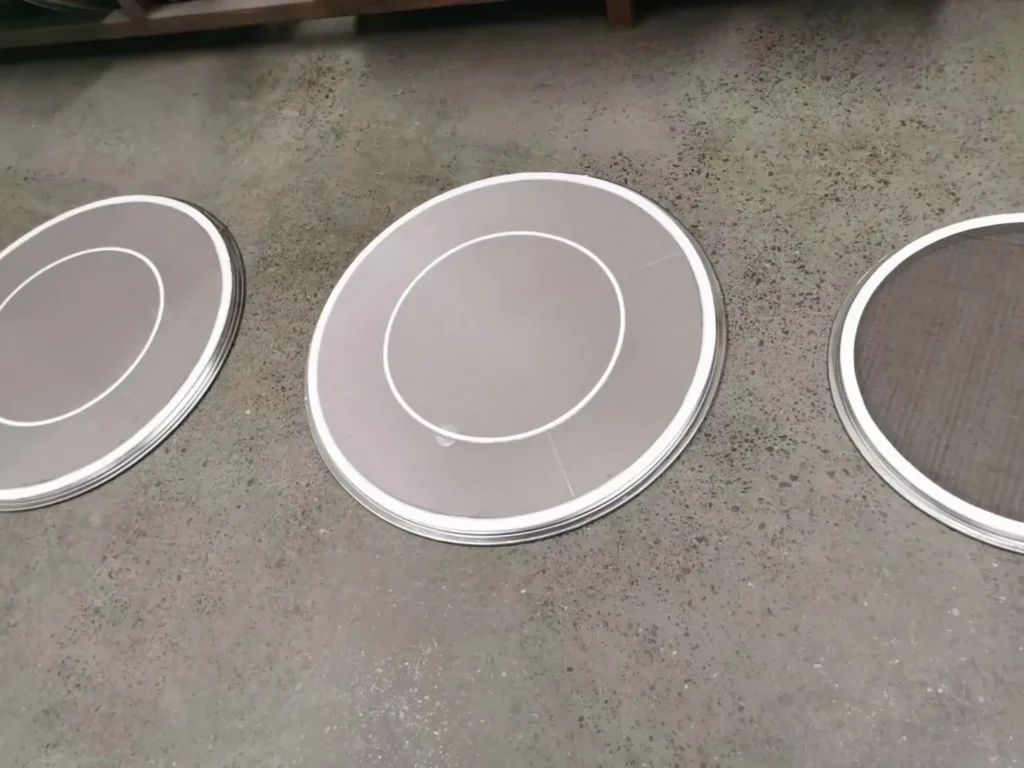
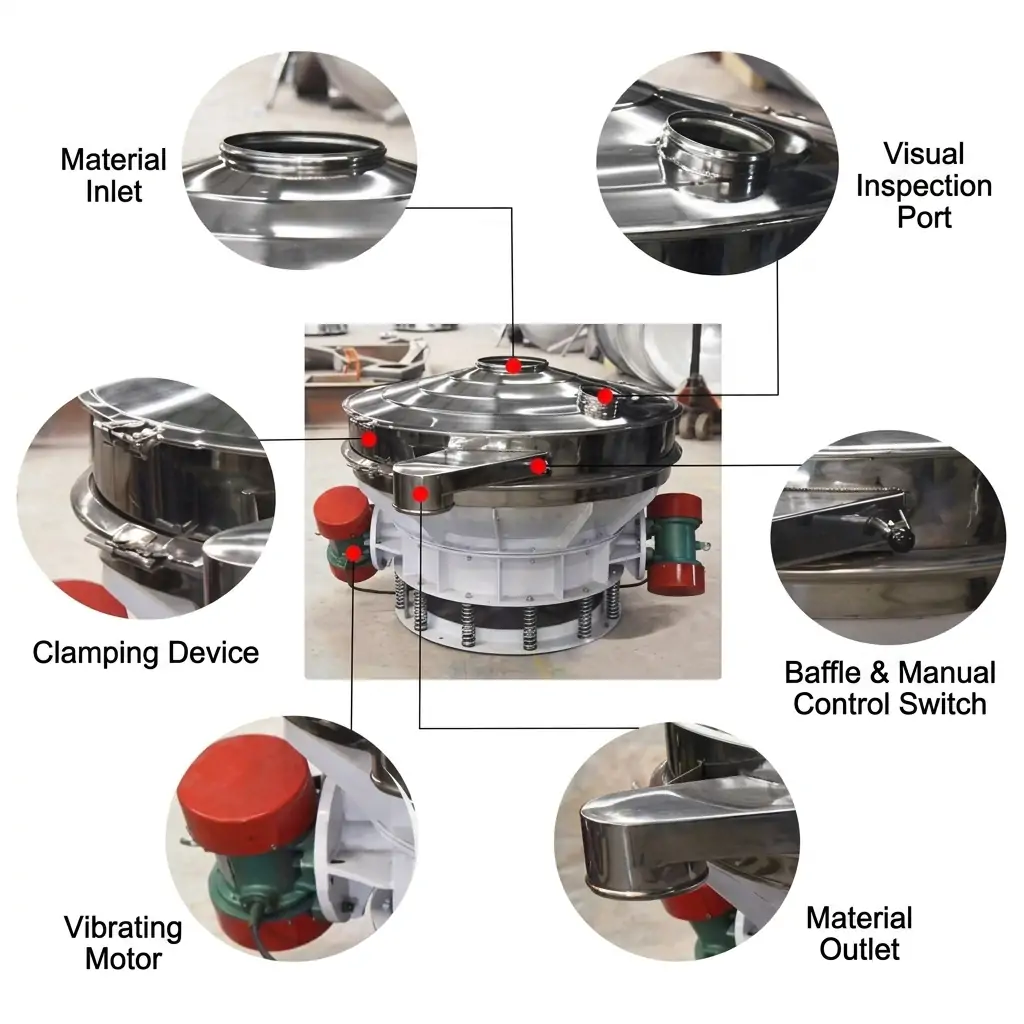
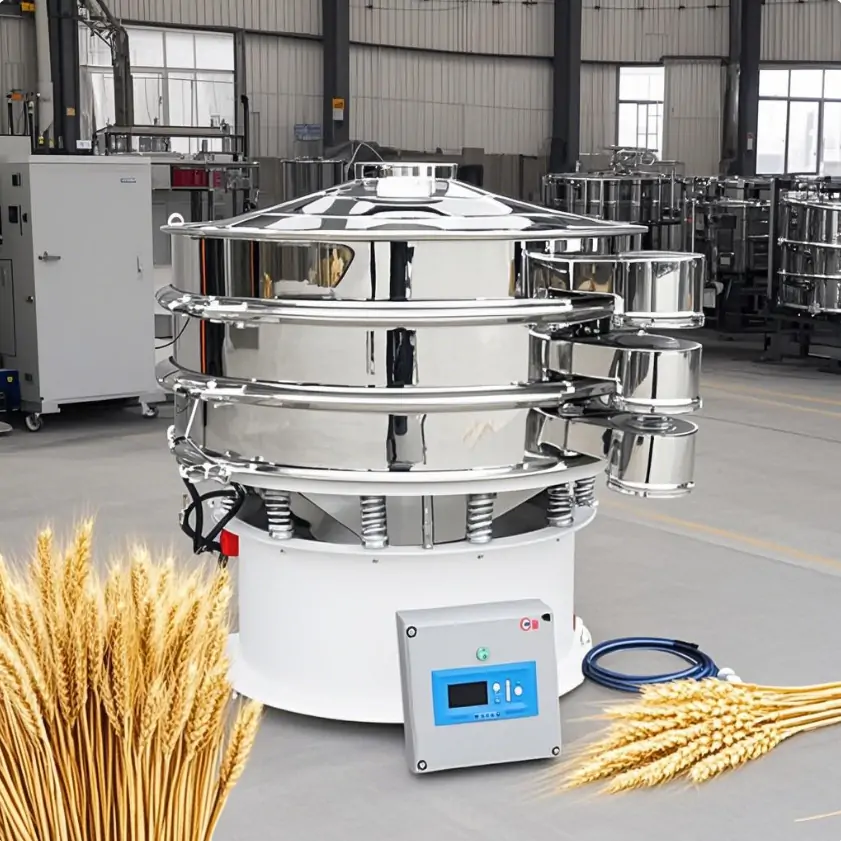
振动筛机通常由振动电机、筛箱、筛网和隔振系统组成。运行时,振动力使物料在筛面上运动并铺展,使不同粒径的颗粒根据筛孔尺寸分离。.
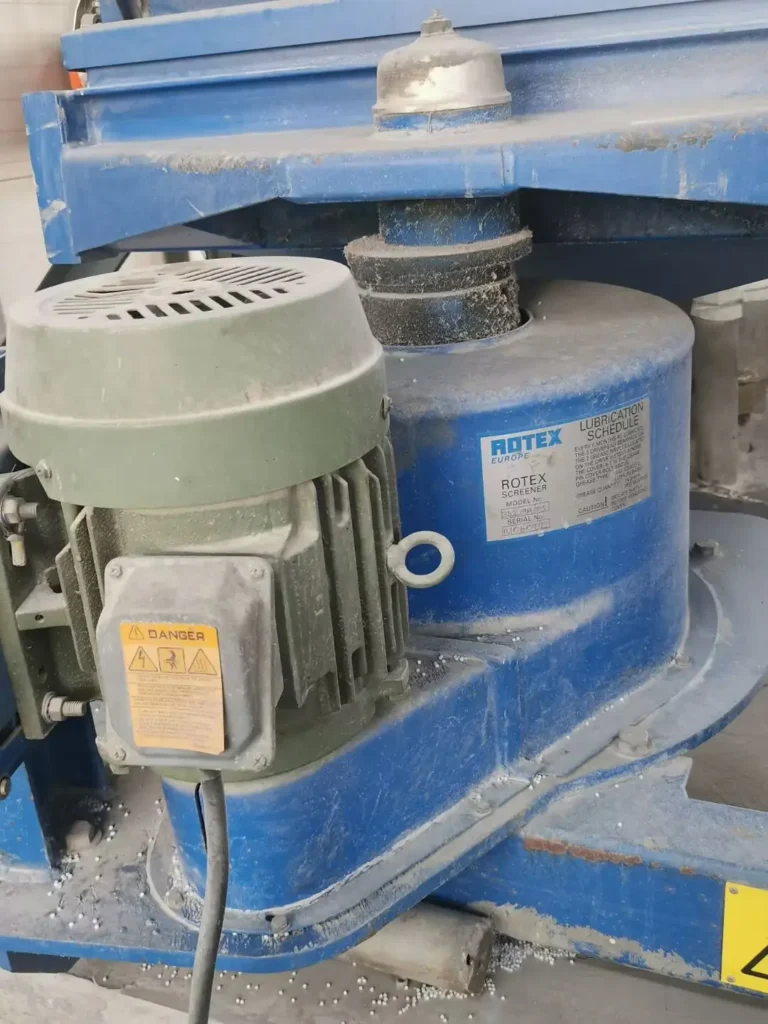
不同的生产条件需要不同的设备配置。例如,骨料生产通常注重处理能力和长期运行稳定性,粉体加工要求更高的筛分精度,而脱水应用则需要合适的筛网结构和物料通过性能。因此,应根据实际物料特性和生产要求选择合适的振动筛。.

振动筛是如何工作的?

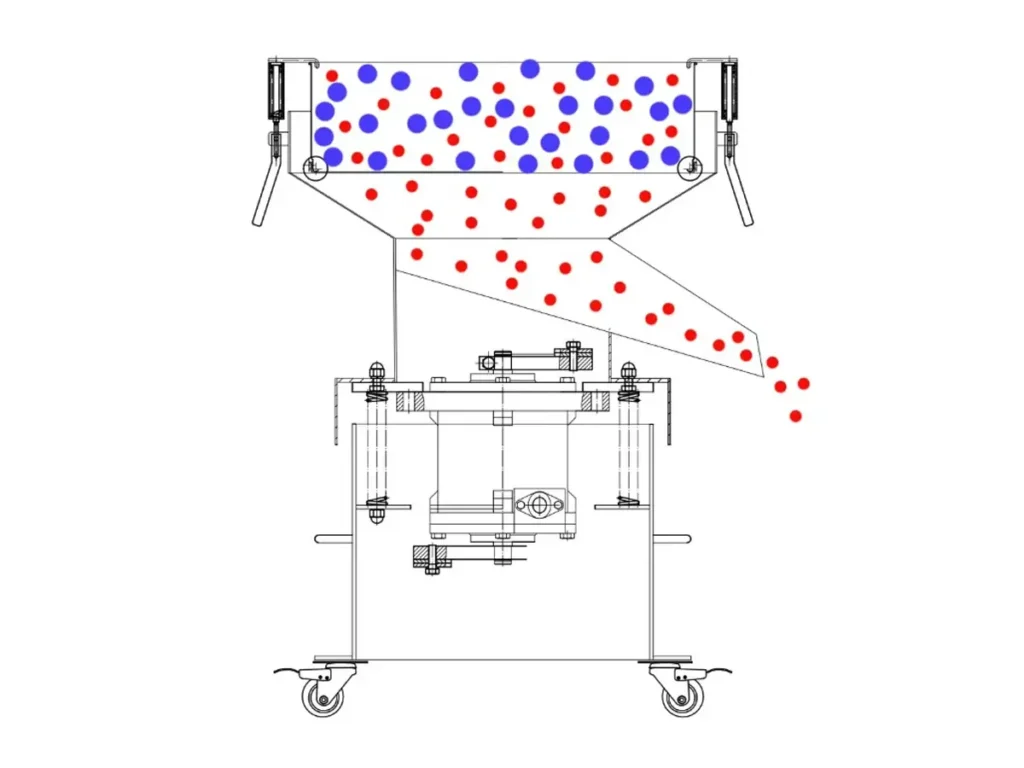
振动筛的工作原理相对简单。设备利用振动力使物料在筛面上持续运动,使不同粒径的颗粒逐渐分离。.

运行时,振动电机驱动偏心块产生激振力,使筛箱和筛网按受控振动轨迹运动。物料进入筛面后,不断被松散、铺展,并向出料端移动。.
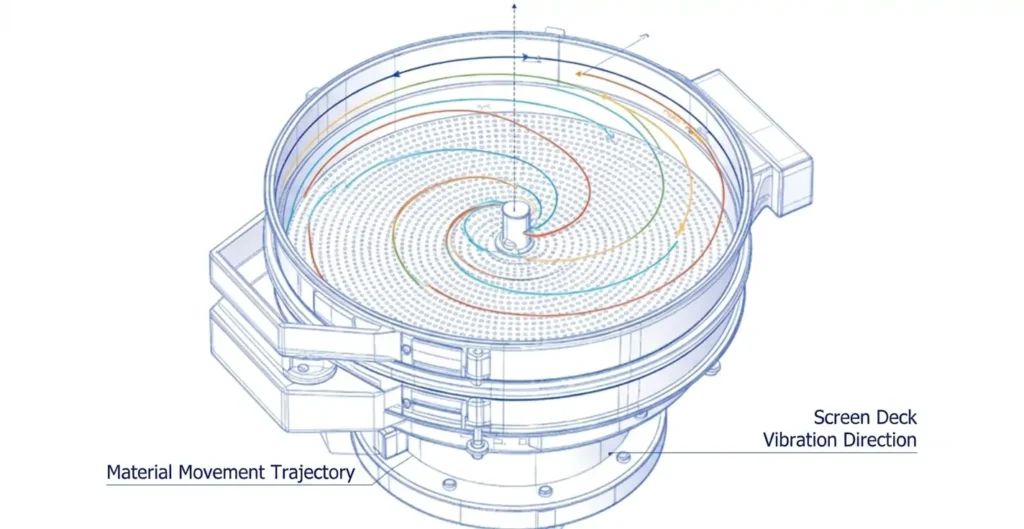
较小颗粒穿过筛孔进入下一处理阶段,而较大颗粒留在筛面上并单独排出。.

从工程角度来看,筛分性能不仅由振动强度决定。筛面运动轨迹、筛网设计和物料在筛面上的运动状态都会影响最终筛分效果。.

设计合理的振动筛需要保持正确的物料运动路径。这既能使颗粒与筛面充分接触,又能防止物料通过过快而降低筛分精度。.

常见的振动筛类型有哪些?

不同类型的振动筛机主要在筛面运动轨迹和物料处理方式上有所不同。.

在工业应用中,常见的振动筛类型包括 旋振筛, 直线振动筛, 和 超声波振动筛. 。还有一些特殊的筛分设备设计,如 气流筛 和摇摆筛,这些设备是针对细粉、难筛物料或需要更高筛分精度的应用而开发的。.

选择振动筛时,哪种类型更好并没有简单答案。关键在于设备结构是否匹配物料特性和生产要求。不同的振动方式解决不同的筛分问题。有些专为细颗粒分级设计,有些适用于连续大批量生产,而另一些则侧重于减少细粉筛分过程中的筛网堵塞。.

旋振筛
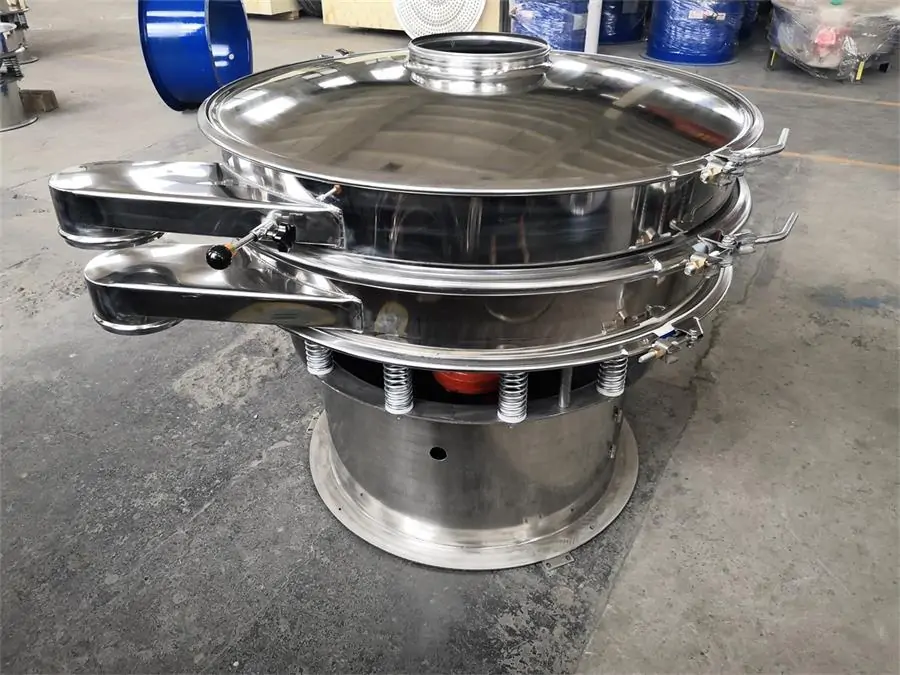
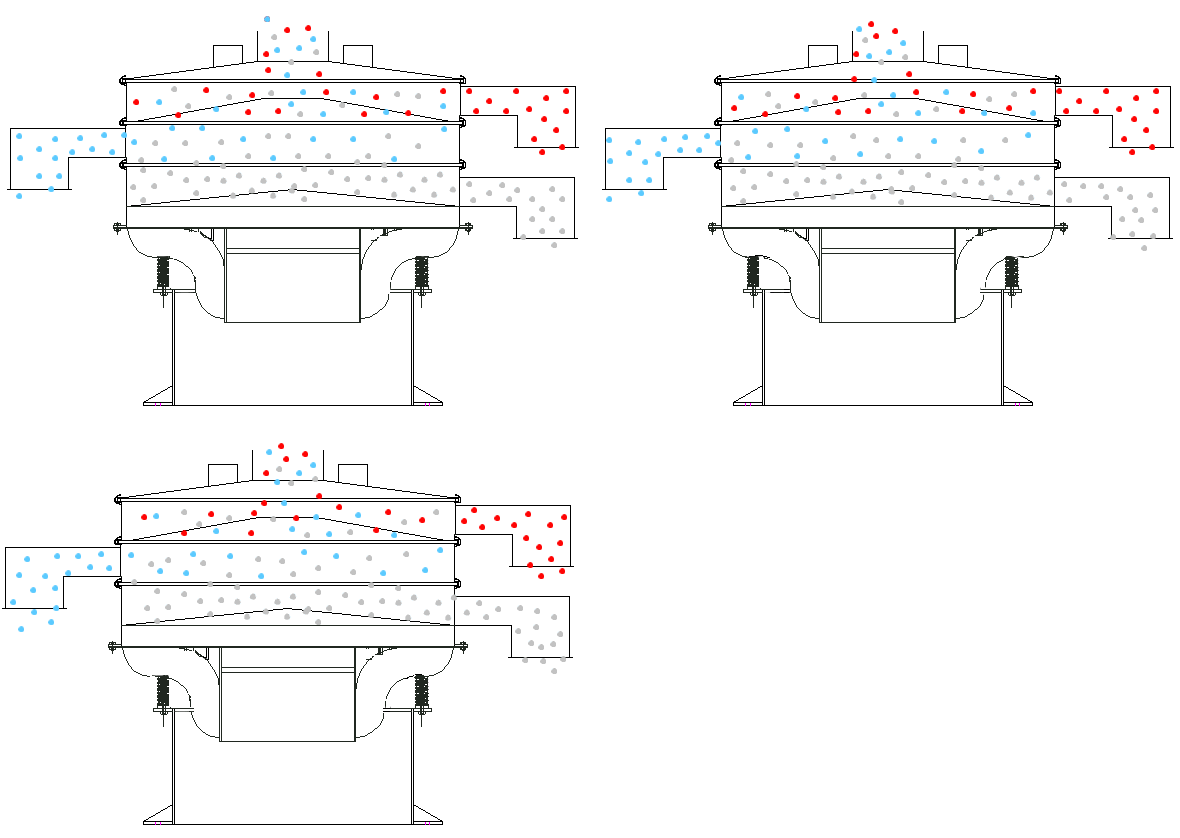
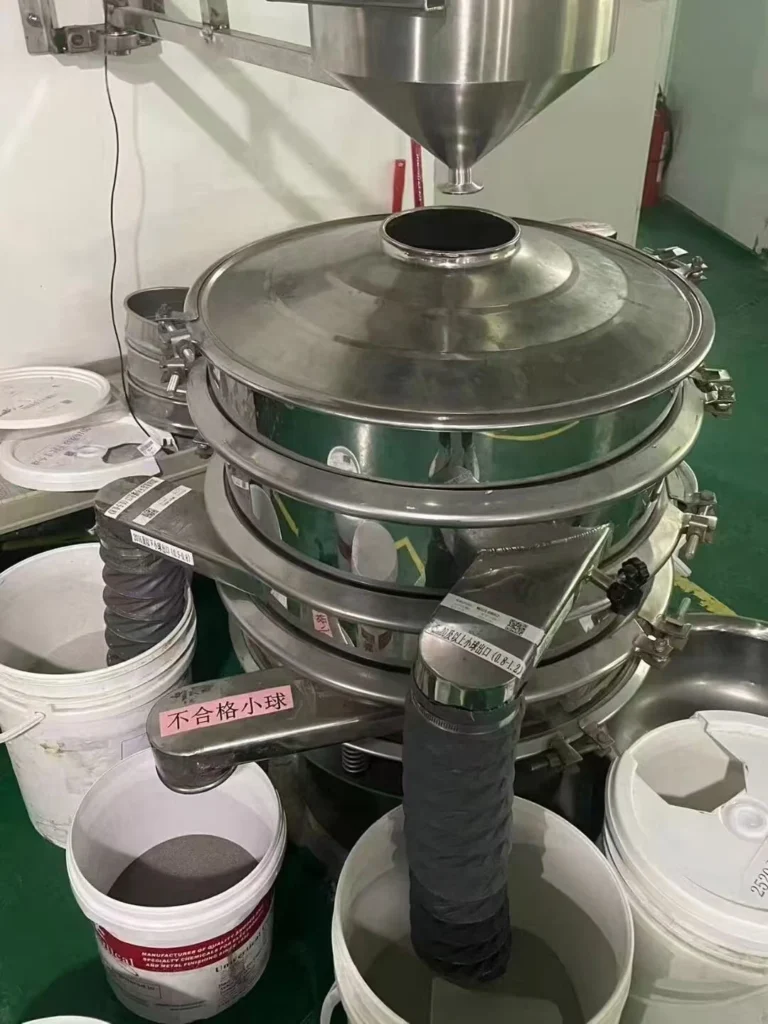
旋振筛通常用于粉体和细颗粒筛分应用。运行时,振动电机产生多方向运动,使物料在筛面上铺展和移动。这增加了颗粒与筛网的接触,使不同粒径的物料得以分离。.

结构特点:

  • 紧凑的圆形筛体设计,安装占地面积小;;
  • 可安装多层筛网,实现多级粒径分级;;
  • 为精细筛分应用提供充足的物料运动。.

常见应用:

旋振筛常用于化工粉体、食品原料、矿物粉体、塑料颗粒及其他细颗粒物料。.

在粉体加工应用中,旋振筛机主要用于客户需要精确颗粒分级和多级粒径分离的场合。.

直线振动筛
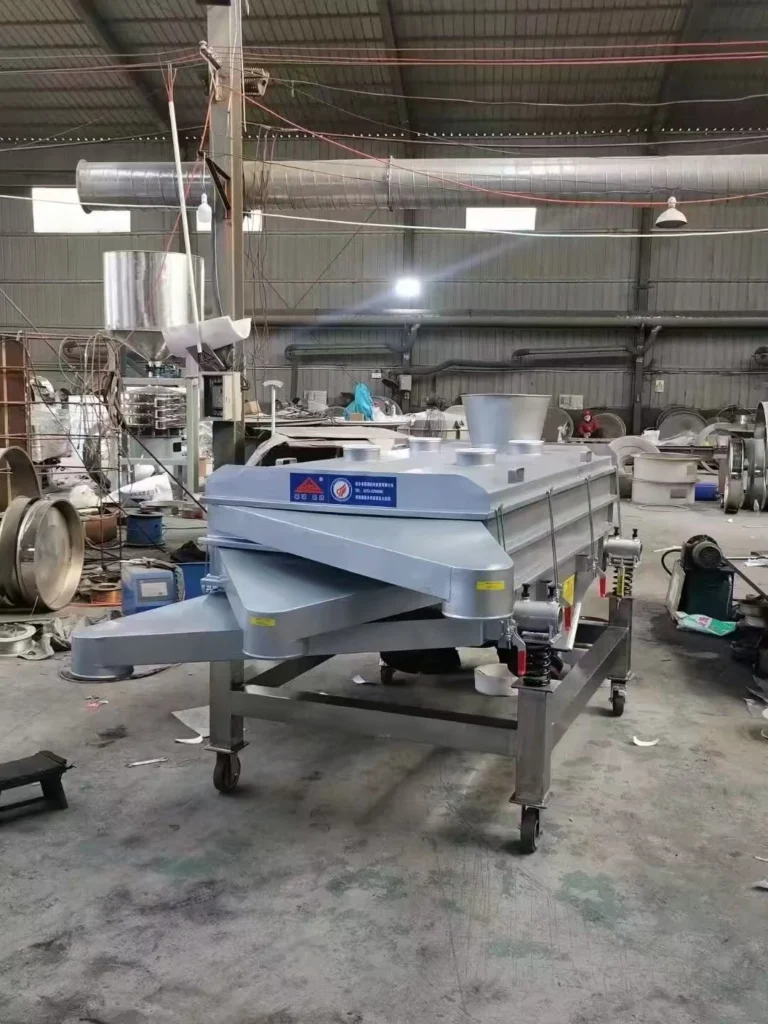
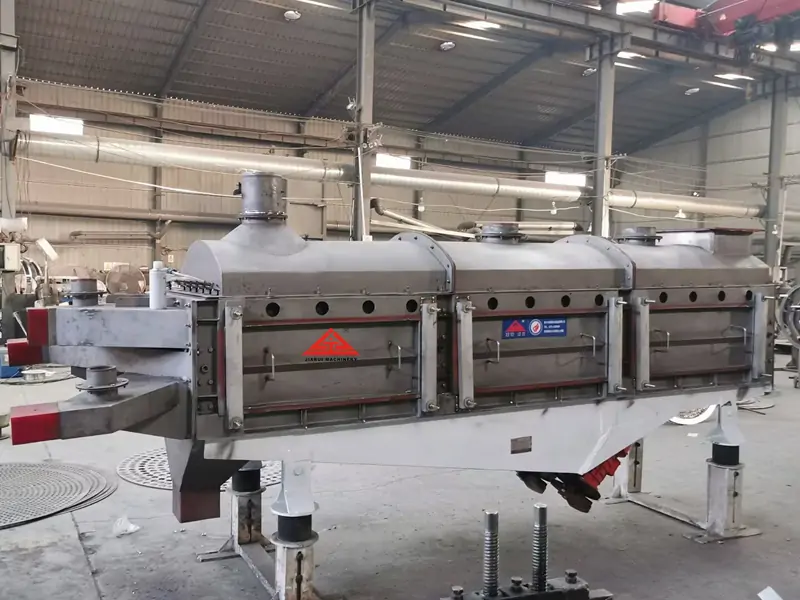
直线振动筛利用两台同步振动电机产生直线运动,使物料沿筛面向前移动,同时完成颗粒分离。.

与细粉筛分设备相比,直线振动筛更注重连续运行能力和物料输送性能。常用于颗粒物料的大批量筛分。.

结构特点:

  • 物料运动方向明确,适合连续筛分;;
  • 筛面利用率更高,适合较大处理能力;;
  • 结构简单,适合长期运行。.

常见应用:

直线振动筛广泛应用于骨料、矿物颗粒、煤炭和工业原料的筛分。.

在工程应用中,直线振动筛机通常安装在连续生产线中,设备稳定性和处理能力是关键考虑因素。.

超声波振动筛
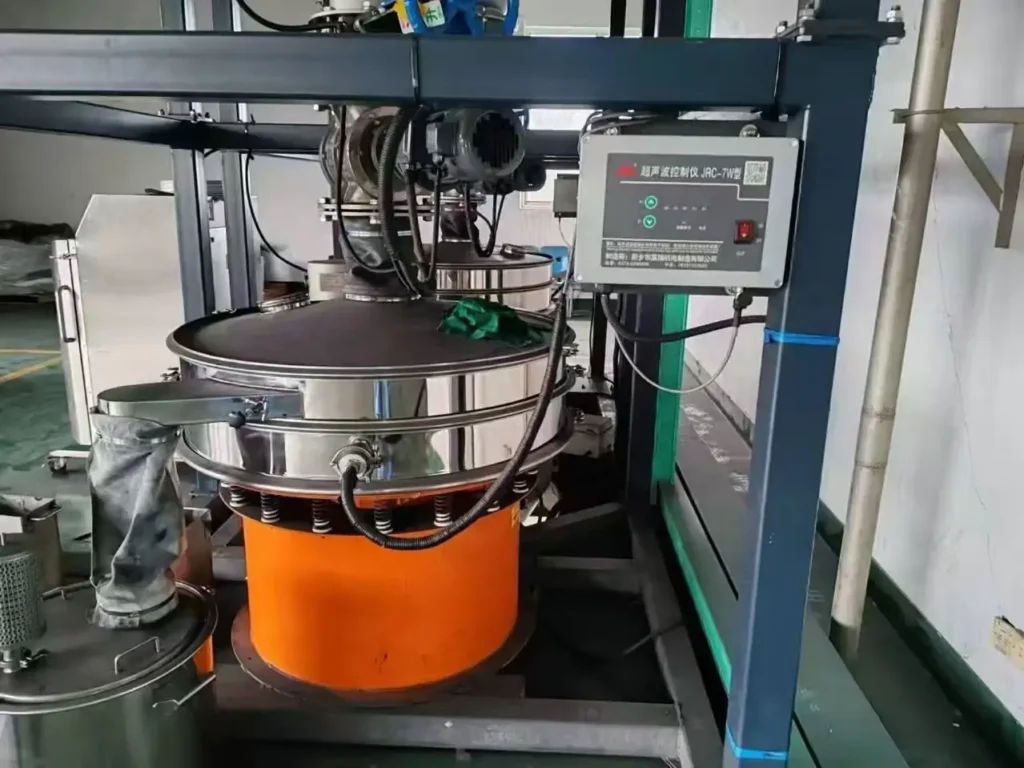
超声波振动筛是在传统振动筛的基础上增加高频超声波系统而开发的设备,其主要目的是在细粉因筛网堵塞而难以处理时改善筛分性能。.

对于粒径极小、易团聚或存在静电问题的物料,传统振动方式可能无法保持稳定的筛分性能。超声波系统对筛网施加高频振动,帮助细颗粒更容易通过网孔。.

结构特点:

  • 减少细粉筛分过程中的筛网堵塞;;
  • 适用于超细及难筛物料;;
  • 为高精度粉体分级提供更稳定的筛分效果。.

常见应用:

超声波振动筛常用于金属粉末、电池材料、精细化工粉末及超细矿物材料。.

此类设备的主要目的并非提高处理能力,而是解决常规振动筛机难以处理的筛分问题。.

不同类型的振动筛并无绝对优劣之分,正确选择取决于设备设计是否与实际生产需求相匹配。.

了解不同筛分方式的特点,有助于客户确定合适的设备方向,并为设备选型和项目设计提供更好的依据。.

振动筛的应用领域有哪些?

振动筛主要用于生产过程中的物料分级、筛分和除杂。在不同行业中,该设备发挥不同功能,例如控制最终产品粒度、提高下游工艺稳定性以及处理难筛物料。.

设备配置通常取决于物料特性、所需粒径、处理能力及生产条件。.
Mining and Aggregate Production

Mining and Aggregate Production

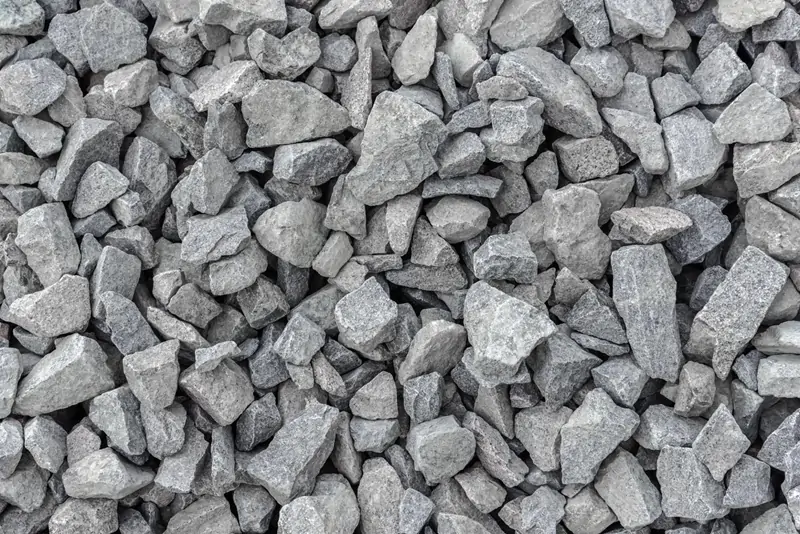
Vibrating sieves are commonly used after crushing processes to separate ore, gravel, and aggregate into different sizes. These applications usually require high processing capacity, wear-resistant screen mesh, and stable operation under continuous working conditions.

Chemical and Powder Processing

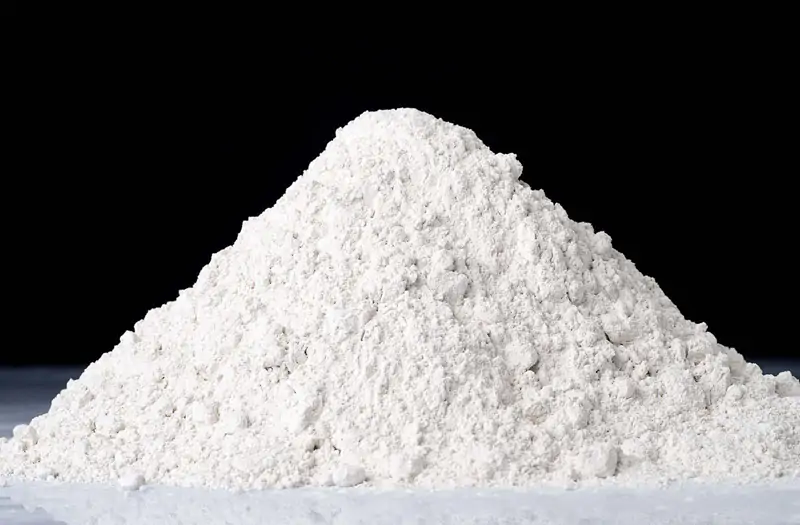
For mineral powders, chemical materials, and fine particles, vibrating sieve machines help control particle size and remove impurities. The main concerns are screening accuracy, screen blockage prevention, and maintaining stable material movement during operation.

食品加工

食品加工

In food production, vibrating sieves are used for materials such as flour, starch, grains, and sugar powder. Equipment selection usually focuses on hygiene requirements, easy cleaning, screening stability, and reducing material loss during processing.

Metallurgy, New Materials and Battery Materials

Metallurgy, New Materials and Battery Materials

Vibrating sieve machines are used for particle size control of metal powders, battery materials, and other fine materials. These applications require stable screening performance, suitable screen mesh selection, and consistent particle distribution.

Solid Waste Treatment and Recycling

Solid Waste Treatment and Recycling

In construction waste recycling plants, vibrating sieves separate crushed materials into different sizes for further processing and reuse. These projects usually require strong structures, impact resistance, and reliable performance when handling mixed materials.

Vibrating sieve applications vary depending on material characteristics and production requirements. Choosing the right equipment configuration helps achieve stable screening performance and reliable operation.

How To Choose The Right Vibrating Sieve?

Choosing a suitable vibrating sieve requires more than simply looking at the equipment model, price, or processing capacity. The key factor is whether the equipment configuration matches the actual production requirements.

The requirements for a vibrating sieve can vary significantly depending on material characteristics and production conditions. During selection, it is necessary to first confirm the material type, screening target, and production requirements, then choose a suitable equipment structure and configuration.

A vibrating sieve may have a simple structure, but screening performance is often affected by the matching between vibration method, screen mesh selection, and material characteristics. When configuring equipment, Jia Rui engineers first consider material particle size, moisture content, and processing requirements instead of recommending equipment only based on production capacity.

Vibrating Sieve Selection Guide

Material / Production ConditionKey Factors To ConsiderRecommended Selection Direction
Ore, crushed stone, and aggregate requiring high-volume continuous screeningProcessing capacity, wear resistance, long-term operating stabilityChoose a linear vibrating sieve, circular vibrating sieve, or other equipment suitable for continuous production
Need to separate materials into multiple particle sizesNumber of screen layers, screen opening size, screening accuracyConfigure multi-layer vibrating sieve according to final product size requirements
Fine powder or materials prone to screen blockageScreening accuracy, anti-blocking performance, screen adaptabilityConsider rotary vibrating sieve or ultrasonic vibrating sieve for fine material screening
Wet materials or materials that easily stick to the screenMaterial passing ability, screen cleaning methodSelect suitable screen mesh and anti-blocking solutions according to material characteristics
Production lines requiring long-term continuous operationEquipment reliability, maintenance convenience, service lifeSelect an industrial vibrating sieve with stable structure and convenient maintenance

What Should Be Considered When Selecting A Vibrating Sieve?

A suitable vibrating sieve is not always the one with the largest processing capacity. The key is whether the equipment configuration can meet the actual production requirements.

Large aggregate production lines usually focus on processing capacity, screen wear resistance, and long-term operating stability. Fine powder screening requires higher screening accuracy and anti-blocking design. Special materials need suitable screening methods based on their characteristics.

If you are not sure which vibrating sieve is suitable for your production requirements, you can provide your material information, capacity requirements, and screening targets. 贾瑞’s engineering team can provide suitable equipment configuration suggestions based on practical application experience.

常见问题

A vibrating sieve is widely used for screening various materials, including ore, aggregate, coal, chemical powders, food materials, metal powders, and recycled materials. Different materials require different screen meshes and vibration configurations. Coarse materials usually focus on processing capacity, while fine powders require better screening accuracy and anti-blocking performance.

A vibrating sieve uses a vibration motor to generate excitation force, causing the screen box and screen mesh to move regularly. When materials enter the screen surface, they are continuously dispersed, turned over, and moved forward under vibration. Smaller particles pass through the screen openings, while larger particles are discharged along the screen surface, completing the size separation process.

Choosing a vibrating sieve model should not only depend on processing capacity. Material characteristics, target particle size, screening requirements, and operating conditions also need to be considered. For example, aggregate production usually focuses on processing capacity and wear resistance, while fine powder screening requires higher screening accuracy and better anti-blocking performance.

Screen blockage usually occurs when processing fine powders, wet materials, or materials that are easy to agglomerate. Common solutions include selecting suitable screen openings, adjusting vibration parameters, improving screen cleaning methods, or adding ultrasonic assistance. The suitable solution depends on material characteristics and specific screening requirements.

The service life of a vibrating sieve is mainly affected by material abrasiveness, operating time, equipment structure, and maintenance conditions. For high-wear materials such as ore and aggregate, attention should be paid to screen mesh wear and replacement of key components. Proper equipment design and regular maintenance can help reduce downtime and maintain stable operation.

Yes. Industrial vibrating sieves usually need to be configured according to material type, processing capacity, screening requirements, and production line layout. Jia Rui’s engineering team can provide customized vibrating sieve solutions based on practical application experience, including equipment selection, screen mesh configuration, and production process matching.