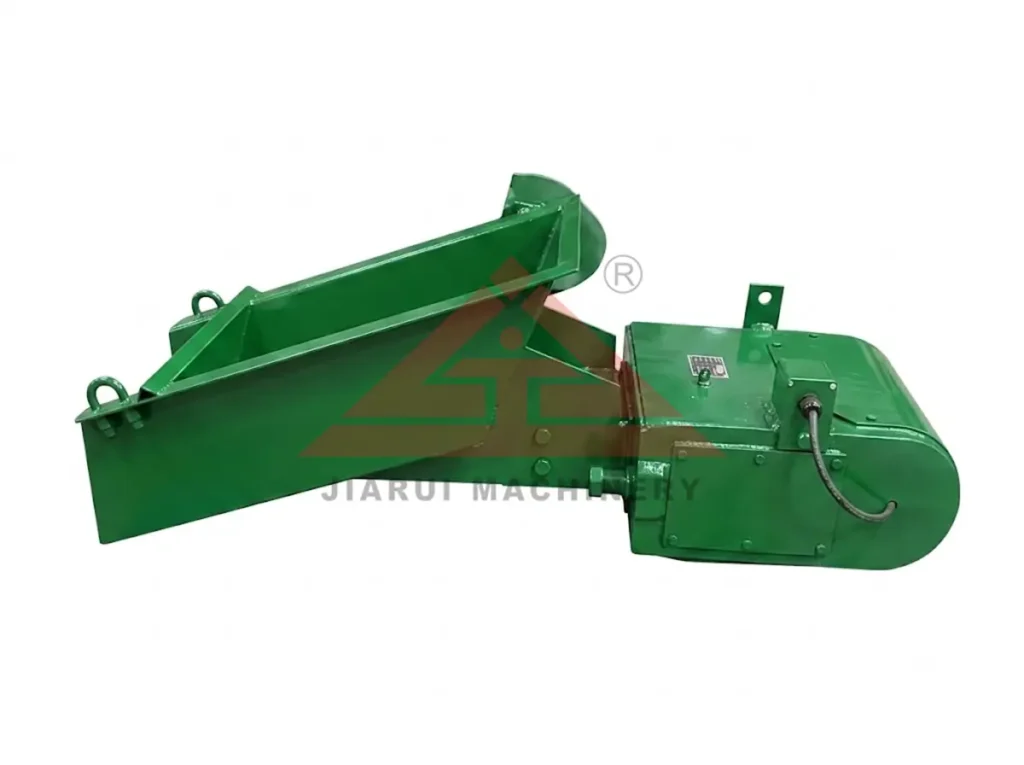
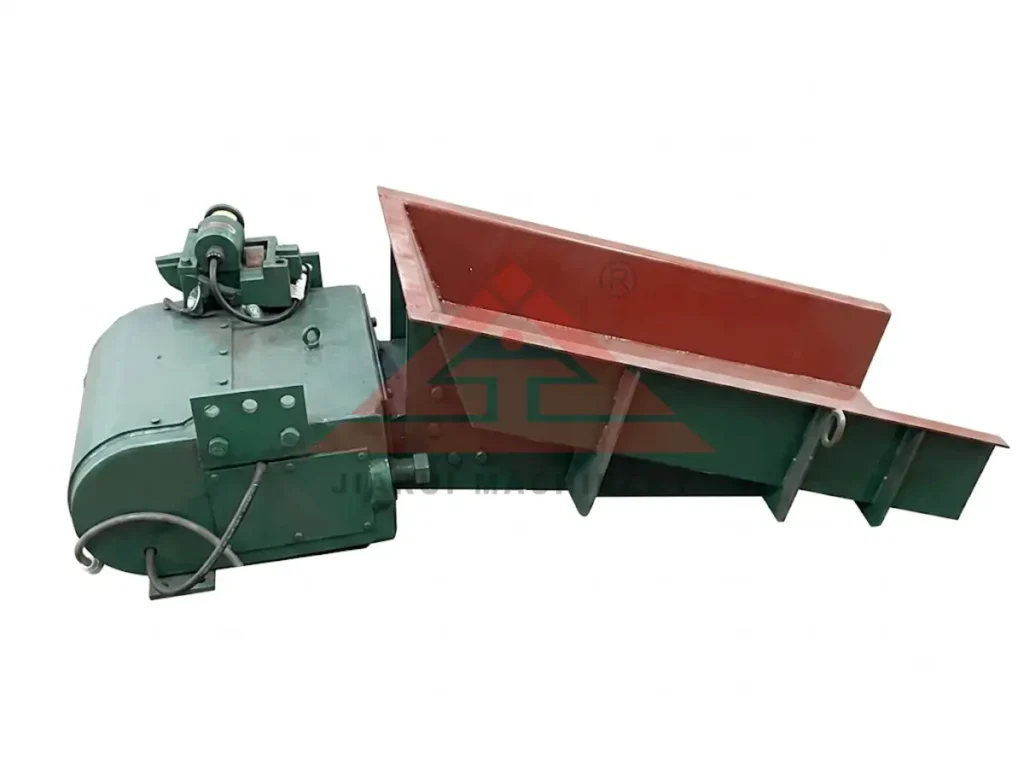
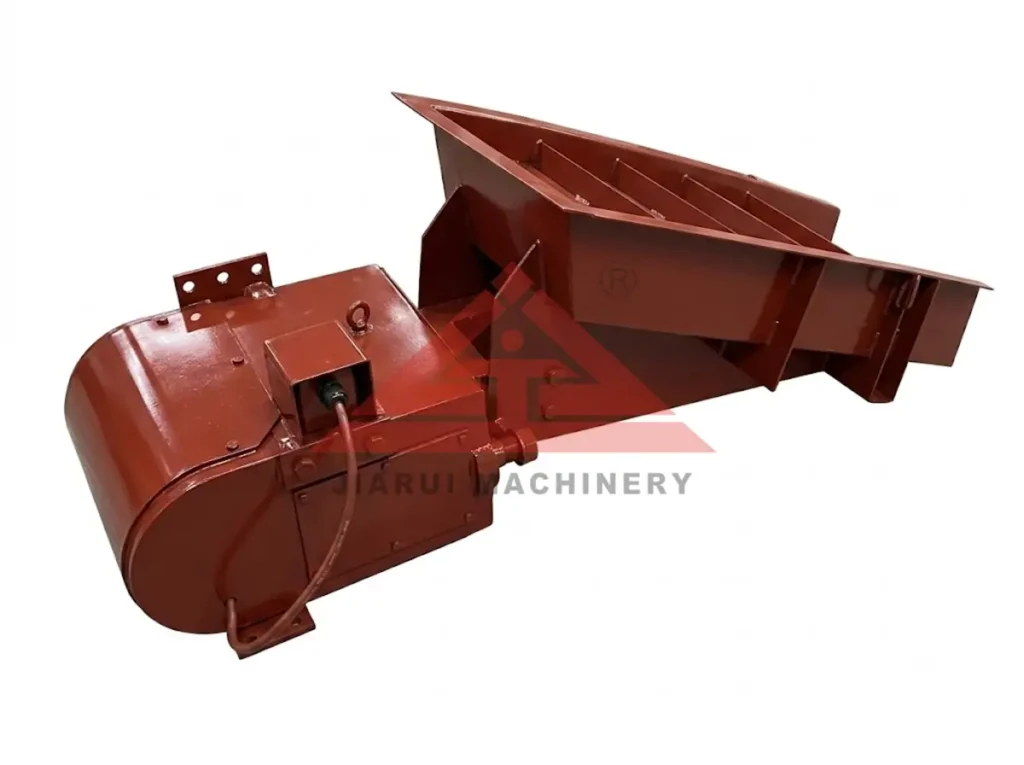
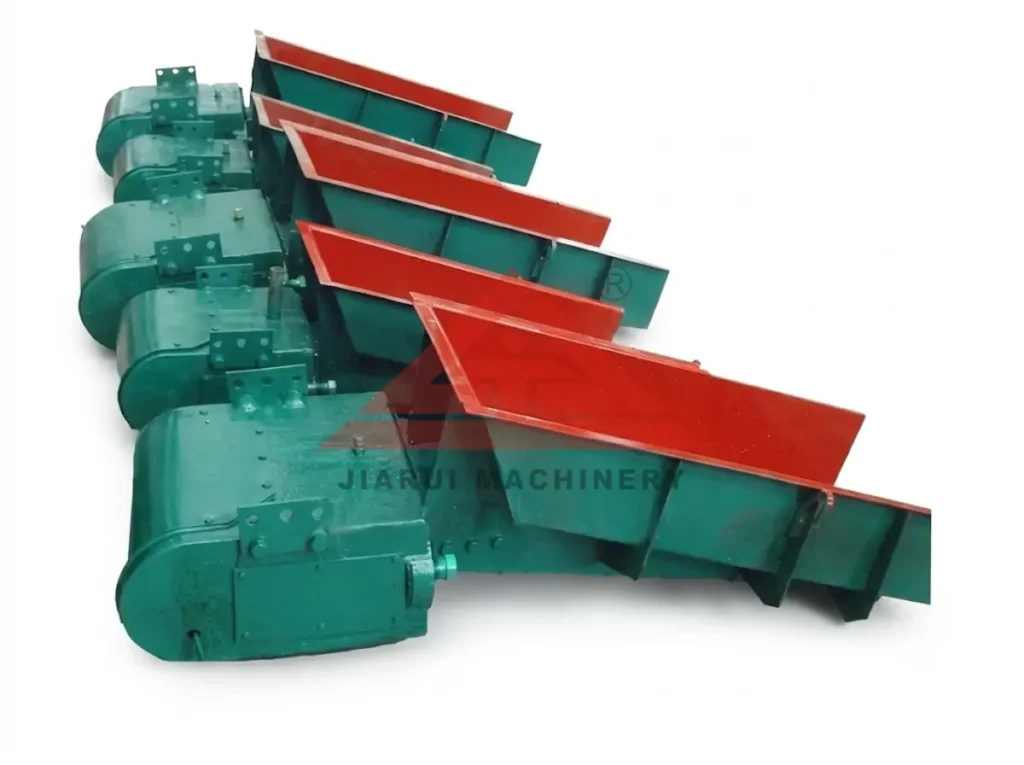
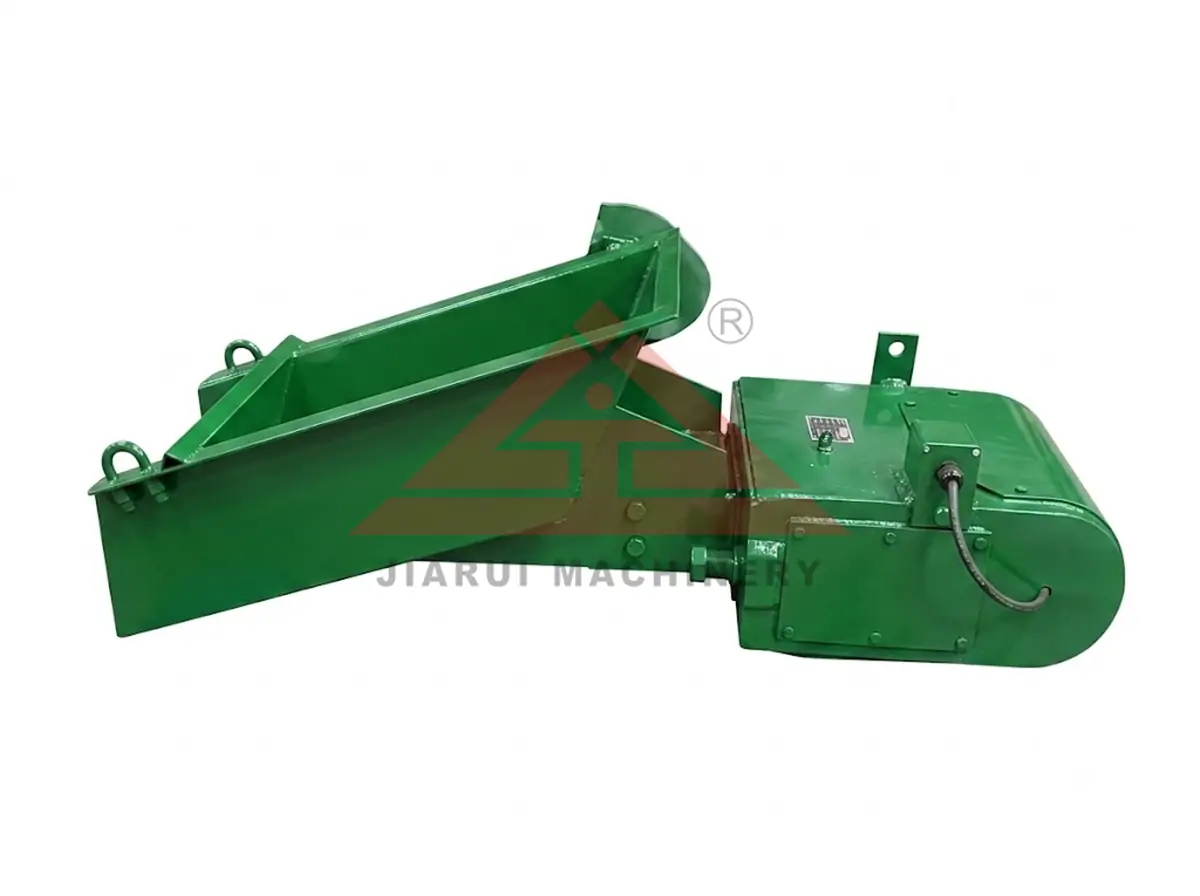
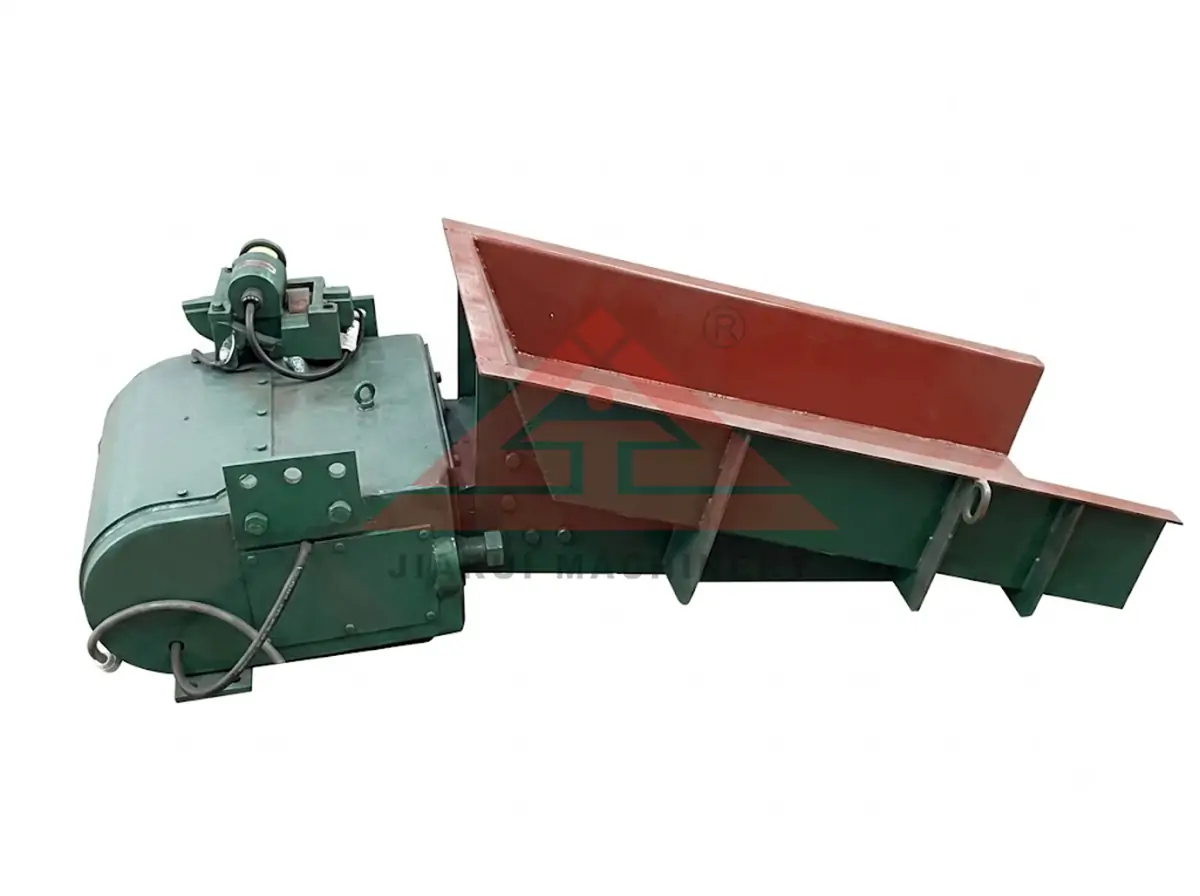
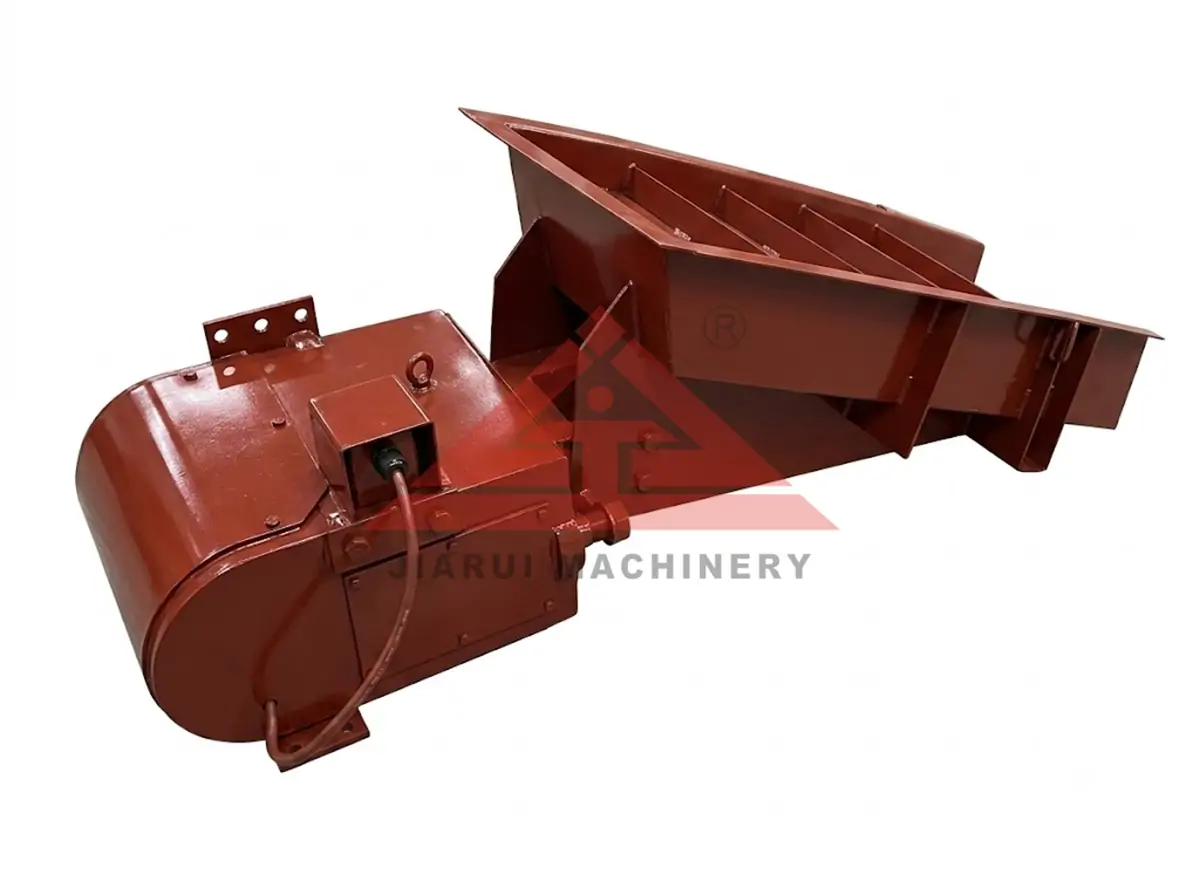
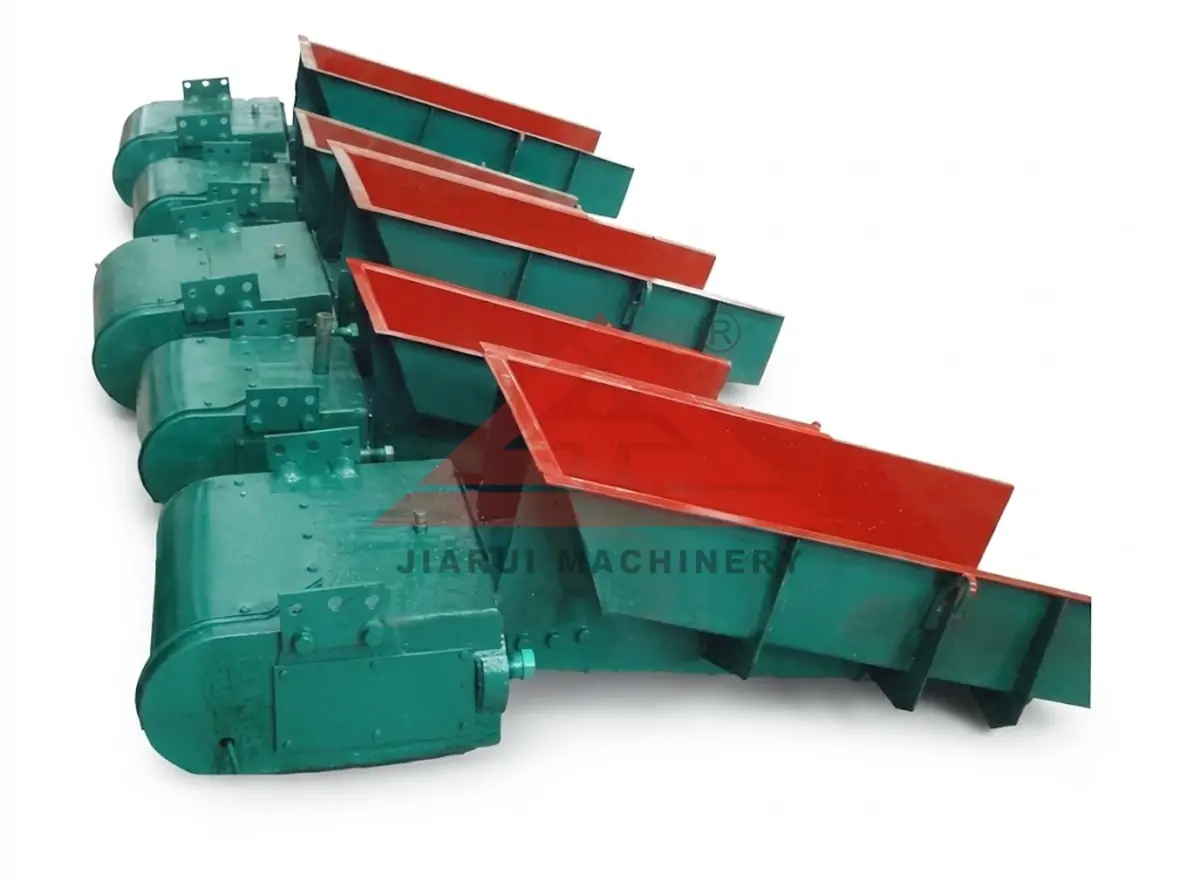
GZ系列電磁振動給料機

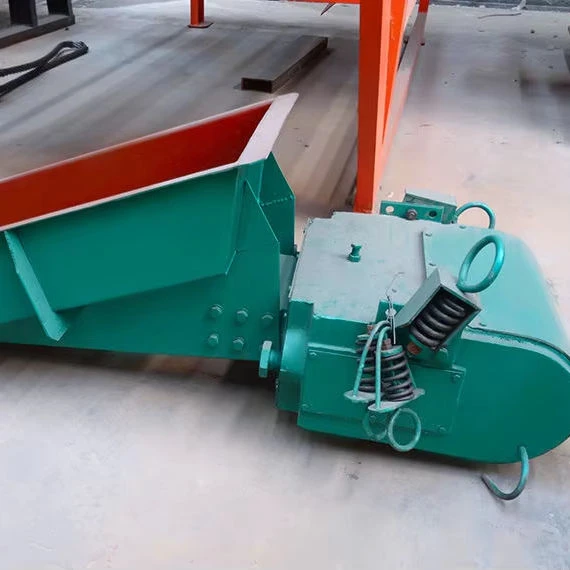
GZ Series Electromagnetic Vibrating Feeder is mainly used to control the uniform discharge of materials from hoppers. The electromagnetic vibration drives the trough to work continuously, allowing powder, granules, and small lump materials to enter the next process at a set feeding speed. The feeding rate is easy to adjust, and the equipment responds quickly during operation, making it suitable for batching, weighing, and automated production processes that require accurate material feeding.

J瑞 adjusts the structure and parameters of the GZ Series Electromagnetic Vibrating Feeder according to material characteristics and operating conditions, including trough size, dust protection design, wear-resistant treatment, and control method selection. Whether handling common materials such as ore and aggregates or powder and granular materials, our engineering team evaluates capacity requirements, installation position, and production process to provide a suitable feeding configuration.

  • 型號: GZ系列電磁振動給料機
  • Capacity: 5–750 t/h (customizable)
  • Feeding Method: Electromagnetic vibration, continuous and adjustable feeding
  • Max Feeding Size: 40–500 mm
  • 適用物料: Ore, coal, limestone, powder and granules
  • Applications: Mining, building materials, chemical and automated production lines
  • 客製化: Trough size, structure and control system can be customized
索取報價 發送至電子郵箱

What Is GZ Series Electromagnetic Vibrating Feeder?

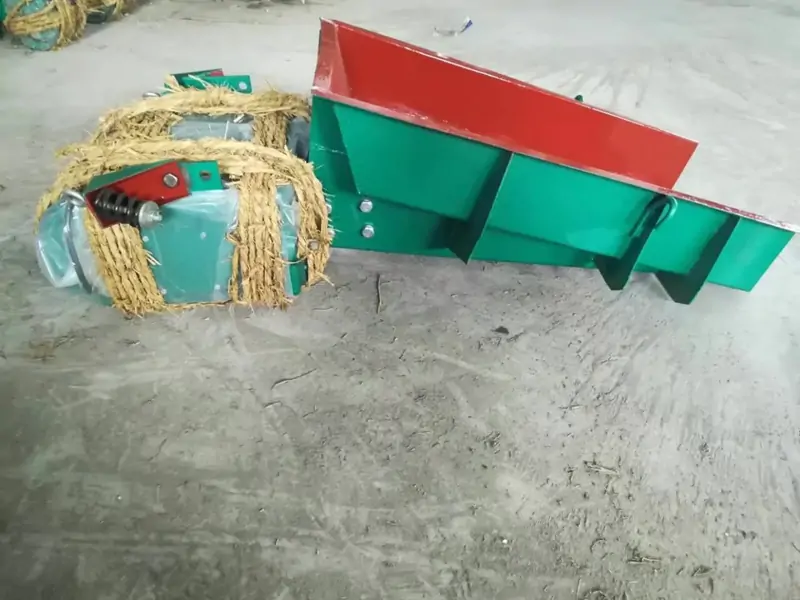
GZ Series Electromagnetic Vibrating Feeder, also known as electromagnetic feeder or electromagnetic vibrating feeder machine, is an industrial feeding equipment that uses electromagnetic vibration to achieve continuous material feeding. It is mainly used to evenly transfer lump, granular, and powder materials from hoppers or storage equipment into the next production process. The equipment generates periodic vibration through electromagnetic drive, causing materials to move along the trough direction at a stable feeding speed.

GZ Series Electromagnetic Vibrating Feeder uses electromagnetic control to adjust vibration amplitude and change the feeding rate. It is suitable for production processes requiring uniform feeding and flow control. Compared with traditional mechanical feeding equipment, it has a more compact structure and faster adjustment response. It is commonly used for continuous feeding of ore, coal, aggregates, powder materials, and granules, and serves as a connection unit between hoppers and equipment such as crushers, screens, and batching systems.

工作原理

GZ Series Electromagnetic Vibrating Feeder uses an electromagnetic vibrator to generate periodic excitation force, driving the trough to perform high-frequency reciprocating vibration. The materials inside the trough move continuously toward the discharge direction. The feeding speed can be adjusted through the electromagnetic drive and control system, making the equipment suitable for continuous and controllable material feeding.

1.Electromagnetic vibration drives the trough

After power is supplied, the coil inside the electromagnetic vibrator generates periodic attraction force, causing the armature and trough to move back and forth. Because the equipment uses electromagnetic drive, it has a compact structure without complex mechanical transmission parts. The starting and stopping response is fast, making it easier to adjust operation according to production requirements.

2.Vibration force moves materials forward

During trough vibration, materials are affected by vibration force and their own gravity. The materials become loosened and move toward the outlet continuously. Material particle size, flow characteristics, and accumulation conditions affect actual operation results, so equipment selection should be based on specific operating conditions.

3.Adjust current to control feeding speed

The control box adjusts the input current to change the vibration force and amplitude generated by the electromagnetic vibrator, which changes the material movement speed. Operators can adjust the feeding rate according to the requirements of crushing, screening, weighing, or batching processes, helping the upstream and downstream equipment operate together.

The working principle of GZ Series Electromagnetic Vibrating Feeder is simple, but its application performance is closely related to trough design, installation method, and control parameter matching. Proper selection helps reduce operation adjustments and improves coordination between the feeder and production line.

.

優勢

The advantages of GZ Series Electromagnetic Vibrating Feeder mainly focus on feeding control and field application. Compared with ordinary mechanical feeding equipment, GZ Series uses electromagnetic drive and a control box to adjust vibration conditions, making it easier to control the feeding speed. It is suitable for production processes that require continuous feeding, flow adjustment, and automatic control.

應用領域

GZ Series Electromagnetic Vibrating Feeder is usually installed at hopper outlets, storage equipment discharge points, or production line feeding sections to control the feeding speed of materials entering the next process. Different applications focus on different requirements. Mining applications pay more attention to handling capacity for large materials, powder industries focus on dust control and continuous discharge, while automated production lines require better feeding adjustment and equipment connection.

Common application areas

行業典型物料Common Installation Position
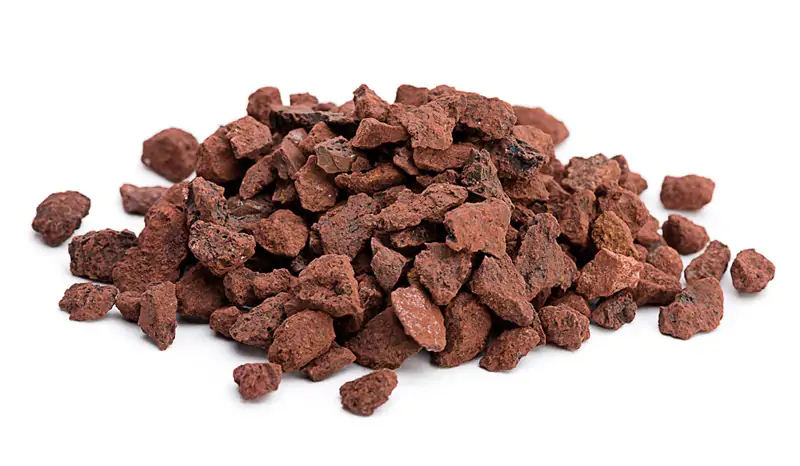
礦業Iron ore, copper ore, crushed ore, aggregateInstalled below hoppers to feed materials into crushers, screens, or belt conveyor systems
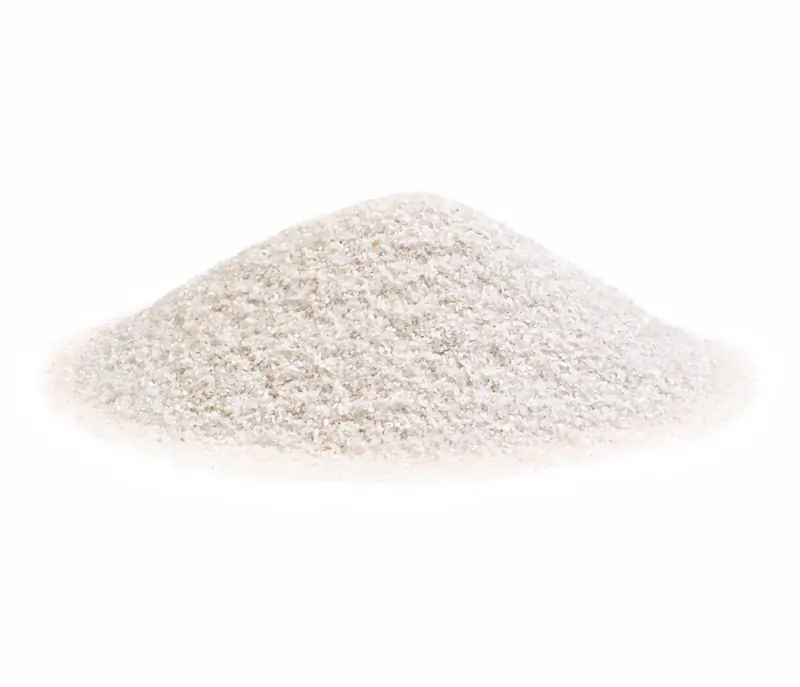
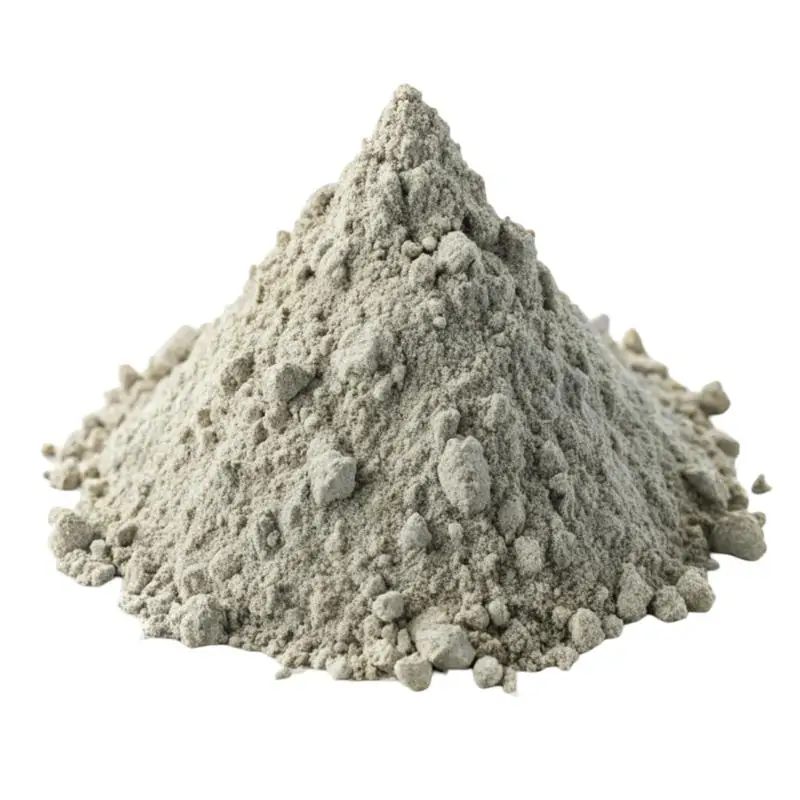
建材行業Limestone, cement clinker, quartz sand, construction aggregateUsed at the front end of crushing, grinding, and screening production lines, connected with downstream equipment
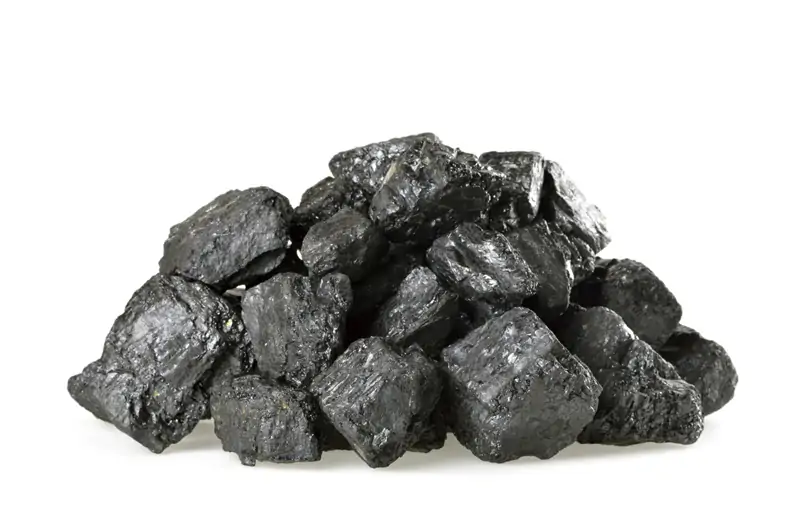
Coal industryRaw coal, coal lumps, cokeInstalled below coal storage bins to control material feeding into conveying or processing equipment
Metallurgy industryMineral powder, furnace materials, metal granulesUsed in smelting, screening, and batching processes for continuous feeding
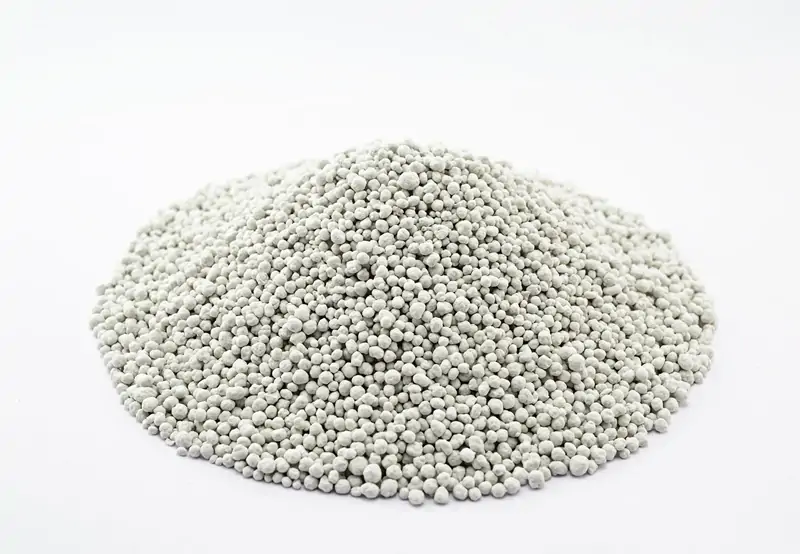
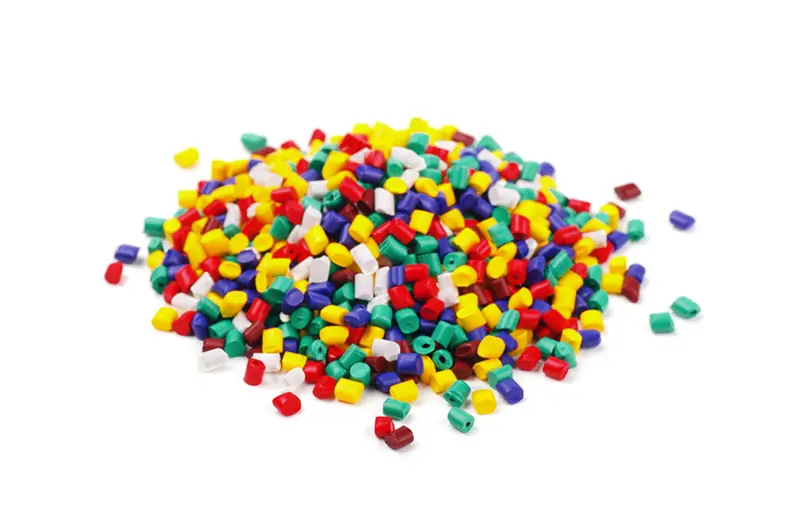
化工行業:Fertilizer granules, resin pellets, plastic pellets, powder materialsUsed at the front end of batching, packaging, and automated production lines. Enclosed structures can be selected according to environmental requirements
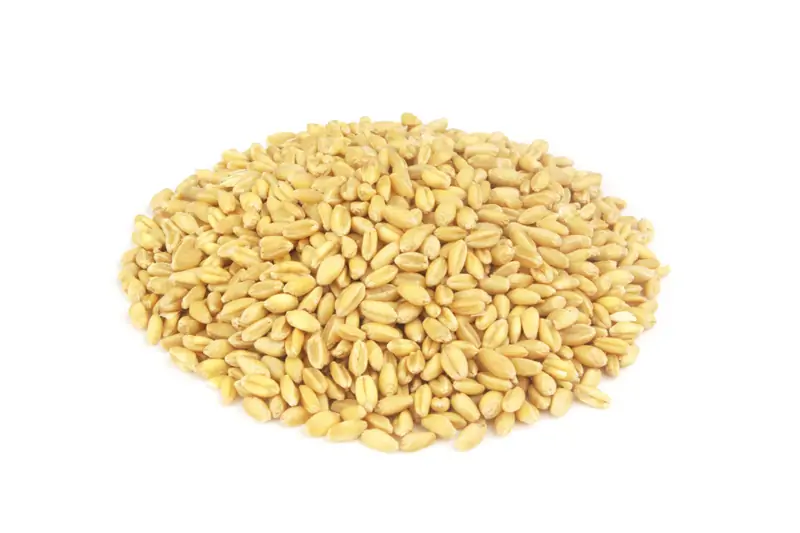
食品行業Grain, seeds, granular food materialsUsed before storage, weighing, and packaging equipment for uniform material discharge

Situations Requiring Careful Selection

GZ Series Electromagnetic Vibrating Feeder is suitable for most dry bulk materials, but not every material and operating condition is suitable for direct use. Confirming field conditions before selection can reduce later adjustment and operation problems.

  • High moisture and sticky materials: For example, wet mineral powder and water-containing powder materials may accumulate inside the trough. The structure and treatment method should be selected according to actual conditions.
  • Oversized lump materials: If the feeding size exceeds the designed range, it may increase impact load on the trough and affect equipment operation.
  • Long-distance conveying requirements: Electromagnetic vibrating feeders are mainly used for short-distance continuous feeding and are not suitable as long-distance conveying equipment.
  • Production environments sensitive to vibration: Some precision production processes need to avoid vibration influence. The installation method should be confirmed in advance.

The application performance of GZ Series Electromagnetic Vibrating Feeder is related to material condition, installation position, and connection with upstream and downstream equipment. Selection should consider not only capacity, but also installation space, connected equipment, and operating environment.

聯絡我們

電子郵件: info@jiaruimachinery.com
T/WA: +86 18838703198

索取報價

技術參數

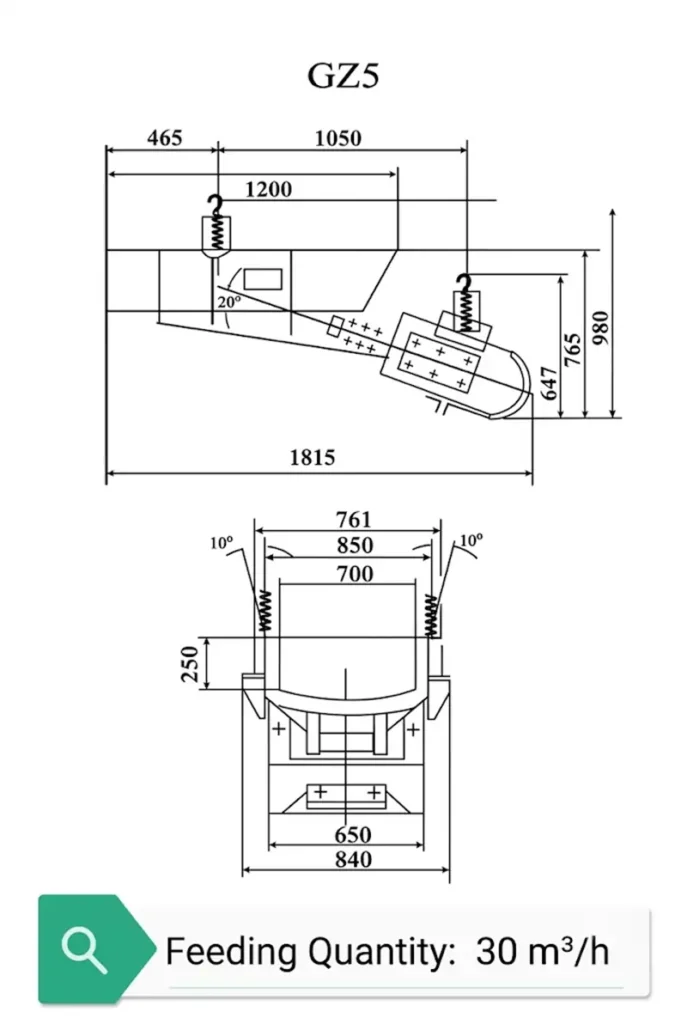
GZ Series Electromagnetic Vibrating Feeder covers different specifications and can be selected according to production capacity, feeding size, and installation conditions. During equipment selection, the maximum capacity should not be the only factor considered. Material characteristics, connection with upstream and downstream equipment, and available installation space should also be evaluated.

Model Range處理量Max Feeding SizeSuitable Application
GZ1-GZ35-25 t/h≤75 mmSmall-flow continuous feeding, batching, and auxiliary feeding
GZ4-GZ650-150 t/h≤200 mmFeeding of common ore, aggregates, and granular materials
GZ7-GZ8250-400 t/h≤300 mmContinuous feeding for medium and large production lines
GZ9-GZ10600-750 t/h≤500 mmLarge mining and industrial production lines

The main differences between different GZ Series models are trough size, vibration parameters, and structural configuration. For example, the standard type is suitable for common bulk material feeding; the enclosed type is suitable for environments with higher dust control requirements; the top-mounted vibration type can solve installation problems where space is limited. The actual selection should be based on hopper height, discharge method, and downstream equipment connection.

Basic Parameter Reference

ParameterContent
Drive MethodElectromagnetic vibration drive
Feeding MethodContinuous and adjustable feeding
處理量5-750 t/h
Max Feeding Size40-500 mm
適用物料Ore, coal, limestone, powder materials and granules
Control MethodControl box adjustment of vibration amplitude and feeding speed
Structure TypesBasic type, enclosed type, top-mounted type, wide trough type, tubular type, etc.

When selecting GZ Series Electromagnetic Vibrating Feeder, it is recommended to confirm material type, capacity requirements, and installation conditions first, then determine the suitable model and structure. Jiarui matches equipment parameters according to actual operating conditions to avoid selecting a specification that does not fit the production requirements.

How to Select Different Structures?

GZ Series Electromagnetic Vibrating Feeder can be designed with different structures according to installation space, feeding environment, and application requirements. Different structures do not represent different performance levels, but are designed to match different operating conditions. Selection mainly depends on installation conditions and usage requirements.

TypeMain DifferenceSuitable Application
Basic TypeOpen trough structure with mature design and wide application rangeCommon ore, coal, aggregates, and bulk materials where there are no special restrictions
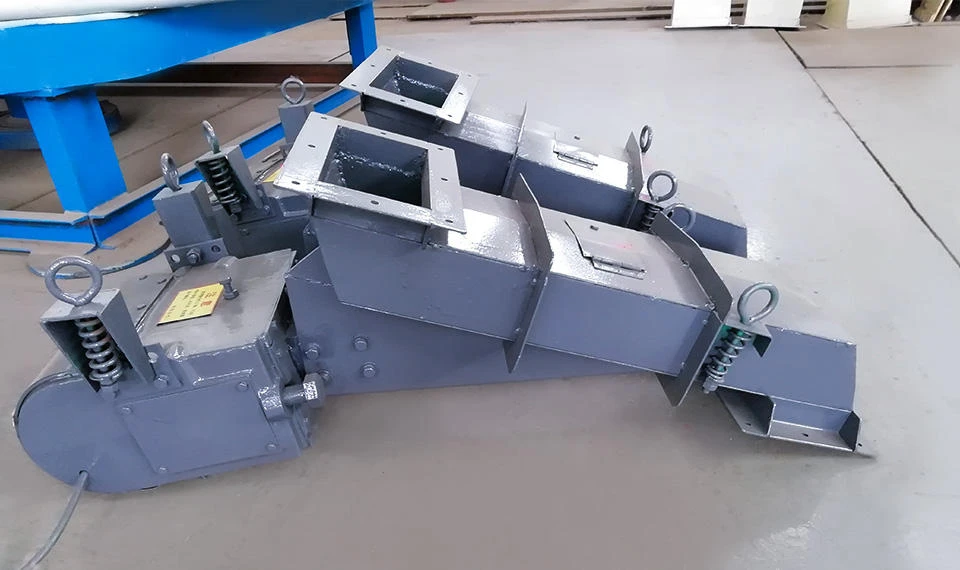
Top-Mounted TypeVibration device installed above the troughApplications where space below the feeder is limited or other equipment installation needs to be avoided
Enclosed TypeAdded protective cover to reduce dust dispersionPowder materials, dusty materials, or workshops with higher environmental control requirements
Light Trough TypeLighter trough structure with lower equipment loadInstallations with limited supporting conditions or requirements for reduced equipment weight
Flat Trough TypeFlatter trough design for more uniform dischargeThin-layer feeding or connection with screening and batching equipment
Wide Trough TypeIncreased trough width for higher passing capacityApplications requiring a wider feeding surface or larger material flow
Tubular TypeEnclosed tubular structure with better sealing performanceApplications requiring strict dust control or reduced external contamination
Heavy-Duty TypeReinforced load-bearing structure for higher capacityLarge mining operations and continuous high-capacity feeding systems

When selecting the structure of GZ Series Electromagnetic Vibrating Feeder, it is not recommended to choose only based on model size. The installation position, connection method with other equipment, and operating environment should also be considered. Different structures are mainly used to match different installation conditions and production requirements.

How to Select Electromagnetic Vibrating Feeder?

These two types of equipment both use vibration force to move materials, but their purposes in production lines are different. GZ Series Electromagnetic Vibrating Feeder mainly solves the problem of controlling feeding rate and operating rhythm. It is more suitable for continuous quantitative feeding and automatic control processes. Vibrating feeder conveyors mainly focus on moving large amounts of materials continuously and are suitable for high-capacity and heavy-duty applications.

Comparison ItemGZ系列電磁振動給料機振動給料輸送機
Equipment FunctionPrecise feeding control equipmentHigh-capacity material conveying equipment
Drive MethodElectromagnetic drive, feeding speed adjusted by vibration amplitudeDriven by vibration motors or exciters to move materials continuously
Main PurposeControls hopper discharge speed for continuous and quantitative feedingHandles large-volume material conveying in production lines
Suitable ApplicationsBatching systems, weighing equipment, packaging equipment, automated production linesMining crushing plants, screening lines, and large conveying systems
適用物料Powder materials, granules, and small to medium lump materialsOre, aggregates, coal, and large bulk materials
Main AdvantagesFast adjustment response, flexible feeding control, easy connection with control systemsHigh capacity, strong load-bearing ability, suitable for continuous heavy-duty operation
Installation FeaturesCompact structure, suitable for hopper outlets and equipment connection pointsMore suitable for large production line layouts and long-term continuous operation

If the production line focuses on controlling feeding speed, matching weighing and batching systems, or frequently adjusting discharge quantity, GZ Series Electromagnetic Vibrating Feeder is more suitable. If the main requirement is handling large lump materials, high capacity, and continuous conveying, a vibrating feeder conveyor is a better choice.

Customization Service

Although GZ Series Electromagnetic Vibrating Feeder has standard models, different production lines have different requirements for installation position, connected equipment, and operating conditions. If equipment dimensions, trough structure, and control methods are not matched with the application, it may affect installation and operation performance. For these situations, we adjust the equipment structure and configuration according to customer requirements to determine a more suitable feeding design.

If you are not sure which model or structure is suitable, you can provide the following basic information. We will evaluate the operating conditions and confirm the suitable trough design, specifications, and control method.

Selection information recommended:

  • Material information: Material name, particle size, whether it is sticky or dusty
  • Capacity requirements: Required feeding capacity per hour
  • Installation conditions: Hopper size, installation space, discharge direction
  • Operating environment: Whether dust protection, wear resistance, or special materials are required
  • Control requirements: Whether connection with PLC, batching, or automatic control systems is needed

Jiarui engineering team evaluates the provided information to match equipment configuration, from model selection and structural design to manufacturing requirements, reducing selection errors and helping the equipment fit the production process.

聯絡我們

電子郵件: info@jiaruimachinery.com
T/WA: +86 18838703198

索取報價

Jiarui Manufacturing

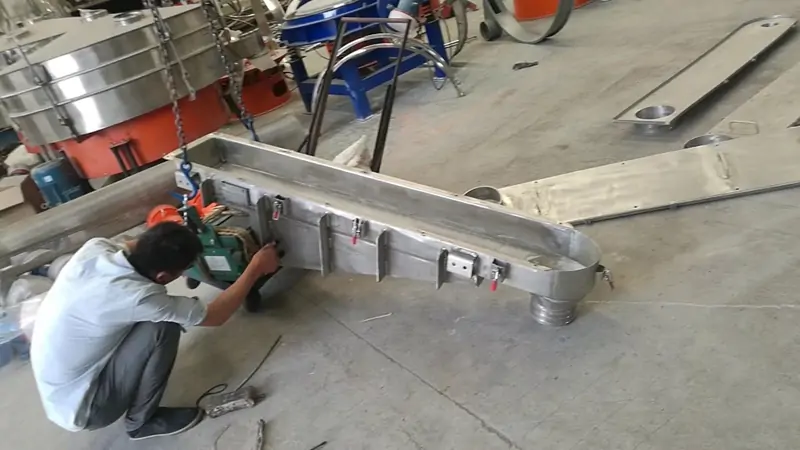
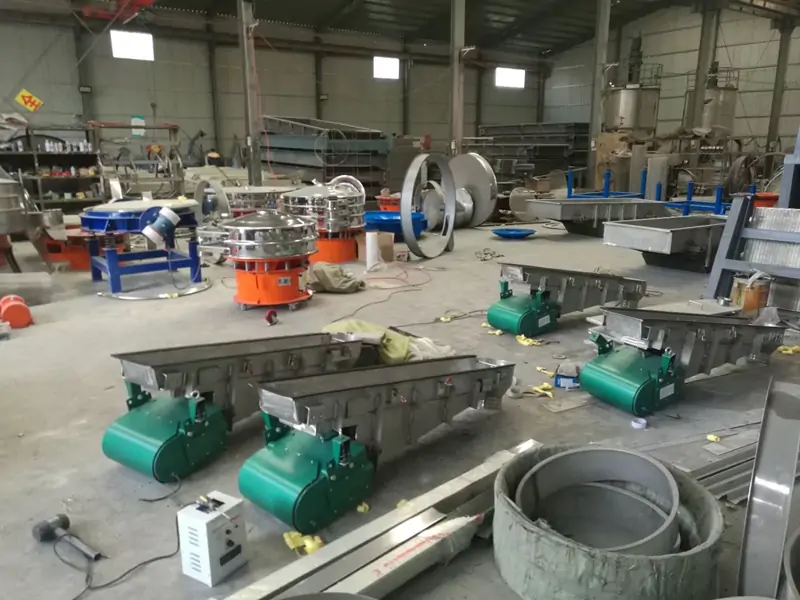
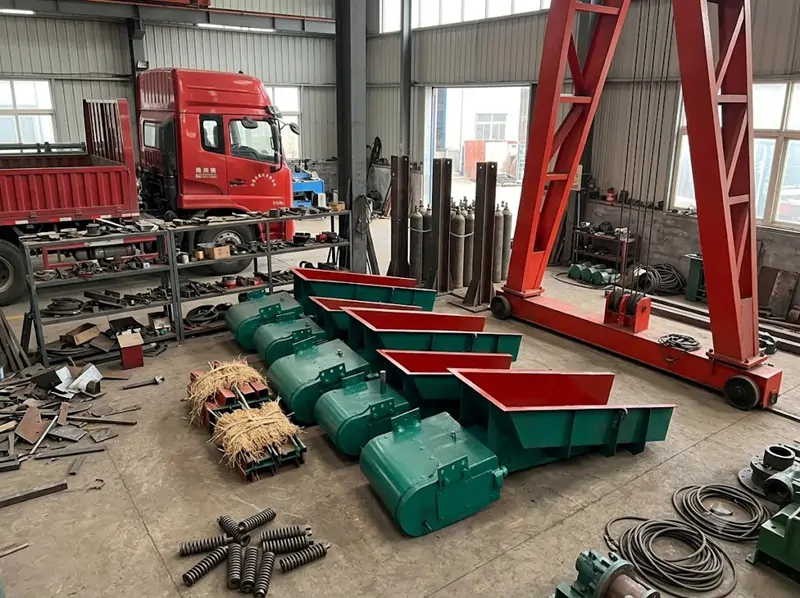
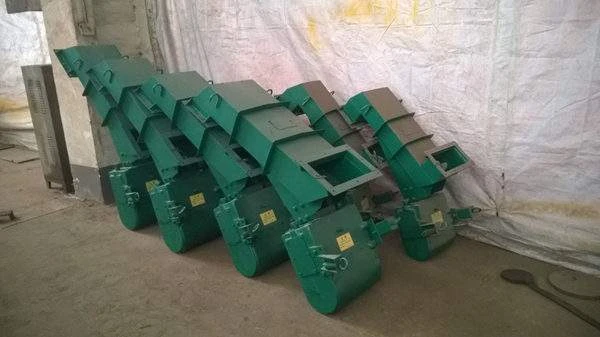
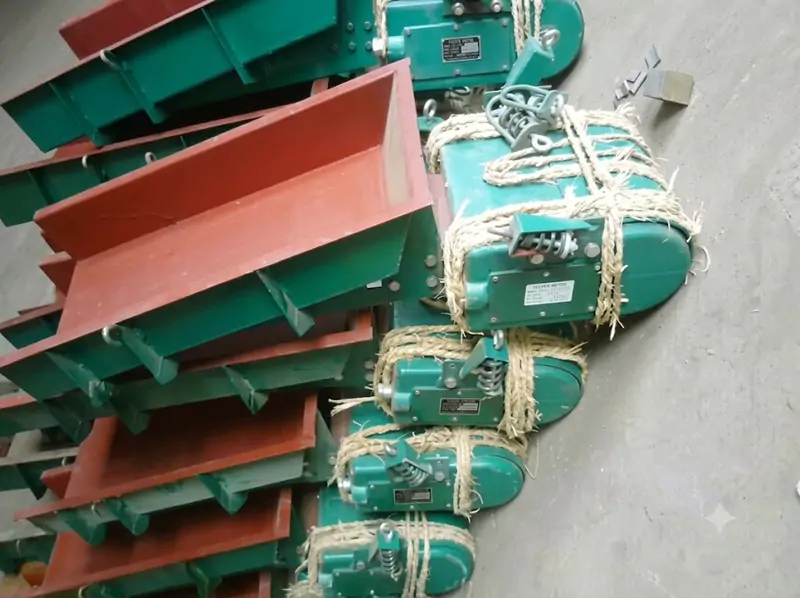
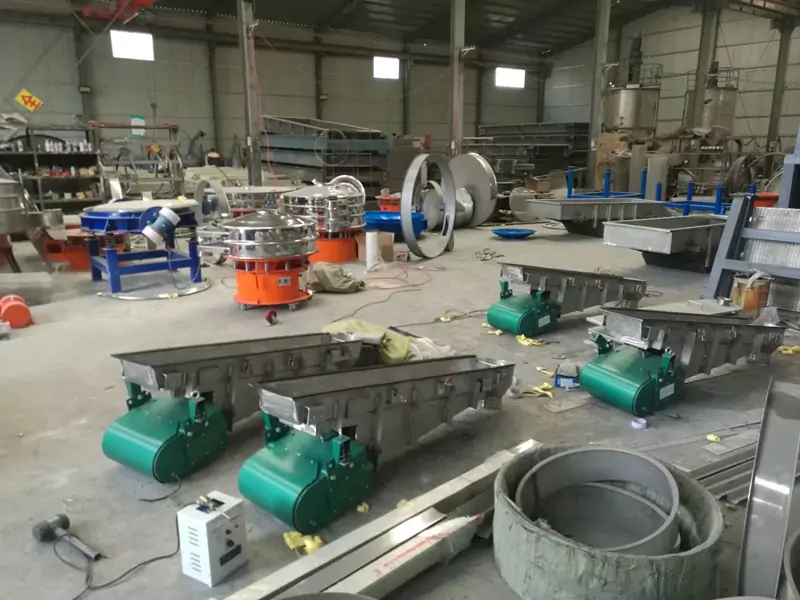
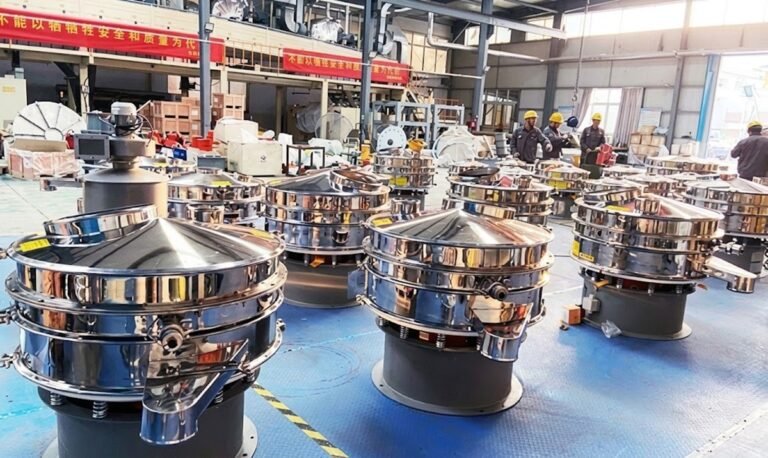
For GZ Series Electromagnetic Vibrating Feeder, manufacturing accuracy affects how the equipment performs after installation. The trough structure, electromagnetic vibration system, and assembly process need to match the material characteristics and working conditions to maintain stable feeding.

Trough structure designed for actual conditions

The trough dimensions, material selection, and wear protection are determined according to feeding capacity, material properties, and installation requirements. This helps reduce material blockage and keeps the feeding process more consistent.

Vibration system matched during assembly

The electromagnetic vibrator, springs, and control components are assembled according to the confirmed design parameters. After assembly, each feeder is checked for vibration operation and feeding response before delivery.

Manufacturing based on approved drawings

Jiarui completes the manufacturing process from CAD confirmation and component processing to assembly and testing according to the customer’s technical requirements. This keeps the final equipment configuration consistent with the confirmed design.

The manufacturing process follows quality management principles to control key production steps and maintain stable equipment performance.

常見問題

GZ系列電磁振動給料機主要安裝於料斗出口、儲存設備或生產線給料點,用於控制礦石、煤炭、骨料、粉體物料及顆粒物料連續給入下一道工序。常用於破碎、篩分、配料、計量及自動化生產系統中。.

該設備適用於大多數乾燥散裝物料,包括礦石、石灰石、煤炭、石英砂、水泥粉末及肥料顆粒。對於黏性物料、高濕度物料或超尺寸物料,應在選型前確認物料狀態與操作需求,以確定合適的結構。.

該設備利用電磁振動器產生振動力,並通過控制箱調整振動幅度以改變物料運動速度。與定速給料設備相比,GZ系列可根據生產需求調整給料速率,適用於配料及自動化生產過程中的連續調節。.

型號選擇不僅要考慮產能,還需考量物料特性、進料粒徑、安裝空間及與其他設備的連接。GZ系列涵蓋5-750 t/h的不同規格。小型機型適用於精確給料,而較大型機型可用於大型生產線中的連續給料。.

兩種型式皆利用振動力來移動物料,但其應用有所不同。GZ系列採用電磁驅動,更著重於給料調整與自動控制,適用於料斗下方的受控給料;而普通振動給料機通常更著重於高產能給料與連續輸送。.

是的。不同客戶的安裝空間、物料條件和生產工藝各不相同。GZ系列可依不同槽體尺寸、結構設計、防塵方式、耐磨處理及控制系統進行客製化。嘉瑞工程團隊會評估現場參數,並確認合適的配置以符合應用需求。.

獲取免費諮詢

填寫以下表單與我們的專家聯繫,並獲得針對您應用的個人化建議。.

  • 物料類型
  • 物料尺寸/顆粒大小
  • 所需篩分/輸送能力
  • 物料流量
  • 含水量
  • 分離要求
  • 特殊功能或客製化需求
關注我們: